Industry Briefing
A single destination for timely, editor-curated robotics news from around the world.
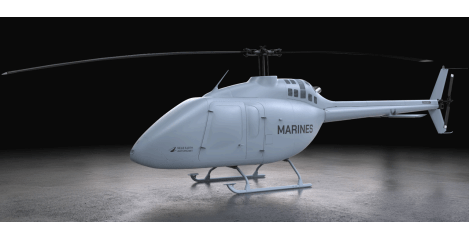
Near Earth Autonomy Wins MARV-EL Contract for Marine Corps Logistics Drone
The Naval Air Systems Command has selected Near Earth Autonomy, a Pittsburgh-based autonomy specialist, to collaborate with Bell Textron, Moog, and XP Services on the development of an uncrewed Bell 505 aircraft. This partnership is part of the Medium Aerial Resupply Vehicle – Expeditionary Logistics (MARV-EL) Increment 2 program, which aims to create a prototype autonomous logistics aircraft for the U.S. Marine Corps. The contract, awarded recently, is intended to enhance the Marine Corps' logistical capabilities by providing a reliable and efficient aerial resupply solution.
AI Drone News Drone News Feeds Logistics News US Government
Logic Robotics Unveils Logic Pallet: A Breakthrough in Autonomous Mobile Logistics
Logic Robotics has introduced the Logic Pallet, the first mobile robot designed for multifacility logistics automation. This innovative solution aims to enhance the efficiency of logistics and material handling across various industries. The Logic Pallet is engineered to automate the movement of goods both between and within facilities, providing a comprehensive end-to-end automation solution. This advancement supports a fully autonomous, data-driven, and sustainable global supply chain, marking a significant step forward in logistics technology. As the logistics industry continues to evolve, the introduction of the Logic Pallet sets a new standard for automation. Stakeholders should monitor its deployment and impact on supply chain efficiency, as well as its potential to reshape logistics operations in the future. No further timeline was disclosed at the time of publication.

ByteDance Investigates Autonomous Driving Technology for Unmanned Logistics Solutions
ByteDance is currently investigating autonomous driving technology aimed at unmanned logistics, as reported by Chinese media. This initiative is being developed by the world model team within Seed, ByteDance's AI research unit, and is linked to Volcengine’s automotive industry line. The significance of this exploration lies in ByteDance's commitment to advancing large model research, which includes initial forays into physical AI. However, the company has clarified that it does not intend to establish a smart driving business, indicating a focus on research rather than commercial deployment. Looking ahead, it will be important to monitor ByteDance's developments in this area, particularly how their research may influence the logistics sector. No further timeline was disclosed at the time of publication.
News Feed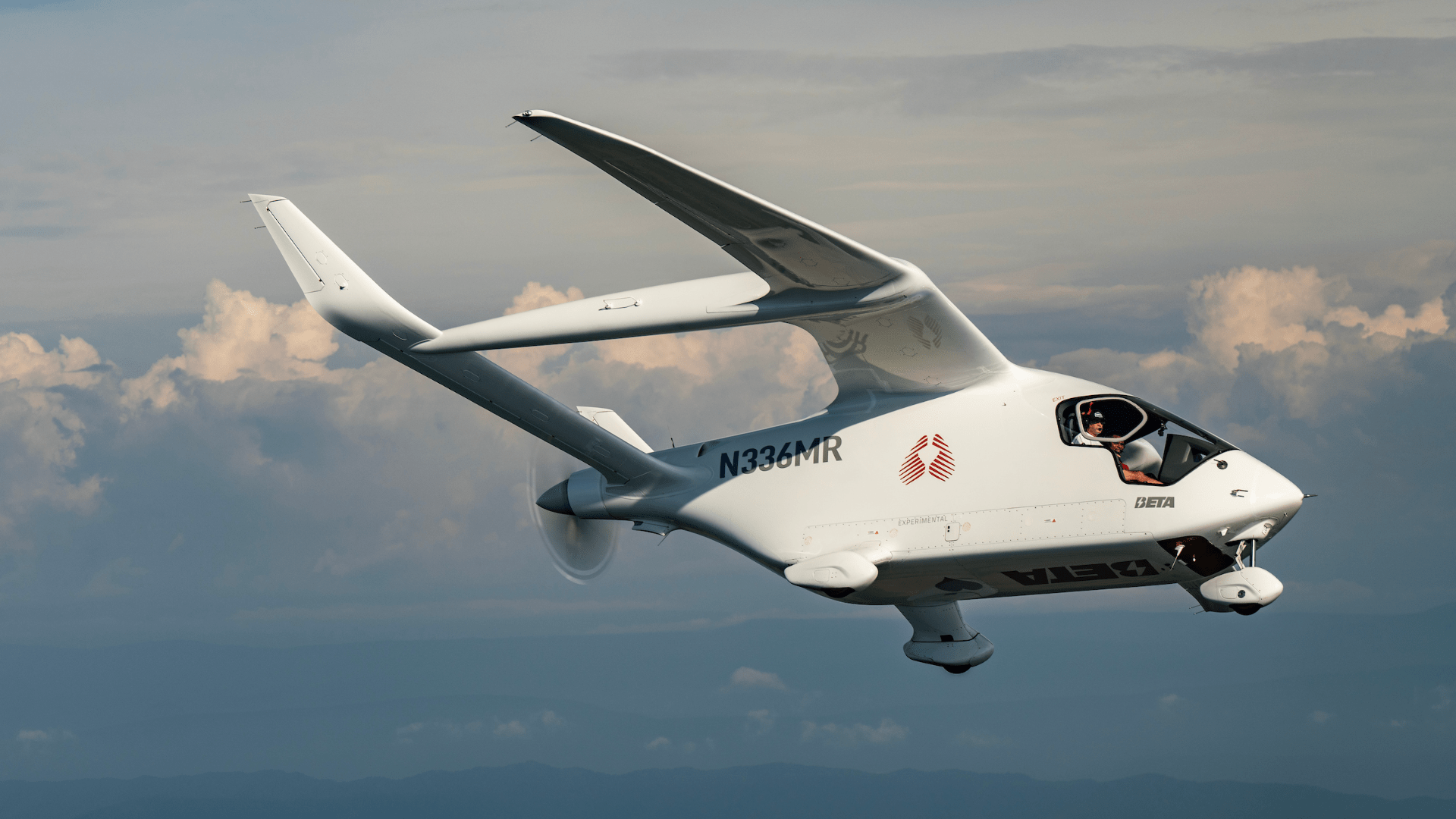
BETA Technologies Completes Multistate Electric Aircraft Flights for Medical Logistics
BETA Technologies has successfully conducted a series of electric aircraft flights spanning Virginia and Maryland, as part of the FAA’s eVTOL Integration Pilot Program. The flights covered approximately 275 nautical miles, connecting airports in Blacksburg and Charlottesville, Virginia, to Frederick and Baltimore County, Maryland. This achievement marks a significant milestone in evaluating advanced air mobility within existing airspace systems. The significance of these flights lies in their potential to enhance medical logistics, particularly in organ delivery operations. BETA Technologies is collaborating with United Therapeutics to develop electric aircraft systems that aim to make organ transportation more affordable and sustainable. The partnership has already led to advancements in aircraft design, autonomous flight technologies, and charging infrastructure, with over 160,000 nautical miles of flight testing completed to date. Looking ahead, the eVTOL Integration Pilot Program will continue to provide valuable data to inform future certification rules and operational standards for advanced air mobility. The Pennsylvania Department of Transportation, leading the Multistate Collaborative eIPP National Integration Complex, is working with multiple states and industry stakeholders to further develop and test these innovative aviation technologies. No further timeline was disclosed at the time of publication.
Transportation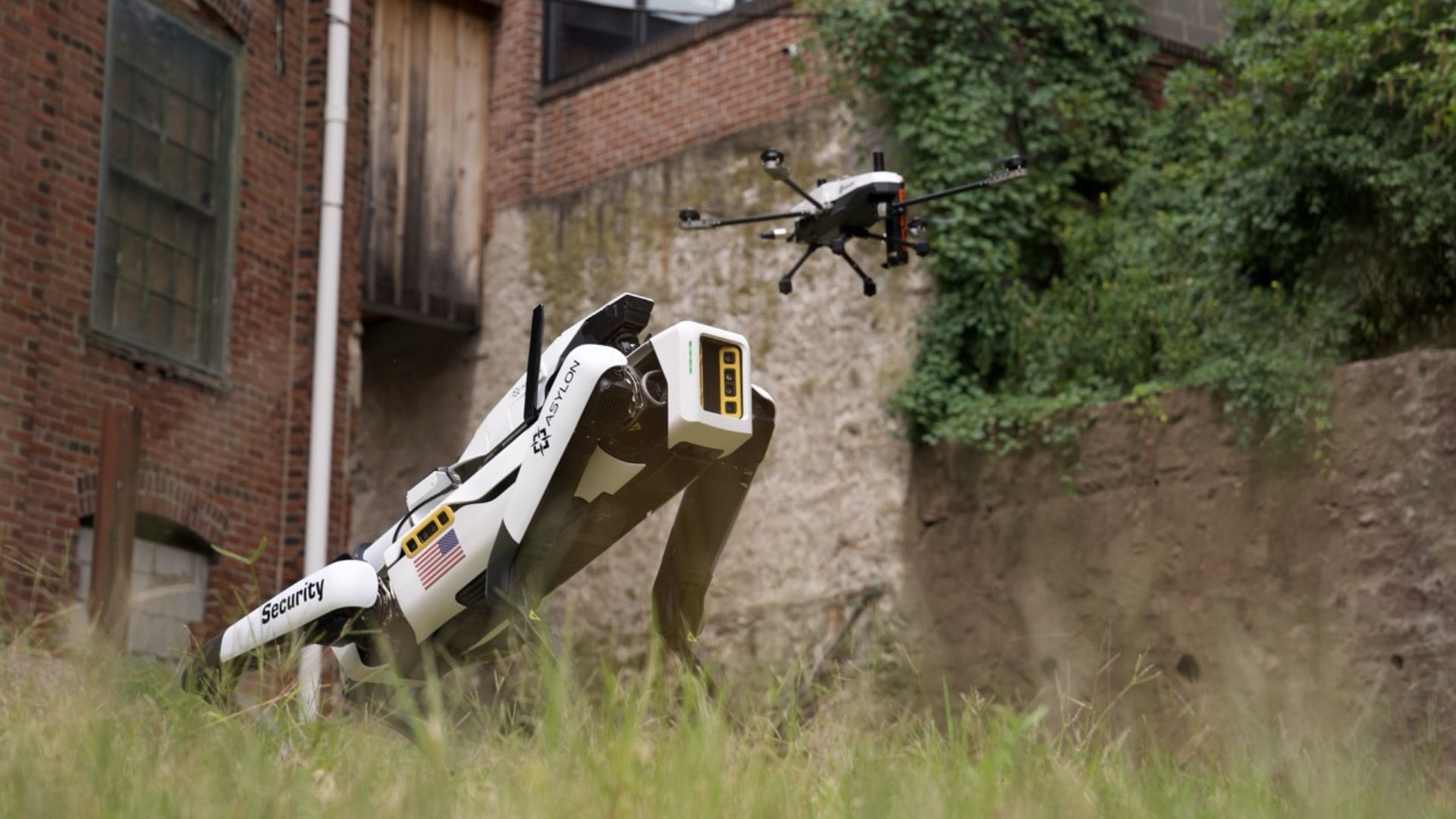
Asylon's MARIA System Enhances Aircraft Inspections for U.S. Air Force
Asylon has secured a Phase Three contract with the U.S. Air Force's Warner Robins Air Logistics Complex to deploy its Multi-modal Autonomous Robotics for Inspection of Aircraft (MARIA) system. This initiative aims to streamline aircraft inspections by integrating air and ground robotic platforms, significantly reducing the time for general visual inspections while enhancing consistency in maintenance tasks. The MARIA system combines Asylon's Guardian unmanned aircraft with the DroneDog Q-UGV, utilizing the Range autonomy software and DroneIQ command-and-control system for efficient inspection management. The significance of this deployment lies in its potential to transform aircraft maintenance operations. By automating inspections, the MARIA system not only improves inspection quality but also mitigates the risks associated with labor-intensive tasks. The integration of imagery, LiDAR data, and telemetry into a single platform allows maintenance personnel to make informed decisions quickly, thereby enhancing aircraft readiness without increasing manpower demands. This project marks a pivotal shift in how the Air Force approaches maintenance, leveraging autonomous technologies to optimize operational efficiency. Looking ahead, the success of the MARIA deployment at Warner Robins could lead to broader adoption of these technologies across military maintenance organizations. No further timeline was disclosed at the time of publication, but the ongoing collaboration between Asylon and the Air Force may pave the way for future advancements in defense sustainment operations, particularly in the realm of autonomous inspections and maintenance support.
Military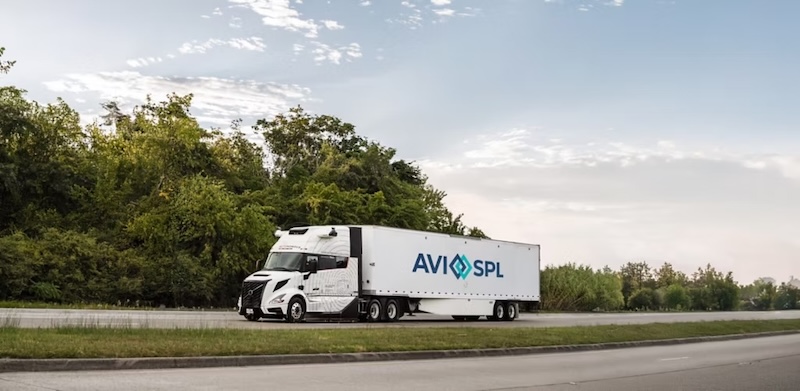
AVI-SPL and Volvo Autonomous Solutions Launch Freight Operations Between Dallas and Houston
AVI-SPL, in partnership with Volvo Autonomous Solutions, has initiated commercial autonomous freight operations between Dallas and Houston using the Volvo VNL Autonomous vehicle powered by the Aurora Driver. This operation will facilitate the transport of audio-visual electronics, including new products and end-of-life equipment for recycling, enhancing AVI-SPL's Electronic Recycling Program. This collaboration is significant as it addresses the increasing freight demand in the U.S. amid a shortage of qualified drivers and delivery capacity constraints. By leveraging autonomous transport technologies, AVI-SPL aims to improve logistics operations, enhance service delivery, and meet the needs of time-sensitive freight, thereby reinforcing its position as a leader in the industry. Looking ahead, this partnership represents a pivotal advancement in the application of autonomous trucking in logistics. As freight capacity demand escalates, the focus will be on how these technologies can enhance supply chain efficiency, improve asset utilization, and ensure cargo security. No further timeline was disclosed at the time of publication.
Autonomous Vehicles News Technology aurora driver autonomous freight autonomous trucking
Asylon secures Phase Three contract for MARIA aircraft inspection system development
Asylon has been awarded a Phase Three contract by the Warner Robins Air Logistics Complex (WR-ALC) to advance its Multi-modal Autonomous Robotics for Inspection of Aircraft (MARIA) system. This contract focuses on further development, integration, and demonstration of the MARIA technology at the WR-ALC facility, enhancing aircraft inspection processes. The significance of this contract lies in the increasing demand for automation in aircraft maintenance and inspection. Asylon's MARIA system aims to improve efficiency and accuracy in inspections, which is crucial for maintaining operational readiness in military and commercial aviation sectors. The integration of autonomous robotics is expected to streamline workflows and reduce human error. Looking ahead, stakeholders will be monitoring the progress of the MARIA system's development and its subsequent demonstration at WR-ALC. No further timeline was disclosed at the time of publication, but successful implementation could set a precedent for similar technologies in the aerospace industry.
News
FAULHABER designs DualGear for autonomous logistics systems
FAULHABER has unveiled its latest innovation, the DualGear, specifically engineered to enhance performance in space-constrained autonomous logistics applications. This development aims to address the growing demand for efficient and compact solutions in the logistics sector, where maximizing space and performance is crucial. The introduction of DualGear reflects FAULHABER's commitment to advancing technology in the field of automation, particularly in environments where traditional systems may fall short. By integrating this new gear system, the company seeks to improve operational efficiency and reliability in autonomous logistics operations.
Actuators / Motors / Servos AGVs Autonomous Mobile Robots (AMRs) drive Logistics Motion Control
JD Logistics unveils five-year plan to deploy millions of robots, autonomous vehicles, and drones
JD Logistics revealed on Friday its ambitious plan to acquire three million robots, one million autonomous vehicles, and 100,000 drones over the next five years. This initiative aims to significantly enhance automation within its logistics and supply chain network. The company has already successfully deployed its "Wolf Pack" series of robots across more than 20 provinces, showcasing its commitment to advancing operational efficiency and technological integration in its services. By investing in these advanced technologies, JD Logistics seeks to streamline its operations and improve service delivery, positioning itself as a leader in the rapidly evolving logistics sector.
News Feed
Comau unveils MYMR, a scalable autonomous mobile robot family engineered to optimize intralogistics efficiency
Comau, a leader in automation solutions, has announced the launch of three new Autonomous Mobile Robots (AMRs) aimed at improving intralogistics and warehouse automation. This development comes as part of the company's ongoing efforts to enhance operational efficiency and reduce labor costs in the logistics sector. The introduction of these robots is set to take place in October 2023, with the deployment expected to revolutionize the way goods are transported within warehouses. By utilizing advanced navigation and AI technology, the AMRs will facilitate seamless movement of materials, allowing for increased productivity and safety in busy warehouse environments. This strategic move reflects Comau's commitment to innovation and its response to the growing demand for automated solutions in the supply chain industry.
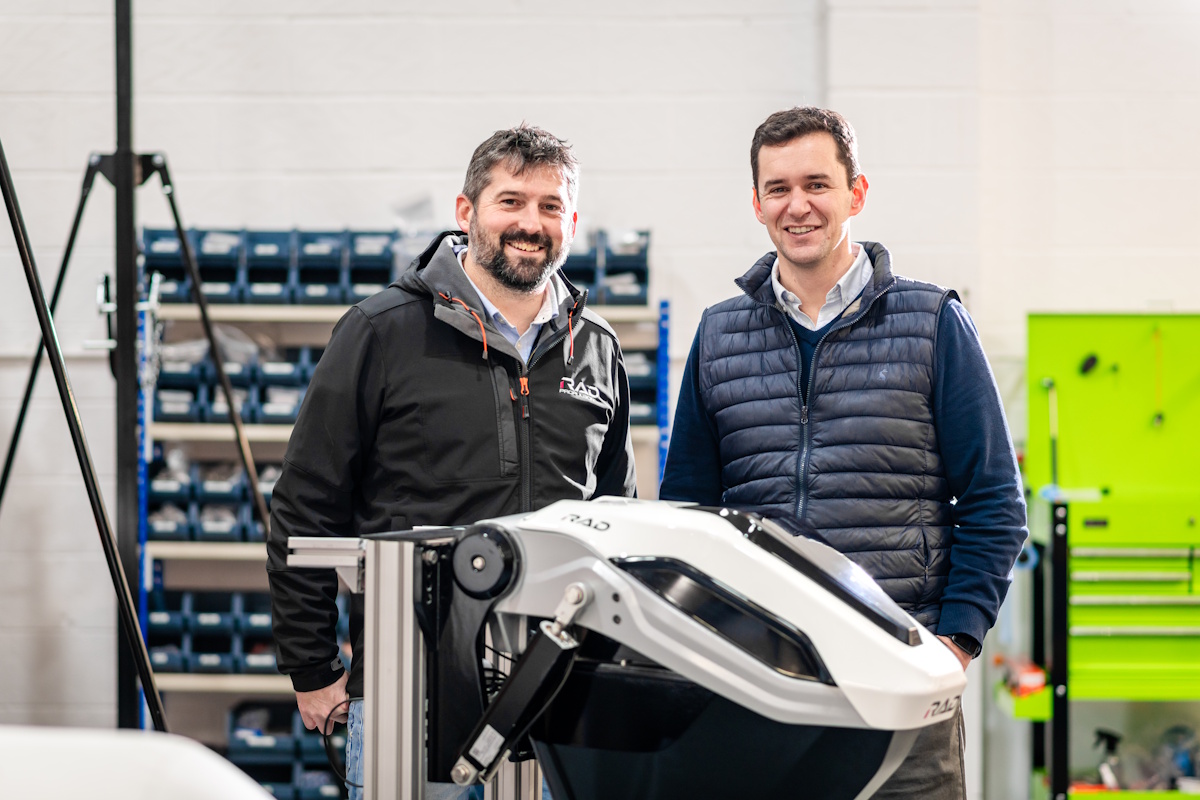
RAD Secures £4.4 Million Funding to Enhance Autonomous Marine Technology and Electric Propulsion Systems
RAD, a marine technology firm, has successfully raised £4.4 million in funding to accelerate the commercialization of its autonomous vessel technologies and expand its electric propulsion systems. This funding round, led by Mercia Ventures, comes after a year of significant product development and customer engagement, including the launch of the Axon open systems architecture for uncrewed vessels at the Combined Naval Event in May 2026. The funding is crucial as RAD aims to capitalize on the growing demand for flexible and scalable marine solutions in both defense and commercial sectors. The Axon architecture allows for rapid development and integration of uncrewed vessel capabilities, which is expected to enhance operational efficiency and reduce vendor lock-in for operators. With this investment, RAD is positioned to lead the electrification shift in marine technology, similar to trends seen in road transport. Looking ahead, RAD plans to utilize the funds for international expansion, including establishing a presence in the U.S. market, and further developing its electric propulsion systems and energy management technologies. The company is also focused on enhancing its engineering capabilities to meet the increasing demand from its diverse customer base. No further timeline was disclosed at the time of publication.
rad raise investment commercialisation autonomous marine technology propulsion systems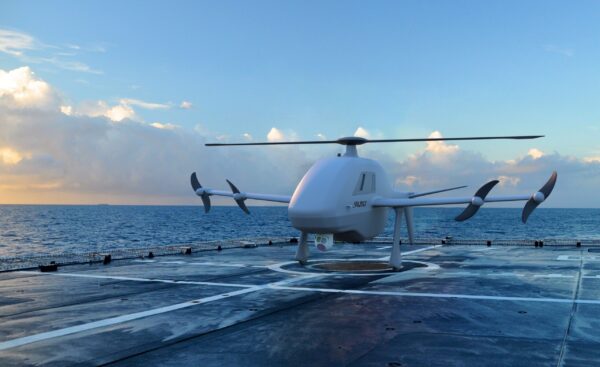
From The Floor of XPONENTIAL: AIRO and Jaunt Reveal Dual-Use VTOL Aircraft for Defense and Cargo Missions
At the AUVSI XPONENTIAL 2026 event in Detroit on May 12, AIRO Group Holdings showcased its full-scale autonomous vertical takeoff and landing (VTOL) aircraft, developed in collaboration with Jaunt Air Mobility. This innovative aircraft is designed to serve dual purposes in defense, specifically for intelligence, surveillance, reconnaissance (ISR), and cargo logistics, as well as remote operations. The unveiling highlights the growing interest in autonomous technology within the aerospace and defense sectors, aiming to enhance operational efficiency and versatility in various mission scenarios.
Cargo Defense defense Delivery Drone News Drone News Feeds
SAP SE (SAP), Cyberwave Deploy Autonomous AI Robots in Logistics Warehouse
SAP SE and Cyberwave have successfully deployed fully autonomous, AI-powered robots in SAP's logistics warehouse located in St. Leon-Rot, Germany, as of May 11, 2026. This initiative represents a significant advancement for SAP, transitioning its Physical AI technology from research to practical application. The robots, powered by SAP’s cloud-native Logistics Management solution and the SAP Business Technology Platform, are now capable of performing various tasks including box folding, packaging, and shipping fulfillment. The deployment addresses common challenges in logistics robotics, such as unpredictable environments and diverse object shapes that often hinder traditional systems. Cyberwave's innovative platform utilizes Vision-Language-Action and Reinforcement Learning models, enabling non-expert operators to teach robots new tasks through simple demonstrations. This approach significantly reduces training time from weeks to hours and allows robots to adapt to dynamic conditions in real-time. As a result of this integration, SAP has reported increased warehouse throughput and a decrease in physically demanding tasks for human workers. The project serves as a successful reference implementation, showcasing how a robust digital infrastructure combined with adaptive AI can enhance logistics operations. Both SAP and Cyberwave are now focused on further developing these Embodied AI capabilities to support future large-scale deployments.

GMEX Robotics Advances Autonomous Hospital Logistics Platform to Enhance Safety, Efficiency and Operational Workflow
GMEX Robotics Corporation has announced a significant upgrade to its Hospital Logistics Robot, aimed at enhancing safety and efficiency in healthcare settings. This development, revealed on April 21, 2026, addresses ergonomic challenges faced by medical staff and patients, who often struggle with existing robots that require bending to retrieve items. The new design improves durability and usability, allowing for optimized delivery height and safer interactions in high-traffic hospital environments. The autonomous, battery-powered robot is equipped with advanced technologies, including artificial intelligence, multi-dimensional sensing, and real-time obstacle detection, facilitating seamless transport and handling of medical materials. To ensure security and accountability, the platform incorporates multi-layered verification protocols such as facial recognition and barcode scanning, restricting access to authorized personnel only. CEO Sam Lu emphasized the pressing need for intelligent automation solutions in healthcare, stating that the advancements in hospital logistics robotics are designed to alleviate operational strain and enhance clinical staff's focus on patient care. This upgrade is part of GMEX Robotics' broader strategy to expand its presence in the healthcare sector, supported by ongoing research and development efforts aimed at improving performance and usability across its technology stack.
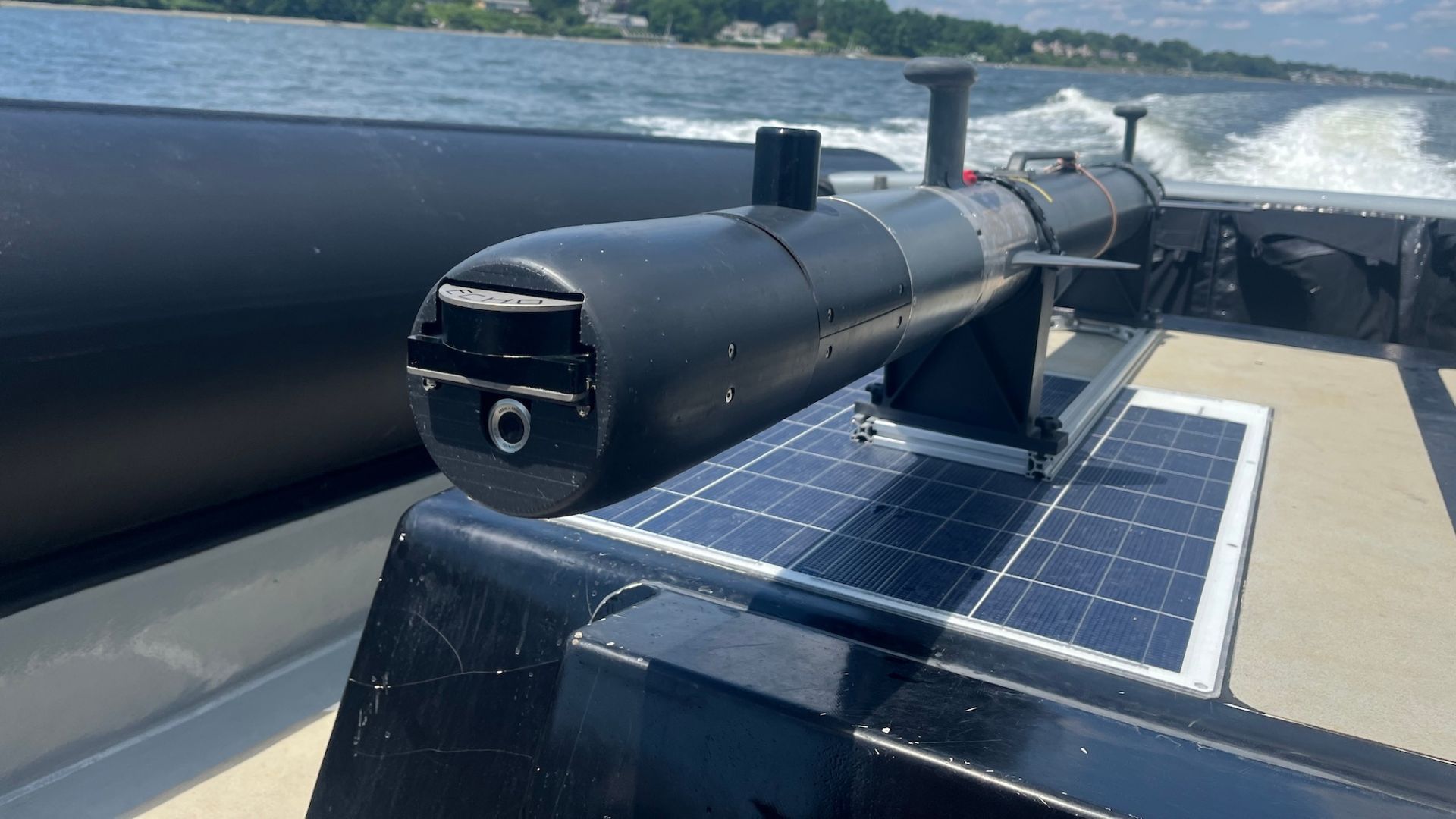
Vatn Systems Launches SIGURD Autonomous System for Naval Mine Detection and Neutralization
U.S. defense startup Vatn Systems has unveiled SIGURD, a compact autonomous system designed to detect and neutralize naval mines. This innovative platform allows military operators to locate underwater mines without the need for large mine warfare vessels, addressing a critical challenge in naval operations. SIGURD is currently being tested by government customers, with deployment expected later this year. The introduction of SIGURD is significant as naval mines remain a cost-effective threat in maritime conflict, capable of disrupting shipping and delaying naval operations. Traditional mine countermeasure missions are resource-intensive, often requiring specialized ships and trained personnel. Vatn's autonomous underwater vehicle aims to streamline this process, enabling quicker responses to mine threats in contested waters. Looking ahead, Vatn Systems is preparing to support U.S. military and allied nations in expanding their autonomous mine warfare capabilities. The demand for such systems is rising, particularly in light of increasing tensions in strategic maritime regions. The successful testing of SIGURD against inert naval mines suggests a promising future for autonomous solutions in mine countermeasures.
Military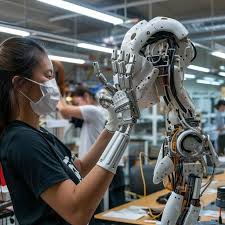
Forterra, Polaris tout new autonomous vehicle for CASEVAC, logistics
The MESA vehicle, engineered for logistics and casualty evacuation operations, is set to enhance military capabilities by effectively reaching the "last tactical mile." This innovative vehicle is designed to support troops in challenging environments, ensuring that essential supplies and medical assistance can be delivered where they are most needed. With its advanced features, the MESA aims to improve operational efficiency and response times during critical missions. The introduction of this vehicle reflects a growing emphasis on modernizing military logistics and enhancing support for personnel in the field.
Land Warfare Army autonomy casualty evacuation Drones Forterra
3D-printed autonomous interceptor aircraft targets hostile drone swarms at 350 mph
Colorado-based SkyDefense has introduced CobraJet, an autonomous interceptor aircraft designed to stop hostile drones before...
Military
Aptiv and Comau to Co-Develop Next-Generation Solutions for Robotics, Autonomous Systems, and Industrial Logistics
In a significant move towards enhancing industrial automation, leading technology firms have announced a collaborative initiative aimed at delivering safer, smarter, and more cost-effective solutions for the sector. This partnership, which includes major players in automation technology, was unveiled during a recent industry conference held in San Francisco on October 15, 2023. The collaboration seeks to address the growing demand for advanced automation systems that not only improve operational efficiency but also prioritize safety and sustainability. By pooling resources and expertise, the companies aim to develop innovative technologies that leverage artificial intelligence and machine learning, ultimately transforming the landscape of industrial operations. Industry experts emphasize that this initiative is crucial in responding to the challenges posed by increasing production demands and the need for more resilient supply chains. The collaborative effort will focus on integrating cutting-edge technologies into existing systems, thereby enhancing productivity while reducing costs. Through a series of joint research projects and pilot programs, the partners plan to test and implement new automation solutions across various sectors, including manufacturing, logistics, and energy. This strategic alliance represents a proactive approach to fostering innovation and ensuring that industrial automation keeps pace with the evolving needs of the market.

Autonomous Transportation Robots for Finished Vehicle Docking in RORO Logistics Terminal: Design, Control, and Implementation
In a recent study published in the Journal of Field Robotics, researchers explored advancements in robotic technologies aimed at enhancing agricultural efficiency. The research, conducted by a team of scientists from various institutions, was released in May 2026 and highlights the integration of autonomous systems in farming practices. The study emphasizes the growing need for innovative solutions in agriculture due to increasing global food demands and labor shortages. By implementing advanced robotics, the team aims to address these challenges, demonstrating how autonomous machines can improve crop monitoring, pest control, and harvesting processes. The researchers employed a combination of field tests and simulations to assess the performance of these robotic systems in real-world agricultural settings. Their findings indicate significant improvements in productivity and resource management, suggesting that the adoption of such technologies could lead to more sustainable farming practices. This research not only contributes to the field of robotics but also offers practical solutions for the agricultural sector, potentially transforming how food is produced and managed in the future.
RESEARCH ARTICLE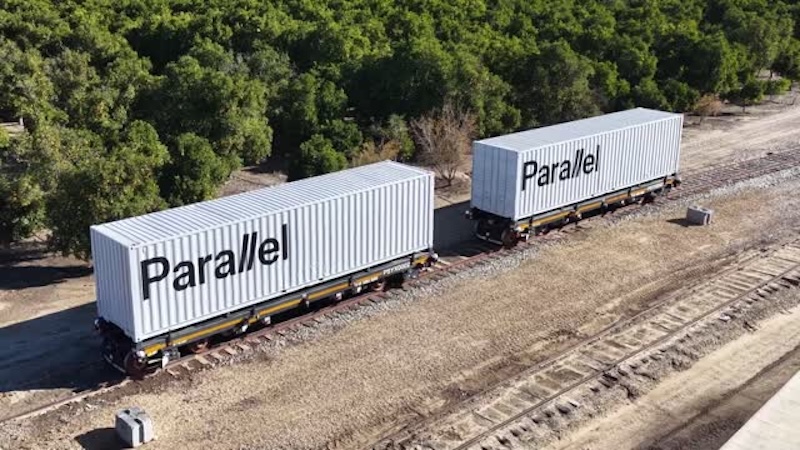
Interview: Parallel Systems CEO Matt Soule on building ‘the world’s first autonomous freight rail system’
In recent years, autonomous trucks have captured significant attention and investment in the freight transportation sector. However, freight rail is also experiencing a transformative shift, as highlighted by Matt Soule, founder and CEO of Parallel Systems. He asserts that autonomous rail technology could revolutionize the industry, offering a promising alternative to traditional freight methods. This development comes at a time when the logistics sector is increasingly seeking innovative solutions to enhance efficiency and reduce costs. As the demand for sustainable and automated transport solutions grows, the freight rail industry is positioning itself to leverage advancements in technology, potentially reshaping the future of cargo movement across the country.
Engineering Features Logistics Transportation ai logistics automation news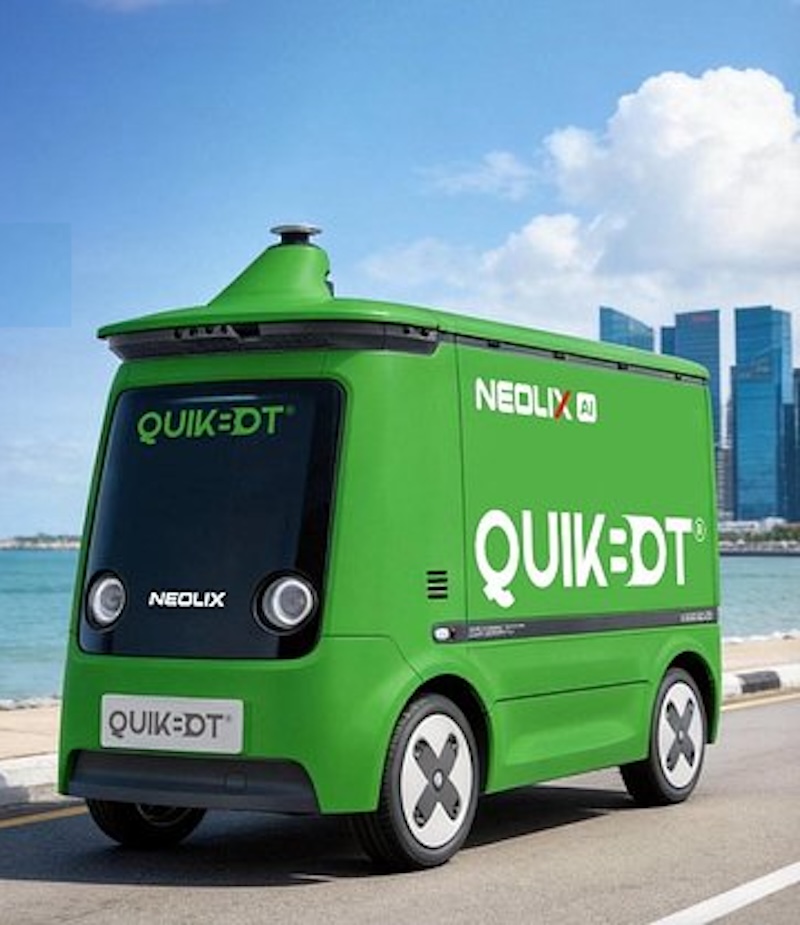
Neolix partners with QuikBot to develop autonomous delivery network
Neolix, a developer specializing in Level 4 autonomous logistics vehicles, has formed a strategic partnership with Singapore's QuikBot Technologies to create a comprehensive autonomous delivery solution. This collaboration aims to facilitate deliveries across public roads, building interiors, and directly to doorsteps. The partnership will support Neolix's pilot deployment in Singapore and assist in meeting compliance requirements, while also enhancing the autonomous delivery capabilities of both companies throughout the Asia-Pacific region.
Autonomous Vehicles Logistics News ai robotics automation news autonomous delivery
Serve Robotics expands beyond food delivery with autonomous laundry service
Serve Robotics has entered into a partnership with NoScrubs, an emerging on-demand laundry service, to expand its delivery offerings beyond prepared food. This collaboration, which marks Serve's inaugural venture into urban delivery for laundry, will kick off this week in select neighborhoods across Los Angeles. Utilizing Serve's fleet of autonomous sidewalk robots, the pilot program aims to deliver laundry orders directly to customers' doorsteps, enhancing convenience and efficiency in urban logistics.
Logistics News ai robotics automation news autonomous commerce autonomous delivery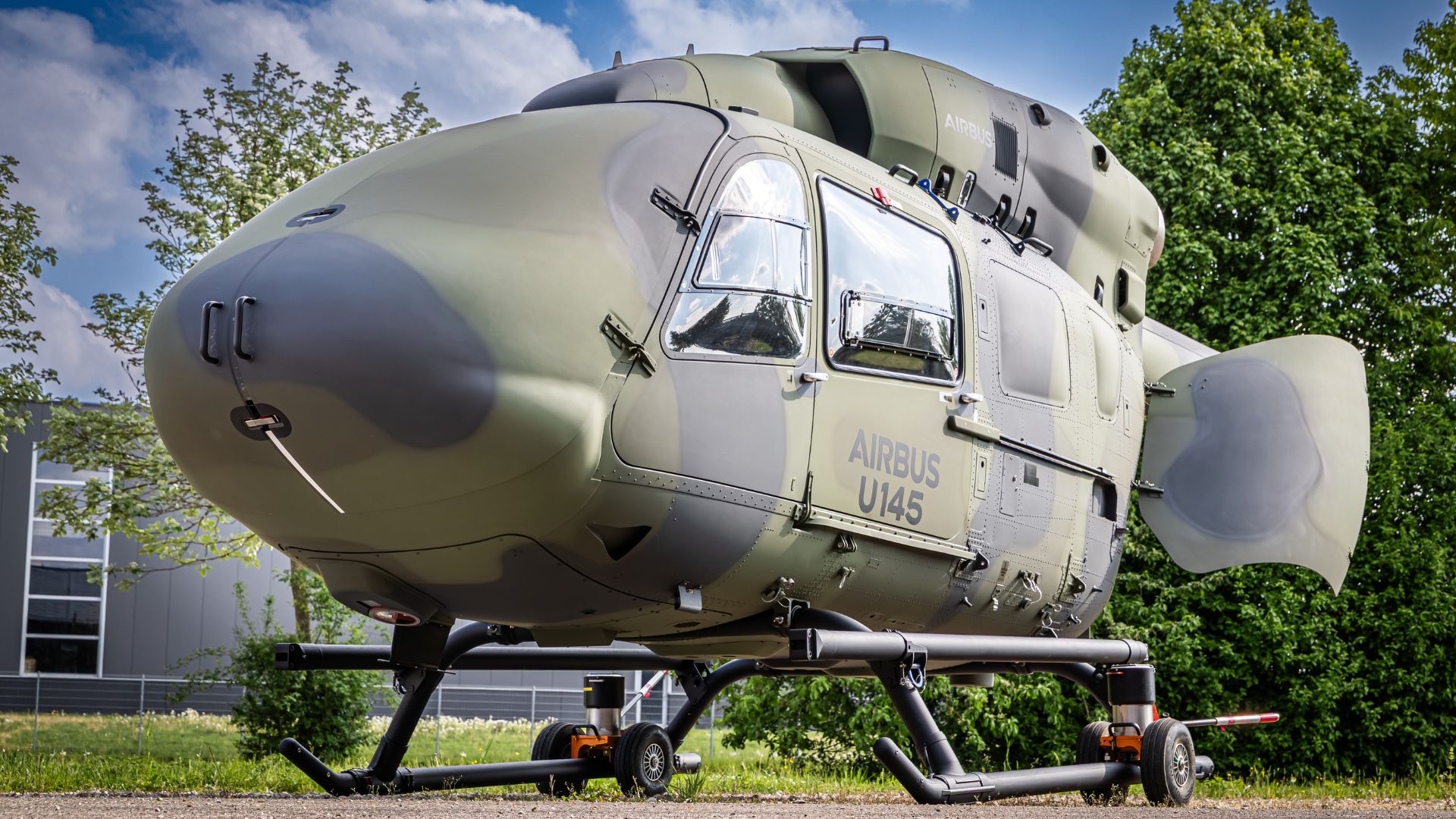
Airbus debuts U145 autonomous helicopter drone with no cockpit for military missions
Airbus Helicopters has unveiled a new autonomous aircraft derived from its widely-used H145 platform, marking a significant advancement in aviation technology. The announcement was made during the International Paris Air Show, which took place from June 19 to June 25, 2023. This innovative aircraft aims to enhance operational efficiency and safety in various sectors, including medical transport, search and rescue, and logistics. The motivation behind this development stems from the growing demand for unmanned aerial vehicles that can perform complex missions with minimal human intervention. By leveraging advanced automation and artificial intelligence, Airbus Helicopters seeks to address challenges in urban air mobility and improve response times in critical situations. The aircraft is designed to operate in diverse environments, showcasing its versatility and potential for integration into existing air traffic systems. Through rigorous testing and collaboration with regulatory bodies, Airbus aims to ensure that the new autonomous H145 meets safety standards and can be deployed effectively in real-world scenarios. This initiative reflects Airbus Helicopters' commitment to innovation and its vision for the future of aviation, where autonomous systems play a crucial role in enhancing air transport capabilities.
Airo unveils hybrid-electric rotary wing unmanned aircraft
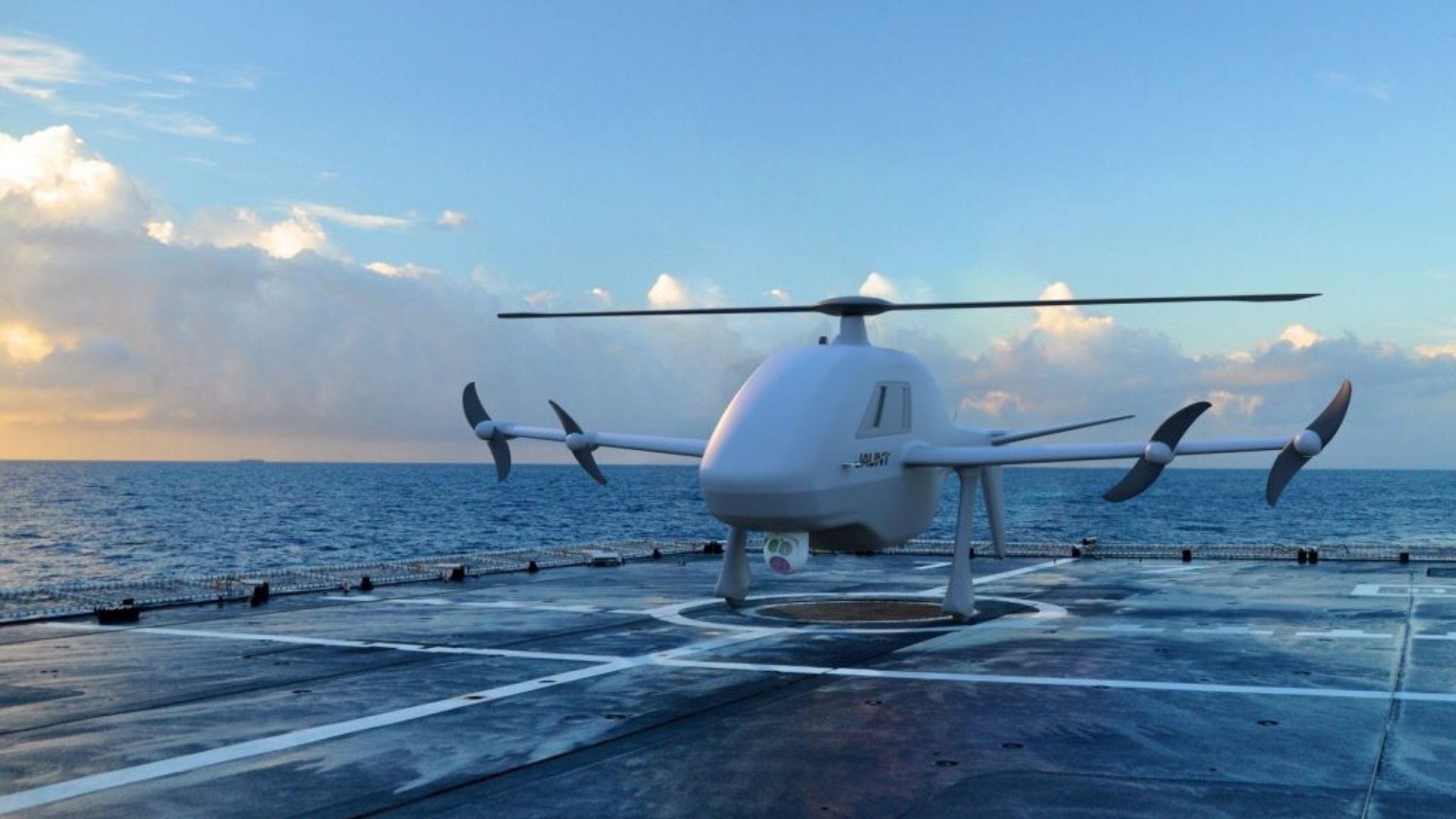
Airo Group Holdings has introduced its fully autonomous aircraft, the JX250/JC250 heavy-lift model, at the AUVSI XPONENTIAL 2026 event. This significant unveiling took place during the annual conference, which showcases advancements in unmanned and autonomous systems. The event, held in 2026, serves as a platform for industry leaders to present innovative technologies aimed at enhancing operational efficiency in various sectors. Airo Group's latest aircraft is designed to meet the growing demand for advanced aerial solutions, reflecting the company's commitment to pushing the boundaries of aviation technology. The JX250/JC250 is expected to play a crucial role in applications ranging from logistics to emergency response, demonstrating the potential of autonomous systems to transform traditional operations.
Autonomous freight developer Einride goes public via SPAC
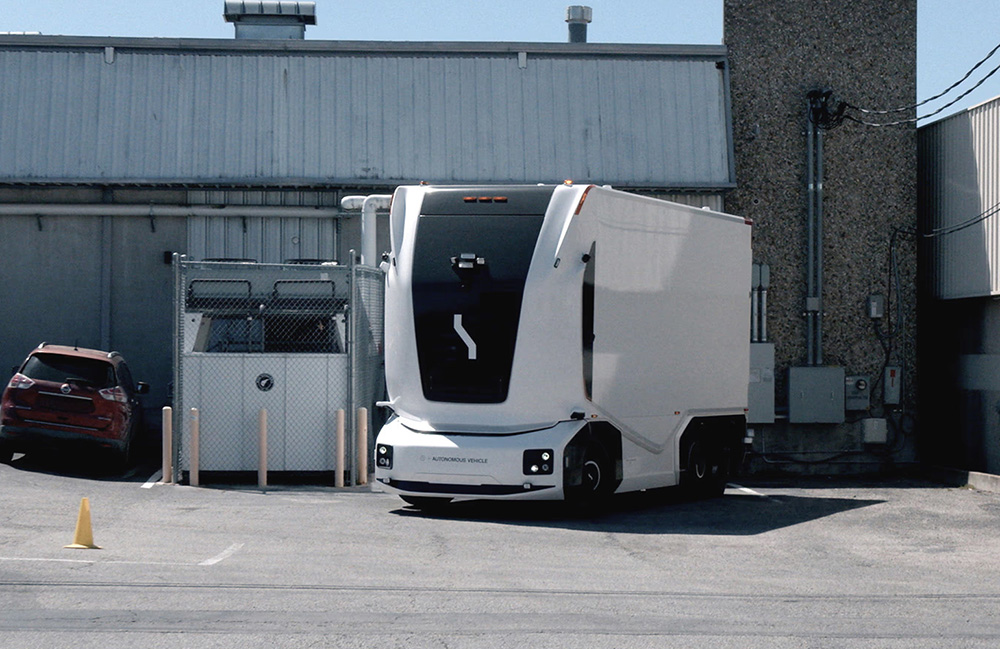
Einride, a Stockholm-based developer of autonomous freight solutions, has announced its plans to go public through a Special Purpose Acquisition Company (SPAC). The company operates a fleet of heavy-duty electric trucks that service Global Fortune 500 companies across the United States and Europe. This strategic move aims to enhance its growth and expand its operations in the rapidly evolving electric and autonomous transportation sectors. By leveraging the SPAC route, Einride seeks to access capital markets more efficiently, positioning itself for future advancements in sustainable logistics.
Artificial Intelligence Artificial Intelligence / Cognition Design / Development Financial Logistics Mergers & Acquisitions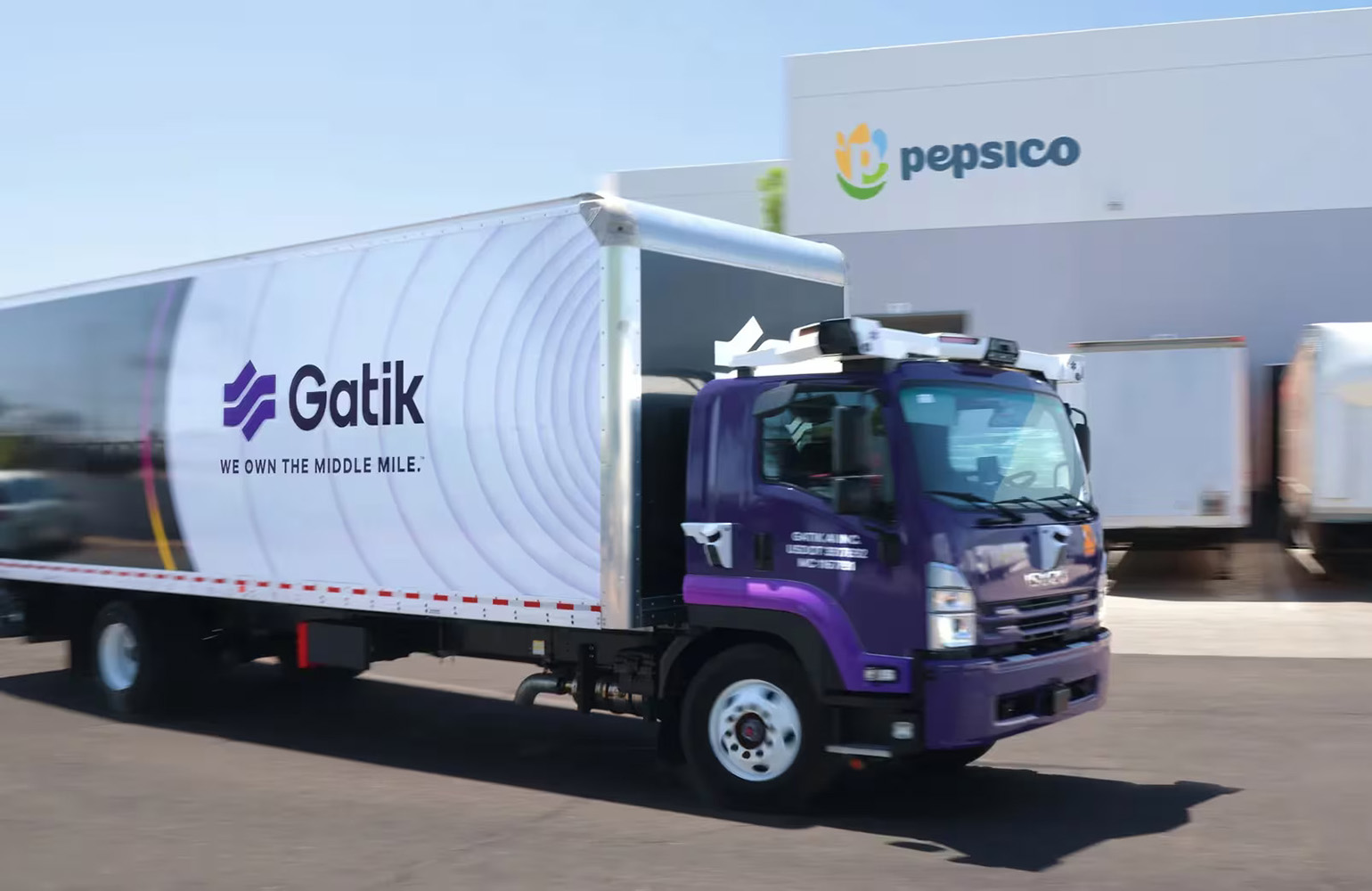
Gatik to bring autonomous freight to PepsiCo’s North American supply chain
PepsiCo has announced a partnership with Gatik to enhance its North American supply chain by integrating autonomous freight solutions. This collaboration aims to optimize PepsiCo's regional transportation networks, which facilitate the daily movement of products between various sites. By leveraging Gatik's technology, the beverage and snack giant seeks to improve efficiency and reduce operational costs in its logistics operations. The initiative reflects a growing trend in the industry to adopt automation in supply chain management, driven by the need for faster and more reliable delivery systems.
Artificial Intelligence Artificial Intelligence / Cognition Automotive Design / Development Food / Beverage Logistics
How Manufacturers Can Move from Basic Automation to Autonomous Material Movement in Production Logistics
Manufacturers are increasingly recognizing the importance of material movement as a strategic component of their operations, thanks to advancements in motion technology and robotics. This shift is transforming how companies approach material flow, allowing them to optimize and adapt their processes for greater efficiency and competitiveness. By leveraging these innovative tools, businesses can now treat material movement not just as a logistical necessity, but as a critical lever for enhancing overall performance. This evolution in manufacturing practices is expected to drive significant improvements in productivity and operational effectiveness as companies embrace these technologies.

SAP and Cyberwave Deploy Fully Autonomous AI-Powered Robots in Live SAP Logistics Warehouse
SAP has taken a significant step in its strategic expansion of Physical AI capabilities by operationalizing advanced robotics within its facilities. This initiative, announced last year, represents a major milestone for the company as it seeks to enhance its operational efficiency and innovation. By integrating advanced robotics into its operations, SAP aims to streamline processes and improve productivity. This development not only showcases SAP's commitment to leveraging cutting-edge technology but also positions the company at the forefront of the evolving landscape of automation in the industry. The implementation of these robotics is expected to take place in the coming months, reflecting SAP's ongoing efforts to transform its business practices and adapt to the demands of a rapidly changing market.

Aptiv and Comau to Co-Develop Next-Generation Solutions for Robotics, Autonomous Systems, and Industrial Logistics
Comau and Aptiv have announced their collaboration to co-develop next-generation intelligent automation solutions aimed at enhancing efficiency for industrial customers. This partnership, which seeks to leverage both companies' expertise in automation and advanced technologies, is expected to pave the way for innovative solutions that address the evolving needs of the manufacturing sector. The initiative comes at a time when industries are increasingly focusing on automation to improve productivity and reduce operational costs. By combining Comau's extensive experience in industrial automation with Aptiv's cutting-edge technology capabilities, the two companies aim to create systems that not only streamline processes but also integrate advanced data analytics and artificial intelligence. The collaboration is set to take place in various locations where both firms operate, with the goal of delivering impactful solutions to clients in the near future.

Coco Robotics Deploys Autonomous Delivery Robots with Uber Eats in San Jose
Coco Robotics, recognized as the largest urban robot delivery platform globally and recently honored as one of Fast Company’s World’s Most Innovative Companies in logistics, has launched its autonomous delivery service in San Jose, California. This expansion allows residents, workers, and businesses in the city’s urban core to benefit from the convenience of robotic deliveries. The service is now operational, enhancing accessibility and efficiency in local logistics.
AI AI Use Cases Robotics autonomous delivery robot California Coco Robotics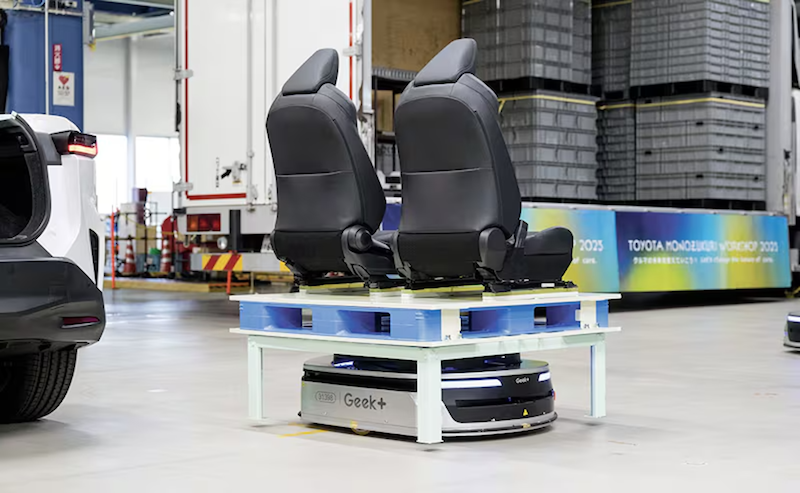
Geekplus intalls more than 400 autonomous mobile robots at multiple Toyota plants
Geekplus has initiated the deployment of moving-type Autonomous Mobile Robots (AMRs) at multiple Toyota Motor Corporation plants across Japan. This strategic move comes in response to labor shortages stemming from the country's declining population and evolving labor market dynamics. Currently, 436 Geekplus AMRs are actively operating within Toyota's manufacturing facilities, with each system managing around 200 units. The integration of these robots aims to enhance operational efficiency and address workforce challenges, reflecting a growing trend in automating production processes within the automotive industry.
News Warehouse robots amrs automation news autonomous mobile robots factory automation
Autonomous truck company Einride now listed on Nasdaq
Einride, a technology firm focused on advancing electric and autonomous freight solutions, has officially launched its American depository shares and warrants on the Nasdaq Global Market and Nasdaq Capital Market. Trading commenced today under the ticker symbols “ENRD” for the shares and “ENRDW” for the warrants. This significant milestone marks Einride's entry into the public market, a move aimed at enhancing its visibility and attracting investment to further its mission of promoting cost-efficient freight solutions. The company's leadership is celebrating this achievement as a pivotal step in its growth strategy.
Autonomous Vehicles News ai logistics automation news autonomous freight autonomous trucks
Volvo and Boliden complete dam construction milestone with autonomous transport
Volvo Autonomous Solutions and Boliden have successfully concluded an autonomous transport project at Boliden’s Garpenberg site in Sweden. This initiative represents a significant milestone in their collaboration, following a memorandum of understanding signed earlier in 2023. The project aims to enhance efficiency in mineral transport operations and is expected to pave the way for future joint ventures between the two companies. The successful implementation of autonomous transport technology at Garpenberg underscores the growing trend towards automation in the mining industry, driven by the need for improved safety and productivity.
Autonomous Vehicles News automation news autonomous haulage autonomous logistics autonomous mining
ByteDance Explores Autonomous Driving with Seed's World Model Team in Charge
ByteDance is venturing into the autonomous driving sector, led by the world model team under Seed, which is part of its strategic research division. This initiative aims to integrate autonomous logistics solutions, leveraging existing technologies and talent from the company’s AI research efforts. The project is currently in its early preparation stages, with ByteDance reportedly engaging with top autonomous driving teams and recruiting skilled professionals in the field. The significance of this move lies in ByteDance's potential to disrupt the autonomous driving industry, especially as the world model has become a technical consensus among leading companies. With its resources and expertise, ByteDance could redefine the landscape of autonomous driving, which is increasingly recognized as a critical application of embodied AI. The company has previously expressed interest in automotive technology, indicating a strategic alignment with the growing demand for intelligent driving solutions. Looking ahead, ByteDance's entry into autonomous driving may enhance its capabilities in embodied intelligence by providing access to valuable real-world data. This data could be instrumental in refining its world models, thereby facilitating advancements in embodied AI applications. As the industry evolves, ByteDance's involvement could significantly impact the competitive dynamics of the autonomous driving sector, especially given its substantial resources and talent pool.

Advanced Battery Technology Enhances Performance for Autonomous Vehicles and Robotics
Recent advancements in battery technology are enabling intelligent machines to operate continuously, enhancing performance and efficiency. This technology is specifically designed for applications in autonomous vehicles, robotics, satellites, and drones, allowing for longer life and improved operational capabilities under high-demand conditions. The significance of these developments lies in their potential to transform various industries by supporting the growing demand for reliable and efficient power sources. As intelligent machines become more prevalent, the ability to sustain high-performance operations is crucial for sectors such as transportation, logistics, and aerospace. Looking ahead, stakeholders should monitor the integration of these advanced battery systems into existing platforms and the emergence of new applications. No further timeline was disclosed at the time of publication.
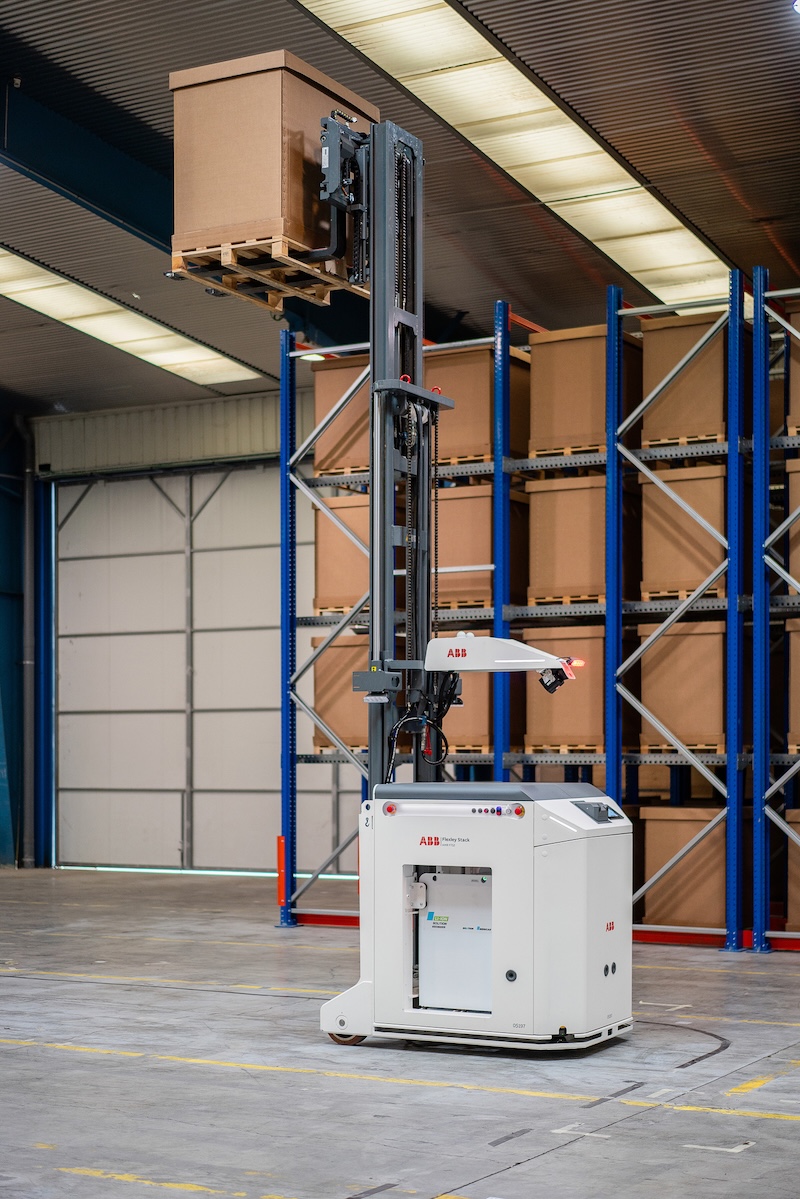
ABB Robotics completes Visual SLAM AMR range with autonomous forklift launch
ABB Robotics is expanding its Autonomous Mobile Robotics (AMR) portfolio with the launch of the Flexley Stack F712, creating a complete interoperable ecosystem across all major Visual SLAM AMR types. Combining autonomous forklifts, tugs and movers on one platform, ABB Robotics enables customers to automate a broader range of material-handling and intralogistics processes. Offering market-leading […]
Material handling News Warehouse robots abb robotics ai AMR Studio
Interview with Pony.ai's Peng Jun: A "Dissenting Consensus" Autonomous Driving Company
In 2016, Peng Jun founded Pony.ai with the foresight that the widespread implementation of Robotaxi services would require at least a decade of effort, considering technological advancements, legal frameworks, and societal acceptance. Today, companies like Waymo in San Francisco and Pony.ai in Shenzhen have successfully integrated autonomous vehicles into commercial operations. However, Peng noted that the absence of human drivers has created challenges in operational logistics, such as vehicle maintenance and customer assistance, which were previously managed by drivers. In a recent interview, Peng discussed Pony.ai's strategies for supporting its autonomous fleet, including the establishment of an operations team to create logistics standards that encompass remote safety personnel and ground support staff. He emphasized that even as the fleet expands, the ratio of personnel to vehicles will not significantly increase, a factor often overlooked by traditional ride-hailing companies entering the Robotaxi market. Despite the challenges, Pony.ai's seventh-generation vehicles have achieved profitability in cities like Guangzhou and Shenzhen, with plans to scale the fleet to 3,500 vehicles this year. Peng expressed skepticism about the ability of traditional automakers and ride-hailing platforms to transition into the Robotaxi space, highlighting the complexities involved in achieving Level 4 autonomy. While competitors are rapidly announcing their own Robotaxi initiatives, Peng cautioned that execution is far more challenging than mere declarations. He believes that operational efficiency, rather than manufacturing capability, will be the key determinant of success in the Robotaxi sector. As the industry evolves, Pony.ai remains focused on refining its business model while navigating the complexities of autonomous vehicle operations.
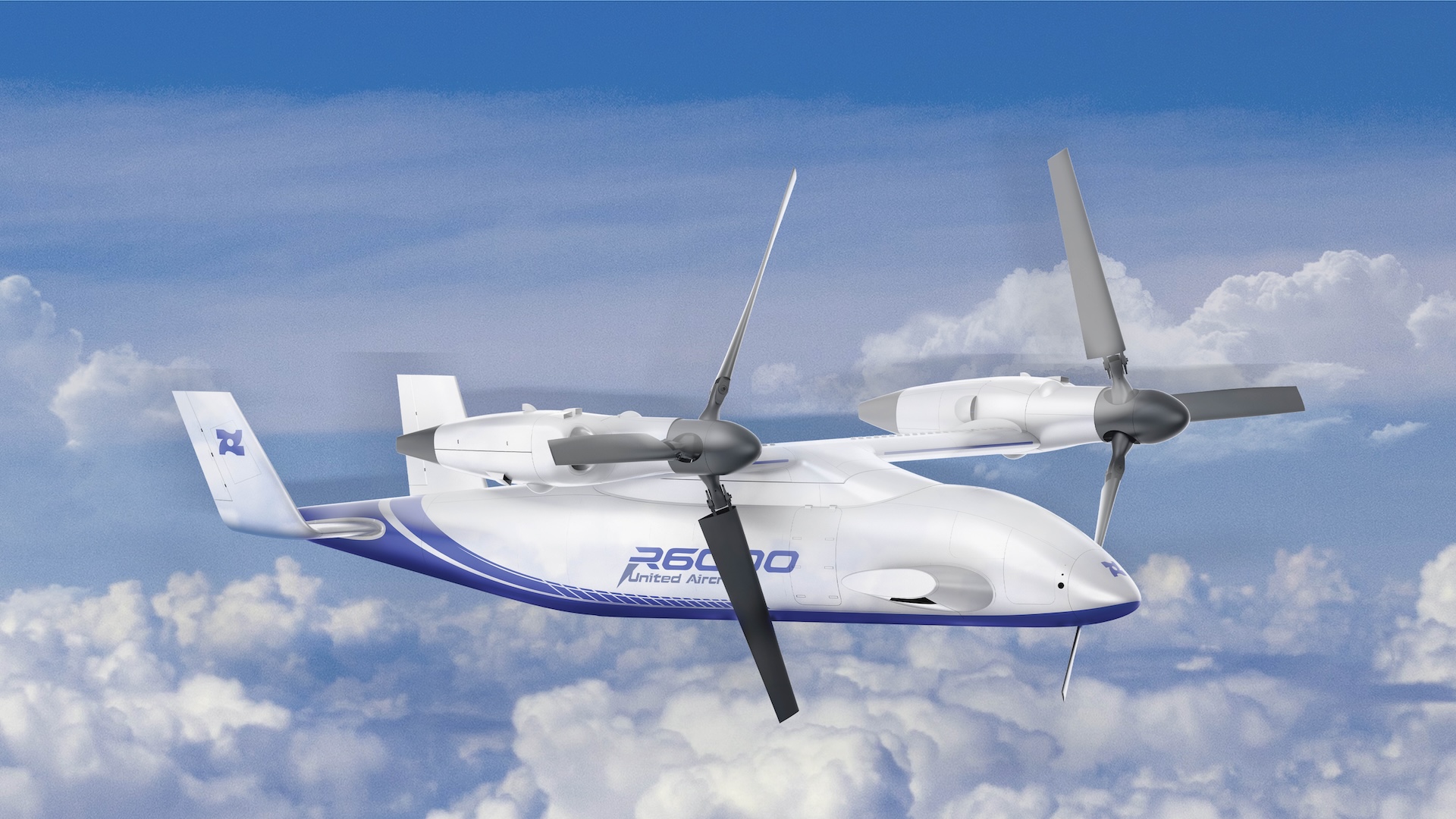
China’s giant 6-ton autonomous tiltrotor drone enters full free-flight testing
China’s R6000, recognized as one of the largest uncrewed tiltrotor aircraft globally, has commenced full free-flight testing. This significant development took place recently, marking a crucial step in advancing the country's aerospace capabilities. The testing is being conducted in various locations, showcasing the aircraft's versatility and potential applications in both military and civilian sectors. The motivation behind this initiative is to enhance China's technological prowess in aviation and to explore new operational possibilities for unmanned aerial vehicles. The R6000's design allows it to take off and land vertically while also achieving high-speed horizontal flight, which could revolutionize transport and logistics in challenging environments. As the testing progresses, engineers and researchers are closely monitoring the aircraft's performance to ensure safety and efficiency, paving the way for future innovations in unmanned flight technology.
Military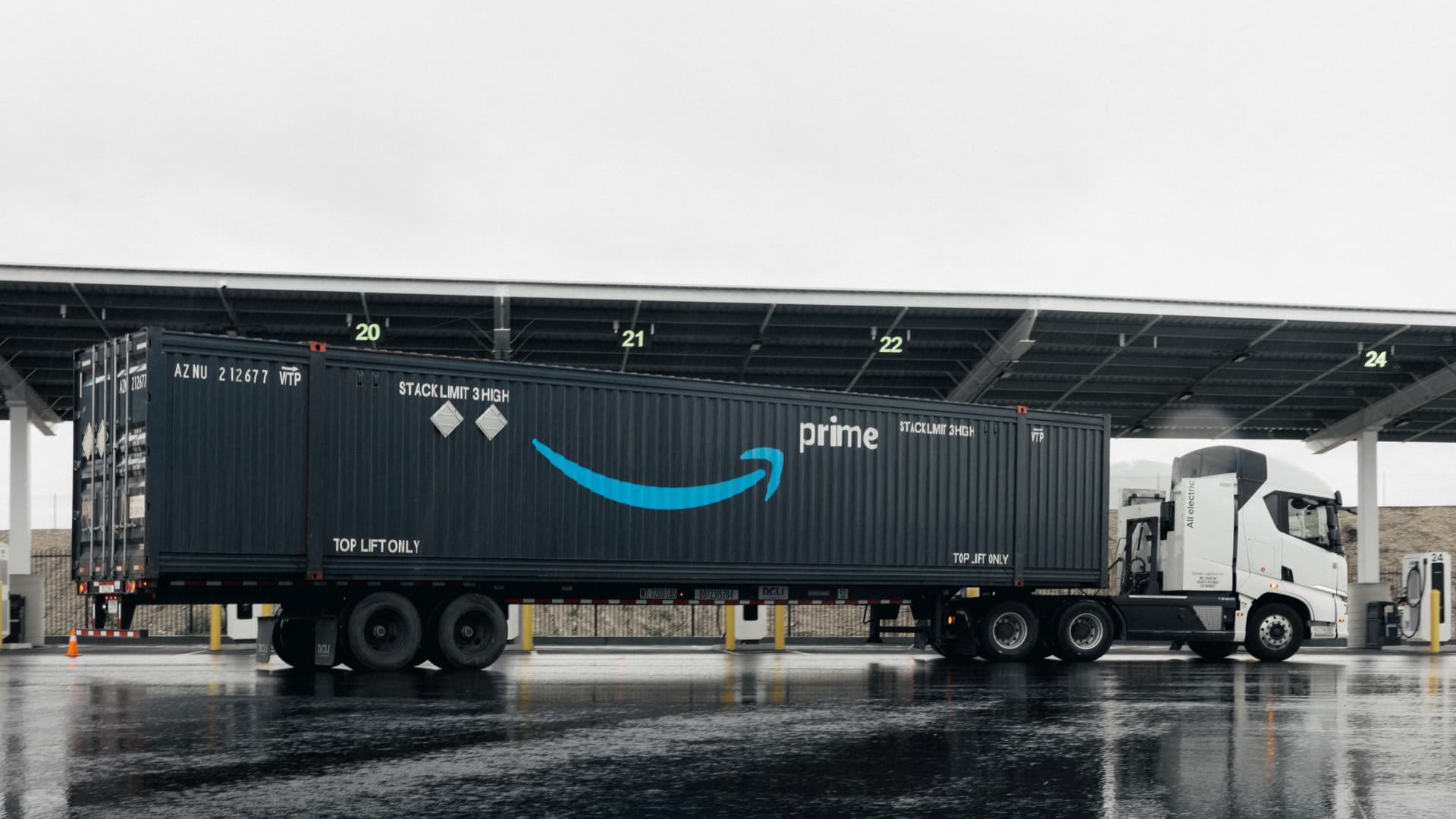
Autonomous freight trucking company Einride rises sharply in first trade on Nasdaq
Einride, a company specializing in self-driving freight truck technology, experienced a notable surge in its stock price during its inaugural day of trading on the Nasdaq. This milestone followed the completion of a merger with a special purpose acquisition company (SPAC), which facilitated its entry into the public market. The trading debut marks a significant moment for Einride as it seeks to expand its presence in the autonomous transportation sector, driven by increasing demand for innovative logistics solutions. The successful launch reflects investor confidence in the company's potential to revolutionize freight transport through automation and sustainability.

Multiway Robotics Unveils OT10 Omnidirectional Autonomous Pallet Truck, Winner of the 2026 French Design Award
Multiway Robotics has introduced the OT10 Omnidirectional Autonomous Pallet Truck, a cutting-edge solution aimed at enhancing intralogistics operations. Launched on June 5, 2026, the OT10 has been recognized with the prestigious 2026 French Design Award for its innovative design and engineering. This autonomous pallet truck features 360° omnidirectional movement, advanced 3D SLAM navigation, and compatibility with various pallet types, allowing businesses to optimize storage utilization and improve operational flexibility in warehouse and manufacturing settings. The OT10 is designed to navigate tight spaces, making it ideal for environments with narrow aisles, and can operate efficiently where traditional forklifts may struggle. Its infrastructure-free navigation technology enables quick deployment and adaptability to changing layouts, while its autonomous elevator integration facilitates seamless cross-floor material transport. Safety is a priority, with the OT10 equipped with a nine-layer safety protection system that includes obstacle detection and emergency stop functions, ensuring safe operation alongside personnel and equipment. By combining intelligent automation with user-centric design, the OT10 aims to streamline material handling processes, supporting businesses in their digital transformation and efficiency goals.

Robot Talk Episode 158 – Autonomous robot deliveries, with Ahti Heinla
In a recent conversation, Claire spoke with Ahti Heinla, co-founder and CEO of Starship Technologies, a pioneer in the field of autonomous delivery. The discussion focused on the company's innovative AI-powered delivery robots, which are designed to navigate streets and pavements independently. Starship Technologies has established itself as a leader in the autonomous delivery market, leveraging advanced technology to create robots that operate seamlessly in real-world environments. Heinla, who was also instrumental in the development of Skype, highlighted the growing demand for efficient delivery solutions and the role of AI in transforming logistics. The conversation underscored the potential of these robots to enhance urban mobility and streamline last-mile delivery services, reflecting a significant shift in how goods are transported in increasingly congested cities.

Autonomous robots to get accurate awareness of real-world environments with US engineers’ new step
A new collaboration has been announced between leading technology firms aimed at enhancing the capabilities of autonomous robots in navigating complex environments. This initiative, which is set to kick off in early 2024, will take place at various research facilities across the United States and Europe. The partnership seeks to address the growing demand for advanced robotic systems in industries such as manufacturing, logistics, and healthcare, where precision and efficiency are paramount. By leveraging cutting-edge artificial intelligence and machine learning techniques, the teams involved plan to develop innovative solutions that will improve the robots' ability to adapt to unpredictable situations. This collaboration represents a significant step forward in the quest to create more reliable and versatile autonomous systems, ultimately aiming to revolutionize how robots are integrated into everyday operations.
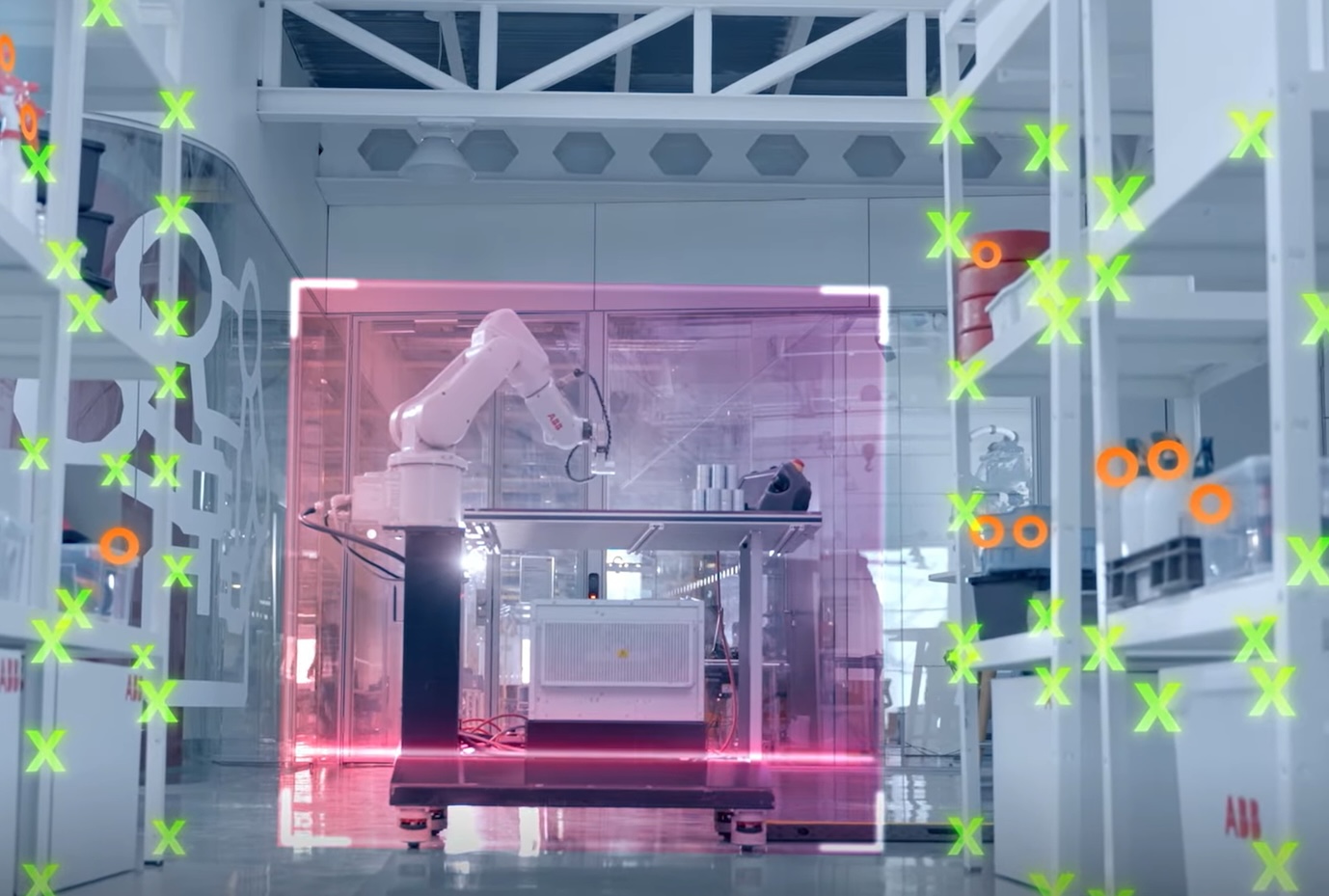
Eight tech giants deploy autonomous fleets across Singapore’s large-scale public test bed
Singapore is actively establishing itself as a global center for "physical AI," focusing on the development and deployment of robots and autonomous systems. This initiative is part of the country's broader strategy to enhance its technological landscape and drive economic growth. The government has been investing in research and development, fostering partnerships between academia and industry, and creating supportive regulatory frameworks to attract both local and international companies in the AI sector. The push for physical AI comes in response to the increasing demand for automation in various industries, including manufacturing, logistics, and healthcare. By 2025, Singapore aims to have a significant number of AI-driven solutions integrated into its economy, enhancing productivity and efficiency. The city-state's strategic location and advanced infrastructure further bolster its appeal as a destination for AI innovation. As part of this initiative, Singapore is hosting conferences and workshops to showcase advancements in robotics and autonomous technologies, encouraging collaboration among tech firms, researchers, and policymakers. This concerted effort not only aims to position Singapore as a leader in the AI field but also to address challenges such as labor shortages and the need for increased operational efficiency across sectors.

Traversability Risk Assessment and Path Planning for Off‐Road Autonomous Vehicles in Winter Conditions
A recent study published in the Journal of Field Robotics highlights advancements in autonomous robotic navigation. Researchers from a leading robotics institute conducted experiments to improve the efficiency and accuracy of robots in complex environments. The study, released in early October 2023, focuses on the application of new algorithms that enable robots to better interpret and respond to their surroundings. The research was carried out in various settings, including urban landscapes and natural terrains, to test the robots' adaptability and performance under different conditions. The motivation behind this work stems from the growing demand for autonomous systems in industries such as agriculture, logistics, and disaster response, where precise navigation is crucial. By employing advanced machine learning techniques, the team was able to enhance the robots' decision-making capabilities, allowing them to navigate obstacles more effectively. The findings are expected to pave the way for more reliable and efficient robotic systems, ultimately contributing to the broader integration of autonomous technology in everyday applications.
RESEARCH ARTICLE
Seegrid Surpasses 20 Million Autonomous Miles, Cementing Its Leadership in Reliable AMR Solutions
Seegrid, a leader in autonomous mobile robot (AMR) solutions, has achieved a significant milestone by surpassing 20 million autonomous miles driven in real-world production environments. This accomplishment, announced on May 11, 2026, highlights Seegrid's strong position in the North American manufacturing, warehousing, and logistics sectors, equating to over 800 circumferences of the Earth. The milestone reflects the deep integration of Seegrid's technology into daily operations of major global manufacturers and logistics companies. CEO Chris Baker emphasized that this achievement validates the reliability of their technology, which has operated without any recordable safety incidents, showcasing the effectiveness of their proprietary vision and LiDAR/SLAM technology. The extensive miles logged in active production settings demonstrate Seegrid's commitment to delivering tangible returns on investment for its customers, which include automotive and e-commerce leaders. As companies face challenges like labor shortages and rising wages, Seegrid's AMRs are positioned as essential components of modern automated workflows, all designed and supported in the U.S. This milestone not only underscores Seegrid's operational excellence but also serves as a foundation for advancing Physical AI, enabling their robots to navigate complex industrial environments with human-like precision. The company expresses gratitude to its customers for their partnership in pushing the boundaries of autonomous material handling.
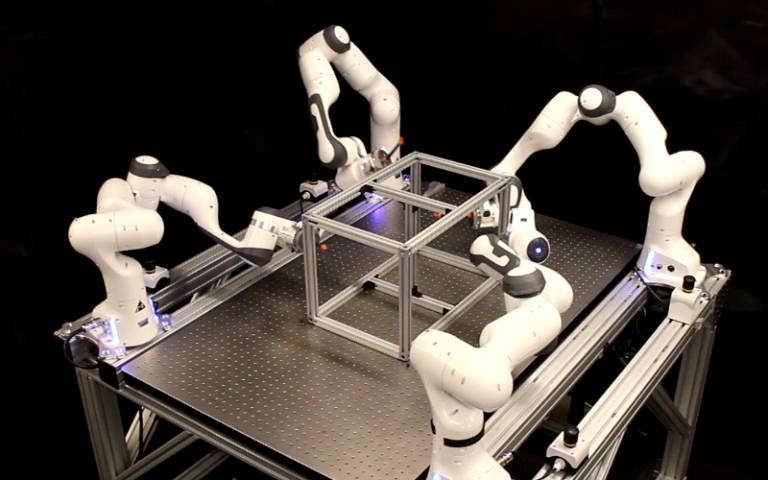
Phase stability regulator based on two dynamic parameters for autonomous mobile robots
A researcher has highlighted the advantages of implementing a phase stability regulator featuring two real-time signals for autonomous mobile robots (AMRs). This innovation aims to enhance the operational efficiency and reliability of AMRs, which are increasingly utilized in various industries for tasks such as logistics and delivery. The findings were discussed in a recent publication on The Robot Report, emphasizing the importance of advanced regulatory systems in improving the performance of these robots. By integrating dynamic parameters into the phase regulation process, the researcher suggests that AMRs can achieve better stability and responsiveness in their operations, ultimately leading to more effective automation solutions.
Autonomous Mobile Robots (AMRs) Logistics Manufacturing Mobility / Navigation News Opinion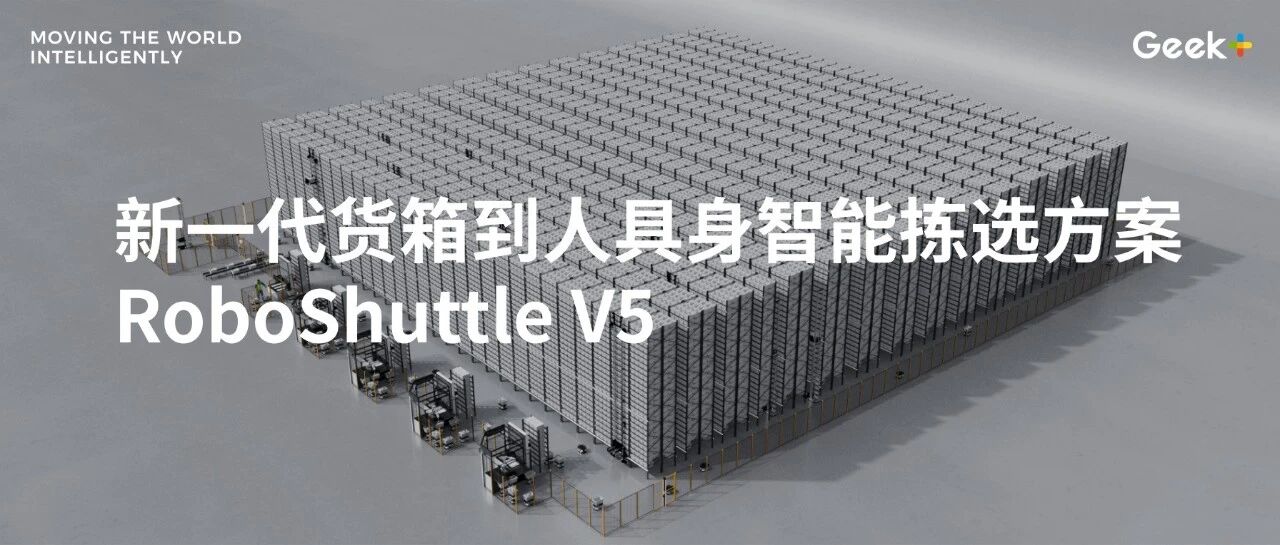
Geek+ Unveils Innovative RoboShuttle V5 Autonomous Picking Solution
Geek+ has unveiled the RoboShuttle V5, marking a significant advancement in warehouse automation as it becomes the world's first autonomous picking solution that combines goods-to-person autonomous mobile robots (AMRs) with intelligent robotic picking stations. This innovative system is designed to improve fulfillment efficiency and bolster business resilience by facilitating fully automated operations around the clock. The launch of the RoboShuttle V5 reflects the growing demand for enhanced logistics solutions in an increasingly competitive market, allowing companies to streamline their warehouse processes and respond more effectively to customer needs.
Autonomous Robots Warehouse Automation Robotic Picking Systems AI Technology
Vision‐Based Runway Detection and Localization for Aircraft Landing in Global Navigation Satellite System‐Denied Environments
In the May 2026 issue of the Journal of Field Robotics, researchers have published a groundbreaking study that explores advancements in autonomous robotic systems. The study, conducted by a team of engineers and scientists, focuses on enhancing the navigation capabilities of robots in complex environments. This research aims to address the growing demand for efficient and reliable robotic solutions in various industries, including agriculture, logistics, and disaster response. The findings reveal innovative algorithms that enable robots to better interpret their surroundings and make real-time decisions, significantly improving their operational efficiency. The team conducted extensive field tests to validate their models, demonstrating the robots' ability to navigate challenging terrains while avoiding obstacles and adapting to dynamic conditions. This research is particularly timely as industries increasingly rely on automation to boost productivity and safety. By advancing the technology behind autonomous navigation, the study contributes to the broader goal of integrating robots into everyday tasks, ultimately transforming how businesses operate and respond to emergencies. The implications of this work could lead to more widespread adoption of robotic systems, paving the way for a future where robots play a crucial role in enhancing human capabilities.
RESEARCH ARTICLE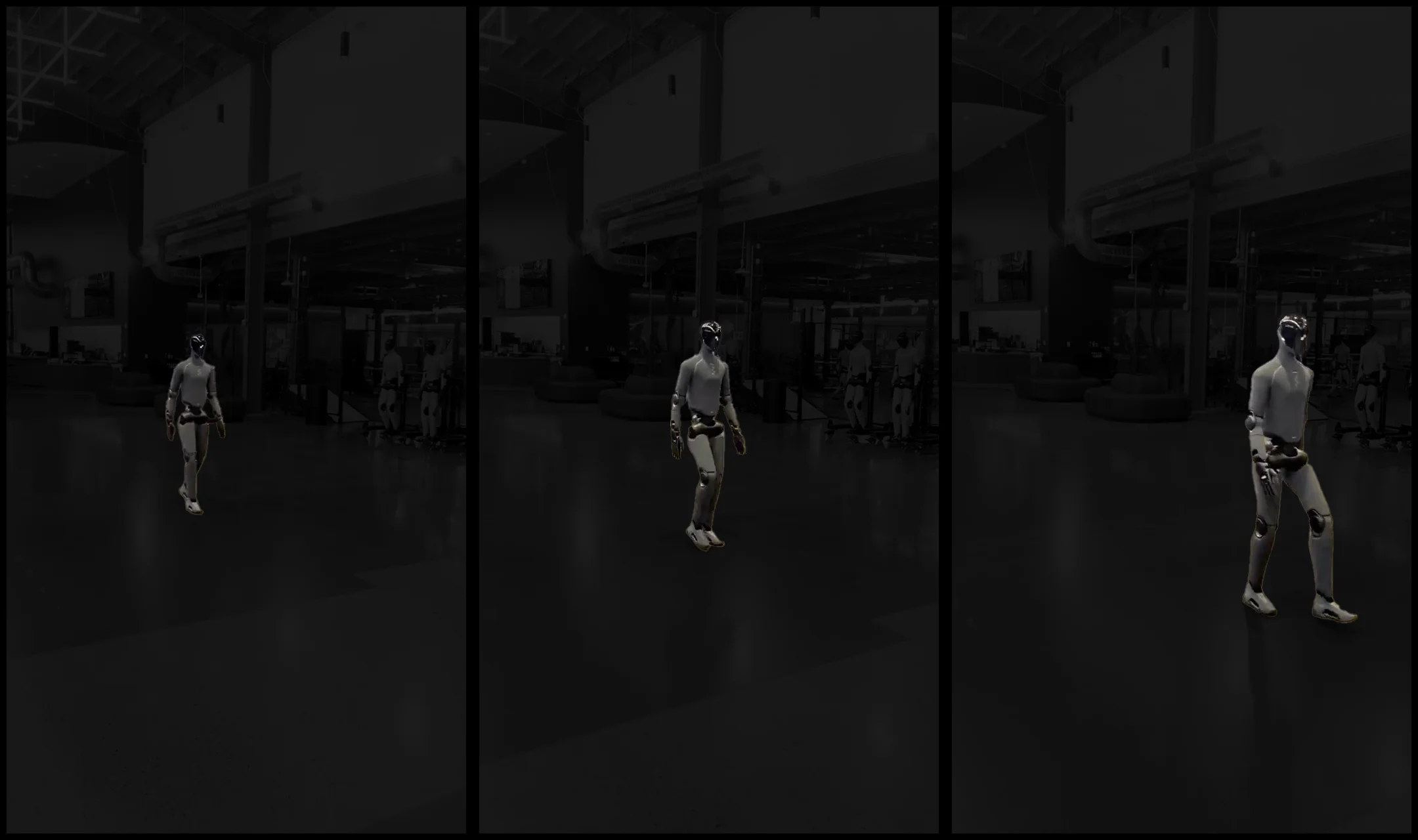
Lights-Out in Sunnyvale: Figure 03 Fleet Shifts to 24/7 Autonomous Operation
Brett Adcock, CEO of Figure, recently unveiled the company's innovative "no babysitter" operations, showcasing a comprehensive autonomous docking and swapping system. This advancement is part of Figure's strategy to enhance efficiency across its expanding network, which currently spans five buildings. The initiative aims to streamline operations and reduce the need for human oversight in managing the fleet. As Figure continues to grow, this technology is expected to play a crucial role in optimizing logistics and operational capabilities within the company.
Brett Adcock US Figure Figure-03 BotQ
Path Tracking for Forestry Autonomous Mobile Platforms Based on Improved Snake Optimizer‐Pure Pursuit Algorithm
A recent study published in the Journal of Field Robotics explores advancements in autonomous robotics, highlighting their potential applications in various industries. Conducted by a team of researchers from leading universities, the study was released in early October 2023. The researchers aimed to address the growing demand for efficient and reliable robotic systems in sectors such as agriculture, manufacturing, and logistics. The study details how recent technological innovations, including improved sensor technologies and machine learning algorithms, have enhanced the capabilities of autonomous robots. These advancements enable robots to perform complex tasks with greater precision and adaptability, ultimately increasing productivity and reducing operational costs for businesses. The research team conducted extensive field tests to evaluate the performance of these autonomous systems in real-world scenarios. By analyzing data collected during these tests, the researchers were able to demonstrate the effectiveness of the robots in navigating challenging environments and executing tasks autonomously. The findings underscore the importance of continued investment in robotics research and development, as the integration of autonomous systems is expected to revolutionize traditional workflows and contribute to economic growth. As industries increasingly adopt these technologies, the study serves as a crucial resource for understanding the future landscape of robotics and its implications for various sectors.
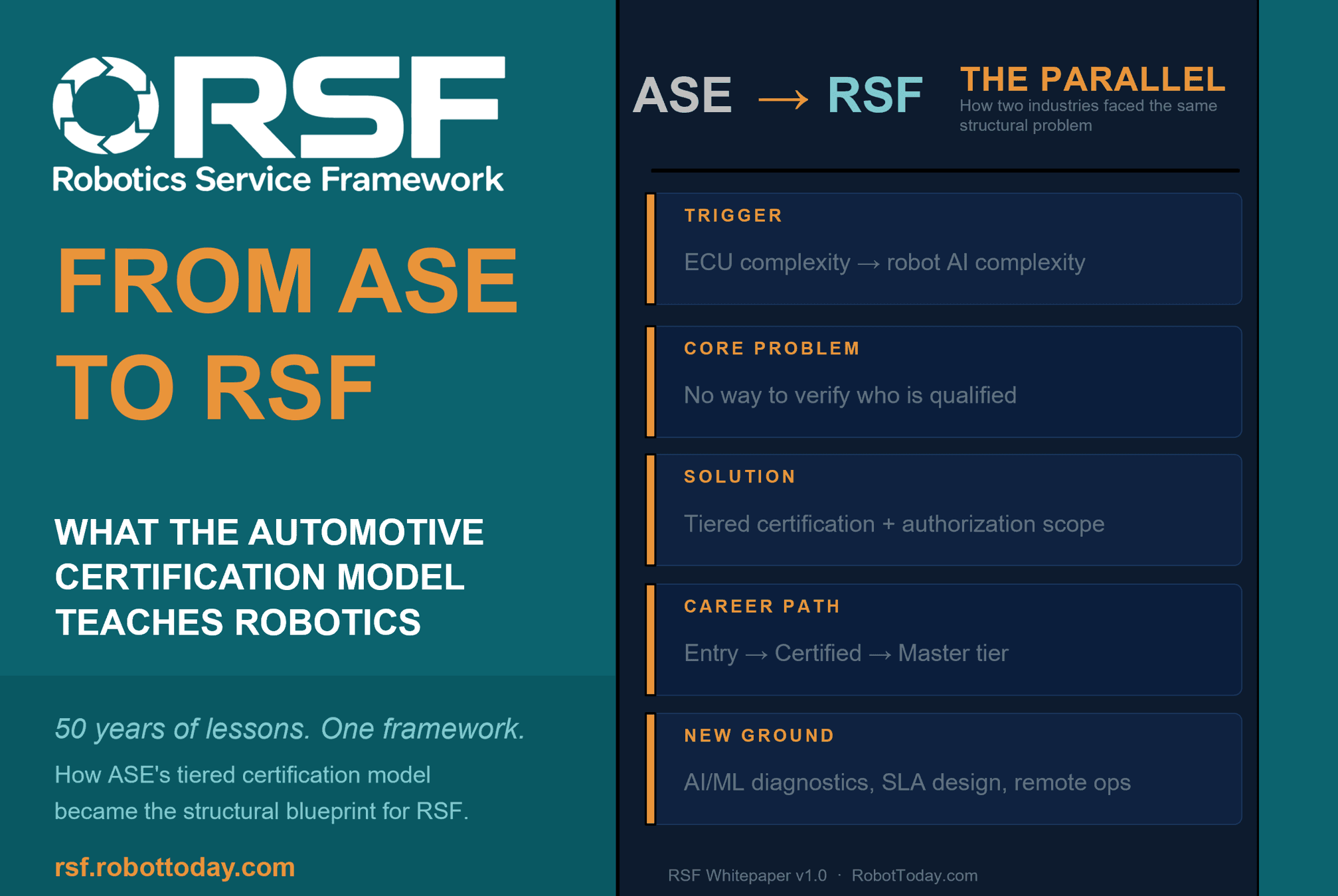
RESEARCH ARTICLERobotics needs a service framework.
RSF defines a common language for robot service capability, lifecycle operations, certification pathways, and service-provider networks.