Industry Briefing
A single destination for timely, editor-curated robotics news from around the world.

US Army Contracts Stratom to Develop TALUS for Autonomous Logistics in High-Risk Areas
The US Army has awarded a contract to a consortium led by Stratom to develop the Tactical Autonomous Logistics Utility System (TALUS), an autonomous logistics platform aimed at resupplying troops in dispersed and high-risk environments. This modular system is designed to enhance military operations where traditional supply chains may falter, ensuring that critical supplies and operational energy reach distributed forces. Stratom's president and CEO, Mark Gordon, emphasized that TALUS is a response to the Army's Project Sustainment requirements, integrating various technologies into a cohesive logistics solution. As military operations evolve to increasingly contested battlefields, TALUS aims to reduce soldier exposure during supply missions while improving the resilience of military sustainment networks. The TALUS team includes several defense tech companies, each contributing unique capabilities in autonomy, vehicle platforms, and systems engineering. The system is expected to autonomously transport supplies and support various mission payloads, providing the Army with a robust logistics capability that adapts to complex operational environments. No further timeline was disclosed at the time of publication.
Military
Dubai Future Foundation and Oxa Launch SHIFFT for Autonomous Logistics at Ports and Airports
Dubai Future Foundation (DFF) and Oxa have unveiled SHIFFT, a joint venture aimed at establishing Dubai as a leader in autonomous logistics. This initiative will integrate self-driving technology into a comprehensive logistics solution, enhancing productivity and safety in operations at ports and airports. The significance of SHIFFT lies in its potential to transform Dubai's logistics sector, contributing to the city's goal of doubling foreign trade volume by 2033. By deploying Oxa's advanced self-driving software and fleet management systems, SHIFFT aims to improve operational resilience and efficiency, aligning with Dubai's Research, Development, and Innovation (RDI) Programme. Looking ahead, SHIFFT plans to initiate its first scalable commercial deployment in Dubai by the end of 2027. This venture not only promotes autonomous mobility but also seeks to create high-tech jobs and bolster Dubai's position as a regional hub for research and development in logistics.
Autonomous Vehicles News airports autonomous logistics autonomous mobility autonomous vehicles
Logic Robotics Unveils Logic Pallet: A Breakthrough in Autonomous Mobile Logistics
Logic Robotics has introduced the Logic Pallet, the first mobile robot designed for multifacility logistics automation. This innovative solution aims to enhance the efficiency of logistics and material handling across various industries. The Logic Pallet is engineered to automate the movement of goods both between and within facilities, providing a comprehensive end-to-end automation solution. This advancement supports a fully autonomous, data-driven, and sustainable global supply chain, marking a significant step forward in logistics technology. As the logistics industry continues to evolve, the introduction of the Logic Pallet sets a new standard for automation. Stakeholders should monitor its deployment and impact on supply chain efficiency, as well as its potential to reshape logistics operations in the future. No further timeline was disclosed at the time of publication.

ByteDance Investigates Autonomous Driving Technology for Unmanned Logistics Solutions
ByteDance is currently investigating autonomous driving technology aimed at unmanned logistics, as reported by Chinese media. This initiative is being developed by the world model team within Seed, ByteDance's AI research unit, and is linked to Volcengine’s automotive industry line. The significance of this exploration lies in ByteDance's commitment to advancing large model research, which includes initial forays into physical AI. However, the company has clarified that it does not intend to establish a smart driving business, indicating a focus on research rather than commercial deployment. Looking ahead, it will be important to monitor ByteDance's developments in this area, particularly how their research may influence the logistics sector. No further timeline was disclosed at the time of publication.
News Feed
U.S. Army Selects Six Companies for Autonomous UGV Prototypes in Battlefield Logistics
The U.S. Army has chosen six companies to develop prototypes of autonomous ground vehicles (UGVs) for critical battlefield missions, including resupply and casualty evacuation. This initiative, known as the Infantry Last Tactical Mile (ILTM), aims to enhance operations in high-risk areas where soldiers currently face enemy fire while delivering supplies or retrieving casualties. The significance of this initiative lies in its potential to reduce the risk to personnel by allowing autonomous vehicles to operate in dangerous zones. The Army's focus on beyond-line-of-sight capabilities for these UGVs reflects a strategic shift towards integrating autonomy into military logistics, thereby changing the operational landscape rather than merely introducing new weaponry. Looking ahead, the Army plans to evaluate the prototypes from the selected companies, which include American Rheinmetall and Overland AI, among others. These evaluations will determine which vehicles are best suited for further investment and potential production, although no production orders have been issued at this stage. No further timeline was disclosed at the time of publication.
Military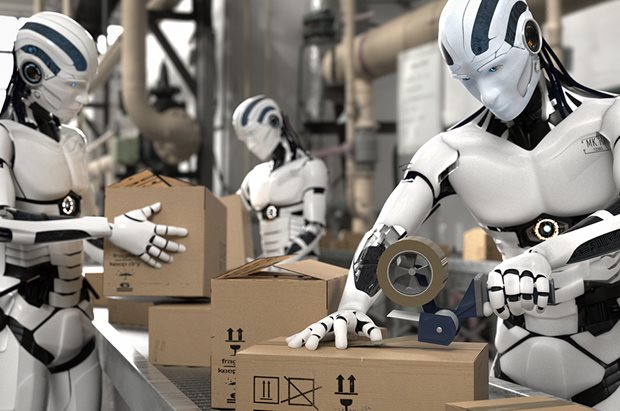
Leidos Tackles Pacific Logistics Challenges with AI and Autonomous Vessels
Leidos is addressing the complex logistics challenges in the Pacific, characterized by vast distances and disrupted communications. The company aims to mitigate the 'four tyrannies' of distance, water, time, and scale through the Indo-Pacific Logistics and Sustainment Services (ILS2) program, which enhances supply chain resilience and operational flexibility. The significance of this initiative lies in its potential to transform logistics operations for U.S. Pacific Command and Special Operations Command Pacific. By integrating artificial intelligence for predictive analytics and employing autonomous vessels, Leidos seeks to provide commanders with timely options when conventional logistics are compromised, thereby improving mission success rates. Looking ahead, the emphasis on adaptability and non-standard logistics will be crucial, especially in crisis situations like natural disasters. Leidos' focus on AI-driven decision-making and resilient communication strategies will be vital in ensuring that logistics operations can respond effectively to dynamic threats and challenges in the Pacific theater. No further timeline was disclosed at the time of publication.
Naval Warfare Sponsored Post AI artificial intelligence AI Asia asia-pacific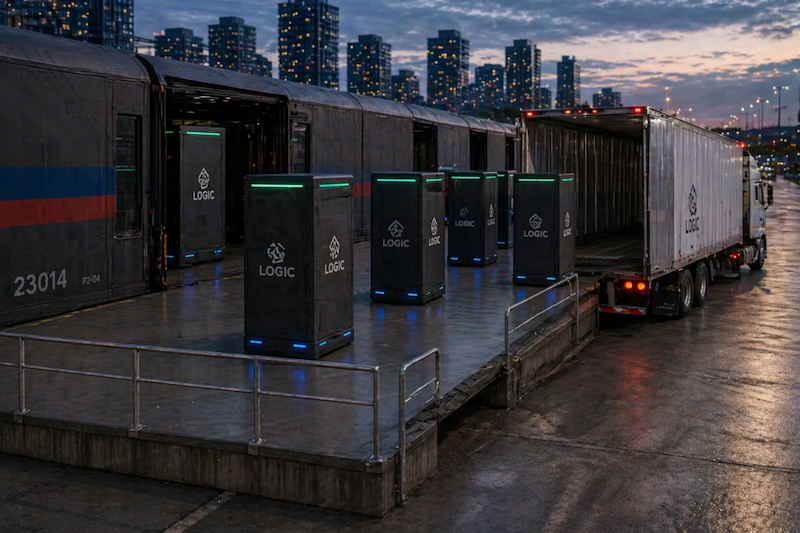
Logic Robotics Introduces Intelligent Transloading Solution for Rail-to-Road Logistics
Logic Robotics has launched an innovative autonomous transloading solution designed for rail-to-road operations. This system integrates the Logic Pallet's autonomous mobility with real-time digital twin visualization, significantly reducing inefficiencies associated with manual handling and forklift processes. The introduction of this technology is crucial as it redefines transloading by autonomously transferring goods between railcars and trucks. This advancement leads to faster throughput, enhanced safety, and minimized operational downtime at intermodal terminals, marking a significant step in logistics automation. Looking ahead, the intelligent transloading solution positions Logic Robotics at the forefront of creating a fully autonomous logistics network. No further timeline was disclosed at the time of publication.
Logistics News Transportation 3pl autonomous logistics autonomous pallet
SAP SE (SAP), Cyberwave Deploy Autonomous AI Robots in Logistics Warehouse
SAP SE and Cyberwave have successfully deployed fully autonomous, AI-powered robots in SAP's logistics warehouse located in St. Leon-Rot, Germany, as of May 11, 2026. This initiative represents a significant advancement for SAP, transitioning its Physical AI technology from research to practical application. The robots, powered by SAP’s cloud-native Logistics Management solution and the SAP Business Technology Platform, are now capable of performing various tasks including box folding, packaging, and shipping fulfillment. The deployment addresses common challenges in logistics robotics, such as unpredictable environments and diverse object shapes that often hinder traditional systems. Cyberwave's innovative platform utilizes Vision-Language-Action and Reinforcement Learning models, enabling non-expert operators to teach robots new tasks through simple demonstrations. This approach significantly reduces training time from weeks to hours and allows robots to adapt to dynamic conditions in real-time. As a result of this integration, SAP has reported increased warehouse throughput and a decrease in physically demanding tasks for human workers. The project serves as a successful reference implementation, showcasing how a robust digital infrastructure combined with adaptive AI can enhance logistics operations. Both SAP and Cyberwave are now focused on further developing these Embodied AI capabilities to support future large-scale deployments.

How Manufacturers Can Move from Basic Automation to Autonomous Material Movement in Production Logistics
Manufacturers are increasingly recognizing the importance of material movement as a strategic component of their operations, thanks to advancements in motion technology and robotics. This shift is transforming how companies approach material flow, allowing them to optimize and adapt their processes for greater efficiency and competitiveness. By leveraging these innovative tools, businesses can now treat material movement not just as a logistical necessity, but as a critical lever for enhancing overall performance. This evolution in manufacturing practices is expected to drive significant improvements in productivity and operational effectiveness as companies embrace these technologies.

SAP and Cyberwave Deploy Fully Autonomous AI-Powered Robots in Live SAP Logistics Warehouse
SAP has taken a significant step in its strategic expansion of Physical AI capabilities by operationalizing advanced robotics within its facilities. This initiative, announced last year, represents a major milestone for the company as it seeks to enhance its operational efficiency and innovation. By integrating advanced robotics into its operations, SAP aims to streamline processes and improve productivity. This development not only showcases SAP's commitment to leveraging cutting-edge technology but also positions the company at the forefront of the evolving landscape of automation in the industry. The implementation of these robotics is expected to take place in the coming months, reflecting SAP's ongoing efforts to transform its business practices and adapt to the demands of a rapidly changing market.

Aptiv and Comau to Co-Develop Next-Generation Solutions for Robotics, Autonomous Systems, and Industrial Logistics
In a significant move towards enhancing industrial automation, leading technology firms have announced a collaborative initiative aimed at delivering safer, smarter, and more cost-effective solutions for the sector. This partnership, which includes major players in automation technology, was unveiled during a recent industry conference held in San Francisco on October 15, 2023. The collaboration seeks to address the growing demand for advanced automation systems that not only improve operational efficiency but also prioritize safety and sustainability. By pooling resources and expertise, the companies aim to develop innovative technologies that leverage artificial intelligence and machine learning, ultimately transforming the landscape of industrial operations. Industry experts emphasize that this initiative is crucial in responding to the challenges posed by increasing production demands and the need for more resilient supply chains. The collaborative effort will focus on integrating cutting-edge technologies into existing systems, thereby enhancing productivity while reducing costs. Through a series of joint research projects and pilot programs, the partners plan to test and implement new automation solutions across various sectors, including manufacturing, logistics, and energy. This strategic alliance represents a proactive approach to fostering innovation and ensuring that industrial automation keeps pace with the evolving needs of the market.

Aptiv and Comau to Co-Develop Next-Generation Solutions for Robotics, Autonomous Systems, and Industrial Logistics
Comau and Aptiv have announced their collaboration to co-develop next-generation intelligent automation solutions aimed at enhancing efficiency for industrial customers. This partnership, which seeks to leverage both companies' expertise in automation and advanced technologies, is expected to pave the way for innovative solutions that address the evolving needs of the manufacturing sector. The initiative comes at a time when industries are increasingly focusing on automation to improve productivity and reduce operational costs. By combining Comau's extensive experience in industrial automation with Aptiv's cutting-edge technology capabilities, the two companies aim to create systems that not only streamline processes but also integrate advanced data analytics and artificial intelligence. The collaboration is set to take place in various locations where both firms operate, with the goal of delivering impactful solutions to clients in the near future.

FAULHABER designs DualGear for autonomous logistics systems
FAULHABER has unveiled its latest innovation, the DualGear, specifically engineered to enhance performance in space-constrained autonomous logistics applications. This development aims to address the growing demand for efficient and compact solutions in the logistics sector, where maximizing space and performance is crucial. The introduction of DualGear reflects FAULHABER's commitment to advancing technology in the field of automation, particularly in environments where traditional systems may fall short. By integrating this new gear system, the company seeks to improve operational efficiency and reliability in autonomous logistics operations.
Actuators / Motors / Servos AGVs Autonomous Mobile Robots (AMRs) drive Logistics Motion Control
Forterra, Polaris tout new autonomous vehicle for CASEVAC, logistics
The MESA vehicle, engineered for logistics and casualty evacuation operations, is set to enhance military capabilities by effectively reaching the "last tactical mile." This innovative vehicle is designed to support troops in challenging environments, ensuring that essential supplies and medical assistance can be delivered where they are most needed. With its advanced features, the MESA aims to improve operational efficiency and response times during critical missions. The introduction of this vehicle reflects a growing emphasis on modernizing military logistics and enhancing support for personnel in the field.
Land Warfare Army autonomy casualty evacuation Drones Forterra
GMEX Robotics Advances Autonomous Hospital Logistics Platform to Enhance Safety, Efficiency and Operational Workflow
GMEX Robotics Corporation has announced a significant upgrade to its Hospital Logistics Robot, aimed at enhancing safety and efficiency in healthcare settings. This development, revealed on April 21, 2026, addresses ergonomic challenges faced by medical staff and patients, who often struggle with existing robots that require bending to retrieve items. The new design improves durability and usability, allowing for optimized delivery height and safer interactions in high-traffic hospital environments. The autonomous, battery-powered robot is equipped with advanced technologies, including artificial intelligence, multi-dimensional sensing, and real-time obstacle detection, facilitating seamless transport and handling of medical materials. To ensure security and accountability, the platform incorporates multi-layered verification protocols such as facial recognition and barcode scanning, restricting access to authorized personnel only. CEO Sam Lu emphasized the pressing need for intelligent automation solutions in healthcare, stating that the advancements in hospital logistics robotics are designed to alleviate operational strain and enhance clinical staff's focus on patient care. This upgrade is part of GMEX Robotics' broader strategy to expand its presence in the healthcare sector, supported by ongoing research and development efforts aimed at improving performance and usability across its technology stack.

Autonomous Transportation Robots for Finished Vehicle Docking in RORO Logistics Terminal: Design, Control, and Implementation
In a recent study published in the Journal of Field Robotics, researchers explored advancements in robotic technologies aimed at enhancing agricultural efficiency. The research, conducted by a team of scientists from various institutions, was released in May 2026 and highlights the integration of autonomous systems in farming practices. The study emphasizes the growing need for innovative solutions in agriculture due to increasing global food demands and labor shortages. By implementing advanced robotics, the team aims to address these challenges, demonstrating how autonomous machines can improve crop monitoring, pest control, and harvesting processes. The researchers employed a combination of field tests and simulations to assess the performance of these robotic systems in real-world agricultural settings. Their findings indicate significant improvements in productivity and resource management, suggesting that the adoption of such technologies could lead to more sustainable farming practices. This research not only contributes to the field of robotics but also offers practical solutions for the agricultural sector, potentially transforming how food is produced and managed in the future.
RESEARCH ARTICLE
JD Logistics unveils five-year plan to deploy millions of robots, autonomous vehicles, and drones
JD Logistics revealed on Friday its ambitious plan to acquire three million robots, one million autonomous vehicles, and 100,000 drones over the next five years. This initiative aims to significantly enhance automation within its logistics and supply chain network. The company has already successfully deployed its "Wolf Pack" series of robots across more than 20 provinces, showcasing its commitment to advancing operational efficiency and technological integration in its services. By investing in these advanced technologies, JD Logistics seeks to streamline its operations and improve service delivery, positioning itself as a leader in the rapidly evolving logistics sector.
News Feed
Comau unveils MYMR, a scalable autonomous mobile robot family engineered to optimize intralogistics efficiency
Comau, a leader in automation solutions, has announced the launch of three new Autonomous Mobile Robots (AMRs) aimed at improving intralogistics and warehouse automation. This development comes as part of the company's ongoing efforts to enhance operational efficiency and reduce labor costs in the logistics sector. The introduction of these robots is set to take place in October 2023, with the deployment expected to revolutionize the way goods are transported within warehouses. By utilizing advanced navigation and AI technology, the AMRs will facilitate seamless movement of materials, allowing for increased productivity and safety in busy warehouse environments. This strategic move reflects Comau's commitment to innovation and its response to the growing demand for automated solutions in the supply chain industry.
Robotics needs a service framework.
RSF defines a common language for robot service capability, lifecycle operations, certification pathways, and service-provider networks.
Join the RobotToday community on LinkedIn
Daily robotics news, in-depth analysis, conference highlights, and discussions with professionals worldwide.