Top News

Industry Briefing

A single destination for timely, editor-curated robotics news from around the world.
Coco Robotics Expands Autonomous Delivery Operations in Washington, D.C.

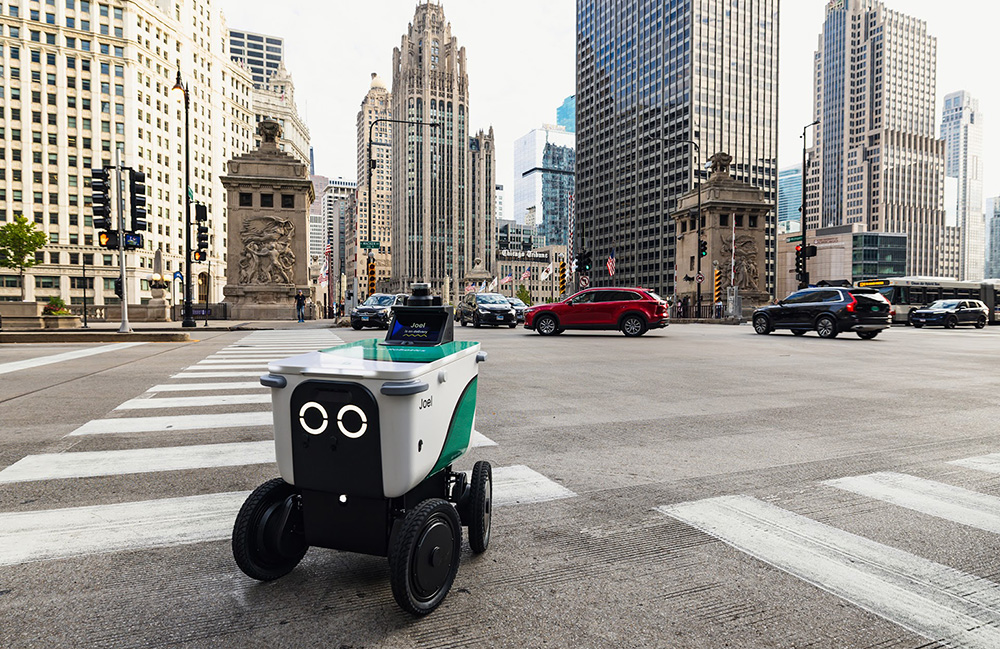
Coco Robotics Expands Autonomous Delivery Operations in Washington, D.C.

Coco Robotics has announced the expansion of its autonomous delivery services in Washington, D.C., with customer deliveries set to commence this summer. This move marks a significant step in scaling its fleet across major U.S. cities, enhancing service for local restaurants and retailers. The expansion into Washington, D.C. is crucial as it allows Coco Robotics to tap into a vibrant urban market, providing efficient and reliable delivery solutions. This initiative aims to assist neighborhood businesses in reaching more customers while simultaneously addressing issues like traffic congestion and emissions. Looking ahead, the launch of deliveries in Washington, D.C. will be closely monitored as it could set a precedent for further expansions in other urban areas. No further timeline was disclosed at the time of publication.
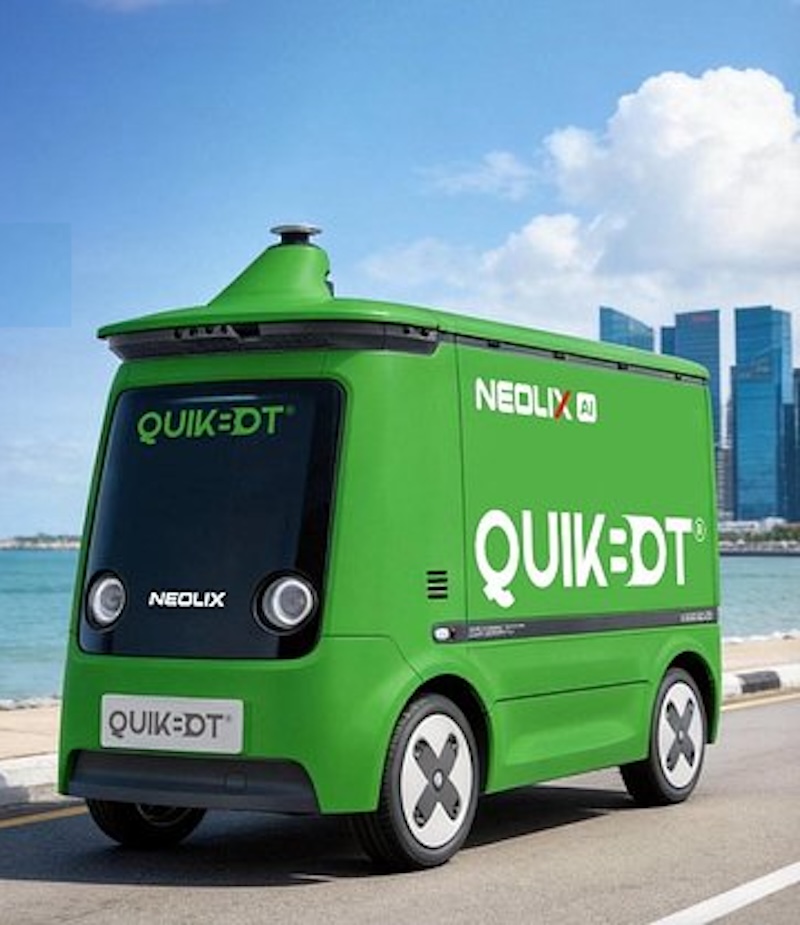
Neolix partners with QuikBot to develop autonomous delivery network

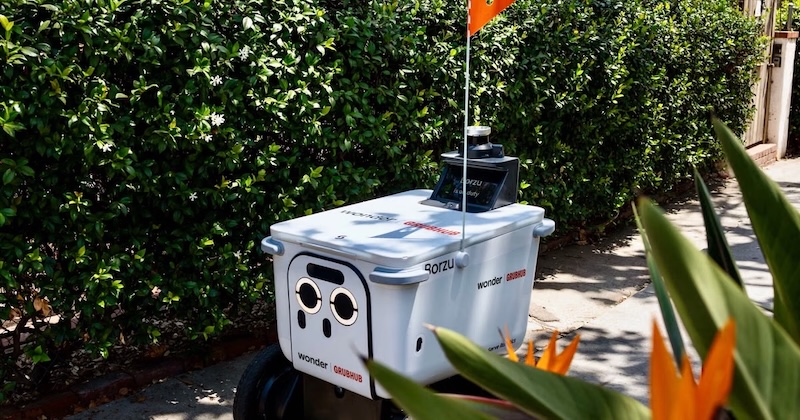
Neolix partners with QuikBot to develop autonomous delivery network

Neolix, a developer specializing in Level 4 autonomous logistics vehicles, has formed a strategic partnership with Singapore's QuikBot Technologies to create a comprehensive autonomous delivery solution. This collaboration aims to facilitate deliveries across public roads, building interiors, and directly to doorsteps. The partnership will support Neolix's pilot deployment in Singapore and assist in meeting compliance requirements, while also enhancing the autonomous delivery capabilities of both companies throughout the Asia-Pacific region.

Autonomous Vehicles Logistics News ai robotics automation news autonomous delivery
Coco Robotics Deploys Autonomous Delivery Robots with Uber Eats in San Jose

Coco Robotics Deploys Autonomous Delivery Robots with Uber Eats in San Jose

Coco Robotics, recognized as the largest urban robot delivery platform globally and recently honored as one of Fast Company’s World’s Most Innovative Companies in logistics, has launched its autonomous delivery service in San Jose, California. This expansion allows residents, workers, and businesses in the city’s urban core to benefit from the convenience of robotic deliveries. The service is now operational, enhancing accessibility and efficiency in local logistics.

AI AI Use Cases Robotics autonomous delivery robot California Coco Robotics
Toyota, GM-backed startup Momenta planning entry into last-mile autonomous delivery

Toyota, GM-backed startup Momenta planning entry into last-mile autonomous delivery

Chinese self-driving technology company Momenta is assembling a team to create Level 4 autonomous delivery robots, aiming to enhance its valuation ahead of a potential public listing. This initiative comes as the company seeks to capitalize on its existing partnerships with major automakers such as Toyota, General Motors, and Mercedes-Benz. While specific details about the project remain undisclosed, sources from the Chinese media outlet Xinliu Car indicate that this move is part of Momenta's broader strategy to solidify its position in the competitive autonomous vehicle market.

News Feed
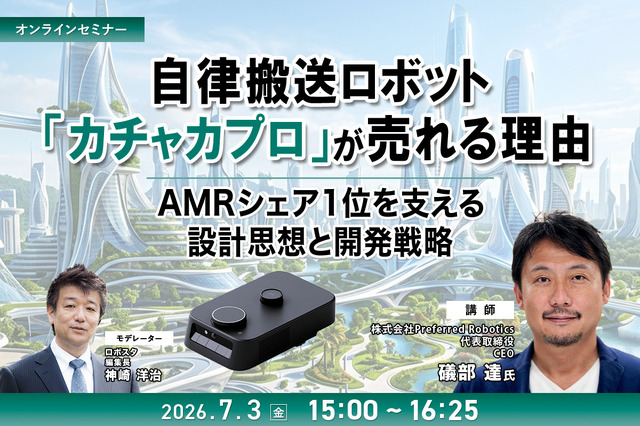
Why the Autonomous Delivery Robot "Kachakapro" is Selling Well: Design Philosophy and Development Strategy Behind Its Market Leadership

Why the Autonomous Delivery Robot "Kachakapro" is Selling Well: Design Philosophy and Development Strategy Behind Its Market Leadership

In a recent online seminar hosted by Robosta, Takashi Isobe, CEO of Preferred Robotics, discussed the company's success in capturing the top market share in Japan with their product "Kachakapro." The seminar focused on the development of practical robots that serve real societal needs, highlighting the design philosophy behind creating usable products and the realities of mass production and distribution. Isobe's insights aim to shed light on how robotics can effectively integrate into everyday life, emphasizing the importance of functionality and accessibility in robotic design.

Free Online Seminar: Why the Autonomous Delivery Robot "Kachakapro" is Successful - Design Philosophy and Development Strategy Behind Its Market

Free Online Seminar: Why the Autonomous Delivery Robot "Kachakapro" is Successful - Design Philosophy and Development Strategy Behind Its Market

In a recent online seminar hosted by Robosta, Takashi Isobe, CEO of Preferred Robotics, shared insights into the development of practical robots that are making a significant impact in society. The seminar highlighted the company's success in capturing the top market share in Japan with its flagship product, the "Kachaka Pro." Isobe discussed the design philosophy behind creating products that are not only functional but also widely adopted, emphasizing the importance of mass production and distribution in the robotics industry. The event provided a platform for exploring the realities of bringing useful robotic solutions to the market, reflecting the growing role of technology in everyday life.

Robot Talk Episode 158 – Autonomous robot deliveries, with Ahti Heinla

Robot Talk Episode 158 – Autonomous robot deliveries, with Ahti Heinla

In a recent conversation, Claire spoke with Ahti Heinla, co-founder and CEO of Starship Technologies, a pioneer in the field of autonomous delivery. The discussion focused on the company's innovative AI-powered delivery robots, which are designed to navigate streets and pavements independently. Starship Technologies has established itself as a leader in the autonomous delivery market, leveraging advanced technology to create robots that operate seamlessly in real-world environments. Heinla, who was also instrumental in the development of Skype, highlighted the growing demand for efficient delivery solutions and the role of AI in transforming logistics. The conversation underscored the potential of these robots to enhance urban mobility and streamline last-mile delivery services, reflecting a significant shift in how goods are transported in increasingly congested cities.

The $500 Delivery Robot Is Coming — and It Will Reshape the Industry

The $500 Delivery Robot Is Coming — and It Will Reshape the Industry

Recent advancements in affordable AI accelerators and simulation-trained neural policies are set to significantly reduce the costs associated with autonomous delivery systems. This development is poised to transform the logistics and delivery industry, presenting substantial business opportunities that extend beyond mere technological improvements. As companies increasingly adopt these innovations, the implications for operational efficiency and market competitiveness are expected to be profound. The shift is anticipated to take place in the coming months, as businesses leverage these cost-effective solutions to enhance their delivery capabilities and streamline operations.

Serve Robotics expands beyond food delivery with autonomous laundry service

Serve Robotics expands beyond food delivery with autonomous laundry service

Serve Robotics has entered into a partnership with NoScrubs, an emerging on-demand laundry service, to expand its delivery offerings beyond prepared food. This collaboration, which marks Serve's inaugural venture into urban delivery for laundry, will kick off this week in select neighborhoods across Los Angeles. Utilizing Serve's fleet of autonomous sidewalk robots, the pilot program aims to deliver laundry orders directly to customers' doorsteps, enhancing convenience and efficiency in urban logistics.

Logistics News ai robotics automation news autonomous commerce autonomous delivery
BayCare Partners with Zipline for Drone Delivery Network in Tampa Bay by 2027

BayCare Partners with Zipline for Drone Delivery Network in Tampa Bay by 2027

BayCare, the largest not-for-profit academic health-care system in West-Central Florida, has announced a partnership with Zipline to establish a drone delivery network. This system is expected to be operational by late 2027, initially focusing on high-volume hospital and laboratory locations in the St. Petersburg/Clearwater area. The network will facilitate the delivery of medical supplies and equipment between BayCare facilities, with plans to expand to patient homes in the future. The collaboration aims to enhance the speed and efficiency of transporting critical health-care items, addressing the needs of BayCare's extensive network of 16 hospitals and numerous other facilities. Zipline's drones are designed to operate autonomously, making precise deliveries even in adverse weather conditions. This initiative is expected to reduce delivery-related emissions and traffic congestion while providing a reliable service for time-sensitive items. Looking ahead, the project will begin with select BayCare facilities in Pinellas County, where the concentration of patient activity is highest. Future expansions across the entire Tampa Bay area are planned, although no further timeline was disclosed at the time of publication. The partnership leverages Zipline's FAA Part 135 air carrier certification, enabling BVLOS flights for commercial deliveries.

Applications Delivery Drone News Drone News Feeds News autonomous delivery
Waymo and Uber end robotaxi pilot in Phoenix

Waymo and Uber end robotaxi pilot in Phoenix

Waymo's self-driving cars, previously utilized in a pilot program with Uber in Phoenix, will continue their operations by providing autonomous delivery services in partnership with DoorDash. This initiative marks a significant step in the expansion of autonomous vehicle technology, as it aims to enhance delivery efficiency and convenience for consumers. The deployment of these vehicles is part of Waymo's ongoing efforts to integrate self-driving technology into everyday services, reflecting a growing trend in the logistics and transportation sectors. The collaboration with DoorDash is expected to streamline the delivery process, allowing for quicker and more reliable service in the Phoenix area.

China’s physical AI progress seen on roads, in skies and factories

China’s physical AI progress seen on roads, in skies and factories

In China, the rapid expansion of physical artificial intelligence (AI) is transforming various sectors by integrating advanced machines with intelligent systems that enable them to interact with their surroundings. This technological advancement is leading to the emergence of smarter robots, drones, and driverless vehicles that are increasingly becoming a common sight on roads, in factories, and even on stage performances. Cities such as Shenzhen in southern China have witnessed the successful deployment of delivery drones, which are now flying over urban landscapes, while autonomous delivery bots are navigating the subway systems. Additionally, the first self-driving cars are beginning to operate in public spaces, marking a significant milestone in the country's push towards automation and smart technology. This surge in physical AI is driven by the need for enhanced efficiency and convenience in logistics and transportation, reflecting China's commitment to becoming a leader in AI innovation. As these technologies continue to evolve, they promise to reshape everyday life and industry practices across the nation.

Manna Establishes First U.S. Drone Delivery Hub in Tulsa with Job Creation Plans

Manna Establishes First U.S. Drone Delivery Hub in Tulsa with Job Creation Plans

Manna, an Irish drone delivery company, has officially launched its first metropolitan drone delivery hub in Tulsa, Oklahoma. This initiative marks a significant step in Manna's American expansion, which includes plans for U.S. manufacturing and the creation of over 1,000 jobs in the region. The hub aims to enhance commercial drone operations in urban areas across the United States. The establishment of this hub is significant as it positions Manna to capitalize on the growing demand for drone delivery services in metropolitan areas. With the U.S. drone delivery market projected to expand rapidly, Manna's operations in Tulsa could serve as a model for future hubs in other cities. The company's focus on local manufacturing also indicates a commitment to integrating into the American economy. Looking ahead, Manna's next steps will likely involve scaling its operations and exploring additional locations for drone delivery services. No further timeline was disclosed at the time of publication, but the company’s ambitious plans suggest a proactive approach to expanding its footprint in the U.S. market.

Applications Delivery Drone News Drone News Feeds News Advanced Air Mobility
Beyond Pizza Delivery: How AI Agents and Drones Are Building the Next Commerce Infrastructure

Beyond Pizza Delivery: How AI Agents and Drones Are Building the Next Commerce Infrastructure

Papa Johns and Wing, in collaboration with Google Cloud, are pioneering a future where artificial intelligence, autonomous logistics, and drone delivery converge into a unified ecosystem. This partnership marks a significant step for the commercial drone industry, moving beyond traditional narratives that emphasize the technical aspects of drones, such as payload capacity, battery life, and regulatory challenges. By integrating AI systems with drone technology, the collaboration aims to enhance the efficiency and effectiveness of delivery services, potentially transforming the landscape of commerce. This innovative approach not only promises to streamline operations but also to redefine consumer experiences in delivery logistics.

Applications Delivery DL Exclusive Drone News Drone News Feeds Feature 1
Another Major Restaurant Platform Turns to Drone Delivery

Another Major Restaurant Platform Turns to Drone Delivery

Wonder, a food technology platform, plans to introduce aerial meal delivery services in Dallas starting in 2027, signaling a significant advancement in the commercial use of drone delivery for food services. The company has partnered with Zipline to facilitate this initiative across various locations in Texas. This collaboration represents a strategic move to transition drone delivery from experimental phases to mainstream food service, allowing customers in select areas to receive their meals via drones. The decision to expand into aerial delivery is driven by the growing demand for innovative and efficient food delivery solutions.

Applications Delivery Drone News Drone News Feeds News autonomous delivery
Context is king: How Avride uses cloud VLMs as a safety net for delivery robots

Context is king: How Avride uses cloud VLMs as a safety net for delivery robots

Avride is enhancing the environmental awareness of its delivery robots by utilizing vision-language models (VLMs). This innovative approach aims to improve the safety and efficiency of the robots as they navigate various environments. By integrating cloud-based VLM technology, Avride is able to provide its robots with a better understanding of their surroundings, enabling them to respond more effectively to dynamic conditions. The implementation of these advanced models is part of Avride's ongoing efforts to ensure safer delivery operations and to adapt to the complexities of real-world environments.

Artificial Intelligence Artificial Intelligence / Cognition Autonomous Mobile Robots (AMRs) Logistics Mobility / Navigation News
Wing and Walmart Add Seven New Drone Delivery Markets

Wing and Walmart Add Seven New Drone Delivery Markets

Wing and Walmart have announced the expansion of their drone delivery network to seven new major metropolitan areas, including Memphis, New Orleans, Philadelphia, Phoenix, San Diego, the San Francisco Bay Area, and Salt Lake City. This initiative is part of their ongoing efforts to enhance delivery services across the United States. The addition of these cities marks a significant step in the rollout of the nation’s largest drone delivery network, aimed at improving convenience and efficiency for consumers. The partnership leverages advanced drone technology to facilitate faster deliveries, responding to the growing demand for quick and reliable service in urban areas.

Advanced Air Mobility BVLOS Delivery Drone News Drone News Feeds News
Amprius and Matternet Expand Drone Delivery Battery Partnership

Amprius and Matternet Expand Drone Delivery Battery Partnership

Amprius Technologies, a battery manufacturer, has partnered with drone delivery company Matternet to enhance the performance of commercial drone operations. This collaboration focuses on utilizing Amprius's advanced silicon anode lithium-ion cells, which are designed to improve the range, charging time, and overall delivery efficiency of drones. The partnership aims to address the growing demand for more efficient and reliable drone delivery systems, reflecting the increasing significance of drone technology in logistics and transportation. The announcement was made recently, highlighting the companies' commitment to advancing battery technology for the future of commercial drone services.

Applications Delivery News Amprius autonomous delivery battery energy density
The Challenge of Drone Pizza Delivery: Flytrex Finally Solved It

The Challenge of Drone Pizza Delivery: Flytrex Finally Solved It

Flytrex has partnered with Little Caesars to launch a groundbreaking pizza delivery service via drone in the Dallas/Fort Worth (DFW) area. This innovative initiative aims to expand the range of food options available for drone delivery, which has primarily included smaller items in the past. The service is set to begin shortly, catering to the growing demand for convenient food delivery solutions in the region. By leveraging drone technology, Flytrex seeks to enhance the efficiency and speed of pizza delivery, providing customers with a unique dining experience. This collaboration marks a significant step forward in the integration of drones into everyday services, addressing a previously unmet need for hot, freshly delivered pizza.

Applications Delivery Drone News Drone News Feeds News autonomous delivery
Matternet Partners with Beeline UAS to Enhance Drone Delivery Operations in California

Matternet Partners with Beeline UAS to Enhance Drone Delivery Operations in California

Matternet, based in Mountain View, has announced a partnership with Beeline UAS to expand its drone delivery network under FAA Part 135 regulations. This collaboration, effective from July 15, 2026, aims to enhance beyond visual line of sight (BVLOS) operations in the San Francisco Bay Area and Los Angeles. Beeline will utilize Matternet's technology to support delivery services for sectors including food, retail, and healthcare. This partnership is significant as it allows Matternet to leverage Beeline's operational capabilities to address the challenges of traffic congestion and high labor costs in urban areas. The integration of Beeline into Matternet's network, which already includes Ameriflight and UPS Flight Forward, is expected to increase operational capacity and facilitate efficient market expansion. Matternet's focus on autonomous aerial delivery positions it as a leader in the evolving drone delivery landscape. Looking ahead, Matternet's multi-operator model is designed to ensure rapid commercial growth while adhering to safety and regulatory standards. No further timeline was disclosed at the time of publication, but the partnership is poised to enhance drone delivery services across more communities in the United States.

Delivery Drone News Drone News Feeds News Ameriflight Andreas Raptopoulos
AVI-SPL and Volvo Autonomous Solutions Launch Freight Operations Between Dallas and Houston

AVI-SPL and Volvo Autonomous Solutions Launch Freight Operations Between Dallas and Houston

AVI-SPL, in partnership with Volvo Autonomous Solutions, has initiated commercial autonomous freight operations between Dallas and Houston using the Volvo VNL Autonomous vehicle powered by the Aurora Driver. This operation will facilitate the transport of audio-visual electronics, including new products and end-of-life equipment for recycling, enhancing AVI-SPL's Electronic Recycling Program. This collaboration is significant as it addresses the increasing freight demand in the U.S. amid a shortage of qualified drivers and delivery capacity constraints. By leveraging autonomous transport technologies, AVI-SPL aims to improve logistics operations, enhance service delivery, and meet the needs of time-sensitive freight, thereby reinforcing its position as a leader in the industry. Looking ahead, this partnership represents a pivotal advancement in the application of autonomous trucking in logistics. As freight capacity demand escalates, the focus will be on how these technologies can enhance supply chain efficiency, improve asset utilization, and ensure cargo security. No further timeline was disclosed at the time of publication.

Autonomous Vehicles News Technology aurora driver autonomous freight autonomous trucking
Tesseract Ventures Selected for Pentagon's Autonomous Drone Delivery System Prototype Program

Tesseract Ventures Selected for Pentagon's Autonomous Drone Delivery System Prototype Program

Tesseract Ventures, a Kansas City-based robotics and drone company, has been chosen by the Defense Innovation Unit (DIU) to participate in a prototype program aimed at enhancing the U.S. military's use of autonomous drones. This initiative, known as the Containerized Autonomous Drone Delivery System (CADDS), focuses on deploying unmanned aerial systems in challenging environments with limited infrastructure. The CADDS project represents a significant advancement for Tesseract Ventures, as it seeks to transition from single-operator drone control to a system where one individual can manage multiple drones simultaneously. This approach aims to improve operational efficiency and reduce the personnel required for drone missions, aligning with the Pentagon's goal of utilizing unmanned systems more extensively in military operations. Looking ahead, Tesseract Ventures will demonstrate its NOMAD modular autonomous platform as part of the prototype project. This platform is designed to facilitate the deployment, launch, recovery, and management of multiple drones from transportable containers. No further timeline was disclosed at the time of publication.

Military

How Pick and Pack Fulfillment is Transforming Order Delivery in the Automation Age

How Pick and Pack Fulfillment is Transforming Order Delivery in the Automation Age

The modern supply chain has undergone a significant transformation, with consumers now expecting two-day shipping as a standard. This shift necessitates a complete rethinking of traditional logistics practices, moving away from manual processes to technology-driven solutions. Companies face challenges in managing increased order volumes while maintaining accuracy, highlighting the need for advanced robotics and smart software in logistics. The implementation of intelligent pick and pack fulfillment workflows is crucial for warehouses to enhance efficiency. By analyzing order data in real time, these systems optimize item retrieval and minimize unnecessary movement within the facility. Techniques such as batch picking and zone picking streamline operations, allowing workers to compile orders more quickly, which leads to faster delivery times and improved customer satisfaction. The rise of autonomous mobile robots (AMRs) marks a significant change in warehouse operations. These robots have evolved from being a novelty to a necessity, utilizing advanced navigation technologies to operate safely in dynamic environments. As logistics providers continue to adopt these innovations, the focus will be on further enhancing operational efficiency and meeting the growing demands of consumers.

Automation Logistics Supply chain amrs autonomous mobile robots e-commerce
Coco Robotics Unveils Largest Multi-Brand Campaign on Autonomous Miami Delivery Fleet Across F1 Window

Coco Robotics Unveils Largest Multi-Brand Campaign on Autonomous Miami Delivery Fleet Across F1 Window

Coco, a company specializing in autonomous deliveries, has deployed over 100 robots in Miami, showcasing brand wraps that transform everyday deliveries into a prominent advertising platform. This initiative coincides with one of the year's major cultural events, leveraging the high visibility of the robots to enhance brand exposure. By integrating advertising into their delivery service, Coco aims to capitalize on the increased foot traffic and attention generated by the event. The robots navigate the city, providing a unique blend of convenience and marketing, thereby creating a new out-of-home advertising channel that engages consumers in a dynamic way.

Zipline Expands U.S. Operations with Cleveland Clinic Home Delivery and Austin Launch

Zipline Expands U.S. Operations with Cleveland Clinic Home Delivery and Austin Launch

On July 13, 2026, Zipline announced a significant expansion of its U.S. operations, including the launch of a home delivery service in partnership with Cleveland Clinic and an upcoming service in Austin. The company reported a remarkable 13-fold increase in businesses utilizing its delivery app in the first half of 2026, alongside the completion of over 2.5 million commercial deliveries. This expansion is crucial as it enhances Zipline's healthcare delivery capabilities, allowing eligible Cleveland Clinic patients to receive prescription deliveries at home at no extra cost. The service will eventually include lab samples and medical supplies, building on the home delivery platform introduced in 2023. Furthermore, the Austin launch will enable rapid food and retail deliveries, further diversifying Zipline's marketplace. Looking ahead, Zipline's growth trajectory appears promising, with new partnerships and services on the horizon. The company continues to attract top talent from industry leaders like Tesla and Waymo, which may bolster its operational capabilities. No further timeline was disclosed at the time of publication.

Delivery Drone News Drone News Feeds News 135 million autonomous miles 2.5 million deliveries
What Ordering Walmart by Drone Looks Like as Houston Service Expands

What Ordering Walmart by Drone Looks Like as Houston Service Expands

Wing and Walmart have announced the launch of an expanded drone delivery network in Houston, significantly enhancing their service capabilities. This latest phase, which was activated recently, introduces eight new drone delivery hubs, effectively more than doubling Wing's operational footprint in the area. As a result, the service now reaches over one million residents in Houston. The expansion aims to improve convenience for customers by providing faster delivery options for Walmart products. This initiative reflects the growing trend of utilizing drone technology to streamline logistics and meet increasing consumer demand for rapid delivery services.

Delivery Drone News Drone News Feeds News Walmart autonomous delivery
Interview with Jun Wu of GMEX Robotics: ‘We provide an integrated terminal + brain closed-loop system’

Interview with Jun Wu of GMEX Robotics: ‘We provide an integrated terminal + brain closed-loop system’

As artificial intelligence continues to capture public attention, experts emphasize that the future of robotics hinges on more than just advanced software. While numerous companies are focused on creating sophisticated AI systems and foundation models, there is a growing consensus that the true challenge lies in integrating this intelligence with reliable hardware capable of functioning effectively in the physical environment. This perspective highlights the need for a holistic approach to robotics, where both software and hardware advancements are essential for achieving practical and efficient robotic solutions.

Features Robotics AI platforms ai robotics artificial intelligence automation news
BayCare Expands Autonomous Hospital Delivery with New Relay Robots at Winter Haven Hospitals

BayCare Expands Autonomous Hospital Delivery with New Relay Robots at Winter Haven Hospitals

In response to the ongoing healthcare labor shortage, a new initiative has been launched to expand the use of robotic technology in hospitals. This expanded fleet of robots is designed to automate non-clinical logistics, allowing healthcare professionals to focus more on direct patient care. By streamlining tasks such as inventory management and supply delivery, the robots aim to enhance efficiency within medical facilities. This initiative is particularly timely as healthcare systems face increasing pressure to optimize resources and improve patient outcomes. The deployment of these robots is expected to significantly reduce the burden on nursing staff, ultimately prioritizing nurse-to-patient interaction and enhancing the overall quality of care.
Gatik to bring autonomous freight to PepsiCo’s North American supply chain

Gatik to bring autonomous freight to PepsiCo’s North American supply chain

PepsiCo has announced a partnership with Gatik to enhance its North American supply chain by integrating autonomous freight solutions. This collaboration aims to optimize PepsiCo's regional transportation networks, which facilitate the daily movement of products between various sites. By leveraging Gatik's technology, the beverage and snack giant seeks to improve efficiency and reduce operational costs in its logistics operations. The initiative reflects a growing trend in the industry to adopt automation in supply chain management, driven by the need for faster and more reliable delivery systems.

Artificial Intelligence Artificial Intelligence / Cognition Automotive Design / Development Food / Beverage Logistics
Cellula Robotics Announces Guardian Autonomous Underwater Vehicle Sale

Cellula Robotics Announces Guardian Autonomous Underwater Vehicle Sale

Cellula Robotics Ltd. has announced the successful sale of a GUARDIAN Autonomous Underwater Vehicle (AUV) to a confidential defense customer. This transaction underscores the growing demand for advanced underwater technology in defense applications. The deal reflects Cellula Robotics' commitment to providing innovative solutions tailored to the needs of its clients in the defense sector. The specifics of the transaction, including the value and delivery timeline, remain undisclosed due to the customer's confidentiality requirements. This sale marks a significant milestone for Cellula Robotics as it continues to expand its presence in the defense market, leveraging its expertise in underwater robotics to meet the evolving challenges faced by defense organizations.

cellula robotics guardian autonomous underwater vehicle (auv) sale
First Autonomous Mine Hunting System Delivered to UK Royal Navy

First Autonomous Mine Hunting System Delivered to UK Royal Navy

The Royal Navy has received its first advanced Maritime Mine Counter Measure (MMCM) system, marking a significant enhancement in British defense capabilities. This delivery is part of a broader initiative aimed at improving the safety of sailors and strengthening the UK's maritime security. The introduction of this cutting-edge technology comes as part of ongoing efforts to modernize naval operations and address emerging threats in maritime environments. The system is expected to play a crucial role in countering underwater mines, thereby ensuring safer navigation for naval vessels.

usv autonomous mine hunting system delivery uk royal navy
Boston Dynamics Tests Spot Robot for Last-Mile Delivery Solutions

Boston Dynamics Tests Spot Robot for Last-Mile Delivery Solutions

Boston Dynamics is exploring the use of its Spot robot for package deliveries, equipped with a new conveyor belt accessory. This innovation aims to autonomously transport packages from vehicles to customers' doorsteps, potentially easing the workload of delivery drivers. The initiative is significant as it addresses the challenges of last-mile delivery, where human navigational skills are often required to overcome obstacles like stairs and cluttered pathways. Boston Dynamics is currently in discussions with major logistics companies to transition from demonstrations to a full pilot project. Looking ahead, the company believes Spot's ability to navigate uneven terrain will enhance its effectiveness in suburban environments. This could not only alleviate physical strain on delivery drivers but also increase their efficiency, allowing them to handle more packages. No further timeline was disclosed at the time of publication.

Gadgets News Robot Tech
Former Baidu autonomous driving lab head raises millions in angel funding for global robot model startup.

Former Baidu autonomous driving lab head raises millions in angel funding for global robot model startup.

Nuwa Robotics, a company specializing in embodied intelligence, has successfully secured 50 million yuan in angel funding, led by Blue Lake Capital with participation from various investors including Qiongcheng Puyi Investment. This funding follows a seed round completed two months prior, led by Plug and Play China. Founded in February 2026 by Dr. Yang Ruigang, a former director at Baidu’s autonomous driving and robotics lab, Nuwa aims to advance robotic capabilities in navigating complex human environments. As the field of embodied intelligence gains momentum, industry consensus is forming around the need for a "layered decoupling" approach. Nuwa is focusing on developing a "World Traversal Model" (WTM) that enables robots to autonomously navigate, interact, and complete tasks in human settings, addressing a critical gap in the industry. This model is designed to be compatible with various robotic platforms, including humanoid robots and delivery vehicles. Nuwa's technology integrates high-fidelity physical simulation with advanced data generation techniques to create a robust training environment for its WTM. The company has made significant strides in motion control and navigation capabilities, allowing robots to navigate complex terrains without relying on high-precision maps. Additionally, Nuwa is prioritizing social behavior compliance, essential for robots operating in public spaces. With plans to deploy the WTM in real-world applications by 2026, Nuwa aims to validate its core capabilities and expand its operational scale. Blue Lake Capital expressed confidence in Nuwa’s vision, highlighting the potential for the company to overcome key industry challenges and pioneer advancements in intelligent navigation.

Tesla (TSLA) Delivery Outlook Improves as Morgan Stanley Keeps Equal Weight Rating

Tesla (TSLA) Delivery Outlook Improves as Morgan Stanley Keeps Equal Weight Rating

Morgan Stanley has improved its delivery outlook for Tesla, Inc. (NASDAQ: TSLA), anticipating strong delivery numbers for the second quarter of 2026. On June 26, the investment firm maintained its equal weight rating on Tesla's stock, citing unexpectedly robust sales trends in Europe and China as key factors. As a result, Morgan Stanley has raised its delivery estimates for Tesla to 413,000 units, up from a previous estimate of 373,000. Despite this positive adjustment, the firm remains cautious about Tesla's energy storage business and has kept its price target at $415. This cautious stance reflects concerns over the company’s energy storage deployments, even as it acknowledges the potential of Tesla's advancements in autonomous driving and robotics.

Serve Robotics (SERV) Expands AI-Powered Robot Delivery Into Laundry Services Through NoScrubs Deal

Serve Robotics (SERV) Expands AI-Powered Robot Delivery Into Laundry Services Through NoScrubs Deal

Serve Robotics Inc. has announced a significant expansion of its AI-powered robot delivery services to include laundry, following a deal with NoScrubs. This partnership, revealed on June 2, 2026, allows Serve Robotics to utilize its fleet of approximately 2,000 autonomous sidewalk robots to pick up and deliver laundry orders in addition to its existing food delivery services. NoScrubs, which operates in seven major metropolitan areas, provides a comprehensive laundry service that includes washing, drying, and folding clothes. The collaboration aims to optimize delivery operations by scheduling laundry pickups and returns during off-peak hours for food deliveries. Orders will be assigned to Serve Robotics based on their availability and storage requirements. This move marks Serve Robotics' entry into a new vertical, with plans to explore further opportunities in grocery, pharmacy, retail, and dry cleaning markets. Despite a 45% decline in its stock value this year, analysts view this as a potential buying opportunity, projecting a 190% increase over the next year. The company continues to focus on expanding its delivery capabilities while serving thousands of restaurants across major cities in the U.S.

Award Registration! Top Scholars Discuss Micro Robots and Autonomous Navigation Innovations

Award Registration! Top Scholars Discuss Micro Robots and Autonomous Navigation Innovations

A recent Cell Press Live event brought together three prominent experts to explore the latest advancements in autonomous navigation technologies. The discussion covered a range of applications, including self-driving cars, drones, and innovative drug delivery systems. Scheduled for a future date, the event offers free registration for attendees eager to gain insights into cutting-edge research in micro-robotics, light-driven robots, and optimization frameworks for enhancing autonomous systems. This initiative aims to inform and engage the public in the rapidly evolving field of autonomous technology, showcasing how these innovations can transform various industries.

Micro Robots Autonomous Navigation Soft Robotics AI Drug Delivery Systems
Matternet expands drone delivery range with Amprius battery tech

Matternet expands drone delivery range with Amprius battery tech

As drone delivery companies strive to broaden their reach in American cities, the importance of battery technology has come to the forefront. Matternet, a prominent player in the drone delivery sector, has announced a partnership with Amprius Technologies to enhance the capabilities of autonomous aerial delivery systems. The collaboration focuses on developing advanced silicon-anode battery cells, which are expected to significantly improve the range, efficiency, and cost-effectiveness of drone operations. This initiative highlights the critical role that battery advancements play in the future of drone logistics, as companies seek to meet growing consumer demands for faster and more reliable delivery services.

News
Aeva Delivers Atlas C-Samples to Daimler Truck for Autonomous Truck Production Program

Aeva Delivers Atlas C-Samples to Daimler Truck for Autonomous Truck Production Program

Aeva, a prominent company specializing in advanced sensing and perception systems, has successfully delivered the initial C-sample units of its Aeva Atlas™ 4D LiDAR sensors to Daimler Truck North America and Torc Robotics. This delivery represents a significant milestone in the ongoing collaboration between the companies, aimed at advancing the series production of SAE Level 4 autonomous Class 8 trucks. The partnership underscores Aeva's commitment to enhancing autonomous vehicle technology, which is crucial for the future of transportation. The delivery of these sensors is a pivotal step in the development process, facilitating further testing and refinement of the technology necessary for achieving higher levels of automation in trucking.

AI AI Use Cases Robotics Autonomous Trucking collaboration Daimler Truck North America
Phase stability regulator based on two dynamic parameters for autonomous mobile robots

Phase stability regulator based on two dynamic parameters for autonomous mobile robots

A researcher has highlighted the advantages of implementing a phase stability regulator featuring two real-time signals for autonomous mobile robots (AMRs). This innovation aims to enhance the operational efficiency and reliability of AMRs, which are increasingly utilized in various industries for tasks such as logistics and delivery. The findings were discussed in a recent publication on The Robot Report, emphasizing the importance of advanced regulatory systems in improving the performance of these robots. By integrating dynamic parameters into the phase regulation process, the researcher suggests that AMRs can achieve better stability and responsiveness in their operations, ultimately leading to more effective automation solutions.

Autonomous Mobile Robots (AMRs) Logistics Manufacturing Mobility / Navigation News Opinion
Matternet and SoftBank Robotics America Announce Strategic Partnership to Scale Drone Delivery Networks

Matternet and SoftBank Robotics America Announce Strategic Partnership to Scale Drone Delivery Networks

Matternet and SoftBank Robotics America have announced a strategic partnership aimed at enhancing the deployment of autonomous aerial logistics. This collaboration combines Matternet's advanced drone delivery technology with SoftBank Robotics' expertise in commercialization, creating a powerful synergy to expedite the integration of drone services into various sectors. The partnership is expected to streamline logistics operations and improve delivery efficiency, addressing the growing demand for innovative solutions in the logistics industry. As both companies work together, they aim to leverage their respective strengths to revolutionize the way goods are transported, ultimately benefiting businesses and consumers alike.

Video Friday: Autonomous Robots Learn By Doing in This Factory

Video Friday: Autonomous Robots Learn By Doing in This Factory

In a recent edition of Video Friday, IEEE Spectrum robotics showcased a variety of innovative robotics projects and developments. Notably, scientists at the Toyota Research Institute are collaborating with Toyota Manufacturing to implement autonomous robots on factory floors, enhancing production efficiency. Zipline shared insights into their drone delivery system, detailing the challenges faced and lessons learned in its development. Humanoid introduced KinetIQ, an AI framework designed for the orchestration of humanoid robot fleets, which integrates task allocation and execution through advanced cognitive layers. Meanwhile, researchers at VISTEC unveiled a decentralized adaptive resilient neural control system (DARCON) that enables legged robots to autonomously adapt to limb loss, ensuring mission success despite mechanical failures. NASA's Jet Propulsion Lab presented an animation of the Perseverance rover's drive along the Jezero Crater, captured on December 10, 2025, showcasing the rover's navigation capabilities. Additionally, Unitree's humanoid robot G1 made its mark on the snowfields of Altay, demonstrating its adaptability in extreme conditions. The Norwegian University of Science & Technology introduced a hierarchical 3D scene graph to enhance autonomous agents' understanding of their environments. Other highlights included the HoLoArm quadrotor, which features compliant arms for improved stability, and SkyDreamer, a pioneering vision-based autonomous-drone racing policy. The event also featured demonstrations of dexterous object manipulation by the AI Worker robot and advancements in swarm robotics for architectural applications.

Video-friday Autonomous-robots Humanoid-robots Industrial-robots Robot-ai Perseverance-rover
Teledyne Gavia Announces Successful Delivery of the First of Four GAVIA AUV Systems to the Swedish Defence Materiel Administration (FMV)

Teledyne Gavia Announces Successful Delivery of the First of Four GAVIA AUV Systems to the Swedish Defence Materiel Administration (FMV)

Teledyne Gavia, a prominent player in the field of modular autonomous underwater vehicles, has successfully delivered its first four GAVIA AUV systems to the Swedish Defence Materiel Administration (FMV). This milestone marks a significant advancement in underwater technology for the Swedish defense sector. The delivery took place recently, underscoring the ongoing collaboration between Teledyne Gavia and FMV aimed at enhancing maritime capabilities. The acquisition of these AUV systems is intended to bolster Sweden's operational efficiency in underwater missions, reflecting the country's commitment to modernizing its defense assets. The GAVIA AUVs are designed to perform a variety of tasks, including surveillance and reconnaissance, showcasing their versatility in addressing complex underwater challenges.

teledyne marine teledyne gavia auv gavia auv swedish defence materiel administration (fmv).
JD Logistics unveils five-year plan to deploy millions of robots, autonomous vehicles, and drones

JD Logistics unveils five-year plan to deploy millions of robots, autonomous vehicles, and drones

JD Logistics revealed on Friday its ambitious plan to acquire three million robots, one million autonomous vehicles, and 100,000 drones over the next five years. This initiative aims to significantly enhance automation within its logistics and supply chain network. The company has already successfully deployed its "Wolf Pack" series of robots across more than 20 provinces, showcasing its commitment to advancing operational efficiency and technological integration in its services. By investing in these advanced technologies, JD Logistics seeks to streamline its operations and improve service delivery, positioning itself as a leader in the rapidly evolving logistics sector.

News Feed
Flytrex and Wing Report Zero Airspace Conflicts for Multi-Operator Drone Delivery

Flytrex and Wing Report Zero Airspace Conflicts for Multi-Operator Drone Delivery

Flytrex has reported a significant milestone in drone delivery operations, revealing that its automated Unmanned Traffic Management (UTM) coordination with Wing has successfully eliminated airspace conflicts in the Dallas–Fort Worth area. This achievement comes less than a year after the two companies initiated the first commercial drone delivery service in the U.S. The partnership has enabled thousands of flights per month, all of which have been automatically deconflicted, ensuring a safe and efficient operation in shared airspace. The collaboration aims to enhance the scalability of drone delivery services while maintaining safety standards, demonstrating the effectiveness of advanced UTM systems in managing multiple operators in busy urban environments.

Advanced Air Mobility Delivery Drone News Drone News Feeds fleet management News
Wing and Walmart expand drone delivery network to seven new US metro areas

Wing and Walmart expand drone delivery network to seven new US metro areas

Drone delivery company Wing, in partnership with retail giant Walmart, is expanding its residential drone delivery network across the United States, which they claim is the largest of its kind. This initiative will introduce drone delivery services to seven new metropolitan areas, including Memphis, New Orleans, Philadelphia, and Phoenix. The expansion aims to enhance accessibility and convenience for consumers, with a target of reaching 40 million Americans by 2027. The collaboration between Wing and Walmart is part of a broader strategy to leverage drone technology for efficient delivery solutions, responding to the growing demand for rapid and reliable delivery services in urban areas.

Drones News aerial delivery automation news autonomous drones commercial drones
A2Z Drone Delivery Joins Kazakhstan’s Alatau City Urban Air Mobility Project

A2Z Drone Delivery Joins Kazakhstan’s Alatau City Urban Air Mobility Project

A2Z Drone Delivery, a drone manufacturer based in Torrance, California, has announced a partnership with Alatau Advance Air Group Ltd. to develop next-generation drone infrastructure at the newly established UAM Test Center Eurasia in Kazakhstan. The collaboration, revealed on May 26, 2026, aims to enhance urban air mobility in Alatau City. This initiative reflects a growing commitment to advancing drone technology and its applications in urban environments, positioning both companies at the forefront of the emerging air mobility sector.

Advanced Air Mobility Delivery Drone News Drone News Feeds News Smart Cities
As Drone Delivery Expands, Communities Remain Uncertain

As Drone Delivery Expands, Communities Remain Uncertain

In a recent decision, officials in a Georgia county have rejected Walmart's proposal to establish a fenced area for drone deliveries at one of its suburban Atlanta locations. This move comes as the retail giant seeks to expand its unmanned aerial vehicle (UAV) delivery services in the metropolitan area. The denial reflects ongoing concerns within communities regarding the implications of drone delivery systems, highlighting a growing uncertainty about their integration into local environments.

Applications Delivery DL Exclusive Drone News Drone News Feeds News
Queue raises funding to build fully autonomous pharmacy

Queue raises funding to build fully autonomous pharmacy

Queue is advancing its initiative to enhance prescription access by developing fully automated pharmacies. This effort aims to serve hospitals, retail locations, and underserved communities, addressing the growing demand for efficient pharmaceutical services. Recently, the company secured funding to support the construction of these autonomous pharmacies, which are designed to streamline the dispensing process and improve patient care. By leveraging automation, Queue intends to reduce wait times and increase the availability of medications, particularly in areas where access to traditional pharmacy services is limited. The project represents a significant step towards modernizing healthcare delivery and ensuring that essential prescriptions are readily available to those in need.

Healthcare Robotics Investments News AlleyCorp pharmaceutical Queue
GMEX Robotics Advances Autonomous Hospital Logistics Platform to Enhance Safety, Efficiency and Operational Workflow

GMEX Robotics Advances Autonomous Hospital Logistics Platform to Enhance Safety, Efficiency and Operational Workflow

GMEX Robotics Corporation has announced a significant upgrade to its Hospital Logistics Robot, aimed at enhancing safety and efficiency in healthcare settings. This development, revealed on April 21, 2026, addresses ergonomic challenges faced by medical staff and patients, who often struggle with existing robots that require bending to retrieve items. The new design improves durability and usability, allowing for optimized delivery height and safer interactions in high-traffic hospital environments. The autonomous, battery-powered robot is equipped with advanced technologies, including artificial intelligence, multi-dimensional sensing, and real-time obstacle detection, facilitating seamless transport and handling of medical materials. To ensure security and accountability, the platform incorporates multi-layered verification protocols such as facial recognition and barcode scanning, restricting access to authorized personnel only. CEO Sam Lu emphasized the pressing need for intelligent automation solutions in healthcare, stating that the advancements in hospital logistics robotics are designed to alleviate operational strain and enhance clinical staff's focus on patient care. This upgrade is part of GMEX Robotics' broader strategy to expand its presence in the healthcare sector, supported by ongoing research and development efforts aimed at improving performance and usability across its technology stack.

Video: Pudu Robotics Equips Delivery Bot with Dual Arms in New FlashBot Arm

Video: Pudu Robotics Equips Delivery Bot with Dual Arms in New FlashBot Arm

Pudu Robotics has unveiled its latest innovation, the FlashBot Arm, a cutting-edge service robot that features dual seven-degree-of-freedom arms and dexterous hands mounted on a mobile delivery base. This advanced robot is engineered to perform a variety of tasks, including operating elevators and opening doors, thereby enhancing its functionality in diverse service environments. The introduction of the FlashBot Arm signifies a significant step towards integrating autonomous navigation with sophisticated manipulation capabilities, allowing for greater versatility in settings such as hotels, hospitals, and restaurants. By combining these technologies, Pudu Robotics aims to improve efficiency and service delivery in industries increasingly reliant on automation.

pudu robotics flashbot arm
RobotToday Initiative

Robotics needs a service framework.

RSF defines a common language for robot service capability, lifecycle operations, certification pathways, and service-provider networks.