Industry Briefing
A single destination for timely, editor-curated robotics news from around the world.
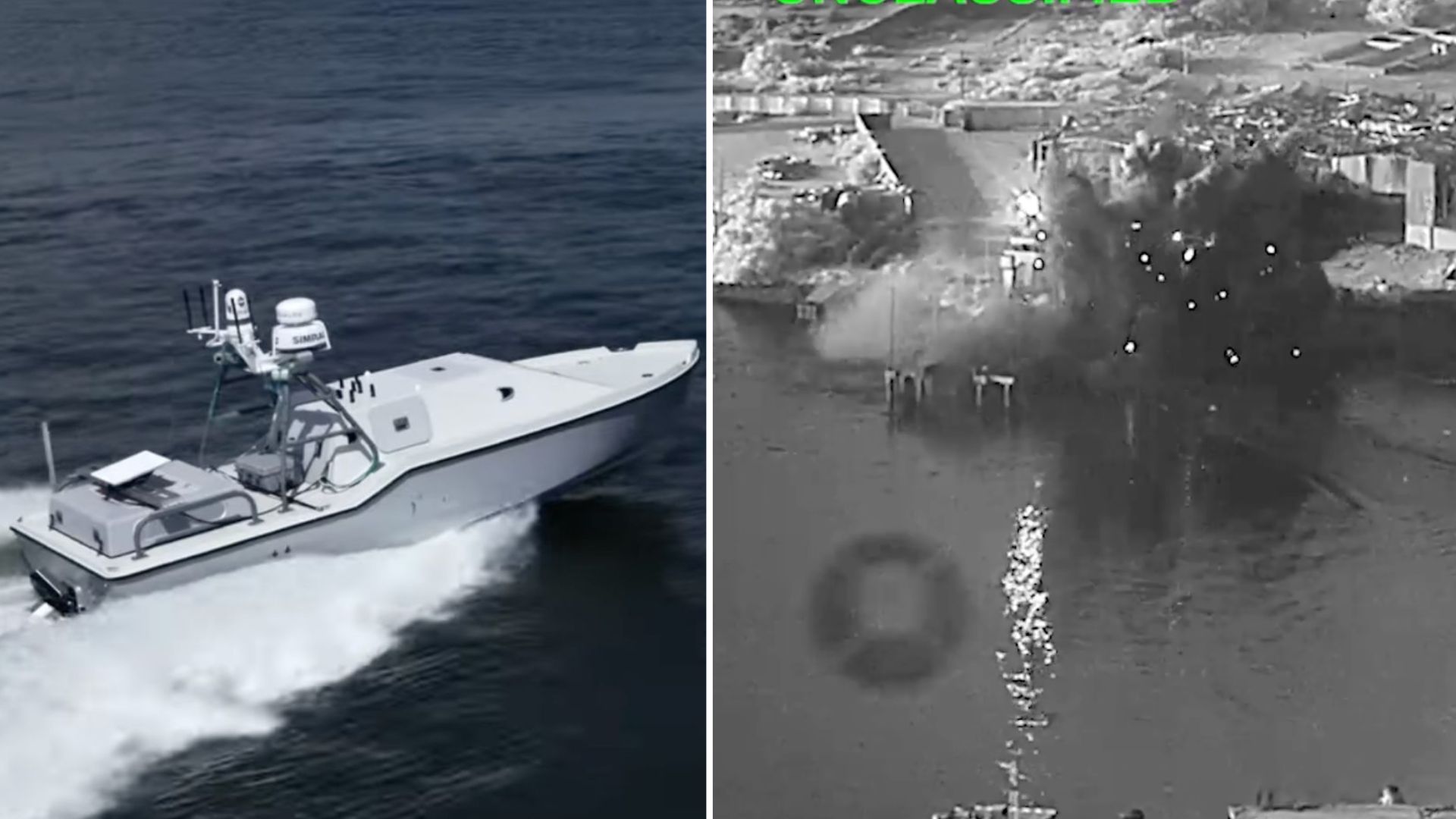
U.S. Military Executes First Offensive Strike with Autonomous Drone Boats on Iran's Naval Base
On July 12, 2026, the U.S. Central Command announced a significant advancement in naval warfare with a coordinated attack by three autonomous surface vessels on Iran's Bandar Abbas Naval Base. This operation, executed by the U.S. Navy's 5th Fleet through Task Force 59, marks the first offensive mission by a major navy using unmanned attack boats. The strike is pivotal as it demonstrates a shift toward utilizing autonomous platforms for combat missions, allowing militaries to conduct operations without risking crewed vessels. The Saronic Corsair vessels targeted a raised dock at the naval base, showcasing advanced capabilities in stealth and artificial intelligence for precise operations. Looking ahead, the success of this operation indicates a potential evolution in naval tactics, with autonomous vessels taking on more offensive roles. As militaries invest in unmanned systems, coordinated strikes like the one at Bandar Abbas may become increasingly prevalent in future naval engagements. No further timeline was disclosed at the time of publication.
Military
MIT Develops FloatForm Swarm of Autonomous Boats for Adaptive Marine Infrastructure
MIT researchers have unveiled FloatForm, a swarm of 21-centimeter-square autonomous robotic boats capable of self-assembling into floating structures. Each boat is equipped with thrusters, sensors, and a magnetic latching mechanism, allowing them to connect and reconfigure with minimal human intervention. This modular system can adapt to various environments, supporting applications such as emergency response, temporary bridges, and floating markets in waterways across diverse geographies. The significance of FloatForm lies in its decentralized swarm robotics approach, which enables the boats to make local decisions rather than relying on a central controller. This design enhances scalability and efficiency, allowing the robots to navigate and coordinate independently while maintaining robust structural integrity. The innovative magnetic latching system, inspired by origami, allows for reliable connections between boats, facilitating the creation of larger, adaptive structures on water. Future developments will focus on expanding the capabilities of FloatForm for use in canals, rivers, and coastal areas. The researchers aim to deploy larger versions of the robots for various applications, including temporary infrastructure and environmental monitoring. No further timeline was disclosed at the time of publication, but the potential for this technology to transform marine operations is significant, as noted by experts in the field.
AI and RoboticsRobotics needs a service framework.
RSF defines a common language for robot service capability, lifecycle operations, certification pathways, and service-provider networks.
Join the RobotToday community on LinkedIn
Daily robotics news, in-depth analysis, conference highlights, and discussions with professionals worldwide.