Industry Briefing
A single destination for timely, editor-curated robotics news from around the world.

FlybyOps Launches Platform to Streamline Management of Autonomous Drone Fleets
FlybyOps, a Finland-based company, has introduced an enterprise drone operations platform aimed at addressing the complexities of scaling autonomous drone fleets. As commercial drone operations expand, managing pilots, equipment, approvals, and compliance becomes increasingly challenging, especially with the rise of Beyond Visual Line of Sight (BVLOS) operations. The platform serves as a central hub for organizations developing large-scale BVLOS and autonomous drone programs, connecting flights with necessary personnel, aircraft, and compliance requirements. With regulators worldwide facilitating more routine BVLOS flights, industries such as logistics and infrastructure inspection are preparing for fleets capable of performing hundreds or thousands of autonomous missions, necessitating robust management tools. FlybyOps emphasizes compliance and operational oversight, allowing organizations to manage flight approvals, personnel qualifications, and operational risks from a single system. The software has already been adopted globally, providing operators with enhanced visibility into complex flight programs. No further timeline was disclosed at the time of publication.
News
FlybyOps Introduces New Platform for Scaling BVLOS and Autonomous Drone Operations
FlybyOps has unveiled an enterprise drone operations platform tailored for large-scale Beyond Visual Line of Sight (BVLOS) and autonomous drone initiatives. This Finland-based company aims to tackle the complexities faced by commercial drone operators as they expand their fleets, requiring effective management of flights, locations, aircraft, and personnel while ensuring regulatory compliance. The significance of this platform lies in its ability to centralize management of flight operations, personnel qualifications, and compliance requirements, thereby enhancing operational control. With features such as role-based access, configurable workflows, and structured compliance processes, FlybyOps is designed to support organizations transitioning to more frequent and autonomous BVLOS flights, creating an auditable record of operations. As the drone industry gears up for larger fleets and increased autonomy, FlybyOps is positioned to facilitate this evolution. The platform is already being utilized globally for BVLOS operations, with potential applications in logistics and infrastructure. No further timeline was disclosed at the time of publication.
Applications Drone News Drone News Feeds News autonomous drones BVLOS
Sodyo Introduces RangeMark for Automatic Target Recognition in Drones Without GPS
Sodyo Ltd. has unveiled its RangeMark technology, enabling autonomous drones to identify objects from up to 0.6 miles away using only a standard camera. This innovation eliminates the reliance on GPS and external networks, providing deterministic confirmation of marked objects through machine-readable visual codes. The significance of RangeMark lies in its ability to enhance the accuracy of drone operations across various sectors, including defense, infrastructure inspection, emergency response, and industrial automation. Unlike traditional AI vision systems that infer object identity, RangeMark offers a reliable method for confirming the identity of objects, even in complex environments where GPS signals may be unavailable. Looking ahead, Sodyo plans to license RangeMark to drone manufacturers and system integrators, aiming for integration into existing and future autonomous platforms. The technology will be showcased at the Commercial UAV Expo Americas 2026, marking its commercial debut and the company's pursuit of partnerships in both defense and commercial drone markets. No further timeline was disclosed at the time of publication.
Military
AeroVironment Enhances Mayhem 10 Drone with Autonomous Swarm Capabilities for Military Use
AeroVironment is enhancing its Mayhem 10 launched effects system by integrating autonomous swarm capabilities through a partnership with Applied Intuition. This new software allows multiple Mayhem 10 drones to coordinate missions under a single operator's supervision, addressing future U.S. Army requirements for autonomous systems that extend battlefield reach and reduce soldier workload. The integration of Applied Intuition’s Acuity ISR/Strike software enables collaborative behaviors among Mayhem 10 aircraft, allowing them to share targeting information and adapt to threats in real-time. A recent demonstration showcased the drones' ability to synchronize actions during various test scenarios, highlighting the importance of autonomous systems in modern military operations. Looking ahead, the flexibility of the Mayhem 10 platform, which can carry payloads of up to 10 pounds and operate in GPS-denied environments, positions it as a versatile tool for intelligence, surveillance, and precision strikes. No further timeline was disclosed at the time of publication.
Military
Royal Navy Tests Robotic Boat for Autonomous Drone Launching in Maritime Surveillance
The Royal Navy is conducting trials of a robotic boat designed to autonomously launch and recover drones at sea, enhancing uncrewed maritime surveillance capabilities. This initiative, in collaboration with ACUA Ocean and Teledyne FLIR Defense, aims to improve persistent aerial reconnaissance while minimizing risks to personnel. The system integrates an uncrewed surface vessel (USV) with a tethered uncrewed aerial system (T-UAS), allowing for extended surveillance operations. This development is significant as it represents a new approach to maritime surveillance, combining aerial and surface capabilities into a single autonomous system. The SkyCarrier and SkyRanger R70 drones, utilized during the trials, are equipped with advanced AI and imaging technologies, enabling them to perform demanding surveillance missions. The ability to maintain a stable tether connection allows for longer operational durations and continuous power supply, which is crucial for effective surveillance in challenging sea conditions. Looking ahead, the Royal Navy's exploration of this technology could lead to enhanced capabilities in anti-submarine warfare, mine countermeasures, and the protection of critical maritime infrastructure. No further timeline was disclosed at the time of publication.
AI and Robotics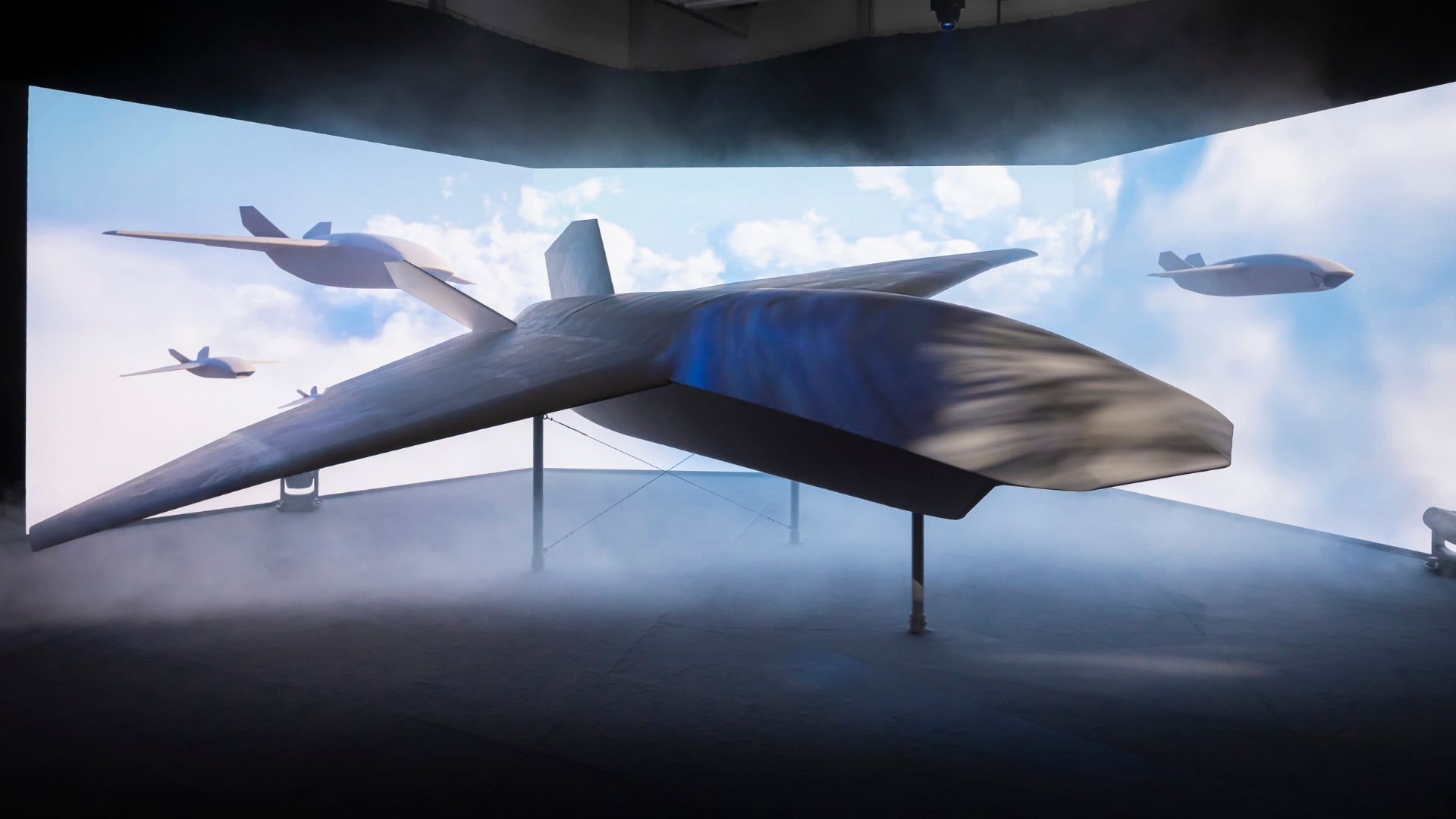
BAE Systems Unveils UK's First Autonomous Combat Drone, Brontanax, at Farnborough Airshow
BAE Systems has launched the UK's first autonomous Collaborative Combat Aircraft (CCA), named Brontanax, at the Farnborough International Airshow. This aircraft is designed to operate alongside crewed fighter jets like the Eurofighter Typhoon, enhancing combat capabilities through missions such as electronic warfare and precision strikes. The introduction of Brontanax is significant as it represents a major advancement in the UK's defense strategy, supported by a £300 million investment from the government through the Storm Fighter program. This initiative aims to establish a sovereign CCA capability for the Royal Air Force, positioning the UK as a leader in next-generation combat aviation in Europe. Looking ahead, ground testing of Brontanax will commence at BAE Systems' Warton facility, with flight trials expected to begin in UK airspace next year. If development proceeds as planned, the aircraft could be operational with the Royal Air Force by the end of the decade, marking a pivotal moment in military aviation technology.
Military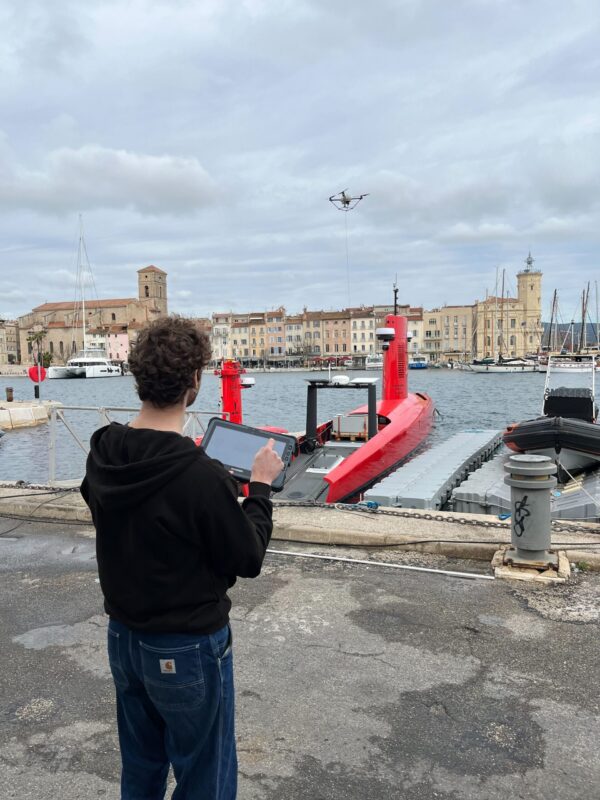
Elistair and Exail Collaborate on Tethered Drone Maritime Surveillance for Autonomous Vessels
Elistair has partnered with Exail to integrate its Khronos DroneBox with Exail's DriX unmanned surface vessel, enabling tethered drone maritime surveillance. This collaboration allows operators to maintain a persistent aerial view from shore, enhancing capabilities for naval, coast guard, and port security operations. The integration of the Khronos DroneBox with the DriX vessel marks a significant advancement in maritime surveillance technology. The tethered drone can operate for up to 24 hours at a height of 60 meters, providing real-time, encrypted video feeds even in challenging environments. This capability extends surveillance beyond traditional surface radar limits, making it ideal for various applications including coastal surveillance and search and rescue missions. Looking ahead, the partnership between Elistair and Exail is expected to evolve as they explore further applications of the Khronos system in maritime contexts. No further timeline was disclosed at the time of publication.
Drone News Drone News Feeds News safety and security seadrones Security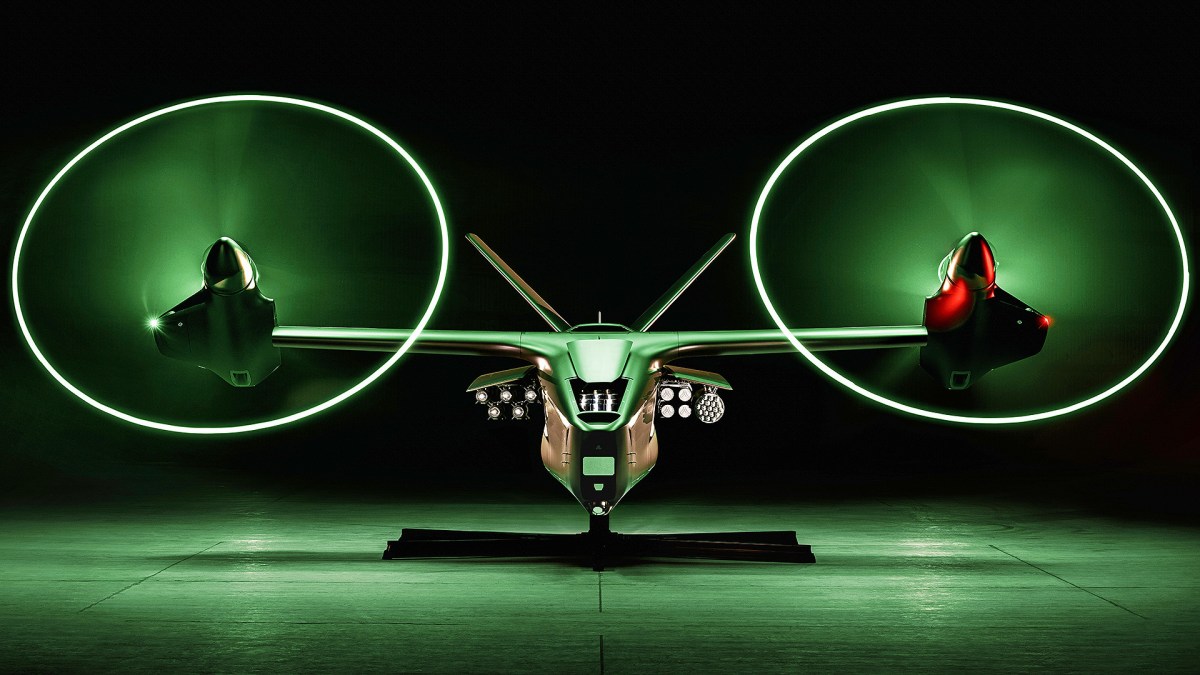
Anduril Unveils Thunder, an Autonomous Tiltrotor Attack Drone Concept
Anduril has introduced Thunder, a hybrid-electric tiltrotor combat drone developed in collaboration with Archer Aviation. Designed as a highly autonomous pilotless wingman, Thunder aims to operate alongside crewed helicopters like the AH-64 Apache, enhancing target acquisition and defense capabilities against air-to-air drone threats. This development is significant as it addresses critical operational gaps in modern warfare, allowing human pilots to engage from a safer distance while Thunder performs close-in defense. The drone's capabilities are expected to improve mission effectiveness in future conflicts, with a first flight planned for next year and potential full-scale production by the end of the decade. Looking ahead, the commercial version of Thunder is also in development, with Archer Aviation set to provide further details soon. As the drone is designed to operate at low altitudes, it is positioned to complement existing military aircraft, enhancing the U.S. Army's aerial capabilities in complex operational environments.
News & Features Air Drones Loyal Wingman Unmanned
L3Harris and Shield AI Achieve Milestone with First Autonomous DiSCO EW Drone Flight
L3Harris Technologies and Shield AI have successfully completed the inaugural live flight trial of their Distributed Spectrum Collaboration and Operations (DiSCO) system. This achievement marks a significant step in the development of autonomous electronic warfare capabilities. The successful flight trial is crucial as it demonstrates the potential of the DiSCO system to enhance operational effectiveness in electronic warfare. By leveraging advanced technologies, this collaboration aims to improve situational awareness and decision-making in complex environments. Looking ahead, industry stakeholders will be keen to observe further developments and potential applications of the DiSCO system in military operations. No further timeline was disclosed at the time of publication.
News
Blue Water Autonomy and Saildrone Sue Navy Over MUSV Marketplace Proposals
Blue Water Autonomy and Saildrone have initiated legal action against the U.S. Navy, asserting that their submissions met the requirements for the new MUSV marketplace. The lawsuits highlight the companies' contention that their proposals were compliant with the Navy's specifications, which is crucial for their competitive positioning in the defense sector. This legal dispute is significant as it underscores the challenges faced by companies in meeting military procurement standards and the implications of such lawsuits on future contracts. The outcome could influence how the Navy evaluates proposals and the overall dynamics of the MUSV marketplace, which is vital for advancing unmanned surface vehicle technologies. As the case unfolds, stakeholders should monitor the Navy's response and any potential changes to the MUSV marketplace criteria. The resolution of this dispute may set precedents for future engagements between defense contractors and military branches, impacting the broader landscape of defense procurement.
Naval Warfare Blue Water Autonomy Drones MUSV Navy Saildrone
SYNDÉO Introduces SmartVault Drone Base for Underground Autonomous Flight Solutions
SYNDÉO, a Verona, Wisconsin-based infrastructure company, is advocating for underground drone bases, specifically its SmartVault Drone Base, designed for critical missions like infrastructure inspection and border security. This innovative subsurface station features a load-bearing hatch for drone charging, secure storage, and advanced AI capabilities, distinguishing it from conventional above-ground systems. The significance of SYNDÉO's approach lies in its focus on mission-critical applications, providing a secure and efficient environment for drones. Founder Gary Henshue emphasizes that while other drone docks exist, the SmartVault integrates essential features such as thermal management and backup power, catering to the unique demands of autonomous flight operations. Looking ahead, SYNDÉO aims to expand its market presence after a decade in the infrastructure sector. The company previously engaged in smart city initiatives, including a notable project in Austin, Texas. As interest in smart city solutions fluctuates, the future adoption of SmartVault technology will be pivotal for enhancing urban infrastructure and drone operations. No further timeline was disclosed at the time of publication.
Drone News Dual Use News Smart Cities autonomous drones autonomous flight
New Autonomous Drone System Maps Volcanic Gases to Predict Eruptions
Researchers at the Technical University of Munich (TUM) have developed an autonomous measurement system that utilizes drones and lasers to map volcanic gas concentrations with a low measurement error of approximately 5%. This innovative system aims to enhance volcanic eruption forecasting by tracking the ratio of carbon dioxide to sulfur dioxide, providing insights into subterranean volcanic processes. The significance of this technology lies in its potential to prevent natural disasters by offering accurate measurements of volcanic gases. Traditional methods have faced challenges due to background emissions and equipment damage from corrosive plumes. TUM's solution involves a ground station that shoots a laser through gas clouds, allowing for precise data collection while keeping equipment safe from harsh conditions. Looking ahead, TUM plans to further automate the measurement and mapping processes, incorporating artificial intelligence to interpret the data. This advancement could lead to safer volcanic forecasting, particularly on the Aeolian island of Vulcano, which remains in an active degassing phase despite not having experienced a major eruption since the late 19th century.
Science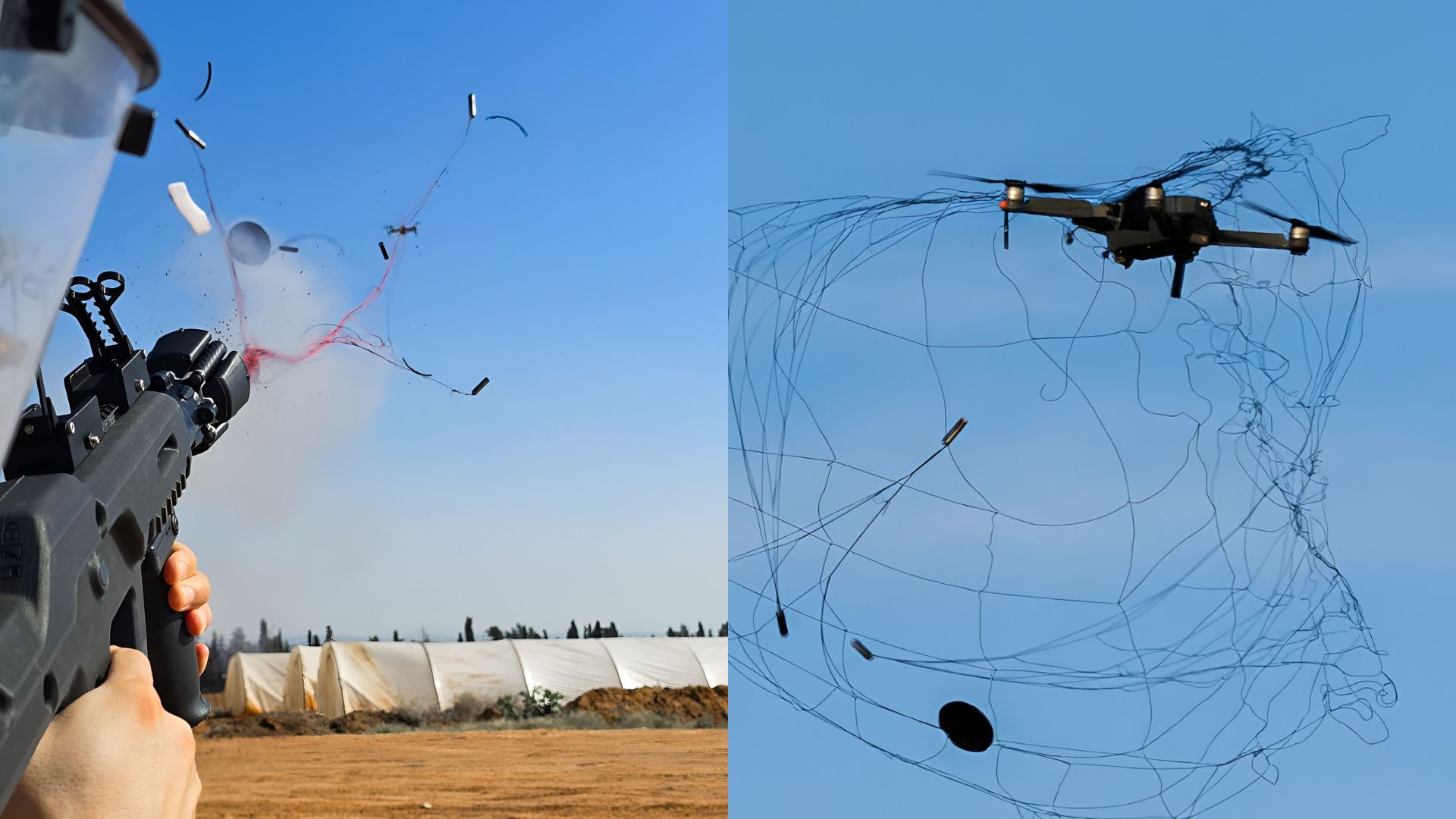
ParaZero Technologies Launches DefendAir for Autonomous Drone Interception in Military Applications
ParaZero Technologies has introduced its DefendAir platform, designed to intercept first-person view (FPV) drones autonomously before they can strike military vehicles. This system utilizes a non-explosive net-based interception method, creating a 360-degree defensive envelope around assets. The platform aims to enhance protection for both moving and stationary high-value military targets without the weight penalties of traditional armor. The rise of low-cost FPV drones has prompted militaries to seek effective countermeasures, as these drones have proven capable of damaging expensive military equipment. ParaZero's DefendAir addresses the limitations of conventional protective measures, such as steel cages, by offering a more agile and responsive solution. The system's ability to detect and neutralize threats rapidly is crucial for modern battlefield scenarios, where speed and precision are paramount. ParaZero is currently collaborating with Tier-1 defense companies to refine the DefendAir technology for operational requirements. While the company has not disclosed specific partners or a timeline for deployment, the focus on active counter-drone systems reflects a broader trend in military strategy, emphasizing the need for innovative solutions to counter evolving aerial threats. No further timeline was disclosed at the time of publication.
Military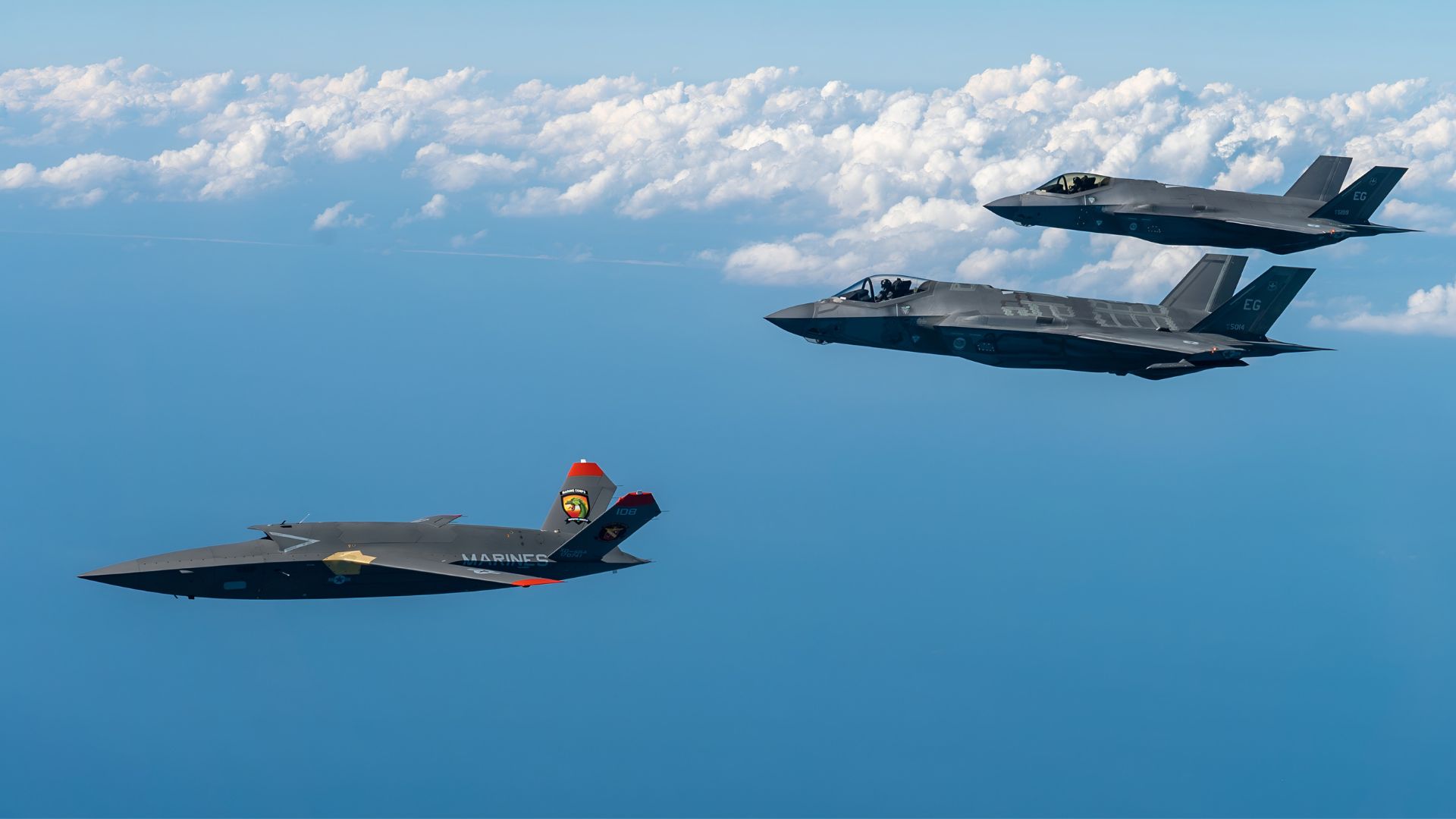
Kratos Defense's Valkyrie Drone Completes Successful Flight with F-35 Fighters
The US military is advancing towards integrating uncrewed aircraft with advanced fighter jets, specifically the F-35 and F/A-18. Kratos Defense & Security Solutions has showcased its XQ-58A Valkyrie drone's capabilities during a recent flight test in Southern California, where it successfully operated alongside Marine Corps fighters. This demonstration is significant as it highlights the potential for autonomous aircraft to enhance mission capabilities in contested airspaces. The Valkyrie's successful launch from a zero-length system and its ability to transition control between different systems underscore the importance of interoperability in military operations. Looking ahead, Kratos plans to scale production of the Valkyrie, aiming for over 150 unmanned aircraft systems by 2026. The ongoing collaboration with Northrop Grumman for the MUX TACAIR program will further adapt the Valkyrie for advanced missions, emphasizing the need for open-architecture systems in modern military aviation.
Military
Autonomous Drones Use Virtual Rewards to Outmaneuver Pursuers in Tag Game
Autonomous drones are being trained using virtual rewards to enhance their evasion skills in a high-speed game of tag. This innovative approach focuses on machine learning and decision-making, allowing drones to effectively outmaneuver pursuers and reach their base. The significance of this development lies in its potential applications in various fields, including surveillance, search and rescue, and military operations. By mastering cooperative strategies and rapid responses, these drones could revolutionize how autonomous systems interact in dynamic environments. Looking ahead, it will be important to monitor advancements in drone technology and machine learning algorithms that facilitate these capabilities. No further timeline was disclosed at the time of publication.
Robotics
The Emergence of Autonomous Drone Swarms as Advanced Killing Machines
Autonomous drone swarms have officially been introduced, showcasing technology that transforms various uncrewed platforms into effective swarming killing machines. This development marks a significant advancement in drone capabilities, with companies now able to deploy everything from commercial quadcopters to larger drones resembling small rhinos. The introduction of these drone swarms is crucial as they represent a new frontier in military and surveillance applications. Their ability to operate collectively enhances their effectiveness in various scenarios, potentially changing the landscape of aerial combat and reconnaissance. The ongoing evolution of drone technology is likely to raise important discussions regarding ethics and regulations in warfare. Looking ahead, the continued development and deployment of autonomous drone swarms will be pivotal to watch. As more companies enter this space and refine their technologies, the implications for military strategy and defense procurement will become increasingly significant. No further timeline was disclosed at the time of publication.

Apellix Demonstrates Power Wash Drone for Safe, Scalable Commercial Cleaning in Malibu
On July 25, 2026, Apellix showcased its Power Wash Drone at Pepperdine University in Malibu, demonstrating its capabilities in commercial cleaning without the need for scaffolding or lifts. This event attracted facility managers, building service contractors, and university faculty, highlighting the drone's effectiveness in reducing maintenance costs. The significance of this demonstration lies in Apellix's ability to address safety concerns associated with elevated work in commercial real estate. By utilizing the Power Wash Drone, operators can minimize risks while maintaining building exteriors, thus transforming the approach to facility maintenance. Looking ahead, the continued deployment of the Power Wash Drone across 21 countries indicates a growing trend in the adoption of autonomous cleaning technologies. No further timeline was disclosed at the time of publication.

Maximizing Drone Utilization: The Importance of Human-Guided Autonomy for Militaries
The increasing deployment of drones in military operations necessitates a strategic approach to autonomy. This involves assessing both industrial and operational frameworks to optimize the effectiveness of drone technology. Understanding how to best implement human-guided autonomy is crucial for militaries aiming to enhance their operational capabilities. The integration of autonomous systems can lead to improved efficiency and effectiveness in various military applications, making it a vital area of focus. Looking ahead, militaries must prioritize the development of strategies that leverage human-guided autonomy in drone operations. This will not only enhance current capabilities but also prepare forces for future challenges in warfare. No further timeline was disclosed at the time of publication.
Features
France's New Partnerships Aim to Boost Domestic Drone Production Using Automotive Expertise
France is advancing its domestic drone production through partnerships between major automotive companies and drone manufacturers. This initiative aims to utilize France's robust automotive manufacturing base to enhance the production of autonomous systems, reflecting a significant shift in industrial strategy across Europe and North America. The collaboration involves established automakers and suppliers, with Renault and Thales redesigning the Toutatis loitering munition for automotive-style production, targeting 1,000 units per month by 2027. Additionally, Delair and Schaeffler plan to produce about 100 drones daily by November, while Valeo and Forvia are expanding their roles in electric motors and counter-UAS technologies, respectively. This approach emphasizes efficient manufacturing over design. Looking ahead, the partnerships signify a broader trend in the drone industry, where operational deployment and manufacturing capacity are becoming as crucial as technological innovation. No further timeline was disclosed at the time of publication.
Drone Manufacturing Drone News Drone News Feeds Drones in the News Europe Drone Industry News
Tornyol Develops Autonomous Drone to Combat Mosquitoes as Alternative to Insecticides
Tornyol, a startup based in Paris and backed by Y Combinator, has developed a miniature drone designed to hunt and eliminate mosquitoes. This 40-gram autonomous quadcopter patrols the skies and uses its propellers to shred mosquitoes upon detection, offering a safer alternative to traditional chemical insecticides. The significance of this innovation lies in its potential to address the global health crisis posed by mosquitoes, which are responsible for over 700,000 deaths annually due to diseases like malaria and dengue. Traditional pest control methods often carry environmental risks and health hazards, making Tornyol's drone a promising solution for both residential and malaria-affected areas. Looking ahead, the Tornyol mosquito-hunting drone, featuring advanced sonar technology and intelligent processing, is still in development. It is expected to retail for $1,100 or be available through a $50 monthly subscription, with early reservations starting at $100. No further timeline was disclosed at the time of publication.
Innovation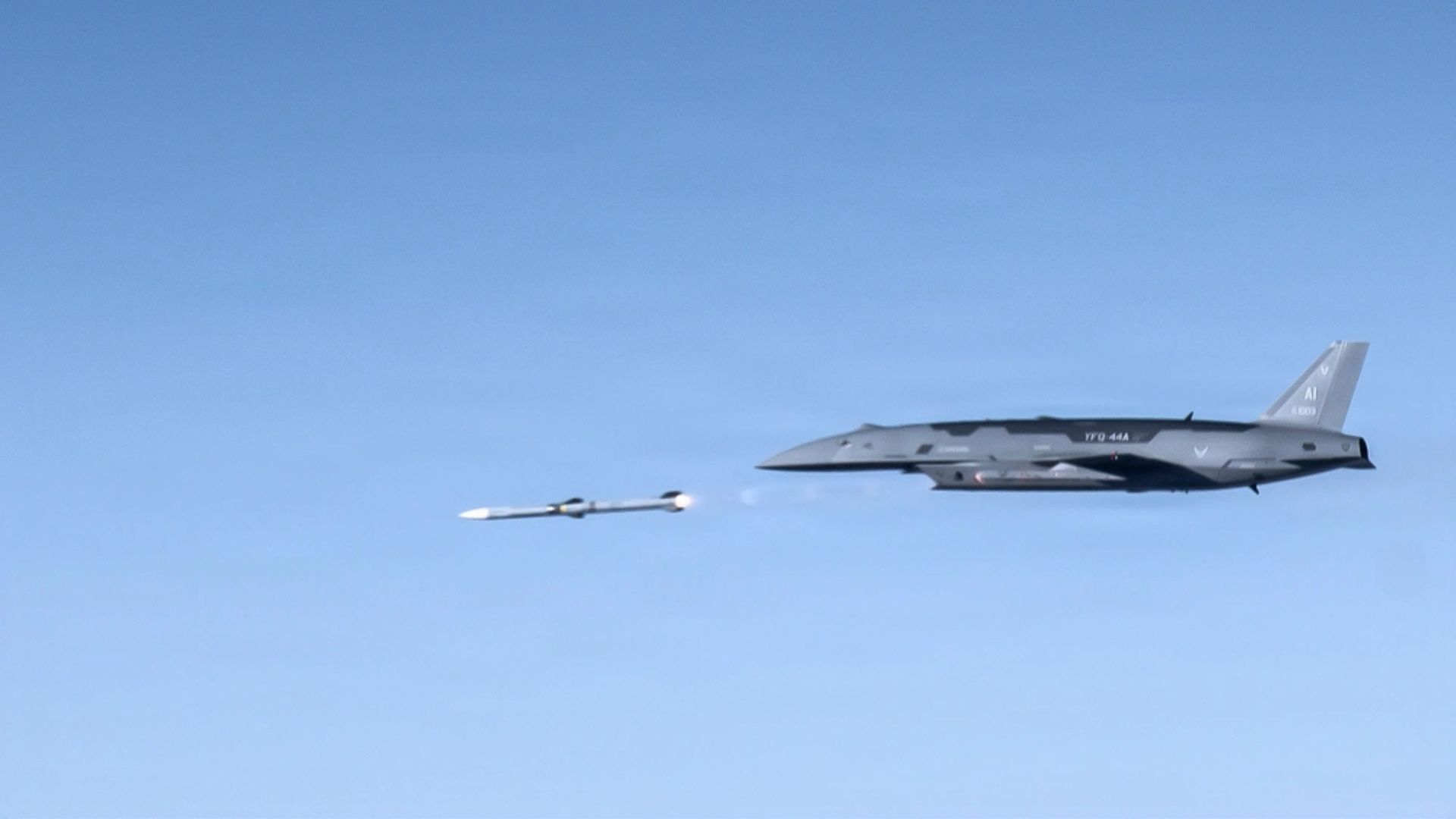
U.S. Air Force Conducts First Missile Launch from Anduril's YFQ-44A Drone
The U.S. Air Force successfully executed its inaugural missile launch from a Collaborative Combat Aircraft (CCA) on June 15, 2026. The Anduril-developed YFQ-44A drone fired an AIM-120 medium-range air-to-air missile at a digital target in California’s Mojave Desert, marking a significant advancement in the development of semi-autonomous drones capable of operating alongside piloted fighter jets. This milestone is crucial as it demonstrates the Air Force's commitment to enhancing its combat capabilities through the use of Collaborative Combat Aircraft. The YFQ-44A autonomously managed most mission steps, with a human operator providing the final launch approval, adhering to U.S. policy on lethal weapon control. This test signifies a shift from previous trials, where operators controlled the drone's flight, showcasing the aircraft's ability to execute complex tasks independently. Looking ahead, the Air Force aims to further develop and test these semi-autonomous aircraft, ultimately enhancing U.S. airpower. The CCA program seeks to deliver combat-ready drones that can operate effectively in challenging environments, with the potential for real mission deployment on the horizon. No further timeline was disclosed at the time of publication.
Military
Ranger Autonomous Vessel Successfully Completes Sea Trials from Submarine Torpedo Tube
An innovative autonomous surface vessel, the Ranger, has successfully completed its Sea Acceptance Test (SAT) in Germany, demonstrating its ability to be launched from a submarine's torpedo tube. Developed by Gabler and Flanq, the Ranger is designed for intelligence, surveillance, and reconnaissance missions with minimal human intervention. The successful completion of the SAT marks a significant milestone for the program, confirming the vessel's seaworthiness and the integration of its core technologies. The Ranger, measuring approximately 15 feet long, features a folding keel and collapsible sensor mast, allowing it to fit within a standard 21-inch torpedo tube. Looking ahead, Gabler will manage the commercialization and integration of the Ranger with submarines, while Flanq will provide advanced maritime technologies and mission software. The companies are also developing a one-way attack variant called Strike, expanding the platform's capabilities for future naval operations.
Military
Tesseract Ventures Selected for Pentagon's Autonomous Drone Delivery System Prototype Program
Tesseract Ventures, a Kansas City-based robotics and drone company, has been chosen by the Defense Innovation Unit (DIU) to participate in a prototype program aimed at enhancing the U.S. military's use of autonomous drones. This initiative, known as the Containerized Autonomous Drone Delivery System (CADDS), focuses on deploying unmanned aerial systems in challenging environments with limited infrastructure. The CADDS project represents a significant advancement for Tesseract Ventures, as it seeks to transition from single-operator drone control to a system where one individual can manage multiple drones simultaneously. This approach aims to improve operational efficiency and reduce the personnel required for drone missions, aligning with the Pentagon's goal of utilizing unmanned systems more extensively in military operations. Looking ahead, Tesseract Ventures will demonstrate its NOMAD modular autonomous platform as part of the prototype project. This platform is designed to facilitate the deployment, launch, recovery, and management of multiple drones from transportable containers. No further timeline was disclosed at the time of publication.
Military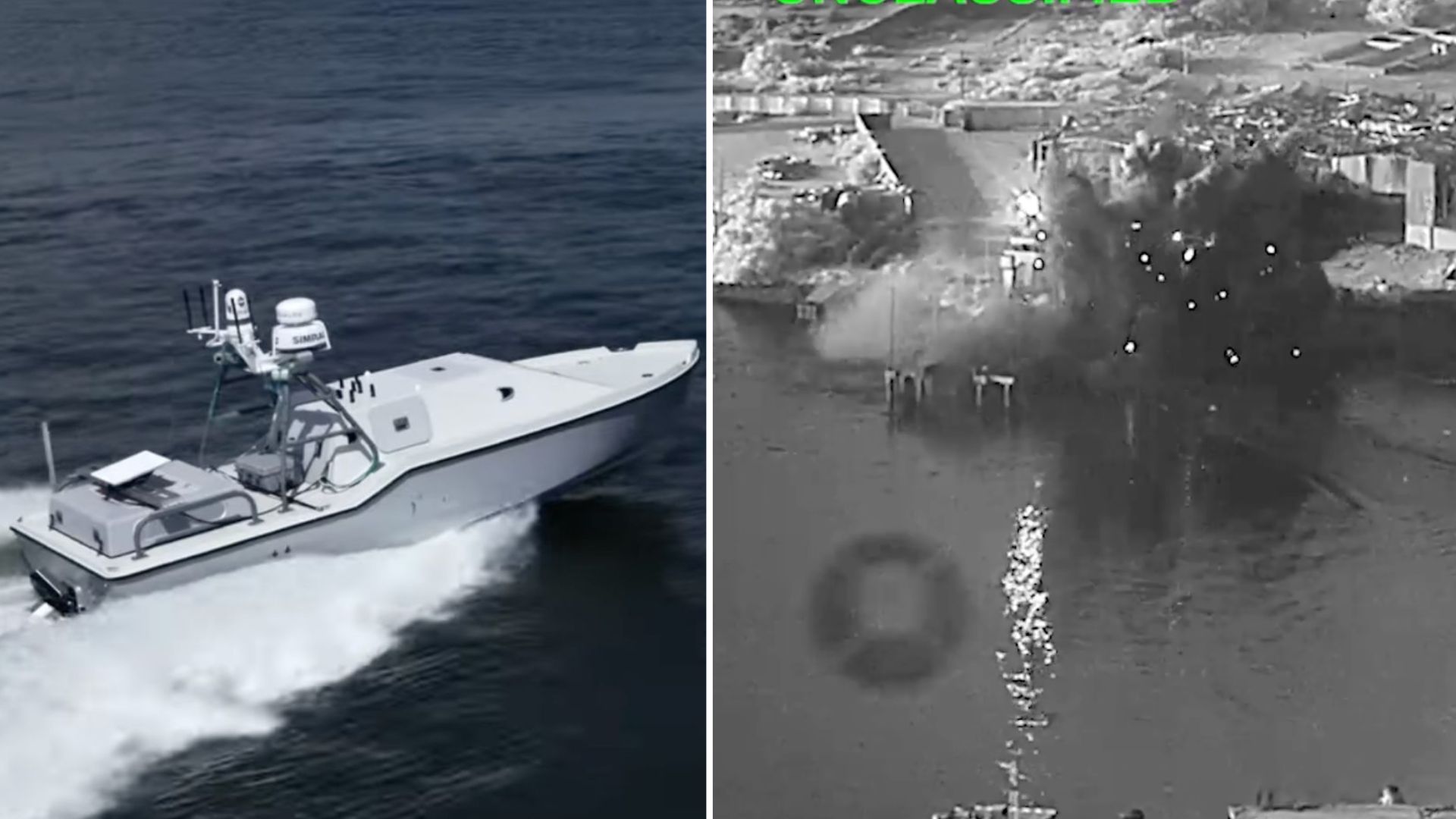
U.S. Military Executes First Offensive Strike with Autonomous Drone Boats on Iran's Naval Base
On July 12, 2026, the U.S. Central Command announced a significant advancement in naval warfare with a coordinated attack by three autonomous surface vessels on Iran's Bandar Abbas Naval Base. This operation, executed by the U.S. Navy's 5th Fleet through Task Force 59, marks the first offensive mission by a major navy using unmanned attack boats. The strike is pivotal as it demonstrates a shift toward utilizing autonomous platforms for combat missions, allowing militaries to conduct operations without risking crewed vessels. The Saronic Corsair vessels targeted a raised dock at the naval base, showcasing advanced capabilities in stealth and artificial intelligence for precise operations. Looking ahead, the success of this operation indicates a potential evolution in naval tactics, with autonomous vessels taking on more offensive roles. As militaries invest in unmanned systems, coordinated strikes like the one at Bandar Abbas may become increasingly prevalent in future naval engagements. No further timeline was disclosed at the time of publication.
Military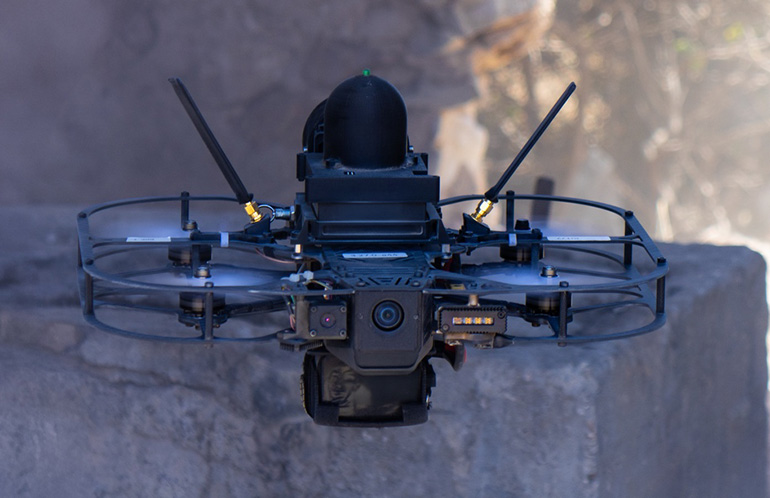
XTEND Receives U.S. Patent for Drone Autonomy Technology Enhancing Mission Efficiency
XTEND Reality Inc. has secured a U.S. patent for its autonomous navigation technology, specifically U.S. Patent No. 12,222,735, which allows drones to navigate toward operator-designated destinations without reliance on the surrounding environment. This patent, also granted in Israel, supports the company's mission to enhance drone autonomy in complex operational settings, reducing operator workload and improving mission execution reliability. The significance of this patent lies in its ability to enable drones to adapt their navigation in real-time while maintaining focus on mission objectives. As autonomous operations grow in defense, security, and public safety sectors, this technology positions XTEND favorably in a competitive landscape, reinforcing its software foundation, XOS, for next-generation autonomous systems. Looking ahead, XTEND is set to participate in the Gauntlet II phase of the U.S. Department of War's Drone Dominance Program, which will test autonomous systems in August at Fort Carson, Colorado. No further timeline was disclosed at the time of publication regarding additional developments related to this patent or upcoming projects.
Controllers Defense / Security Investments Mergers & Acquisitions News Unmanned Aerial Systems / Drones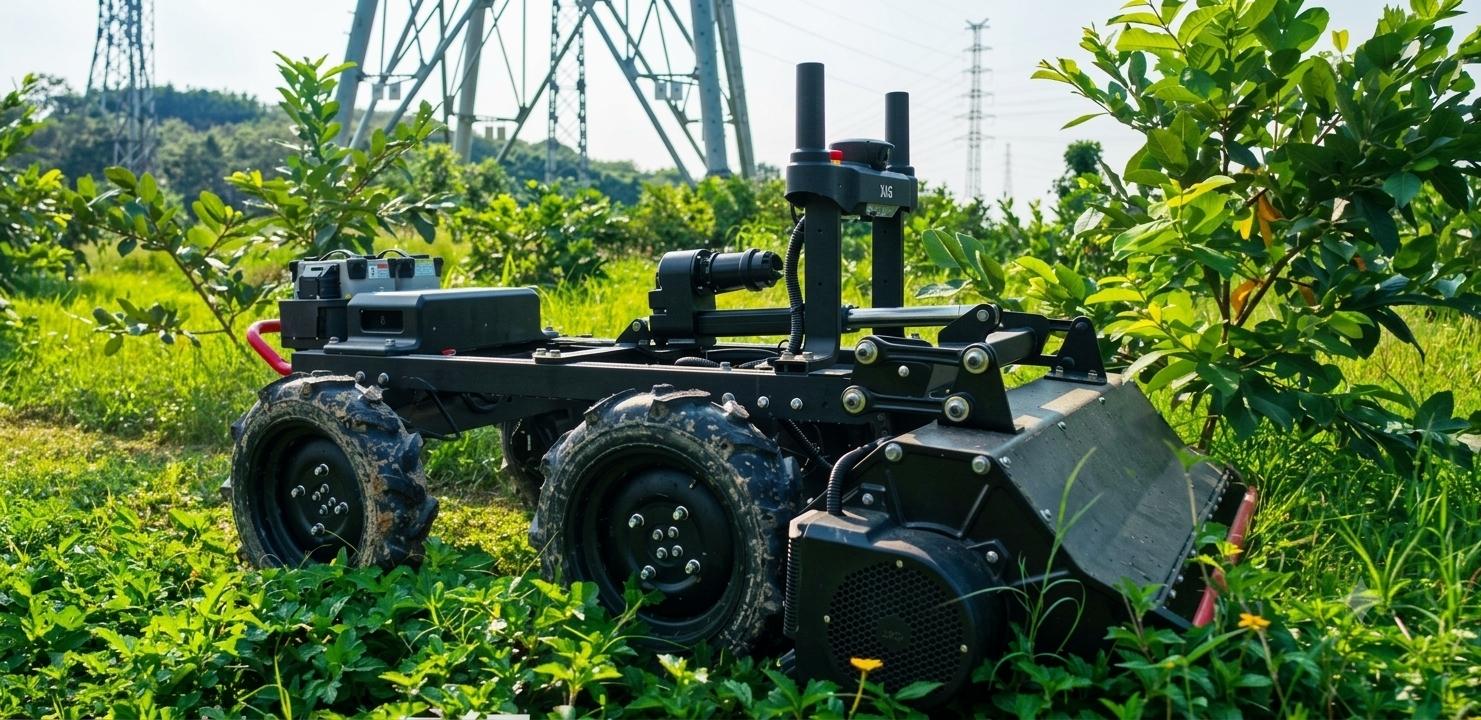
XAG Introduces RM80 Electric Mower and X Series Drone System for Autonomous Farming
XAG has launched the RM80, a 143 kg all-electric unmanned mower, at the Agricultural Robot Conference in Guangzhou, China. Designed for orchard management and land reclamation, the RM80 operates for up to 40 minutes per charge and can autonomously cover 0.33 to 0.53 hectares per hour. It features advanced navigation through the SuperX 5 Ultra control system and can also perform stubble removal for effective weed control. The introduction of the RM80 coincides with the unveiling of XAG's new X Series drone system, aimed at creating a fully autonomous farming workflow. This system includes the X Series drone, XA1 docking station, and LM1 chemical mixing unit, enhancing automation in tasks like charging and chemical refilling. The drone boasts improved computing power and perception capabilities, allowing it to survey up to 300 hectares in a single mission, while the docking station ensures precise automatic charging and refilling. XAG has not disclosed pricing details for the RM80 or the X Series system, with market packages expected to vary based on local dealer offerings. The company's strategy emphasizes integrating various robotic functions into a coordinated workflow, positioning its equipment as essential components of modern smart farming rather than standalone tools. No further timeline was disclosed at the time of publication.
Smart farming agricultural robots autonomous technology drone technology electric tractors robotic harvesting
Raytheon and CET Showcase HADALUS Underwater Launch Capability After 18 Months of Development
Raytheon and Composite Energy Technologies (CET) have successfully demonstrated the underwater launch capability of the HADALUS unmanned undersea vehicle (UUV) during a recent U.S. Navy exercise. This marks a significant milestone as it is the first time the Navy has observed this integrated capability in action beneath the ocean surface. The successful demonstration is crucial as it could enhance the U.S. Navy's operational flexibility with long-endurance autonomous underwater vehicles. The HADALUS can now conduct missions that integrate sensing, target reacquisition, and engagement, all while submerged, which presents unique engineering challenges compared to surface-launched systems. Looking ahead, the HADALUS's design allows for extended underwater operations without the need for a surface ship, aligning with the U.S. defense strategy towards distributed unmanned systems. No further timeline was disclosed at the time of publication.
Military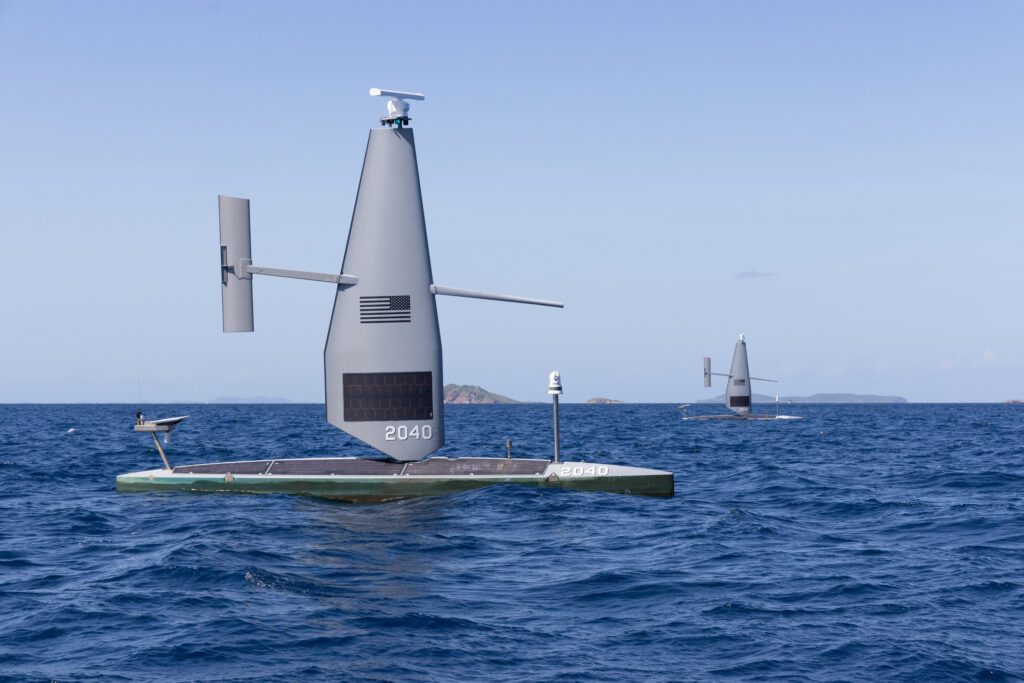
U.S. Navy Utilizes Saildrone Voyager USVs to Seize $81 Million in Cocaine
A Saildrone Voyager unmanned surface vehicle (USV) assisted the U.S. Navy in tracking and intercepting a suspected drug-smuggling vessel in the Caribbean, resulting in the seizure of approximately $81 million worth of cocaine on October 16, 2025. This operation highlights the transition of autonomous maritime systems from experimental platforms to essential tools for real-world security missions. The successful interception underscores the operational capabilities of Saildrone Voyager USVs, which can remain at sea for extended periods, enabling continuous monitoring of vast maritime areas. This capability reduces reliance on crewed vessels and supports the U.S. Navy's counter-narcotics mission in the Caribbean and Eastern Pacific, coordinated by Joint Interagency Task Force South (JIATF-S). Looking ahead, the Navy has awarded Saildrone a $16.3 million task order to continue operating Voyager USVs through 2027. This mission not only demonstrates the effectiveness of unmanned systems in maritime surveillance but also indicates a broader trend of integrating autonomous platforms into naval operations, enhancing mission effectiveness and operational reach.
Applications Defense Drone News Drone News Feeds News safety and security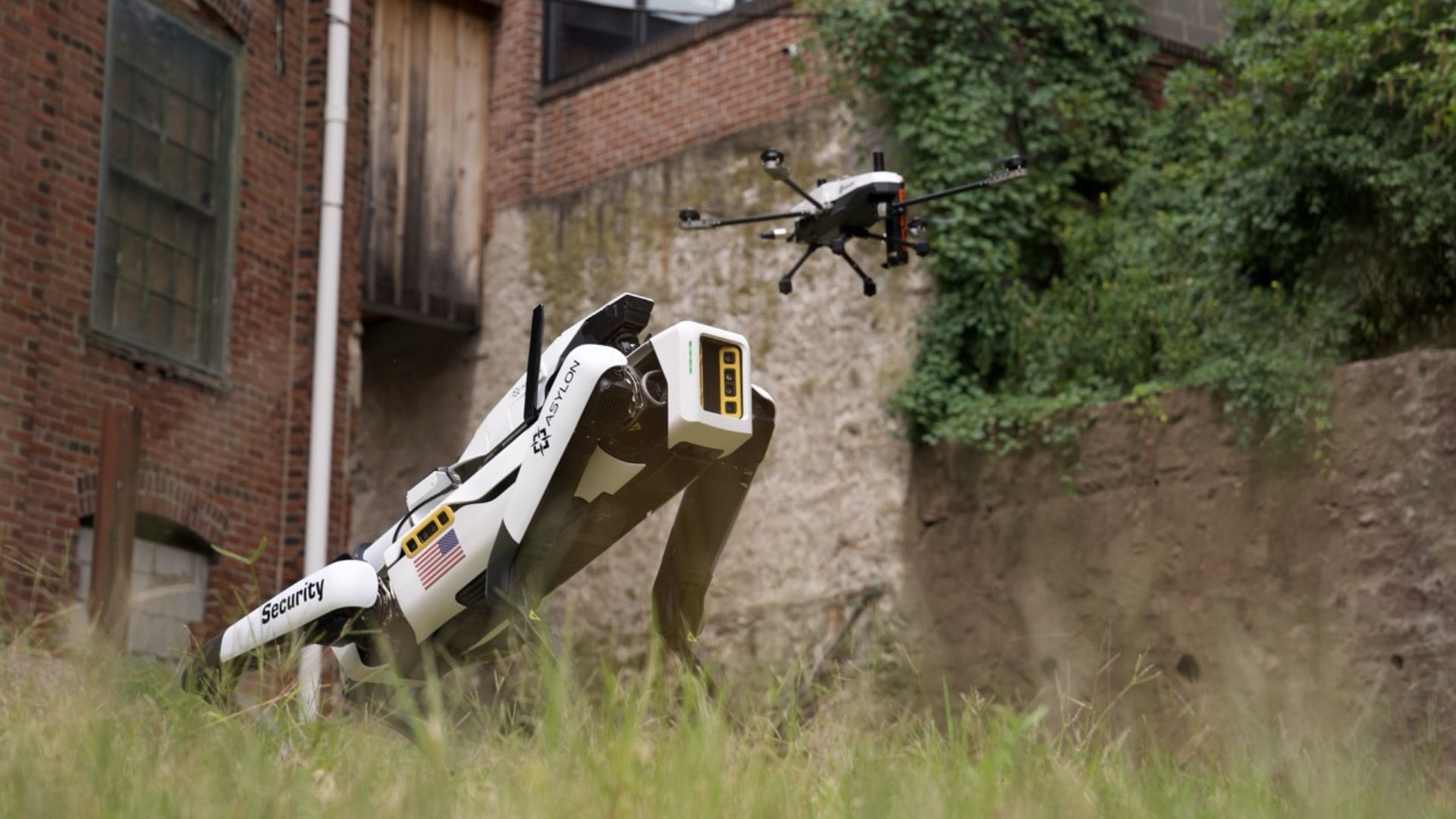
Asylon's MARIA System Enhances Aircraft Inspections for U.S. Air Force
Asylon has secured a Phase Three contract with the U.S. Air Force's Warner Robins Air Logistics Complex to deploy its Multi-modal Autonomous Robotics for Inspection of Aircraft (MARIA) system. This initiative aims to streamline aircraft inspections by integrating air and ground robotic platforms, significantly reducing the time for general visual inspections while enhancing consistency in maintenance tasks. The MARIA system combines Asylon's Guardian unmanned aircraft with the DroneDog Q-UGV, utilizing the Range autonomy software and DroneIQ command-and-control system for efficient inspection management. The significance of this deployment lies in its potential to transform aircraft maintenance operations. By automating inspections, the MARIA system not only improves inspection quality but also mitigates the risks associated with labor-intensive tasks. The integration of imagery, LiDAR data, and telemetry into a single platform allows maintenance personnel to make informed decisions quickly, thereby enhancing aircraft readiness without increasing manpower demands. This project marks a pivotal shift in how the Air Force approaches maintenance, leveraging autonomous technologies to optimize operational efficiency. Looking ahead, the success of the MARIA deployment at Warner Robins could lead to broader adoption of these technologies across military maintenance organizations. No further timeline was disclosed at the time of publication, but the ongoing collaboration between Asylon and the Air Force may pave the way for future advancements in defense sustainment operations, particularly in the realm of autonomous inspections and maintenance support.
Military
3D-printed autonomous interceptor aircraft targets hostile drone swarms at 350 mph
Colorado-based SkyDefense has introduced CobraJet, an autonomous interceptor aircraft designed to stop hostile drones before...
Military
How automated DJI drones are changing public safety in Celaya
In a significant turnaround, the Mexican city of Celaya is transforming its reputation from one of the country's most dangerous locales to a safer community, thanks to innovative technology. City officials have reported that the implementation of autonomous drone technology, coupled with integrated command-and-control systems, is enhancing public safety and emergency response. This shift comes after years of struggling with violent crime and a reactive policing approach that often failed to prevent incidents. By utilizing advanced technology, Celaya aims to proactively address security challenges and improve the overall safety of its residents.
News
EXCLUSIVE: Hegseth creates autonomy czar to manage almost all drone efforts
An internal memo acquired by Breaking Defense reveals that a newly established role within the Department of Defense will oversee all ground vehicles, small air vehicles, and nearly all sea vehicles. This position will report directly to Deputy Defense Secretary Stephen Feinberg. The creation of this role aims to streamline oversight and enhance coordination among various military vehicle operations, reflecting a strategic shift in the Department's approach to managing its diverse fleet. The memo underscores the importance of integrating these vehicle categories to improve efficiency and effectiveness in military logistics and operations.
Pentagon AI & Autonomy Defense Autonomous Working Group - DAWG Director for Major Weapons Program Drones DRPM UxS
SiMa.ai and Mistral Solutions, a subsidiary of AXISCADES, Partner to Accelerate Autonomous Drone Intelligence
Mistral and SiMa.ai have collaborated to create a joint reference design that integrates Mistral's expertise in embedded systems with SiMa.ai's Physical AI platform. This innovative partnership aims to streamline the deployment of autonomous drones, significantly enhancing their operational efficiency. The announcement comes as industries increasingly seek advanced technologies to improve automation and data processing capabilities. By leveraging their combined strengths, the two companies are positioned to offer a rapid and effective solution for businesses looking to adopt autonomous drone technology. This initiative reflects a growing trend in the tech sector, where collaboration is key to accelerating advancements in artificial intelligence and robotics.

Turkey’s ‘Fighter Drone’ Teamed With M-346 Fighter-Trainer In Autonomy Trials
Turkey has joined a select group of nations engaged in advanced flight testing of crewed and uncrewed aircraft collaboration, marking a significant step in the development of autonomous combat systems. The recent demonstrations featured Turkey's innovative 'fighter drone' working in tandem with the M-346 fighter-trainer aircraft. These trials are part of a broader initiative as air forces worldwide strive to enhance their capabilities through collaborative combat aircraft. The successful integration of these technologies could reshape future military operations and tactics, underscoring Turkey's commitment to advancing its defense capabilities in an increasingly competitive global landscape.
Air Air Forces Drones News & Features Turkish Air Force
Automation vs autonomy: What will shape the future of battlefield drones?
Recent advancements in drone technology are enabling these unmanned aerial vehicles to operate autonomously, significantly enhancing their effectiveness in various operations. This shift towards autonomy is seen as a crucial development, particularly in military applications, where drones can act as force multipliers on the battlefield. The integration of autonomous capabilities allows drones to make real-time decisions without direct human intervention, although human oversight remains essential for critical kinetic decisions. This balance aims to improve operational efficiency while ensuring safety and accountability. The ongoing evolution of drone technology is expected to reshape strategies in both defense and civilian sectors, with implications for how aerial missions are conducted in the future.
Networks & Digital Warfare Sponsored Post AI cyber security Drones networks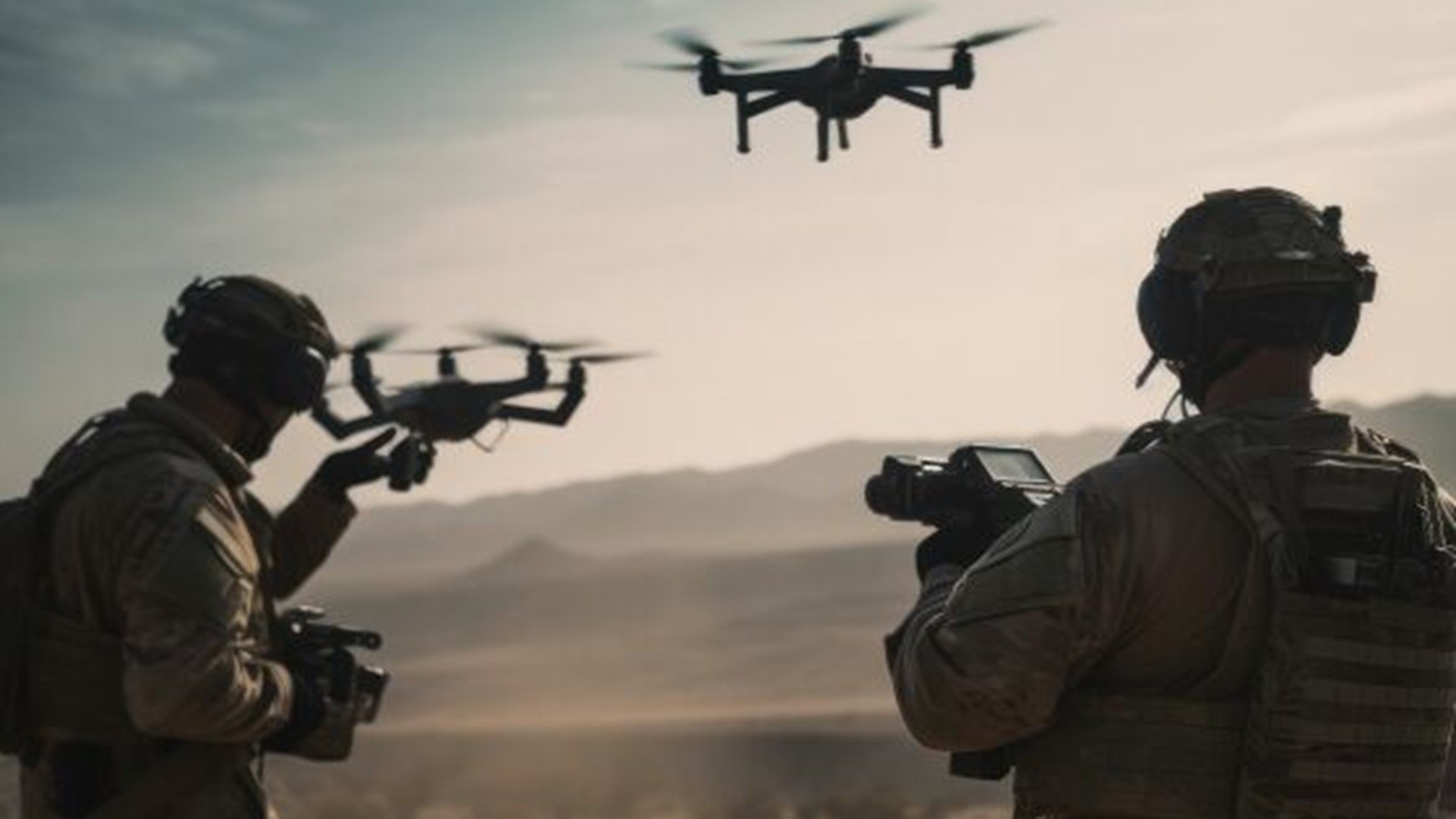
One soldier, many drones: US Army tests autonomous drone-control software
The U.S. Army has awarded two contracts to Palladyne AI, a defense and technology company, to conduct testing of its advanced artificial intelligence systems. This initiative, announced recently, aims to enhance military capabilities through innovative technology solutions. The contracts will facilitate the evaluation of Palladyne AI's systems in various operational scenarios, focusing on improving decision-making processes and operational efficiency. The collaboration underscores the Army's commitment to integrating cutting-edge technology into its operations to maintain strategic advantages. The testing is expected to take place at designated military facilities, with results potentially influencing future defense strategies and procurement decisions.
Military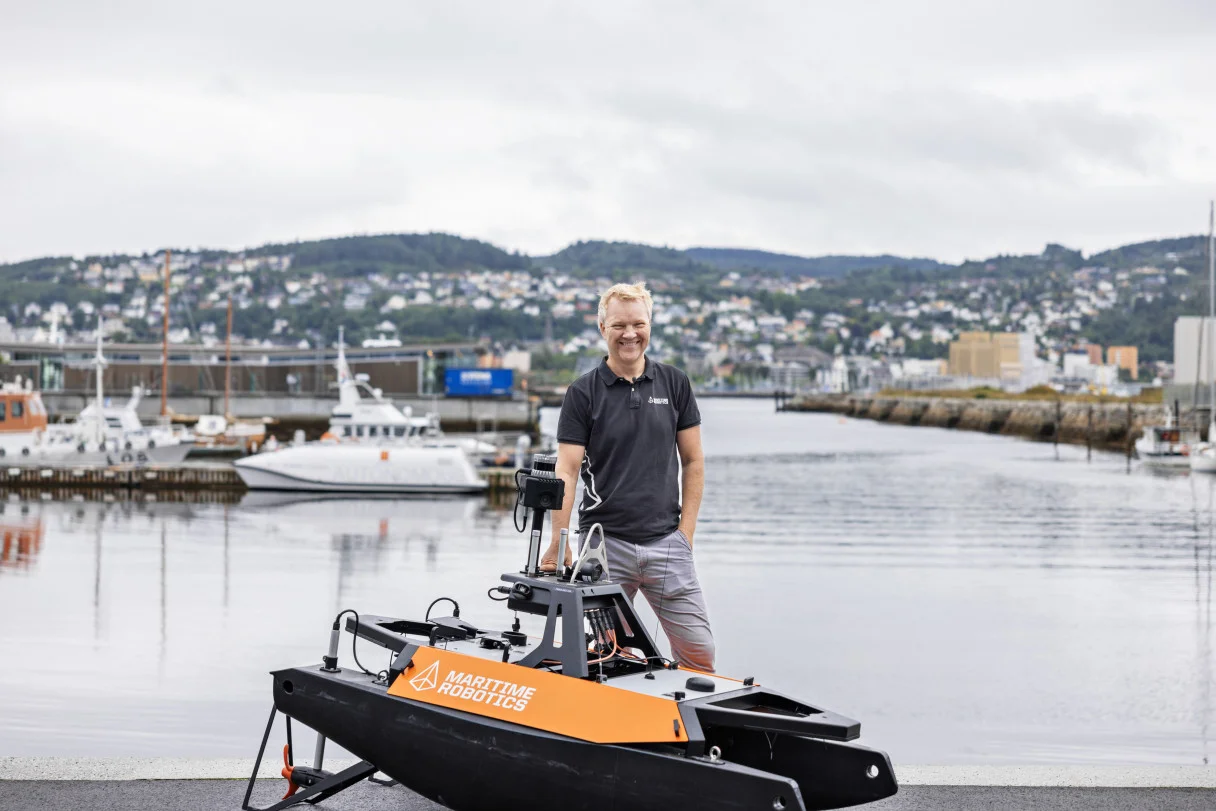
Maritime Robotics Raises €28M in Funding to Expand its Autonomous Sea Drone Systems
Norwegian company Maritime Robotics has secured €28 million in growth funding to enhance its autonomous maritime systems. The funding round, which was led by Mustard Seed + Partners, also saw contributions from existing investors including EnvisionTech, Nysnø Climate Investment, and Umoe, along with participation from the company's founders, employees, and early backers. This financial boost aims to support the company's expansion efforts in the rapidly evolving maritime technology sector.
AI AI Funding & Investment Robotics autonomous maritime systems funding maritime robotics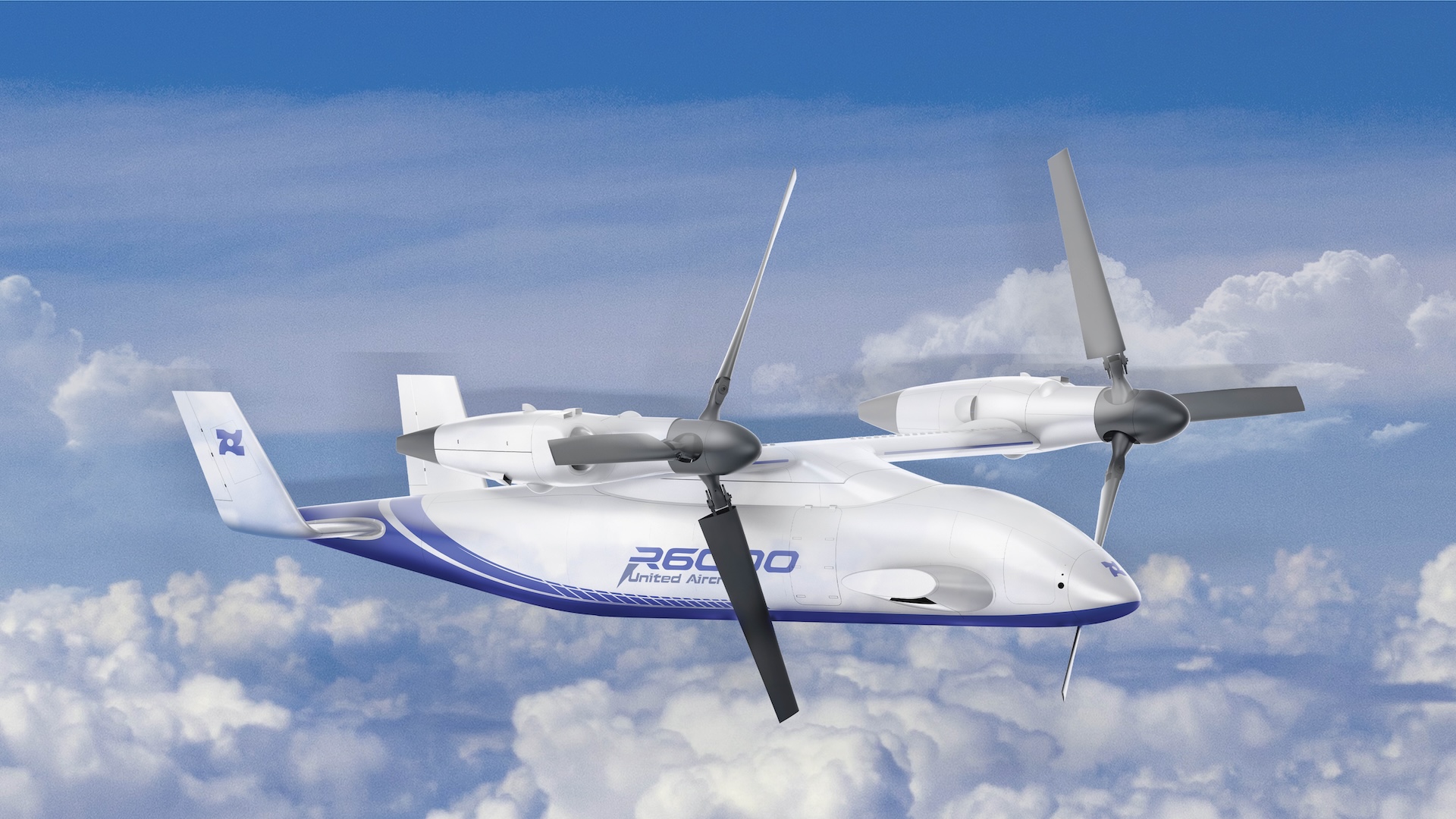
China’s giant 6-ton autonomous tiltrotor drone enters full free-flight testing
China’s R6000, recognized as one of the largest uncrewed tiltrotor aircraft globally, has commenced full free-flight testing. This significant development took place recently, marking a crucial step in advancing the country's aerospace capabilities. The testing is being conducted in various locations, showcasing the aircraft's versatility and potential applications in both military and civilian sectors. The motivation behind this initiative is to enhance China's technological prowess in aviation and to explore new operational possibilities for unmanned aerial vehicles. The R6000's design allows it to take off and land vertically while also achieving high-speed horizontal flight, which could revolutionize transport and logistics in challenging environments. As the testing progresses, engineers and researchers are closely monitoring the aircraft's performance to ensure safety and efficiency, paving the way for future innovations in unmanned flight technology.
Military
New RapidStriker system uses 360-degree vision and automated fire to neutralize drones
Thales has introduced a new line of advanced battlefield drones as military forces worldwide strive to keep pace with the increasing use of unmanned aerial vehicles in combat. This announcement comes amid growing concerns over the evolving nature of warfare, where drones are becoming a pivotal element on the front lines. The unveiling took place during a defense technology exhibition in Paris, highlighting the company's commitment to enhancing military capabilities in response to modern threats. Thales aims to provide innovative solutions that not only improve operational efficiency but also ensure the safety of personnel in high-risk environments. The new drones are designed to integrate seamlessly with existing military systems, offering enhanced surveillance and combat support. As nations invest heavily in drone technology, Thales's latest offerings reflect the urgent need for armed forces to adapt to these advancements and maintain strategic advantages on the battlefield.
Military
New sub-450-gram mini drone system sustains autonomous surveillance despite GPS jamming
As military forces seek innovative solutions to enhance soldier safety and situational awareness, recent advancements in technology are being explored. These developments aim to provide troops with better protection while ensuring they remain alert to their surroundings. The initiative comes in response to the increasing challenges faced by soldiers operating in high-stress environments, where the balance between safety and awareness is crucial. By integrating cutting-edge wearable devices and advanced communication systems, armies are working to create a more effective and responsive combat experience. This effort is particularly relevant in light of ongoing conflicts and the evolving nature of warfare, which demands that soldiers be both protected and informed. The implementation of these technologies is expected to improve operational efficiency and reduce risks on the battlefield, ultimately enhancing the overall effectiveness of military missions.
Military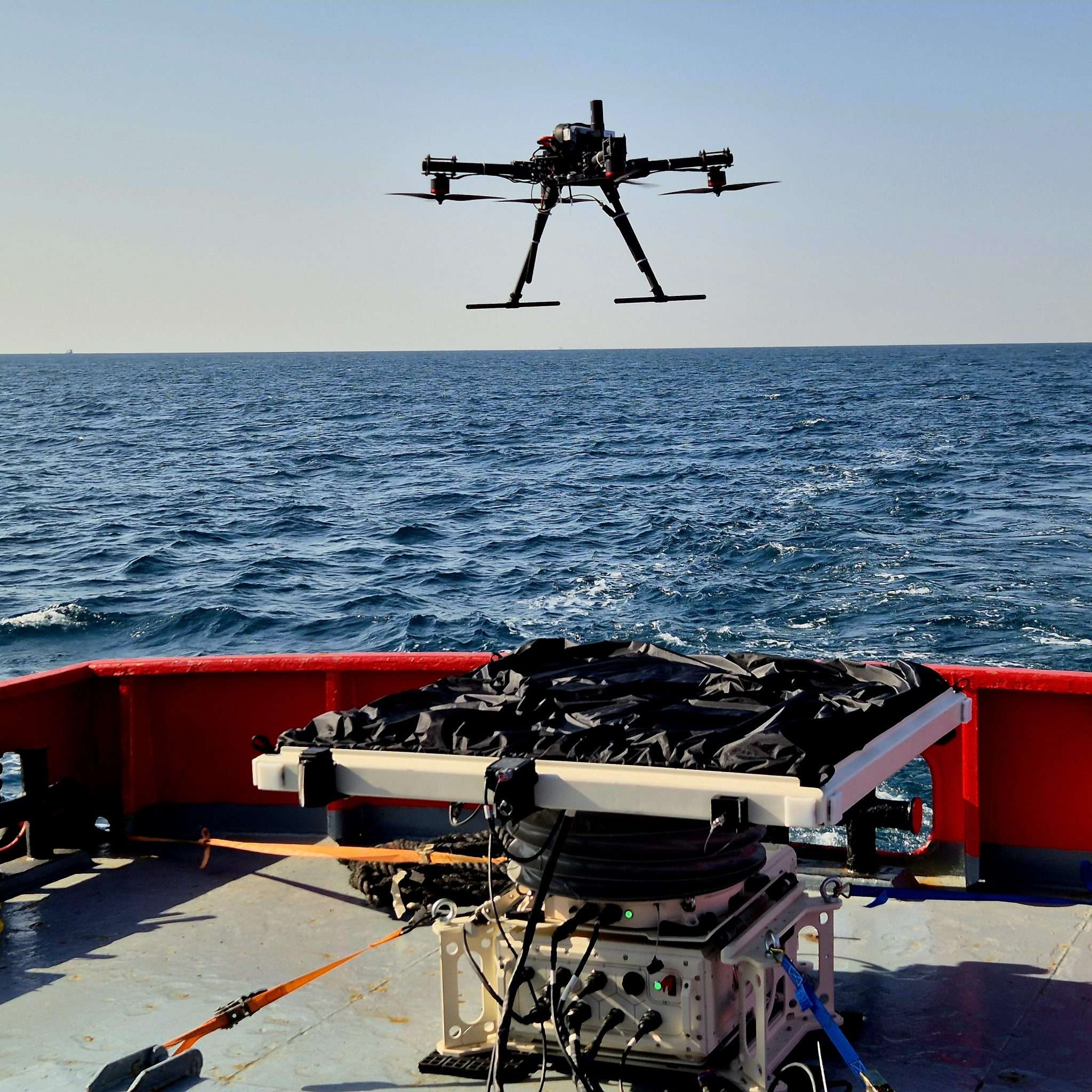
WaiV Robotics Brings Autonomous Drone Recovery at Sea to U.S. Offshore Operators
WaiV Robotics, a London-based maritime autonomous infrastructure developer, has officially launched its services in the U.S. market this week. The company aims to address the increasing challenges faced by offshore energy operators in inspection, maintenance, and emergency response as assets are positioned further from shore. By introducing its innovative autonomous drone launch and recovery technology, WaiV Robotics seeks to enhance operational efficiency for offshore operators across the country. The platform is designed to streamline processes and improve safety in the demanding offshore environment.
Applications Drone News Drone News Feeds Drones in the News News ocean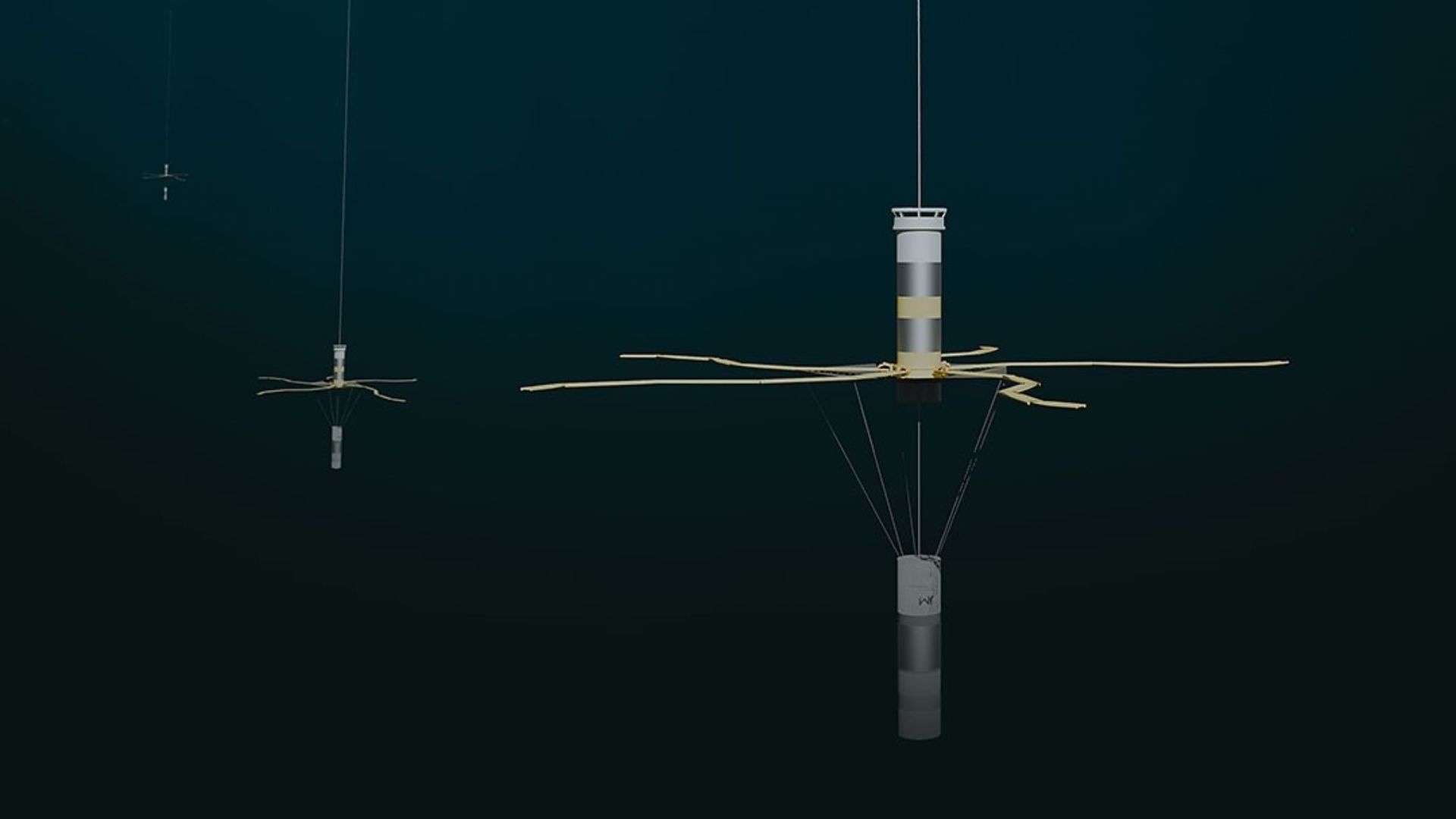
UK trials compact G-size sonobuoy built for autonomous drones hunting submarines
Ultra Maritime has successfully conducted the inaugural in-water deployment trial of its advanced Multistatic Active Receive system. This significant milestone took place recently, marking a key step in the development of the technology designed to enhance maritime surveillance and detection capabilities. The trial was held in a controlled marine environment, allowing the team to assess the system's performance and reliability in real-world conditions. The motivation behind this initiative is to improve the effectiveness of maritime operations, particularly in detecting underwater threats and monitoring marine activities. By utilizing innovative technology and methodologies, Ultra Maritime aims to set a new standard in maritime security solutions. The successful trial demonstrates the potential of the Multistatic Active Receive system to revolutionize the industry and address growing concerns over maritime safety and security.
Military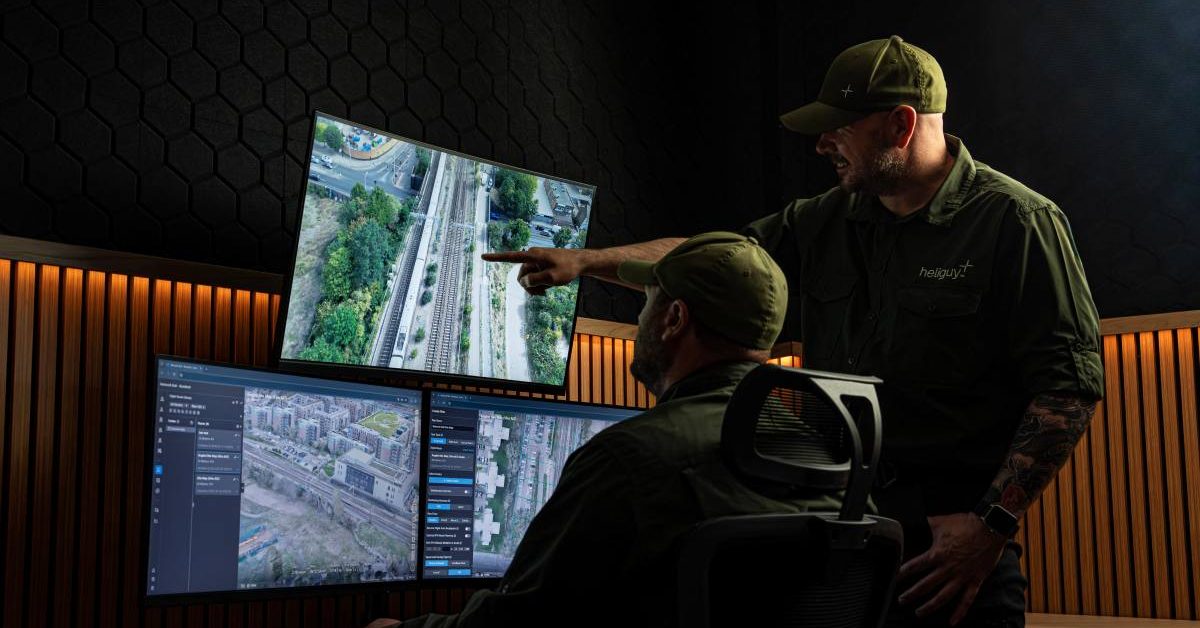
Automated DJI drones are now watching UK railways remotely
Heliguy, a UK-based drone solutions provider, has achieved a pivotal milestone by obtaining a Beyond Visual Line of Sight (BVLOS) authorization from the UK Civil Aviation Authority (CAA). This approval enables Heliguy to perform remote drone operations for Network Rail, a major player in rail infrastructure. The authorization marks a significant advancement in the use of drone technology for railway inspections, potentially eliminating the need for pilots to be physically present trackside. This innovative approach aims to enhance efficiency and safety in monitoring rail infrastructure, reflecting the growing trend of integrating advanced technology in transportation sectors.
News
Drone rescue highlights US Navy's autonomous push
The recent deployment of a sea drone to rescue two U.S. Army aviators, reportedly downed by Iranian forces, highlights the increasing significance of unmanned vessels in the United States' naval strategies. Analysts noted that this incident, which took place on Wednesday, reflects a shift in military operations, emphasizing the role of advanced technology in modern warfare. The use of a sea drone not only showcases the capabilities of remote-operated vehicles but also illustrates the U.S. commitment to safeguarding its personnel in hostile environments. As tensions in the region escalate, the integration of such innovative tools into military operations may become a crucial factor in future engagements.
Robotics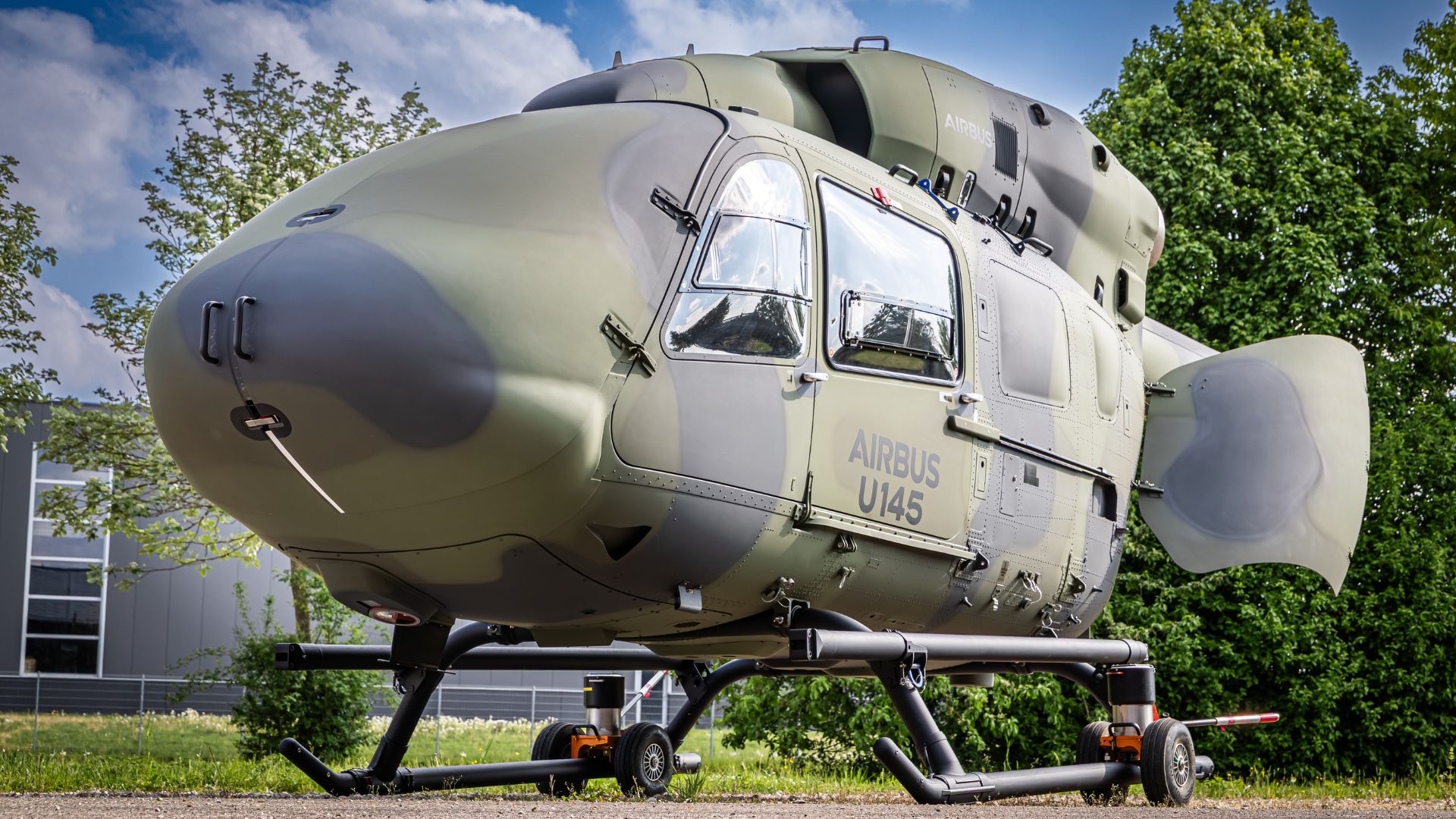
Airbus debuts U145 autonomous helicopter drone with no cockpit for military missions
Airbus Helicopters has unveiled a new autonomous aircraft derived from its widely-used H145 platform, marking a significant advancement in aviation technology. The announcement was made during the International Paris Air Show, which took place from June 19 to June 25, 2023. This innovative aircraft aims to enhance operational efficiency and safety in various sectors, including medical transport, search and rescue, and logistics. The motivation behind this development stems from the growing demand for unmanned aerial vehicles that can perform complex missions with minimal human intervention. By leveraging advanced automation and artificial intelligence, Airbus Helicopters seeks to address challenges in urban air mobility and improve response times in critical situations. The aircraft is designed to operate in diverse environments, showcasing its versatility and potential for integration into existing air traffic systems. Through rigorous testing and collaboration with regulatory bodies, Airbus aims to ensure that the new autonomous H145 meets safety standards and can be deployed effectively in real-world scenarios. This initiative reflects Airbus Helicopters' commitment to innovation and its vision for the future of aviation, where autonomous systems play a crucial role in enhancing air transport capabilities.

ACS Raises $200M in Series B Funding to Expand ‘Bullfrog’ Autonomous Counter-Drone System
Allen Control Systems has successfully secured $200 million in a Series B funding round aimed at enhancing the production of its autonomous counter-drone weapons systems, which are intended for the U.S. military and its allied nations. The funding round was spearheaded by Smash Capital, with contributions from existing investors such as Craft Ventures, Rally Ventures, and Inspired Capital. This financial boost will enable the company to scale its operations and meet the growing demand for advanced defense technologies in response to increasing drone threats.
AI AI Funding & Investment Robotics ACS Allen Control Systems autonomous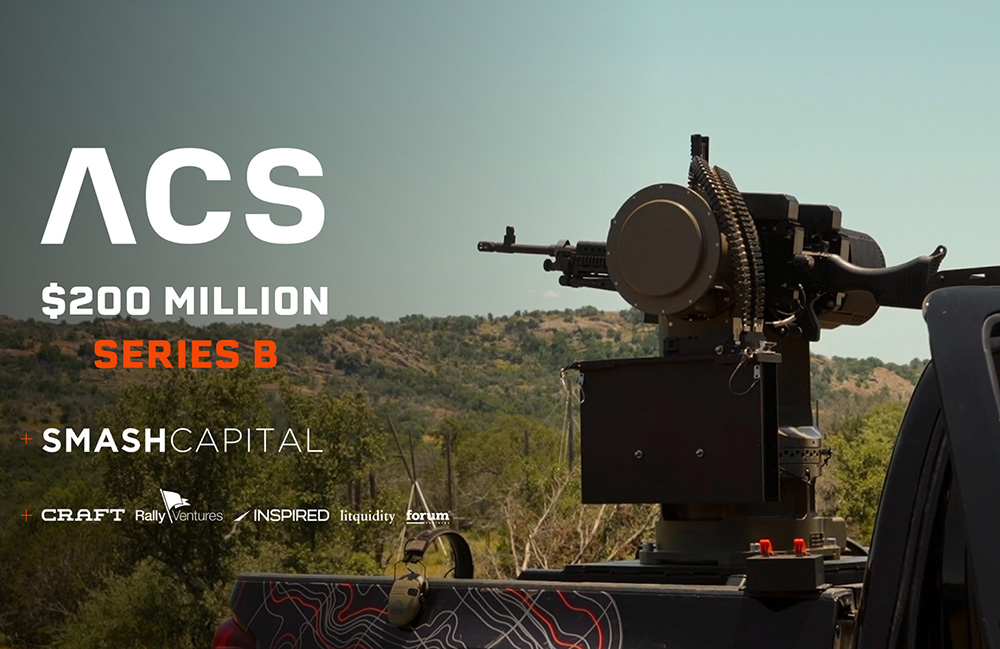
ACS raises $200M to scale autonomous counter-drone system
Allen Control Systems has secured $200 million in funding to enhance the manufacturing capabilities and expedite the deployment of its autonomous weapon station, known as Bullfrog. This significant investment aims to bolster the company's efforts in developing advanced counter-drone technology, responding to the increasing demand for effective security solutions in various sectors. The funding will facilitate the scaling of production processes, allowing for a quicker rollout of the Bullfrog system, which is designed to autonomously detect and neutralize drone threats. This initiative underscores the growing importance of autonomous systems in modern defense strategies.
Artificial Intelligence Defense / Security Financial Investments Markets / Industries News
Autonomous Drone Security Takes Flight at 150 MW Ta’anakh Solar Project
High Lander, a global leader in drone fleet management and Unmanned Traffic Management (UTM) software, has partnered with Israel’s Ministry of Energy to implement autonomous aerial patrols at the 150 MW Ta’anakh solar project. This initiative, which involves collaboration with G1 Group and operator Cando Drones, aims to enhance security measures at the solar site. The agreement marks a significant step in integrating advanced drone technology for monitoring and safeguarding critical energy infrastructure. The deployment is expected to improve operational efficiency and safety at the facility, reflecting a growing trend in utilizing drones for security purposes in renewable energy sectors.
Drone News Drone News Feeds drone security News Security Alon Abelson
AI agents enhance autonomous inspections, revamping manual approval processes for drones and ground robots by DataRobot, Chevron, and NVIDIA.
DataRobot has announced a collaboration with Chevron U.S.A. Inc., a subsidiary of Chevron Corporation, to implement agent-based AI in edge environments. This partnership aims to enhance autonomous patrol and inspection operations at Chevron facilities. By leveraging advanced AI technology, the initiative seeks to improve operational efficiency and safety in the company's infrastructure.

Autonomous drone can deliver life jackets to people that fall overboard
When a person falls overboard, the urgency of the situation escalates rapidly, as their chances of survival diminish significantly with each passing minute. Rescue operations face critical challenges, particularly due to the time required for a vessel to come to a complete stop and deploy a rescue boat. By the time the search begins, the individual may have drifted far from the ship, complicating recovery efforts. This race against time highlights the importance of swift action and efficient rescue protocols in maritime emergencies.
RoboticsRobotics needs a service framework.
RSF defines a common language for robot service capability, lifecycle operations, certification pathways, and service-provider networks.
Join the RobotToday community on LinkedIn
Daily robotics news, in-depth analysis, conference highlights, and discussions with professionals worldwide.