Industry Briefing
A single destination for timely, editor-curated robotics news from around the world.
Bosch Ventures Makes Strategic Investment in Asylon Robotics for AI-Enabled Systems
Bosch Ventures has made a significant investment in Asylon Robotics aimed at enhancing the development and deployment of autonomous, AI-driven robotic systems. These systems are designed for security, inspection, and other essential physical operations, addressing the increasing need for effective monitoring and safeguarding of critical infrastructure. The investment is particularly important as operators of critical infrastructure are under mounting pressure to ensure the security and monitoring of complex physical assets continuously. Asylon Robotics specializes in autonomous aerial and ground systems that can meet these demands, thereby contributing to the resilience of critical infrastructure. Looking ahead, stakeholders should monitor how this investment influences the advancement of Asylon's technologies and the broader implications for the security and inspection sectors. No further timeline was disclosed at the time of publication.
Financials & Investments News Robotics asylon asylon robotics autonomous drones
Asylon secures Phase Three contract for MARIA aircraft inspection system development
Asylon has been awarded a Phase Three contract by the Warner Robins Air Logistics Complex (WR-ALC) to advance its Multi-modal Autonomous Robotics for Inspection of Aircraft (MARIA) system. This contract focuses on further development, integration, and demonstration of the MARIA technology at the WR-ALC facility, enhancing aircraft inspection processes. The significance of this contract lies in the increasing demand for automation in aircraft maintenance and inspection. Asylon's MARIA system aims to improve efficiency and accuracy in inspections, which is crucial for maintaining operational readiness in military and commercial aviation sectors. The integration of autonomous robotics is expected to streamline workflows and reduce human error. Looking ahead, stakeholders will be monitoring the progress of the MARIA system's development and its subsequent demonstration at WR-ALC. No further timeline was disclosed at the time of publication, but successful implementation could set a precedent for similar technologies in the aerospace industry.
News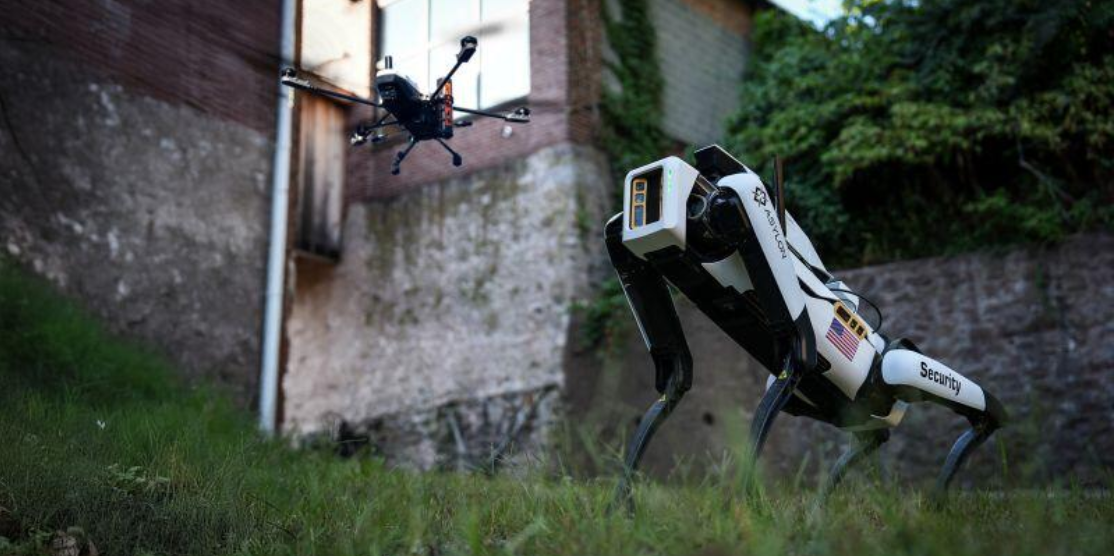
U.S. Air Force Transforms Aircraft Inspections with Asylon's Robot Dog and Drones
The U.S. Air Force's Warner Robins Air Logistics Center has awarded Asylon a Phase III SBIR contract to advance the MARIA system, integrating the Guardian drone and DroneDog robot dog for automated aircraft inspections. This system allows for rapid digital mapping of aircraft, significantly reducing inspection time from days to hours while eliminating the risks associated with manual high-altitude checks. The collaboration between the DroneDog and Guardian drone enables comprehensive inspections, identifying anomalies and defects autonomously. The data is transmitted in real-time to the DroneIQ platform, allowing maintenance personnel to review results through 2D workflows or 3D digital twin views. The system's core value lies in its speed and consistency, ensuring that inspections cover the same points each time, thus minimizing the randomness of manual checks. Currently programmed for the Lockheed C-5 and C-130 aircraft, the long-term goal is to expand the system's capabilities across all Warner Robins aircraft types and the broader Air Force logistics framework. Asylon aims to enhance the MARIA system with advanced AI anomaly detection and explore humanoid fleet management for concurrent maintenance tasks.
Robotic Inspection Aerospace Technology Drone Technology Automation Military Logistics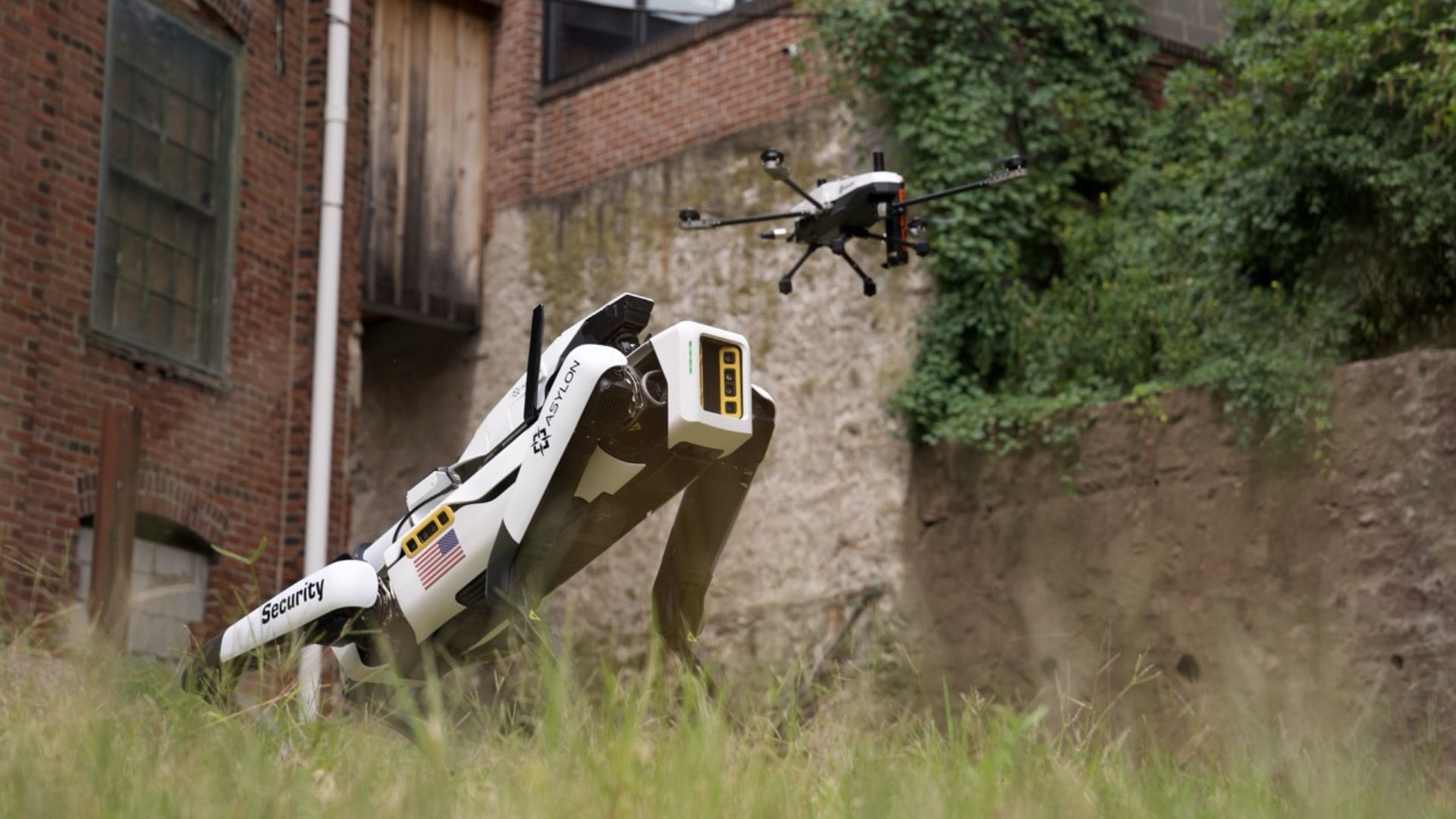
Asylon's MARIA System Enhances Aircraft Inspections for U.S. Air Force
Asylon has secured a Phase Three contract with the U.S. Air Force's Warner Robins Air Logistics Complex to deploy its Multi-modal Autonomous Robotics for Inspection of Aircraft (MARIA) system. This initiative aims to streamline aircraft inspections by integrating air and ground robotic platforms, significantly reducing the time for general visual inspections while enhancing consistency in maintenance tasks. The MARIA system combines Asylon's Guardian unmanned aircraft with the DroneDog Q-UGV, utilizing the Range autonomy software and DroneIQ command-and-control system for efficient inspection management. The significance of this deployment lies in its potential to transform aircraft maintenance operations. By automating inspections, the MARIA system not only improves inspection quality but also mitigates the risks associated with labor-intensive tasks. The integration of imagery, LiDAR data, and telemetry into a single platform allows maintenance personnel to make informed decisions quickly, thereby enhancing aircraft readiness without increasing manpower demands. This project marks a pivotal shift in how the Air Force approaches maintenance, leveraging autonomous technologies to optimize operational efficiency. Looking ahead, the success of the MARIA deployment at Warner Robins could lead to broader adoption of these technologies across military maintenance organizations. No further timeline was disclosed at the time of publication, but the ongoing collaboration between Asylon and the Air Force may pave the way for future advancements in defense sustainment operations, particularly in the realm of autonomous inspections and maintenance support.
MilitaryRobotics needs a service framework.
RSF defines a common language for robot service capability, lifecycle operations, certification pathways, and service-provider networks.
Join the RobotToday community on LinkedIn
Daily robotics news, in-depth analysis, conference highlights, and discussions with professionals worldwide.