Industry Briefing
A single destination for timely, editor-curated robotics news from around the world.
How assistive robots can boost an inclusive workforce
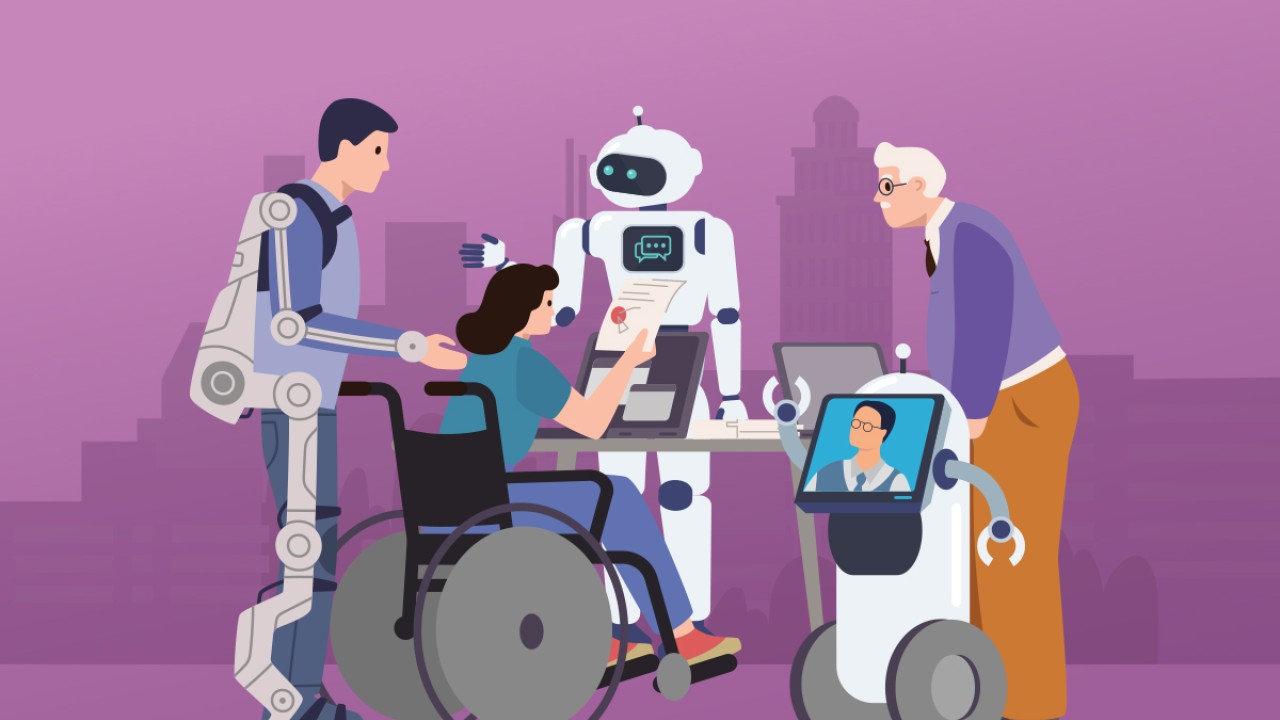
In a growing trend within the hospitality industry, businesses are increasingly utilizing robots in restaurants and hotels, while also fostering inclusivity by employing individuals with disabilities to operate these machines. These telepresence robots, often referred to as avatar robots, feature the operator's face displayed on a screen, ensuring a human connection in service delivery. This innovative approach not only enhances customer experience but also provides meaningful job opportunities for those with mobility challenges. By integrating technology with a commitment to inclusivity, these establishments are redefining service roles and promoting accessibility in the workforce.

OpenAI announces entry into robotics, focusing on developing assistive robots in the short term.
OpenAI CEO Sam Altman announced via social media that the company is seeking talented full-stack hardware, operations, systems, and machine learning engineers to collaborate on developing socially beneficial robots. He emphasized that artificial intelligence should assist humans in the real world. In the short term, OpenAI aims to create robots that can help technical workers build future infrastructure, while in the long term, the company envisions a future where everyone has a personal robot capable of fulfilling various needs. Altman revealed that OpenAI's world simulation research project has rapidly evolved over the past year into OpenAI Robotics, led by Aditya Ramesh. The project is making significant strides, grounded in the deep integration and collaborative design of robotics hardware and machine learning research.
Ergonomically Designed Assistive Robots: Where and How to Bring Comfort, Safety, and Independence to Elderly Care
A recent study published in the Journal of Field Robotics highlights advancements in robotic technology aimed at enhancing agricultural efficiency. Researchers from various universities collaborated on this project, focusing on the development of autonomous robots designed to assist in crop monitoring and management. The study, released in early October 2023, emphasizes the increasing need for innovative solutions in agriculture due to rising global food demands and labor shortages. The research was conducted across multiple agricultural sites, showcasing the robots' capabilities in real-time data collection and analysis. By utilizing advanced sensors and machine learning algorithms, these robots can identify crop health issues and optimize resource usage, ultimately aiming to improve yield and reduce waste. The findings suggest that integrating robotics into farming practices could significantly alleviate some of the pressures faced by the agricultural sector. This initiative not only addresses the immediate challenges of food production but also aligns with broader sustainability goals. The researchers advocate for further investment in robotic technologies, as they believe that such innovations could play a crucial role in transforming traditional farming methods into more efficient and sustainable practices.
SURVEY ARTICLE
VoicePilot Framework Enhances Communication Between Humans and Physically Assistive Robots
Approximately 5 million people in the United States are affected by motor impairments, which significantly impact their daily lives. In response to this challenge, researchers at Carnegie Mellon University's Robotics Institute have developed the VoicePilot Framework, designed to enhance communication between humans and physically assistive robots. This innovative framework leverages Large Language Models (LLMs) capable of understanding and generating human language and code, thereby improving the interaction between users and robotic assistants. The initiative aims to empower individuals with motor impairments by facilitating greater independence, enhancing their well-being, and ultimately improving their quality of life. The advancements in this technology represent a significant step forward in the integration of robotics into everyday assistance for those in need.
UncategorizedRobotics needs a service framework.
RSF defines a common language for robot service capability, lifecycle operations, certification pathways, and service-provider networks.
Join the RobotToday community on LinkedIn
Daily robotics news, in-depth analysis, conference highlights, and discussions with professionals worldwide.