Industry Briefing
A single destination for timely, editor-curated robotics news from around the world.
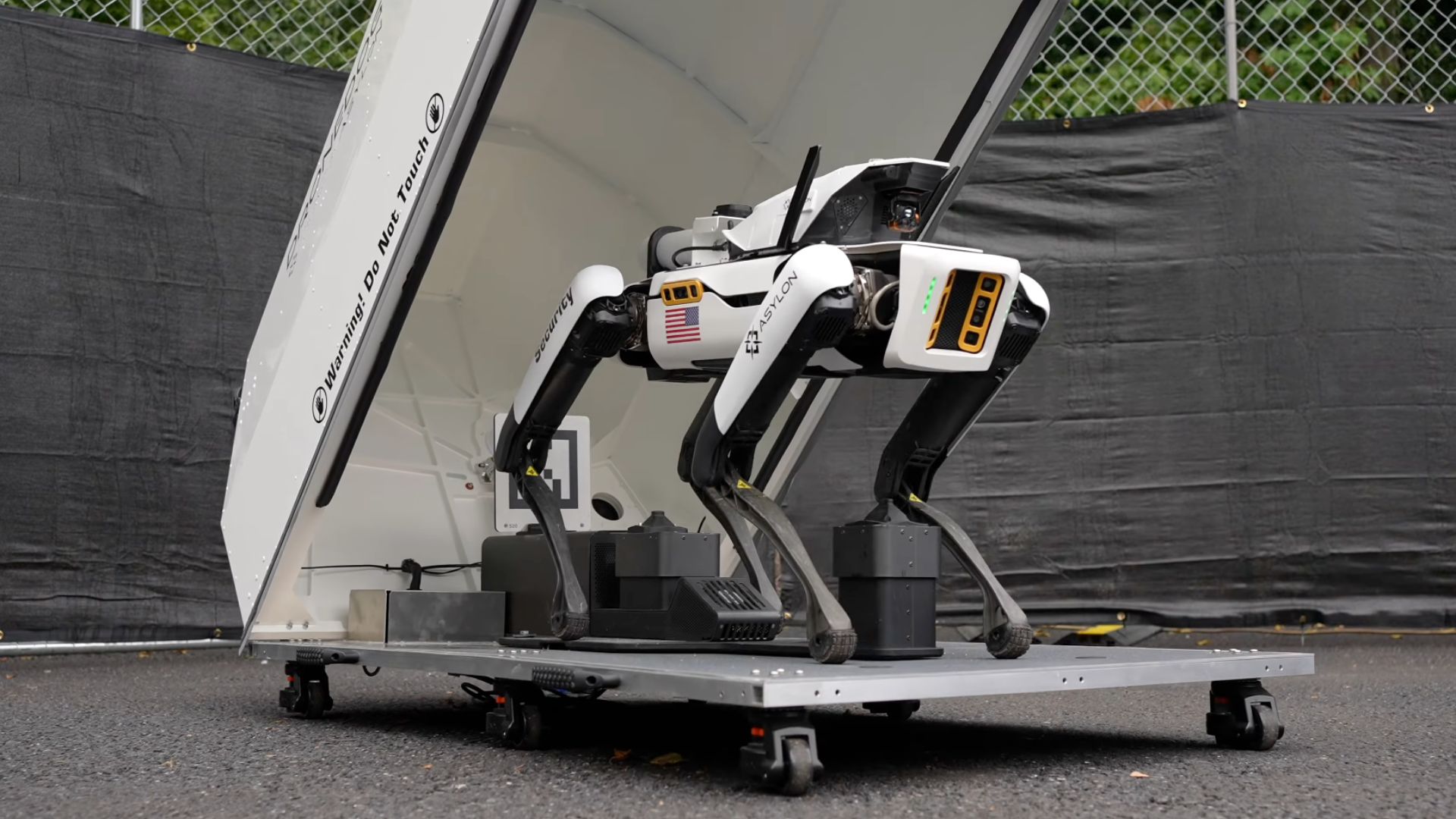
Video: Boston Dynamics’ Spot robot dog gets AI power for nonstop patrols, asset tracking
Robotic security systems are advancing towards practical use in industrial settings, with the introduction of DroneDog, a cutting-edge surveillance drone. Developed by a leading technology firm, this innovative system is designed to enhance security measures by patrolling large areas and detecting potential threats in real-time. The deployment of DroneDog is expected to begin in early 2024, targeting various industrial sites that require robust security solutions. This initiative comes in response to increasing concerns over safety and security in sectors such as manufacturing and logistics, where traditional security measures may fall short. By integrating advanced sensors and artificial intelligence, DroneDog can autonomously navigate complex environments, providing a cost-effective and efficient alternative to human security personnel. The drone's ability to operate around the clock without fatigue significantly enhances the monitoring capabilities of industrial facilities. As industries seek to bolster their security infrastructure, the introduction of robotic systems like DroneDog represents a significant shift towards automation in safety protocols, promising to address vulnerabilities and improve overall site security.

Research Reveals Small Asset Theft Causes Significant Hidden Financial Losses
A recent study by Samsara highlights the ongoing issue of asset theft and equipment loss across various industries, including construction and transportation. These challenges are exacerbated by tight profit margins and labor shortages, making it crucial for organizations to enhance visibility into asset management. The 2026 State of Connected Operations (SOCO) Asset Theft & Loss Report reveals that mid-sized organizations, with annual revenues between £180 million and £740 million, face an annual operational drain of £9.7 million due to asset theft and loss. Surprisingly, 72% of these losses are attributed to smaller assets valued at less than £7,400, such as tools and specialized equipment, rather than high-value machinery. As businesses strive for improved efficiency and resilience, the report underscores the importance of implementing asset tracking solutions. No further timeline was disclosed at the time of publication.
Couriers and Express Storage & Racking Transport and Distribution Warehousing findings Hidden Cost
RFID and Barcode Technology for Smarter Operations
Recent advancements in RFID and barcode technology are transforming business operations by enabling real-time asset and inventory tracking. These technologies enhance accuracy and speed in daily workflows, with barcodes facilitating quick scanning and RFID providing automated visibility on a larger scale. As a result, companies across various sectors—including manufacturing, healthcare, retail, and logistics—are experiencing reduced downtime and improved decision-making capabilities. This shift towards smarter operations is particularly evident in busy warehouses, where the integration of these technologies streamlines processes and enhances overall efficiency. The growing reliance on RFID and barcode systems underscores their critical role in optimizing business performance and adapting to the demands of modern supply chains.
Communications Internet Technology asset management asset tracking automation news
Spatial Intelligence for Next-Generation Indoor Navigation
ION, a technology company, has developed an advanced geomagnetic engine and hardware suite that enables high-precision positioning and accurate tracking of both assets and individuals. This innovative system facilitates reliable interactions between people, assets, and autonomous systems within various environments. The technology is designed to enhance operational efficiency and safety across multiple sectors. With training data available up to October 2023, ION aims to revolutionize the way users engage with spatial data, ensuring seamless connectivity and interaction in real-time.
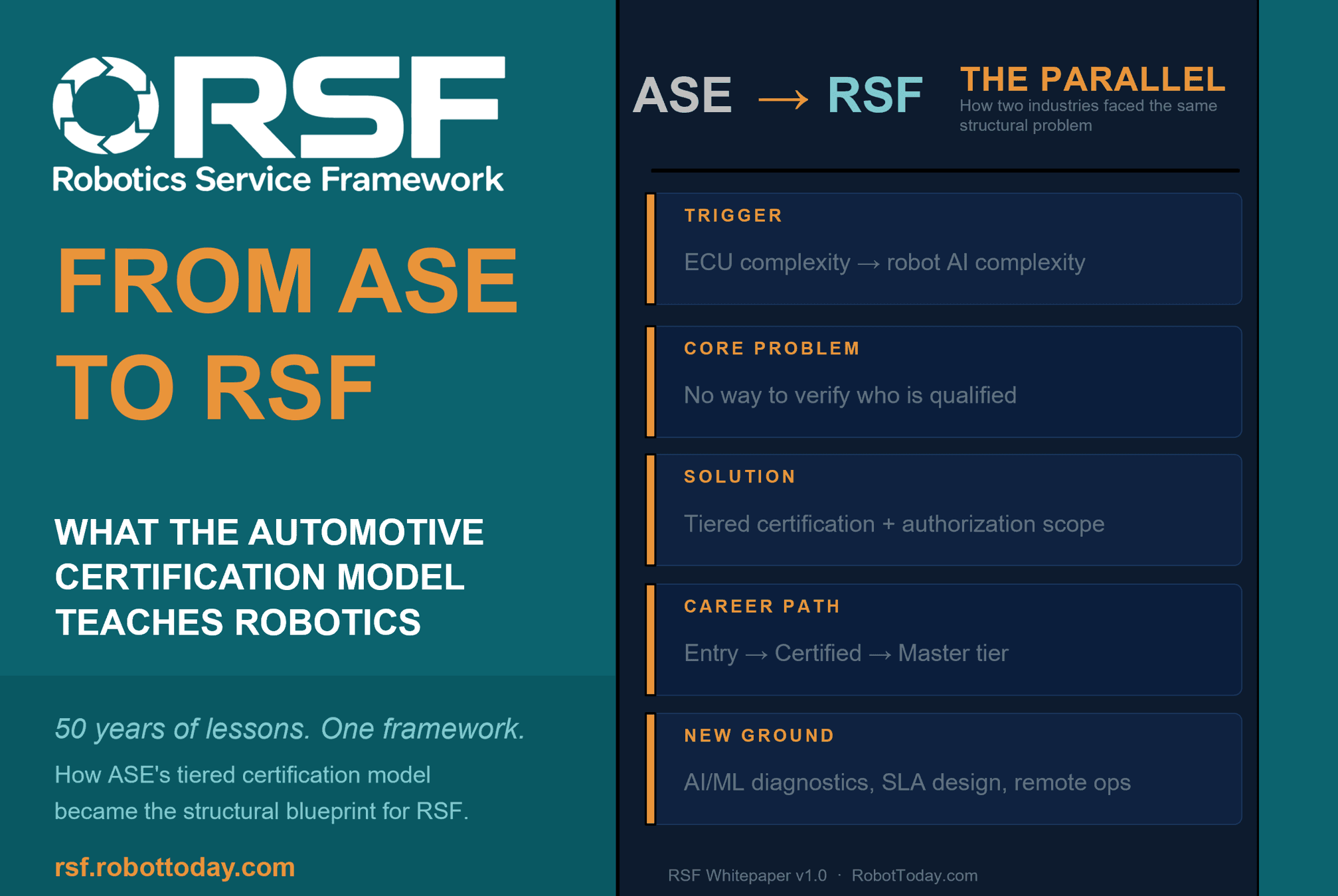
Robotics needs a service framework.
RSF defines a common language for robot service capability, lifecycle operations, certification pathways, and service-provider networks.