Top News

Industry Briefing

A single destination for timely, editor-curated robotics news from around the world.

Greece Secures Over $3.4 Billion in Air Defense Systems for Achilles’ Shield Initiative

Greece Secures Over $3.4 Billion in Air Defense Systems for Achilles’ Shield Initiative

Greece's defense minister announced the approval of over €3 billion (approximately $3.4 billion) for air defense systems, primarily sourced from Israel, as part of the Achilles’ Shield initiative. This initiative aims to establish a comprehensive air defense network across Greek territory, integrating various capabilities into a unified command-and-control system. The significance of this acquisition lies in Greece's strategic move to enhance its military capabilities amid rising threats from missiles and drones. The planned procurement includes advanced systems such as Rafael's David’s Sling and ELTA radars, with a portion of the funding allocated to support Greek industry, indicating a focus on domestic production. Looking ahead, the entire air defense project is expected to be operational within 35 months. Additionally, Greece plans to acquire surveillance drones and transport planes to further bolster its defense capabilities. The ongoing modernization efforts reflect a broader trend among nations to develop robust air defense systems in response to evolving security challenges.

Air Warfare Global Land Warfare Achilles Shield Air Force Army
New Counter-Drone Optimized Pantsir Air Defense System Being Deployed Atop Skyscrapers In Moscow

New Counter-Drone Optimized Pantsir Air Defense System Being Deployed Atop Skyscrapers In Moscow

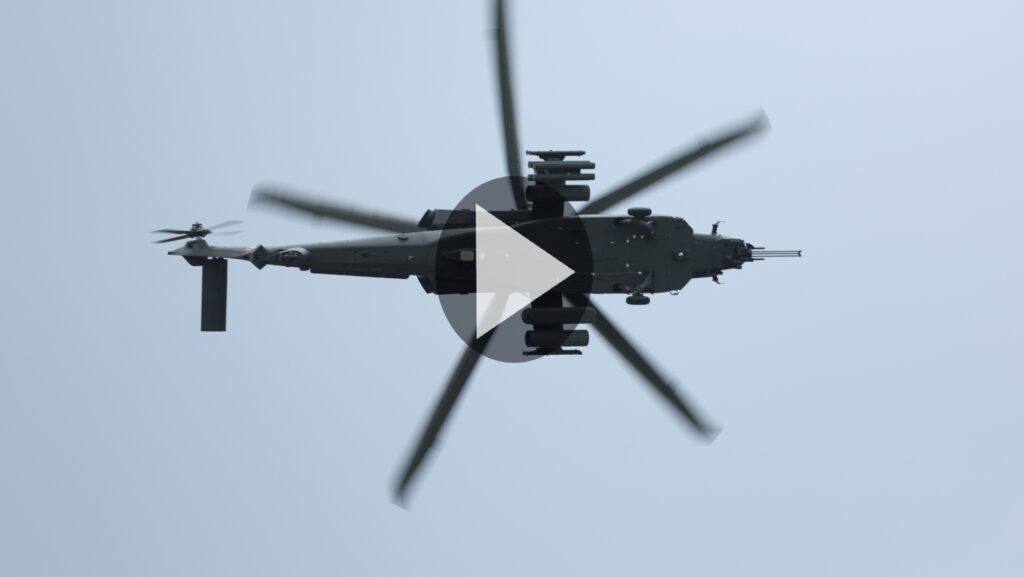
A video has emerged depicting the airlift of a Pantsir-SMD-E air defense system onto a skyscraper in Moscow, highlighting Russia's efforts to bolster its defenses against escalating drone attacks from Ukraine. This deployment reflects the growing concern in the Russian capital regarding the threat posed by Ukrainian drones, prompting the government to enhance its military capabilities in urban areas. The strategic placement of the Pantsir system atop high-rise buildings aims to provide a more effective response to aerial threats, showcasing a proactive approach to national security amidst ongoing conflict.

Air Air Forces Around The Globe Counter-Unmanned Aerial Vehicles (C-UAS) Drones Europe
US Military Pushes for Boost in 2027 Spending on Drones and Air Defenses Used in Iran War

US Military Pushes for Boost in 2027 Spending on Drones and Air Defenses Used in Iran War

U.S. military officials are advocating for a significant budget increase in the upcoming fiscal year, proposing an allocation of tens of billions of dollars for advanced military technology. This funding is aimed at enhancing capabilities in drones, air defense systems, and fighter jets, which have played a crucial role in ongoing operations related to the conflict with Iran. The push for increased spending reflects a strategic response to evolving threats and the need to maintain military readiness. As tensions in the region continue, these investments are seen as essential for ensuring national security and supporting U.S. interests abroad. The proposal is expected to be a focal point in budget discussions as lawmakers assess the military's funding priorities for the coming year.

Romania buys Spyder air defense system as part of ‘largest deal’ in Rafael history, CEO says

Romania buys Spyder air defense system as part of ‘largest deal’ in Rafael history, CEO says

In response to the ongoing conflict in Ukraine, Romania is enhancing its national defense capabilities by acquiring advanced military systems, including those from Israel. This initiative reflects the country's commitment to bolstering its security measures amid heightened regional tensions. The Romanian government has recognized the need for improved defense mechanisms to safeguard its borders and ensure national stability. The acquisition of these Israeli systems is part of a broader strategy to modernize the military and address potential threats posed by the war in Ukraine, which is occurring just across the border. As Romania continues to navigate the complexities of the geopolitical landscape, these upgrades are seen as essential for maintaining a robust defense posture in an increasingly uncertain environment.

Uncategorized air defense Israel Israel Aerospace Industries IAI NATO Rafael Advanced Defense Systems
Talking Italian attack helos and skyrocketing air defense demand at the Berlin Air Show

Talking Italian attack helos and skyrocketing air defense demand at the Berlin Air Show

On the second day of the German aerospace expo, Tim Martin and Elisabeth Gosselin-Malo from Breaking Defense reported on the latest developments and innovations showcased at the event. Taking place in Germany, the expo serves as a significant platform for industry leaders and stakeholders to gather and discuss advancements in aerospace technology. The event aims to foster collaboration and drive progress in the sector, highlighting the importance of innovation in addressing current and future challenges. Attendees are engaging in discussions and demonstrations that showcase cutting-edge technologies and solutions, reflecting the industry's commitment to enhancing safety, efficiency, and sustainability in aerospace operations.

Air Warfare Global Air Force CCA Europe Future Combat Air System FCAS SCAF
European Defense Firms Partner on Sensor-to-Interceptor Counter-Drone Network

European Defense Firms Partner on Sensor-to-Interceptor Counter-Drone Network

European counter-drone companies Alpine Eagle and Origin Robotics have formed a partnership to develop an integrated counter-drone system. This collaboration, formalized through a memorandum of understanding, aims to combine Origin Robotics’ BLAZE interceptor with Alpine Eagle’s Sentinel architecture. The initiative seeks to enhance air defense capabilities by creating a unified network that incorporates detection, command-and-control, and interception technologies. This strategic alliance reflects the growing need for advanced solutions to counter drone threats in Europe.

Anti-drone technology Applications C-UAS Defense defense Drone News
U.S. Department of Defense Launches Massed Modular Aircraft Initiative for Cost-Effective Drones

U.S. Department of Defense Launches Massed Modular Aircraft Initiative for Cost-Effective Drones

The U.S. Department of Defense is initiating the Massed Modular Aircraft (MMA) program to develop low-cost combat drones capable of performing missions similar to the MQ-9A Reaper. This initiative reflects a strategic shift towards utilizing affordable, expendable drones in modern warfare, particularly in light of recent conflicts that have exposed the vulnerabilities of high-value aircraft in contested airspace. The Pentagon aims to create a fleet of modular, long-range unmanned aircraft that can be rapidly reconfigured for various missions, significantly reducing operational costs while maintaining effectiveness against advanced enemy defenses. This shift is driven by the need for a more sustainable military approach, as the loss of MQ-9 Reapers during operations against Iran has highlighted the financial burden of relying on expensive platforms. With each MQ-9 costing approximately $30 million, military planners recognize that a strategy focused solely on high-value aircraft is increasingly untenable. The MMA initiative seeks to provide a flexible, risk-tolerant option that can deploy large numbers of drones to overwhelm enemy defenses, thereby ensuring operational capability despite potential losses. Looking ahead, the Pentagon's focus on massed modular aircraft indicates a significant evolution in military tactics. The ability to deploy swarms of low-cost drones could complicate enemy air defenses and enhance reconnaissance and strike capabilities. No further timeline was disclosed at the time of publication, but the emphasis on affordability and modularity suggests a proactive response to the changing dynamics of modern warfare and the need for cost-effective solutions in defense operations.

Military
The sights of Turkey’s Efes military drill

The sights of Turkey’s Efes military drill

Turkey recently conducted a significant military exercise named Efes 2026, showcasing a wide array of combined forces including naval ships, drones, air defense systems, and helicopters. This large-scale drill aimed to enhance the operational readiness and interoperability of Turkey's military capabilities. The exercise took place on Turkish soil, emphasizing the nation's commitment to strengthening its defense posture amid regional security challenges. Observers noted the integration of various military assets, highlighting Turkey's focus on modernizing its armed forces and preparing for potential future conflicts. The event underscores Turkey's strategic military initiatives and its role in regional stability.

Global air defense Europe Middle East military drills photo gallery
Terra Drone Deploys Terra A2 Interceptor Drone to Ukraine Frontlines

Terra Drone Deploys Terra A2 Interceptor Drone to Ukraine Frontlines

Terra Drone Corporation, a Japanese drone manufacturer, has officially deployed its Terra A2 interceptor drone to the frontlines in Ukraine. This strategic move, announced on May 19, 2026, is part of a collaborative program with Ukrainian defense technology firm WinnyLab LLC. The introduction of the long-range, wide-area air defense platform aims to enhance Ukraine's defense capabilities amid ongoing conflicts. The operational deployment of the Terra A2 is expected to bolster Ukraine's aerial defense efforts significantly, reflecting the growing international support for the country’s military initiatives.

Anti-drone technology C-UAS Defense Japan Drone Industry Japan Drone News Ukraine Drones
Frankenburg Technologies Partners with Babcock and ACUA to Develop Maritime Counter-Drone Systems

Frankenburg Technologies Partners with Babcock and ACUA to Develop Maritime Counter-Drone Systems

Frankenburg Technologies has signed a Memorandum of Understanding with Babcock International and ACUA Ocean Technologies to develop integrated maritime counter-drone air defense systems. This collaboration aims to address the increasing threat of uncrewed aerial systems in naval environments by combining Frankenburg's low-cost interceptor missile technology, Babcock's defense engineering expertise, and ACUA's autonomous surface vessel platforms. The partnership is significant as it reflects growing concerns among defense organizations regarding the proliferation of low-cost attack drones, which have proven effective in recent conflicts. Traditional air defense systems are often costly, creating a demand for more affordable interception technologies. The integrated solutions being developed will focus on detecting, tracking, and defeating hostile drones in maritime settings, enhancing the protection of naval vessels and critical infrastructure. Looking ahead, the collaboration aims to deliver scalable and cost-effective counter-UAS solutions that can be rapidly deployed and easily integrated into existing defense networks. No further timeline was disclosed at the time of publication.

Military
U.S. Air Force F-22 Raptors Return to UK After Combat Missions in Israel

U.S. Air Force F-22 Raptors Return to UK After Combat Missions in Israel

Ten F-22 Raptors from the U.S. Air Force arrived at RAF Fairford in the UK on Friday after a deployment at Ovda Air Base in Israel. The jets, part of the 1st Fighter Wing from Langley Air Force Base, participated in operations against Iranian targets, including air defenses and nuclear facilities, from late February to early March 2023. During this period, they executed over 200 combat sorties while remaining undetected by Iranian radar systems. The significance of this deployment lies in the F-22 Raptors' advanced capabilities, which allowed them to penetrate defended airspace and deliver precision strikes on strategic Iranian infrastructure. U.S. Central Command reported that the Raptors utilized GBU-39/B Small Diameter Bombs and GBU-32 Joint Direct Attack Munitions, coordinating with B-2 Spirit bombers and EA-18G Growler jets to effectively overwhelm Iran's air defenses. This operation reflects the ongoing tensions in the Middle East and the U.S. military's strategic response. Looking ahead, the U.S. military's movements in the region indicate a continued focus on countering Iranian threats. The recent increase in hostilities between the U.S. and Iran, including attacks on multiple fronts, suggests that further military actions may be anticipated. No further timeline was disclosed at the time of publication regarding future deployments or operations involving the F-22 Raptors.

Air Air Forces Around The Globe Europe F-22 Fighters
Taiwan’s Skyguard Anti-Aircraft Guns Now Equipped With Anti-Drone Nets

Taiwan’s Skyguard Anti-Aircraft Guns Now Equipped With Anti-Drone Nets

Taiwan has enhanced its air defense capabilities by equipping its Skyguard anti-aircraft guns with anti-drone nets, a move prompted by the increasing threat posed by Chinese drones to its defense systems. This development underscores the urgency for Taiwan to bolster its defenses amid rising tensions in the region. The integration of these nets aims to provide a more effective response to potential aerial incursions, ensuring that the Skyguard systems can better protect Taiwanese airspace. The initiative reflects Taiwan's proactive approach to countering evolving military threats and safeguarding its sovereignty.

Land Anti-Aircraft Artillery (AAA) Around The Globe Drones Indo-Pacific News & Features
X-Bow Systems Launches Buckler Supersonic Drone Interceptor Under $100K

X-Bow Systems Launches Buckler Supersonic Drone Interceptor Under $100K

X-Bow Systems has introduced the Buckler, a cost-effective drone interceptor priced below $100,000. This supersonic interceptor is specifically designed to target Group 3 drones, which include various unmanned aerial vehicles weighing between 56 to 1,320 pounds. The Buckler can also engage other aerial threats, such as subsonic cruise missiles, enhancing its operational versatility. The significance of the Buckler lies in its affordability and speed, addressing the growing need for effective air defense against increasingly sophisticated drone and missile threats. As conflicts in regions like the Middle East and Ukraine have shown, traditional air defense systems often struggle against cheaper, more numerous threats. X-Bow Systems aims to provide a scalable solution that allows military forces to respond effectively without incurring exorbitant costs. Looking ahead, the Buckler represents a strategic response to the evolving landscape of aerial threats. With its ability to engage multiple targets rapidly, it could play a crucial role in modern air defense strategies. No further timeline was disclosed at the time of publication.

Land Armies Counter-Unmanned Aerial Vehicles (C-UAS) Surface-To-Air Missile Systems U.S. Army
Marine Corps Chooses Allen Control Systems' Bullfrog M240 for L-MADIS Integration

Marine Corps Chooses Allen Control Systems' Bullfrog M240 for L-MADIS Integration

The Marine Corps has selected Allen Control Systems' Bullfrog M240 autonomous weapon for integration into its Light Marine Air Defense Integrated System (L-MADIS). This system is part of the Ground Based Air Defense program and includes two Polaris MRZR vehicles, one serving as a command unit and the other equipped with electronic warfare capabilities to counter drone threats. The Bullfrog M240 transforms the traditional 7.62mm machine gun into an autonomous weapon, capable of firing 850 rounds per minute and weighing approximately 300 pounds. This integration is facilitated through a prototype Other Transaction Agreement contract valued at around $6.2 million. The Marine Corps is also seeking $1.27 billion in its fiscal 2027 budget for Ground Based Air Defense capabilities, highlighting the importance of advanced defense systems. Looking ahead, the Bullfrog M240 is not only being considered by the Marine Corps; the US Army Applications Lab has awarded a contract to assess its deployment on Army combat vehicles. Additionally, Allen Control Systems is working on integrating Bullfrog onto US Special Operations Forces maritime platforms, indicating a growing interest in this technology across multiple military branches.

Land Warfare Naval Warfare Army Counter UAS cUAS LMADIS MADIS
U.S. Army Partners with Auriga Space to Develop Electromagnetic Counter-Drone Technology

U.S. Army Partners with Auriga Space to Develop Electromagnetic Counter-Drone Technology

The U.S. Army has entered a three-year partnership with Auriga Space to develop electromagnetic (EM) counter-drone technology. This collaboration aims to create a high-speed defense system against enemy Unmanned Aerial Systems (UAS) using Auriga's innovative propulsion methods, which rely on electricity and magnetic levitation rather than traditional chemical propellants. This partnership is crucial as military forces face the economic challenge of countering inexpensive drones with costly missiles. Current air defense systems struggle to balance effectiveness and affordability, making the development of sustainable counter-drone solutions a top priority. Auriga's EM technology promises to provide a cost-effective alternative, enabling rapid and repeatable launches from a compact system. Looking ahead, both organizations will share expertise and data to refine the EM-based counter-drone technology for field deployment. The focus will be on overcoming the limitations of existing counter-drone methods, with the potential for a significant shift in military air defense strategies. No further timeline was disclosed at the time of publication.

Military
Army launches new low-cost interceptor program, targets fall for first live fire demo

Army launches new low-cost interceptor program, targets fall for first live fire demo

Army Secretary Dan Driscoll announced that the newly developed Landing Craft, Infantry (LCIs) are designed to enhance existing air defense systems rather than replace them. This statement underscores the military's commitment to bolstering its defense capabilities while maintaining current advanced systems. The introduction of these LCIs is part of a broader strategy to ensure that the armed forces remain equipped to address evolving threats. The announcement comes amid ongoing discussions about the need for improved military readiness and adaptability in response to global security challenges.

Land Warfare Uncategorized Army counter drone Counter UAS cUAS Daniel Driscoll
New laser weapon system uses rapid pulses to defeat drones swarms in seconds

New laser weapon system uses rapid pulses to defeat drones swarms in seconds

Israeli startup Esh-Tech has unveiled an innovative laser-based air defense system aimed at countering the increasing threat of aerial attacks. The announcement was made during a technology showcase in Tel Aviv on October 15, 2023. This advanced system is designed to provide a cost-effective and efficient solution for intercepting drones and other airborne threats, which have become more prevalent in recent conflicts. Esh-Tech's motivation stems from the urgent need for enhanced security measures in the region, as traditional defense systems often face limitations in terms of cost and effectiveness against modern aerial threats. The laser technology allows for precise targeting and engagement, significantly reducing the expense associated with conventional missile systems. The development process involved extensive research and collaboration with defense experts, ensuring that the system meets the rigorous demands of military applications. Esh-Tech aims to position its product as a vital tool for both national defense and private sector security, potentially transforming the landscape of air defense strategies in Israel and beyond.

Military
Saab unveils new Giraffe ABM Digital radar at Eurosatory 2026.

Saab unveils new Giraffe ABM Digital radar at Eurosatory 2026.

At the Eurosatory defense and security international exhibition, Saab unveiled its latest Giraffe AMB D radar system. This launch comes shortly after the Swedish Defence Materiel Administration (FMV) confirmed that it had placed an order for several units in the weeks leading up to the event. The Giraffe AMB D radar is designed to enhance surveillance and air defense capabilities, reflecting Saab's commitment to advancing military technology. The exhibition, held in Paris, serves as a significant platform for defense industry innovations, making it an ideal venue for Saab to showcase its new product and secure further interest from potential clients.

News
OCCAR taps EUROSAM to develop multi-layer SAMP/T NG system 

OCCAR taps EUROSAM to develop multi-layer SAMP/T NG system 

The Organisation for Joint Armament Cooperation (OCCAR), which represents France, has awarded a significant contract to Eurosam for the development of an advanced multi-layered version of the SAMP/T NG surface-to-air missile system, incorporating ASTER and VL MICA technologies. This contract marks a strategic move to enhance France's air defense capabilities amid growing security concerns in the region. The collaboration aims to bolster the effectiveness of the missile system, ensuring a robust defense against various aerial threats. The project is expected to advance the technological landscape of France's military assets, reflecting a commitment to modernizing defense systems in response to evolving challenges.

News
Palladyne AI and IAI Form Partnership to Manufacture and Sell Combat-Proven Loitering Munition Systems to the U.S. Department of War

Palladyne AI and IAI Form Partnership to Manufacture and Sell Combat-Proven Loitering Munition Systems to the U.S. Department of War

Palladyne AI has secured exclusive rights for the production and marketing of loitering munition systems in the United States, a move aimed at enhancing military capabilities. This partnership is set to bolster the effectiveness of air defense suppression and long-range strike operations in various tactical environments. The agreement underscores the growing demand for advanced military technologies, particularly as nations seek to modernize their defense strategies. By leveraging innovative loitering munitions, Palladyne AI aims to provide armed forces with improved tools to address contemporary threats effectively.

Israel rebuke supposed exclusion from Eurosatory

Israel rebuke supposed exclusion from Eurosatory

An Israeli Ministry of Defence spokesperson has announced that representatives from Israel will not be participating in the upcoming Eurosatory arms fair. This event, which is set to take place in Paris, is one of the world's largest exhibitions dedicated to land and air defense and security. The exclusion of Israeli officials from the fair has raised concerns regarding the implications for international defense collaborations and the visibility of Israeli defense technologies. The decision appears to stem from ongoing geopolitical tensions and the broader context of Israel's relations with other nations. As the fair approaches, the Israeli Ministry of Defence is likely to seek alternative avenues to showcase its defense capabilities and engage with global partners.

News
US Army tests low-cost drone-killing interceptor that can be redirected after launch

US Army tests low-cost drone-killing interceptor that can be redirected after launch

The U.S. Army's 52nd Air Defense Artillery Brigade has initiated testing of a new interceptor designed to target and eliminate drones. This development comes as military officials seek to enhance air defense capabilities amid increasing concerns over drone threats. The tests are taking place at a designated military facility, where the brigade is evaluating the effectiveness and reliability of the interceptor system. The initiative aims to address the growing prevalence of unmanned aerial vehicles in both civilian and military contexts, highlighting the need for advanced countermeasures. The Army's efforts reflect a strategic response to evolving aerial threats, ensuring that defense systems remain robust and effective in safeguarding airspace.

US Army tests DZYNE’s IonStrike interceptors for drone defence roles

US Army tests DZYNE’s IonStrike interceptors for drone defence roles

The US Army's 52d Air Defense Artillery Brigade is currently conducting tests and evaluations of IonStrike, a kinetic interceptor created by DZYNE Technologies. This initiative is part of the Army's broader strategy to enhance its defenses against uncrewed aircraft systems (UAS). The testing aims to assess the effectiveness and reliability of IonStrike in real-world scenarios, addressing the growing threat posed by UAS in modern warfare. The evaluations are taking place as military forces adapt to evolving aerial threats, underscoring the importance of advanced interception technologies in maintaining national security.

News
Experts warn of European vulnerability to drone threat

Experts warn of European vulnerability to drone threat

In recent weeks, European airspace has been disrupted by unauthorized incursions involving rogue Ukrainian loitering munitions and unidentified drones. These incidents have raised significant concerns among European nations regarding air security and the potential for escalating tensions in the region. The motivations behind these incursions appear to be linked to the ongoing conflict in Ukraine, as various factions leverage advanced drone technology in their operations. European governments are now assessing their air defense capabilities and considering measures to enhance surveillance and response protocols to address these threats effectively. The situation remains fluid, with military and intelligence agencies closely monitoring developments to prevent further violations and ensure the safety of air traffic across the continent.

News
Experts warn of European vulnerability to drone threat

Experts warn of European vulnerability to drone threat

Recent weeks have seen Europe facing significant challenges as rogue Ukrainian loitering munitions and unidentified drones have intruded into its airspace. These incursions have raised concerns among European nations regarding their airspace security and the implications for regional stability. The incidents appear to be linked to the ongoing conflict in Ukraine, which has heightened tensions and prompted a reevaluation of defense strategies across the continent. European authorities are currently investigating the origins of these aerial threats and are working to enhance their air defense systems to prevent further violations. The situation underscores the complexities of modern warfare and the risks posed by unmanned aerial systems in conflict zones.

News
US Army seeks Mach 5 missiles under $1 million to defend against drone raids

US Army seeks Mach 5 missiles under $1 million to defend against drone raids

The U.S. Army is seeking to develop a new class of low-cost interceptors designed to effectively combat drones and cruise missiles. This initiative comes in response to the increasing threat posed by unmanned aerial vehicles and advanced missile systems in modern warfare. The Army aims to enhance its defensive capabilities while maintaining budgetary constraints, reflecting a strategic shift towards more affordable and efficient solutions for air defense. The project is part of a broader effort to modernize military technology and ensure readiness against evolving threats. The Army is currently exploring various technological approaches and partnerships to expedite the development and deployment of these interceptors, with the goal of integrating them into existing defense frameworks.

UAE reports intercepting Iranian missiles and drones as Hormuz tensions escalate

UAE reports intercepting Iranian missiles and drones as Hormuz tensions escalate

On Monday, air defense systems in the United Arab Emirates successfully intercepted multiple aerial threats, including missiles. The incidents occurred amid heightened tensions in the region, prompting the UAE to bolster its defense capabilities. The attacks, which were reportedly launched from neighboring territories, aimed to target key infrastructure within the UAE. In response, the country's military forces activated their defense protocols, effectively neutralizing the threats before any damage could be inflicted. This proactive measure underscores the UAE's commitment to safeguarding its national security and maintaining stability in a volatile geopolitical landscape. The situation remains under close monitoring as authorities assess the implications of these aerial assaults.

Ukraine wants 15,000 recruits to help create drone ‘kill zone’

Ukraine wants 15,000 recruits to help create drone ‘kill zone’

Ukraine has implemented a strategic 15-kilometer deep drone kill zone aimed at countering ongoing Russian assaults and minimizing its own military casualties. This initiative reflects Ukraine's commitment to enhancing its defensive capabilities amid escalating tensions in the region. The decision comes as part of a broader effort to strengthen national security and protect its sovereignty, particularly in light of recent aggressive maneuvers by Russian forces. By establishing this designated area, Ukraine seeks to deter enemy drones and improve the effectiveness of its air defense systems, thereby safeguarding both military personnel and civilian populations. The move underscores the urgency of the situation as Ukraine continues to navigate the complexities of the conflict.

News
Kongsberg to Develop Missiles and Drone Boats in Ukraine

Kongsberg to Develop Missiles and Drone Boats in Ukraine

Kongsberg Defence & Aerospace has signed agreements with two prominent Ukrainian companies to collaborate on the development and production of affordable, high-volume air defense missiles and unmanned surface vessels. This initiative aims to bolster Ukraine's defense capabilities amid ongoing regional tensions. In conjunction with these agreements, KONGSBERG is also establishing a permanent office in Kyiv to facilitate operations and strengthen its presence in the country. The move underscores the company's commitment to supporting Ukraine's defense industry and enhancing its military infrastructure.

kongsberg drone boats usv
California Startup Develops Tube-Launched Quadcopter for U.S. Military Defense

California Startup Develops Tube-Launched Quadcopter for U.S. Military Defense

A California-based startup, founded by a 22-year-old Ukrainian software engineer, is developing a tube-launched, foldable quadcopter designed to counter unmanned aerial systems (UAS). The company aims to market this innovative defense technology to the U.S. military, targeting the rising threat of drone and missile attacks. Specific metrics regarding the quadcopter's capabilities and launch timeline have not been disclosed. This initiative is significant as it addresses the increasing frequency and sophistication of drone warfare, which poses challenges to military operations. By making drone attacks financially burdensome, the startup hopes to deter potential aggressors and enhance national security. The focus on a compact, easily deployable system aligns with current military needs for versatile and effective countermeasures against aerial threats. Looking ahead, the startup's next steps include securing partnerships with defense agencies and demonstrating the quadcopter's effectiveness in real-world scenarios. No further timeline was disclosed at the time of publication, but the company is poised to make waves in the defense sector if successful in its endeavors.

Anti-drone technology Applications Defense defense Drone News Drone News Feeds
Vertical Aerospace Partners with Near Earth Autonomy for Valo Aircraft's Autonomous Flight Capabilities

Vertical Aerospace Partners with Near Earth Autonomy for Valo Aircraft's Autonomous Flight Capabilities

Vertical Aerospace has partnered with Near Earth Autonomy to enhance its Valo aircraft with advanced autonomous flight capabilities. This collaboration aims to integrate Near Earth's autonomy software with Honeywell Aerospace's Anthem digital cockpit, facilitating the development of self-flying technology for defense and commercial aviation. The partnership is significant as it allows Vertical to leverage Near Earth's extensive experience in autonomous aviation, which includes systems developed for military applications. By utilizing a shared technology stack, the companies aim to reduce technical risks associated with expanding autonomous features in the Valo aircraft, which is designed for both defense and commercial markets. Looking ahead, Vertical plans to pursue defense programs while also preparing for automated commercial operations. The Valo aircraft, featuring hybrid-electric propulsion, is capable of flying up to 1,000 miles and carrying payloads of up to 2,400 pounds, making it a versatile option for various operational roles. No further timeline was disclosed at the time of publication.

Transportation
US approves $2B sale of Anduril counter-drone systems to Kuwait

US approves $2B sale of Anduril counter-drone systems to Kuwait

In a significant escalation of regional tensions, Iran launched a missile and drone attack on Kuwait’s airport, resulting in one fatality and extensive damage to airport facilities, which subsequently led to a suspension of flights. This incident occurred just days before a potential announcement regarding a Foreign Military Sales (FMS) agreement, raising concerns about the implications for security in the area. The attack underscores the ongoing volatility in the region and highlights Iran's willingness to exert military pressure, prompting discussions on international responses and defense strategies. The situation remains fluid as authorities assess the damage and the broader ramifications of this aggressive act.

Global air defense Anduril Ceasefire counter drone Middle East
From The Floor of XPONENTIAL: AIRO and Jaunt Reveal Dual-Use VTOL Aircraft for Defense and Cargo Missions

From The Floor of XPONENTIAL: AIRO and Jaunt Reveal Dual-Use VTOL Aircraft for Defense and Cargo Missions

At the AUVSI XPONENTIAL 2026 event in Detroit on May 12, AIRO Group Holdings showcased its full-scale autonomous vertical takeoff and landing (VTOL) aircraft, developed in collaboration with Jaunt Air Mobility. This innovative aircraft is designed to serve dual purposes in defense, specifically for intelligence, surveillance, reconnaissance (ISR), and cargo logistics, as well as remote operations. The unveiling highlights the growing interest in autonomous technology within the aerospace and defense sectors, aiming to enhance operational efficiency and versatility in various mission scenarios.

Cargo Defense defense Delivery Drone News Drone News Feeds
US Naval Defense Company Signs MOU with Singapore Shipbuilder to Build AIRCAT BENGAL Warships and Offshore Workboats

US Naval Defense Company Signs MOU with Singapore Shipbuilder to Build AIRCAT BENGAL Warships and Offshore Workboats

Eureka Naval Craft, a defense company based in Houston, has announced plans to increase production of its AIRCAT BENGAL MC warship in Asia. This initiative follows the signing of a Memorandum of Understanding (MOU) with Strategic Marine (S) Pte Ltd, a shipbuilder located in Singapore. The collaboration aims to enhance manufacturing capabilities and meet growing demand for advanced naval vessels in the region. By leveraging Strategic Marine's expertise and facilities, Eureka Naval Craft intends to streamline production processes and expand its market presence in Asia's defense sector.

defense shipbuilder mou aircat bengal warship offshore workboats
Developing Effective Unmanned Collaborative Combat Aircraft: Key Concerns and Considerations

Developing Effective Unmanned Collaborative Combat Aircraft: Key Concerns and Considerations

The development of unmanned collaborative combat aircraft is increasingly focused on enhancing capabilities, managing costs, and improving autonomy. These factors are critical in ensuring that these aircraft can effectively serve their intended roles in modern combat scenarios. Addressing these concerns is vital as military forces seek to integrate advanced unmanned systems into their operations. The effectiveness of these aircraft hinges on their ability to operate autonomously while maintaining cost-effectiveness, which is essential for large-scale deployment. Looking ahead, stakeholders in the defense sector should monitor advancements in technology that enhance the capabilities and autonomy of unmanned combat aircraft. Continuous innovation will be necessary to meet the evolving demands of military operations and to ensure these systems remain relevant in future combat environments.

Air Warfare Sponsored Post Air Force autonomous CCA collaborative combat aircraft
Air Force One Developments, Drone Wingman Competition, and GCAP's Future Insights

Air Force One Developments, Drone Wingman Competition, and GCAP's Future Insights

The White House is updating plans for the president's Qatari-donated Air Force One, as discussed by Breaking Defense's Aaron Mehta and Valerie Insinna. This evolution highlights the importance of modernizing presidential transport in response to current geopolitical dynamics. Additionally, there is an increasing trans-Atlantic competition to develop drone wingmen that can assist human pilots, which signifies a shift in military strategy towards integrating unmanned systems into traditional air operations. Looking ahead, Ottawa is expected to join the Global Combat Air Programme (GCAP) as an observer, marking a significant step in international defense collaboration. No further timeline was disclosed at the time of publication.

Air Warfare Global Air Force Air Force One Business & Industry CCA
BETA Technologies Advocates for Practical Applications of Advanced Air Mobility

BETA Technologies Advocates for Practical Applications of Advanced Air Mobility

BETA Technologies is advocating for a broader approach to advanced air mobility, emphasizing practical transportation solutions over futuristic passenger services. At the Korea Drone and UAM Expo, Patrick Buckles, Regional Head of Aircraft Sales, highlighted the company's strategy that integrates electric aircraft, charging infrastructure, and pilot training for various missions. Founded in 2017, BETA has developed its operations around electric aircraft, multimodal charging systems, and enabling technologies such as electric propulsion and battery technology. The company has successfully flown over 300,000 kilometers and is targeting applications in cargo, defense, medical transport, and passenger services with its two aircraft platforms: the ALIA CTOL and ALIA VTOL, which share design commonality for enhanced safety and simplicity. Looking ahead, BETA's focus on operational advantages, such as lower energy and maintenance costs, positions electric aviation as a viable alternative to conventional aircraft. The potential for zero emissions and reduced noise levels could facilitate community acceptance and support critical missions like medical transport in remote areas. No further timeline was disclosed at the time of publication.

Advanced Air Mobility DL Exclusive Drone News Drone News Feeds eVTOL News
Key Developments to Anticipate at the 2026 Farnborough International Airshow

Key Developments to Anticipate at the 2026 Farnborough International Airshow

The 2026 Farnborough International Airshow is expected to showcase significant advancements in aerospace technology and innovation. Industry leaders and companies will likely unveil new aircraft models, cutting-edge technologies, and strategic partnerships that could reshape the aviation landscape. This event is crucial for stakeholders in the aerospace sector, as it provides a platform for networking, collaboration, and investment opportunities. The airshow will highlight trends in sustainability, defense, and commercial aviation, reflecting the industry's response to evolving market demands and regulatory pressures. As the event approaches, attendees should keep an eye on announcements regarding new aircraft designs and technological breakthroughs. The Farnborough Airshow serves as a barometer for the future of aviation, making it essential for professionals to stay informed about the developments that could impact their operations and investments.

Air Warfare Global Air Force Business & Industry CCA collaborative combat aircraft
Elistair and Exail Collaborate on Tethered Drone Maritime Surveillance for Autonomous Vessels

Elistair and Exail Collaborate on Tethered Drone Maritime Surveillance for Autonomous Vessels

Elistair has partnered with Exail to integrate its Khronos DroneBox with Exail's DriX unmanned surface vessel, enabling tethered drone maritime surveillance. This collaboration allows operators to maintain a persistent aerial view from shore, enhancing capabilities for naval, coast guard, and port security operations. The integration of the Khronos DroneBox with the DriX vessel marks a significant advancement in maritime surveillance technology. The tethered drone can operate for up to 24 hours at a height of 60 meters, providing real-time, encrypted video feeds even in challenging environments. This capability extends surveillance beyond traditional surface radar limits, making it ideal for various applications including coastal surveillance and search and rescue missions. Looking ahead, the partnership between Elistair and Exail is expected to evolve as they explore further applications of the Khronos system in maritime contexts. No further timeline was disclosed at the time of publication.

Drone News Drone News Feeds News safety and security seadrones Security
Vantis BVLOS System Adds New Partner, FAA Waiver Across 5,000 Square Miles

Vantis BVLOS System Adds New Partner, FAA Waiver Across 5,000 Square Miles

Frontier Precision has received a new FAA waiver allowing it to operate any NDAA-compliant drone weighing under 55 pounds across more than 5,000 square miles of airspace managed by Vantis, North Dakota’s advanced beyond-visual-line-of-sight (BVLOS) system. This development marks Frontier Precision as the second champion operator to join the Vantis network, which aims to enhance drone operations in the region. The waiver facilitates expanded BVLOS operations within the four designated Vantis service volumes, significantly broadening the scope of drone activities in North Dakota. This partnership is expected to advance the integration of drone technology into various sectors, promoting innovation and efficiency in aerial operations.

BVLOS Drone News Drone News Feeds Long Range News Agriculture Drones
MatrixSpace Brings Portable Counter-Drone Radar to Lithuanian Exercise

MatrixSpace Brings Portable Counter-Drone Radar to Lithuanian Exercise

MatrixSpace, a Massachusetts-based company, is enhancing low-altitude airspace awareness for M-SHORAD units in Pabradė, Lithuania, by deploying its portable AI-powered radar system. This initiative is part of the U.S. Army’s Flytrap 5.0 counter-drone exercise, taking place from May 1 to May 15, 2026. The announcement of MatrixSpace's involvement was made on May 12, following their recent success in the xTechCounter Strike competition during the previous Flytrap 4.5 exercise. The deployment aims to bolster the Army's capabilities in counter-drone operations, reflecting the growing need for advanced technologies in modern military exercises.

Defense defense Drone News Drone News Feeds Military News
EDGE CEO talks company’s role in Iran conflict, plus future partnerships

EDGE CEO talks company’s role in Iran conflict, plus future partnerships

Hamad Al Marar, the Managing Director and CEO of EDGE, recently engaged in an interview with Breaking Defense, where he shared insights on the advancements in UAV technology and outlined the company’s future initiatives. During the discussion, Al Marar emphasized the strategic importance of unmanned aerial vehicles in modern defense systems and highlighted EDGE's commitment to innovation in this rapidly evolving sector. The conversation took place in October 2023, reflecting the company's ongoing efforts to position itself at the forefront of defense technology development. By focusing on cutting-edge UAV solutions, EDGE aims to enhance operational capabilities and address emerging security challenges in the region and beyond.

Air Warfare Global Land Warfare air defense Air Force Army
BETA Technologies Unveils Militarized MV250 Aircraft with GE and Sikorsky Collaboration

BETA Technologies Unveils Militarized MV250 Aircraft with GE and Sikorsky Collaboration

BETA Technologies has introduced a militarized, unmanned version of its A250 aircraft, now designated as the MV250, featuring a hybrid-electric powertrain. This new variant, developed in collaboration with GE Aerospace and Sikorsky, aims to fulfill the rigorous demands of defense missions. BETA anticipates the MV250 will be ready for military exercises by next year and could enter production by 2028. The MV250 is designed for various military applications, including logistics, reconnaissance, and strike missions, boasting a range of 1,300 nautical miles and a payload capacity of up to 2,000 pounds. BETA's CEO, Kyle Clark, emphasized the aircraft's efficiency and performance, which are critical for military operations. The hybrid-electric powertrain, based on GE's CT7 turbine engine, is expected to provide significant range improvements over all-electric models. As BETA targets the Pentagon and international buyers, the MV250's development reflects a broader trend in the advanced air mobility sector, where companies are increasingly focusing on military applications. No further timeline was disclosed at the time of publication.

Air Warfare Networks & Digital Warfare Air Force Anduril Beta Technologies cyber security
BAE Systems Unveils Brontanax Fighter Drone for UK Royal Air Force's Collaborative Combat Program

BAE Systems Unveils Brontanax Fighter Drone for UK Royal Air Force's Collaborative Combat Program

BAE Systems has introduced the Brontanax, a new collaborative combat aircraft (CCA) drone designed for the U.K. Royal Air Force. This unveiling coincides with the launch of the Storm Fighter program, aimed at establishing Europe’s first sixth-generation air force. The Brontanax prototype was showcased at the Farnborough International Airshow, attended by the U.K. Defense Secretary Wes Streeting. The significance of the Brontanax lies in its role as an operational prototype, built in secret at BAE Systems’ Warton facility. It is set for ground testing before flight trials in U.K. airspace, with potential participation in a NATO exercise as early as next year. This development reflects the U.K.'s commitment to advancing its military capabilities and integrating new technologies into its air force. Looking ahead, the Brontanax is expected to inform the design of future drones accompanying the U.K. F-35 and Tempest combat jets. While specific performance details remain undisclosed, the drone features a stealthy design with advanced aerodynamics, suggesting a focus on operational versatility and mission capability in various combat scenarios. No further timeline was disclosed at the time of publication.

Air Air Forces Around The Globe Collaborative Combat Aircraft Europe News & Features
Palladyne AI Secures Additional $2.9 Million from U.S. Air Force for STRATFI Contract

Palladyne AI Secures Additional $2.9 Million from U.S. Air Force for STRATFI Contract

Palladyne AI has announced that the U.S. Air Force has exercised an option on its STRATFI contract, adding $2.9 million in funding. This brings the total contract value to over $10.6 million, indicating the Air Force's satisfaction with Palladyne IQ™ embodied AI architecture for autonomous robotic systems. The additional funding underscores the U.S. Air Force's confidence in Palladyne AI's capabilities in delivering advanced autonomous solutions. Palladyne AI specializes in embodied AI-powered collaborative autonomy, advanced avionics, and UAVs, making it a key player in defense and industrial technology sectors. Looking ahead, the continued investment in Palladyne AI's technologies suggests a growing demand for autonomous robotic systems within military applications. No further timeline was disclosed at the time of publication.

GA-ASI to Manufacture Gambit Aircraft in Europe for Global Procurement by 2027

GA-ASI to Manufacture Gambit Aircraft in Europe for Global Procurement by 2027

General Atomics Aeronautical Systems, Inc. (GA-ASI) announced plans to produce Gambit aircraft in Europe, collaborating with local companies. The airframes are expected to be available for international procurement starting in 2027. This initiative is significant as it enhances European defense capabilities, allowing for greater collaboration and integration within the region. By partnering with European firms, GA-ASI aims to strengthen defense ties and promote local industry involvement in advanced military technology. Looking ahead, stakeholders should monitor the development of the Gambit aircraft and its implications for European defense procurement strategies. The timeline for international availability in 2027 will be crucial for potential buyers and partners in the defense sector.

Air Warfare Sponsored Post Air Force APKWS Drones Europe
Ondas Acquires DZYNE Technologies for $875.8 Million to Enhance Defense Capabilities

Ondas Acquires DZYNE Technologies for $875.8 Million to Enhance Defense Capabilities

Ondas Inc. has acquired DZYNE Technologies LLC, a defense technology firm based in Irvine, California, for $875.8 million. This acquisition, financed through a cash-and-stock structure, aims to enhance Ondas' capabilities in multi-domain intelligence, surveillance, and reconnaissance (ISR), counter-uncrewed aerial systems (UAS), and autonomous systems to meet the evolving needs of U.S. and allied defense customers. The acquisition is significant as it positions Ondas to leverage DZYNE's advanced technology and engineering talent, which includes long-endurance ISR capabilities and autonomous systems. Eric Brock, chairman and CEO of Ondas, emphasized that the integration of DZYNE's mission-proven technologies will accelerate the development of a next-generation autonomous defense platform, essential for maintaining military advantage in rapidly changing warfare. Looking ahead, Ondas anticipates that DZYNE will generate $191 million in revenue for the full year 2026 and over $300 million in 2027. Ondas is now targeting at least $525 million in revenue for 2026. The integration of DZYNE’s ULTRA and IonStrike systems will expand Ondas' ISR and counter-UAS capabilities, enhancing its portfolio in defense applications.

Aerospace Artificial Intelligence Artificial Intelligence / Cognition Defense / Security Design / Development Drones
Asylon's MARIA System Enhances Aircraft Inspections for U.S. Air Force

Asylon's MARIA System Enhances Aircraft Inspections for U.S. Air Force

Asylon has secured a Phase Three contract with the U.S. Air Force's Warner Robins Air Logistics Complex to deploy its Multi-modal Autonomous Robotics for Inspection of Aircraft (MARIA) system. This initiative aims to streamline aircraft inspections by integrating air and ground robotic platforms, significantly reducing the time for general visual inspections while enhancing consistency in maintenance tasks. The MARIA system combines Asylon's Guardian unmanned aircraft with the DroneDog Q-UGV, utilizing the Range autonomy software and DroneIQ command-and-control system for efficient inspection management. The significance of this deployment lies in its potential to transform aircraft maintenance operations. By automating inspections, the MARIA system not only improves inspection quality but also mitigates the risks associated with labor-intensive tasks. The integration of imagery, LiDAR data, and telemetry into a single platform allows maintenance personnel to make informed decisions quickly, thereby enhancing aircraft readiness without increasing manpower demands. This project marks a pivotal shift in how the Air Force approaches maintenance, leveraging autonomous technologies to optimize operational efficiency. Looking ahead, the success of the MARIA deployment at Warner Robins could lead to broader adoption of these technologies across military maintenance organizations. No further timeline was disclosed at the time of publication, but the ongoing collaboration between Asylon and the Air Force may pave the way for future advancements in defense sustainment operations, particularly in the realm of autonomous inspections and maintenance support.

Military
Havoc raises $100M to unify defense autonomy in the land, sea, and air

Havoc raises $100M to unify defense autonomy in the land, sea, and air

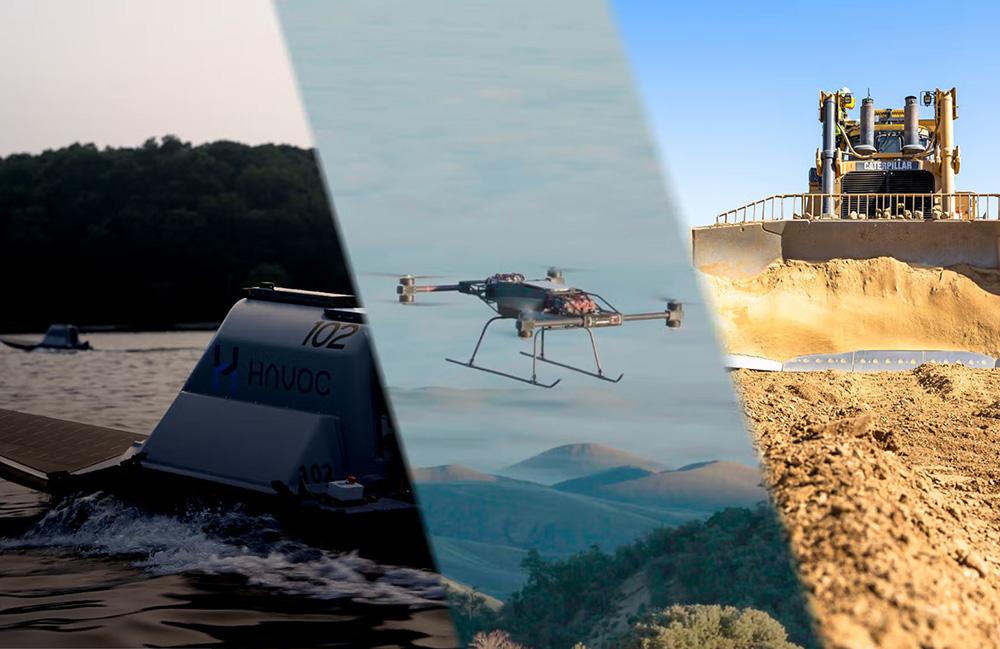
Havoc, a defense technology company, has announced a significant funding round, securing $100 million to advance its mission of creating unified, all-domain autonomy for national security. This investment comes at a time when the demand for integrated defense solutions across land, sea, and air is becoming increasingly critical. The company aims to leverage this capital to innovate and enhance its technology, addressing the evolving challenges in defense and security. By focusing on a cohesive approach to autonomy, Havoc seeks to meet the urgent needs of national security priorities in an era marked by complex threats and the necessity for seamless operational capabilities.

Artificial Intelligence / Cognition Defense / Security Financial Investments Markets / Industries Mobility / Navigation
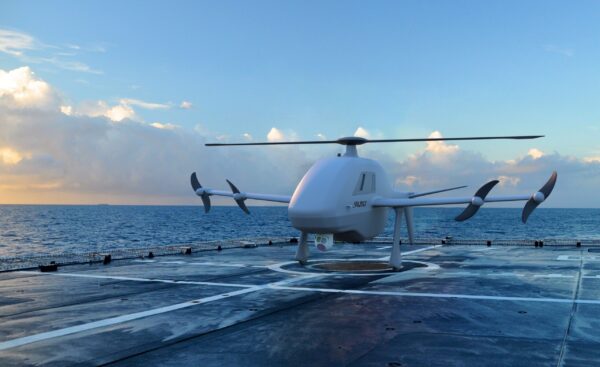
New funding fuels AirHub’s defense drone ambitions

New funding fuels AirHub’s defense drone ambitions

AirHub, a European company, is intensifying its efforts to integrate drones into the core operations of security, defense, and critical infrastructure. With new funding secured, the company aims to position itself as a leader in this transformative shift towards utilizing drones beyond mere tools. This strategic move reflects a growing recognition of the potential for drones to enhance operational efficiency and effectiveness in critical sectors.

News

RobotToday Initiative

Robotics needs a service framework.

RSF defines a common language for robot service capability, lifecycle operations, certification pathways, and service-provider networks.