

Industry Briefing
A single destination for timely, editor-curated robotics news from around the world.
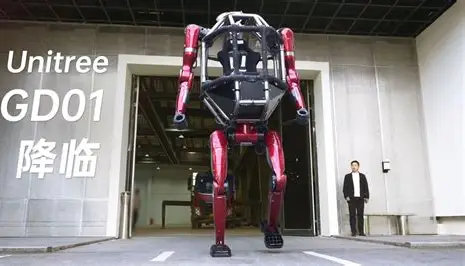
Wang Xingxing Discusses 3.9 Million Passenger Mecha and Future of Large Robots
Wang Xingxing has addressed the development of a 3.9 million passenger mecha, emphasizing that if Yushu fails to succeed, other companies will take the lead in this technology. He highlighted that large robots are becoming an inevitable trend in the industry, reflecting a shift towards more advanced robotic solutions. This statement is significant as it underscores the competitive landscape in the robotics sector, where innovation and technological advancements are crucial for success. The mention of Yushu indicates a specific player in the market, while Wang's comments suggest a broader acceptance of large robots as a necessary evolution in robotics. Looking ahead, the industry will likely see increased investment and development in large robotic systems. No further timeline was disclosed at the time of publication, but the emphasis on large robots suggests that companies will need to adapt quickly to remain competitive in this evolving market.
Robotics Automation AI
Wang Xingxing Highlights Millimeter-Level Work Errors as Key Robot Challenge
At the fifth Global Digital Trade Expo held in Hangzhou on September 24, Wang Xingxing, founder of Yushu Technology, delivered a keynote speech titled 'From Mechanics to Intelligence: The Evolution of Embodied Futures.' He reflected on the development of the AI industry, noting that the emergence of ChatGPT has fundamentally reshaped public perception of artificial intelligence and opened new avenues for innovation. Wang predicts that the embodied intelligence sector will soon experience its own transformative moment akin to ChatGPT. Wang emphasized that when robots can complete 80% of tasks in 80% of unfamiliar scenarios through voice-embodied capabilities, the industry will reach a critical inflection point. He pointed out that the current major challenge is the insufficient accuracy in matching AI model inputs and outputs with the real physical world, leading to millimeter-level errors in robotic work. He stated that solving this issue would fully resolve the challenges faced by robots. He further explained that while robots can perform certain tasks, their efficiency remains lower compared to humans. Additionally, humanoid robots require retraining for new tasks, which further reduces efficiency. Wang's comments highlight the engineering challenges of embodied intelligence, where deviations due to calibration errors and sensor noise can lead to task failures, particularly in precision operations like grasping and placing objects.
Robotics AI Embodied Intelligence Automation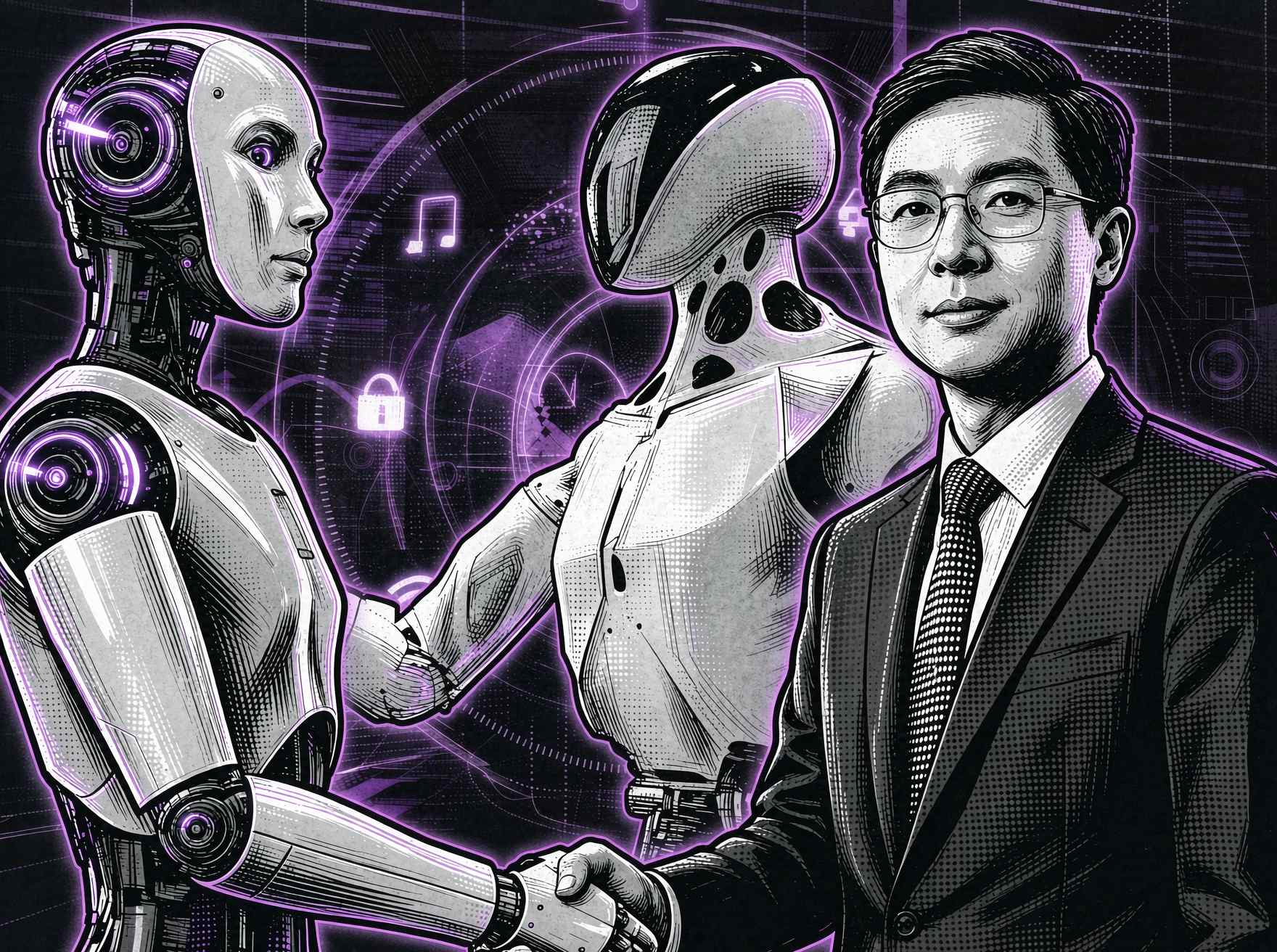
Wang Xingxing Identifies Alignment Errors as Key Challenge for Humanoid Robots
At the 2026 Private Economy Innovation Development Conference on September 9, Wang Xingxing highlighted alignment errors as the main challenge facing humanoid robots. While current humanoid robots can perform tasks like dancing and flipping, they struggle with adaptability in varying environments due to insufficient alignment between AI model inputs and real-world robot outputs. Wang emphasized that these alignment errors manifest in the final centimeters or even millimeters of movement, which significantly hinder the robots' generalization capabilities and their success in everyday applications. He pointed out that while robots can execute large movements, precise tasks such as grasping and placing objects remain problematic due to these discrepancies. Wang also discussed a future scenario where a robot could organize a messy room without prior training, suggesting that the industry could experience explosive growth. He believes that the alignment issue will be resolved in the coming years, contingent on the joint optimization of models and hardware, with Yushu Technology allocating 48% of its IPO funds for model development to address this challenge.
Humanoid Robots AI Alignment Robotics Technology Machine Learning Automation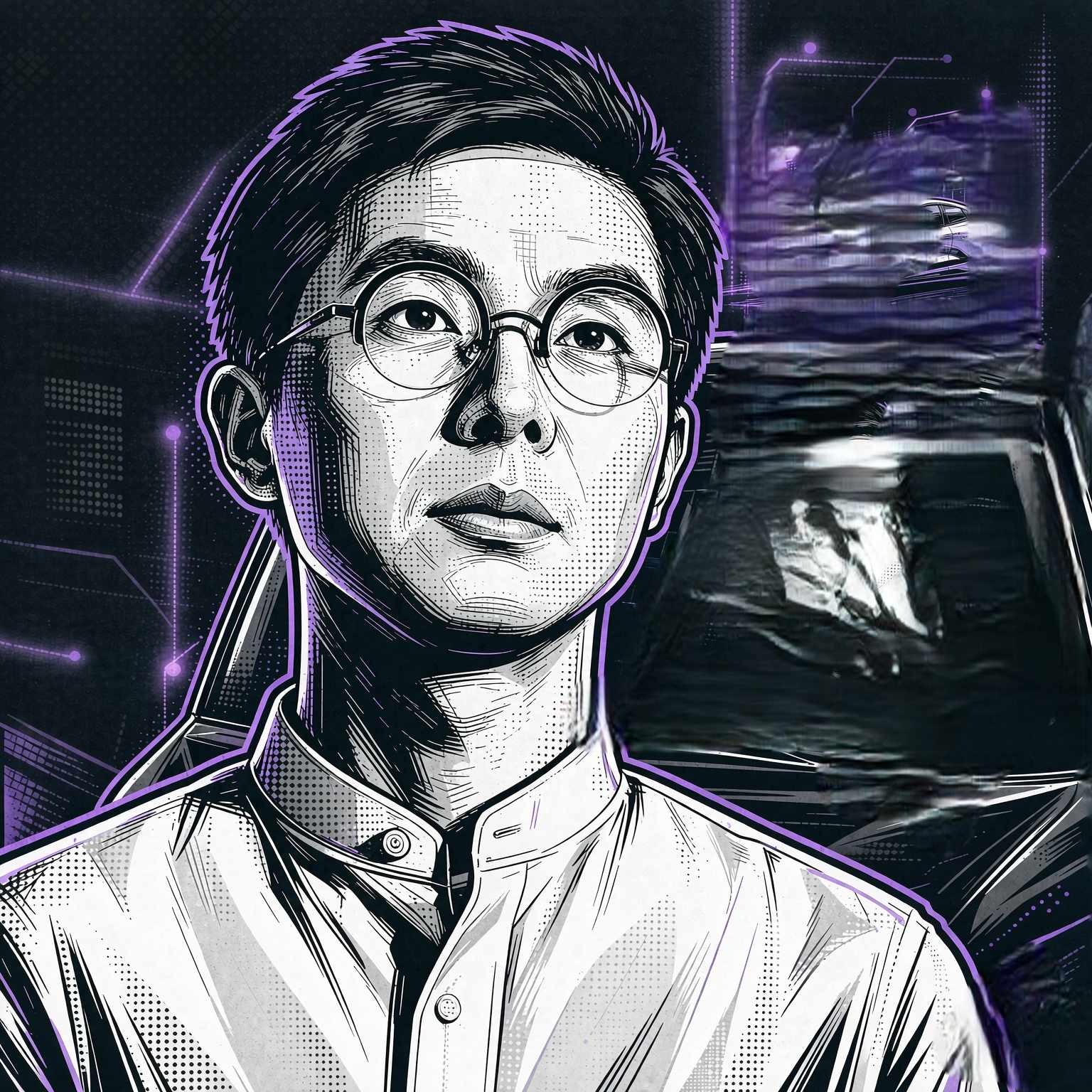
Wang Xingxing Accelerates Timeline for Embodied AI Development to Potentially Next Year
Wang Xingxing has advanced the timeline for the development of embodied AI, suggesting that the ChatGPT moment could arrive as early as next year. This marks a significant shift from his previous estimate of two to three years, indicating rapid progress in the field. The importance of this development lies in the establishment of the '80/80 standard,' which defines success as a robot completing 80% of tasks in unfamiliar environments without prior mapping or demonstrations. This quantifiable benchmark transforms vague notions of technological advancement into measurable criteria for commercialization. Looking ahead, the industry must focus on achieving the necessary capabilities for embodied AI to meet the 80/80 standard. The pressure is on, as any delays beyond 2027 could hinder the realization of these advancements. The coming months will be crucial in determining if the industry can turn these ambitious predictions into reality.
Embodied AI Robotics AI Development Automation
Wang Xingxing Proposes 'Two 80%' Standard for Robotics Industry Advancement
On August 19, 2026, Yushu Technology debuted on the STAR Market, experiencing a surge of over 600% in its opening, with a market valuation exceeding 440 billion yuan. The following day, founder Wang Xingxing delivered a keynote speech at the 2026 World Robotics Conference, titled 'From Exhibits to Products: The Next Decade of Humanoid Robotics,' focusing solely on technology rather than stock prices. Wang introduced a quantifiable critical point for the emergence of embodied intelligence: a robot operating in 80% unfamiliar environments should be able to complete approximately 80% of tasks through voice or text commands. This standard transforms the previously conceptual metric of 'generalization capability' into a measurable target, which was frequently referenced by executives at the conference. Analysts noted that the capital market is now pricing based on shipment volume, order quality, technical convergence, and data feedback loops rather than just imaginative generalization. Wang also addressed a key technical challenge: the discrepancy between AI models and the real physical world, which leads to a significant drop in task success rates when environments change. He revealed Yushu Technology's ongoing research into a physical AI robot self-evolution V1.0 scheme, which aims to align AI model inputs and outputs with the real world, believing this issue will be resolved in the coming years.
Embodied Intelligence Robotics AI Development Automation Technology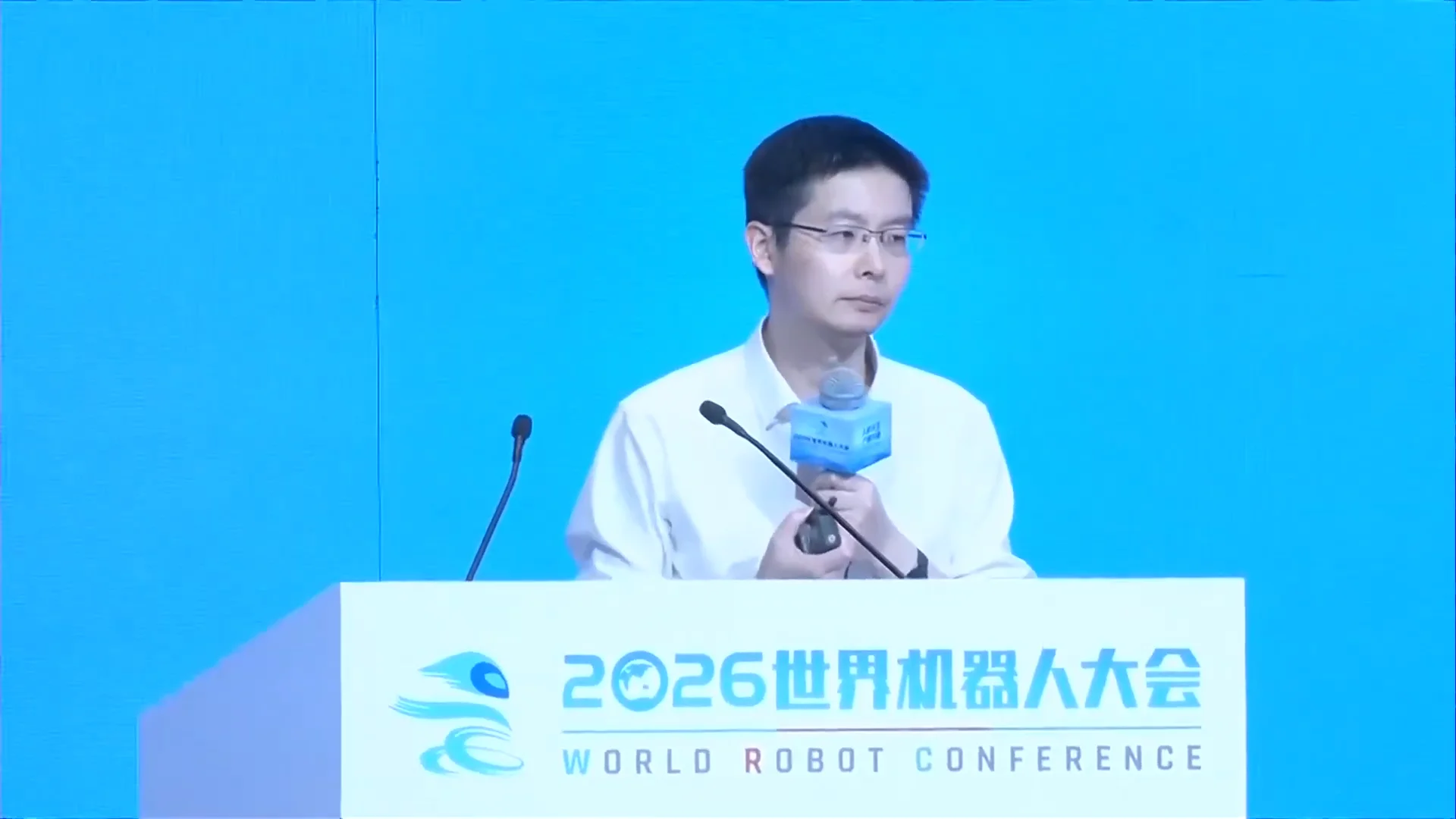
Unitree CEO Wang Xingxing Discusses Challenges of Scaling Humanoid Robots in Factories
At the 2026 World Robot Conference in Beijing, Unitree Robotics CEO Wang Xingxing addressed the limitations of humanoid robots in industrial applications. Despite the company's recent IPO, Wang emphasized that their robots are not yet ready for large-scale deployment due to performance issues, including lower throughput compared to human workers and the need for retraining with each new task. Wang's remarks highlight a broader industry challenge, as he pointed out that the gap between demonstration capabilities and practical utility remains significant. He noted that while Unitree has collaborated with automotive plants and tested robots in production lines, the technology must improve before it can be commercially viable. Looking ahead, the focus will be on enhancing the adaptability and efficiency of humanoid robots. Wang identified the mismatch between digital AI models and the physical world as a critical barrier to success, stressing that micro-errors during task execution can lead to failure in complex operations. No further timeline was disclosed at the time of publication.
Unitree Robotics Wang Xing Xing China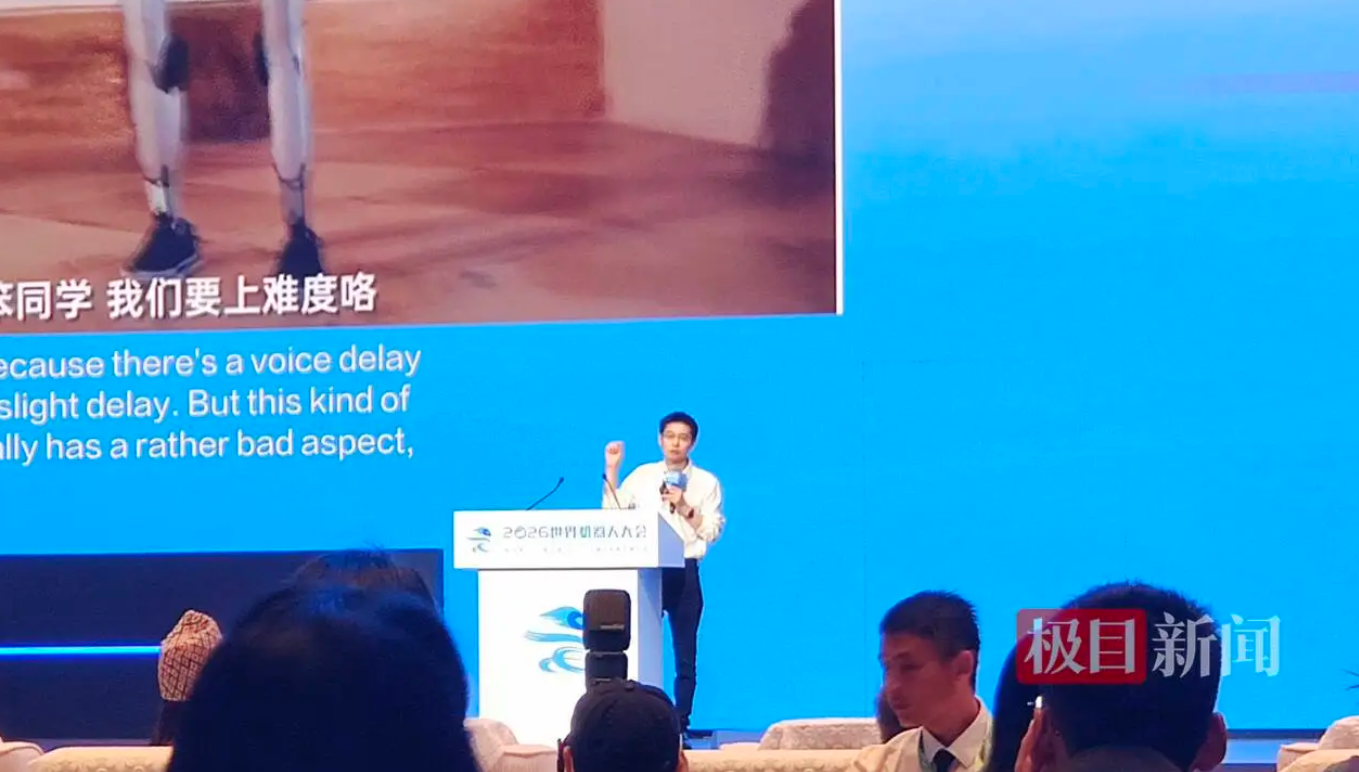
Wang Xingxing Discusses Humanoid Robotics Challenges at WRC Following Yushu Technology's IPO
On August 20, Wang Xingxing, founder of Yushu Technology, spoke at the World Robot Conference (WRC) about the challenges facing humanoid robotics. This followed the company's IPO on the STAR Market, where its stock surged 460% on the first day, reaching a market capitalization of 341.8 billion yuan. Despite this success, Wang emphasized the need for improved efficiency and capability in humanoid robots, stating that current models still lag behind human performance. Wang highlighted the limitations of existing humanoid robots, particularly their need for retraining when faced with new tasks, which hampers efficiency. He pointed out that while robots can perform various tasks, they struggle with precision in the final stages of execution, leading to significant errors. He contrasted the challenges of embodied intelligence with pure language models, noting that physical interactions introduce unique technical difficulties. Looking ahead, Wang set a benchmark for when general-purpose robots could enter homes, suggesting that a robot should be able to understand and complete 80% of tasks from voice commands in unfamiliar environments. He introduced Yushu's latest technology, the Physical AI Robot Self-Evolution V1.0, which aims to enhance development efficiency and speed through automated processes. No further timeline was disclosed at the time of publication.
Humanoid Robots Robotics Technology AI Development Automation
Yushutech's $42 Billion Valuation: Early Investors Back Wang Xingxing's Vision
On August 5, Yushutech, the first publicly listed bipedal robot company in China, initiated its preliminary inquiry for an IPO, aiming to raise approximately 4.202 billion yuan ($42 billion) by issuing 40.4464 million shares. The company completed its stock exchange review in just 73 days, setting a record for IPO speed this year. This rapid progression to the capital market is significant as it highlights the strong backing from major investors in China's hard tech sector, including early supporters who recognized the potential of Yushutech before it gained mainstream attention. The company's founder, Wang Xingxing, holds a 23.82% stake and controls 68.78% of the voting rights, showcasing a robust governance structure. Investors such as Sequoia China and other prominent venture capital firms have shown confidence in Yushutech's technology, which competes with international counterparts at a fraction of the cost. As the company prepares for its public offering, the focus will be on its ability to deliver on its ambitious growth plans and the ongoing interest from institutional investors.
Humanoid Robots Investment Robotics AI Startup Funding
Chinese Billionaire Wang Xingxing's Wealth Grows Amid US Restrictions on Robot Models
Wang Xingxing, a millennial billionaire, is experiencing a significant increase in his wealth, driven by his involvement in China's AI sector. Despite facing restrictions from the US government that prevent his company from introducing new robot models in the American market, his financial success continues to rise. This situation highlights the resilience of China's tech entrepreneurs in the face of international challenges. The ongoing growth of Wang's fortune underscores the importance of the AI industry in China, particularly as the country aims to become a global leader in artificial intelligence. The restrictions imposed by Washington may limit market access, but they have not hindered the overall expansion of Wang's business ventures within China. This scenario reflects broader trends in the tech landscape, where domestic markets can still thrive despite external pressures. Looking ahead, it will be crucial to monitor how Wang Xingxing navigates these challenges and whether his company can adapt to the changing regulatory environment. No further timeline was disclosed at the time of publication.

Yushu Technology's IPO Roadshow Highlights Future Plans and Key Technologies
On August 7, Yushu Technology (688836) held an online IPO roadshow at the Shanghai Roadshow Center, featuring CEO Wang Xingxing. He emphasized that entering the capital market marks a 'new starting point' for Yushu, with a commitment to refining key technologies and advancing the development of general embodied intelligent robots to better serve society. Wang outlined the company's focus on critical technologies, including embodied large models, scene data collection and analysis, reinforcement learning, and self-developed core components. Yushu has achieved commercial core technologies such as integrated joints and self-developed robot lidar, applicable to humanoid and quadruped products, while exploring new models like 'mecha' for high-intensity labor. Wang predicts that the overall development of embodied intelligence is still in its early stages, akin to the early days of personal computers. He anticipates rapid growth in net profit by 2025, with humanoid robot shipments exceeding 5,500 units, positioning Yushu as a global leader. The IPO price is set at 150.80 yuan per share, with plans to raise approximately 6.099 billion yuan, focusing on model and product development, coinciding with Yushu's tenth anniversary.
Intelligent Robotics AI Development IPO Technology Innovation
Doubao to start charging in late June; SK Hynix factory fire; Yushu Technology IPO approved, Wang Xing's wealth may exceed
On June 1, a fire broke out at SK Hynix's factory in Cheongju, South Korea, leading to a harmful gas leak of fluorine. The incident occurred around 10:32 AM local time in a gas chamber connecting two production areas. The fire was quickly contained by the automatic sprinkler system, but seven individuals were hospitalized due to exposure to the toxic gas. In response, SK Hynix evacuated approximately 3,600 employees from the facility. By 1:38 PM, the company had cleared the remaining gas and confirmed the site was safe, allowing operations to resume without interruption. An investigation into the cause of the fire is currently underway.
Unitree Robotics founder Wang Xingxing named rotating chair of new embodied intelligence alliance in Hangzhou
Wang Xingxing, the founder and chairman of Unitree Robotics, has been appointed as the first rotating chair of the Hangzhou Embodied Intelligence Industry Alliance. This announcement was made during a city-wide mobilization conference focused on AI innovation, which took place on June 4. The establishment of this alliance aims to foster collaboration and advancement in the field of embodied intelligence, reflecting Hangzhou's commitment to becoming a leader in AI technology. Wang's leadership is expected to drive initiatives that enhance innovation and development within the industry, positioning Hangzhou as a key player in the global AI landscape.
News FeedRobotics needs a service framework.
RSF defines a common language for robot service capability, lifecycle operations, certification pathways, and service-provider networks.
Join the RobotToday community on LinkedIn
Daily robotics news, in-depth analysis, conference highlights, and discussions with professionals worldwide.







