Industry Briefing
A single destination for timely, editor-curated robotics news from around the world.
Ukraine's 123rd Territorial Defense Brigade Conducts Historic Amphibious Operation with Unmanned Systems
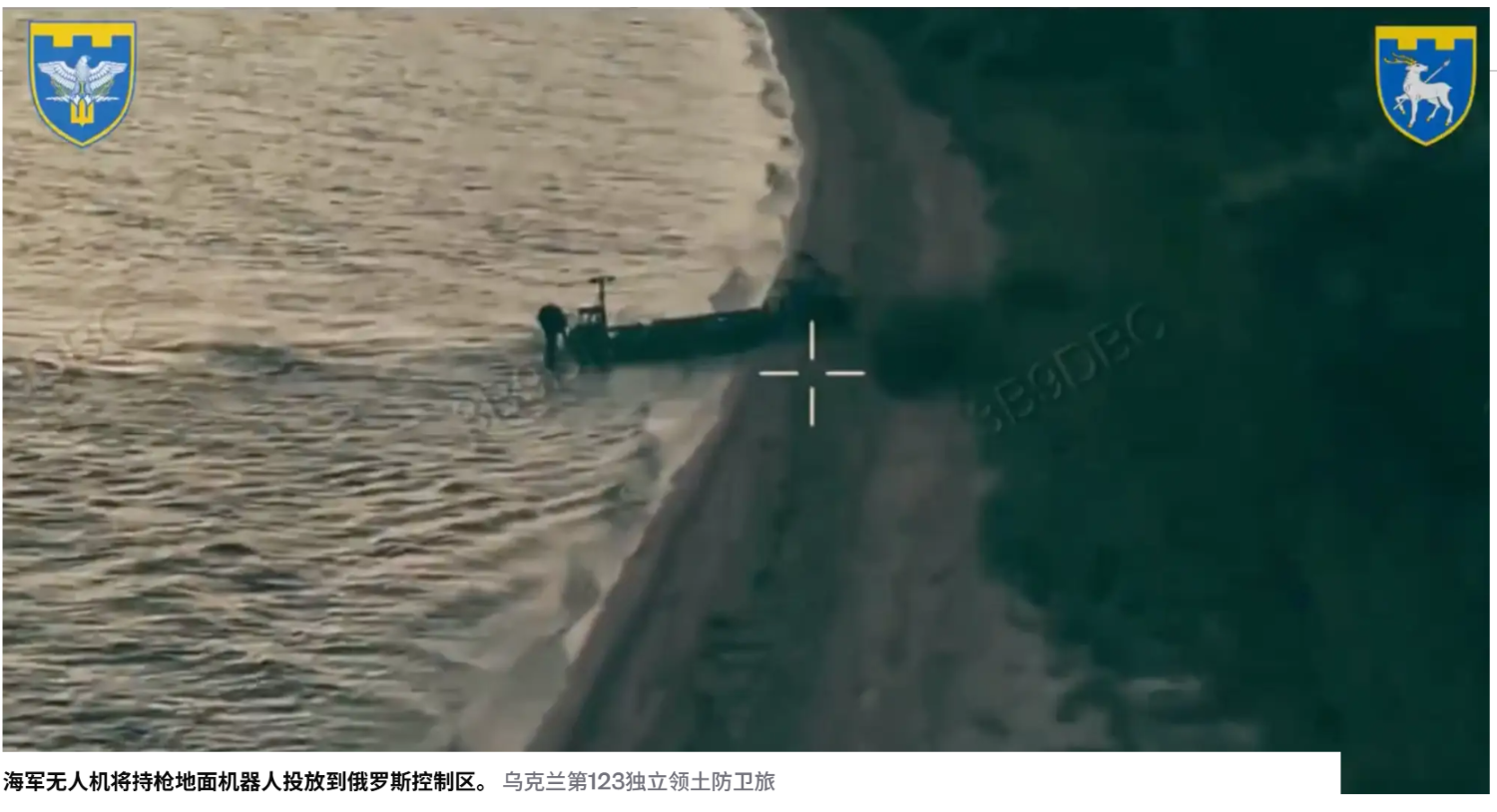
On July 13, 2026, Ukraine's 123rd Independent Territorial Defense Brigade executed a historic amphibious operation utilizing unmanned systems. This marked the first known joint combat mission involving an unmanned surface vessel (USV) and an unmanned ground vehicle (UGV) in a military context. The operation took place on the Kinburn Spit, an area long controlled by Russian forces, where the USV successfully delivered the UGV to the enemy coast without any human soldiers stepping onto hostile territory. The significance of this operation lies in its demonstration of a new combat paradigm where unmanned systems can effectively replace human soldiers in high-risk scenarios. The UGV, reportedly manufactured by Lviv's Roboneers, was equipped with a PKT 7.62mm machine gun and was able to engage targets after landing. The 123rd Brigade emphasized that this operation is not merely a technological novelty but represents a fundamental shift in warfare, highlighting the potential for machines to undertake dangerous missions. Looking ahead, the use of unmanned systems in military operations is expected to expand, as the Ukrainian military has already received over 1,000 various ground robot systems. The ongoing evolution from traditional amphibious assaults to unmanned operations could redefine the nature of warfare, reducing risks to human soldiers while increasing operational effectiveness.
Unmanned Systems Robotics Amphibious Operations Military Technology
May 14 Live Broadcast Preview | The Boundaries of Unmanned Systems: Challenges in Cluster Coordination and Engineering in Complex Environments
A live broadcast is set to take place, showcasing the latest advancements in unmanned systems, with a particular emphasis on cluster coordination in complex environments. Scheduled for an upcoming date, this event will feature a panel of experts who will delve into the evolving challenges faced in the field and explore the significant impact of artificial intelligence on research methodologies. The session aims to foster audience interaction, allowing participants to engage directly with the experts and share valuable academic resources. This initiative highlights the growing importance of unmanned systems and AI in addressing contemporary challenges in various sectors.
Unmanned Systems Cluster Coordination AI in Research Engineering Challenges
Department of War Creates Central Office to Oversee U.S. Military Unmanned Systems
On July 1, the U.S. Department of War announced a significant reorganization of its unmanned systems enterprise by establishing a new Direct Reporting Portfolio Manager for Unmanned Systems (DRPM-UxS). This central office will be responsible for consolidating the acquisition, standards, budgeting, and industry engagement related to the military's drone and autonomous programs. The move aims to enhance oversight and streamline operations within the Department’s unmanned systems, reflecting a commitment to improving efficiency and effectiveness in military technology.
Applications Defense defense Drone News Drone News Feeds Dual Use
Turkey’s STM debuts new unmanned systems, is ‘really open’ to Gulf collaboration
In a recent interview with Breaking Defense, the general manager of a leading technology firm announced that the company is intensifying its efforts in artificial intelligence, image processing, and machine learning. This strategic move aims to enhance their existing capabilities and explore deeper applications of these advanced technologies. The initiative reflects the company's commitment to innovation and staying at the forefront of technological advancements. By leveraging these cutting-edge tools, the firm seeks to improve its product offerings and maintain a competitive edge in the rapidly evolving tech landscape.
Air Warfare Global Naval Warfare Air Force Drones Europe
Not one-drone-fits-all: Admirals stress unmanned systems tailored to the mission
At the Sea-Air-Space conference, Rear Admiral Douglas Sasse emphasized the challenges of adapting military capabilities from regions like EUCOM and CENTCOM to the Pacific. He highlighted that while certain strategies may be effective in Europe and the Middle East, the vast distances in the Pacific present unique obstacles that require tailored approaches. Sasse's remarks underscore the importance of understanding regional dynamics in military planning and operations, particularly as the U.S. navigates its strategic posture in the increasingly complex Pacific theater.
Naval Warfare Networks & Digital Warfare Adm. Derek Trinque Adm. Douglas Sasse AI & Autonomy cyber security
EVENT: Unmanned Maritime Systems Technology USA - Arlington, VA - Sept 14-16, 2026
The 5th Annual Unmanned Maritime Systems Technology (UMST) USA Conference is set to take place, positioning itself as North America’s premier event focused on the development of unmanned and autonomous maritime technologies. Scheduled for later this year, the conference will gather industry leaders, researchers, and technology developers to discuss innovations and advancements in maritime capabilities. The event aims to foster collaboration and knowledge sharing among participants, highlighting the growing importance of unmanned systems in enhancing maritime operations and safety. Attendees will have the opportunity to engage in discussions, attend workshops, and network with experts in the field, all contributing to the ongoing evolution of maritime technology.
events unmanned maritime systems technology usa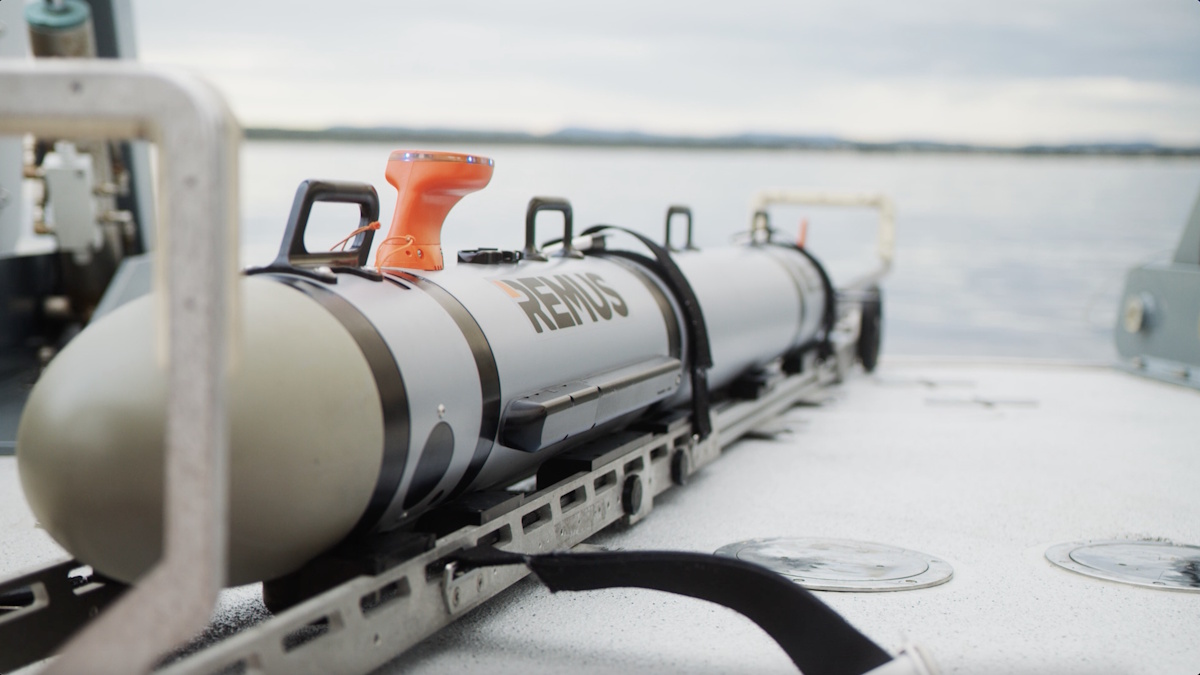
HII Secures Option Year Contract for 200 U.S. Navy Lionfish Undersea Vehicles
HII has been awarded an option year production contract for the U.S. Navy's Lionfish small unmanned undersea vehicle (SUUV), which is based on the REMUS 300 platform. This contract, announced on June 7, 2026, continues the momentum of the Lionfish program, which achieved a significant milestone with the completion of its 42nd vehicle at HII’s Pocasset facility by the end of 2025. The five-year program could scale to a total of 200 vehicles, with a contract value exceeding $347 million. The Lionfish SUUV is designed for various undersea warfare missions, including mine countermeasures, intelligence, surveillance and reconnaissance (ISR), anti-submarine warfare, and electronic warfare operations. The U.S. Navy's decision to exercise this option year contract reflects confidence in the platform's operational performance and adaptability, as stated by Duane Fotheringham, president of HII’s Unmanned Systems group. Looking ahead, HII aims to enhance the capabilities of the Lionfish program to meet evolving mission requirements for sailors and marines. No further timeline was disclosed at the time of publication, but the continued investment in this program indicates a strong commitment to advancing autonomous systems in naval operations.
hii contract award u.s. navy lionfish unmanned undersea vehicle uuv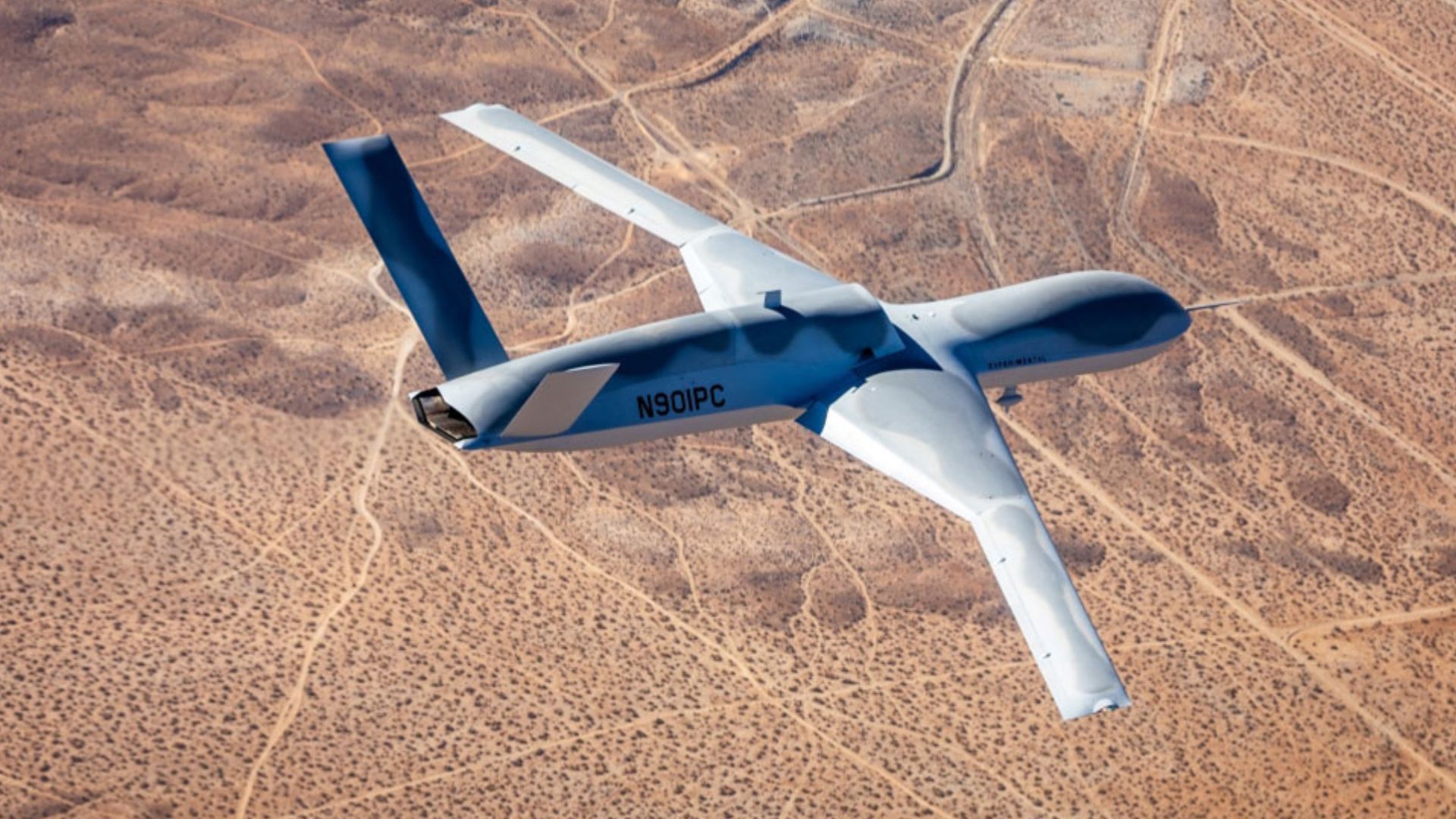
‘Loyal wingman’ test: F-35 fighter jet and MQ-20 drone display manned-unmanned teaming
General Atomics has successfully demonstrated interoperability between the F-35 fighter jet and its advanced drone systems. This achievement, announced recently, marks a significant milestone in enhancing military capabilities and operational efficiency. The demonstration took place at a military testing facility, showcasing how the F-35 can seamlessly integrate with unmanned aerial vehicles (UAVs) to improve mission effectiveness. The motivation behind this development stems from the growing need for advanced warfare strategies that leverage both manned and unmanned systems. By ensuring that the F-35 can communicate and coordinate with drones, General Atomics aims to provide military forces with a more versatile and responsive combat platform. This interoperability is expected to enhance situational awareness and decision-making during complex missions. The successful integration was achieved through rigorous testing and validation processes, which involved real-time data sharing and tactical coordination between the aircraft and drones. This advancement not only underscores General Atomics' commitment to innovation in defense technology but also positions the F-35 as a pivotal asset in future military operations.

Ground robots in Latvia and the history of manned-unmanned teaming
This week on The Break Out, NATO troops are conducting drone testing in Eastern Europe, showcasing the alliance's commitment to enhancing its military capabilities. The event highlights the growing significance of unmanned systems in modern warfare, as the program aims to evaluate the effectiveness and reliability of various drone technologies. The testing comes at a critical time, given the evolving security landscape in the region. By examining the historical development of unmanned systems alongside current advancements, the initiative seeks to improve operational strategies and strengthen defense readiness among member nations. The program underscores NATO's proactive approach to adapting to new threats and ensuring collaborative defense efforts.
Global Break Out Video Drones Europe FPV ground robotics
Hanwha Aerospace joins Milrem Robotics for Romania unmanned vehicle program
South Korean defense company Hanwha Aerospace announced its collaboration with Estonian unmanned systems firm Milrem Robotics to develop Romania's uncrewed ground vehicle program. The partnership aims to broaden Hanwha Aerospace's European business portfolio, moving beyond traditional artillery systems. The agreement was formalized on Thursday during the BSDA 2026 defense exhibition held in Bucharest, Romania. This strategic alliance reflects Hanwha's commitment to enhancing its presence in the European defense market.
All News
The future of unmanned surface vessels includes ISR and counter-UAS
Red Cat, a prominent player in the aerial drone industry, has announced the launch of Blue Ops, a new venture focused on the mass production of unmanned surface vehicles (USVs). This strategic move comes as part of Red Cat's ongoing efforts to diversify its product offerings and capitalize on the growing demand for advanced maritime technology. The announcement was made recently, signaling the company's commitment to innovation and expansion within the unmanned vehicle market. By establishing Blue Ops, Red Cat aims to leverage its expertise in drone technology to develop and manufacture USVs that meet the evolving needs of various sectors, including defense, surveillance, and environmental monitoring. The initiative reflects a broader trend in the industry, where companies are increasingly investing in unmanned systems to enhance operational capabilities and efficiency.
Naval Warfare Sponsored Post Blue Ops Counter UAS cUAS gray zone ISR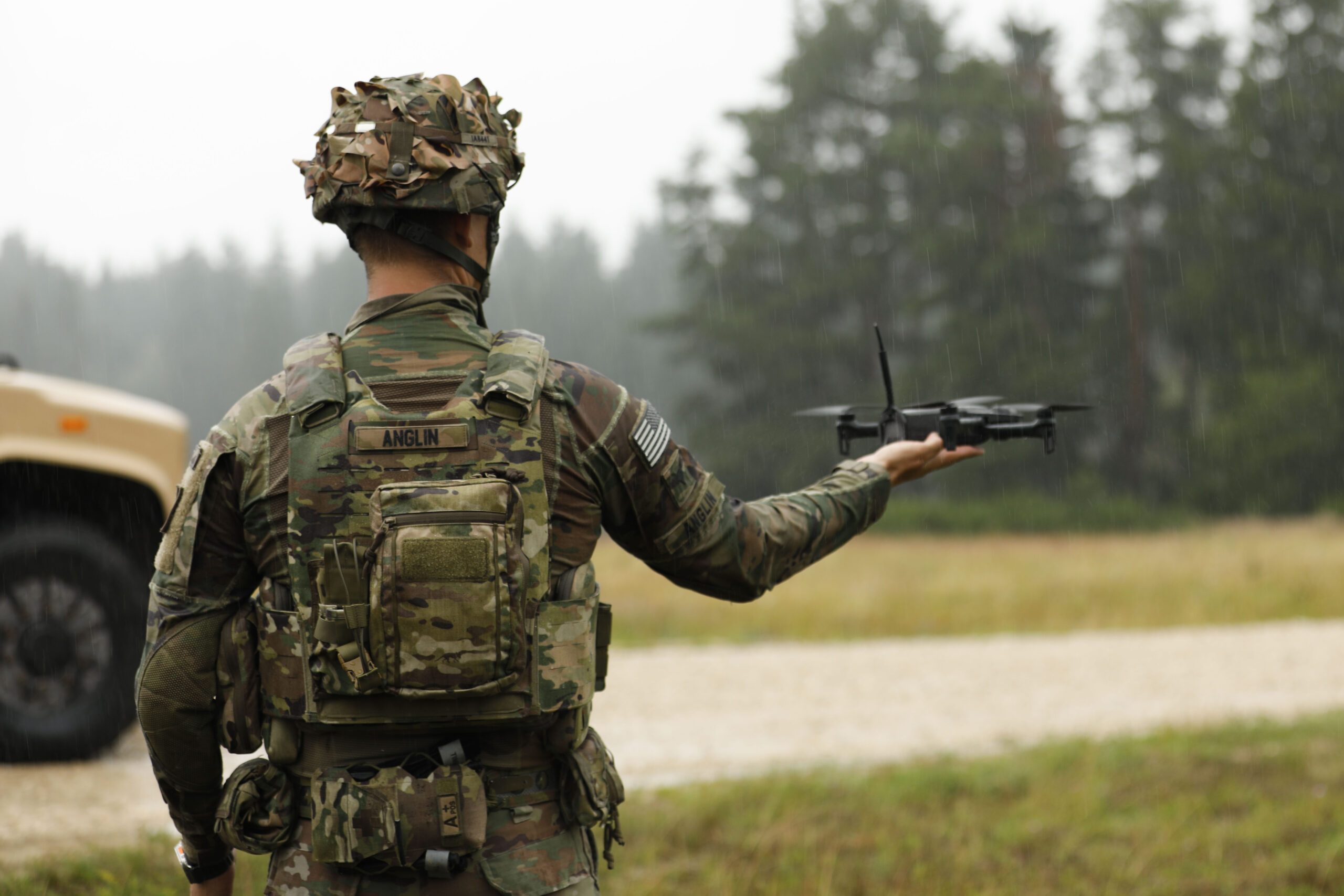
House FY27 NDAA Signals Drones Have Become Core Military Infrastructure
The House Armed Services Committee is shifting its focus regarding military drones, emphasizing the establishment of standards, training, doctrine, and sustainment necessary for integrating unmanned systems into the core infrastructure of the U.S. military. This strategic move comes after years of congressional discussions primarily centered on procurement and supply chain security. The committee's proposal signals a significant transition in how the military views and utilizes drone technology, aiming to make these systems a permanent fixture within its operations. This change reflects a growing recognition of the importance of drones in modern warfare and military strategy.
Applications Defense defense DL Exclusive Drone News Drone News Feeds
INKAS Expansion Highlights Growing Investment in North American Defense Manufacturing
Toronto-based INKAS has announced a significant expansion of its North American manufacturing capabilities with the addition of three new production facilities in Canada and the United States. This strategic move aims to more than double the company’s manufacturing space, enabling enhanced production of armored vehicles, unmanned systems, and special-purpose platforms. The expansion reflects INKAS's commitment to supporting growth in the defense manufacturing sector, responding to increasing demand for advanced military and security solutions. The new facilities are expected to bolster the company’s operational efficiency and capacity, positioning INKAS to better serve its clients in a rapidly evolving market.
Applications Canada Canadian Drone Industry Defense defense Drone Manufacturing
Terra Drone Establishes Estonia-Based Defense Subsidiary to Support European Expansion
Japan's Terra Drone Corporation has launched a new subsidiary, Terra Defense Europe, in Estonia, marking a significant expansion of its defense business in Europe. This move comes as the company shifts its focus from commercial drone services to defense and counter-drone systems. Established to enhance its operational capabilities, the subsidiary will provide sales, maintenance, logistics management, and foster local partnerships for unmanned systems related to defense throughout Europe. This strategic initiative reflects the growing demand for advanced defense technologies in the region.
Applications Defense defense Drone News Drone News Feeds News
Army Medical Brigade Expands Drone Use for Battlefield Resupply
The U.S. Army’s 44th Medical Brigade is enhancing its battlefield medical operations by expanding the use of drones to deliver critical supplies more efficiently and safely. This initiative, announced by the XVIII Airborne Corps, reflects a broader military strategy to incorporate unmanned systems into logistics and sustainment efforts. The program aims to reduce the risk to soldiers while ensuring timely access to essential medical resources in combat situations. By leveraging drone technology, the Army seeks to improve operational effectiveness and support its personnel in high-stakes environments.
Applications Delivery Drone News Drone News Feeds Medical News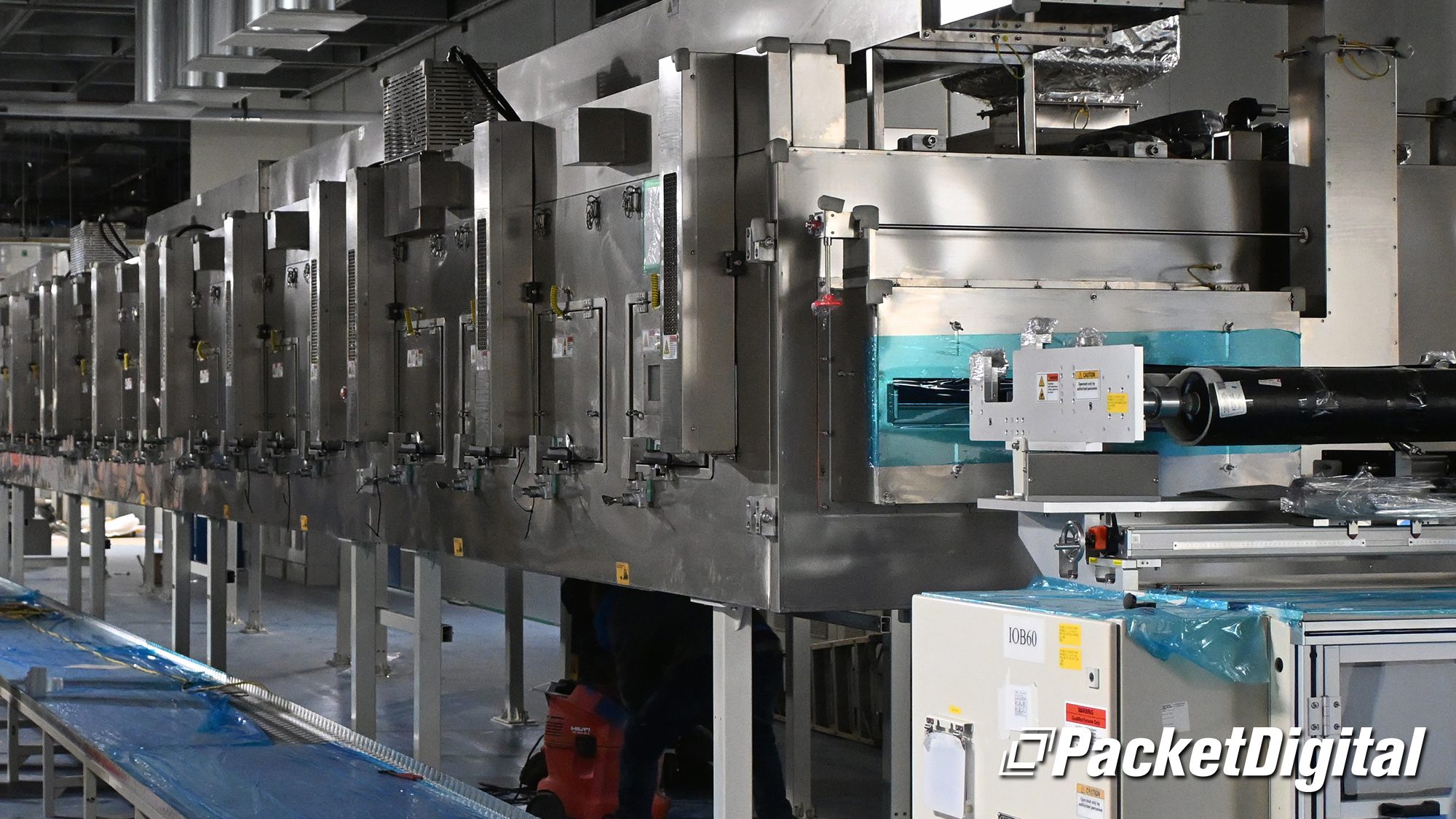
U.S. Navy Awards Packet Digital $9.8 Million to Scale Drone Battery Production in North Dakota
Packet Digital and its subsidiary, Badland Batteries, have secured $9.8 million from the U.S. Navy as part of Phase 3 of a contract aimed at developing advanced battery cells compliant with the National Defense Authorization Act (NDAA). This funding will facilitate the manufacturing of these battery cells in North Dakota, specifically designed for logistics drones and unmanned systems. The initiative reflects the Navy's commitment to enhancing the capabilities of its drone technology and defense systems. The investment is expected to boost production capacity and support the growing demand for reliable energy sources in military applications.
battery technology Drone News Drone News Feeds drone technology Dual Use News
Kraken Robotics Signs Memorandum of Understanding with SEFINE SISAM
Kraken Robotics has entered into a Memorandum of Understanding (MOU) with SEFINE SISAM, the Strategic Unmanned Systems Research Center, as announced during the SAHA exposition held in Türkiye. This partnership aims to enhance collaboration in the development of advanced unmanned systems, reflecting both organizations' commitment to innovation in robotics and technology. The agreement was formalized on [insert date of the exposition], marking a significant step in their joint efforts to leverage their respective expertise in the field. The collaboration is expected to drive progress in unmanned systems research and development, addressing emerging challenges and opportunities in the industry.
kraken robotics memorandum of understanding (mou) sefine sisam (strategic unmanned systems research center)
New Intelic Platform Lets European Militaries Find and Deploy Drones Faster
A European defense technology company, Intelic, has launched a new platform called Intelic BASE, aimed at accelerating the deployment of unmanned systems across European militaries. Announced on May 4, 2026, in Amsterdam, this innovative procurement hub is designed to enhance interoperability among various defense systems, enabling governments to more efficiently locate and deploy drones. The initiative responds to the growing need for streamlined processes in military operations, ultimately improving the effectiveness of defense strategies in Europe.
Applications Defense defense Drone News Drone News Feeds Dual Use
Dynamic Messenger 2025: NATO Drives Maritime Innovation Through Allied Experimentation
The multinational maritime exercise REPMUS/Dynamic Messenger 25 commenced on September 15 off the Atlantic coast of Portugal. This event unites Allied nations, partners, academia, and industry stakeholders with the goal of enhancing the integration of unmanned systems and fostering innovation in maritime operations. The exercise serves as a platform for participants to collaborate and share knowledge, ultimately aiming to improve operational effectiveness in maritime environments.
repmus dynamic messenger nato repmus (robotic experimentation and prototyping with maritime unmanned systems)
Teledyne Marine Awarded Long-Term UK MOD Contract to Support REPMUS Exercises
Teledyne Marine has secured a significant long-term contract with the United Kingdom Ministry of Defence (MOD) to support the annual REPMUS (Robotic Experimentation and Prototyping using Maritime Unmanned Systems) exercises, commencing this year. This collaboration aims to enhance the UK's capabilities in maritime unmanned systems through innovative experimentation and prototyping. The partnership underscores Teledyne Marine's commitment to advancing defense technologies and reflects the MOD's strategic focus on integrating robotic systems into military operations. The exercises will serve as a platform for testing and developing new technologies, ensuring that the UK remains at the forefront of maritime defense innovation.
teledyne marine contract award uk mod repmus repmus (robotic experimentation and prototyping using maritime unmanned systems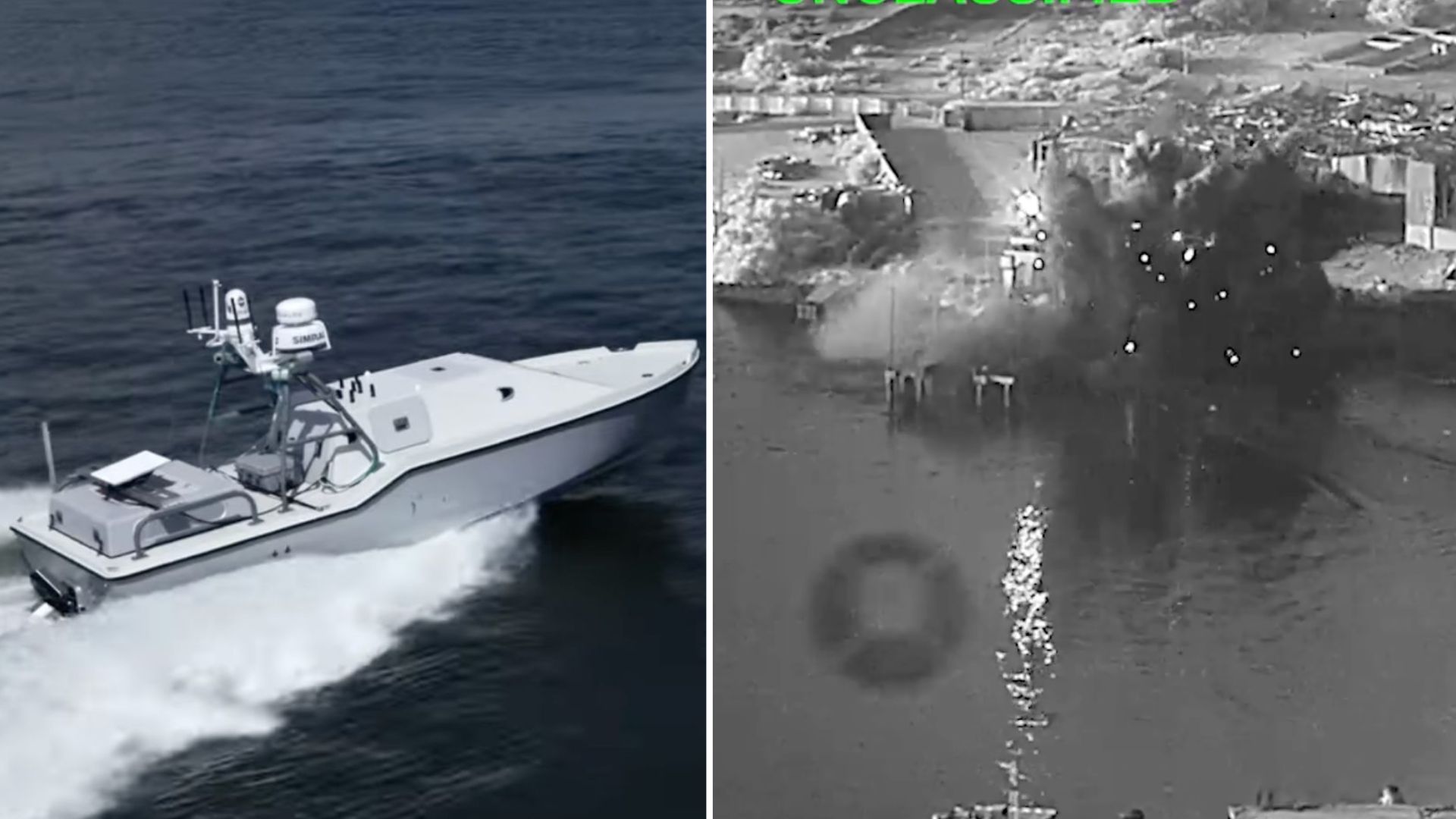
U.S. Military Executes First Offensive Strike with Autonomous Drone Boats on Iran's Naval Base
On July 12, 2026, the U.S. Central Command announced a significant advancement in naval warfare with a coordinated attack by three autonomous surface vessels on Iran's Bandar Abbas Naval Base. This operation, executed by the U.S. Navy's 5th Fleet through Task Force 59, marks the first offensive mission by a major navy using unmanned attack boats. The strike is pivotal as it demonstrates a shift toward utilizing autonomous platforms for combat missions, allowing militaries to conduct operations without risking crewed vessels. The Saronic Corsair vessels targeted a raised dock at the naval base, showcasing advanced capabilities in stealth and artificial intelligence for precise operations. Looking ahead, the success of this operation indicates a potential evolution in naval tactics, with autonomous vessels taking on more offensive roles. As militaries invest in unmanned systems, coordinated strikes like the one at Bandar Abbas may become increasingly prevalent in future naval engagements. No further timeline was disclosed at the time of publication.
Military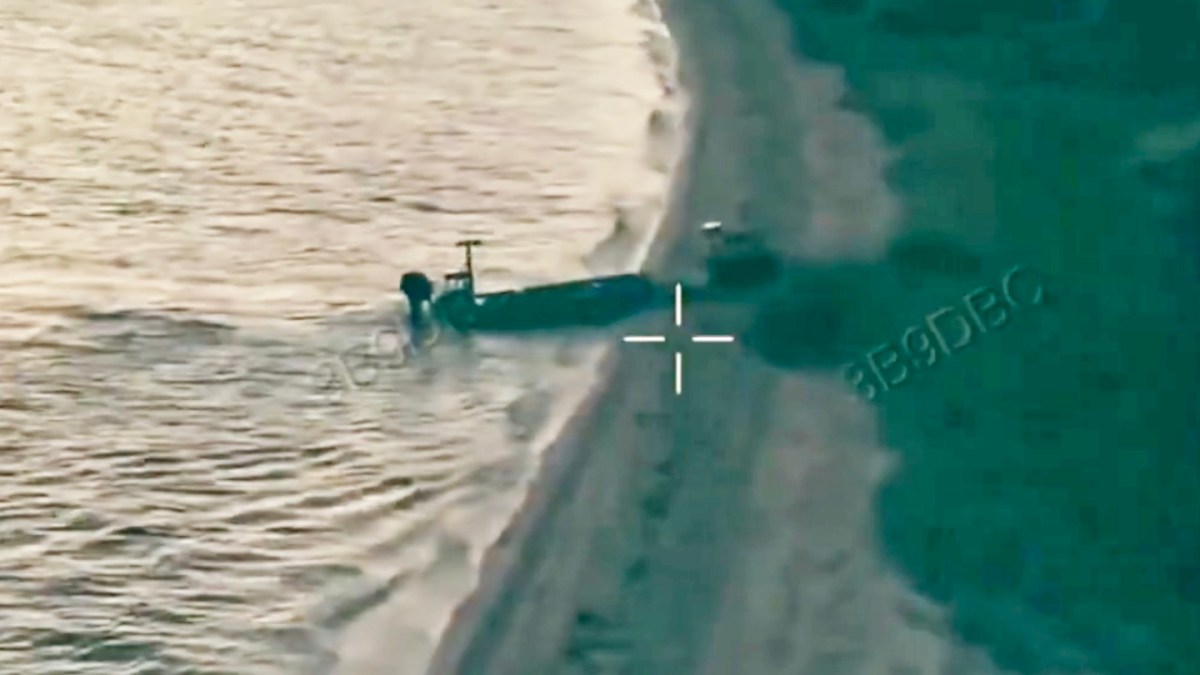
Ukraine Executes Historic Combat Mission Using Drone Boat to Deploy Armed Robot
Ukraine has conducted a groundbreaking military operation, deploying an armed ground robot via a sea drone on the Russian-occupied Kinburn Spit. This mission, executed by the 123rd Separate Territorial Defense Brigade, marks the first known instance of a sea drone transporting a combat robot into enemy territory, showcasing Ukraine's innovative use of uncrewed systems in warfare. The significance of this operation lies in its demonstration of advanced military technology and strategy, as Ukraine seeks to leverage unmanned systems to counter Russian forces. The use of the uncrewed surface vessel (USV) to deliver the Rys family ground robot reflects a shift towards automation in combat, potentially changing the dynamics of modern warfare. Looking ahead, the continued integration of uncrewed systems in military operations will be crucial for Ukraine's strategy. As the conflict evolves, further developments in robotic warfare and the effectiveness of these technologies in combat scenarios will be closely monitored. No further timeline was disclosed at the time of publication.
Sea Armies Around The Globe Drones Europe Land
Palladyne AI Executes $4.2 Million U.S. Air Force Contract to Advance Swarming Capabilities for Integrated Cross-Domain Operations
Palladyne AI Executes $4.2 Million U.S. Air Force Contract to Advance Swarming Capabilities for Integrated Cross-Domain Operations Visit http://www.palladyneai.com for further information Palladyne AI’s SwarmOS™ platform to support satellite integration, marking a major expansion of its multi-domain autonomy and ISR capabilities across space, air, maritime, and land 07/07/26, 06:15 AM | Mobile Robots, Other Topics | Palladyne AI Corp. Palladyne AI Corp. (NASDAQ: PDYN and PDYNW) ("Palladyne AI"), a developer of artificial intelligence software for robotic platforms in the defense and commercial sectors, today announced that it has executed the previously announced contract awarded by the Air Force Research Laboratory (AFRL) to solve one of the most persistent challenges in modern defense operations—how to make different autonomous systems work together as one coordinated team. The "Hierarchical Adaptive Networked Game-Theoretic Integration of Multiple Echelons (HANGTIME)" contract will address this need. More Headlines A3's Automate 2026 Breaks Records as Demand for Robotics, AI and Automation Grows NVIDIA and Hugging Face Bring New Models and Frameworks to LeRobot for the Open Robotics Community ABB Robotics completes its AI-powered Visual SLAM AMR portfolio with new autonomous forklift UMA Unveils Its Vision for the Next Generation of Humanoid Robots Robbyant Unveils LingBot-Depth 2.0 and LingBot-Vision to Redefine Robotic Spatial Perception Articles Unleash AI Innovation: The Power of NVIDIA RTX PRO 6000 Blackwell Workstation Edition Fueled by PNY-Supplied GPUs Automate 2026 Q&A with DESTACO Automate 2026 Q&A with Roboteon Advances in Robots to See & Interpret within Warehouse Environments Building Resilient Fulfillment Networks with Robotics and Real-Time Logistics Data Today, drones, ships, and satellites often operate largely independently, limiting how quickly warfighters can see and respond to threats. HANGTIME will utilize Palladyne AI's patented SwarmOS™ software platform—the defense variant of the Palladyne™ Pilot embodied AI software—as the baseline technology to bridge that gap, connecting disparate systems so they can share intelligence, adapt to changing conditions, and act in sync across domains, including space, air, maritime, and land. By integrating satellites for the first time, this project also extends Palladyne AI's technology from the ground to orbit, enabling faster, more informed decision-making and coordinated mission execution, turning tactical commanders into strategic commanders by giving them more cross-domain intelligence, surveillance, and reconnaissance (ISR) capabilities than ever before. "Our collaboration with AFRL showcases what's next for autonomous operations," said Ben Wolff, President and CEO, Palladyne AI. "This isn't about replacing humans—it's about giving them sharper, faster insight. By connecting satellite, aerial, and ground systems using the patented SwarmOS embodied AI platform as a foundational technology, we're helping the warfighter make better decisions in real time and stay one step ahead on the battlefield." "The HANGTIME project is a breakthrough that unites high-altitude assets and situational unmanned systems into one coordinated sensor network—delivering a major advantage for the defense industry," said Dr. Denis Garagic, Chief Technology Officer, Palladyne AI. "For the first time, a single AI framework can coordinate assets across multiple domains, including satellites. That means these systems can now think and act together as a team, sharing what they see and learning as conditions change." "The HANGTIME effort represents a critical step in multi-domain autonomy for coordinated execution in challenging environments," said Caleb Williams, Program Manager, AFRL/RIEA. For more information on Palladyne AI and its patented collaborative autonomy software, including SwarmOS, please visit www.palladyneai.com. For more information about AFRL, please visit www.afrl.af.mil. About Palladyne AI Palladyne AI is a U.S.-based technology company developing patented embodied artificial intelligence, collaborative autonomy solutions, advanced avionics, autonomous systems, advanced UAV engineering services, and precision-manufactured components for defense and industrial markets. Palladyne AI delivers secure, American-developed and operated platforms designed to meet the stringent requirements of U.S. government and public-sector customers, including data sovereignty, security, and compliance. Palladyne AI's embodied AI is designed to operate in complex, contested, and high-risk environments, enabling distributed tasking, human-on-the-loop decision-making, degraded-communications resilience, and multi-domain coordination. Its platform-agnostic autonomy stack combines real-time sensor fusion, adaptive AI models, and edge-native orchestration—without vendor lock-in—to support autonomous and collaborative systems across air, ground, maritime, and industrial domains w
F-15EX And Ghost Bat Team Up Over Pacific During Valiant Shield
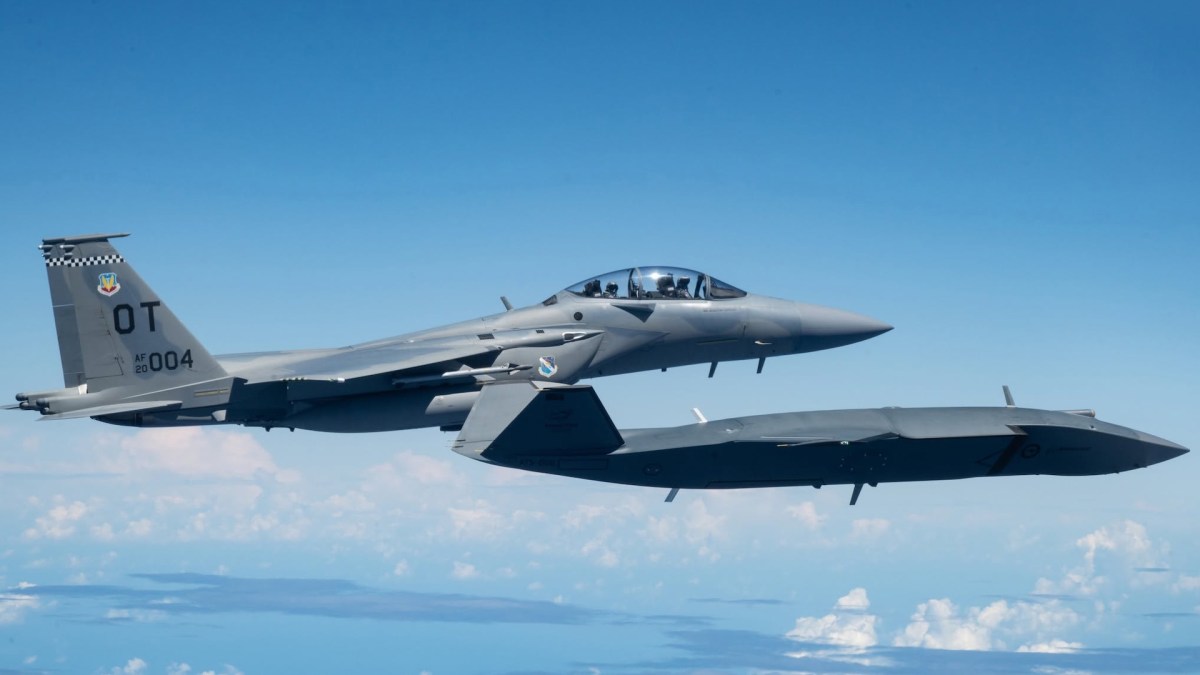
During the recent Valiant Shield military exercises, the F-15EX fighter jet and the Ghost Bat drone showcased their capabilities in the Pacific, signaling a significant advancement in aerial combat technology. This collaboration highlights the potential evolution of the Eagle II system into a controller for collaborative combat drones, enhancing operational efficiency and effectiveness in modern warfare. The exercises, which took place in mid-October 2023, underscore the growing emphasis on integrating manned and unmanned systems in military operations, reflecting a strategic shift aimed at improving combat readiness and adaptability in dynamic environments.
Air Air Forces F-15 Fighters Loyal Wingman MQ-28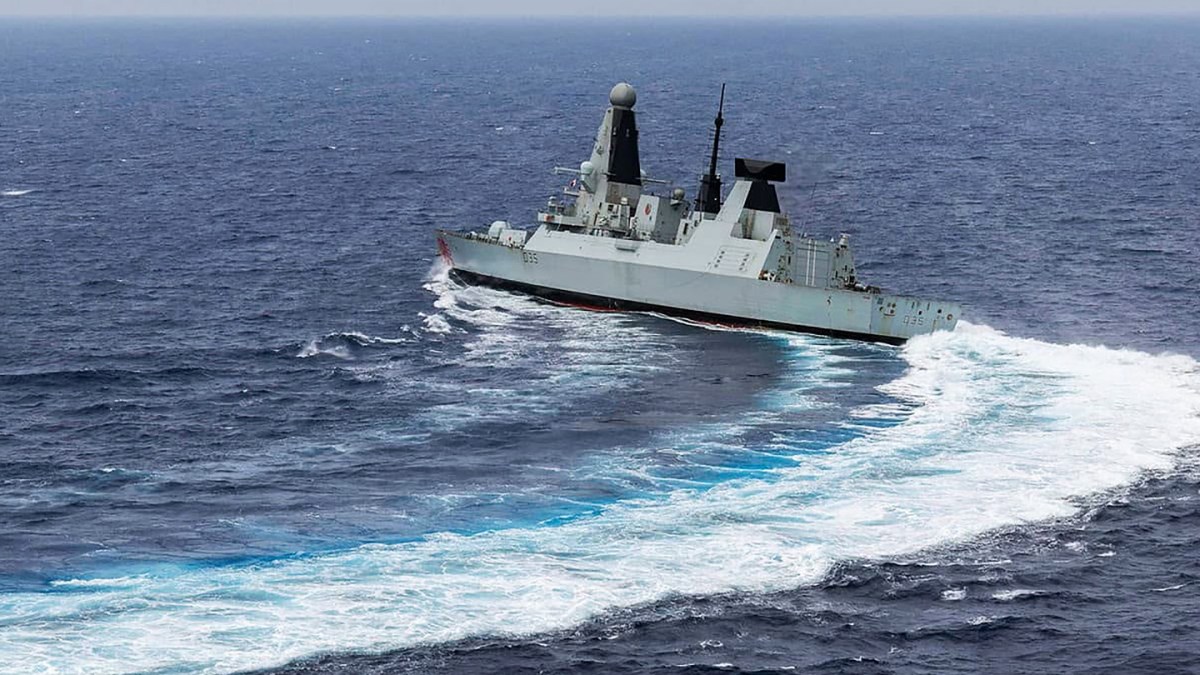
UK Sacrifices Its Future Destroyer As Part Of Massive Bet On Drones Across Its Forces
The UK government is implementing a significant transformation in its military strategy, prioritizing the integration of uncrewed platforms across land, sea, and air operations. This ambitious overhaul comes at the cost of sacrificing its future destroyer, signaling a strategic shift towards drone technology as a cornerstone of the nation's defense capabilities. The decision reflects a growing recognition of the importance of unmanned systems in modern warfare, aiming to enhance operational efficiency and adaptability. As the UK moves forward with this initiative, it seeks to position its forces at the forefront of technological advancements in military operations.
News & Features Air Air Forces Around The Globe Europe Navies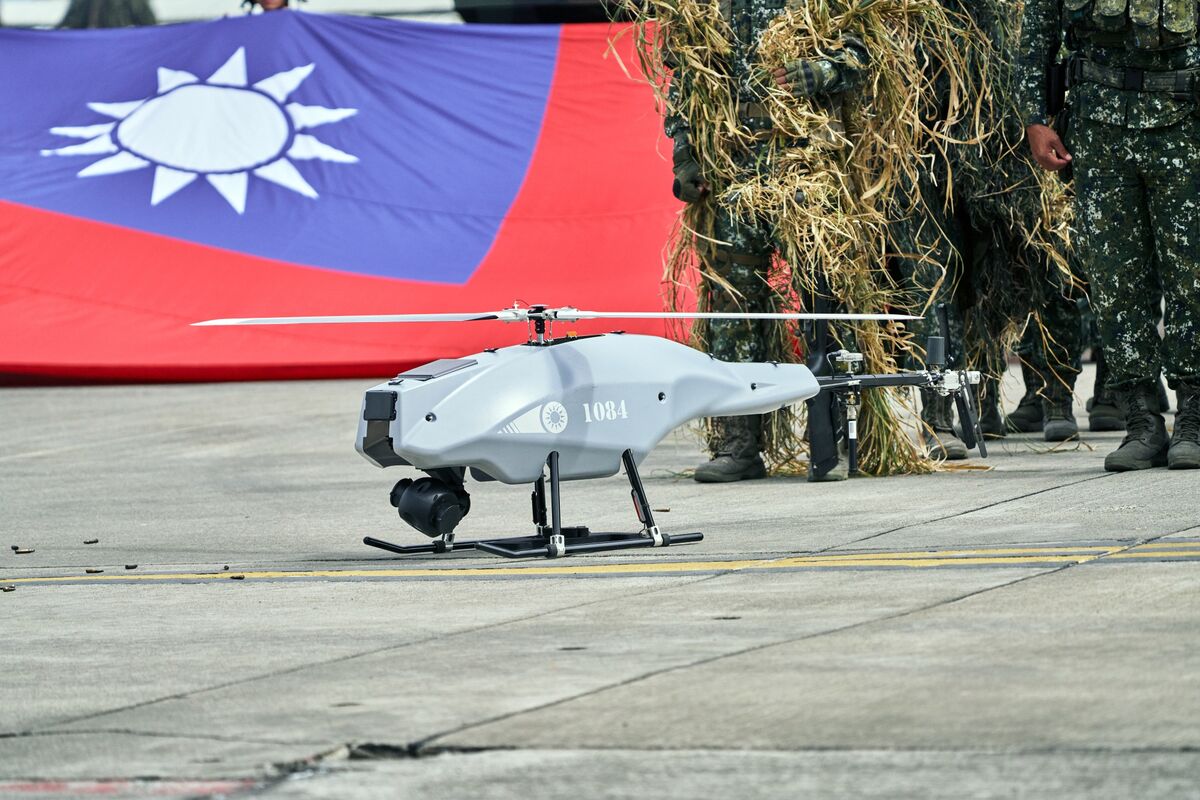
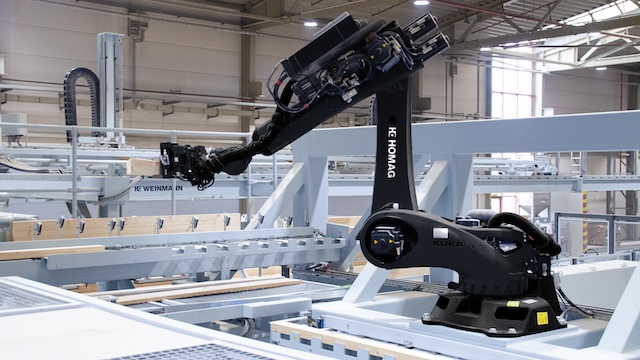
Taiwan Opposition’s $7.5 Billion Plan Stirs Drone Defense Debate
Taiwan's main opposition party has unveiled a strategy to advance the drone industry, shortly after blocking a similar initiative proposed by President Lai Ching-te's administration. This development comes amid ongoing discussions regarding unmanned systems, which hold significant importance for Taiwan's defense capabilities. The opposition's move reflects a growing emphasis on enhancing the island's technological and military resources in response to regional security challenges. The initiative aims to bolster Taiwan's defense infrastructure and ensure its preparedness in an increasingly complex geopolitical landscape.
In Defence Investment Plan preview, Britain bets big on drones, ‘hybrid’ navy
The Ministry of Defence has announced an initiative to develop at least six hybrid warships that will integrate with unmanned systems both in the air and at sea. This strategic move aims to enhance naval capabilities and modernize the fleet, reflecting a growing emphasis on advanced technology in military operations. The initiative underscores the Ministry's commitment to maintaining a competitive edge in maritime defense, particularly in an era where unmanned systems are becoming increasingly vital for operational effectiveness. The timeline for the project has not been specified, but it represents a significant step towards modernizing naval warfare and adapting to evolving threats.
Air Warfare Global Land Warfare Naval Warfare Air Force Ajax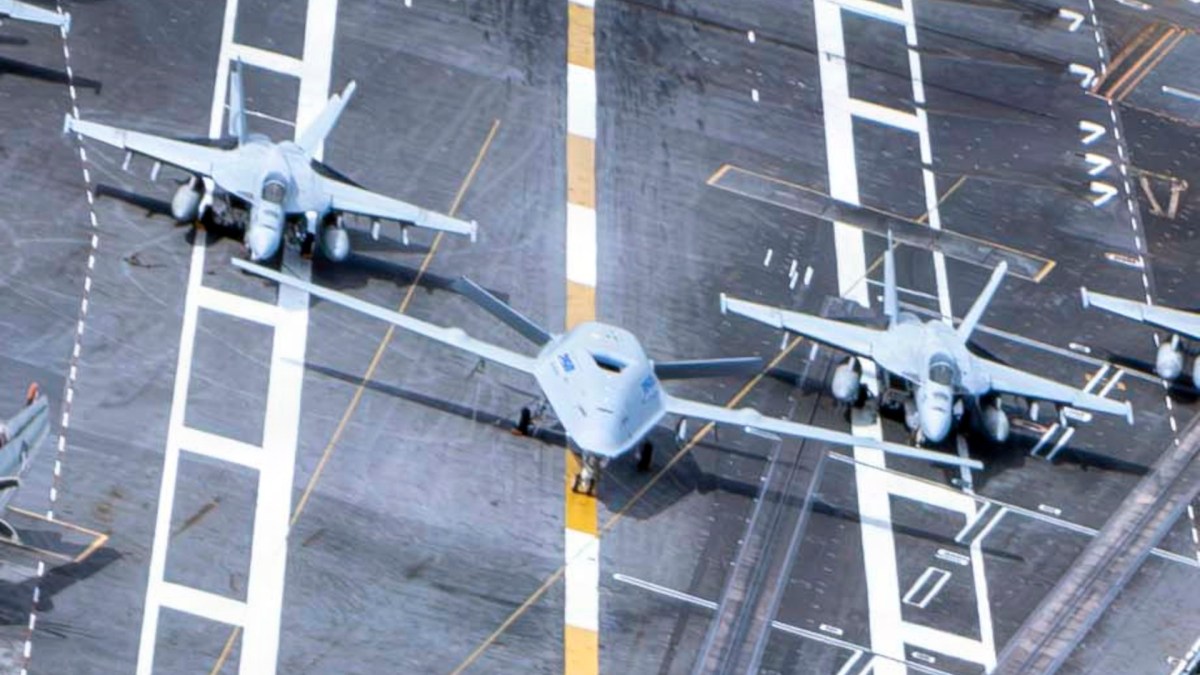
MQ-25 Stingray Demonstrator Goes Aboard USS Nimitz For 250th U.S. Anniversary Celebrations
The Navy's T-1 tanker drone demonstrator made a notable appearance on the deck of the USS Nimitz, coinciding with the 250th anniversary celebrations of the United States. This event highlighted the drone's significant size in comparison to its crewed counterparts, showcasing advancements in naval aviation technology. The demonstration underscores the Navy's commitment to integrating unmanned systems into its operations, reflecting a shift towards modernizing its fleet. The USS Nimitz, a key asset in the Navy's carrier strike group, served as the backdrop for this milestone, emphasizing the importance of innovation in maintaining maritime superiority.
Air Carriers MQ-25 Navies Nimitz Class Sea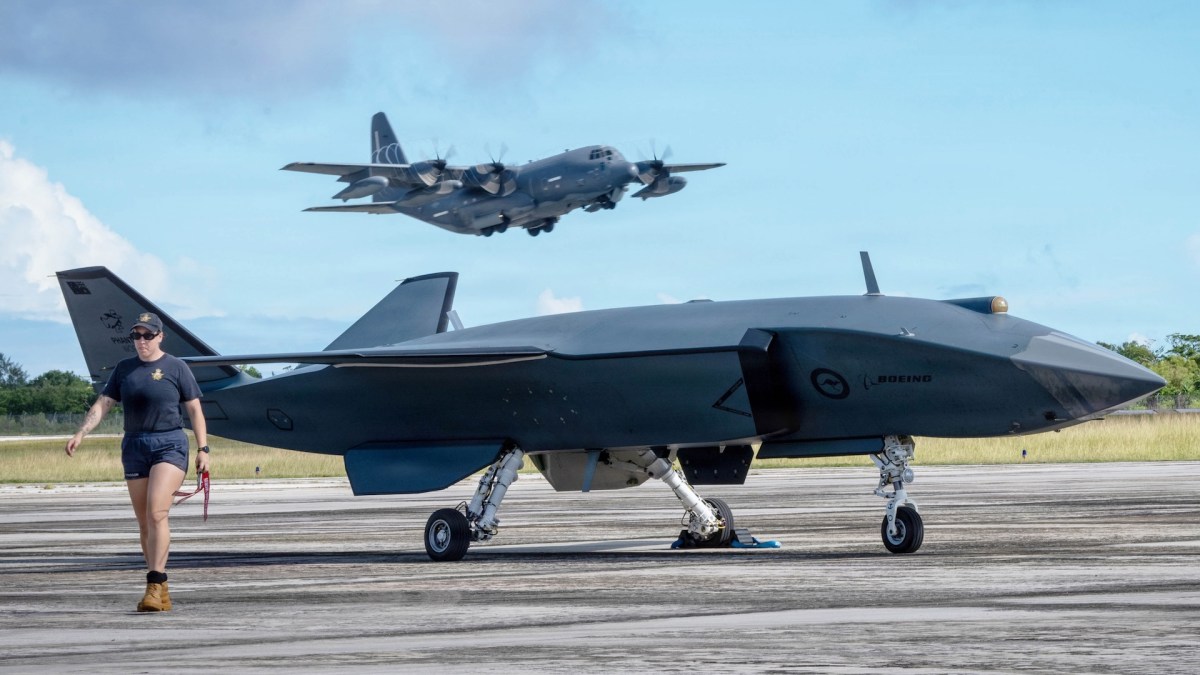
MQ-28 Ghost Bat Drone Debuts In Large-Force Combat Exercise In The Pacific
The MQ-28 Ghost Bat drone made its debut during the Valiant Shield exercise, showcasing its capabilities alongside other crewless combat aerial systems (CCAs) in a large-force combat scenario in the Pacific. This event, which highlights the integration of advanced drone technology into military operations, aims to explore how these systems can enhance coalition operations in future conflicts. The exercise underscores the growing importance of unmanned systems in modern warfare and their potential to transform strategic partnerships among allied forces.
Air Around The Globe Indo-Pacific Loyal Wingman MQ-28 News & Features
War robots invade Eurosatory 2026 as interest grows in UGVs after use in Ukraine
Ukrainian companies recently showcased their combat-proven unmanned ground vehicles at a defense exhibition, highlighting advancements in military technology amid ongoing conflict. The event, which took place in October 2023, aimed to demonstrate the capabilities of these vehicles in real combat scenarios. However, some experts remain skeptical about the broader applicability of such technologies beyond their current military use. Despite the impressive displays, concerns linger regarding the potential for these unmanned systems to be integrated into wider operational strategies.
Global Land Warfare Army Drones Europe EUROSATORY 2026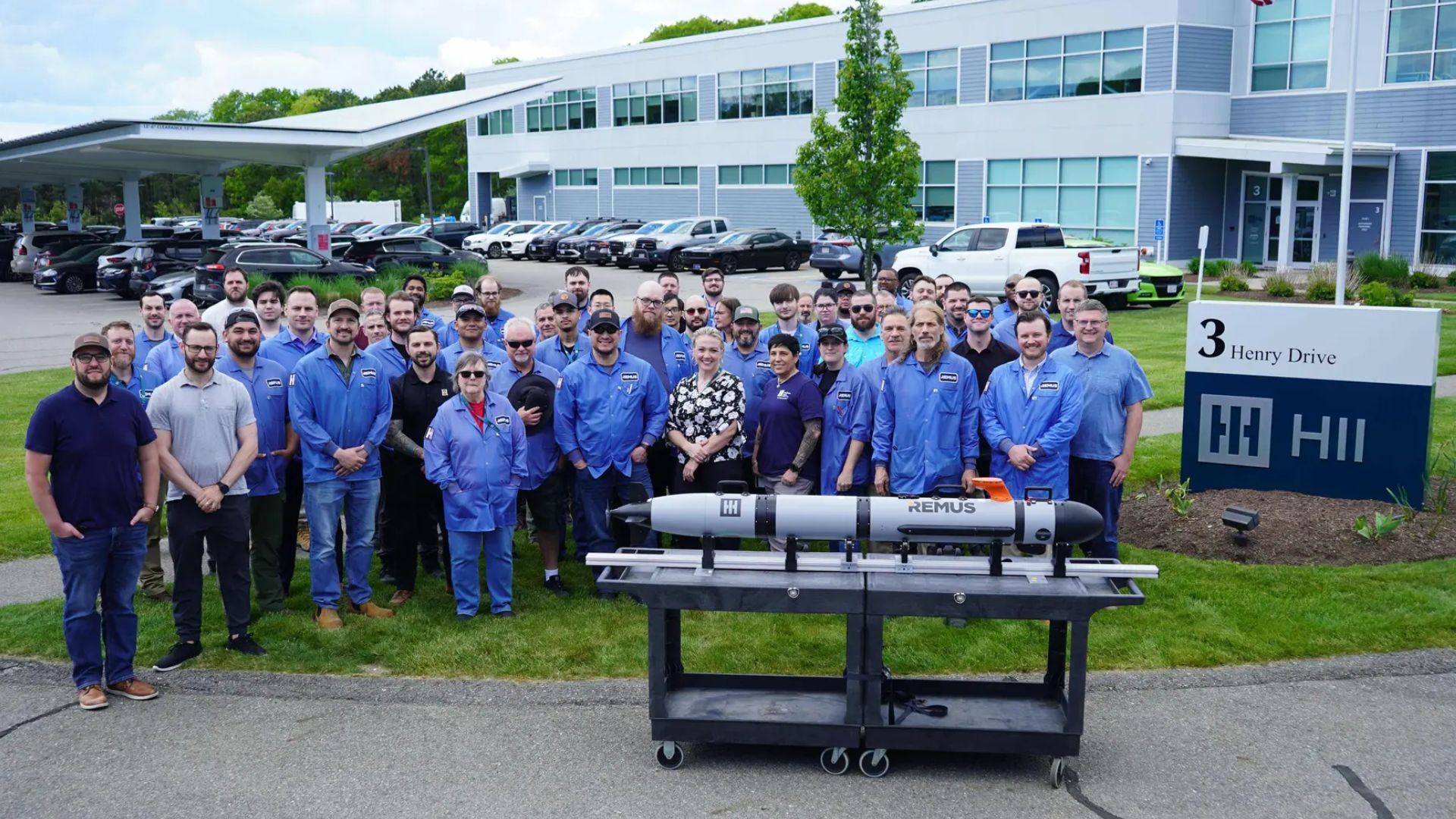
New mini submarine-like drone from HII can dive 328 feet deep with 10 hour battery life
Huntington Ingalls Industries (HII), a prominent U.S. military shipbuilder, has successfully delivered the first REMUS 130 unmanned underwater vehicle. This significant milestone was achieved as part of HII's commitment to advancing maritime technology. The delivery took place in October 2023, showcasing the company's ongoing efforts to enhance the capabilities of the U.S. Navy and other defense partners. The REMUS 130 is designed for various underwater missions, including reconnaissance and surveillance, addressing the growing need for advanced unmanned systems in naval operations. This development reflects HII's strategic focus on innovation and its role in supporting national security objectives through cutting-edge maritime solutions.
Military
Eni and Fincantieri Group Sign a Strategic Agreement to Enhance Innovative Underwater Monitoring Technologies
Eni S.p.A and Fincantieri have entered into a strategic partnership to enhance the capabilities of Clean Sea, an advanced underwater robotic system developed by Eni. This agreement, announced recently, involves Fincantieri's subsidiary IDS – Ingegneria dei Sistemi, which specializes in unmanned systems and advanced sensor technologies. The collaboration aims to improve the monitoring of marine ecosystems and the integrity of subsea infrastructure. By leveraging Clean Sea's innovative technology, the two companies seek to address environmental concerns and ensure the sustainability of underwater operations. The initiative reflects a growing commitment to utilizing advanced robotics in environmental monitoring and infrastructure maintenance.
eni fincantieri group strategic agreement underwater monitoring technologies clean sea
Drones of the Berlin Air Show, plus a window into Europe’s space ambitions
This week, ILA Berlin 2026 featured a comprehensive overview of small unmanned systems and various space-launch options. The event highlighted advancements in technology and innovation within the aerospace sector, attracting industry professionals and enthusiasts alike. Attendees had the opportunity to explore cutting-edge developments that could shape the future of unmanned aerial vehicles and space exploration. The showcase aimed to foster collaboration and knowledge sharing among experts, emphasizing the growing importance of these technologies in both commercial and defense applications. As the aerospace industry continues to evolve, events like ILA Berlin serve as crucial platforms for unveiling new capabilities and discussing the implications of these advancements.
Air Warfare Space Air Force Berlin Air Show Break Out Video Drones
Eurosatory 2026: IDV showcases Viking C-UAS and missile launcher
At the recent Eurosatory defense and security exhibition, Army Technology had the opportunity to review IDV's latest updates on the Viking Unmanned Ground Vehicle (UGV), which includes two new versions. This event, held in June 2023 in Paris, showcased advancements in military technology, highlighting IDV's commitment to enhancing operational capabilities through innovative unmanned systems. The review provided insights into the UGV's features and performance enhancements, reflecting the growing demand for versatile and efficient ground vehicles in modern defense operations.
News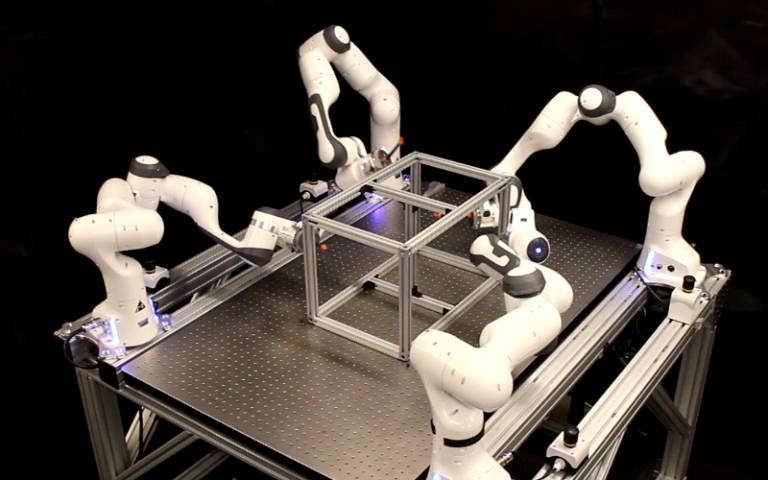
UK MoD opens Europe’s largest drone testing centre in Swindon
The UK Ministry of Defence has inaugurated Europe’s largest drone testing and development facility, marking a significant advancement in military technology and innovation. This state-of-the-art center, located in the UK, aims to enhance the country’s capabilities in unmanned aerial systems. The facility is expected to play a crucial role in the development and testing of drones for various applications, including surveillance and combat operations. The initiative reflects the UK’s commitment to maintaining a competitive edge in defense technology amid evolving global security challenges. The opening of the facility underscores the importance of investing in advanced military infrastructure to support research and development in the field of unmanned systems.
News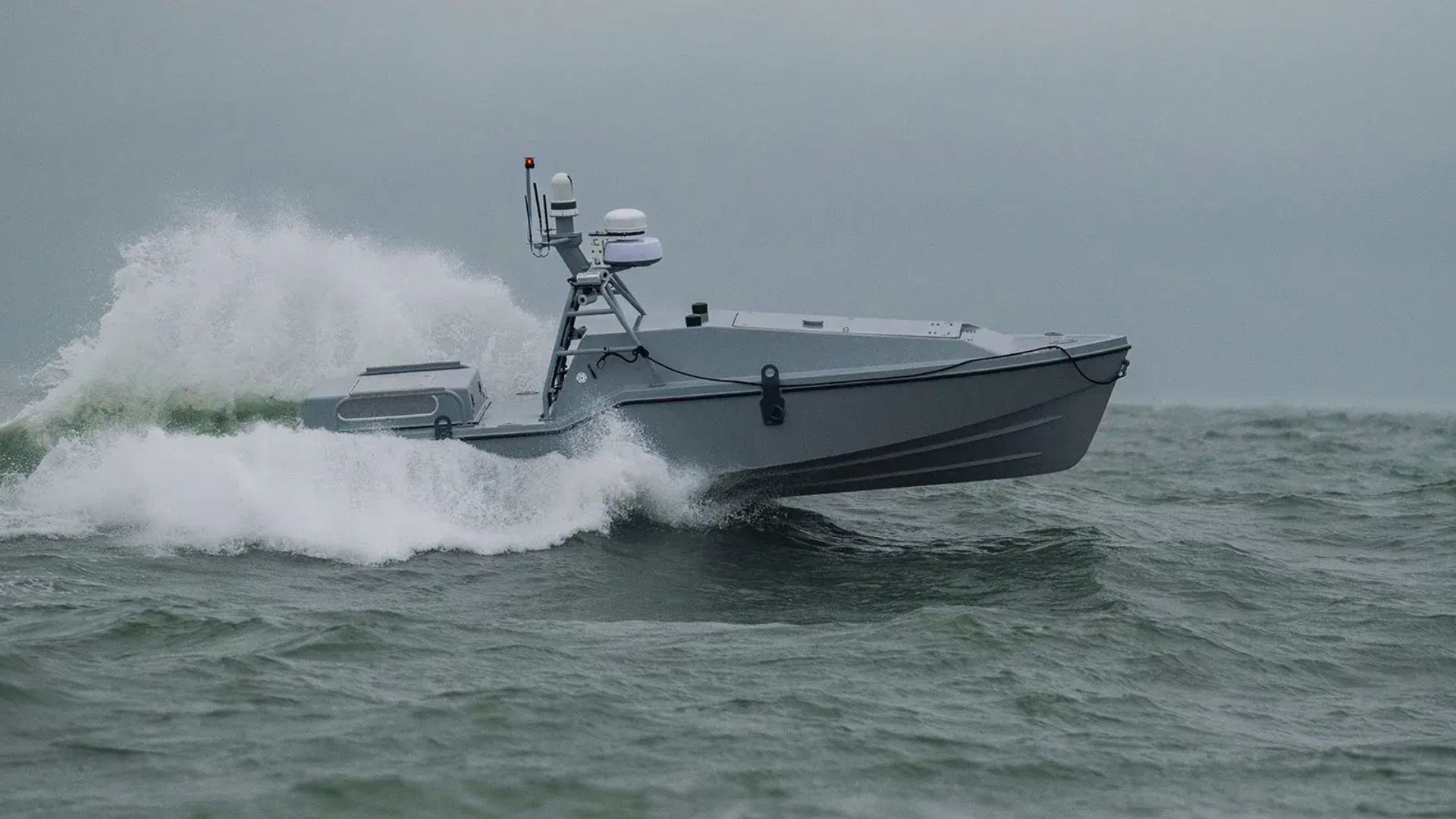
First-ever drone boat rescue: US Navy vessel pulls out two downed pilots from sea
A U.S. Navy unmanned surface vessel successfully conducted a rescue operation for two Army pilots whose AH-64 Apache helicopter had crashed. The incident occurred on a training mission off the coast of California on Tuesday. The unmanned vessel, equipped with advanced technology, was able to locate the pilots quickly and facilitate their safe retrieval from the water. This operation highlights the increasing role of unmanned systems in military rescue missions, showcasing their effectiveness in enhancing operational capabilities and ensuring the safety of personnel in distress. The successful rescue underscores the collaborative efforts between the Navy and Army in conducting joint operations and responding to emergencies in challenging environments.
Military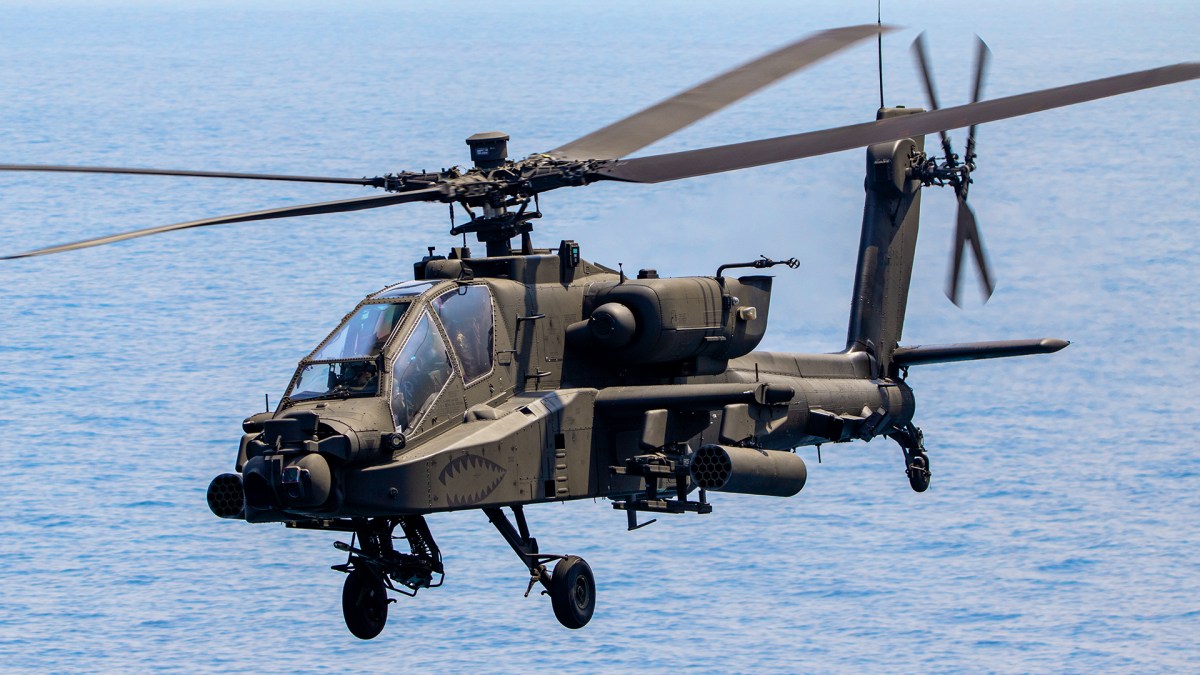
AH-64 Apache Crew Rescued By Drone Boat After Going Down Near Strait Of Hormuz
In a groundbreaking development, an uncrewed surface vessel successfully recovered the crew of an AH-64 Apache helicopter that had gone down near the Strait of Hormuz. This incident marks the first known instance of such a drone boat being utilized for aircrew recovery, signaling a significant advancement in military rescue operations. The event underscores the evolving role of autonomous technology in enhancing operational capabilities and safety for aircrews in challenging environments. As military forces increasingly integrate unmanned systems into their strategies, this successful recovery operation may pave the way for future applications of drone technology in various rescue and support missions.
News & Features AH-64 Air Around The Globe Helicopters Iran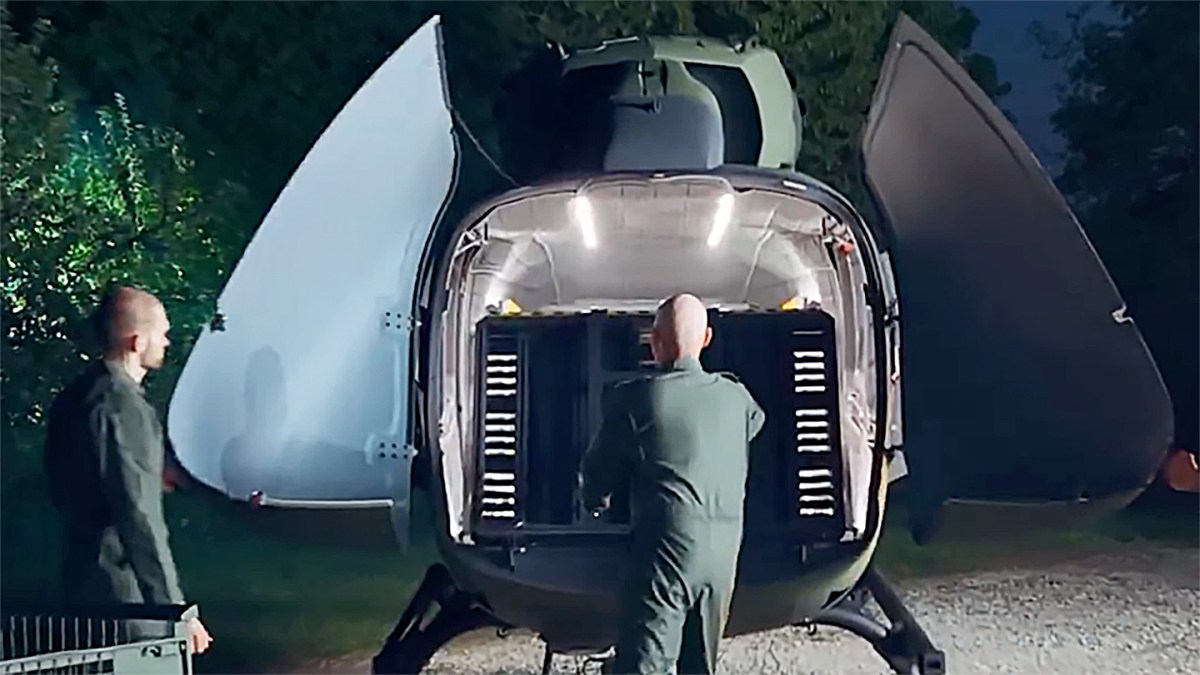
Airbus Unveils U145 Uncrewed Cargo Helicopter
Airbus has introduced the U145, an uncrewed version of one of Europe’s most successful helicopters, designed specifically for high-risk cargo missions. This innovative aircraft aims to enhance operational safety and efficiency by removing the need for a pilot in potentially dangerous environments. The unveiling of the U145 marks a significant advancement in aerospace technology, showcasing Airbus's commitment to developing cutting-edge solutions for the evolving demands of cargo transportation. The announcement comes as industries increasingly seek to leverage unmanned systems to mitigate risks and improve logistics capabilities.
Air Around The Globe Drones Europe Germany Helicopters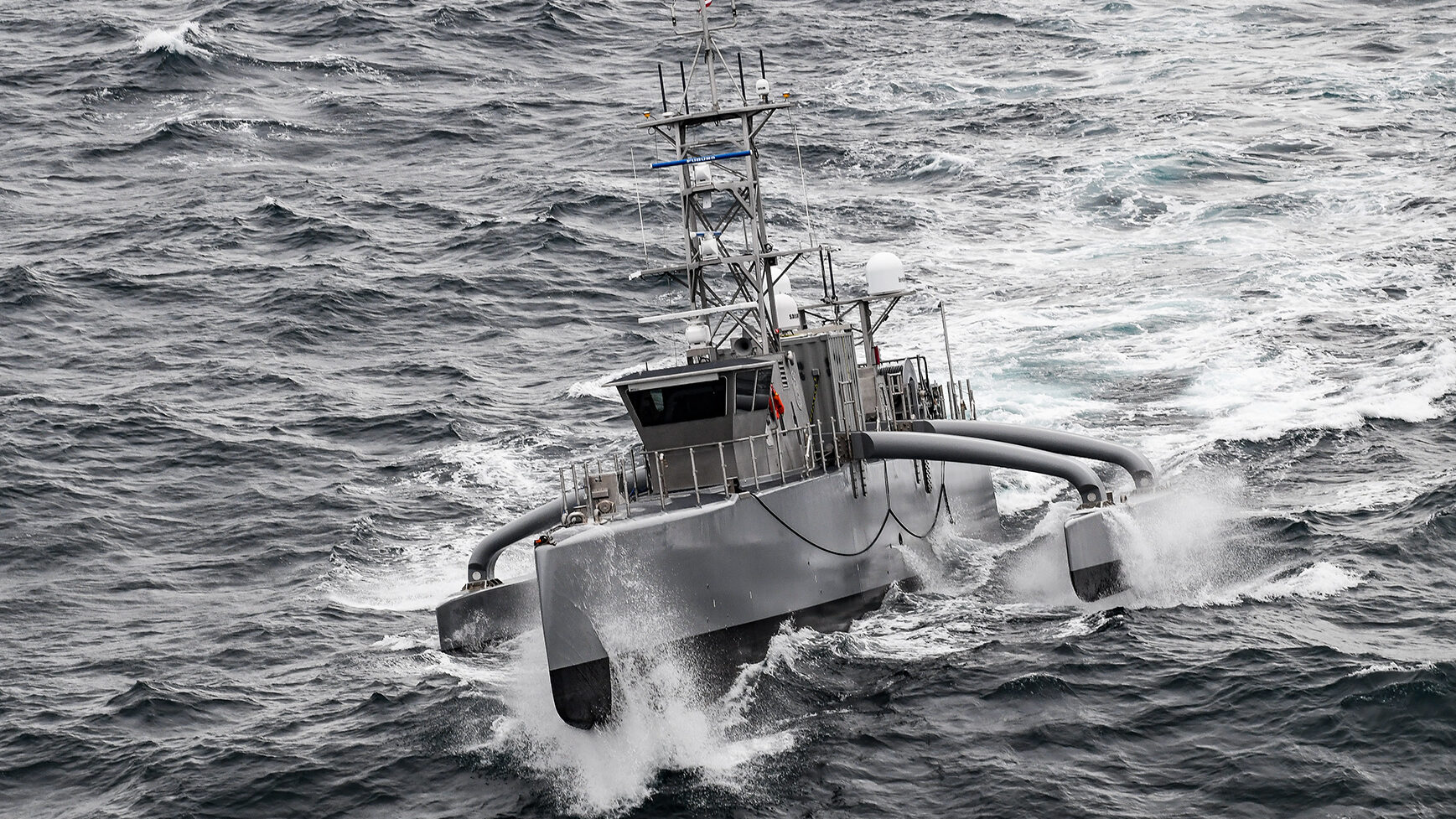
A Navy carrier is about to deploy with a robot ship. Could it change the service forever?
Experts have indicated that the recent deployment of unmanned systems by the Navy could significantly influence the future development of its operational strategies. This initiative, aimed at enhancing naval capabilities, is seen as a pivotal step in integrating advanced technologies into military operations. The deployment is expected to take place in the coming months, with strategic locations being evaluated for optimal effectiveness. By leveraging unmanned systems, the Navy aims to improve efficiency, reduce risks to personnel, and adapt to evolving threats in maritime environments. The insights gained from this deployment will likely shape the Navy's approach to unmanned operations and inform future investments in technology.
Naval Warfare Adm. Daryl Caudle Drones featured Leidos MUSV
The biggest industry, training hurdles for making drone wingman a reality
In a recent video, experts examined the evolving dynamics of manned-unmanned teaming in military operations, highlighting anticipated shifts for defense manufacturers as the United States increasingly integrates drones into combat scenarios. This analysis comes at a pivotal moment when the U.S. military is actively seeking to enhance its operational capabilities through advanced drone technology. The discussion focuses on how these partnerships between manned aircraft and unmanned systems could reshape defense strategies and manufacturing processes. As the demand for sophisticated drone capabilities grows, manufacturers will need to adapt to new technological requirements and operational frameworks to remain competitive in the defense sector. The insights shared in the video underscore the importance of innovation and collaboration in modern warfare, reflecting a broader trend towards automation and enhanced aerial support in military engagements.
Air Warfare Naval Warfare Pentagon Air Force collaborative combat aircraft Drones
Boeing validates stealth capability of MQ-28 Ghost Bat
Boeing has confirmed the stealth capabilities of its MQ-28 collaborative combat aircraft (CCA) after conducting radar cross-section (RCS) tests aimed at assessing its survivability and detection risks. The tests, which are part of Boeing's ongoing efforts to enhance the aircraft's operational effectiveness, demonstrate the company's commitment to developing advanced military technology. The results indicate that the MQ-28 can effectively minimize its radar signature, thereby increasing its chances of evading enemy detection. This validation comes as military forces worldwide seek to integrate more advanced, stealthy unmanned systems into their operations, reflecting a growing emphasis on survivability in modern combat scenarios.
News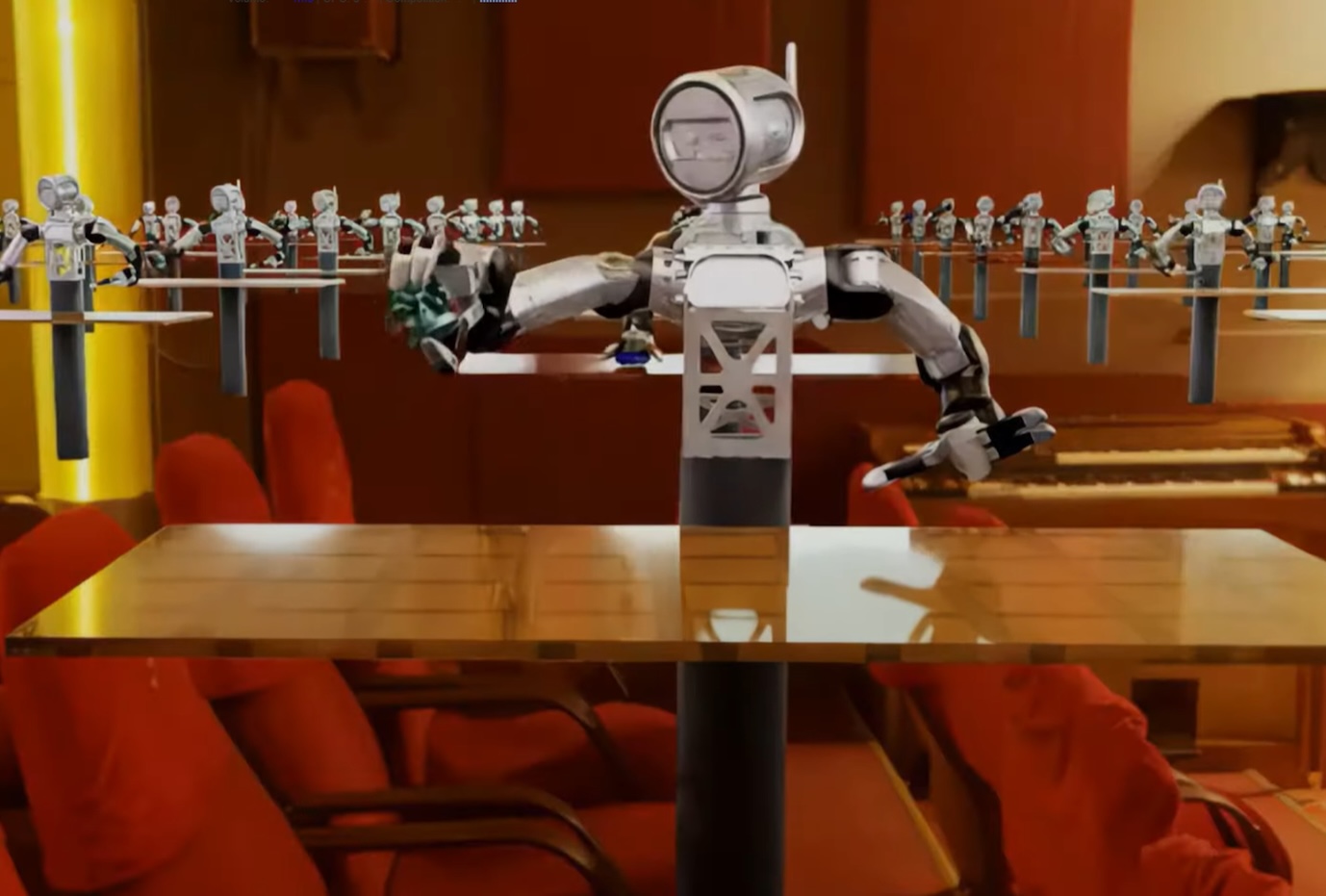
How the US, allies and adversaries see the future of drone wingmen
The third installment of a video series examining manned-unmanned teaming highlights the evolution of this concept within the US defense industry and its adoption by military forces worldwide. The video explores the advancements in technology and strategic thinking that have shaped the integration of manned and unmanned systems, emphasizing the collaborative potential these partnerships offer in modern warfare. Released in October 2023, the series aims to inform military professionals and policymakers about the ongoing developments and implications of this innovative approach to defense operations. By showcasing various case studies and expert insights, the video underscores the necessity of adapting to new technologies to enhance operational effectiveness and maintain a competitive edge in global military engagements.
Air Warfare Naval Warfare Pentagon Air Force Asia collaborative combat aircraft
Rajant Health (RHI) and Chord Robotics Expand Cowbell Platform to Enable Scalable, Multi-Domain Collaborative Autonomy
Rajant Health (RHI) and Chord Robotics have announced an expanded partnership to enhance their Cowbell platform, introducing advanced "Flying Cowbell" capabilities aimed at enabling scalable, multi-domain collaborative autonomy. This collaboration, revealed on May 22, 2026, integrates RHI's Kinetic Mesh® networking with Chord Robotics' TEMPO™ software, facilitating real-time control of mixed fleets operating across air, land, and sea. The "Flying Cowbell" system transforms mobile nodes, including unmanned aerial systems (UAS) and unmanned surface vehicles (USVs), into active participants in a distributed compute and autonomy framework. This architecture allows for distributed workload execution, dynamic cluster formation, and transport-agnostic operations, even in connectivity-constrained environments. The partnership aims to address the need for persistent coverage and dynamic mission adaptation in complex scenarios where traditional infrastructure may be lacking. By leveraging Rajant's InstaMesh® networking capabilities alongside TEMPO, operators can manage heterogeneous fleets effectively, ensuring that each vehicle can make independent decisions while collaborating seamlessly. RHI's CEO, Robert J. Schena, emphasized that the initiative represents a shift from static infrastructure to a mobility-native system, while Chord Robotics' CEO, James Cooney, highlighted the potential for scaling autonomous fleets in challenging environments. Together, the companies are poised to redefine collaborative autonomy in unmanned systems, enhancing operational efficiency and adaptability.
Why humans are staying in the loop with loyal wingman drones
A recent video series exploring the dynamics of manned-unmanned teaming features a panel of experts discussing the advantages and potential drawbacks of utilizing unmanned systems. This second installment highlights the growing reliance on these technologies in various sectors, emphasizing their ability to enhance operational efficiency and safety. The discussion, which took place in October 2023, aims to inform stakeholders about the implications of integrating unmanned systems into existing frameworks. Panelists address concerns related to security, ethical considerations, and the need for robust regulatory measures to mitigate risks associated with their deployment. By examining both the benefits and challenges, the series seeks to provide a comprehensive understanding of how unmanned systems can be effectively and responsibly integrated into modern operations.
Air Warfare Pentagon Air Force collaborative combat aircraft Drones Future Airpower Roundtable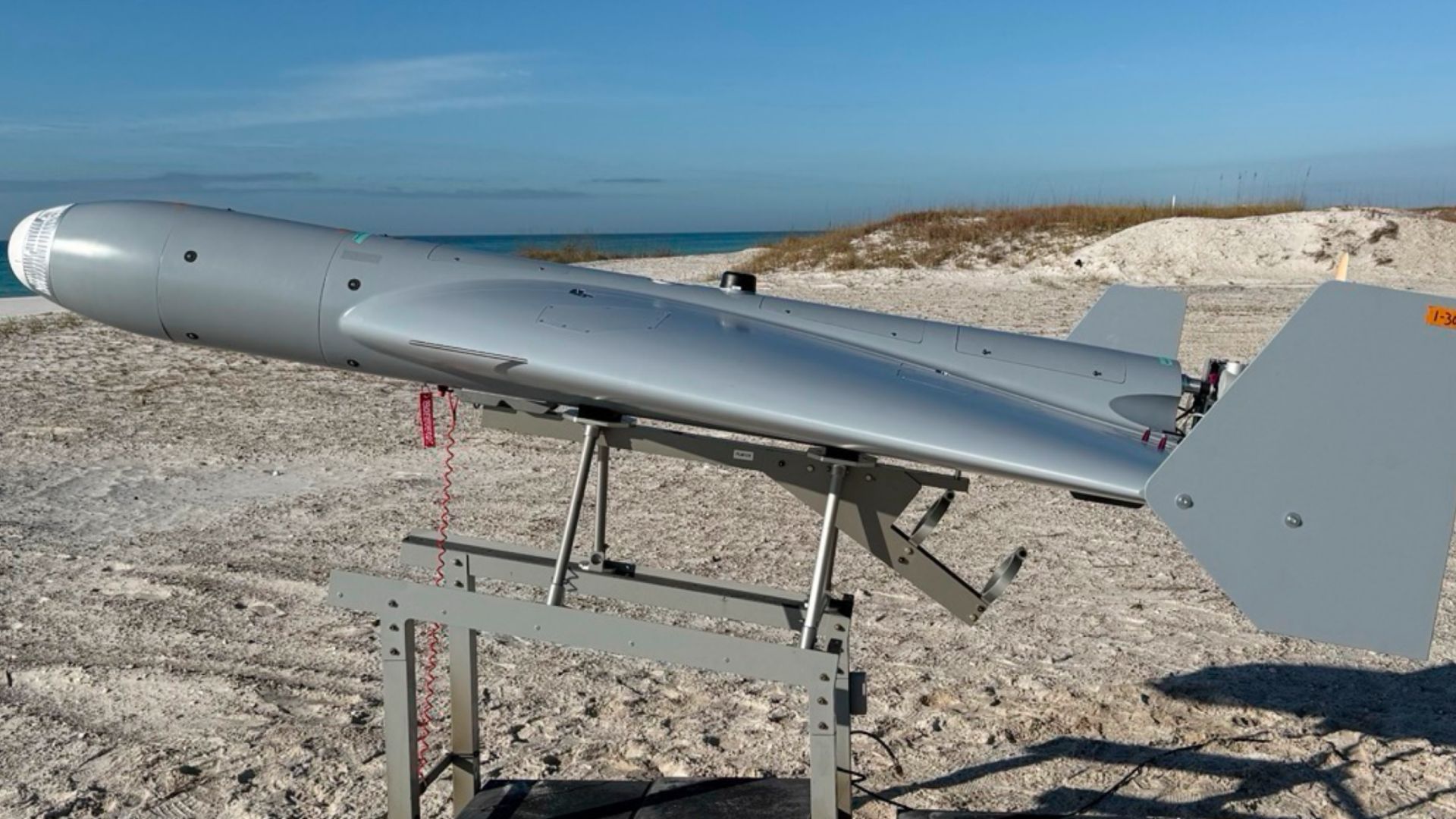
Pentagon taps US firm for coordinated attack by intelligent, low-cost drone swarms
The Pentagon has chosen Shield AI to implement its Hivemind autonomy software on the Low-Cost Attritable Strike Unmanned Aerial Vehicle (UAV). This decision, announced recently, aims to enhance the operational capabilities of the military's drone fleet. By integrating advanced artificial intelligence, the Pentagon seeks to improve mission efficiency and effectiveness in various combat scenarios. The collaboration with Shield AI is part of a broader initiative to leverage cutting-edge technology in defense operations, ensuring that the U.S. military remains at the forefront of innovation in unmanned systems. The integration process is expected to commence shortly, with the goal of deploying the enhanced UAVs in upcoming military exercises.

Hanwha Aerospace, Milrem partner for Romanian UGV programme
Hanwha Aerospace and Milrem Robotics have announced a strategic partnership aimed at advancing Romania's uncrewed ground vehicle (UGV) programme. This collaboration, formalized recently, seeks to leverage the technological expertise of both companies to enhance the development and deployment of UGVs in Romania. The partnership is expected to play a significant role in modernizing the country's defense capabilities, aligning with broader efforts to improve military technology in the region. By combining Hanwha's aerospace innovations with Milrem's robotics solutions, the two firms aim to create advanced unmanned systems that meet the specific needs of the Romanian military. The initiative reflects a growing trend in defense collaborations, emphasizing the importance of international partnerships in addressing modern security challenges.
News
Why loyal wingman drones may be the future of global airpower
Breaking Defense has unveiled a new video series that delves into the concept of manned-unmanned teaming and its implications for the future of military aviation. This initiative aims to explore the integration of human pilots with unmanned systems, highlighting advancements in technology and operational strategies. The series is set to provide insights into how these collaborations can enhance mission effectiveness and reshape aerial combat dynamics. By addressing the evolving landscape of military aviation, Breaking Defense seeks to inform and engage audiences on the critical developments in this field. The launch of the series comes at a time when defense sectors are increasingly focusing on innovative solutions to meet modern warfare challenges.
Air Warfare Pentagon Air Force collaborative combat aircraft Drones Future Airpower Roundtable
Uncrewed 37-foot Orca-like strike submarine can unleash missiles and FPV drones
A Turkish defense company has introduced a new strike-capable extra-large uncrewed underwater vehicle, marking a significant advancement in naval technology. The unveiling took place during a defense exhibition in Istanbul, showcasing the vehicle's potential for enhancing Turkey's maritime capabilities. This development is part of Turkey's broader strategy to bolster its defense industry and assert its presence in regional waters. The vehicle is designed to conduct various missions, including surveillance and combat operations, reflecting the increasing importance of unmanned systems in modern warfare. By integrating advanced technologies, the company aims to position Turkey as a key player in the global defense market.
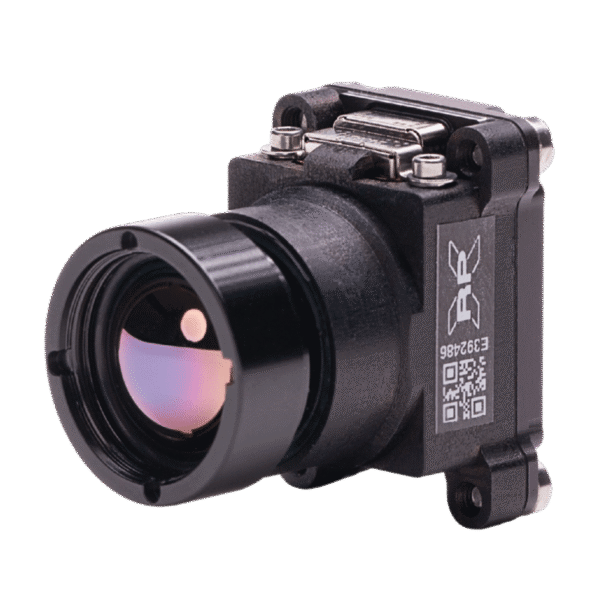
RPX Technologies Lands Embir-3 Thermal Camera on Blue UAS Framework
RPX Technologies, a firm based in Stillwater, Oklahoma, has successfully secured compliance with the National Defense Authorization Act (NDAA) and achieved a listing with the Defense Innovation Unit (DIU) for its Embir-3 thermal imaging payload. This compact thermal camera, designed for use with unmanned aircraft and loitering munitions, was officially announced as part of the Blue UAS Framework on May 8, 2026. The inclusion of the Embir-3 in this framework signifies its recognition as a trusted technology for defense applications, enhancing the capabilities of unmanned systems in military operations.
Drone News Drone News Feeds NDAA Compliant News Thermal imaging Autonomous Systems
Ukraine’s ground robots completed 22,000 war missions with zero soldiers deployed
Ukrainian forces successfully seized a position previously held by Russian troops, employing an innovative strategy that relied solely on ground robots and drones. This operation, which took place recently amid ongoing hostilities, highlights the increasing reliance on advanced technology in modern warfare. The use of unmanned systems allowed Ukrainian forces to minimize risks to personnel while effectively executing their mission. This tactical advancement underscores Ukraine's commitment to leveraging technology in its defense efforts against Russian aggression, showcasing a significant shift in combat methodology on the battlefield.
Robotics needs a service framework.
RSF defines a common language for robot service capability, lifecycle operations, certification pathways, and service-provider networks.