Industry Briefing
A single destination for timely, editor-curated robotics news from around the world.

Lenovo Transitions to Joint Motor Manufacturing; Linghu Intelligent Joins UBTECH Ecosystem
Lenovo is shifting its focus to the manufacturing of joint motors, marking a significant change in its production strategy. This transition is expected to enhance Lenovo's capabilities in the robotics sector, particularly in the development of intelligent systems. The move is crucial as it aligns with the growing demand for advanced robotics solutions and positions Lenovo as a key player in the market. By entering the joint motor manufacturing space, Lenovo aims to leverage its technological expertise to meet the evolving needs of the industry. Additionally, Linghu Intelligent's entry into the UBTECH ecosystem as a supplier is noteworthy. This partnership could lead to innovative developments in robotics and intelligent manufacturing. No further timeline was disclosed at the time of publication.
Robotics Automation AI
Agility Robotics Announces Commercial Agreement with Toyota Motor Manufacturing Canada
Agility Robotics and Toyota Motor Manufacturing Canada have entered into a Robots-as-a-Service agreement, marking a significant advancement in their collaboration after a successful pilot program known as Digit. This agreement, finalized on February 19, 2026, aims to enhance manufacturing processes by integrating advanced robotics into Toyota's operations. The partnership reflects a growing trend in the automotive industry to leverage automation for increased efficiency and productivity. By utilizing Agility Robotics' innovative technology, Toyota seeks to streamline its manufacturing capabilities and address labor challenges in the sector. The collaboration is expected to pave the way for further advancements in robotics and automation within the industry.

EU Motors Aims for 350,000 Drone Motors by 2026 with New U.S. Production Plans
EU Motors, a prominent manufacturer of high-performance brushless drone motors, has announced its goal to produce over 350,000 drone motors by 2026. The company is expanding its operations in the U.S. with plans to establish exclusive stator production and deploy advanced robotic assembly lines at its facility in Hallandale Beach, Florida. This expansion is significant as it highlights EU Motors' commitment to enhancing its manufacturing capabilities and increasing its market presence in the drone industry. By investing in proprietary intellectual property and custom robotics, the company aims to improve efficiency and production quality, positioning itself competitively in the growing drone market. Looking ahead, the deployment of next-generation robotic assembly lines is set for Q4 2026. This move will not only bolster production capacity but also showcase EU Motors' innovative approach to manufacturing. No further timeline was disclosed at the time of publication.
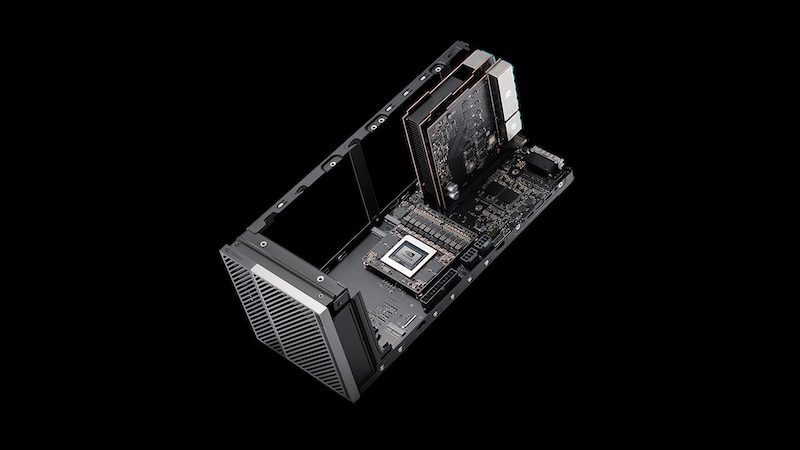
Toyota and Nvidia Enhance Collaboration to Advance AI in Vehicles, Manufacturing, and Urban Infrastructure
Toyota and Nvidia have broadened their partnership to develop physical AI technologies that encompass next-generation vehicles, manufacturing, robotics, and urban infrastructure. This collaboration builds on a previous agreement, focusing on advanced driver-assistance systems using Nvidia's DRIVE AGX platform and DriveOS operating system. The significance of this partnership lies in its potential to revolutionize mobility and manufacturing. Rishi Dhall, Nvidia's vice president of automotive, emphasized that physical AI will enhance the intelligence of various machines, making vehicles more autonomous and urban environments safer and more responsive. Toyota aims to implement Level 2++ functionality in its future vehicles while leveraging Nvidia AI models for efficient software engineering. Additionally, Toyota is integrating AI into its manufacturing processes through factory simulations using Nvidia's Omniverse and Isaac Sim frameworks. The partnership also extends to urban mobility technologies via Woven by Toyota, which is developing models to analyze traffic conditions. No further timeline was disclosed at the time of publication.
Computing News advanced driver assistance systems ai automotive AI digital twins
Hyundai Motor Group Expands into Physical AI Beyond Automotive Manufacturing
Hyundai Motor Group is transitioning from traditional car manufacturing to becoming a leader in physical artificial intelligence, focusing on autonomous vehicles, robotics, and intelligent factories. This strategic shift was announced by Executive Chair Chung Euisun at the San Francisco AI Summit on July 24, emphasizing the company's ambition to integrate AI into various sectors, including urban infrastructure. The significance of this move lies in Hyundai's extensive manufacturing capabilities, global factory network, and technological expertise, which position it uniquely to implement AI in real-world applications. By leveraging its ownership of Boston Dynamics, Hyundai aims to develop and deploy intelligent devices that enhance mobility and urban living, ultimately creating what it terms “city-level intelligence.” Looking ahead, Hyundai plans to utilize its factories as testing grounds for humanoid robots and autonomous systems, refining AI technologies before commercialization. No further timeline was disclosed at the time of publication.
All News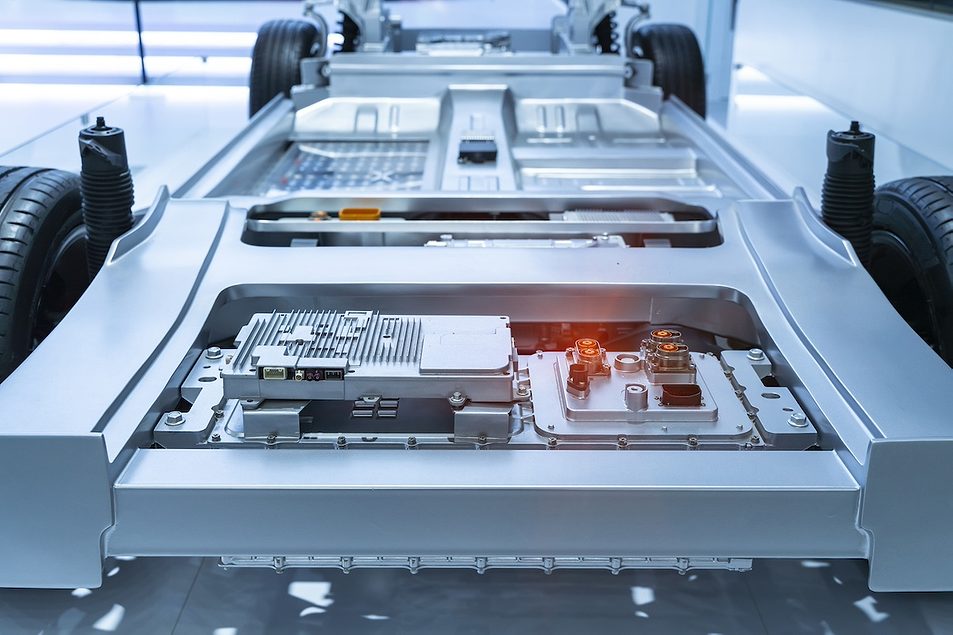
Canada Sees Shrinking EV Manufacturing Prospects, Despite Subsidies
Recent pullbacks in the electric vehicle (EV) industry have raised concerns among analysts and policymakers regarding the effectiveness of Canada's substantial government subsidies, which amount to billions of dollars. As the market faces challenges, stakeholders are increasingly questioning whether these financial incentives will yield the anticipated benefits for the sector. The scrutiny comes at a crucial time when the government is evaluating its investment strategies to support the transition to cleaner transportation. The ongoing discussions highlight the need for a thorough assessment of the subsidies' impact on the industry’s growth and sustainability.
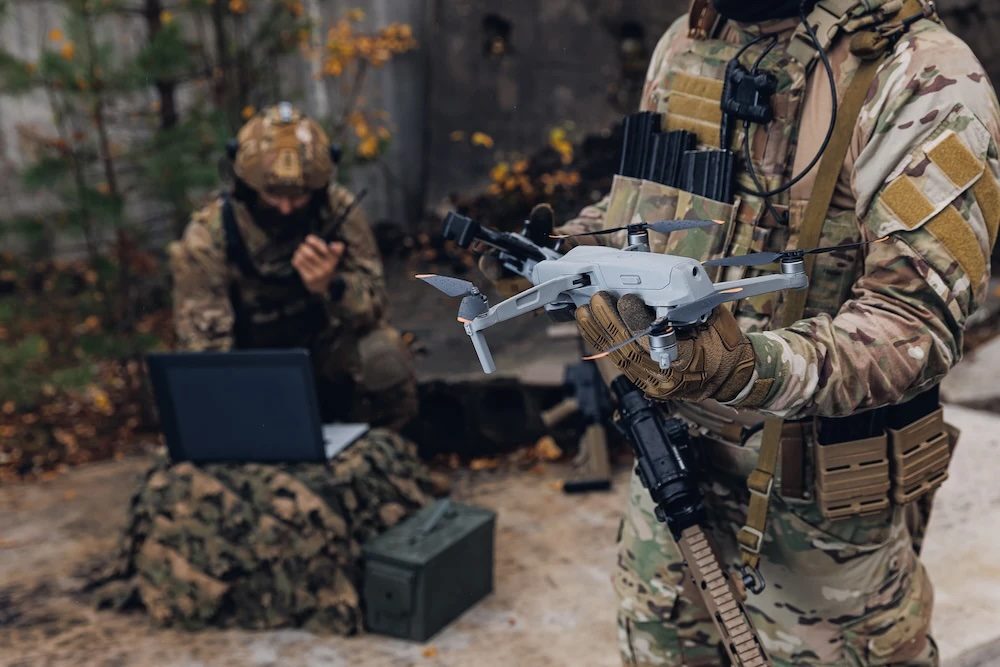
Battle-Tested Innovation Meets Manufacturing Scale in New Canada-Ukraine Defense Partnership
Volatus Aerospace, a Canadian drone and aerospace company, has entered into a Memorandum of Understanding (MOU) with UCan Brave Tech Centre, a defense innovation organization focused on Canada-Ukraine collaboration. This partnership, announced in May 2023, aims to facilitate the commercialization and deployment of advanced technologies that have been tested in the battlefield for use in allied defense applications. By leveraging the expertise and innovations developed in Ukraine, the collaboration seeks to enhance defense capabilities and foster technological advancements in the aerospace sector.
Applications Canada Canadian Drone Industry Defense Drone News Drone News Feeds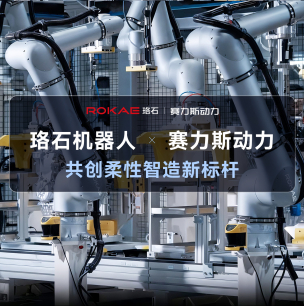
Empowering Seres Motors: Over 40 Locus Robotics Implemented to Set New Standards in Flexible Intelligent Manufacturing
Locus Robotics has successfully implemented more than 40 CR series collaborative robots at the Changshou factory of Seres Motors, marking a significant milestone in achieving full automation of critical production processes. This collaboration aims to boost the manufacturing of high-end electric vehicle components, highlighting the integration of advanced flexible manufacturing techniques and AI-driven quality control systems. The deployment of these robots not only enhances efficiency but also underscores the growing trend towards automation in the automotive industry, particularly in the electric vehicle sector.
Collaborative Robots Electric Vehicle Manufacturing Automation Solutions AI Quality ControlRobotics needs a service framework.
RSF defines a common language for robot service capability, lifecycle operations, certification pathways, and service-provider networks.
Join the RobotToday community on LinkedIn
Daily robotics news, in-depth analysis, conference highlights, and discussions with professionals worldwide.