Industry Briefing
A single destination for timely, editor-curated robotics news from around the world.
Nvidia Collaborates with Toyota's Woven City to Advance Physical AI Technologies
Nvidia has announced a partnership with Toyota's Woven City, a smart city located in Shizuoka prefecture, Japan. This collaboration aims to enhance the implementation of artificial intelligence technologies in traffic management systems within the city. By providing foundational technologies, Nvidia seeks to accelerate the adoption of AI solutions in Japan. This partnership is significant as it aligns with Nvidia's strategy to expand its influence in the AI sector, particularly in Japan, where smart city initiatives are gaining momentum. Woven City serves as a testing ground for innovative technologies, making it an ideal location for Nvidia to showcase its capabilities in AI and traffic management. Looking ahead, the collaboration between Nvidia and Woven City may lead to further advancements in smart city technologies and AI applications. No further timeline was disclosed at the time of publication.
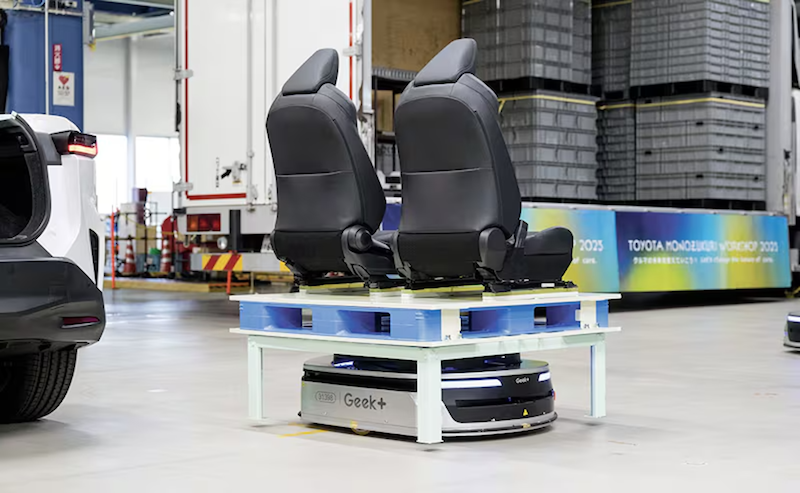
Geekplus intalls more than 400 autonomous mobile robots at multiple Toyota plants
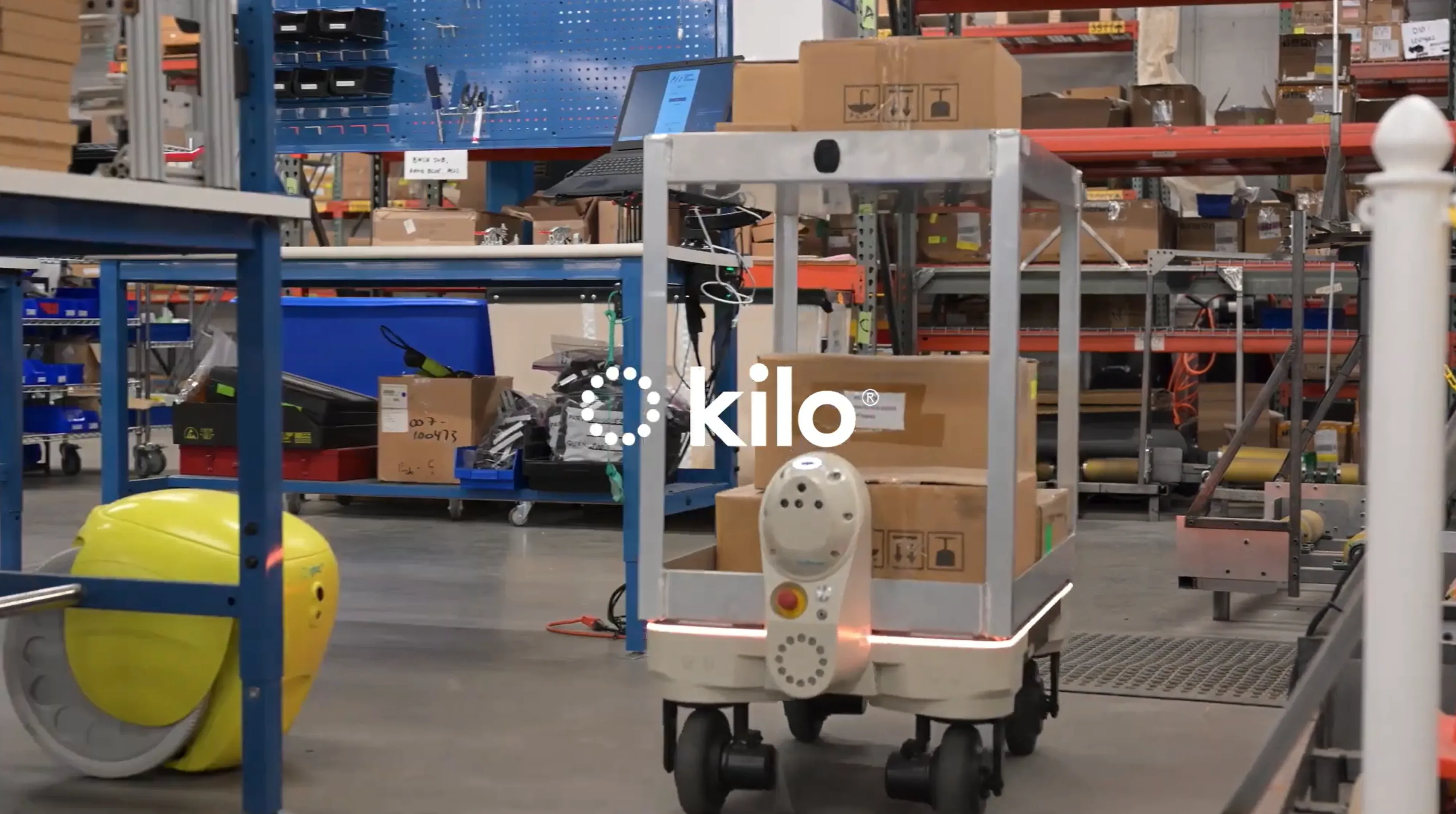
Geekplus has initiated the deployment of moving-type Autonomous Mobile Robots (AMRs) at multiple Toyota Motor Corporation plants across Japan. This strategic move comes in response to labor shortages stemming from the country's declining population and evolving labor market dynamics. Currently, 436 Geekplus AMRs are actively operating within Toyota's manufacturing facilities, with each system managing around 200 units. The integration of these robots aims to enhance operational efficiency and address workforce challenges, reflecting a growing trend in automating production processes within the automotive industry.
News Warehouse robots amrs automation news autonomous mobile robots factory automation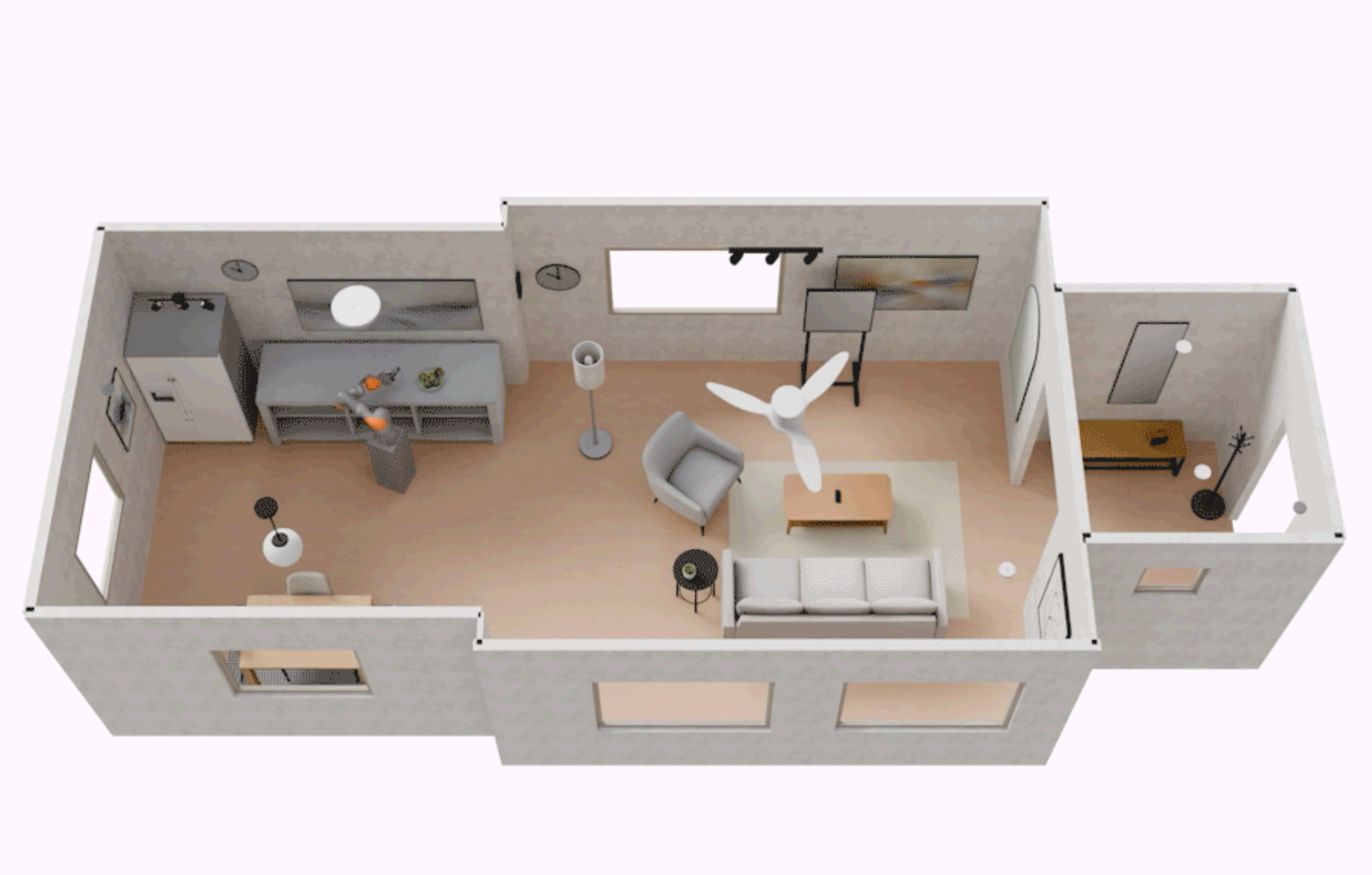
MIT and Toyota Research Institute Unveil SceneSmith for Robot Household Training
MIT's Computer Science and Artificial Intelligence Laboratory (CSAIL) and the Toyota Research Institute have developed SceneSmith, an AI-powered system that allows robots to practice household tasks in a virtual environment. This system utilizes three visual language models to collaboratively create realistic 3D scenes, enabling robots to learn complex skills through extensive simulation. SceneSmith not only generates lifelike environments but also incorporates physical properties like mass, friction, and inertia, allowing robots to interact meaningfully within these spaces. The research team tested over 100 unique action plans in the digital world, revealing flaws in the robots' planning that were validated by human consensus over 99% of the time, helping to refine their strategies before real-world application. The effectiveness of SceneSmith was highlighted at a recent international machine learning conference, where it received positive feedback from over 200 testers, with more than 90% rating its visual realism highly. As robots learn to perform tasks like moving objects in a kitchen, the prospect of robots handling household chores may soon become a reality.
AI Robotics Virtual Reality Machine Learning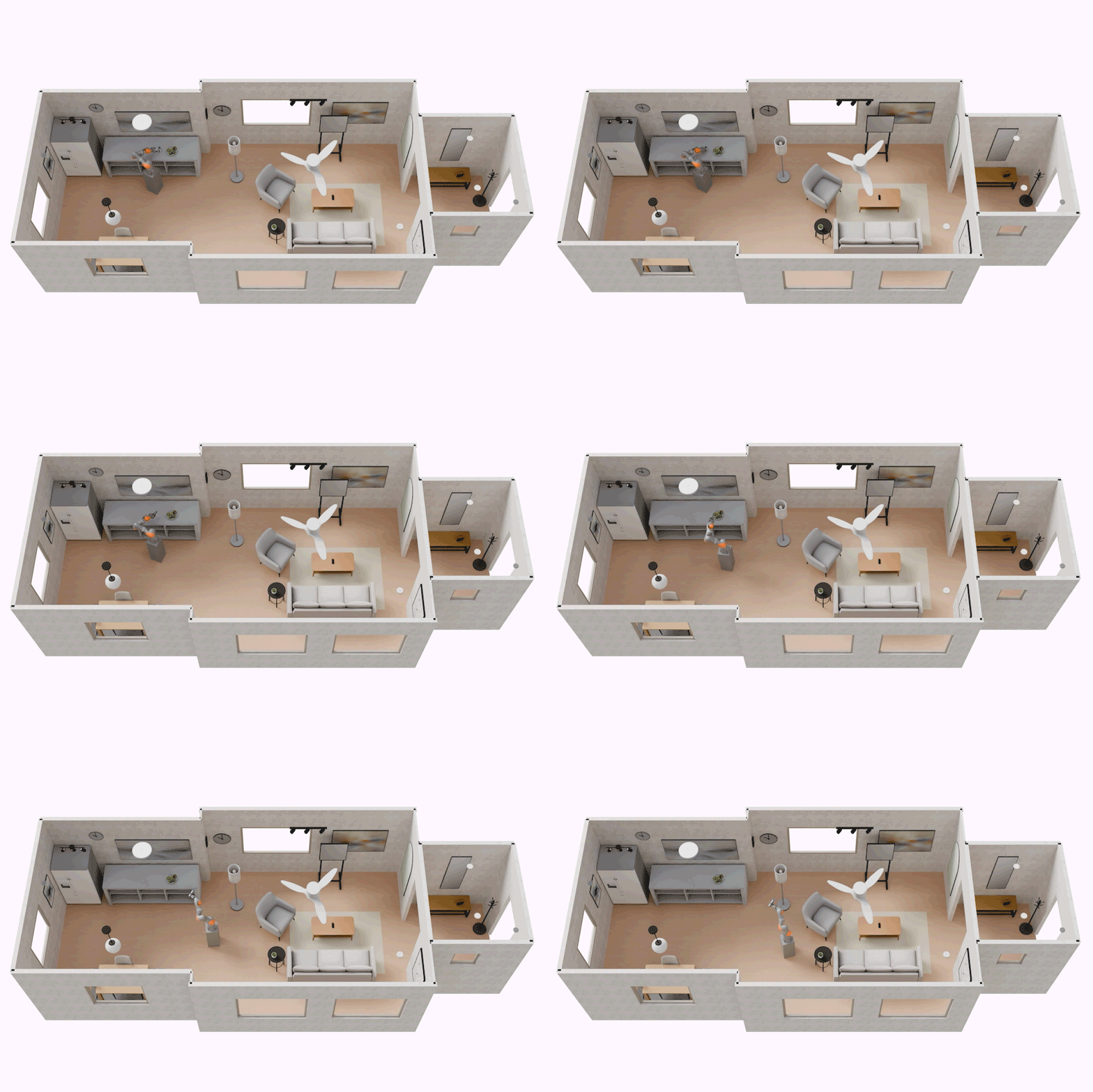
MIT and Toyota Develop SceneSmith to Enhance Robot Training with AI-Generated Environments
MIT and the Toyota Research Institute have introduced SceneSmith, a system that utilizes AI agents to create realistic 3D environments for robot training. This innovation addresses the significant challenge of generating diverse simulation content, which is crucial for teaching robots various tasks in a cost-effective manner. The SceneSmith system employs three AI agents, leveraging the advanced vision-language model GPT-5.2, to design intricate indoor scenes. These environments, featuring up to six times more objects than previous methods, allow robots to practice skills in a rich virtual playground, ultimately reducing the need for extensive real-world testing. As the research progresses, the effectiveness of these AI-generated environments will be closely monitored. The team has already demonstrated that robots can successfully navigate and perform tasks in these virtual settings, indicating a promising future for robotic training methodologies. No further timeline was disclosed at the time of publication.
Research Robotics Artificial intelligence Simulation Computer science and technology Machine learning
Toyota introduces over 400 Geekplus AMRs to multiple factories to enhance automated logistics.
Geek Plus has announced the implementation of its autonomous mobile robots (AMRs) in multiple Toyota manufacturing plants. Currently, over 400 Geek Plus AMRs are operational across Toyota's facilities, with each system managing up to approximately 200 units. This deployment aims to enhance efficiency in the production process, reflecting the growing trend of automation in the automotive industry.
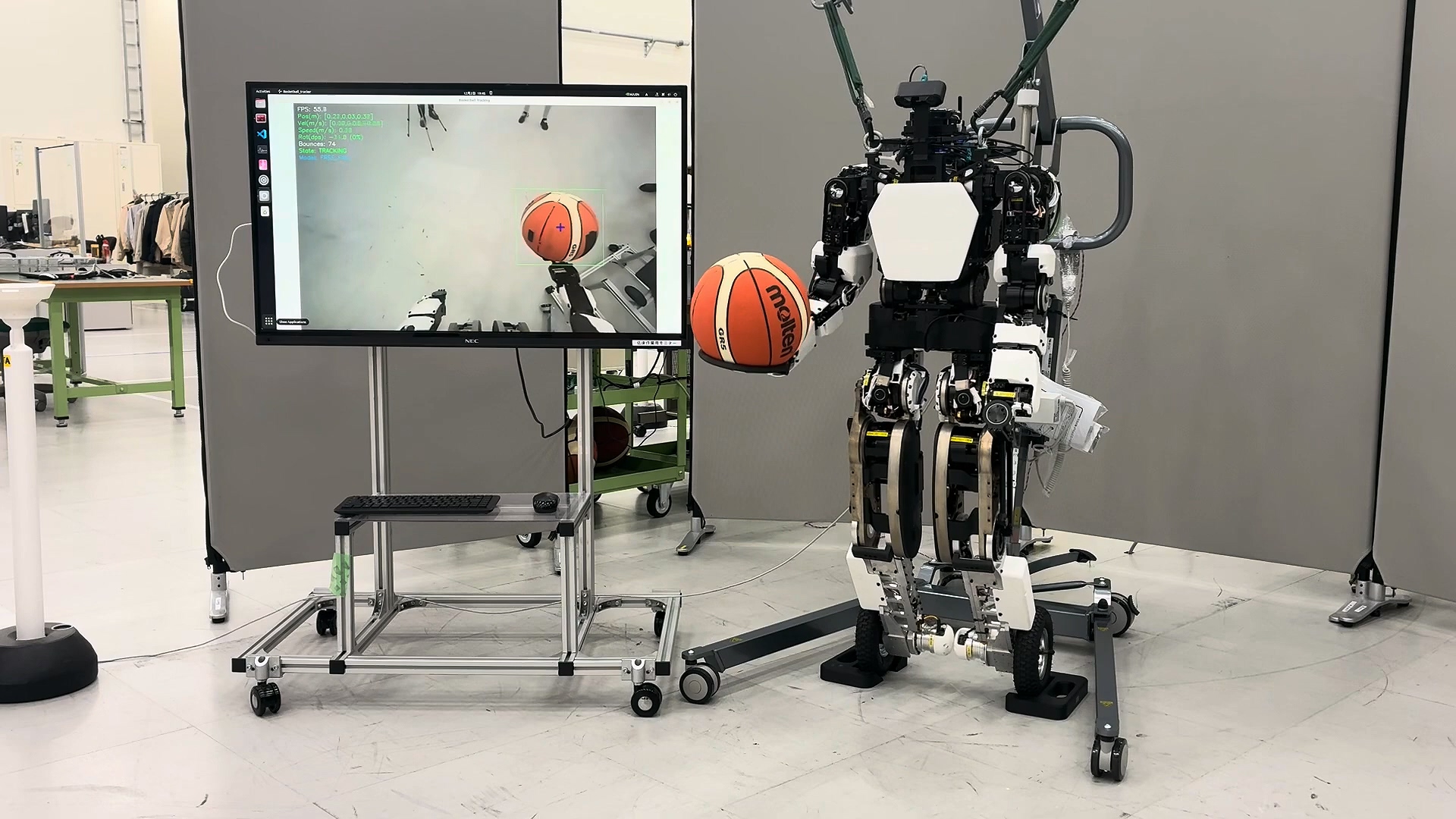
Toyota's CUE Robot Advances: Learning to Walk and Dribble with Reinforcement Learning and Sim2Real
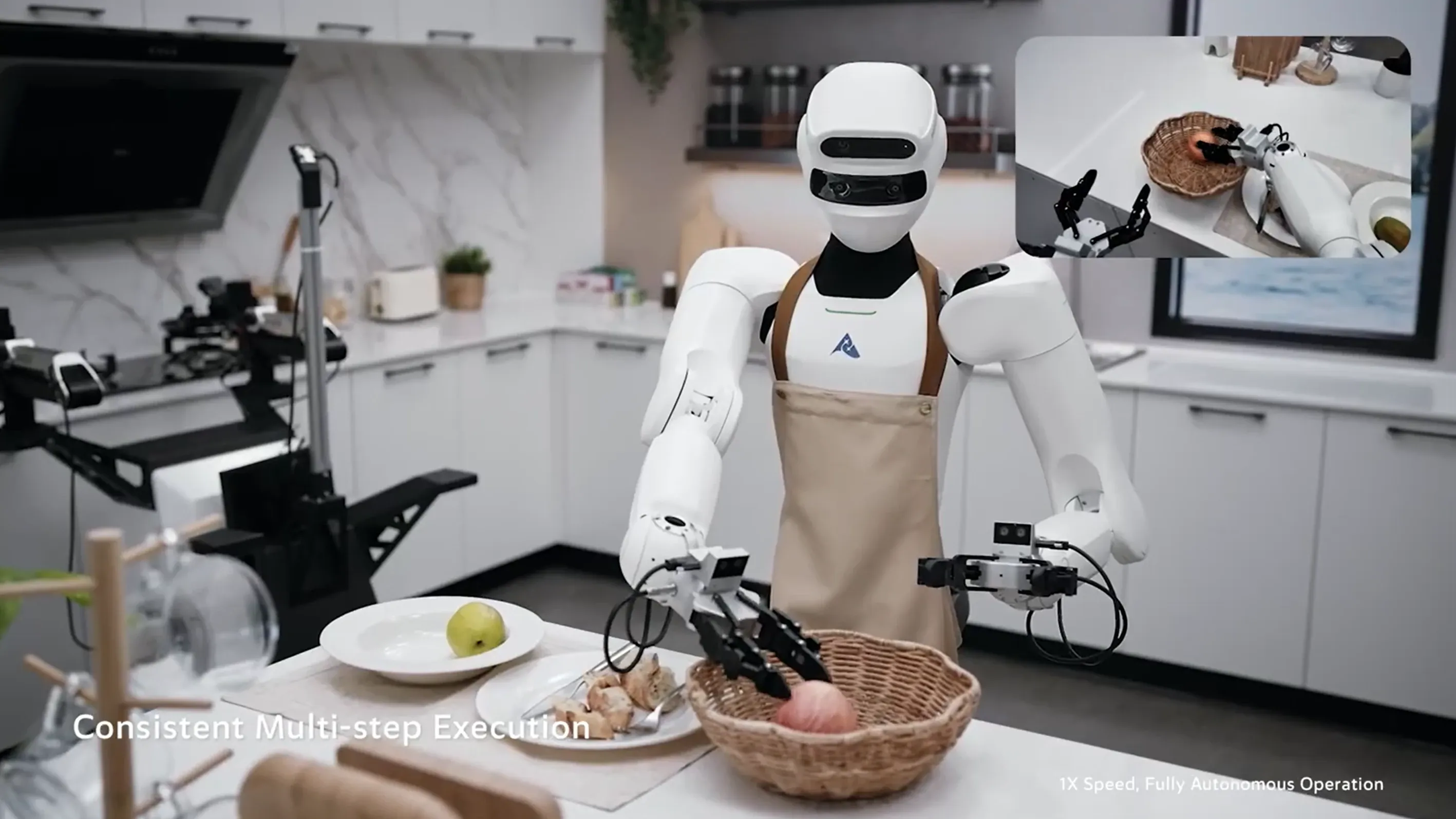
Toyota's CUE humanoid robot is advancing its capabilities through a novel approach that integrates reinforcement learning with Sim2Real techniques. This development focuses on improving the robot's walking and dribbling abilities, effectively narrowing the divide between simulated environments and real-world functionality. By employing this innovative method, Toyota aims to enhance the practical applications of robotics, showcasing the potential for more sophisticated interactions in various settings.
Humanoid Robots Reinforcement Learning Sim2Real AI Robotics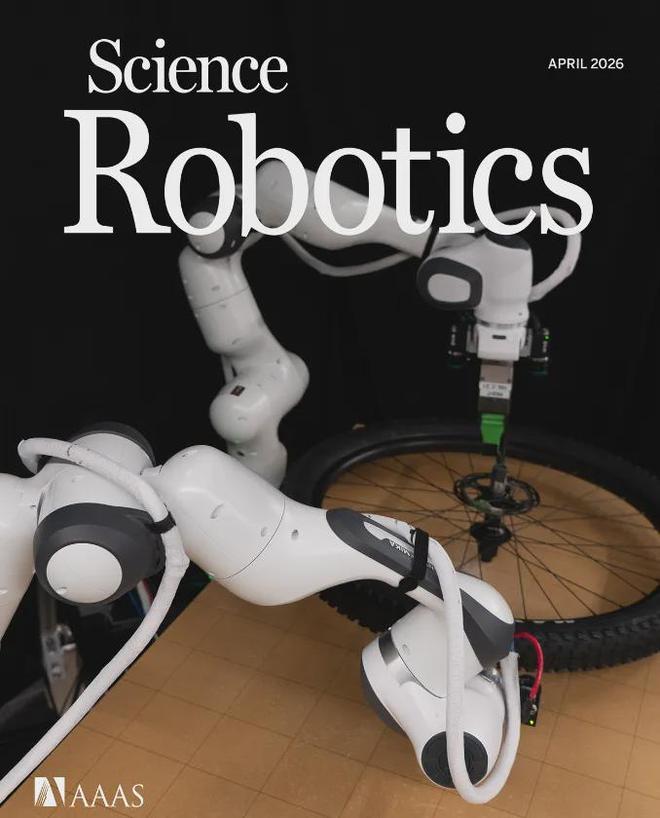
Latest Cover of Sci Robot: Toyota Research Institute and Others Release Groundbreaking Findings, Enhancing Robot Learning Efficiency by 5 Times with 1700 Hours of Data!
A research team at the Toyota Research Institute has made a significant breakthrough in robotics by showcasing the capabilities of Large Behavior Models (LBMs). Their findings indicate that LBMs can enhance learning efficiency for new tasks by five times. This research, which analyzed 1,700 hours of robot demonstration data, provides valuable insights that could advance the development of general-purpose robots. The study highlights the potential for LBMs to revolutionize how robots learn and adapt, paving the way for more versatile and efficient robotic systems in various applications.
Robotics Artificial Intelligence Machine Learning Automation
Toyota Open Sources Complete Pipeline for Training Robot Brains
The Toyota Research Institute has announced the open-source release of its VLA Foundry, a comprehensive framework designed for training visual-language-action models in robotics. This initiative, unveiled recently, aims to streamline the training process for researchers by providing a unified system that tackles the prevalent issue of fragmented training methodologies in the field. By enabling researchers to begin from the ground up and execute the entire training process, the VLA Foundry seeks to enhance collaboration and innovation within the robotics community. This move reflects Toyota's commitment to advancing robotics technology and fostering a more integrated approach to model training.
Robot Training Open Source AI Models Robotics
Agility Robotics Lands Toyota as Commercial Partner, Aiming at Automotive Production
Toyota Motor Manufacturing Canada has announced a significant step forward in its production capabilities by signing a commercial agreement to integrate Digit humanoid robots into its manufacturing facilities. This decision follows a successful pilot program that demonstrated the robots' effectiveness in enhancing operational efficiency. The deployment of these advanced robots is set to take place across various production sites, marking a notable advancement in the company's automation efforts. The initiative aims to streamline processes and improve productivity, reflecting Toyota's commitment to innovation in manufacturing. The integration of humanoid robots is expected to not only optimize workflow but also address labor challenges within the industry.
US Canada Business Digit Agility Robotics
Agility Robotics Announces Commercial Agreement with Toyota Motor Manufacturing Canada
Agility Robotics and Toyota Motor Manufacturing Canada have entered into a Robots-as-a-Service agreement, marking a significant advancement in their collaboration after a successful pilot program known as Digit. This agreement, finalized on February 19, 2026, aims to enhance manufacturing processes by integrating advanced robotics into Toyota's operations. The partnership reflects a growing trend in the automotive industry to leverage automation for increased efficiency and productivity. By utilizing Agility Robotics' innovative technology, Toyota seeks to streamline its manufacturing capabilities and address labor challenges in the sector. The collaboration is expected to pave the way for further advancements in robotics and automation within the industry.

Toyota, GM-backed startup Momenta planning entry into last-mile autonomous delivery
Chinese self-driving technology company Momenta is assembling a team to create Level 4 autonomous delivery robots, aiming to enhance its valuation ahead of a potential public listing. This initiative comes as the company seeks to capitalize on its existing partnerships with major automakers such as Toyota, General Motors, and Mercedes-Benz. While specific details about the project remain undisclosed, sources from the Chinese media outlet Xinliu Car indicate that this move is part of Momenta's broader strategy to solidify its position in the competitive autonomous vehicle market.
News Feed
Walden Robotics Emerges with $1.1B Valuation and $300M Funding for General-Purpose Robots
Walden Robotics has officially launched with a valuation of $1.1 billion, backed by $300 million in funding. The company focuses on developing general-purpose robots that continuously learn and improve while performing real-world tasks. Co-founder Dr. Russ Tedrake emphasized the importance of understanding current manufacturing practices to deliver real value to customers. The significance of Walden Robotics lies in its innovative approach to physical AI, which has attracted attention from technology leaders. The company combines large behavior models with practical operations, allowing its robots to handle complex tasks while enhancing human capabilities. This approach aims to create a scalable business model that aligns with existing manufacturing processes. Looking ahead, Walden Robotics is set to expand its deployments, having already transitioned its robots from pilot programs to production tasks at a Toyota plant in North America within two months. No further timeline was disclosed at the time of publication.
Aerospace Artificial Intelligence Artificial Intelligence / Cognition Automotive Healthcare Robotics Humanoids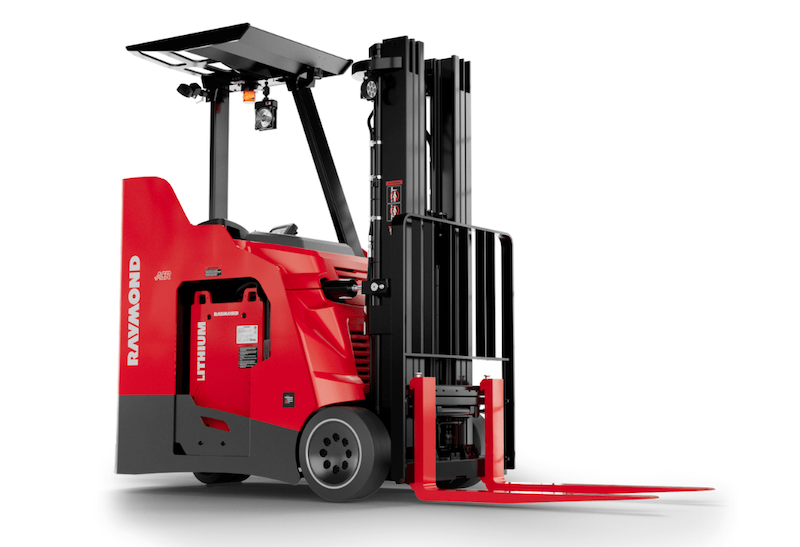
Raymond partners with Third Wave Automation to expand physical AI across lift truck fleets
Third Wave Automation has partnered with The Raymond Corporation, a subsidiary of Toyota Material Handling North America, to enhance AI-enabled physical automation capabilities in select automated Raymond lift trucks. This collaboration, which builds on years of joint development and operational insights since 2021, is supported by investments from Toyota Ventures. The initiative aims to improve efficiency and productivity in material handling operations, reflecting the growing trend towards automation in the industry. The integration of advanced AI technology into Raymond's lift trucks is expected to streamline processes and optimize performance in various operational settings.
Artificial Intelligence Material handling News AI-powered forklifts automation news autonomous forklifts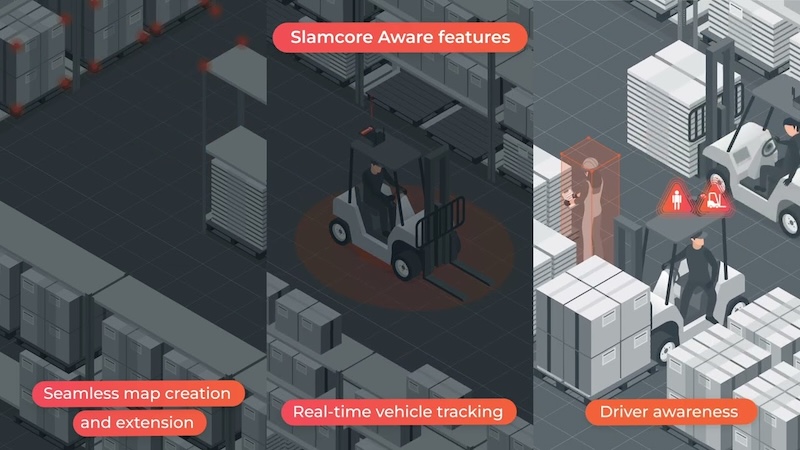
Slamcore secures $14 million funding from investors including Rockwell Automation
Slamcore, a company specializing in spatial intelligence software, has successfully secured $14 million in a recent funding round, attracting notable investors such as ROKStar Ventures, a subsidiary of Rockwell Automation, a leader in industrial automation and digital transformation. This latest investment elevates Slamcore's total funding to $40 million, with previous support from prominent backers including Toyota Ventures and Interwoven Ventures. The funding aims to enhance Slamcore's development of innovative technologies that improve spatial awareness and automation capabilities across various industries.
Financials & Investments News Software ai funding AI software amrs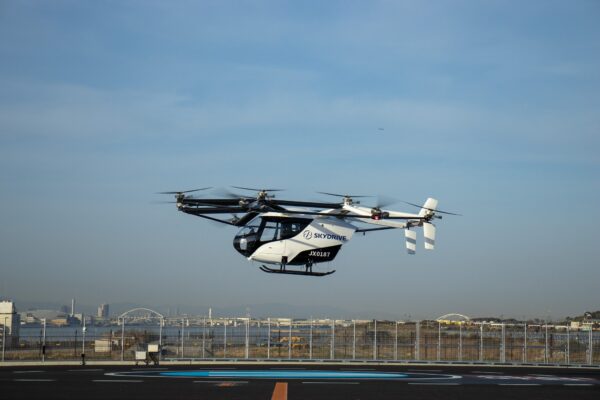
SkyDrive, Osaka Metro Launch Japan’s First eVTOL Vertiport Consortium
SkyDrive, a company specializing in electric vertical takeoff and landing (eVTOL) aircraft and affiliated with Toyota, has announced the formation of Japan's first consortium aimed at commercializing the Osakako Vertiport located on Osaka Bay. This initiative, which includes partners such as Osaka Metro, Marubeni, Soracle, and various local governments, was unveiled on May 8, 2026. The consortium's goal is to facilitate the commercial operation and shared use of the vertiport, marking a significant step in advancing urban air mobility in Japan. By collaborating with key stakeholders, SkyDrive aims to enhance transportation options in the region and promote the integration of eVTOL technology into everyday travel.
Advanced Air Mobility Drone News Drone News Feeds Japan Drone Industry Japan Drone News News
Walden Robotics Emerges with $300 Million Funding to Deploy General-Purpose Robots
Walden Robotics has officially launched, securing $300 million in funding to develop and deploy general-purpose robots. This funding round, co-led by Toyota and Deviation Capital, values the company at $1.1 billion and includes participation from notable investors such as NVIDIA, Boeing, and Samsung Ventures. The significance of this launch lies in Walden Robotics' focus on creating full-stack Physical AI solutions that enable robots to learn and adapt while performing real-world tasks. This approach positions the company to meet the growing demand for versatile robotic solutions across various industries, enhancing operational efficiency and productivity. Looking ahead, industry observers should monitor Walden Robotics' progress in deploying its general-purpose robots and the potential impact on sectors that require automation. No further timeline was disclosed at the time of publication.

Bastian Solutions Highlights the Importance of Flexible AGV Navigation Technology
Bastian Solutions, part of Toyota Automated Logistics, emphasizes the need for adaptable navigation technology in automated guided vehicles (AGVs) as manufacturing and warehouse operations evolve. The company's experience in Georgetown, Kentucky, illustrates the shift from traditional magnetic path following to natural feature navigation, driven by increasing complexity in customer applications. As operations demand greater flexibility and adaptability, the limitations of magnetic guidance systems become more apparent. Bastian's transition to natural feature navigation allows for easier route adjustments and faster commissioning, significantly reducing manual labor and installation time. This change reflects a broader trend in intralogistics where automation is valued not only for reliability but also for its ability to adapt to changing environments. Looking ahead, the emphasis on flexible navigation systems will likely continue to grow as companies face increasing pressures to manage diverse SKUs and frequent process changes. Bastian's choice of BlueBotics for its navigation needs highlights the strategic importance of selecting the right technology to enhance operational efficiency and responsiveness in dynamic settings.
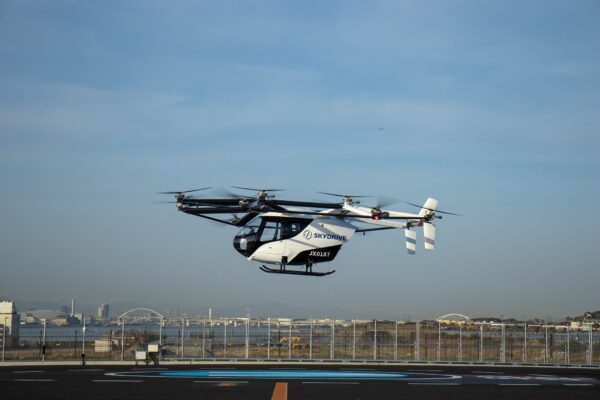
SkyDrive Partners with Japan Biz Aviation for 2028 eVTOL Launch Framework
SkyDrive Inc., a Toyota-based eVTOL manufacturer, has partnered with Japan Biz Aviation Co., Ltd. to establish a commercial framework for its eVTOL launch by 2028. This memorandum of understanding, announced on July 9, 2026, will leverage JBZ's expertise in operating HondaJet and Bell 429 helicopters to facilitate eVTOL flights in Japan. SkyDrive currently holds orders for 427 aircraft, including 354 pre-orders and 73 purchase agreements, with a notable 20-unit order from AeroGulf Services in Dubai. The collaboration is significant as it aims to bridge the operational gap for domestic buyers, many of whom lack an air operator’s certificate. SkyDrive plans to engage experienced operators to support commercial flights, enhancing the viability of eVTOL technology in Japan. The agreement follows SkyDrive's earlier partnership with a Japanese helicopter operator and underscores the importance of operational frameworks in promoting advanced air mobility. Looking ahead, SkyDrive is actively pursuing type certification with civil aviation authorities in both Japan and the United States, with a target service entry in 2028. Production of the SKYDRIVE aircraft commenced in March 2024, and the company plans to showcase its eVTOL capabilities during demonstration flights at the 2025 Osaka Expo. No further timeline was disclosed at the time of publication.
Advanced Air Mobility Air Taxi Drone News Drone News Feeds Japan Drone Industry Japan Drone News
Japan Pioneered Humanoid Robots—Can It Now Catch China?
“In the future, the relationship between humans and robots will deepen, and the distinction between them will probably disappear.” This prediction, from one of the attendees at the recent Humanoids Summit in Tokyo, might have been unremarkable had it not come directly from an android that was first introduced to the world 20 years ago. Geminoid HI-6 is the sixth-generation of a robot originally designed in 2006. The mechanical twin of Osaka University professor Hiroshi Ishiguro, Geminoid HI-6 is now equipped with a large language model trained on Ishiguro’s own writings and interviews. It has advanced conversational skills and can even have a chat with its creator, an eerie spectacle. But at the Humanoids Summit, Geminoid was one of the few humanoid robots from Japan, the country that pioneered the form factor.While the event in Tokyo only had about 40 robots on display, Chinese systems outnumbered Japanese by roughly three to one. Some Japanese robotics firms were even using Chinese robots in their own technology demonstrations, something that would have been unthinkable in the recent past—one Japanese engineer described the situation as “sad.” The conference was a stark reminder of how Japan has ceded its early lead in humanoid robot development to overseas competitors, and the challenge it now faces to secure a place in an ecosystem increasingly dominated by general-purpose robots powered by AI. Twenty-five years ago, Japan was turning out groundbreaking humanoids that were showstopping in their abilities, but they were not commercialized as practical machines in any meaningful way. Heavily influenced by science fiction and lacking practical applications, they were mostly expensive technology demonstrations that were eventually mothballed. What Japan retains, however, is robotics design and know-how, which it must leverage to be a key player in the rapidly evolving humanoid ecosystem. Learning to Walk—Then Standing StillTo anyone who has seen recent videos of Chinese humanoids doing kung-fu and synchronized acrobatics, as well as half-marathon races, China’s remarkable progress in the field is nothing new. At the Humanoids Summit, Toyota showed a video of its latest basketball-playing robot, and Honda exhibited its latest robot hand, but the full-scale humanoids on the floor were mostly Chinese–the kid-size K1 machines from Booster Robotics of Beijing were dancing to Michael Jackson tunes. The full-scale G1 humanoid from Unitree Robotics of Hangzhou was also doing demos. “You cannot sell these bipedal systems in Japan for safety and compliance reasons,” says Shuichi Nagao, a frequent visitor to China as CTO of Omakase Robotics, a division of Zeals, a Japanese humanoid robot developer. Omakase was exhibiting a G1 modified with an external PC controller, a dextrous hand, a suction-cup manipulator and a sensor “hat” with an extra speaker, mic and camera. “In China, the government is pushing humanoid development. They didn’t have an industry 20 years ago. The people pushing it are young, in their 20s and 30s. It’s a really different mentality out there,” says Nagao. “Big players in Japan are still looking for use cases for humanoids. In China, they’re already doing mass production and reducing the cost, so other countries can’t compete with them anymore.”Another Japanese company showing off G1 bots was summit sponsor GMO AI & Robotics, a subsidiary of Japanese internet company GMO. It’s using the robots in partnership with Japan Airlines to load and unload cargo containers at Tokyo’s Haneda airport. The cargo project is a trial—like many other humanoid experiments—but the fact that Chinese machines have penetrated so far into Japan’s ecosystem upends a long history. In 1973, scientists at Waseda University in Tokyo built WABOT-1, considered the first full-scale humanoid robot and capable of slow bipedal locomotion, grasping objects and simple communication. It inspired Honda’s groundbreaking Asimo humanoid, but it was never commercialized. Asimo was eventually retired in 2022, the year ChatGPT was released. Two years later, Unitree’s G1 went on sale for US $16,000. China’s High Torque Technology Co. showed off its Mini Pi biped, customized with an anime-inspired head, at Humanoids Summit in Tokyo. The regular version is priced at $3,500. Tim HornyakSupply and DemandJapan’s development of humanoids happened before practical applications or widespread demand were in place, but bad timing is only part of the story—Japan also has a history of developing technologies that might appeal to domestic consumers but not necessarily those overseas. For example, decades after they first appeared, its highly engineered, multifunction toilets have only recently found a following abroad. Japan’s humanoid prowess was partly built on the back of its legendary industrial automation, yet even that stronghold has eroded. Ani Kelkar, a partner from McKinsey & Company in Boston who produces analytical reports about the robotics industry, told the summit audience that while Japan occupied the top spot in the world in manufacturing robot density (the number of multipurpose industrial robots in operation per 10,000 employees) from at least 1994 to 2009, it then slipped to second in 2014, third in 2019 and fifth in 2024. In that year, South Korea was at the top of the leaderboard with a robot density of 1,220 compared to Japan’s 446. The International Federation of Robotics estimates China now has the most operational industrial robots in the world, with around 2 million total units, approximately 4.5 times more than Japan. “The annual installation numbers are impressive too: 54 percent of all robots installed worldwide in 2024 were deployed in China,” the IFR said in a release in April 2026. “I think the loss of Japanese leadership is more to do with the rise of China as a manufacturing powerhouse including for sectors that Japan had high export levels,” Kelkar said in an email interview. “The recovery has not yet happened as Japan ‘missed’ the rapid acceleration in AI for robotics and is now playing catchup.”How Japan Can Adapt Kelkar believes Japan has a US $100 billion opportunity in general-purpose robotics, which are machines that can perform a wide variety of tasks, and it cannot rely on the slower-growing industrial robot market, which is centered on factory machines that do one simple and predictable task like welding car parts. He points to a McKinsey white paper suggesting that while Japan has much of the hardware and technology experience needed to support general purpose robot development, it must change its strategy to capture more share in AI, software, data collection and robotics platforms.Tetsuya Ogata is a professor of engineering and director of the Institute for AI and Robotics at Waseda University, the birthplace of humanoids in Japan. He briefed the summit on how a nonprofit he chairs, the AI Robot Association (AIRoA), is working with Toyota and other members to develop foundational technologies for collaborative use. For instance, AIRoA has collected some 80,000 hours of data on remote operation of mobile manipulators, and Ogata believes it’s the largest dataset of its kind. Using the data, it built and verified Vision-Language-Action (VLA) models, and it has also started data collection for dual-arm mobile manipulation. In an interview, Ogata acknowledged Japan’s struggle to find its place in the changing landscape. “The world of AI is inherently a game of scale,” says Ogata. “Therefore, Japan’s absolute prerequisite is to secure a competitive baseline of scale—in data, computing resources, and talent. Beyond that, what I consider most critical is a mindset shift: rather than trying to hoard scale within a single nation or company, we must grow stronger by collaborating with a diverse ecosystem of domestic and international players.” Specifically, this means creating a ‘collaborative domain’ to address data—the single biggest bottleneck—through industry-wide cooperation rather than data-siloing. By collectively nurturing a pre-competitive, shared data infrastructure and foundation model, individual companies can then compete on top of it with their own applications. “By offering this open ‘data ecosystem’ to the world, we can engage global players and establish a ‘third pole’ alongside the US and China,” says Ogata. “I believe this is how Japan can reclaim its global presence.”In 1999, Japan introduced the world’s first mobile internet services platform. But being first didn’t turn Japan into a smartphone manufacturing or design center—it’s now merely a supplier of parts to other countries who are leading the smartphone industry. If Japan can avoid a repeat of that experience and successfully deregulate, diversity, and commercialize its original humanoid dreams, it stands a better chance of influencing the direction of the industry and reaping billions in value. As automobiles and electronics were pillars of Japan’s industrial strategy in the last century, Japan could make humanoid robots one of its key value generators in the 21st century, an approach that would not only deliver economic benefits but give Japan greater clout in how the industry will evolve. Just like Japanese cars, electronics, and even toilets, Japanese humanoids could stand for craftsmanship and reliability. It’s a legacy that Japan can’t afford to give up.
Japan Robotics Humanoids Humanoid-robots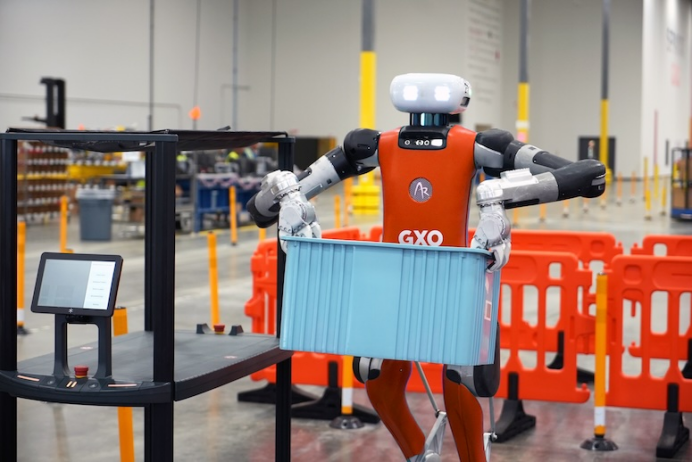
Agility Robotics: The First Profitable Humanoid Robot Company Going Public in the U.S.
Agility Robotics, the first profitable humanoid robot company, is set to go public through a merger with Churchill Capital Corp XI, a deal valued at around $2.5 billion. Established in 2015, Agility Robotics specializes in deploying its humanoid robot, Digit, in practical warehouse environments, with notable clients such as Amazon and Toyota. This initial public offering represents a pivotal moment for the humanoid robotics sector, signaling a transition towards commercialization and the implementation of robotics in everyday operations.
Humanoid Robots Warehouse Automation AI Robotics Public Offering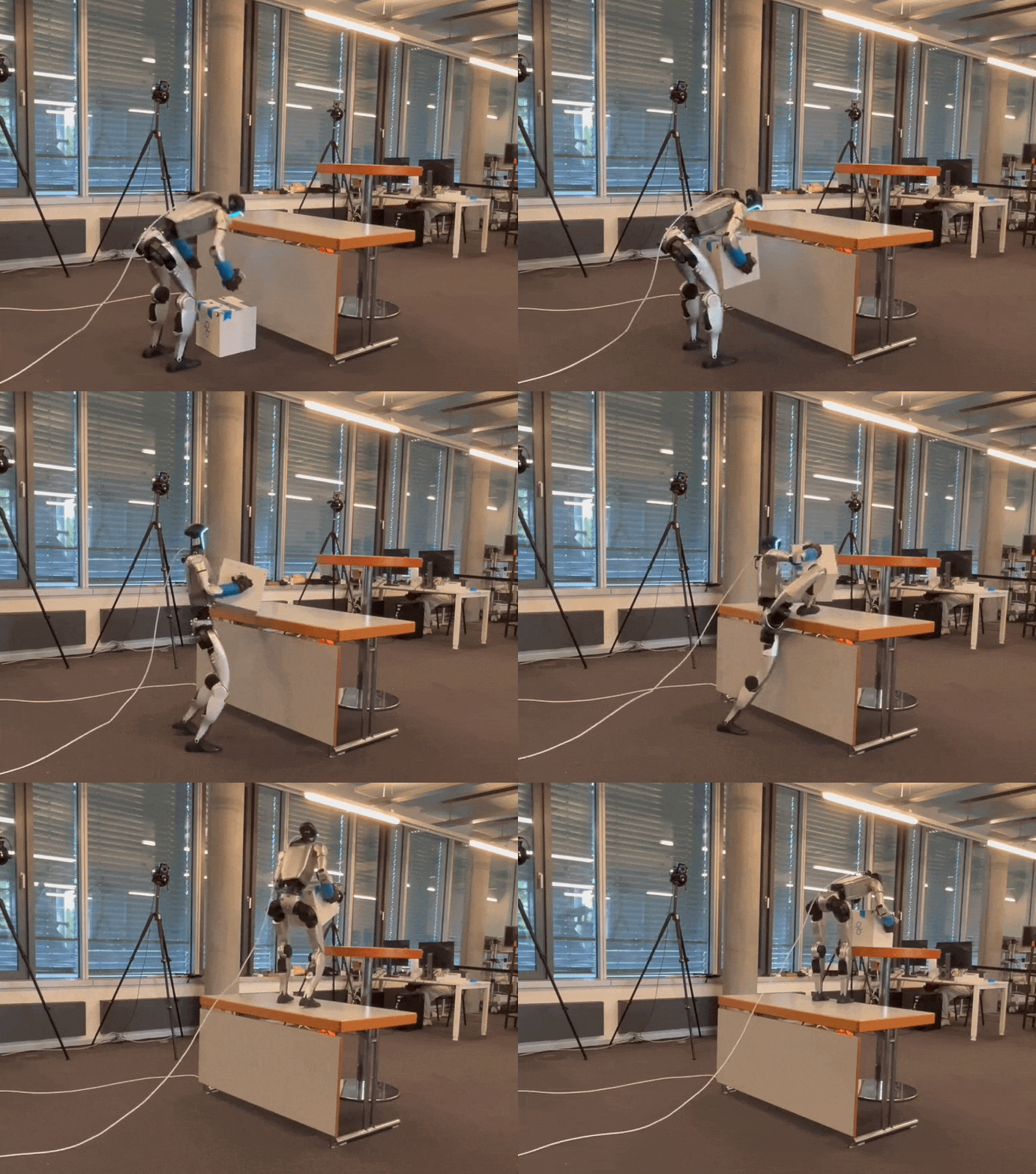
Video Friday: Robotic Motion Discovery Reveals Unusual Behaviors
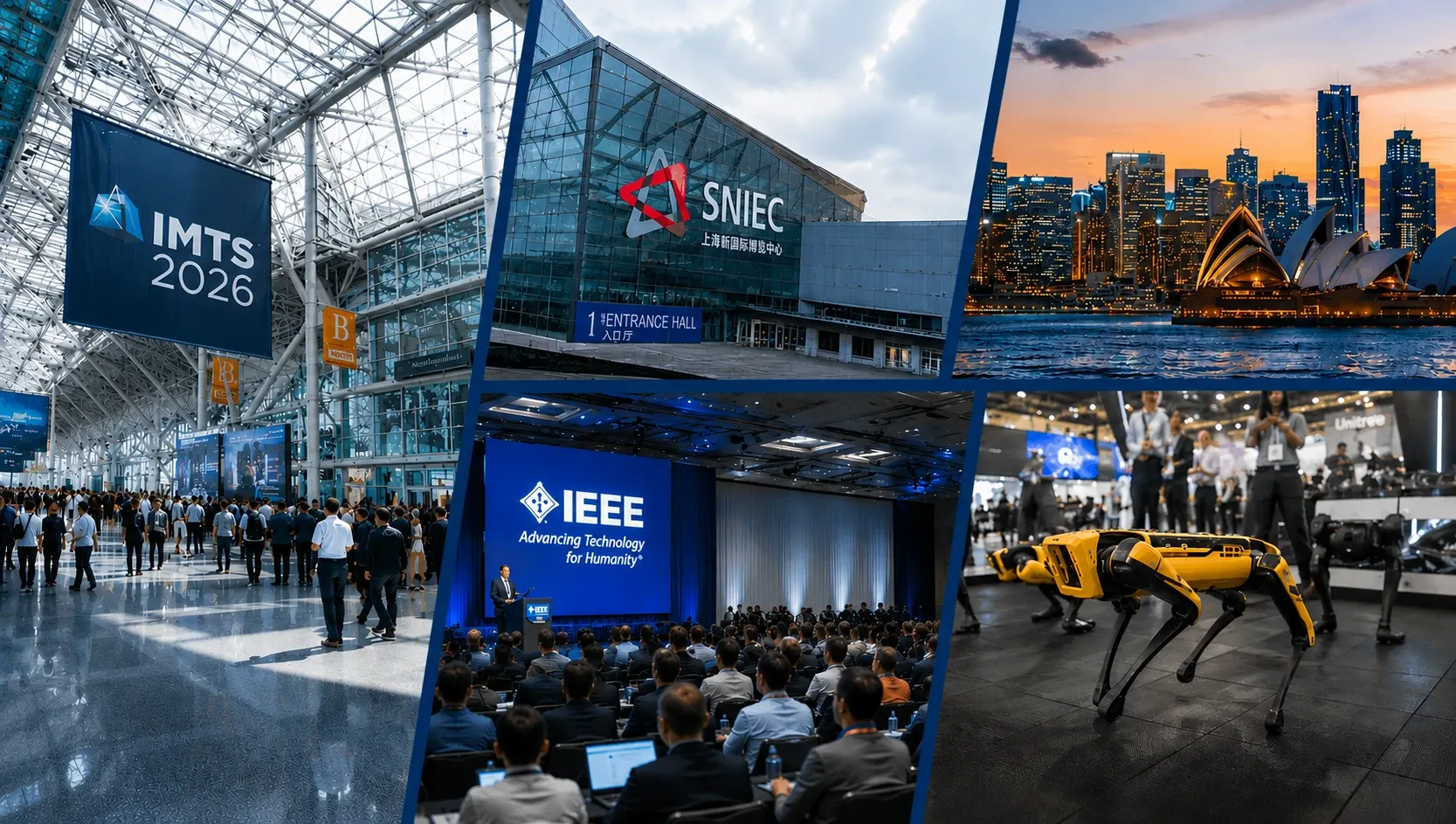
IEEE Spectrum robotics has released its latest edition of Video Friday, showcasing an array of innovative robotics videos and announcing upcoming events in the field. Notable events include RSS 2026 in Sydney from July 13-17, the Summer School on Multi-Robot Systems in Prague from July 29 to August 4, and Actuate 2026 in San Francisco on August 18-19. Among the featured videos is MotionDisco, a framework that autonomously discovers complex humanoid loco-manipulation motions, highlighting the challenges of coordinating fluid movements across multiple joints. Additionally, the Human Support Robot (HSR) from Toyota is demonstrated in real home environments, assisting residents with daily tasks, showcasing the potential for robots to become long-term companions. Other highlights include the MIDAS Hand, an open-source robotic hand designed for manipulation and research, and a novel flight maneuver by a bipedal robot that showcases advanced aerial control. The European Space Agency shares a timelapse of Dextre, a robotic handyman, efficiently unloading equipment in space, while ROBOTIS introduces AI Sapiens, which learns humanoid motions using just a smartphone camera. In a collaborative effort, LUMOS Robotics has launched Project EDGE, inviting global innovators to explore humanoid robotics, while Sphero emphasizes its educational products designed to nurture computational thinking from early childhood through high school. These developments illustrate the rapid advancements and collaborative spirit within the robotics community.
Humanoid-robots Video-friday Quadruped-robots Robot-videos Home-robots Dexterity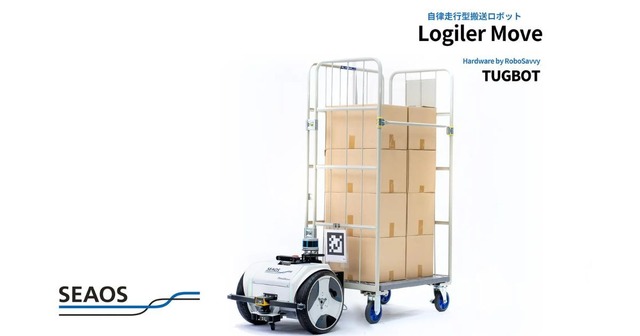
シーオスとトヨタL&F熊本のAMR導入事例|国内大手メーカー工場に自動搬送ロボット14台を追加導入
Cios and its partner, Toyota L&F Kumamoto, announced the addition of 14 units of the autonomous mobile robot (AMR) "TUGBOT2" to a major domestic manufacturer’s key factory. This expansion aims to enhance operational efficiency and streamline logistics within the facility. The deployment of these advanced robots is part of a broader strategy to integrate automation in manufacturing processes, reflecting the growing trend towards technological innovation in the industry.
Why Are Collaborative Robots Crucial for SMEs and Industry Giants?
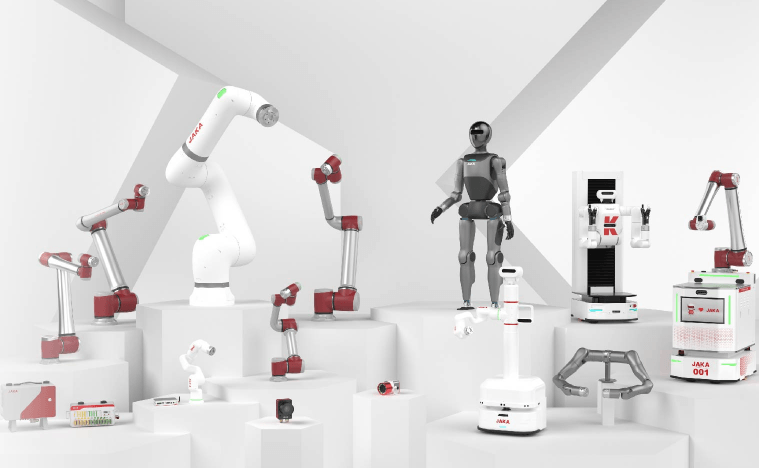
As global manufacturing evolves, the line between manual labor and automation is increasingly blurred. In 2026, a pivotal shift occurs as general industries—including food, consumer goods, and logistics—emerge as the leading sectors driving automation growth, previously dominated by industrial robotics in automotive plants. This transformation is largely attributed to the rise of collaborative robots (cobots), designed to work safely alongside human workers without the need for traditional safety barriers. Small and Medium Enterprises (SMEs) often struggle with the "automation paradox," needing efficiency to compete but lacking the resources for conventional robots. Cobots address this challenge with their compact design and user-friendly, no-code programming, enabling smaller businesses to automate repetitive and hazardous tasks with minimal investment. Meanwhile, larger manufacturers benefit from cobots' flexibility in high-mix, low-volume production environments, where they can efficiently handle tasks like precision dispensing and palletizing. JAKA, a leader in collaborative robotics, emphasizes the importance of robots as reliable partners rather than mere tools. Their JAKA Mini series, weighing under 10kg, is tailored for SMEs, while the JAKA Pro series is built for larger enterprises, offering durability in harsh conditions. Advanced AI and vision systems enhance the robots' ability to interact with their environment, earning the trust of industry giants like Toyota and Schneider Electric. JAKA's solutions aim to facilitate the transition from manual labor to intelligent automation, providing the necessary flexibility and value for the future of Industry 4.0.
Hannover Industrial Fair: Comprehensive Collaborative Robot Solutions from Leading Manufacturers
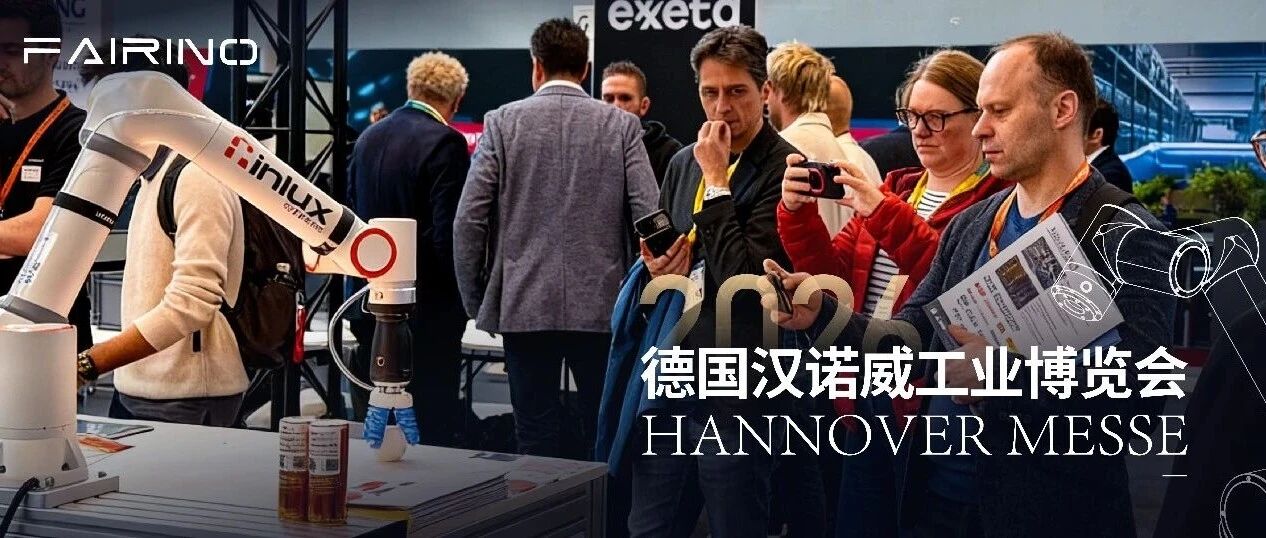
The Hannover Industrial Fair commenced on April 20, featuring innovative collaborative robot solutions from Faou Robotics. The event served as a platform for the company to present its localized industry solutions while engaging in discussions with prominent global clients, including BOSCH and Toyota. The focus of the fair was on the integration of humanoid and collaborative robots into various industrial applications, underscoring the growing importance of automation in enhancing operational efficiency and productivity across sectors.
Collaborative Robots Humanoid Robots Industrial Automation AI Technology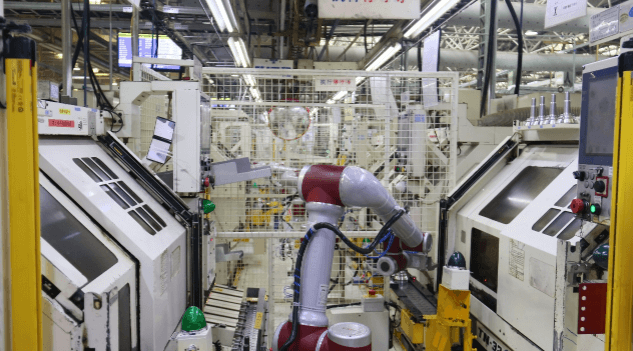
协作机器人在汽车零部件加工场景的“硬核”应用
Collaborative robots are increasingly being adopted in the automotive parts manufacturing sector due to their high precision, consistency, flexibility, and safety. Jieka Robotics has emerged as a key player, offering advanced solutions that enhance production efficiency and reduce costs. Their robots, known for their robustness, precision of ±0.02mm, and rapid deployment capabilities, are extensively utilized in critical processes such as transmission systems, chassis, headlights, engines, and seats. The need for collaborative robots arises from the challenges faced in traditional automation, which often involves high costs and long implementation cycles, especially in environments requiring frequent product changes and small batch sizes. Jieka's robots address these issues by providing a compact design that fits into tight production spaces and ensuring safe human-robot collaboration. Notably, Jieka has partnered with Toyota, supplying hundreds of robots to the Tianjin factory, where they have significantly improved efficiency by reducing cycle times to 8-10 seconds and minimizing defect rates to below 0.3%. Their solutions have also been recognized in the automotive industry, with successful implementations in automated processes for headlight manufacturing and flexible production lines for chassis components. With a focus on high-quality production, Jieka Robotics continues to expand its presence in the automotive sector, offering standardized and customized automation solutions that facilitate digital and intelligent upgrades for manufacturers. Their commitment to precision, safety, and efficiency positions them as a leading choice for automotive parts processing.
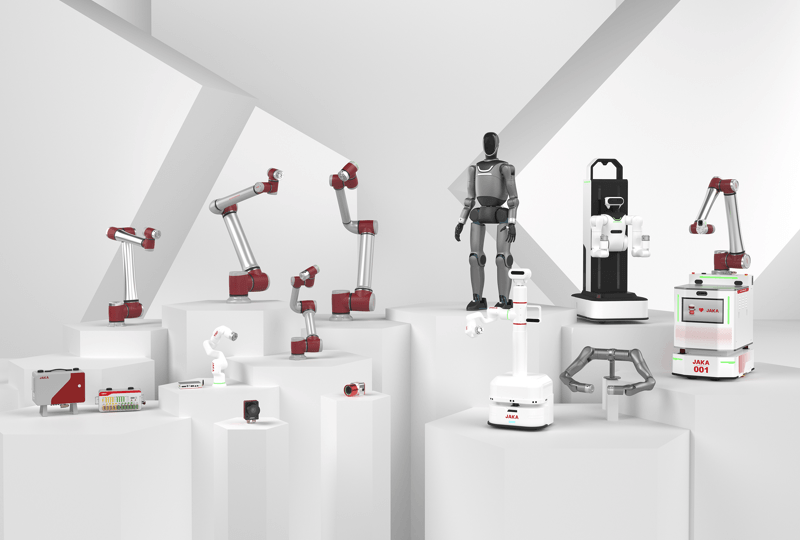
JAKA Robotics nhận được nguồn vốn mới từ các ông lớn trong ngành sản xuất.
JAKA Robotics, a leading player in industrial automation, has successfully completed a new funding round aimed at accelerating the development of its general-purpose intelligent robots. The investment, which involves a Shanghai-based industrial investment fund and global leaders in electronics and automotive manufacturing, will enhance JAKA's research and development efforts in perceptual intelligence, improving the robots' capabilities in sensing, reasoning, and interacting with the physical world. Founded in 2014, JAKA has deployed tens of thousands of robots in nearly 100 countries, earning the trust of over 1,500 industry leaders, including major companies like Toyota, Ford, Schneider Electric, and Flex. In response to the growing demands of the industry, JAKA has strategically repositioned itself for 2025, focusing on general-purpose intelligent robots, which include collaborative robots and integrated intelligent solutions. The company’s collaborative robots, weighing between 1 and 40 kg, continue to evolve, while its intelligent integrated products—such as JAKA Kargo, Khan, Lumi, K1, and S³—have achieved industrial-scale certification in logistics, inspection, and precision assembly. By enhancing cognitive and reasoning abilities, JAKA is transforming robots from task-specific tools into reliable partners capable of adapting to complex environments, making real-time decisions, and collaborating with humans to achieve shared goals. This latest support underscores JAKA's market leadership and the long-term potential of general-purpose intelligent robots as the company transitions perceptual intelligence from the lab to practical applications in manufacturing and services.
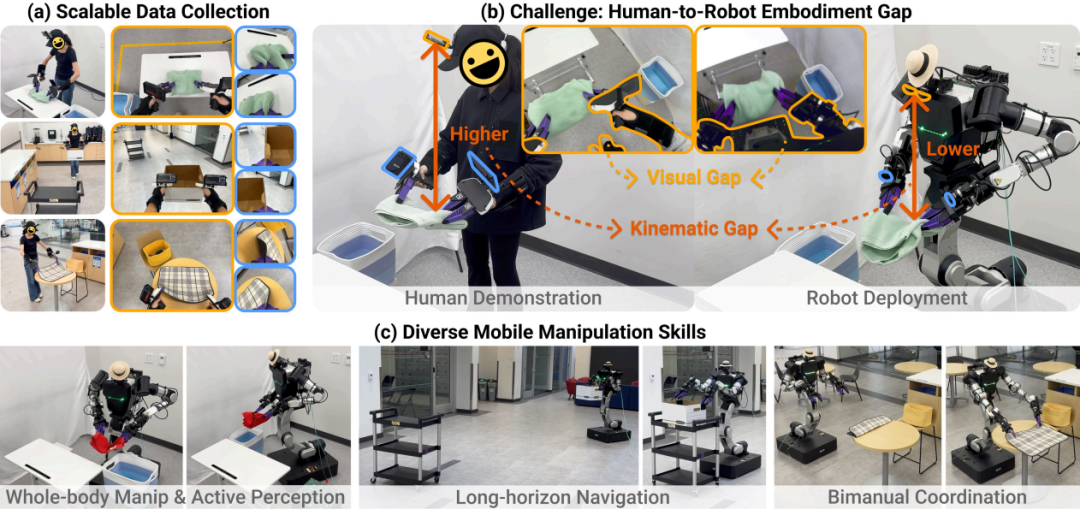
Stanford Teaches Robots to Wash Clothes, Deliver, and Set Tables Using Just Three iPhones
Stanford University, in collaboration with the Toyota Research Institute, has introduced the HoMMI framework, a groundbreaking system that allows robots to acquire complex movement skills through human demonstrations without direct robot participation. This innovative approach employs three iPhones to gather data, effectively tackling the physical disparities between humans and robots. The framework significantly improves robot coordination in various tasks, including navigation and manipulation, paving the way for more advanced robotic applications in real-world scenarios.
Robotics Machine Learning Human-Robot Interaction AI
Boston Dynamics' Atlas Behavior Model Open-Sourced by Independent Developer
In a noteworthy advancement for the field of robotics, Bryson K. Jones has unveiled an open-source version of the Large Behavior Model (LBM) developed by the Toyota Research Institute. This model, which serves as the driving force behind Boston Dynamics' Atlas robot, offers a streamlined solution that delivers high performance without requiring extensive computational power. By making this technology accessible to developers, Jones aims to democratize robotics innovation, allowing a broader range of creators to experiment and build upon this foundational model. The release marks a significant step forward in making advanced robotic capabilities more attainable for various applications.
Robotics Behavior Models Open Source AI Machine Learning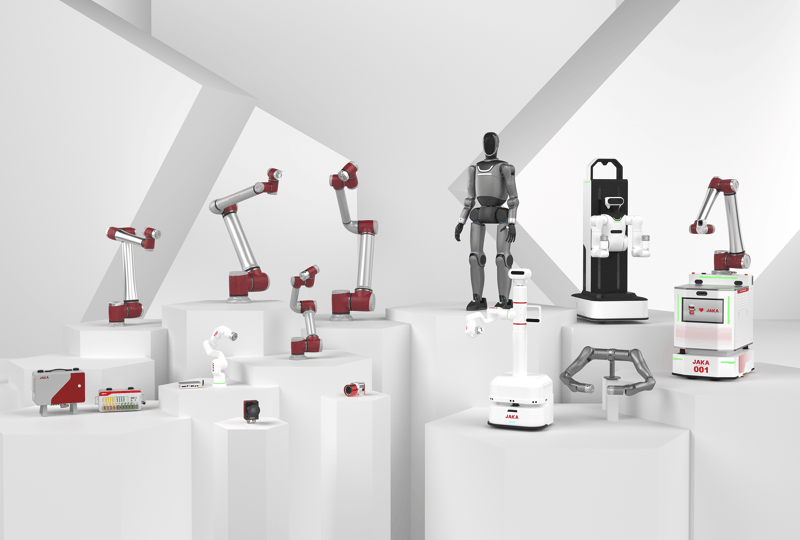
JAKA Robotics Secures New Funding Backed by Manufacturing Giants
JAKA Robotics, a leader in industrial automation, has successfully secured a new round of equity funding aimed at enhancing the development of general intelligent robots. The funding, which includes contributions from a Shanghai-based industrial fund and prominent global electronics and automotive manufacturers, will support research and development focused on embodied intelligence, enabling robots to improve their capabilities in perception, reasoning, and interaction with the physical environment. Founded in 2014, JAKA has deployed tens of thousands of robots in nearly 100 countries, serving over 1,500 industry leaders such as Toyota, Ford, and Schneider Electric. In response to evolving industry demands, the company shifted its strategic focus in 2025 towards general intelligent robots, expanding its product offerings to include collaborative robots and advanced embodied intelligence solutions. JAKA's products, including the JAKA Kargo, Khan, Lumi, K1, and S³, have already demonstrated industrial-scale effectiveness in logistics, inspection, and precision assembly. By enhancing robots' perception and reasoning abilities, JAKA aims to transform them from mere task-specific tools into adaptable partners capable of making real-time decisions and collaborating with humans in complex environments. This recent funding round highlights JAKA's leadership in the market and the significant potential of general intelligent robots as the company seeks to transition embodied intelligence from research and development into practical applications in production and service sectors.
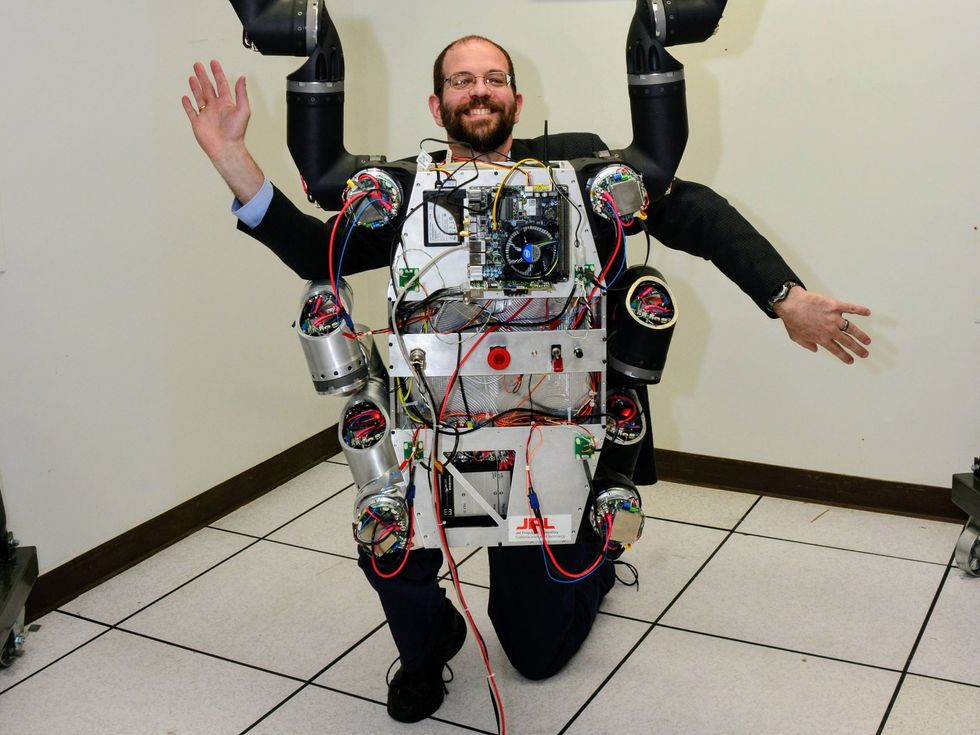
Gill Pratt Says Humanoid Robots’ Moment Is Finally Here
In 2012, the U.S. Defense Advanced Research Projects Agency (DARPA) launched the DARPA Robotics Challenge (DRC), a multimillion-dollar competition aimed at advancing disaster robotics. Gill Pratt, the architect of the DRC and now CEO of the Toyota Research Institute (TRI), envisioned the challenge as a catalyst for significant progress in robotics, similar to earlier DARPA initiatives that revolutionized driverless cars. A decade later, Pratt believes humanoid robots are on the brink of a transformative breakthrough, largely due to advancements in artificial intelligence (AI). Pratt notes that while the physical capabilities of humanoid robots have improved, the real change lies in their cognitive abilities. Recent AI developments allow robots to learn tasks through demonstration rather than programming, although data availability remains a challenge. He emphasizes the need for robots to develop deeper reasoning capabilities, beyond mere pattern recognition, to navigate complex real-world scenarios effectively. At TRI, Pratt's team is focusing on "care-receiving robots" to address societal issues like aging and loneliness. He highlights the importance of using robotics to enhance quality of life, particularly for the elderly. However, he cautions against the current hype surrounding humanoid robotics, warning that many advancements are still reliant on basic pattern-matching techniques. Pratt advocates for a balanced perspective to avoid potential disillusionment in the field, drawing parallels to the earlier challenges faced in automated driving.
Humanoid-robots Darpa Artificial-intelligence Drc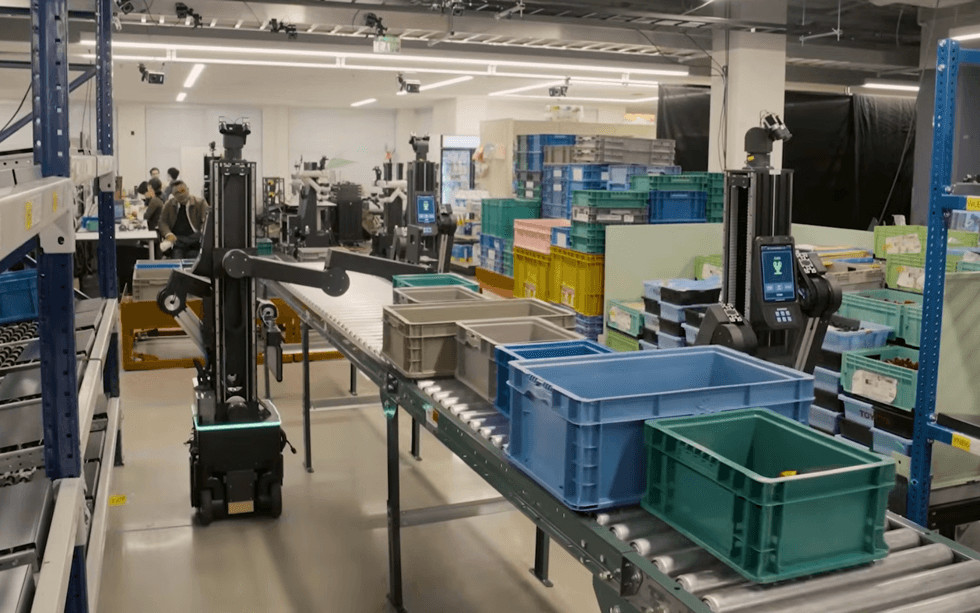
Video Friday: Autonomous Robots Learn By Doing in This Factory
In a recent edition of Video Friday, IEEE Spectrum robotics showcased a variety of innovative robotics projects and developments. Notably, scientists at the Toyota Research Institute are collaborating with Toyota Manufacturing to implement autonomous robots on factory floors, enhancing production efficiency. Zipline shared insights into their drone delivery system, detailing the challenges faced and lessons learned in its development. Humanoid introduced KinetIQ, an AI framework designed for the orchestration of humanoid robot fleets, which integrates task allocation and execution through advanced cognitive layers. Meanwhile, researchers at VISTEC unveiled a decentralized adaptive resilient neural control system (DARCON) that enables legged robots to autonomously adapt to limb loss, ensuring mission success despite mechanical failures. NASA's Jet Propulsion Lab presented an animation of the Perseverance rover's drive along the Jezero Crater, captured on December 10, 2025, showcasing the rover's navigation capabilities. Additionally, Unitree's humanoid robot G1 made its mark on the snowfields of Altay, demonstrating its adaptability in extreme conditions. The Norwegian University of Science & Technology introduced a hierarchical 3D scene graph to enhance autonomous agents' understanding of their environments. Other highlights included the HoLoArm quadrotor, which features compliant arms for improved stability, and SkyDreamer, a pioneering vision-based autonomous-drone racing policy. The event also featured demonstrations of dexterous object manipulation by the AI Worker robot and advancements in swarm robotics for architectural applications.
Video-friday Autonomous-robots Humanoid-robots Industrial-robots Robot-ai Perseverance-rover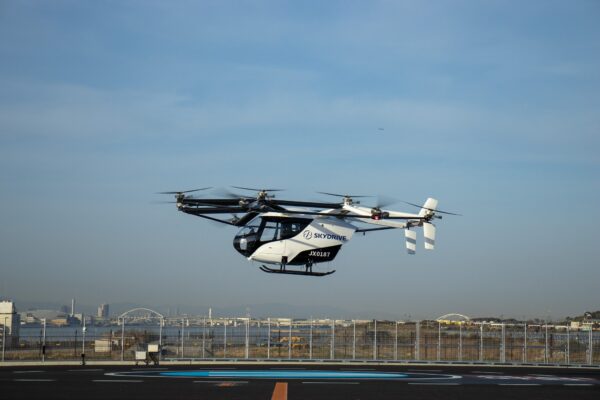
SkyDrive Conducts Successful SD-05 Flights in Yamaguchi for 2028 Tourism Initiative
SkyDrive Inc. successfully conducted two demonstration flights of its SD-05 eVTOL aircraft in Yamaguchi Prefecture on July 13, 2026. These flights were part of a test aimed at showcasing the aircraft's potential for tourism, with a commercial launch planned for 2028. The flights simulated a scenic tour over the Seto Inland Sea, highlighting the seamless transition from ground transport to air travel. The significance of these flights lies in their demonstration of SkyDrive's commitment to urban air mobility and tourism integration. Witnessed by notable figures including Yamaguchi Prefecture's governor and the president of Suzuki Motor Corporation, the flights operated autonomously, emphasizing safety and efficiency. The successful execution of these flights marks a critical step toward the company's goal of launching commercial eVTOL services by 2028. Looking ahead, SkyDrive aims to enhance its eVTOL infrastructure further, with plans to collaborate with rail partners for integrated travel solutions. While tourism is a primary focus, the company envisions broader applications of eVTOL technology, including disaster relief and emergency medical services. No further timeline was disclosed at the time of publication.
Advanced Air Mobility Drone News Drone News Feeds Japan Drone Industry Japan Drone News News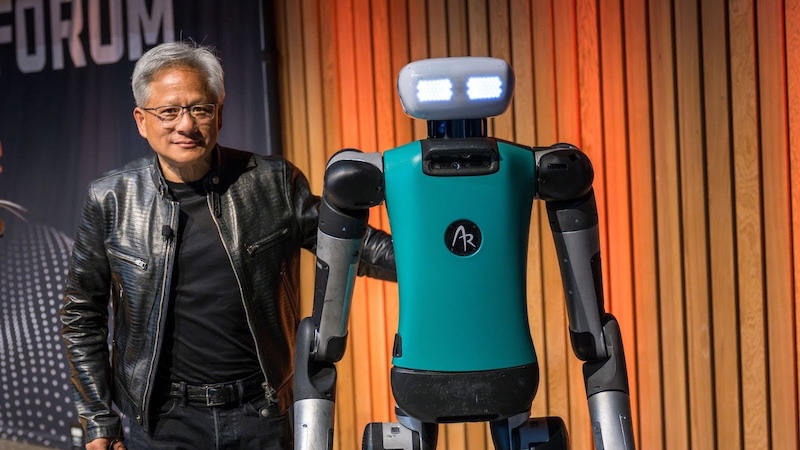
Agility Robotics to go public through $2.5 billion SPAC merger
Agility Robotics has agreed to go public through a merger with special purpose acquisition company Churchill Capital Corp XI, in a deal that values the humanoid robotics developer at a pre-money equity value of $2.5 billion. The transaction is expected to generate more than $620 million in gross proceeds, including approximately $200 million from a […]
Financials & Investments Humanoids News Agility Arc agility robotics Churchill Capital Corp XIRobotics needs a service framework.
RSF defines a common language for robot service capability, lifecycle operations, certification pathways, and service-provider networks.