Industry Briefing
A single destination for timely, editor-curated robotics news from around the world.

Microsoft Recommends Deploying Windows Updates Within Three Days to Combat AI-Driven Threats
Microsoft has updated its guidance for deploying Windows updates, recommending that organizations implement updates within three days of release. This change is in response to the rapid exploitation of software vulnerabilities, which can now be targeted within hours due to advancements in AI technology. The new policy aims to enhance security and reduce the risk of attacks during the delay in applying patches. The increase in vulnerabilities, with 206 reported in June 2026 alone, highlights the urgency for IT departments to adapt their update processes. Microsoft encourages organizations to rethink their security strategies and implement new policies that facilitate quicker deployment of patches to all devices, thereby minimizing exposure to potential threats. To assist IT departments in managing this transition without increasing workload, Microsoft has proposed three key steps: automating update policies, utilizing cloud management tools, and implementing conditional access for non-compliant devices. These measures are designed to streamline the update process while maintaining operational efficiency and security integrity. No further timeline was disclosed at the time of publication.

MIT Lincoln Laboratory Develops TOSSIT Sensor for Chemical Threat Detection
MIT Lincoln Laboratory has introduced the Tactical Optical Spherical Sensor for Interrogating Threats (TOSSIT), a baseball-sized device capable of detecting hazardous vapors and aerosols. Designed for military and first responder use, TOSSIT can be thrown, drone-dropped, or launched into areas of concern. The sensor utilizes an internal camera and a removable dye card to identify chemical threats, alerting users through an app or alarms when dangerous substances are detected. The significance of TOSSIT lies in its ability to address a critical gap in chemical detection capabilities. According to principal investigator Richard Kingsborough, this low-cost sensor option is essential for identifying toxic dust particles and other chemical threats that smaller deployed sensor systems typically overlook. This innovation is particularly relevant in contexts involving nerve agents, blister agents, and industrial chemical accidents, enhancing safety for military personnel and first responders. Looking ahead, TOSSIT is undergoing a transfer process to the U.S. military following extensive field testing. No further timeline was disclosed at the time of publication, but the deployment of such technology could significantly improve situational awareness and response capabilities in hazardous environments.
Research Sensors Public health Invention 3-D printing Mechanical engineering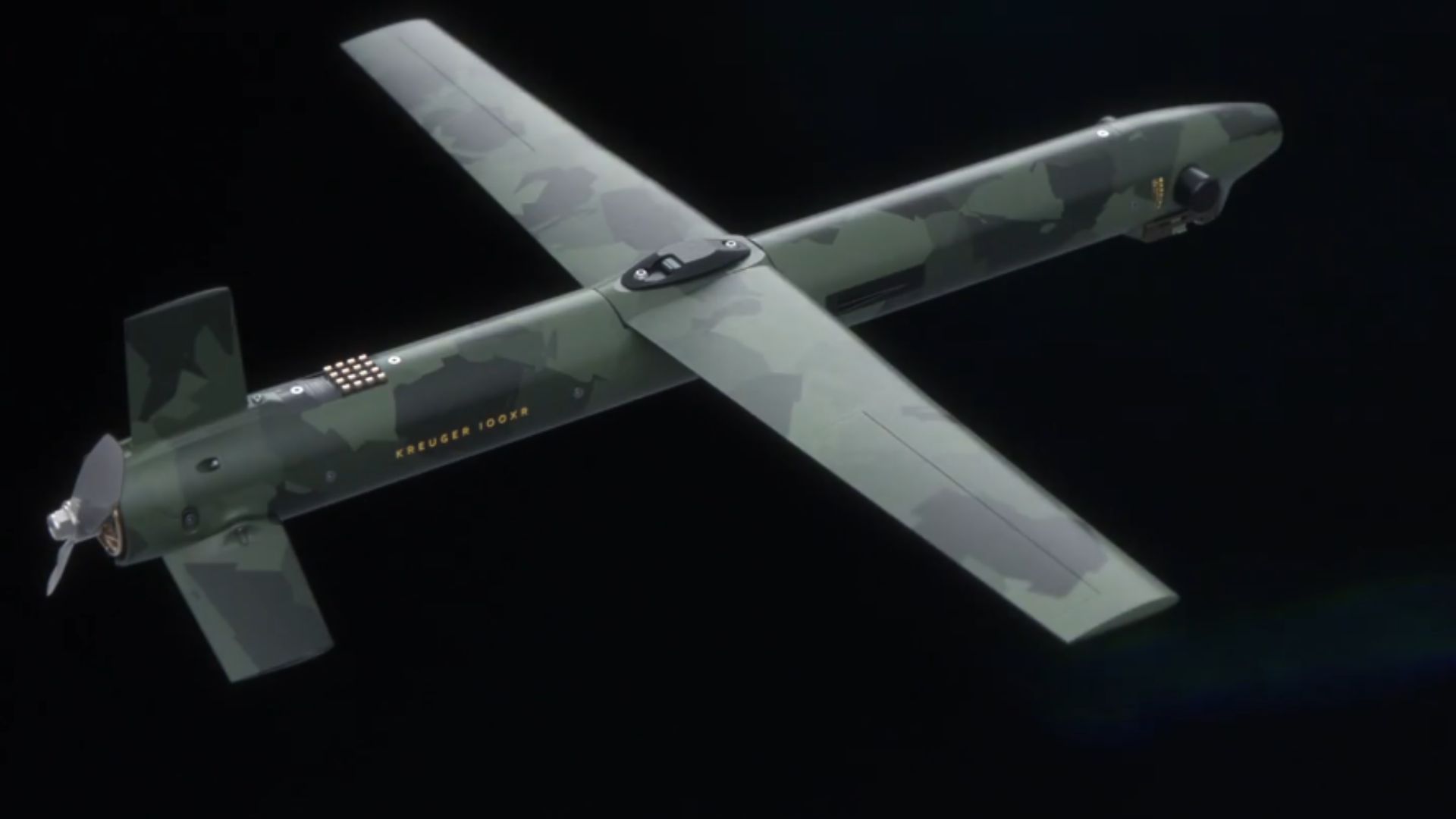
New ‘intelligent’ interceptor drone can chase enemy threats with 219-mph speed
A startup based in Sweden has introduced an innovative interceptor drone designed to enhance defense capabilities. The drone, characterized as 'intelligent,' aims to provide effective solutions for various security challenges. This unveiling took place recently, showcasing the startup's commitment to advancing aerial technology in the defense sector. The development comes in response to increasing global security concerns, highlighting the need for advanced surveillance and interception methods. The drone employs cutting-edge technology to autonomously identify and neutralize potential threats, marking a significant step forward in unmanned aerial systems. This initiative reflects the growing trend of utilizing advanced robotics and artificial intelligence in military applications, positioning the startup as a key player in the evolving landscape of defense technology.
Military
AI Hacking Threats Extend to Humanoid Robots: Seoul Hosts 'Judgment Day' Challenge
The 2026 Seoul AI Security Forum has underscored the critical importance of physical security for artificial intelligence systems, particularly as hackers increasingly target humanoid robots. The event featured a live red team challenge known as "Judgment Day," which focused on testing the vulnerabilities of a U-Tree G1 robot. This demonstration highlighted the necessity for proactive security measures in response to the rapidly evolving landscape of AI technology. The forum serves as a vital platform for addressing the challenges posed by cyber threats to advanced robotics, emphasizing the need for robust defenses to protect these innovative systems.
AI Security Humanoid Robots Red Teaming Robustness Testing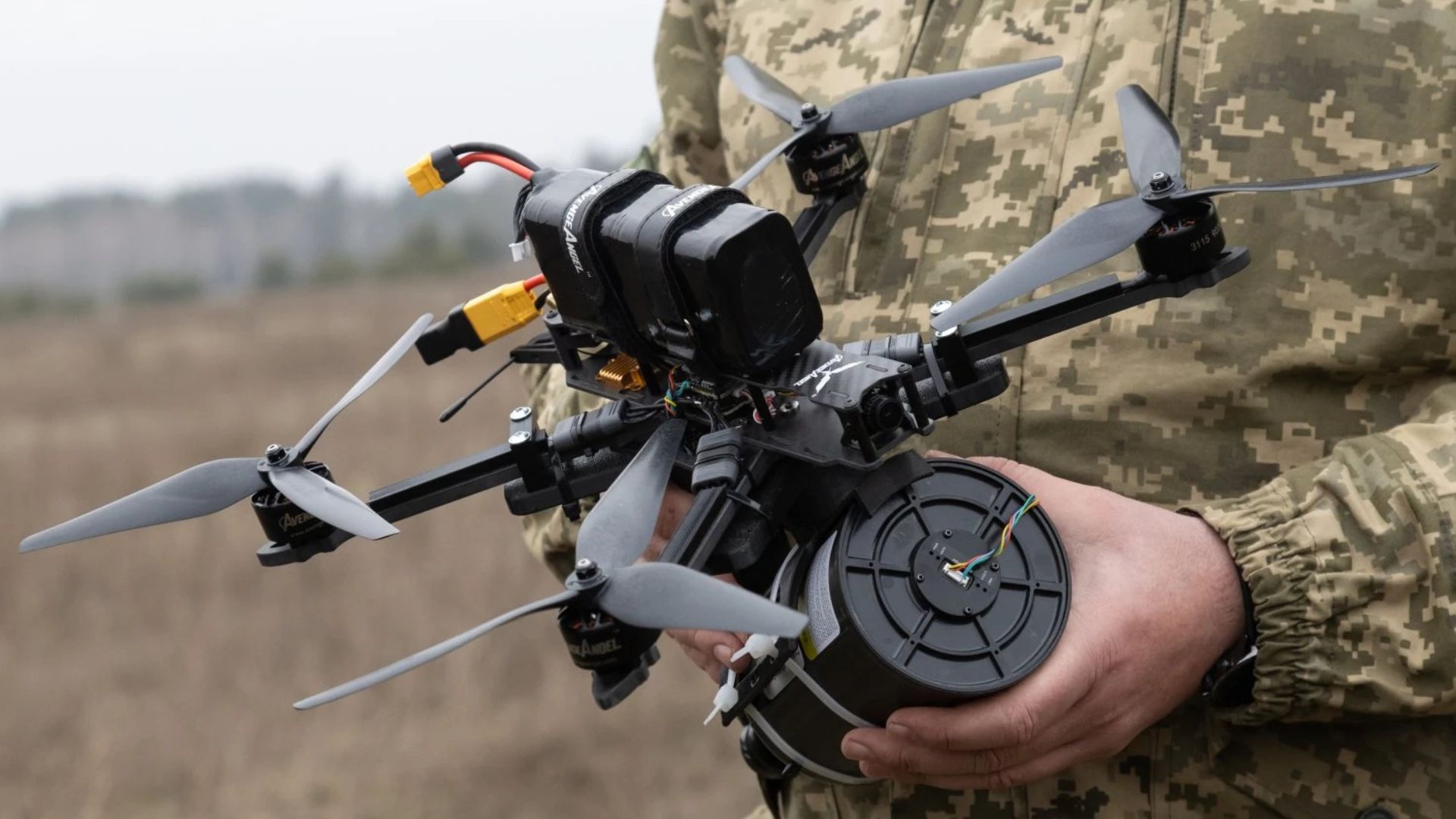
LiDAR expands counter-drone capabilities against fiber-optic-controlled aerial threats
Innoviz Technologies is enhancing its presence in the defense sector by partnering with Regulus, a specialist in counter-drone technology. This collaboration aims to leverage Innoviz's advanced LiDAR solutions to bolster Regulus's capabilities in detecting and neutralizing drone threats. The announcement was made on October 23, 2023, as both companies seek to address the growing concerns surrounding drone-related security challenges. By combining their expertise, Innoviz and Regulus intend to develop innovative solutions that enhance safety and security in various environments, including military and civilian applications. This strategic alliance reflects a broader trend in the defense industry, where companies are increasingly joining forces to tackle emerging threats in an evolving technological landscape.
Military
Microsoft warns about new cyber threats and response strategies.
The rise of sophisticated phishing attacks utilizing multi-factor authentication (MFA) has been observed, with cybercriminals increasingly employing tactics that exploit popular AI services such as ChatGPT, Claude, and DeepSeek. This alarming trend highlights the evolving nature of phishing strategies in the AI era, where attackers use these well-known platforms as bait to deceive users into revealing sensitive information. Experts are now emphasizing the importance of understanding these advanced threats and implementing effective defense mechanisms to protect against such vulnerabilities. As the digital landscape continues to evolve, awareness and proactive measures are crucial in safeguarding personal and organizational data from these emerging cyber threats.

Microsoft warns of seven new threats from agent-based AI systems, including tool contamination and visual attacks.
Microsoft has revised its classification of agent-based AI vulnerabilities, adding seven new categories, including supply chain breaches and target takeover. This update follows insights gained from real-world red team operations, highlighting the need for enhanced measures against human approval evasion and memory corruption. The company advocates for the implementation of defensive strategies during the design phase to better safeguard against these emerging threats.

Israeli military, defense firms race to find solution to FPV drone threats
Israeli technology companies are developing advanced military solutions, including smart rifles and counter-drone systems, to address emerging threats on the battlefield. These innovations come in response to the increasing sophistication of weaponry and tactics used by adversaries. The advancements aim to enhance the effectiveness of Israeli defense forces in various combat scenarios. As these smaller firms showcase their capabilities, they highlight the importance of adapting to modern warfare challenges. The ongoing conflict and the need for superior defense mechanisms drive the urgency behind these technological developments.
Air Warfare Global Land Warfare Air Force Army Counter UAS cUAS
New Senate Bill Targets Drone Threats to Critical Infrastructure
A new Senate bill introduced by Arkansas Senator Tom Cotton seeks to enhance the authority of critical infrastructure operators to combat unauthorized drone activity. As concerns over drone threats grow, particularly in anticipation of significant events, the legislation outlines provisions for increased authority, necessary training, and funding to better equip operators. This initiative reflects lawmakers' recognition of the rising risks posed by drones to essential facilities and aims to bolster security measures in response to these emerging challenges.
Anti-drone technology C-UAS Drone News Drone News Feeds drone security News
Red Sift CEO Discusses AI's Role in Evolving Cyber Threats and Defense Strategies
In a recent episode of Lexicon, Rahul Powar, CEO of Red Sift, highlighted the transformative impact of artificial intelligence (AI) on cyberattacks. He referenced a recent AI-assisted cyber campaign targeting a Mexican water utility, emphasizing that AI is lowering the barrier for launching sophisticated attacks. This trend is expected to escalate over the next 18 months, posing significant challenges for organizations globally. Powar explained that AI democratizes advanced cyber capabilities, allowing less experienced attackers to leverage tools like large language models for reconnaissance and exploit development. This shift is making it easier for attackers to find vulnerabilities in systems, as they can automate processes that previously required extensive expertise. The imbalance in cybersecurity is growing, as defenders must protect numerous devices and applications while attackers only need to exploit one weakness. Despite the challenges, Powar noted that AI can also empower defenders by helping them identify vulnerabilities before they are exploited. The conversation underscored the dual-edged nature of AI in cybersecurity, with both attackers and defenders adapting to the evolving landscape. No further timeline was disclosed at the time of publication.
AI and Robotics Innovation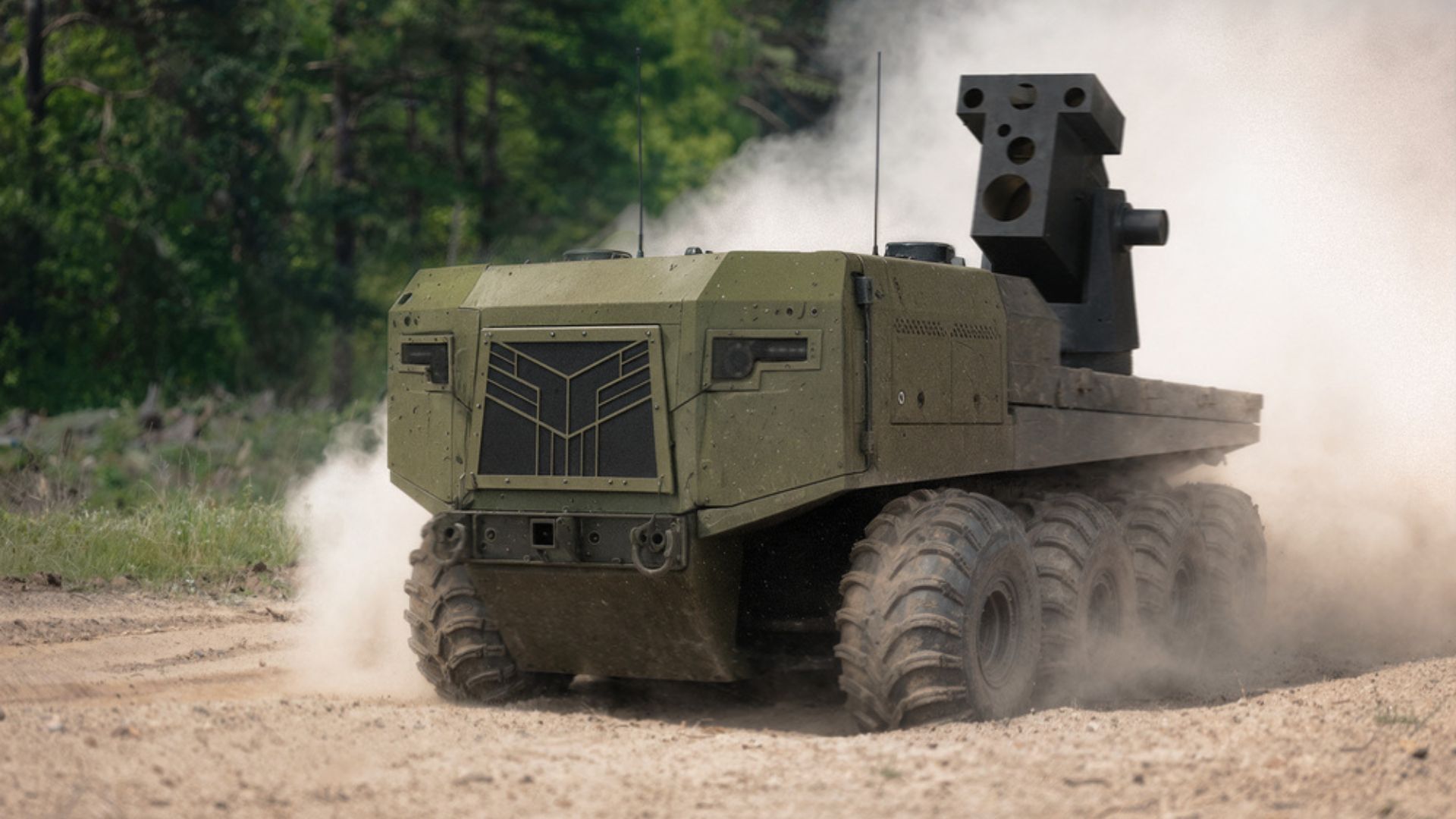
US robotic combat vehicles add directed-energy weapons to defeat multi-drone threats
Aurelius Systems has partnered with American Rheinmetall to integrate a directed-energy counter-drone system onto robotic...
Military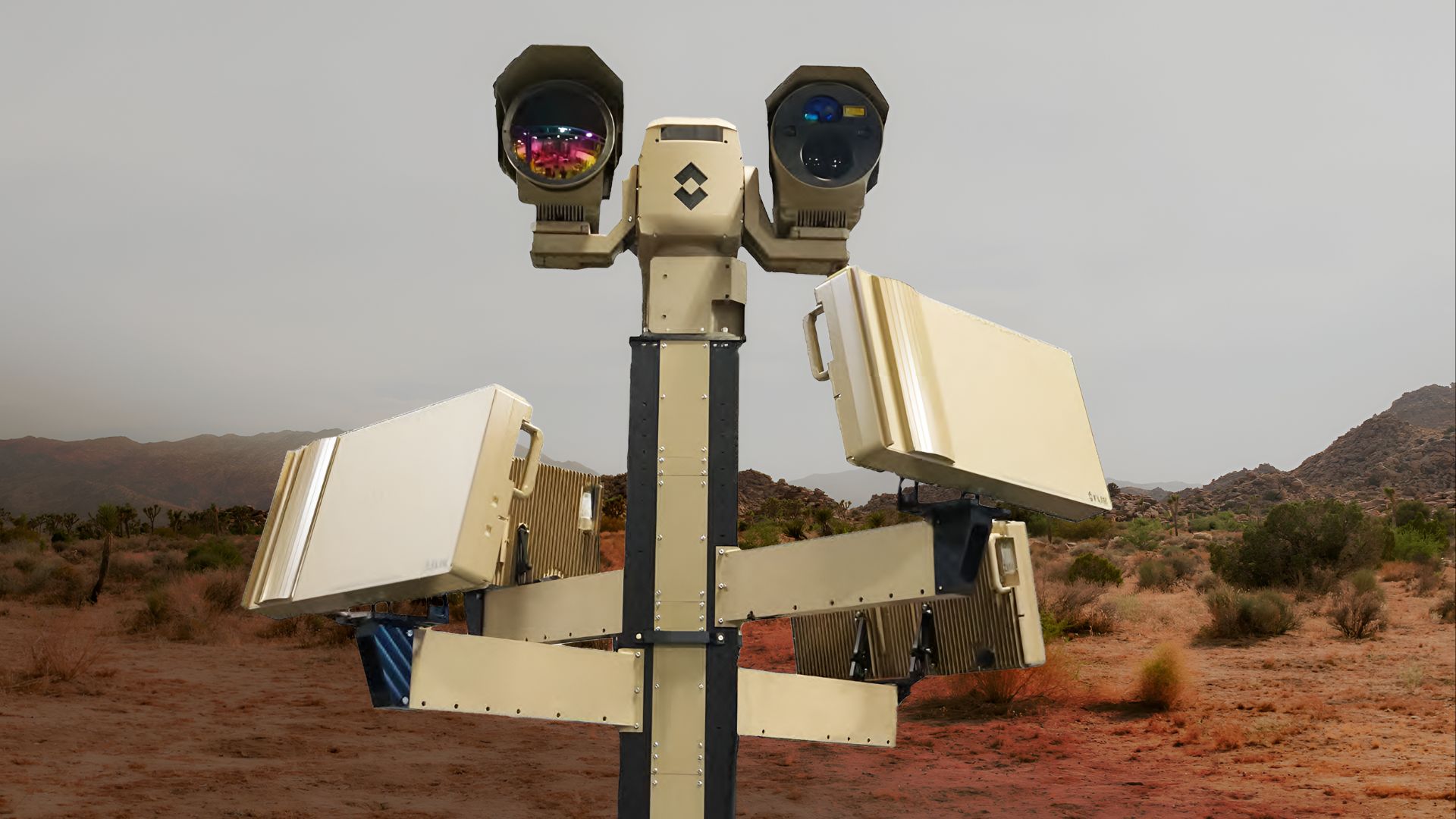
$80.5M US military deal expands Titan-MS system tracking 500+ drone threats at once
The U.S. military has selected the Titan-MS counter-drone system under an $80.5 million award to...
Military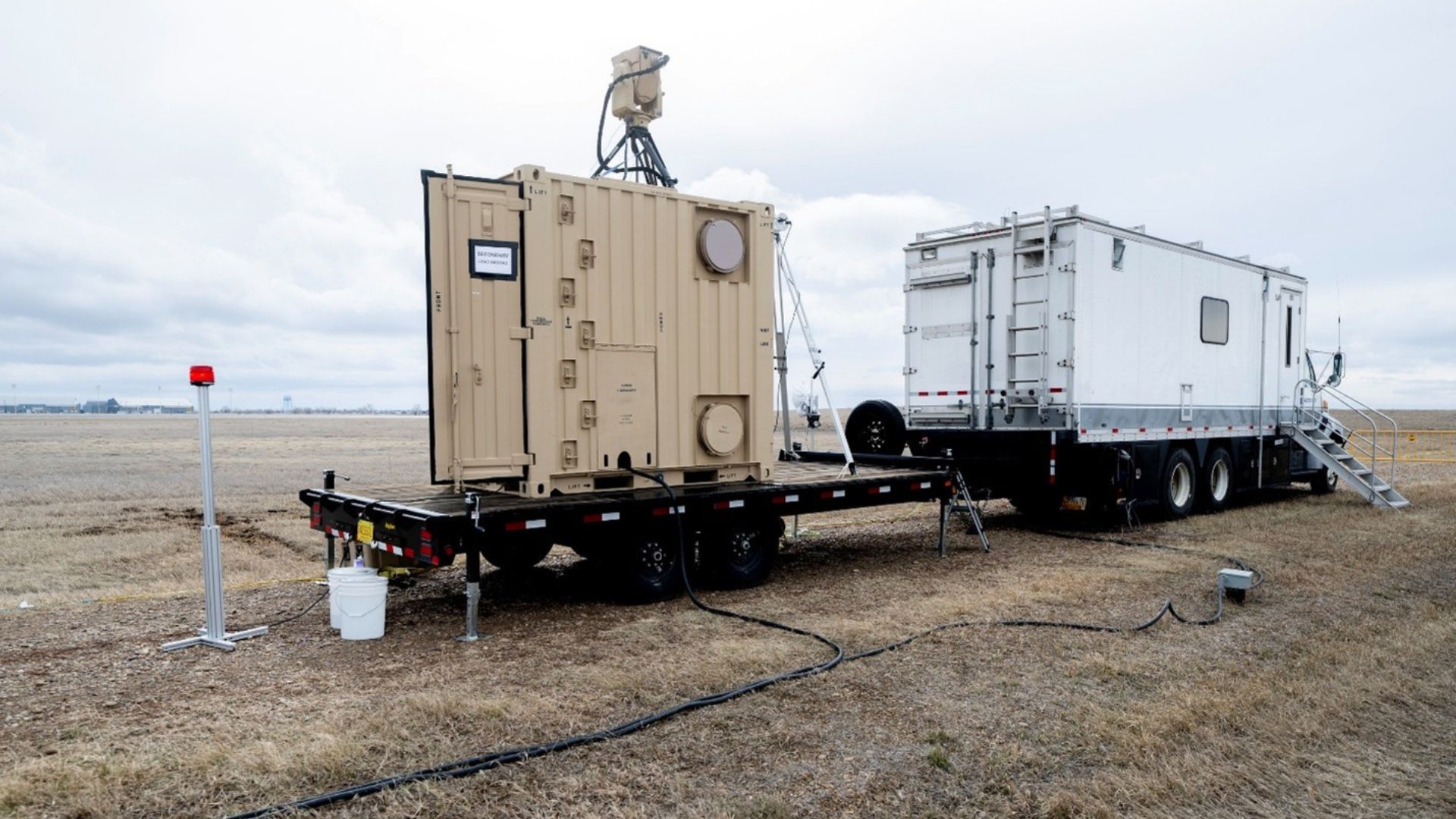
US Navy tests dual-use laser that beams power and counters drone threats in one system
The U.S. Naval Research Laboratory (NRL) has successfully demonstrated a groundbreaking laser system capable of transmitting data at unprecedented speeds. This innovative technology was showcased during a recent test conducted at the laboratory's facilities in Washington, D.C. The demonstration highlights the potential for advanced communication systems that could enhance naval operations and improve data transfer capabilities in various military applications. By utilizing laser technology, the NRL aims to address the growing demand for faster and more secure communication methods in an increasingly digital battlefield. The successful test marks a significant step forward in the development of high-speed data transmission solutions, paving the way for future advancements in military communications.
Military
DJI presents FCC with report finding no drone security threats
DJI has escalated its efforts against the Federal Communications Commission (FCC) by presenting a formal cybersecurity assessment to the agency's leadership. This independent evaluation, conducted by experts, concluded that there is no substantial evidence to support the security concerns that have been frequently raised regarding the company’s drones. The move comes as part of DJI's ongoing campaign to challenge the restrictions imposed by the FCC, which the company argues are unfounded and detrimental to its operations. By directly engaging with the FCC, DJI aims to address and dispel the apprehensions surrounding its technology, advocating for a more favorable regulatory environment for drone usage in the United States.
News
US Army orders $11.2-million drone kits to detect battlefield chemical, biological threats
Teledyne Technologies Incorporated has announced that its subsidiary, Teledyne FLIR Defense, has been awarded an $11.2 million contract. This contract, which was secured recently, will enhance the company's capabilities in providing advanced defense and security solutions. The deal underscores Teledyne FLIR Defense's commitment to supporting military and governmental operations with cutting-edge technology. The funding will be utilized to develop and deliver innovative systems that meet the evolving needs of defense agencies. This strategic move reflects the growing demand for sophisticated defense technologies in an increasingly complex global security environment.

New drone targeting tech counters GPS jamming threats
As GPS jamming and spoofing tactics gain prevalence in modern warfare, drone operators are facing significant challenges with the accuracy of their video feeds. While the visual quality of the footage remains clear, the geographic coordinates associated with it can often be misleading, leading to what defense companies describe as “targeting paralysis.” This phenomenon complicates precision targeting efforts, posing a serious obstacle for military operations. The increasing sophistication of these electronic warfare techniques highlights the urgent need for advancements in drone navigation and targeting systems to ensure operational effectiveness in combat scenarios.
News
CMU and MIT Join Forces to Combat Deepfake Threats
Researchers from Carnegie Mellon University’s Robotics Institute and the Massachusetts Institute of Technology have developed CHARCHA (Computer Human Assessment for Recreating Characters with Human Actions), a secure verification protocol designed to enable individuals to authenticate their likeness in generative video content. This initiative, launched recently, aims to address growing ethical concerns surrounding deepfake technology and its potential misuse. By ensuring that individuals can control the use of their image in digital media, the team seeks to mitigate the risks associated with identity theft and misinformation. The development of CHARCHA represents a significant step towards enhancing digital security and personal agency in the age of advanced artificial intelligence.
Research
From “Predictable Surprise” to Policy Priority: The Push for Faster Counter-Drone Deployment
A recent incident involving a thwarted drone attack aimed at a UFC event on the White House grounds has underscored the growing challenges posed by evolving drone threats in the United States. This disruption has reignited discussions among state, local, and tribal security officials regarding the urgency of enhancing counter-drone capabilities. As the frequency and sophistication of drone-related threats increase, there is a pressing need for more effective and rapid response strategies to ensure national security. The incident highlights the critical gap between the pace of technological advancements in drone capabilities and the current response measures in place, prompting calls for policy changes to prioritize faster deployment of counter-drone systems.
C-UAS DL Exclusive Drone News Drone News Feeds Drones in the News Feature 1
DHS Secretary: U.S. Still Building Counter-Drone Defenses for World Cup
In a recent statement, DHS Secretary Alejandro Mayorkas acknowledged that federal efforts to enhance counter-drone defenses are still lagging behind, particularly in preparation for high-profile events such as the upcoming World Cup. This admission highlights ongoing concerns regarding the potential threats posed by drones, especially in relation to critical infrastructure and large gatherings. The Department of Homeland Security is actively working to establish new protocols aimed at mitigating these risks, but Mayorkas emphasized that more progress is needed to ensure adequate protection. The urgency of these measures reflects the increasing prevalence of drone usage and the need for effective strategies to safeguard public safety during major events.
Anti-drone technology Applications C-UAS Defense DHS Drone News
Military Selects First Bases for Directed-Energy Counter-Drone Program
The U.S. Department of Defense has unveiled the first five military installations chosen to participate in a directed-energy counter-drone program aimed at enhancing defenses against unmanned aircraft systems (UAS). This initiative, announced by the Joint Interagency Task Force 401, seeks to bolster national security by developing advanced drone defense technologies. The selected bases will play a crucial role in testing and implementing these systems, reflecting the growing need to address the evolving threats posed by drones. The program underscores the military's commitment to adapting to modern warfare challenges and ensuring effective countermeasures against potential aerial threats.
Anti-drone technology Applications C-UAS Defense defense Drone News
Lawmakers Urge Expanded National Guard Role for Drone Security at 2026 FIFA World Cup
U.S. lawmakers are advocating for a more robust federal strategy to enhance drone security in preparation for the 2026 FIFA World Cup. In a letter dated April 28, Representatives Michael McCaul and Eli Crane called on federal agencies to bolster the capabilities of the National Guard in counter-unmanned aerial system (UAS) operations. This initiative aims to ensure the safety and security of host cities across the United States as they prepare to welcome international visitors for the prestigious tournament. The lawmakers emphasize the importance of a unified approach to address potential drone-related threats during the event, highlighting the need for coordinated efforts among various federal entities.
Anti-drone technology C-UAS Drone News Drone News Feeds drone security Feature 1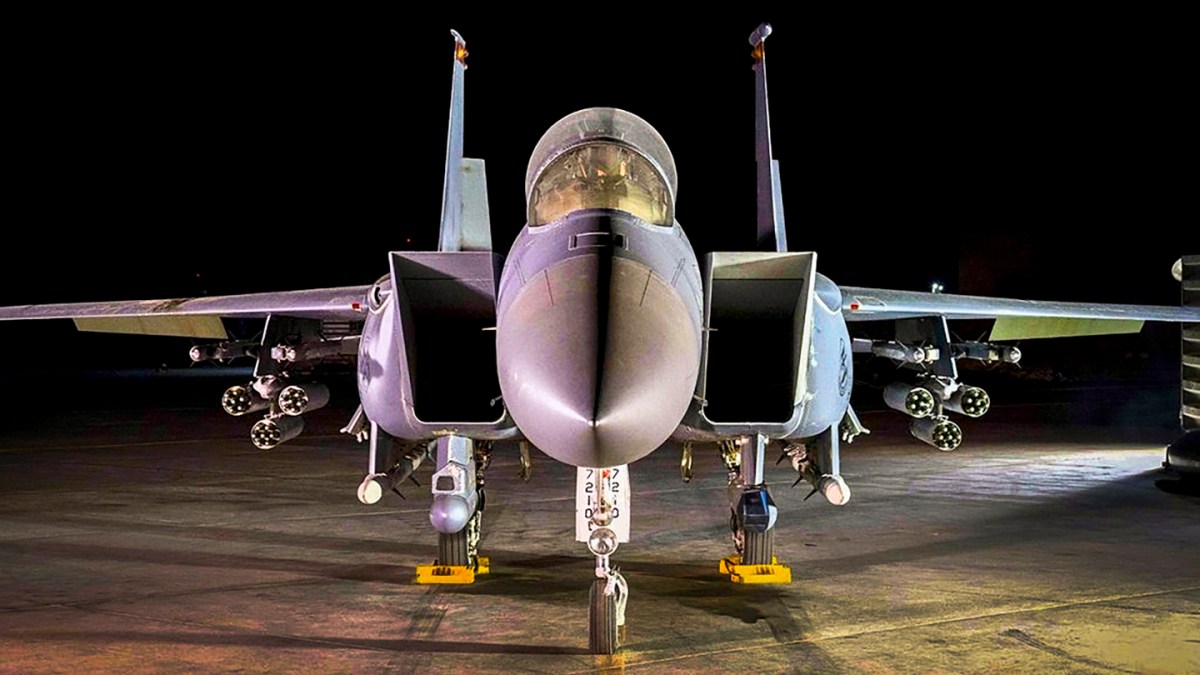
Saudi Arabia Approved to Acquire 20,000 Laser-Guided APKWS II Rockets
The U.S. State Department has authorized a potential $2 billion sale of up to 20,000 Advanced Precision Kill Weapon System (APKWS II) laser guidance kits to Saudi Arabia. This approval comes amid rising tensions in the Middle East, particularly with Iran and Houthi rebels, highlighting the need for enhanced military capabilities. The deal includes 10,000 air-to-air and 10,000 air-to-ground guidance sections, along with various rocket components. The APKWS II system is recognized for its cost-effectiveness in targeting drones and missiles, making it a valuable asset for Saudi Arabia's defense strategy. The Royal Saudi Air Force is expected to deploy these munitions on its Eurofighter Typhoon and F-15SA fighter jets. As regional conflicts escalate, the sale aims to bolster Saudi Arabia's defense capabilities and improve interoperability with U.S. and NATO forces. The State Department emphasized that this proposed sale aligns with U.S. foreign policy objectives and will enhance Saudi Arabia's ability to deter threats. No further timeline was disclosed at the time of publication.
Air Air Force Munitions Air Forces Air-To-Air Air-To-Ground Royal Saudi Air Force
Microsoft Addresses Security Flaw in Age of Empires II with Latest Patch
On Tuesday, Microsoft released a significant security patch addressing a record number of vulnerabilities across its products, including the remastered Age of Empires II. This patch fixed a critical flaw that could have allowed hackers to take control of a victim's computer through a malicious game invite, as reported by security researchers. The importance of this patch lies in its potential to protect gamers from cyber threats. The vulnerability, identified as CVE-2026-50663, could have enabled attackers to execute remote code on victims' machines, posing serious risks such as unauthorized access and data theft. Cybersecurity firm Rapid7 highlighted that while there is no evidence of this bug being exploited in the wild, the gaming community remains a prime target for malware distribution. Looking ahead, it will be crucial to monitor how Microsoft continues to leverage AI in identifying and addressing security vulnerabilities across its platforms. No further timeline was disclosed at the time of publication.
Security Age of Empires Age of Empires II cybersecurity In Brief Microsoft
CIA Reports AI Drones Reduce Russian Soldiers' Battlefield Survival to 30 Minutes
CIA Director John Ratcliffe revealed that Russian soldiers face a grim average survival time of just 20 to 30 minutes on the battlefield. This alarming statistic is attributed to the effectiveness of Ukraine's artificial intelligence attack drones. The implications of this development are significant, as it highlights the transformative impact of AI technology in modern warfare. The ability of these drones to swiftly neutralize threats poses a serious challenge to Russian military operations and strategy. Looking ahead, the ongoing advancements in AI drone technology will be crucial to monitor. The evolving capabilities of these systems may continue to shape the dynamics of battlefield engagements and influence military tactics on both sides.

Microsoft Releases Record 570 Security Patches, Leveraging AI for Vulnerability Discovery
Microsoft has issued a record 570 security patches for its products, including Windows and Office, during its monthly 'Patch Tuesday' release. This significant update includes fixes for at least two zero-day vulnerabilities, one affecting Windows Server and another impacting SharePoint, which the U.S. government's CISA has warned is being actively exploited by hackers. The importance of this release lies in Microsoft's integration of AI technology, which has enhanced its ability to identify previously undiscovered vulnerabilities. Windows boss Pavan Davuluri stated that as AI aids in the discovery of security issues, customers can expect a higher volume of updates in future releases. This shift indicates a proactive approach to cybersecurity, addressing threats before they can be exploited. Looking ahead, the trend of increasing security patches is likely to continue as AI models evolve and become more adept at identifying vulnerabilities. No further timeline was disclosed at the time of publication, but organizations should remain vigilant and prepared for ongoing updates as Microsoft enhances its security measures through AI advancements.
AI Security cyberattack cybersecurity In Brief sharepoint
France Validates C-UAS Package for Rafale Fighters to Target Shahed-Type Drones
France has confirmed the validation of a Counter-Unmanned Aerial System (C-UAS) package for its Rafale fighters. This package enables the aircraft to engage Shahed-type attack drones using 68mm rockets, enhancing their operational capabilities in drone warfare. The implementation of this C-UAS package is significant as it addresses the growing threat posed by drones in modern combat scenarios. By equipping Rafale fighters with the ability to target these unmanned aerial vehicles, France aims to bolster its defense strategy and ensure air superiority against emerging aerial threats. Looking ahead, the focus will be on the operational deployment of this C-UAS capability within the French Air Force. No further timeline was disclosed at the time of publication.
News
BAE Systems Finalizes BATS Counter-Drone Technology Testing in Eight Months
BAE Systems has successfully completed the integration and deployment testing of its Anti Threat System (BATS), a counter-drone technology developed by its Digital Intelligence division. This achievement marks a significant milestone in the development of advanced counter-drone solutions. The completion of BATS testing is crucial as it enhances BAE Systems' capabilities in addressing the growing threat posed by drones in various environments. The technology aims to provide effective countermeasures against potential drone-related risks, thereby ensuring safety and security in critical areas. Looking ahead, industry stakeholders will be keen to observe the deployment of BATS in real-world scenarios and its effectiveness in countering drone threats. No further timeline was disclosed at the time of publication.
News
FAA Grants Approval for Drone Amplified's MONTIS Avalanche Control System
The Federal Aviation Administration (FAA) has approved Drone Amplified's MONTIS drone system for avalanche control, paving the way for its use by transportation agencies and ski resorts. This approval allows operators to deploy explosive charges remotely, enhancing safety by keeping personnel away from hazardous areas while still effectively managing avalanche risks. The significance of this approval lies in its potential to improve avalanche mitigation strategies. The MONTIS system offers an alternative to traditional methods such as helicopters and ground teams, providing flexibility in operations, especially in challenging weather conditions. This innovation aims to protect communities and maintain critical transportation routes during winter. Looking ahead, the integration of the MONTIS system into existing avalanche control programs could lead to safer operations in mountain communities and ski areas. While it will not replace traditional methods, it offers a valuable tool for agencies to enhance their response to avalanche threats. No further timeline was disclosed at the time of publication.
News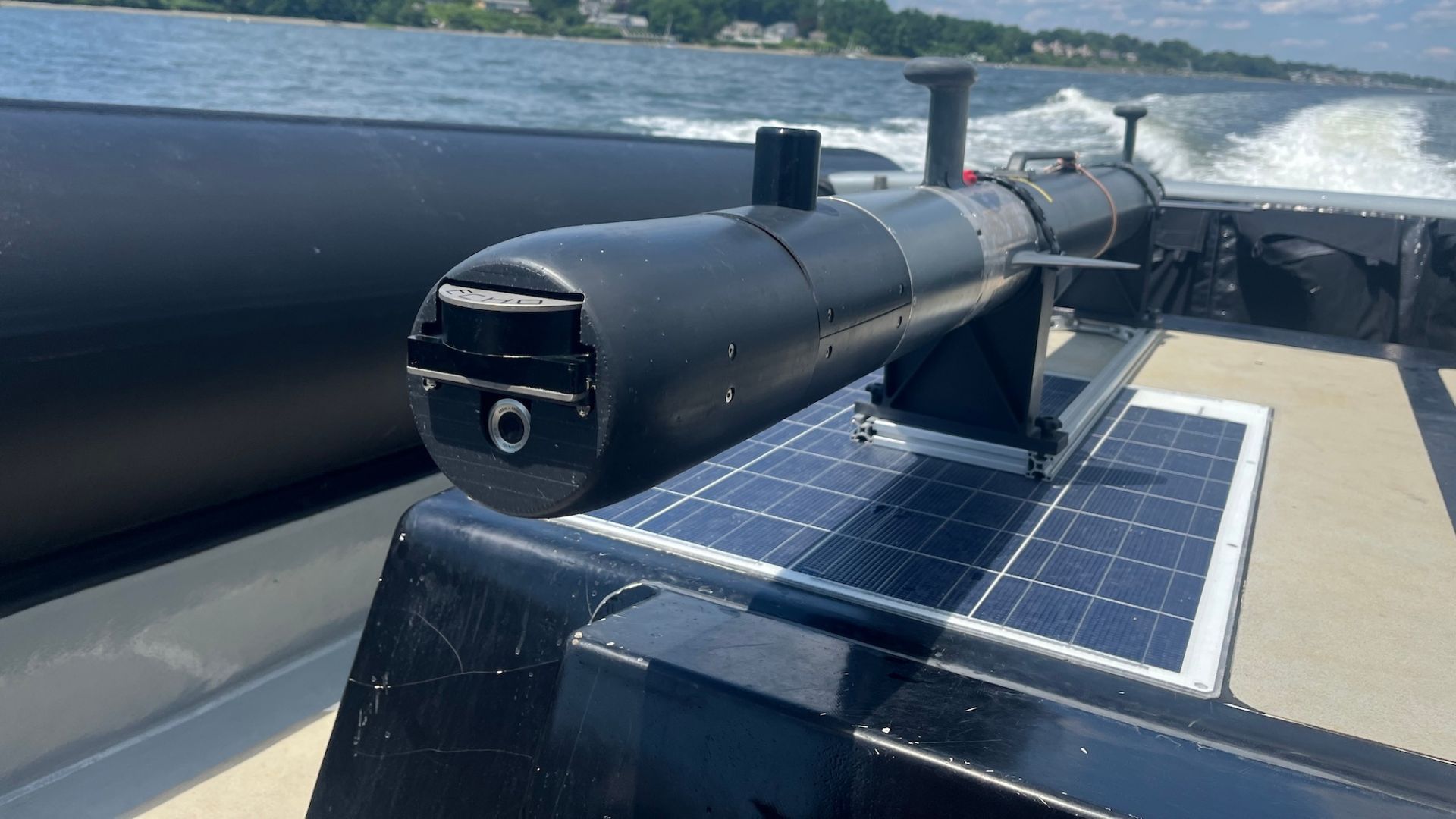
Vatn Systems Launches SIGURD Autonomous System for Naval Mine Detection and Neutralization
U.S. defense startup Vatn Systems has unveiled SIGURD, a compact autonomous system designed to detect and neutralize naval mines. This innovative platform allows military operators to locate underwater mines without the need for large mine warfare vessels, addressing a critical challenge in naval operations. SIGURD is currently being tested by government customers, with deployment expected later this year. The introduction of SIGURD is significant as naval mines remain a cost-effective threat in maritime conflict, capable of disrupting shipping and delaying naval operations. Traditional mine countermeasure missions are resource-intensive, often requiring specialized ships and trained personnel. Vatn's autonomous underwater vehicle aims to streamline this process, enabling quicker responses to mine threats in contested waters. Looking ahead, Vatn Systems is preparing to support U.S. military and allied nations in expanding their autonomous mine warfare capabilities. The demand for such systems is rising, particularly in light of increasing tensions in strategic maritime regions. The successful testing of SIGURD against inert naval mines suggests a promising future for autonomous solutions in mine countermeasures.
Military
Boeing Awards BAE Systems Contract for ROKAF F-15K Electronic Warfare System
Boeing has awarded BAE Systems a contract to provide the Eagle Passive Active Warning Survivability System (EPAWSS) for the Republic of Korea Air Force's F-15K Slam Eagle fighter jets. This contract is significant as it enhances the electronic warfare capabilities of the F-15K fleet, ensuring that the Republic of Korea Air Force can effectively counter modern threats in the airspace. Looking ahead, the integration of the EPAWSS into the F-15K fleet will be crucial for maintaining operational readiness and superiority. No further timeline was disclosed at the time of publication.
News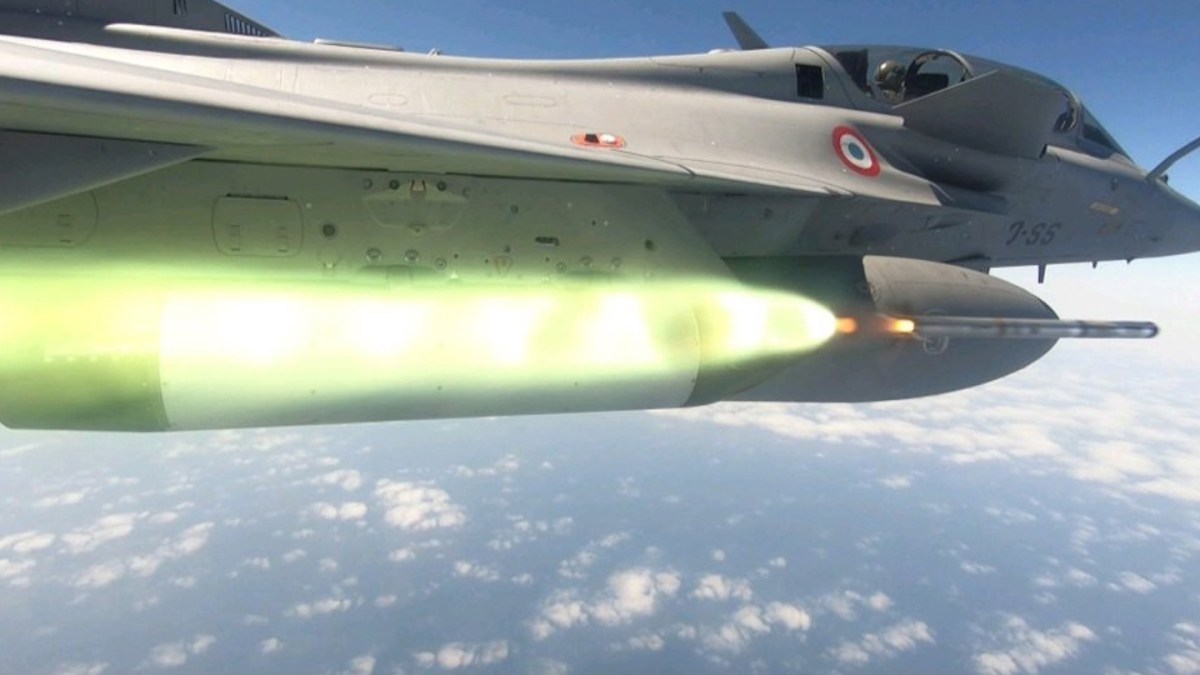
France's Rafale Fighter Integrates Affordable Laser-Guided Rockets for Anti-Drone Operations
France has successfully conducted live-fire tests of 68mm laser-guided rockets from its Rafale fighter, enhancing its anti-drone capabilities. This development follows a trend among air forces to adopt cost-effective solutions for countering drones, rather than relying solely on expensive missiles. The Directorate General of Armaments (DGA) announced the integration of these rockets, which were tested in collaboration with the French Air and Space Force and supported by Dassault Aviation and Thales. The integration program, known as Lutte antidrone sur avion de combat (LADAC), aims to provide French Rafales with a more economical option for countering threats posed by drones like the Iranian Shahed-136. The DGA confirmed that the time from contract award to achieving initial operational capability was under eight months, indicating a swift development process. This capability may also be extended to export customers of the Rafale and potentially other combat aircraft. Looking ahead, the focus will be on the operational deployment of these laser-guided rockets, which are designed to work with the Rafale’s modified RBE2 radar and Talios pod for target tracking. The Aculeus-LG rocket, with a range of 3.7 miles, represents a significant advancement in the cost-effective defense against unmanned aerial systems (UAS). No further timeline was disclosed at the time of publication.
Air Air Forces Drones Fighters French Air Force News & Features
UK Ministry of Defence Awards £3.16m Contracts for Low-Cost Drone Interceptors
The UK Ministry of Defence has allocated £3.16 million in contracts to three British SMEs for the development and testing of new low-cost drone interceptors. This initiative aims to enhance the UK's capabilities in countering drone threats effectively and affordably. The significance of this funding lies in its potential to bolster national security by enabling rapid development of innovative solutions to address emerging aerial threats. By engaging SMEs, the MoD is fostering a competitive environment that encourages technological advancements in drone interception. Looking ahead, the success of these trials could lead to further investments in drone defense technologies. No further timeline was disclosed at the time of publication.
News
U.S. Army to Establish HADES Aircraft and Drone Battalion at Fort Hood
The U.S. Army has announced that its future fleet of ME-11B High Accuracy Detection and Exploitation System (HADES) aircraft will be stationed at Fort Hood, Texas. This initiative includes the formation of a unique operational drone battalion, aimed at consolidating aerial intelligence, surveillance, and reconnaissance (ISR) assets following the retirement of turboprop ISR planes last year. This development is significant as it marks a pivotal step in modernizing the Army's global aerial ISR capabilities. The relocation of the 116th Military Intelligence Brigade from Fort Gordon to Fort Hood is part of this strategy, enhancing the Army's ability to conduct multi-domain and large-scale combat operations. The ME-11B jets, converted from Bombardier Global 6500 business jets, are expected to improve operational efficiency with higher speed, altitude, and advanced sensor capabilities. Looking ahead, the Army anticipates the delivery of the first ME-11B prototype by the end of the year, with plans to acquire at least six production models. The HADES system is designed to extend the Army's intelligence-gathering reach significantly, utilizing long-range drones to enhance operational effectiveness while minimizing exposure to threats. No further timeline was disclosed at the time of publication.
Air Armies Drones Land Manned ISR News & Features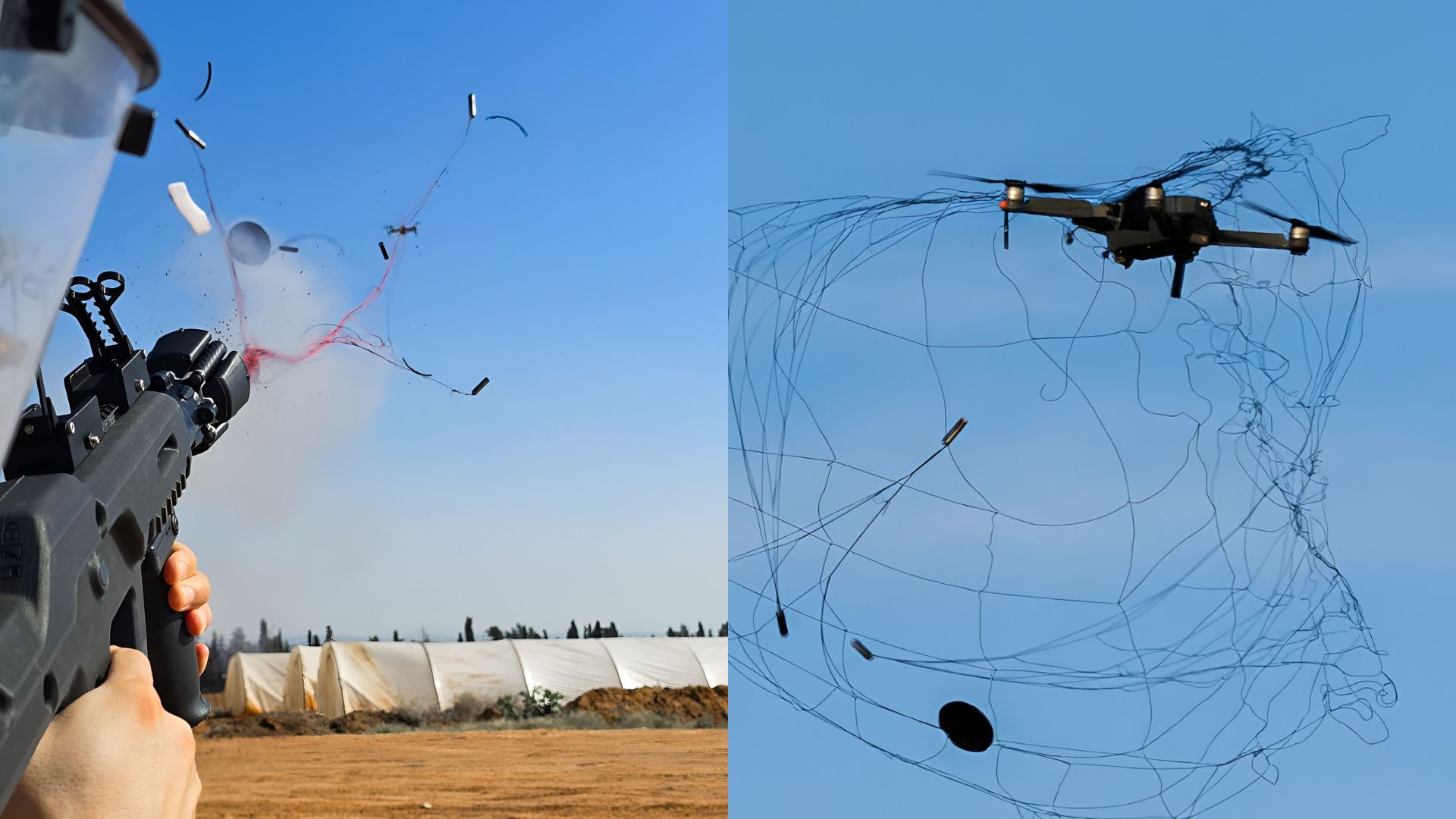
ParaZero Technologies Launches DefendAir for Autonomous Drone Interception in Military Applications
ParaZero Technologies has introduced its DefendAir platform, designed to intercept first-person view (FPV) drones autonomously before they can strike military vehicles. This system utilizes a non-explosive net-based interception method, creating a 360-degree defensive envelope around assets. The platform aims to enhance protection for both moving and stationary high-value military targets without the weight penalties of traditional armor. The rise of low-cost FPV drones has prompted militaries to seek effective countermeasures, as these drones have proven capable of damaging expensive military equipment. ParaZero's DefendAir addresses the limitations of conventional protective measures, such as steel cages, by offering a more agile and responsive solution. The system's ability to detect and neutralize threats rapidly is crucial for modern battlefield scenarios, where speed and precision are paramount. ParaZero is currently collaborating with Tier-1 defense companies to refine the DefendAir technology for operational requirements. While the company has not disclosed specific partners or a timeline for deployment, the focus on active counter-drone systems reflects a broader trend in military strategy, emphasizing the need for innovative solutions to counter evolving aerial threats. No further timeline was disclosed at the time of publication.
Military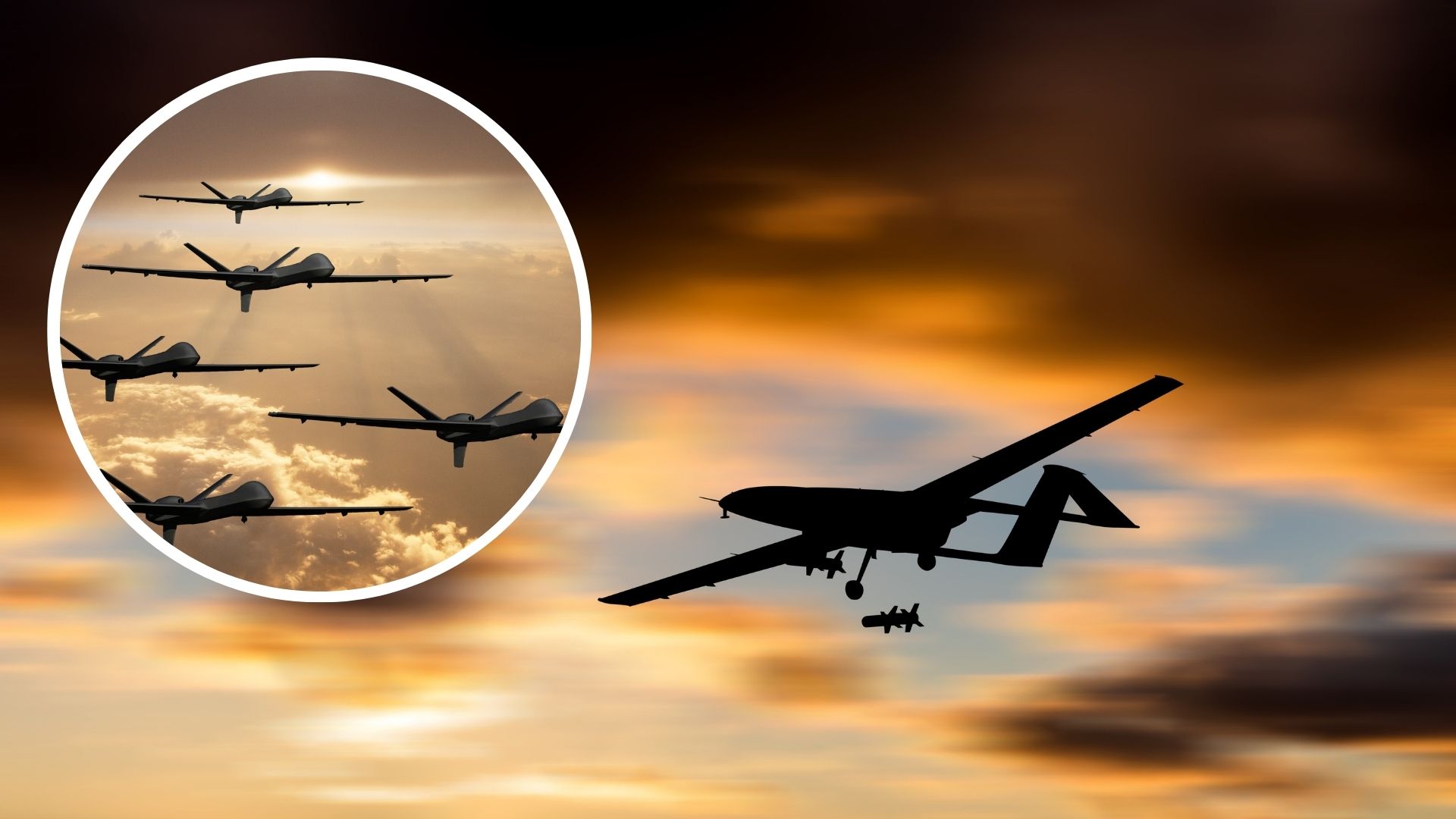
Quantum Systems Group's Apex Recordhunter Drone Achieves 434 mph Speed Milestone
Quantum Systems Group, a German aerospace firm, has announced that its Apex Recordhunter experimental drone reached a remarkable speed of 434 miles per hour. This achievement, pending formal certification, could set a new world record for battery-powered unmanned aerial vehicles. The project emphasizes advancements in electric propulsion and aerodynamics, aiming to enhance military applications for future interceptor drones. The significance of this milestone lies in its potential to reshape aerial defense systems. As military conflicts increasingly utilize high-speed drones, the demand for agile interceptor systems has surged. Traditional surface-to-air missiles are often too expensive for engaging low-cost drones, prompting the development of dedicated UAVs that can effectively counter these threats. The technologies validated through the Apex Recordhunter program are expected to play a crucial role in the next generation of interceptor drones. Looking ahead, Quantum Systems Group plans to conduct further speed trials focused on operational military roles, including FPV platforms and specialized anti-aircraft interceptors. The rapid evolution of drone warfare necessitates breakthroughs in speed and maneuverability, making the Apex Recordhunter a pivotal testbed for future technologies. No further timeline was disclosed at the time of publication.
Military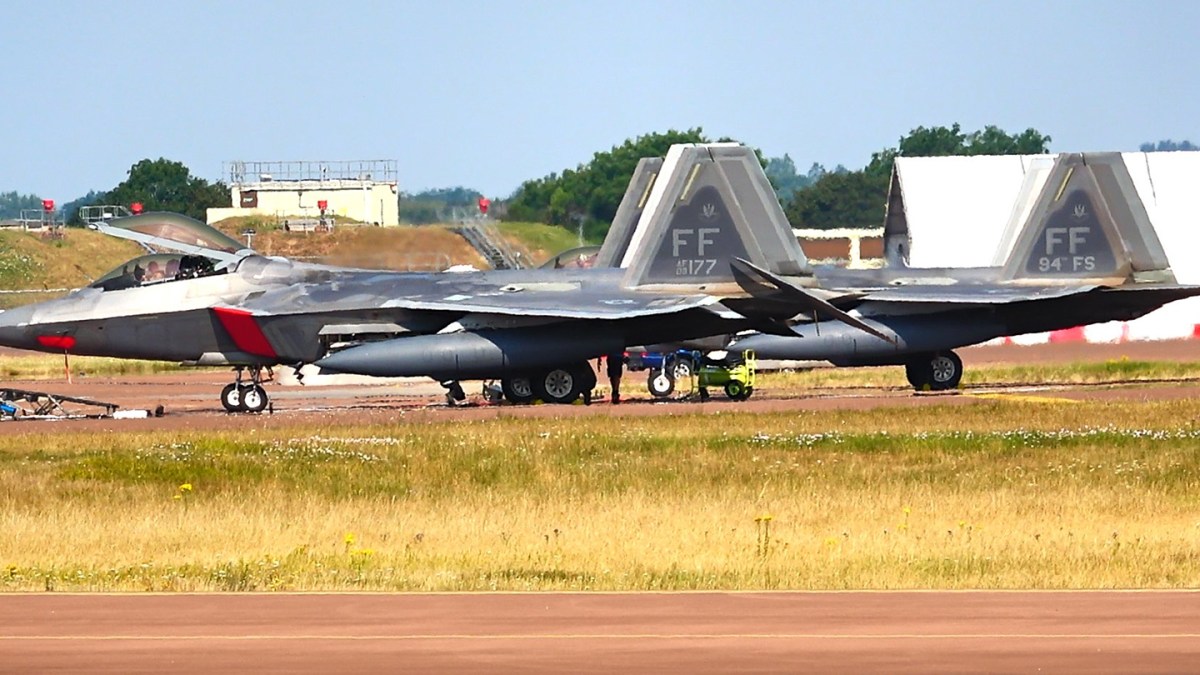
U.S. Air Force F-22 Raptors Return to UK After Combat Missions in Israel
Ten F-22 Raptors from the U.S. Air Force arrived at RAF Fairford in the UK on Friday after a deployment at Ovda Air Base in Israel. The jets, part of the 1st Fighter Wing from Langley Air Force Base, participated in operations against Iranian targets, including air defenses and nuclear facilities, from late February to early March 2023. During this period, they executed over 200 combat sorties while remaining undetected by Iranian radar systems. The significance of this deployment lies in the F-22 Raptors' advanced capabilities, which allowed them to penetrate defended airspace and deliver precision strikes on strategic Iranian infrastructure. U.S. Central Command reported that the Raptors utilized GBU-39/B Small Diameter Bombs and GBU-32 Joint Direct Attack Munitions, coordinating with B-2 Spirit bombers and EA-18G Growler jets to effectively overwhelm Iran's air defenses. This operation reflects the ongoing tensions in the Middle East and the U.S. military's strategic response. Looking ahead, the U.S. military's movements in the region indicate a continued focus on countering Iranian threats. The recent increase in hostilities between the U.S. and Iran, including attacks on multiple fronts, suggests that further military actions may be anticipated. No further timeline was disclosed at the time of publication regarding future deployments or operations involving the F-22 Raptors.
Air Air Forces Around The Globe Europe F-22 Fighters
California Startup Develops Tube-Launched Quadcopter for U.S. Military Defense
A California-based startup, founded by a 22-year-old Ukrainian software engineer, is developing a tube-launched, foldable quadcopter designed to counter unmanned aerial systems (UAS). The company aims to market this innovative defense technology to the U.S. military, targeting the rising threat of drone and missile attacks. Specific metrics regarding the quadcopter's capabilities and launch timeline have not been disclosed. This initiative is significant as it addresses the increasing frequency and sophistication of drone warfare, which poses challenges to military operations. By making drone attacks financially burdensome, the startup hopes to deter potential aggressors and enhance national security. The focus on a compact, easily deployable system aligns with current military needs for versatile and effective countermeasures against aerial threats. Looking ahead, the startup's next steps include securing partnerships with defense agencies and demonstrating the quadcopter's effectiveness in real-world scenarios. No further timeline was disclosed at the time of publication, but the company is poised to make waves in the defense sector if successful in its endeavors.
Anti-drone technology Applications Defense defense Drone News Drone News Feeds
Taiwan’s Skyguard Anti-Aircraft Guns Now Equipped With Anti-Drone Nets
Taiwan has enhanced its air defense capabilities by equipping its Skyguard anti-aircraft guns with anti-drone nets, a move prompted by the increasing threat posed by Chinese drones to its defense systems. This development underscores the urgency for Taiwan to bolster its defenses amid rising tensions in the region. The integration of these nets aims to provide a more effective response to potential aerial incursions, ensuring that the Skyguard systems can better protect Taiwanese airspace. The initiative reflects Taiwan's proactive approach to countering evolving military threats and safeguarding its sovereignty.
Land Anti-Aircraft Artillery (AAA) Around The Globe Drones Indo-Pacific News & Features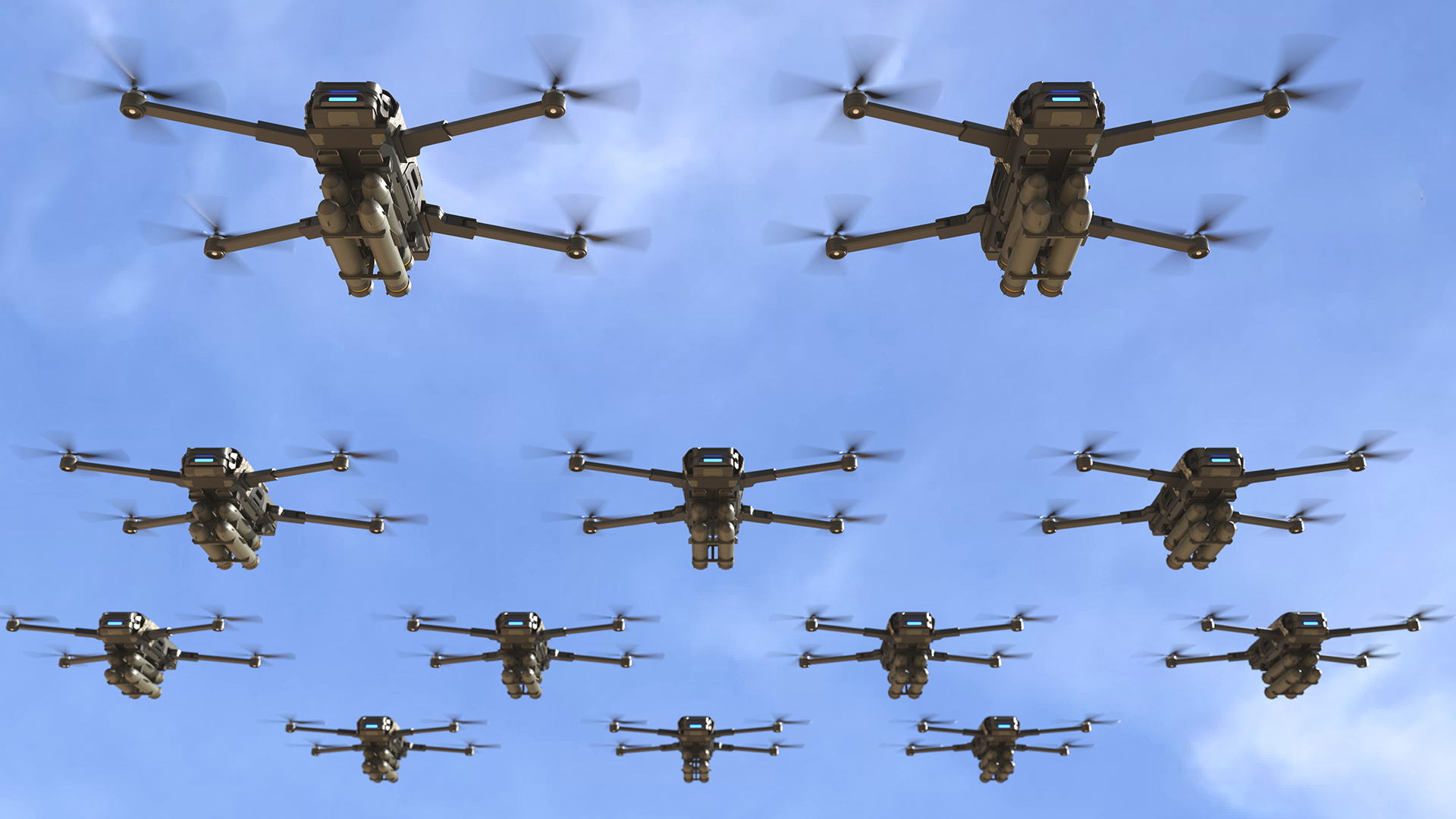
Laser dazzler blinds drone sensors in breakthrough counter-UAS technology trials
NUBURU, a U.S. defense technology company, has announced promising preliminary findings from its recent tests of a laser dazzler system. Conducted in October 2023, these tests aim to evaluate the effectiveness of the laser dazzler in countering potential threats. The system is designed to temporarily blind or disorient adversaries, enhancing the safety of military personnel and operations. The encouraging results indicate that the technology could play a crucial role in modern defense strategies, addressing the increasing need for non-lethal deterrents in various combat scenarios. NUBURU's advancements in laser technology reflect a growing trend in the defense sector to develop innovative solutions for protecting forces while minimizing collateral damage.
Military
Pakistan gives foreign banks an edge in shift to Islamic finance
FinancePakistan gives foreign banks an edge in shift to Islamic financeDomestic lenders required to convert to sharia-compliant model from 2028One currency, two banking systems. Pakistan's banks must all offer sharia-compliant services from 2028, but foreign banks will be able to continue offering non-Islamic services alongside -- giving them a possible advantage. © ReutersADNAN AAMIRJuly 7, 2026 14:31 JSTISLAMABAD -- In the run-up to its banking reform toward Islamic banking, the Pakistani government has decided to require domestically owned banks to operate under a fully sharia-compliant model from 2028 to eliminate interest-based finance.Read NextEnergyPakistan approves final link in 1,600-km national oil pipelineFinanceBangladesh bets $3.2bn to avert a banking crisis but reforms elusiveBusiness trendsPakistani gig workers' exports to hit record high but AI threats loomCommoditiesIndian families scale back on gold for weddings as prices hover near highsEnergyBangladesh power cuts deepen as government struggles to pay billsFood & BeverageIndia's sugar industry likely to exit exports and exist for ethanolDefensePakistan unfazed by Afghan-Russian military pact, say officialsTradeChinese firms brace for new EU rules as trade deficit tops $1bn a dayInternational relationsBangladesh courts China to drive infrastructure and trade pushBusiness dealsPakistan offers up 3 state-owned power distributors in privatization pushLatest on FinanceFinanceSingapore's Temasek to raise AI exposure 2.5-fold over 5 yearsFinanceJapan brokerages set sights on US mega-IPOs after strong SpaceX debutFinanceJapan's blockchain-based security tokens to open to foreign investorsSponsored ContentAbout Sponsored ContentThis content was commissioned by Nikkei's Global Business Bureau.

Palladyne AI Executes $4.2 Million U.S. Air Force Contract to Advance Swarming Capabilities for Integrated Cross-Domain Operations
Palladyne AI Executes $4.2 Million U.S. Air Force Contract to Advance Swarming Capabilities for Integrated Cross-Domain Operations Visit http://www.palladyneai.com for further information Palladyne AI’s SwarmOS™ platform to support satellite integration, marking a major expansion of its multi-domain autonomy and ISR capabilities across space, air, maritime, and land 07/07/26, 06:15 AM | Mobile Robots, Other Topics | Palladyne AI Corp. Palladyne AI Corp. (NASDAQ: PDYN and PDYNW) ("Palladyne AI"), a developer of artificial intelligence software for robotic platforms in the defense and commercial sectors, today announced that it has executed the previously announced contract awarded by the Air Force Research Laboratory (AFRL) to solve one of the most persistent challenges in modern defense operations—how to make different autonomous systems work together as one coordinated team. The "Hierarchical Adaptive Networked Game-Theoretic Integration of Multiple Echelons (HANGTIME)" contract will address this need. More Headlines A3's Automate 2026 Breaks Records as Demand for Robotics, AI and Automation Grows NVIDIA and Hugging Face Bring New Models and Frameworks to LeRobot for the Open Robotics Community ABB Robotics completes its AI-powered Visual SLAM AMR portfolio with new autonomous forklift UMA Unveils Its Vision for the Next Generation of Humanoid Robots Robbyant Unveils LingBot-Depth 2.0 and LingBot-Vision to Redefine Robotic Spatial Perception Articles Unleash AI Innovation: The Power of NVIDIA RTX PRO 6000 Blackwell Workstation Edition Fueled by PNY-Supplied GPUs Automate 2026 Q&A with DESTACO Automate 2026 Q&A with Roboteon Advances in Robots to See & Interpret within Warehouse Environments Building Resilient Fulfillment Networks with Robotics and Real-Time Logistics Data Today, drones, ships, and satellites often operate largely independently, limiting how quickly warfighters can see and respond to threats. HANGTIME will utilize Palladyne AI's patented SwarmOS™ software platform—the defense variant of the Palladyne™ Pilot embodied AI software—as the baseline technology to bridge that gap, connecting disparate systems so they can share intelligence, adapt to changing conditions, and act in sync across domains, including space, air, maritime, and land. By integrating satellites for the first time, this project also extends Palladyne AI's technology from the ground to orbit, enabling faster, more informed decision-making and coordinated mission execution, turning tactical commanders into strategic commanders by giving them more cross-domain intelligence, surveillance, and reconnaissance (ISR) capabilities than ever before. "Our collaboration with AFRL showcases what's next for autonomous operations," said Ben Wolff, President and CEO, Palladyne AI. "This isn't about replacing humans—it's about giving them sharper, faster insight. By connecting satellite, aerial, and ground systems using the patented SwarmOS embodied AI platform as a foundational technology, we're helping the warfighter make better decisions in real time and stay one step ahead on the battlefield." "The HANGTIME project is a breakthrough that unites high-altitude assets and situational unmanned systems into one coordinated sensor network—delivering a major advantage for the defense industry," said Dr. Denis Garagic, Chief Technology Officer, Palladyne AI. "For the first time, a single AI framework can coordinate assets across multiple domains, including satellites. That means these systems can now think and act together as a team, sharing what they see and learning as conditions change." "The HANGTIME effort represents a critical step in multi-domain autonomy for coordinated execution in challenging environments," said Caleb Williams, Program Manager, AFRL/RIEA. For more information on Palladyne AI and its patented collaborative autonomy software, including SwarmOS, please visit www.palladyneai.com. For more information about AFRL, please visit www.afrl.af.mil. About Palladyne AI Palladyne AI is a U.S.-based technology company developing patented embodied artificial intelligence, collaborative autonomy solutions, advanced avionics, autonomous systems, advanced UAV engineering services, and precision-manufactured components for defense and industrial markets. Palladyne AI delivers secure, American-developed and operated platforms designed to meet the stringent requirements of U.S. government and public-sector customers, including data sovereignty, security, and compliance. Palladyne AI's embodied AI is designed to operate in complex, contested, and high-risk environments, enabling distributed tasking, human-on-the-loop decision-making, degraded-communications resilience, and multi-domain coordination. Its platform-agnostic autonomy stack combines real-time sensor fusion, adaptive AI models, and edge-native orchestration—without vendor lock-in—to support autonomous and collaborative systems across air, ground, maritime, and industrial domains w

Microsoft warns of malicious Chrome extension impersonating "Perplexity."
Microsoft has identified and reported a malicious browser extension that masqueraded as an AI service, leading to its subsequent removal by Google. The company has urged users to verify the source and permissions of any extensions they install to protect themselves from potential threats. This incident highlights the ongoing challenges of cybersecurity in the digital landscape, emphasizing the need for vigilance among users regarding the software they choose to use.
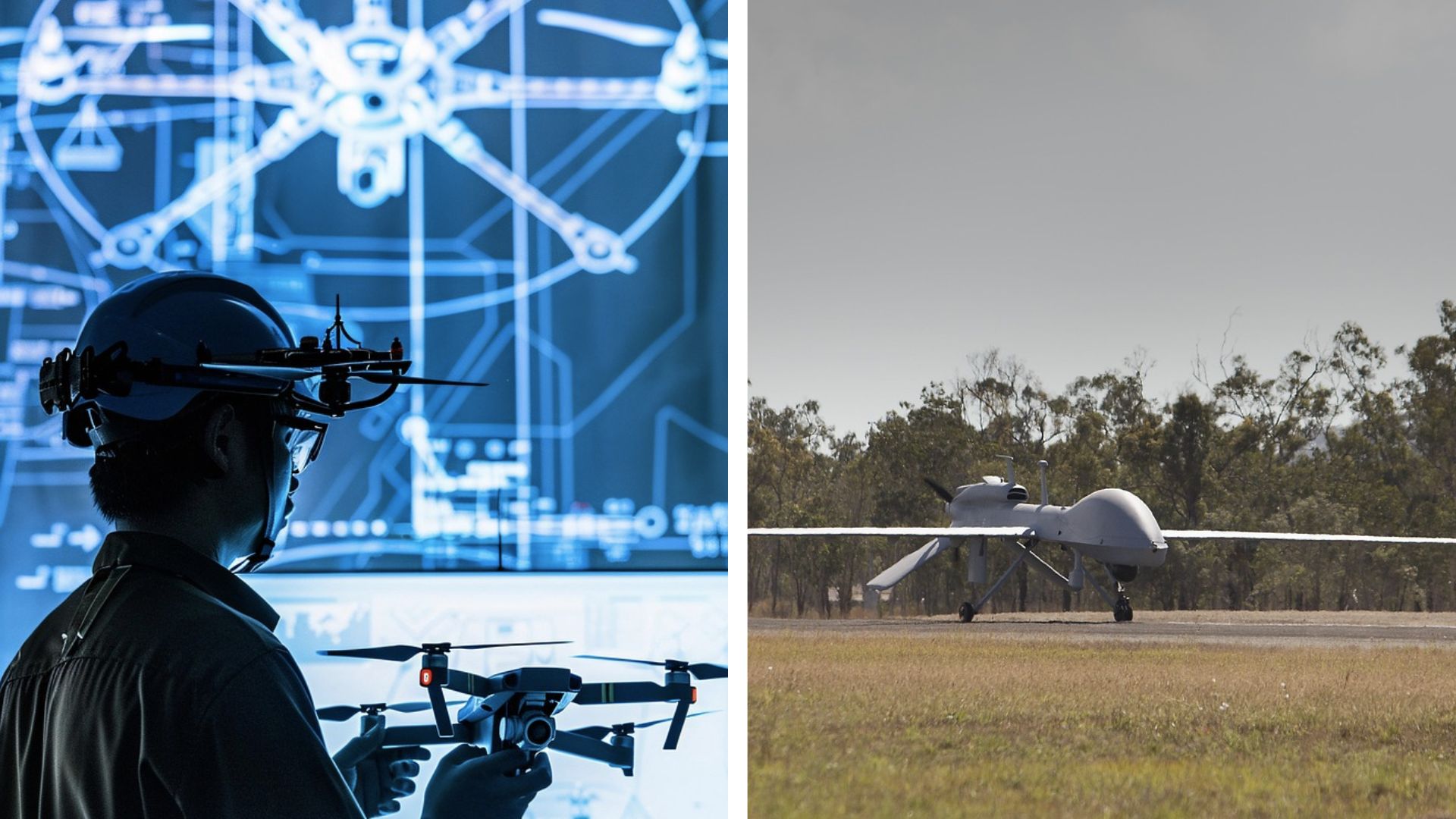
China unveils truck-mounted electromagnetic catapult that can launch attack drones
China has unveiled a groundbreaking unmanned warfare concept, highlighting its advancements in military technology. This significant development was presented during a recent defense exhibition held in Beijing, where various military innovations were on display. The unveiling aims to demonstrate China's commitment to enhancing its defense capabilities amid rising regional tensions and evolving security threats. The new unmanned system is designed to improve operational efficiency and effectiveness in combat scenarios, showcasing advanced artificial intelligence and autonomous functionalities. By investing in such technologies, China seeks to strengthen its position in the global military landscape and assert its strategic interests.
Military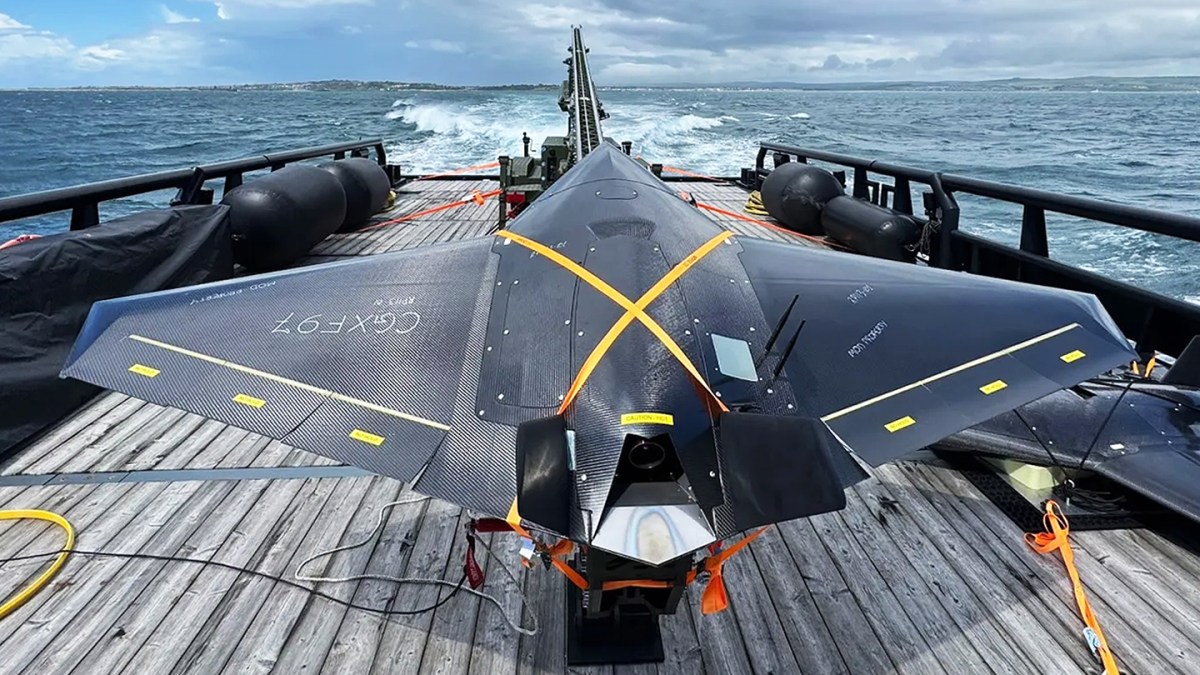
Royal Navy’s Sea Launch Of Combat-Proven Nyan Kamikaze Drone Points To Fleet’s ‘Hybrid’ Future
The Royal Navy has showcased a new shipboard strike capability with the demonstration of the combat-proven Nyan Kamikaze drone, highlighting its commitment to integrating advanced drone technology across its fleet. This event signals a significant step towards a hybrid future for naval operations, as the Royal Navy seeks to enhance its combat effectiveness and operational flexibility. The demonstration took place recently, underscoring the urgency of modernizing naval capabilities in response to evolving threats. By incorporating drones into its strategic framework, the Royal Navy aims to improve its maritime defense and maintain a competitive edge in modern warfare.
News & Features Carriers Drones Navies Queen Elizabeth Class Royal Navy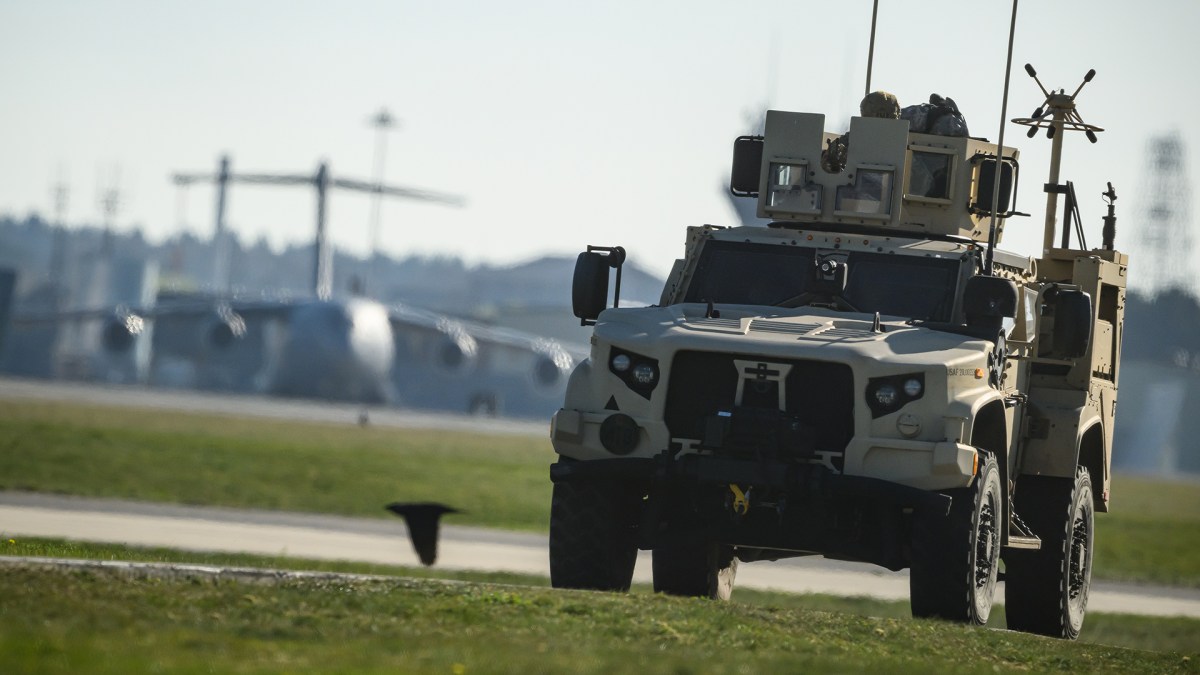
Russia “Highly Likely” Behind Drone Incursions Over U.S. Bases In England Report Concludes
A recent report by the International Institute for Strategic Studies (IISS) has concluded that Russia is "highly likely" to be behind a series of drone incursions targeting U.S. military bases in England. This analysis is part of a broader investigation into Russia's involvement in drone activities across Europe, which have escalated since 2024. The findings highlight concerns about the implications of these incursions for European security and the potential for increased tensions between Russia and Western nations. The report underscores the need for vigilance and strategic responses to counteract the threats posed by such drone operations.
Air Air Forces Around The Globe Drones Europe News & Features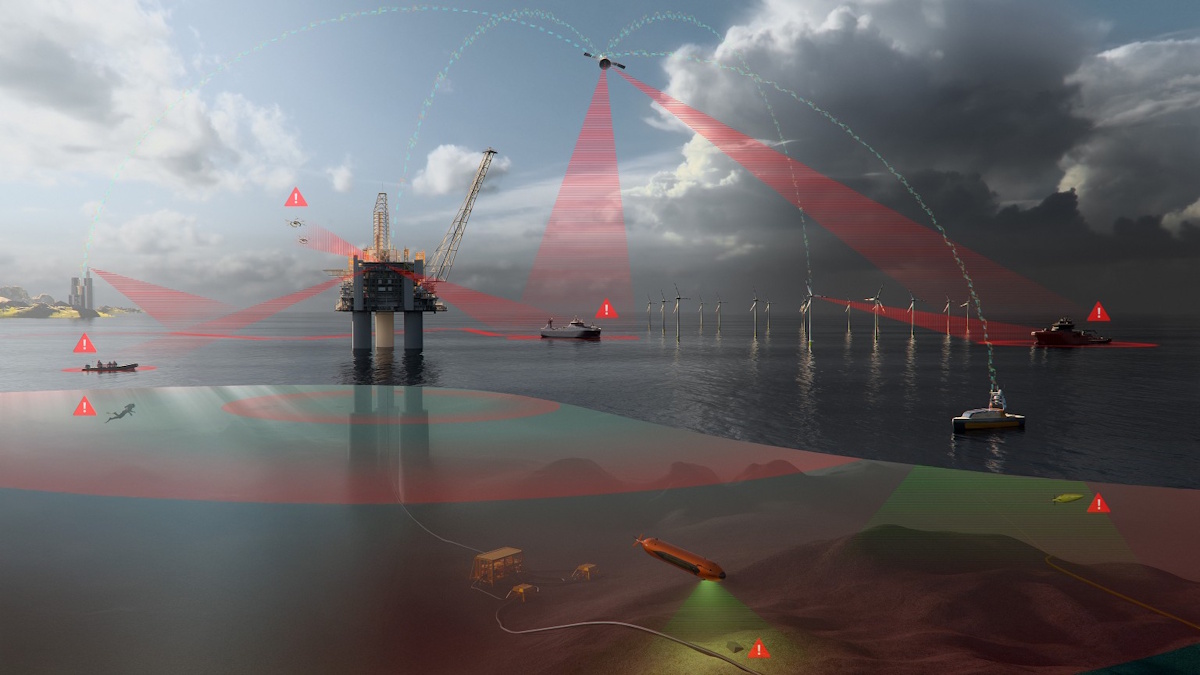
KONGSBERG Wins Contract for Underwater Surveillance of Critical Infrastructure
KONGSBERG has secured a contract to deliver advanced technologies aimed at protecting critical infrastructure, including oil and gas installations and energy grids. The project, which focuses on underwater surveillance, is for an undisclosed international customer and highlights the increasing demand for robust security solutions in a volatile geopolitical environment. The significance of this contract lies in its emphasis on early threat detection and prevention, essential for safeguarding high-value assets. KONGSBERG's technology supports a range of applications, including situational awareness and monitoring, which are crucial for maintaining operational resilience against various threats such as cyber-attacks and natural disasters. Looking ahead, KONGSBERG's ongoing commitment to infrastructure protection will be critical as the market evolves from recognizing needs to implementing effective solutions. No further timeline was disclosed at the time of publication, but the contract underscores the company's capability to address the growing demand for security in critical sectors.
kongsberg contract critical infrastructure protection
UK’s 21-ton extra-large submarine drone to undergo trials for undersea operations, payload
The United Kingdom has awarded MSubs, a submarine technology company, an $8.8 million contract to initiate trials of a new unmanned underwater vehicle. This contract, announced recently, aims to enhance the UK's maritime capabilities and explore advanced underwater technologies. The trials will take place in various locations across the UK, with the goal of assessing the vehicle's performance and operational effectiveness. The initiative is part of the UK's broader strategy to bolster its defense and security measures in response to evolving maritime threats. By leveraging MSubs' expertise, the UK seeks to innovate and maintain a competitive edge in underwater operations.
Military
New Su-57 Weapons Configuration Points To Drone And Cruise Missile Defense Mission
Russia's advanced Su-57 fighter jet is reportedly being repurposed to bolster defenses against Ukraine's expanding long-range strike capabilities. This strategic shift highlights the ongoing military tensions between the two nations, particularly as Ukraine enhances its arsenal with drones and cruise missiles. The modification of the Su-57's weapons configuration suggests a focused effort by Russia to counter these emerging threats. As the conflict continues to evolve, the adaptation of such high-tech military assets underscores the urgency for Russia to maintain its defensive posture in the face of Ukraine's advancements.
Air Air Force Munitions Air Forces Air-To-Air Fighters Russian Air Force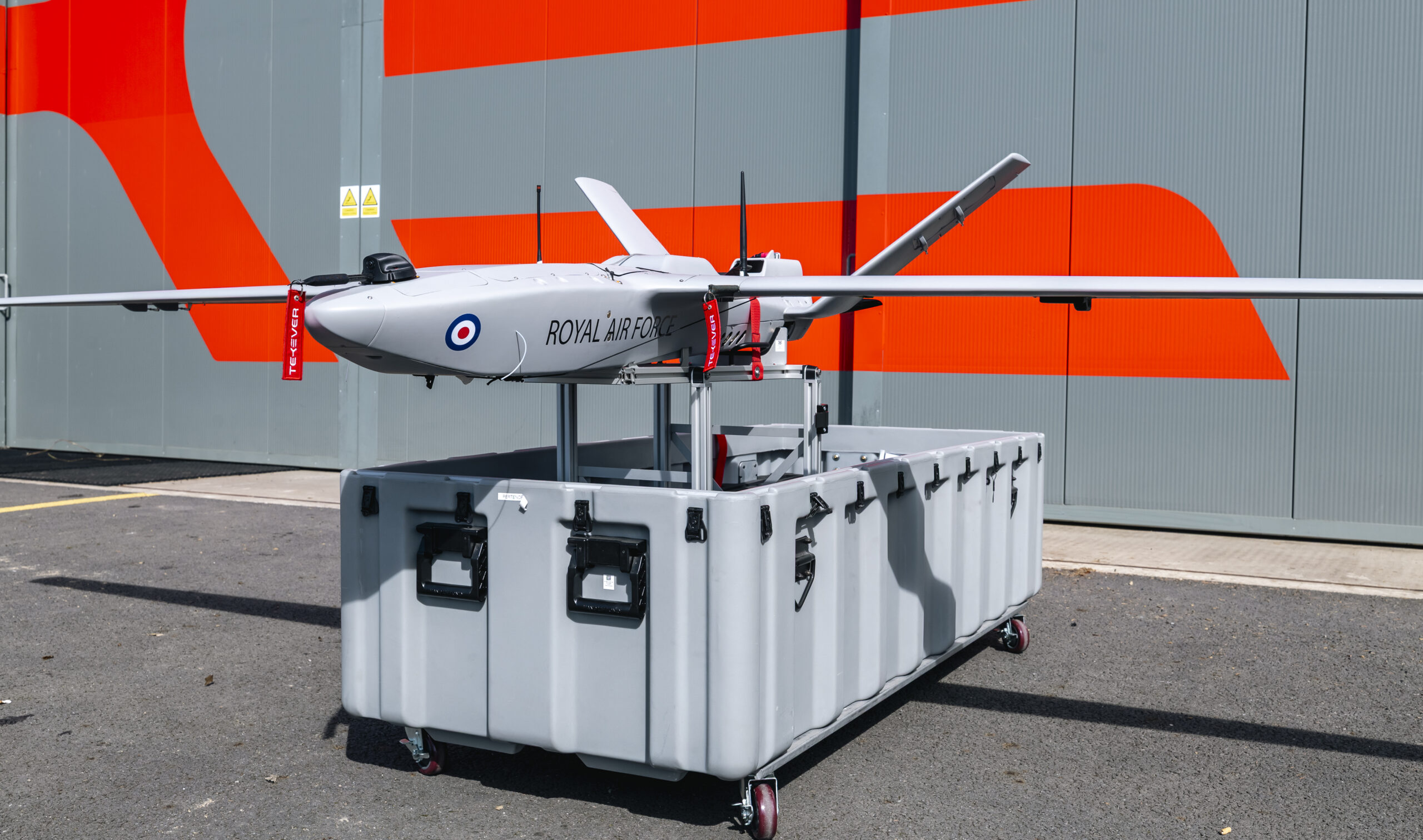
Drones, fighters, armored vehicles: Highlights from the UK’s Defence Investment Plan
The UK government has announced a significant investment of £5 billion aimed at advancing autonomous systems as part of its defense strategy. This initiative, outlined in the latest Defense Investment Plan (DIP), emphasizes the development of a “hybrid navy” that integrates cutting-edge technology into naval operations. The funding is intended to enhance the capabilities of the armed forces, reflecting a broader trend towards modernization and innovation in military operations. The push for these autonomous systems is driven by the need to adapt to evolving security challenges and to maintain a competitive edge in defense capabilities. The plan is set to reshape the future of the UK’s naval forces, ensuring they are equipped to address contemporary threats effectively.
Global Land Warfare Naval Warfare AH-64E Apache Army Challenger 3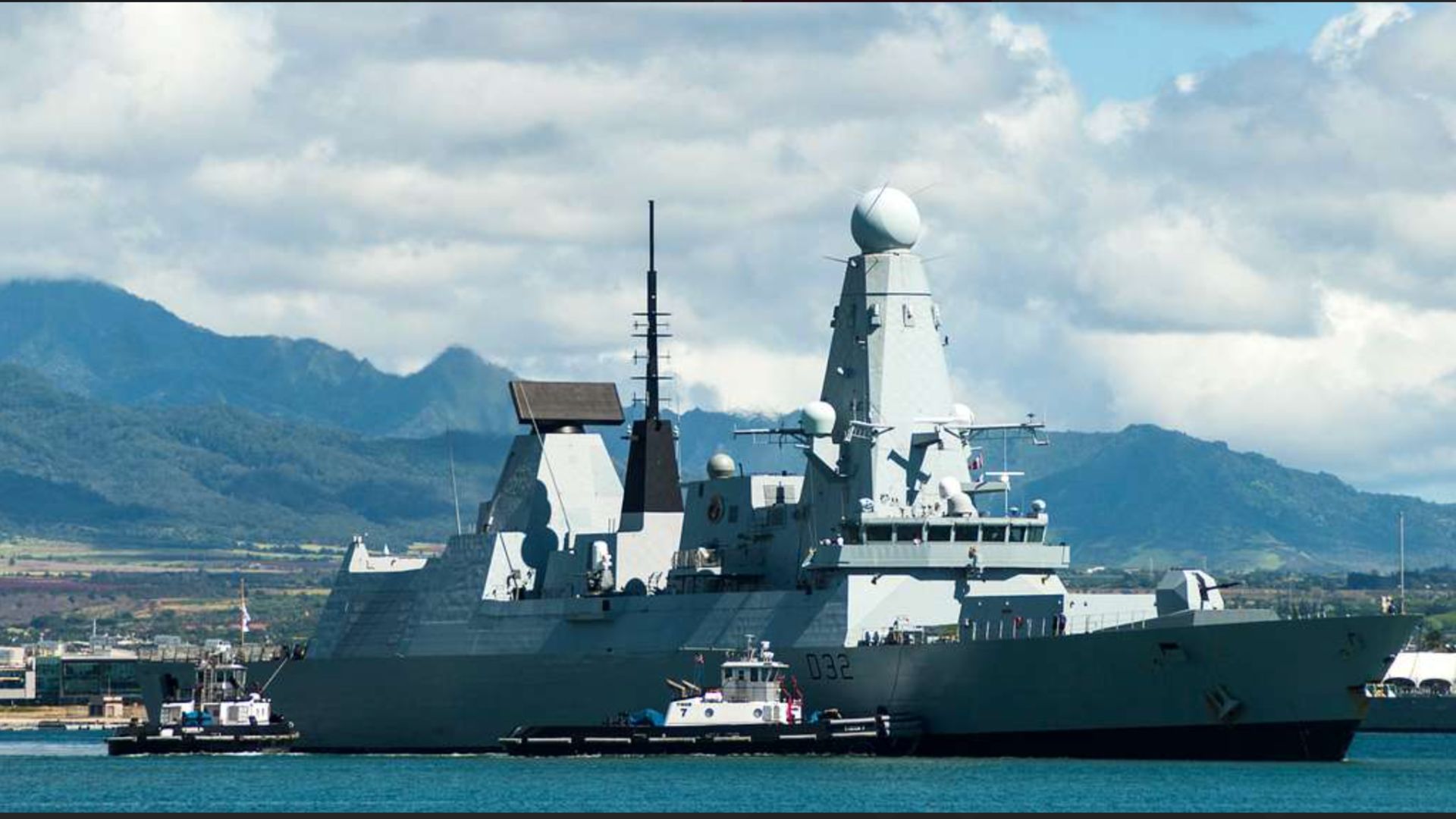
UK abandons Type 83 destroyer plans for aerial and underwater drone motherships
The Royal Navy is poised to implement a significant shift in its defense strategy, aiming to enhance its operational capabilities in response to evolving global threats. This strategic overhaul, announced on October 15, 2023, will focus on modernizing naval forces and integrating advanced technologies to better address challenges in maritime security. The initiative is part of a broader effort to ensure the Royal Navy remains a formidable presence in international waters, particularly amid rising tensions in various regions. The decision comes as defense officials recognize the need for a more agile and responsive naval fleet, capable of countering emerging threats from state and non-state actors alike. By investing in cutting-edge equipment and fostering partnerships with allied nations, the Royal Navy seeks to bolster its deterrence capabilities and maintain strategic advantages. The new strategy will involve a comprehensive review of current assets and a commitment to developing innovative solutions that align with the United Kingdom's defense priorities. This proactive approach is intended to safeguard national interests and enhance the Royal Navy's role in global security operations. As the Royal Navy embarks on this transformative journey, it aims to ensure that it is well-equipped to navigate the complexities of modern warfare and uphold its commitment to protecting the UK's maritime interests.
MilitaryRobotics needs a service framework.
RSF defines a common language for robot service capability, lifecycle operations, certification pathways, and service-provider networks.