Industry Briefing
A single destination for timely, editor-curated robotics news from around the world.
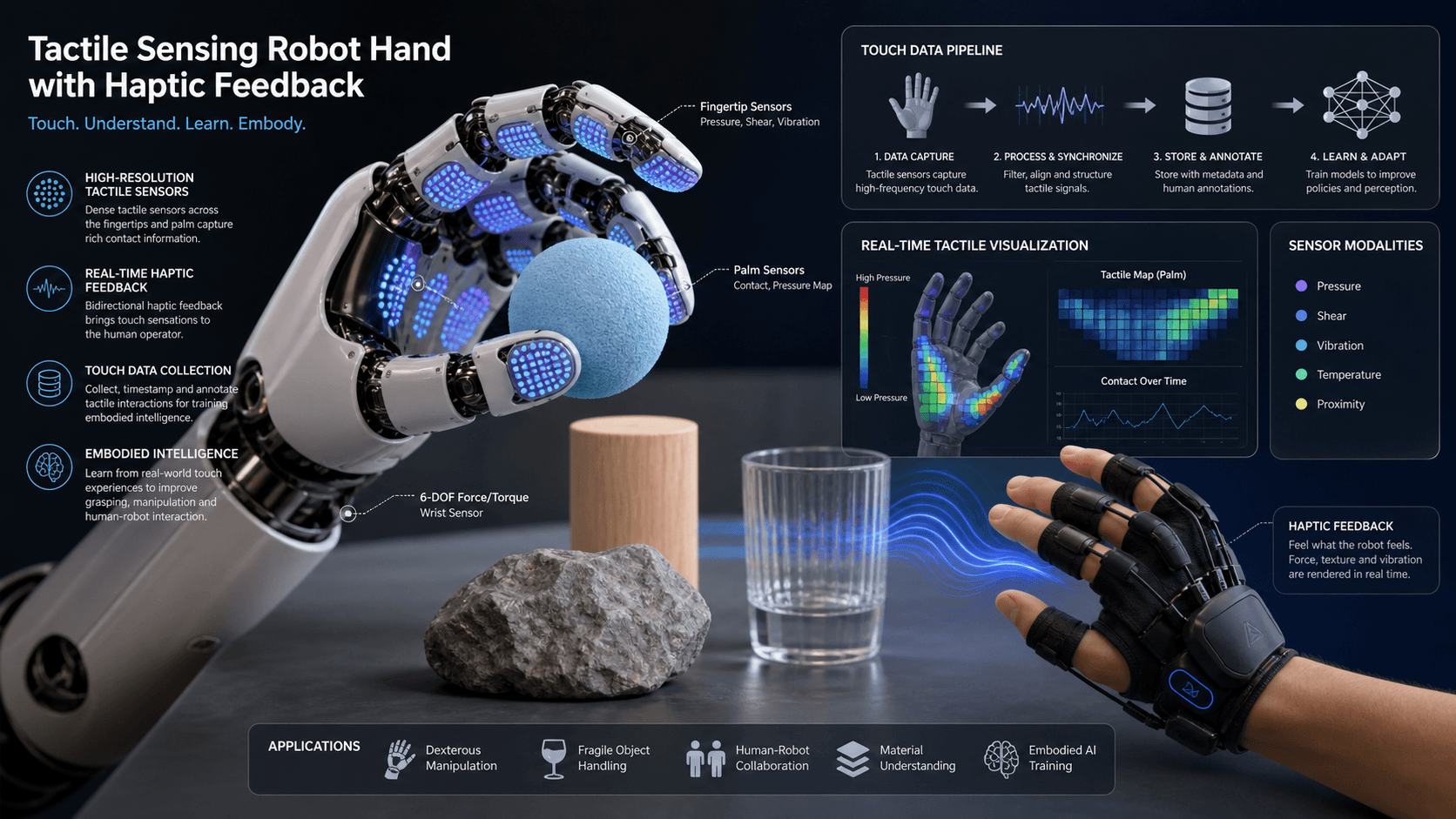
XinZhi Embodied and Fudan University Release Reports on 30,000 Hours of Tactile Data for Robotics
XinZhi Embodied and Fudan University have published three technical reports that detail 30,000 hours of tactile data aimed at enhancing embodied intelligence in robotics. This research addresses the critical gap in touch sensing capabilities that has hindered effective robot manipulation. The significance of this development lies in its potential to improve the interaction between robots and their environments, enabling more sophisticated manipulation tasks. By providing extensive tactile data, the reports contribute to the advancement of haptic sensing technologies, which are essential for robots to perform tasks that require a nuanced understanding of touch. Looking ahead, the industry will be watching how this research influences future robotics applications and the integration of haptic feedback in robotic systems. No further timeline was disclosed at the time of publication.
Technology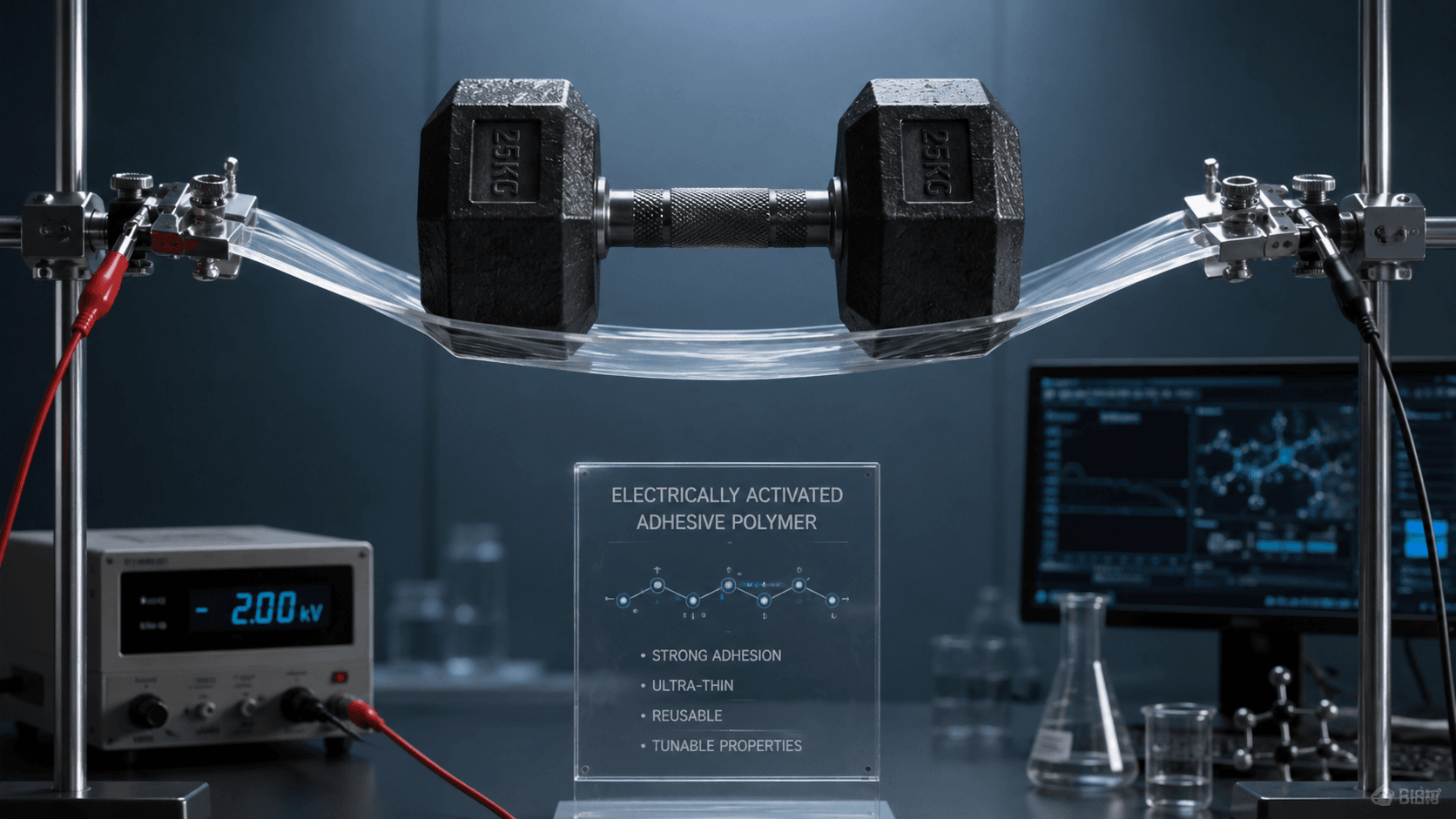
Northwestern Polytechnical University Develops 400x Stronger Electric-Activated Adhesive Material
Northwestern Polytechnical University has unveiled a new smart adhesive material that exhibits a grip strength increase of 400 times when electrically activated. This innovative material can hold up to 10-pound dumbbells and has potential applications in various fields, including chip manufacturing, soft robotics, and precision assembly. The development was announced recently, highlighting significant advancements in material science. The significance of this breakthrough lies in its potential to enhance manufacturing processes and robotics applications. The electric-activated grip could lead to more efficient assembly lines and improved functionality in soft robotics, where traditional adhesives may fall short. This technology could revolutionize how components are held together in delicate operations, providing a reliable solution for industries that require precision and strength. Looking ahead, the next steps for this technology involve further testing and potential commercialization. No further timeline was disclosed at the time of publication, but the implications of this research could lead to significant advancements in various sectors, making it a development to watch closely in the coming months.
Technology
China’s Northwestern Polytechnical University develops world’s first miniature soft robot capable of operating at -50°C
Northwestern Polytechnical University, in collaboration with City University of Hong Kong and The Hong Kong Polytechnic University, unveiled the world's first miniature soft robot designed for autonomous operation in extreme cold conditions, including temperatures as low as -50°C (-58°F). This groundbreaking development was announced on Thursday and is made possible through the use of an innovative polyvinyl chloride-based electroactive polymer enhanced with vinyl acetate. The robot's unique design allows it to function effectively in harsh environments, potentially paving the way for advancements in various fields such as exploration and search-and-rescue operations in frigid climates.
News FeedRobotics needs a service framework.
RSF defines a common language for robot service capability, lifecycle operations, certification pathways, and service-provider networks.
Join the RobotToday community on LinkedIn
Daily robotics news, in-depth analysis, conference highlights, and discussions with professionals worldwide.