Industry Briefing
A single destination for timely, editor-curated robotics news from around the world.
Kusa Technology Partners with Anhui University AI College for Robotics Development and Talent Training
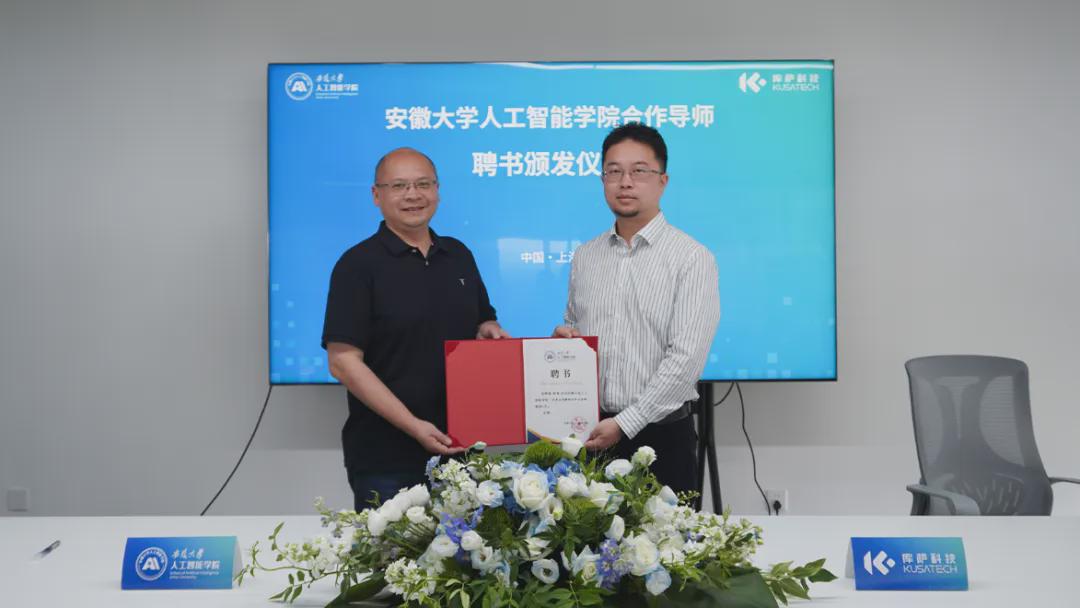
Kusa Technology has announced a strategic partnership with Anhui University AI College to advance the development of embodied intelligent robots and nurture talent in this emerging field. This collaboration, which was unveiled recently, seeks to bridge the divide between academic research and practical applications, harnessing the unique strengths of both organizations. By combining Kusa Technology's expertise in robotics with the academic resources of Anhui University, the partnership aims to drive innovation and enhance the reliability of urban service robotics. This initiative reflects a growing trend in the tech industry to integrate educational institutions into the development process, ensuring that advancements in technology are aligned with real-world needs and applications.
Embodied Intelligence Robotics Development AI Talent Training Urban Service Robots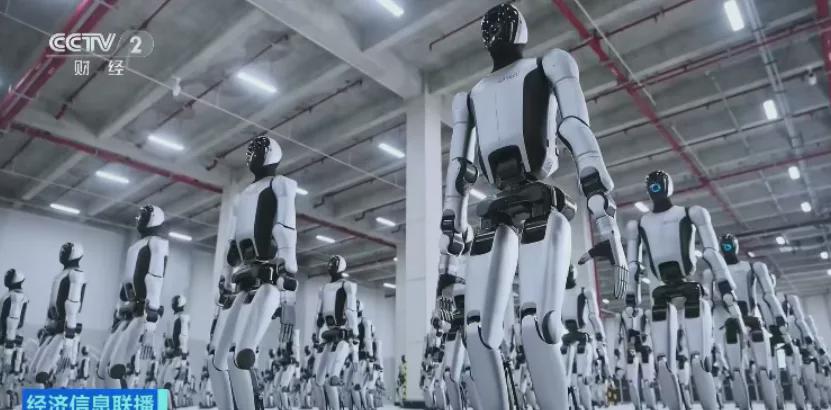
Surge in Embodied Intelligence Jobs: Salaries Soar as Industry Battles for Talent
The demand for researchers specializing in embodied intelligence in China has surged dramatically, with job postings increasing by 15 times in recent months. This trend highlights a growing competition among companies eager to attract top talent in a field that remains in its nascent stages. As a result, average monthly salaries for these positions have reached 62,000 RMB, with some key roles offering annual compensation exceeding 600,000 RMB. The escalating interest in embodied intelligence reflects the technology's potential and the urgency for firms to secure skilled professionals to advance their capabilities in this emerging sector.
Embodied Intelligence AI Talent Acquisition Robotics Job Market Trends
Challenges in Recruiting High-End Talent for Embodied Intelligence Companies? Industry Conference Job Fair Offers Precise Solutions for Businesses and Talent
As investment in embodied intelligence continues to grow, the demand for skilled professionals has reached a critical level for industry founders. To tackle this talent shortage, a job fair is set to take place during the China Embodied Intelligence and Humanoid Robot Industry Conference. This event, scheduled for next month in Beijing, aims to bridge the gap between companies seeking qualified candidates and individuals looking to enter this multidisciplinary field. By facilitating direct connections between employers and potential hires, organizers hope to address the pressing issue of talent mismatch in an industry that is rapidly evolving.
Embodied Intelligence Humanoid Robots Talent Recruitment AI Robotics
Struggling to Hire? High-End Embodied Intelligence Talent Recruitment Fair Offers Solutions
As investments in embodied intelligence continue to rise, the robotics sector is experiencing an unprecedented demand for skilled professionals. This surge has led to a significant talent shortage and a mismatch between available positions and qualified candidates. In response to these challenges, a specialized recruitment fair is being held in Beijing, designed to bridge the gap between top talent and industry leaders. The event aims to facilitate connections that could alleviate the current hiring difficulties and foster growth within the rapidly evolving field of robotics.
Robotics Talent Acquisition Embodied Intelligence AI Job Market
Leading Companies Connect with Elite Talent: A One-Stop Resource Link for High-End Intelligent Talent Recruitment in Beijing
As investment in embodied intelligence continues to rise, the robotics sector is experiencing an increasing demand for skilled professionals. In response to this growing need, a talent recruitment fair is set to take place in Beijing, aimed at connecting highly qualified candidates with leading robotics companies. Scheduled for next month, the event seeks to address the critical talent shortages within the industry by facilitating effective job matching. Organizers believe that this fair will play a pivotal role in aligning the skills of job seekers with the specific requirements of employers, ultimately enhancing the workforce in this rapidly evolving field.
Robotics Talent Recruitment Embodied Intelligence AI Industry Events
NVIDIA's Robot Talent Acquisition Signals New Industry Phase
NVIDIA's robotics team has initiated a recruitment campaign in major Chinese cities, including Beijing, Shanghai, and Shenzhen. This effort is aimed at attracting talent in areas such as embodied intelligence, robot simulation, deployment, and solution architecture. The recruitment drive reflects NVIDIA's strategic focus on strengthening its engineering capabilities to support the industrialization of robotics. This shift emphasizes a move away from mere model competition towards achieving engineering excellence within the robotics industry.
Robotics AI Embodied Intelligence Robot Simulation Engineering
Why Huawei's Young Talents Are Flocking to Embodied Intelligence Startups
In recent months, a group of former Huawei employees has ventured into the embodied intelligence sector by establishing startups that harness their expertise in artificial intelligence and robotics. This surge in entrepreneurship is taking place against the backdrop of a rapidly growing industry, with over 230 domestic companies now operating in this field. The talent pool and technological foundation developed at Huawei are playing a crucial role in driving innovation and attracting substantial investment to these new ventures. This entrepreneurial wave aligns with the maturation of Huawei's 'Genius Youth' program, which has effectively equipped participants with the skills necessary for success in the competitive startup landscape.
Embodied Intelligence AI Robotics Startup Ecosystem Investment Trends
New York Robotics Formally Launches Amid Surge In Robotics Investment, Demand, And Talent
New York has established itself as a burgeoning global hub for robotics, with 160 startups now operating throughout the Tri-State Area. This development positions the region among the world's leading robotics capitals, reflecting a significant growth in innovation and technology. The surge in startups is driven by a combination of factors, including access to top-tier universities, a diverse talent pool, and substantial investment in research and development. As these companies continue to emerge, they are expected to contribute to advancements in automation and artificial intelligence, further solidifying New York's status in the tech landscape. The rise of this sector is not only transforming the local economy but also attracting attention from investors and entrepreneurs worldwide, eager to tap into the region's dynamic ecosystem.
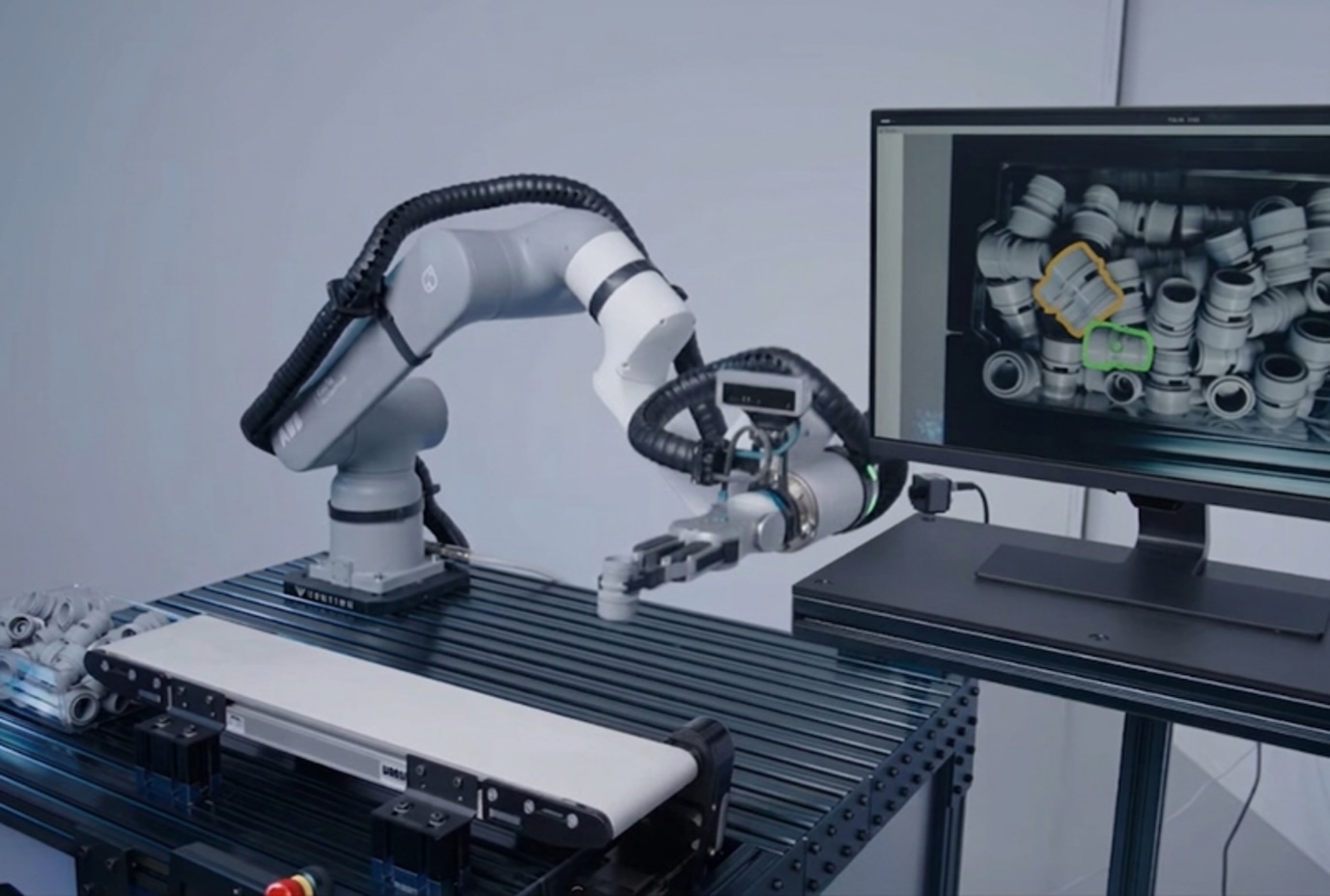
Beijing launches China’s first professional title system for robotics talent
Beijing's Municipal Human Resources and Social Security Bureau has launched the Trial Measures for Robotics Professional Title Evaluation, establishing a specialized evaluation system for professionals in the engineering and technical sectors. This initiative, announced recently, is designed to better align talent assessment with the evolving demands of the robotics industry. By implementing this framework, the city aims to bolster its position as a leading center for robotics innovation, addressing the growing need for skilled professionals in this rapidly advancing field. The new measures are expected to enhance the development of the robotics sector in Beijing, facilitating the recruitment and recognition of qualified individuals who can contribute to the industry’s growth.
News Feed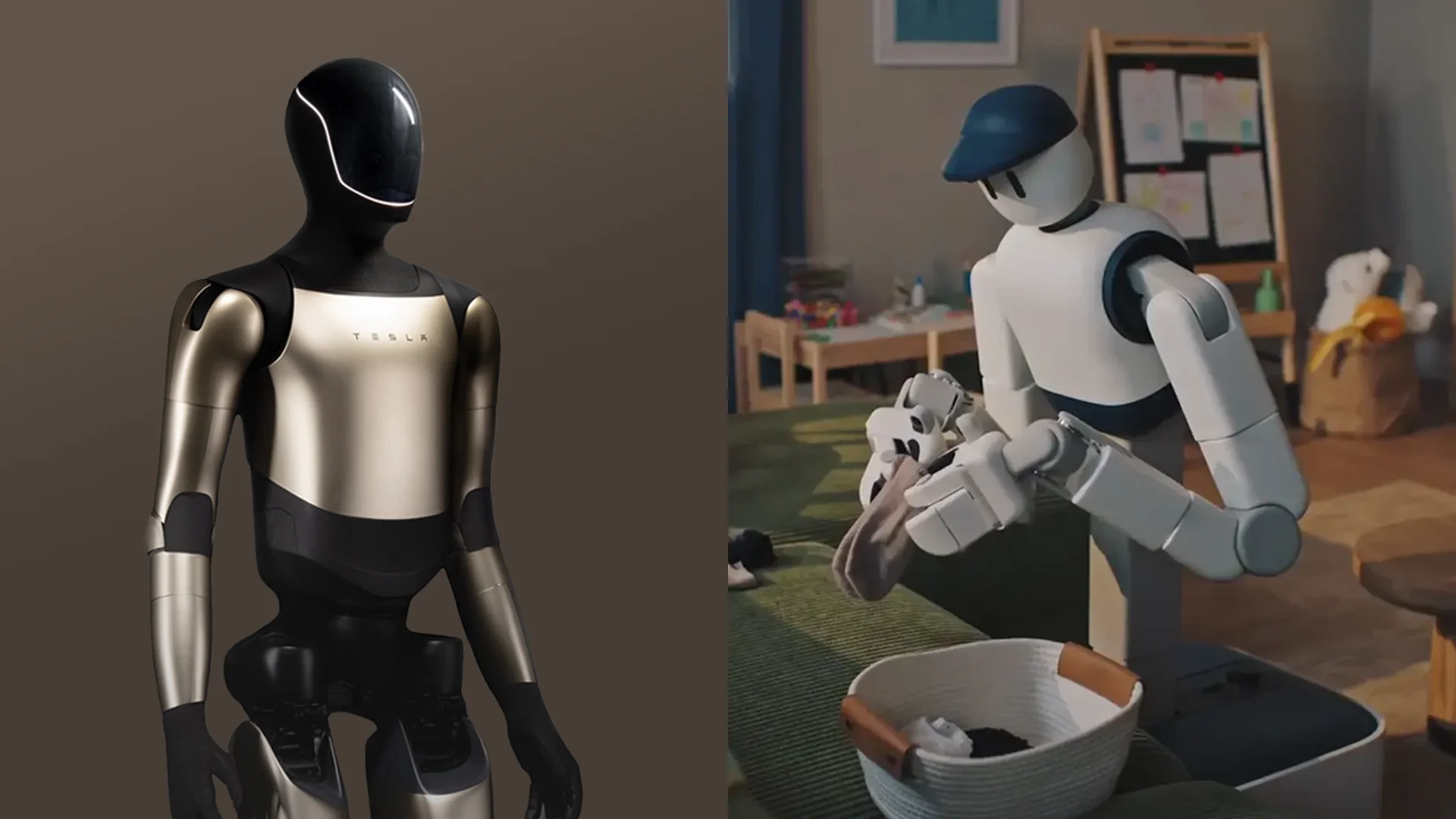
'Early FSD Energy': Why Top Tesla Talent Is Migrating to Sunday Robotics
Sunday Robotics has officially announced its entry into the tech landscape, coinciding with the departure of several senior engineers from Tesla's Autopilot and Optimus teams. These engineers have expressed their motivation to leave Tesla in search of a more dynamic and innovative environment reminiscent of the early days of autonomous technology development. The shift highlights a growing trend among talent in the autonomous vehicle sector, as professionals seek opportunities that foster rapid advancements and creativity. This transition marks a significant moment for Sunday Robotics as it aims to capitalize on the expertise of these seasoned engineers to drive its mission forward.
Tesla Sunday Robotics
Huawei's Young Talent Wang Yuxin Launches New Venture, Secures Millions in First Month: Can Streaming Video Open New Horizons?
Wang Yuxin, a notable figure from Huawei and a key member of Yuanstone Technology, has launched a new venture named Xingjie Intelligent, dedicated to advancing 'streaming video generation.' Within just one month of its inception, the company has successfully raised millions in angel funding. Xingjie Intelligent aims to transform video interactivity by enabling real-time user engagement, thereby surpassing conventional video creation techniques. This innovative strategy is designed to tackle the evolving challenges associated with content creation in interactive environments.
Streaming Video AI Technology Interactive Media Video Generation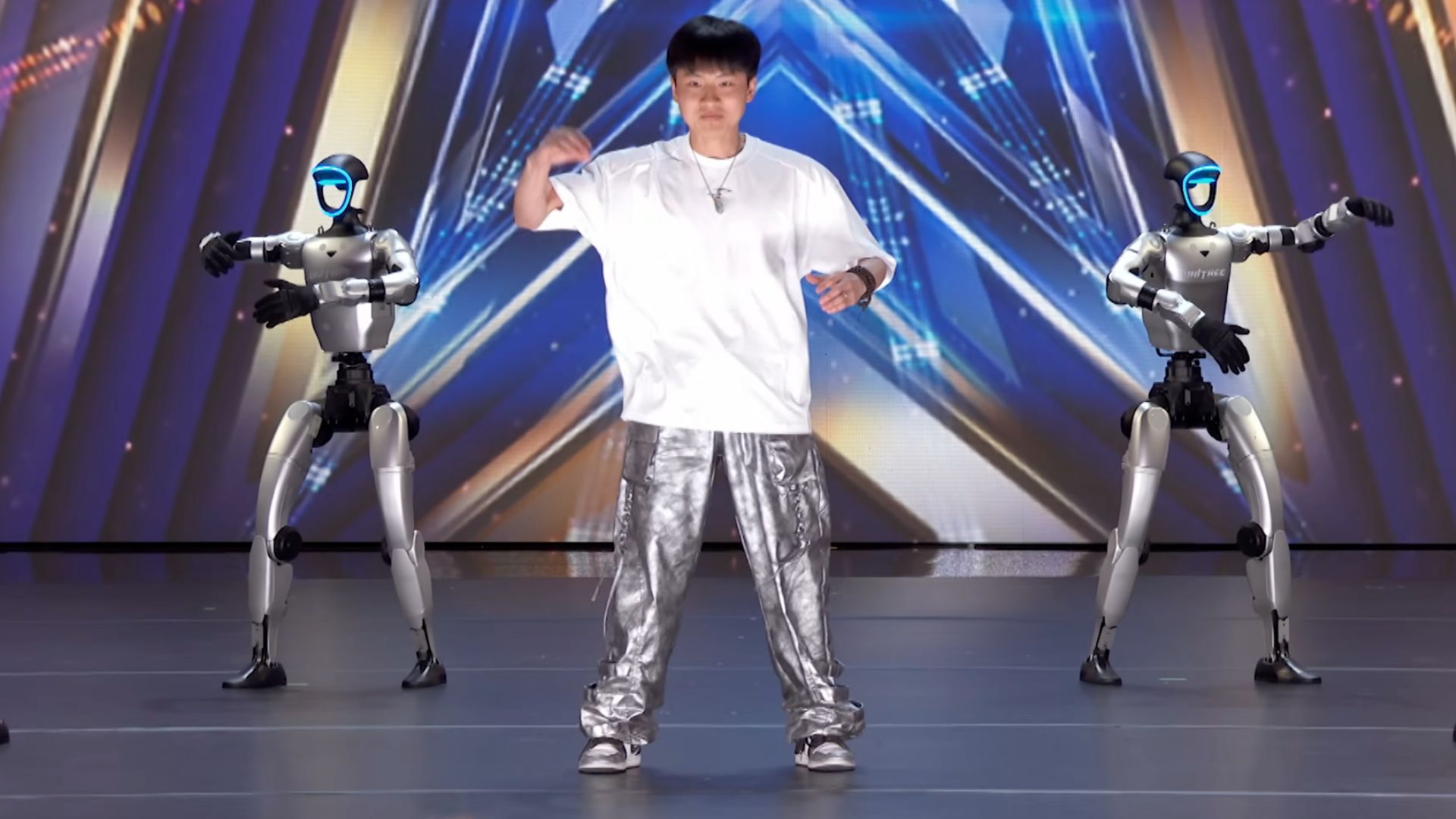
Watch: Humanoid robot dance crew capture spotlight on America’s Got Talent show
Chinese humanoid robots have captured the attention of a significant American television audience, underscoring an increasing cultural and technological divide between the two nations. This development comes as these advanced robots have been showcased in various entertainment formats, demonstrating their capabilities in tasks ranging from performance art to interactive engagement with viewers. The surge in interest was particularly notable during a recent televised competition, where the robots showcased their skills, impressing audiences and judges alike. The event took place in the United States, where the integration of robotics into mainstream entertainment is still in its nascent stages, contrasting sharply with China's rapid advancements in this field. The growing fascination with these humanoid robots reflects broader trends in technology and innovation, as well as shifting perceptions of artificial intelligence and automation in society. Experts suggest that this phenomenon is driven by a combination of curiosity and concern over the implications of robotics in everyday life. As American viewers become more exposed to the capabilities of these machines, discussions around their potential impact on jobs, social interaction, and ethical considerations are intensifying. The successful reception of Chinese humanoid robots on American television not only highlights their technological prowess but also raises questions about the future of human-robot relationships in a world increasingly influenced by artificial intelligence.

Xiaomi CEO Lei Jun announces launch of AI talent recruitment programme
Xiaomi's CEO, Lei Jun, announced on Monday the launch of a dedicated AI hiring program as part of the company's strategic push into artificial intelligence. The initiative includes a substantial investment of 16 billion yuan (approximately $2.2 billion) earmarked for AI-related research and development, as well as capital expenditures for the year. This decision reflects Xiaomi's commitment to advancing its capabilities in foundation models and embodied AI robotics, areas in which the company has already achieved significant progress. The announcement underscores Xiaomi's ambition to strengthen its position in the rapidly evolving tech landscape.
News Feed
The Talent Wars: Tesla’s Former Optimus Head Milan Kovac Joins Boston Dynamics
Milan Kovac, the engineer instrumental in the development of Tesla's Optimus robot, has joined Boston Dynamics, marking a significant shift in the robotics industry. This transition comes as Hyundai’s robotics division aims to evolve from experimental research to large-scale industrial applications. The move underscores a strategic pivot for the company, indicating its commitment to advancing robotics technology and enhancing its competitive edge in the market.
hyundai Tesla Atlas Boston Dynamics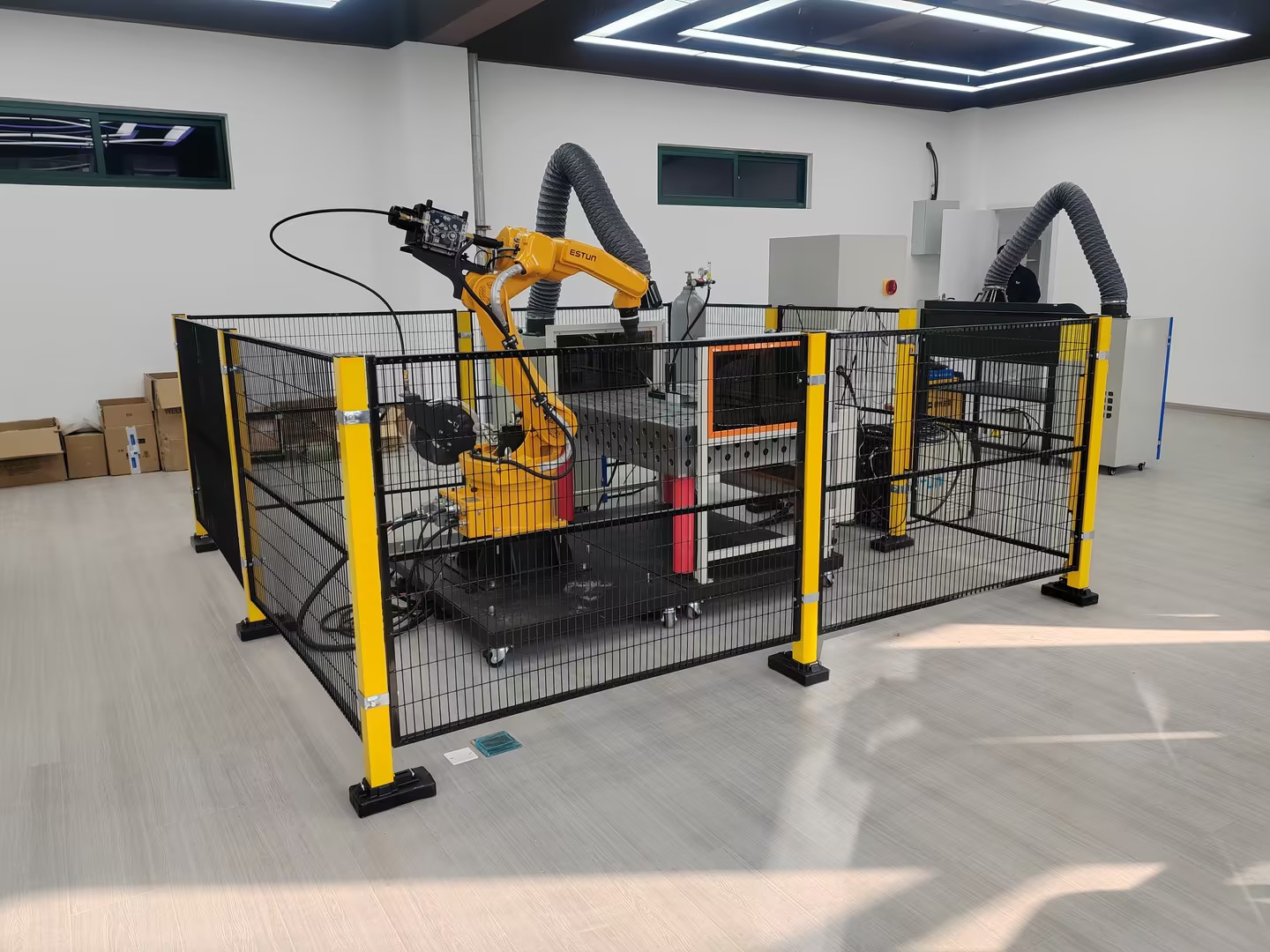
Internet + Made in China 2025: Estun builds innovative platform for industry-education integration and empowers the cultivation of intelligent manufacturing talents
The inauguration of the "Intelligent Manufacturing Industry and Education Integration Technology Service Center" took place at the Industrial Robotics Training Base of Chengdu Institute of Technology. This event, held recently, signifies a significant advancement in the collaboration between industry and education, particularly in the field of intelligent manufacturing. The establishment of the center is a strategic move by Estun, aimed at enhancing technological services and fostering innovation within the manufacturing sector. By integrating educational resources with industry practices, the center is expected to facilitate skill development and promote research initiatives that align with current market demands.
ESTUN AUTOMATION ROBOTICS SERVO SYSTEMS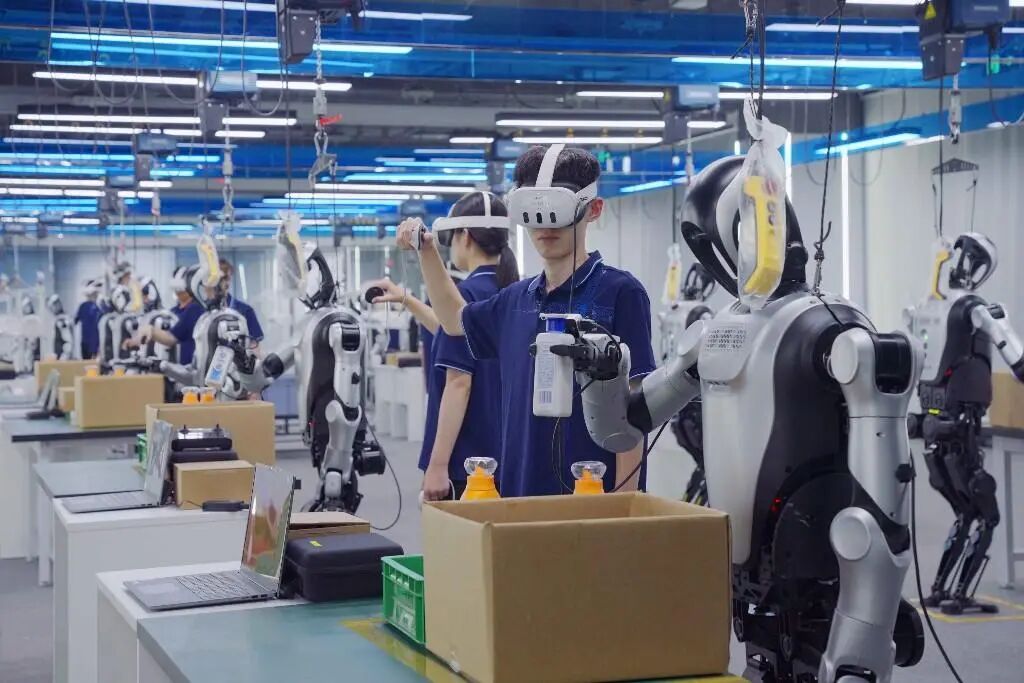
Jiangsu Launches High-Quality Data Consortium for Embodied Intelligence in Robotics
The Jiangsu Industrial Consortium for High-Quality Data in Embodied Intelligence was officially launched in Suzhou, with the goal of tackling data scarcity in the robotics sector. Spearheaded by Suzhou Heshuju Information Technology Co., the consortium brings together universities and technology firms to create standardized, multimodal datasets essential for artificial intelligence training in industrial applications. Additionally, the initiative includes a talent training program designed to align educational outcomes with industry requirements, thereby enhancing the workforce's capabilities in this rapidly evolving field.
Embodied Intelligence Industrial Robotics AI Training Data Standardization Talent Development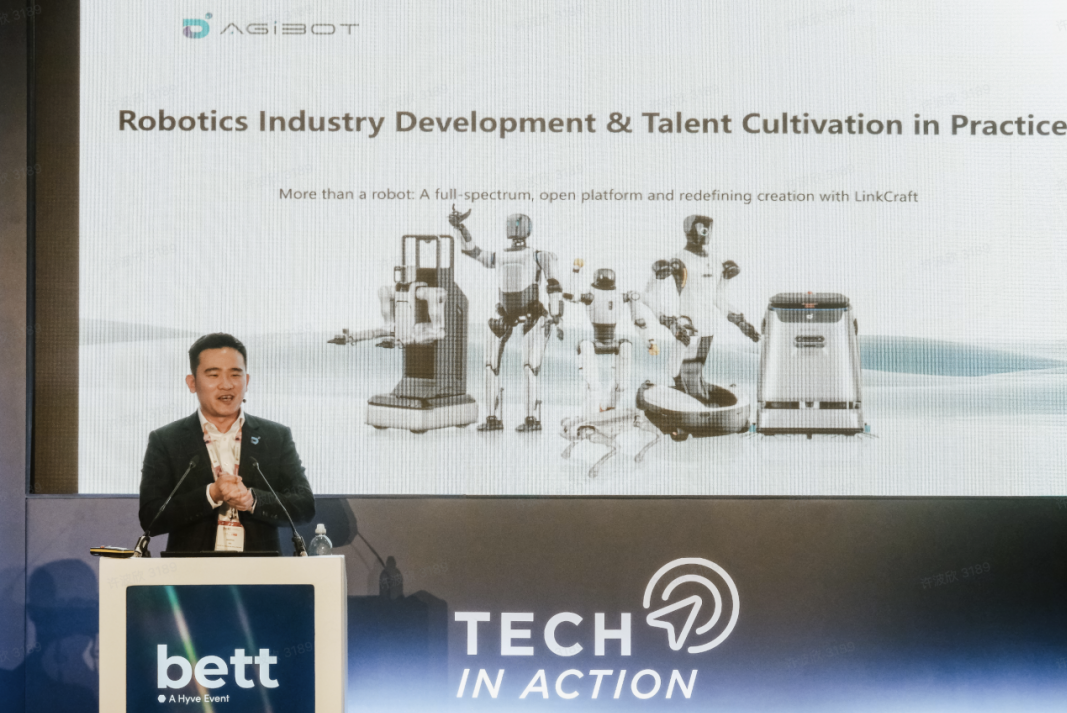
AGIBOT Makes Debut at BETT UK: Empowering European Embodied Intelligence Education with Leading Large
AGIBOT unveiled its cutting-edge humanoid robots and educational solutions at the BETT UK event, highlighting its role as a leader in the humanoid robotics sector. The company's presentation focused on advancing embodied intelligence education throughout Europe, aiming to connect theoretical knowledge with practical application in talent development. In a significant move to bolster innovation in this field, AGIBOT also announced a partnership with the University of Cambridge. This collaboration is expected to enhance research and development efforts, further positioning AGIBOT at the forefront of educational technology.
Humanoid Robots Embodied Intelligence Education Technology Talent Development Scientific Research
How Alisira OÜ Approaches Leadership Development From Within
Alisira OÜ is redefining leadership succession by emphasizing design over traditional recruitment methods. This innovative approach influences various organizational practices, including meeting management and the assignment of challenging tasks. The company aims to shape its future leadership team by prioritizing internal development rather than relying on external hires. This strategic focus is expected to foster a more cohesive and capable leadership structure over the next three years. Alisira's commitment to this design-centric philosophy reflects a broader trend in organizational management, as companies increasingly recognize the importance of nurturing talent from within to ensure sustainable growth and adaptability in a competitive landscape.
Business Computing Technology Alisira OÜ automation news Business Management
Zipline Expands U.S. Operations with Cleveland Clinic Home Delivery and Austin Launch
On July 13, 2026, Zipline announced a significant expansion of its U.S. operations, including the launch of a home delivery service in partnership with Cleveland Clinic and an upcoming service in Austin. The company reported a remarkable 13-fold increase in businesses utilizing its delivery app in the first half of 2026, alongside the completion of over 2.5 million commercial deliveries. This expansion is crucial as it enhances Zipline's healthcare delivery capabilities, allowing eligible Cleveland Clinic patients to receive prescription deliveries at home at no extra cost. The service will eventually include lab samples and medical supplies, building on the home delivery platform introduced in 2023. Furthermore, the Austin launch will enable rapid food and retail deliveries, further diversifying Zipline's marketplace. Looking ahead, Zipline's growth trajectory appears promising, with new partnerships and services on the horizon. The company continues to attract top talent from industry leaders like Tesla and Waymo, which may bolster its operational capabilities. No further timeline was disclosed at the time of publication.
Delivery Drone News Drone News Feeds News 135 million autonomous miles 2.5 million deliveries
Tech Professionals Leverage Connectivity Tools for Global Collaboration
Tech professionals are increasingly distributed across various countries and time zones, with companies employing cybersecurity experts in one location and software developers in another. This trend is facilitated by the internet, which 74% of the global population utilizes, enabling borderless work and collaboration. The rise of remote work and digital collaboration tools has transformed the tech industry, allowing professionals to work from anywhere. Reliable mobile connectivity is essential for these workers, with solutions like the Holafly eSIM providing seamless coverage before arrival in a new country. The eSIM's Always On feature ensures uninterrupted connectivity, crucial for remote presentations and system check-ins. As the demand for specialized talent grows, companies are increasingly hiring based on skills rather than location. This shift has led to a rise in global mobile engineering roles, presenting new opportunities and unique cybersecurity challenges for tech workers operating across borders. No further timeline was disclosed at the time of publication.
Internet Technology cloud computing cloud infrastructure cybersecurity digital nomads
Impossible Metals Announces New Advanced Marine Robotics Hub in Pittsburgh for Mineral Robotics Development
Impossible Metals has unveiled plans to establish an Advanced Marine Robotics Hub in Pittsburgh, aimed at developing dual-use autonomy for ocean science and naval systems. This initiative is part of a broader effort to create a China-free critical-mineral supply chain, leveraging the region's expertise in robotics. The new hub will not only foster innovation in mineral robotics technology but also generate over a dozen high-paying engineering and science jobs in Pennsylvania. This move underscores the importance of local talent in advancing the United States' capabilities in marine robotics and autonomy. Looking ahead, stakeholders should monitor the hub's progress and its potential impact on the critical-mineral supply chain. No further timeline was disclosed at the time of publication.
Ondas Acquires DZYNE Technologies for $875.8 Million to Enhance Defense Capabilities
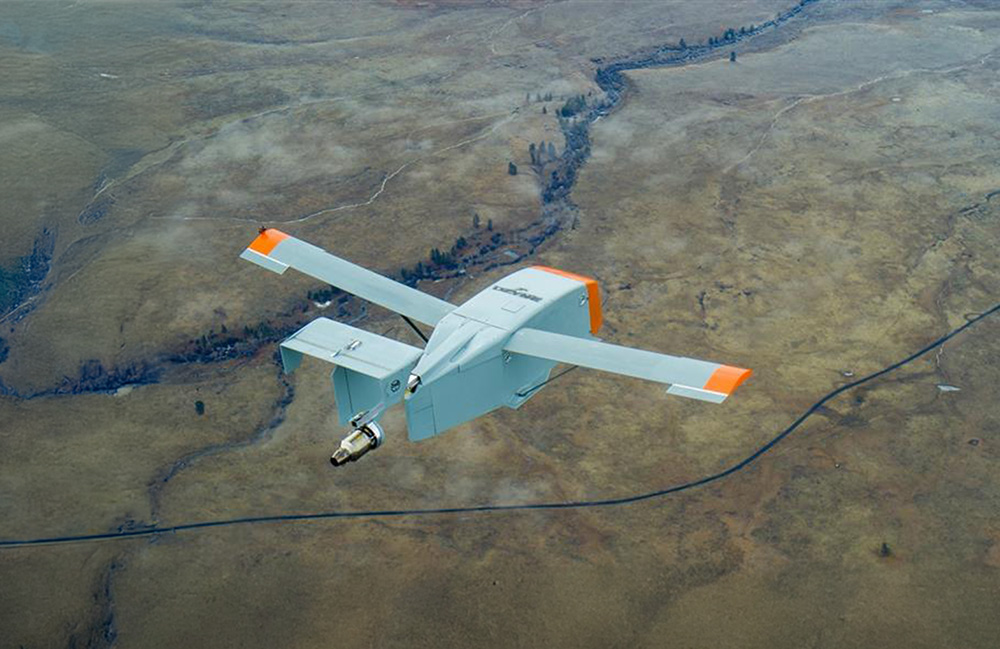
Ondas Inc. has acquired DZYNE Technologies LLC, a defense technology firm based in Irvine, California, for $875.8 million. This acquisition, financed through a cash-and-stock structure, aims to enhance Ondas' capabilities in multi-domain intelligence, surveillance, and reconnaissance (ISR), counter-uncrewed aerial systems (UAS), and autonomous systems to meet the evolving needs of U.S. and allied defense customers. The acquisition is significant as it positions Ondas to leverage DZYNE's advanced technology and engineering talent, which includes long-endurance ISR capabilities and autonomous systems. Eric Brock, chairman and CEO of Ondas, emphasized that the integration of DZYNE's mission-proven technologies will accelerate the development of a next-generation autonomous defense platform, essential for maintaining military advantage in rapidly changing warfare. Looking ahead, Ondas anticipates that DZYNE will generate $191 million in revenue for the full year 2026 and over $300 million in 2027. Ondas is now targeting at least $525 million in revenue for 2026. The integration of DZYNE’s ULTRA and IonStrike systems will expand Ondas' ISR and counter-UAS capabilities, enhancing its portfolio in defense applications.
Aerospace Artificial Intelligence Artificial Intelligence / Cognition Defense / Security Design / Development Drones
ByteDance Explores Autonomous Driving with Seed's World Model Team in Charge
ByteDance is venturing into the autonomous driving sector, led by the world model team under Seed, which is part of its strategic research division. This initiative aims to integrate autonomous logistics solutions, leveraging existing technologies and talent from the company’s AI research efforts. The project is currently in its early preparation stages, with ByteDance reportedly engaging with top autonomous driving teams and recruiting skilled professionals in the field. The significance of this move lies in ByteDance's potential to disrupt the autonomous driving industry, especially as the world model has become a technical consensus among leading companies. With its resources and expertise, ByteDance could redefine the landscape of autonomous driving, which is increasingly recognized as a critical application of embodied AI. The company has previously expressed interest in automotive technology, indicating a strategic alignment with the growing demand for intelligent driving solutions. Looking ahead, ByteDance's entry into autonomous driving may enhance its capabilities in embodied intelligence by providing access to valuable real-world data. This data could be instrumental in refining its world models, thereby facilitating advancements in embodied AI applications. As the industry evolves, ByteDance's involvement could significantly impact the competitive dynamics of the autonomous driving sector, especially given its substantial resources and talent pool.
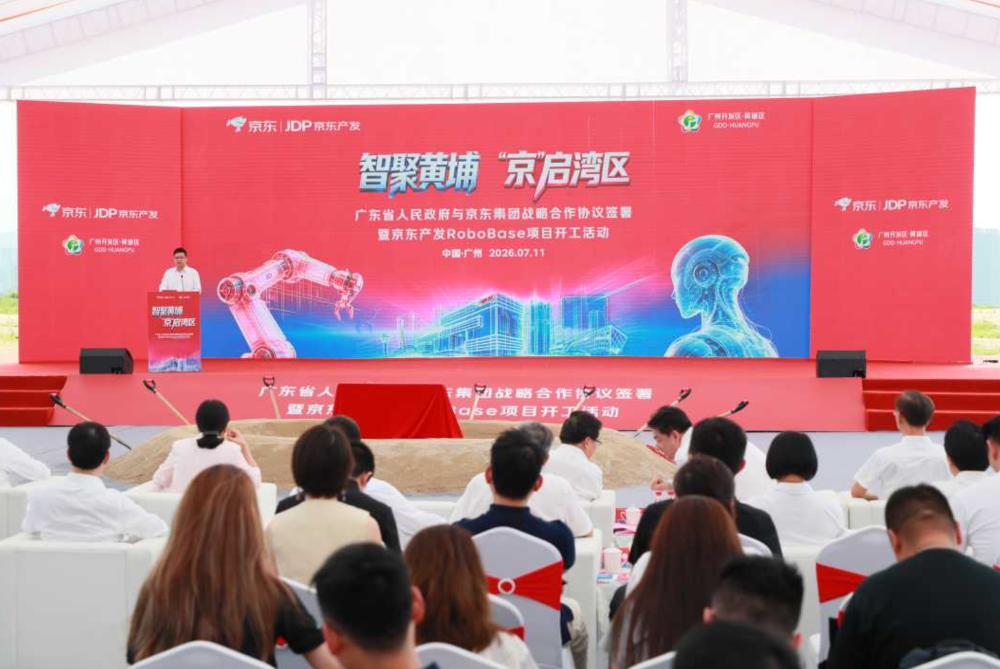
JD Group Launches First RoboBase Project in Guangzhou to Foster Robotics Ecosystem
On July 11, JD Group signed a comprehensive strategic cooperation agreement with the Guangdong provincial government, focusing on nine key areas including digital economy and modern logistics. The first physical benchmark of this agreement, the RoboBase project, commenced construction in the Huangpu Science City, Guangzhou. This marks JD's first RoboBase globally, covering approximately 190,000 square meters, with completion expected by the end of 2028 and an anticipated annual output value of about 1.75 billion yuan. The RoboBase project aims to integrate high-end manufacturing, technological innovation, and ecological services, concentrating on core robotic components, complete machine manufacturing, and high-end intelligent equipment. JD's approach is unique as it positions itself as an 'industrial infrastructure operator' rather than directly engaging in robot manufacturing. This strategy is designed to support robotics companies by providing a conducive environment for their operations. Looking ahead, JD's RoboBase will facilitate long-term testing for robots across various real-world scenarios, including JD MALL and logistics parks. The project also emphasizes talent development through partnerships with vocational schools in Guangdong. No further timeline was disclosed at the time of publication.
Robotics Ecosystem High-End Manufacturing Technological Innovation Supply Chain Solutions
J.P. Morgan Sees Strategic Merger Potential Between SpaceX and Tesla
J.P. Morgan analysts have described a potential merger between Space Exploration Technologies (SpaceX) and Tesla as 'strategically coherent on paper.' This statement has reignited investor interest in the possibility of uniting Elon Musk's companies, which share engineering talent and AI ambitions under his leadership. The significance of this analysis lies in the potential for Musk to integrate his vision across multiple sectors, including automotive, robotics, energy, and space. Additionally, SpaceX's recent public debut provides Musk with valuable stock for potential deals, while his increasing control at Tesla positions him favorably for negotiations. However, J.P. Morgan also highlighted significant challenges, including regulatory hurdles, the disparity in Musk's control over both companies, and the perception that any merger would favor SpaceX over Tesla. No further timeline was disclosed at the time of publication.

Lu Ce Wu Advances Embodied Intelligence at Qiongche Intelligent in China
Lu Ce Wu, a scientist from Chaoshan, has made significant strides in the field of embodied intelligence, establishing Qiongche Intelligent in 2023. This venture aims to enhance robotic capabilities, with a focus on real-world applications. In 2025, Qiongche's robots will be deployed in a pharmacy in Shenyang, demonstrating autonomous navigation and product recognition without altering existing systems. The significance of Lu's work lies in his commitment to embodied intelligence, a concept he believes should extend beyond digital confines to interact with the physical world. His journey began in 2012 when he recognized the potential of AI after witnessing AlexNet's success. Despite initial challenges in promoting embodied intelligence in China, Lu's persistence has led to recognition, including the Science Exploration Award in 2023, making him the first recipient in this field. Looking ahead, Lu plans to further develop Qiongche Intelligent's capabilities and has established the first AI doctoral program in China. He emphasizes the importance of strategic planning and talent cultivation to prepare for the future of embodied intelligence. No further timeline was disclosed at the time of publication.
Embodied Intelligence Robotics Artificial Intelligence Technology Innovation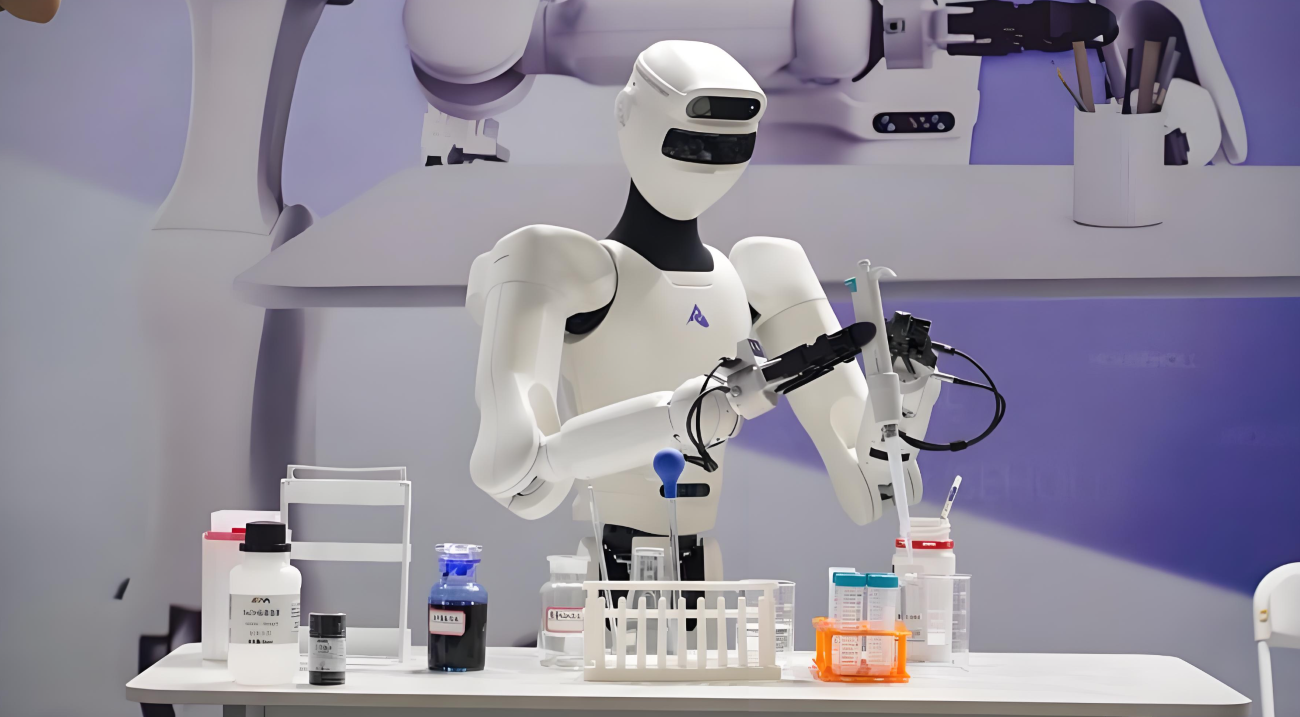
Xingchen Intelligent Prepares for IPO
Xingchen Intelligent has announced its rebranding as Xingchen Intelligent (Shenzhen) AI Technology Co., Ltd., following its transition to a joint-stock company. This strategic restructuring, which took place recently, is designed to improve corporate governance and facilitate ongoing innovation. The company aims to foster talent development and expand its presence in international markets, reflecting its commitment to growth and adaptation in the rapidly evolving AI sector.
AI Technology Corporate Governance Innovation Market Expansion
Alibaba and Tencent Invest Over 1 Billion Yuan in Morphi: What's Behind Their Bet?
Morphi, a company focused on embodied intelligence, has successfully raised over 1 billion yuan in angel funding, resulting in a post-investment valuation that surpasses 7 billion yuan. This funding round sets a new record for first-round financing within China's embodied intelligence sector. Notably, tech giants Alibaba and Tencent have made their fourth joint investment in this area, indicating a strategic pivot towards early-stage investments as they aim to leverage emerging technologies and talent.
Embodied Intelligence Investment AI Robotics Technology
Small-AI Models Gain Traction Around the World
One morning in 2019, Adebayo Alonge was in a Cape Town hotel room, preparing to demonstrate his startup’s AI answer to a serious problem in African health care: counterfeit medication, which kills thousands of people across the continent every year.The RxScanner is a handheld spectrometer that scans a pill with infrared light, then sends the item’s molecular profile to an AI model equipped with a pharmaceutical database. In seconds, the AI identifies the medication from its molecular profile—or reports that it’s phony.Pharmacies were using the system in more than a dozen countries, including Ghana, Kenya, Myanmar, and Alonge’s native Nigeria. But that morning in South Africa, it didn’t work. “I was shocked,” Alonge says.The spectrometer connected to the AI model—but the data center was 14,000 kilometers away and bandwidth was limited. “Our server was in the United States, and just to get the result of a single scan was taking me over 5 minutes.”So Alonge immediately asked his engineers to shrink the AI model down to a smaller, low-power, unconnected version that could run entirely on his Android phone. They produced it 2 hours later, and that saved the demo.More importantly, the work birthed a new version of his device, which can authenticate a pill in places without broadband, computers, or even reliable electricity. It also turned Alonge into an advocate for this kind of “small AI.”Small AI for Global Health Care AccessSmall AI is a far cry from wealthy nations’ colossal large language models (LLMs), hyperscale data centers, multibillion-dollar investments, and debates about AI consciousness. But for millions of people around the world, the only AI that matters, and often the only kind available, is small. (According to a World Bank Report issued in November, only 0.7 percent of internet users in the world’s poorest countries have used ChatGPT, compared to a quarter of all internet users in the most developed nations.)“Most people are discussing AI from the LLM/generative side. But that needs a lot of computing power, electricity, massive data, and skilled people to manage it,” Ajay Banga, president of the World Bank, said last January at the World Economic Forum, in Davos. “Outside the developed world, other than maybe India and China, very few countries have that combination.”By contrast, small AI can deliver useful, even life-saving services to people in areas that have none of those things, Banga said. In India, where the government’s AI plans call for more development of small AI, many such systems are working for farmers.For example, a drone-based system developed by Bala Murugan and colleagues at the Vellore Institute of Technology, in India, takes photos of cashew plants and quickly identifies those with splotches that indicate disease. All the processing takes place on the drone itself, so there’s no need for a computer on-site, nor for a connection to a central server.Using small language models trained for a specific problem, and sometimes running on cheap, low-power devices, other small-AI implementations have been developed to identify ant infestations in a Uruguayan vineyard, detect the presence of malaria-carrying mosquitoes in a number of nations, and run electrocardiograms from an Arduino device in parts of Brazil that lack access to more complex equipment.“This is the most important area in AI nowadays,” says Marcelo José Rovai, a professor at the Institute of Engineering and Information Systems at the Federal University of Itajubá, in Brazil, who was involved in all three projects. “It’s growing very fast.”Low-Power, Small-AI Models on Devices Small AI models can run on a variety of low-power devices, including [from left to right] an Arduino Nano 33 BLE Sense, a Seeed Wio Terminal, and an Arduino Portenta.Moez AltayebFor Alonge, Rovai, and other advocates, small AI is not just “a promising trend,” as that November World Bank report calls it. It may be, in the long term, the form of AI that will touch the most lives and remain sustainable after some of the giant models become too costly for most users.“I think the future of AI is not like one giant model, at a center. I think it’s millions of small, precise models deployed at the edge, each one solving like a specific problem, a specific context,” Alonge says. This is partly because much of humanity—including people in parts of rich countries as well as the developing world—lives without access to cutting-edge frontier models. But, he says, it’s also because those models are not sustainable.“If someone is not subsidizing it, most people will not be able to afford those models. So those of us who are said to be small-AI developers are the ones who will have to build for the majority of the world,” Alonge says.There is no strict definition of “small AI,” but people often use the term for language models with at most a few billion parameters. (Compare that to cutting-edge models, which can include more than a trillion.) That’s small enough to run directly on a phone or a Raspberry Pi. That’s what allows these applications to run on devices without a connection to a data center and use only a few watts of power, often supplied by a battery or a solar panel.Despite their small footprint, these models aren’t fundamentally different technology from that of gigantic AI models, Rovai says. Many instances of small language models were created the same way the phone-based version of Alonge’s pharmaceuticals scanner was—by “pruning” large models, or removing the parameters that weren’t involved in the task. The result is a system that’s less capable generally but still very good at the specific job it was pruned for, Rovai says. A lighter version of RxAll’s RxScanner spectrometer sends its results to an AI model run locally on a phone to check that a drug’s molecular signature is genuine.RxAllOther small models are created by “distillation.” They are trained to mimic a large model, until their performance approaches that of their “teacher,” Rovai says. In other cases, a larger model’s precision is reduced, for example, so that a model run on 32-bit architecture can run on 8-bit designs. In situations where the machine learning application is being used to classify data or predict patterns (like an ant infestation), it’s trained from the beginning on a small device, not derived from a larger model at all. Running all these small, specialized systems is becoming easier, Rovai says, for two reasons.The first reason is that hardware is getting better and more capable while using less power, he says. This means more and more phones can run small AI—especially those equipped with neural processing units, which are specialized chips that handle AI tasks like facial recognition and changing the brightness, shadows, or contrast in a photo.In 2025, slightly more than a third of all smartphones shipped worldwide were capable of running generative AI, and that figure will reach 45 percent by the end of this year, according to the technology research firm Counterpoint. By the end of next year, slightly more than half of all smartphones will be able to run a small AI model.The second reason Rovai cites is the shrinking footprint of language models. Both Google DeepMind’s Gemma 4 (released in April) and Alibaba’s Qwen 3.5 are “fantastic” for small AI, Rovai says. Both models are “open weight,” meaning users can adjust the connections between parameters to suit their needs. This makes it easy, for example, “to take a lot of data from, say, the milk industry and retrain the model specifically on that,” Rovai says.Rovai illustrated these reasons on a Zoom call, using one of his most recent experiments. Holding up a device, he says, “This is the new Arduino UNO Q—a US $50 device with a Qualcomm chipset. I’m running a language model here, which collects data from sensors and analyzes that data to detect tiny pools of water where mosquitoes might be breeding. It takes 3 watts to run it.”Support for Small-AI DevelopmentConvinced that millions of people are already benefiting from these kinds of applications, the World Bank now actively promotes small AI with grants, mentorship programs, financing, technical advice, and models of government policies that are friendly for small-AI development. For example, in Rwanda, the World Bank is backing a government program to help low-income households get devices that can run AI.All that said, no one claims that large language models are going away entirely. To create a generative AI that can run on a phone or other small device requires the architectural insights, data processing, and results of a larger model, Rovai says. “We need the big models to create these smaller models.” And for all that small AI can benefit people without access to big AI, the technology can’t solve the larger problems of development and digital inequality, Alonge says. Implementing small AI won’t allow nations to escape the challenge of creating an ecosystem to support AI: reliable power, a supply chain that works, and an educational system that develops the talents needed to create AI tools.Though his drug-scanning system can run for days on a phone with no connection, “you still want to be able to enable periodic syncing for updates with new signatures for the medications and analytics,” Alonge says. “And even when you are using batteries, reliable power is important. That phone battery is not going to last forever.”In many parts of the world, the future of small AI isn’t assured, he says. “It works, and many places will eventually need to use it. The question is whether or not the political actors are wise enough to invest in infrastructure to support it long term.”
Small-language-models Artificial-intelligence Llms
#RoboCup2026 – humanoid league knockout stages
The RoboCup 2026 league competitions concluded this weekend in Incheon, South Korea, showcasing the talents of robotics teams from around the globe. The event culminated in the announcement of the top three teams in the small, middle, and large humanoid divisions. In the small division, the Invic team claimed victory, followed by Wuhan University from China and the Hamburg Bit-Bots from Universität Hamburg in Germany. The competition aimed to advance robotics technology and foster international collaboration in the field, drawing participants eager to demonstrate their innovations and skills.

Japan Pioneered Humanoid Robots—Can It Now Catch China?
“In the future, the relationship between humans and robots will deepen, and the distinction between them will probably disappear.” This prediction, from one of the attendees at the recent Humanoids Summit in Tokyo, might have been unremarkable had it not come directly from an android that was first introduced to the world 20 years ago. Geminoid HI-6 is the sixth-generation of a robot originally designed in 2006. The mechanical twin of Osaka University professor Hiroshi Ishiguro, Geminoid HI-6 is now equipped with a large language model trained on Ishiguro’s own writings and interviews. It has advanced conversational skills and can even have a chat with its creator, an eerie spectacle. But at the Humanoids Summit, Geminoid was one of the few humanoid robots from Japan, the country that pioneered the form factor.While the event in Tokyo only had about 40 robots on display, Chinese systems outnumbered Japanese by roughly three to one. Some Japanese robotics firms were even using Chinese robots in their own technology demonstrations, something that would have been unthinkable in the recent past—one Japanese engineer described the situation as “sad.” The conference was a stark reminder of how Japan has ceded its early lead in humanoid robot development to overseas competitors, and the challenge it now faces to secure a place in an ecosystem increasingly dominated by general-purpose robots powered by AI. Twenty-five years ago, Japan was turning out groundbreaking humanoids that were showstopping in their abilities, but they were not commercialized as practical machines in any meaningful way. Heavily influenced by science fiction and lacking practical applications, they were mostly expensive technology demonstrations that were eventually mothballed. What Japan retains, however, is robotics design and know-how, which it must leverage to be a key player in the rapidly evolving humanoid ecosystem. Learning to Walk—Then Standing StillTo anyone who has seen recent videos of Chinese humanoids doing kung-fu and synchronized acrobatics, as well as half-marathon races, China’s remarkable progress in the field is nothing new. At the Humanoids Summit, Toyota showed a video of its latest basketball-playing robot, and Honda exhibited its latest robot hand, but the full-scale humanoids on the floor were mostly Chinese–the kid-size K1 machines from Booster Robotics of Beijing were dancing to Michael Jackson tunes. The full-scale G1 humanoid from Unitree Robotics of Hangzhou was also doing demos. “You cannot sell these bipedal systems in Japan for safety and compliance reasons,” says Shuichi Nagao, a frequent visitor to China as CTO of Omakase Robotics, a division of Zeals, a Japanese humanoid robot developer. Omakase was exhibiting a G1 modified with an external PC controller, a dextrous hand, a suction-cup manipulator and a sensor “hat” with an extra speaker, mic and camera. “In China, the government is pushing humanoid development. They didn’t have an industry 20 years ago. The people pushing it are young, in their 20s and 30s. It’s a really different mentality out there,” says Nagao. “Big players in Japan are still looking for use cases for humanoids. In China, they’re already doing mass production and reducing the cost, so other countries can’t compete with them anymore.”Another Japanese company showing off G1 bots was summit sponsor GMO AI & Robotics, a subsidiary of Japanese internet company GMO. It’s using the robots in partnership with Japan Airlines to load and unload cargo containers at Tokyo’s Haneda airport. The cargo project is a trial—like many other humanoid experiments—but the fact that Chinese machines have penetrated so far into Japan’s ecosystem upends a long history. In 1973, scientists at Waseda University in Tokyo built WABOT-1, considered the first full-scale humanoid robot and capable of slow bipedal locomotion, grasping objects and simple communication. It inspired Honda’s groundbreaking Asimo humanoid, but it was never commercialized. Asimo was eventually retired in 2022, the year ChatGPT was released. Two years later, Unitree’s G1 went on sale for US $16,000. China’s High Torque Technology Co. showed off its Mini Pi biped, customized with an anime-inspired head, at Humanoids Summit in Tokyo. The regular version is priced at $3,500. Tim HornyakSupply and DemandJapan’s development of humanoids happened before practical applications or widespread demand were in place, but bad timing is only part of the story—Japan also has a history of developing technologies that might appeal to domestic consumers but not necessarily those overseas. For example, decades after they first appeared, its highly engineered, multifunction toilets have only recently found a following abroad. Japan’s humanoid prowess was partly built on the back of its legendary industrial automation, yet even that stronghold has eroded. Ani Kelkar, a partner from McKinsey & Company in Boston who produces analytical reports about the robotics industry, told the summit audience that while Japan occupied the top spot in the world in manufacturing robot density (the number of multipurpose industrial robots in operation per 10,000 employees) from at least 1994 to 2009, it then slipped to second in 2014, third in 2019 and fifth in 2024. In that year, South Korea was at the top of the leaderboard with a robot density of 1,220 compared to Japan’s 446. The International Federation of Robotics estimates China now has the most operational industrial robots in the world, with around 2 million total units, approximately 4.5 times more than Japan. “The annual installation numbers are impressive too: 54 percent of all robots installed worldwide in 2024 were deployed in China,” the IFR said in a release in April 2026. “I think the loss of Japanese leadership is more to do with the rise of China as a manufacturing powerhouse including for sectors that Japan had high export levels,” Kelkar said in an email interview. “The recovery has not yet happened as Japan ‘missed’ the rapid acceleration in AI for robotics and is now playing catchup.”How Japan Can Adapt Kelkar believes Japan has a US $100 billion opportunity in general-purpose robotics, which are machines that can perform a wide variety of tasks, and it cannot rely on the slower-growing industrial robot market, which is centered on factory machines that do one simple and predictable task like welding car parts. He points to a McKinsey white paper suggesting that while Japan has much of the hardware and technology experience needed to support general purpose robot development, it must change its strategy to capture more share in AI, software, data collection and robotics platforms.Tetsuya Ogata is a professor of engineering and director of the Institute for AI and Robotics at Waseda University, the birthplace of humanoids in Japan. He briefed the summit on how a nonprofit he chairs, the AI Robot Association (AIRoA), is working with Toyota and other members to develop foundational technologies for collaborative use. For instance, AIRoA has collected some 80,000 hours of data on remote operation of mobile manipulators, and Ogata believes it’s the largest dataset of its kind. Using the data, it built and verified Vision-Language-Action (VLA) models, and it has also started data collection for dual-arm mobile manipulation. In an interview, Ogata acknowledged Japan’s struggle to find its place in the changing landscape. “The world of AI is inherently a game of scale,” says Ogata. “Therefore, Japan’s absolute prerequisite is to secure a competitive baseline of scale—in data, computing resources, and talent. Beyond that, what I consider most critical is a mindset shift: rather than trying to hoard scale within a single nation or company, we must grow stronger by collaborating with a diverse ecosystem of domestic and international players.” Specifically, this means creating a ‘collaborative domain’ to address data—the single biggest bottleneck—through industry-wide cooperation rather than data-siloing. By collectively nurturing a pre-competitive, shared data infrastructure and foundation model, individual companies can then compete on top of it with their own applications. “By offering this open ‘data ecosystem’ to the world, we can engage global players and establish a ‘third pole’ alongside the US and China,” says Ogata. “I believe this is how Japan can reclaim its global presence.”In 1999, Japan introduced the world’s first mobile internet services platform. But being first didn’t turn Japan into a smartphone manufacturing or design center—it’s now merely a supplier of parts to other countries who are leading the smartphone industry. If Japan can avoid a repeat of that experience and successfully deregulate, diversity, and commercialize its original humanoid dreams, it stands a better chance of influencing the direction of the industry and reaping billions in value. As automobiles and electronics were pillars of Japan’s industrial strategy in the last century, Japan could make humanoid robots one of its key value generators in the 21st century, an approach that would not only deliver economic benefits but give Japan greater clout in how the industry will evolve. Just like Japanese cars, electronics, and even toilets, Japanese humanoids could stand for craftsmanship and reliability. It’s a legacy that Japan can’t afford to give up.
Japan Robotics Humanoids Humanoid-robots
Autonomous vehicle hype is back, and Humble Robotics is bringing it to freight
The autonomous vehicle industry is experiencing a resurgence reminiscent of the 2016 hype cycle, with renewed interest and investment. Travis Kalanick, the co-founder of Uber, is re-entering the scene by establishing a robotics company, signaling a shift in focus within the sector. As competition intensifies, companies are engaged in fierce talent wars, vying for skilled professionals to drive innovation. Investment is pouring back into the market, echoing the financial enthusiasm seen in previous years. This revitalization is attracting individuals who have previously navigated the industry's ups and downs, suggesting a blend of experience and fresh ideas may shape the future of autonomous technology.
Startups Transportation autonomous vehicles Equity podcast Eyal Cohen Humble Robotics
NVIDIA expands robotics hiring in China, opens roles in Beijing, Shanghai, and Shenzhen
NVIDIA, the prominent US chipmaker, has launched an extensive recruitment campaign aimed at expanding its robotics team. The company is seeking talent in four key areas: embodied AI, simulation, deployment, and solution architecture. Job openings are available in major Chinese cities, including Beijing, Shanghai, and Shenzhen. This initiative reflects NVIDIA's commitment to advancing technologies related to embodied AI, with a focus on applications such as dexterous manipulation and human body modeling. The recruitment drive underscores the company's strategy to enhance its capabilities in robotics and artificial intelligence, responding to the growing demand for innovative solutions in these fields.
News Feed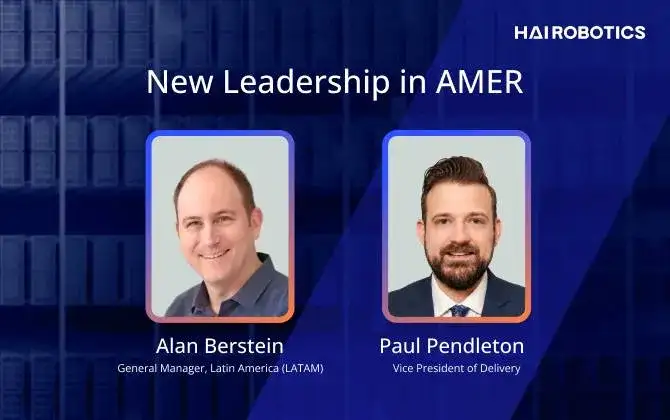
Hai Robotics Expands Americas Leadership Team to Support Continued Customer Growth
Hai Robotics has strengthened its leadership team in the Americas by appointing Alan Berstein as General Manager for Latin America and Paul Pendleton as Vice President of Delivery. This strategic expansion, announced recently, is designed to improve customer support and accelerate growth in the warehouse automation sector. The appointments come in response to the rising demand for flexible automation solutions across the region, underscoring the company's commitment to investing in talent to meet evolving market needs.
Warehouse Automation Leadership Expansion Customer Support Supply Chain Management Automation Solutions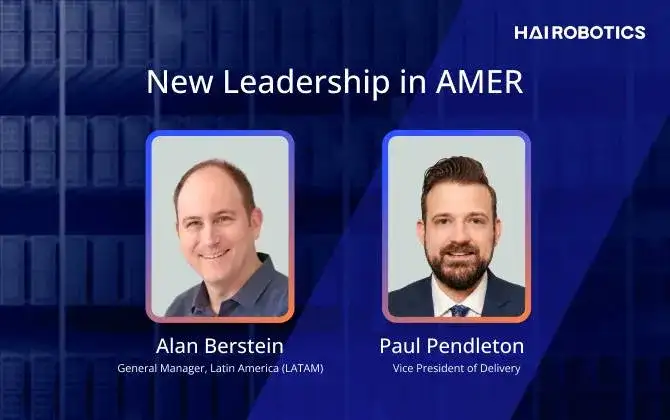
Hai Robotics Expands Americas Leadership Team to Support Continued Customer Growth
Hai Robotics has strengthened its leadership team in the Americas by appointing Alan Berstein as General Manager for Latin America and Paul Pendleton as Vice President of Delivery. This strategic expansion, announced recently, aims to enhance customer support and stimulate growth in the rapidly evolving warehouse automation sector. The appointments come in response to the rising demand for flexible automation solutions across the region, underscoring the company's commitment to investing in skilled talent to meet the needs of its clients.
Warehouse Automation Leadership Expansion Customer Support Supply Chain Management Automation Solutions
HKU Professor Li Hongyang secures hundreds of millions in seed funding for his startup on embodied AI.
Archon Robotics, a Shanghai-based company specializing in whole-body humanoid models, has successfully secured hundreds of millions in seed funding from prominent investors, including ZhenFund, Gao Rong Capital, IDG Capital, and others. The financing round, which took place recently, aims to enhance the development of humanoid models, collect multimodal motion data, expand the talent team, and establish research centers and industry partnerships, with the goal of launching an open-source humanoid model by the end of this year. Founded in April 2026, Archon Robotics focuses on creating whole-body intelligence for humanoid robots, enabling them to perform complex tasks that require full-body coordination. The company's founder, Dr. Hongyang Li, is an assistant professor at the University of Hong Kong and has received accolades for his work in autonomous driving. Co-founder and CEO Dr. Tianyu Li, along with the core team, brings expertise from top institutions and has a strong background in robotics and AI. The humanoid robotics sector is at a pivotal moment, with significant investments occurring but lacking a unified technical consensus. Current limitations in training data restrict robots to simple tasks, as they often lack the necessary information for complex human-like interactions. Archon Robotics aims to address these gaps by redefining data collection methods to better capture human coordination and movement dynamics. The company plans to release its first humanoid model in late 2026, emphasizing the need for robots to operate effectively in dynamic home environments. By focusing on comprehensive data collection and understanding physical interactions, Archon Robotics seeks to advance the capabilities of humanoid robots beyond current limitations.

2026 Embodied Intelligence Industry Ecosystem Conference Unveils Agenda with Key Reports and Forums
The 2026 Embodied Intelligence Industry Ecosystem Conference is set to take place from July 2 to 4 at the National Exhibition and Convention Center in Shanghai. This significant event will showcase the exclusive launch of the 'China Embodied Intelligence Industry Development Report (2026).' Participants will have the opportunity to engage in five vertical forums that will address various aspects of the industry chain, offering valuable insights into market trends, technological advancements, and talent development. Leading experts in the field will share their knowledge, making this conference a pivotal gathering for stakeholders in the embodied intelligence sector.
Embodied Intelligence Industry Conference Market Trends Technology Development
Zhang Yaqin: AI is not a bubble, but AI companies are.
In June, during an interview at the Tsinghua Wuxi Research Institute's Intelligent Industry Innovation Center, Academician Zhang Yaqin discussed the current state of AI investment and entrepreneurship, suggesting a more cautious approach to the rapidly growing sector. Zhang, who founded the Tsinghua University Intelligent Industry Research Institute (AIR) five years ago, noted that while AIR has successfully incubated ten companies with a combined valuation of 150 billion yuan, its primary focus remains on research rather than commercialization. Zhang, a prominent figure in AI and a fellow of the IEEE, likened the current AI investment climate to the internet boom of 1998-1999, emphasizing the importance of sustainable growth and cautioning against the potential for market bubbles. He highlighted the need for new AI algorithms to enhance efficiency and pointed out that while the AI sector holds significant long-term potential, many early-stage companies may face challenges in proving their viability. Every June, AIR hosts the "Taihu Dialogue" in Wuxi, fostering discussions on AI advancements. Zhang expressed concerns about the risks associated with high valuations and the necessity for a focused approach in startups. He emphasized that while funding is crucial, it should not overshadow the importance of developing robust products and technologies. Looking ahead, Zhang identified "physical AI" as a key area for development by 2026 and outlined the challenges of creating robots capable of performing complex tasks in real-world environments. He underscored the importance of collaboration between academia and industry to cultivate talent and drive innovation in AI, while also addressing the ethical and safety risks associated with advanced AI systems.

Why Does a Bank Need a Chief Scientist?
Prem Natarajan, formerly the head of Alexa AI at Amazon, has transitioned to the role of Chief Scientist at Capital One, a leading financial institution serving over 100 million customers. This move comes as the landscape of artificial intelligence (AI) research shifts from large tech companies to industry-specific applications, particularly in finance, where the challenges are more complex and require a nuanced understanding of customer needs and regulatory constraints. Capital One has long been recognized for its data-driven approach, having invested heavily in cloud technology to create a robust data ecosystem. This infrastructure supports innovative AI research aimed at solving real-world problems, such as real-time fraud detection and personalized customer interactions. Unlike many banks that view AI merely as a tool, Capital One is establishing a scientific community focused on developing impactful AI solutions. Natarajan emphasizes the importance of “destination-back thinking,” where the team envisions ideal customer experiences and works backward to identify necessary scientific advancements. This methodology, combined with a commitment to continuous learning and a unique cloud-first architecture, allows Capital One to tackle challenges that are often overlooked by traditional financial institutions. The bank's efforts have garnered recognition, with Capital One being ranked as a leader in AI talent and innovation, accounting for a significant portion of AI patents in the financial sector. Through partnerships with academic institutions and a focus on agentic AI systems, Capital One aims to enhance financial services for millions, positioning itself at the forefront of AI advancements in the industry.
Ai-research Agentic-ai Financial-services Tech-careers Type-sponsored Financial-technology
ARM Institute expands RoboticsCareer.org into physical AI
The ARM Institute has announced an expansion of RoboticsCareer.org to include job opportunities in the burgeoning field of physical artificial intelligence (AI). This initiative aims to facilitate connections between employers and qualified candidates, addressing the increasing demand for talent in this innovative sector. The updated platform is expected to serve as a valuable resource for both job seekers and companies looking to hire skilled professionals in physical AI. This development reflects the ongoing growth and significance of robotics and AI in the workforce, highlighting the need for specialized talent in these areas.
Artificial Intelligence Artificial Intelligence / Cognition Business Resources Defense / Security Design / Development Educational
Striding AI Secures Nearly $100 Million in Angel Funding Led by Entrepreneurs and Scholars
Striding AI, a company specializing in embodied intelligence, has successfully secured nearly $100 million in its recent angel funding round. The investment was led by prominent firms such as Charoen Pokphand Group, alongside contributions from several influential entrepreneurs and investment institutions. This substantial funding will be directed towards enhancing talent acquisition, advancing the company's core technologies, and accelerating the deployment of products within the retail and industrial sectors.
Embodied Intelligence AI Technology Robotics Investment Funding
Student Teams from 16 Countries Compete in St. John’s at 2026 MATE World Championship
The 2026 MATE ROV Competition World Championship is set to take place in St. John’s, Newfoundland & Labrador, Canada, drawing top student teams from across the globe. Celebrating its 24th year, this prestigious event highlights the talents of young innovators in engineering, technology, teamwork, and problem-solving. The competition aims to inspire and challenge students, providing them with a platform to demonstrate their skills and creativity in designing remotely operated vehicles (ROVs). By fostering collaboration and innovation, the championship not only showcases the capabilities of future engineers but also emphasizes the importance of hands-on experience in STEM fields.
2026 mate rov world championship event
2026 Humanoid Robot Industry Innovation Alliance Conference Held in Shanghai
The 2026 Humanoid Robot Industry Innovation Alliance Conference convened in Zhangjiang, Shanghai, bringing together more than 120 representatives from leading companies in the industry, artificial intelligence firms, and academic institutions. Held to discuss technological advancements and ecosystem growth, the conference aimed to tackle shared challenges and foster high-quality development within the humanoid robotics sector. Participants engaged in collaborative discussions to enhance innovation and cultivate talent, reflecting the industry's commitment to overcoming obstacles and advancing the field.
Humanoid Robots AI Industry Innovation Robotics Standards Data Collection
MIT in the media: For the future of tech, "Massachusetts can absolutely lead"
Leaders and faculty from the Massachusetts Institute of Technology (MIT) engaged in discussions focused on enhancing innovation and talent development in Greater Boston. This dialogue is part of a special series of articles released in conjunction with the outlet's annual compilation of influential figures in the technology sector, known as the 'Tech Power Players.' The initiative aims to address the region's evolving tech landscape and the importance of nurturing a skilled workforce to maintain Greater Boston's competitive edge in the industry. Through collaborative insights and expert perspectives, the series seeks to highlight strategies that can effectively foster an environment conducive to technological advancement and innovation.
President Sally Kornbluth Faculty Research Cambridge, Boston and region Technology and society Computer science and technology
Insta360 vs DJI: The Drone Imaging War Is More Brutal Than the Food Delivery Battle
In Shenzhen, two leading companies in the drone camera industry, Insta360 and DJI, are engaged in intense competition that is transforming the landscape of imaging hardware in China. This rivalry has escalated into a series of patent lawsuits, aggressive price reductions, and a battle for top talent. As both firms strive to outmaneuver each other, the ongoing conflict is reshaping market dynamics and influencing consumer choices in the rapidly evolving technology sector. The situation reflects broader trends in innovation and competition within the Chinese tech industry, highlighting the lengths to which companies will go to secure their position in a lucrative market.
Industry Gadgets
MassRobotics Announces Recipients of 2026 Robotics Medal Recognizing Accomplishments of Women in Robotics
The Robotics Medal has been established to honor a distinguished woman researcher in the field of robotics, acknowledging her significant contributions with a $50,000 prize. This prestigious award aims to highlight the vital role women play in advancing robotics and to inspire future generations. In addition, the Rising Star Medal will recognize emerging female talents who are making notable advancements in the discipline, accompanied by a $5,000 award for the selected recipient. Both awards are part of a broader initiative to promote gender diversity and encourage women's participation in the robotics sector, reflecting a growing commitment to inclusivity in STEM fields.

BrainCSPACE System Enhances Laboratory Training and Industry Applications
Zhongke Shengu has introduced the BrainCSPACE system, a groundbreaking initiative designed to tackle challenges in robotics education and meet industry demands. Launched recently, this innovative system integrates real-world data with practical training to create a comprehensive closed-loop ecosystem. By focusing on talent development and improving data quality, BrainCSPACE aims to enhance robotic decision-making capabilities. This initiative not only addresses the skills gap in the robotics field but also promises a significant return on investment for both educational institutions and businesses, ensuring that they remain competitive in a rapidly evolving technological landscape.
Robotics Education Data Quality AI Systems Industrial Automation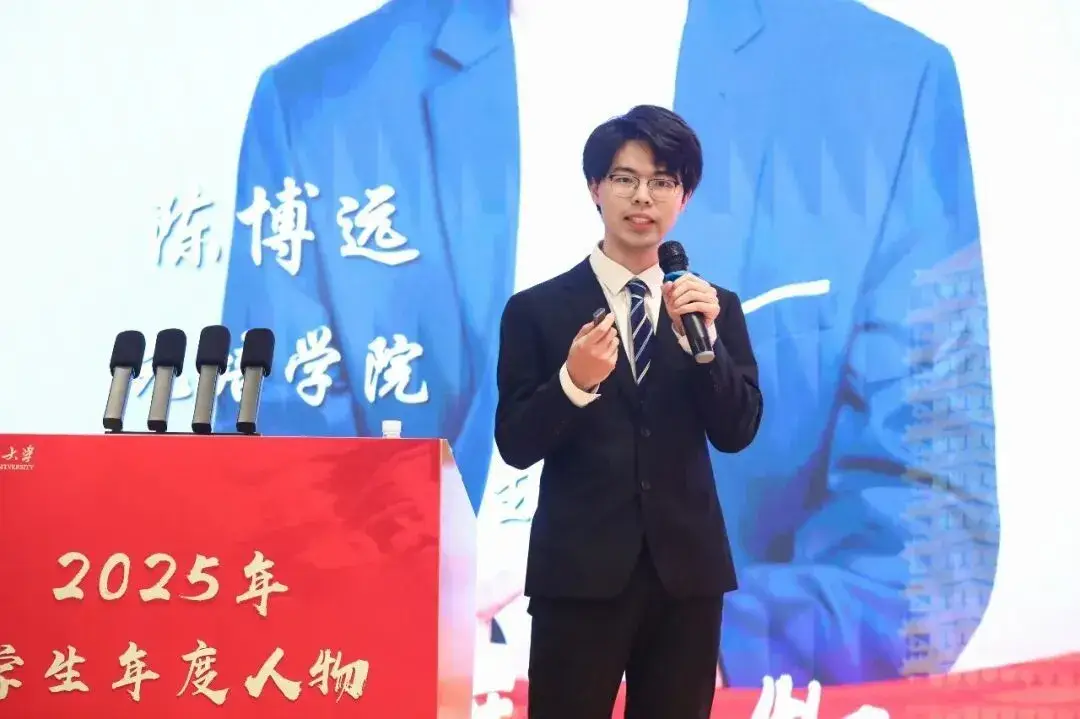
Why Zhiyuan Chose 22-Year-Old Chen Boyuan as Head of World Model Innovation Center
The Beijing Zhiyuan Artificial Intelligence Research Institute has appointed 22-year-old Chen Boyuan, a Peking University undergraduate, as the head of its newly established World Model Innovation Center. This groundbreaking decision marks a significant moment in the artificial intelligence sector, as it underscores the growing recognition of young talent in a field traditionally dominated by seasoned professionals. Chen's appointment has ignited discussions within the AI community, particularly due to his notable academic accomplishments and his contributions to enhancing the understanding of the physical world through innovative world models. This initiative aims to further advance AI research and applications, positioning the institute at the forefront of technological development.
Artificial Intelligence World Models Research Innovation Machine Learning
No Future in Industrial Leadership Without Women
In the manufacturing sector, women remain underrepresented in leadership roles, prompting an organizational consultant to launch an internal leadership program aimed at preparing female talent for operational management positions. Research indicates that diverse leadership teams in production not only contribute a wider range of perspectives but also enhance companies' resilience to global market demands and cultural complexities. The pharmaceutical company Dr. Kade Health Care exemplifies successful implementation of work-life balance and female leadership in practice. This initiative highlights the critical need for gender diversity in industrial leadership to ensure a sustainable future for the industry.
Allgemein
Pathak Receives 2026 PAMI Young Researcher Award
Deepak Pathak, a Raj Reddy Associate Professor of Robotics at Carnegie Mellon University’s Robotics Institute, has been honored with the 2026 Pattern Analysis and Machine Intelligence (PAMI) Young Researcher Award. This prestigious accolade was presented during the IEEE Conference on Computer Vision and Pattern Recognition (CVPR), a leading event in the field. The award is one of the highest recognitions for early-career researchers in computer vision, acknowledging Pathak's significant contributions to the discipline. The recognition not only highlights his innovative work but also underscores the importance of fostering new talent in advancing technology and research in robotics and computer vision.
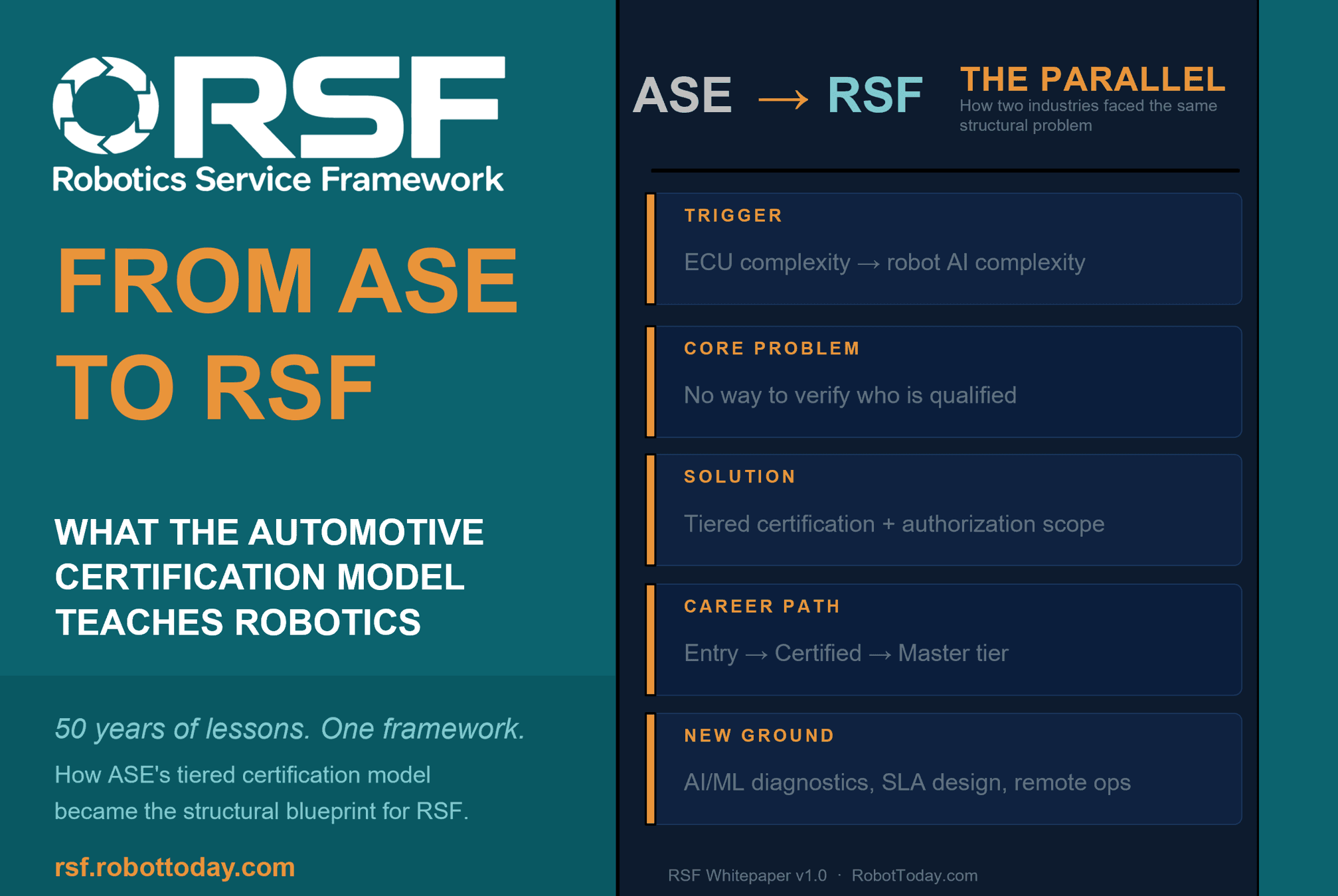
Announcements AwardsRobotics needs a service framework.
RSF defines a common language for robot service capability, lifecycle operations, certification pathways, and service-provider networks.