Industry Briefing
A single destination for timely, editor-curated robotics news from around the world.
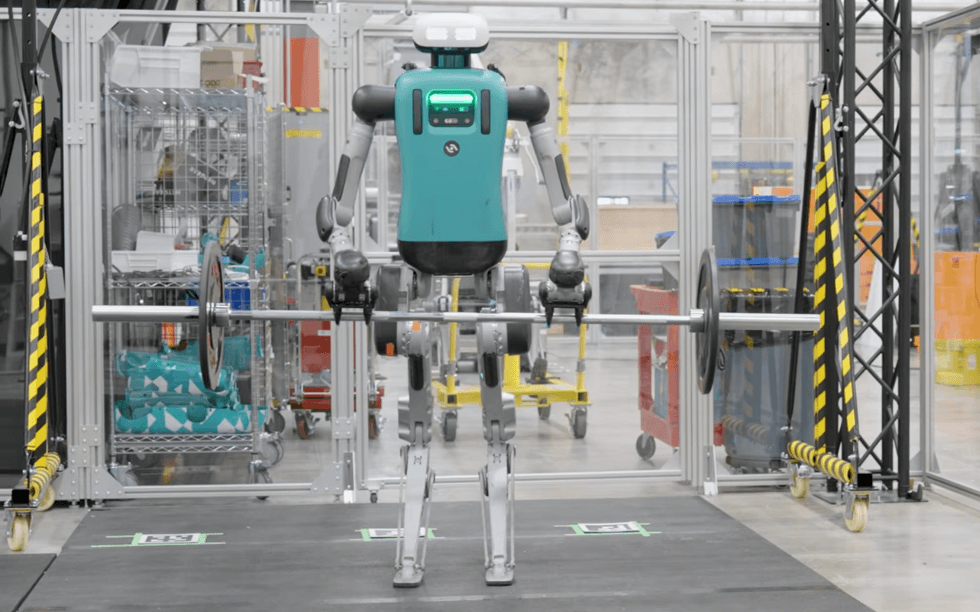
Video Friday: Digit Learns to Deadlift
IEEE Spectrum robotics has released its latest edition of "Video Friday," showcasing a selection of innovative robotics videos and announcing upcoming events in the field. The events include the International Conference on Robotics and Automation (ICRA) scheduled for June 1-5, 2026, in Vienna, the Robotics Science and Systems (RSS) conference from July 13-17, 2026, and a Summer School on Multi-Robot Systems taking place from July 29 to August 4, 2026, in Prague. Among the featured videos, researchers are training the robot Digit to perform a deadlift with a 65-pound object, emphasizing the importance of whole-body coordination and resilience in its actuators. This training allows for the development of a policy that enables Digit to execute a dynamically balanced lift in real-world scenarios. Additionally, Gatlin Robotics has introduced its first commercial showcasing robots in action as part of its Robot-as-a-Service (RaaS) contract. Dexterity highlights the expressive potential of motion intelligence in robotics, while Harvard researchers present a swarm of simple antlike robots capable of constructing and dismantling structures through adaptive group behavior. Lastly, a project from Michigan Robotics demonstrates a microcombustion actuator that rapidly inflates to launch colorful water droplets, challenging conventional notions about the capabilities of soft actuators. These advancements reflect the ongoing evolution and application of robotics technology across various domains.
Industrial-robots Humanoid-robots Video-friday Swarm-robotics Dancing-robot Bipedal-robots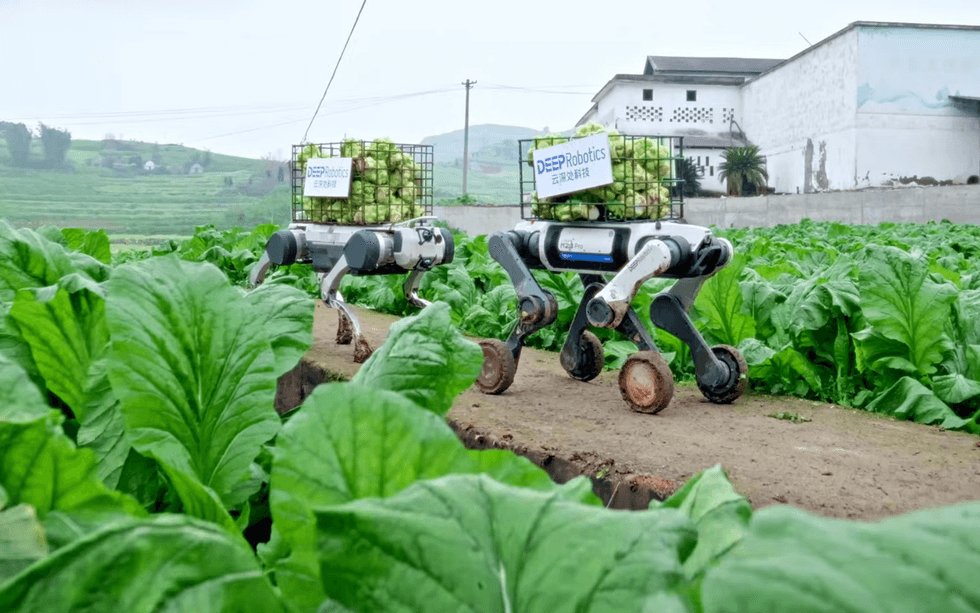
Video Friday: Robot Dogs Haul Produce From the Field
IEEE Spectrum's weekly feature, Video Friday, showcases a variety of innovative robotics videos and highlights upcoming robotics events, including the International Conference on Robotics and Automation (ICRA) scheduled for June 1-5, 2026, in Vienna. This week’s selection includes demonstrations of the Lynx M20 robots, which are designed to address the logistical challenges of transporting harvested crops in mountainous regions. Research from a collaboration between the Max Planck Institute for Intelligent Systems, the University of Michigan, and Cornell University reveals that magnetic microrobot swarms can manipulate larger objects without direct contact, showcasing their potential for complex tasks such as assembly and movement of small items. Meanwhile, Georgia Tech is investigating how bipedal robots can recover from balance loss in unpredictable environments, aiming to enhance their functionality in real-world applications. In a separate initiative, Carnegie Mellon University's TartanAUV team is refining their autonomous underwater vehicle, Osprey, in preparation for the annual RoboSub competition. Additionally, advancements in tilt-rotor aerial robots are being explored to improve control and maneuverability through reinforcement learning techniques. The feature also includes educational tools like the Astorino robot, designed for teaching robotics in schools, and discussions on the need for more realistic datasets for autonomous driving. Overall, the content reflects the ongoing evolution and application of robotics across various fields, emphasizing both technical advancements and educational initiatives.
Humanoid-robots Video-friday Swarm-robotics Quadruped-robots Farm-robots Bipedal-robots
MIT Develops FloatForm Swarm of Autonomous Boats for Adaptive Marine Infrastructure
MIT researchers have unveiled FloatForm, a swarm of 21-centimeter-square autonomous robotic boats capable of self-assembling into floating structures. Each boat is equipped with thrusters, sensors, and a magnetic latching mechanism, allowing them to connect and reconfigure with minimal human intervention. This modular system can adapt to various environments, supporting applications such as emergency response, temporary bridges, and floating markets in waterways across diverse geographies. The significance of FloatForm lies in its decentralized swarm robotics approach, which enables the boats to make local decisions rather than relying on a central controller. This design enhances scalability and efficiency, allowing the robots to navigate and coordinate independently while maintaining robust structural integrity. The innovative magnetic latching system, inspired by origami, allows for reliable connections between boats, facilitating the creation of larger, adaptive structures on water. Future developments will focus on expanding the capabilities of FloatForm for use in canals, rivers, and coastal areas. The researchers aim to deploy larger versions of the robots for various applications, including temporary infrastructure and environmental monitoring. No further timeline was disclosed at the time of publication, but the potential for this technology to transform marine operations is significant, as noted by experts in the field.
AI and Robotics
Open-source swarm robotics: Custom ESP32 MiniBots turn chess pieces into autonomous robots
A hardware developer known as 3DprintedLife has introduced an innovative open-source swarm robotics project aimed at advancing collaborative robotics technology. The announcement was made recently, showcasing the potential for multiple robotic units to work together efficiently in various applications. This initiative is designed to encourage community involvement and innovation in robotics, allowing developers and enthusiasts to contribute to and enhance the project. By providing accessible resources and documentation, 3DprintedLife hopes to foster a collaborative environment that could lead to significant advancements in the field. The project is expected to attract interest from both amateur and professional roboticists, as it emphasizes the importance of shared knowledge and collective problem-solving in technology development.
AI and Robotics
Canadian AI Startup Independent Robotics Wins $2.28M Contract to Bring Conversational AI to Multi-Agent Robot Swarms
A new system called IMPAC has been developed to enhance human interaction with complex robotic systems by allowing operators to communicate using natural, conversational language. This innovation aims to simplify the process of managing multi-robot operations, ensuring that they remain synchronized and aligned with their missions. By translating everyday language commands into actionable plans, IMPAC significantly reduces the cognitive burden on users, effectively acting as a force multiplier for existing teams. The system is designed to operate across various environments and domains, making it a versatile tool for improving efficiency and coordination in robotic operations.
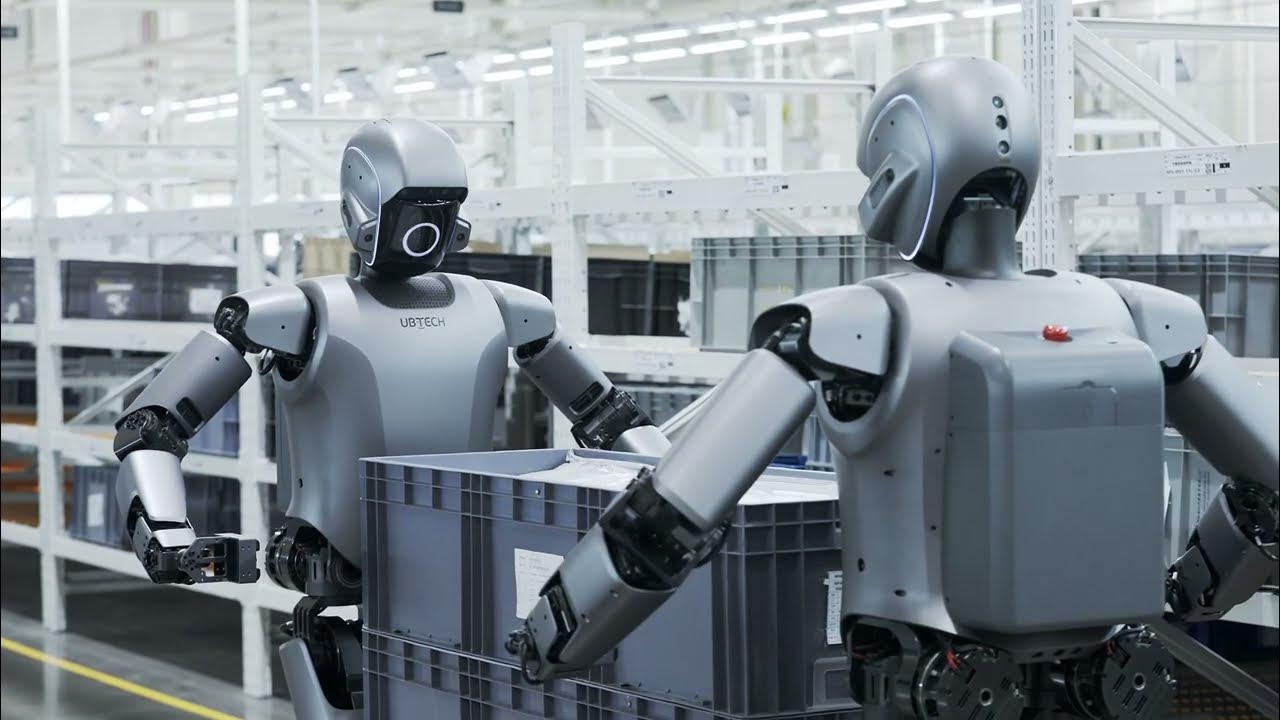
UBTECH Pioneering Swarm Intelligence
Shenzhen-based UBTECH has launched an innovative initiative that marks a significant advancement in robotics by implementing humanoid robots in a collaborative "swarm intelligence" system at Geely’s Zeekr 5G smart factory. This pioneering effort, which began recently, aims to enhance manufacturing efficiency and adaptability through the coordinated efforts of multiple robots working together. By leveraging advanced technologies, UBTECH seeks to revolutionize the production process, showcasing the potential of robotics in modern industry. The initiative underscores the growing trend of integrating artificial intelligence and robotics in manufacturing environments, reflecting a broader shift towards automation and smart technology in the sector.
swarm UBTECH Robotics geely
MIT Develops FloatForm Swarm of Modular Aquatic Robots for Dynamic Structures
MIT researchers have unveiled FloatForm, a swarm of small square robotic boats capable of self-assembly into larger structures on water. This innovative system allows the robots to break apart and reconfigure with minimal human intervention, showcasing a new approach to aquatic construction. The project emphasizes the potential for dynamic, adaptable structures in marine environments, with applications in environmental monitoring and infrastructure development. The significance of FloatForm lies in its ability to create modular and reconfigurable structures, which can respond to changing environmental conditions. This technology could revolutionize how we think about construction and deployment in aquatic settings, offering flexibility and efficiency in design. The robots' self-assembly capabilities could lead to advancements in marine architecture and environmental sustainability. Looking ahead, the next steps for the FloatForm project include further testing and potential applications in real-world scenarios. No further timeline was disclosed at the time of publication, but the implications of this technology could influence future developments in robotics and marine engineering.
Robotics
ABB Robotics completes its AI-powered Visual SLAM AMR portfolio with new autonomous forklift
ABB Robotics completes its AI-powered Visual SLAM AMR portfolio with new autonomous forklift Visit http://go.abb/robotics for further information -The new Flexley Stack F712 extends ABB Robotics’ AI-powered Visual SLAM technology to autonomous forklifts, enabling pallet transport and high-density storage. -Customers can now deploy mixed fleets of Visual SLAM-powered tugs, movers and forklifts on a common navigation, fleet management and software platform. -Powered by ABB Robotics' AMR Studio, the portfolio enables up to 20% faster commissioning while ensuring seamless interoperability and safe, reliable operation. 07/07/26, 07:10 AM | Industrial Robotics, Mobile Robots | ABB Inc. ABB Robotics is expanding its Autonomous Mobile Robotics (AMR) portfolio with the launch of the Flexley® Stack F712, creating a complete interoperable ecosystem across all major Visual SLAM AMR types. Combining autonomous forklifts, tugs and movers on one platform, ABB Robotics enables customers to automate a broader range of material-handling and intralogistics processes. Offering market-leading accuracy, the F712 is designed for demanding material handling, end-of-line storage and warehouse operations across industries including automotive manufacturing, helping increase efficiency, flexibility and scalability. More Headlines A3's Automate 2026 Breaks Records as Demand for Robotics, AI and Automation Grows NVIDIA and Hugging Face Bring New Models and Frameworks to LeRobot for the Open Robotics Community Palladyne AI Executes $4.2 Million U.S. Air Force Contract to Advance Swarming Capabilities for Integrated Cross-Domain Operations UMA Unveils Its Vision for the Next Generation of Humanoid Robots Robbyant Unveils LingBot-Depth 2.0 and LingBot-Vision to Redefine Robotic Spatial Perception Articles Unleash AI Innovation: The Power of NVIDIA RTX PRO 6000 Blackwell Workstation Edition Fueled by PNY-Supplied GPUs Automate 2026 Q&A with DESTACO Automate 2026 Q&A with Roboteon Advances in Robots to See & Interpret within Warehouse Environments Building Resilient Fulfillment Networks with Robotics and Real-Time Logistics Data "Across intralogistics operations, businesses are being asked to process greater volumes in less time, while working with increasingly limited resources," said Marc Segura, President, ABB Robotics. "They are under pressure to move goods faster and with greater flexibility, while labour availability is becoming a critical constraint. As part of our journey to more autonomous and versatile robotics (AVRTM), we have combined advanced vision, mobility and intelligence in the Flexley Stack F712 forklift AMR, completing our scalable, AI-powered AMR portfolio." F712 is versatile, capable of handling multiple load types and sizes - including open and closed pallets, containers or racks- up to 2,000 kg and reaching heights of 8.5 meters. The Flexley Stack AMR F712 joins the Flexley Tug and Flexley Mover in ABB Robotics' growing Visual SLAM AMR portfolio. Applications include intralogistics tasks such as warehouse storage and retrieval, as well as line supply, end-of-line handling, body- and press-shop and drive-in and light buffer in the automotive and industries sector. Unlike conventional AMR forklifts on the market, F712 uses Visual SLAM to map and navigate its environment, eliminating the need for pre-installed infrastructure like markers or reflectors. The AI-enabled Visual SLAM supports the autonomous decisions required to operate in complex, dynamic warehouse operations with a market-leading positional accuracy of ±10 mm. Together with AMR Studio®, this shortens commissioning times by up to 20 percent and creates a versatile and reliable system that can adapt instantly when a warehouse or production floor layout changes. Certified to the latest ISO and ANSI safety standards, Flexley Stack F712 can safely operate at class-leading speeds of up to 1.7 m/s while loaded. F712 is fully integrated with AMR Studio and is VDA5050 compatible, enabling seamless integration with ABB Robotics' Visual SLAM AMRs and existing systems within a unified project. This makes it easy to manage complex projects and integrate different types of mobile robots. The no-code, drag-and-drop software suite supports rapid setup, fleet coordination, traffic management and real-time visualization, allowing ABB Robotics' tugs, movers and forklifts to operate together in the same layout for scalable turnkey automation projects. ABB Robotics as one of the world's leading robotics companies, is the only company with a comprehensive and integrated AI-powered portfolio covering robots, cobots and Autonomous Mobile Robots (AMRs), designed and orchestrated by our value-creating software. We help companies of all sizes and sectors - from automotive to electronics and logistics - to outperform by becoming more resilient, flexible and efficient. ABB Robotics is at the forefront of developing and commercializing a new generation of Autonomous Versatile Robotics

Palladyne AI Executes $4.2 Million U.S. Air Force Contract to Advance Swarming Capabilities for Integrated Cross-Domain Operations
Palladyne AI Executes $4.2 Million U.S. Air Force Contract to Advance Swarming Capabilities for Integrated Cross-Domain Operations Visit http://www.palladyneai.com for further information Palladyne AI’s SwarmOS™ platform to support satellite integration, marking a major expansion of its multi-domain autonomy and ISR capabilities across space, air, maritime, and land 07/07/26, 06:15 AM | Mobile Robots, Other Topics | Palladyne AI Corp. Palladyne AI Corp. (NASDAQ: PDYN and PDYNW) ("Palladyne AI"), a developer of artificial intelligence software for robotic platforms in the defense and commercial sectors, today announced that it has executed the previously announced contract awarded by the Air Force Research Laboratory (AFRL) to solve one of the most persistent challenges in modern defense operations—how to make different autonomous systems work together as one coordinated team. The "Hierarchical Adaptive Networked Game-Theoretic Integration of Multiple Echelons (HANGTIME)" contract will address this need. More Headlines A3's Automate 2026 Breaks Records as Demand for Robotics, AI and Automation Grows NVIDIA and Hugging Face Bring New Models and Frameworks to LeRobot for the Open Robotics Community ABB Robotics completes its AI-powered Visual SLAM AMR portfolio with new autonomous forklift UMA Unveils Its Vision for the Next Generation of Humanoid Robots Robbyant Unveils LingBot-Depth 2.0 and LingBot-Vision to Redefine Robotic Spatial Perception Articles Unleash AI Innovation: The Power of NVIDIA RTX PRO 6000 Blackwell Workstation Edition Fueled by PNY-Supplied GPUs Automate 2026 Q&A with DESTACO Automate 2026 Q&A with Roboteon Advances in Robots to See & Interpret within Warehouse Environments Building Resilient Fulfillment Networks with Robotics and Real-Time Logistics Data Today, drones, ships, and satellites often operate largely independently, limiting how quickly warfighters can see and respond to threats. HANGTIME will utilize Palladyne AI's patented SwarmOS™ software platform—the defense variant of the Palladyne™ Pilot embodied AI software—as the baseline technology to bridge that gap, connecting disparate systems so they can share intelligence, adapt to changing conditions, and act in sync across domains, including space, air, maritime, and land. By integrating satellites for the first time, this project also extends Palladyne AI's technology from the ground to orbit, enabling faster, more informed decision-making and coordinated mission execution, turning tactical commanders into strategic commanders by giving them more cross-domain intelligence, surveillance, and reconnaissance (ISR) capabilities than ever before. "Our collaboration with AFRL showcases what's next for autonomous operations," said Ben Wolff, President and CEO, Palladyne AI. "This isn't about replacing humans—it's about giving them sharper, faster insight. By connecting satellite, aerial, and ground systems using the patented SwarmOS embodied AI platform as a foundational technology, we're helping the warfighter make better decisions in real time and stay one step ahead on the battlefield." "The HANGTIME project is a breakthrough that unites high-altitude assets and situational unmanned systems into one coordinated sensor network—delivering a major advantage for the defense industry," said Dr. Denis Garagic, Chief Technology Officer, Palladyne AI. "For the first time, a single AI framework can coordinate assets across multiple domains, including satellites. That means these systems can now think and act together as a team, sharing what they see and learning as conditions change." "The HANGTIME effort represents a critical step in multi-domain autonomy for coordinated execution in challenging environments," said Caleb Williams, Program Manager, AFRL/RIEA. For more information on Palladyne AI and its patented collaborative autonomy software, including SwarmOS, please visit www.palladyneai.com. For more information about AFRL, please visit www.afrl.af.mil. About Palladyne AI Palladyne AI is a U.S.-based technology company developing patented embodied artificial intelligence, collaborative autonomy solutions, advanced avionics, autonomous systems, advanced UAV engineering services, and precision-manufactured components for defense and industrial markets. Palladyne AI delivers secure, American-developed and operated platforms designed to meet the stringent requirements of U.S. government and public-sector customers, including data sovereignty, security, and compliance. Palladyne AI's embodied AI is designed to operate in complex, contested, and high-risk environments, enabling distributed tasking, human-on-the-loop decision-making, degraded-communications resilience, and multi-domain coordination. Its platform-agnostic autonomy stack combines real-time sensor fusion, adaptive AI models, and edge-native orchestration—without vendor lock-in—to support autonomous and collaborative systems across air, ground, maritime, and industrial domains w

Breakthrough in Collective Intelligence: Tsinghua University Develops Aquatic Robot Swarm
Researchers at Tsinghua University have successfully created a swarm of miniature aquatic robots capable of exhibiting self-organized criticality without the need for central control. This innovative development, revealed in recent studies, highlights how these robots can engage in complex collective behaviors, including object manipulation and bridge formation, through simple physical interactions. The findings suggest significant potential for these systems to be applied in various fields, emphasizing their robustness and scalability. The research showcases a breakthrough in understanding how decentralized systems can operate effectively, paving the way for future advancements in robotics and automation.
Aquatic Robots Collective Intelligence Self-Organized Systems Robotics Research
Living robot swarms built from algae can split, merge, and target wounds with light
A team of scientists has successfully created living microrobot swarms using algae and nanoparticles, marking a significant advancement in the field of robotics and bioengineering. This innovative development was announced in a study published recently, showcasing the potential of these microrobots to self-assemble and perform tasks autonomously. Conducted at a research facility, the project aims to explore new applications in environmental monitoring and medical treatments. The motivation behind this research stems from the desire to harness the natural properties of algae, which can photosynthesize and move in response to environmental stimuli, combined with the versatility of nanoparticles. By integrating these elements, the scientists have designed microrobots that can adapt to their surroundings and execute complex operations without human intervention. The process involves programming the algae and nanoparticles to work together, allowing the microrobots to respond to specific signals and assemble into desired structures. This breakthrough could pave the way for future innovations in various fields, including drug delivery systems and pollution cleanup efforts. As the research progresses, the team is optimistic about the potential applications of these living microrobots, which could revolutionize how we approach complex challenges in both healthcare and environmental science.
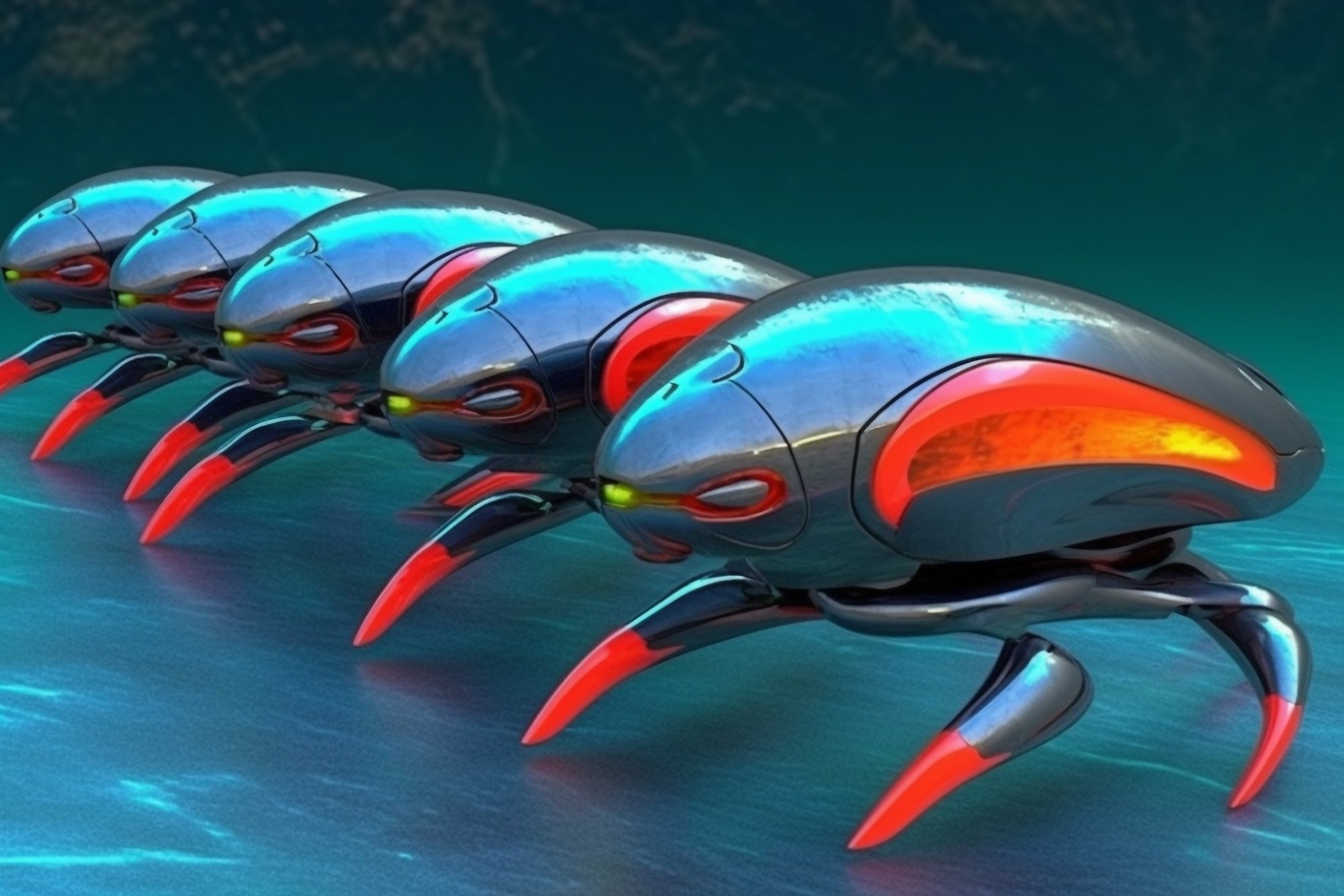
Robot Swarm Models Reveal Principles of Cell Organization
MorphoSystem, a pioneering research organization, has developed programmable robot swarms to simulate cell adhesion, a critical process in biological self-organization. This innovative technology provides a controlled environment that allows scientists to study the mechanisms underlying how cells adhere to one another and organize themselves. By utilizing these robotic swarms, researchers aim to gain deeper insights into cellular behaviors that are fundamental to various biological processes. The initiative underscores the intersection of robotics and biology, showcasing how advanced technology can enhance our understanding of complex life systems. This groundbreaking work is expected to contribute significantly to fields such as tissue engineering and regenerative medicine, potentially leading to new therapeutic approaches.

Researchers build a robotic swarm with no electronics, no batteries and no brains
Researchers at Georgia Tech have developed innovative swarms of tiny robotic particles that operate without any electronic components, such as sensors or processors. Led by Bolei Deng, an assistant professor in the Daniel Guggenheim School of Aerospace Engineering, and Ph.D. student Xinyi Yang, the team has drawn inspiration from the simplicity of LEGO bricks, which fit together seamlessly without the need for complex technology. This groundbreaking work showcases how these robotic particles can latch, release, and reorganize autonomously, opening new possibilities for applications in various fields. The research highlights a novel approach to robotics that emphasizes mechanical interaction over electronic intelligence, potentially leading to more resilient and adaptable systems.
Robotics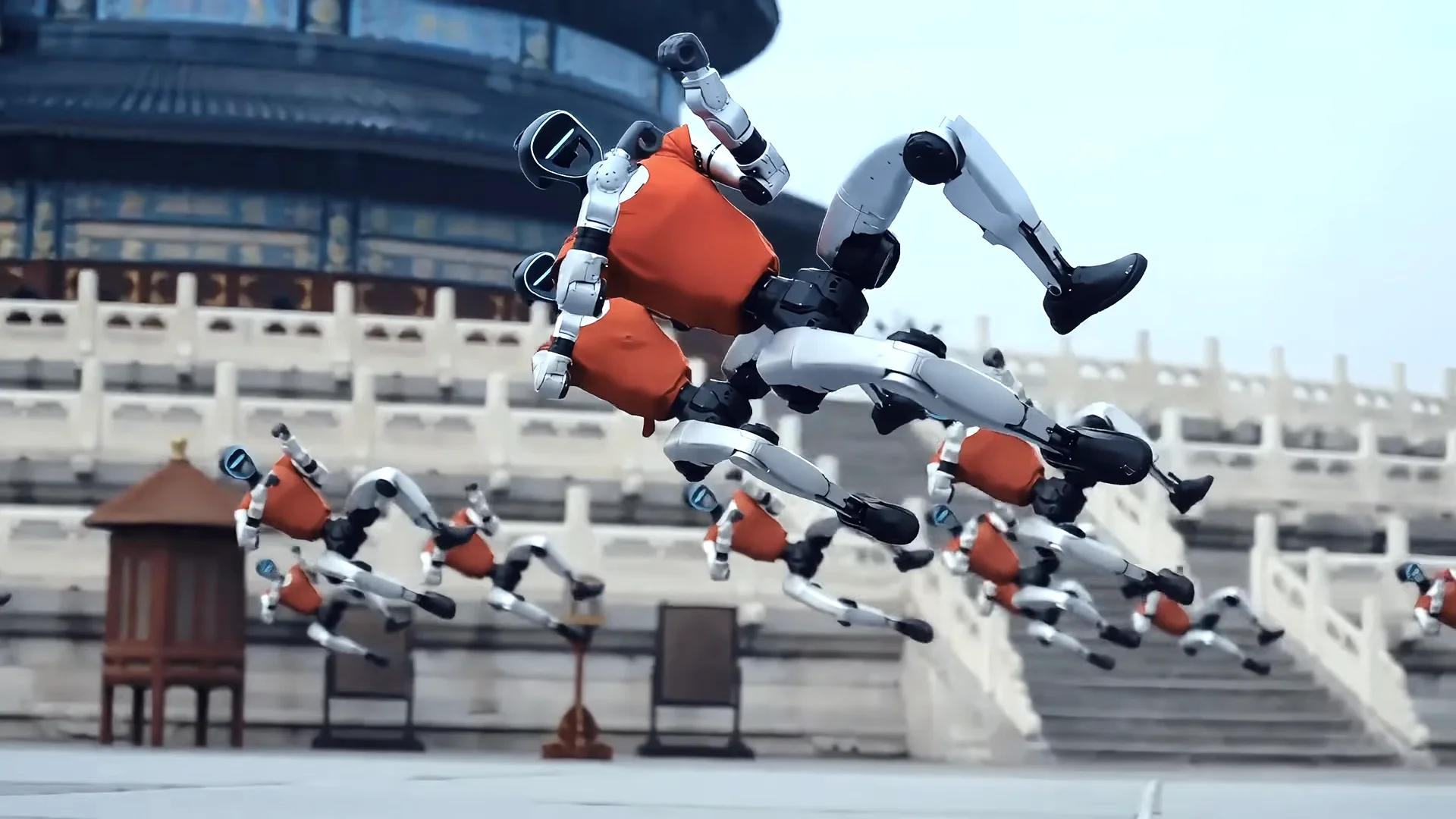
Sacred Ground, Silicon Swarm: Unitree’s G1 Fleet Performs at the Temple of Heaven
Unitree Robotics showcased its G1 "Kung Fu Bots" in a spectacular outdoor demonstration at one of Beijing's historic landmarks, following a viral appearance during the Spring Festival Gala. The event, which took place recently, highlighted the company's advanced cluster coordination technology, allowing multiple robots to work in unison. This demonstration not only captivated audiences but also aimed to illustrate the potential applications of robotics in various sectors. By leveraging cutting-edge technology, Unitree Robotics seeks to position itself at the forefront of the robotics industry, promoting innovation and engaging the public in the possibilities of automation.
G1 Unitree Robotics swarm China
Swarm robots inspired by bees and ants could transform the future of mining
A team of researchers at Adelaide University has unveiled an innovative robotic system designed to enhance safety, efficiency, and sustainability in the mining industry. Drawing inspiration from the collaborative behaviors of bees and ants, this new technology aims to transform traditional mining practices. The development comes at a crucial time when the industry faces increasing pressure to adopt more environmentally friendly methods and improve worker safety. By mimicking the social structures and collective decision-making processes of these insects, the robotic system is expected to optimize resource extraction while minimizing environmental impact. This advancement not only highlights the potential for robotics in industrial applications but also underscores the importance of interdisciplinary research in addressing contemporary challenges in mining.
Robotics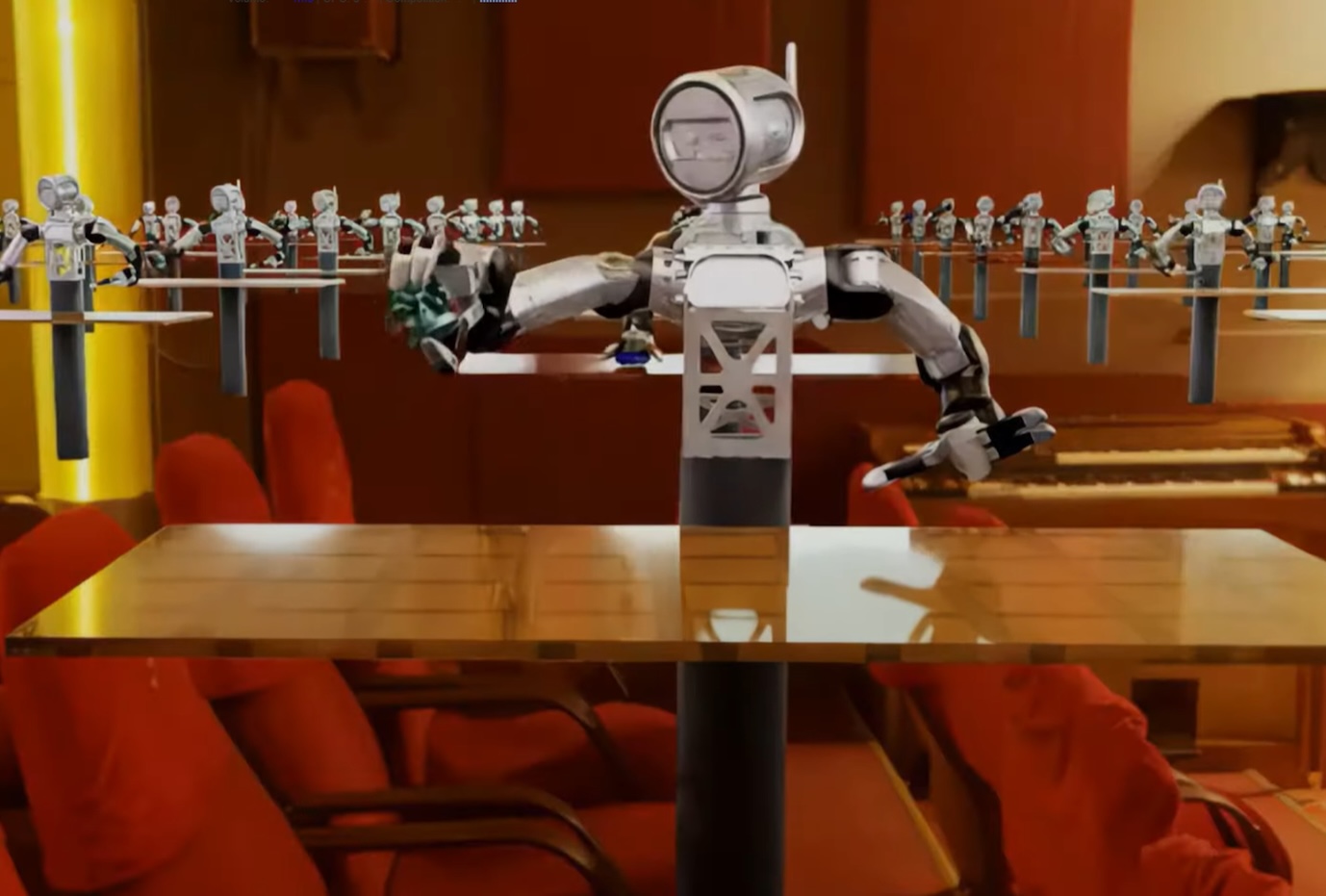
Linear System Identification and Control of a Low‐Cost High‐Performance Omnidirectional Marine Surface Vehicle for Swarming Applications
The Journal of Field Robotics has published an early view article highlighting advancements in robotic technology aimed at enhancing agricultural efficiency. Researchers from various institutions collaborated on this study, which was released in October 2023. The article focuses on the development of autonomous robots designed to optimize crop management and reduce labor costs in farming practices. This initiative is driven by the increasing demand for sustainable agricultural solutions amid a growing global population. The team employed cutting-edge artificial intelligence and machine learning techniques to enable robots to perform tasks such as planting, monitoring crop health, and harvesting with minimal human intervention. Field tests conducted in diverse agricultural settings demonstrated the robots' effectiveness in improving yield while minimizing resource usage. The findings suggest that integrating robotics into farming could significantly address labor shortages and enhance food production efficiency. As the agricultural sector faces mounting pressures from climate change and economic constraints, this research underscores the potential of technology to transform traditional farming methods and promote sustainability.
RESEARCH ARTICLE
Finding the best ways for humans and robots to work together requires 'swarm' thinking
As the landscape of warehouse work evolves, experts are exploring the most effective methods for human-robot collaboration. With advancements in automation and robotics, the integration of these technologies into the workforce is becoming increasingly prevalent. The discussion centers around optimizing the interaction between human workers and robots to enhance productivity and safety in warehouse environments. This exploration is particularly relevant as companies seek to adapt to changing demands and improve operational efficiency. The focus on collaboration strategies aims to ensure that both humans and robots can work together seamlessly, leveraging each other's strengths to meet the challenges of modern logistics.
Business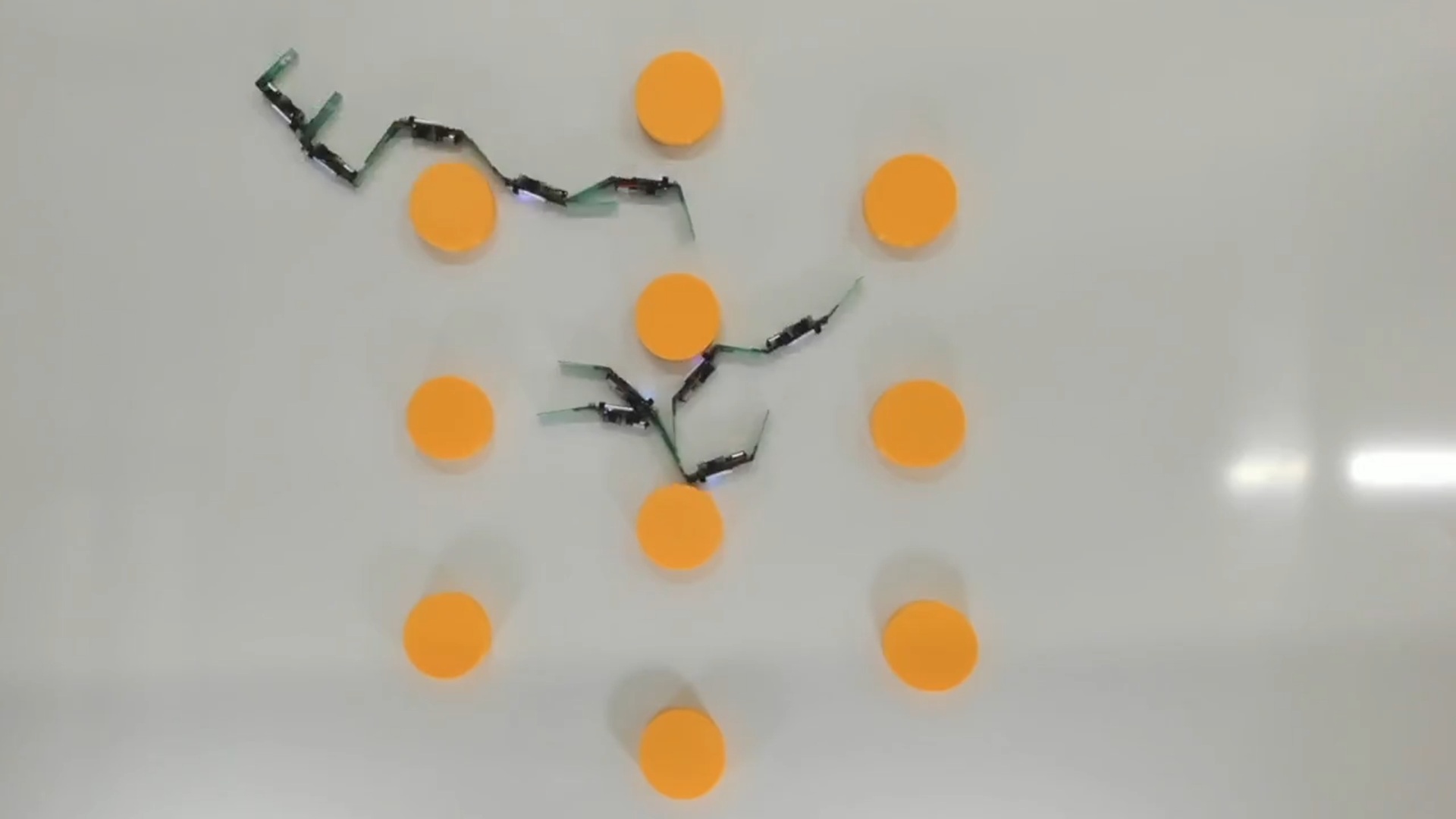
‘Like a flowing material’: Robot swarm uses physics, not commands to self-organize
Engineers at Cornell University have unveiled an innovative robotic system that mimics the behavior of flowing liquids. This groundbreaking development, announced in October 2023, aims to enhance the versatility and adaptability of robots in various applications. By incorporating principles of fluid dynamics, the team has created a robot capable of navigating complex environments with unprecedented ease. The motivation behind this project stems from the desire to improve robotic mobility and functionality, particularly in scenarios where traditional rigid robots struggle. The researchers utilized advanced algorithms and soft materials to enable the robot to change shape and move fluidly, allowing it to overcome obstacles and traverse challenging terrains. This new robotic system has the potential to revolutionize fields such as search and rescue, environmental monitoring, and even medical applications, where flexibility and adaptability are crucial. The team's findings highlight the importance of interdisciplinary approaches in robotics, merging concepts from engineering, biology, and physics to create more efficient and capable machines.

Guidance and Flocking Algorithm for a Distributed FW‐UAV Swarm System Under Coordinated Surveillance Missions in an Occluded Environment
A recent study published in the Journal of Field Robotics highlights advancements in robotic technology aimed at enhancing agricultural efficiency. Researchers from various institutions collaborated to develop a new autonomous robotic system designed to optimize crop monitoring and management. The study, released in early October 2023, emphasizes the growing need for innovative solutions in agriculture due to increasing global food demands and labor shortages. The robotic system employs advanced sensors and artificial intelligence to gather real-time data on crop health, soil conditions, and environmental factors. This technology allows farmers to make informed decisions, ultimately leading to improved yields and reduced resource waste. The research team conducted field tests in diverse agricultural settings, demonstrating the robot's effectiveness in various crops and terrains. By addressing the challenges faced by modern agriculture, this initiative aims to contribute to sustainable farming practices and food security. The findings underscore the potential of robotics to transform traditional farming methods, making them more efficient and environmentally friendly. As the agricultural sector continues to evolve, such innovations are crucial in meeting the demands of a growing population while minimizing ecological impact.
RESEARCH ARTICLE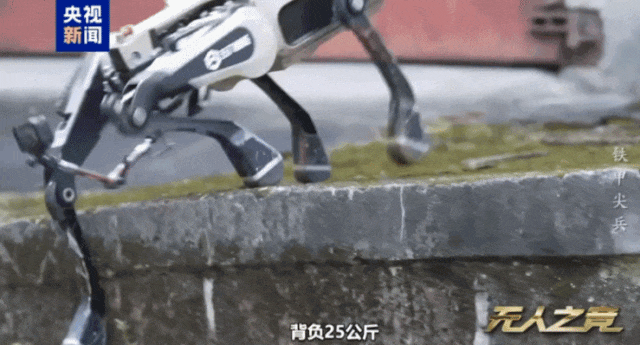
First Public Release! China's 'Machine Wolf Pack' Urban Warfare Footage, Another 'Dimensional Strike' by Chinese Military Industry
A newly released video has revealed China's 'Machine Wolf Pack' engaging in urban combat training, featuring advanced four-legged robots designed for operation in complex environments. This development marks a significant advancement in military technology, indicating a shift towards intelligent, unmanned, and swarm-based warfare capabilities. The training exercises demonstrate the potential for these robotic units to enhance combat efficiency and effectiveness in urban settings, reflecting China's ongoing efforts to modernize its military forces. The introduction of such technology underscores the increasing importance of robotics in contemporary warfare strategies.
Military Robotics Urban Warfare Unmanned Systems AI Technology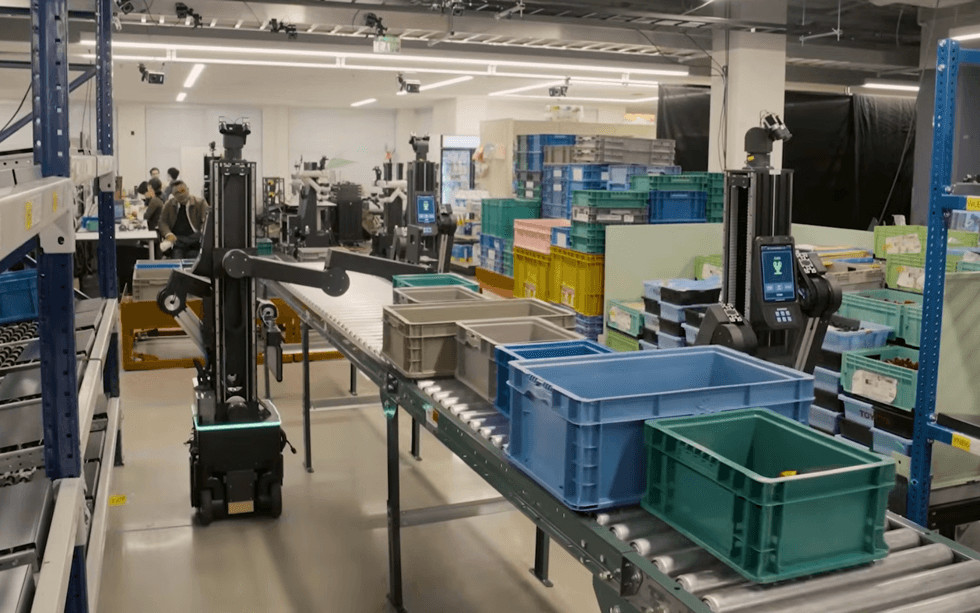
Video Friday: Autonomous Robots Learn By Doing in This Factory
In a recent edition of Video Friday, IEEE Spectrum robotics showcased a variety of innovative robotics projects and developments. Notably, scientists at the Toyota Research Institute are collaborating with Toyota Manufacturing to implement autonomous robots on factory floors, enhancing production efficiency. Zipline shared insights into their drone delivery system, detailing the challenges faced and lessons learned in its development. Humanoid introduced KinetIQ, an AI framework designed for the orchestration of humanoid robot fleets, which integrates task allocation and execution through advanced cognitive layers. Meanwhile, researchers at VISTEC unveiled a decentralized adaptive resilient neural control system (DARCON) that enables legged robots to autonomously adapt to limb loss, ensuring mission success despite mechanical failures. NASA's Jet Propulsion Lab presented an animation of the Perseverance rover's drive along the Jezero Crater, captured on December 10, 2025, showcasing the rover's navigation capabilities. Additionally, Unitree's humanoid robot G1 made its mark on the snowfields of Altay, demonstrating its adaptability in extreme conditions. The Norwegian University of Science & Technology introduced a hierarchical 3D scene graph to enhance autonomous agents' understanding of their environments. Other highlights included the HoLoArm quadrotor, which features compliant arms for improved stability, and SkyDreamer, a pioneering vision-based autonomous-drone racing policy. The event also featured demonstrations of dexterous object manipulation by the AI Worker robot and advancements in swarm robotics for architectural applications.
Video-friday Autonomous-robots Humanoid-robots Industrial-robots Robot-ai Perseverance-rover
UBTECH Walker S2 Claims Design Award, Spotlighting 24/7 Battery Swapping
The Walker S2 humanoid robot has been honored with a Platinum MUSE Design Award, recognizing its innovative design and functionality. UBTECH, the company behind the robot, highlighted its advanced autonomous battery-swapping capability and swarm intelligence features, which are specifically tailored for industrial applications. This accolade reflects the growing importance of robotics in enhancing efficiency and productivity in various sectors. The award was announced recently, showcasing the Walker S2 as a leading example of cutting-edge technology in the field of robotics.
UBTECH Robotics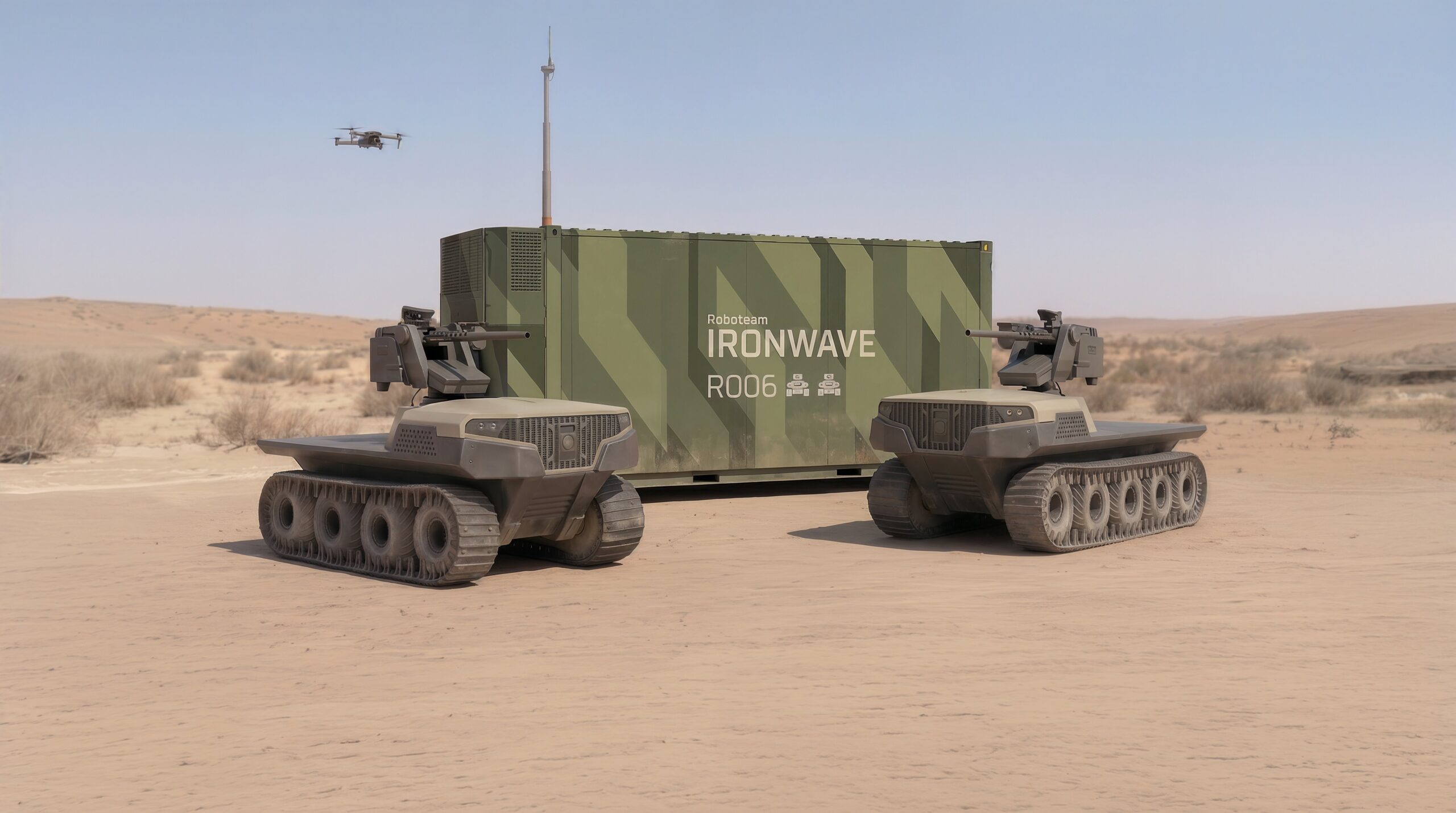
Ondas Unveils New Autonomous Counter-Drone and Robotic Combat Systems
Ondas Holdings has introduced two innovative autonomous defense systems, MODUS and IRON WAVE, aimed at assisting military forces in countering the escalating threats posed by drones and enhancing the deployment of robotic systems. This announcement highlights the company's commitment to addressing critical challenges faced by modern military operations. The unveiling of these systems comes at a time when the proliferation of drone technology and robotic warfare is reshaping the battlefield landscape. By providing advanced solutions, Ondas Holdings seeks to empower frontline troops with enhanced capabilities to effectively neutralize aerial threats and integrate robotic support into their operations.
Anti-drone technology Applications C-UAS defense Defense Drone NewsRobotics needs a service framework.
RSF defines a common language for robot service capability, lifecycle operations, certification pathways, and service-provider networks.