Industry Briefing
A single destination for timely, editor-curated robotics news from around the world.

144 GPUs per rack: Dell launches new server for massive supercomputing tasks
Dell has unveiled a cutting-edge high-density AI and supercomputing server, aimed at enhancing computational capabilities for enterprises and research institutions. This launch took place on October 10, 2023, at the company's annual technology conference in Austin, Texas. The new server is engineered to address the growing demand for advanced processing power in fields such as artificial intelligence, machine learning, and data analytics. The motivation behind this development stems from the increasing need for efficient and powerful computing solutions that can manage complex workloads and large datasets. Dell's latest offering is designed to optimize performance while minimizing energy consumption, aligning with the industry's push towards sustainability. The server incorporates innovative technologies, including advanced cooling systems and modular designs, allowing for scalability and flexibility in various operational environments. By providing organizations with the tools necessary to accelerate their AI initiatives, Dell aims to solidify its position as a leader in the supercomputing market. This strategic move not only responds to current technological trends but also anticipates future demands in high-performance computing.
AI and Robotics
NVIDIA Powers Over 400 of the World’s 500 Fastest Supercomputers
NVIDIA continues to dominate the high-performance computing landscape, with its technology powering 81% of the TOP500 supercomputers and 90% of the newly added systems on the list. The latest rankings reveal that 26 systems have integrated the NVIDIA Grace CPU, marking an increase of eight from the previous edition. Additionally, all of the top eight systems on the Green500, which ranks supercomputers based on energy efficiency, utilize NVIDIA GPUs. This strong presence underscores NVIDIA's pivotal role in advancing computational capabilities and energy efficiency in supercomputing.
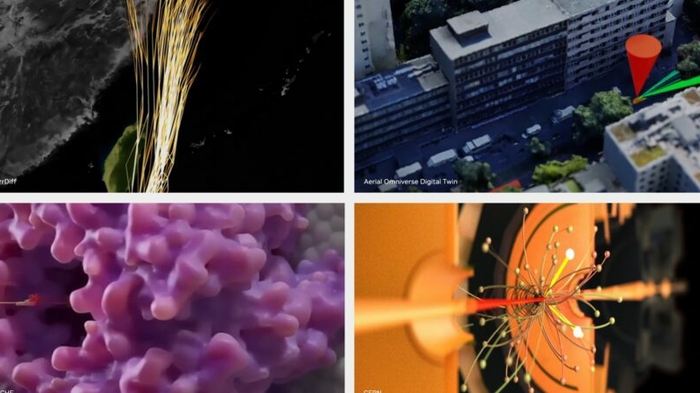
At ISC, JUPITER Shows What Exascale Science Looks Like
Europe's first exascale supercomputer, JUPITER, located at Germany's Forschungszentrum Jülich, has made significant strides over the past year. Powered by NVIDIA Grace Hopper Superchips and utilizing NVIDIA Quantum-X800 InfiniBand networking, JUPITER is positioned at the forefront of high-performance computing. This advanced system is designed to tackle complex scientific challenges and enhance research capabilities across various fields. The supercomputer's development reflects a growing commitment within the international supercomputing community to push the boundaries of technology and innovation. As it continues to operate and evolve, JUPITER aims to facilitate breakthroughs in areas such as climate modeling, artificial intelligence, and medical research, underscoring the vital role of supercomputing in addressing pressing global issues.

NVIDIA Vera Rubin Delivers World-Class Supercomputers for Science
NVIDIA has unveiled its latest innovation, the NVIDIA Vera Rubin platform, at the ISC High Performance 2026 conference. This new platform is designed to provide cutting-edge supercomputing capabilities specifically for scientific applications. It features native double-precision (FP64) performance, which is crucial for complex calculations in various scientific fields. Additionally, the Vera Rubin platform integrates NVIDIA's CUDA-X™ libraries, enhancing its computational efficiency and versatility. This announcement underscores NVIDIA's commitment to advancing high-performance computing and supporting scientific research through superior technology. The launch event took place during the prominent ISC High Performance conference, highlighting the growing intersection of computing technology and scientific inquiry.
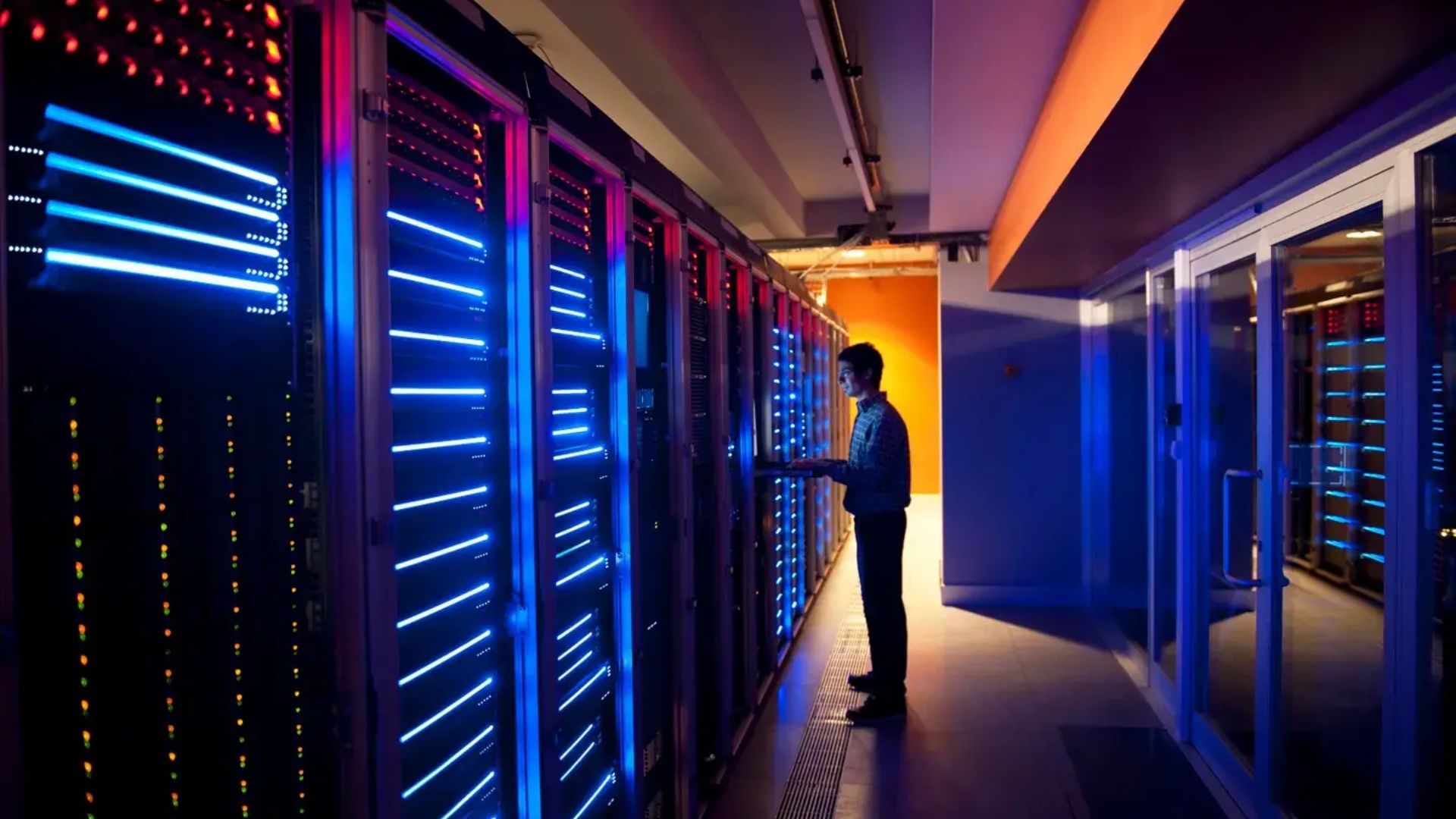
Airbus triples compute power with supercomputer upgrade for next-gen aircraft design
Airbus, the leading French aerospace manufacturer, has officially launched a new supercomputing infrastructure designed to enhance its aircraft design and manufacturing processes. The inauguration took place recently at two locations in France, marking a significant investment in advanced technology. This initiative aims to improve the efficiency and performance of Airbus's operations, enabling the company to better meet the growing demands of the aviation industry. By leveraging cutting-edge computing capabilities, Airbus seeks to accelerate innovation and streamline its development cycles, ultimately contributing to the production of more efficient and environmentally friendly aircraft. The new infrastructure is expected to play a crucial role in the company's future projects and competitive positioning in the global market.
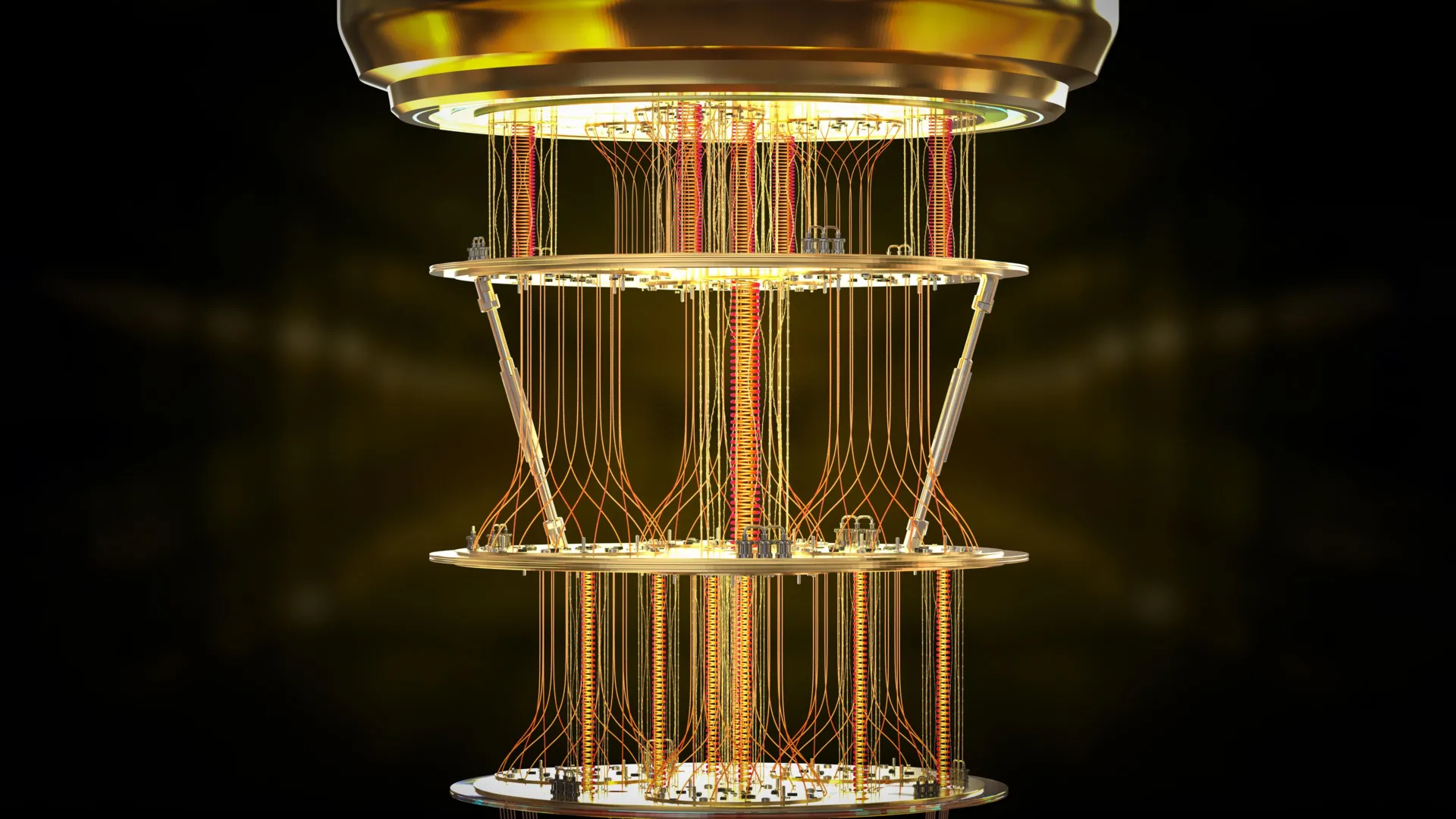
JUPITER supercomputer breaks world record with 50-qubit quantum simulation
In a groundbreaking achievement, scientists in Germany have successfully simulated a 50-qubit quantum computer, marking the first time this has been accomplished. This significant milestone was made possible through the use of Europe’s advanced exascale supercomputer, JUPITER. The simulation surpasses the previous record of 48 qubits, showcasing the remarkable capabilities of next-generation supercomputers. This development not only demonstrates the progress in quantum computing research but also emphasizes the potential of supercomputing technology in tackling complex computational problems.
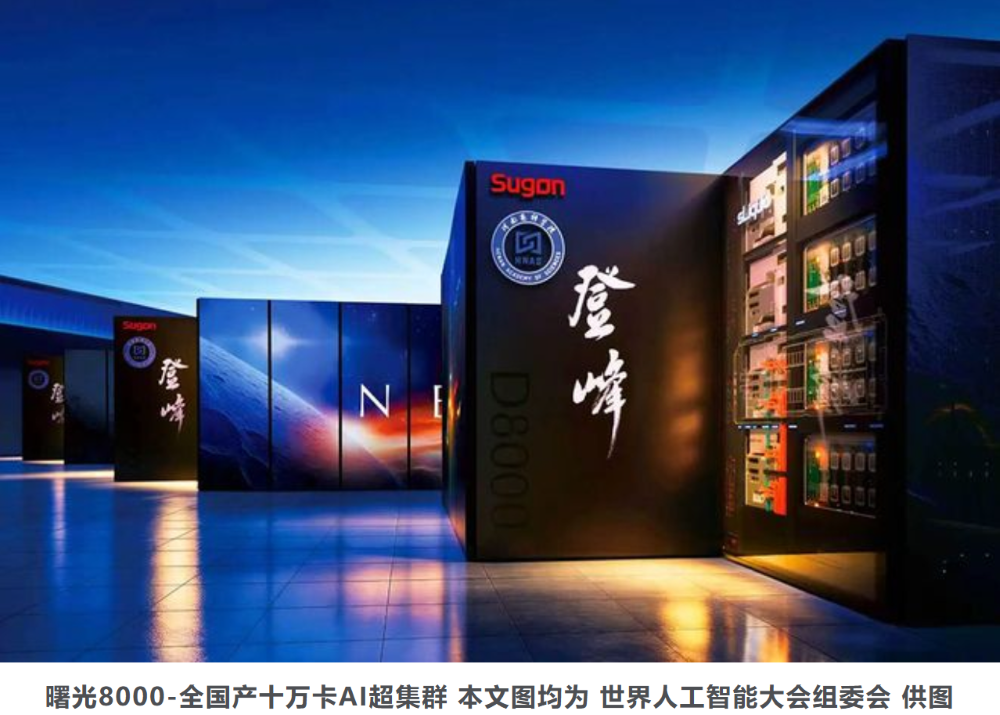
WAIC 2026 Unveils Top Innovations in AI and Robotics at Shanghai Event
The World Artificial Intelligence Conference (WAIC) 2026, held from July 17 to 20 in Shanghai, showcased groundbreaking advancements in AI and robotics. With over 1,100 exhibitors and more than 3,000 products, the event highlighted ten key innovations, including the Shuguang 8000 AI supercomputer cluster and Ant Group's robotic pharmacy that completes a full workflow in just 90 seconds. These innovations are significant as they represent a leap in computational power and collaborative robotics, pushing the boundaries of what is possible in AI applications. The Shuguang 8000, a domestically produced AI supercomputer, supports a range of applications from scientific computing to AI inference, while the robotic pharmacy exemplifies the efficiency of integrating multiple robotic configurations. Looking ahead, the advancements presented at WAIC 2026 indicate a transformative decade for AI, robotics, and their impact on various sectors. The event's focus on high-performance computing and intelligent robotics sets the stage for future developments that could redefine work and daily life. No further timeline was disclosed at the time of publication.
Supercomputing Robotics AI Technology Smart Pharmacy BiotechnologyRobotics needs a service framework.
RSF defines a common language for robot service capability, lifecycle operations, certification pathways, and service-provider networks.