Industry Briefing
A single destination for timely, editor-curated robotics news from around the world.
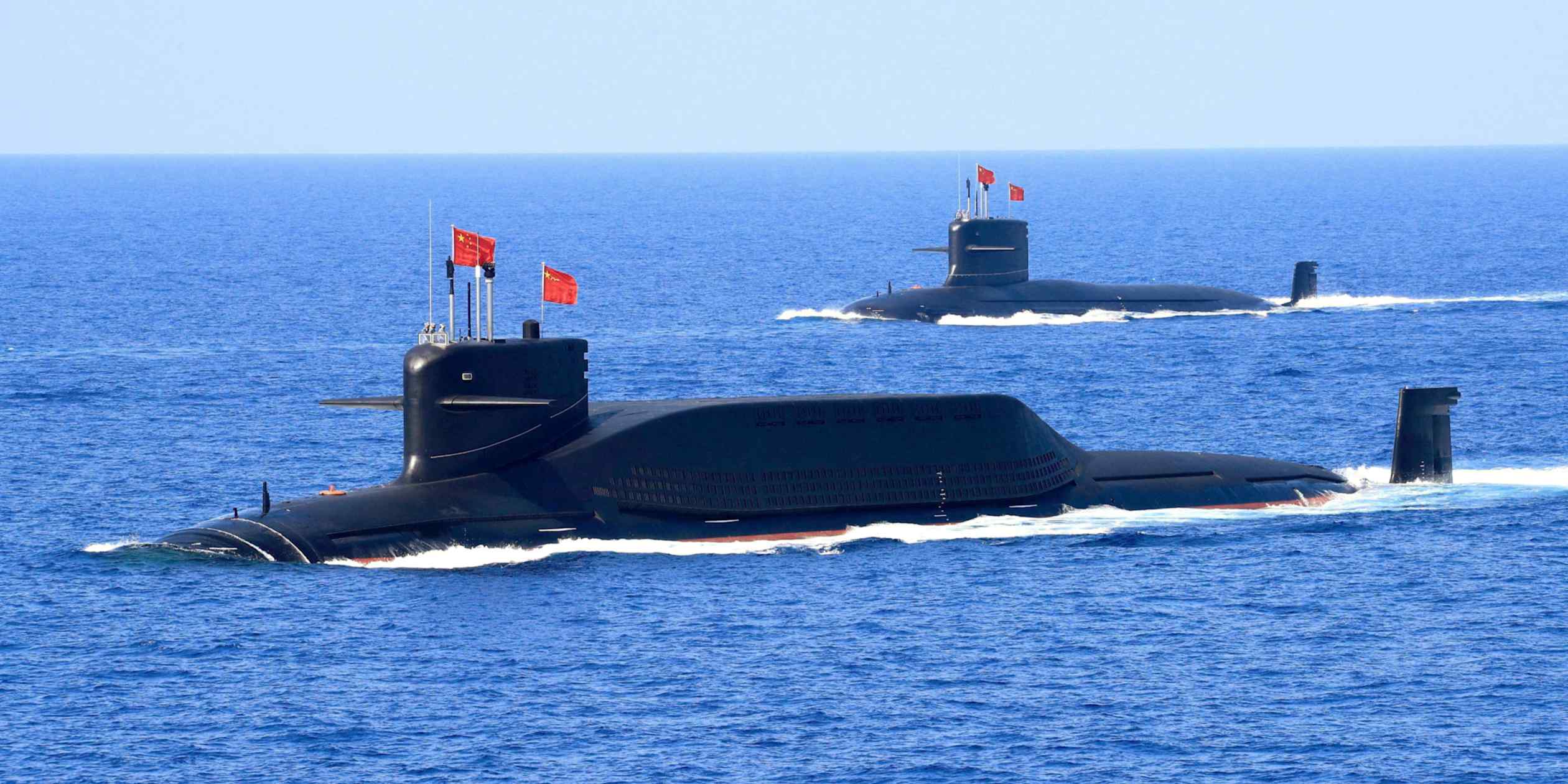
Japan Plans Development of Drone-Based Quantum Sensors for Submarine Detection
Japan's Defense Ministry has announced plans to develop advanced quantum magnetic sensors for drones aimed at detecting submarines. This initiative is part of the fiscal 2027 budget request, reflecting Japan's response to China's increasing naval activities in nearby waters. The development of these drone-based sensors is significant as it enhances Japan's defense capabilities amid growing concerns over regional security, particularly with China's expanding submarine fleet. The move underscores Japan's commitment to bolstering its military technology and ensuring maritime security. Looking ahead, the focus will be on the successful implementation and potential mass production of these quantum sensors. No further timeline was disclosed at the time of publication.

Ultra Maritime Showcases New Underwater Surveillance System at U.S. Navy's 2026 Exercise
Ultra Maritime demonstrated a new underwater surveillance system during the U.S. Navy’s 2026 Lanternfish exercise. The system integrates the Sea Spear passive sonar with the SSQ-125B active sonobuoy to enhance detection capabilities for unmanned underwater vehicles (UUVs). This combination allows for continuous monitoring and precise localization of underwater threats. The significance of this demonstration lies in its potential to improve naval operations against UUVs and submarines. By utilizing both passive and active sonar technologies, Ultra Maritime aims to provide naval forces with a comprehensive understanding of underwater activity across extensive maritime areas. The Sea Spear's passive capabilities enable persistent surveillance, while the SSQ-125B enhances target localization. Looking ahead, Ultra Maritime's system is part of the broader “Ocean of Things” initiative, which envisions a network of underwater sensors deployed from various platforms. This approach could revolutionize maritime security by enabling long-term monitoring of critical areas such as ports and busy sea routes. No further timeline was disclosed at the time of publication.
Military
Russian Navy Implements Netting for Submarine Protection Against Drone Threats
Recent satellite imagery reveals that the Russian Navy has begun using nets to shield submarines from drone attacks at its strategic base in Kamchatka. This development highlights Russia's growing concerns about drone threats, extending to critical facilities beyond the Ukraine conflict. Additionally, similar protective measures are being observed at a Black Sea base, indicating a broader trend in enhancing naval defenses against uncrewed aerial systems. The use of nets at the Rybachiy base, home to most of Russia's Borei and Borei-A class nuclear ballistic missile submarines, signifies a tactical shift in response to perceived threats. The imagery shows various submarines covered by nets, consistent with countermeasures previously employed in Ukraine against drone attacks. The introduction of floating booms further enhances protection against surface threats, reflecting a comprehensive approach to naval security. Looking ahead, the Russian Navy's adaptations to counter uncrewed aerial systems and surface vessels will likely continue to evolve. The recent imagery from both Kamchatka and Novorossiysk raises questions about the operational readiness of these submarines and the effectiveness of the new defensive measures. No further timeline was disclosed at the time of publication.
News & Features Air Around The Globe Drones Europe Russia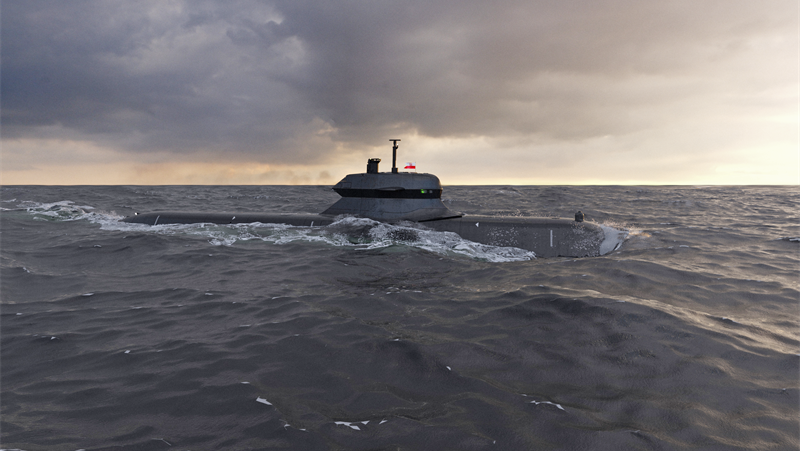
Poland signs $4.8 billion contract for Saab-made A26 submarines
Swedish Prime Minister Ulf Kristersson announced a significant defense agreement that will bolster the Polish Navy, enhancing its capabilities to become one of the most formidable forces within NATO. This long-term deal is expected to strengthen security in the Baltic Sea region and across the alliance. The announcement underscores the importance of collaborative defense efforts among NATO member states, particularly in light of ongoing regional security challenges.
Global Naval Warfare A26 Baltic Sea Europe NATO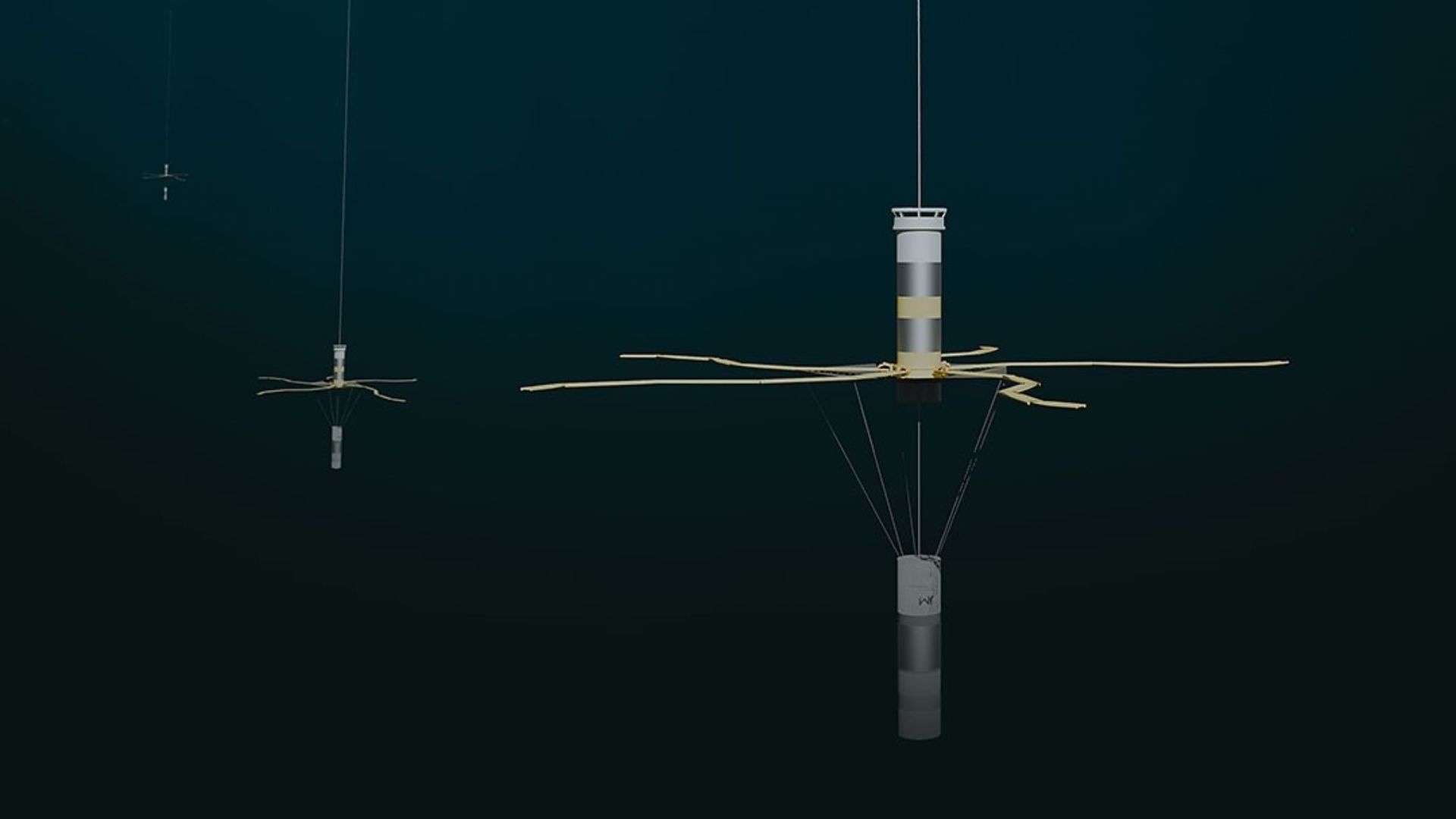
UK trials compact G-size sonobuoy built for autonomous drones hunting submarines
Ultra Maritime has successfully conducted the inaugural in-water deployment trial of its advanced Multistatic Active Receive system. This significant milestone took place recently, marking a key step in the development of the technology designed to enhance maritime surveillance and detection capabilities. The trial was held in a controlled marine environment, allowing the team to assess the system's performance and reliability in real-world conditions. The motivation behind this initiative is to improve the effectiveness of maritime operations, particularly in detecting underwater threats and monitoring marine activities. By utilizing innovative technology and methodologies, Ultra Maritime aims to set a new standard in maritime security solutions. The successful trial demonstrates the potential of the Multistatic Active Receive system to revolutionize the industry and address growing concerns over maritime safety and security.
Military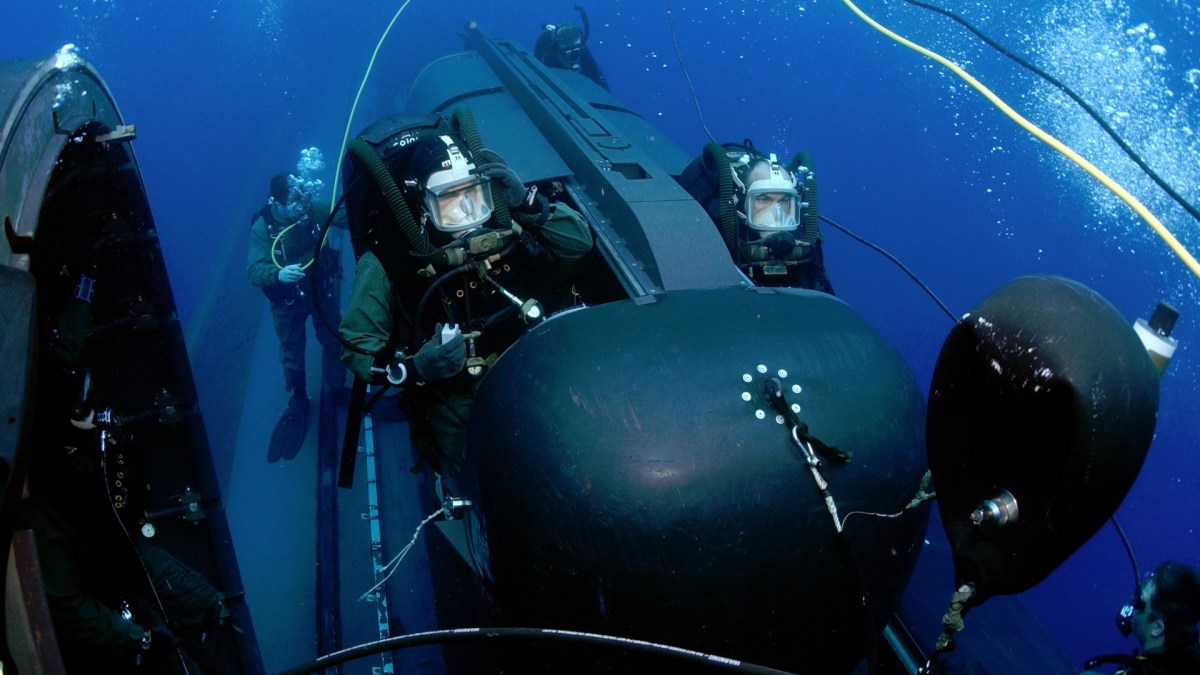
Navy SEALs In Mini-Submarines Teamed With Underwater Drones In The Works
The U.S. Navy is exploring innovative operational strategies by integrating uncrewed underwater vehicles with Navy SEALs utilizing mini-submarines. This collaboration aims to enhance the capabilities of special operations forces in maritime environments, potentially revolutionizing underwater missions. However, the initiative faces several challenges that need to be addressed to ensure effective implementation. As the Navy continues to develop these advanced technologies, the focus remains on overcoming obstacles to maximize the operational potential of this partnership.
Sea Navies Navy SEALs News & Features Special Warfare Submarines
L3Harris to Provide Autonomous Underwater Capability for US Navy Submarines
L3Harris Technologies has secured a contract from the Department of Defense's Defense Innovation Unit to develop the Torpedo Tube Launch and Recovery (TTLR) system. This innovative system is designed to deploy and retrieve the company's Iver4 900 autonomous underwater vehicles (AUVs) via submarine torpedo tubes. The contract, awarded under the Other Transaction Authority, underscores the military's commitment to enhancing underwater capabilities. The collaboration aims to improve operational efficiency and expand the tactical applications of AUVs in various defense scenarios.
l3harris autonomous underwater capability us navy submarines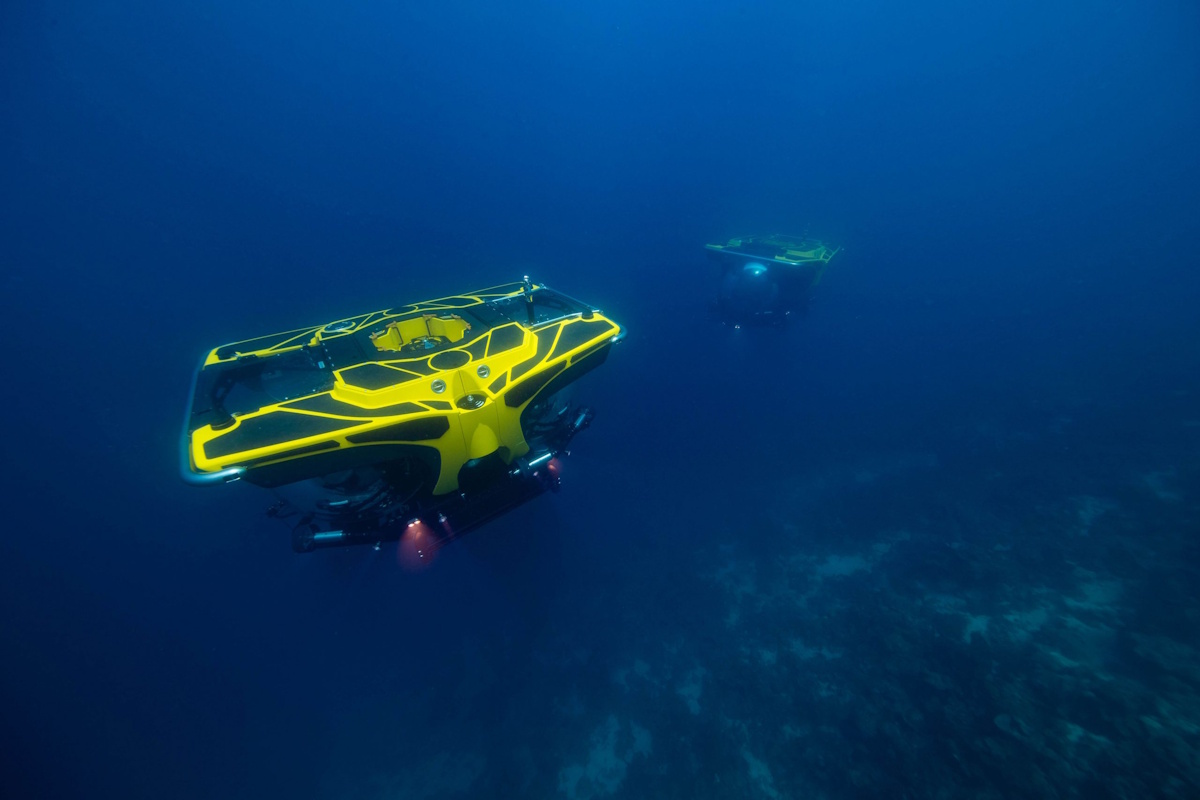
U-Boat Worx Submarines Unlock New Frontiers in Marine Exploration Aboard Expedition Cruise Vessels
A new era of marine exploration and scientific discovery is emerging as Viking and Seabourn expedition vessels incorporate advanced U-Boat Worx Cruise Sub submarines. These state-of-the-art submersibles provide guests with an extraordinary opportunity to explore the depths of the world's oceans while also serving as essential instruments for oceanographic research. This innovative approach is facilitating groundbreaking studies that enhance our understanding of marine ecosystems, highlighting the dual purpose of adventure and scientific inquiry in ocean exploration.
u-boat worx submarines marine exploration expedition cruise vessels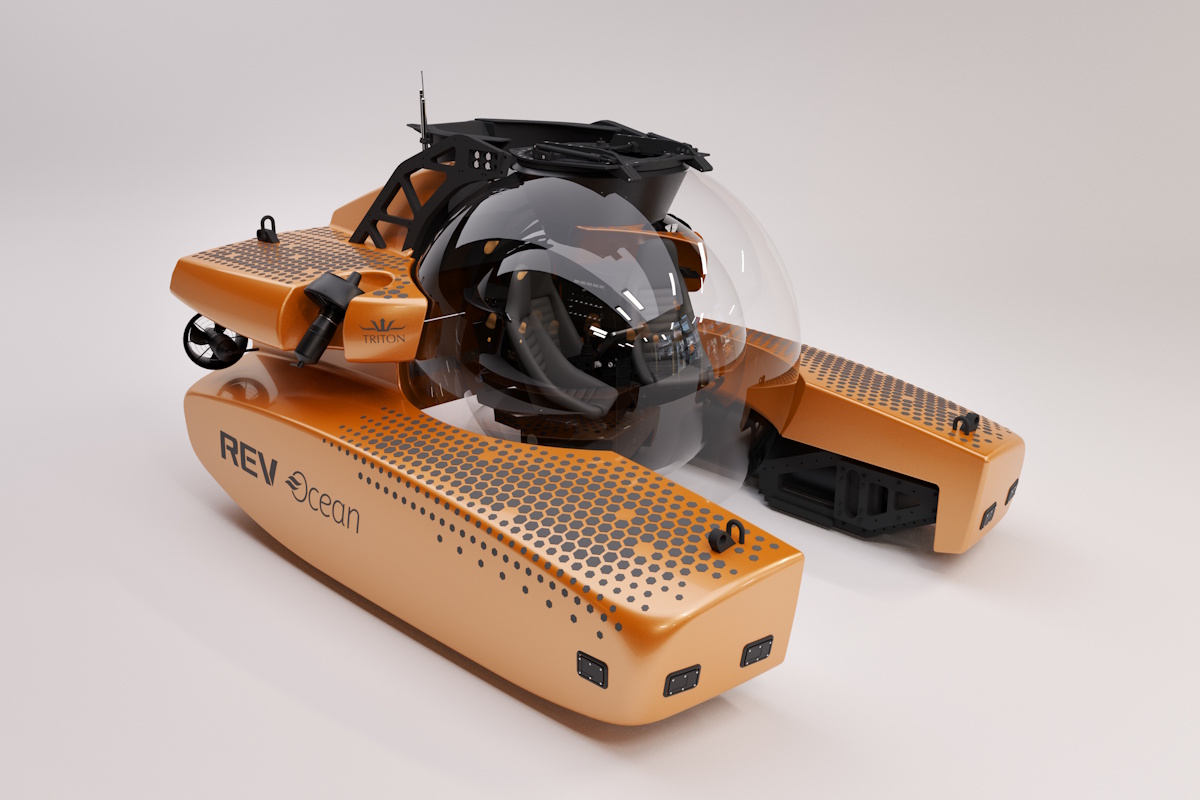
Base Materials Announces Long-term Technical Partnership with Cutting-edge Submersible Manufacturer Triton Submarines LLC
Base Materials has entered into a strategic partnership with Triton Submarines LLC to enhance the capabilities of the Triton 7500/3, recognized as the world's deepest diving three-person acrylic submersible. This collaboration aims to upgrade the innovative vessel, which is certified by DNV and features a fully transparent acrylic pressure hull. Capable of reaching depths of 2,286 meters (7,500 feet) and operating for over 10 hours, the Triton 7500/3 will provide explorers, scientists, and filmmakers with unparalleled access to the ocean's bathypelagic zone, an area located between 1,000 and 4,000 meters (3,280 to 13,123 feet) beneath the surface. This initiative underscores the growing interest in deep-sea exploration and the need for advanced technology to uncover the mysteries of the ocean.
base materials technical partnership submersible triton submarinesRobotics needs a service framework.
RSF defines a common language for robot service capability, lifecycle operations, certification pathways, and service-provider networks.
Join the RobotToday community on LinkedIn
Daily robotics news, in-depth analysis, conference highlights, and discussions with professionals worldwide.