Industry Briefing
A single destination for timely, editor-curated robotics news from around the world.

Wanglong Smart Elevators Facilitate Elevator Access for Humanoid Robots
Wanglong has developed a smart elevator platform that enables humanoid robots to navigate elevators safely and efficiently. This innovation addresses the significant challenge of elevator access, which has been a barrier for robots transitioning from laboratory settings to real-world applications. The system allows for real-time communication between the elevator and the robot, ensuring safe entry and exit. This advancement is crucial as it enhances the operational capabilities of humanoid robots, allowing them to interact seamlessly with their environments. By providing a digital identity for each robot, Wanglong's system can manage access to floors and operational zones, thereby improving safety and efficiency. The platform's ability to adapt to various elevator brands and models without extensive modifications further supports widespread adoption. Looking ahead, Wanglong's smart elevator system has already been integrated with over 200 robotics companies and deployed in numerous projects, including hospitals and industrial sites. The company aims to expand its ecosystem, facilitating the integration of robots into various sectors. No further timeline was disclosed at the time of publication.
Smart Elevators Humanoid Robots Robotics Integration Industrial Automation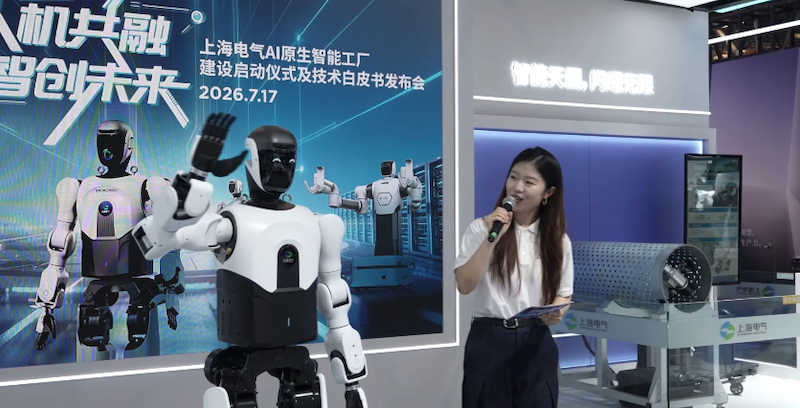
Shanghai Electric Showcases Humanoids, Industrial Robots, and AI Smart Factory Innovations
At the 2026 World Artificial Intelligence Conference, Shanghai Electric presented its advanced embodied intelligence solutions for industrial applications. The company emphasized its capabilities in embodied AI robots, core components, and AI-native smart factory technologies, showcasing a comprehensive portfolio designed for various industrial scenarios. This development is significant as it highlights the integration of machine precision with human expertise, aiming to enhance collaboration in manufacturing processes. Shanghai Electric's robotics solutions address critical tasks such as connector insertion, intelligent assembly, and flexible sorting, showcasing innovations like the planetary roller screw and DexHand dexterous hand. Looking ahead, Shanghai Electric's launch of 51 AI models under the “StarCloud Intelligent Manufacturing” series marks a shift towards data-driven operations in manufacturing. The release of the “AI-Native Smart Factory Technology White Paper” outlines a new architecture for real-time production optimization, indicating a transformative approach to industrial automation. No further timeline was disclosed at the time of publication.
Artificial Intelligence Robotics AI-native smart factory embodied ai humanoid robots industrial ai
Smart Kitchen Venture from Xi'an Jiaotong University Alumni Secures Nearly $15 Million for Cooking Robots
On July 27, the smart cooking robot company Zhigu Tianchu announced the completion of a new round of strategic financing, raising nearly 100 million yuan, led by China Merchants Venture Capital. Following this funding, the company will continue to advance physical AI research and accelerate the globalization of Chinese and Pan-Asian cuisine. Founded in 2018 and headquartered in Nanshan, Shenzhen, Zhigu Tianchu's founder, Geng Kaiping, is a PhD from Xi'an Jiaotong University with over 20 years of experience in the smart cooking field. The company has developed various cooking robots, including the TC-300ES and TC-10EA, capable of serving large quantities efficiently, addressing the high operational costs associated with traditional cooking methods. Looking ahead, Zhigu Tianchu aims to enhance its AI-driven cooking solutions and expand its market presence, with projections indicating a revenue growth of approximately 300% by 2026. The company has already established partnerships with major enterprises and anticipates significant order volumes, positioning itself to redefine the standardization and scalability of Chinese cuisine through AI technology.
Cooking Robots AI Technology Food Automation Smart Kitchen Global Expansion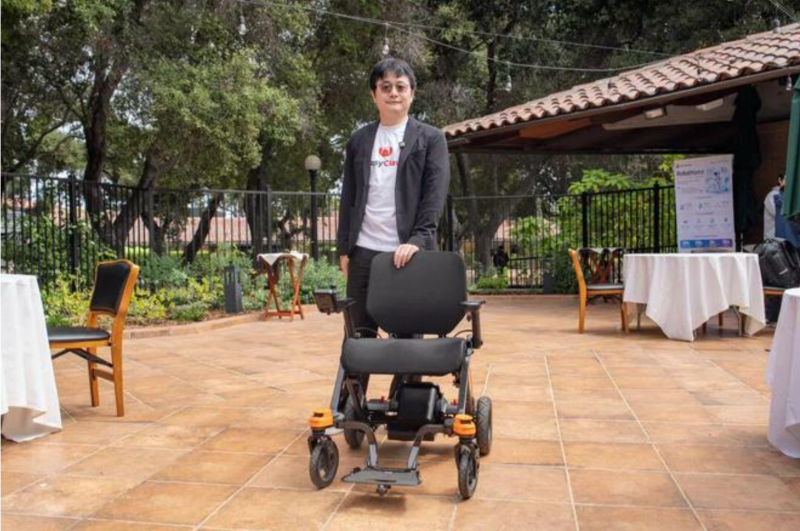
Smart Wheelchair Captivates Attention at Stanford AI Summit Over Humanoid Robots
At the Humanity & AGI Summit held at Stanford University, a smart wheelchair presented by Fu Sheng, Chairman of Cheetah Mobile, garnered significant attention, overshadowing humanoid robots. Attendees were drawn to the wheelchair's autonomous obstacle avoidance and user-friendly features, prompting many to experience it firsthand. The interest in the smart wheelchair highlights a critical shift in the robotics landscape, as Fu Sheng noted that humanoid robots are unlikely to achieve commercial scalability in the next five to ten years. He emphasized that the current limitations in software and hardware development hinder the practical application of humanoid robots, with most sales directed towards research institutions rather than commercial markets. Looking ahead, the focus on practical solutions like the smart wheelchair suggests a growing recognition that functionality is more important than form in robotics. As the industry continues to evolve, the demand for effective, user-centric products will likely shape future innovations, steering attention away from humanoid designs towards more practical applications.
Smart Wheelchairs Humanoid Robots AI Technology Robotics Assistive Devices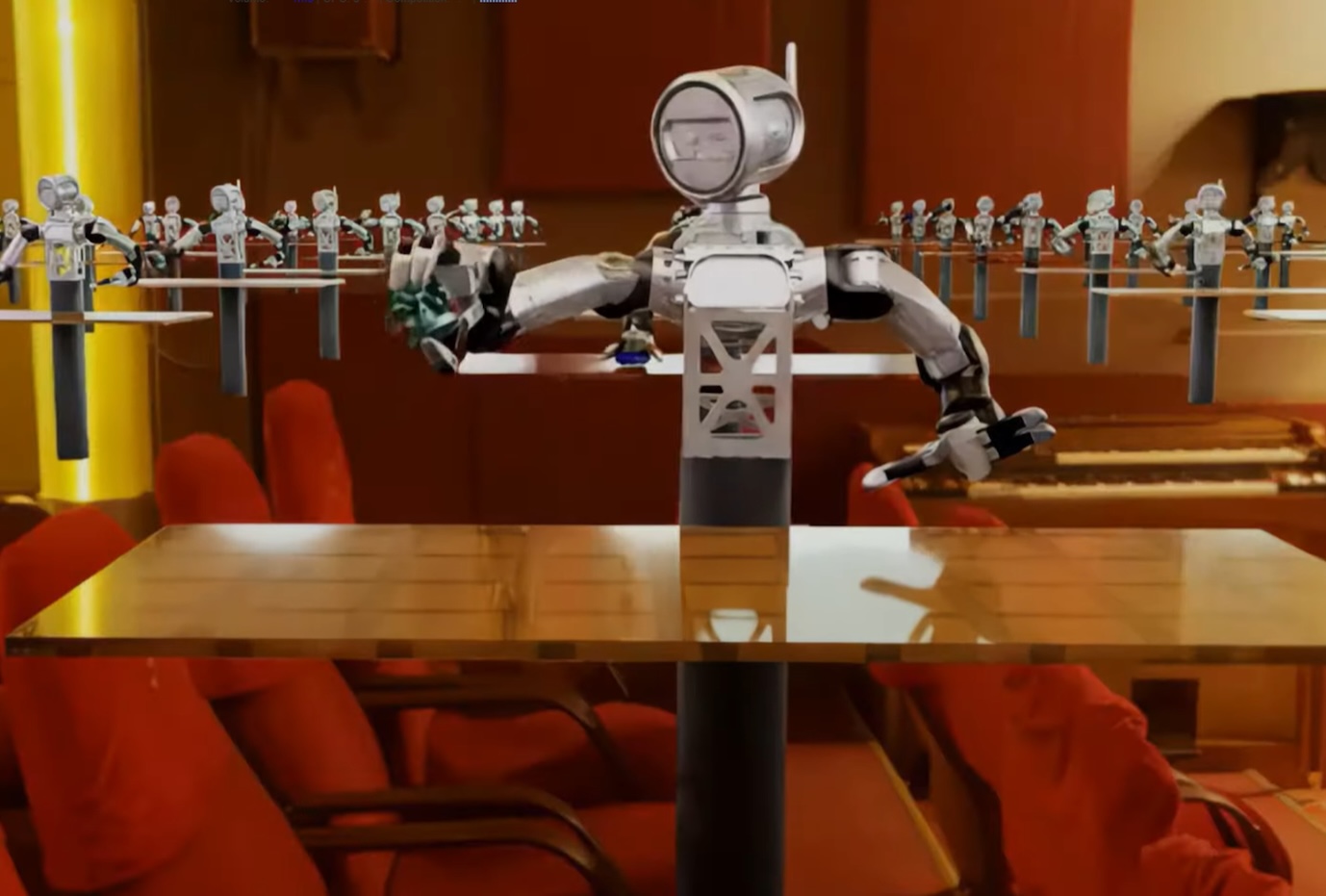
BigWave Robotics Partners with Space Factory to Deploy Humanoid Robots in Construction by 2026
BigWave Robotics, a South Korean AI company, has announced a partnership with modular housing manufacturer Space Factory to deploy humanoid robots in housing production starting in 2026. This initiative marks a significant shift in the construction industry, which has traditionally relied on human expertise, as robots begin to automate complex tasks such as insulation installation. The entry of humanoid robots into the construction sector is crucial as it addresses labor shortages and enhances production efficiency amid rising housing demands. Modular housing, which involves factory prefabrication and on-site assembly, is increasingly seen as a solution to expedite housing construction, and the integration of robotics is expected to further advance this trend towards smart manufacturing. Looking ahead, the success of humanoid robots in various industries will depend on their cost, reliability, and efficiency. While BigWave Robotics is focusing on the construction sector, the broader implications of this technology could lead to its application in logistics, energy maintenance, and public facility management, marking a new era in industrial automation.
Humanoid Robots Construction Automation Smart Manufacturing Modular Housing AI Technology
MIT Develops Bifur-Circuits for Shape-Shifting Smart Devices and Furniture
MIT has introduced a groundbreaking system known as 'bifur-circuits,' which enables physical objects to change shape seamlessly. These 3D-printed modular metamaterials maintain continuous electrical conductivity despite bending, twisting, or reconfiguring. Unlike traditional metamaterials that are limited to rigid forms, MIT's innovation allows objects to snap into various stable configurations without losing power or signal, having been tested through over 10,000 compressions with no conductivity loss. This advancement is significant as it opens up new possibilities for interactive applications, including rehabilitation tools, adaptive soft-robotics grippers, and reconfigurable emergency shelters that can adapt to changing environments after disasters. Marwa AlAlawi, the lead author and mechanical engineering graduate student, emphasized that this technology could simplify the manufacturing of complex mechanical assemblies by utilizing repeating units, thereby embedding intrinsic intelligence into hardware. Looking ahead, the potential applications of these sensing metamaterials are vast, with examples like a chair that transforms into a storage table while providing real-time configuration data. No further timeline was disclosed at the time of publication.
AI and Robotics
Humanoid Robots from China Achieve Faster Speeds and Enhanced Intelligence
At the World Robot Conference, humanoid robots demonstrated impressive capabilities, with athletes completing 100 meters in just 9.32 seconds. This event highlighted advancements in robotics, particularly from companies like Unitree, AgiBot, and Honor, which showcased their faster and more affordable hardware. The significance of these developments lies in the decreasing costs of components such as ball-screws and reducers, which have made it easier for manufacturers to produce competitive humanoid robots. Additionally, the emergence of robot entertainment deals indicates a growing market for these technologies, suggesting a shift in how humanoid robots are perceived and utilized. Looking ahead, the focus will be on how these advancements will influence the robotics industry and the potential for further innovations. No further timeline was disclosed at the time of publication.

XPENG Introduces TuringViT for Enhanced Smart Driving and Humanoid Robotics
XPENG has launched TuringViT, a vision encoder designed for vision-language and vision-language-action models, applicable in smart driving and its humanoid robot program, IRON. The company offers two versions: TuringViT-18L and TuringViT-24L, with the former achieving a resolution of 1536×1536 and impressive throughput metrics. The significance of TuringViT lies in its performance, with TuringViT-18L reportedly reaching 3.04 times the throughput of Seed1.5-ViT and 2.16 times that of SigLIP2-ViT-L. This advancement is attributed to the model being trained on a substantial dataset of 850 million image-text pairs, resulting in an average score of 83.6% across six zero-shot benchmarks, surpassing open-source models trained on 10 billion samples. Looking ahead, the implications of TuringViT for smart driving and humanoid robotics are noteworthy, as XPENG continues to innovate in these fields. No further timeline was disclosed at the time of publication.
News Feed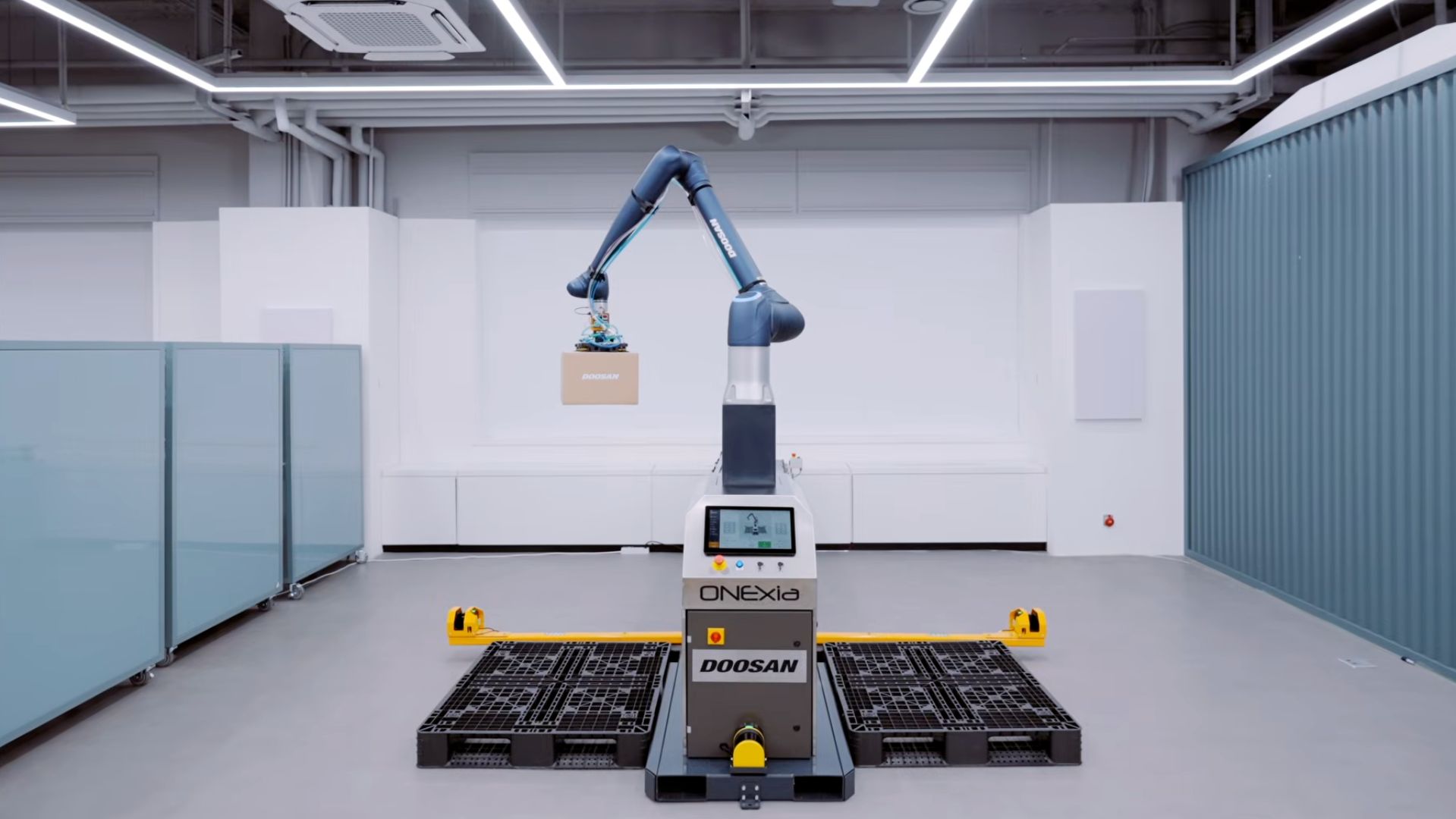
Grid Dynamics Partners with Doosan Robotics to Enhance Physical AI in Manufacturing
A US technology company, Grid Dynamics, has formed a strategic partnership with South Korea's Doosan Robotics to promote the use of Physical AI in manufacturing and logistics. This collaboration will provide Doosan's industrial collaborative robot customers with a comprehensive software stack and integration services, facilitating advanced automation tasks such as complex object inspection and variable component assembly. The significance of this partnership lies in its potential to expedite the deployment of AI-powered robotic systems, thereby broadening the applications of Physical AI within industrial operations. Doosan Robotics, a leading manufacturer of collaborative robots, offers a range of models designed for various tasks, including the lightweight A Series and heavy-duty H Series, which can handle payloads up to 55 pounds. Looking ahead, the integration of Grid Dynamics' GAIN Platform with Doosan's cobots is expected to enhance automation capabilities, particularly for complex tasks that traditional robotics struggle with. No further timeline was disclosed at the time of publication.
AI and Robotics Innovation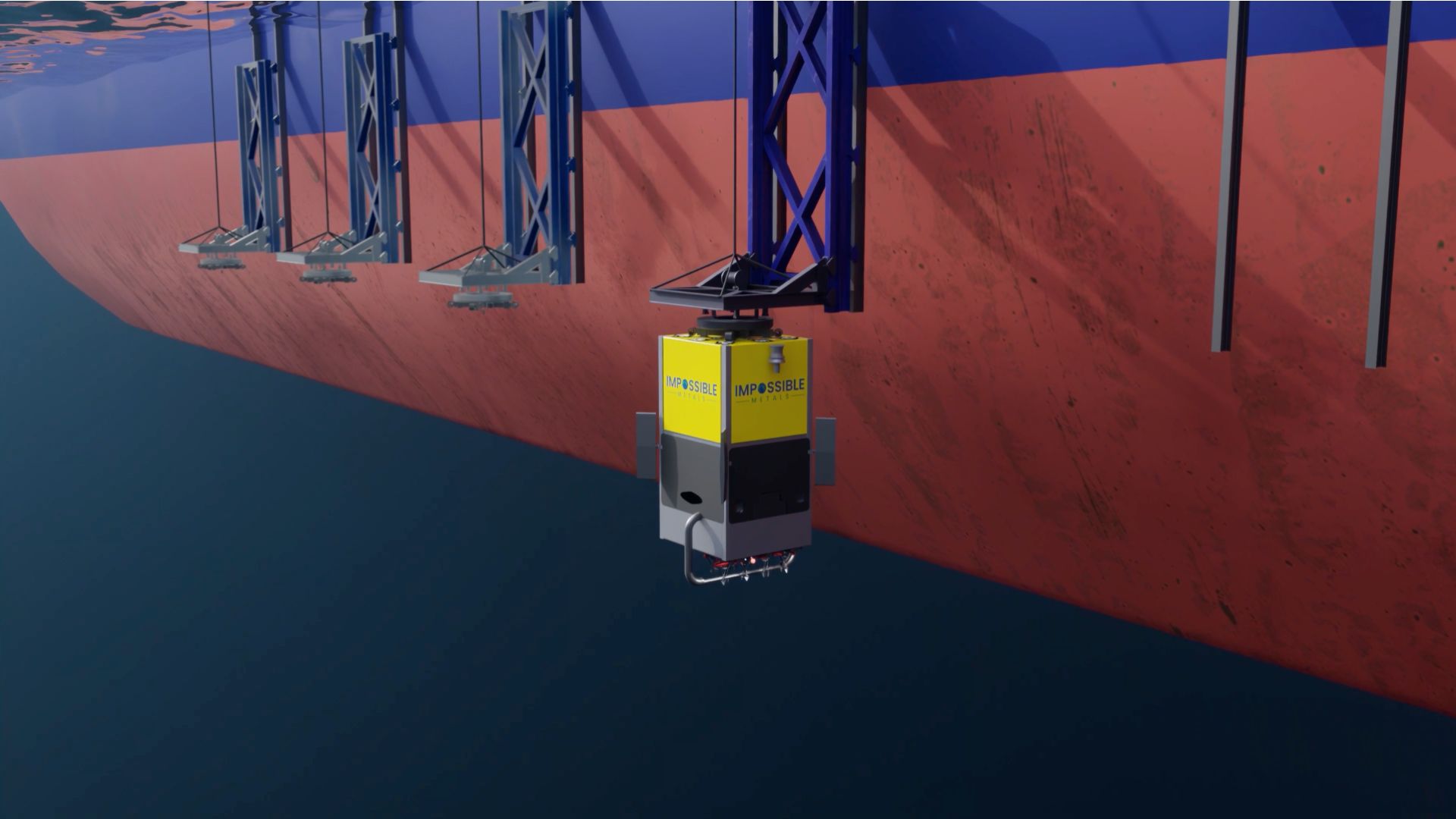
Impossible Metals to Launch Advanced Marine Robotics Hub for Deep-Sea Mineral Harvesting
Impossible Metals, a US mining technology company, has announced plans to establish an Advanced Marine Robotics Hub in Pittsburgh, Pennsylvania. This facility will focus on developing autonomous marine systems for the deep-sea collection of critical minerals, creating over a dozen high-paying engineering and science jobs. The hub aims to enhance US capabilities in marine robotics and critical mineral technologies through collaboration with local universities and researchers. The significance of this initiative lies in its potential to redefine deep-sea mining practices. According to Mike Regan, Chief Growth Officer at Impossible Metals, the hub will enable swarms of autonomous robots to harvest critical minerals like nickel, cobalt, copper, and manganese with minimal environmental impact. This approach not only promises to produce the lowest-cost critical metals on Earth but also aims to strengthen the US supply chain and reduce reliance on foreign sources of essential materials. Looking ahead, the Advanced Marine Robotics Hub will serve as the primary research center for advancing the Eureka autonomous underwater platform and Smart Launch and Recovery Systems. The company plans to continue developing dual-use technologies that cater to both commercial and naval applications. No further timeline was disclosed at the time of publication.
AI and Robotics
Robbyant Launches LingBot-VA 2.0, the First Embodied-Native AI Model for Robotics
Robbyant, a company under China's Ant Group, has introduced LingBot-VA 2.0, touted as the first embodied-native video-action world model specifically designed for robotics. Unlike traditional models adapted from digital content, LingBot-VA 2.0 is built from the ground up for physical-world tasks, enhancing physical accuracy and execution efficiency through its autoregressive architecture. This innovation is significant as it marks a departure from conventional robotics models that often compromise real-world performance by relying on video generation systems. Robbyant's approach allows for better prediction of how robot actions affect their environment, thus improving generalization and operational effectiveness in real-world applications. Looking ahead, Robbyant's LingBot-VA 2.0 is expected to advance the capabilities of robots in various tasks, demonstrated through its performance in complex scenarios such as preparing breakfast and unpacking deliveries. No further timeline was disclosed at the time of publication.
AI and Robotics
NLrobotics Highlights Need for Smart Preparation in Evolving Robotics Landscape
Robotics is advancing rapidly, driven by artificial intelligence, making robots smarter and more accessible to various businesses. According to Thijs Dorssers, director of NLrobotics, the main challenge lies not in the technology itself but in how organizations prepare for its integration. Modern robots are increasingly capable of learning from humans, shifting robotics from a niche for large companies to a solution available for many. Dorssers emphasizes that now is the time for companies to act, not by immediately purchasing advanced robots, but by first digitizing their processes and knowledge. He advises organizations to document workflows, digitize processes, and gather data to train AI. Companies that start this journey now will be better positioned to leverage the next phase of robotics. Looking ahead, NLrobotics anticipates significant growth in cognitive robotics, where robots can independently perceive, reason, and act. Humanoids are also expected to become more prevalent in workplaces, assisting with repetitive or physically demanding tasks. Dorssers warns that the key to success lies in preparation, as organizations investing in digitalization and AI-ready processes will gain a substantial competitive edge.
Nieuws algemeen Humanoids
UBTECH Deploys Humanoid Robots at China-Vietnam Border to Enhance Smart Port Operations
UBTECH has introduced humanoid robots at the Dongxing port, located on the China-Vietnam border, to enhance customs operations for passenger management and cargo inspection. This initiative, backed by a $40 million contract, aims to reduce congestion in this heavily trafficked international passage. The Walker S2 robots are designed to offer multilingual assistance and monitor crowd density, thereby streamlining customs procedures. This technological advancement has sparked discussions regarding the limits of law enforcement authority as automation becomes more prevalent in public safety efforts.
Humanoid Robots Smart Ports Customs Automation AI Technology
Transforming Smart Models into Productive Robots: The Journey of Self-Variables
Self-Variables has made significant strides in robotics by evolving from advanced models to practical applications, showcasing their self-developed technologies and engineering expertise. This transition, achieved through overcoming challenges in training, hardware development, and real-world implementation, has enabled the company to demonstrate its capabilities across various sectors, including home cleaning and logistics. The successful application of their robots has garnered substantial investment from industry leaders, highlighting the growing interest in their innovative solutions.
Robotics AI Automation Machine Learning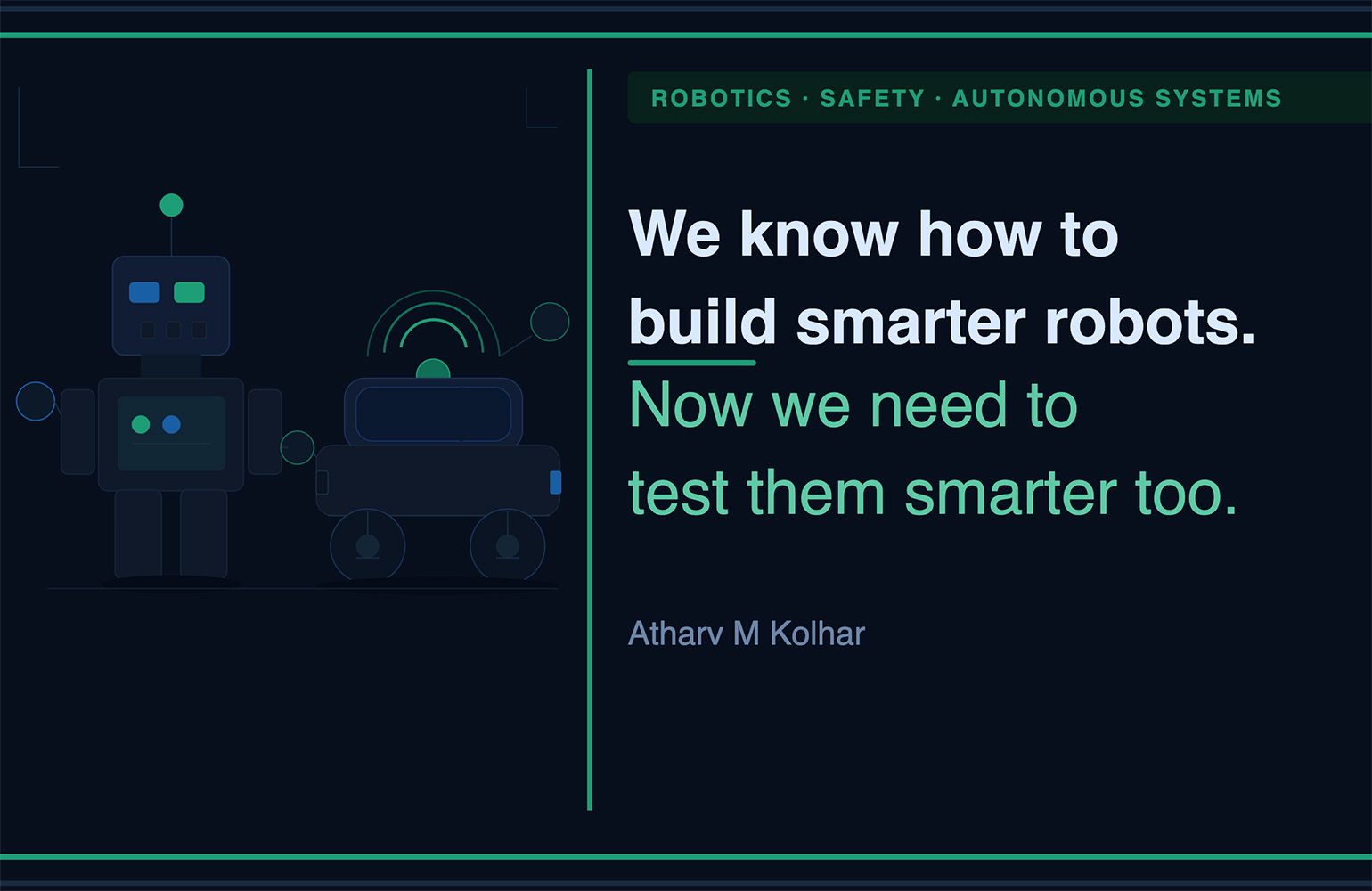
We know how to build smarter robots. Now, we need to learn smarter ways to test them
Atharv Kolhar, a staff test automation engineer at Figure AI, emphasizes the urgent need for the robotics industry to adopt a scalable testing philosophy that evolves in tandem with advancements in autonomy. As the industry continues to innovate and develop smarter robots, Kolhar argues that it is equally important to establish more effective testing methodologies to ensure reliability and performance. His insights highlight a critical aspect of robotics development, suggesting that without a robust testing framework, the potential of autonomous systems may not be fully realized. This call for a shift in testing approaches comes at a time when the demand for advanced robotics solutions is rapidly increasing, underscoring the importance of integrating smarter testing strategies into the development process.
Artificial Intelligence Artificial Intelligence / Cognition Design / Development Humanoids News Robots / Platforms
TUYA Partners with Zeroth on Smart Home Robots
Tuya Inc., a prominent player in the AI and IoT sector, has announced a strategic partnership with Zeroth on June 12, 2026, to enhance the capabilities of smart home robots. This collaboration aims to merge Tuya's advanced AI+IoT ecosystem with Zeroth's robotics expertise, creating intelligent household companions that can adapt to user needs. Traditionally, home service robots have functioned as isolated devices, limiting their integration with other smart home systems. The partnership seeks to overcome this challenge by enabling robots to serve as integrated hubs within connected homes, effectively managing various devices such as lighting, climate control, and security systems. Utilizing Tuya's proprietary Physical AI Engine (PAE), the robots will transform into proactive household managers, enhancing the overall smart living experience. This initiative reflects Tuya's commitment to delivering innovative solutions in the smart device market while addressing the growing demand for more sophisticated home automation.

NVIDIA unveils full-stack platform for humanoid robots, robotaxis and smart factories
NVIDIA has introduced a comprehensive range of technologies designed to enhance the development of physical artificial intelligence. The announcement was made during a recent event, showcasing the company's commitment to advancing AI capabilities. This initiative aims to address the growing demand for more efficient and powerful AI systems across various industries. By leveraging its cutting-edge hardware and software solutions, NVIDIA seeks to empower developers and researchers to create innovative applications that can operate in real-world environments. The unveiling of these technologies marks a significant step forward in the integration of AI into everyday life, highlighting NVIDIA's role as a leader in the tech industry.
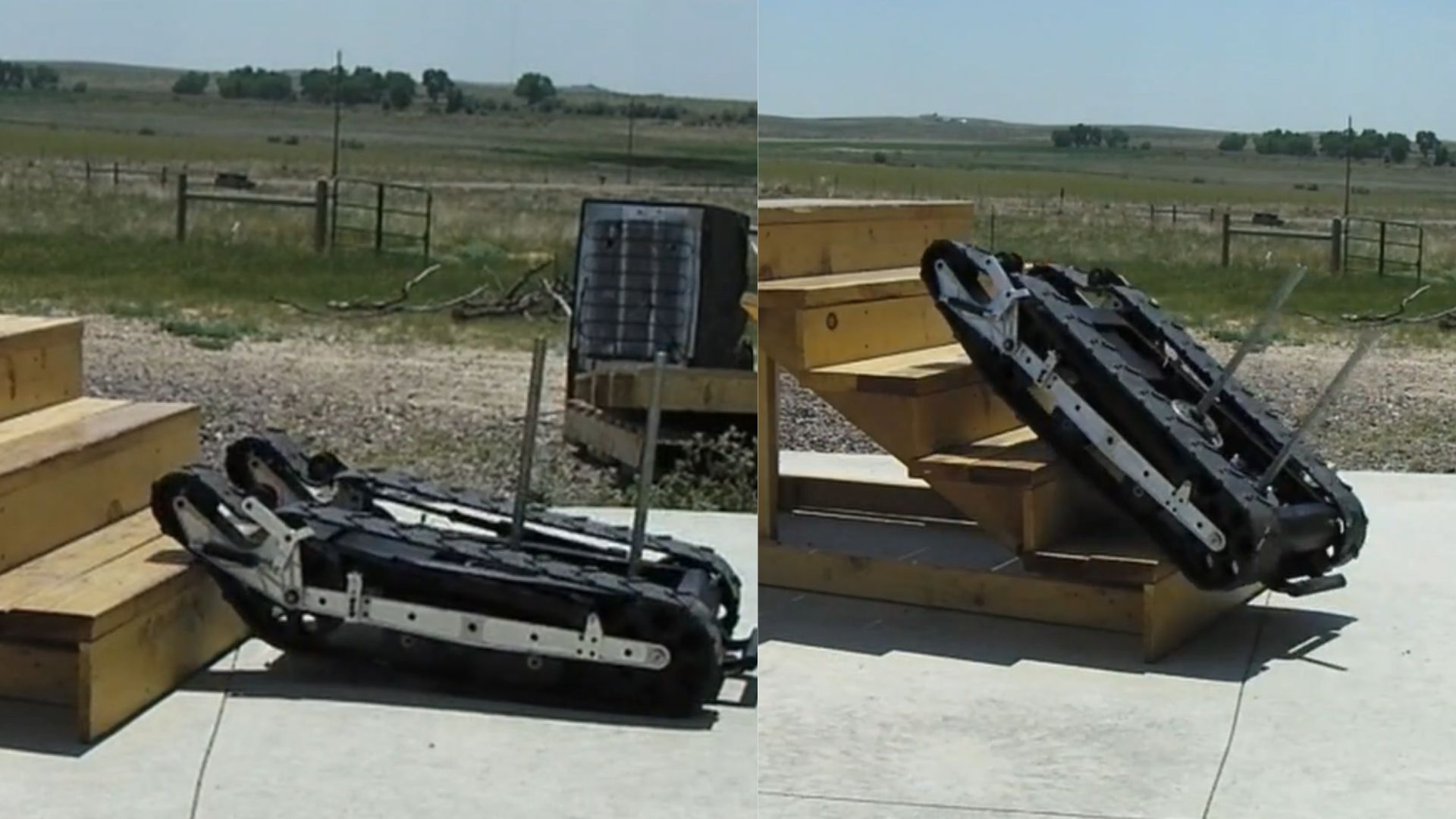
Robots learn to recover from dangerous stair falls using smart stabilising system
Researchers are addressing a significant safety issue faced by robots designed to navigate staircases, as their tendency to lose balance can lead to dangerous falls. This challenge has become increasingly relevant as the development of robotic technology progresses, particularly for applications in environments like homes and public spaces where stairs are common. The issue has been highlighted in recent studies, prompting engineers to explore innovative solutions to enhance the stability and reliability of these robots. By incorporating advanced sensors and algorithms, developers aim to improve the robots' ability to assess their surroundings and maintain balance while traversing stairs. The ongoing research is crucial for ensuring that robotic systems can operate safely and effectively in real-world scenarios, ultimately paving the way for broader adoption of robotics in everyday life.

The Future of Physical AI Isn’t Smarter Robots, It’s Smarter Interfaces
Wetour Robotics is pioneering a new approach to human-machine interaction with its innovative concept of Spatial Intent Fusion, which aims to enhance how people communicate with connected devices. This initiative comes in response to the limitations of traditional input methods—screens, buttons, and voice commands—that often fail in dynamic environments where users' hands are occupied or speech is impractical. The company, which has made significant strides in the field of Physical AI over the past three years, emphasizes the need to integrate human intent into the computing loop as seamlessly as the robots already operate. By utilizing a portable intelligent hub called Orchestra, Wetour Robotics processes multiple streams of human-centered information—spatial position, visual context, and gestural intent—into real-time commands for various devices. Orchestra operates on the NVIDIA Jetson Orin Nano Super platform, ensuring low-latency performance without relying on cloud processing. The system includes advanced features such as pre-motion intent sensing, which allows it to anticipate user actions based on biosignal data. Wetour Robotics acknowledges ongoing challenges, such as maintaining signal stability during movement and integrating diverse device protocols. However, the company believes that treating the human body as an active participant in the computing network will not only improve individual user experiences but also provide valuable data for the development of future AI technologies. This initiative represents a significant step forward in bridging the gap between human and robotic capabilities, ultimately enhancing the broader Physical AI ecosystem.
Interfaces Physical-ai Robot-hardware Smarter-robots
Smart Robots: Transforming Elderly Care in China's Silver Economy
As China's aging population continues to increase, the demand for innovative solutions in elderly care is becoming more pressing. In response to this challenge, smart robots are gaining prominence as essential tools in transforming the sector. These advanced technologies are designed to alleviate labor shortages and improve the efficiency of care services. By assisting with daily activities, monitoring health, and offering emotional companionship, these robots are poised to revolutionize the elderly care industry. The integration of robotics into this field reflects a significant shift towards leveraging technology to meet the needs of an aging society.
Elderly Care Healthcare Robotics Smart Technology AI Solutions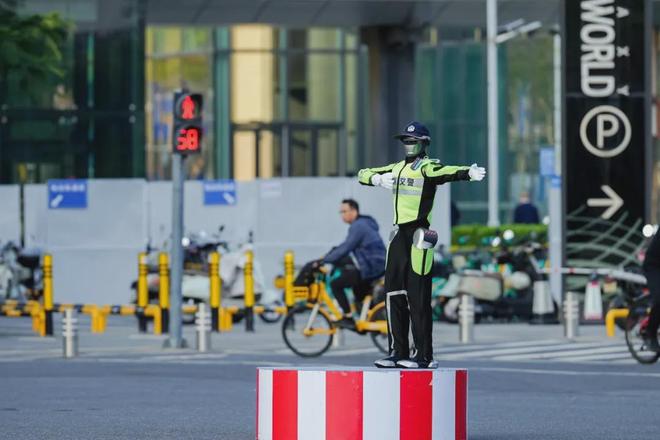
Smart Traffic Management Implementation: Humanoid Robots Become New Units for Active Governance at Intersections
As humanoid robots move from exhibition showcases to practical applications, companies are now deploying them in urban traffic management systems. These robots, designed to resemble traffic police, are capable of controlling traffic signals, identifying violations, and engaging with pedestrians. This initiative aims to tackle the pressing shortage of human traffic officers in cities, enhancing road safety and efficiency. By integrating advanced technology into everyday traffic scenarios, these robots are set to play a crucial role in modernizing urban infrastructure and improving the flow of city traffic.
Traffic Management Humanoid Robots Urban Automation AI Public Safety
Robot Talk Episode 155 – Making aerial robots smarter, with Melissa Greeff
Claire recently engaged in a discussion with Melissa Greeff, an Assistant Professor in Electrical and Computer Engineering at Queen’s University, focusing on the advancements in autonomous navigation and learning for drones. Greeff, who heads the Robora Lab and is affiliated with the Ingenuity Labs Robotics and AI Institute, shared insights into her research, which emphasizes aerial robotics, vision-based navigation, and the importance of safe learning methodologies. This conversation highlights the growing significance of drone technology in various applications and the innovative approaches being developed to enhance their operational capabilities.

How fish muscles became blueprints for smarter underwater robots
Researchers at Peking University’s Intelligent Biomimetic Design Lab have unveiled a groundbreaking bio-signal framework that reveals the multifaceted roles of fish muscles beyond mere swimming. Led by Professor Xie Guangming from the School of Advanced Manufacturing and Robotics, the study involved twin brothers Waqar Hussain Afridi and Rahdar Hussain Afridi. Their research utilized electrical signals from fish muscles to reconstruct body postures, assess surrounding flow conditions, and apply biological principles to the development of robotic systems. Conducted recently, these findings pave the way for advancements in biological telemetry, locomotion research, and bio-inspired underwater robotics, highlighting the potential for innovative applications in these fields.
Robotics
This Ukrainian company is upgrading its battlefield robots like smartphones. Here's how it's chasing the edge in combat.
Ukrainian combat robot manufacturer DevDroid is actively engaged in continuous updates to its technology to remain competitive in the evolving landscape of warfare. The company recognizes the necessity of adapting its robotic systems to meet the demands of modern combat, ensuring that their innovations do not become outdated. This commitment to advancement is crucial as the nature of battlefield technology rapidly changes, driven by both strategic needs and technological advancements. By staying ahead of the curve, DevDroid aims to enhance the effectiveness of its robotic solutions, thereby maintaining its relevance in a highly dynamic military environment.
Military & Defense ukraine ground-robots russia
HEAPGrasp: A faster, smarter way for robots to handle tricky objects
The manufacturing, logistics, and restaurant industries are rapidly embracing automation, particularly through the use of robots for various tasks. A significant application of this technology is in material handling, where robotic grippers are utilized to transport items such as automotive parts, logistics packages, food ingredients, and restaurant dishes. This shift not only alleviates the workload for human employees but also minimizes the risk of workplace accidents, enhancing overall safety. As companies seek to improve efficiency and reduce operational risks, the integration of robotics is becoming increasingly vital across these sectors.
Robotics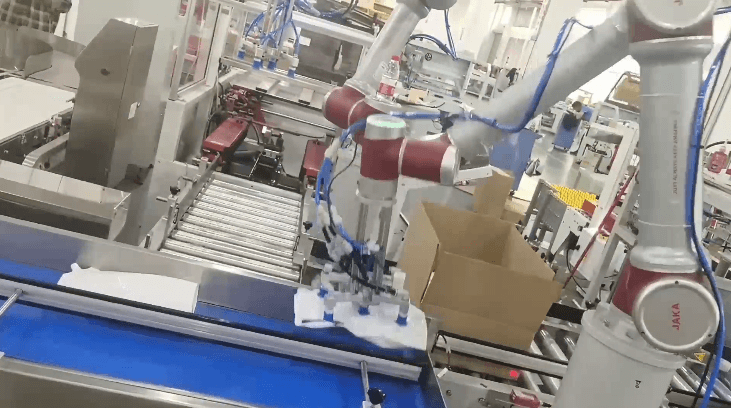
The Role of Collaborative Robots in the Future of Smart Factory Automation
As smart factories evolve, JAKA highlights a significant shift towards collaborative automation, where robots work alongside human operators rather than in isolation. This transition is driven by the need for flexible automation solutions that can adapt to changing production demands. Collaborative robots, designed for shared workspaces, assist in repetitive and precision-critical tasks, allowing manufacturers to respond swiftly to variations in product designs and smaller batch sizes without extensive reconfiguration of production lines. A notable example of this collaborative approach is the JAKA Zu7, engineered for automated screwdriving tasks that require high accuracy and stability. With adjustable torque settings tailored to specific product needs, the Zu7 ensures consistent assembly quality while integrating seamlessly into existing manufacturing processes. This capability enhances operational efficiency and quality control, reducing manual strain on workers. The integration of collaborative robots into broader automation systems is crucial for maintaining production rhythm and scalability. By combining human oversight with automated precision, these robots contribute to a balanced and sustainable production environment. JAKA envisions collaborative robot technology as essential for creating adaptable, people-centered automation systems that evolve with the manufacturing landscape, reinforcing the importance of collaboration in the future of smart factory automation.

Podcast: Building Smarter Robots: AI, Explainability & Real-World Impact
Oscar Mendez, the Head of AI and Data Science at Locus, recently discussed the transformative potential of a holistic approach to artificial intelligence in the realm of autonomous systems. In his analysis, Mendez emphasized that integrating various AI methodologies and data sources can lead to significant advancements in innovation. This perspective was shared during a recent industry conference focused on the future of technology, held in October 2023. Mendez's insights highlight the importance of collaboration across different AI disciplines to enhance the capabilities of autonomous systems, ultimately aiming to improve efficiency and effectiveness in various applications. By advocating for a comprehensive strategy, he aims to inspire industry leaders to rethink their approaches to AI development and implementation.
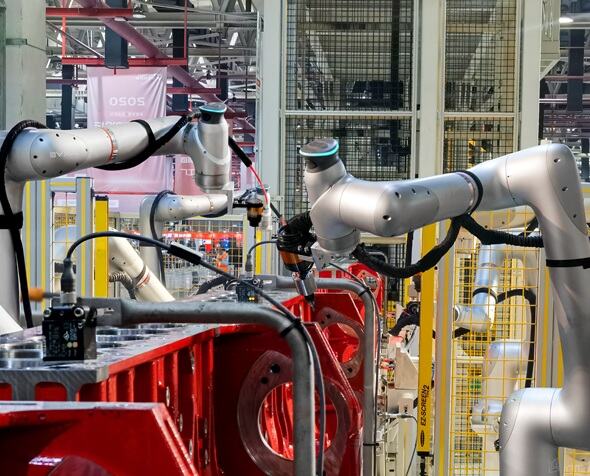
ROKAE Robots Empower Foton Cummins “Lights-Out Factory” with 24/7 Smart Production
ROKAE has successfully deployed over 100 robots across more than 30 different application scenarios, providing customized automation solutions that include machining, assembly, surface treatment, inspection, and dispensing. This significant implementation supports Foton Cummins’ lights-out factory, where these robots are integral to essential processes such as cylinder block machining, final assembly, and quality inspection. The initiative aims to enhance operational efficiency and productivity within the manufacturing environment, showcasing ROKAE's commitment to advancing industrial automation technologies.
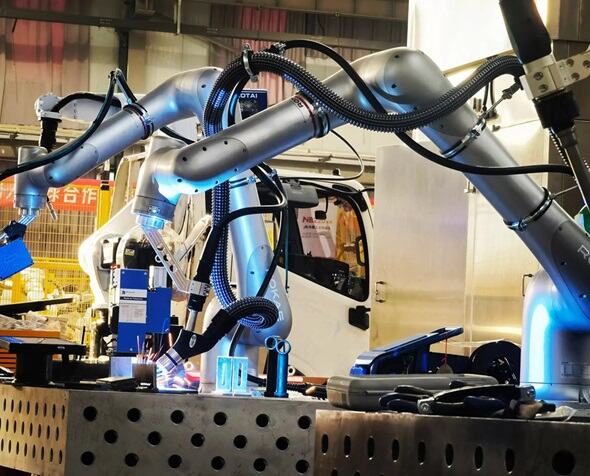
ROKAE Next-Generation Collaborative Welding Robots for a Smarter, More Flexible Welding Experience
ROKAE is making significant strides in robotic welding technology, leveraging its comprehensive range of collaborative welding solutions known for their strong performance and adaptability. The company has successfully implemented its innovations across various sectors, including steel structures and shipbuilding, which has allowed it to gather extensive practical experience in the field. This advancement not only showcases ROKAE's commitment to enhancing industrial processes but also positions the company as a leader in the evolving landscape of automated welding solutions.
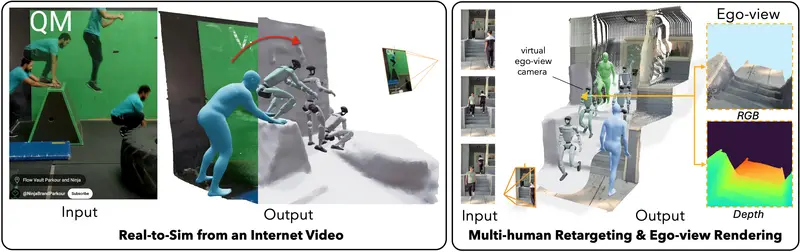
VideoMimic: Humanoid Robots Learn Complex Skills by Watching Casual Smartphone Videos
Researchers at UC Berkeley have introduced VideoMimic, an innovative system that allows humanoid robots to acquire context-aware skills, such as stair climbing and sitting, by learning from everyday videos. This breakthrough represents a significant advancement in robot training methodologies, potentially streamlining the process of teaching robots complex tasks. The development has garnered attention for its similarities to initiatives by tech giants like Tesla and NVIDIA, which are also exploring advanced machine learning techniques. By leveraging existing video content, VideoMimic offers a more accessible and efficient approach to robotic skill acquisition, marking a promising step forward in the field of robotics.
Optimus NVIDIA TeslaRobotics needs a service framework.
RSF defines a common language for robot service capability, lifecycle operations, certification pathways, and service-provider networks.
Join the RobotToday community on LinkedIn
Daily robotics news, in-depth analysis, conference highlights, and discussions with professionals worldwide.