Industry Briefing
A single destination for timely, editor-curated robotics news from around the world.
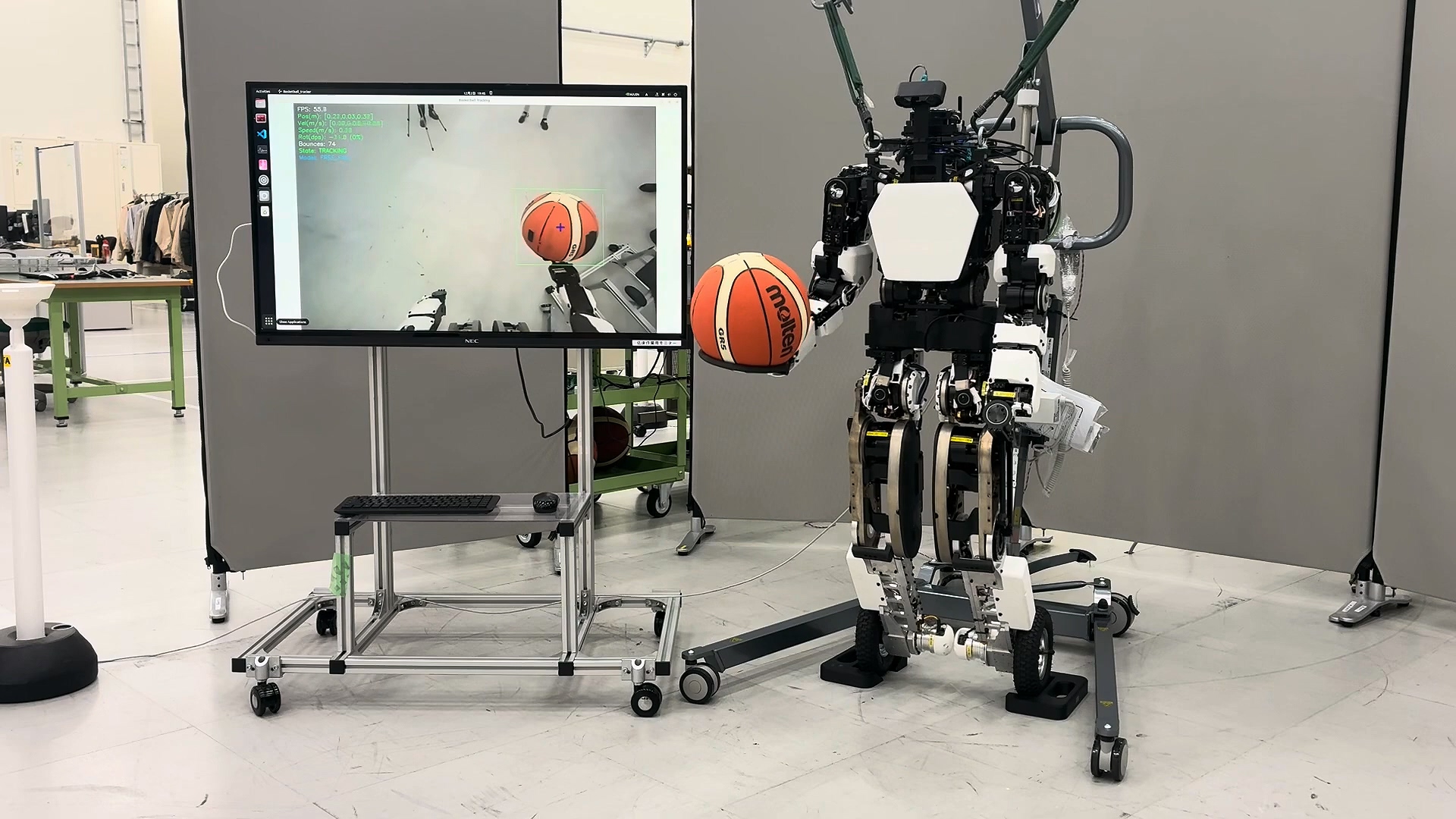
Toyota's CUE Robot Advances: Learning to Walk and Dribble with Reinforcement Learning and Sim2Real
Toyota's CUE humanoid robot is advancing its capabilities through a novel approach that integrates reinforcement learning with Sim2Real techniques. This development focuses on improving the robot's walking and dribbling abilities, effectively narrowing the divide between simulated environments and real-world functionality. By employing this innovative method, Toyota aims to enhance the practical applications of robotics, showcasing the potential for more sophisticated interactions in various settings.
Humanoid Robots Reinforcement Learning Sim2Real AI Robotics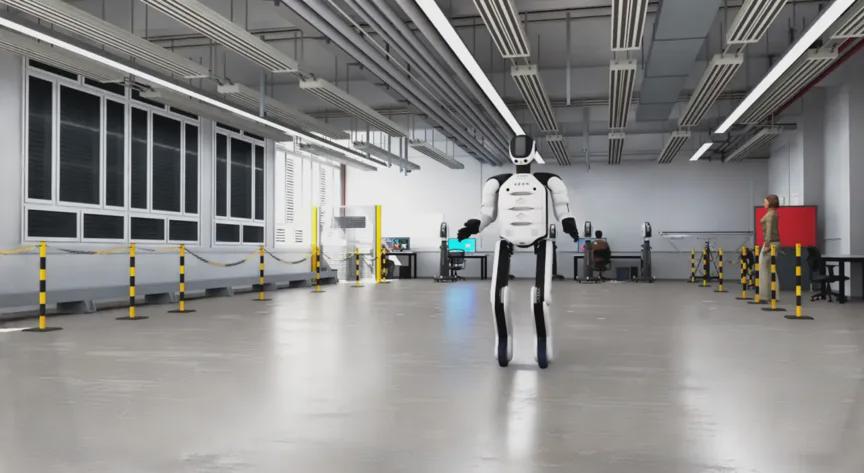
NVIDIA and DeepMind Lead Robotics Simulation Debate with New Industrial Applications
The field of embodied intelligence is witnessing a fierce debate over the best approach to training robots for industrial applications. One faction advocates for simulation-based training, leveraging structured environments to generate synthetic data, while the opposing view emphasizes the necessity of real-world data to handle complex physical interactions and unpredictable scenarios. Key players include NVIDIA, DeepMind, and Intrinsic, each with unique strategies and technologies. NVIDIA's Omniverse platform and Isaac Sim engine exemplify the simulation approach, enabling comprehensive digital twins of factories for training and optimization. Their collaboration with BMW on a digital twin project in Hungary showcases the potential of synthetic data in logistics and robotic movements. However, challenges remain in achieving the necessary fidelity for force control and physical interactions, prompting NVIDIA to seek partnerships with companies like Hexagon Robotics. Conversely, DeepMind's use of the MuJoCo physics engine has demonstrated that pure simulation can achieve industrial-grade precision in specific tasks, such as sorting with known rigid models. Yet, this method's effectiveness is limited to scenarios with minimal contact and force control. Intrinsic aims to transform simulation into a comprehensive development tool for industrial robots, focusing on lowering barriers for small manufacturers. The ongoing challenge of the SIM2REAL gap remains a critical factor in the success of these approaches.
Robotics Industrial Automation Simulation Technology AI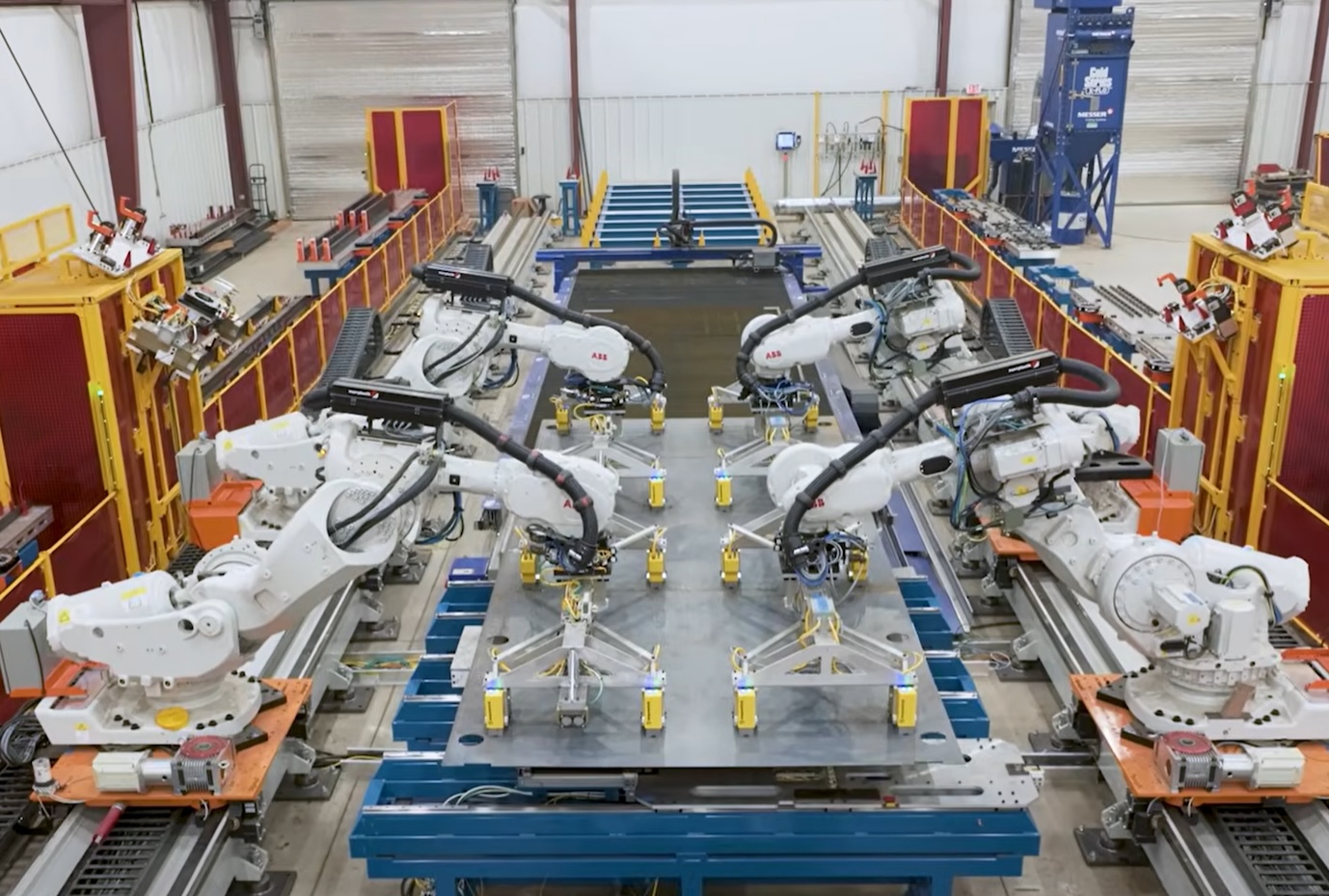
AI Training for Tesla Optimus Explained (2026)
A new advancement in artificial intelligence has emerged with the development of the FSD neural network, known as Cortex 2, which utilizes video learning techniques to enhance its capabilities. This innovative system is part of the Digital Dreams simulation project, aimed at bridging the gap between simulated environments and real-world applications, a concept referred to as Sim2Real. The Cortex 2 is designed to improve the performance of autonomous systems by learning from vast amounts of video data, allowing for more accurate decision-making in complex scenarios. The project, which is being spearheaded by a team of AI experts, seeks to refine the training processes for autonomous vehicles and robotics, making them more adaptable and efficient in real-world situations. By leveraging advanced simulations through the Grok + world simulator, the team aims to create a robust training environment that mimics real-life challenges, ultimately enhancing the reliability and safety of these technologies. This initiative is particularly significant as it addresses the growing demand for smarter AI systems capable of operating in unpredictable environments. With the training data being compiled until October 2023, the team is optimistic that Cortex 2 will set new benchmarks in the field of AI and autonomous systems, paving the way for future innovations.
Tesla Optimus Task Programming Guide (2026)
In a significant development for the future of technology and education, a comprehensive technical breakdown focusing on video learning, Grok instructions, simulation, Sim2Real, and operator workflow is set to be released in 2026. This initiative aims to enhance the learning experience by integrating advanced simulation techniques and real-world applications into educational frameworks. The project, which has been in the works for several years, is designed to leverage data and insights gathered up until October 2023, ensuring that the methodologies are grounded in the latest technological advancements. By utilizing these innovative approaches, the initiative seeks to bridge the gap between theoretical knowledge and practical application, ultimately preparing learners for the demands of the modern workforce. The release of this technical breakdown is anticipated to take place in various educational institutions and training centers, providing educators and learners with valuable resources and tools. The motivation behind this initiative is to improve educational outcomes and equip students with the skills necessary to thrive in an increasingly complex and technology-driven world. As the project unfolds, stakeholders will be closely monitoring its implementation and effectiveness, with the goal of refining and enhancing educational practices through the integration of cutting-edge technology and methodologies.
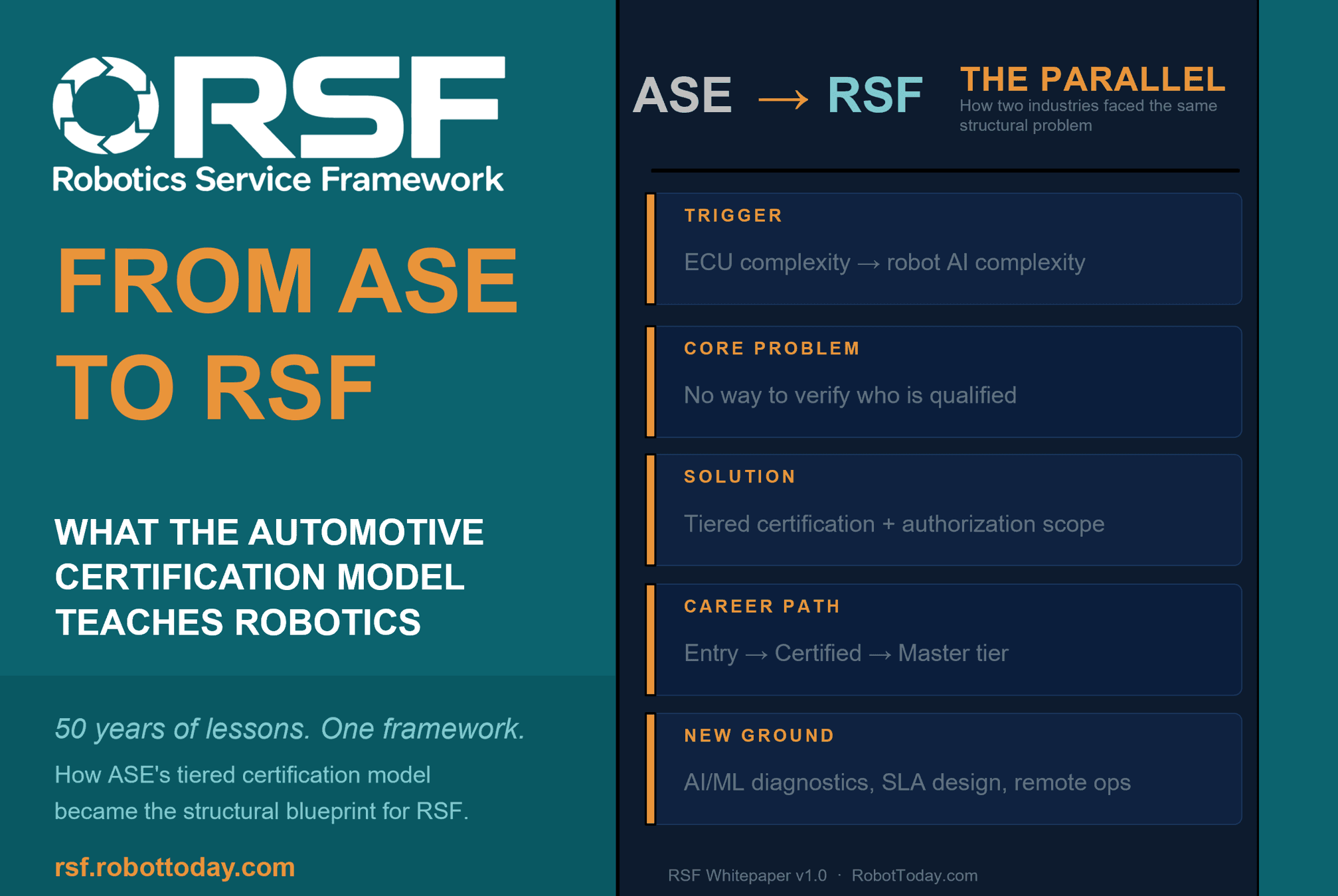
Robotics needs a service framework.
RSF defines a common language for robot service capability, lifecycle operations, certification pathways, and service-provider networks.