Industry Briefing
A single destination for timely, editor-curated robotics news from around the world.
Coco Robotics Deploys Autonomous Delivery Robots with Uber Eats in San Jose
Coco Robotics, recognized as the largest urban robot delivery platform globally and recently honored as one of Fast Company’s World’s Most Innovative Companies in logistics, has launched its autonomous delivery service in San Jose, California. This expansion allows residents, workers, and businesses in the city’s urban core to benefit from the convenience of robotic deliveries. The service is now operational, enhancing accessibility and efficiency in local logistics.
AI AI Use Cases Robotics autonomous delivery robot California Coco Robotics
Saab’s Seaeye Lynx surveyed ‘Holy Grail’ San José shipwreck
Saab UK's Seaeye Lynx subsea vehicle has been instrumental in the survey and documentation of the 18th-century galleon San José, a significant cultural heritage asset of Colombia. This operation took place recently, highlighting the ongoing efforts to preserve and understand historical maritime artifacts. The use of advanced technology like the Seaeye Lynx underscores the importance of innovative approaches in underwater archaeology, aiming to safeguard Colombia's rich maritime history for future generations. The collaboration between Saab UK and local authorities demonstrates a commitment to cultural preservation and the exploration of historical treasures beneath the sea.
saab seaeye lynx rov survey san josé shipwreck
San José State University and Teradyne Partner to Advance Engineering Education and Workforce Readiness
San José State University (SJSU) has announced a partnership with Teradyne aimed at enhancing educational experiences by integrating industry expertise into its curriculum. This collaboration, set to last for two years, will focus on the development of a new memory test engineering program. The initiative is designed to equip students with practical skills and knowledge that align with current industry standards, thereby better preparing them for careers in technology and engineering. By leveraging Teradyne's extensive experience in the field, SJSU aims to bridge the gap between academic learning and real-world applications, fostering a more robust educational environment. The program is expected to launch in the coming months, marking a significant step in SJSU's commitment to innovation in education.
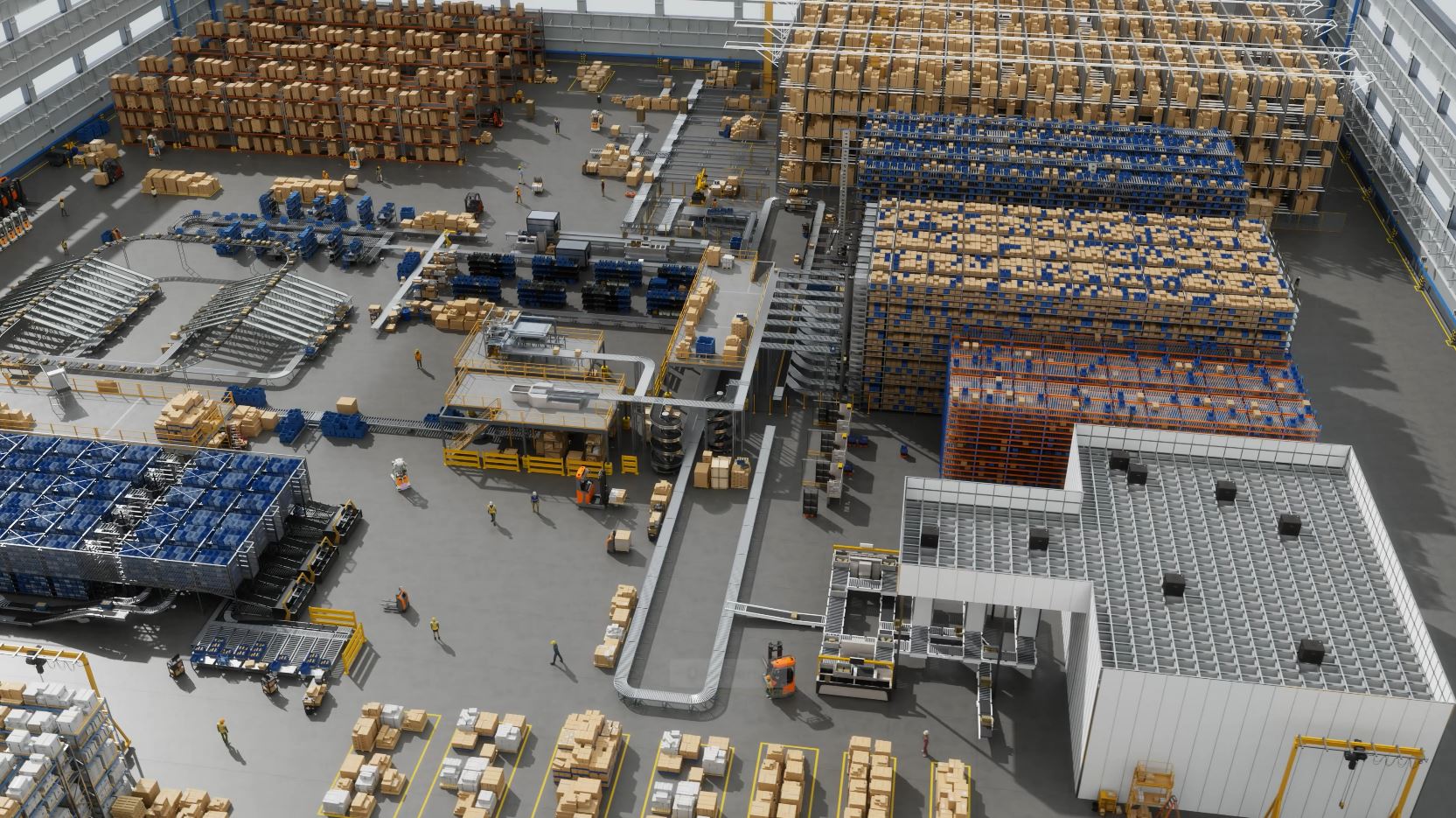
KION presents AI Control Tower at GTC in San José, California
At the GTC conference in San José, KION Group introduced its AI Control Tower, a cutting-edge digital twin technology created in collaboration with NVIDIA and Accenture. This advanced solution enables businesses to simulate and optimize their supply chain operations in real-time, significantly improving efficiency and adaptability while simultaneously lowering costs. The unveiling of this technology highlights KION's commitment to leveraging artificial intelligence to transform supply chain management and address the evolving needs of customers in a competitive market.
intralogistics supply chain solutions industrial trucks forklift trucks warehouse trucks automation technology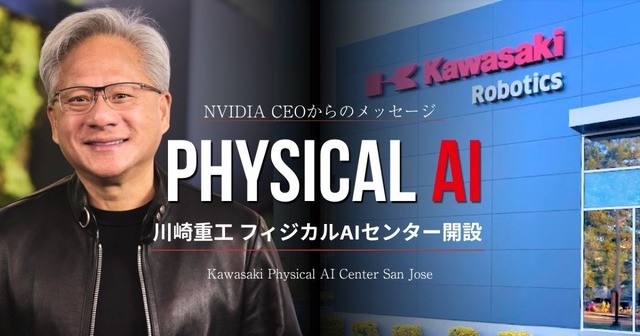
Kawasaki Heavy Industries opens Physical AI Center in San Jose, California, with a congratulatory message from NVIDIA's Jensen Huang.
Kawasaki Heavy Industries, Ltd. announced the opening of its Kawasaki Physical AI Center, scheduled for June 15, 2026. To mark this occasion, the company released a video message from NVIDIA's CEO, Jensen Huang, on YouTube. The establishment of the center aims to enhance research and development in artificial intelligence and robotics, reflecting Kawasaki's commitment to innovation in these fields. The collaboration with NVIDIA underscores the importance of integrating advanced AI technologies into Kawasaki's operations, positioning the company at the forefront of technological advancements in the industry.
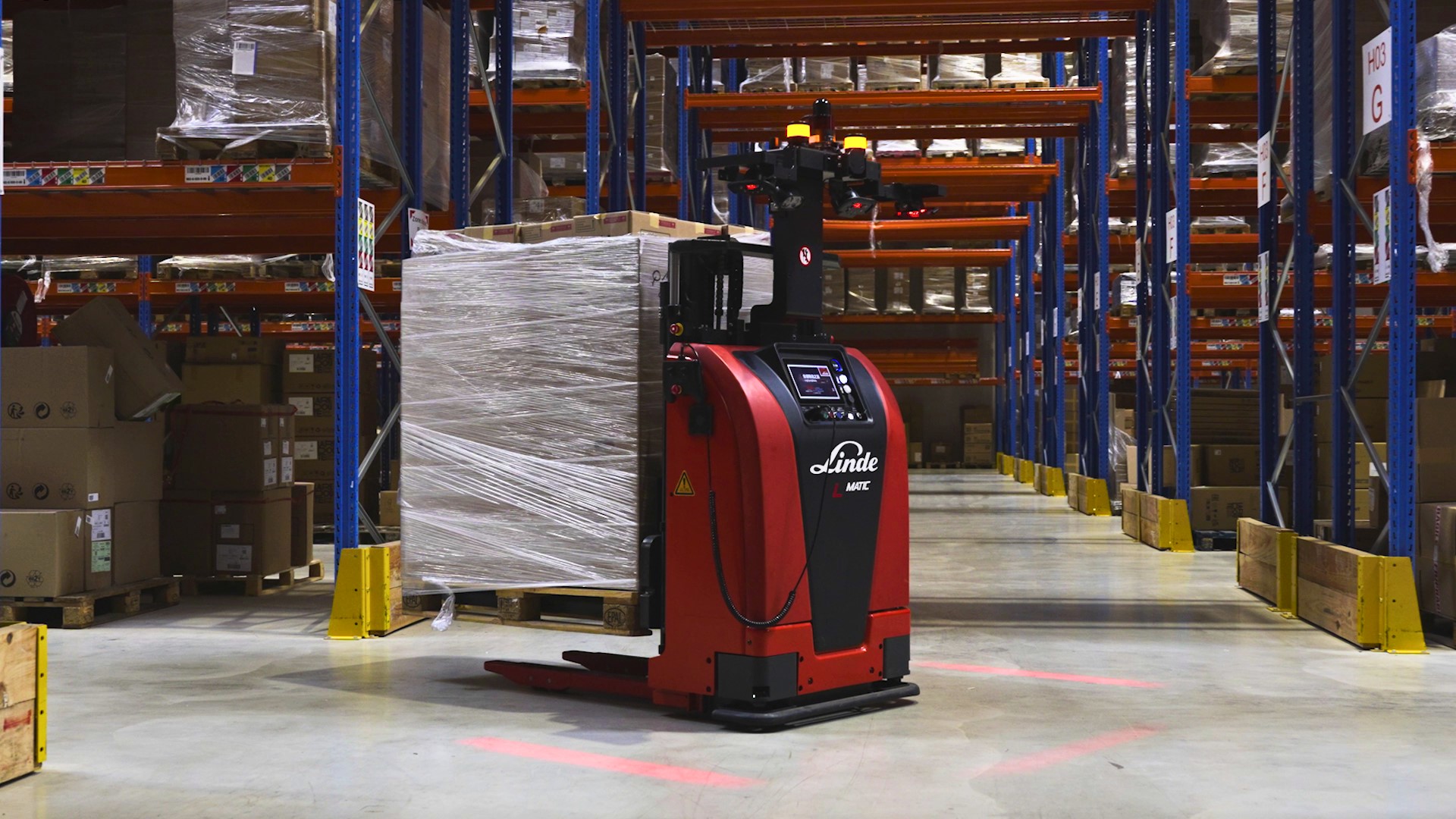
KION brings physical AI into live warehouse operations at GTC 2026 in San José, California
At the GTC 2026 conference, KION Group presented its latest developments in physical AI, highlighting the capabilities of autonomous industrial trucks and AI-driven automated trailer loading systems during live demonstrations in warehouse settings. This initiative is designed to tackle ongoing labor shortages and improve efficiency within supply chains, representing a crucial advancement in the application of AI technology in logistics operations.
intralogistics supply chain solutions industrial trucks forklift trucks warehouse trucks automation technology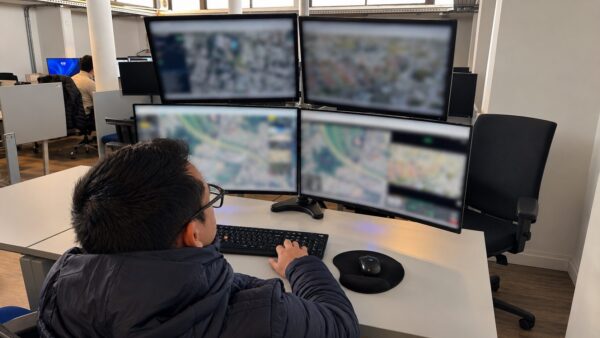
Uruguayan Government Announces New Drone Dispatch Program
The Uruguayan government has launched an innovative autonomous drone program in collaboration with Timerix S.A., a local technology firm. This initiative, which was announced by FlytBase, a company based in San Jose, California, aims to enhance public safety by integrating gunshot-detection alerts with automated drone dispatch and live aerial feeds for law enforcement. The deployment is set to take place in Montevideo, where the drones will assist police in responding to incidents more effectively. This program is part of a broader effort to leverage technology in improving security measures across the country.
Advanced Air Mobility dispatch Drone News Drone News Feeds Drones in the News News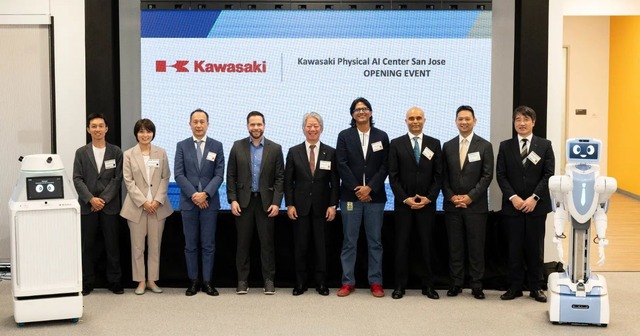
川崎重工、シリコンバレーにフィジカルAI拠点を開設 NVIDIA・Microsoft・富士通・Analog Devicesと協業へ
Kawasaki Heavy Industries announced the opening of the Kawasaki Physical AI Center San Jose in San Jose, California, on May 22, 2026. This new facility aims to accelerate collaboration between Japan and the United States in the fields of artificial intelligence and semiconductors. The center will work closely with major technology companies, including NVIDIA, Analog Devices, Microsoft, and Fujitsu, to promote advancements in physical AI implementation. This initiative reflects Kawasaki's commitment to fostering international partnerships and driving innovation in cutting-edge technology sectors.
From Lab to Factory Floor: KUKA Unveils ‘KUKA AMP’ at NVIDIA GTC 2026 as a Software Bridge to New Growth
At the NVIDIA GTC 2026 event held from March 16 to 19 in San Jose, KUKA introduced the KUKA Automation Management Platform (KUKA AMP), a groundbreaking solution aimed at bridging the gap between artificial intelligence innovations and practical applications in the global labor market, valued at $30 trillion. This new platform is designed to address the complexities of real-world production constraints, enabling customers to effectively implement Physical AI in their operations. By focusing on systematizing processes rather than relying solely on demonstrations, KUKA aims to enhance productivity and efficiency in various industries.
NVIDIA GTC 2026: Live Updates on What’s Next in AI
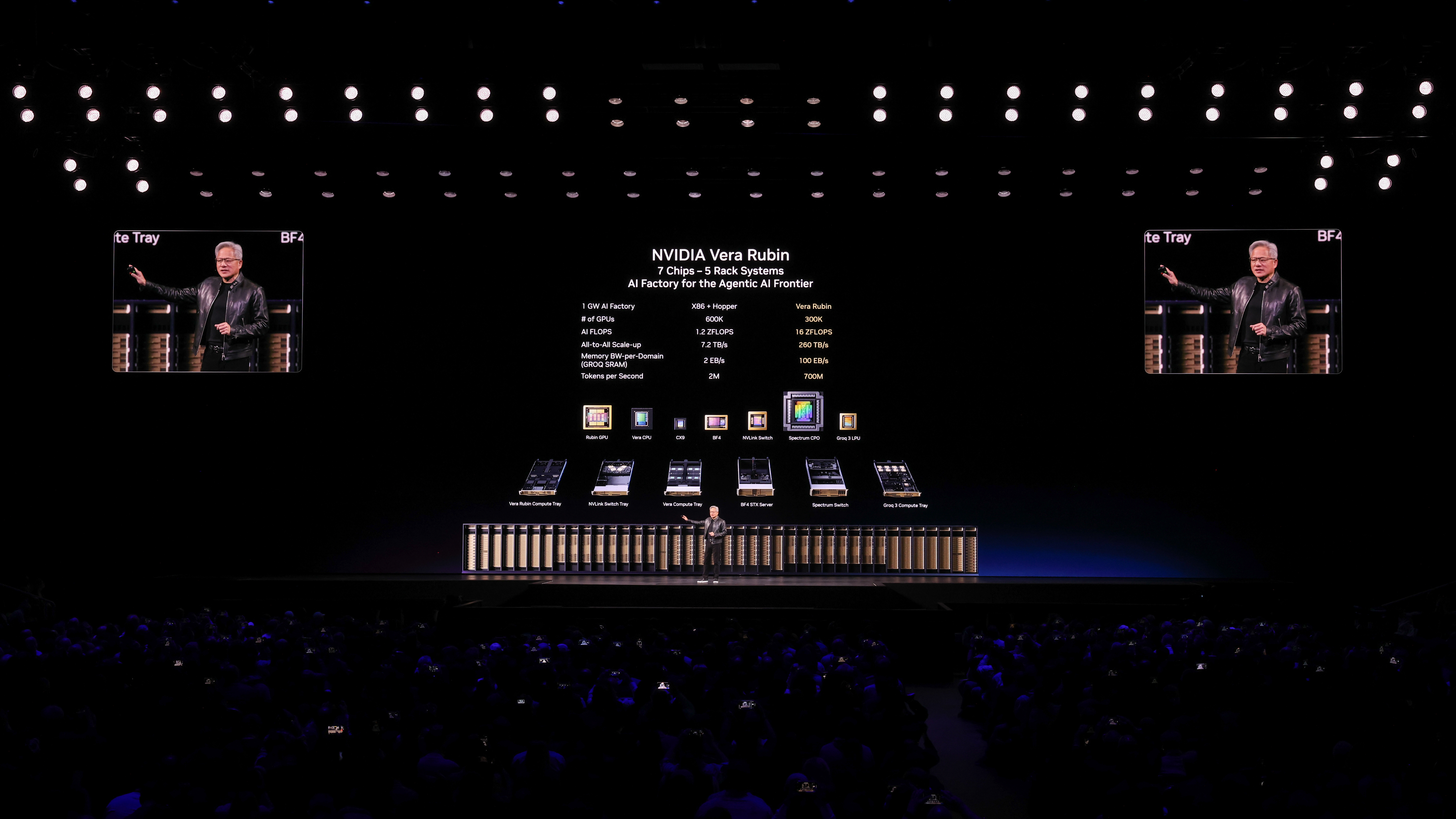
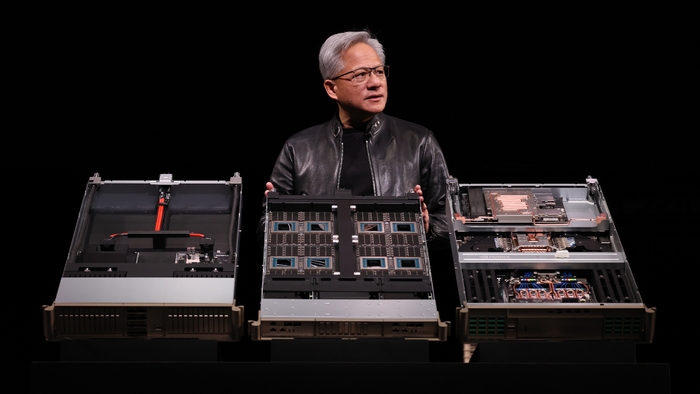
NVIDIA CEO Jensen Huang delivered a keynote address at a major technology event in San Jose, showcasing the company's latest innovations and advancements. The event, which runs through March 19, features a series of breakout sessions and live demonstrations, highlighting the cutting-edge developments in artificial intelligence and graphics processing. Attendees are experiencing firsthand the transformative potential of NVIDIA's technologies, which aim to revolutionize various industries. The coverage includes insights and reactions from participants, providing a comprehensive view of the event's impact on the tech landscape.
NVIDIA DSX Air Boosts Time to Token With Accelerated Simulation for AI Factories
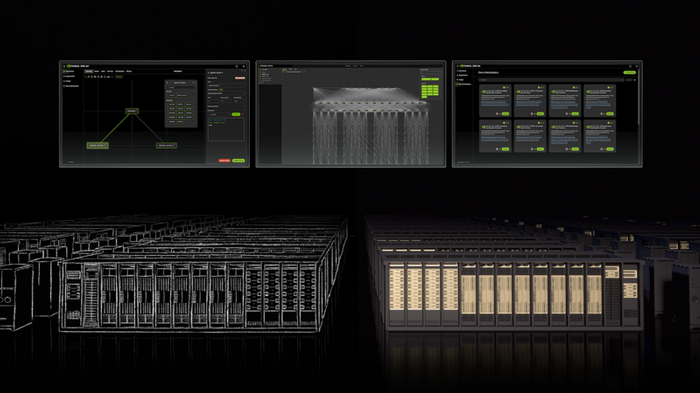
At the GTC 2026 conference in San Jose, NVIDIA founder and CEO Jensen Huang showcased the rapid advancements in artificial intelligence technology, particularly the establishment of AI factories that significantly reduce deployment time from months to mere days. This innovation is seen as a catalyst for the next industrial revolution, highlighting the growing importance of AI in manufacturing and production processes. The event underscored the potential of AI to transform industries by streamlining operations and enhancing efficiency, paving the way for a new era of technological development.
NVIDIA CEO Jensen Huang and Global Technology Leaders to Showcase Age of AI at GTC 2026
NVIDIA has announced that the Global Technology Conference (GTC), recognized as the leading event in artificial intelligence and accelerated computing, is scheduled to occur from March 16 to March 19 in San Jose, California. This annual conference serves as a platform for industry leaders, researchers, and developers to explore advancements in AI technology and share insights on the future of computing. By bringing together experts and innovators, NVIDIA aims to foster collaboration and drive progress in the rapidly evolving field of AI.
Small-AI Models Gain Traction Around the World
One morning in 2019, Adebayo Alonge was in a Cape Town hotel room, preparing to demonstrate his startup’s AI answer to a serious problem in African health care: counterfeit medication, which kills thousands of people across the continent every year.The RxScanner is a handheld spectrometer that scans a pill with infrared light, then sends the item’s molecular profile to an AI model equipped with a pharmaceutical database. In seconds, the AI identifies the medication from its molecular profile—or reports that it’s phony.Pharmacies were using the system in more than a dozen countries, including Ghana, Kenya, Myanmar, and Alonge’s native Nigeria. But that morning in South Africa, it didn’t work. “I was shocked,” Alonge says.The spectrometer connected to the AI model—but the data center was 14,000 kilometers away and bandwidth was limited. “Our server was in the United States, and just to get the result of a single scan was taking me over 5 minutes.”So Alonge immediately asked his engineers to shrink the AI model down to a smaller, low-power, unconnected version that could run entirely on his Android phone. They produced it 2 hours later, and that saved the demo.More importantly, the work birthed a new version of his device, which can authenticate a pill in places without broadband, computers, or even reliable electricity. It also turned Alonge into an advocate for this kind of “small AI.”Small AI for Global Health Care AccessSmall AI is a far cry from wealthy nations’ colossal large language models (LLMs), hyperscale data centers, multibillion-dollar investments, and debates about AI consciousness. But for millions of people around the world, the only AI that matters, and often the only kind available, is small. (According to a World Bank Report issued in November, only 0.7 percent of internet users in the world’s poorest countries have used ChatGPT, compared to a quarter of all internet users in the most developed nations.)“Most people are discussing AI from the LLM/generative side. But that needs a lot of computing power, electricity, massive data, and skilled people to manage it,” Ajay Banga, president of the World Bank, said last January at the World Economic Forum, in Davos. “Outside the developed world, other than maybe India and China, very few countries have that combination.”By contrast, small AI can deliver useful, even life-saving services to people in areas that have none of those things, Banga said. In India, where the government’s AI plans call for more development of small AI, many such systems are working for farmers.For example, a drone-based system developed by Bala Murugan and colleagues at the Vellore Institute of Technology, in India, takes photos of cashew plants and quickly identifies those with splotches that indicate disease. All the processing takes place on the drone itself, so there’s no need for a computer on-site, nor for a connection to a central server.Using small language models trained for a specific problem, and sometimes running on cheap, low-power devices, other small-AI implementations have been developed to identify ant infestations in a Uruguayan vineyard, detect the presence of malaria-carrying mosquitoes in a number of nations, and run electrocardiograms from an Arduino device in parts of Brazil that lack access to more complex equipment.“This is the most important area in AI nowadays,” says Marcelo José Rovai, a professor at the Institute of Engineering and Information Systems at the Federal University of Itajubá, in Brazil, who was involved in all three projects. “It’s growing very fast.”Low-Power, Small-AI Models on Devices Small AI models can run on a variety of low-power devices, including [from left to right] an Arduino Nano 33 BLE Sense, a Seeed Wio Terminal, and an Arduino Portenta.Moez AltayebFor Alonge, Rovai, and other advocates, small AI is not just “a promising trend,” as that November World Bank report calls it. It may be, in the long term, the form of AI that will touch the most lives and remain sustainable after some of the giant models become too costly for most users.“I think the future of AI is not like one giant model, at a center. I think it’s millions of small, precise models deployed at the edge, each one solving like a specific problem, a specific context,” Alonge says. This is partly because much of humanity—including people in parts of rich countries as well as the developing world—lives without access to cutting-edge frontier models. But, he says, it’s also because those models are not sustainable.“If someone is not subsidizing it, most people will not be able to afford those models. So those of us who are said to be small-AI developers are the ones who will have to build for the majority of the world,” Alonge says.There is no strict definition of “small AI,” but people often use the term for language models with at most a few billion parameters. (Compare that to cutting-edge models, which can include more than a trillion.) That’s small enough to run directly on a phone or a Raspberry Pi. That’s what allows these applications to run on devices without a connection to a data center and use only a few watts of power, often supplied by a battery or a solar panel.Despite their small footprint, these models aren’t fundamentally different technology from that of gigantic AI models, Rovai says. Many instances of small language models were created the same way the phone-based version of Alonge’s pharmaceuticals scanner was—by “pruning” large models, or removing the parameters that weren’t involved in the task. The result is a system that’s less capable generally but still very good at the specific job it was pruned for, Rovai says. A lighter version of RxAll’s RxScanner spectrometer sends its results to an AI model run locally on a phone to check that a drug’s molecular signature is genuine.RxAllOther small models are created by “distillation.” They are trained to mimic a large model, until their performance approaches that of their “teacher,” Rovai says. In other cases, a larger model’s precision is reduced, for example, so that a model run on 32-bit architecture can run on 8-bit designs. In situations where the machine learning application is being used to classify data or predict patterns (like an ant infestation), it’s trained from the beginning on a small device, not derived from a larger model at all. Running all these small, specialized systems is becoming easier, Rovai says, for two reasons.The first reason is that hardware is getting better and more capable while using less power, he says. This means more and more phones can run small AI—especially those equipped with neural processing units, which are specialized chips that handle AI tasks like facial recognition and changing the brightness, shadows, or contrast in a photo.In 2025, slightly more than a third of all smartphones shipped worldwide were capable of running generative AI, and that figure will reach 45 percent by the end of this year, according to the technology research firm Counterpoint. By the end of next year, slightly more than half of all smartphones will be able to run a small AI model.The second reason Rovai cites is the shrinking footprint of language models. Both Google DeepMind’s Gemma 4 (released in April) and Alibaba’s Qwen 3.5 are “fantastic” for small AI, Rovai says. Both models are “open weight,” meaning users can adjust the connections between parameters to suit their needs. This makes it easy, for example, “to take a lot of data from, say, the milk industry and retrain the model specifically on that,” Rovai says.Rovai illustrated these reasons on a Zoom call, using one of his most recent experiments. Holding up a device, he says, “This is the new Arduino UNO Q—a US $50 device with a Qualcomm chipset. I’m running a language model here, which collects data from sensors and analyzes that data to detect tiny pools of water where mosquitoes might be breeding. It takes 3 watts to run it.”Support for Small-AI DevelopmentConvinced that millions of people are already benefiting from these kinds of applications, the World Bank now actively promotes small AI with grants, mentorship programs, financing, technical advice, and models of government policies that are friendly for small-AI development. For example, in Rwanda, the World Bank is backing a government program to help low-income households get devices that can run AI.All that said, no one claims that large language models are going away entirely. To create a generative AI that can run on a phone or other small device requires the architectural insights, data processing, and results of a larger model, Rovai says. “We need the big models to create these smaller models.” And for all that small AI can benefit people without access to big AI, the technology can’t solve the larger problems of development and digital inequality, Alonge says. Implementing small AI won’t allow nations to escape the challenge of creating an ecosystem to support AI: reliable power, a supply chain that works, and an educational system that develops the talents needed to create AI tools.Though his drug-scanning system can run for days on a phone with no connection, “you still want to be able to enable periodic syncing for updates with new signatures for the medications and analytics,” Alonge says. “And even when you are using batteries, reliable power is important. That phone battery is not going to last forever.”In many parts of the world, the future of small AI isn’t assured, he says. “It works, and many places will eventually need to use it. The question is whether or not the political actors are wise enough to invest in infrastructure to support it long term.”
Small-language-models Artificial-intelligence LlmsRobotics needs a service framework.
RSF defines a common language for robot service capability, lifecycle operations, certification pathways, and service-provider networks.