Industry Briefing
A single destination for timely, editor-curated robotics news from around the world.
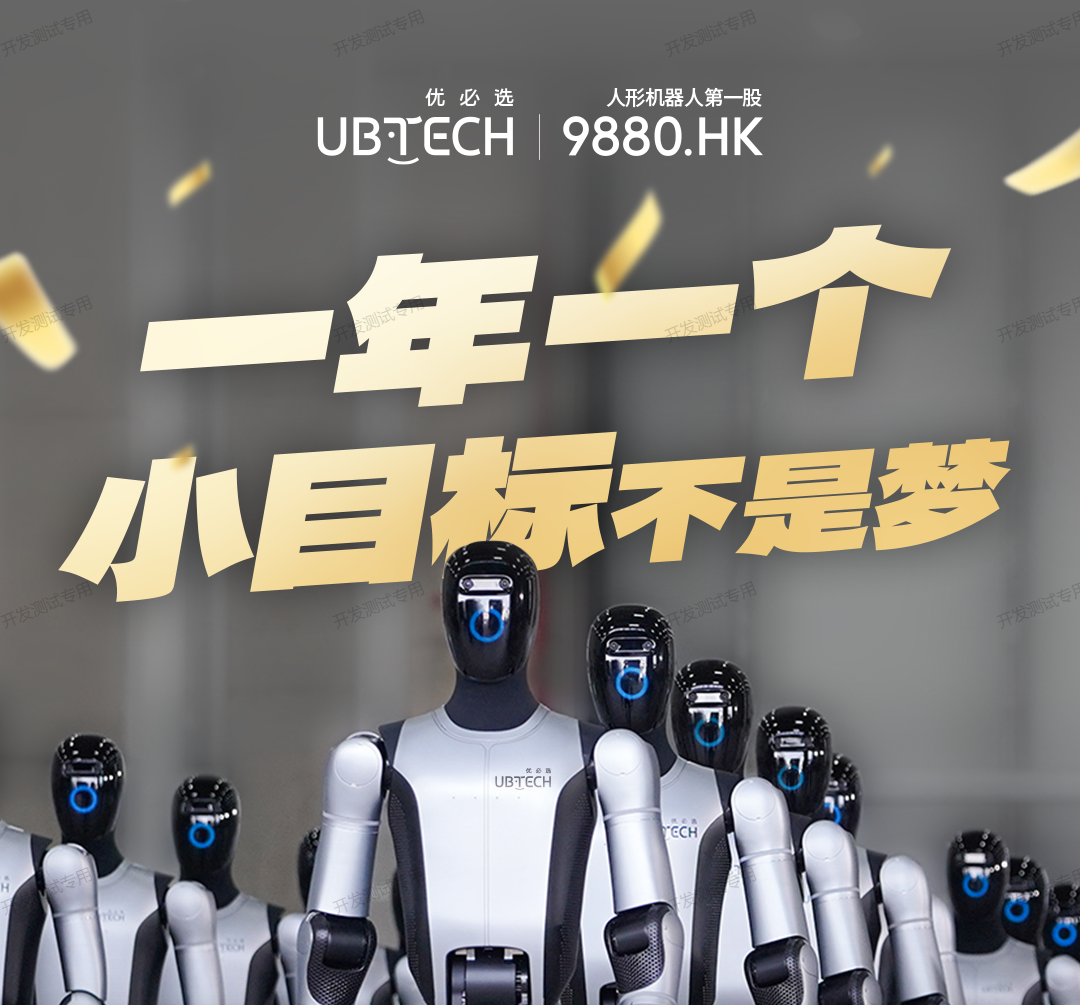
UBTECH Seeks Chief Scientist with Up to 124 Million Salary!
UBTECH, a leader in robotics, is actively seeking a Chief Scientist specializing in embodied intelligence, with a starting salary of 15 million that could rise to 124 million. This high-profile position aims to shape the future of humanoid robotics and enhance key research areas, ultimately facilitating the integration of intelligent robots into practical, real-world applications. The recruitment effort underscores UBTECH's commitment to innovation and leadership in the rapidly evolving field of robotics.
Humanoid Robots Embodied Intelligence AI Research Robotics Careers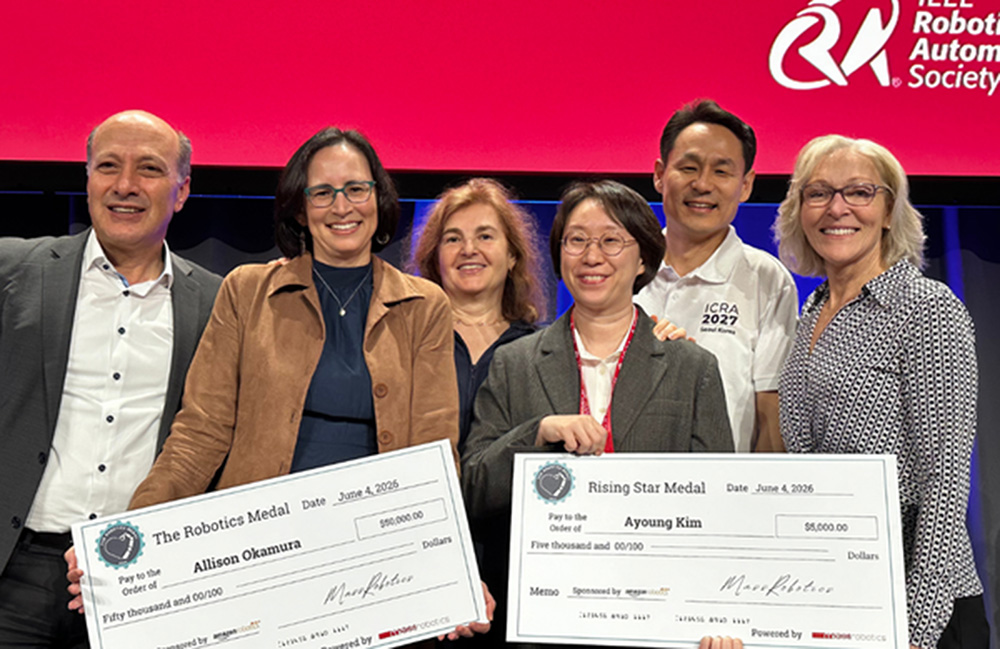
MassRobotics announces the winners of 2026 Robotics Medal and Rising Star awards
Allison Okamura and Ayoung Kim have been recognized with prestigious awards from MassRobotics, receiving the 2026 Robotics Medal and the Rising Star Medal, respectively. These accolades celebrate the achievements of women in the field of robotics, highlighting their significant contributions and inspiring future generations. The announcement was made recently, underscoring the growing recognition of female innovators in a traditionally male-dominated industry. The awards aim to promote diversity and encourage more women to pursue careers in robotics, reflecting a broader commitment to inclusivity within the technology sector.
Academia / Research Artificial Intelligence Artificial Intelligence / Cognition Design / Development Events Healthcare Robotics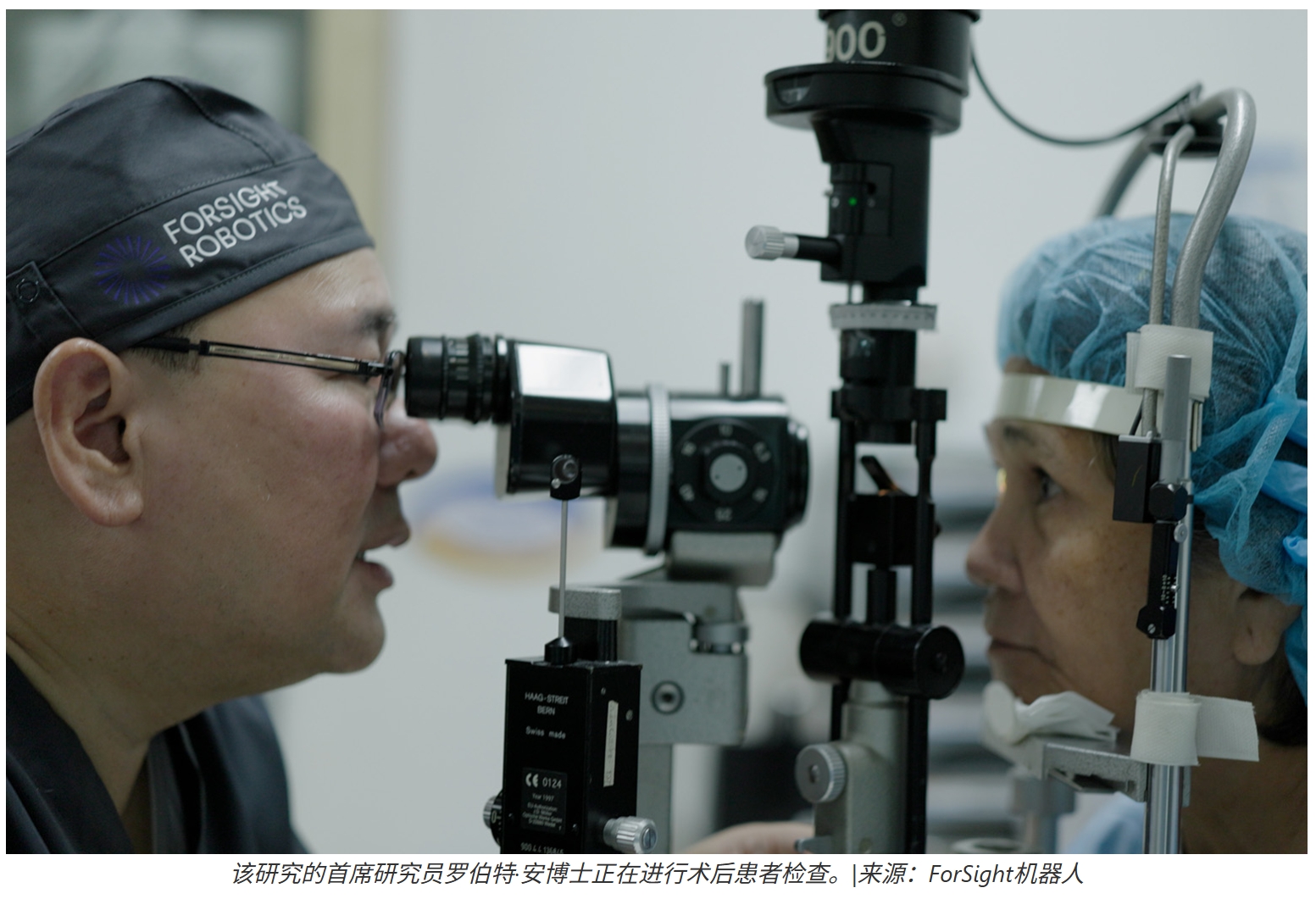
ForSight Robotics Completes First Fully Robotic Cataract Surgery with JASPER Platform
ForSight Robotics has successfully completed the world's first fully robotic cataract surgery using its JASPER platform, led by Dr. Alexey Rapoport in April 2026. This groundbreaking procedure was performed at the Asian Eye Institute in the Philippines, showcasing JASPER's ability to execute the entire surgery autonomously without general anesthesia, adhering to modern cataract surgery standards. The significance of this achievement lies in JASPER's unique design, which empowers surgeons rather than replacing them. By integrating AI algorithms, advanced computer vision, and miniature mechanical technology, JASPER provides enhanced imaging and precision control, allowing surgeons to perform with the accuracy of elite professionals. This innovation also addresses ergonomic concerns, as it enables surgeons to operate seated, potentially extending their careers and improving surgical outcomes. Looking ahead, ForSight Robotics aims to secure FDA approval for JASPER in the United States, with plans to bring this technology to market in the coming years. The company has raised $195 million since its founding in 2020, with significant investments from notable figures and organizations. No further timeline was disclosed at the time of publication.
Robotic Surgery Cataract Surgery AI in Healthcare Ophthalmology Medical Robotics
Weeks after Huang visit, Nvidia expands Korea hiring into robotics, HPC
Nvidia is expanding its engineering presence in South Korea, nearly a month after CEO Jensen Huang announced the company's plans to establish a research and development center in the country. Recent job postings on Nvidia's official careers website indicate a focus on key areas such as robotics simulation, high-performance computing, and automotive software, which are closely linked to South Korea's manufacturing, semiconductor, and automotive industries. This strategic move aims to strengthen Nvidia's involvement in these critical sectors, reflecting the company's commitment to innovation and collaboration within the region. The latest job listings, discovered by the Korea Herald, highlight Nvidia's intent to tap into local expertise and resources as it seeks to enhance its technological capabilities in Korea.
All News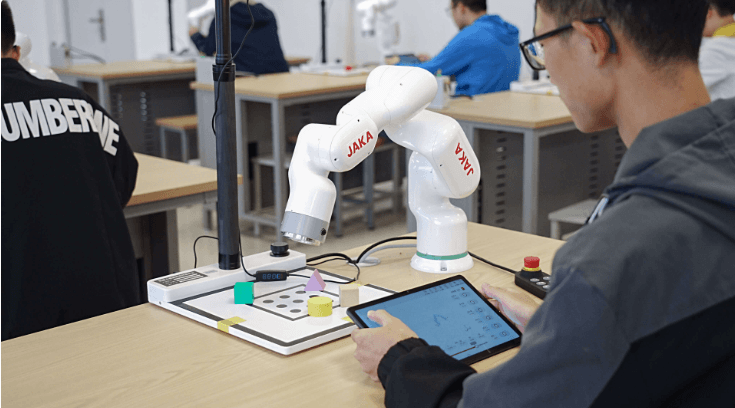
Industrial Automation and Robotics for Educators: Training the Next Generation
The rapid evolution of industrial automation and robotics is reshaping global manufacturing, leading to an increased need for a skilled workforce adept at managing advanced machinery. As educators strive to connect theoretical engineering principles with the practical demands of modern smart factories, there is a pressing requirement for classroom tools that reflect real-world equipment. By 2026, the integration of robotics into STEM curricula is expected to be crucial for fostering critical thinking and technical literacy among students. Educational programs are shifting towards "Embodied Intelligence," where learners engage with sophisticated technologies like industrial robot arms, enhancing their understanding of vision systems, sensor feedback, and machine learning. This hands-on experience equips students with essential skills in industrial safety, workflow optimization, and predictive maintenance, preparing them for careers as automation engineers and technicians. However, challenges persist, including the high costs and complexities associated with traditional industrial robots, which often require specialized facilities and safety measures. To address these issues, educational institutions are exploring "all-in-one" solutions that prioritize safety and usability while maintaining industrial-grade performance. JAKA Robotics is stepping up to meet these educational needs by providing tools that facilitate a safe learning environment. Their JAKA Academy offers a comprehensive training platform with courses ranging from basic operations to advanced software development. The versatile JAKA Zu and S series robots are designed for both research and classroom use, allowing students to engage in practical tasks and develop innovative AI-driven workflows. By incorporating JAKA's technology into educational settings, students are empowered to become the next generation of leaders in industrial automation.
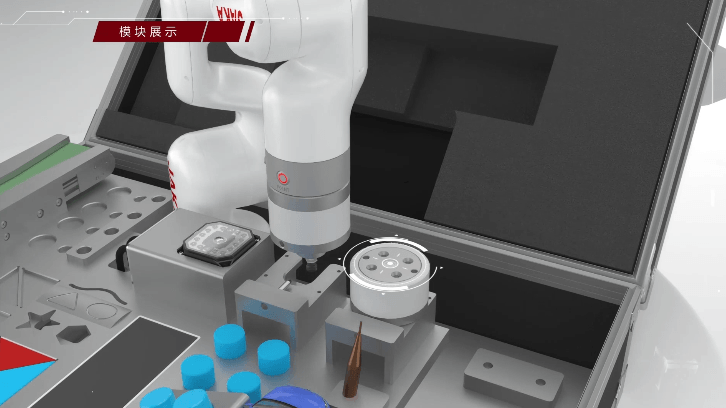
Educational Robotic Arm in Action: Case Studies in High School Robotics Clubs
In recent years, high school robotics clubs have increasingly adopted educational robotic arms, such as the JAKA MiniCobo, to enhance student learning through hands-on experience with automation and programming. This versatile tool allows students to engage in various tasks, including sorting and assembly, while minimizing direct contact with potentially hazardous equipment, thereby creating a safer learning environment. The JAKA MiniCobo has become a central resource in several robotics clubs, where students have successfully programmed the arm to identify and separate components during projects. This adaptability enables students to explore multiple programming approaches and fosters collaboration as they work in teams to troubleshoot and refine their coding solutions. Educators have noted that the use of this robotic arm not only improves accuracy and efficiency but also teaches essential skills in workflow optimization and precision control, crucial for careers in engineering and STEM fields. Furthermore, the integration of the JAKA MiniCobo into extracurricular activities has significantly boosted student engagement. Students benefit from immediate feedback on their programming efforts and enjoy the creative freedom to design new tasks, simulating real-world industrial processes. This hands-on approach cultivates curiosity and confidence in technology, ultimately preparing students for future innovations. Overall, the incorporation of educational robotic arms like the JAKA MiniCobo in high school settings exemplifies the transformative potential of automation in education, equipping students with valuable skills while promoting a safe and engaging learning atmosphere.
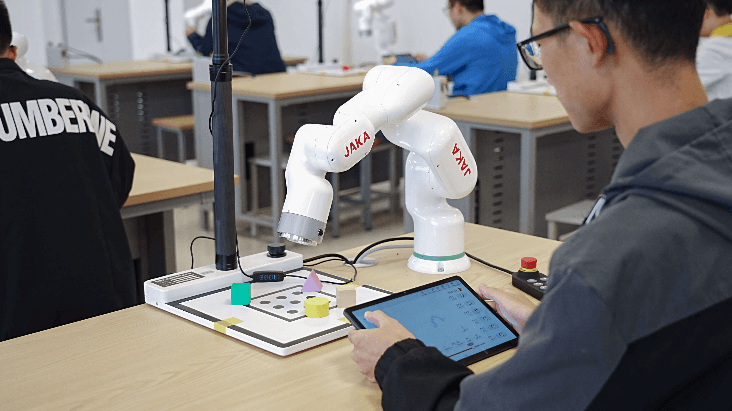
Automation and Industrial Robotics for Education: Training Programs and Platforms
JAKA, a leader in industrial automation and robotics, is revolutionizing technical education by integrating hands-on experience with industrial cobot systems into learning environments. This initiative aims to prepare students for future careers in manufacturing and engineering by providing practical knowledge that complements traditional theoretical studies. The company has developed training programs centered around the JAKA Pro16, an industrial cobot designed to operate in challenging environments, allowing students to engage in tasks such as palletizing, machine tending, and precision welding without damaging sensitive equipment. This hands-on approach helps learners understand the practical challenges of modern industrial settings. JAKA's modular platforms facilitate both individual and collaborative learning, enabling students to program trajectories, test automation sequences, and analyze data from integrated sensors. This immersive experience connects theoretical concepts with real-world applications, enhancing problem-solving skills and technical confidence. The goal of these educational programs is to equip students with the skills necessary for careers in manufacturing, engineering, and technology. By interacting with advanced robotics like the JAKA Pro16, students gain insights into mechanical operations, control systems, and safety protocols. JAKA also provides instructor guides and safety materials to ensure effective and secure learning. Through this commitment to integrating automation and robotics into education, JAKA is helping to bridge the gap between classroom learning and industry requirements, ultimately preparing the next generation for the evolving challenges of modern manufacturing.

National Robotics Week 2026 Underscores Robotics as a Critical U.S. Industry and Workforce Engine
National Robotics Week 2026 is set to showcase the increasing significance of robotics in driving innovation and shaping the workforce in the United States. Scheduled for April 3-11, the event will take place across various locations nationwide, including educational institutions, research facilities, and community centers. This annual celebration aims to raise awareness about the advancements in robotics technology and its applications in diverse sectors such as manufacturing, healthcare, and education. The initiative seeks to engage the public, particularly students and young professionals, in understanding the potential of robotics to transform industries and create new job opportunities. Through workshops, demonstrations, and interactive exhibits, participants will have the chance to explore the latest robotic technologies and their implications for the future workforce. Organizers emphasize the importance of fostering interest in STEM (Science, Technology, Engineering, and Mathematics) fields, as well as encouraging collaboration between academia, industry, and government to drive further innovation. By highlighting the role of robotics in enhancing productivity and efficiency, National Robotics Week aims to inspire the next generation of engineers and innovators to pursue careers in this rapidly evolving field.
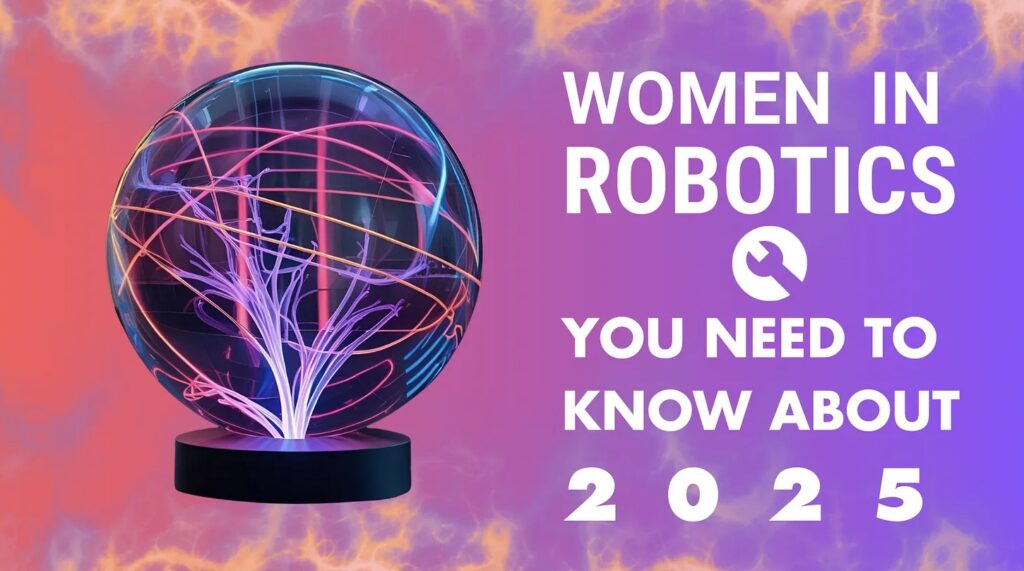
Women in robotics you need to know about 2025
On October 1, International Women in Robotics Day was celebrated, highlighting the significant contributions of women in the field of robotics. This year’s edition of “Women in Robotics You Need to Know About” showcases the diverse roles women play in advancing robotics technology beyond traditional settings. Their work spans various sectors, including space exploration, healthcare, agriculture, and global connectivity. The initiative aims to recognize and promote the achievements of female innovators, encouraging greater representation and participation of women in this rapidly evolving industry. By sharing their stories, the campaign seeks to inspire future generations to pursue careers in robotics and related fields.

ARM Institute expands RoboticsCareer.org into physical AI
The ARM Institute has announced an expansion of RoboticsCareer.org to include job opportunities in the burgeoning field of physical artificial intelligence (AI). This initiative aims to facilitate connections between employers and qualified candidates, addressing the increasing demand for talent in this innovative sector. The updated platform is expected to serve as a valuable resource for both job seekers and companies looking to hire skilled professionals in physical AI. This development reflects the ongoing growth and significance of robotics and AI in the workforce, highlighting the need for specialized talent in these areas.
Artificial Intelligence Artificial Intelligence / Cognition Business Resources Defense / Security Design / Development Educational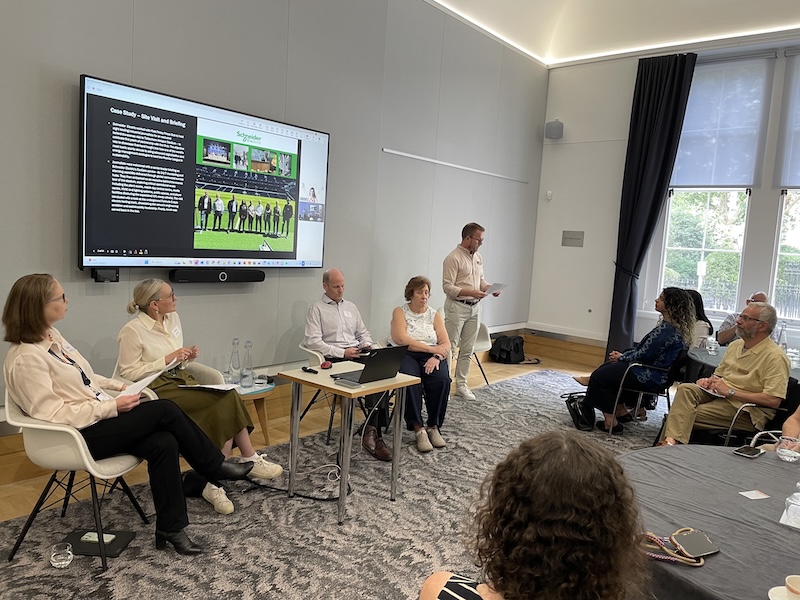
High-powered panel discussion: Why aren’t there more women in engineering?
Despite the common adage that "necessity is the mother of invention," women remain largely underrepresented in the field of engineering, a domain traditionally associated with innovation. This gender disparity persists globally, with historical and cultural factors contributing to the scarcity of female engineers. Efforts to address this imbalance are ongoing, as advocates highlight the importance of encouraging young women to pursue careers in engineering and related fields. By fostering an inclusive environment and promoting role models, the aim is to inspire the next generation of female innovators and change the narrative surrounding women in engineering.
Engineering Features automation news confidence gap diversity in engineering engineering careers
New humanoid robot built for companionship with 90% accuracy in recognizing emotions
Chinese robotics company UBTech has unveiled its latest innovation, the UWORLD U1 Series, which it claims to be the world's first humanoid robot designed for educational purposes. The launch took place on October 15, 2023, during a technology expo in Beijing, where the company showcased the robot's capabilities in interactive learning and skill development for students. The UWORLD U1 Series aims to enhance educational experiences by providing personalized tutoring and engaging students in STEM subjects through interactive lessons. UBTech's motivation behind this development is to address the growing demand for innovative educational tools that can adapt to various learning styles and environments. The humanoid robot features advanced AI technology, enabling it to interact with students in real-time, respond to questions, and facilitate hands-on learning activities. By integrating robotics into the classroom, UBTech hopes to inspire a new generation of learners and foster interest in technology and engineering fields. With this launch, UBTech positions itself at the forefront of the educational technology sector, aiming to revolutionize how students engage with learning materials and prepare for future careers in an increasingly digital world.
AI and Robotics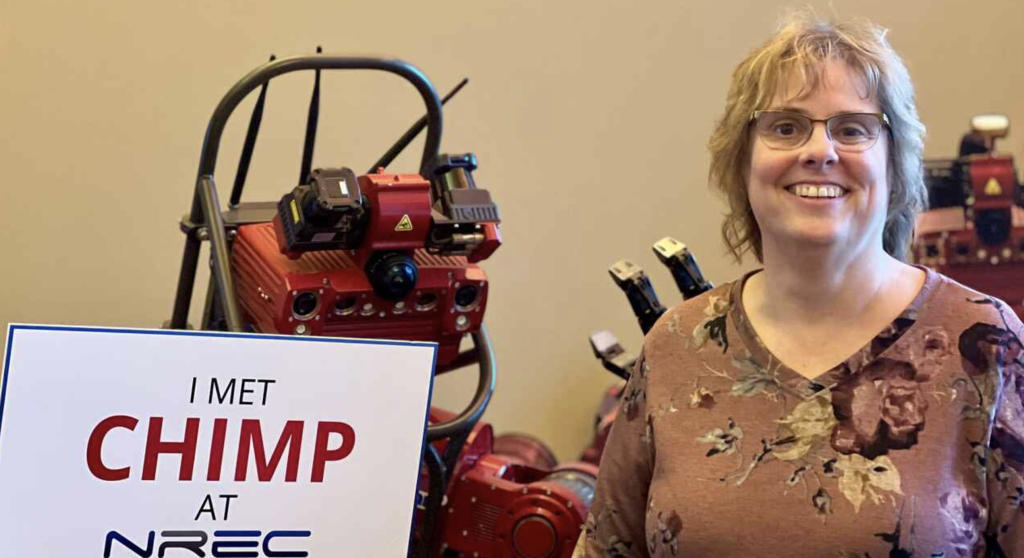
Crossroads to Career: Amy Arteritano’s Temp Job Turned Into a 30-Year Legacy
Amy Arteritano, a 1996 graduate with a teaching degree, found herself at a pivotal moment in her career when she turned to Carnegie Mellon University’s National Robotics Engineering Center (NREC) for support. Initially unaware of the significant role CMU would play in her professional journey, Arteritano's temporary position at the center evolved into a remarkable 30-year legacy in the field of robotics. Her story highlights the transformative impact of educational institutions in shaping careers and fostering long-term professional development.
RI Life
Jiaoyang Li Earns NSF CAREER Award
Jiaoyang Li, an assistant professor at Carnegie Mellon University's Robotics Institute, has been awarded the National Science Foundation's Faculty Early Career Development (CAREER) award. This prestigious recognition, announced recently, honors early-career faculty who demonstrate exceptional commitment to their institution's mission and contribute significantly to their field. The CAREER program is designed to support and advance the careers of promising educators and researchers, underscoring the importance of their work in academia and beyond. Li's achievement highlights his dedication to innovation in robotics and his potential to influence future developments in the discipline.
Awards Research
How Automation Professionals Are Future-Proofing Their Wealth
A sense of unease is permeating the technology sector as employees grapple with the implications of automation on their job security. This anxiety, while not openly discussed in meetings or performance reviews, is increasingly evident among workers who have dedicated years to mastering automation tools. As companies navigate layoffs, model updates, and organizational changes, many are beginning to question whether their skills in automation might ultimately render them redundant. This growing concern reflects a broader apprehension about the future of work in an industry that is rapidly evolving due to technological advancements. The situation highlights the need for professionals to adapt and consider new roles as automation continues to reshape the landscape of employment in tech.
Automation Business Technology ai artificial intelligence automation news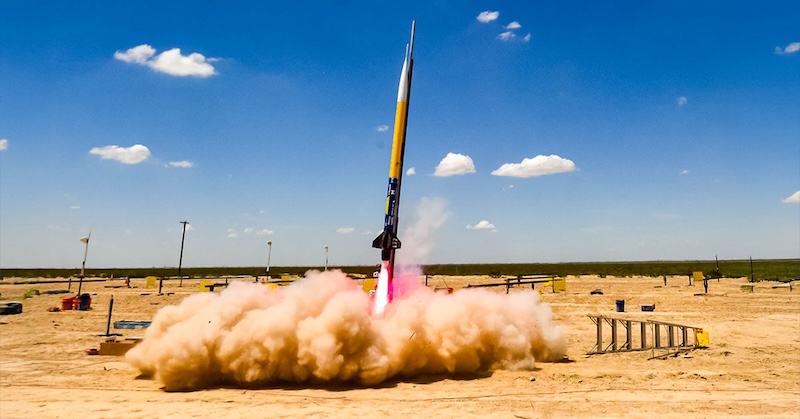
More than 2,000 students to compete in world’s largest rocket engineering competition
ProtoSpace Mfg, a leader in rapid manufacturing for sectors including aerospace and defense, has confirmed its role as the lead sponsor for the upcoming International Rocket Engineering Competition (IREC) 2026. This prestigious event is scheduled to take place from June 15 to June 20 at the Midland International Air & Space Port in Midland, Texas. Organized by the Experimental Sounding Rocket Association (ESRA), IREC is recognized globally as a premier platform for engineering innovation and competition among aspiring rocket engineers. ProtoSpace Mfg's sponsorship underscores its commitment to advancing aerospace technology and supporting educational initiatives in the field.
Engineering News Space aerospace careers aerospace engineering aerospace industry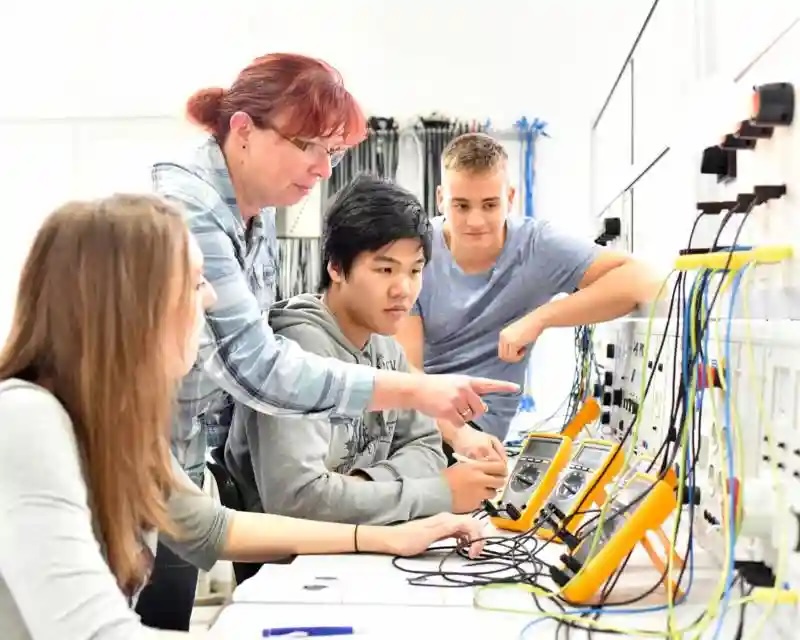
Automation is Hiring Faster Than Schools Can Graduate Engineers
Automation has become a critical component in various industries, including manufacturing, logistics, energy, and research, as companies increasingly implement robots and intelligent systems to enhance efficiency. This shift is occurring at an unprecedented pace, creating a pressing demand for skilled engineers capable of designing, maintaining, and improving these technologies. However, the rapid deployment of automation presents a significant challenge: the supply of qualified professionals is struggling to keep up with the growing need. As organizations strive to integrate advanced automation into their operations, the gap between the availability of skilled workers and the requirements of modern technology continues to widen, complicating efforts to fully realize the potential of automation in the workforce.
Engineering automation careers automation engineers automation news engineering jobs engineering skills shortageRobotics needs a service framework.
RSF defines a common language for robot service capability, lifecycle operations, certification pathways, and service-provider networks.