Industry Briefing
A single destination for timely, editor-curated robotics news from around the world.
China Launches First Insurance for Intelligent Robotic Components at 2026 Service Trade Fair
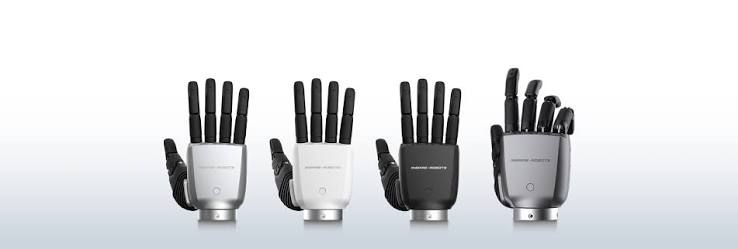
On September 11, China Pacific Insurance and Beijing Daqi Yuequan Biomimetic Technology signed a collaboration for insurance covering intelligent robotic components, marking the first such insurance in the country. The policy protects against accidents, natural disasters, design defects, and operational errors, while also covering third-party injuries and property damage caused by equipment use. This insurance product addresses significant concerns for manufacturers and end-users of dexterous hands, which are costly and require high precision. With this coverage, procurement decisions may become easier as risks associated with equipment loss and third-party liabilities are mitigated. The collaboration aims to bolster confidence in the intelligent robotics sector by establishing a risk barrier for core components. The launch of this insurance indicates a shift in the industry, suggesting that key components have moved beyond experimental phases to a stage where tangible investments are necessary. Future developments to watch include the alignment of insurance rates with actual fault data and the potential introduction of similar insurance products for other critical components like joint modules and sensors.
Robotic Components Insurance Embodied Intelligence Risk Management
Shifts in Robotics Investment Focus on Core Components Amid Market Changes
Since 2026, the robotics capital market has shifted focus from complete machines to core components such as chips, sensors, and actuators. This change reflects a move from concept validation to mass production, as investors seek more certainty in their investments. In July alone, 13 out of 52 financing events in the robotics sector were in core components, indicating a significant rise in interest. The importance of core components is underscored by the realization that relying solely on imported parts can severely impact profitability for humanoid robots. As domestic supply chains struggle to keep pace, companies with substantial funding may still find themselves at the mercy of foreign manufacturers. This shift highlights that competition in the robotics industry is evolving beyond just complete machines to encompass the entire supply chain. One notable player in this space is Tao Shi Intelligent, established in 2024, which has developed a unique orthogonal drive technology for reducers. With a focus on high precision and compact design, the company has successfully integrated its products into the supply chains of major firms like Foxconn. As demand for dexterous hands rises, Tao Shi Intelligent is poised to capitalize on this trend, having signed agreements for 100,000 joint modules with various robotics companies.
Robotics Core Components Supply Chain Investment Trends
Benmo Technology Achieves Rapid Growth in Robotics Physical Components Market
Benmo Technology has experienced significant revenue growth, increasing from 17.54 million yuan to 282 million yuan in three years, with a compound annual growth rate exceeding 300%. The company focuses on integrated direct-drive joints, eliminating the need for reducers, which reduces energy loss and noise while extending lifespan to 50,000-100,000 hours. As of 2025, Benmo Technology is projected to capture 61.1% of the Chinese consumer robotics direct-drive module market, with shipments of approximately 8.5 million units across various robot categories. The company also operates a wheeled robot business, exporting products to over 50 countries, and has become a leading manufacturer in this sector. Looking ahead, Benmo Technology's dual business model allows for a feedback loop between mass production of power modules and whole machine development. The consumer-grade direct-drive modules are expected to account for 88% of total revenue by 2025. The company is well-positioned to meet future demands for reliable robotic bodies as advanced AI models mature.
Robotics Direct-Drive Modules Embodied Intelligence Robot Manufacturing
Schaeffler Aims for Hundreds of Millions in Humanoid Robotics Orders by 2030
Schaeffler has set a target to secure an order book worth hundreds of millions of euros in its humanoid robotics division by 2030, as revealed by CEO Klaus Rosenfeld. This ambitious goal comes as the company shifts its capital allocation and strategic priorities, currently engaging with around 45 humanoid robotics players globally, including firms in the U.S. and China. The significance of this target lies in Schaeffler's innovative 'user-supplier' model, which positions the company as both a consumer of robotic labor and a Tier 1 component provider. With five major customer contracts already ratified, Schaeffler is working to establish its hardware as the industry standard, aiming to capture 10% of the humanoid market, which is projected to reach 1 million units by 2030. As the humanoid robotics industry gears up for a production surge, Schaeffler's strategic pivot is seen as a buffer against the volatility of the traditional automotive market. With initial contracts for actuators secured, the company is transitioning from pilot projects to generating industrial-scale revenue, marking a significant step in its growth trajectory in the robotics sector.
Europe Market Schaeffler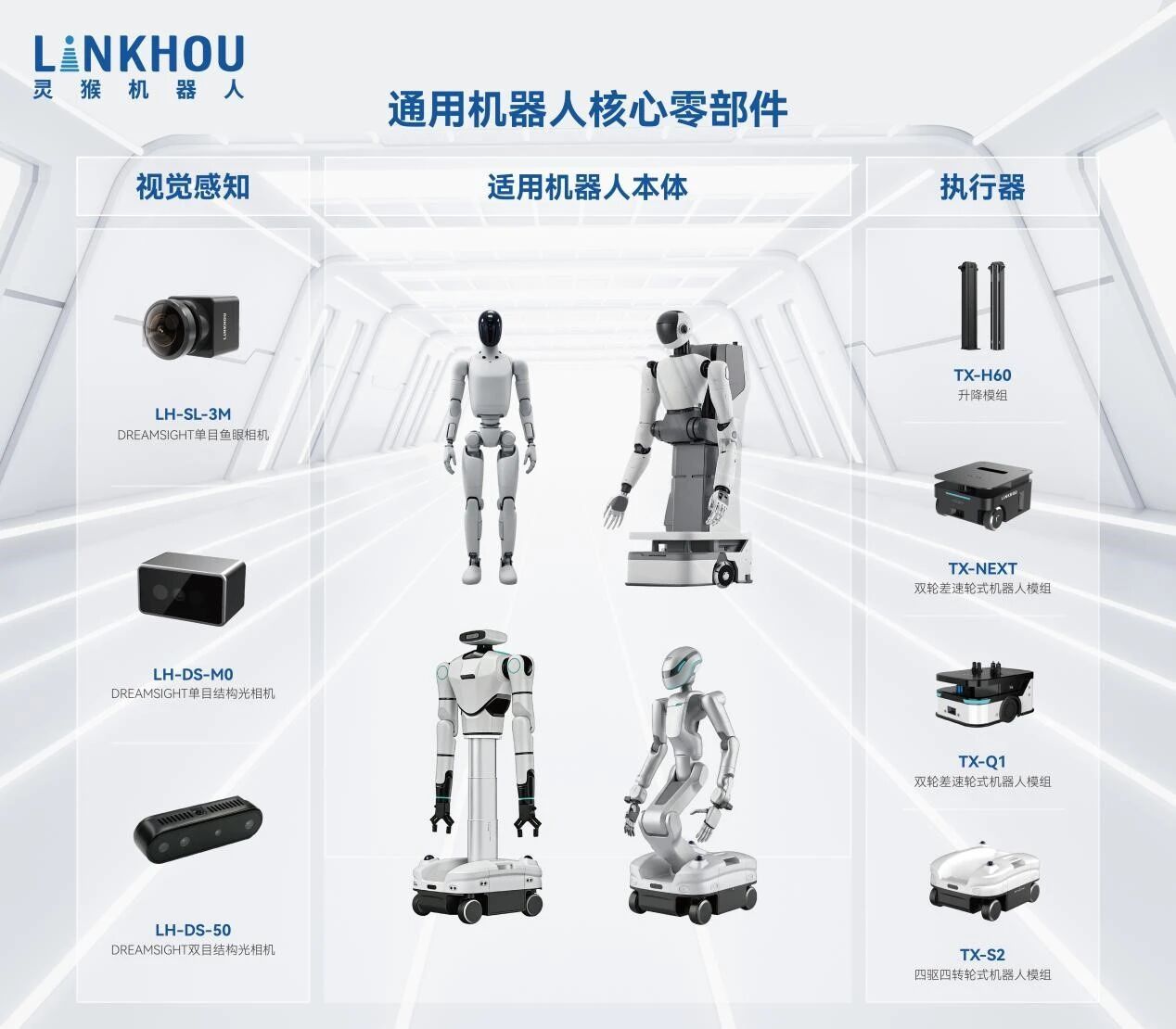
Linkhou Raises USD Tens of Millions to Expand Robotics Components Production
Linkhou, a company based in Suzhou, has successfully secured hundreds of millions of yuan in a Series B+ funding round, which was led by the China Internet Investment Fund. This significant investment aims to enhance the production capabilities of the company's essential components for embodied AI robots, specifically focusing on vision modules and mobile chassis. The funding will enable Linkhou to scale its operations and meet the growing demand for advanced robotics technology.
News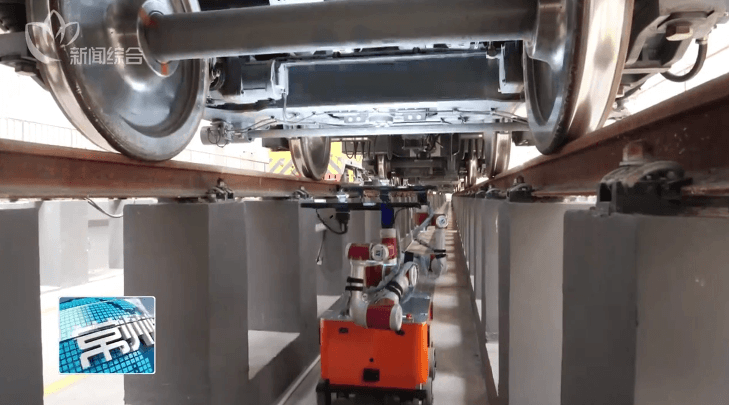
Beyond the Arm: Integrating Robotic Arm Components for Advanced HMI
In the evolving landscape of modern manufacturing, JAKA is redefining human-machine interaction (HMI) by integrating industrial robot arms into cohesive systems that enhance operational efficiency. This approach emphasizes that robots should not function as isolated units but as integral components of a larger framework that includes mechanical structures, control logic, and software interfaces. By focusing on mechanical integration, JAKA ensures that robotic arms interact safely and accurately with operators, facilitating intuitive engagement and stable production behaviors. The design of robotic arms at JAKA prioritizes harmonized joints and controlled motion, which allows for smooth feedback and precise movements. This is particularly beneficial in packaging applications, where high repeatability minimizes errors and enhances operational clarity. Furthermore, JAKA's control systems are engineered to ensure that robotic arms respond predictably to user inputs, whether in automated or manual modes, thus improving the overall quality of HMI. The integration of these systems not only streamlines workflows but also reduces management overhead by providing clear and actionable feedback. This results in consistent output rates and decreased waste in production processes. JAKA's holistic approach to robotic systems fosters a manufacturing environment that is adaptable to real operational needs, ultimately leading to more efficient and transparent human interactions in tasks such as packing and spraying.
Robotics needs a service framework.
RSF defines a common language for robot service capability, lifecycle operations, certification pathways, and service-provider networks.
Join the RobotToday community on LinkedIn
Daily robotics news, in-depth analysis, conference highlights, and discussions with professionals worldwide.