Industry Briefing
A single destination for timely, editor-curated robotics news from around the world.
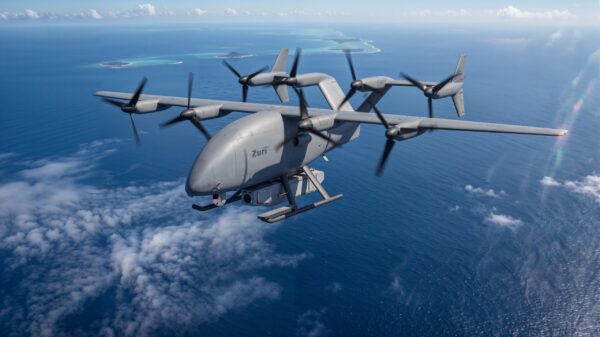
Zuri Unveils Uncrewed Cargo Tiltrotor for Civil and Defense Use in Prague
Czech aircraft manufacturer Zuri has commenced ground testing of its Technology Demonstrator 2.0 in Prague, aiming for flight tests in 2027 and commercial deliveries between 2027 and 2029. The Zuri uncrewed cargo VTOL, a hybrid-electric tiltrotor, is designed to transport over 100 kilograms (220 pounds) across a range of 679 kilometers (422 miles), with a cruising speed of 220 kilometers per hour (137 mph). This innovative aircraft is targeted for offshore operations, disaster relief, and defense logistics, significantly reducing transportation times compared to traditional methods. For instance, a typical 380-kilometer (236-mile) resupply route, which usually takes a road convoy most of a day, can be completed by the Zuri aircraft in just a morning. The Technology Demonstrator 2.0 integrates the full production architecture and is currently undergoing systems integration and ground tests. Looking ahead, Zuri plans to initiate flight testing in early 2027, with commercial deliveries expected between 2027 and 2029. The company has successfully raised €7.6 million (about $8.2 million) since 2018, with the latest funding round of €6 million (about $6.5 million) aimed at supporting the demonstrator and its flight test campaign. No further timeline was disclosed at the time of publication.
Advanced Air Mobility Drone News Drone News Feeds Europe Drone Industry European Union eVTOL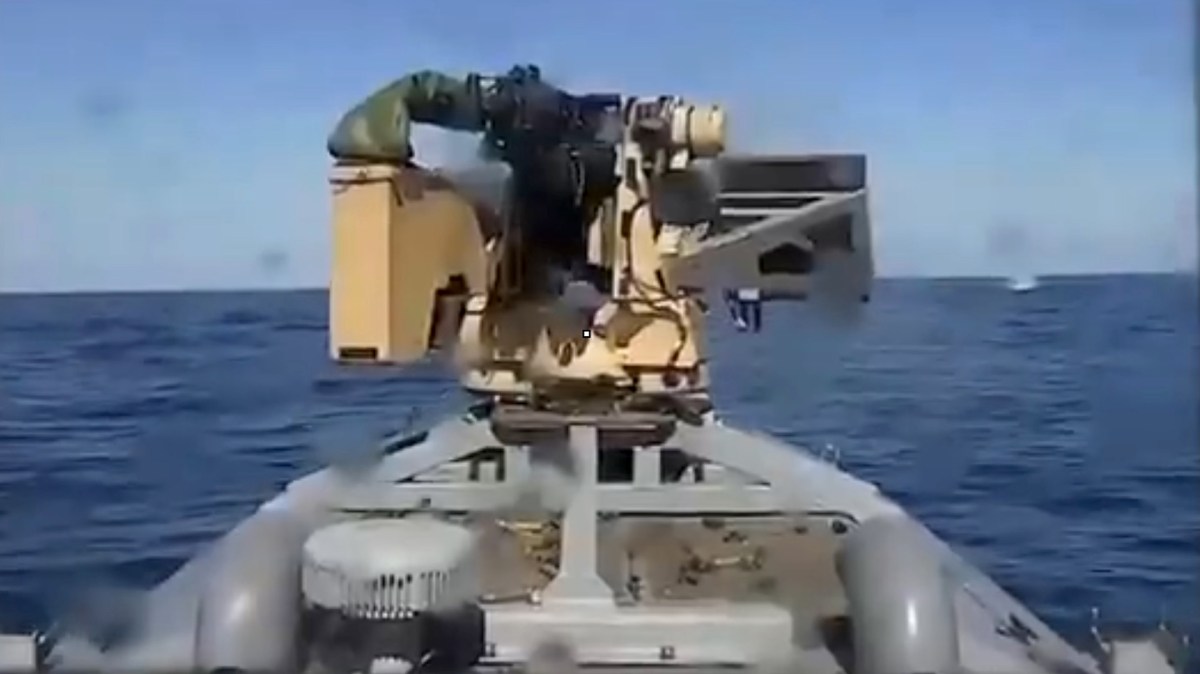
Ukraine Claims Historic First Kill of Russian Drone Boat by Its Own Uncrewed Vessel
The Ukrainian Navy has reported that its uncrewed surface vessel (USV) successfully sank a Russian USV, marking a historic first in naval warfare between unmanned boats. This engagement highlights the increasing effectiveness of Ukraine's combat drone boats against Russia's Black Sea Fleet, prompting a significant evacuation of Russian naval assets from Crimea. This incident underscores the growing proliferation of weaponized USVs globally, as nations explore advanced maritime combat capabilities. The Ukrainian Navy's Sargan 3000, equipped with a Protector 12.7 mm remotely operated weapon station, played a crucial role in this engagement, demonstrating the potential of unmanned vessels in modern warfare. As the use of drone boats expands, industry observers will be keen to monitor further developments in unmanned naval combat. No further timeline was disclosed at the time of publication.
Sea Around The Globe Europe Navies News & Features Russia
Canada and Ukraine Forge Long-Term Defense Partnership for Uncrewed Technologies
Canada and Ukraine have entered a significant defense agreement to collaboratively produce uncrewed technologies, counter-drone systems, and munitions. This partnership, announced by Canadian Prime Minister Mark Carney during Ukrainian President Volodymyr Zelenskyy's visit to Calgary, aims to enhance Ukraine's defense capabilities amid ongoing Russian aggression. The agreement is part of a broader commitment to a '100-year partnership' between the two nations, combining Ukraine's battlefield experience with Canada's manufacturing and technological expertise. Notably, General Dynamics Mission Systems of Canada and Ukraine's Green Tech Harvest will explore co-producing Ukrainian-designed drones, while Canada plans to invest approximately $350 million in air defense interceptors through the Joint Ukraine Multinational Program. Looking ahead, the partnership is expected to bolster Ukraine's air defense capabilities significantly, with Zelenskyy highlighting the training of 21 Ukrainian pilots in Canada. However, specific operational details regarding the drone cooperation remain limited. No further timeline was disclosed at the time of publication.
Air Warfare Allies Air Force canada Drones Europe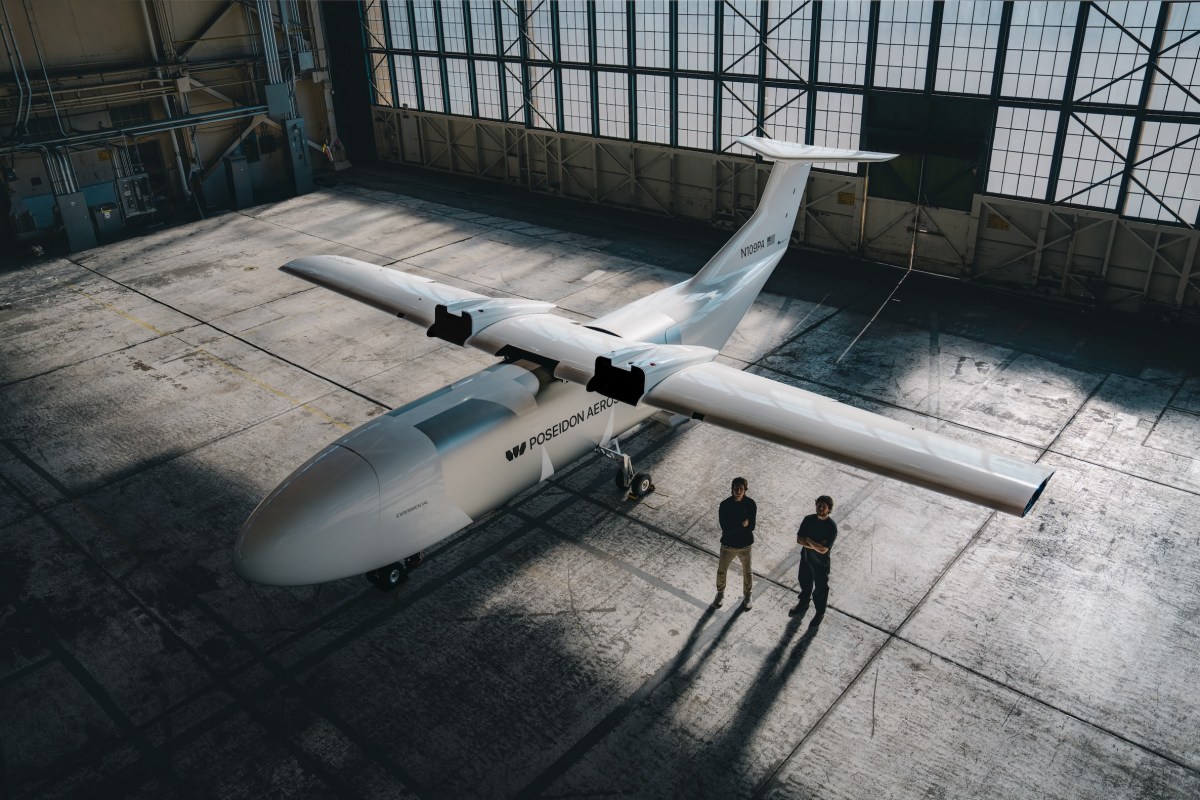
Poseidon Aerospace Secures $60 Million for Upcoming Uncrewed Cargo Plane Test Flight
Poseidon Aerospace has successfully raised $60 million in a Series A funding round, aimed at advancing its uncrewed cargo plane, Egret. This funding follows an earlier $11 million seed round and is led by TQ Ventures, with participation from several other investors. The first test flight of Egret is anticipated by the end of this year. The significance of this funding lies in Poseidon's focus on enhancing cargo transportation efficiency rather than pursuing flashy technologies. CEO David Zagaynov emphasizes a practical approach, utilizing fixed-wing aircraft powered by combustion engines, which allows for lower operational costs. The company aims to target both defense and regional commercial cargo markets, providing services to underserved areas with limited infrastructure. Looking ahead, Poseidon plans to operate its own regional air cargo business, competing directly with established carriers like UPS and FedEx. The absence of pilots in their aircraft is expected to further reduce costs, positioning Poseidon to capture demand in the logistics sector by offering faster and more affordable services. No further timeline was disclosed at the time of publication.
Fundraising Startups Transportation airborne cargo autonomous aircraft aviation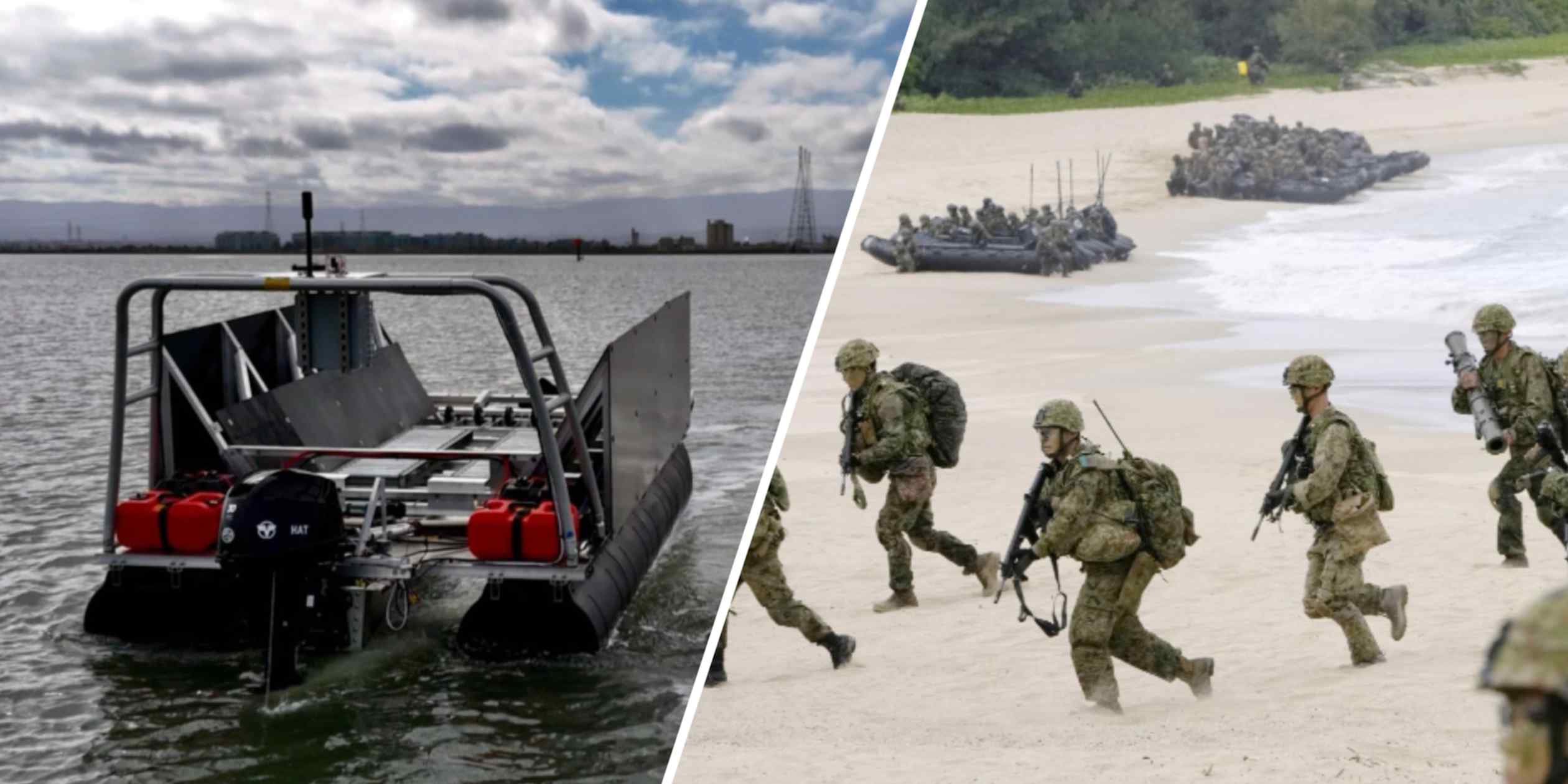
Onomichi Dockyard to Manufacture Uncrewed Surface Vessels for Japan and US Markets
Onomichi Dockyard, a Japanese shipbuilder, has announced plans to start constructing uncrewed surface vessels. The company aims to supply these vessels to Japan's Self-Defense Forces and the U.S. military, marking a significant step into dual-use technologies that serve both civilian and military purposes. This initiative is part of a broader trend among midsize commercial shipbuilders to diversify their offerings and tap into the growing demand for uncrewed maritime solutions. The vessels are designed to deliver supplies to beaches without the need for port infrastructure, highlighting their potential utility in various operational scenarios. Looking ahead, Onomichi Dockyard's entry into the uncrewed vessel market could reshape its business model and open new avenues for collaboration with military and defense sectors. No further timeline was disclosed at the time of publication.

Ukraine Launches First Uncrewed Surface Vessel Attack on Sochi, Russia
Ukraine executed a significant uncrewed surface vessel (USV) attack on the Nefrit, a multipurpose offshore vessel, in Sochi, Russia. This operation marks the first known USV strike on the resort city, located approximately 350 miles from Ukrainian-held territory, highlighting the expanding reach of Ukraine's naval capabilities. The Ukrainian Navy stated that the attack was part of its ongoing campaign against Russia's energy infrastructure, claiming that the Nefrit directly supported the enemy's war economy. The strike is seen as a strategic move to disrupt Russian logistics and military capabilities, emphasizing that even Russian territory is vulnerable to Ukrainian operations. As the situation develops, observers will be keen to assess the extent of the damage to the Nefrit and its implications for Russia's maritime operations. The Ukrainian Navy's continued focus on targeting enemy resources suggests that further actions may be anticipated in the ongoing conflict.
News & Features Around The Globe Europe Russia Sea Ukraine
AIR Partners with Elmo Motion Control for Advanced Cargo Drone Technology
AIR VEV Inc. has formed a strategic partnership with Elmo Motion Control Ltd. to integrate high-performance motion control systems into its Heavy Lift UAS. Elmo's Gold HV drive will enhance the AIR 120D cargo drone's electric propulsion motors, ensuring precise control and efficiency. This collaboration aims to optimize the aircraft's performance while minimizing weight and complexity. The significance of this partnership lies in the combination of Elmo's advanced servo drives and AIR's innovative electric aviation design. AIR CEO Rani Plaut emphasized that the selection of Elmo was based on the need for high power density and efficiency in electric aircraft. The integration of Elmo's technology is expected to improve the cargo aircraft's payload capacity and operational efficiency. Looking ahead, the integration of Elmo's Gold HV motor drives is already in progress as part of the AIR 120D development program. AIR is focused on validating the technology against its performance and safety requirements before moving forward with operational deployment. No further timeline was disclosed at the time of publication.
Actuators / Motors / Servos Defense / Security Drones Markets / Industries Motion Control News
L3Harris and ARX Robotics Test Counter-Drone Sensing on Uncrewed Ground Vehicle
L3Harris Technologies and ARX Robotics have successfully demonstrated a robotic ground vehicle equipped with a counter-drone sensing system during the US Army’s Project Convergence-Capstone 6 experimentation campaign. This innovative approach allows for the deployment of sensors on a remotely controlled robot, reducing the risk to soldiers by keeping them away from potential drone threats. The demonstration utilized L3Harris' CORVUS-RAVEN counter-drone capability mounted on ARX Robotics' GEREON uncrewed ground vehicle. This setup enhances situational awareness by passively detecting signals associated with drone threats and providing critical bearing information. The ability to reposition the robotic vehicle as tactical situations evolve offers commanders a flexible alternative to fixed sensor locations. As small drones pose increasing challenges for modern militaries, the collaboration between L3Harris and ARX Robotics highlights the importance of modularity and adaptability in military technology. No further timeline was disclosed at the time of publication.
Military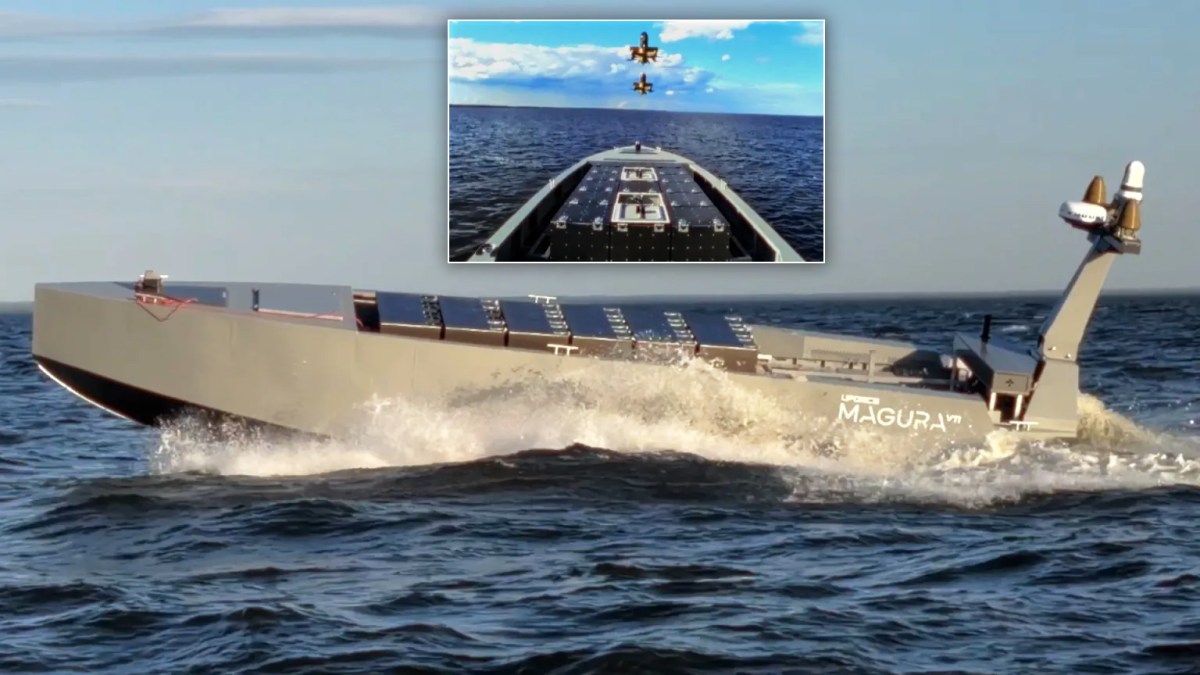
Ukraine Unveils MV11: A Large Uncrewed Surface Vessel with Anti-Drone Capabilities
Ukraine has introduced the MV11, the largest member of its Magura family of uncrewed surface vessels (USV), designed for open-ocean operations. This vessel can carry payloads up to 4,850 pounds and has been showcased with 18 Sting interceptors, enhancing its role as a counter-drone platform. The MV11's capabilities are significant for Ukraine's military strategy, allowing for multi-domain operations and the launch of unmanned systems from a distance. Its debut at Ukraine's Independence Day parade highlights the increasing importance of uncrewed systems in the Ukrainian armed forces. Looking ahead, the MV11's operational effectiveness and integration with existing systems will be crucial. The specifics of its target detection and tracking capabilities remain unclear, but its design suggests potential for advanced operational roles in future missions. No further timeline was disclosed at the time of publication.
Sea Around The Globe Europe News & Features Ukraine Unmanned Surface Vessels (USVs)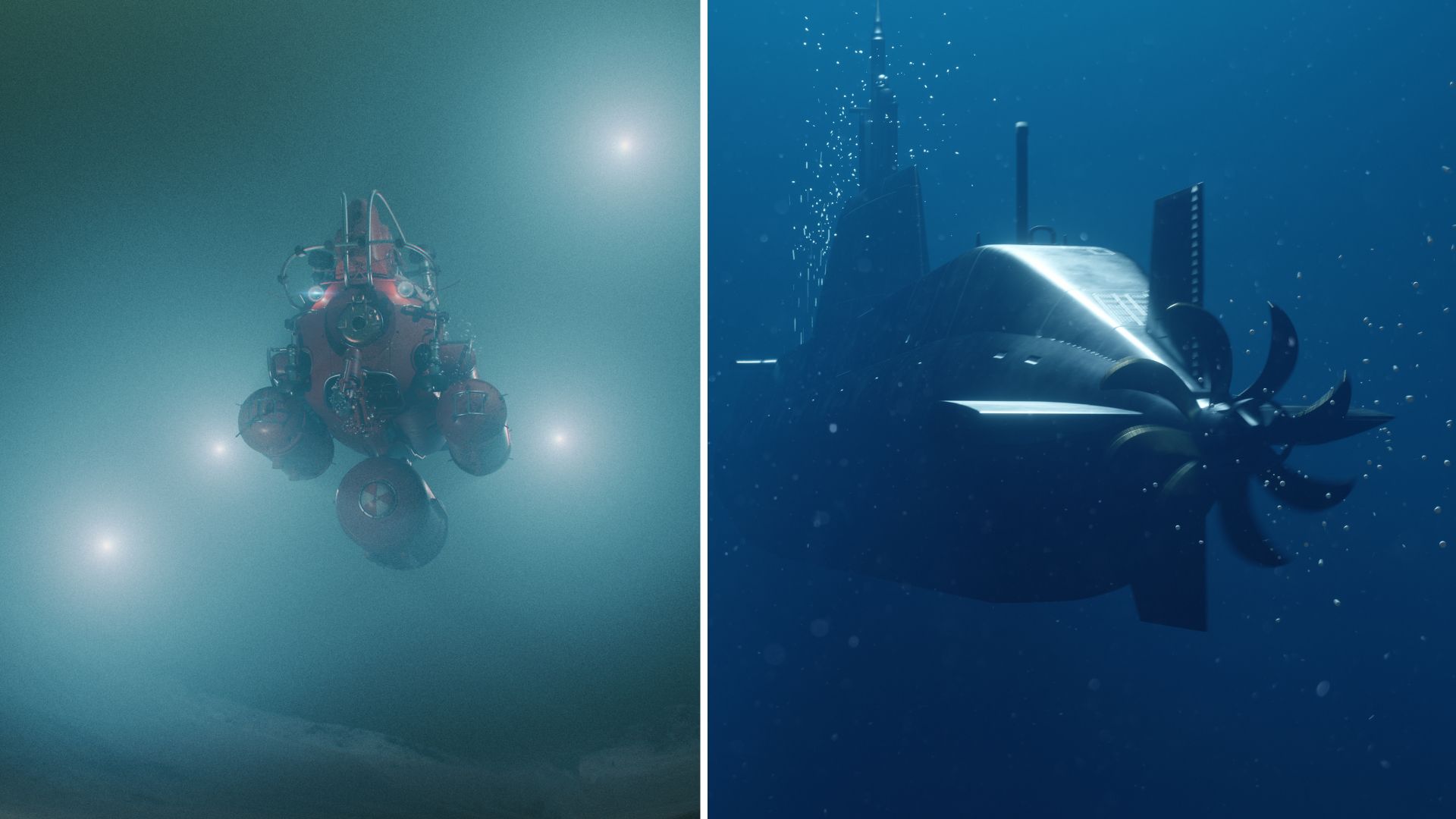
China Explores Autonomous Defense Systems for Contested Islands in South China Sea
A recent report indicates that China is investigating a maritime defense model utilizing autonomous drones to protect contested islands in the South China Sea. Researchers from the China Coast Guard Academy and Dalian Maritime University propose a network of aerial, surface, and underwater drones, which would create a multi-layered defense system, enhancing surveillance and response capabilities. This shift from traditional defense methods to a system reliant on uncrewed platforms reflects the evolving nature of naval warfare. The economic advantages of deploying inexpensive drones to monitor maritime environments are significant, as they can challenge larger military assets. The interconnected architecture aims to maintain operational capability even if some drones are compromised, emphasizing redundancy in defense strategies. As the South China Sea remains a focal point of territorial disputes among several nations, China's initiative to integrate autonomous systems into its defense strategy could further complicate regional security dynamics. However, it is crucial to note that this concept is still a research proposal and does not confirm the operational deployment of such systems at this time.
Military
ARX Robotics Demonstrates GEREON Uncrewed Ground Vehicles in US Army Trials
ARX Robotics UK has successfully showcased the capabilities of its GEREON uncrewed ground vehicles (UGVs) during Project Convergence-Capstone 6 (PC-C6). This event marks the largest experiment in the US Army's initiative to enhance land warfare capabilities. The successful demonstration is significant as it highlights the operational potential of GEREON UGVs in modern military applications. This aligns with the US Army's ongoing efforts to integrate advanced technologies into their land warfare strategies. Looking ahead, further developments in the integration of autonomous systems into military operations are expected. No further timeline was disclosed at the time of publication.
News
ACUA Ocean and Teledyne FLIR Defense Complete UKDI Funded Demonstration of Integrated Tethered UAS and USV
ACUA Ocean and Teledyne FLIR Defense have successfully conducted a two-day demonstration funded by UK Defence Innovation (UKDI). This event showcased the integration of a tethered uncrewed aerial system (T-UAS) and an uncrewed surface vessel (USV) capability, specifically using Teledyne FLIR’s SkyCarrier™ UAS platform and the USV Pioneer. The demonstration validated the operational performance of the combined system in open-ocean conditions, addressing a critical operational gap for the Royal Navy and UK defence. The USV Pioneer, which has already completed multiple ISR contracts, exhibited superior seakeeping capabilities, significantly enhancing maritime intelligence, surveillance, and reconnaissance. Looking ahead, the successful integration of the T-UAS with the USV Pioneer opens avenues for further development and potential commercial deployment. No further timeline was disclosed at the time of publication.
acua ocean teledyne flir defense ukdi funding demonstration tethered uas uncrewed surface vessel (usv)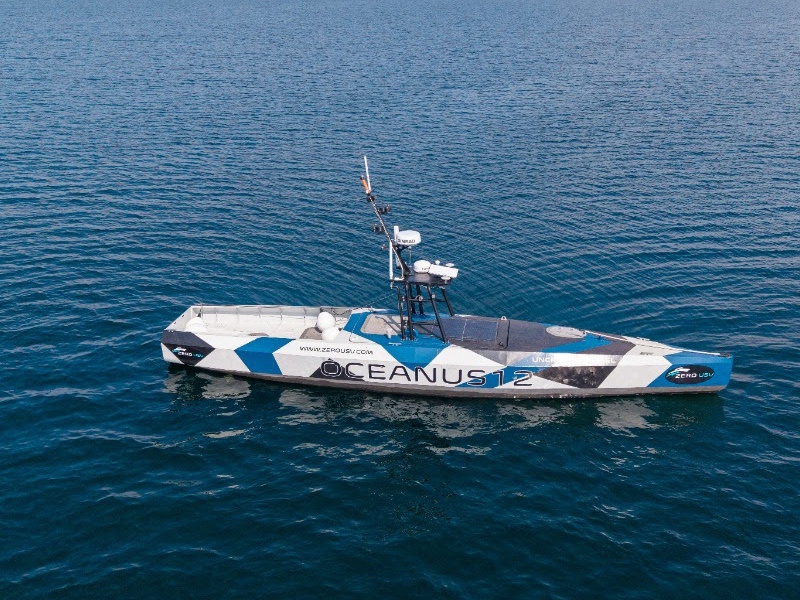
ZeroUSV Showcases Oceanus12 Uncrewed Surface Vessel to Royal Danish Navy
ZeroUSV recently showcased its Oceanus12 uncrewed surface vessel (USV) to the Royal Danish Navy in a demonstration held two hours northwest of Copenhagen, Denmark. This event was part of a competitive selection process by Danish Defence, aimed at evaluating the capabilities of the Oceanus12 USV over two days. The demonstrations highlighted the ease of mobilization and logistics involved in deploying the Oceanus12, showcasing its modular payload capabilities for various defense and security missions. Matthew Ratsey, Managing Director of ZeroUSV, expressed pride in being selected to demonstrate the platform, emphasizing its technological maturity and versatility for different mission roles. These demonstrations are part of ZeroUSV's ongoing international engagement efforts as the company seeks to expand its uncrewed maritime capabilities within allied defense markets. No further timeline was disclosed at the time of publication.
zerousv demo oceanus12 royal danish navy usv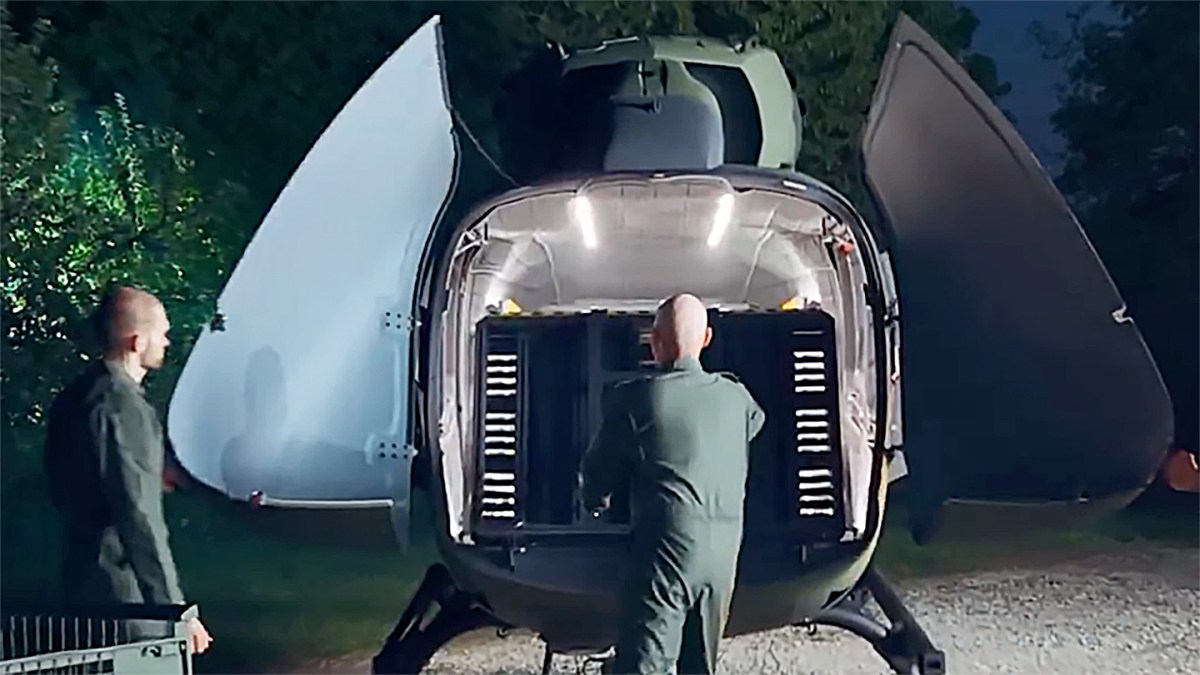
Airbus Unveils U145 Uncrewed Cargo Helicopter
Airbus has introduced the U145, an uncrewed version of one of Europe’s most successful helicopters, designed specifically for high-risk cargo missions. This innovative aircraft aims to enhance operational safety and efficiency by removing the need for a pilot in potentially dangerous environments. The unveiling of the U145 marks a significant advancement in aerospace technology, showcasing Airbus's commitment to developing cutting-edge solutions for the evolving demands of cargo transportation. The announcement comes as industries increasingly seek to leverage unmanned systems to mitigate risks and improve logistics capabilities.
Air Around The Globe Drones Europe Germany Helicopters
Deep Reinforcement Learning Based Autonomous Decision‐Making for Cooperative Uncrewed Aerial Vehicles: A Search and Rescue Real World Application
A recent study published in the Journal of Field Robotics highlights advancements in autonomous robotic systems designed for agricultural applications. Researchers from various institutions collaborated to develop innovative algorithms that enhance the efficiency and precision of robotic farming equipment. The findings, released in early October 2023, emphasize the growing importance of automation in agriculture, particularly in response to labor shortages and the need for sustainable farming practices. The research was conducted in multiple agricultural settings, showcasing how these robotic systems can adapt to different crop types and environmental conditions. By integrating machine learning and sensor technology, the robots are capable of performing tasks such as planting, weeding, and harvesting with minimal human intervention. This development aims to address the challenges faced by farmers, including the rising costs of labor and the increasing demand for food production. The study underscores the potential for these autonomous systems to revolutionize the agricultural sector, making it more efficient and environmentally friendly. As the agricultural industry continues to evolve, the implementation of such technologies could lead to significant improvements in productivity and sustainability.
RESEARCH ARTICLE
SYOS Strengthens its Multi-domain Uncrewed Portfolio with the Introduction of the SU10 Uncrewed Underwater Vehicle
SYOS has unveiled the SU10 uncrewed underwater vehicle (UUV) today, expanding its portfolio of autonomous systems across multiple domains, including air, land, sea, and subsurface operations. The introduction of the SU10 aims to enhance capabilities in mine countermeasures, protect critical subsea infrastructure, and ensure persistent surveillance and maritime security. This advanced UUV is equipped to undertake a variety of missions, including search and identification, route clearance, and infrastructure inspection and intervention, thereby addressing growing demands for safety and security in maritime environments.
syos multi-domain uncrewed portfolio su10 uuv rov auv
Rafael introduces miniature EW system for uncrewed aerial platforms
Israeli defense technology company Rafael has unveiled its latest innovation, the Storm Shield, a compact electronic warfare system tailored for uncrewed aerial vehicles (UAVs). This announcement highlights Rafael's commitment to advancing military technology and enhancing the capabilities of UAVs in modern warfare. The Storm Shield is designed to provide robust electronic countermeasures, ensuring that UAVs can operate effectively in contested environments. The launch took place in October 2023, reflecting the growing demand for sophisticated defense solutions amid increasing geopolitical tensions. By integrating advanced electronic warfare capabilities into UAVs, Rafael aims to bolster the operational effectiveness of military forces, allowing them to counter threats more efficiently and maintain dominance in the air.
News
Uncrewed 37-foot Orca-like strike submarine can unleash missiles and FPV drones
A Turkish defense company has introduced a new strike-capable extra-large uncrewed underwater vehicle, marking a significant advancement in naval technology. The unveiling took place during a defense exhibition in Istanbul, showcasing the vehicle's potential for enhancing Turkey's maritime capabilities. This development is part of Turkey's broader strategy to bolster its defense industry and assert its presence in regional waters. The vehicle is designed to conduct various missions, including surveillance and combat operations, reflecting the increasing importance of unmanned systems in modern warfare. By integrating advanced technologies, the company aims to position Turkey as a key player in the global defense market.

Development and Prospect of Uncrewed Sailboat Hulls: A Review
A recent study published in the Journal of Field Robotics highlights advancements in robotic technology aimed at enhancing agricultural efficiency. Researchers from various institutions collaborated on this project, which was initiated in early 2023 and conducted across multiple farms in the Midwest. The primary goal of the research was to develop autonomous robots capable of performing tasks such as planting, weeding, and harvesting with minimal human intervention. The motivation behind this innovation stems from the growing need for sustainable farming practices and the challenges posed by labor shortages in the agricultural sector. By integrating advanced sensors and machine learning algorithms, the robots can adapt to varying field conditions and optimize their operations in real-time. Field trials demonstrated that these robots significantly reduced the time and labor required for farming tasks, ultimately leading to increased crop yields and reduced environmental impact. The research team plans to continue refining the technology and expanding its applications to further support the agricultural industry.
SURVEY ARTICLE
Oceanology International 2026 – Uncrewed Vehicles & Vessels Track Q&A
In a recent interview with Ocean Robotics Planet, Justin Manley, Chief Commercial Officer of Seahawk Robotics, discussed the advancements in autonomy within the uncrewed maritime industry. This conversation highlighted key themes that will be addressed during the Uncrewed Vehicles and Vessels conference track at Oi26, scheduled to take place later this year. The conference aims to showcase innovative developments and applications in marine autonomous systems, including technologies such as Robotics, Autonomous Underwater Vehicles (AUVs), Remotely Operated Vehicles (ROVs), and Autonomous Surface Vessels (ASVs). Manley emphasized the growing importance of these technologies in enhancing maritime operations and addressing various industry challenges. The insights shared during the interview and the upcoming conference reflect a significant shift towards automation in marine environments, driven by the need for efficiency and safety in maritime operations.
oceanology international 2026 oi26 uncrewed vehicles & vessels track q&a events
Oceanology International 2026 – Uncrewed Vehicles & Vessels Track Q&A
Richard Mills, Chief Commercial Officer of Cellula Robotics, recently spoke with Ocean Robotics Planet about his role as the moderator for the Uncrewed Vehicles and Vessels conference track at Oi26. This event, scheduled for later this year, will delve into the latest innovations and applications in marine autonomous systems, encompassing technologies such as Robotics, Autonomous Underwater Vehicles (AUVs), Remotely Operated Vehicles (ROVs), and Autonomous Surface Vessels (ASVs). The conference aims to highlight advancements in the field and foster discussions on the future of uncrewed marine technologies, addressing the growing demand for efficient and sustainable solutions in marine exploration and operations.
oceanology international 2026 oi26 uncrewed vehicles & vessels track q&a events
NVIDIA and CoreWeave Strengthen Collaboration to Accelerate Buildout of AI Factories
NVIDIA and CoreWeave, Inc. have announced an expansion of their partnership aimed at accelerating the development of over 5 gigawatts of AI factories by 2030. This collaboration, which builds on their existing relationship, is designed to enhance the capabilities and infrastructure necessary for advancing artificial intelligence technologies. The announcement was made today, highlighting both companies' commitment to driving innovation in the AI sector. The strategic move is expected to significantly contribute to the growing demand for AI computing power, positioning CoreWeave as a key player in the industry.

New standard set for observing deep ocean currents with uncrewed technology
Researchers have successfully developed a novel method to monitor deep ocean currents that were previously difficult to detect, marking a significant advancement in oceanographic technology. This breakthrough was achieved through a collaborative effort involving uncrewed technology in the Gulf of Mexico. The project, which concluded recently, aims to provide near-real-time data on these disruptive currents, enhancing our understanding of ocean dynamics. The motivation behind this initiative stems from the need to better predict and manage the impacts of these currents on marine ecosystems and human activities. By utilizing advanced uncrewed systems, the team was able to gather and analyze data more efficiently, paving the way for improved ocean monitoring practices.
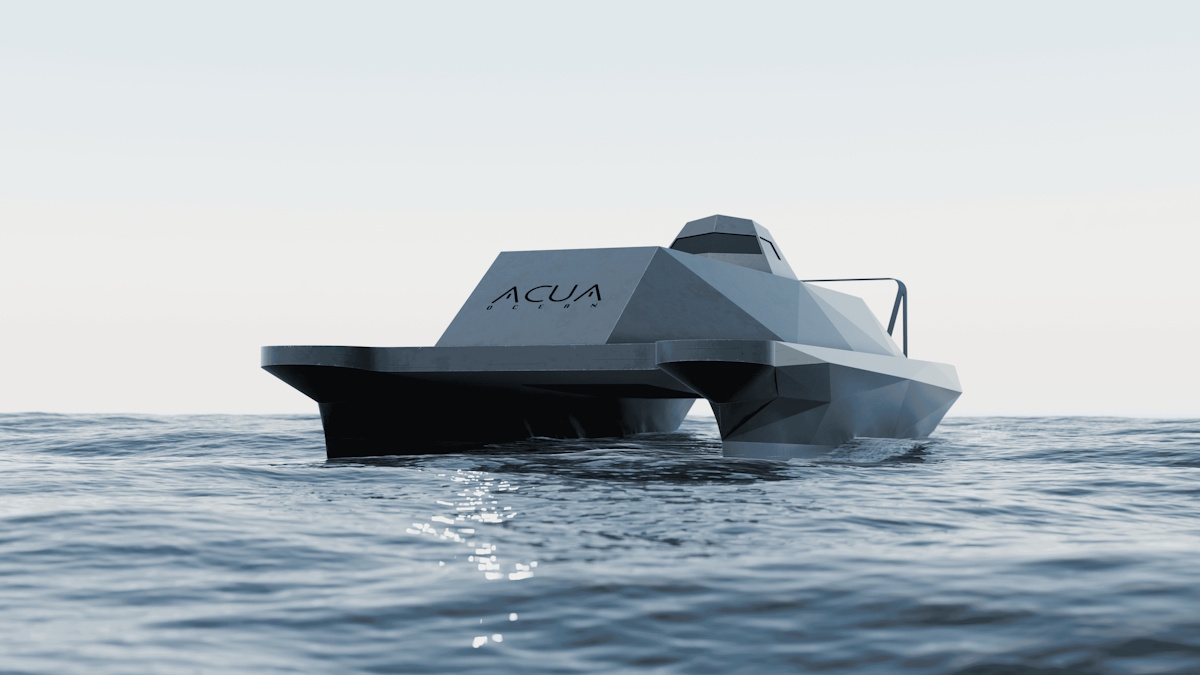
ACUA Ocean led consortium secures UK government backing for 145ft Multi-Role Uncrewed Offshore Support Vessel
A consortium led by ACUA Ocean, which includes partners Houlder, Ad Hoc Marine Designs, Trident Marine, and the University of Southampton, has received backing from the UK government to advance the development of a new class of medium-sized uncrewed support vessels. This initiative aims to enhance maritime operations and support various marine activities, reflecting a growing interest in innovative, unmanned technologies within the maritime sector. The project underscores the UK government's commitment to fostering advancements in marine engineering and technology, with the consortium set to leverage its collective expertise to design and build these vessels. The development is expected to take place over the coming years, contributing to the evolution of the maritime industry and promoting sustainable practices in marine operations.
acua ocean usv houlder
Q&A with Uncrewed & Autonomous Systems 2025
A series of sessions will take place to explore the operational integration of uncrewed systems, specifically focusing on the deployment of Unmanned Aerial Systems (UAS) and Unmanned Ground Vehicles (UGVs) in real-world missions. These discussions will also delve into the roles of artificial intelligence, autonomy, and the digital infrastructure that supports these technologies. The agenda aims to address critical themes relevant to the evolving landscape of uncrewed systems, highlighting their practical applications and the technological advancements driving their integration. This initiative underscores the growing importance of these systems in various operational contexts, reflecting a broader trend toward automation and enhanced efficiency in mission execution.
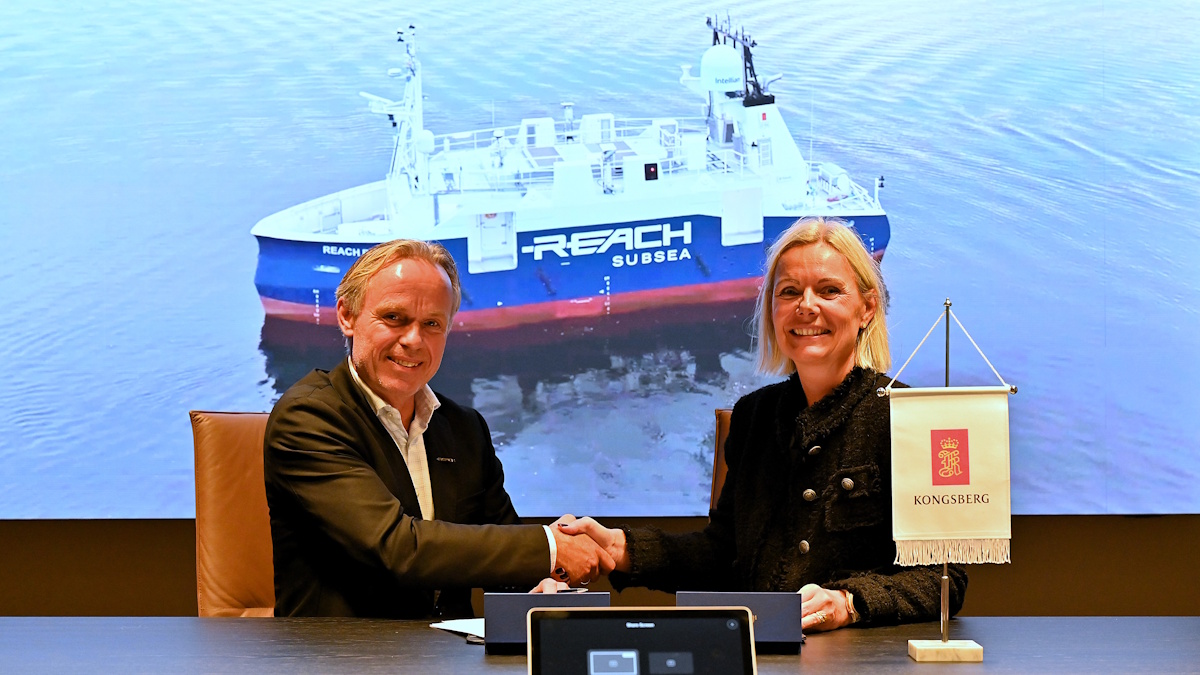
Kongsberg Maritime to deliver two more Uncrewed Vessels to REACH Subsea
Kongsberg Maritime has entered into a contract with REACH Subsea ASA to design, construct, and deliver two additional unmanned surface vessels (USVs), thereby enhancing the innovative REACH REMOTE fleet. This agreement marks a significant step in advancing autonomous maritime technology, reflecting the growing demand for unmanned solutions in various marine operations. The contract was finalized recently, although the specific date has not been disclosed. The collaboration aims to bolster REACH Subsea's capabilities in remote operations, driven by the increasing need for efficient and safe maritime exploration and data collection. Kongsberg Maritime will leverage its expertise in marine technology to ensure the successful development of these vessels, which are expected to play a crucial role in future underwater and surface missions.
kongsberg maritime uncrewed vessels usv reach subsea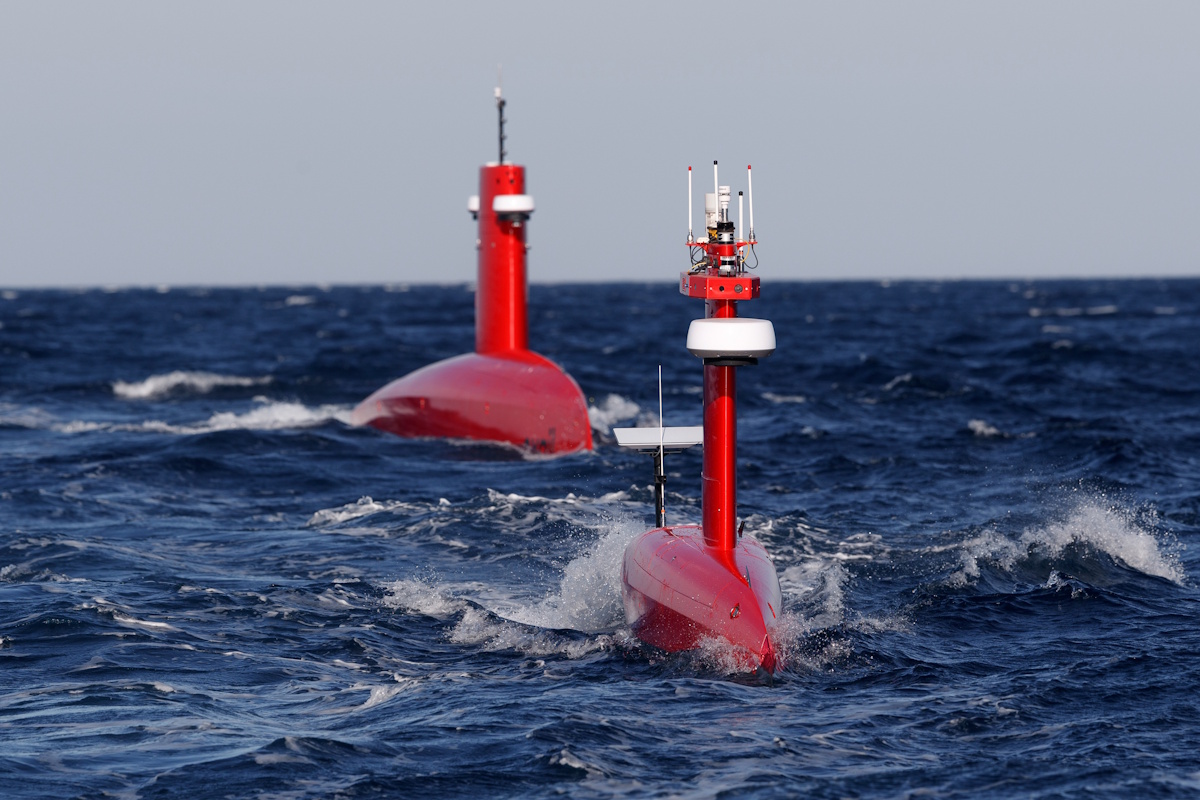
Exail secures sale of DriX H-9 long-range Uncrewed Surface Vessel to leading Global Hydrographic Authority
Exail has announced the successful sale of its latest long-range Uncrewed Surface Vehicle (USV), the DriX H-9, to a prominent global hydrographic authority. This transaction signifies a significant advancement in Exail's efforts to broaden its range of autonomous solutions, catering to both commercial and defense sectors. The deal underscores Exail's strengthening position in the burgeoning USV market, reflecting the increasing demand for innovative maritime technologies.
exail drix h-9 uncrewed surface vessel usv sale
GOSL Nigeria Expands Uncrewed Survey Capability with HydroSurv REAV- 47 Order
HydroSurv has announced the sale of a REAV-47 uncrewed surface vessel to Geodetic Offshore Services Limited (GOSL), a prominent provider of offshore survey services. This transaction, which represents HydroSurv's inaugural delivery to Nigeria, aims to enhance hydrographic and geophysical survey operations in the region. The partnership underscores the growing demand for advanced surveying technology in Nigeria's offshore sector, facilitating more efficient and accurate data collection for various marine applications.
gosl nigeria uncrewed survey capability hydrosurv reav- 47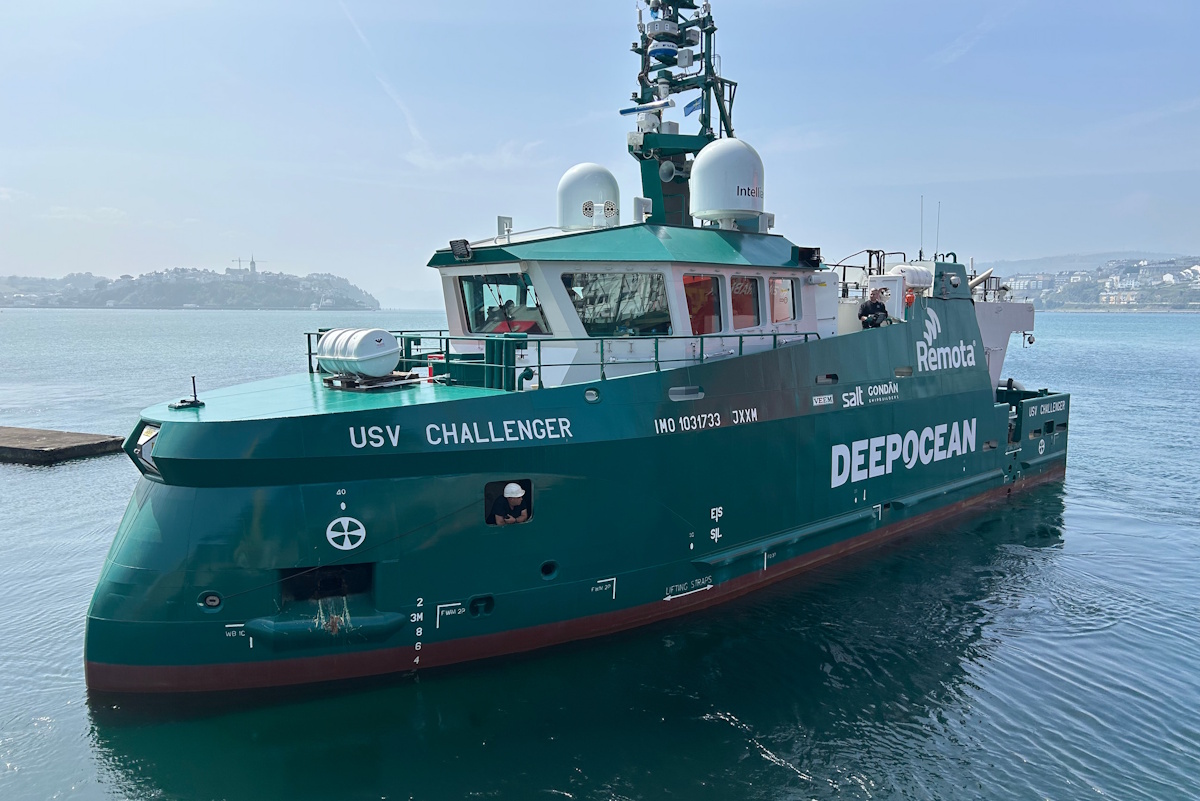
Delivery of Uncrewed Vessel for Remote-Controlled Subsea Work
DeepOcean, in collaboration with its joint venture partners, has successfully received a newly constructed uncrewed surface vessel (USV). This state-of-the-art vessel is set to enhance subsea survey capabilities and facilitate inspection, maintenance, and repair (IMR) operations within the offshore energy sector. The delivery marks a significant advancement in technology aimed at improving efficiency and safety in marine operations. The USV will be deployed across various offshore projects, reflecting the growing trend towards automation in the industry.
deepocean usv usv challenger
HII Tops 700 REMUS Uncrewed Underwater Vehicles Sold
HII, the largest shipbuilder in the United States and a prominent provider of all-domain technologies and solutions, has achieved a significant milestone by selling over 700 REMUS uncrewed underwater vehicles (UUVs) to customers worldwide. This accomplishment not only underscores HII's dominance in the market but also enhances its reputation as the leading producer of these advanced underwater systems. The sales reflect a growing demand for innovative undersea technology, positioning HII at the forefront of the industry as it continues to expand its global footprint.
hii remus uncrewed underwater vehicles (uuv)
HydroSurv and WASPP Multibeam Deliver Turnkey Uncrewed Multibeam Solution to Foyle Marine & Dredging
HydroSurv, in collaboration with Furuno UK's WASSP Multibeam division, has successfully delivered a REAV-28 Uncrewed Surface Vessel (USV) to Foyle Marine & Dredging. This vessel, equipped with an advanced WASSP multibeam echosounder system, is set to enhance marine construction and dredging operations. The delivery marks a significant milestone as it represents the first implementation of this integrated system, designed to provide cost-effective bathymetric surveys. The partnership aims to improve efficiency and accuracy in underwater mapping, addressing the growing demand for reliable marine survey solutions.
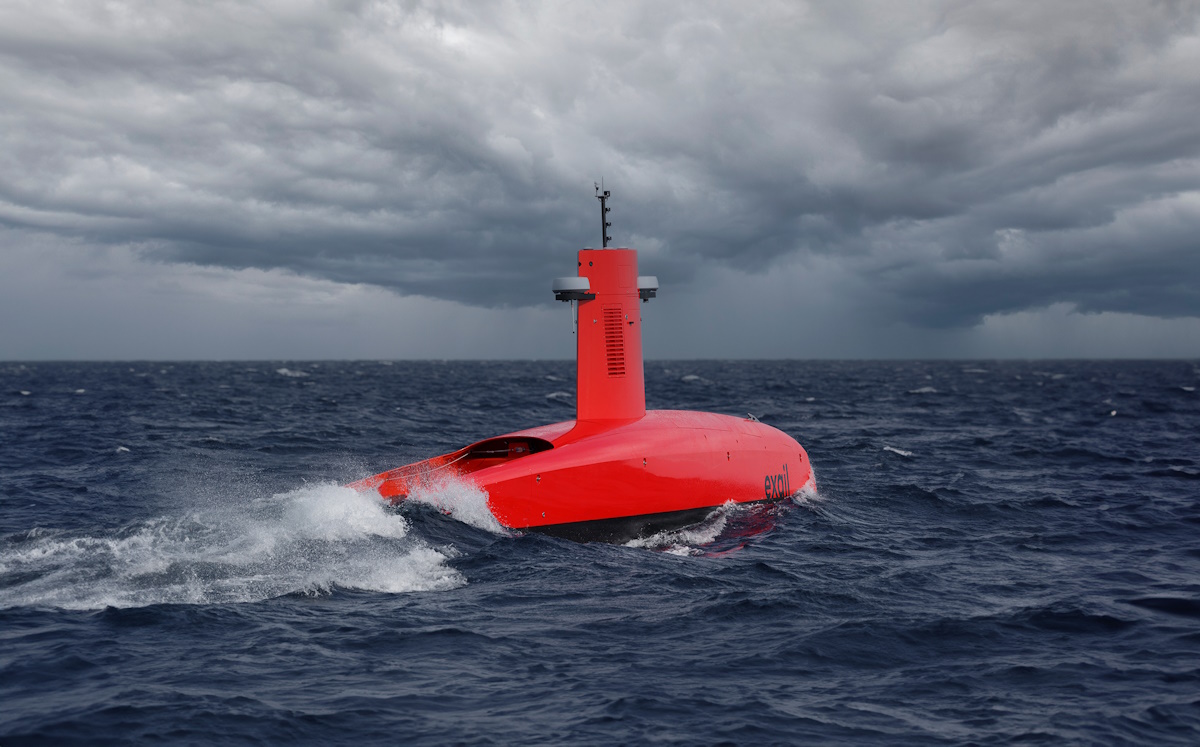
Exail Announces First Sale of DriX O-16 Transoceanic Uncrewed Surface Vessel
Exail has successfully completed its inaugural sale of the DriX O-16, a cutting-edge transoceanic Uncrewed Surface Vessel (USV). This advanced maritime technology has been purchased by a customer in the Indo-Pacific region, who operates within the civil sector. The DriX O-16 is specifically engineered for long-range maritime operations, showcasing Exail's commitment to innovation in unmanned maritime solutions. This sale marks a significant milestone for the company as it expands its presence in the global market.
exail drix o-16 transoceanic uncrewed surface vessel usv saleRobotics needs a service framework.
RSF defines a common language for robot service capability, lifecycle operations, certification pathways, and service-provider networks.
Join the RobotToday community on LinkedIn
Daily robotics news, in-depth analysis, conference highlights, and discussions with professionals worldwide.