Top News

Industry Briefing

A single destination for timely, editor-curated robotics news from around the world.

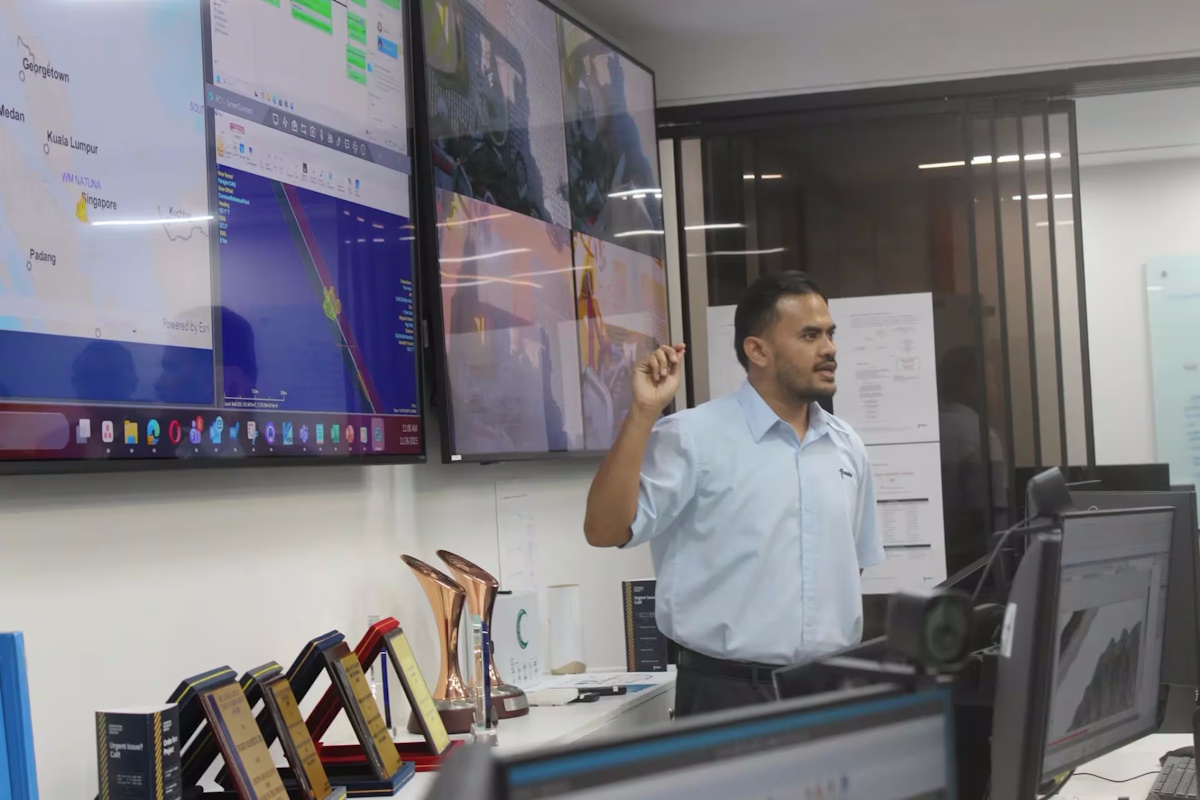
Boskalis Marks First Successful ROV Deployment from its New Remote Operations Center in Aberdeen

Boskalis Marks First Successful ROV Deployment from its New Remote Operations Center in Aberdeen

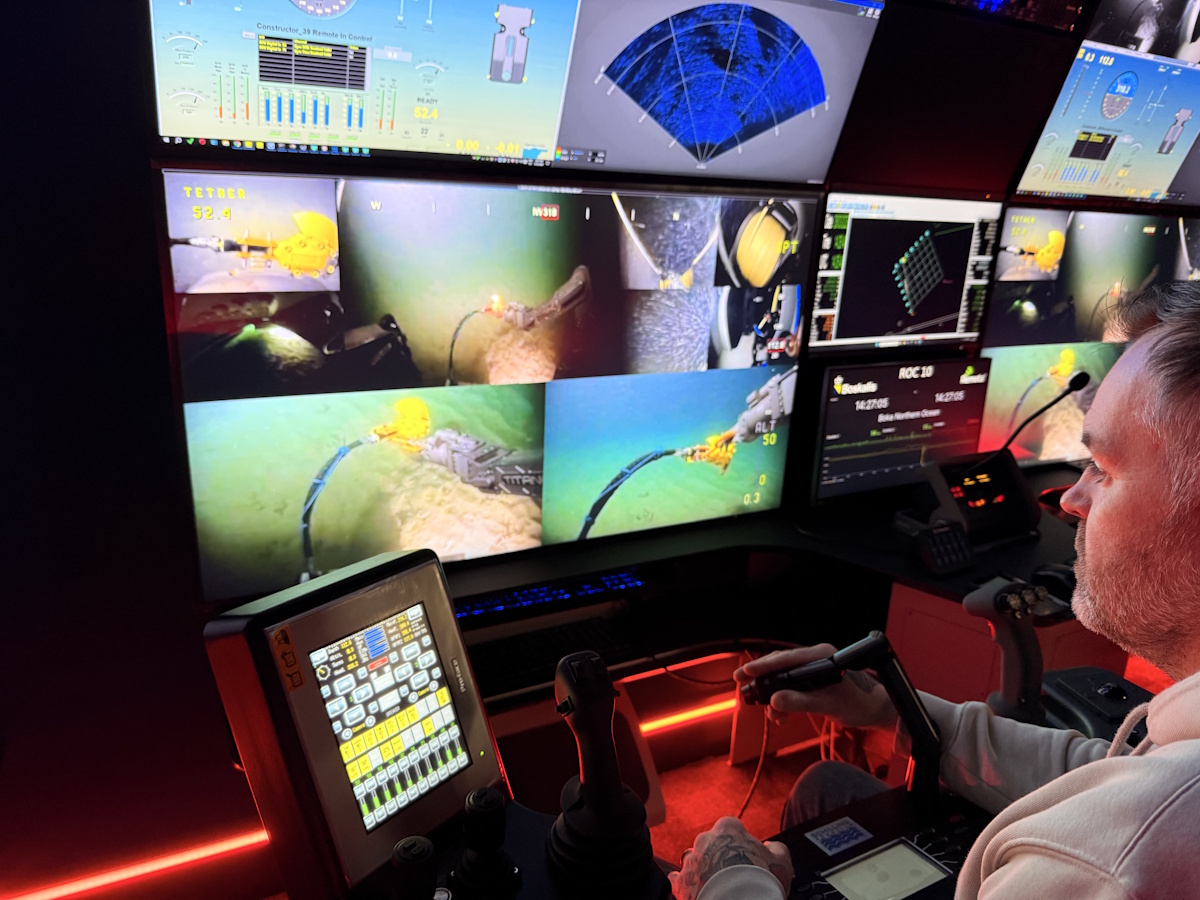
Boskalis has successfully completed the inaugural deployment of remotely operated vehicles (ROVs) from its newly established Remote Operations Center (ROC) in Aberdeen. This achievement follows an extensive 18-month development program and a significant investment of £40 million dedicated to enhancing ROV technology and the ROC itself. The milestone underscores Boskalis' commitment to innovation, safety, and the advancement of sustainable offshore solutions.

boskalis rov deployment remote operations center
Fugro Launches New Remote Operations Centre in Kuala Lumpur

Fugro Launches New Remote Operations Centre in Kuala Lumpur

Fugro is enhancing its offshore operations in the region by opening a Remote Operations Centre (ROC) in Kuala Lumpur. This new communications hub will enable Fugro's experts to remotely manage offshore survey operations, thereby improving safety, efficiency, and sustainability in project execution. The establishment of the ROC reflects Fugro's commitment to leveraging technology for better operational outcomes in the offshore sector.

fugro remote operations centre
Film-Ocean Showcases New Work Class ROV and Remote Operations Centre at Subsea Expo 2026

Film-Ocean Showcases New Work Class ROV and Remote Operations Centre at Subsea Expo 2026

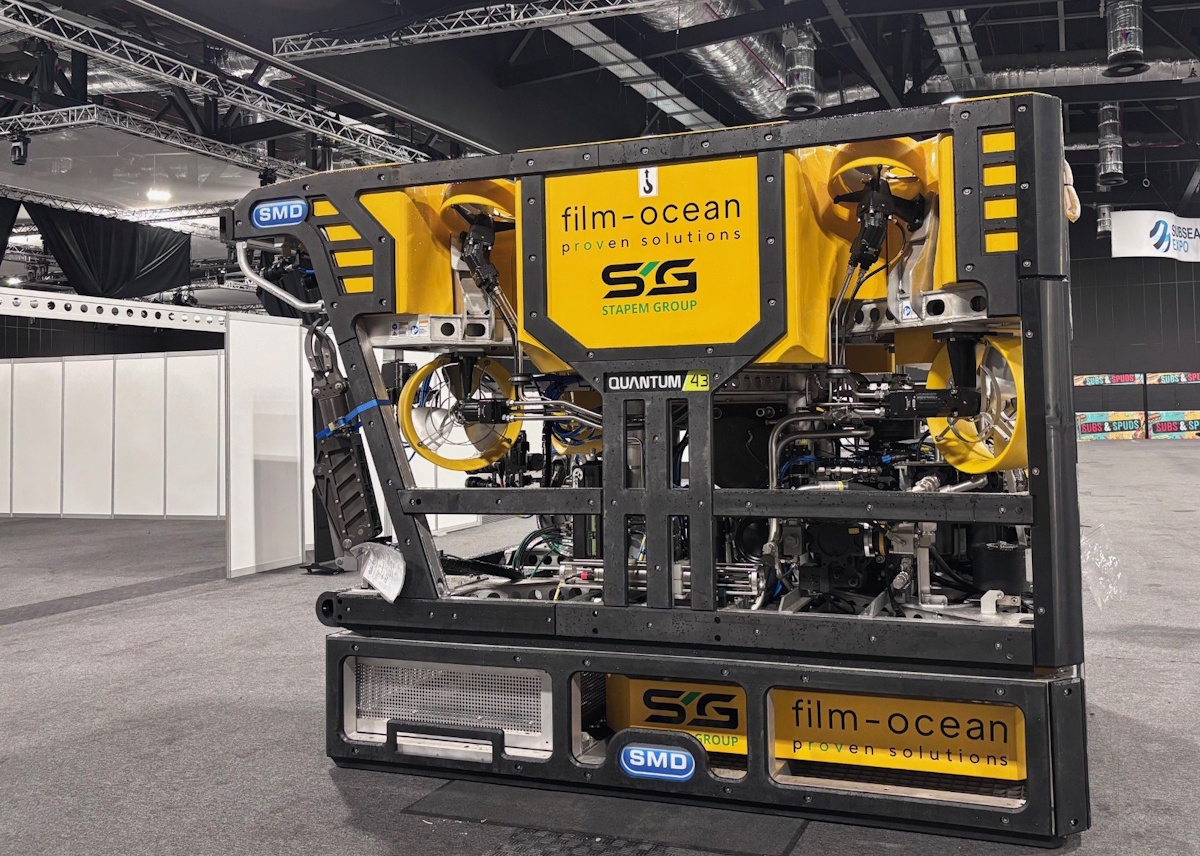
Film-Ocean, a leading global subsea services provider and a member of the Stapem Group, is set to unveil its latest Work Class Remotely Operated Vehicle (WROV) and demonstrate its advanced Remote Operations Centre (ROC) at the upcoming Subsea Expo 2026. The event will be held on February 4 and 5, 2026. This showcase aims to highlight the company's innovative technologies and capabilities in subsea operations, reflecting its commitment to enhancing efficiency and safety in the industry. By presenting these cutting-edge solutions, Film-Ocean seeks to engage with industry professionals and stakeholders, emphasizing its role in advancing subsea service offerings.

subsea expo
Oceaneering Completes First Onshore‑Piloted Remote ROV Operation on an Offshore Rig in Brazil

Oceaneering Completes First Onshore‑Piloted Remote ROV Operation on an Offshore Rig in Brazil

Oceaneering International, Inc. has successfully tested its onshore remote operations center (OROC) capabilities through its Subsea Robotics segment and Brazilian subsidiary, Marine Production Systems do Brasil LTDA (MPS). The operation involved piloting a remotely operated vehicle (ROV) from the OROC in Macaé, Brazil, to support Petrobras’s offshore drilling activities. This significant advancement in remote operations was conducted recently, showcasing Oceaneering's commitment to enhancing operational efficiency and safety in subsea environments.

oceaneering onshore‑piloted remote rov operation offshore rig
From The Floor of XPONENTIAL: AIRO and Jaunt Reveal Dual-Use VTOL Aircraft for Defense and Cargo Missions

From The Floor of XPONENTIAL: AIRO and Jaunt Reveal Dual-Use VTOL Aircraft for Defense and Cargo Missions

At the AUVSI XPONENTIAL 2026 event in Detroit on May 12, AIRO Group Holdings showcased its full-scale autonomous vertical takeoff and landing (VTOL) aircraft, developed in collaboration with Jaunt Air Mobility. This innovative aircraft is designed to serve dual purposes in defense, specifically for intelligence, surveillance, reconnaissance (ISR), and cargo logistics, as well as remote operations. The unveiling highlights the growing interest in autonomous technology within the aerospace and defense sectors, aiming to enhance operational efficiency and versatility in various mission scenarios.

Cargo Defense defense Delivery Drone News Drone News Feeds
NEW INDRO CORTEX, CONTROLLER SIMPLIFY ROBOTIC INTEGRATION AND OPERATION

NEW INDRO CORTEX, CONTROLLER SIMPLIFY ROBOTIC INTEGRATION AND OPERATION

InDro Cortex has emerged as a versatile compute and sensor integrator designed for use on various robotic platforms. This innovative device, measuring 11cm x 14cm x 10cm and weighing just 679 grams, enables seamless data transmission over 5G networks with minimal latency. It also allows remote operators to send instructions to the robotic systems it supports. The platform-agnostic nature of Cortex means it can be integrated with nearly any robotic framework, enhancing operational flexibility and efficiency in diverse applications. This advancement in robotics technology is set to revolutionize how remote operations are conducted, offering real-time communication and control capabilities.

Impact Subsea Launches Topside Control System and Advanced Subsea Multiplexer

Impact Subsea Launches Topside Control System and Advanced Subsea Multiplexer

Impact Subsea, a prominent player in underwater technology, has unveiled its latest innovations: the Unity Topside Control System and the seaMux Subsea Multiplexer. This announcement was made recently, highlighting the company's commitment to advancing underwater operations. The Unity Topside Control System is designed to enhance the efficiency and effectiveness of remote operations, while the seaMux Subsea Multiplexer aims to improve data transmission and communication in subsea environments. These developments are expected to significantly benefit industries reliant on underwater technology, such as oil and gas, marine research, and environmental monitoring. By integrating these advanced systems, Impact Subsea seeks to address the growing demand for reliable and efficient underwater solutions, reinforcing its position as a leader in the sector.

impact subsea launch topside control system advanced subsea multiplexer
2026 Humanoid Robot Half Marathon: Over 300 Robots Race While a 'Robot Cameraman' Live Streams the Event

2026 Humanoid Robot Half Marathon: Over 300 Robots Race While a 'Robot Cameraman' Live Streams the Event

On April 19, the 2026 Humanoid Robot Half Marathon took place in Beijing, attracting over 300 competitors showcasing a variety of robotic designs. The event highlighted significant advancements in technology, particularly with a remote-controlled 'robot cameraman' that operated seamlessly from a distance of 1200 kilometers. This innovation demonstrated the potential for near-zero latency in remote operations, underscoring the rapid progress in robotics and remote control technology. The marathon not only provided a platform for competition but also served as a testament to the evolving capabilities of humanoid robots in both performance and technological integration.

Humanoid Robots Remote Control Technology AI Live Streaming Robotics
Boskalis Subsea Services Launches Recruitment Drive to Support Major Expansion of ROV Capabilities

Boskalis Subsea Services Launches Recruitment Drive to Support Major Expansion of ROV Capabilities

Boskalis Subsea Services, a prominent player in subsea decommissioning, inspection, repair, and maintenance, has unveiled a significant enhancement to its Remote Operated Vehicle (ROV) capabilities. This expansion comes with the establishment of a specialized ROV department, supported by a cutting-edge Remote Operations Centre (ROC) located in Aberdeen, which commenced operations earlier this year. The move aims to bolster the company's service offerings and improve operational efficiency in subsea projects, reflecting Boskalis's commitment to advancing technology in the industry.

boskalis subsea services recruitment expansion rov capabilities
Kongsberg Maritime to deliver two more Uncrewed Vessels to REACH Subsea

Kongsberg Maritime to deliver two more Uncrewed Vessels to REACH Subsea

Kongsberg Maritime has entered into a contract with REACH Subsea ASA to design, construct, and deliver two additional unmanned surface vessels (USVs), thereby enhancing the innovative REACH REMOTE fleet. This agreement marks a significant step in advancing autonomous maritime technology, reflecting the growing demand for unmanned solutions in various marine operations. The contract was finalized recently, although the specific date has not been disclosed. The collaboration aims to bolster REACH Subsea's capabilities in remote operations, driven by the increasing need for efficient and safe maritime exploration and data collection. Kongsberg Maritime will leverage its expertise in marine technology to ensure the successful development of these vessels, which are expected to play a crucial role in future underwater and surface missions.

kongsberg maritime uncrewed vessels usv reach subsea
Drone Amplified Receives FAA Approval for MONTIS Avalanche Control Drone Operations

Drone Amplified Receives FAA Approval for MONTIS Avalanche Control Drone Operations

Drone Amplified, a Nebraska-based company, announced on July 8, 2026, that it has received regulatory approval from the Federal Aviation Administration (FAA) for its MONTIS drone, designed for avalanche control operations. This approval establishes a legal framework for the commercial deployment of the remote avalanche mitigation system across the United States, enhancing safety measures in avalanche-prone areas. The FAA's endorsement is significant as it allows Drone Amplified to offer its innovative technology to U.S. customers, potentially transforming avalanche management practices. The MONTIS drone is expected to improve response times and operational efficiency in avalanche control, addressing a critical need in mountainous regions where avalanches pose serious risks to safety and infrastructure. Looking ahead, the company aims to expand its market presence and operational capabilities following this regulatory milestone. No further timeline was disclosed at the time of publication, but stakeholders will be keen to see how quickly Drone Amplified can roll out its services and establish partnerships in the avalanche control sector.

Disaster Response dispatch Drone News Drone News Feeds Drones in the News Environmental Research
FET Sets New Standard for Subsea Operations with Ice® Unity Remote-Connect

FET Sets New Standard for Subsea Operations with Ice® Unity Remote-Connect

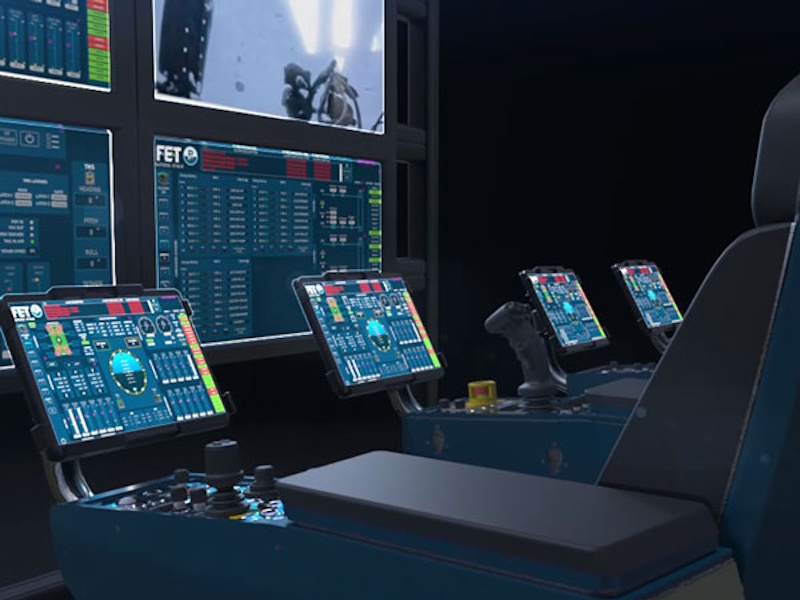
Forum Energy Technologies (FET), a prominent provider of remotely operated vehicles (ROVs), has introduced an innovative remote control station designed to enhance operational safety and flexibility for its clients. This new technology allows users to control ROV systems from virtually any location, significantly improving the efficiency and effectiveness of underwater operations. The announcement was made recently, highlighting FET's commitment to advancing remote operation capabilities in the energy sector. By enabling remote control, FET aims to reduce risks associated with on-site operations while providing clients with greater convenience and control over their underwater tasks. This development is expected to transform how companies engage with ROV technology, making it safer and more accessible than ever before.

fet ice® unity remote-connect
ACCESS reveals experimental results on remote robot control and local-like operations using VLA model and IOWN APN.

ACCESS reveals experimental results on remote robot control and local-like operations using VLA model and IOWN APN.

ACCESS has announced the successful execution of remote robot control experiments utilizing the Vision-Language-Action (VLA) model. Conducted recently, these experiments demonstrated that by leveraging a high-quality communication network, the responsiveness and operational quality of robot control in remote environments can closely match that of local settings for certain tasks. This advancement highlights the potential for improved remote robotic applications, driven by enhanced communication technologies.

Realman Unveils 'Tea Art Robot' at the 2026 Zhongguancun Forum

Realman Unveils 'Tea Art Robot' at the 2026 Zhongguancun Forum

At the 2026 Zhongguancun Forum, Realman Group unveiled its cutting-edge 'Tea Art Robot' in partnership with Pinpinxiang, a prominent white tea brand in China. This innovative technology enables users to brew tea remotely, effectively blending the age-old tradition of tea-making with modern robotics. The collaboration aims to enhance the tea-drinking experience, allowing guests to enjoy a unique and convenient way to savor their favorite brews. The event highlights the growing intersection of technology and traditional practices, showcasing how advancements can transform cultural experiences.

Robotics Tea Brewing Technology Remote Operations AI Cultural Heritage
SpaceX's Starmind Plans 1 Million AI Satellites Amid Collision Risks

SpaceX's Starmind Plans 1 Million AI Satellites Amid Collision Risks

SpaceX has announced its ambitious Starmind project, which aims to deploy 1 million AI satellites in orbits between 500 and 2,000 km. This initiative, confirmed by Elon Musk on June 23, 2026, follows a merger with xAI, valuing the combined entity at $1.25 trillion. The satellites will function as orbital data centers, processing AI workloads powered by solar arrays and linked by optical lasers. The significance of Starmind lies in its potential to add 100 gigawatts of AI compute capacity annually, contingent on the successful operation of the Starship launch system. However, the project raises concerns regarding space debris, as the current orbital environment is already congested, with a 20% increase in collision risk reported since 2024. The European Space Agency has highlighted that the density of debris in low Earth orbit is now comparable to that of active satellites, complicating the operational landscape for new entrants like Starmind. Looking ahead, the first operational orbital AI deployments are targeted for 2028, with test launches expected in early 2027. However, the project faces scrutiny regarding its impact on space debris, as even a 1% failure rate could significantly increase the number of uncontrollable objects in orbit, exacerbating existing risks. No further timeline was disclosed at the time of publication.

RAD launches Autonomy Core: Unlocking Simple, Scalable, Remote Vessel Control

RAD launches Autonomy Core: Unlocking Simple, Scalable, Remote Vessel Control

At the Combined Naval Event in Farnborough, RAD unveiled its latest innovation, the RAD Autonomy Core, a product designed to enhance the remote control capabilities of vessels. This new addition to the RAD Autonomy System aims to simplify and improve the reliability and flexibility of marine operations. The Autonomy Core is engineered to integrate effortlessly with existing propulsion and onboard systems, providing a practical solution for advancing marine autonomy while ensuring safety and control remain uncompromised.

rad autonomy core remote vessel control usv unmanned
Remote Launch and Recovery of ROV in Operational Use with DeepOcean

Remote Launch and Recovery of ROV in Operational Use with DeepOcean

Evotec has introduced Evotec CORE™ Remote, an innovative solution designed to automate the launch and recovery of remotely operated vehicles (ROVs) from shore. This advancement streamlines operations, allowing these processes to be conducted as a single, cohesive automated task. The launch of this technology marks a significant step forward in enhancing the efficiency and safety of marine operations, particularly in challenging environments. By enabling remote handling of ROVs, Evotec aims to reduce the need for extensive on-site personnel and equipment, ultimately lowering operational costs and minimizing risks associated with traditional methods. This development is expected to have a profound impact on industries reliant on underwater exploration and monitoring, providing a more effective means of conducting marine activities.

remote launch and recovery (rlars) rov deepocean evotec core™
DeepOcean Delivers First Remote Subsea Intervention with Offshore Management Based Onshore

DeepOcean Delivers First Remote Subsea Intervention with Offshore Management Based Onshore

DeepOcean, a global leader in ocean services, has achieved a significant milestone by completing its inaugural subsea intervention project with offshore operational leadership managed from onshore. This project, which underscores the company's commitment to advancing remote subsea capabilities, highlights the growing trend of utilizing onshore resources to enhance operational efficiency in offshore environments. The successful execution of this project marks a pivotal moment in DeepOcean's development strategy, reflecting the industry's shift towards innovative solutions in subsea operations.

deepocean remote subsea intervention offshore management
FET to Provide UAE-Based Offshore Construction Firm with Two Work Class Remotely Operated Vehicles

FET to Provide UAE-Based Offshore Construction Firm with Two Work Class Remotely Operated Vehicles

Forum Energy Technologies (FET) has announced that its Subsea product line has been awarded a contract to supply two work class remotely operated vehicles (ROVs) to CCC (Underwater Engineering) S.A.L, a prominent offshore construction company based in the United Arab Emirates. This partnership underscores FET's commitment to enhancing underwater engineering capabilities and supporting CCC (UE) in its ongoing projects. The contract reflects the growing demand for advanced subsea technology in the region, driven by the expanding offshore industry. The ROVs will be utilized for various underwater tasks, showcasing FET's innovative solutions in subsea operations.

fet work class remotely operated vehicles (rov)
Kongsberg Maritime Delivers First REACH REMOTE USV

Kongsberg Maritime Delivers First REACH REMOTE USV

A significant advancement in offshore operations has been marked by the successful delivery of the REACH REMOTE 1, a 24-meter unmanned surface vessel (USV) developed by Kongsberg Maritime. This milestone was achieved through a collaborative effort involving Kongsberg Maritime, REACH SUBSEA ASA, Massterly, and Trosvik Maritime. The delivery took place recently, signaling the beginning of a new era in maritime technology. The REACH REMOTE 1 is expected to enhance operational efficiency and safety in offshore environments, driven by the growing demand for innovative solutions in the maritime industry. The collaboration among these key players demonstrates a commitment to advancing technology and improving offshore operations through the integration of unmanned systems.

kongsberg maritime reach remote usv
ANRA Technologies Surpasses 55,000 Commercial Drone Operations Per Month

ANRA Technologies Surpasses 55,000 Commercial Drone Operations Per Month

ANRA Technologies has reported a significant milestone for its Mission Manager X (MMX) platform, which now facilitates over 55,000 commercial drone operations each month across the United States. This achievement translates to more than 1,800 beyond visual line of sight (BVLOS) operations daily, serving various sectors including delivery services, utilities, and public sector missions. The advancement highlights ANRA's commitment to enhancing drone operational capabilities and reflects the growing integration of drone technology in commercial applications.

Advanced Air Mobility Delivery infrastructure Inspection UTM VTOL
Urban UAV Operations Need More than Drones

Urban UAV Operations Need More than Drones

Cloud Century has successfully established over 200 drone docks across China, gaining valuable insights into the requirements for urban drone operations. In a recent commentary, Meng Xu from Cloud Century emphasized that the future of the low-altitude economy hinges on the development of robust infrastructure, the advancement of autonomous operations, the integration of drone docks, and the utilization of AI-assisted operational intelligence. This initiative reflects the growing recognition of the need for comprehensive support systems to enhance the efficiency and effectiveness of urban UAV operations.

Applications DL Exclusive Drone News Drone News Feeds News Research
Saronic Launches 52-ft Mirage ASV for Maritime Operations in Texas

Saronic Launches 52-ft Mirage ASV for Maritime Operations in Texas

Saronic has officially launched its first Mirage, a 52-foot Autonomous Surface Vessel (ASV), at its test facility in Galveston, Texas. This vessel joins the existing fleet of the 24-foot Corsair and 180-foot Marauder, marking a significant milestone in Saronic's production capabilities. The Mirage, designed for dual-use, is set to undergo on-water trials following its rapid development from design to launch in under a year. The Mirage ASV boasts impressive specifications, including a top speed exceeding 35 knots, a range of over 2,500 nautical miles, and a payload capacity of 3,500 pounds. This new platform enhances maritime operations for both manned and unmanned teams, supporting missions in maritime domain awareness and security. The vessel operates autonomously or under remote supervision via Saronic's Echelon command-and-control platform, leveraging proven technologies from the company's existing fleet. Looking ahead, Saronic is already working on the next hull of the Mirage, with production capabilities at its Austin headquarters allowing for the manufacture of hundreds of these vessels annually. No further timeline was disclosed at the time of publication, but the rapid development and testing of the Mirage indicate a strong commitment to expanding Saronic's fleet and capabilities in the maritime sector.

saronic mirage usv
Four-legged detection robots for safe firefighting operations

Four-legged detection robots for safe firefighting operations

Researchers at TU Graz have developed an advanced detection robot capable of identifying hazardous substances, designed to assist fire services during high-risk operations. This innovative technology serves as a remote-controlled advance guard, enhancing safety and efficiency in emergency situations. A recent study highlights the potential integration of this high-tech tool into fire service teams, demonstrating its effectiveness in supporting personnel on the ground. By employing the robot, fire services can better manage dangerous environments, ultimately aiming to protect both responders and the public.

Robotics
Automated DJI drones are now watching UK railways remotely

Automated DJI drones are now watching UK railways remotely

Heliguy, a UK-based drone solutions provider, has achieved a pivotal milestone by obtaining a Beyond Visual Line of Sight (BVLOS) authorization from the UK Civil Aviation Authority (CAA). This approval enables Heliguy to perform remote drone operations for Network Rail, a major player in rail infrastructure. The authorization marks a significant advancement in the use of drone technology for railway inspections, potentially eliminating the need for pilots to be physically present trackside. This innovative approach aims to enhance efficiency and safety in monitoring rail infrastructure, reflecting the growing trend of integrating advanced technology in transportation sectors.

News
How to Achieve Remote Monitoring and Diagnostics for Controllable Robot Systems

How to Achieve Remote Monitoring and Diagnostics for Controllable Robot Systems

In the evolving landscape of smart manufacturing, the significance of collaborative robots is shifting from mere physical performance to the ability to be managed remotely. As production environments become increasingly decentralized, companies are prioritizing remote monitoring and diagnostics to oversee robot health, predict maintenance needs, and troubleshoot issues without on-site presence. To achieve effective remote management, a combination of advanced hardware sensors and cloud-based software is essential. Utilizing the Industrial Internet of Things (IIoT), data from robots—including motor temperature and power consumption—is streamed to centralized dashboards. Secure data transmission protocols like OPC UA and MQTT facilitate communication with Manufacturing Execution Systems, enabling the use of "Digital Twin" technology. This allows real-time mirroring of a robot's movements, triggering automated alerts for predictive maintenance to prevent costly downtimes. JAKA is at the forefront of this innovation, moving beyond traditional operations to create a connected ecosystem. Their "Smart, Simple, Small" philosophy ensures that managing JAKA systems is as user-friendly as mobile applications. With advanced wireless teaching and cloud management tools, users can monitor their fleet of robots globally from a single interface. JAKA's software suite enables remote diagnostics, providing real-time feedback on robot status, which is crucial for maintaining continuous production across various locations. The integration of AI-driven vision and sensing further enhances remote monitoring capabilities. By investing in JAKA, companies are securing a future-proof solution that ensures control and productivity, regardless of geographical constraints.

Robosys Expands its Range of OEM Propulsion Control for Remote and Autonomous Marine Applications with New Sleipner Thruster Integration

Robosys Expands its Range of OEM Propulsion Control for Remote and Autonomous Marine Applications with New Sleipner Thruster Integration

Robosys Automation, a prominent player in maritime autonomy and intelligent vessel control, has unveiled an enhancement to its VOYAGER AI software suite. This update, announced recently, integrates Sleipner (Side-Power) Thruster Systems, thereby expanding the company's multi-OEM propulsion control capabilities. The integration aims to improve the efficiency and performance of remote vessel operations, reflecting Robosys's commitment to advancing maritime technology. This development is expected to benefit a wide range of maritime applications, further solidifying Robosys Automation's position as a leader in the industry.

robosys
Blueye Robotics to Supply Netherlands Royal Navy ROVs for Mine Countermeasure Operations

Blueye Robotics to Supply Netherlands Royal Navy ROVs for Mine Countermeasure Operations

Blueye Robotics, in collaboration with local partner RVI Tools, has won a significant international contract to provide underwater remotely operated vehicles (ROVs) to the Netherlands Royal Navy. This contract follows a competitive tender process that included various international bidders, highlighting the advanced capabilities of the ROV systems designed specifically for military engineers and mine countermeasure (MCM) teams. The delivery of these sophisticated ROVs is expected to enhance the operational efficiency and safety of naval operations.

blueye robotics netherlands royal navy rov mine countermeasure (mcm)
Video: Robot dog delivers pulse-powered firefighting for safer emergency operations

Video: Robot dog delivers pulse-powered firefighting for safer emergency operations

DEEP Robotics, a prominent Chinese robotics company, has unveiled a groundbreaking fire-extinguishing robot dog that aims to enhance firefighting efforts. This innovative technology was showcased during a recent demonstration in Hangzhou, China. The robot dog is equipped with advanced sensors and firefighting capabilities, allowing it to navigate hazardous environments and effectively combat fires in areas that may be too dangerous for human firefighters. The motivation behind this development stems from the increasing need for efficient firefighting solutions, especially in urban areas where traditional methods can be limited by accessibility and safety concerns. By integrating robotics into emergency response, DEEP Robotics seeks to improve safety for firefighters and increase the effectiveness of fire control measures. The demonstration highlighted the robot dog's agility and precision, showcasing its ability to operate autonomously while also being remotely controlled by operators. This dual functionality ensures that the robot can adapt to various situations, providing crucial support during emergencies. As urbanization continues to rise, the introduction of such technology could significantly transform firefighting strategies, making them safer and more efficient.

AI and Robotics
Emerson Accelerates Edge Ecosystem for Real-Time Enterprise Operations Intelligence

Emerson Accelerates Edge Ecosystem for Real-Time Enterprise Operations Intelligence

Emerson, a prominent player in the global automation sector, has unveiled its latest innovation, DeltaV™ Live Enterprise View, aimed at enhancing real-time control system visualization beyond traditional control room boundaries. This new application, launched recently, is designed to provide secure access to critical operational data, enabling users to monitor and manage industrial processes more effectively from various locations. By leveraging advanced technology, Emerson seeks to empower industries with improved decision-making capabilities and operational efficiency, addressing the growing need for flexible and remote access in today’s fast-paced industrial environment.

IoT SIM Cards Become Critical Infrastructure for Industrial Automation, Robotics, and Drone Operations

IoT SIM Cards Become Critical Infrastructure for Industrial Automation, Robotics, and Drone Operations

As industries such as manufacturing, logistics, energy, and infrastructure embrace digital transformation, a significant shift is occurring with the integration of cellular-connected devices. These advancements are replacing traditional isolated machines with interconnected systems that facilitate continuous communication. This transition enables real-time coordination and remote management, enhancing operational efficiency and responsiveness. The push for modernization is driven by the need for improved productivity and adaptability in an increasingly competitive market. By leveraging advanced technology, companies are positioning themselves to better meet the demands of their sectors and optimize their processes.

Delivery of Uncrewed Vessel for Remote-Controlled Subsea Work

Delivery of Uncrewed Vessel for Remote-Controlled Subsea Work

DeepOcean, in collaboration with its joint venture partners, has successfully received a newly constructed uncrewed surface vessel (USV). This state-of-the-art vessel is set to enhance subsea survey capabilities and facilitate inspection, maintenance, and repair (IMR) operations within the offshore energy sector. The delivery marks a significant advancement in technology aimed at improving efficiency and safety in marine operations. The USV will be deployed across various offshore projects, reflecting the growing trend towards automation in the industry.

deepocean usv usv challenger
The Future of Security: Titan Protection on the Drone Radio Show!

The Future of Security: Titan Protection on the Drone Radio Show!

In a recent episode of the Drone Radio Show, Ryan Smith, a representative from Titan Protection, discussed the company's innovative approach to integrating drone technology into security operations. The conversation, hosted by Randy Goers, highlighted how Titan Protection distinguishes itself in a rapidly expanding market by evolving drones from specialized tools into essential elements of modern security strategies. This dialogue sheds light on the future of security and the transformative role that drones are playing in enhancing safety measures. The episode is part of an ongoing exploration of advancements in drone technology and its applications in various sectors.

Drone News Drone News Feeds Drones in the News News Podcast safety and security
Best Managed Virtual Assistant Services for Startups in 2026

Best Managed Virtual Assistant Services for Startups in 2026

Startup founders often face the challenge of managing their time effectively, as they typically do not require additional meetings but rather dependable assistance with administrative tasks. This includes inbox management, CRM follow-ups, and front-desk coverage, all without the burden of hiring another full-time employee. The insights shared are particularly aimed at operators in the fields of robotics, automation, and industrial technology, who seek scalable solutions that do not contribute to process inefficiencies. The recommendations provided focus on managed assistant services that can meet these needs, allowing startups to streamline operations while maintaining productivity.

Artificial Intelligence Business administrative support automation news Business Management business operations
Airport Drone Closures Raise a Bigger Question: What Do Authorities Actually Know?

Airport Drone Closures Raise a Bigger Question: What Do Authorities Actually Know?

Recent disruptions at airports due to drone activity have underscored significant challenges in airspace security, particularly regarding the identification and intent of such objects. In May, Munich Airport experienced a temporary halt in operations after pilots reported a potential drone sighting, prompting renewed scrutiny of existing security measures. These incidents across Europe have raised alarms about the effectiveness of current protocols in detecting and managing unauthorized drones, as authorities struggle not only to locate the drones but also to ascertain their operators and intentions. The ongoing situation highlights the urgent need for improved strategies to ensure the safety and security of air travel in increasingly crowded airspace.

DL Exclusive Drone News Drone News Feeds drone security News airport drone sightings
The Strategic Advantage of Rapid Deployment Weather Tracking for Critical Sectors

The Strategic Advantage of Rapid Deployment Weather Tracking for Critical Sectors

Field operations across various sectors, including construction and emergency response, are increasingly challenged by unpredictable weather patterns that can compromise safety and hinder progress. As traditional weather forecasts often fail to accurately predict localized storms, the reliance on fixed-location radar stations has become problematic due to their frequent blind spots. This situation underscores the urgent need for more advanced weather monitoring solutions to enhance operational safety and efficiency. By addressing these gaps in forecasting, organizations can better prepare for adverse weather conditions, ultimately improving outcomes in critical field operations.

Communications Infrastructure atmospheric monitoring automation news autonomous systems aviation safety
Kansas City Builds a World Cup-Era Drone Defense Network

Kansas City Builds a World Cup-Era Drone Defense Network

Kansas City, Missouri, has taken a significant step in enhancing public safety by implementing a shared drone coordination and counter-unmanned aerial systems (UAS) platform. This initiative, spearheaded by Airspace Link in collaboration with regional public safety agencies, aims to bolster security during the FIFA World Cup and improve future urban drone operations. The deployment marks Kansas City as one of the first regions in the United States to adopt such an integrated system, reflecting a proactive approach to managing drone traffic and mitigating potential threats. The platform is designed to facilitate coordinated responses to drone-related incidents, ensuring a safer environment for large-scale events and everyday urban activities.

C-UAS defense Drone News Drone News Feeds News UTM
FAA Grants Approval for Drone Amplified's MONTIS Avalanche Control System

FAA Grants Approval for Drone Amplified's MONTIS Avalanche Control System

The Federal Aviation Administration (FAA) has approved Drone Amplified's MONTIS drone system for avalanche control, paving the way for its use by transportation agencies and ski resorts. This approval allows operators to deploy explosive charges remotely, enhancing safety by keeping personnel away from hazardous areas while still effectively managing avalanche risks. The significance of this approval lies in its potential to improve avalanche mitigation strategies. The MONTIS system offers an alternative to traditional methods such as helicopters and ground teams, providing flexibility in operations, especially in challenging weather conditions. This innovation aims to protect communities and maintain critical transportation routes during winter. Looking ahead, the integration of the MONTIS system into existing avalanche control programs could lead to safer operations in mountain communities and ski areas. While it will not replace traditional methods, it offers a valuable tool for agencies to enhance their response to avalanche threats. No further timeline was disclosed at the time of publication.

News

DJI Unveils First eVTOL Drone, the EV50, on Mount Everest

DJI Unveils First eVTOL Drone, the EV50, on Mount Everest

DJI has launched its first electric vertical takeoff and landing (eVTOL) drone, the DJI EV50, at Mount Everest, marking a significant expansion into industrial applications. The EV50 successfully completed scientific missions, aiding researchers in collecting atmospheric data at extreme altitudes, showcasing its capabilities beyond traditional drone use. This development is crucial as it highlights DJI's commitment to advancing drone technology for practical applications, particularly in remote and challenging environments. The EV50's design allows it to operate without runways, making it suitable for emergency response and scientific expeditions, with a payload capacity of up to 50 kilograms and a range of 150 kilometers. Looking forward, DJI's EV50 is expected to play a vital role in future missions, including atmospheric research and logistics on Everest. Additionally, the company’s FlyCart 100 drone has demonstrated its utility in transporting supplies and waste, indicating a shift towards routine operations in challenging terrains. No further timeline was disclosed at the time of publication.

News
Phoenix International's CURV 7 ROV Successfully Completes Initial Mission for Navy SUPSALV

Phoenix International's CURV 7 ROV Successfully Completes Initial Mission for Navy SUPSALV

Phoenix International has announced the successful completion of the inaugural mission for its CURV 7 Remotely Operated Vehicle (ROV), developed for the Naval Sea Systems Command Supervisor of Salvage and Diving (SUPSALV). This mission highlights the advanced capabilities of the CURV 7, which is part of a long-standing family of ROV systems designed for deep-ocean operations. The CURV 7 system includes a range of components such as an electro-optic umbilical cable, a traction winch, and various support vans, providing a comprehensive solution for underwater interventions. Its six electric thrusters allow for precise maneuverability in all directions, making it suitable for complex underwater tasks. The successful mission underscores Phoenix's commitment to delivering reliable systems for the U.S. Navy. Looking ahead, additional testing is scheduled for later this year to further validate the CURV 7's capabilities and enhance its operational readiness. This milestone not only reflects years of engineering and collaboration with SUPSALV but also positions the CURV 7 as a critical asset for the Navy's underwater operations worldwide. No further timeline was disclosed at the time of publication.

phoenix international.curv 7 rov u.s. navy supsalv
DJI Unreleased EV50 VTOL Cargo Drone Flies Above Everest, Unlocking 100km Low-Altitude Logistics

DJI Unreleased EV50 VTOL Cargo Drone Flies Above Everest, Unlocking 100km Low-Altitude Logistics

DJI has successfully tested its pre-release EV50 composite-wing drone, achieving an impressive altitude of 8,861 meters above Mount Everest during a polar mission. This milestone showcases the drone's advanced vertical takeoff and landing (VTOL) capabilities, which can transport cargo over a range of 100 kilometers, making it suitable for logistics in extreme environments. The testing, conducted in October 2023, highlights DJI's commitment to enhancing aerial technology for challenging terrains and conditions. The EV50's performance could revolutionize supply chain operations in remote and harsh locations, addressing the growing demand for efficient logistics solutions in difficult-to-reach areas.

Technology
World’s first surgery using teleoperated humanoid robots conducted by US team

World’s first surgery using teleoperated humanoid robots conducted by US team

A team of researchers has made a groundbreaking advancement by successfully employing teleoperated humanoid robots to carry out two complex tasks. This achievement marks a significant milestone in robotics, showcasing the potential for remote-controlled machines to perform intricate functions that were previously thought to be the domain of human operators. The experiments took place in a controlled environment, allowing the researchers to meticulously assess the robots' capabilities and refine their performance. The motivation behind this innovative project stems from the desire to enhance efficiency and safety in various industries, particularly in situations where human presence may be risky or impractical. By leveraging advanced teleoperation technology, the researchers demonstrated that humanoid robots could effectively mimic human movements and decision-making processes, paving the way for future applications in fields such as disaster response, healthcare, and manufacturing. The successful execution of these tasks not only highlights the progress in robotic technology but also opens new avenues for research and development, potentially transforming how we approach complex operations in challenging environments. As the team continues to refine their methods, the implications of this work could lead to widespread adoption of teleoperated robots in various sectors, ultimately improving productivity and safety for human workers.

AI and Robotics
Interview with Pony.ai's Peng Jun: A "Dissenting Consensus" Autonomous Driving Company

Interview with Pony.ai's Peng Jun: A "Dissenting Consensus" Autonomous Driving Company

In 2016, Peng Jun founded Pony.ai with the foresight that the widespread implementation of Robotaxi services would require at least a decade of effort, considering technological advancements, legal frameworks, and societal acceptance. Today, companies like Waymo in San Francisco and Pony.ai in Shenzhen have successfully integrated autonomous vehicles into commercial operations. However, Peng noted that the absence of human drivers has created challenges in operational logistics, such as vehicle maintenance and customer assistance, which were previously managed by drivers. In a recent interview, Peng discussed Pony.ai's strategies for supporting its autonomous fleet, including the establishment of an operations team to create logistics standards that encompass remote safety personnel and ground support staff. He emphasized that even as the fleet expands, the ratio of personnel to vehicles will not significantly increase, a factor often overlooked by traditional ride-hailing companies entering the Robotaxi market. Despite the challenges, Pony.ai's seventh-generation vehicles have achieved profitability in cities like Guangzhou and Shenzhen, with plans to scale the fleet to 3,500 vehicles this year. Peng expressed skepticism about the ability of traditional automakers and ride-hailing platforms to transition into the Robotaxi space, highlighting the complexities involved in achieving Level 4 autonomy. While competitors are rapidly announcing their own Robotaxi initiatives, Peng cautioned that execution is far more challenging than mere declarations. He believes that operational efficiency, rather than manufacturing capability, will be the key determinant of success in the Robotaxi sector. As the industry evolves, Pony.ai remains focused on refining its business model while navigating the complexities of autonomous vehicle operations.

The Small Component Problem Behind More Reliable Industrial Robots

The Small Component Problem Behind More Reliable Industrial Robots

In a groundbreaking development for the manufacturing industry, advanced automation technology is transforming assembly lines and semiconductor packaging facilities. A robotic arm, capable of executing movements with sub-millimeter precision at an impressive rate of 300 cycles per minute, is at the forefront of this innovation. These robotic systems are enhanced by machine vision technology, remote input/output blocks, and sensitive microcontrollers, allowing for seamless coordination and efficiency in production processes. This technological advancement is taking place in various industrial settings, where multiple machines share a common power source through an industrial rail system. The integration of heavy CNC machines into this grid further exemplifies the collaborative nature of modern manufacturing, where precision and speed are paramount. The motivation behind this shift towards automation is to increase productivity and reduce human error in manufacturing processes. By leveraging sophisticated robotics and interconnected systems, companies aim to streamline operations and enhance overall output. As industries continue to adopt these cutting-edge technologies, the future of manufacturing looks increasingly automated and efficient, promising significant advancements in production capabilities.

Components Design Engineering Industrial robots amrs automation news
This belt-worn drone detector is finally shipping

This belt-worn drone detector is finally shipping

Zing Drone Solutions has officially launched its handheld drone detection device, which aims to enhance situational awareness for law enforcement officers monitoring aerial activity. This announcement comes after the product was initially introduced earlier this year. The device distinguishes itself from existing Remote ID tools by offering unique features that provide clearer insights into drone operations. As the demand for effective drone monitoring solutions continues to rise, Zing's innovation seeks to address the challenges faced by law enforcement in managing drone-related incidents. The device is now available for shipping, marking a significant step forward in drone detection technology.

News
DJI unlocks longer-range Dock 3 drone missions with new update

DJI unlocks longer-range Dock 3 drone missions with new update

DJI has announced a firmware update for its DJI Dock 3 and Matrice 4D series, which will enhance the functionality of its drone ecosystem. This update includes support for the newly introduced DJI O4 Ground Station, a signal-enhancement solution aimed at extending the range of remote drone operations. The rollout of this update is expected to improve operational efficiency for users, allowing for more effective and reliable drone management in various applications.

News
Sonar–camera system sees through murky waters

Sonar–camera system sees through murky waters

Remotely operated underwater vehicles (ROVs) face significant challenges when navigating cloudy and turbulent waters, as sediment disturbance can severely impair visibility for onboard cameras. This issue arises when ROVs settle on the seafloor or dig through sand beds, leading to the creation of sediment clouds that obscure their view. Consequently, operators often have no choice but to pause operations and wait for the marine dust to settle before the vehicles can safely continue their exploration or tasks. This limitation highlights the complexities of underwater operations and the need for advancements in technology to enhance visibility in such challenging conditions.

Robotics
Drone rescue highlights US Navy's autonomous push

Drone rescue highlights US Navy's autonomous push

The recent deployment of a sea drone to rescue two U.S. Army aviators, reportedly downed by Iranian forces, highlights the increasing significance of unmanned vessels in the United States' naval strategies. Analysts noted that this incident, which took place on Wednesday, reflects a shift in military operations, emphasizing the role of advanced technology in modern warfare. The use of a sea drone not only showcases the capabilities of remote-operated vehicles but also illustrates the U.S. commitment to safeguarding its personnel in hostile environments. As tensions in the region escalate, the integration of such innovative tools into military operations may become a crucial factor in future engagements.

Robotics
Autonomous Navigation in Large‐Scale Underground Environments Based on a Purely Topological Understanding of Tunnel Networks

Autonomous Navigation in Large‐Scale Underground Environments Based on a Purely Topological Understanding of Tunnel Networks

In June 2026, the Journal of Field Robotics published a significant study exploring advancements in robotic technology, specifically focusing on autonomous navigation systems. Researchers from leading universities and tech companies collaborated to investigate the effectiveness of these systems in various environments, including urban areas and remote terrains. The study aimed to address the growing demand for efficient and reliable robotic solutions in fields such as agriculture, disaster response, and transportation. By conducting extensive field tests, the team evaluated how these robots adapt to dynamic conditions and obstacles, ultimately enhancing their operational capabilities. The findings highlight the potential for improved safety and efficiency in robotic applications, paving the way for broader adoption in real-world scenarios. This research not only contributes to the academic discourse on robotics but also offers practical insights for industries looking to integrate autonomous systems into their operations.

RESEARCH ARTICLE
BeyonC and HydroSurv Target Subsea Survey Market with Integrated USV-ROV Solution

BeyonC and HydroSurv Target Subsea Survey Market with Integrated USV-ROV Solution

HydroSurv and BeyonC have reached a significant agreement to provide a REAV-60 Uncrewed Surface Vessel (USV), specifically designed for the deployment and operation of BeyonC’s advanced Syncro pipeline survey remotely operated vehicle (ROV). This collaboration, finalized recently, aims to enhance the efficiency and sustainability of shallow-water subsea surveys by introducing a scalable, low-emission operating model. The partnership underscores a commitment to advancing technology in marine operations while addressing environmental concerns.

beyonc hydrosurv subsea survey integrated usv-rov solution
RobotToday Initiative

Robotics needs a service framework.

RSF defines a common language for robot service capability, lifecycle operations, certification pathways, and service-provider networks.