Top News

Industry Briefing

A single destination for timely, editor-curated robotics news from around the world.
Reliable Robotics raises funding for fully automated aircraft

Reliable Robotics raises funding for fully automated aircraft

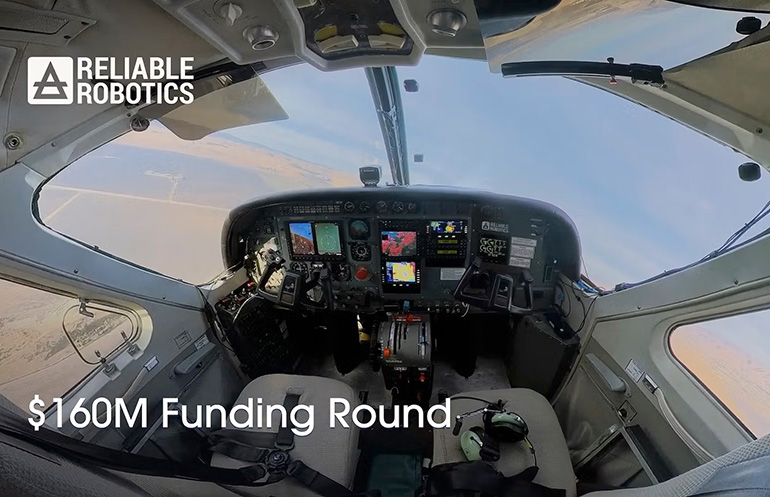
Reliable Robotics has successfully secured $160 million in funding to advance its development of the Reliable Autonomy System, aimed at achieving FAA certification for fully automated aircraft. This significant investment will support the company's efforts to enhance both civilian and military aviation through automation technology. As the demand for innovative solutions in the aerospace sector grows, Reliable Robotics is positioning itself at the forefront of this transformation, striving to revolutionize how aircraft operate autonomously.

Aerospace Defense / Security Drones Investments Mobility / Navigation News
Reliable Robotics Pursues FAA Certification for Network-Agnostic UAS Datalink System

Reliable Robotics Pursues FAA Certification for Network-Agnostic UAS Datalink System

Reliable Robotics, based in Mountain View, California, is making significant strides in enhancing the certifiability of its safety-critical command-and-control datalink system for uncrewed aircraft. On May 4, 2026, the company announced its efforts to demonstrate the capability of remotely piloted aircraft to operate safely within the National Airspace System and existing airport infrastructure. This initiative involves collaboration with industry partners, adherence to established standards, and active flight testing. The advancements aim to ensure that these aircraft can be integrated into commercial airspace, ultimately enhancing the safety and efficiency of air travel.

Why Reliable Backup Power is Becoming Essential for Modern Robotics Systems

Why Reliable Backup Power is Becoming Essential for Modern Robotics Systems

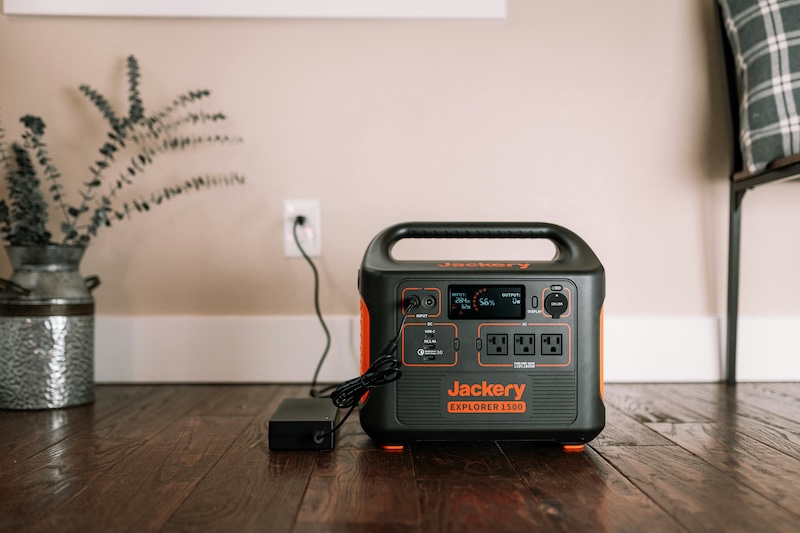
Modern robotics systems are revolutionizing various industries by enhancing efficiency, accuracy, and productivity. Organizations across sectors, including manufacturing and logistics, are increasingly relying on automated systems to ensure seamless operations around the clock. As businesses seek reliable backup power solutions for their robotics infrastructure, Nite & Day Power emerges as a key resource, offering specialized information on uninterruptible power systems. This shift towards automation and the need for dependable power sources highlight the growing importance of technology in maintaining operational continuity in today's fast-paced industrial environment.

Energy Robotics Technology automation news backup power industrial automation
Why Reliable Backup Power is Becoming Essential for Modern Robotics Systems

Why Reliable Backup Power is Becoming Essential for Modern Robotics Systems

Modern robotics systems are revolutionizing various industries by enhancing efficiency, accuracy, and productivity. Organizations across manufacturing and logistics sectors are increasingly relying on automated systems to ensure continuous operations. In this context, businesses seeking reliable backup power solutions for their robotics infrastructure can access essential resources from Nite & Day Power, a company that specializes in uninterruptible power systems. This development underscores the growing importance of robust power solutions in supporting the seamless functioning of automated technologies.

Energy Robotics automation infrastructure automation news autonomous systems backup power

ETCO Incorporated Launches New Electrical Connectors and Terminals for Robotics and Automation

ETCO Incorporated Launches New Electrical Connectors and Terminals for Robotics and Automation

ETCO Incorporated has unveiled a new range of standard and custom electrical connectors and terminals designed specifically for automation systems and robotics. These products are engineered to endure intense operations, constant motion, and vibration, making them suitable for demanding applications. The introduction of these connectors and terminals is significant as they address the growing need for reliable electrical components in automation and robotics. With the increasing complexity of automated systems, the durability and performance of electrical connections are crucial for operational efficiency and safety. Looking ahead, industry stakeholders should monitor the adoption of ETCO's new products in various applications. The effectiveness of these connectors and terminals in real-world scenarios will be key to their success in the market. No further timeline was disclosed at the time of publication.

Boxfish Robotics Introduces Reliable and Easy-to-Use Hovering AUV for Marine Research

Boxfish Robotics Introduces Reliable and Easy-to-Use Hovering AUV for Marine Research

Boxfish Robotics has unveiled its first generation of fully autonomous tetherless hovering Boxfish AUV (Autonomous Underwater Vehicle), marking a significant advancement in underwater exploration technology. This innovative vehicle, which boasts state-of-the-art autonomy features, aims to redefine standards in the field. The launch took place in October 2023, showcasing the company's commitment to pushing the boundaries of underwater robotics. By eliminating the need for tethering, the Boxfish AUV enhances operational flexibility and efficiency, making it an invaluable tool for researchers and marine explorers. The development of this technology reflects Boxfish Robotics' dedication to advancing marine exploration capabilities and addressing the growing demand for sophisticated underwater vehicles.

boxfish robotics hovering auv marine research
Ruiliman Showcases at FAIR plus 2026: Strengthening the 'True Working' Robotics Ecosystem with Reliable Hardware and Mass Delivery Capabilities

Ruiliman Showcases at FAIR plus 2026: Strengthening the 'True Working' Robotics Ecosystem with Reliable Hardware and Mass Delivery Capabilities

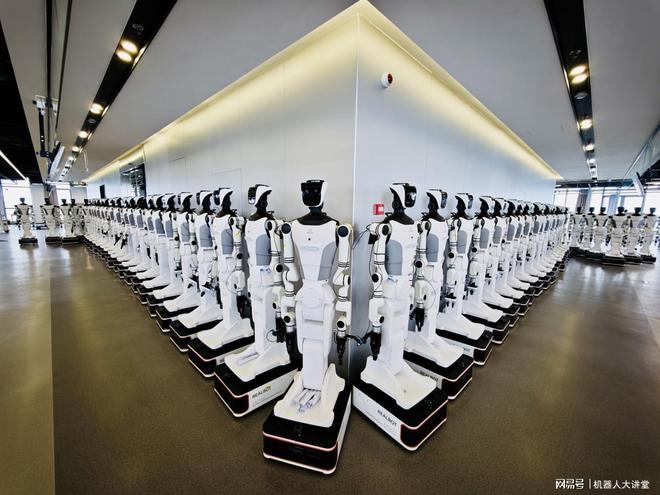
At the FAIR plus 2026 event, Ruiliman unveiled its cutting-edge robotics capabilities, announcing plans to achieve a production capacity exceeding 1 million integrated joint modules by the year 2026. The company underscored the significance of fostering a collaborative ecosystem to facilitate the widespread implementation of robotics across multiple industries. This initiative aims to enhance efficiency and innovation, positioning Ruiliman as a leader in the evolving robotics landscape.

Robotics Manufacturing Automation Ecosystem Development
Hai Robotics Europe Joins FEM-AEM to Drive Reliable Innovation in Warehouse Automation

Hai Robotics Europe Joins FEM-AEM to Drive Reliable Innovation in Warehouse Automation

Hai Robotics Europe has become a member of the Asociación Española de Manutención (FEM-AEM) as of February 25, 2025. This strategic move underscores the company's dedication to advancing warehouse automation in Spain and the broader EMEA region. By joining this prominent association, Hai Robotics aims to collaborate with leading industry players and play a significant role in shaping best practices within intralogistics technology. This membership is expected to enhance the company's influence and innovation in the field, further establishing its position as a key player in warehouse automation solutions.

Warehouse Automation Material Handling Logistics Automation Technology
Hai Robotics Europe Joins FEM-AEM to Drive Reliable Innovation in Warehouse Automation

Hai Robotics Europe Joins FEM-AEM to Drive Reliable Innovation in Warehouse Automation

Hai Robotics Europe has strengthened its position in the warehouse automation sector by joining the Asociación Española de Manutención (FEM-AEM). This strategic membership, announced recently, underscores the company's dedication to innovation within Spain and the broader EMEA region. By aligning with FEM-AEM, Hai Robotics aims to collaborate with industry leaders and actively participate in shaping best practices in intralogistics. A key focus of this initiative is the promotion of its advanced HaiPick Climb system, which is designed to enhance operational efficiency in warehouses.

Warehouse Automation Material Handling Logistics Robotics Supply Chain Technology
Why deterministic real-time systems are more critical than ever in robotics

Why deterministic real-time systems are more critical than ever in robotics

Winston Leung recently highlighted the significance of QNX in the fields of robotics and artificial intelligence during a discussion centered on safety, innovation, and emerging industry trends. His insights underscore the increasing importance of deterministic real-time systems in robotics, particularly as the demand for reliable and efficient technology continues to grow. This conversation, featured in a post on The Robot Report, reflects the evolving landscape of robotics and the critical role that advanced operating systems play in ensuring both safety and performance in automated systems. As industries increasingly adopt AI-driven solutions, the need for robust and responsive systems like QNX becomes paramount to meet the challenges of modern robotics.

Artificial Intelligence Business Resources News Opinion Podcast Robots / Platforms
Interview with Jun Wu of GMEX Robotics: ‘We provide an integrated terminal + brain closed-loop system’

Interview with Jun Wu of GMEX Robotics: ‘We provide an integrated terminal + brain closed-loop system’

As artificial intelligence continues to capture public attention, experts emphasize that the future of robotics hinges on more than just advanced software. While numerous companies are focused on creating sophisticated AI systems and foundation models, there is a growing consensus that the true challenge lies in integrating this intelligence with reliable hardware capable of functioning effectively in the physical environment. This perspective highlights the need for a holistic approach to robotics, where both software and hardware advancements are essential for achieving practical and efficient robotic solutions.

Features Robotics AI platforms ai robotics artificial intelligence automation news
Interview with Christina Gomez-Terry of Plus One Robotics: Why warehouse robotics succeeds or fails at scale

Interview with Christina Gomez-Terry of Plus One Robotics: Why warehouse robotics succeeds or fails at scale

Warehouse automation is evolving as logistics operators increasingly focus on scaling robotic systems. While the effectiveness of robotics in tasks like parcel picking, depalletizing, sorting, and palletizing has been demonstrated through various pilot projects and controlled deployments, the industry now faces the challenge of implementing these technologies on a larger scale. This shift comes as companies seek to enhance efficiency and productivity in their operations, responding to growing demands for faster and more reliable logistics solutions. As the sector moves forward, the emphasis will be on integrating robotics into existing workflows and expanding their capabilities across multiple facilities.

Computing Features Material handling Software automation news depalletizing
Fort Robotics acquires Mapless AI to expand supervised autonomy and physical AI safety platform

Fort Robotics acquires Mapless AI to expand supervised autonomy and physical AI safety platform

Fort Robotics, a company specializing in trust solutions for physical AI, has acquired Mapless AI, a prominent firm based in Boston and Pittsburgh known for its expertise in vehicle teleoperation and autonomy supervision. This acquisition marks a strategic move for Fort, enhancing its Trust Platform with two essential capabilities: remote human-in-the-loop teleoperation and onboard active safety. By integrating Mapless AI's technologies, Fort aims to broaden its commercial offerings and improve the safety and efficiency of autonomous systems. The deal underscores Fort's commitment to advancing the development of reliable and secure AI-driven solutions in the robotics sector.

Artificial Intelligence Financials & Investments Logistics active safety systems ai robotics automation news
Cellula Robotics USA Inc. Selected to Deliver Autonomous Underwater Vehicle Prototype Under the CAMP Defense Innovation Unit Project

Cellula Robotics USA Inc. Selected to Deliver Autonomous Underwater Vehicle Prototype Under the CAMP Defense Innovation Unit Project

Cellula Robotics USA Inc. has announced its involvement in the development of a long-endurance Autonomous Underwater Vehicle (AUV) following a contract awarded by the Defence Innovation Unit (DIU). This initiative is part of the Combat Autonomous Maritime Platform (CAMP) program, aimed at enhancing national defense capabilities. The collaboration underscores Cellula's dedication to providing reliable solutions for defense while emphasizing the importance of strategic partnerships that integrate commercial innovation with military requirements.

cellula robotics usa autonomous underwater vehicle prototype camp defense innovation unit (diu)
Cellula Robotics selects Sonardyne for long-range AUVs

Cellula Robotics selects Sonardyne for long-range AUVs

Cellula Robotics, a prominent developer of autonomous subsea robotic systems, has selected Sonardyne's navigation and positioning technology for its long-range autonomous underwater vehicle (AUV) platforms. This partnership aims to enhance the operational capabilities of Cellula's AUVs, allowing for more precise navigation and positioning in underwater environments. The integration of Sonardyne's advanced technology is expected to significantly improve the efficiency and effectiveness of subsea operations, addressing the growing demand for reliable and sophisticated underwater exploration and data collection. The collaboration marks a strategic move for Cellula Robotics as it continues to innovate in the field of autonomous underwater systems.

cellula robotics sonardyne long-range auvs navigation avtrak 6 ranger 2 ultra-short baseline
Advanced Battery Technology Enhances Performance for Autonomous Vehicles and Robotics

Advanced Battery Technology Enhances Performance for Autonomous Vehicles and Robotics

Recent advancements in battery technology are enabling intelligent machines to operate continuously, enhancing performance and efficiency. This technology is specifically designed for applications in autonomous vehicles, robotics, satellites, and drones, allowing for longer life and improved operational capabilities under high-demand conditions. The significance of these developments lies in their potential to transform various industries by supporting the growing demand for reliable and efficient power sources. As intelligent machines become more prevalent, the ability to sustain high-performance operations is crucial for sectors such as transportation, logistics, and aerospace. Looking ahead, stakeholders should monitor the integration of these advanced battery systems into existing platforms and the emergence of new applications. No further timeline was disclosed at the time of publication.

Amiro Robotics' Liu Fang: Embodied Intelligence is Not Just Large Models or Autonomous Driving

Amiro Robotics' Liu Fang: Embodied Intelligence is Not Just Large Models or Autonomous Driving

Liu Fang, the founder of Amiro Robotics, has presented a new perspective on embodied intelligence, distinguishing it from large models and autonomous driving. During a recent discussion, he emphasized that the true essence of embodied intelligence lies in enhancing labor capabilities within industrial environments. Liu argued that robots should be designed to provide consistent and reliable outputs, which is crucial for their integration into real-world applications. To further this discussion, he introduced a novel metric called Hours Per Intervention (HPI), aimed at evaluating robotic performance in production settings. This metric underscores the significance of building trust in robotic labor, as reliable performance is essential for widespread adoption in various industries. Liu’s insights reflect a growing recognition of the need for practical and dependable robotic solutions in the workforce, marking a shift towards more effective and measurable applications of robotics in industrial operations.

Embodied Intelligence Industrial Robotics Automation HPI Metric
ABB Robotics completes its AI-powered Visual SLAM AMR portfolio with new autonomous forklift

ABB Robotics completes its AI-powered Visual SLAM AMR portfolio with new autonomous forklift

ABB Robotics completes its AI-powered Visual SLAM AMR portfolio with new autonomous forklift Visit http://go.abb/robotics for further information -The new Flexley Stack F712 extends ABB Robotics’ AI-powered Visual SLAM technology to autonomous forklifts, enabling pallet transport and high-density storage. -Customers can now deploy mixed fleets of Visual SLAM-powered tugs, movers and forklifts on a common navigation, fleet management and software platform. -Powered by ABB Robotics' AMR Studio, the portfolio enables up to 20% faster commissioning while ensuring seamless interoperability and safe, reliable operation. 07/07/26, 07:10 AM | Industrial Robotics, Mobile Robots | ABB Inc. ABB Robotics is expanding its Autonomous Mobile Robotics (AMR) portfolio with the launch of the Flexley® Stack F712, creating a complete interoperable ecosystem across all major Visual SLAM AMR types. Combining autonomous forklifts, tugs and movers on one platform, ABB Robotics enables customers to automate a broader range of material-handling and intralogistics processes. Offering market-leading accuracy, the F712 is designed for demanding material handling, end-of-line storage and warehouse operations across industries including automotive manufacturing, helping increase efficiency, flexibility and scalability. More Headlines A3's Automate 2026 Breaks Records as Demand for Robotics, AI and Automation Grows NVIDIA and Hugging Face Bring New Models and Frameworks to LeRobot for the Open Robotics Community Palladyne AI Executes $4.2 Million U.S. Air Force Contract to Advance Swarming Capabilities for Integrated Cross-Domain Operations UMA Unveils Its Vision for the Next Generation of Humanoid Robots Robbyant Unveils LingBot-Depth 2.0 and LingBot-Vision to Redefine Robotic Spatial Perception Articles Unleash AI Innovation: The Power of NVIDIA RTX PRO 6000 Blackwell Workstation Edition Fueled by PNY-Supplied GPUs Automate 2026 Q&A with DESTACO Automate 2026 Q&A with Roboteon Advances in Robots to See & Interpret within Warehouse Environments Building Resilient Fulfillment Networks with Robotics and Real-Time Logistics Data "Across intralogistics operations, businesses are being asked to process greater volumes in less time, while working with increasingly limited resources," said Marc Segura, President, ABB Robotics. "They are under pressure to move goods faster and with greater flexibility, while labour availability is becoming a critical constraint. As part of our journey to more autonomous and versatile robotics (AVRTM), we have combined advanced vision, mobility and intelligence in the Flexley Stack F712 forklift AMR, completing our scalable, AI-powered AMR portfolio." F712 is versatile, capable of handling multiple load types and sizes - including open and closed pallets, containers or racks- up to 2,000 kg and reaching heights of 8.5 meters. The Flexley Stack AMR F712 joins the Flexley Tug and Flexley Mover in ABB Robotics' growing Visual SLAM AMR portfolio. Applications include intralogistics tasks such as warehouse storage and retrieval, as well as line supply, end-of-line handling, body- and press-shop and drive-in and light buffer in the automotive and industries sector. Unlike conventional AMR forklifts on the market, F712 uses Visual SLAM to map and navigate its environment, eliminating the need for pre-installed infrastructure like markers or reflectors. The AI-enabled Visual SLAM supports the autonomous decisions required to operate in complex, dynamic warehouse operations with a market-leading positional accuracy of ±10 mm. Together with AMR Studio®, this shortens commissioning times by up to 20 percent and creates a versatile and reliable system that can adapt instantly when a warehouse or production floor layout changes. Certified to the latest ISO and ANSI safety standards, Flexley Stack F712 can safely operate at class-leading speeds of up to 1.7 m/s while loaded. F712 is fully integrated with AMR Studio and is VDA5050 compatible, enabling seamless integration with ABB Robotics' Visual SLAM AMRs and existing systems within a unified project. This makes it easy to manage complex projects and integrate different types of mobile robots. The no-code, drag-and-drop software suite supports rapid setup, fleet coordination, traffic management and real-time visualization, allowing ABB Robotics' tugs, movers and forklifts to operate together in the same layout for scalable turnkey automation projects. ABB Robotics as one of the world's leading robotics companies, is the only company with a comprehensive and integrated AI-powered portfolio covering robots, cobots and Autonomous Mobile Robots (AMRs), designed and orchestrated by our value-creating software. We help companies of all sizes and sectors - from automotive to electronics and logistics - to outperform by becoming more resilient, flexible and efficient. ABB Robotics is at the forefront of developing and commercializing a new generation of Autonomous Versatile Robotics

FORT Robotics extends its Trust Layer for Physical AI by adding Outside-In Safety in collaboration with NVIDIA Halos for Robotics

FORT Robotics extends its Trust Layer for Physical AI by adding Outside-In Safety in collaboration with NVIDIA Halos for Robotics

Researchers have developed a groundbreaking approach to enhance robot perception by integrating external sensors with traditional on-board systems. This innovative method allows robots to dynamically adjust their behavior, significantly improving their operational efficiency. The advancements were made public in October 2023, showcasing the potential for robots to better navigate and interact with their environments. By utilizing additional sensory data, these robots can respond more effectively to changing conditions, ultimately leading to more reliable and versatile applications in various fields. This development represents a significant step forward in robotics, promising to transform how machines operate in complex settings.

Bee Technology Aims to Solve Robotics Data Challenges Starting with a Cup

Bee Technology Aims to Solve Robotics Data Challenges Starting with a Cup

Bee Technology is making strides in the robotics sector by tackling the challenges of teaching robots to execute physical tasks, such as picking up objects. The company has recently obtained substantial funding to advance its MEgo series, which encompasses both hardware and data processing technologies. This initiative aims to establish a robust data supply chain essential for developing embodied intelligence in robots. By prioritizing high-quality physical AI data, Bee Technology is positioning itself as a key player in the industry, targeting businesses that depend on reliable data for training and optimizing their robotic models.

Embodied Intelligence Robotics Data Infrastructure AI Data Collection MEgo Hardware Data Processing Technology
Introducing the New Slim Hollow Shaft Encoder for Compact Robotics and Motion Control Applications

Introducing the New Slim Hollow Shaft Encoder for Compact Robotics and Motion Control Applications

The IH520 Series has been introduced as a slim incremental hollow shaft encoder, specifically engineered to deliver accurate motion feedback for compact robotics and motion control applications. This innovative device is particularly suited for environments with restricted space and the need for continuous operation. Key features include a low axial profile, flange mounting, and a hollow shaft design, all of which facilitate straightforward installation. The development of the IH520 Series addresses the growing demand for efficient and reliable motion control solutions in modern robotics.

UBTECH Partners with Muxi to Develop Intelligent Edge Chips for Robotics

UBTECH Partners with Muxi to Develop Intelligent Edge Chips for Robotics

On June 11, UBTECH and Muxi formalized a strategic partnership in Nanjing, launching a joint venture dedicated to the development and production of intelligent edge chips specifically for robotics. This collaboration is designed to bolster China's core chip technology capabilities, which is essential for the progression of humanoid robots. By focusing on creating a secure and reliable domestic chip supply chain, the partnership aims to enhance the nation's technological independence and innovation in the robotics sector.

Intelligent Robotics Edge Computing Chip Development AI Technology
XELA Robotics to Unveil New Major Tactile Sensor Capabilities at Automate 2026

XELA Robotics to Unveil New Major Tactile Sensor Capabilities at Automate 2026

Researchers have successfully developed advanced robotic fingertips equipped with sensitive nails, enabling precise grasping of extremely thin objects. This innovative technology, which was unveiled recently, features a universal manipulation interface that enhances the robot's ability to interact with various items. Additionally, the system includes improved magnetic interference compensation, allowing for more reliable handling of fragile objects. The advancements aim to address challenges in robotic dexterity and manipulation, making these robotic fingertips suitable for a range of applications, from delicate assembly tasks to intricate surgical procedures. This breakthrough represents a significant step forward in robotics, potentially transforming industries that require high precision and care in handling lightweight and fragile materials.

Key Considerations for Robotics Manufacturers Ensure Secure Connected Systems

Key Considerations for Robotics Manufacturers Ensure Secure Connected Systems

In a recent discussion among technology experts, the importance of integrating security into the design of modern robotic platforms was emphasized. The experts highlighted that security should be a foundational principle, advocating for the implementation of architectural controls that promote least-privilege execution. This approach ensures that each component of the system operates with the minimum level of access necessary, thereby reducing potential vulnerabilities. Additionally, strong isolation between system components was recommended to prevent breaches from spreading across the platform. The experts also stressed the need for robust fault containment measures to protect against failures that could compromise the system's integrity. This dialogue took place in October 2023, reflecting a growing awareness of the critical role that security plays in the development of advanced robotics. The motivation behind these recommendations is to enhance the resilience of robotic systems against cyber threats and operational failures, ensuring safer and more reliable technology in various applications.

NVIDIA Research Advances Robotics From Simulation to the Real World

NVIDIA Research Advances Robotics From Simulation to the Real World

At the International Conference on Robotics and Automation (ICRA), NVIDIA Research showcased advancements in robotics that signal a significant shift towards achieving reliable embodied autonomy in real-world applications. This transition marks a departure from traditional controlled demonstrations and scripted automation, emphasizing the need for robots to operate effectively in unpredictable environments. The event, held recently, highlighted eight innovative projects that illustrate how robotics can adapt and function autonomously outside of laboratory settings. This evolution is driven by the increasing demand for robots to perform complex tasks in diverse scenarios, enhancing their utility across various industries. By leveraging cutting-edge technology and research, NVIDIA aims to pave the way for a future where robots can seamlessly integrate into everyday life, improving efficiency and productivity.

ROKAE Robotics at CIBF 2026: Force-Controlled Welding Solutions for Battery Manufacturing

ROKAE Robotics at CIBF 2026: Force-Controlled Welding Solutions for Battery Manufacturing

ROKAE Robotics showcased its advanced automation solutions for lithium battery manufacturing at the 2026 China International Battery Fair (CIBF), held at the Shenzhen World Exhibition & Convention Center. The company highlighted its innovative technologies focused on force-controlled assembly and robot-integrated laser welding, aimed at enhancing efficiency and precision in battery production. This exhibition provided ROKAE Robotics with a platform to demonstrate its commitment to advancing the battery manufacturing industry, responding to the growing demand for high-quality and reliable lithium batteries in various applications.

Differential Robotics, a Hangzhou-based flying robot startup, has raised hundreds of millions of RMB in a Series A1 round — bringing its total funding to over 500 million RMB across six rounds in less than two years of operation.

Differential Robotics, a Hangzhou-based flying robot startup, has raised hundreds of millions of RMB in a Series A1 round — bringing its total funding to over 500 million RMB across six rounds in less than two years of operation.

Differential Robotics has successfully secured hundreds of millions in its Series A1 funding round, aimed at scaling the production of its P300 autonomous flying robots. This significant investment comes as the company seeks to enhance the capabilities of its technology for use in complex environments where GPS signals and network connectivity are unreliable or unavailable. The funding will enable Differential Robotics to accelerate development and deployment of its innovative solutions, which are designed to operate effectively in challenging conditions. The announcement marks a pivotal moment for the company, highlighting the growing demand for advanced robotics in various sectors that require autonomous navigation and operation without traditional support systems.

HumanoidRobotics
A New Era of Ton-Class Heavy Load Begins | The Global Debut of "Ton-Class Heavy Load Robot Horse" by Daka Robotics

A New Era of Ton-Class Heavy Load Begins | The Global Debut of "Ton-Class Heavy Load Robot Horse" by Daka Robotics

Daka Robotics has unveiled its groundbreaking "Ton-Class Heavy Load Robot Horse," marking a significant advancement in heavy load transportation technology. The global debut took place at an industry conference held in Shanghai on October 15, 2023. This innovative robot horse is designed to efficiently transport heavy materials across various terrains, addressing the growing demand for robust logistics solutions in sectors such as construction and agriculture. The introduction of this technology comes in response to the increasing challenges faced by industries that require reliable and powerful transportation methods for heavy loads. Daka Robotics aims to enhance operational efficiency and reduce labor costs with this autonomous solution, which can navigate complex environments with ease. The robot horse is equipped with advanced sensors and AI-driven navigation systems, allowing it to operate safely and effectively in diverse conditions. This debut not only showcases Daka Robotics' commitment to innovation but also sets a new standard in the field of heavy load transportation, promising to transform how industries manage logistics in the future.

Robotics Automation AI
GoLabs Launches Custom Robotics Security Initiative Using Unitree Quadrupeds

GoLabs Launches Custom Robotics Security Initiative Using Unitree Quadrupeds

GoLabs, a newly established U.S.-based robotics company, has unveiled its innovative robotic security solutions featuring Unitree quadrupeds. Announced on May 8, 2026, these advanced four-legged robots are designed to enhance security measures for businesses by providing 24/7 autonomous surveillance without the burden of international shipping costs. Equipped with high-definition cameras, thermal imaging, and infrared sensors, these robots can operate in complete darkness and navigate challenging environments, including those hazardous to human health. GoLabs aims to streamline security operations by integrating these robots into existing systems, offering programming, setup, and troubleshooting support. Utilizing an integrated 4D LiDAR system and SLAM technology, the robots can create detailed 3D maps of facilities, allowing companies to establish automated patrol paths and checkpoints. This capability enables a wide range of applications, from monitoring AI warehouses to securing large events. GoLabs is committed to bridging innovation with practical applications, providing businesses with efficient and reliable robotic security solutions tailored to meet diverse needs. For more information, visit their website.

Lunar Outpost Raises $30M in Series B Funding for Moon Robotics Development

Lunar Outpost Raises $30M in Series B Funding for Moon Robotics Development

Lunar Outpost, a Colorado-based company specializing in lunar robotics and mobility systems, has successfully raised $30 million in a Series B funding round. The investment was spearheaded by Industrious Ventures, with additional contributions from Type One Ventures, Eniac Ventures, Promus Ventures, and Reliable Equity. This funding will be utilized to enhance the production capabilities of the company's robotic vehicles and infrastructure technologies, positioning Lunar Outpost to play a pivotal role in the future of lunar exploration.

AI AI Funding & Investment Robotics Artemis Moon Base Colorado Lunar Outpost
WaiV Robotics emerges from stealth to help drones take off and land at sea

WaiV Robotics emerges from stealth to help drones take off and land at sea

WaiV Robotics has emerged from stealth mode with a mission to enhance drone operations at sea, backed by $7.5 million in funding. The company is focused on developing its innovative drone landing system and is actively seeking original equipment manufacturer (OEM) partners to collaborate on bringing this technology to market. By improving the efficiency and safety of drone takeoffs and landings in maritime environments, WaiV Robotics aims to address the growing demand for reliable drone solutions in various industries.

Artificial Intelligence Artificial Intelligence / Cognition Controllers Defense / Security Design / Development Drones
WaiV Robotics Debuts Maritime VTOL Landing Pad with $7.5M Seed Round

WaiV Robotics Debuts Maritime VTOL Landing Pad with $7.5M Seed Round

WaiV Robotics, a London-based maritime startup, has introduced an innovative gyro-stabilized landing pad designed to recover vertical takeoff and landing (VTOL) drones on vessels as small as 10 meters, even in challenging sea conditions. The company unveiled this fully automatic landing and takeoff platform on May 5, 2026, following a successful seed funding round that raised $7.5 million. This advancement aims to enhance the operational capabilities of VTOL drones at sea, addressing the growing demand for reliable drone recovery systems in maritime environments.

Drone News Drone News Feeds News ocean Oceans seadrones
ABB Robotics launches PickMaster Lite to simplify & accelerate robotic picking

ABB Robotics launches PickMaster Lite to simplify & accelerate robotic picking

ABB Robotics has introduced PickMaster® Lite, a simplified version of its robotic picking software, aimed at packaging OEMs and system integrators. Launched on May 5, 2026, this new software is designed to accelerate the development of high-speed, vision-guided robotic picking solutions. By offering essential features for common picking tasks, PickMaster Lite reduces engineering efforts by 30% and commissioning time by 25%, while ensuring reliable performance. The motivation behind this launch stems from the increasing demand for automation in manufacturing, driven by labor shortages and consumer expectations for personalized products. Craig McDonnell, Business Line Managing Director at ABB Robotics, emphasized the need for quick and reliable automation solutions to enhance production flexibility. PickMaster Lite employs an intuitive, task-based interface with pre-configured templates, eliminating the need for specialized programming skills. It integrates seamlessly with existing machine control architectures, allowing for easy communication with PLC and HMI systems. This capability enables machine builders to manage key functions directly through their preferred control systems, thus minimizing development risks. The software is particularly suited for high-volume, cost-sensitive applications in sectors such as consumer goods, food and beverage, pharmaceuticals, electronics, and e-commerce. As part of the broader PickMaster family, it offers a scalable solution that can evolve alongside production needs, with options for more advanced functionalities through PickMaster and PickMaster Twin. For additional details, interested parties can visit ABB's robotics website.

 Richtech Robotics Inc. Now Available in the Microsoft Marketplace

Richtech Robotics Inc. Now Available in the Microsoft Marketplace

Richtech Robotics has announced that its customers can now utilize the Azure cloud platform for enhanced productivity and reliable service. This integration allows for more efficient deployment and management of robotic solutions, enabling users to leverage the advanced capabilities of Azure. The move, which took effect immediately, aims to improve operational efficiency and support the growing demand for cloud-based solutions in the robotics sector. By adopting Azure, Richtech Robotics is positioning itself to better meet the needs of its clients, providing them with a robust infrastructure that facilitates innovation and scalability in their operations.

XELA Robotics Deepens U.S. Market Commitment with Plug and Play Investment and New Sensor Capabilities to be Introduced at the Robotics Summit and Expo in Boston

XELA Robotics Deepens U.S. Market Commitment with Plug and Play Investment and New Sensor Capabilities to be Introduced at the Robotics Summit and Expo in Boston

XELA Robotics is intensifying its commitment to the U.S. market with the introduction of two significant enhancements to its uSkin® sensor family, designed in response to feedback from its expanding American customer base. The announcement coincides with a strategic investment from Plug and Play, a leading innovation platform based in Silicon Valley, and the company's participation in the Robotics Summit & Expo in Boston on May 27-28, 2026. The first enhancement involves magnetic interference compensation, which effectively eliminates complex magnetic interference, crucial for handling metals in industrial settings. The second improvement introduces CAN FD (Controller Area Network Flexible Data-Rate), a high-speed communication protocol that allows for more sensor modules to operate simultaneously without compromising data transfer rates. These advancements aim to enhance the performance of robotic applications, providing faster and more reliable measurements. Alexander Schmitz, CEO of XELA Robotics, emphasized the importance of the U.S. market and stated that these enhancements directly address customer needs. The new sensors will be available for immediate ordering, with initial deliveries scheduled for May 2026, while the magnetic interference compensation feature is expected to launch in the third quarter of the year. XELA Robotics will showcase these innovations at the upcoming Robotics Summit & Expo and ICRA 2026 in Vienna, Austria, from June 1-5.

MyBull Robotics U.S. showcases seamless indoor-outdoor automation with new AMR-capable tugger at MODEX 2026

MyBull Robotics U.S. showcases seamless indoor-outdoor automation with new AMR-capable tugger at MODEX 2026

At MODEX 2026, MyBull Robotics showcased its latest innovations in autonomous technology at their U.S. booth, highlighting a variety of rugged robots designed for both indoor and outdoor use. Among the featured models was the new TMN-T50US tugger, which promises to enhance operational efficiency in dynamic environments. The event, taking place in 2026, serves as a platform for industry leaders to present advancements that address the growing demand for reliable automation solutions in logistics and warehousing. MyBull Robotics aims to meet this demand by offering robots that can adapt to various operational challenges, thereby improving productivity and safety in diverse settings.

The Impact of Industrial Automation and Robotics on Global Supply Chain Resilience

The Impact of Industrial Automation and Robotics on Global Supply Chain Resilience

Global supply chains are increasingly strained due to demand fluctuations, labor shortages, and heightened delivery accuracy requirements. Experts emphasize that enhancing supply chain resilience now extends beyond logistics optimization to include bolstering manufacturing capabilities through industrial automation and robotics. By implementing structured automation strategies, manufacturers can achieve greater control over production stability, consistency in inspections, and quicker responses to external disruptions. A reliable supply chain relies on predictable production processes, and automation significantly reduces variability associated with manual operations, particularly in inspection and quality assurance. Automated systems ensure consistent inspection outcomes, regardless of workforce changes, allowing supply chain partners to plan inventory and delivery schedules with greater confidence. Innovative solutions like the JAKA Zu3 Inspection system facilitate non-destructive testing and precise measurement of complex components, integrating seamlessly with existing production lines. This adaptability enables manufacturers to adjust inspection capacities swiftly in response to changing supply chain conditions, minimizing downtime. As labor availability remains unpredictable, replacing manual inspection with automated systems enhances efficiency and quality, allowing workers to focus on higher-value tasks. This transition supports long-term resilience, ensuring that production schedules remain reliable and delivery commitments can be met even under challenging circumstances. In summary, the integration of industrial automation and robotics is crucial for strengthening supply chain resilience, enhancing manufacturing stability, and enabling flexible deployment in response to global challenges.

JAKA Robotics nhận được nguồn vốn mới từ các ông lớn trong ngành sản xuất.

JAKA Robotics nhận được nguồn vốn mới từ các ông lớn trong ngành sản xuất.

JAKA Robotics, a leading player in industrial automation, has successfully completed a new funding round aimed at accelerating the development of its general-purpose intelligent robots. The investment, which involves a Shanghai-based industrial investment fund and global leaders in electronics and automotive manufacturing, will enhance JAKA's research and development efforts in perceptual intelligence, improving the robots' capabilities in sensing, reasoning, and interacting with the physical world. Founded in 2014, JAKA has deployed tens of thousands of robots in nearly 100 countries, earning the trust of over 1,500 industry leaders, including major companies like Toyota, Ford, Schneider Electric, and Flex. In response to the growing demands of the industry, JAKA has strategically repositioned itself for 2025, focusing on general-purpose intelligent robots, which include collaborative robots and integrated intelligent solutions. The company’s collaborative robots, weighing between 1 and 40 kg, continue to evolve, while its intelligent integrated products—such as JAKA Kargo, Khan, Lumi, K1, and S³—have achieved industrial-scale certification in logistics, inspection, and precision assembly. By enhancing cognitive and reasoning abilities, JAKA is transforming robots from task-specific tools into reliable partners capable of adapting to complex environments, making real-time decisions, and collaborating with humans to achieve shared goals. This latest support underscores JAKA's market leadership and the long-term potential of general-purpose intelligent robots as the company transitions perceptual intelligence from the lab to practical applications in manufacturing and services.

Hai Robotics Achieves IEC 62443-4-1 Certification, Strengthening Cybersecurity for Automated Warehouse Operations

Hai Robotics Achieves IEC 62443-4-1 Certification, Strengthening Cybersecurity for Automated Warehouse Operations

Hai Robotics has successfully obtained the IEC 62443-4-1 certification, a significant milestone that bolsters cybersecurity for its automated warehouse operations. This certification underscores the company's dedication to developing secure automation systems, assuring customers of the robust cybersecurity measures embedded within their robotic solutions. Such enhancements are vital for ensuring operational continuity in increasingly interconnected environments, where the integrity of automated systems is paramount. The certification reflects Hai Robotics' proactive approach to addressing cybersecurity challenges in the logistics sector, reinforcing its position as a leader in safe and reliable automation technology.

Cybersecurity Warehouse Automation Industrial Automation Robotics Supply Chain Management
Who is Leading AI Robotics?

Who is Leading AI Robotics?

In the rapidly evolving field of AI robotics, JAKA, an industrial robot company, is at the forefront of integrating intelligent systems with collaborative robots to address the changing needs of manufacturing. Over the past decade, JAKA has focused on developing advanced control algorithms and user-friendly interfaces, ensuring their solutions enhance efficiency while adhering to strict safety standards. The company’s robotic systems are designed for precision and reliability, achieving sub-millimeter repeatability essential for industries such as electronics, semiconductor manufacturing, and automotive assembly. By employing high-resolution encoders and adaptive servo control, JAKA ensures consistent performance across various production lines, minimizing errors and downtime. JAKA also emphasizes flexibility and human-machine collaboration through lightweight robots like the Zu series and MiniCobo, which are easy to deploy in compact spaces. Their intuitive programming interface allows workers to create complex trajectories without advanced coding skills, further enhancing operational efficiency. Safety features, including collision protection and durable designs, ensure stable operation in challenging environments. Through ongoing innovation and partnerships, JAKA bridges the gap between research and practical industrial applications, positioning itself as a leader in AI robotics. The company aims to transform manufacturing processes worldwide by delivering reliable, adaptable, and intelligent automation solutions that promote productivity and sustainable practices.

Hai Robotics Announces Upgrade to HaiPick Climb, Delivering Faster Fulfillment and Higher Storage Density on a Proven Platform

Hai Robotics Announces Upgrade to HaiPick Climb, Delivering Faster Fulfillment and Higher Storage Density on a Proven Platform

Hai Robotics has unveiled an upgrade to its HaiPick Climb automated storage and picking system, aimed at improving throughput performance, storage density, and workflow flexibility. This enhancement, announced recently, is designed to facilitate faster deliveries and boost inventory capacity without expanding the warehouse footprint. The upgrade comes in response to customer feedback and evolving operational demands, ensuring that the system remains reliable while meeting the needs of modern logistics.

Automated Storage Warehouse Automation Robotics Logistics
What is Palletizing in Robotics?

What is Palletizing in Robotics?

In modern logistics and production facilities, the automation of palletizing—stacking products onto pallets—is gaining traction, particularly through the use of robotic arms. JAKA, a leader in robotics, emphasizes the importance of palletizing robots, which are designed to efficiently handle, organize, and stack items, thereby replacing the physically demanding and repetitive tasks traditionally performed by human workers. These robotic arms automate the placement of various items onto pallets for storage or shipment, enhancing operational efficiency while minimizing the risk of injury associated with manual labor. The precision control technology employed by JAKA ensures that each item is placed accurately, contributing to the stability and integrity of the pallets. The compact design of these robots allows them to operate effectively within the confined spaces of packaging lines. Implementing a palletizing robot involves critical considerations such as payload capacity, reach, and speed, which collectively influence the throughput of production lines. Unlike industrial welding robots that follow complex paths, palletizing robots utilize efficient path planning for pick-and-place operations. JAKA’s systems are adaptable, allowing for quick reprogramming to accommodate various product types and box patterns. Moreover, palletizing robots are integrated into broader automation systems that include conveyors and vision sensors, enhancing their functionality within smart workflows. JAKA's robots are designed for seamless communication with these peripheral devices, ensuring reliable operation even in noisy factory environments. By streamlining the final stages of production and handling, JAKA's palletizing robots represent a significant advancement in logistics automation, improving efficiency and alleviating the physical burden on workers.

Understanding Robotics and Autonomous Systems in Next-Gen Smart Factories

Understanding Robotics and Autonomous Systems in Next-Gen Smart Factories

Factories are experiencing a significant transformation as they shift from traditional linear automation to interconnected, intelligent production ecosystems. This change is driven by the integration of robotics and autonomous systems, with JAKA positioning its industrial cobots as essential components within this advanced network. The industrial cobot serves as a flexible link between manual workstations and fully automated lines, enabling manufacturers to adapt quickly to varying tasks such as assembly and inspection. This adaptability is crucial for high-mix production environments, allowing workflows to respond in near real-time to digital directives from a central Manufacturing Execution System (MES). The evolution of true autonomy is facilitated by the connectivity of individual machines within a coordinated network. JAKA's robotic arms can communicate seamlessly with autonomous mobile robots and vision systems, creating a responsive operational loop. For example, an autonomous robot can deliver components to a JAKA cobot, which then executes tasks based on cloud-based analytics. JAKA emphasizes the importance of reliable, connected hardware to support these systems, focusing on high-precision control technology that ensures accurate task execution. This reliability is essential for advancing towards lights-out production in certain processes. As the next-generation smart factory emerges, the industrial cobot is positioned as a versatile agent within a complex architecture of robotics and autonomous systems. JAKA aims to provide manufacturers with the necessary hardware to build increasingly responsive and autonomous production environments, enhancing efficiency and complexity management in the manufacturing landscape.

How to Find a Reliable Polishing Robot Supplier in 2026?

How to Find a Reliable Polishing Robot Supplier in 2026?

JAKA, a leading robotics company, emphasizes the importance of selecting the right automation partner for polishing robots, highlighting the long-term impact on quality and productivity. In a recent statement, the company outlined a systematic approach to identifying suppliers that goes beyond mere specifications. This process involves assessing a supplier's technical expertise in finishing applications, ensuring they have a proven track record with specific materials such as metal, composite, or wood. To ensure effective integration, JAKA stresses the need for suppliers to provide robust support throughout the robot's lifecycle, including installation, programming, and troubleshooting assistance. The company advocates for evaluating the supplier's service infrastructure and their ability to train operators and maintenance staff, which is crucial for long-term operational success. Additionally, JAKA encourages potential partners to discuss their development roadmap for finishing technologies, ensuring that the chosen robot can adapt to new product designs and materials without requiring extensive overhauls. This adaptability is vital for protecting investments against changing manufacturing needs. Ultimately, JAKA aims to foster partnerships with suppliers that possess deep application-specific knowledge, a reliable support network, and a vision aligned with evolving operational goals. By doing so, they seek to implement polishing robot systems that deliver consistent results and evolve alongside manufacturing objectives.

Sharpa Robotics Ramps Up Mass Production of "Vision-Based" Tactile Hand

Sharpa Robotics Ramps Up Mass Production of "Vision-Based" Tactile Hand

As CES 2026 approaches, a Singapore-based robotics firm has announced significant advancements in its SharpaWave end-effector. The company revealed details about its rigorous reliability testing, showcasing the product's durability and effectiveness in various applications. Additionally, the firm confirmed that the SharpaWave features a modular design, allowing for enhanced adaptability and customization in robotic systems. This strategic development aims to position the company as a leader in the robotics industry, responding to the growing demand for versatile and reliable robotic solutions. The unveiling of these innovations is expected to attract attention at the upcoming technology showcase in Las Vegas, where industry leaders and enthusiasts will gather to explore the latest advancements in robotics and automation.

SharpaWave Sharpa Robotics hands
Mentee Robotics Demonstrates Warehouse Autonomy with Dual-Robot ''Uncut'' Demo

Mentee Robotics Demonstrates Warehouse Autonomy with Dual-Robot ''Uncut'' Demo

An Israeli robotics firm has unveiled unedited footage showcasing two of its V3 MenteeBots engaged in continuous logistics tasks. This release marks a significant step in the company's efforts to advance reliable industrial automation. By demonstrating the capabilities of these robots in real-time operations, the firm aims to highlight the potential for increased efficiency and productivity in various industries. The footage, which was made public recently, underscores the growing trend toward automation in logistics and the role of robotics in transforming traditional workflows.

MenteeBot Mentee Robotics
Deep Robotics Unveils DR02: An All-Weather Humanoid for Industrial Work

Deep Robotics Unveils DR02: An All-Weather Humanoid for Industrial Work

Deep Robotics, a company based in Hangzhou, has launched its latest humanoid robot, the DR02. This innovative robot boasts an IP66 rating, indicating its strong resistance to dust and water, making it suitable for operation in harsh industrial settings. The DR02 is engineered to function effectively in extreme temperature conditions, addressing the needs of industries that require reliable automation solutions in challenging environments. This introduction marks a significant advancement in robotics technology, aimed at enhancing operational efficiency and safety in various industrial applications.

Deep Robotics
The Small Component Problem Behind More Reliable Industrial Robots

The Small Component Problem Behind More Reliable Industrial Robots

In a groundbreaking development for the manufacturing industry, advanced automation technology is transforming assembly lines and semiconductor packaging facilities. A robotic arm, capable of executing movements with sub-millimeter precision at an impressive rate of 300 cycles per minute, is at the forefront of this innovation. These robotic systems are enhanced by machine vision technology, remote input/output blocks, and sensitive microcontrollers, allowing for seamless coordination and efficiency in production processes. This technological advancement is taking place in various industrial settings, where multiple machines share a common power source through an industrial rail system. The integration of heavy CNC machines into this grid further exemplifies the collaborative nature of modern manufacturing, where precision and speed are paramount. The motivation behind this shift towards automation is to increase productivity and reduce human error in manufacturing processes. By leveraging sophisticated robotics and interconnected systems, companies aim to streamline operations and enhance overall output. As industries continue to adopt these cutting-edge technologies, the future of manufacturing looks increasingly automated and efficient, promising significant advancements in production capabilities.

Components Design Engineering Industrial robots amrs automation news
Manufacturers Assess Automation ROI by Evaluating IT Reliability and Downtime Costs

Manufacturers Assess Automation ROI by Evaluating IT Reliability and Downtime Costs

Manufacturers typically calculate the return on investment (ROI) for automation by focusing on labor savings and increased throughput. However, a critical factor often overlooked is the cost associated with automation downtime, which can significantly impact overall profitability. This aspect of IT reliability is essential for determining the true financial benefits of robotic systems in smart manufacturing environments. Understanding the hidden costs of automation downtime is vital for manufacturers aiming to optimize their operations. When automation systems experience failures, the resulting downtime can negate the anticipated labor savings and throughput gains. This highlights the importance of investing in reliable IT infrastructure to ensure continuous operation and maximize the ROI of automation investments. Looking ahead, manufacturers should prioritize strategies that enhance IT reliability to mitigate downtime risks. No further timeline was disclosed at the time of publication, but ongoing assessments of automation systems will be crucial in refining ROI calculations and ensuring sustainable manufacturing practices in the future.

VeriSilicon Introduces CPP2000 Camera Post-Processing IP for Embodied Robotics and Mobile Vision Applications

VeriSilicon Introduces CPP2000 Camera Post-Processing IP for Embodied Robotics and Mobile Vision Applications

Researchers have made significant advancements in improving image quality and visual perception for moving-camera systems. This development, which emerged from ongoing studies in the field of computer vision, aims to enhance the performance of various applications, including autonomous vehicles and drone technology. The breakthrough was announced in October 2023, following extensive testing and refinement of algorithms designed to process and interpret visual data more effectively. The motivation behind this innovation stems from the increasing reliance on moving-camera systems in everyday technology and the need for clearer, more accurate imagery in dynamic environments. By employing advanced machine learning techniques, the researchers have created a system that can better handle motion blur and varying lighting conditions, ultimately leading to more reliable visual outputs. The process involved rigorous experimentation with different data sets, allowing the team to fine-tune their algorithms for optimal performance. As a result, this enhancement is expected to significantly improve the safety and efficiency of systems that rely on real-time visual data, paving the way for broader applications in industries such as transportation, surveillance, and entertainment. This breakthrough not only represents a step forward in technology but also highlights the ongoing commitment to innovation in the realm of visual perception and image processing.

RobotToday Initiative

Robotics needs a service framework.

RSF defines a common language for robot service capability, lifecycle operations, certification pathways, and service-provider networks.