Industry Briefing
A single destination for timely, editor-curated robotics news from around the world.
Small-AI Models Gain Traction Around the World
One morning in 2019, Adebayo Alonge was in a Cape Town hotel room, preparing to demonstrate his startup’s AI answer to a serious problem in African health care: counterfeit medication, which kills thousands of people across the continent every year.The RxScanner is a handheld spectrometer that scans a pill with infrared light, then sends the item’s molecular profile to an AI model equipped with a pharmaceutical database. In seconds, the AI identifies the medication from its molecular profile—or reports that it’s phony.Pharmacies were using the system in more than a dozen countries, including Ghana, Kenya, Myanmar, and Alonge’s native Nigeria. But that morning in South Africa, it didn’t work. “I was shocked,” Alonge says.The spectrometer connected to the AI model—but the data center was 14,000 kilometers away and bandwidth was limited. “Our server was in the United States, and just to get the result of a single scan was taking me over 5 minutes.”So Alonge immediately asked his engineers to shrink the AI model down to a smaller, low-power, unconnected version that could run entirely on his Android phone. They produced it 2 hours later, and that saved the demo.More importantly, the work birthed a new version of his device, which can authenticate a pill in places without broadband, computers, or even reliable electricity. It also turned Alonge into an advocate for this kind of “small AI.”Small AI for Global Health Care AccessSmall AI is a far cry from wealthy nations’ colossal large language models (LLMs), hyperscale data centers, multibillion-dollar investments, and debates about AI consciousness. But for millions of people around the world, the only AI that matters, and often the only kind available, is small. (According to a World Bank Report issued in November, only 0.7 percent of internet users in the world’s poorest countries have used ChatGPT, compared to a quarter of all internet users in the most developed nations.)“Most people are discussing AI from the LLM/generative side. But that needs a lot of computing power, electricity, massive data, and skilled people to manage it,” Ajay Banga, president of the World Bank, said last January at the World Economic Forum, in Davos. “Outside the developed world, other than maybe India and China, very few countries have that combination.”By contrast, small AI can deliver useful, even life-saving services to people in areas that have none of those things, Banga said. In India, where the government’s AI plans call for more development of small AI, many such systems are working for farmers.For example, a drone-based system developed by Bala Murugan and colleagues at the Vellore Institute of Technology, in India, takes photos of cashew plants and quickly identifies those with splotches that indicate disease. All the processing takes place on the drone itself, so there’s no need for a computer on-site, nor for a connection to a central server.Using small language models trained for a specific problem, and sometimes running on cheap, low-power devices, other small-AI implementations have been developed to identify ant infestations in a Uruguayan vineyard, detect the presence of malaria-carrying mosquitoes in a number of nations, and run electrocardiograms from an Arduino device in parts of Brazil that lack access to more complex equipment.“This is the most important area in AI nowadays,” says Marcelo José Rovai, a professor at the Institute of Engineering and Information Systems at the Federal University of Itajubá, in Brazil, who was involved in all three projects. “It’s growing very fast.”Low-Power, Small-AI Models on Devices Small AI models can run on a variety of low-power devices, including [from left to right] an Arduino Nano 33 BLE Sense, a Seeed Wio Terminal, and an Arduino Portenta.Moez AltayebFor Alonge, Rovai, and other advocates, small AI is not just “a promising trend,” as that November World Bank report calls it. It may be, in the long term, the form of AI that will touch the most lives and remain sustainable after some of the giant models become too costly for most users.“I think the future of AI is not like one giant model, at a center. I think it’s millions of small, precise models deployed at the edge, each one solving like a specific problem, a specific context,” Alonge says. This is partly because much of humanity—including people in parts of rich countries as well as the developing world—lives without access to cutting-edge frontier models. But, he says, it’s also because those models are not sustainable.“If someone is not subsidizing it, most people will not be able to afford those models. So those of us who are said to be small-AI developers are the ones who will have to build for the majority of the world,” Alonge says.There is no strict definition of “small AI,” but people often use the term for language models with at most a few billion parameters. (Compare that to cutting-edge models, which can include more than a trillion.) That’s small enough to run directly on a phone or a Raspberry Pi. That’s what allows these applications to run on devices without a connection to a data center and use only a few watts of power, often supplied by a battery or a solar panel.Despite their small footprint, these models aren’t fundamentally different technology from that of gigantic AI models, Rovai says. Many instances of small language models were created the same way the phone-based version of Alonge’s pharmaceuticals scanner was—by “pruning” large models, or removing the parameters that weren’t involved in the task. The result is a system that’s less capable generally but still very good at the specific job it was pruned for, Rovai says. A lighter version of RxAll’s RxScanner spectrometer sends its results to an AI model run locally on a phone to check that a drug’s molecular signature is genuine.RxAllOther small models are created by “distillation.” They are trained to mimic a large model, until their performance approaches that of their “teacher,” Rovai says. In other cases, a larger model’s precision is reduced, for example, so that a model run on 32-bit architecture can run on 8-bit designs. In situations where the machine learning application is being used to classify data or predict patterns (like an ant infestation), it’s trained from the beginning on a small device, not derived from a larger model at all. Running all these small, specialized systems is becoming easier, Rovai says, for two reasons.The first reason is that hardware is getting better and more capable while using less power, he says. This means more and more phones can run small AI—especially those equipped with neural processing units, which are specialized chips that handle AI tasks like facial recognition and changing the brightness, shadows, or contrast in a photo.In 2025, slightly more than a third of all smartphones shipped worldwide were capable of running generative AI, and that figure will reach 45 percent by the end of this year, according to the technology research firm Counterpoint. By the end of next year, slightly more than half of all smartphones will be able to run a small AI model.The second reason Rovai cites is the shrinking footprint of language models. Both Google DeepMind’s Gemma 4 (released in April) and Alibaba’s Qwen 3.5 are “fantastic” for small AI, Rovai says. Both models are “open weight,” meaning users can adjust the connections between parameters to suit their needs. This makes it easy, for example, “to take a lot of data from, say, the milk industry and retrain the model specifically on that,” Rovai says.Rovai illustrated these reasons on a Zoom call, using one of his most recent experiments. Holding up a device, he says, “This is the new Arduino UNO Q—a US $50 device with a Qualcomm chipset. I’m running a language model here, which collects data from sensors and analyzes that data to detect tiny pools of water where mosquitoes might be breeding. It takes 3 watts to run it.”Support for Small-AI DevelopmentConvinced that millions of people are already benefiting from these kinds of applications, the World Bank now actively promotes small AI with grants, mentorship programs, financing, technical advice, and models of government policies that are friendly for small-AI development. For example, in Rwanda, the World Bank is backing a government program to help low-income households get devices that can run AI.All that said, no one claims that large language models are going away entirely. To create a generative AI that can run on a phone or other small device requires the architectural insights, data processing, and results of a larger model, Rovai says. “We need the big models to create these smaller models.” And for all that small AI can benefit people without access to big AI, the technology can’t solve the larger problems of development and digital inequality, Alonge says. Implementing small AI won’t allow nations to escape the challenge of creating an ecosystem to support AI: reliable power, a supply chain that works, and an educational system that develops the talents needed to create AI tools.Though his drug-scanning system can run for days on a phone with no connection, “you still want to be able to enable periodic syncing for updates with new signatures for the medications and analytics,” Alonge says. “And even when you are using batteries, reliable power is important. That phone battery is not going to last forever.”In many parts of the world, the future of small AI isn’t assured, he says. “It works, and many places will eventually need to use it. The question is whether or not the political actors are wise enough to invest in infrastructure to support it long term.”
Small-language-models Artificial-intelligence Llms
Smart Hand valued at $1 billion after 5 months, achieves profit in first quarter; DeepSeek plans to double all departments.
On June 26, 2026, Wuliangye announced the removal of Zeng Zongqin from his position as chairman due to his inability to fulfill his duties. The decision was made during the company's annual shareholder meeting, where a proposal to appoint Deng Min as the new chairman was approved. Zeng's departure, effective immediately, will not affect the company's operations, as he held no shares and had no outstanding commitments. In Yantai, JD Pharmacy has established a new company, JD Pharmacy (Yantai) Co., Ltd., with a registered capital of 100,000 RMB. The company, fully owned by JD Pharmacy (Qingdao) Chain Co., Ltd., will engage in retailing pharmaceuticals and providing medical device services. SpaceX, led by Elon Musk, plans to launch a new Starlink mobile service in the U.S. and develop its own ground mobile network, aiming to compete with major carriers like Verizon, AT&T, and T-Mobile. He Xiaopeng announced on June 25 that XPeng Motors is set to expand globally, with the second-generation VLA model expected to enter international markets by 2027, coinciding with new EU regulations on autonomous driving. Meanwhile, Lingqiao Shou, a company spun off from Zhiyuan Robotics, has achieved a valuation of $1 billion within just five months of its establishment, following significant funding rounds. Beijing Tongrentang Medical and Health Investment Co. plans to raise up to HKD 671.6 million through an IPO in Hong Kong, with shares priced between HKD 5.48 and HKD 6.21, expected to begin trading on July 7. Lastly, DeepSeek announced plans to double its workforce across all departments, while Apple reported a surge in memory demand due to the rapid expansion of AI data centers, presenting challenges for the electronics industry.

Roundtable Discussion: Hey? AI! This Month, This Year, and Next Five Years of AI | 36Kr WAVES 2026 New Wave
In 2026, the investment landscape in China is witnessing a significant transformation as artificial intelligence (AI) evolves from a mere technical concept to a driving force in various industries. The WAVES 2026 conference, organized by 36Kr and AnYun, took place in Guangzhou's Panyu district, gathering top investors, industry leaders, and emerging entrepreneurs to explore the implications of AI and hard technology on the future of innovation. Over two days, the event featured 14 in-depth roundtable discussions and numerous independent presentations, focusing on key sectors such as AI, hard technology, international expansion, and healthcare. During the conference, industry experts discussed the rapid pace of AI development, highlighting how companies are now experiencing frequent valuation updates and financing rounds. Investors shared insights on the changing dynamics of funding, with many companies securing multiple rounds of financing within months, a stark contrast to previous trends. The conversation also touched on the implications of regulatory challenges, particularly concerning AI models and their accessibility. Participants emphasized the importance of stability and reliability in AI applications, as well as the need for a deep understanding of specific industries to successfully implement AI solutions. The discussions underscored a growing interest in physical AI applications, with expectations for commercialization in sectors like pharmaceuticals and materials science within the next few years. As the AI landscape continues to evolve, investors are increasingly focused on identifying unique opportunities and fostering innovative solutions that address real-world challenges.

Amazon AI exec predicts first 'commercially useful' quantum computers in 5-7 years
In a rapidly evolving landscape, major technology companies such as Microsoft, Google, and IBM are intensifying their efforts in the field of quantum computing. This surge in competition is driven by the potential of quantum technology to revolutionize computing power and solve complex problems beyond the capabilities of classical computers. As of October 2023, these industry leaders are investing heavily in research and development, aiming to secure a competitive edge in what many consider the next frontier of computing. The race involves not only advancements in hardware but also the development of software and algorithms tailored for quantum systems. This strategic push reflects a broader recognition of quantum computing's transformative potential across various sectors, including pharmaceuticals, finance, and artificial intelligence. As these tech giants advance their initiatives, the implications for innovation and economic growth are significant, positioning quantum computing as a pivotal area of focus in the tech industry.
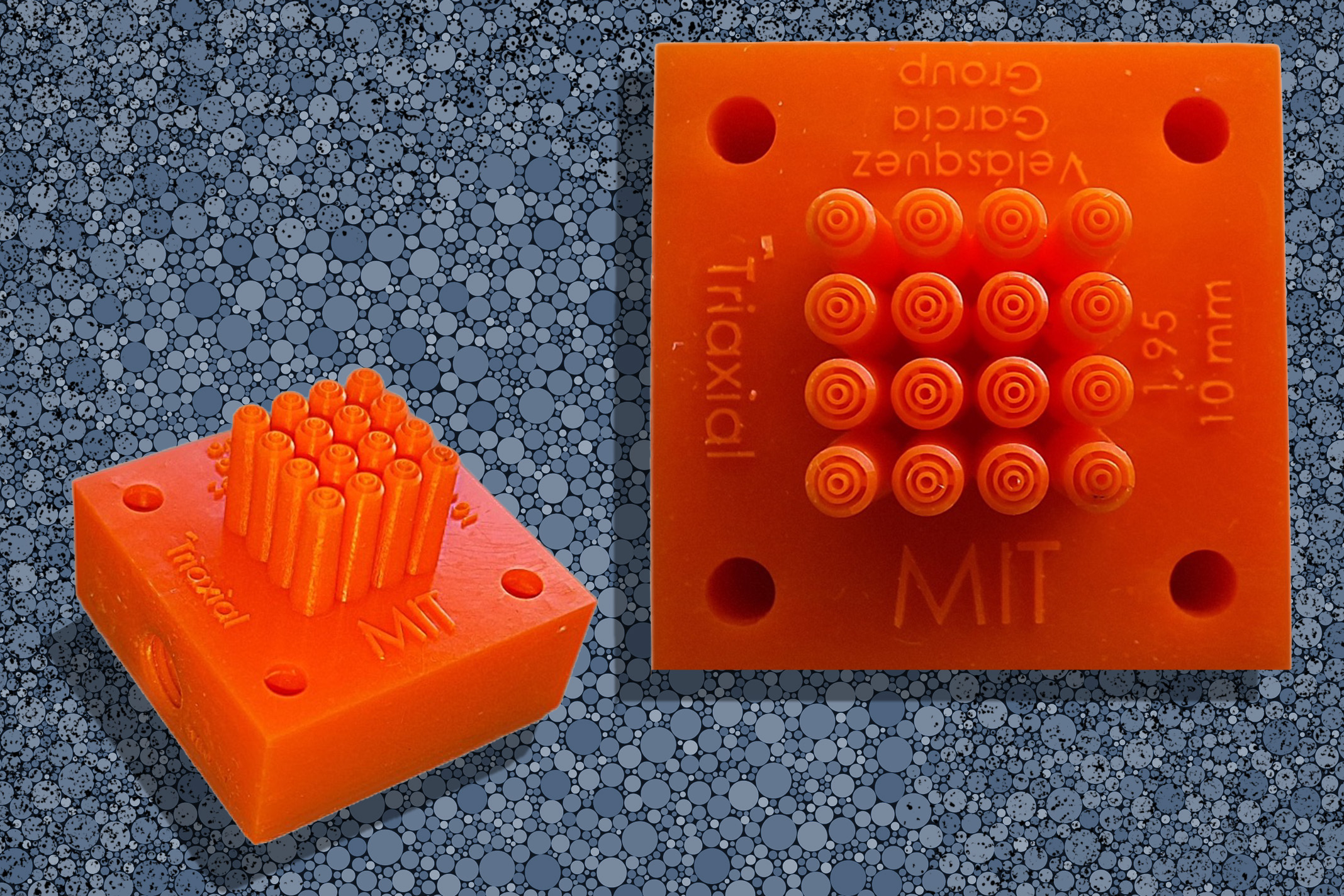
3D-printed devices could streamline the production of drug-delivery microparticles
A new development in particle production technology has emerged, utilizing cost-effective devices that can be constructed in just a few hours. These innovative devices employ electrospray emitter technology to efficiently generate three-layered particles on a large scale. This advancement is poised to enhance manufacturing processes across various industries by providing a faster and more economical method of particle creation. The introduction of these devices marks a significant step forward in the field, potentially leading to improved applications in pharmaceuticals, materials science, and other sectors that rely on precise particle engineering.
Research 3-D printing Additive manufacturing Electronics Medical devices Drug delivery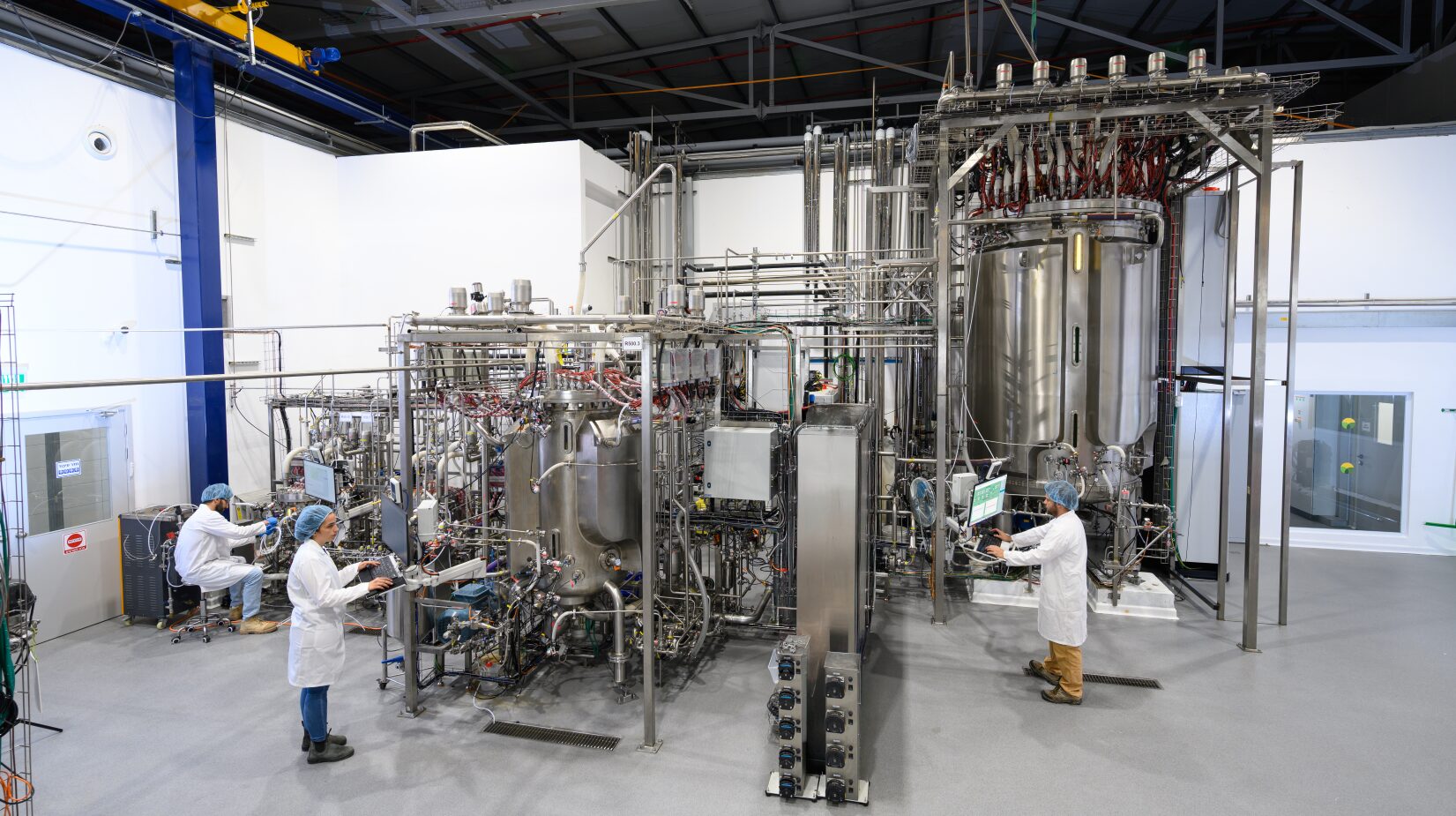
Ayana Bio and Brevel net $1.25m grant to see if ‘illuminated fermentation’ can turbocharge plant cell culture
Ayana Bio, a biotechnology company, has secured a $1.25 million grant to explore the potential of "illuminated fermentation" in enhancing plant cell culture. The funding will support research focused on extracting valuable compounds from various plants, specifically targeting sage for rosmarinic acid, saffron for crocins, and marigold for zeaxanthin and lutein. This initiative aims to improve the efficiency and yield of plant-based production processes. The grant signifies a growing interest in innovative biotechnological methods to optimize the cultivation of high-value plant compounds, which are increasingly sought after in various industries, including pharmaceuticals and nutraceuticals.
Biomanufacturing & biologicals Deeptech EMEA FoodTech Nutrition & health Startups & funding
Understanding the Different Robot Arm Types (6-Axis, SCARA, Delta): A Comparison Guide
In the evolving field of automation, selecting the right type of robotic arm is crucial for optimizing production strategies. Different robotic configurations, including 6-axis, SCARA, and Delta robots, offer unique mechanical strengths and capabilities tailored to specific manufacturing tasks. The 6-axis articulated robot, commonly found in factories, mimics human arm movements and excels in complex processes like welding and assembly due to its six degrees of freedom and flexible work envelope. In contrast, SCARA robots, known for their rigidity in the vertical axis and compliance in horizontal movements, are ideal for high-speed tasks such as pick-and-place and electronics assembly, achieving remarkable precision and faster cycle times. Delta robots, characterized by their lightweight, spider-like design, are engineered for high-speed sorting and packaging in industries like food and pharmaceuticals, making them suitable for handling lightweight items quickly. JAKA Robotics has focused on enhancing 6-axis collaborative industrial robots, offering models like the JAKA Zu and Pro series that combine power and agility for various applications, from precision assembly to heavy-duty palletizing. JAKA emphasizes "Embodied Intelligence," ensuring their robots provide precise repeatability and user-friendly operation through wireless control and intuitive programming, catering to the needs of modern smart factories.
What Do Industrial Robot Arms Do? Functions in Modern Manufacturing
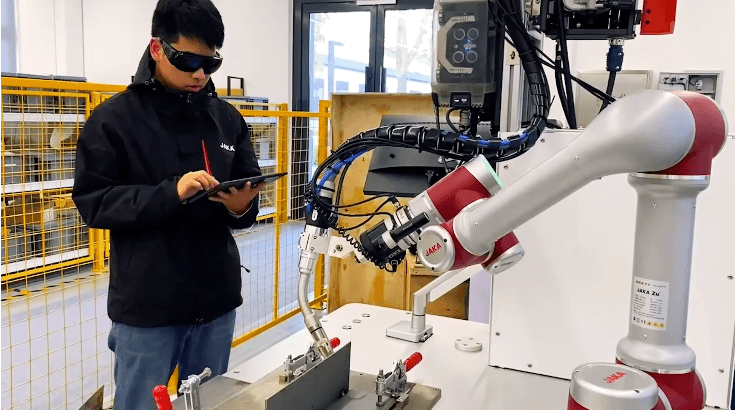
In the evolving landscape of modern manufacturing, industrial robot arms have emerged as essential components, revolutionizing production processes across various sectors, including automotive and pharmaceuticals. These advanced mechanical systems, designed to replicate human dexterity, offer unmatched precision, endurance, and payload capacity, enabling manufacturers to achieve unprecedented efficiency. Equipped with versatile "End-of-Arm Tooling" (EOAT), these robots perform a range of tasks, from picking and placing delicate electronic components to executing precise welding and material removal. Their ability to maintain consistent quality and reduce waste makes them invaluable in heavy industry. Furthermore, advancements in automation have led to the integration of 2D and 3D vision systems, allowing robots to adapt to their environment, detect defects, and handle unsorted parts, transforming them from simple tools into intelligent collaborators. Leading the charge in this industrial revolution is JAKA, a company that has developed the JAKA Zu and Pro series of robot arms. These models exemplify flexibility and ease of deployment, designed for seamless transitions between tasks such as screw driving and inspection. With user-friendly wireless control and graphical programming via the JAKA App, manufacturers can optimize their production lines without requiring extensive coding knowledge. JAKA's innovative solutions provide a compact and efficient alternative to traditional automation, empowering businesses to enhance their operational capabilities and reach their full potential.

ABB Robotics launches PickMaster Lite to simplify & accelerate robotic picking
ABB Robotics has introduced PickMaster® Lite, a simplified version of its robotic picking software, aimed at packaging OEMs and system integrators. Launched on May 5, 2026, this new software is designed to accelerate the development of high-speed, vision-guided robotic picking solutions. By offering essential features for common picking tasks, PickMaster Lite reduces engineering efforts by 30% and commissioning time by 25%, while ensuring reliable performance. The motivation behind this launch stems from the increasing demand for automation in manufacturing, driven by labor shortages and consumer expectations for personalized products. Craig McDonnell, Business Line Managing Director at ABB Robotics, emphasized the need for quick and reliable automation solutions to enhance production flexibility. PickMaster Lite employs an intuitive, task-based interface with pre-configured templates, eliminating the need for specialized programming skills. It integrates seamlessly with existing machine control architectures, allowing for easy communication with PLC and HMI systems. This capability enables machine builders to manage key functions directly through their preferred control systems, thus minimizing development risks. The software is particularly suited for high-volume, cost-sensitive applications in sectors such as consumer goods, food and beverage, pharmaceuticals, electronics, and e-commerce. As part of the broader PickMaster family, it offers a scalable solution that can evolve alongside production needs, with options for more advanced functionalities through PickMaster and PickMaster Twin. For additional details, interested parties can visit ABB's robotics website.
The History and Development of Collaborative Robot Technology
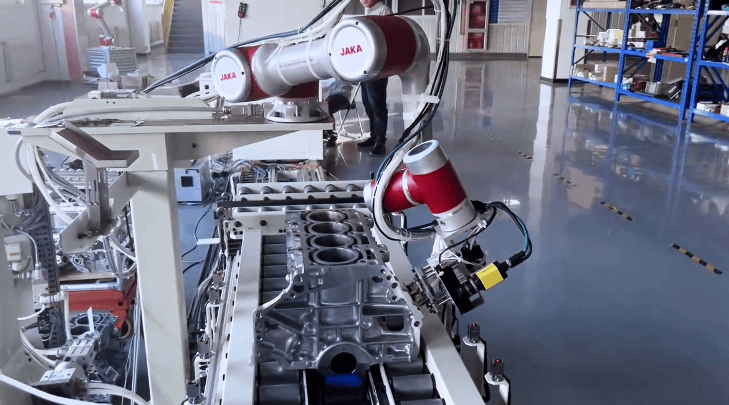
The landscape of robot technology is undergoing a significant transformation, shifting from isolationist industrial automation to a more integrated approach that emphasizes collaboration. Traditionally, industrial robots were powerful machines confined behind barriers, posing safety risks to human workers due to their lack of environmental awareness. However, the introduction of collaborative robots has marked a pivotal change, focusing on safety, flexibility, and shared workspaces. This evolution began in the late 1990s, with early research aimed at creating machines that assist rather than replace humans. Innovations such as power and force limiting (PFL) technology have enabled robots to detect external resistance and respond accordingly. As sensor technology advanced, robots became capable of perceiving their surroundings through sophisticated sensors and vision systems. Modern robotic systems now prioritize user-friendly programming, allowing small manufacturers to implement advanced automation without the need for specialized engineers. This shift has made collaborative robots essential for high-mix, low-volume production environments, where rapid re-tasking is crucial for competitiveness. JAKA Company, established in 2014, is at the forefront of this technological shift. The company’s name reflects its commitment to pushing the boundaries of collaborative robotics. JAKA has developed the A series of robots, designed for high-speed and precision tasks in various industries, including automotive and pharmaceuticals. With a repeatability of ±0.02 mm, these robots ensure high-quality performance in delicate operations. By adopting JAKA's technology, manufacturers can streamline their processes and reduce setup costs, reinforcing the company's mission to empower the future of global manufacturing.
ROKAE Launches 45 kg Intelligent Collaborative Palletizing Workstation
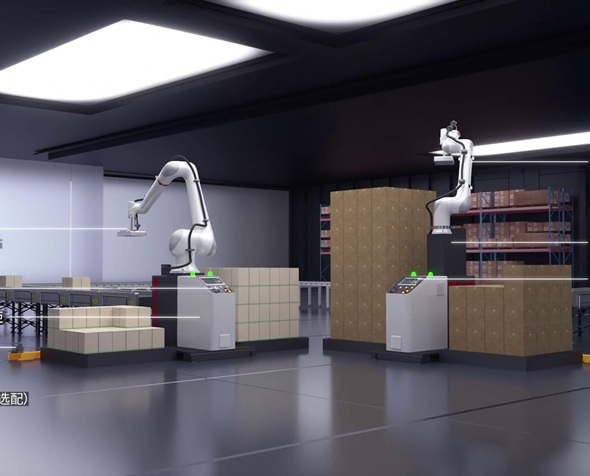
At the beginning of the new year, ROKAE Robotics unveiled its latest innovation, a 45 kg intelligent collaborative palletizing workstation. This advanced system is designed to enhance efficiency and flexibility in industries such as food and beverage, pharmaceuticals, daily chemicals, and new energy. By integrating cutting-edge technology, the workstation aims to streamline palletizing processes on modern production lines, addressing the growing demand for automation in various sectors.

NVIDIA and Lilly Announce Co-Innovation AI Lab to Reinvent Drug Discovery in the Age of AI
NVIDIA and Eli Lilly and Company have launched an innovative AI co-innovation lab aimed at addressing persistent challenges within the pharmaceutical sector. Announced today, this collaboration seeks to leverage artificial intelligence to enhance drug development processes and improve patient outcomes. By combining NVIDIA's advanced AI technology with Eli Lilly's expertise in pharmaceuticals, the lab is positioned to pioneer solutions that could transform the industry. The initiative reflects a growing trend in healthcare to integrate cutting-edge technology in order to streamline operations and accelerate the discovery of new treatments.

Nanjing Establishes Four Industrial Breakthrough Promotion Offices
On March 26, Nanjing held the 2025 Industrial Technology Innovation and Investment Promotion Conference, aimed at fostering advancements in key technological sectors. During the event, city officials launched four Industrial Breakthrough Promotion Offices dedicated to artificial intelligence, robotics, biopharmaceuticals, and next-generation information technology. This initiative seeks to enhance Nanjing's position as a leader in industrial innovation and attract investment in these critical areas. By establishing these offices, the city aims to streamline support for emerging technologies and facilitate collaboration among businesses, researchers, and investors.
ESTUN AUTOMATION ROBOTICS SERVO SYSTEMS
Rett syndrome study highlights potential for personalized treatments
Researchers at MIT have conducted a study utilizing advanced human cell cultures to investigate the impact of two distinct mutations on the development of neural circuits. The research aims to understand how these mutations affect neural development and to explore potential therapeutic approaches tailored to each mutation. The findings, which could pave the way for innovative treatments, highlight the significance of targeted therapies in addressing specific genetic alterations. This study underscores the importance of advanced cell culture techniques in neuroscience and opens new avenues for addressing neural circuit disorders.
Research Cells Genetics Brain and cognitive sciences Neuroscience PharmaceuticalsRobotics needs a service framework.
RSF defines a common language for robot service capability, lifecycle operations, certification pathways, and service-provider networks.