Industry Briefing
A single destination for timely, editor-curated robotics news from around the world.
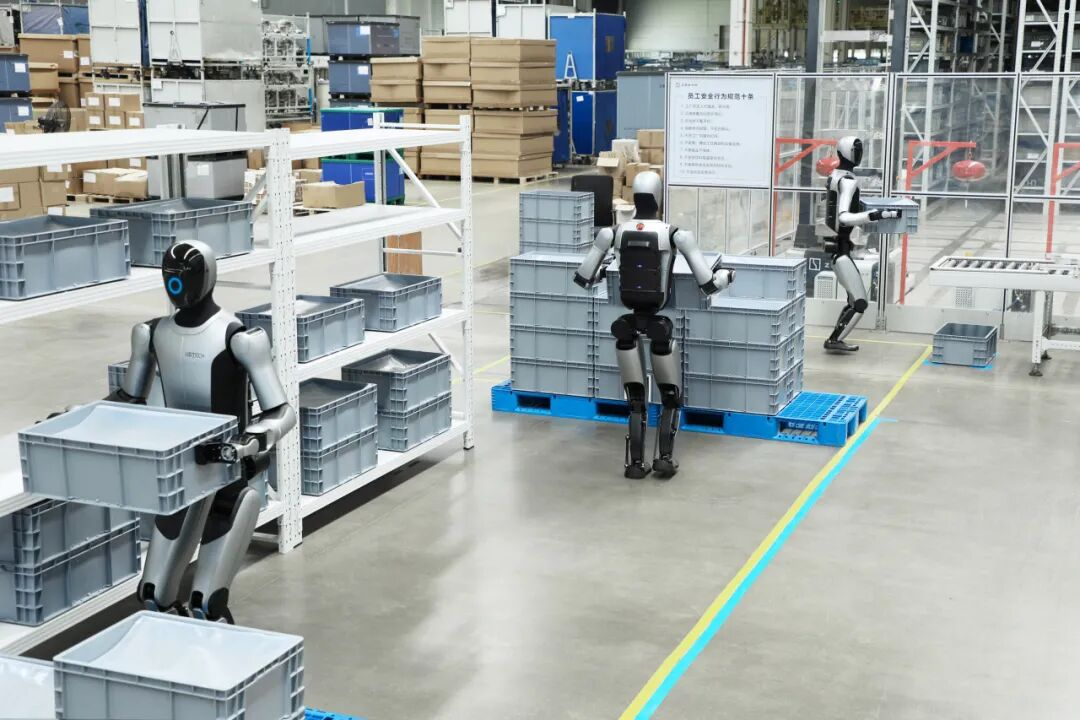
UBTECH and Hitachi Form Strategic Alliance to Develop Intelligent Solutions Across Various Sectors
UBTECH Robotics and Hitachi have announced a strategic partnership aimed at exploring intelligent solutions across multiple fields. This collaboration is expected to leverage both companies' strengths in robotics and AI technology to create innovative applications that can enhance operational efficiency and productivity. The partnership is significant as it combines UBTECH's expertise in humanoid robotics with Hitachi's extensive experience in industrial automation and data analytics. This synergy is likely to lead to advancements in intelligent manufacturing, smart cities, and other sectors, addressing the growing demand for automation and intelligent systems in various industries. Looking ahead, stakeholders should monitor the developments from this partnership, particularly in terms of product launches and technological advancements. No further timeline was disclosed at the time of publication.

Flex (FLEX) Expands Partnership with Teradyne Robotics for Intelligent Automation
Flex Ltd. has expanded its partnership with Teradyne Robotics to enhance intelligent automation in global manufacturing. This agreement, announced on April 22, 2026, allows Flex to utilize Teradyne’s automation technologies within its facilities while also producing essential robotics components for Teradyne’s solutions. The collaboration focuses on Teradyne’s brands, Universal Robots and Mobile Industrial Robots, with Flex integrating collaborative robots and autonomous mobile robots into its production lines. This partnership marks a significant evolution from their previous 20-year relationship in semiconductor test equipment, now venturing into robotics and physical AI. By merging Teradyne’s adaptive automation technologies with Flex’s advanced manufacturing capabilities, the two companies aim to assist manufacturers in managing increasing operational complexities. The integration of physical AI is intended to enhance consistency, throughput, and operational resilience across manufacturing facilities worldwide. Flex Ltd. is recognized as a diversified manufacturing partner with a growing emphasis on AI infrastructure, cloud computing, and power solutions. While the company shows promise as an investment, analysts suggest that other AI stocks may present greater potential for growth with lower risks.

Flex and Teradyne Robotics Expand Partnership to Scale Intelligent Automation Across Global Manufacturing
Flex is enhancing its global manufacturing capabilities by incorporating Teradyne Robotics solutions, aimed at standardizing automation processes and boosting productivity. This initiative marks a significant expansion of their 20-year partnership, which has primarily focused on manufacturing Teradyne's semiconductor test equipment. The collaboration now extends into the realm of intelligent automation, allowing Flex to produce core robotics components that facilitate scalable production and enable rapid deployment of automation solutions worldwide. This strategic move underscores Flex's commitment to advancing its manufacturing footprint and meeting the growing demand for automated technologies.

How Pick and Pack Fulfillment is Transforming Order Delivery in the Automation Age
The modern supply chain has undergone a significant transformation, with consumers now expecting two-day shipping as a standard. This shift necessitates a complete rethinking of traditional logistics practices, moving away from manual processes to technology-driven solutions. Companies face challenges in managing increased order volumes while maintaining accuracy, highlighting the need for advanced robotics and smart software in logistics. The implementation of intelligent pick and pack fulfillment workflows is crucial for warehouses to enhance efficiency. By analyzing order data in real time, these systems optimize item retrieval and minimize unnecessary movement within the facility. Techniques such as batch picking and zone picking streamline operations, allowing workers to compile orders more quickly, which leads to faster delivery times and improved customer satisfaction. The rise of autonomous mobile robots (AMRs) marks a significant change in warehouse operations. These robots have evolved from being a novelty to a necessity, utilizing advanced navigation technologies to operate safely in dynamic environments. As logistics providers continue to adopt these innovations, the focus will be on further enhancing operational efficiency and meeting the growing demands of consumers.
Automation Logistics Supply chain amrs autonomous mobile robots e-commerce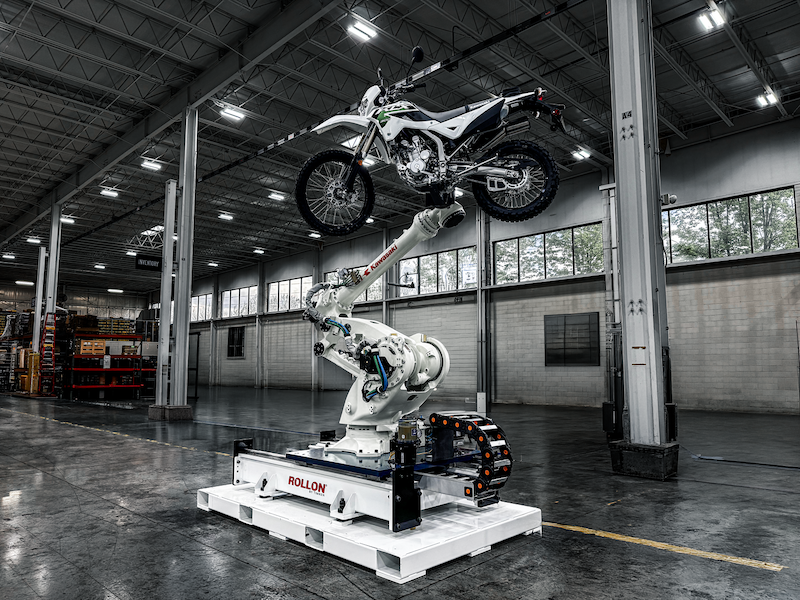
Kawasaki Robotics showcases 8-axis Physical AI robot and intelligent automation technologies at Automate 2026
Kawasaki Robotics unveiled its latest advancements in automation technology at the Automate 2026 trade show held in Chicago. The event, which took place recently, highlighted the transformative impact of robotics, artificial intelligence, machine learning, vision systems, and real-time control on industrial automation. A key feature of the showcase was the introduction of the new “RL030N” robot platform, which boasts eight degrees of freedom and is specifically designed for Physical AI applications. This innovation reflects Kawasaki Robotics' commitment to pushing the boundaries of automation and enhancing operational efficiency across various industries.
Industrial robots News Robotics 8-axis robot Automate 2026 BA013L
Semiconductor Review: Enhancing Semiconductor Manufacturing Through Intelligent Automation
Teradyne has been acknowledged by Semiconductor Review as the leading provider of semiconductor test and robotic solutions, highlighting the company's significant advancements in the integration of artificial intelligence within the semiconductor industry. This recognition comes amid a growing trend where the boundaries between semiconductor testing and factory automation are increasingly merging. The award underscores Teradyne's commitment to innovation and excellence in developing technologies that enhance efficiency and precision in semiconductor manufacturing. As the industry evolves, the incorporation of AI is expected to play a crucial role in streamlining operations and improving overall productivity.

Intelligent indoor/outdoor automation company MyBull Robotics opens new US headquarters
MyBull Robotics U.S. has officially opened its new headquarters in Farmington Hills, Michigan, on May 14, 2026, marking a significant step in the company's expansion into the North American market. The facility aims to enhance the supply of the company's innovative indoor and outdoor automated logistics solutions, which utilize advanced technologies such as lidar and vision cameras for efficient material handling. This strategic move is designed to support local investment and job creation, with plans to grow the current team of 12 employees, focusing on engineering and technical roles. The grand opening event attracted business leaders, partners, and customers, featuring structured sessions that included product demonstrations and a Q&A with the MyBull Robotics team. The new headquarters, located at 37735 Enterprise Ct., includes a showroom and a warehouse for proof-of-concept demonstrations, showcasing the capabilities of MyBull Robotics' autonomous machines in real-world industrial settings. Vinh Tran, Managing Director of MyBull Robotics U.S., emphasized the company's commitment to contributing to the advanced manufacturing and supply chain ecosystem in Michigan and across the U.S. With a focus on improving efficiency and performance for various industrial sectors, MyBull Robotics aims to leverage its technology and customer support to drive innovation in the automation and robotics market.
From Metal to Mindset
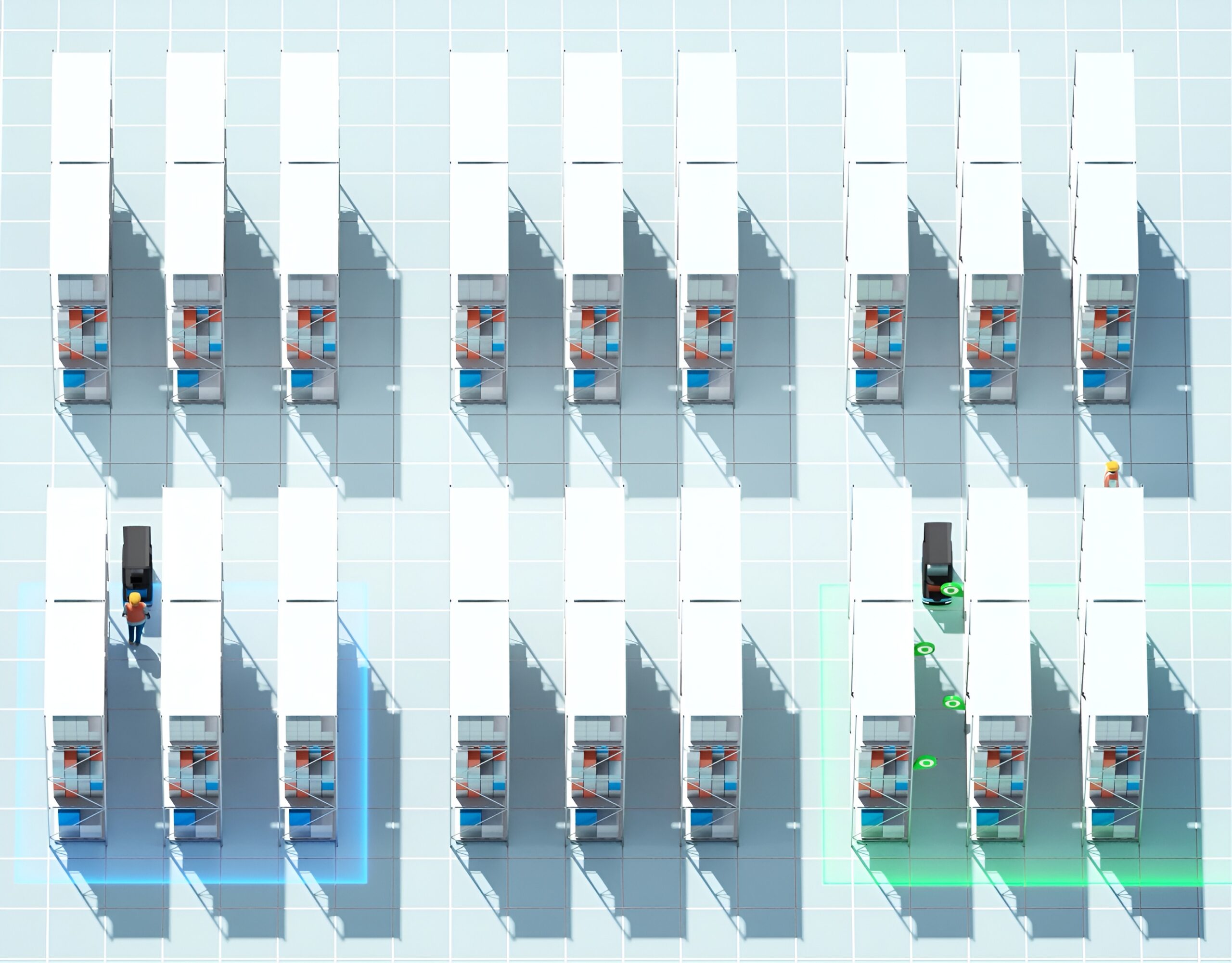
Peter MacLeod recently explored how Ocado is revolutionizing the fulfillment sector by leveraging software, data, and real-world experiences. Traditionally, the material handling industry has focused on visible elements such as larger systems, faster conveyors, and taller cranes, which have dominated both trade exhibitions and media narratives for decades. However, MacLeod's insights reveal a shift towards a more data-driven and experiential approach, indicating a significant transformation in how fulfillment processes are managed and optimized. This evolution reflects a broader trend in the logistics industry, emphasizing the importance of technology and innovation over mere physical infrastructure.
AMR and AGV Automation Systems and Shuttles eFulfilment Magazine Features Materials Handling Pallets and Totes
Smooth Motor Advances Across Robotics and Intelligent Automation Industries Through 30 Years of Rapid Engineering Response
As product development cycles shorten and system complexity increases, the industry faces growing demands for efficient validation, long-term reliability, and cost control. This trend has emerged as companies strive to meet the evolving expectations of consumers and stakeholders. The pressure to innovate rapidly while ensuring quality and affordability has prompted organizations to adopt new strategies and technologies. By leveraging advanced data analytics and streamlined processes, businesses aim to enhance their product offerings and maintain competitiveness in a fast-paced market. The ongoing shift underscores the necessity for adaptability and efficiency in an environment where both time and resources are limited.

Why Precision Swiss Machining is Critical to the Future of Robotics and Automation
The industrial production landscape is undergoing a significant transformation due to the rapid advancements in robotics, factory automation, and intelligent manufacturing systems. This shift is characterized by an increasing reliance on highly precise mechanical systems that can operate continuously with minimal deviation. As automation technologies evolve and become more interconnected, modern manufacturing environments are integrating collaborative robots, automated assembly systems, and sensor-driven equipment. These innovations are not only enhancing efficiency but also improving the accuracy and reliability of production processes. The ongoing evolution in this sector reflects a broader trend towards smarter, more automated manufacturing practices that aim to meet the growing demands of global markets.
Automation Engineering Factories automated manufacturing automation hardware automation news
Industrial Robotics Market Report: Why Intelligent Automation Is Redefining Global Manufacturing
A significant transformation is occurring within global manufacturing ecosystems, driven by various factors impacting the industry. Manufacturers are grappling with rising labor shortages, which have intensified the need for innovative operational strategies. Concurrently, supply chain volatility and increasing wage pressures are compelling companies to reassess their production processes. Stricter quality requirements and a heightened demand for faster production cycles further contribute to this shift. As a result, manufacturers are exploring new approaches to enhance efficiency and adaptability in their operations. This evolution is not only a response to immediate challenges but also a proactive measure to remain competitive in an increasingly complex market. The ongoing changes reflect a broader trend towards modernization and resilience within the manufacturing sector, highlighting the necessity for businesses to evolve in response to external pressures and consumer expectations.
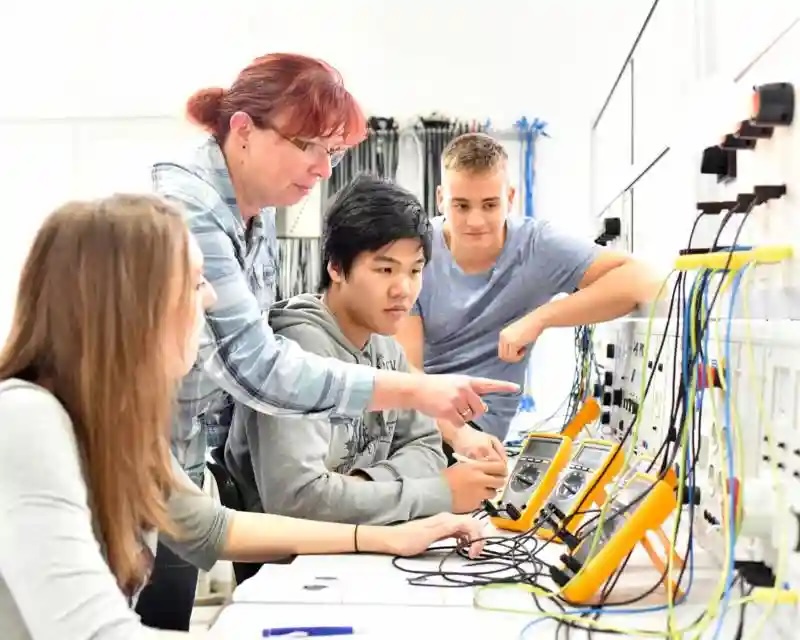
Automation is Hiring Faster Than Schools Can Graduate Engineers
Automation has become a critical component in various industries, including manufacturing, logistics, energy, and research, as companies increasingly implement robots and intelligent systems to enhance efficiency. This shift is occurring at an unprecedented pace, creating a pressing demand for skilled engineers capable of designing, maintaining, and improving these technologies. However, the rapid deployment of automation presents a significant challenge: the supply of qualified professionals is struggling to keep up with the growing need. As organizations strive to integrate advanced automation into their operations, the gap between the availability of skilled workers and the requirements of modern technology continues to widen, complicating efforts to fully realize the potential of automation in the workforce.
Engineering automation careers automation engineers automation news engineering jobs engineering skills shortage
Automation is Leaving the Factory Floor and Moving into the Back Office
For decades, automation has primarily been associated with industrial settings, such as factories and warehouses, where robots and programmable systems efficiently managed repetitive physical tasks. However, recent developments indicate a significant shift in the application of automation beyond traditional environments. As of late 2023, various sectors are increasingly integrating automation into diverse areas, including service industries and everyday consumer interactions. This expansion is driven by the need for enhanced efficiency and precision, as organizations seek to reduce labor costs and improve productivity. The transition is facilitated by advancements in technology, which allow for more sophisticated automation solutions that can adapt to a wider range of tasks. As businesses recognize the potential benefits, the conversation around automation is evolving, highlighting its growing presence in non-industrial contexts.
Automation Business Industry ai agents artificial intelligence automation news
Robotic Process Automation in 2026: A Buyer’s Guide for Procurement Teams
Over the past decade, the landscape of Robotic Process Automation (RPA) has evolved significantly. Initially characterized by basic screen-scraping bots that mimicked human interactions with legacy desktop applications, the technology has now advanced to include both attended and unattended bots. These modern bots are capable of managing user interface tasks within various enterprise systems such as ERP and CRM platforms, as well as billing tools that organizations are reluctant to phase out. As of October 2023, RPA has shifted towards an API-first approach, enabling more sophisticated orchestration that directly integrates with cloud services at various integration points. This transformation reflects the growing demand for automation solutions that enhance efficiency and streamline operations across industries. The shift not only highlights the technological advancements in RPA but also underscores the necessity for businesses to adapt to changing digital landscapes in order to remain competitive.
Automation Business Digital Automation ai agents automation anywhere automation news
ABB Robotics and Roche Partner to Enhance Laboratory Efficiency with Intelligent Robotics
ABB Robotics has entered into a collaboration with Roche to develop digitally connected laboratories utilizing intelligent robotics. This partnership aims to improve laboratory workflows significantly, with initial applications focusing on pathology slide handling and enhancing intralogistics within Core Labs. The deployment will feature a variety of ABB Robotics technologies, including autonomous mobile manipulation and fixed articulating robots. This collaboration is significant as it represents a shift towards integrating advanced robotics in laboratory settings, which can lead to increased efficiency and reduced operational costs. By automating tasks such as slide handling, laboratories can expect to streamline processes, minimize human error, and enhance overall productivity. The use of intelligent robotics in this context is expected to set a new standard for laboratory operations. Looking ahead, the first applications of this collaboration are anticipated to roll out soon, although no specific timeline was disclosed at the time of publication. Stakeholders in the robotics and healthcare sectors should monitor this partnership closely, as it may pave the way for further advancements in laboratory automation and connectivity.
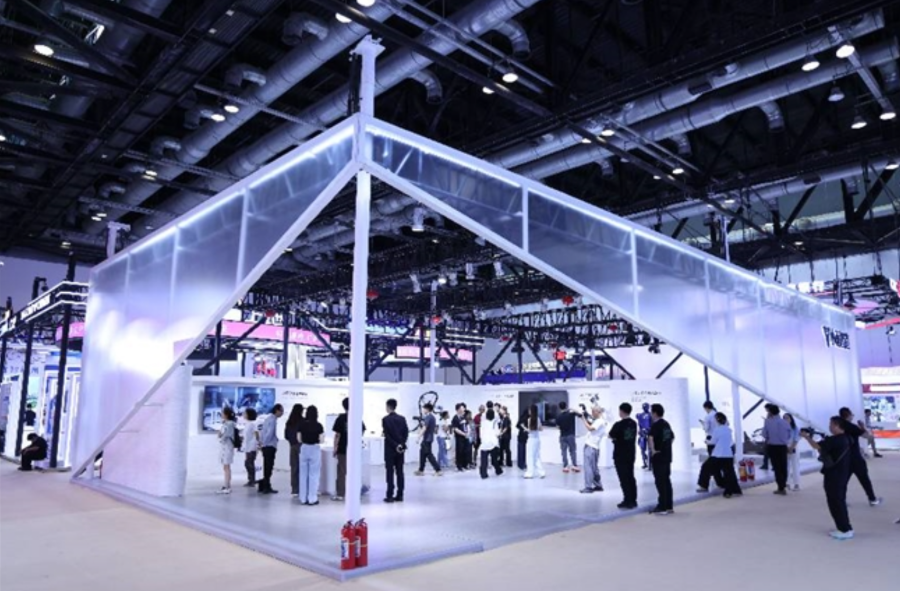
The Global Digital Economy Conference opens in Beijing, and Xiaoyu Intelligent Manufacturing launches the industry's first industrial embodied intelligent welding robot, with a standard version starting at a price of 1 ...
The Global Digital Economy Conference commenced in Beijing, showcasing significant advancements in technology and innovation. During the event, Xiaoyu Intelligent Manufacturing unveiled the industry's first industrial embodied intelligent welding robot, marking a notable milestone in automation and manufacturing capabilities. The standard version of this cutting-edge robot is priced starting at 1 million yuan. This launch reflects the growing trend towards integrating intelligent systems in industrial processes, aimed at enhancing efficiency and productivity in the sector. The conference serves as a platform for industry leaders and innovators to discuss the future of the digital economy and the role of advanced technologies in shaping it.
Robotics Automation AI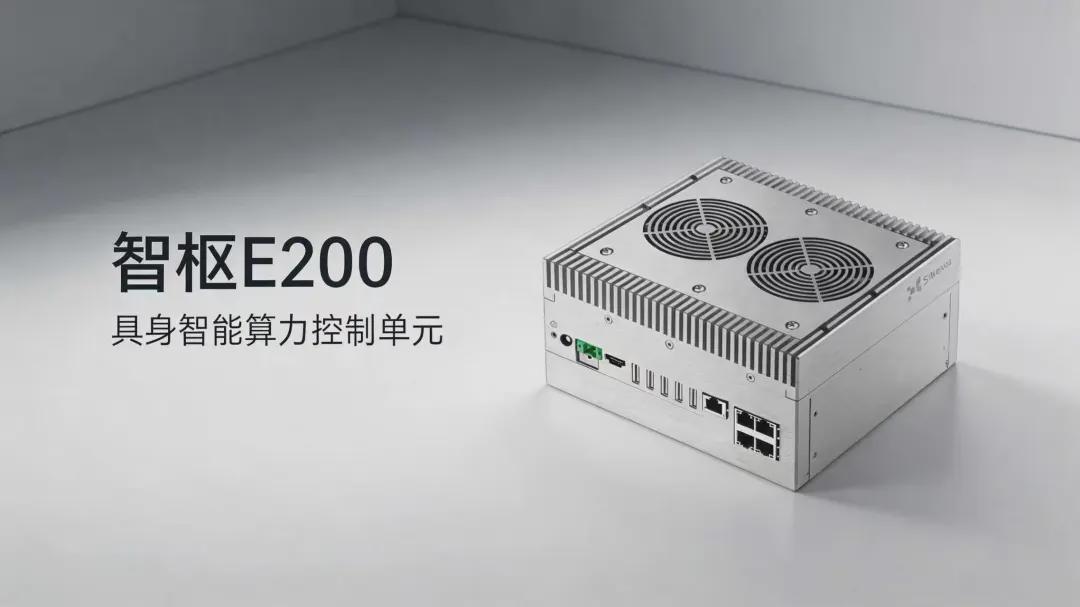
"Building a Brain for Robots: How Chip Bridge Semiconductor Positions Itself in the Foundation of Embodied Intelligent Computing Power"
Chip Bridge Semiconductor is making significant strides in the development of advanced computing technology aimed at enhancing robotic intelligence. The company is focused on creating a new generation of chips designed to serve as the foundational brain for robots, enabling them to process information and respond to their environments more effectively. This initiative comes at a time when the demand for embodied intelligent computing is rapidly increasing, driven by advancements in artificial intelligence and automation. Located in Silicon Valley, Chip Bridge Semiconductor is leveraging cutting-edge research and development to innovate in this competitive field. The company aims to address the growing need for robots that can operate autonomously in various settings, from manufacturing to healthcare. By integrating sophisticated algorithms with powerful semiconductor technology, Chip Bridge is positioning itself as a leader in the robotics sector. The motivation behind this initiative is to create robots that not only perform tasks but also learn and adapt to new challenges, thereby improving efficiency and productivity across industries. Through strategic partnerships and investments in research, Chip Bridge Semiconductor is working to refine its chip designs and enhance their capabilities, ensuring that they meet the evolving needs of the market. As the landscape of robotics continues to evolve, Chip Bridge Semiconductor’s efforts could play a crucial role in shaping the future of intelligent machines, making them more capable and versatile in their applications.
Robotics Automation AI
Capital Increase + Price Drop: Hangkai Microelectronics Accelerates the Popularization of Embodied Intelligent End Force Control Technology
Hangkai Microelectronics is taking significant steps to advance the adoption of its embodied intelligent end force control technology through a recent capital increase and a strategic price drop. This initiative, announced in October 2023, aims to enhance the accessibility of their innovative solutions in the market. The company is focused on expanding its reach and facilitating the integration of this technology across various industries, addressing the growing demand for intelligent automation. By reducing prices, Hangkai Microelectronics hopes to attract a broader customer base and accelerate the implementation of their cutting-edge technology, ultimately positioning itself as a leader in the field of intelligent control systems.
Robotics Automation AI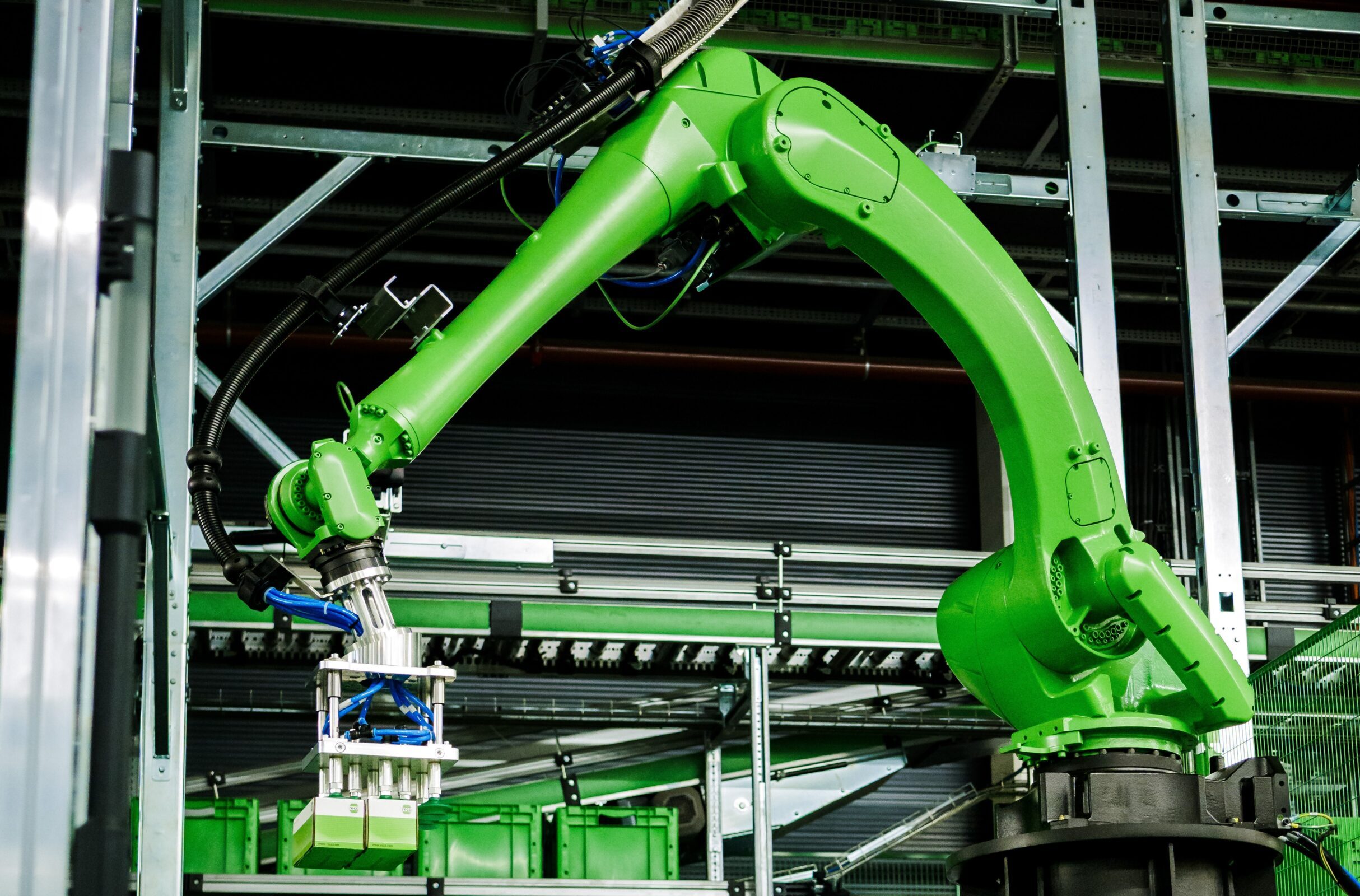
Automation Strategy Advances with SCE
Infios, a leader in Intelligent Supply Chain Execution, is collaborating with Kellner & Kunz AG, a specialist in tools and C-parts, to enhance its automation strategy by integrating advanced robotics into its inbound logistics operations. This initiative is a continuation of their partnership, which began in 2019 when Infios implemented its Warehouse Management (WM) and Warehouse Control System (WCS) at Kellner & Kunz AG. The integration aims to streamline logistics processes and improve efficiency in supply chain management.
Automation Systems and Shuttles IT in Logistics Materials Handling Robotic Picking Storage & Racking WMS & SCM Software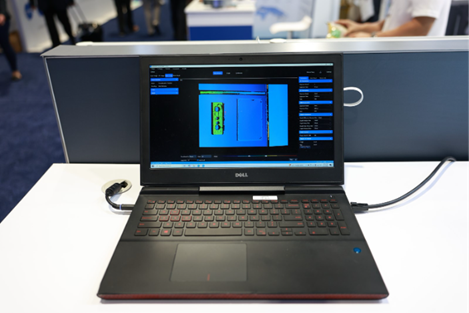
Automate 2026: Orbbec Brings AI-Powered Vision Solutions to Address Industrial Automation Challenges
Orbbec, a prominent player in robotics and 3D vision technology, is presenting its innovative 3D vision products and solutions aimed at enhancing industrial automation during the Automate 2026 event. The exhibition is taking place at Booth 14045 in the North Building. This showcase highlights Orbbec's commitment to advancing automation processes in various industries, reflecting the growing demand for efficient and intelligent manufacturing solutions. By leveraging cutting-edge technology, Orbbec aims to demonstrate how its products can streamline operations and improve productivity in the industrial sector.

DOBOT Showcases Humanoid Robots and Automation Solutions at RTJ 2026
At Robot Technology Japan 2026, DOBOT unveiled a range of advanced technologies, including humanoid robots, embodied AI systems, collaborative robots, and industrial automation solutions. The event, held in Japan, served as a platform for showcasing innovations in robotics and automation. DOBOT's participation highlights the company's commitment to pushing the boundaries of technology and enhancing productivity across various industries. By demonstrating these cutting-edge solutions, DOBOT aims to address the growing demand for automation and intelligent systems in the workforce, ultimately improving efficiency and collaboration in industrial settings.
DOBOT CR 30H Series SGS ISO 10218-1:2025 cybersecurity
Kawasaki Robotics Unveils Dexterous Physical AI Robot Platform, Advanced Automation Technologies at Automate 2026
Kawasaki Robotics introduced its latest advancements in automation technology at Automate 2026, held in Chicago on June 17, 2026. The company showcased the new RL030N robot platform, which features eight degrees of freedom specifically designed for Physical AI applications, alongside its patented Pulseboard inspection technology. These innovations highlight Kawasaki's commitment to enhancing industrial automation through the integration of robotics, artificial intelligence, and machine learning. The RL030N robot stands out as the industry's first 8-axis platform, enabling high-speed motion and enhanced dexterity for complex tasks in dynamic environments. This robot is engineered to support AI-driven applications that require adaptive motion and obstacle avoidance, setting it apart from traditional industrial robots optimized for repetitive tasks. Additionally, Kawasaki demonstrated the Pulseboard technology in a robotic weld inspection system developed with Fives DyAG. This system significantly improves inspection efficiency by synchronizing image acquisition with the robot's movements, allowing for up to ten times faster weld inspections without compromising accuracy. Seiji Amazawa, President of Kawasaki Robotics, emphasized the importance of these technologies in shaping the future of automation, stating that they are designed to support emerging Physical AI applications while maintaining the reliability that manufacturers expect. The event marks a pivotal moment for Kawasaki Robotics as it continues to lead in intelligent automation solutions.

JD.com Unveils 'Wolf Pack' Robot Matrix at World Intelligent Industry Expo
At the 2026 World Intelligent Industry Expo, JD.com unveiled its advanced "Wolf Pack" robot matrix, which integrates aerial, ground, and warehouse automation technologies. The company's founder, Liu Qiangdong, emphasized a commitment to retaining all employees affected by automation, assuring that no layoffs would occur as a result of these technological advancements. This initiative highlights JD.com's dedication to innovation while prioritizing workforce stability amidst the evolving landscape of intelligent industry.
Robotics
Small Industrial Robots Pros and Cons: An Honest Review for Lean Automation
In a bid to enhance manufacturing efficiency through "Lean Automation," many producers are turning to small industrial robots, such as the JAKA MiniCobo, which offers a compact solution to traditional bulky systems. These mini robot arms, designed to fit in tight spaces, provide a low-risk entry into automation, allowing manufacturers to maximize productivity while minimizing waste. The JAKA MiniCobo, weighing just 9.4 kg and featuring a 580 mm reach with a 1 kg payload, is particularly suited for delicate tasks in sectors like electronics and medical services. Its integrated intelligent drive module simplifies installation, eliminating the need for bulky control cabinets and enabling a plug-and-play experience. While small robots offer advantages such as energy efficiency, lower total cost of ownership, and safer operation near human workers, they also face limitations. Most can handle payloads under 2 kg and may struggle with high-torque tasks due to their lightweight construction. Additionally, they require careful management in high-temperature environments to prevent overheating. The JAKA MiniCobo exemplifies the principles of Lean Automation by reducing space and complexity while maintaining precision, making it an attractive option for manufacturers looking to streamline operations.

Autonomous Mobile Picking Robots: Bridging the Gap Between Warehouse Automation and Retail Fulfillment
A new integrated autonomous picking system has been developed to tackle challenges in automated material handling. This innovative system combines a lightweight six-degree-of-freedom robotic arm with depth-camera-based vision, adaptive grasping capabilities, and intelligent task management. The deployment of this technology aims to enhance efficiency and accuracy in various industrial applications. The system was designed to streamline operations and reduce labor costs, addressing the growing demand for automation in the logistics and manufacturing sectors. By leveraging advanced robotics and artificial intelligence, the integrated system promises to improve productivity and operational effectiveness in environments where precision and speed are critical.
Why Global Buyers Are Increasingly Choosing Robot Arm China for Automation
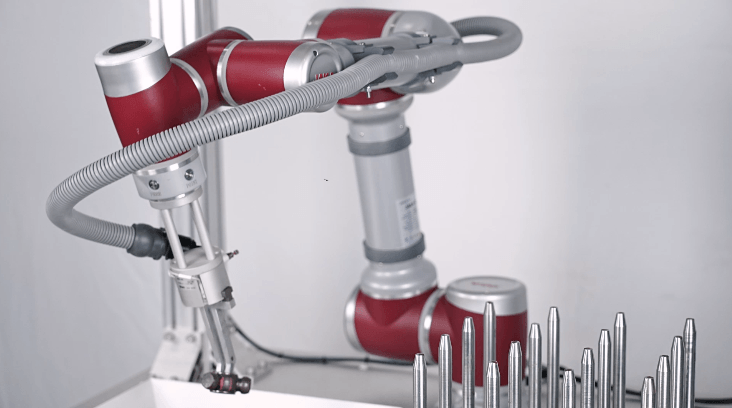
The global industrial sector is experiencing a significant transformation as companies increasingly adopt flexible automation, particularly in China, which has emerged as the largest market for industrial robots. This shift is driven by a growing demand for sophisticated robotic arms that not only offer cost-effectiveness but also advanced adaptability and intelligence to seamlessly integrate into existing production lines. Historically associated with mass production, Chinese manufacturing is now recognized for its technical innovation and research and development in robotics. Local manufacturers are enhancing their technologies to meet stringent international standards, resulting in systems that excel in precision, payload capacity, and software integration. International buyers are attracted to these modern Chinese robotic solutions due to their rapid deployment capabilities and versatility, which are designed to simplify complex automation tasks for small and medium-sized enterprises. By focusing on user-friendly interfaces and modular designs, these robots lower the barriers to automation across various industries, including electronics, automotive, and food processing. Leading this collaborative revolution is JAKA, a global frontrunner in intelligent robotics. The company emphasizes a mission to enhance productivity through its innovative solutions, such as the JAKA Zu Series and S Series. These products boast impressive specifications, including high payload capacities and precise positioning accuracy, making them ideal for delicate tasks. JAKA's "plug-and-play" approach allows its collaborative robots to operate safely alongside human workers without traditional safety barriers, further enhancing their appeal. With a global service network and advanced training programs, JAKA positions itself as a comprehensive partner in automation, ensuring that its technology remains at the forefront of the industry.
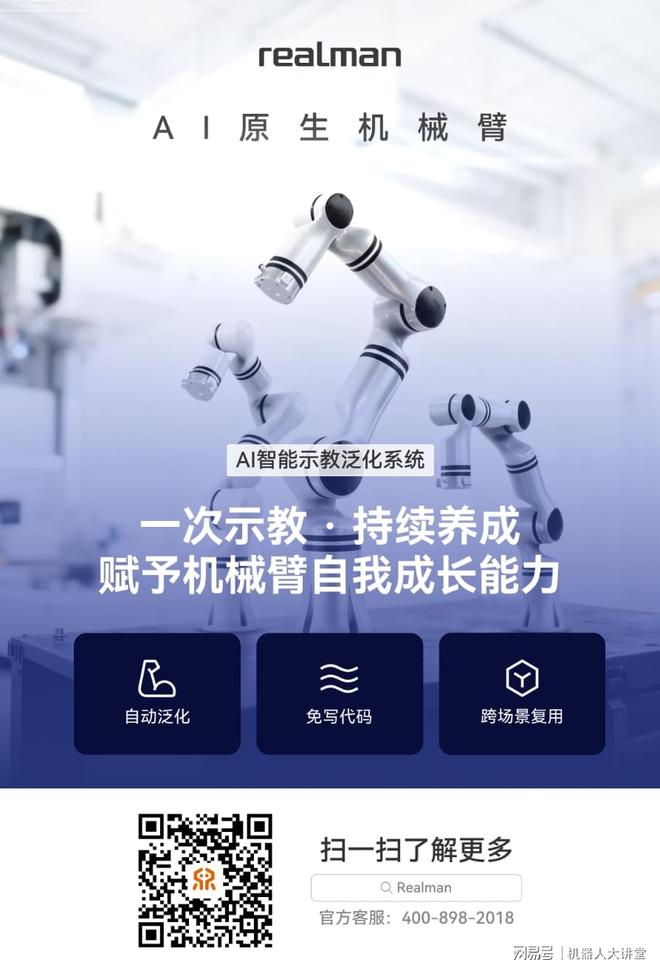
Empowering Robotic Arms with Self-Learning Capabilities: RealMan Launches AI Intelligent Teaching Generalization System
RealMan has introduced its groundbreaking AI Intelligent Teaching Generalization System, which empowers robotic arms to learn independently by observing human demonstrations. This innovative technology, unveiled recently, promises to drastically cut down the time required for task deployment while facilitating ongoing skill enhancement. By transforming robotic arms into versatile production partners, RealMan aims to revolutionize automation in various industries. The system's ability to adapt and evolve through continuous learning positions it as a significant advancement in the field of robotics, potentially reshaping workflows and increasing efficiency in production environments.
Robotic Arms AI Technology Automation Machine Learning
The History and Development of Industrial Cobots in Modern Automation
Industrial automation has undergone significant transformation over the past few decades, with collaborative robots, or cobots, playing a pivotal role in this evolution. JAKA, a leading company in this field, has highlighted how these robots enhance manufacturing processes by allowing safe and efficient collaboration with human workers. Unlike traditional robots that operate in isolation, cobots are designed to work alongside humans, improving workplace efficiency, reducing exposure to hazardous tasks, and ensuring consistent product quality. The journey of industrial cobots began in the early 1990s when researchers sought to merge automation with human collaboration. Initially, safety concerns limited robots to isolated environments, but advancements in technology have since enabled them to operate safely in shared spaces. JAKA has utilized these innovations to develop the JAKA Pro5, a robot that ensures precise handling while minimizing workplace accidents. Today, cobots are increasingly utilized across various sectors, including electronics, automotive, and logistics. Their ability to take on repetitive or dangerous tasks allows human operators to concentrate on more complex decision-making roles. The JAKA Pro5, for instance, is highly adaptable and can be quickly reprogrammed for different production needs, enhancing operational flexibility and reducing costs associated with equipment changes. Looking ahead, JAKA envisions a future where collaborative robots will continue to advance, incorporating intelligent sensing and adaptive learning. This evolution aims to create smart factories where humans and machines work together seamlessly, ensuring that automation remains both productive and safe.
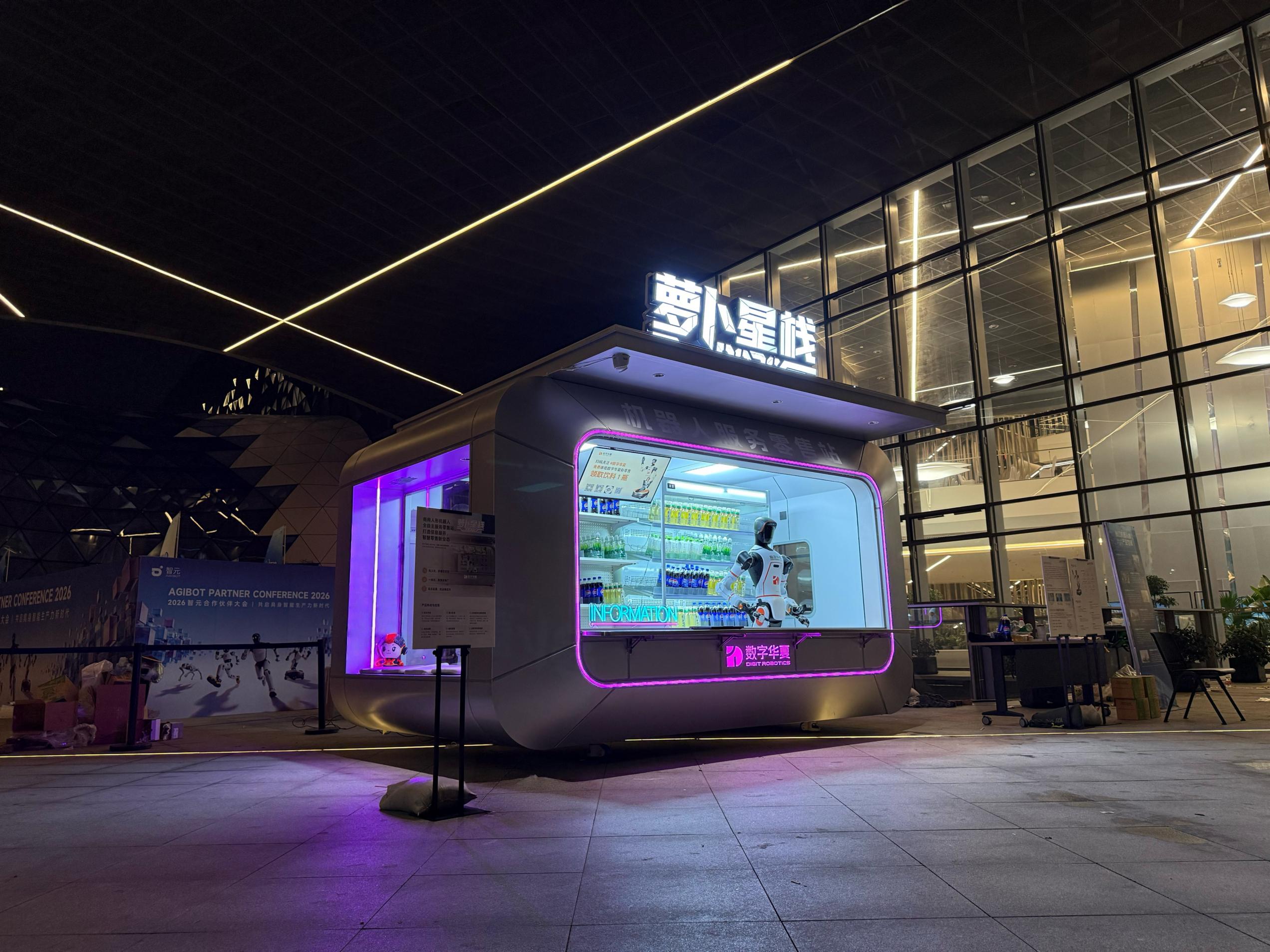
Exclusive: Digital Huaxia and Zhiyuan Launch 'Radish Star Station', Partnering with Qingtian Rental to Introduce a New Form of Embodied Intelligent Commerce
At the APC 2026 conference held in Shanghai, Digital Huaxia and Zhiyuan Robotics introduced the 'Radish Star Station', an innovative robot retail service station designed to enhance customer service beyond conventional vending machines. This cutting-edge platform incorporates advanced interaction technologies and scene intelligence, with the goal of transforming the landscape of smart retail and public services. The launch reflects a growing trend towards automation and intelligent service solutions in urban environments, aiming to meet the evolving needs of consumers in a rapidly changing market.
Smart Retail Robot-as-a-Service Embodied Intelligence Automated Services
Path Robotics Launches Rove, Bringing Mobility to Welding Automation Powered by Physical AI
Path Robotics has unveiled Rove™, a mobile robotic welding system that integrates its advanced Obsidian™ physical AI model with a quadruped robot, marking a significant advancement in welding automation. Announced on April 16, 2026, this innovative system allows for intelligent welding directly at the workpiece, rather than requiring the part to be moved to a fixed welding cell. This development comes at a crucial time as industries face skilled welder shortages and the challenges of large-scale fabrication environments, such as shipbuilding and heavy construction. Rove is designed to operate effectively in high-variability settings, overcoming the traditional limitations of legged robots in precision welding. Early adopter Saronic Technologies, a leader in autonomous maritime vessels, is set to evaluate Rove's capabilities in its shipbuilding operations in Franklin, Louisiana. John Morgan, Head of Manufacturing at Saronic, emphasized the importance of adaptable tooling in modernizing shipyard operations. The Rove system will be showcased at the Sea-Air-Space 2026 maritime expo in National Harbor, Maryland, from April 19 to 22, where attendees can witness its capabilities firsthand. Path Robotics aims to revolutionize manufacturing processes by combining artificial intelligence, machine learning, and computer vision to enhance production quality and efficiency. For more information, interested companies can visit Path Robotics' website.
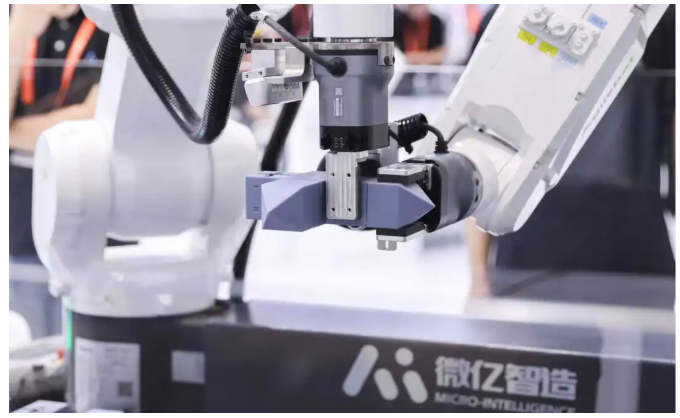
The Leading Player in Industrial Embodied Intelligent Robots: How to Tap into a New $1.3 Trillion Blue Ocean?
Weiyi Intelligent Manufacturing, based in Changzhou, Jiangsu, has made significant strides in the field of digital transformation within the manufacturing sector by developing embodied intelligent robots (EIIR). These advanced robots are designed to autonomously adapt and perform tasks, effectively integrating artificial intelligence with robotics. This innovation aims to enhance production efficiency and flexibility across various industries, marking a notable advancement in manufacturing technology. As the demand for smarter manufacturing solutions grows, Weiyi's EIIR technology positions the company at the forefront of this evolving landscape, showcasing the potential for AI-driven automation to revolutionize traditional production processes.
Industrial Robots AI Integration Manufacturing Automation Smart Manufacturing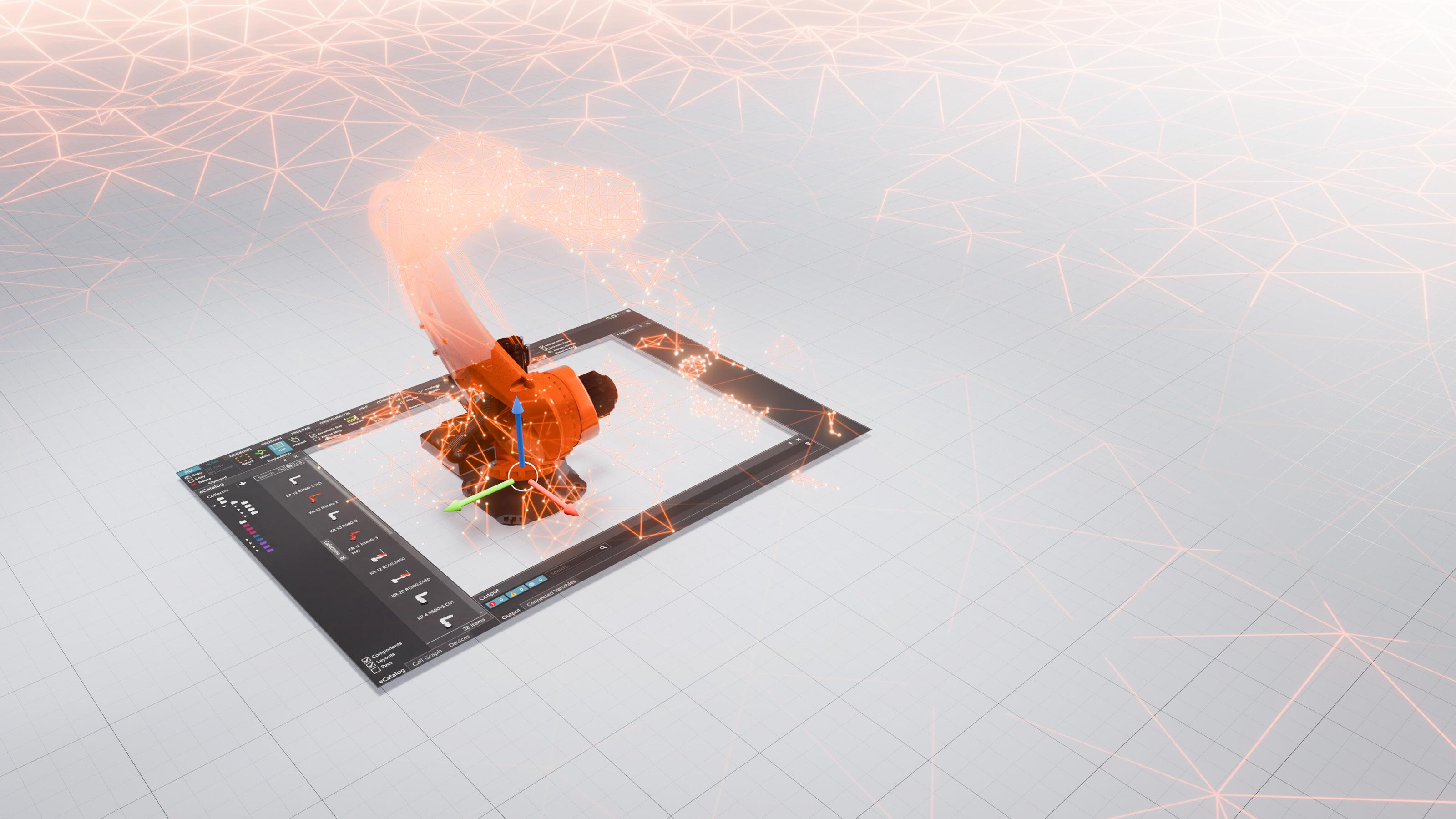
KUKA unveils vision for Automation 2.0 as Physical AI reshapes global manufacturing
KUKA Group is spearheading the evolution of industrial automation, introducing its latest initiative, KUKA AMP, at the NVIDIA GTC conference. This event, held recently, showcases the company's commitment to advancing what it terms ‘Automation 2.0.’ By integrating Physical AI into its systems, KUKA aims to enhance the capabilities of industrial automation, making processes more efficient and intelligent. The presentation highlights the potential of this technology to transform manufacturing environments, reflecting KUKA's strategic focus on innovation and adaptation in a rapidly changing industry landscape.
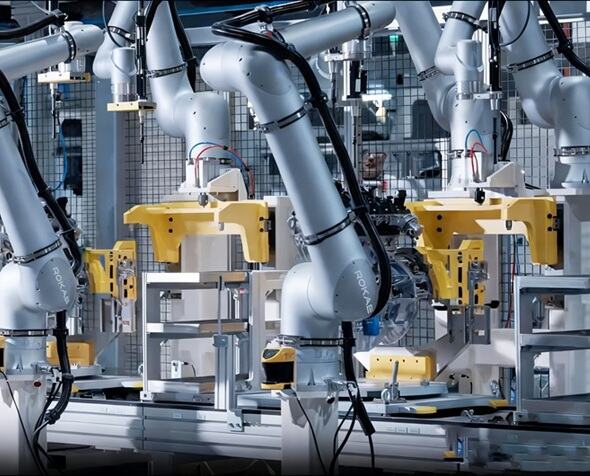
ROKAE Supports SERES with Flexible Automation Solutions
ROKAE Robotics has successfully implemented over 40 CR-series collaborative robots at SERES Power’s Changshou plant, marking a significant advancement in the intelligent manufacturing sector of the new energy vehicle industry. This deployment, which occurred recently, aims to enhance the plant's intelligent final assembly line, achieving full automation in critical production processes. The initiative reflects the growing trend towards automation in manufacturing, driven by the need for increased efficiency and productivity in the rapidly evolving automotive market.
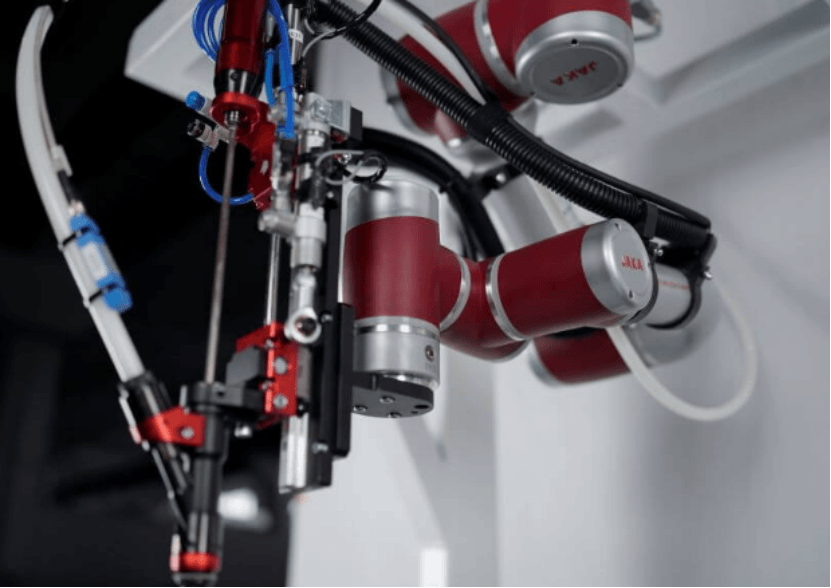
Automation Robotics Technology for Warehouse Logistics and Sorting
JAKA, a leader in automation robotics technology, is revolutionizing warehouse operations by integrating intelligent robotic systems to enhance efficiency and accuracy. As e-commerce volumes rise and supply chains become more complex, the company emphasizes that adopting automation is essential for maintaining competitiveness. Recently, JAKA implemented polishing robots designed for high-precision sorting tasks, capable of adapting to various item sizes and surface requirements. These robots utilize advanced control systems to ensure consistent results while minimizing operational downtime. By combining these solutions with data-driven tracking systems, JAKA can monitor throughput and continuously improve efficiency across multiple sorting lines. A crucial aspect of JAKA's automated operations is the JAKA S Screwdriving system, which offers high efficiency and stability for assembling transport equipment. This system allows for customizable torque adjustments and can be seamlessly integrated with conveyor systems, enhancing overall workflow connectivity. The quick and responsive nature of JAKA robots enables human workers to focus on complex decision-making while robots manage repetitive tasks. Safety protocols are embedded within the system to ensure a secure working environment, allowing for smooth coexistence between human workers and robots. By leveraging automation robotics technology, JAKA aims to enhance operational flexibility, scalability, and safety, ultimately achieving higher productivity without compromising quality. The company's commitment to refining its automation solutions positions it to meet the evolving demands of logistics and support sustainable growth for both itself and its clients.
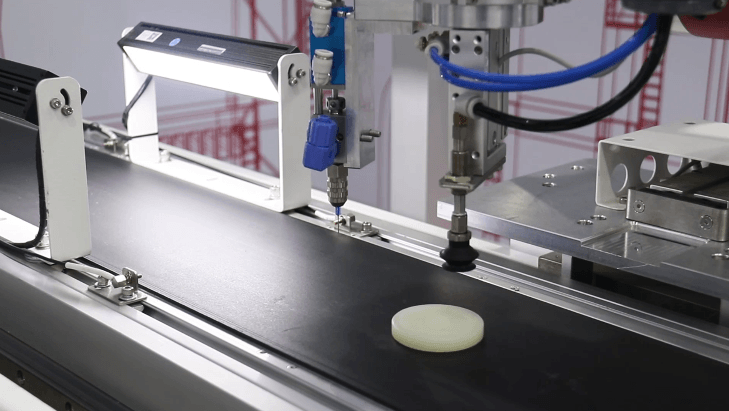
The Rise of Cobots in Manufacturing: Trends Shaping the Global Automation Market
The manufacturing industry is experiencing a transformative shift as automation technologies advance, with JAKA leading the way in the integration of collaborative robots, or cobots. These machines are designed to work alongside human operators, enhancing productivity while prioritizing safety. The adoption of cobots is expanding beyond niche applications to various sectors, including assembly, electronics, automotive, and precision engineering. JAKA's Zu series exemplifies how intelligent automation can optimize complex tasks like screwdriving, ensuring speed, accuracy, and reliability in production processes. A notable trend in modern manufacturing is the increasing use of 6-axis robot arm systems, which provide enhanced flexibility and adaptability. JAKA's robotic solutions can perform multiple functions such as assembly, material handling, and inspection, with the ability to adjust torque independently for different product requirements. This innovation has enabled clients to reduce manual labor and maintain consistent quality across production lines, particularly in high-mix, low-volume environments. The focus on efficiency and safety is driving the adoption of cobots, with JAKA integrating advanced control algorithms and sensors to create collaborative workspaces. The JAKA Zu series facilitates safe and reliable automated screwdriving, reducing repetitive strain injuries and improving production predictability. As the demand for intelligent automation grows, JAKA remains committed to providing flexible and precise solutions that meet the evolving needs of modern factories, positioning cobots as a vital component in the future of manufacturing.
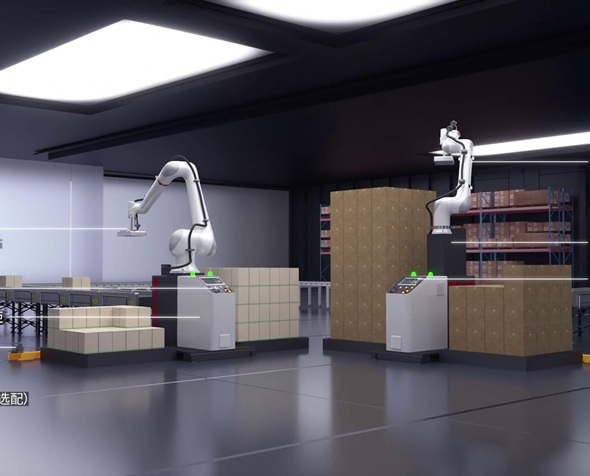
ROKAE Launches 45 kg Intelligent Collaborative Palletizing Workstation
At the beginning of the new year, ROKAE Robotics unveiled its latest innovation, a 45 kg intelligent collaborative palletizing workstation. This advanced system is designed to enhance efficiency and flexibility in industries such as food and beverage, pharmaceuticals, daily chemicals, and new energy. By integrating cutting-edge technology, the workstation aims to streamline palletizing processes on modern production lines, addressing the growing demand for automation in various sectors.
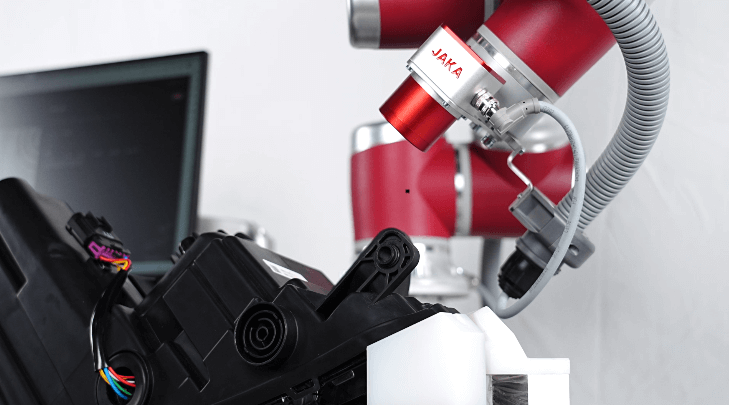
Comparing Cloud-Based and Edge Computing for Robotic Automation Control
JAKA, a leader in collaborative robotic solutions, emphasizes the importance of control system architecture in industrial automation, particularly the choice between cloud-based and edge computing. This decision significantly influences a system's capabilities, response times, and reliability. The company highlights that there is no one-size-fits-all solution; rather, the optimal setup depends on the specific demands of each task. The key distinction between the two computing paradigms lies in data processing locations. Cloud computing centralizes data in remote servers, providing analytical power and scalability for tasks like predictive maintenance and fleet management. In contrast, edge computing processes data locally, reducing latency crucial for real-time operations, especially in safety-sensitive environments where collaborative robots operate alongside humans. JAKA advocates for a hybrid approach that combines both paradigms. Their collaborative robots utilize edge computing for real-time motion control and immediate sensor responses, ensuring high precision and safety. Simultaneously, these robots can stream operational data to the cloud for broader analysis, allowing for continuous improvement without compromising immediate performance. The choice between cloud and edge computing should be based on application specifics. Tasks requiring ultra-low latency favor edge computing, while cloud resources excel in complex data aggregation and non-time-critical processes. JAKA's systems, like the Zu series, are designed for easy integration into either architecture, enabling manufacturers to tailor their setups for optimal performance. Ultimately, JAKA aims to create resilient and intelligent robotic systems that balance real-time autonomy with long-term intelligence, addressing the evolving needs of modern manufacturing.
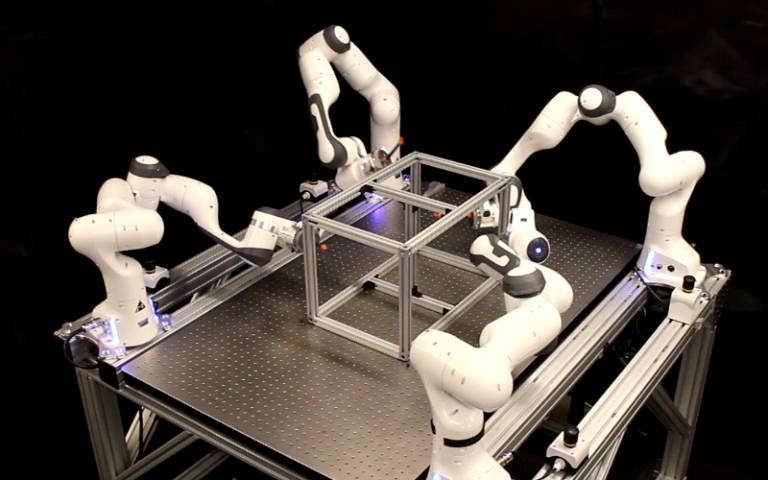
ESTUN and Partners Join Forces in Breakthrough: Successful Deployment of Domestic Robotic Intelligent Loading System!
As industrial automation continues to evolve, many manufacturing enterprises are grappling with the challenges posed by intelligent loading, which has become a significant bottleneck in their operations. The reliance on manual loading processes has resulted in low efficiency, increased injury rates among workers, and heightened environmental concerns. This situation underscores the pressing need for technological innovation in the sector. In response to these challenges, industry leaders are exploring advanced automation solutions to enhance loading efficiency and safety, aiming to transform manufacturing practices by 2024.
ESTUN AUTOMATION ROBOTICS SERVO SYSTEMS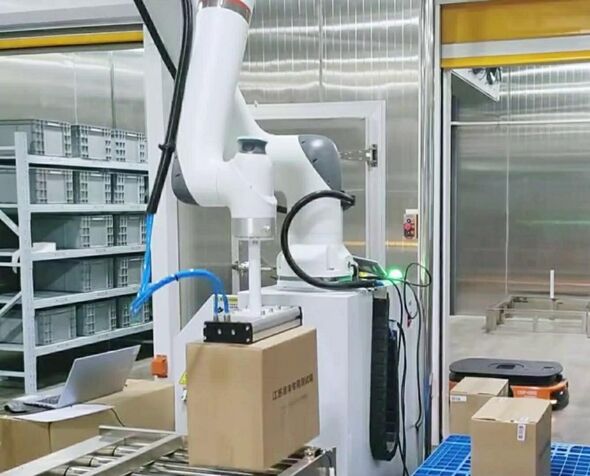
ROKAE Smart Palletizing Cobots Drive Intelligent Manufacturing in Vaccine Production
ROKAE has introduced innovative smart collaborative palletizing robots that are transforming the efficiency, safety, and intelligence of vaccine packaging processes. This initiative showcases the company's zero-programming solutions, which enable manufacturers to implement high-performance automation in demanding environments. By streamlining operations, ROKAE is contributing to a more intelligent and sustainable future in medical manufacturing.
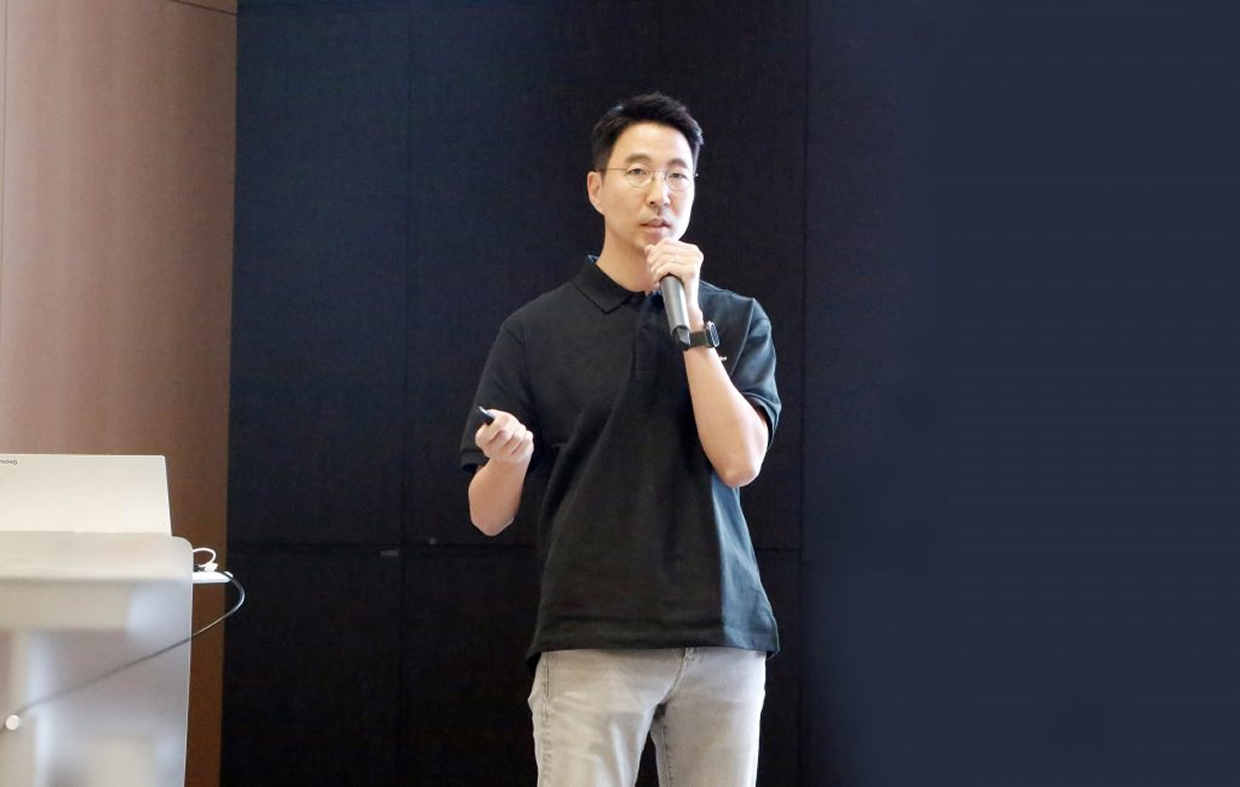
Doosan Robotics Declares AI-Driven Innovation: Launches Intelligent Robot Solutions and Accelerates Humanoid Technology Development
Doosan Robotics has announced a transformative strategy centered on AI innovation, marking 2025 as a key year for the company. During a town hall meeting on April 14 at its Bundang headquarters, CEO Kevin Kim revealed plans to shift from a hardware-focused model to one that emphasizes "intelligent robot solutions." This new approach integrates collaborative robot (cobot) hardware, software, and artificial intelligence into a user-friendly system designed to optimize operational efficiency in various sectors, including logistics and manufacturing. The company aims to launch its intelligent robot solutions for manufacturing automation later this year, with plans to expand into other areas gradually. To support this initiative, Doosan Robotics will kick off a large-scale recruitment campaign on April 21, seeking experienced professionals in robotics, AI, and software development. Additionally, dedicated R&D teams for AI and humanoid technologies will be established by the second half of 2025, alongside the construction of a state-of-the-art Research and Development Center. Doosan Robotics is also committed to advancing "practical humanoids," which are designed to perform complex tasks efficiently. The company is developing key technologies, including multi-arm control and collision avoidance systems, to enhance its robot solutions. With the AI-based robotics market projected to grow significantly, Doosan Robotics is adopting a Blitzscaling strategy to accelerate its market presence and foster a culture of rapid innovation. CEO Kim emphasized the need for technological breakthroughs to differentiate products and deliver greater customer value, while also participating in the K-Humanoid Alliance to strengthen Korea's robotics ecosystem.
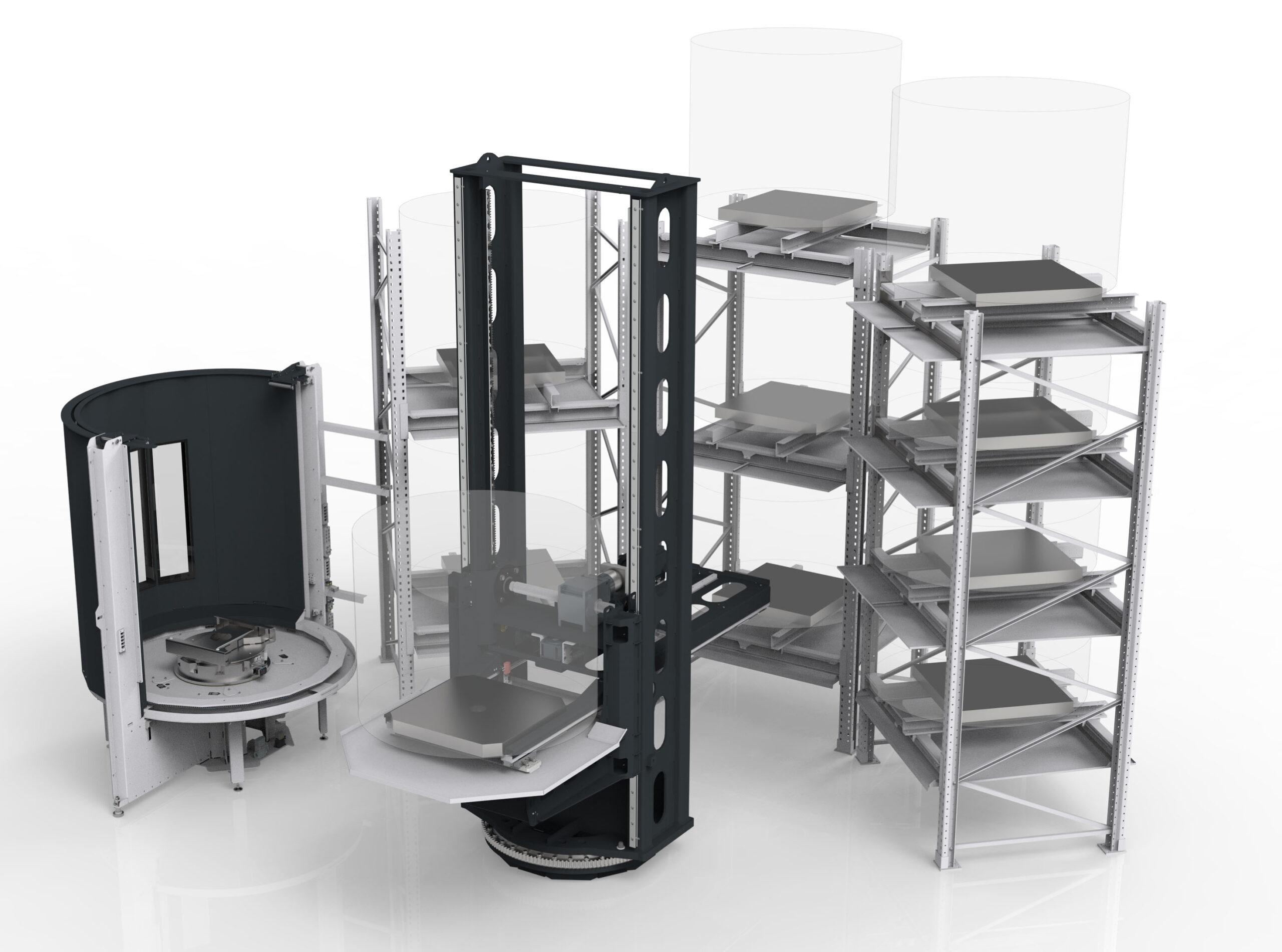
Complete Guide to CNC Pallet Changers in Machining Automation Centers
The manufacturing industry is experiencing increasing pressure to enhance productivity by producing more quickly and with fewer human errors. In response to these challenges, the automation of machining centers is emerging as a documented and effective solution. Central to this transformation are automatic pallet changers and CNC loading systems, which facilitate a seamless transition to more efficient operations. This shift towards automation is detailed in a comprehensive guide featured in Robot Magazine, highlighting the significance of these technologies in modern manufacturing processes.
À la une IA Industrie Robotique automatisation centre d’usinage automatisation CNC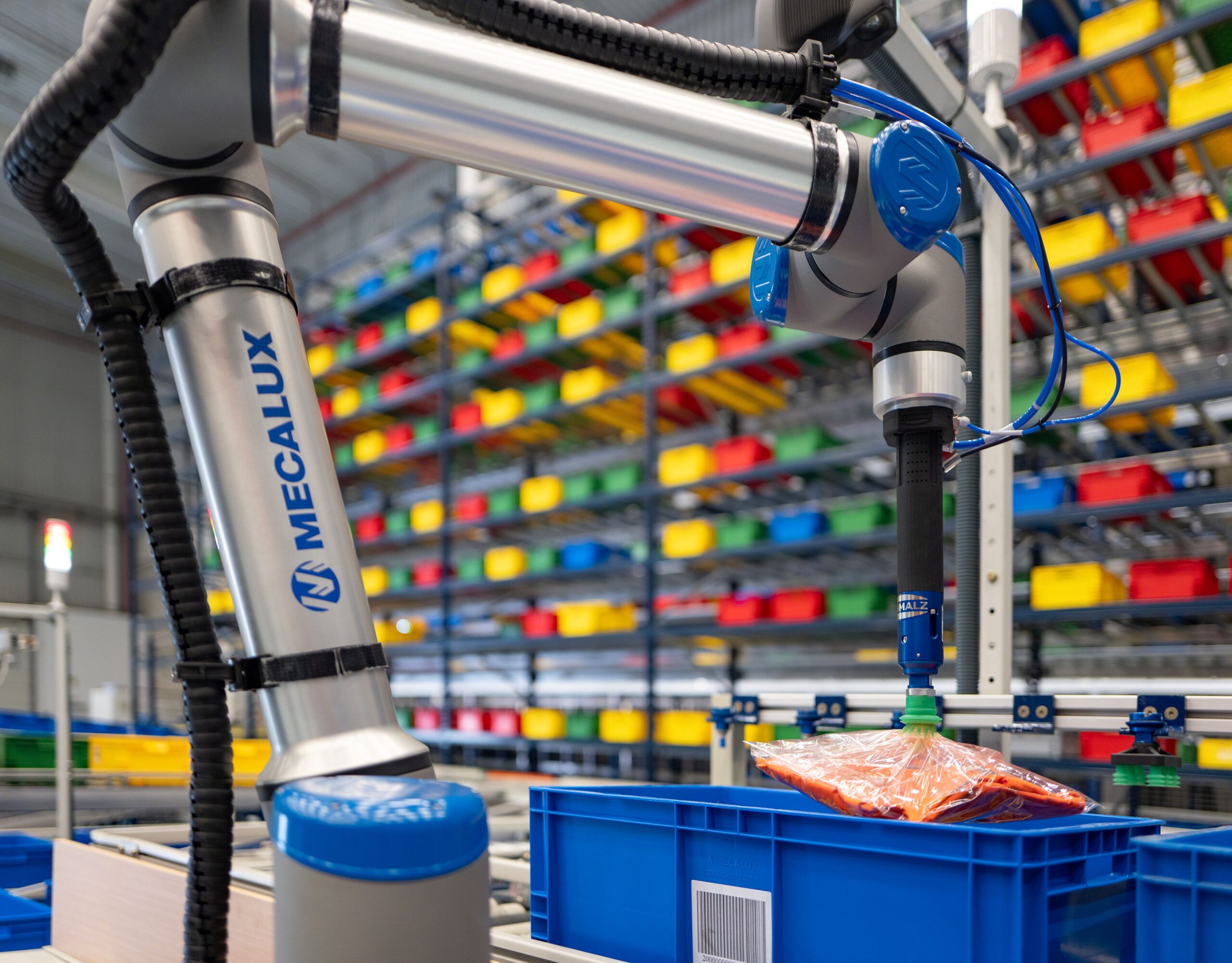
Siemens et la robotique : comment le géant allemand redéfinit l’usine intelligente
Siemens, the German conglomerate established in 1847, is playing a crucial yet often overlooked role in the transformation of industrial factories, particularly in the realm of robotics. While companies like ABB, FANUC, and KUKA are well-known for manufacturing industrial robots, Siemens focuses on redefining smart factories through its innovative technologies. The company does not produce robots directly but contributes significantly to the automation and efficiency of manufacturing processes. This shift towards smarter, more integrated factory systems is reshaping the landscape of industrial robotics, highlighting Siemens' influence in an area typically dominated by traditional robot manufacturers. The insights into Siemens' impact on industrial robotics were discussed in a recent article featured in Robot Magazine.
À la une Actualités IA Industriel Robotique automatisation industrielle.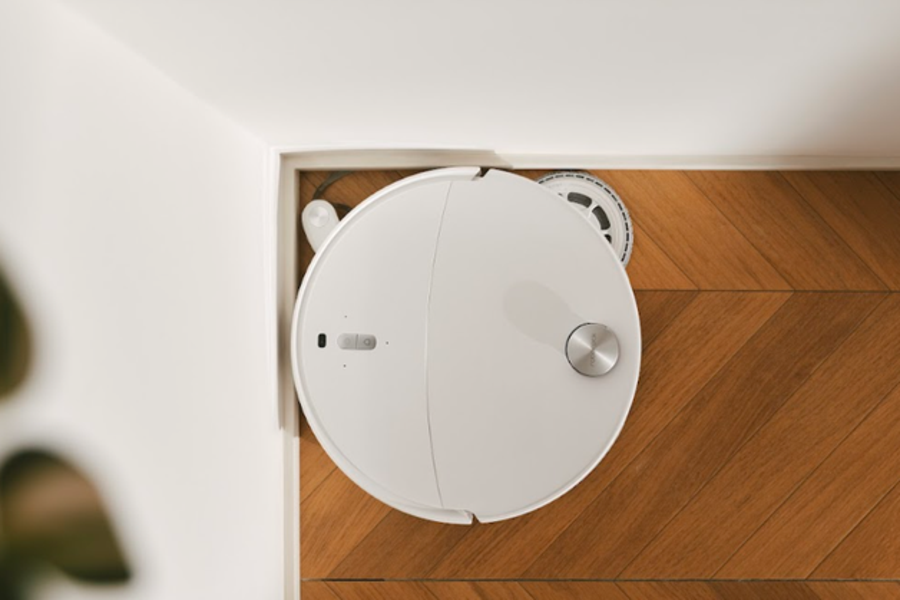
Roborock Launches Qrevo Curv 2 Pro: A Slim and Powerful Masterpiece of Intelligent Cleaning
Roborock has introduced its latest innovation, the Qrevo Curv 2 Pro, a state-of-the-art robot vacuum designed to enhance home cleaning efficiency. This new model boasts an impressive suction power of 25,000 Pa and features an ultra-slim design, allowing it to navigate tight spaces with ease. Launched recently, the Qrevo Curv 2 Pro is equipped with advanced mopping capabilities and utilizes AI-driven obstacle recognition technology, ensuring a thorough and intelligent cleaning experience tailored for modern households. The introduction of this vacuum reflects Roborock's commitment to integrating cutting-edge technology into everyday cleaning solutions, meeting the evolving needs of consumers seeking convenience and effectiveness in home maintenance.
robot vacuum home automation cleaning technology smart home robotics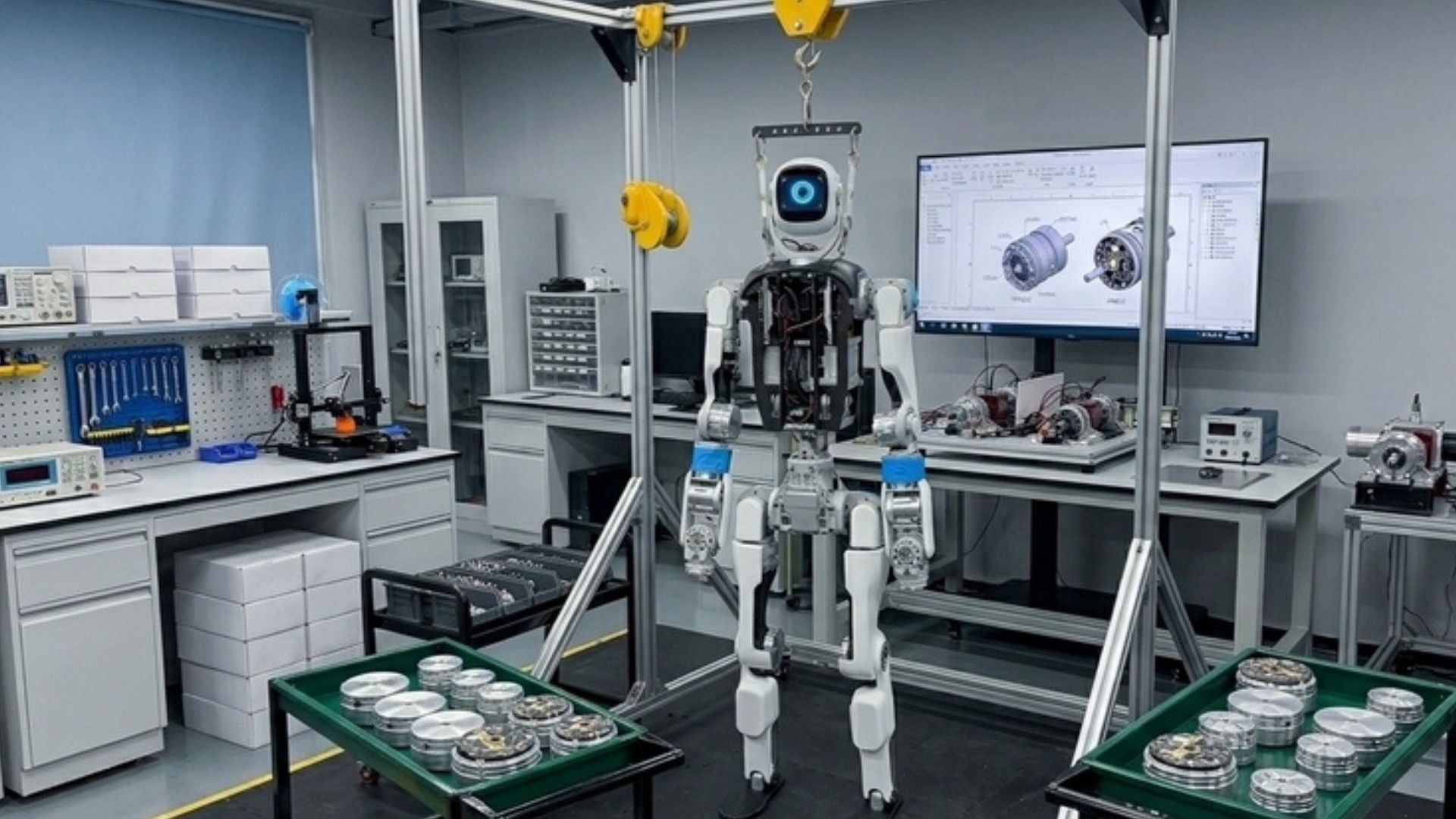
Taiwan’s new ‘intelligent’ humanoid robot combines sensing and adaptive interaction
A Taiwanese company has introduced its first humanoid robot designed to engage in physical interactions with humans. This groundbreaking development was announced during a technology expo held in Taipei on October 15, 2023. The robot, which features advanced artificial intelligence and motion capabilities, aims to enhance human-robot collaboration in various sectors, including healthcare and customer service. The motivation behind this innovation is to address the growing demand for automation and assistance in daily tasks, particularly in environments where human interaction is essential. By utilizing sophisticated sensors and machine learning algorithms, the robot can understand and respond to human gestures and commands, making it a versatile tool for both personal and professional use. The unveiling of this humanoid robot marks a significant milestone in Taiwan's robotics industry, showcasing the nation's commitment to technological advancement and innovation.
AI and Robotics
At Automate, VisionNav Robotics to Showcase Autonomous Material Handling Solutions and Intelligent Vision Technologies
A leading logistics technology company is set to showcase its latest innovations in warehouse automation at an upcoming industry trade show. The event, scheduled for next month in Chicago, will feature the company's autonomous precision stacking solution, designed to enhance efficiency in material handling. Additionally, attendees will have the opportunity to explore the capabilities of a new counterbalance truck, which aims to improve safety and productivity in warehouse operations. The company will also present its advanced warehouse visibility platform, which provides real-time data analytics to optimize inventory management and streamline operations. This initiative reflects the company's commitment to addressing the growing demand for automation and efficiency in the logistics sector, driven by the need for businesses to adapt to rapidly changing market conditions and consumer expectations. By integrating cutting-edge technology into their offerings, the company aims to empower warehouses to operate more effectively and reduce operational costs.
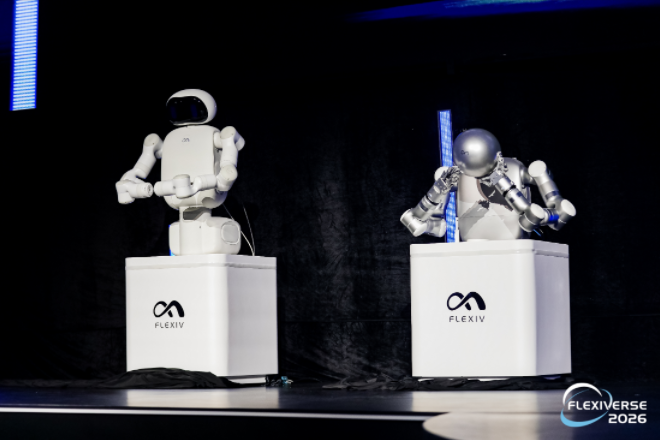
From Humanoid Philosophy to Embodied Intelligent Infrastructure: Analyzing Flexiv's Enlight·MICO Platform Product Logic
Flexiv has unveiled its Enlight series of robotic arms and the MICO dual-arm robot system, marking a notable advancement in the field of robotics. These innovations are designed to enhance adaptability and precision, allowing them to function effectively in unstructured environments. The development of these robotic systems is driven by evolving engineering principles and increasing market demands for versatile automation solutions. As industries seek more efficient and flexible robotic applications, Flexiv's latest offerings aim to meet these needs, showcasing the potential for significant improvements in various operational settings.
Robotics Embodied Intelligence Automation Technology Adaptive Robotics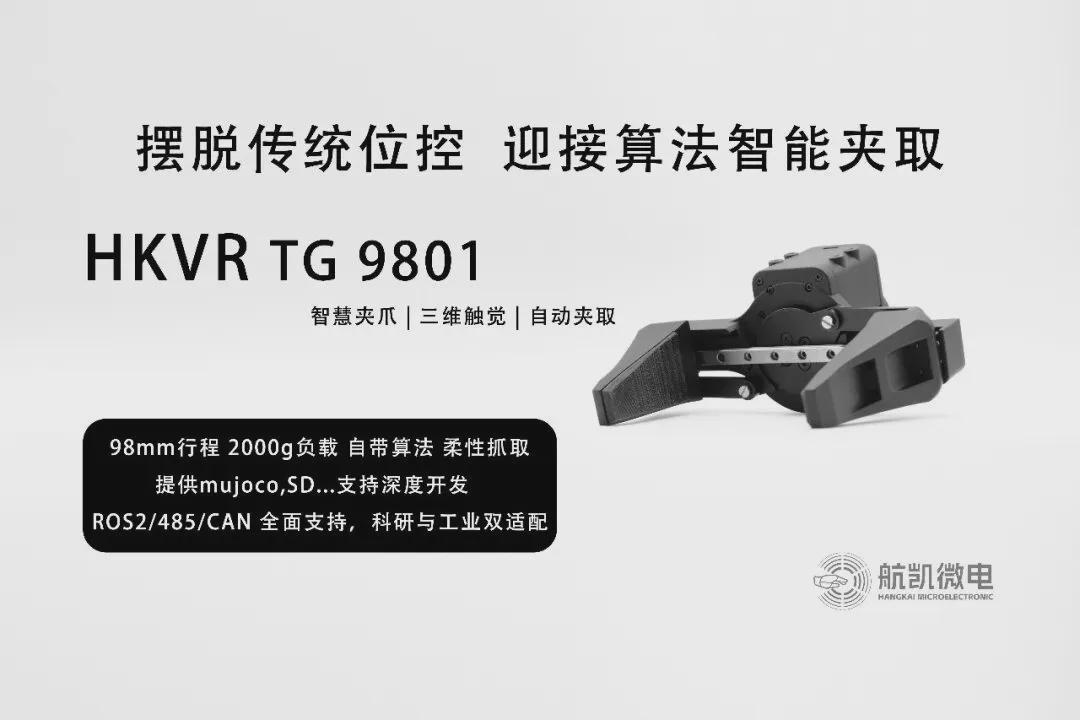
Hangkai Microelectronics TG 9801 Tactile Intelligent Gripper: No Programming Required for Smart Grabbing, Natively Supports ROS2/485/CAN, Versatile for All Scenarios
Suzhou Hangkai Microelectronics has introduced the HKVR TG 9801 tactile adaptive gripper, a cutting-edge solution designed to simplify automation and robotics applications. This innovative gripper eliminates the need for complex programming, allowing for flexible grasping of diverse materials and sizes. The device features native support for ROS2 and various industrial communication protocols, facilitating seamless integration and quick deployment in industrial settings. This advancement aims to enhance operational efficiency and adaptability in automation processes, catering to the growing demand for versatile robotic solutions in various sectors.
Tactile Grippers Robotics Integration Industrial Automation ROS2 Smart Manufacturing
DOBOT x RBTX Partnership Demonstrates New Pathways for Accessible Automation
DOBOT Robotics showcased its innovations at the APEC Policy Partnership on Science, Technology and Innovation (PPSTI) exhibition, which took place from February 2 to 4, 2026, at the Haixinsha All-Space Intelligent Experience Center in Guangzhou, China. The event aimed to foster collaboration and advancements in science and technology among APEC member economies. By participating in this prominent exhibition, DOBOT Robotics sought to highlight its contributions to the field and engage with other leaders in technology and innovation.

KNF Introduces Intelligent Pump Features for Flow, Pressure and Vacuum Control and Versatile Dosing
A new line of pumps has been introduced that can function autonomously or be controlled through analog signals, including control voltage. These advanced pumps are designed to integrate seamlessly into complex systems, supporting modern communication protocols such as UART. This capability allows for enhanced connectivity within smart environments, making them suitable for a variety of applications. The launch of these pumps is expected to improve operational efficiency and adaptability in various industries, reflecting the ongoing trend towards automation and smart technology integration.

REQDGAN‐TUA: A Reflection Equivariant Quantum Graph Attention Framework With Tactical Unit Optimization for Intelligent Fault Diagnosis in Industrial Robotics
A recent study published in the Journal of Field Robotics highlights advancements in robotic technology, focusing on the development of autonomous systems capable of navigating complex environments. Conducted by a team of researchers from various institutions, the study was released in May 2026 and aims to enhance the efficiency and safety of robotic operations in fields such as agriculture, search and rescue, and environmental monitoring. The researchers utilized cutting-edge algorithms and machine learning techniques to enable robots to interpret and respond to dynamic surroundings. This innovation is particularly significant as it addresses the growing demand for automation in sectors where human intervention can be hazardous or inefficient. By testing these autonomous systems in real-world scenarios, the team demonstrated their potential to operate effectively in unpredictable conditions, which could revolutionize how tasks are performed in challenging environments. The findings underscore the importance of continued investment in robotics research to improve safety, productivity, and operational capabilities across various industries. This study not only contributes to the academic field but also has practical implications for industries looking to integrate advanced robotics into their operations, paving the way for a future where robots can work alongside humans more seamlessly.
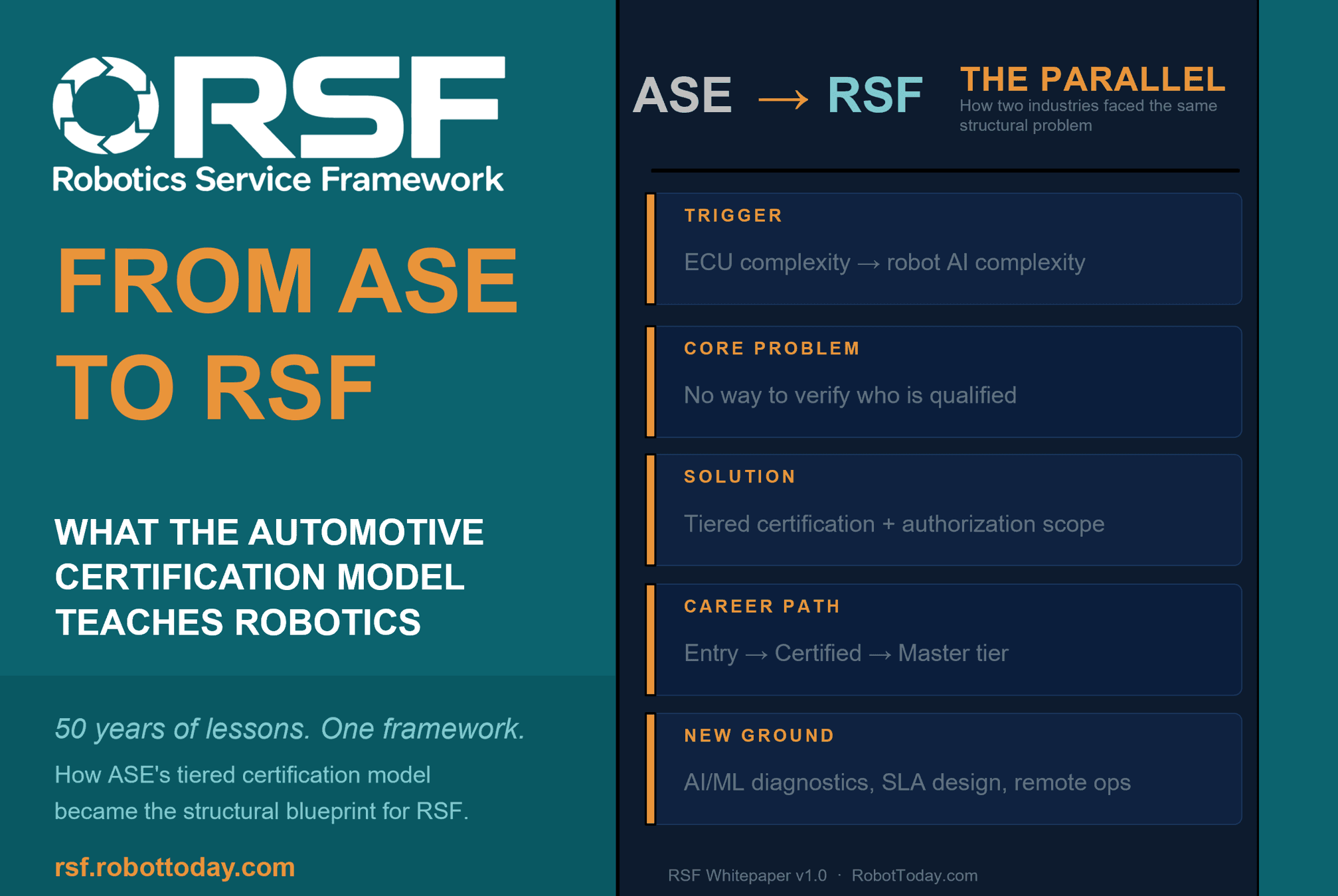
RESEARCH ARTICLERobotics needs a service framework.
RSF defines a common language for robot service capability, lifecycle operations, certification pathways, and service-provider networks.