Industry Briefing
A single destination for timely, editor-curated robotics news from around the world.
Understanding the 'Million Job Gap': New Professions Reflect Industry Needs, Not Easy Employment Solutions
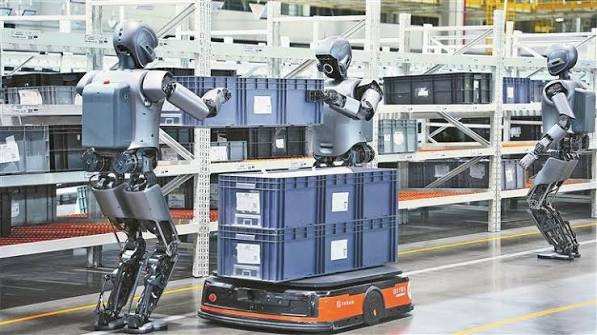
Following the release of the eighth batch of new professions by the Ministry of Human Resources and Social Security, a narrative emerged claiming a 'million job gap' with easy entry into new roles. However, this oversimplifies the reality that these new professions are a result of industrial development rather than immediate employment opportunities. The demand for skilled professionals, particularly in fields like embodied intelligent robotics, is significant, but the majority of positions require specialized training and experience. The introduction of 11 new professions and 23 new job types highlights the shift towards digital, green, and quality service sectors. While the demand for roles such as hydrogen production workers and elderly care designers aligns with national strategies, the actual job market reveals that many of these positions require advanced qualifications. For instance, over 62% of job openings for embodied intelligent application technicians seek candidates with backgrounds in automation, electromechanics, or AI, indicating a gap in truly accessible employment for the average job seeker. As industries evolve, the emergence of new professions reflects the need for skilled labor rather than low-barrier entry points. The training infrastructure is lagging behind the creation of these roles, making it challenging for individuals to transition into these fields. No further timeline was disclosed at the time of publication.
New Professions Job Market Skills Gap Workforce DevelopmentRobotics needs a service framework.
RSF defines a common language for robot service capability, lifecycle operations, certification pathways, and service-provider networks.
Join the RobotToday community on LinkedIn
Daily robotics news, in-depth analysis, conference highlights, and discussions with professionals worldwide.