Industry Briefing
A single destination for timely, editor-curated robotics news from around the world.
Fieldwork Robotics Receives £2.5 Million Investment for Berry Harvesting Automation
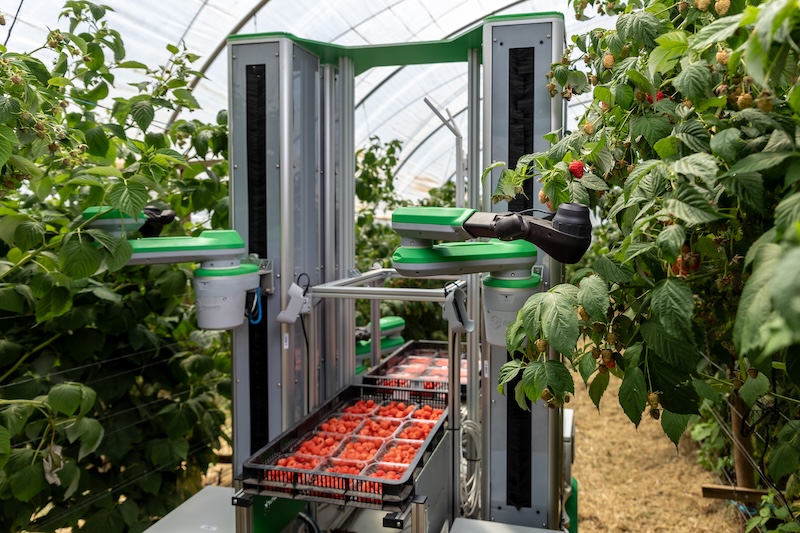
Fieldwork Robotics has secured a £2.5 million investment from SEED Innovations to enhance its selective and modular berry harvesting robots. This funding is part of a Seed+ fundraising initiative announced in April 2026, aimed at addressing labor shortages and rising costs in berry production. The investment will facilitate the transition from technology validation to commercial trials, with production robots already deployed in a two-year program in Norfolk and Stafford. The significance of this investment lies in its potential to alleviate pressing challenges faced by berry growers, including labor shortages and increased harvesting costs. By utilizing autonomous harvesting robots, Fieldwork aims to boost productivity and reduce reliance on seasonal labor, thereby minimizing food waste and stabilizing consumer prices. Jim Mellon, chairman of SEED Innovations, emphasizes the opportunity for robotics and AI to tackle real-world agricultural issues, aligning with Fieldwork's mission to enhance farm efficiency. Looking ahead, Fieldwork Robotics anticipates operating multi-robot fleets on farms by 2027, contingent on the success of ongoing trials. Additionally, the company plans to expand its operations internationally, with trials set to take place in Australia as part of its global growth strategy. No further timeline was disclosed at the time of publication.
Agriculture Financials & Investments agri robotics agricultural robotics agriculture automation
GOFAR brings ag robots to Spain for live field demos
On April 15, the GOFAR Field Day Spain will showcase over 15 agricultural robots in action at John Deere’s Parla Innovation Center, located near Madrid. This event aims to illustrate the transition of robotics from theoretical concepts to practical applications within European agriculture. By demonstrating these advanced technologies in real field conditions, the event seeks to highlight the potential benefits and efficiencies that robotics can bring to farming practices across the continent.
Field robots agricultural robots crop monitoring GOFAR mechanical weeding
Video Friday: Humans and Robots Team Up in Battlefield Triage
IEEE Spectrum robotics has released its latest edition of "Video Friday," showcasing a collection of innovative robotics videos and a calendar of upcoming robotics events. Among the featured highlights is the Lynx M20 quadruped robot, which successfully completed a field test in extreme cold conditions in Yakeshi, Hulunbuir, demonstrating its reliability in temperatures as low as -30°C. Additionally, a teaser video from KIMLAB presents a new teleoperation robot, set against the backdrop of the University of Illinois at Urbana-Champaign's Main Quad, where students enjoy the serene environment. The publication also includes commentary on the practicalities of using humanoid robots for specific tasks, emphasizing that just because a humanoid can perform a task, it does not necessarily mean it should. Other notable mentions include an autonomous urban delivery robot and the development of CLIO, an embodied tour-guide robot created by an undergraduate team at the University of Hong Kong, which utilizes advanced technologies such as large language models and computer vision to enhance visitor experiences. This weekly roundup not only highlights the advancements in robotics but also encourages collaboration and engagement between researchers and the public, reflecting the ongoing evolution of the field.
Robotics Video-friday Darpa Human-robot-interaction Quadruped-robots Humanoid-robots
Norwegian Firm AutoAgri Transitions to Uncrew Robotics, Expanding Global Reach
Norwegian technology company AutoAgri has rebranded as Uncrew Robotics, reflecting its strategic shift towards international markets and a broader product portfolio. The new name emphasizes the company's core capability of enabling unmanned vehicle operations, enhancing safety, efficiency, and reducing costs and emissions. The rebranding comes after over six years of development in autonomous agricultural machinery, with the company now also targeting the defense sector. Uncrew Robotics continues to operate from its facility in Vanvikan, Norway, ensuring close oversight of production while expanding its offerings to include retrofitting traditional vehicles into unmanned platforms. The company’s latest product, the IC12, is a fully electric multipurpose carrier designed for precise agricultural operations. As Uncrew Robotics broadens its focus, industry watchers should note its modular design philosophy and ongoing commitment to innovation in unmanned vehicle technology. No further timeline was disclosed at the time of publication.
Autonomous vehicles autonomous technology electric tractors Multipurpose field robots retrofit kits robotic harvesting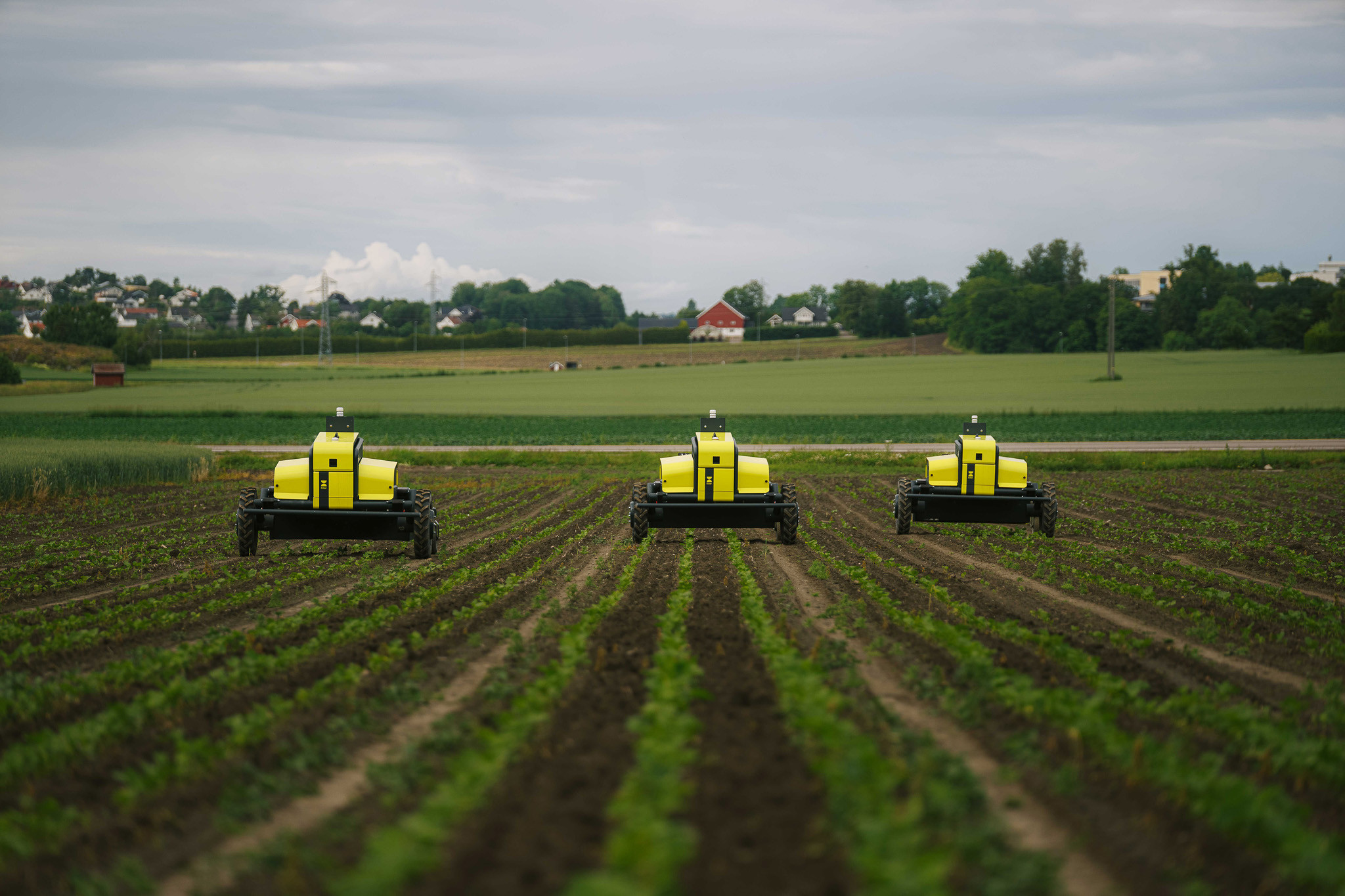
Labour shortages continue to drive demand for field robots
Manufacturers are anticipating continued growth in the global field robot market through 2026, even amid economic challenges facing the agricultural machinery sector. This optimism is largely driven by a persistent shortage of labor, which has heightened the demand for autonomous machines. Additionally, the push for sustainability and the need for more precise crop management are further propelling interest in these technologies. As farmers seek innovative solutions to address these pressing issues, the field robot market is poised to expand significantly in the coming years.
Field robots field robots
A Comprehensive Review of Surface Water Cleaning Robots and Their Future Directions
The Journal of Field Robotics has published an early view article that provides a structured review of surface water cleaning robots. This review highlights various technologies employed in the development of these robots, as well as the implementation challenges faced in real-world applications. Understanding the technologies and challenges associated with surface water cleaning robots is crucial for advancing their effectiveness and adoption. The review discusses the current state of research and identifies gaps that need to be addressed to enhance the performance and reliability of these robotic systems. Looking ahead, the article emphasizes the need for further research to overcome existing challenges and improve the design and functionality of surface water cleaning robots. No further timeline was disclosed at the time of publication.
SURVEY ARTICLE
Agile Multiskill Locomotion Techniques for Quadrupedal Robots in Natural Environments
A recent study published in Science Robotics explores advanced locomotion techniques for quadrupedal robots designed for outdoor environments. The research focuses on developing agile and perceptive multiskill locomotion capabilities that enable these robots to navigate complex terrains effectively. This advancement is significant as it enhances the operational versatility of quadrupedal robots, making them more suitable for various applications in challenging environments. By improving their ability to adapt to different terrains, these robots can be utilized in fields such as search and rescue, environmental monitoring, and exploration. Looking ahead, the implications of this research could lead to further innovations in robotic mobility and autonomy. No further timeline was disclosed at the time of publication.
Research Article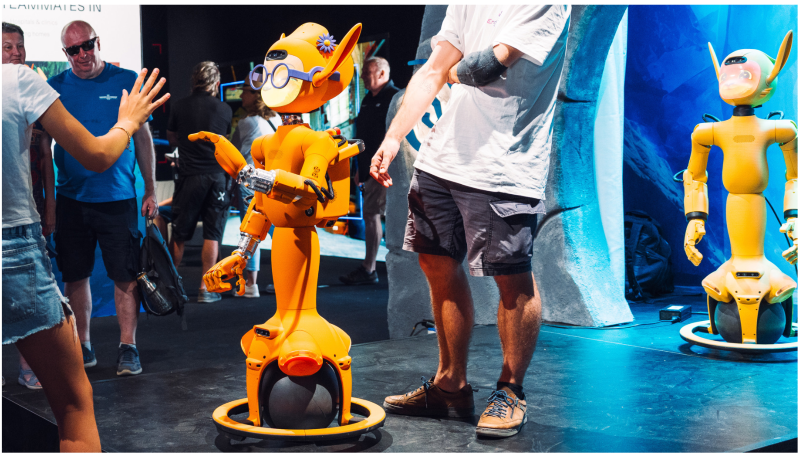
At Goodwood, Robots Explore Their Role in Enhancing Human Experience
At the Goodwood Cricket Ground, a fox-eared robot on roller skates greeted visitors without imitating humans or threatening to replace them, showcasing its unique identity. This event, part of the FOS Future Lab's Intelligent Systems Zone, featured three exhibitors presenting diverse answers to the question of what intelligent machines should do for humanity. One Sheffield startup, led by Raspberry Pi co-founder Liz Upton, demonstrated a method for programming robots using simple English. A robotic arm responded to natural language commands, with COO Eleanor Tang-Smith emphasizing the goal of making robots perform tasks that humans find tedious. Meanwhile, a large screen displayed a real-time reconstruction of Goodwood's famous Taylor Garage, merging digital and physical worlds seamlessly. The fox-eared robotic dogs, designed in Paris, avoided the 'uncanny valley' by engaging with humans through expressive features. They are already in use in hospitals and airports for tasks like transporting and assisting, allowing humans to focus on more urgent matters. The event highlighted three approaches to human-robot interaction, emphasizing the importance of language, vision, and gestures in redefining the interface between humans and machines.
Robotics AI Spatial Computing Human-Robot Interaction
Specialized Robots Enhance Efficiency in Solar Farm Construction and Maintenance
A rising number of robotics companies are developing specialized machines aimed at alleviating labor bottlenecks in solar farm construction and maintenance. These innovations are crucial as they address the unique challenges posed by solar farm terrains, optimizing both construction timelines and operational efficiency. The significance of these advancements lies in their potential to streamline processes and reduce reliance on manual labor, which can be both costly and time-consuming. By integrating specialized robots, companies can enhance productivity and improve safety standards on solar farms, making the sector more sustainable and economically viable. Looking ahead, the continued evolution of robotics in this field will be essential to meet the growing demand for renewable energy solutions. Stakeholders should monitor developments in robot capabilities and their impact on solar farm operations. No further timeline was disclosed at the time of publication.
In-Depth Analysis of Adsorption and Locomotion Codesign for Wall-Climbing Robots
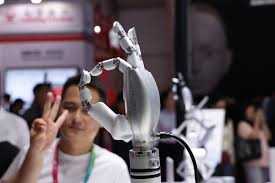
The Journal of Field Robotics has published a comprehensive review focusing on the adsorption-locomotion codesign of wall-climbing robots. This review highlights the intricate relationship between the robots' ability to adhere to surfaces and their locomotion capabilities, which are crucial for performing complex operations on various surfaces. Understanding the codesign of these robots is essential as it directly impacts their efficiency and effectiveness in real-world applications. The review emphasizes the importance of optimizing both adsorption and locomotion to enhance the performance of wall-climbing robots, which are increasingly being utilized in fields such as inspection, maintenance, and exploration. Looking ahead, researchers and developers in the robotics field should pay close attention to advancements in adsorption technologies and locomotion strategies. Continued innovation in these areas could lead to significant improvements in the functionality and versatility of wall-climbing robots. No further timeline was disclosed at the time of publication.
SURVEY ARTICLE
Humanoid Robots Enhance Performance in Real-World Applications with New Testing Metrics
Recent advancements in humanoid robotics have led to the development of new testing methods that evaluate how effectively these robots can handle real-world forces. This shift is significant as humanoid robots transition from novelty items to practical tools in various industries, including manufacturing and logistics, where they perform tasks such as lifting heavy boxes and moving furniture. The importance of this testing lies in its ability to measure the robots' capabilities in dynamic environments, ensuring they can operate safely and efficiently alongside human workers. As these robots take on more demanding roles, understanding their physical interactions with the environment becomes crucial for their integration into workplaces, enhancing productivity and safety. Looking ahead, the continued evolution of testing methodologies will be essential for the deployment of humanoid robots in more complex scenarios. No further timeline was disclosed at the time of publication, but ongoing research is expected to yield more robust performance metrics that will guide future developments in this field.
Robotics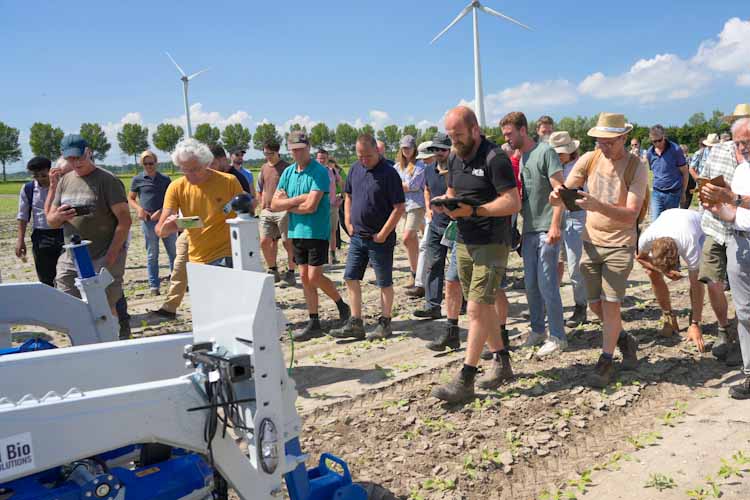
Inside the Dutch organic field day where weeding robots stole the show
Mechanical weeding has entered a new era. At the Dutch Organic FieldDay, visitors no longer questioned whether robots work, but compared how accurately they remove weeds within the crop row. Future Farming visited the demonstrations, where AI-guided hoes, laser weeders and a new hot-water robot highlighted how automation is reshaping organic crop production. Visitors soon […]
Uncategorized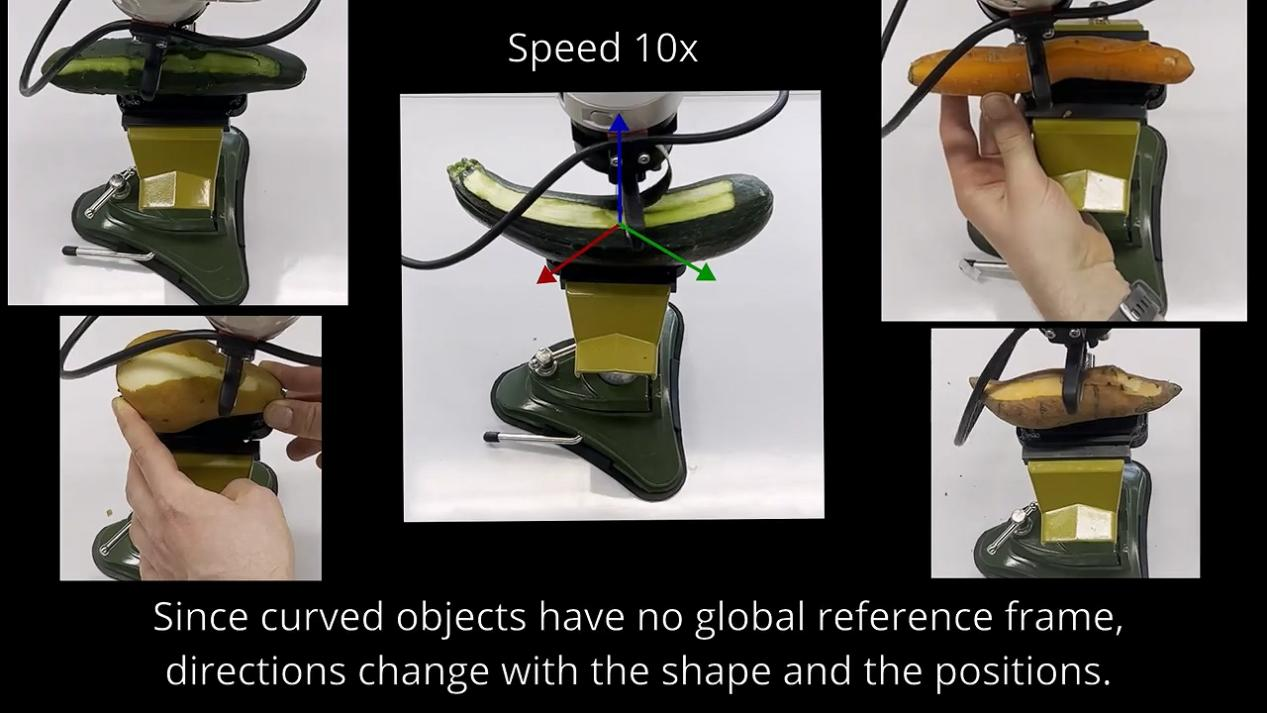
Swiss Team Develops 'Diffused Orientation Fields' to Enable Robots to Manipulate Curved Objects
Researchers from the École Polytechnique Fédérale de Lausanne (EPFL) and the Idiap Research Institute have developed a groundbreaking method known as 'Diffused Orientation Fields' aimed at improving robotic manipulation of complex, curved objects. This advancement, unveiled recently, leverages point cloud data alongside partial differential equations to establish a flexible and smooth coordinate system. As a result, robots can achieve greater dexterity and precision in real-time tasks such as peeling and slicing. This innovation addresses the challenges faced by robots in handling intricate shapes, potentially revolutionizing their application in food preparation and other industries requiring fine motor skills.
Robotics Machine Learning AI Automation Computer Vision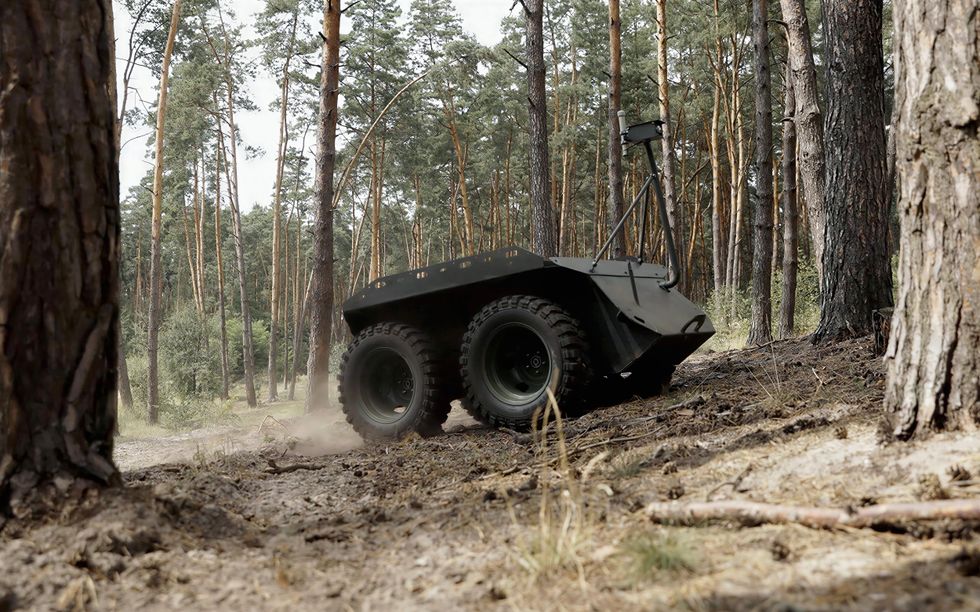
RoverTech's Zmyi Ground Robots Enhance Ukraine's Military Operations with 57 Mission Average
Ukrainian robotics firm RoverTech has developed the Zmyi, a versatile ground robot that has achieved an impressive average of 57 missions in the frontline kill zone. Weighing 800 kilograms and equipped with various configurations for tasks such as demining and combat, the Zmyi is designed to evade detection by enemy drones, making it a critical asset in Ukraine's defense strategy. The significance of the Zmyi lies in its ability to operate effectively in high-risk environments, outperforming typical uncrewed ground vehicles (UGVs) that usually complete only seven missions. This advancement reflects a broader trend in Ukraine's military technology, where UGVs are increasingly replacing traditional armored vehicles due to their lower cost and adaptability for urgent battlefield needs. Looking ahead, Ukraine's President Volodymyr Zelenskyy has ordered the procurement of 50,000 UGVs by the end of 2026, significantly increasing the military's robotic capabilities. As the conflict evolves, the integration of UGVs with aerial reconnaissance is expected to reshape frontline tactics, although no further timeline was disclosed at the time of publication.
Ground-robots Ukraine Unmanned-vehicles Ugvs Sensor-networks
This Ukrainian company is upgrading its battlefield robots like smartphones. Here's how it's chasing the edge in combat.
Ukrainian combat robot manufacturer DevDroid is actively engaged in continuous updates to its technology to remain competitive in the evolving landscape of warfare. The company recognizes the necessity of adapting its robotic systems to meet the demands of modern combat, ensuring that their innovations do not become outdated. This commitment to advancement is crucial as the nature of battlefield technology rapidly changes, driven by both strategic needs and technological advancements. By staying ahead of the curve, DevDroid aims to enhance the effectiveness of its robotic solutions, thereby maintaining its relevance in a highly dynamic military environment.
Military & Defense ukraine ground-robots russia
Photos | Robots, drones and packed fields at Dutch Arable Farming Day
The Arable Farming Day, organized in Lelystad, Flevoland, on May 28, attracted over 1,000 attendees who engaged in various demonstrations, field tours, presentations, and exhibitor displays. The event, held under sunny skies, showcased a diverse array of agricultural practices, drawing significant interest from visitors. Organizers expressed satisfaction with the turnout and the positive feedback received, highlighting the importance of such events in promoting advancements in arable farming.
Uncategorized
Annual Production of 25 Million Real Machine Data: This Company is Building a 'Data Oilfield' for Humanoid Robots
Yushu Technology is tackling the pressing issue of inadequate high-quality data in the humanoid robot industry by creating extensive real data sets and automated labeling systems. This initiative, aimed at enhancing data collection processes, is set to transform the landscape of humanoid robot intelligence. By establishing innovative training grounds, Yushu Technology seeks to expedite the development and sophistication of humanoid robots, ultimately contributing to advancements in artificial intelligence. The company's efforts are crucial in addressing the current limitations faced by the sector, which relies heavily on robust data for training and improving robotic capabilities.
Humanoid Robots Data Collection AI Machine Learning Robotics Infrastructure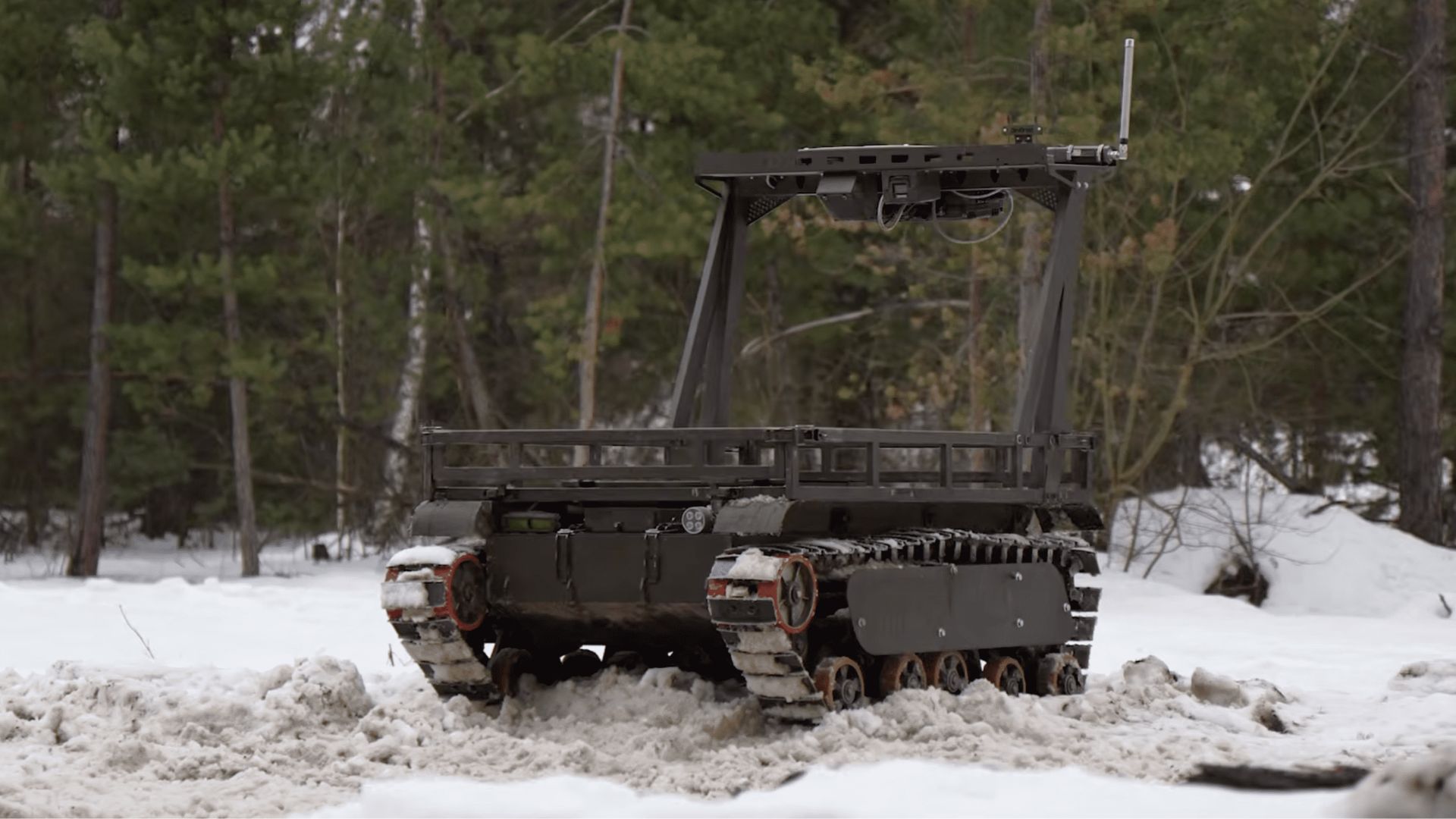
25,000 ground robots in battlefield planned by Ukraine for frontline logistics
Ukraine’s Defense Ministry is advancing its military capabilities by planning to acquire 25,000 unmanned aerial vehicles (UAVs) as part of its strategy for fully autonomous warfare. This initiative reflects the country's ongoing efforts to enhance its defense systems amid the ongoing conflict with Russia. The procurement aims to bolster Ukraine's operational effectiveness and adapt to modern warfare demands. The announcement comes as Ukraine seeks to leverage technology to gain a strategic advantage on the battlefield. The integration of these UAVs is expected to occur over the coming months, marking a significant step in the evolution of Ukraine's military tactics.

Visual 3D Spatiotemporal Fields‐Driven Obstacle Avoidance Using Model Predictive Control for Nursing Robots in Unstructured Environments
A recent study published in the Journal of Field Robotics highlights advancements in robotic technology aimed at enhancing agricultural efficiency. Researchers from various institutions collaborated to develop a new autonomous robot capable of performing tasks such as planting, weeding, and harvesting crops. This innovative technology was tested in fields across California during the summer of 2023, showcasing its potential to significantly reduce labor costs and increase productivity for farmers. The motivation behind this development stems from the growing demand for sustainable farming practices and the need to address labor shortages in the agricultural sector. By integrating advanced sensors and machine learning algorithms, the robot can navigate complex field environments and make real-time decisions, improving its operational effectiveness. The study emphasizes the importance of robotics in modern agriculture, particularly as the industry faces challenges related to climate change and food security. The researchers believe that widespread adoption of such technology could lead to more efficient resource use and a reduction in the environmental impact of farming practices. As the agricultural landscape continues to evolve, this breakthrough represents a significant step toward the future of farming, where robotics play a crucial role in meeting global food demands.
RESEARCH ARTICLE
Japan Pioneered Humanoid Robots—Can It Now Catch China?
“In the future, the relationship between humans and robots will deepen, and the distinction between them will probably disappear.” This prediction, from one of the attendees at the recent Humanoids Summit in Tokyo, might have been unremarkable had it not come directly from an android that was first introduced to the world 20 years ago. Geminoid HI-6 is the sixth-generation of a robot originally designed in 2006. The mechanical twin of Osaka University professor Hiroshi Ishiguro, Geminoid HI-6 is now equipped with a large language model trained on Ishiguro’s own writings and interviews. It has advanced conversational skills and can even have a chat with its creator, an eerie spectacle. But at the Humanoids Summit, Geminoid was one of the few humanoid robots from Japan, the country that pioneered the form factor.While the event in Tokyo only had about 40 robots on display, Chinese systems outnumbered Japanese by roughly three to one. Some Japanese robotics firms were even using Chinese robots in their own technology demonstrations, something that would have been unthinkable in the recent past—one Japanese engineer described the situation as “sad.” The conference was a stark reminder of how Japan has ceded its early lead in humanoid robot development to overseas competitors, and the challenge it now faces to secure a place in an ecosystem increasingly dominated by general-purpose robots powered by AI. Twenty-five years ago, Japan was turning out groundbreaking humanoids that were showstopping in their abilities, but they were not commercialized as practical machines in any meaningful way. Heavily influenced by science fiction and lacking practical applications, they were mostly expensive technology demonstrations that were eventually mothballed. What Japan retains, however, is robotics design and know-how, which it must leverage to be a key player in the rapidly evolving humanoid ecosystem. Learning to Walk—Then Standing StillTo anyone who has seen recent videos of Chinese humanoids doing kung-fu and synchronized acrobatics, as well as half-marathon races, China’s remarkable progress in the field is nothing new. At the Humanoids Summit, Toyota showed a video of its latest basketball-playing robot, and Honda exhibited its latest robot hand, but the full-scale humanoids on the floor were mostly Chinese–the kid-size K1 machines from Booster Robotics of Beijing were dancing to Michael Jackson tunes. The full-scale G1 humanoid from Unitree Robotics of Hangzhou was also doing demos. “You cannot sell these bipedal systems in Japan for safety and compliance reasons,” says Shuichi Nagao, a frequent visitor to China as CTO of Omakase Robotics, a division of Zeals, a Japanese humanoid robot developer. Omakase was exhibiting a G1 modified with an external PC controller, a dextrous hand, a suction-cup manipulator and a sensor “hat” with an extra speaker, mic and camera. “In China, the government is pushing humanoid development. They didn’t have an industry 20 years ago. The people pushing it are young, in their 20s and 30s. It’s a really different mentality out there,” says Nagao. “Big players in Japan are still looking for use cases for humanoids. In China, they’re already doing mass production and reducing the cost, so other countries can’t compete with them anymore.”Another Japanese company showing off G1 bots was summit sponsor GMO AI & Robotics, a subsidiary of Japanese internet company GMO. It’s using the robots in partnership with Japan Airlines to load and unload cargo containers at Tokyo’s Haneda airport. The cargo project is a trial—like many other humanoid experiments—but the fact that Chinese machines have penetrated so far into Japan’s ecosystem upends a long history. In 1973, scientists at Waseda University in Tokyo built WABOT-1, considered the first full-scale humanoid robot and capable of slow bipedal locomotion, grasping objects and simple communication. It inspired Honda’s groundbreaking Asimo humanoid, but it was never commercialized. Asimo was eventually retired in 2022, the year ChatGPT was released. Two years later, Unitree’s G1 went on sale for US $16,000. China’s High Torque Technology Co. showed off its Mini Pi biped, customized with an anime-inspired head, at Humanoids Summit in Tokyo. The regular version is priced at $3,500. Tim HornyakSupply and DemandJapan’s development of humanoids happened before practical applications or widespread demand were in place, but bad timing is only part of the story—Japan also has a history of developing technologies that might appeal to domestic consumers but not necessarily those overseas. For example, decades after they first appeared, its highly engineered, multifunction toilets have only recently found a following abroad. Japan’s humanoid prowess was partly built on the back of its legendary industrial automation, yet even that stronghold has eroded. Ani Kelkar, a partner from McKinsey & Company in Boston who produces analytical reports about the robotics industry, told the summit audience that while Japan occupied the top spot in the world in manufacturing robot density (the number of multipurpose industrial robots in operation per 10,000 employees) from at least 1994 to 2009, it then slipped to second in 2014, third in 2019 and fifth in 2024. In that year, South Korea was at the top of the leaderboard with a robot density of 1,220 compared to Japan’s 446. The International Federation of Robotics estimates China now has the most operational industrial robots in the world, with around 2 million total units, approximately 4.5 times more than Japan. “The annual installation numbers are impressive too: 54 percent of all robots installed worldwide in 2024 were deployed in China,” the IFR said in a release in April 2026. “I think the loss of Japanese leadership is more to do with the rise of China as a manufacturing powerhouse including for sectors that Japan had high export levels,” Kelkar said in an email interview. “The recovery has not yet happened as Japan ‘missed’ the rapid acceleration in AI for robotics and is now playing catchup.”How Japan Can Adapt Kelkar believes Japan has a US $100 billion opportunity in general-purpose robotics, which are machines that can perform a wide variety of tasks, and it cannot rely on the slower-growing industrial robot market, which is centered on factory machines that do one simple and predictable task like welding car parts. He points to a McKinsey white paper suggesting that while Japan has much of the hardware and technology experience needed to support general purpose robot development, it must change its strategy to capture more share in AI, software, data collection and robotics platforms.Tetsuya Ogata is a professor of engineering and director of the Institute for AI and Robotics at Waseda University, the birthplace of humanoids in Japan. He briefed the summit on how a nonprofit he chairs, the AI Robot Association (AIRoA), is working with Toyota and other members to develop foundational technologies for collaborative use. For instance, AIRoA has collected some 80,000 hours of data on remote operation of mobile manipulators, and Ogata believes it’s the largest dataset of its kind. Using the data, it built and verified Vision-Language-Action (VLA) models, and it has also started data collection for dual-arm mobile manipulation. In an interview, Ogata acknowledged Japan’s struggle to find its place in the changing landscape. “The world of AI is inherently a game of scale,” says Ogata. “Therefore, Japan’s absolute prerequisite is to secure a competitive baseline of scale—in data, computing resources, and talent. Beyond that, what I consider most critical is a mindset shift: rather than trying to hoard scale within a single nation or company, we must grow stronger by collaborating with a diverse ecosystem of domestic and international players.” Specifically, this means creating a ‘collaborative domain’ to address data—the single biggest bottleneck—through industry-wide cooperation rather than data-siloing. By collectively nurturing a pre-competitive, shared data infrastructure and foundation model, individual companies can then compete on top of it with their own applications. “By offering this open ‘data ecosystem’ to the world, we can engage global players and establish a ‘third pole’ alongside the US and China,” says Ogata. “I believe this is how Japan can reclaim its global presence.”In 1999, Japan introduced the world’s first mobile internet services platform. But being first didn’t turn Japan into a smartphone manufacturing or design center—it’s now merely a supplier of parts to other countries who are leading the smartphone industry. If Japan can avoid a repeat of that experience and successfully deregulate, diversity, and commercialize its original humanoid dreams, it stands a better chance of influencing the direction of the industry and reaping billions in value. As automobiles and electronics were pillars of Japan’s industrial strategy in the last century, Japan could make humanoid robots one of its key value generators in the 21st century, an approach that would not only deliver economic benefits but give Japan greater clout in how the industry will evolve. Just like Japanese cars, electronics, and even toilets, Japanese humanoids could stand for craftsmanship and reliability. It’s a legacy that Japan can’t afford to give up.
Japan Robotics Humanoids Humanoid-robots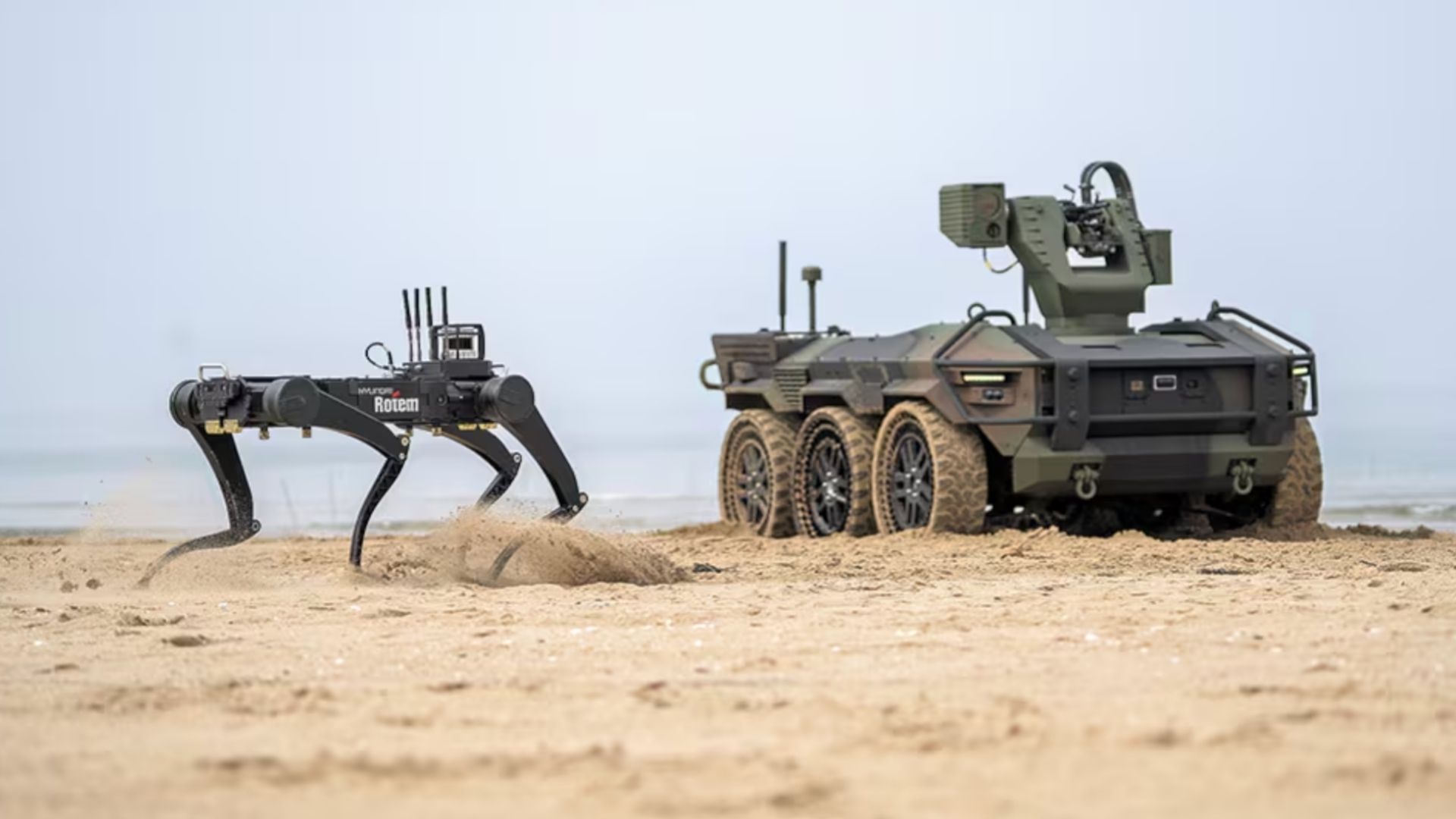
South Korea backs autonomous military robots with digital twin battlefield simulator
South Korea has chosen NC AI, a gaming and artificial intelligence company, along with defense manufacturer Hyundai Rotem, to develop advanced military training systems. This initiative, announced recently, aims to enhance the country's defense capabilities through innovative technology. The collaboration will focus on creating realistic simulations and training environments for military personnel, leveraging NC AI's expertise in AI and gaming technology. The project is part of South Korea's broader strategy to modernize its military and improve operational readiness in response to evolving security challenges in the region. The development is expected to take place over the next few years, with the goal of integrating cutting-edge technology into military training programs.

Figure Taps Brookfield's Global Real Estate Portfolio to Scale AI Training
Figure, a humanoid robotics company, has formed a strategic partnership with asset management firm Brookfield. This collaboration will provide Figure with access to an extensive portfolio of real estate, enabling the company to develop a significant real-world training dataset for its Helix AI model. The partnership aims to expedite the commercial deployment of Figure's robotics technology. By leveraging Brookfield's diverse properties, Figure seeks to enhance the capabilities of its AI, ultimately advancing the integration of humanoid robots into various sectors.
Brett Adcock Figure brookfield helix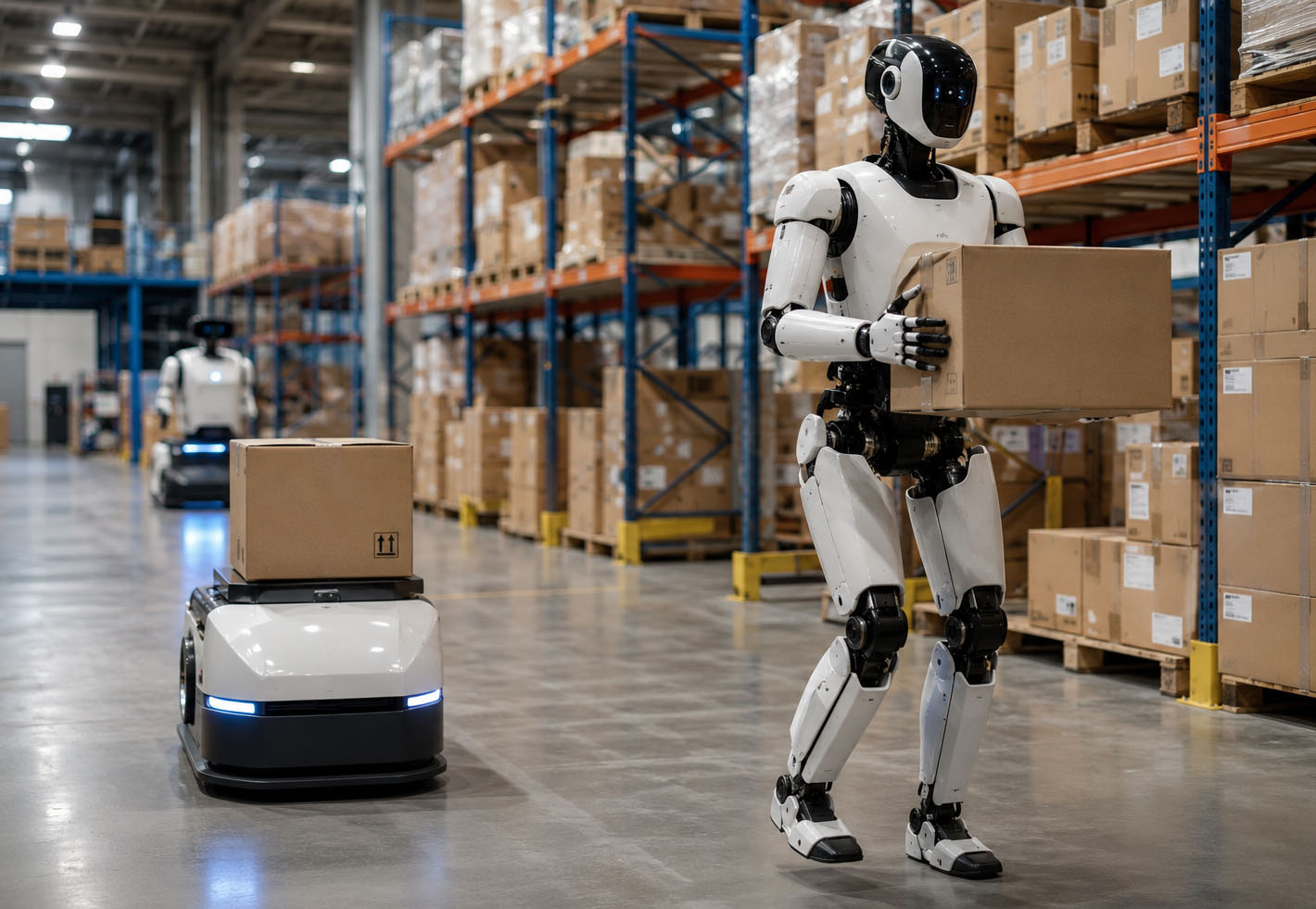
NVIDIA Halos for Robotics: A New Era for Industrial Robot Safety
Recent advancements in industrial robotics have marked a significant milestone in the integration of physical artificial intelligence. Over the past few years, the field has experienced unprecedented growth, evolving beyond mere data analysis and text generation. Now, AI technology is enabling machines to perceive their surroundings, make real-time decisions, and interact directly with their environment. This evolution is exemplified by NVIDIA's latest innovations, which are set to enhance the safety and functionality of industrial robots. As these developments unfold, the landscape of robotics is transforming, paving the way for smarter and more autonomous machines in various industries.
À la une IA Industrie Robotique automatisation industrielle. cobot industriel
NVIDIA's Halos for Robotics: A New Era for Industrial Robot Safety
Recent advancements in industrial robotics have marked a significant milestone in the integration of physical artificial intelligence. Over the past few years, the field has experienced unprecedented growth, with AI evolving beyond mere data analysis and text generation. Now, machines equipped with this technology can perceive their surroundings, make real-time decisions, and interact directly with their environment. This transformation is highlighted in a recent article discussing NVIDIA's Halos for Robotics, which emphasizes the new era of safety in industrial robots. The developments signal a shift in how robots operate, enhancing their capabilities and effectiveness in various industrial applications.
À la une IA Industrie Robotique automatisation industrielle. cobot industriel
Interview with Sharpa’s Alicia Veneziani: ‘Dexterous manipulation is the key to useful humanoid robots’
Recent advancements in humanoid robotics have captivated audiences with remarkable demonstrations of walking, running, jumping, and balancing. However, experts in the field caution that while locomotion is a significant aspect, it is not the only challenge facing the development of practical humanoid robots. Many robotics specialists emphasize that the greater hurdle lies in replicating human-like cognitive abilities and social interactions, which are essential for these machines to be genuinely useful in everyday environments. As researchers continue to push the boundaries of technology, the focus is shifting towards enhancing the cognitive and emotional intelligence of robots, which could ultimately determine their effectiveness in real-world applications.
Design Features Humanoids ai robotics Alicia Veneziani automation news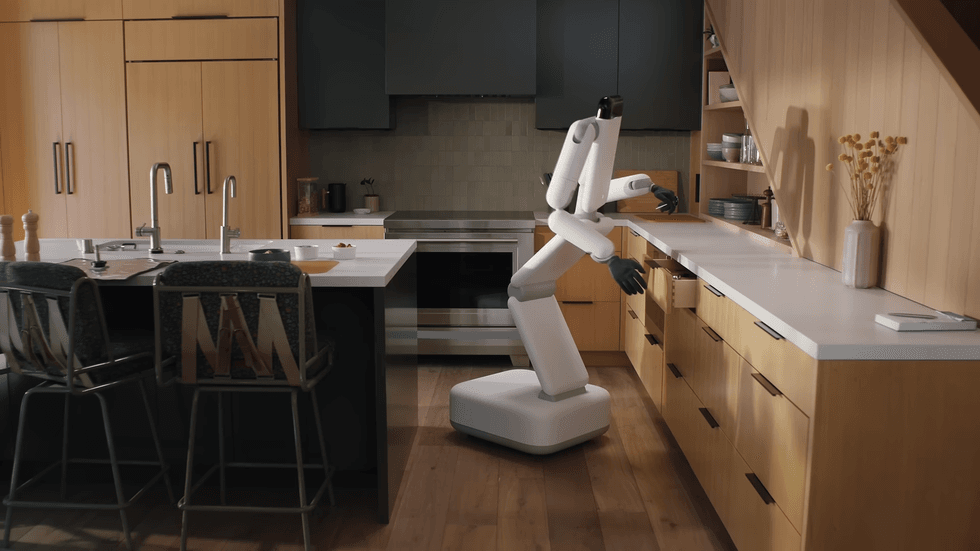
Video Friday: Do Robots Even Need Legs?
In the latest edition of Video Friday, IEEE Spectrum robotics showcases a variety of innovative robotics videos and announces upcoming events in the field. Notable events include RSS 2026 scheduled for July 13-17 in Sydney, the Summer School on Multi-Robot Systems from July 29 to August 4 in Prague, Actuate 2026 on August 18-19 in San Francisco, and IROS 2026 from September 27 to October 1 in Pittsburgh. Among the featured projects, Eno, an advanced AI and general-purpose robot developed by Genesis, exemplifies a new generation of robots designed to enhance human capabilities. Meanwhile, NASA's Jet Propulsion Laboratory is testing the ERNEST rover in California's Colorado Desert, which is being developed for future lunar missions and can operate autonomously over challenging terrain. Sony AI's Ace project demonstrates a robotic system capable of adapting to unpredictable scenarios in table tennis, while ANYbotics highlights the economic benefits of their quadruped robots in industrial inspections, preventing significant production losses. GITAI is preparing for a robotic satellite servicing demo, and Bi-AQUA is exploring underwater photography challenges for robots. Sanctuary AI has achieved impressive results in wire plugging tasks for a major automotive supplier, showcasing a success rate exceeding 99.5%. Additionally, various other robotics projects are highlighted, including a bipedal robot named GrowBot, which operates on a low-cost Raspberry Pi and aims to make physical AI accessible to a broader audience.
Video-friday Robot-videos Lunar-rover Inspection-robots Robot-hands Robot-ai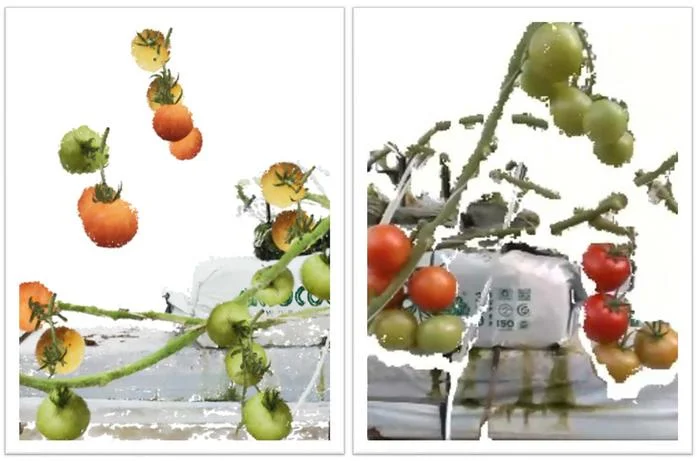
Researchers Develop Method To Train Ag AI Robots with Virtual Tomatos
Researchers at Osaka Metropolitan University have introduced a groundbreaking method for creating synthetic training data aimed at enhancing agricultural AI systems. This innovative approach utilizes realistic virtual tomato farms, addressing a significant challenge in the development of autonomous harvesting robots. The findings of this study, published in the journal Smart Agricultural Technology, highlight the potential of virtual environments to effectively train AI models. By simulating diverse farming scenarios, the researchers aim to improve the efficiency and accuracy of AI systems in agricultural applications, ultimately paving the way for more advanced robotic solutions in the field.
AI AI Research & Advances Robotics agriculture AI autonomous harvesting robots Osaka Metropolitan University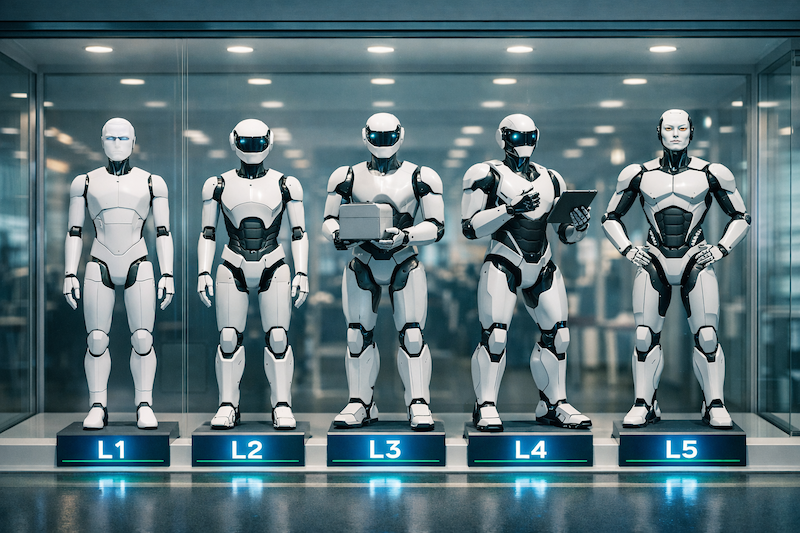
China to assign digital ID numbers to humanoid robots for lifecycle tracking
China is set to implement a national digital identification system for humanoid robots, aiming to enhance safety monitoring and standardize management within the burgeoning sector. As reported by state broadcaster CCTV, this initiative will involve assigning unique digital identity numbers to humanoid robots, tracking them throughout their entire lifecycle—from manufacturing and deployment to recycling and disposal. The move is part of broader efforts by authorities to address safety risks associated with the increasing use of humanoid robots in various applications. By establishing a comprehensive identification system, China seeks to ensure better oversight and regulation in a field that is rapidly evolving.
Humanoids News agibot AI regulation automation news Autonomous robots
The Future of Physical AI Isn’t Smarter Robots, It’s Smarter Interfaces
Wetour Robotics is pioneering a new approach to human-machine interaction with its innovative concept of Spatial Intent Fusion, which aims to enhance how people communicate with connected devices. This initiative comes in response to the limitations of traditional input methods—screens, buttons, and voice commands—that often fail in dynamic environments where users' hands are occupied or speech is impractical. The company, which has made significant strides in the field of Physical AI over the past three years, emphasizes the need to integrate human intent into the computing loop as seamlessly as the robots already operate. By utilizing a portable intelligent hub called Orchestra, Wetour Robotics processes multiple streams of human-centered information—spatial position, visual context, and gestural intent—into real-time commands for various devices. Orchestra operates on the NVIDIA Jetson Orin Nano Super platform, ensuring low-latency performance without relying on cloud processing. The system includes advanced features such as pre-motion intent sensing, which allows it to anticipate user actions based on biosignal data. Wetour Robotics acknowledges ongoing challenges, such as maintaining signal stability during movement and integrating diverse device protocols. However, the company believes that treating the human body as an active participant in the computing network will not only improve individual user experiences but also provide valuable data for the development of future AI technologies. This initiative represents a significant step forward in bridging the gap between human and robotic capabilities, ultimately enhancing the broader Physical AI ecosystem.
Interfaces Physical-ai Robot-hardware Smarter-robots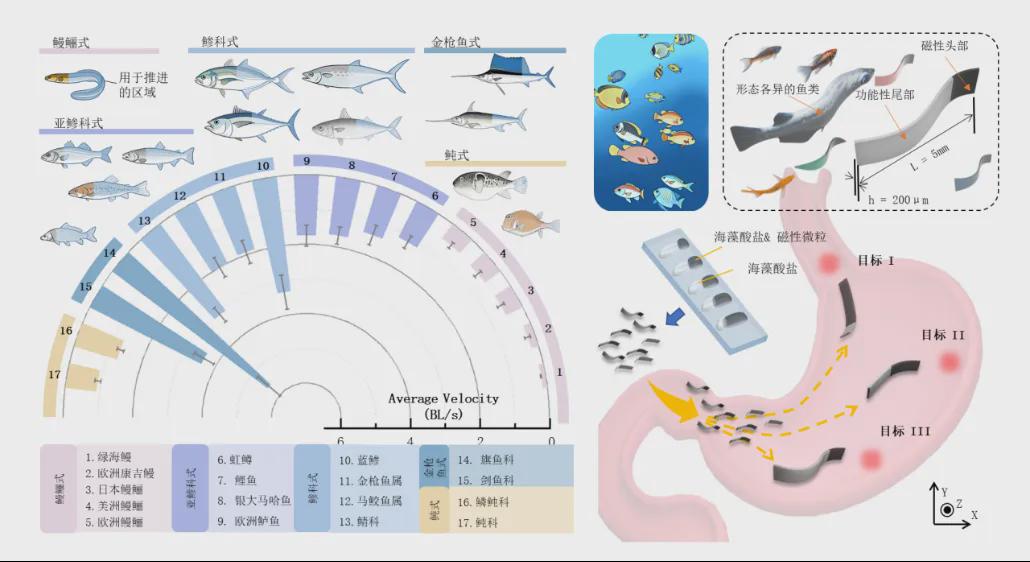
Inspired by Fish Diversity: Beijing Institute of Technology Team Develops Morphology-Encoded Soft Microrobots
A research team at the Beijing Institute of Technology has unveiled a groundbreaking system of soft microrobots that mimic the various swimming styles of fish. This innovative development allows for the selective control of the robots by adjusting their body proportions within a uniform magnetic field. The advancements in this technology hold significant promise for future applications in the biomedical field, potentially enhancing medical procedures and therapies.
Soft Robotics Biomedical Engineering Microrobots Control Systems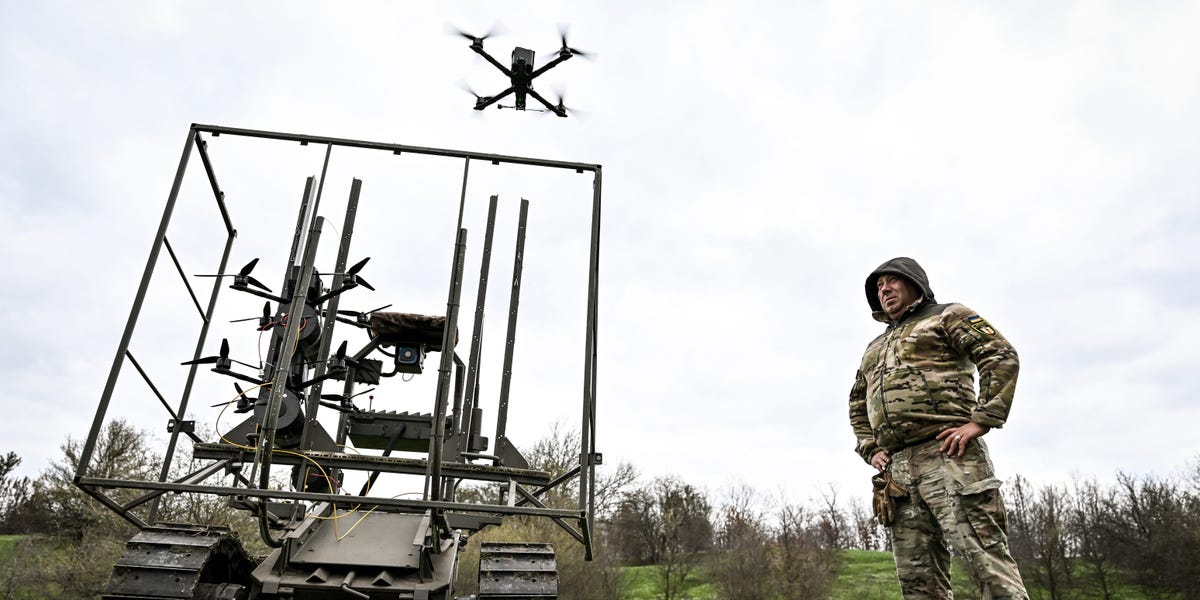
Ukraine is teaming up its war robots with flying drones for maximum effect in battle
Ukraine is enhancing its military capabilities through the integration of a diverse fleet of ground robots and flying drones. This innovative approach, which combines the unique strengths of both technologies, is proving to be a game-changer on the battlefield. As of October 2023, the Ukrainian forces are increasingly leveraging these advanced systems to improve operational efficiency and effectiveness in various combat scenarios. The strategic use of these unmanned vehicles aims to bolster Ukraine's defense efforts amid ongoing conflicts, showcasing the country's commitment to modernizing its military assets and adapting to the evolving nature of warfare.
Military & Defense ukraine ground-robots drones drone-warfare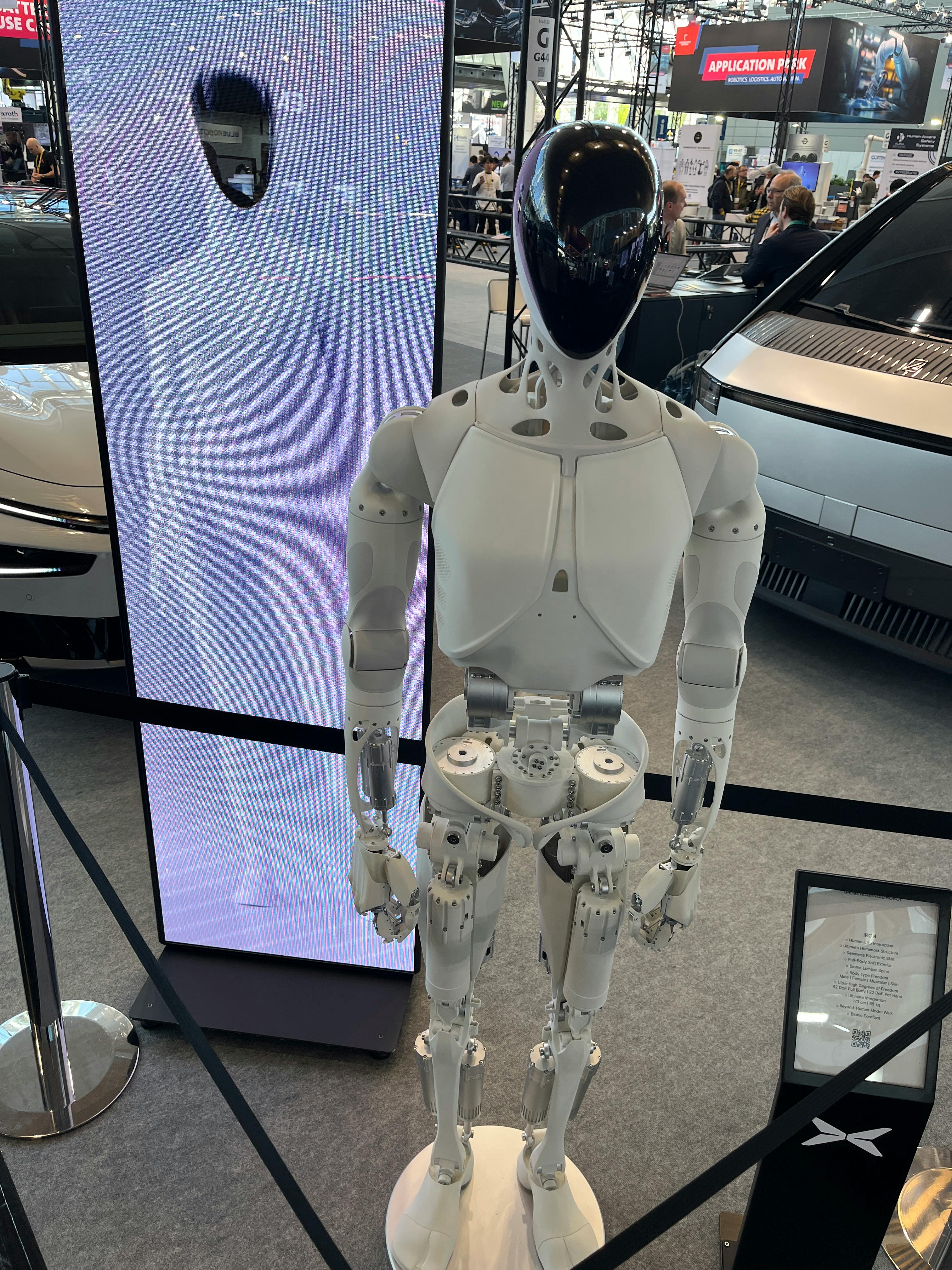
Meet the Humanoid Robots that May Replace Us All: Hannover Messe Edition
At a recent technology exhibition, various humanoid robots showcased their unique capabilities, sparking interest among attendees and industry experts alike. The event, held in October 2023, attracted a diverse audience eager to explore advancements in robotics. Among the standout exhibits was a humanoid robot that distinguished itself through its advanced artificial intelligence and interactive features, which allowed for more natural human-robot interactions. The motivation behind this innovation stems from the growing demand for robots that can assist in everyday tasks and enhance human experiences. Developers demonstrated how this particular robot could adapt to different environments and respond to user commands with remarkable accuracy, showcasing the potential for practical applications in sectors such as healthcare and customer service. As the exhibition unfolded, demonstrations highlighted the robot's ability to learn from its interactions, emphasizing the importance of machine learning in the evolution of humanoid robotics. This event not only illustrated the technological advancements in the field but also raised questions about the future of human-robot collaboration and the ethical implications of integrating such technology into daily life.
Technology and IIoT
Figure AI's robots can make a bed faster than you
Figure AI has unveiled a video showcasing two humanoid robots collaborating to make a bed, a task that challenges their coordination, vision, and dexterity. This demonstration highlights the advancements in robotics technology, particularly in the realm of complex, everyday activities. The video was released recently, emphasizing the capabilities of these robots in performing tasks that require a high level of precision and teamwork. As the field of artificial intelligence continues to evolve, such innovations aim to enhance the functionality of robots in domestic settings, potentially transforming how household chores are approached in the future.
AI Tech Startups robotics figure humanoid-robots
Gill Pratt Says Humanoid Robots’ Moment Is Finally Here
In 2012, the U.S. Defense Advanced Research Projects Agency (DARPA) launched the DARPA Robotics Challenge (DRC), a multimillion-dollar competition aimed at advancing disaster robotics. Gill Pratt, the architect of the DRC and now CEO of the Toyota Research Institute (TRI), envisioned the challenge as a catalyst for significant progress in robotics, similar to earlier DARPA initiatives that revolutionized driverless cars. A decade later, Pratt believes humanoid robots are on the brink of a transformative breakthrough, largely due to advancements in artificial intelligence (AI). Pratt notes that while the physical capabilities of humanoid robots have improved, the real change lies in their cognitive abilities. Recent AI developments allow robots to learn tasks through demonstration rather than programming, although data availability remains a challenge. He emphasizes the need for robots to develop deeper reasoning capabilities, beyond mere pattern recognition, to navigate complex real-world scenarios effectively. At TRI, Pratt's team is focusing on "care-receiving robots" to address societal issues like aging and loneliness. He highlights the importance of using robotics to enhance quality of life, particularly for the elderly. However, he cautions against the current hype surrounding humanoid robotics, warning that many advancements are still reliant on basic pattern-matching techniques. Pratt advocates for a balanced perspective to avoid potential disillusionment in the field, drawing parallels to the earlier challenges faced in automated driving.
Humanoid-robots Darpa Artificial-intelligence Drc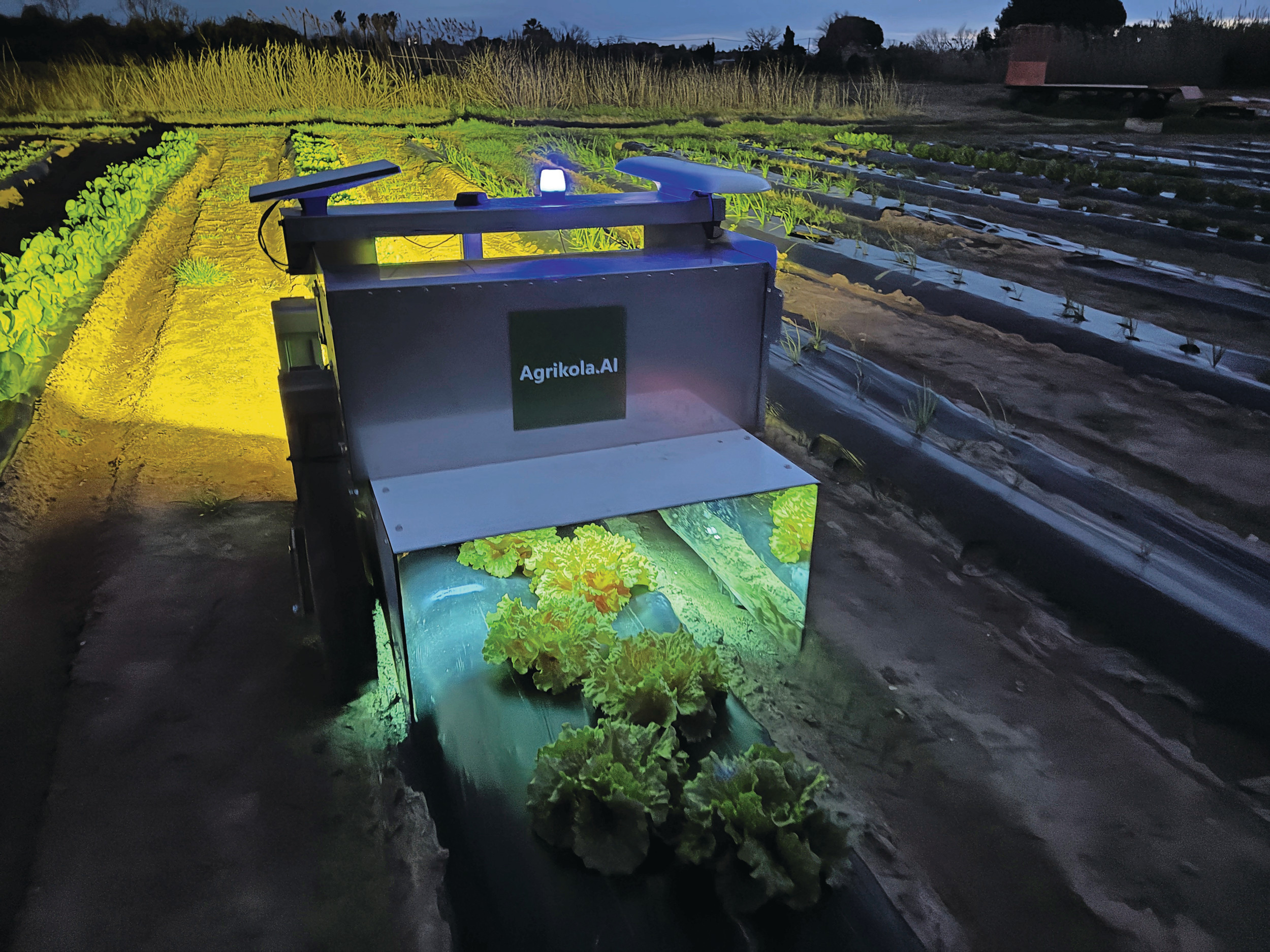
UVC robots show promise in the fight against fungi
In a significant advancement for greenhouse horticulture, autonomous robots utilizing UVC light for fungal control have shown promising results. This innovative technology has been successfully implemented in Norway, the United Kingdom, and the United States, particularly in the cultivation of open crops such as grapes and strawberries. Additionally, since 2025, the use of UVC robots has expanded to field vegetables in Spain. This development reflects a broader trend towards precision agriculture, aiming to enhance crop management and reduce reliance on chemical treatments. The integration of UVC technology in farming practices highlights the ongoing efforts to improve sustainability and efficiency in agricultural production.
Field robots autonomous technology crop protection greenhouses precision agriculture robotic harvesting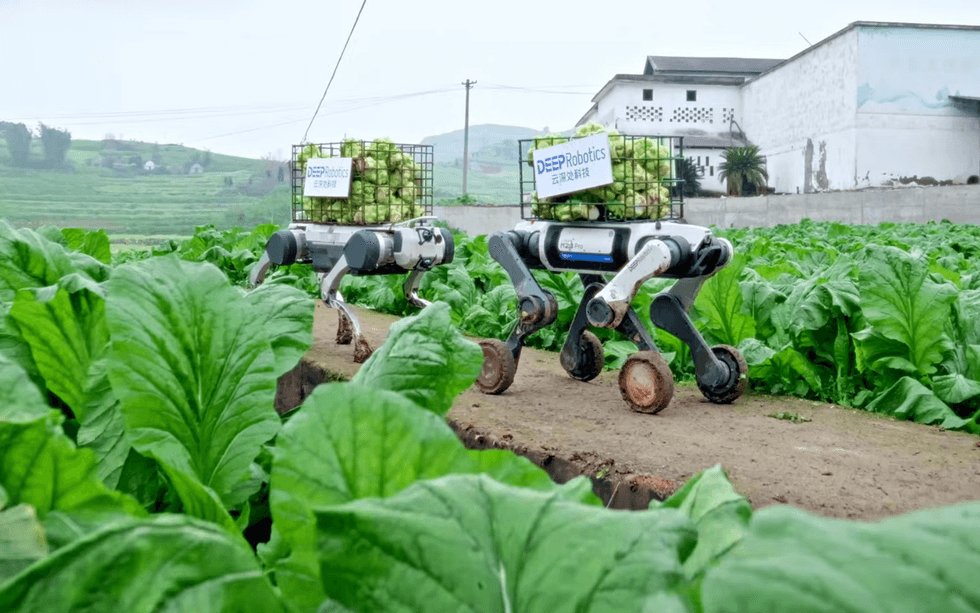
Video Friday: Robot Dogs Haul Produce From the Field
IEEE Spectrum's weekly feature, Video Friday, showcases a variety of innovative robotics videos and highlights upcoming robotics events, including the International Conference on Robotics and Automation (ICRA) scheduled for June 1-5, 2026, in Vienna. This week’s selection includes demonstrations of the Lynx M20 robots, which are designed to address the logistical challenges of transporting harvested crops in mountainous regions. Research from a collaboration between the Max Planck Institute for Intelligent Systems, the University of Michigan, and Cornell University reveals that magnetic microrobot swarms can manipulate larger objects without direct contact, showcasing their potential for complex tasks such as assembly and movement of small items. Meanwhile, Georgia Tech is investigating how bipedal robots can recover from balance loss in unpredictable environments, aiming to enhance their functionality in real-world applications. In a separate initiative, Carnegie Mellon University's TartanAUV team is refining their autonomous underwater vehicle, Osprey, in preparation for the annual RoboSub competition. Additionally, advancements in tilt-rotor aerial robots are being explored to improve control and maneuverability through reinforcement learning techniques. The feature also includes educational tools like the Astorino robot, designed for teaching robotics in schools, and discussions on the need for more realistic datasets for autonomous driving. Overall, the content reflects the ongoing evolution and application of robotics across various fields, emphasizing both technical advancements and educational initiatives.
Humanoid-robots Video-friday Swarm-robotics Quadruped-robots Farm-robots Bipedal-robots
Video Friday: Humanoid Robots Celebrate Spring
In the latest edition of Video Friday, IEEE Spectrum robotics highlights significant advancements in robotics and upcoming events. Among the featured developments, NASA's Perseverance rover has gained the ability to autonomously determine its location on Mars using a new technology called Mars global localization, which enhances its exploration capabilities. The rover utilizes an algorithm that compares panoramic images with orbital terrain maps, achieving location accuracy within 10 inches. Additionally, various robotics projects are showcased, including the progress of the Shiva robot in strawberry picking and the Corvus One for Cold Chain, designed to operate in extreme cold environments. The video series also includes insights into the rapid development of humanoid robots by the U.K.-based company Humanoid, which aims to create reliable and safe robots in increasingly shorter timeframes. Experts from institutions like Microsoft and Carnegie Mellon University discuss the future of human-robot collaboration and the challenges of scaling robot learning. As billions of dollars are invested in robotics, the potential for general-purpose humanoid robots appears closer than ever, promising to revolutionize interactions in both physical and digital realms. The weekly calendar of upcoming robotics events, including ICRA 2026 in Vienna, is also available for enthusiasts and professionals in the field.
Humanoid-robots Video-friday Agility-robotics Perseverance-rover Insect-robots Industrial-robotics
Video Friday: Autonomous Robots Learn By Doing in This Factory
In a recent edition of Video Friday, IEEE Spectrum robotics showcased a variety of innovative robotics projects and developments. Notably, scientists at the Toyota Research Institute are collaborating with Toyota Manufacturing to implement autonomous robots on factory floors, enhancing production efficiency. Zipline shared insights into their drone delivery system, detailing the challenges faced and lessons learned in its development. Humanoid introduced KinetIQ, an AI framework designed for the orchestration of humanoid robot fleets, which integrates task allocation and execution through advanced cognitive layers. Meanwhile, researchers at VISTEC unveiled a decentralized adaptive resilient neural control system (DARCON) that enables legged robots to autonomously adapt to limb loss, ensuring mission success despite mechanical failures. NASA's Jet Propulsion Lab presented an animation of the Perseverance rover's drive along the Jezero Crater, captured on December 10, 2025, showcasing the rover's navigation capabilities. Additionally, Unitree's humanoid robot G1 made its mark on the snowfields of Altay, demonstrating its adaptability in extreme conditions. The Norwegian University of Science & Technology introduced a hierarchical 3D scene graph to enhance autonomous agents' understanding of their environments. Other highlights included the HoLoArm quadrotor, which features compliant arms for improved stability, and SkyDreamer, a pioneering vision-based autonomous-drone racing policy. The event also featured demonstrations of dexterous object manipulation by the AI Worker robot and advancements in swarm robotics for architectural applications.
Video-friday Autonomous-robots Humanoid-robots Industrial-robots Robot-ai Perseverance-rover
Figure Launches 'Project Go-Big' to Train Humanoid Robots on Human Video Data
Figure, a humanoid robotics company, has initiated an extensive data collection effort named 'Project Go-Big,' which seeks to develop a comprehensive pretraining dataset by recording human interactions in everyday home environments. This ambitious project is bolstered by a collaboration with Brookfield, a leading real estate firm. As a result of this partnership, Figure's robot has successfully learned navigation skills solely from the human video footage captured during the initiative. The project represents a significant step forward in the field of robotics, aiming to enhance the capabilities of humanoid robots by leveraging real-world data.
Brett Adcock Figure AI brookfield helix robotics
Figure Announces Strategic Partnership with Brookfield
Figure has announced a partnership with Brookfield to create the largest real-world humanoid pretraining dataset, a move designed to bolster the AI infrastructure for its Helix model. This collaboration, which aims to enhance the deployment of humanoid robots across various commercial environments, represents a significant advancement in the fields of artificial intelligence and robotics. The initiative is expected to streamline the integration of humanoid robots into everyday business operations, paving the way for more sophisticated and capable robotic solutions.
Artificial Intelligence Humanoid Robotics Data Collection Commercial Deployment Strategic Partnership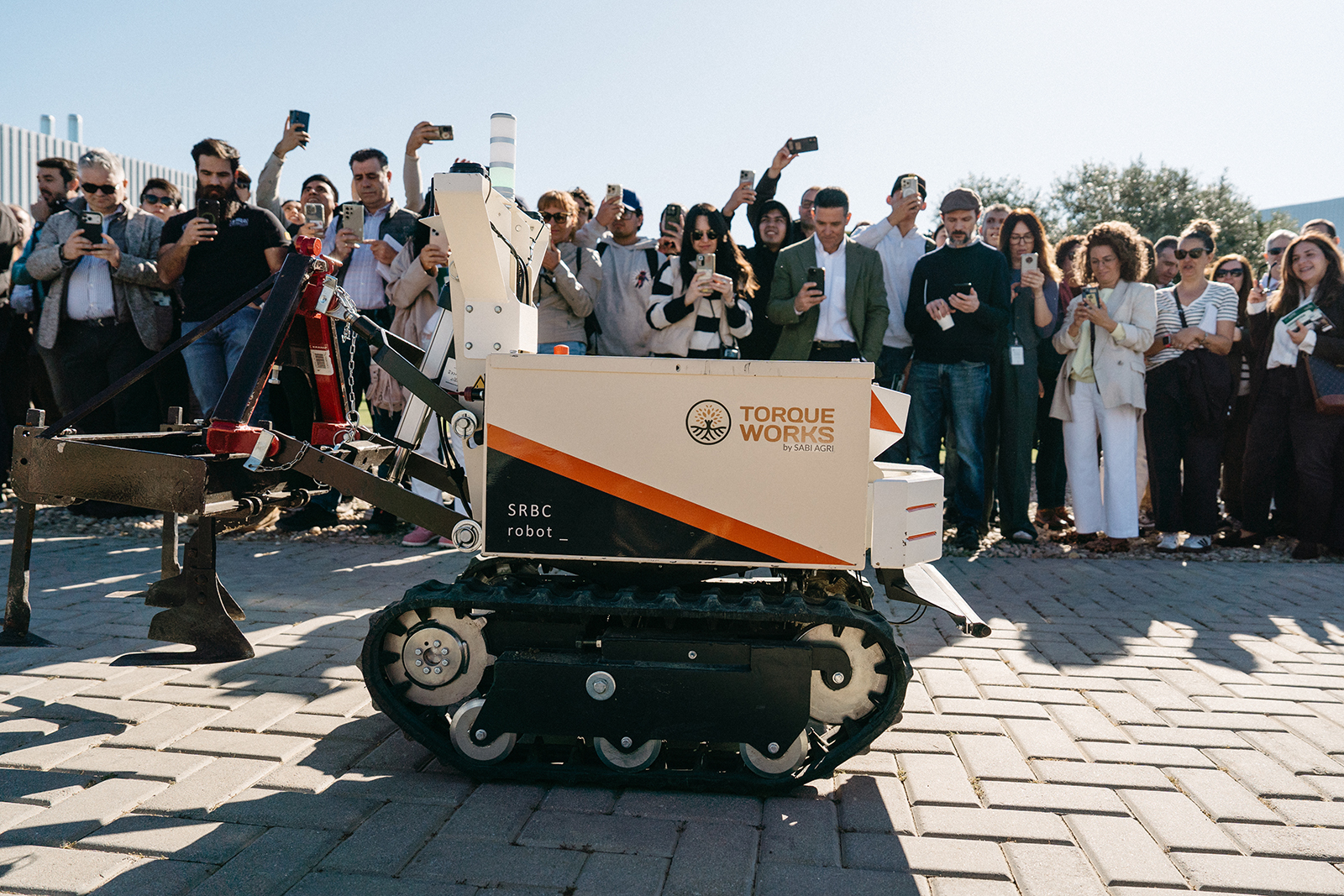
GOFAR Tour with field day in Spain attracts 900 industry professionals
On April 15, the GOFAR Tour 2026 made its second stop at the John Deere Parla Innovation Centre in Spain, attracting a significant audience. This event celebrated the 10th anniversary of the Global Organisation For Agricultural Robotics (GOFAR), which has planned a series of 10 events and 5 field days throughout the year. The tour aims to showcase advancements in agricultural robotics and foster collaboration within the industry, highlighting the importance of innovation in enhancing agricultural practices. The Parla Innovation Centre served as an ideal venue, providing attendees with insights into cutting-edge technology and its applications in farming.
Machinery ag-robots field robots
Japan Plans Acquisition of 27,500 Nvidia Rubin Chips for Domestic AI Robotics Development
Japan is set to purchase 27,500 next-generation Rubin chips from Nvidia Corp. to develop a foundational AI model tailored for robotics. This initiative aims to enhance Japan's capabilities in creating sovereign AI systems that can be integrated into various robotic applications. The acquisition of these chips is significant as it represents Japan's commitment to advancing its technological independence in the field of artificial intelligence. By building a homegrown AI model, Japan seeks to strengthen its position in the global robotics market and reduce reliance on foreign technologies. Looking ahead, the focus will be on how effectively Japan can leverage these Rubin chips to create a robust AI framework for robots. No further timeline was disclosed at the time of publication.

MIT and EPFL Develop Aerial-Aquatic Robot for Enhanced Environmental Studies
In a groundbreaking demonstration, two full teams of humanoid robots engaged in an 11-vs-11 soccer match at RoboCup 2026 in Incheon, South Korea, marking a significant milestone in robotic sports. This event showcased the advancements in humanoid robotics, with Tech United competing against IRIS, bringing the vision of robot soccer closer to reality. The significance of this event lies in its potential to drive interest and investment in humanoid robotics and AI technologies. As robots like Boston Dynamics' Atlas perform in front of large audiences, the market for humanoid robots in entertainment and practical applications is expected to grow. Additionally, the introduction of advanced robotic hands by 1X, featuring 25 degrees of freedom, highlights the ongoing evolution in dexterity and manipulation capabilities. Looking ahead, the next major robotics events include the Summer School on Multi-Robot Systems in Prague from July 29 to August 4, 2026, and IROS 2026 in Pittsburgh from September 27 to October 1, 2026. These gatherings will likely showcase further advancements in robotics and provide a platform for collaboration and innovation in the field. No further timeline was disclosed at the time of publication.
Video-friday Humanoids Robotics World-cup
Carnegie Mellon University Develops Open-Source Framework for AI Deployment in Robotics
Researchers at Carnegie Mellon University have created an open-source software framework aimed at streamlining the deployment of AI systems across various robots. This framework significantly reduces the time spent on setup, which can often take weeks or months, allowing researchers to focus on testing new behaviors more efficiently. The significance of this development lies in its potential to enhance collaboration and innovation in robotics. By eliminating the need to rebuild software for each robot, the framework facilitates easier integration of AI technologies, potentially accelerating advancements in robotic capabilities and applications. Looking ahead, the framework's adoption could lead to broader implications for the robotics field, including increased interoperability among different robotic systems. No further timeline was disclosed at the time of publication regarding additional features or updates to the framework.
Robotics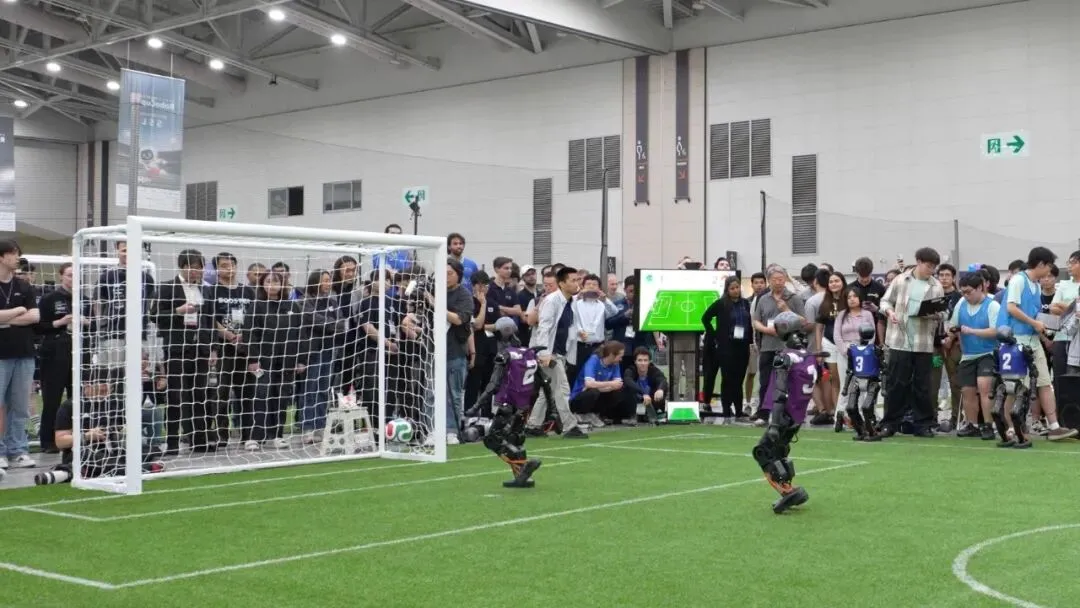
Chinese Team Wins RoboCup World Championship with Domestic Robots
The Fire God team from Tsinghua University in China secured the championship title at the 2026 RoboCup, held in Incheon, South Korea. This victory underscores a notable advancement in robot soccer, as the competition featured 38 teams utilizing the same Chinese robot platform, known as Booster. The event marked a pivotal shift in the field, emphasizing the enhancement of robots' intelligence and performance in dynamic environments rather than merely focusing on their construction.
Robot Soccer RoboCup Robot Technology Artificial Intelligence Robotics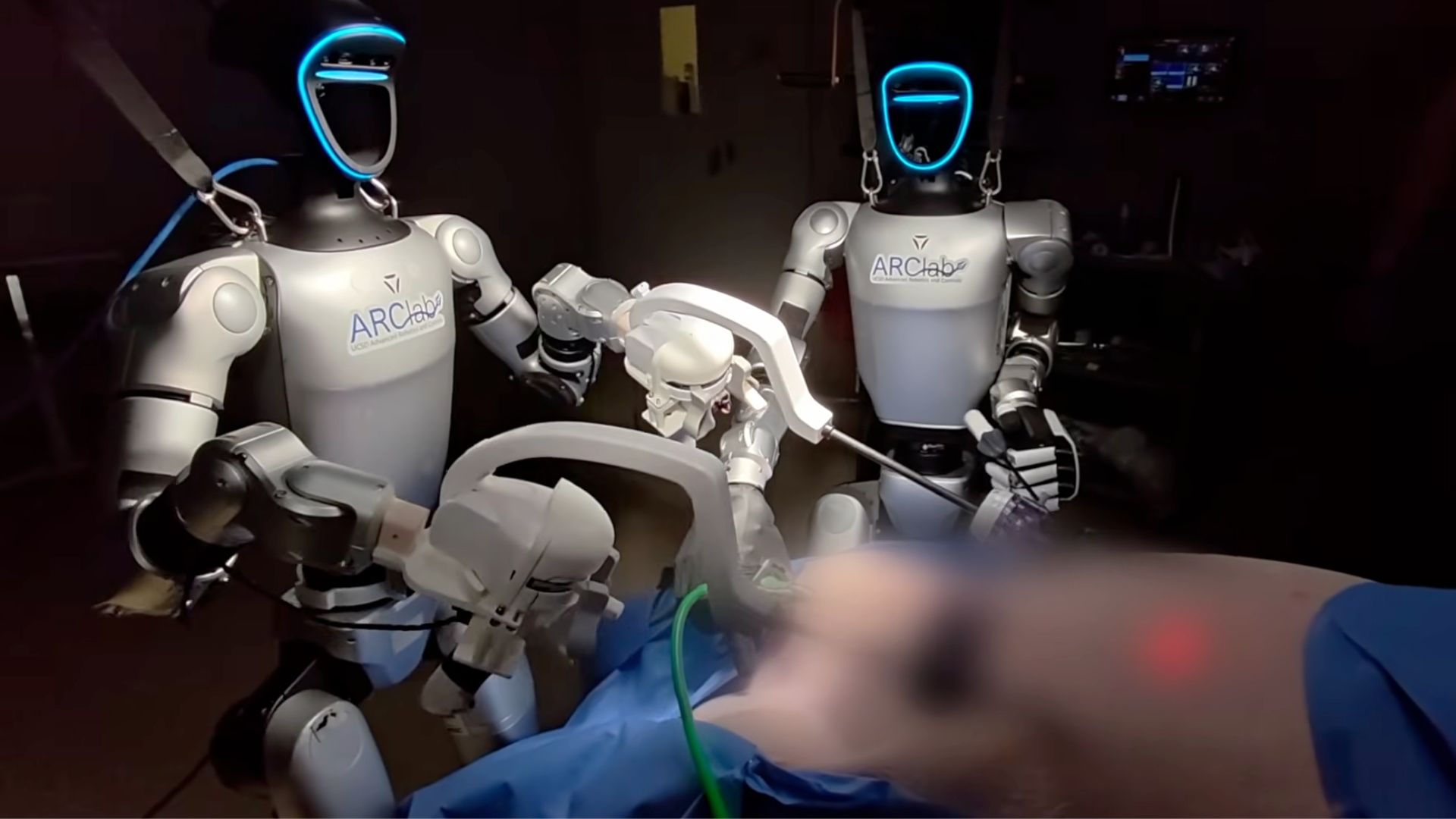
World’s first surgery using teleoperated humanoid robots conducted by US team
A team of researchers has made a groundbreaking advancement by successfully employing teleoperated humanoid robots to carry out two complex tasks. This achievement marks a significant milestone in robotics, showcasing the potential for remote-controlled machines to perform intricate functions that were previously thought to be the domain of human operators. The experiments took place in a controlled environment, allowing the researchers to meticulously assess the robots' capabilities and refine their performance. The motivation behind this innovative project stems from the desire to enhance efficiency and safety in various industries, particularly in situations where human presence may be risky or impractical. By leveraging advanced teleoperation technology, the researchers demonstrated that humanoid robots could effectively mimic human movements and decision-making processes, paving the way for future applications in fields such as disaster response, healthcare, and manufacturing. The successful execution of these tasks not only highlights the progress in robotic technology but also opens new avenues for research and development, potentially transforming how we approach complex operations in challenging environments. As the team continues to refine their methods, the implications of this work could lead to widespread adoption of teleoperated robots in various sectors, ultimately improving productivity and safety for human workers.
AI and Robotics
HKU professor's startup Yisheng Technology secures hundreds of millions in angel funding to develop memory systems for robots.
TranscEngram, a robotics startup focused on developing autonomous intelligence, has successfully secured hundreds of millions in angel funding. The investment round saw participation from a diverse group of industry and state-owned enterprises, including Charoen Pokphand Group’s China National Pharmaceutical, Pudong Venture Capital, and several others. Founded in September 2023 by leading AI experts, including Professor Ma Yi from the University of Hong Kong, TranscEngram aims to create a unified system for robots that mimics human cognitive processes through a "brain + cerebellum" architecture. This innovative approach seeks to advance the field of explainable embodied intelligence by enabling robots to learn through a closed-loop of perception, prediction, and interaction. The newly acquired funds will primarily support the development of advanced models for embodied control and physical world modeling, as well as the establishment of research and industrial bases in Shenzhen and Shanghai. The company’s technology promises to enhance robots' capabilities in self-correction and continuous evolution, moving towards commercial applications. TranscEngram's unique memory system allows robots to learn from vast amounts of data without relying on fixed programming, significantly improving their performance in multi-tasking scenarios. The startup is currently focusing on high-end service sectors, such as hotel operations and flexible manufacturing in aerospace, aiming to automate and optimize these industries. With research and data centers established in major cities, TranscEngram is collaborating with leading robotics firms to integrate its innovative solutions into existing production processes, enhancing efficiency and adaptability in real-world applications.
New color-changing tactile sensor gives robots a real-time sense of touch
Researchers have developed an innovative color-changing tactile sensor that enables machines to perceive and respond to their surroundings in real-time. This groundbreaking technology was unveiled in October 2023 and represents a significant advancement in the field of robotics and artificial intelligence. The sensor mimics the way humans and animals sense touch and texture, providing machines with the ability to "see" and interpret the materials they come into contact with. The motivation behind this development lies in enhancing the interaction between machines and their environment, allowing for more sophisticated and responsive robotic systems. By integrating this tactile sensor, robots can better understand the properties of objects, leading to improved performance in various applications, such as manufacturing, healthcare, and service industries. The process involves a combination of advanced materials and engineering techniques that allow the sensor to change color based on the pressure and texture of the surfaces it touches. This visual feedback not only aids in object recognition but also enhances the machine's ability to make informed decisions based on tactile information. As this technology continues to evolve, it holds the potential to revolutionize how machines interact with the world, paving the way for smarter, more adaptable robotic systems that can operate effectively in diverse environments.
AI and Robotics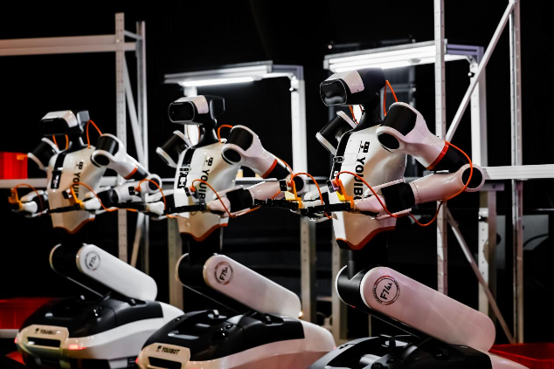
"Brand new humanoid robots starting at 299,000! Xi'an Jiaotong University PhD team establishes company and secures 4,000 intention orders!"
A team of PhD graduates from Xi'an Jiaotong University has launched a new company focused on developing humanoid robots, with prices starting at 299,000 yuan. The initiative has garnered significant interest, as the company has already received 4,000 intention orders for its innovative products. This development marks a significant step in the field of robotics, showcasing the team's commitment to advancing technology and meeting market demand. The robots are expected to cater to various applications, reflecting the growing trend of integrating robotics into everyday life.
Robotics Automation AI
Can AI replace seed potato rogueing crews? Three Dutch robots take the next step
In a significant advancement for seed potato production, three Dutch manufacturers are currently testing AI-powered rogueing robots designed to remove diseased and off-type plants, a task known for its labor intensity. The field demonstrations took place recently, showcasing the robots' capabilities in commercial settings. While the technology is still in its developmental stages, initial observations indicate promising potential for improving efficiency in the agricultural sector. Future Farming attended these demonstrations to assess the robots' performance and gather insights on their impact on the industry.
Smart farming Potato rogueingRobotics needs a service framework.
RSF defines a common language for robot service capability, lifecycle operations, certification pathways, and service-provider networks.