Industry Briefing
A single destination for timely, editor-curated robotics news from around the world.
E-Control Smart Driving Debuts on Hong Kong Stock Exchange with Strong Opening
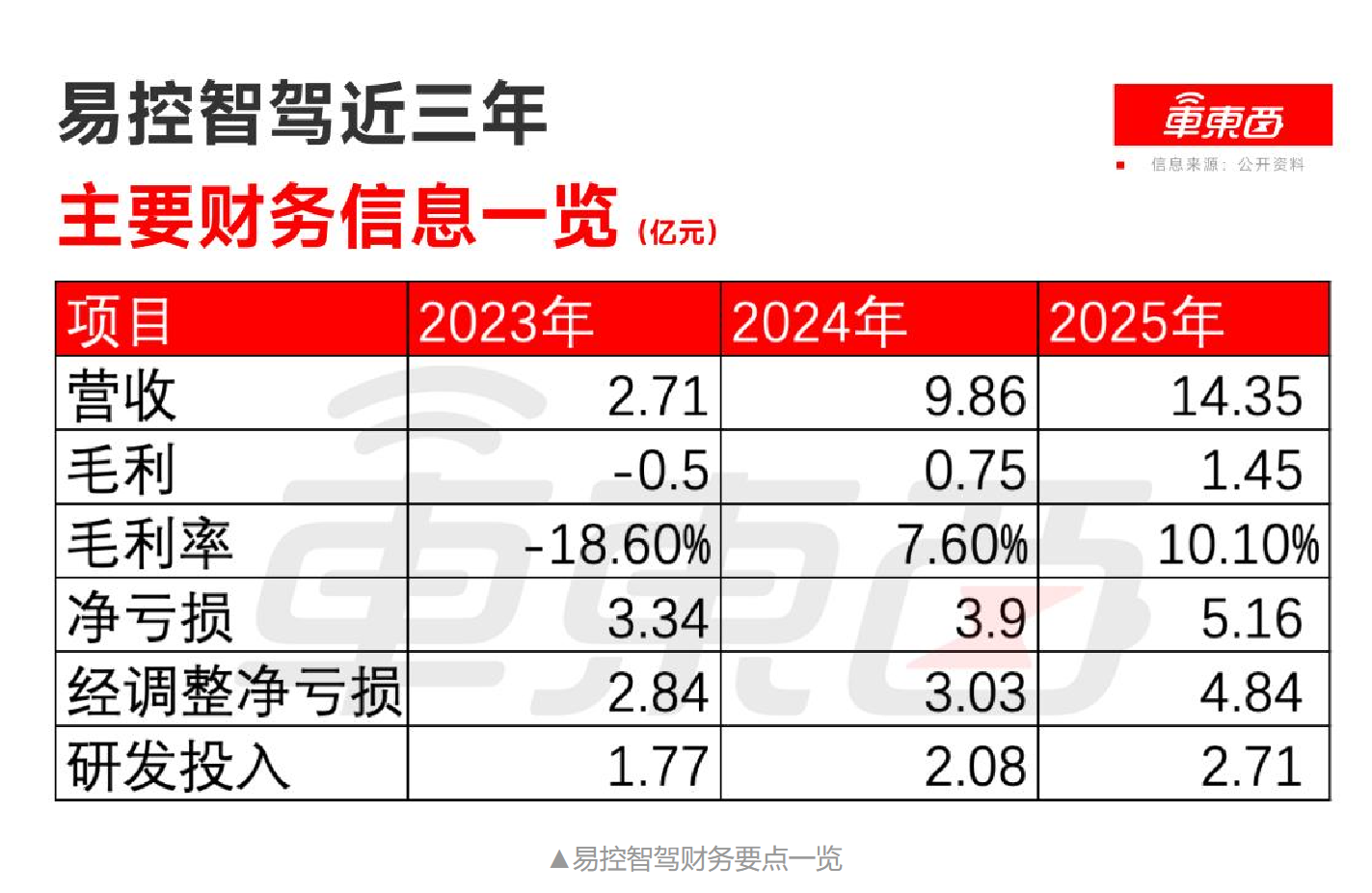
E-Control Smart Driving, a prominent player in the autonomous mining vehicle sector, made its debut on the Hong Kong Stock Exchange on July 8, successfully raising around HKD 2.298 billion. The company, which has established a substantial market presence and an expanding customer base, is currently grappling with financial difficulties, having reported cumulative losses of approximately HKD 1.239 billion over the past three years. The funds generated from the initial public offering will be allocated towards enhancing software development and facilitating international expansion, as the mining automation industry continues to evolve rapidly.
Autonomous Mining Vehicles IPO Mining Automation Technology Development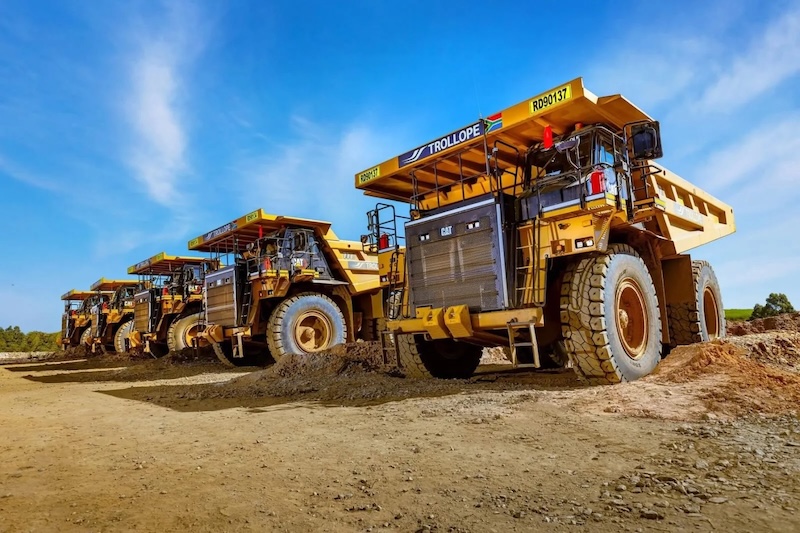
AI, Robotics and Automated Mining: The Future of Excavators and Mining Machinery Parts
The global mining industry is undergoing a significant transformation as it increasingly integrates artificial intelligence, robotics, and full automation into its operations. This shift has led to the widespread adoption of intelligent excavators and driverless mining trucks, which are now considered standard equipment in modern mining practices. These advancements are not only improving operational safety but also significantly boosting production efficiency. As mining machinery evolves, there is a corresponding rise in the standards and demands for high-quality professional mining machinery parts, reflecting the industry's commitment to enhancing performance and reliability in the face of technological change.
Engineering Mining ai in mining automation news autonomous haul trucks autonomous mining equipment
Robotic Process Automation in 2026: A Buyer’s Guide for Procurement Teams
Over the past decade, the landscape of Robotic Process Automation (RPA) has evolved significantly. Initially characterized by basic screen-scraping bots that mimicked human interactions with legacy desktop applications, the technology has now advanced to include both attended and unattended bots. These modern bots are capable of managing user interface tasks within various enterprise systems such as ERP and CRM platforms, as well as billing tools that organizations are reluctant to phase out. As of October 2023, RPA has shifted towards an API-first approach, enabling more sophisticated orchestration that directly integrates with cloud services at various integration points. This transformation reflects the growing demand for automation solutions that enhance efficiency and streamline operations across industries. The shift not only highlights the technological advancements in RPA but also underscores the necessity for businesses to adapt to changing digital landscapes in order to remain competitive.
Automation Business Digital Automation ai agents automation anywhere automation news
Why Good Automation Projects Start Slower Than Bad Ones
A recent analysis highlights the risks associated with automation, particularly the overconfidence that can arise before a robot is even developed. Experts suggest that successful companies in the automation sector tend to focus less on the impressive demonstrations of technology and more on critically examining the underlying processes involved in automation. This approach, emphasized in discussions leading up to October 2023, serves as a cautionary tale for businesses looking to integrate automated solutions. By prioritizing a thorough understanding of the automation process, companies can mitigate potential pitfalls and enhance their chances of success in an increasingly automated landscape.
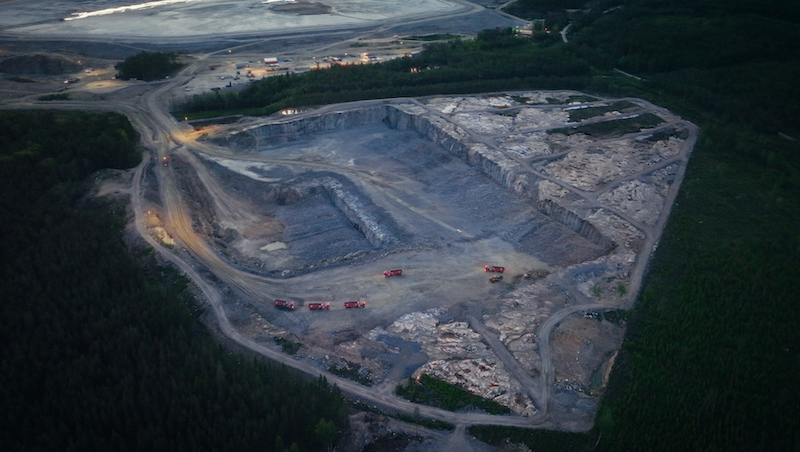
Volvo and Boliden complete dam construction milestone with autonomous transport
Volvo Autonomous Solutions and Boliden have successfully concluded an autonomous transport project at Boliden’s Garpenberg site in Sweden. This initiative represents a significant milestone in their collaboration, following a memorandum of understanding signed earlier in 2023. The project aims to enhance efficiency in mineral transport operations and is expected to pave the way for future joint ventures between the two companies. The successful implementation of autonomous transport technology at Garpenberg underscores the growing trend towards automation in the mining industry, driven by the need for improved safety and productivity.
Autonomous Vehicles News automation news autonomous haulage autonomous logistics autonomous mining
Why EHR Integration is the Make-or-Break Factor in Healthcare AI Deployments
Healthcare organizations are rapidly adopting artificial intelligence tools, but many are facing significant challenges in integrating these systems with existing Electronic Health Record (EHR) platforms. Practitioners often initiate the use of automation platforms and conduct pilot programs, only to encounter a critical barrier: the inability of new AI systems to communicate with EHRs. This lack of interoperability leads to increased manual workloads, undermining the intended efficiency gains of automation. As healthcare providers strive to enhance operational efficiency through technology, the disconnect between AI tools and EHR systems poses a substantial hurdle that must be addressed to realize the full potential of these innovations.
Digital Automation Health ai in healthcare AI scheduling automation news bidirectional integration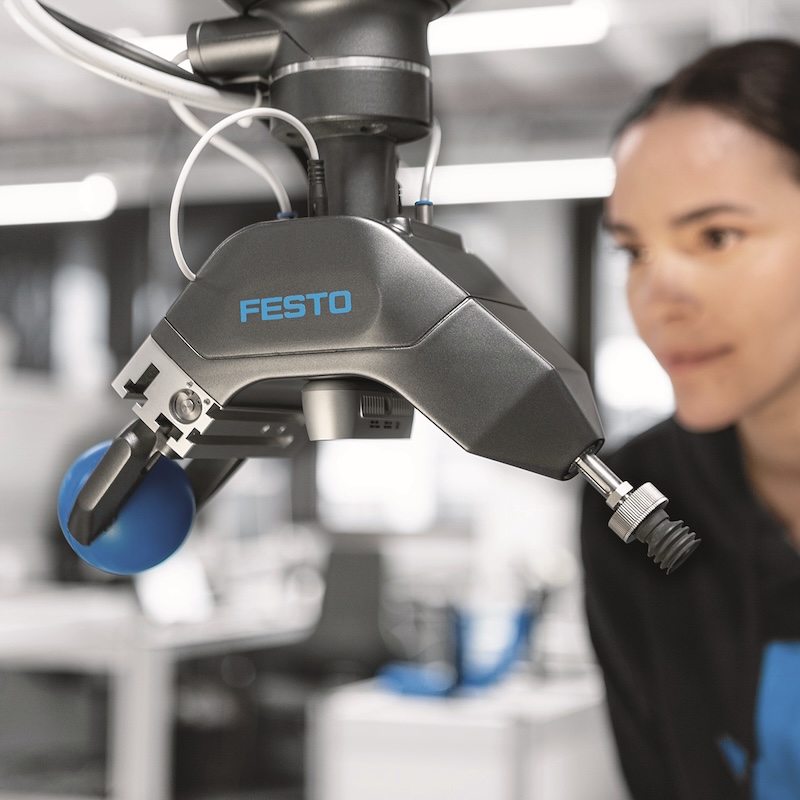
Festo launches GripperAI software to simplify flexible robot handling
Festo has launched GripperAI, an innovative AI-driven software designed to enhance robotic handling capabilities. This solution allows robots to manage a variety of mixed, unfamiliar, and randomly positioned products without requiring extensive programming or specialized vision systems. The introduction of GripperAI aims to provide manufacturers with increased flexibility in their automated handling processes. By automatically determining the best gripping point for each item, the software streamlines operations and improves efficiency in manufacturing environments. This advancement reflects Festo's commitment to integrating cutting-edge technology into automation solutions, catering to the evolving needs of the industry.
Components Industrial robots News AI software automation news cobots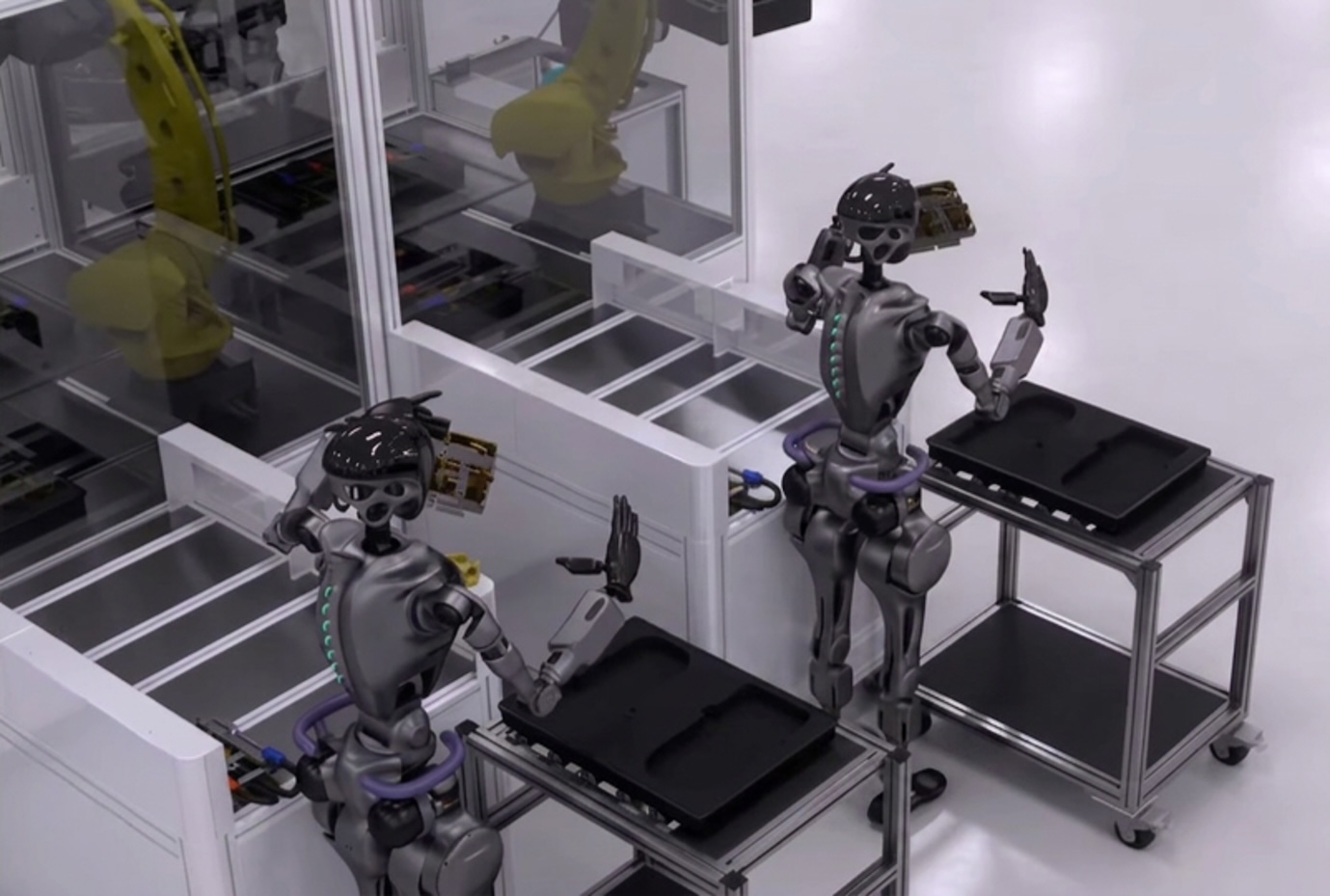
What Does Tesla Optimus Actually Do? Factory Tasks & Real-World Use Cases
Tesla's Optimus robot has been tasked with sorting battery cells and inspecting parts at the company's factory, raising questions about its effectiveness in real-world applications. While demonstrations have showcased the robot's capabilities, critics are calling for a clearer distinction between confirmed factory tasks and staged performances. The scrutiny comes as Tesla aims to integrate automation into its production processes to enhance efficiency and reduce labor costs. Observers are keen to see how well Optimus performs under actual working conditions, as the company continues to push the boundaries of robotics in manufacturing. As of October 2023, the ongoing evaluation of Optimus's functionality will be crucial in determining its role in Tesla's future operations.

Innovative Soft Material‐Assisted Robot Grasping Devices: From Design Concept to Fabrication and Application Scenarios
In June 2026, the Journal of Field Robotics published a comprehensive study examining the advancements in robotic technologies and their applications in various fields. The research highlights significant developments in autonomous navigation, sensor integration, and machine learning, showcasing how these innovations are transforming industries such as agriculture, healthcare, and logistics. The study, conducted by a team of leading researchers in robotics, aims to address the growing need for efficient and reliable robotic systems in response to increasing demands for automation and precision in operations. By analyzing recent case studies and experimental results, the authors provide insights into the effectiveness of these technologies in real-world scenarios. The findings suggest that as robotic systems become more sophisticated, they can enhance productivity and safety while reducing operational costs. The research emphasizes the importance of continued investment in robotics research and development to keep pace with technological advancements and meet future challenges. This publication serves as a critical resource for industry professionals, policymakers, and academics interested in the future of robotics and its potential to reshape various sectors.
SURVEY ARTICLE
Deep Learning‐Driven Steering Angle Prediction and Scene Understanding via Harmonic Carpet Weaver Optimization
In June 2026, the Journal of Field Robotics published a comprehensive study examining advancements in robotic technologies and their applications in various fields. This research highlights the contributions of leading experts in robotics, who analyzed the latest innovations and their potential to enhance efficiency and safety in sectors such as agriculture, manufacturing, and disaster response. The study emphasizes the growing importance of integrating artificial intelligence and machine learning into robotic systems to improve their adaptability and functionality. Researchers conducted extensive field tests to evaluate the performance of these robots in real-world scenarios, demonstrating their effectiveness in tasks ranging from precision farming to search and rescue operations. The motivation behind this research stems from the increasing demand for automation and the need for more reliable and intelligent robotic solutions to address complex challenges faced by industries today. By providing empirical data and insights, the study aims to inform policymakers, industry leaders, and researchers about the transformative potential of robotics. As the field continues to evolve, the findings presented in this publication are expected to influence future developments and investments in robotic technologies, ultimately shaping the landscape of automation in the coming years.
RESEARCH ARTICLE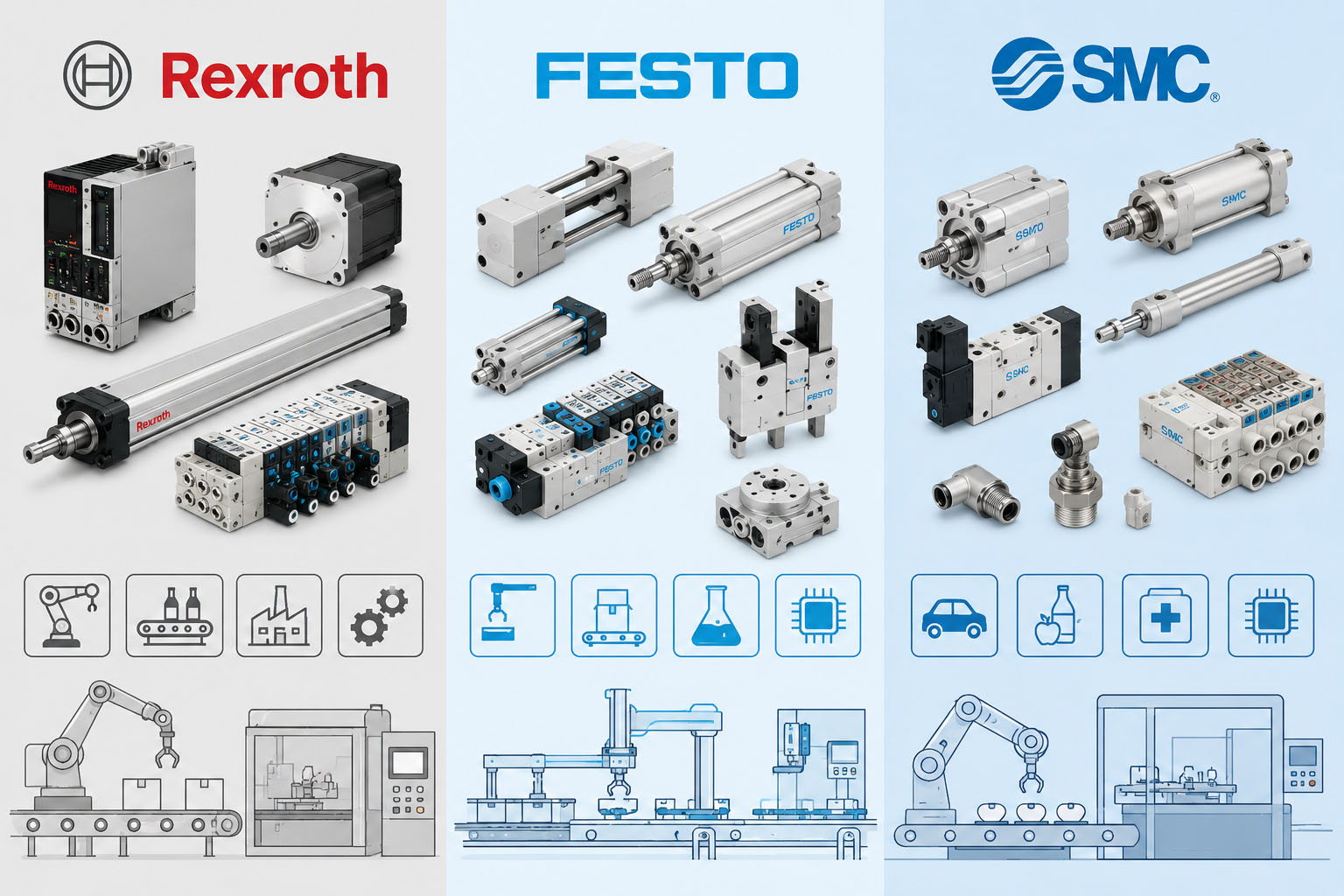
Bosch Rexroth vs Festo vs SMC : Les leaders de l’automatisation et de la pneumatique
In the modern industrial landscape, while robotics often garners significant attention, a crucial technological realm supporting automation lines, collaborative robots, and smart factories is industrial automation and pneumatics. Key components such as actuators, valves, motion systems, fluid control, servo drives, electrical automation, and connected platforms play an essential role in enhancing operational efficiency. The article highlights the competitive landscape among leading companies in this sector, specifically Bosch Rexroth, Festo, and SMC, examining their contributions and innovations in automation and pneumatics. This analysis underscores the importance of these technologies in driving industrial advancements.
À la une IA Industrie Robotique automatisation électrique automatisation industrielle.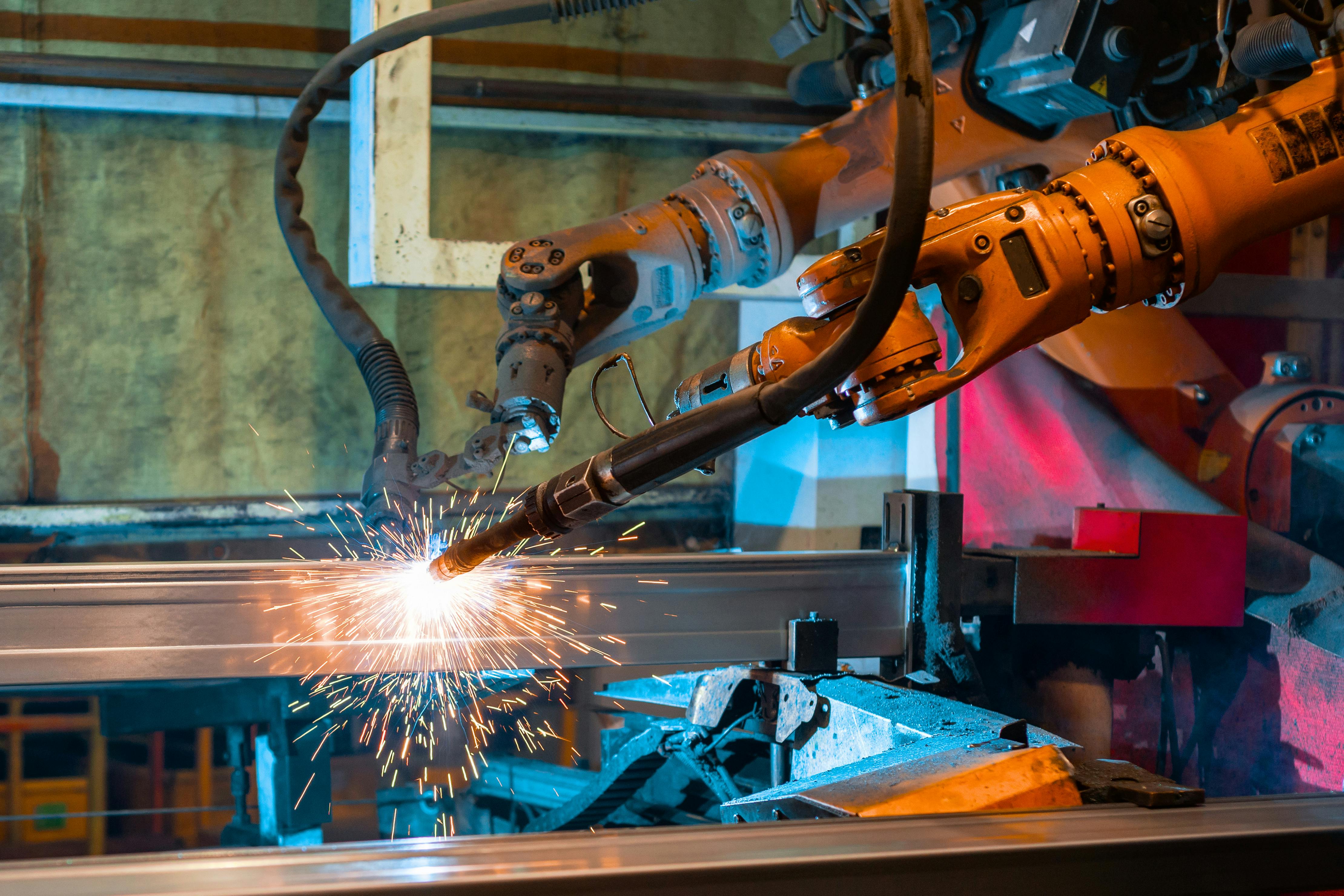
Robotic Welding Cells: Why the Robot Shouldn’t Be Your First Area of Focus
In the evolving landscape of industrial automation, the efficiency of welding cells is increasingly under scrutiny, with experts emphasizing the critical role of each component in ensuring a successful investment. As manufacturers seek to optimize their operations, the focus has shifted to the importance of power sources and fixturing tolerances, which are pivotal in determining the overall performance of automated welding systems. This trend has gained momentum in recent months, as companies strive to enhance productivity and reduce downtime. By understanding the intricate relationship between various components, businesses can avoid costly mistakes that lead to underutilized equipment. The insights gathered from industry specialists highlight that a well-integrated welding cell can significantly improve operational efficiency and return on investment. The push for improved automation in welding is not just a response to market demands but also a proactive measure to stay competitive in a rapidly advancing technological environment. As manufacturers invest in automation, they are urged to consider the compatibility and quality of each element within the welding cell to maximize their potential benefits. In summary, the ongoing dialogue among industry leaders underscores the necessity of a holistic approach to welding automation, where attention to detail in every component can mean the difference between success and stagnation.
Factory / Robotics
Active Caster‐Based Holonomic Mobile Platform for Improving C‐Arm Mobility and Usability
In May 2026, the Journal of Field Robotics published a significant study examining advancements in autonomous robotic systems. The research, conducted by a team of engineers and scientists, focuses on the integration of artificial intelligence in field robotics, aiming to enhance operational efficiency and adaptability in various environments. The study highlights the application of these technologies in agriculture, disaster response, and environmental monitoring, showcasing their potential to revolutionize traditional practices. The research was motivated by the increasing demand for automation in sectors facing labor shortages and the need for more efficient resource management. By employing advanced machine learning algorithms, the team demonstrated how robots can learn from their surroundings and make real-time decisions, improving their functionality and effectiveness in complex tasks. The findings were presented at a conference held in a leading robotics research facility, where experts gathered to discuss the implications of these innovations. The study not only contributes to the academic discourse on robotics but also offers practical insights for industries looking to implement autonomous solutions. As the field continues to evolve, this research underscores the importance of interdisciplinary collaboration in driving technological advancements that address contemporary challenges.
RESEARCH ARTICLE
Bearing‐Based Moving Target Fencing Control for Multiple Underactuated Autonomous Surface Vehicles With Fixed‐Time Differentiators
In May 2026, the Journal of Field Robotics published a comprehensive study examining advancements in robotic technology and its applications in various fields. Researchers from leading institutions collaborated to investigate the integration of artificial intelligence and machine learning in field robotics, aiming to enhance efficiency and adaptability in challenging environments. The study highlights significant breakthroughs in navigation systems and sensor technologies, which are crucial for deploying robots in agriculture, disaster response, and environmental monitoring. The findings underscore the importance of interdisciplinary approaches in advancing robotic capabilities and address the growing demand for automation in sectors facing labor shortages. By showcasing successful case studies and experimental results, the research provides a roadmap for future innovations in the field, emphasizing the potential of robotics to transform industries and improve operational outcomes.
RESEARCH ARTICLE
Improved Ivy Algorithm for an Enhanced Fractional Order Proportional‐Integral‐Derivative Controller: Applications From Winding Tension Control to Hybrid System
In May 2026, the Journal of Field Robotics published a comprehensive study examining advancements in robotic technologies and their applications in various fields. The research, featured in Volume 43, Issue 3, spans pages 1375 to 1414 and highlights the increasing integration of robotics in sectors such as agriculture, healthcare, and manufacturing. The study aims to address the growing demand for automation and efficiency in these industries, driven by the need for improved productivity and cost-effectiveness. Researchers from leading institutions collaborated to analyze the latest innovations in robotic systems, including autonomous vehicles, drones, and robotic arms, showcasing their potential to revolutionize traditional practices. Through a series of case studies and experimental results, the authors detail how these technologies are being implemented in real-world scenarios, demonstrating significant improvements in operational efficiency and safety. The findings underscore the importance of continued investment in robotic research and development to meet future challenges and enhance human-robot collaboration. This publication serves as a vital resource for industry professionals, policymakers, and academics, providing insights into the current state of robotics and its future trajectory. As the field continues to evolve, the study emphasizes the necessity of adapting to technological advancements to harness the full potential of robotics across various sectors.
RESEARCH ARTICLE
What Company Makes Robotic Arms?
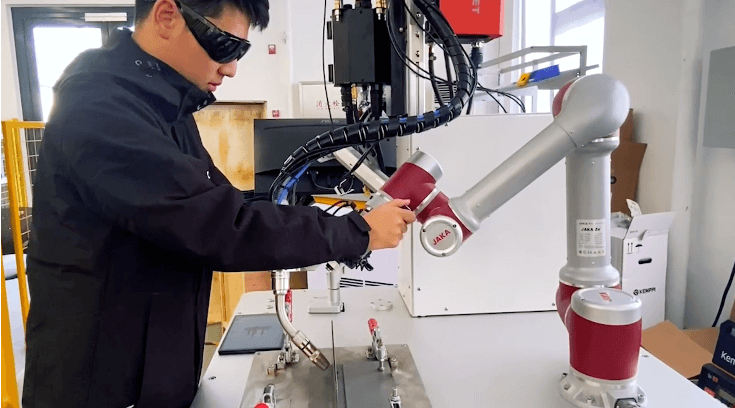
As industrial automation increasingly shapes modern manufacturing, companies are seeking robotic arms that can effectively adapt to real production environments. JAKA, a prominent player in the robotics sector, emphasizes the importance of understanding how robotic arms function on the factory floor rather than merely in controlled testing scenarios. The demand for flexible and compact robotic systems is rising, driven by the need for quick deployment and adaptability to changing production requirements across various industries, including electronics and automotive assembly. JAKA distinguishes itself by focusing on collaborative robotic arms that facilitate close interaction with human workers and existing production systems. By developing systems that balance precision, payload, and safety without necessitating extensive infrastructure changes, JAKA enables the integration of robotic arms into compact workspaces and mixed-production lines. Their design philosophy prioritizes standardized interfaces and modularity, allowing seamless compatibility with vision systems and other automation components. The design and support of robotic arms throughout their lifecycle are crucial factors in determining a manufacturer’s reliability. JAKA’s lightweight structures, consistent motion control, and user-friendly programming interfaces reduce deployment time and operational barriers, making their systems suitable for a variety of tasks such as assembly, inspection, packaging, and testing. By emphasizing system compatibility and long-term usability, JAKA positions itself as a trusted supplier, committed to supporting customers through integration and future automation expansions. Ultimately, the effectiveness of robotic arms in real-world applications hinges on their ability to adapt and support sustainable automation strategies.

When Factory Logistics Falls Out of Sync with Production: Three Operational Turning Points in Automotive and Chemical Industries
As global manufacturing evolves, companies are increasingly focusing on capacity expansion and automation to enhance productivity. However, with the acceleration of production takt time, a pressing concern arises regarding the ability of factory logistics to support this heightened operational intensity. Industry experts are examining whether current logistics systems can adapt to the demands of faster production cycles, which are essential for maintaining competitiveness in a rapidly changing market. The ongoing developments in manufacturing processes highlight the need for innovative solutions to ensure that logistics can keep pace with the advancements in production technology.
5 Key Factors to Evaluate Before Purchasing a Robotic Arm For Sale
In a recent analysis, JAKA emphasizes the importance of a thorough evaluation process when selecting a robotic arm for industrial applications. Buyers are encouraged to consider a range of operational and financial metrics to ensure seamless integration into their production environments. The company highlights that a versatile 6-axis robot arm is often essential for tasks requiring complex movements, and stresses the significance of matching the machine's capabilities with specific operational demands. JAKA's assessment includes examining technical specifications such as repeatability, reach, and payload, as well as the arm's design to fit existing production lines. The lightweight and compact nature of JAKA robotic arms facilitates easier mounting and redeployment, minimizing disruption. Additionally, the company underscores the need for user-friendly systems that allow existing workers to operate the machines with minimal training, thereby enhancing productivity. Safety features and long-term reliability are also critical considerations, particularly in collaborative environments. JAKA robotic arms are designed with built-in safety mechanisms and durability to ensure consistent performance. Furthermore, potential buyers are advised to evaluate the total cost of ownership, including integration and maintenance expenses, while considering future compatibility with new technologies. By focusing on these key factors—technical precision, integration logistics, usability, safety, and total cost—JAKA aims to guide businesses in making informed decisions that not only enhance automation but also support long-term growth and efficiency.

The Great Valuation Chasm: A 2025 Guide to the Humanoid Robotics Capital Race
A comprehensive analysis of the humanoid robotics sector is set to be released in late 2025, highlighting the top-valued "pure-play" companies, including Figure, Neura, and Unitree. This report will also delve into the competitive dynamics among major industry players, referred to as "Titans," such as Tesla, Samsung, and Nvidia, who are engaged in a strategic "proxy war" to dominate the market. The analysis aims to provide insights into the evolving landscape of humanoid robotics, driven by advancements in technology and increasing investment in automation. By examining these key players and their strategies, the report seeks to shed light on the future trajectory of the industry and the factors influencing its growth.
1X-technologies Tesla Unitree Robotics Figure Leju Robot Neura Robotics
Casbot Secures $14 Million to Advance Humanoid Robots for Industrial and Harsh Environments
Casbot, a Chinese developer specializing in humanoid robots, has successfully secured nearly $14 million in angel funding. This financial boost will enable the company to mass-produce its bipedal robots, which are designed for challenging industrial and mining environments. The funding comes as Casbot seeks to leverage its innovative AI architecture, allowing the robots to adapt effectively to real-world conditions. The investment marks a significant step in the company's mission to enhance automation in demanding sectors.
China Casbot
The Decentralized Future of Physical AI: Can DAOs Democratize Robotics?
Decentralized Physical AI (DePAI) is gaining attention as a transformative approach that integrates robotics with blockchain technology and decentralized autonomous organizations (DAOs). This innovative paradigm seeks to transfer the control and ownership of intelligent machines from large corporations to local communities, potentially revolutionizing the landscape of automation. As interest in DePAI grows, experts are examining its operational mechanisms and the implications it may have for the future of technology and labor. By empowering communities to manage and utilize robotic systems, DePAI could democratize access to advanced automation tools, fostering greater equity and participation in technological advancements. This shift not only aims to enhance local economies but also to redefine the relationship between humans and machines in an increasingly automated world.
DePAI XMAQUINA
CJ Logistics Partners with Rainbow Robotics to Develop AI-Powered Humanoids for Warehouse Tasks
CJ Logistics, a prominent South Korean logistics company, has announced a collaboration with Rainbow Robotics to create advanced AI-powered humanoid robots designed for autonomous decision-making in warehouse operations. Under this partnership, Rainbow Robotics will provide the necessary hardware, while CJ Logistics will concentrate on developing 'Agentic AI' and determining specific tasks for the robots. Field tests of these innovative robots are scheduled to take place later this year, marking a significant step towards enhancing efficiency and automation in logistics. This initiative aims to revolutionize warehouse management by integrating cutting-edge technology to streamline operations and improve productivity.
rainbow-robotics k-humanoid-alliance
Interview with Clearpath Robotics co-founder Ryan Gariepy: ‘Most industries in Canada are under-automated’
Canada is acknowledged for its significant contributions to robotics research, boasting prestigious universities, groundbreaking startups, and advanced technologies utilized in various sectors such as manufacturing, logistics, agriculture, mining, and defense. However, despite this robust technical foundation, experts suggest that the country has struggled to effectively translate its research capabilities into widespread industrial applications. This gap raises concerns about the potential for Canada to fully leverage its innovations in the competitive global robotics landscape.
Automation Economy Features Industry amrs automation news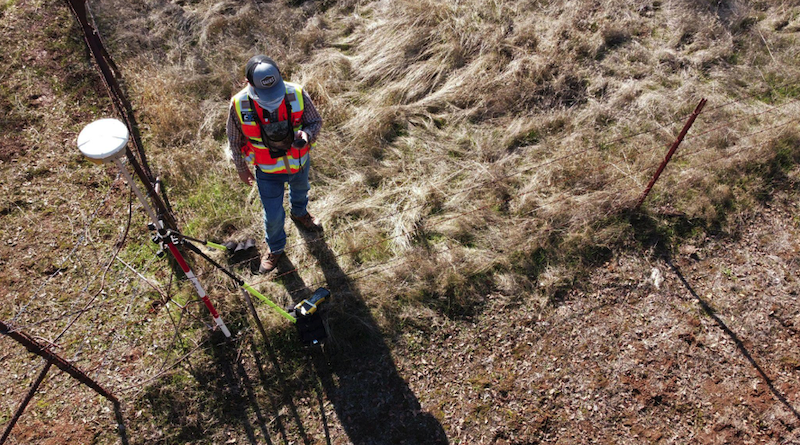
RTK Data Coverage Explained: Why Access to Many RTK Stations Matters
Accurate field positioning relies not only on high-quality GNSS receivers but also on the effectiveness of the correction networks that support them. Factors such as the distance from correction stations, signal quality, system uptime, and regional availability play crucial roles in determining the stability of the final positioning results. Field teams can achieve enhanced RTK precision by utilizing RTKdata as a provider, which offers extensive access to a robust network of correction services. This integration ensures that teams can maintain strong positioning accuracy in various operational environments.
Communications Technology automation news construction technology drone mapping gnss
Safety Beyond the Pavement: Lighting and Traction for Dangerous Terrains
As daylight faded on the track, conditions deteriorated significantly by 5 PM, transforming from packed dirt to loose shale. This unexpected change left participants with only thirty meters of visibility ahead, making it difficult to react to potential hazards. The situation highlights the challenges faced by those involved, as many are unprepared for such abrupt shifts in terrain. The incident underscores the importance of readiness and adaptability in unpredictable environments.
Engineering Environment Health adas systems agricultural machinery all-terrain vehicles
Greenpeace robot stages deepest-ever seabed protest
In a groundbreaking initiative, Greenpeace has launched an underwater robot to conduct a scientific survey of vulnerable deep-sea ecosystems along the Arctic Mid-Ocean Ridge. This event marks the deepest banner protest ever executed from the seabed, occurring at a depth of 2,300 meters. The robot displayed a powerful message urging global leaders to heed scientific advice, stating, “LISTEN TO THE SCIENCE!” The campaign aims to raise awareness about the urgent need for action to protect these unexplored marine environments. Dr. Sandra Schöttner, a key figure in the initiative, emphasized the importance of scientific research in informing policy decisions regarding environmental conservation. This innovative protest not only highlights the threats facing deep-sea ecosystems but also seeks to galvanize international attention and action on climate change and marine protection.
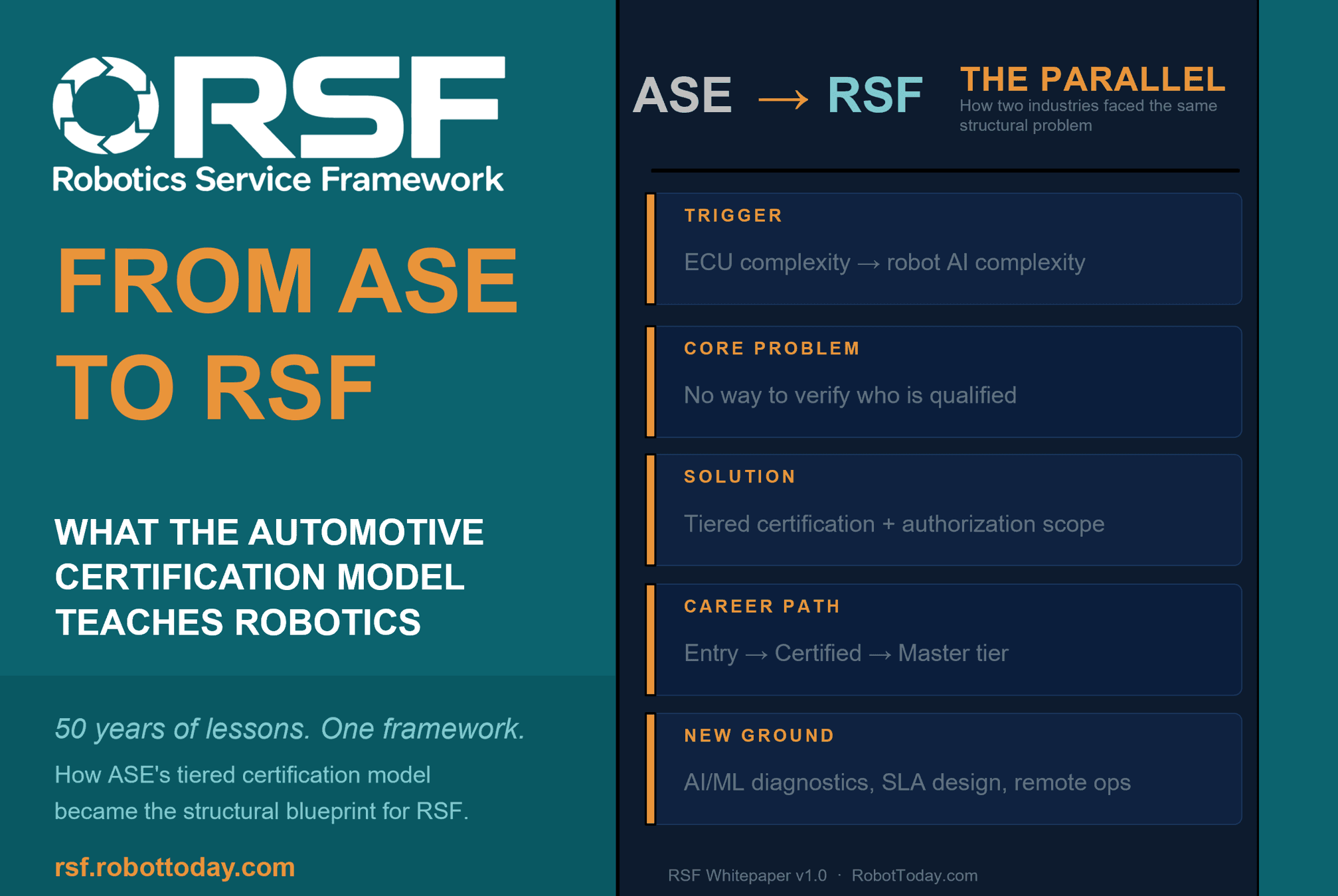
Environment News Arctic Ocean automation news autonomous underwater vehicles climate changeRobotics needs a service framework.
RSF defines a common language for robot service capability, lifecycle operations, certification pathways, and service-provider networks.