Industry Briefing
A single destination for timely, editor-curated robotics news from around the world.
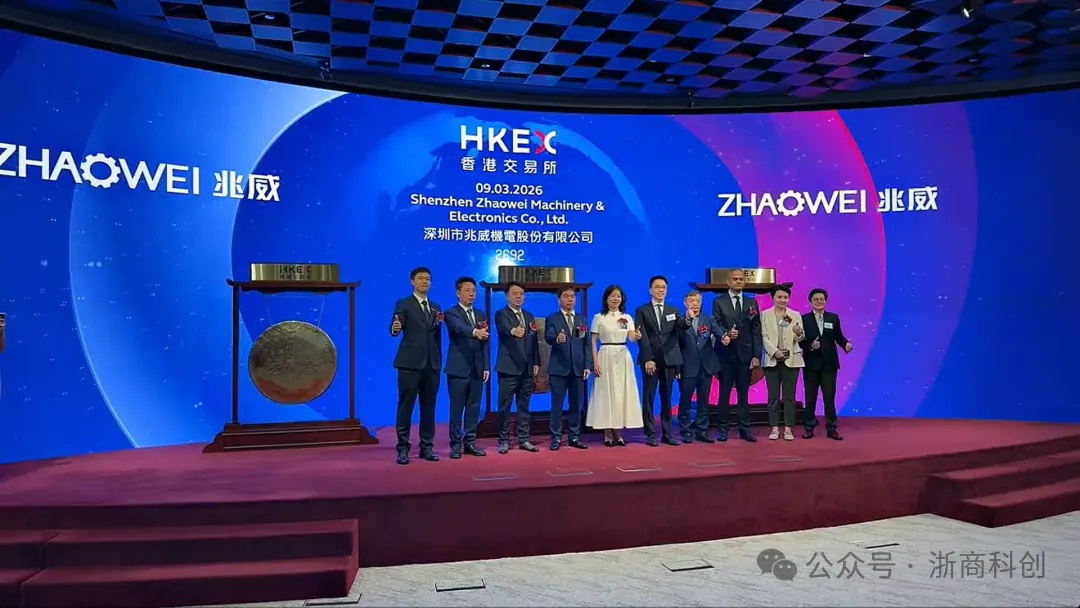
Industry Competition and Major Investments: Zhaowei Electromechanical's Hong Kong IPO Becomes a Capital Focus
Zhaowei Electromechanical experienced a successful launch on the Hong Kong Stock Exchange, with its shares opening at HKD 78, reflecting a 9.43% rise from the initial issue price. The company, known for its expertise in micro transmission systems, garnered considerable interest from investors, successfully raising around HKD 1.828 billion. This strong performance comes at a time when the market for automotive electronics and robotics is flourishing, highlighting the growing demand for innovative technologies in these sectors.
Micro Transmission Systems Automotive Electronics Robotics IPO Investment
Microsoft warns of seven new threats from agent-based AI systems, including tool contamination and visual attacks.
Microsoft has revised its classification of agent-based AI vulnerabilities, adding seven new categories, including supply chain breaches and target takeover. This update follows insights gained from real-world red team operations, highlighting the need for enhanced measures against human approval evasion and memory corruption. The company advocates for the implementation of defensive strategies during the design phase to better safeguard against these emerging threats.
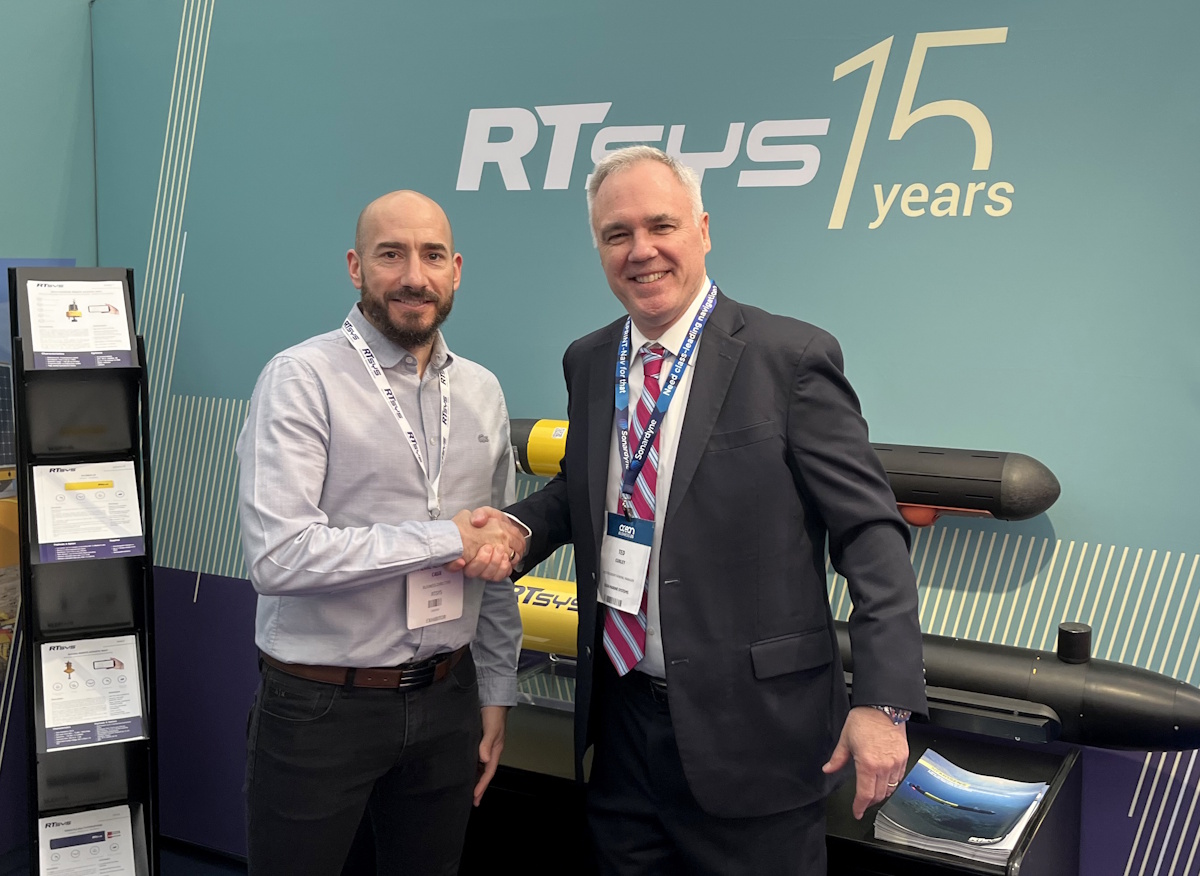
Klein Marine Systems Secures Order for 20 High-Resolution Side Scan Sonars for NemoSens® Micro AUV
Klein Marine Systems, a leading company in advanced sonar technology, has announced the acquisition of 20 high-resolution 900kHz side scan sonar systems from the French firm RTsys. This purchase, revealed today, is intended for integration into Klein's innovative micro autonomous underwater vehicle (AUV) platform, NEMOSENS. The move is seen as a pivotal step in advancing underwater exploration and mapping capabilities, reflecting the company's commitment to enhancing technological solutions in marine environments.
klein marine systems order high-resolution side scan sonars nemosens® micro auv
Laser micro-perforation with camera: enhancing reliability in packaging films through industrial vision.
In the contemporary flexible packaging industry, achieving excellence extends beyond aesthetics to become a critical functional requirement. The optimization of permeability has emerged as a fundamental pillar in preserving the freshness of products, where every technical detail plays a vital role in extending shelf life and minimizing food waste. Recent advancements in laser micro-perforation technology, combined with industrial vision systems, are enhancing the reliability of packaging films. This innovative approach not only improves product preservation but also addresses the growing demand for sustainable packaging solutions. The integration of these technologies is transforming how the industry approaches packaging efficiency and effectiveness.
À la une IA Industrie Robotique conservation des aliments contrôle qualité automatisé
Microsoft and Palantir Urge Businesses to Retain AI Sovereignty Amid Rising Costs
Microsoft CEO Satya Nadella recently emphasized the importance of maintaining AI sovereignty in a widely discussed essay that garnered over 66 million views. He warned against relying on external AI models, advocating for companies to develop their own 'token capital' alongside human capital to create proprietary AI capabilities. This call to action comes as businesses face skyrocketing AI usage costs, exemplified by Uber's rapid depletion of its AI budget within four months. The significance of Nadella's message lies in its timing, as companies increasingly utilize AI agents that consume vast amounts of tokens, leading to concerns over escalating expenses without corresponding value. Palantir Technologies echoed this sentiment with a manifesto stressing the need for organizations to retain control over their AI capabilities and data. The manifesto's provocative statements have sparked a debate about the implications of AI model dependency and the potential for industry hollowing out if businesses do not take charge of their AI strategies. Looking ahead, both Microsoft and Palantir are positioning themselves as essential partners in the development of proprietary AI systems. As companies navigate the complexities of AI integration, the focus will likely shift towards establishing robust learning loops that enhance both human and token capital. No further timeline was disclosed at the time of publication for specific initiatives from either company to address these challenges.

Microsoft study shows AI won't replace IT engineers, highlighting opportunities for delegation and career growth.
A recent study by Microsoft has revealed key survival strategies for IT engineers in the age of artificial intelligence. The research indicates that there is a significant variance in the reliability of AI tasks, with 59% of respondents prioritizing the design of systems that keep humans in the loop. This approach suggests a shift in focus for IT professionals, encouraging them to delegate monotonous tasks to AI while redirecting their efforts towards more complex activities such as reasoning and design. The findings highlight a transformative opportunity for engineers to evolve their careers in response to the growing integration of AI technologies.

Anthropic's Claude model officially launched on Microsoft Foundry.
On June 29, Anthropic announced the official availability of its Claude model on Microsoft Foundry, specifically within the Azure AI Foundry platform. This development allows enterprise users to deploy and utilize the Claude model directly in the Azure environment, leveraging existing Azure authentication, billing, and governance systems. Currently, the platform supports Claude Opus 4.8 and Claude Haiku 4.5, which include features such as prompt caching and extended thinking capabilities. These functionalities are designed for applications in programming, intelligent agents, and complex reasoning scenarios. Anthropic also noted that users can choose to run their inference either on Azure or in an Anthropic-hosted environment. Looking ahead, both companies plan to gradually align their features and models for enhanced compatibility.
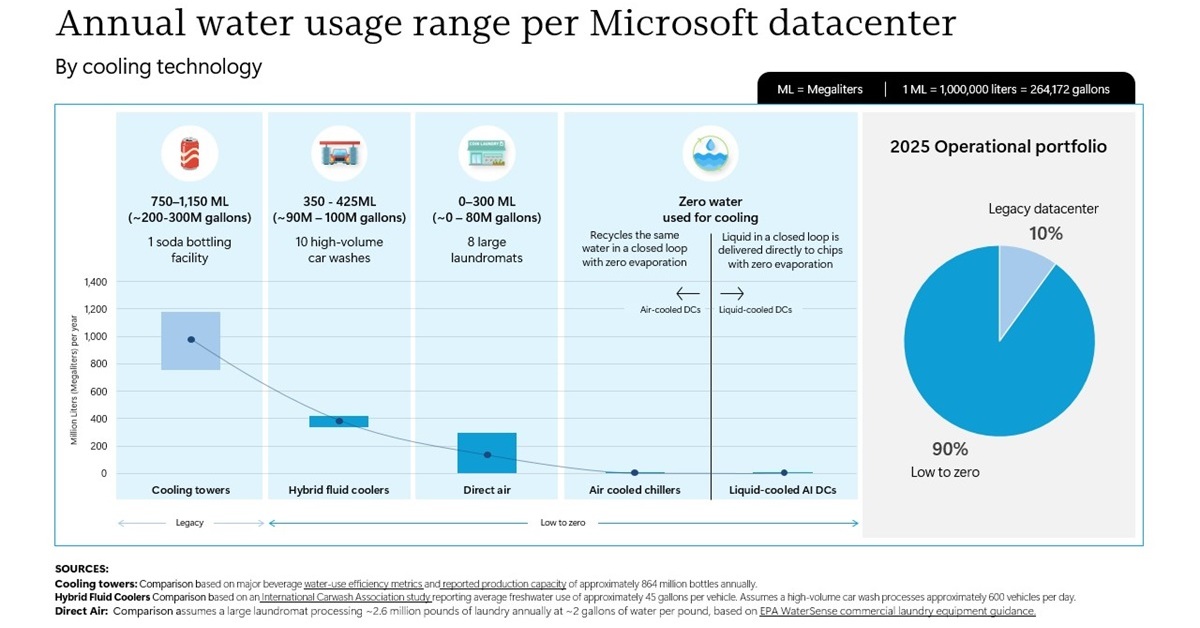
Is "Dehydration Cooling" the Future for Data Centers in the AI Era? Insights from Microsoft's Waterless Cooling Strategy.
Microsoft has announced new water conservation measures for its data centers in response to the growing demand for AI and cloud services. The tech giant aims to achieve water positivity by 2030, targeting a 90% improvement in water usage efficiency compared to initial levels. To support this goal, Microsoft plans to implement waterless cooling systems in its latest facilities and utilize rainwater, thereby promoting sustainable infrastructure operations.
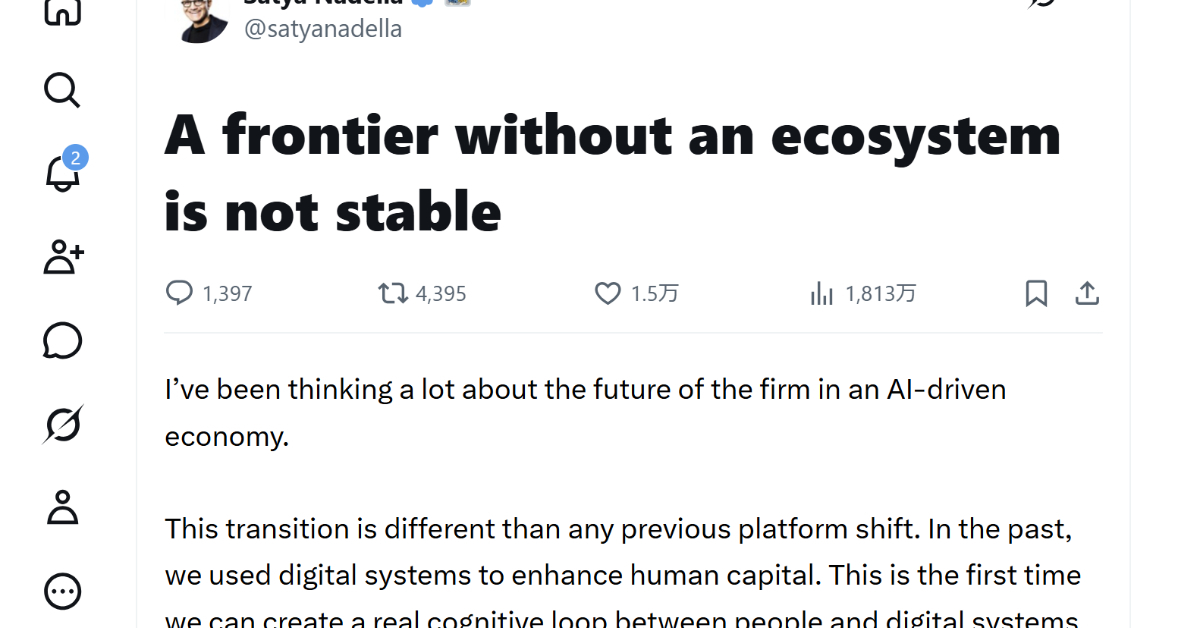
Microsoft CEO Satya Nadella posts on X: "A frontier without an ecosystem is unstable," two days after Fable 5 halt.
Two days after the U.S. government halted the global deployment of Anthropic's "Claude Fable 5" due to export control directives, Microsoft CEO Satya Nadella took to X to share his insights on the importance of building independent learning systems for companies. In his post, titled "An Ecosystem-less Frontier is Unstable," Nadella did not directly reference the Fable 5 situation but emphasized the necessity for businesses to avoid reliance on specific models. His comments come amid growing concerns about the stability of AI ecosystems in light of regulatory challenges.

Microsoft releases "Coreutils for Windows," bringing UNIX commands to Windows.
Microsoft announced the public release of "Coreutils for Windows," a collection of fundamental UNIX commands adapted for the Windows operating system, during its annual event, Microsoft Build 2026, which kicked off in the early hours of June 3, Japan time. This initiative aims to enhance the functionality and versatility of Windows for developers and users familiar with UNIX environments, providing them with essential command-line tools directly on their Windows machines. The move reflects Microsoft's ongoing commitment to bridging the gap between different operating systems and improving user experience across platforms.

Microsoft announces customizable isolation environment "Microsoft Execution Containers" for AI agents, compatible with OpenClaw.
Microsoft has unveiled a new customizable isolated environment for AI agents, known as Microsoft Execution Containers (MXC). This announcement was made recently as part of the tech giant's ongoing efforts to enhance AI development and deployment capabilities. The MXC aims to provide developers with a secure and flexible platform to create and manage AI applications, ensuring that they can operate independently while maintaining high levels of performance and security. By offering this innovative solution, Microsoft seeks to address the growing demand for robust AI systems that can be tailored to specific needs, thereby facilitating more efficient and effective AI integration across various industries.

Microsoft announces Android-based AI agent platform "Solara" and showcases Snapdragon-powered badge device.
At the recent Build 2026 conference, Microsoft unveiled a new platform called Project Solara, designed specifically for executing AI agents. Unlike traditional operating systems, this platform is based on AOSP (Android Open Source Project). In collaboration with Qualcomm, Microsoft introduced a device resembling an employee badge, as well as a stationary device developed in partnership with MediaTek. The company has initiated pilot programs with major enterprises to test these innovations.

Windows 11 response improvements are gradually taking effect with the latest update and a shift in Microsoft's AI strategy.
Microsoft has launched a new update for Windows 11, aimed at enhancing performance, particularly in the responsiveness of the Start menu and application launches. This update comes at a pivotal moment for the company, as it faces significant changes within its AI division. Yusuf Mehdi, who has been instrumental in leading Microsoft's AI and operating systems efforts, has announced his departure. Additionally, the company is revising its internal rules regarding the use of AI development tools. These developments indicate a potential shift in Microsoft's AI strategy as it navigates these transitions.
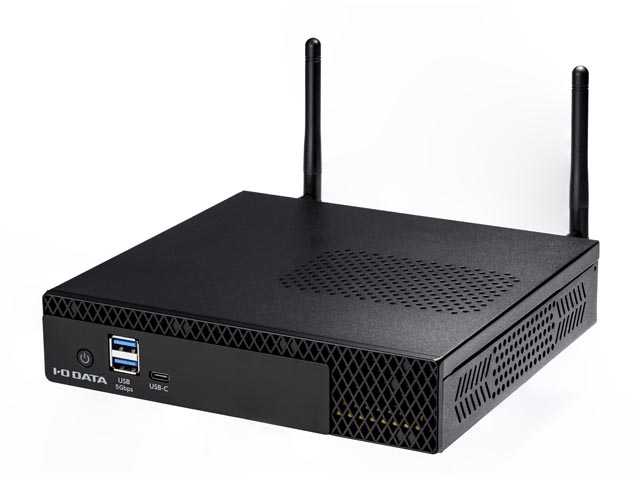
IO launches business mini desktop with Core i3 and includes Microsoft Office as standard.
I-O Data has announced the launch of its new compact desktop PC, the MPC-NCI3W2/PRO, designed specifically for business use. This product release is aimed at providing companies with a reliable and efficient computing solution. The MPC-NCI3W2/PRO will be available for purchase starting this month, catering to the growing demand for compact yet powerful desktop systems in professional environments. By focusing on the needs of businesses, I-O Data seeks to enhance productivity and streamline operations with this innovative technology.

Hobbyist converts SEM into transmission electron microscope for sub-nanometer imaging
A home machinist and microscopy enthusiast has undertaken a comprehensive technical conversion of a scanning electron microscope (SEM) to enhance its capabilities. This project, which began recently, is being conducted in the machinist's workshop, where he meticulously documents each step of the process. The motivation behind this endeavor is to improve the performance and accessibility of the SEM for hobbyists and researchers alike. By sharing his detailed findings and techniques online, he aims to inspire others in the field of microscopy and promote DIY scientific exploration. The conversion involves intricate modifications and adjustments to the microscope's components, showcasing the machinist's skills and passion for the craft. As he progresses, the machinist hopes to contribute valuable insights to the community, making advanced microscopy more approachable for enthusiasts and professionals.
Innovation Science

As AI Reshapes Global Energy Systems, Melbourne Leads Through Engineering Collaboration
As artificial intelligence (AI) rapidly expands, it is driving a significant increase in global electricity demand, presenting urgent challenges for energy systems. Melbourne, Australia, is positioning itself as a leader in addressing these issues, with a focus on the infrastructure necessary to support AI's growth. By 2035, data centers in Australia are expected to consume up to 11 percent of the nation's electricity, raising concerns about generation and system reliability. The University of Melbourne is at the forefront of this initiative, with interdisciplinary research aimed at developing energy systems that can meet the demands of AI. The Melbourne Energy Institute is exploring how various energy technologies interact, while facilities like the Smart Grid Lab allow for real-time simulations of power systems. This integrated approach is essential for designing resilient and efficient energy systems that can adapt to new patterns of demand. Victoria's advanced energy ecosystem, which includes renewable generation and battery storage, is crucial for balancing digital growth with sustainability. The collaboration between researchers, industry, and policymakers is vital for creating future energy systems that are affordable and resilient. Looking ahead, Melbourne will host the IEEE PES Generation Transmission and Distribution Asia 2027 Conference, bringing together global experts to address the evolving challenges in power systems. This event underscores Melbourne's commitment to fostering international collaboration and innovation in energy solutions, reinforcing its role as a key player in the global energy transition.
Artificial-intelligence Australia Energy-systems University-of-melbourne Ai-data-centers Power-grid
Capital Increase + Price Drop: Hangkai Microelectronics Accelerates the Popularization of Embodied Intelligent End Force Control Technology
Hangkai Microelectronics is taking significant steps to advance the adoption of its embodied intelligent end force control technology through a recent capital increase and a strategic price drop. This initiative, announced in October 2023, aims to enhance the accessibility of their innovative solutions in the market. The company is focused on expanding its reach and facilitating the integration of this technology across various industries, addressing the growing demand for intelligent automation. By reducing prices, Hangkai Microelectronics hopes to attract a broader customer base and accelerate the implementation of their cutting-edge technology, ultimately positioning itself as a leader in the field of intelligent control systems.
Robotics Automation AI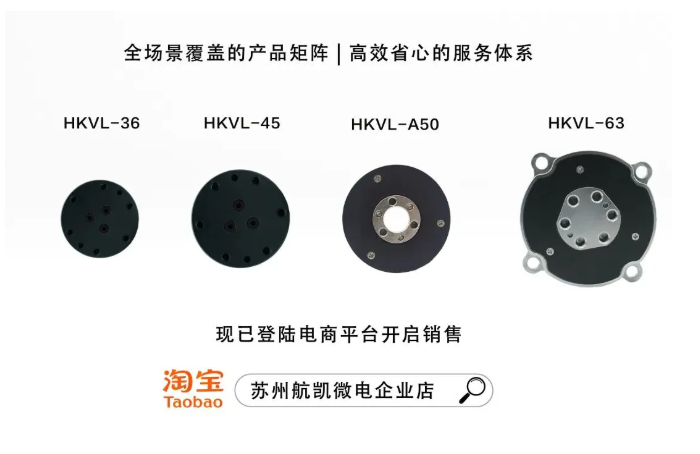
300% FS Safe Overload and 0.01N Resolution: Launch of HKVL Series Six-Dimensional Force Sensors by Hangkai Microelectronics
Hangkai Microelectronics has introduced its latest innovation, the HKVL series six-dimensional force sensors, aimed at enhancing robotic force control. The sensors have undergone rigorous testing, showcasing remarkable performance in extreme overload scenarios and micro-force detection. This advancement promises to significantly improve reliability and accuracy in various industrial automation and robotics applications. The launch of these sensors marks a pivotal step in the company's commitment to advancing technology in the field, addressing the growing demand for precision in automated systems.
Force Sensors Robotics Industrial Automation Precision Control
"BioGeometry" secures hundreds of millions in strategic funding to create a "microscopic world model" in life sciences.
AI-native biotechnology company BaiAo Geometry has successfully secured several hundred million yuan in strategic financing, with investments led by the Shanghai Biomedical Innovation Transformation Fund, Guoke Investment, Dacheng Wisdom, and Xinglian Capital, alongside follow-on investments from GaoRong Capital and the Index AI Industry Innovation Fund. The funds will primarily support the ongoing development of their life sciences micro-world model, GeoFlow, and the advancement of their proprietary drug pipeline. Artificial intelligence is rapidly evolving along two main trajectories: digital AI, represented by large language and multimodal models, and physical AI, exemplified by autonomous vehicles and humanoid robots. Life AI is emerging as a promising frontier, a sentiment echoed by leading global investors and scientists. BaiAo Geometry's GeoFlow model, launched in 2024, aims to understand and design molecular interactions at an atomic level, enabling the creation of novel molecules that have never existed in nature. The company has iterated GeoFlow multiple times, achieving significant advancements in protein structure prediction and de novo design capabilities. By applying Test-Time Scaling technology, BaiAo Geometry enhances the success rate of protein designs without the need for extensive retraining. This innovation allows for the rapid generation and optimization of high-affinity binding molecules, significantly reducing the time and cost associated with traditional drug discovery processes. BaiAo Geometry has established over 20 business development collaborations with domestic and international pharmaceutical companies, focusing on high-specificity antibody design and vaccine development. The company is currently working on the next iteration of GeoFlow, which aims to expand modeling from individual molecules to entire molecular systems, further revolutionizing drug development in the biotechnology sector.

Microsoft reboots computing with Solara OS built for agent-first device ecosystem
Microsoft is positioning itself for a transformative shift in technology, focusing on the development of advanced artificial intelligence systems. The tech giant announced its strategic initiatives during a recent event held in Redmond, Washington, where executives outlined plans to integrate AI capabilities across its product offerings. This move is driven by the increasing demand for smarter, more efficient tools that can enhance productivity and streamline workflows for businesses and consumers alike. By leveraging its existing cloud infrastructure and AI research, Microsoft aims to create innovative solutions that address evolving market needs. The company is investing heavily in research and development, collaborating with industry leaders and academic institutions to push the boundaries of what AI can achieve. As Microsoft embarks on this ambitious journey, it seeks to redefine user experiences and establish itself as a leader in the next generation of technology.

NVIDIA Partners With Microsoft on Unified Stack for Agentic AI Deployment, From Windows Devices to Cloud to Local
NVIDIA and Microsoft have announced a significant advancement in artificial intelligence, highlighting the arrival of what they term the "agentic AI moment." This development emphasizes that realizing the full potential of AI technology necessitates not only sophisticated models but also the integration of high-speed hardware, secure operational environments, and a responsive data infrastructure. The companies are focusing on optimizing AI models for extended reasoning capabilities, which are crucial for complex decision-making processes. This collaboration aims to enhance the efficiency and effectiveness of AI applications, paving the way for more intelligent and autonomous systems in various sectors. The initiative underscores the importance of a comprehensive approach to AI development, combining cutting-edge technology with robust security measures to foster innovation.

Award Registration! Top Scholars Discuss Micro Robots and Autonomous Navigation Innovations
A recent Cell Press Live event brought together three prominent experts to explore the latest advancements in autonomous navigation technologies. The discussion covered a range of applications, including self-driving cars, drones, and innovative drug delivery systems. Scheduled for a future date, the event offers free registration for attendees eager to gain insights into cutting-edge research in micro-robotics, light-driven robots, and optimization frameworks for enhancing autonomous systems. This initiative aims to inform and engage the public in the rapidly evolving field of autonomous technology, showcasing how these innovations can transform various industries.
Micro Robots Autonomous Navigation Soft Robotics AI Drug Delivery Systems
OpenAI trial: Nadella says Musk never raised concerns to him about Microsoft investment
Elon Musk has included Microsoft as a defendant in his ongoing lawsuit against OpenAI. The legal action, which was initiated to address concerns over the use of artificial intelligence technologies, highlights Musk's growing apprehensions regarding the influence and practices of AI developers. The lawsuit, filed recently, underscores Musk's belief that OpenAI's operations may pose risks to public safety and ethical standards in AI deployment. By naming Microsoft, a significant investor in OpenAI, Musk aims to hold both entities accountable for their roles in the development and management of AI systems. This legal move reflects Musk's broader concerns about the potential consequences of unchecked AI advancements and the need for stricter regulations in the tech industry. The case is expected to draw attention to the responsibilities of major tech companies in ensuring the safe and ethical use of artificial intelligence.
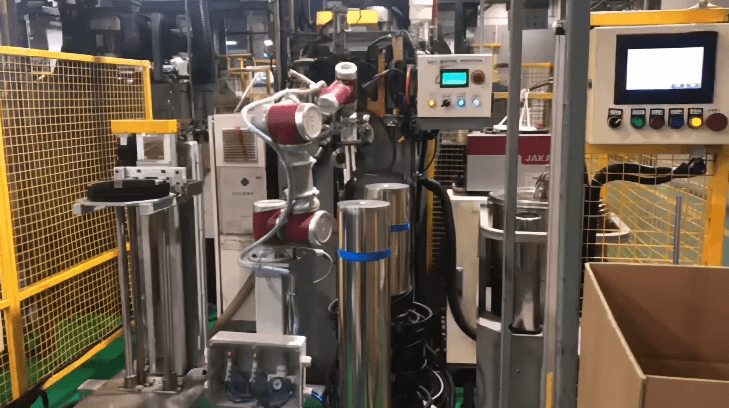
How to Achieve Remote Monitoring and Diagnostics for Controllable Robot Systems
In the evolving landscape of smart manufacturing, the significance of collaborative robots is shifting from mere physical performance to the ability to be managed remotely. As production environments become increasingly decentralized, companies are prioritizing remote monitoring and diagnostics to oversee robot health, predict maintenance needs, and troubleshoot issues without on-site presence. To achieve effective remote management, a combination of advanced hardware sensors and cloud-based software is essential. Utilizing the Industrial Internet of Things (IIoT), data from robots—including motor temperature and power consumption—is streamed to centralized dashboards. Secure data transmission protocols like OPC UA and MQTT facilitate communication with Manufacturing Execution Systems, enabling the use of "Digital Twin" technology. This allows real-time mirroring of a robot's movements, triggering automated alerts for predictive maintenance to prevent costly downtimes. JAKA is at the forefront of this innovation, moving beyond traditional operations to create a connected ecosystem. Their "Smart, Simple, Small" philosophy ensures that managing JAKA systems is as user-friendly as mobile applications. With advanced wireless teaching and cloud management tools, users can monitor their fleet of robots globally from a single interface. JAKA's software suite enables remote diagnostics, providing real-time feedback on robot status, which is crucial for maintaining continuous production across various locations. The integration of AI-driven vision and sensing further enhances remote monitoring capabilities. By investing in JAKA, companies are securing a future-proof solution that ensures control and productivity, regardless of geographical constraints.

Robotic Microfactories Enable Scalable Modular Housing Construction
Reframe Systems has introduced decentralized robotic microfactories that are transforming the production of modular homes. This innovative approach aims to significantly lower costs and reduce emissions, addressing the growing demand for affordable housing solutions. By utilizing advanced robotics and decentralized manufacturing processes, Reframe Systems is able to streamline production, making it more efficient and environmentally friendly. The initiative comes at a crucial time as the housing crisis continues to escalate, prompting the need for sustainable and cost-effective building methods. With these microfactories, the company is poised to make a substantial impact on the housing market, providing a viable alternative to traditional construction practices.
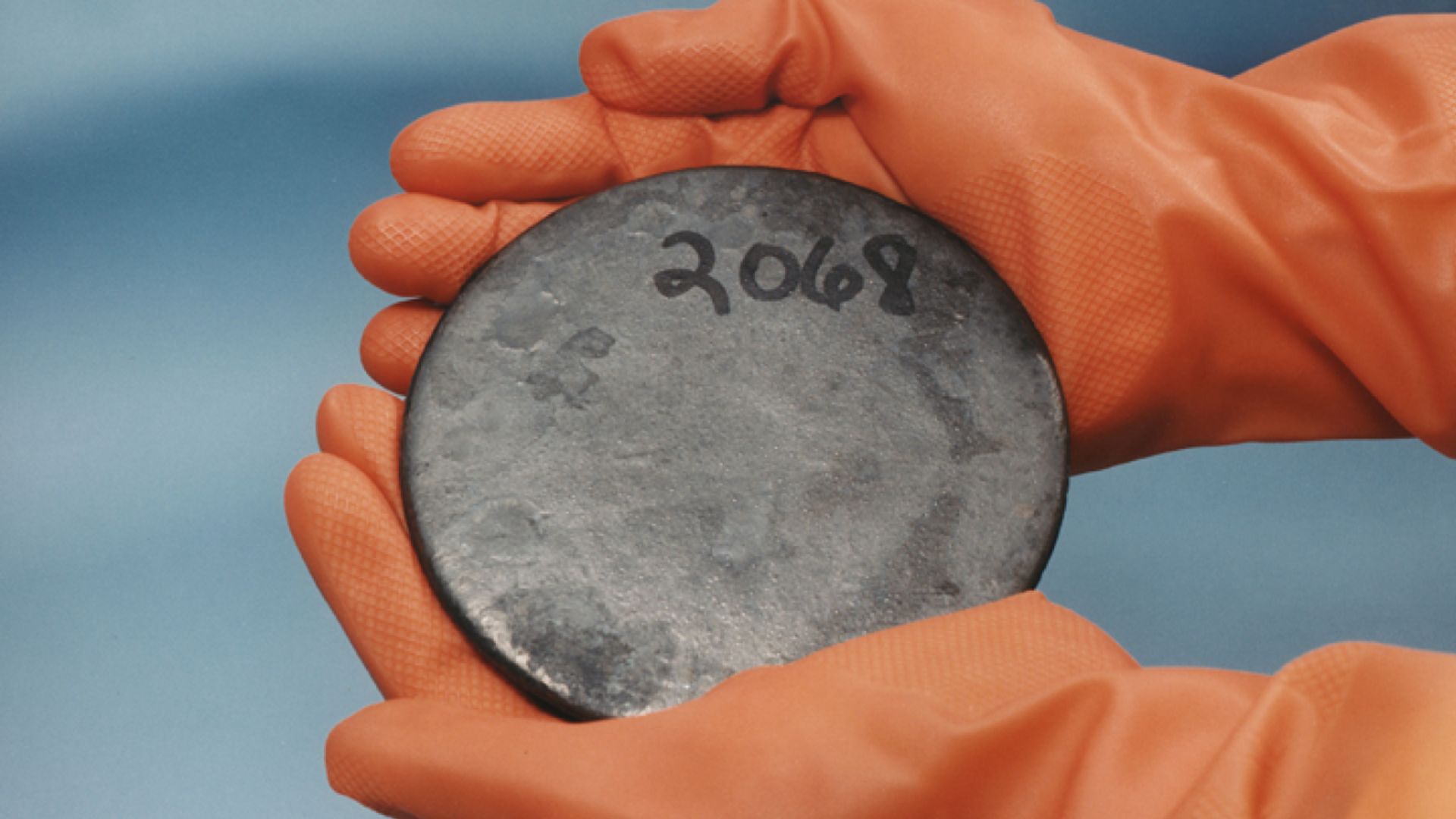
‘Predator-like’ light-powered micromotors to mine uranium from oceans, wastewater
Researchers at the Qinghai Institute of Salt Lakes in China have made a significant breakthrough by developing a new microscopic material that has the potential to revolutionize various industries. This innovative material, created using advanced techniques, was unveiled during a recent scientific conference held in Xining, the capital of Qinghai Province. The development aims to address challenges in fields such as energy storage, environmental protection, and biomedical applications. The motivation behind this research stems from the growing need for more efficient and sustainable materials that can enhance performance while reducing environmental impact. By leveraging unique properties at the microscopic level, the scientists have demonstrated that this new material can improve energy efficiency and offer enhanced functionality compared to existing alternatives. The team utilized a combination of nanotechnology and material science to synthesize the material, which exhibits remarkable strength and versatility. Initial tests have shown promising results, indicating its potential for practical applications in batteries, water purification systems, and drug delivery mechanisms. As the research progresses, the scientists are optimistic about the material's future applications and its ability to contribute to technological advancements. They plan to collaborate with industry partners to further explore its commercial viability and to bring this innovative solution to market, potentially transforming how various sectors approach material challenges.

Tackling the housing shortage with robotic microfactories
Reframe Systems, a company co-founded by Vikas Enti, an alumnus of the SM class of 2020, is revolutionizing the construction industry with its innovative approach to building modular homes. The company has developed microfactories that streamline the construction process, significantly lowering both carbon emissions and costs associated with home building. By utilizing advanced manufacturing techniques, Reframe Systems aims to address the growing demand for sustainable housing solutions. This initiative not only promotes environmental responsibility but also seeks to make homeownership more accessible to a wider audience. The company is poised to make a substantial impact on the housing market, particularly as concerns about climate change and housing affordability continue to rise.
Startups Alumni/ae Construction Housing Systems design Sustainability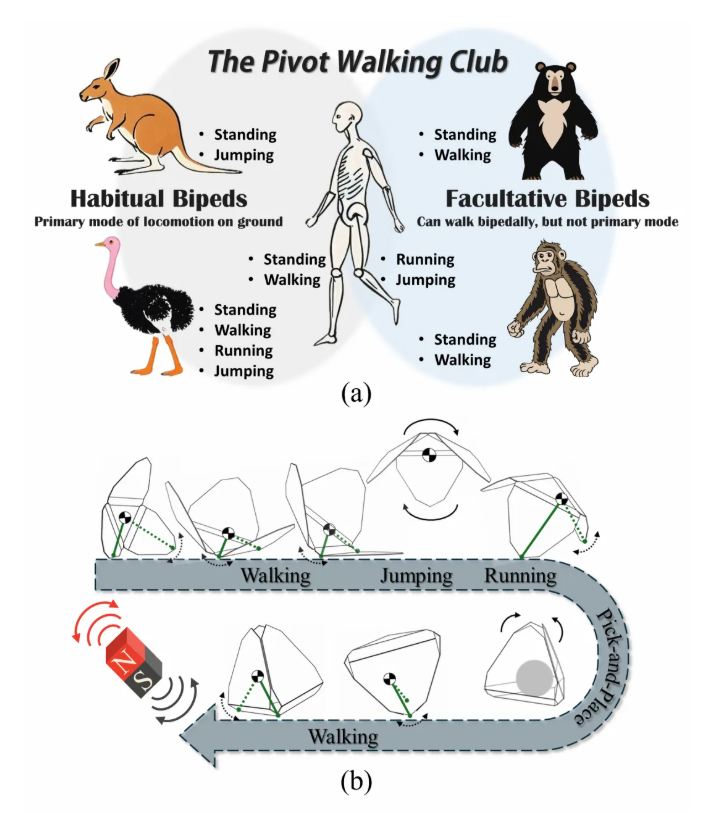
Micro Grippers with Parkour Abilities? BIT Team Proposes New Mechanism for Magnetic-Driven Microrobots Integrating Morphology and Function!
A research team at the Beijing Institute of Technology has unveiled an innovative magnetic-driven microrobot that demonstrates autonomous decision-making and adaptive movement capabilities in challenging environments. Drawing inspiration from natural organisms, this microrobot can seamlessly transition between various movement modes, allowing it to navigate efficiently and execute tasks effectively. The development of this technology aims to enhance robotic performance in complex terrains, potentially expanding its applications in fields such as search and rescue, environmental monitoring, and medical assistance. The team's work represents a significant advancement in robotics, showcasing how nature-inspired designs can lead to improved functionality and versatility in robotic systems.
Magnetic Microrobots Autonomous Robotics Soft Robotics Biomedical Applications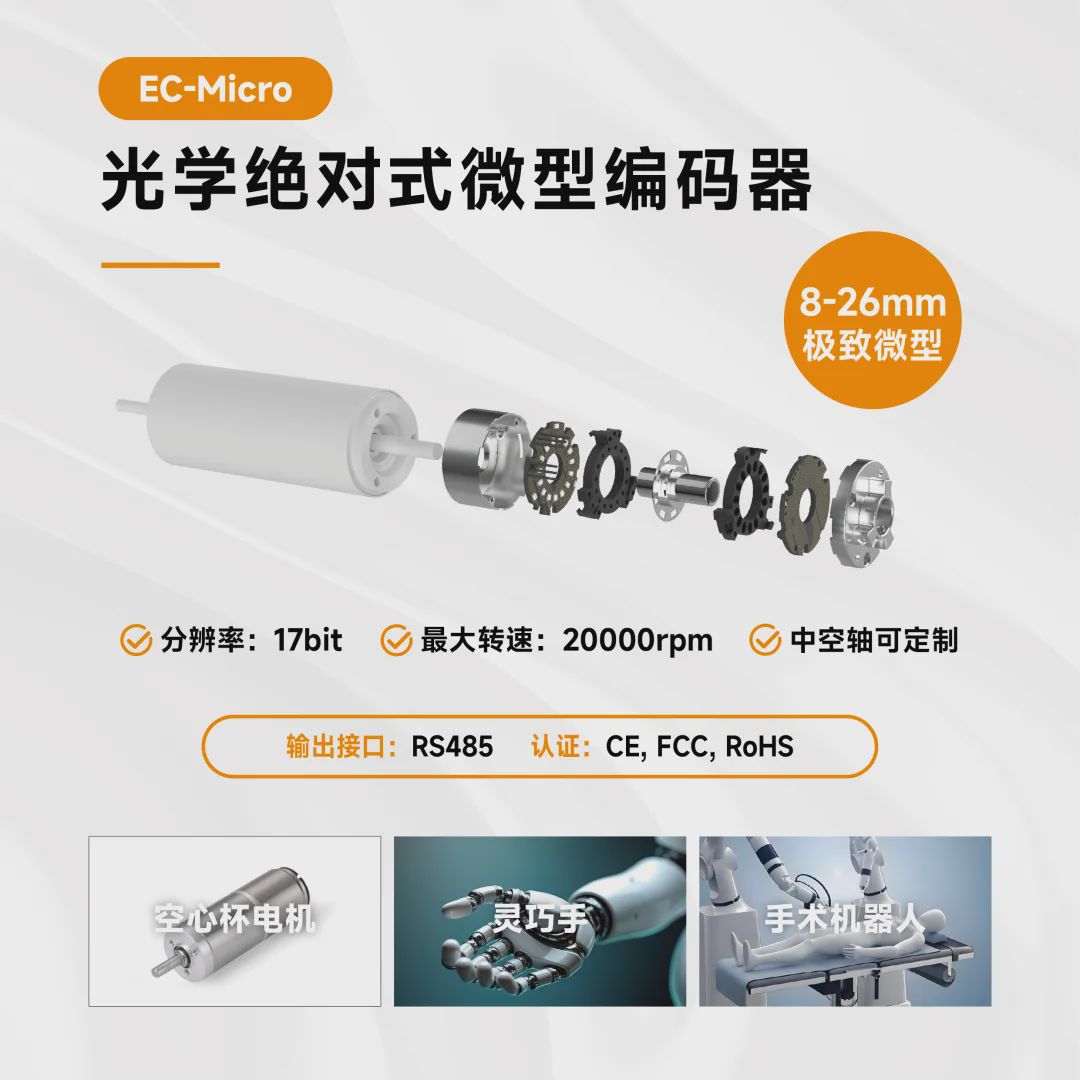
Introducing the Customizable 8mm Optical Absolute Micro Encoder for Hollow Cup Motors
Light Code Future has introduced an advanced line of customizable optical absolute micro encoders, specifically engineered for hollow cup motors. This new generation of encoders boasts a 17-bit resolution and is designed to operate without magnetic interference, ensuring stable performance at speeds of up to 20,000 rpm. Launched recently, these encoders aim to tackle significant challenges in precision motion control, particularly within the robotics and medical device sectors. The innovation reflects the company's commitment to enhancing the reliability and accuracy of motion control technologies in critical applications.
Optical Encoders Hollow Cup Motors Precision Motion Control Robotics Medical Devices
Design and Testing of a Minimal Configuration Underwater Micro‐Glider: Automating Lake and Reservoir Monitoring
The Journal of Field Robotics has recently published an early view article highlighting advancements in robotic technology and its applications in various fields. This publication, which became available in October 2023, showcases innovative research conducted by a team of engineers and scientists from leading universities and research institutions. The article focuses on the development of autonomous robots designed for complex tasks in environments such as agriculture, disaster response, and exploration. The research aims to address the growing need for efficient and reliable robotic systems capable of operating in challenging conditions, driven by the increasing demand for automation in various industries. Through rigorous testing and experimentation, the authors detail the methodologies employed in creating these advanced robotic systems, emphasizing their potential to enhance productivity and safety. The findings presented in this publication are expected to contribute significantly to the ongoing discourse on the future of robotics and its integration into everyday life. As the field of robotics continues to evolve, this early view article serves as a timely reminder of the transformative impact that innovative technologies can have on society, paving the way for further research and development in the coming years.
RESEARCH ARTICLE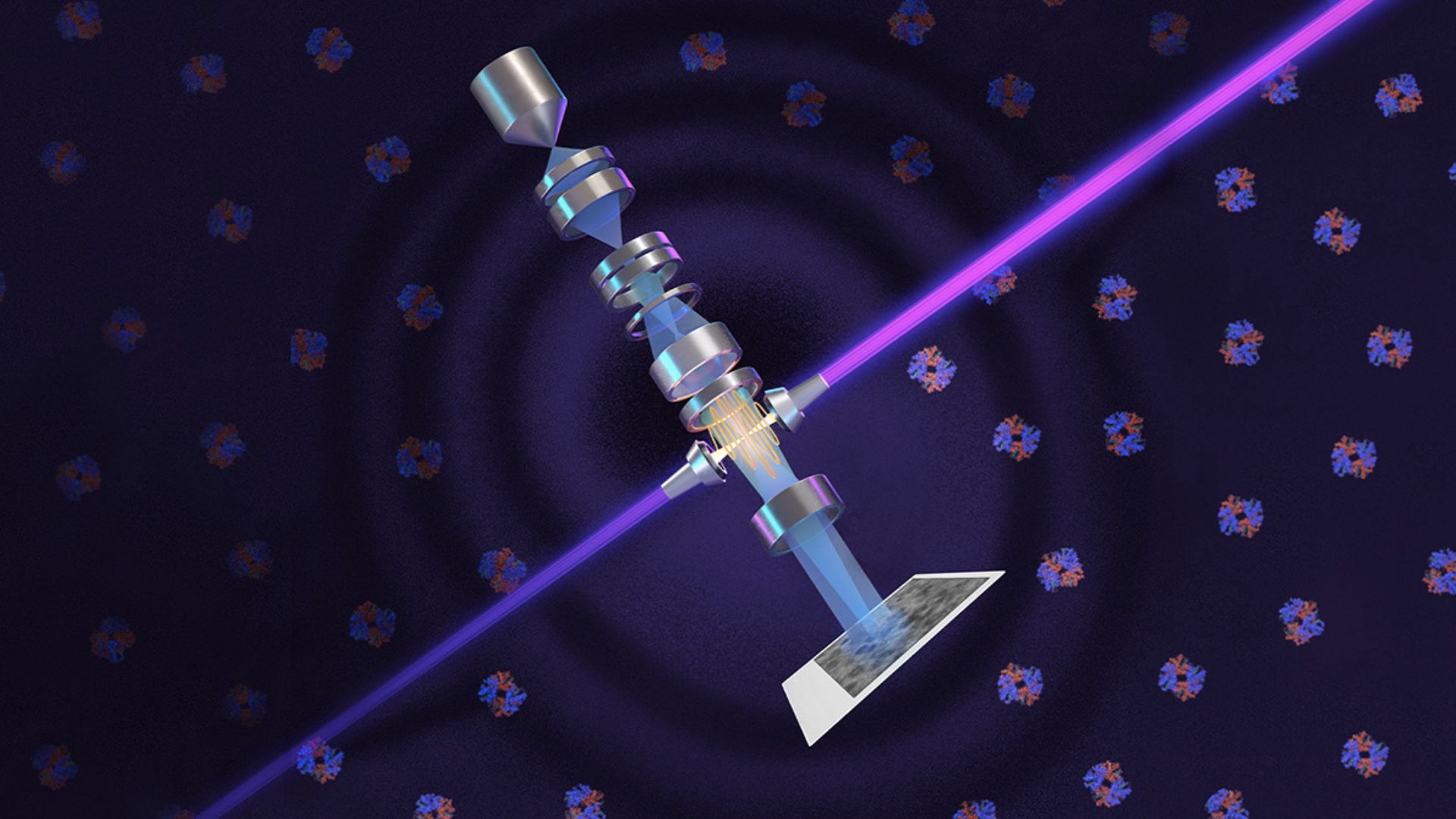
US scientists’ new electron microscopy tech delivers 10,000x magnification compared to light microscopy
A team of researchers in the United States has developed a groundbreaking technology aimed at enhancing the performance of electron devices. This innovation, unveiled recently, promises to significantly improve the efficiency and capabilities of various electronic components. The research, conducted at a prominent university, addresses the growing demand for faster and more efficient electronic systems in an increasingly digital world. By leveraging advanced materials and innovative engineering techniques, the team has successfully created a method that optimizes electron flow, potentially revolutionizing the electronics industry. This development comes at a crucial time as industries seek to meet the challenges posed by modern technological demands, including the need for better energy efficiency and higher processing speeds. The researchers are now looking to collaborate with industry partners to further refine the technology and explore its applications in commercial products.
Innovation
Voice AI Systems Are Vulnerable to Hidden Audio Attacks
Researchers are set to unveil alarming findings regarding AI-powered voice and audio tools at the IEEE Symposium on Security and Privacy in San Francisco next week. The study reveals that modified audio clips, imperceptible to human ears, can manipulate large audio-language models (LALMs) to execute unauthorized commands with a success rate between 79 and 96 percent. This vulnerability allows attackers to control devices, conduct sensitive web searches, and even send emails containing user data without the user's knowledge. The research, led by Meng Chen, a Ph.D. student at Zhejiang University in China, demonstrates that these attacks can be executed in real-time and do not require the attacker to have full control over the user's instructions. Instead, adversarial audio can be embedded in various media, such as online videos or voice notes, making it a pervasive threat. The technique, dubbed AudioHijack, exploits a critical flaw in LALM design, allowing malicious instructions to be hidden within manipulated audio clips. The researchers tested their method on 13 leading open models, including those from Microsoft and Mistral, and found that their attacks could be adapted to commercial models as well. While Microsoft acknowledged the importance of the research in enhancing model resilience, Mistral did not respond to inquiries. The study highlights the challenges in defending against such attacks, as common defenses have proven largely ineffective, underscoring the urgent need for improved security measures in AI audio technologies.
Hacking Digital-audio Adversarial-attacks Open-source-software Cybersecurity
Pentagon ramps AI oversight with Microsoft, Google models before public deployment
The U.S. government is intensifying regulations on advanced artificial intelligence technologies, responding to growing concerns over their potential risks and ethical implications. This initiative, announced recently, aims to establish a framework that ensures the responsible development and deployment of AI systems. The new measures are part of a broader effort to address issues such as privacy, security, and bias in AI applications. The regulations are expected to be implemented in the coming months, with the Biden administration emphasizing the need for collaboration between federal agencies, industry leaders, and academic institutions. By fostering a transparent and accountable AI ecosystem, officials hope to mitigate risks while promoting innovation. The move reflects a proactive stance in the face of rapid advancements in AI, as policymakers seek to balance technological progress with public safety and ethical standards. As the global landscape for AI continues to evolve, the U.S. aims to position itself as a leader in responsible AI governance, setting a precedent that could influence international standards and practices.
Movable Anchor Cable‐Driven Parallel Robot and Its Application in Ground Microgravity Experiment for Long‐Span Flexible Manipulators
In May 2026, researchers published a significant study in the Journal of Field Robotics, focusing on advancements in robotic technology. The study, appearing in Volume 43, Issue 3, spans pages 2069 to 2089 and highlights innovative developments in the field of robotics that could enhance various applications, including industrial automation and autonomous vehicles. The research was conducted by a team of experts aiming to address the growing demand for more efficient and intelligent robotic systems. By integrating advanced algorithms and machine learning techniques, the team demonstrated how these improvements could lead to increased operational efficiency and safety in robotic applications. This publication is part of a broader effort to push the boundaries of robotics, responding to the challenges posed by complex environments and tasks that require high levels of precision and adaptability. The findings are expected to influence future research directions and practical implementations in robotics, contributing to the evolution of the industry.
RESEARCH ARTICLE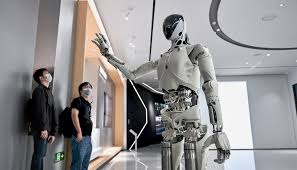
Biomimetic Design and Performance Analysis of a Magnetic H‐Shaped Microrobot
A recent study published in the Journal of Field Robotics highlights advancements in autonomous robotic systems designed for agricultural applications. Researchers from various institutions collaborated to develop innovative technologies aimed at improving efficiency in crop management. The findings, released in early October 2023, emphasize the growing need for sustainable farming practices amid increasing global food demands. The study showcases how these robotic systems can enhance precision in tasks such as planting, monitoring, and harvesting crops. By integrating artificial intelligence and machine learning, the robots are capable of analyzing environmental conditions and making real-time adjustments to optimize yield. This technological evolution is driven by the urgent need to address labor shortages in agriculture and the rising costs associated with traditional farming methods. Field tests conducted in diverse agricultural settings demonstrated the robots' effectiveness in reducing resource consumption while increasing productivity. The research team believes that widespread adoption of these autonomous systems could significantly transform the agricultural landscape, promoting sustainability and resilience in food production. As the agricultural sector faces unprecedented challenges, this study underscores the potential of robotics to revolutionize farming practices, ensuring food security for future generations.
RESEARCH ARTICLE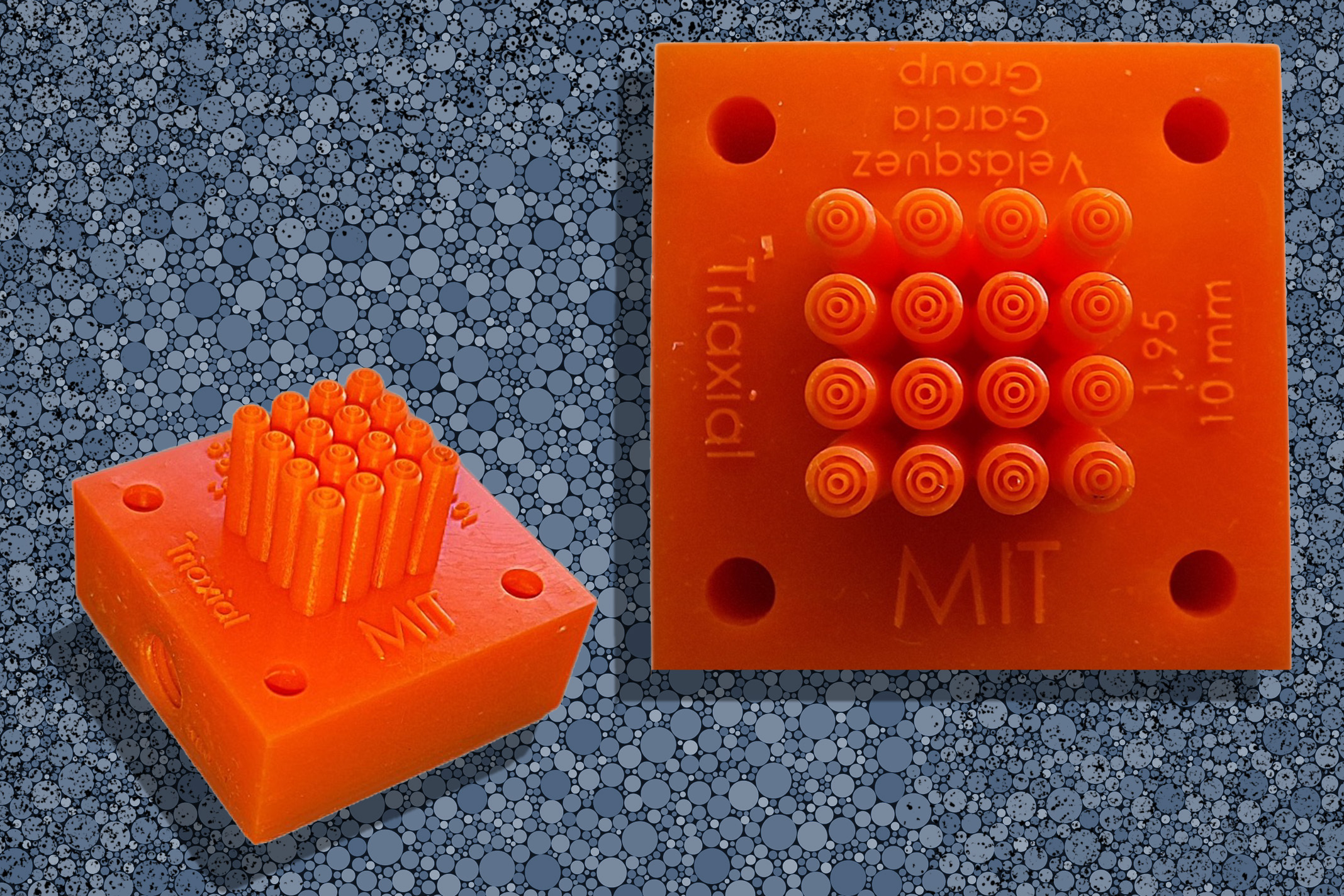
3D-printed devices could streamline the production of drug-delivery microparticles
A new development in particle production technology has emerged, utilizing cost-effective devices that can be constructed in just a few hours. These innovative devices employ electrospray emitter technology to efficiently generate three-layered particles on a large scale. This advancement is poised to enhance manufacturing processes across various industries by providing a faster and more economical method of particle creation. The introduction of these devices marks a significant step forward in the field, potentially leading to improved applications in pharmaceuticals, materials science, and other sectors that rely on precise particle engineering.
Research 3-D printing Additive manufacturing Electronics Medical devices Drug delivery
Elemeno Health agrees strategic partnership with Swisslog Healthcare to drive efficiency in healthcare automation
Elemeno Health has formed a strategic partnership with Swisslog Healthcare to enhance automation solutions in hospitals throughout North America. This collaboration aims to integrate Elemeno's just-in-time microlearning platform with Swisslog's robotics and pharmacy automation systems, facilitating streamlined training for frontline staff. By enabling customer self-service capabilities, the partnership seeks to improve operational efficiency and support healthcare providers in delivering better patient care. The initiative underscores the growing importance of pharmacy automation in modern healthcare settings, as hospitals increasingly rely on advanced technology to optimize their services.
Health Logistics News allegro automated pharmacy systems automation news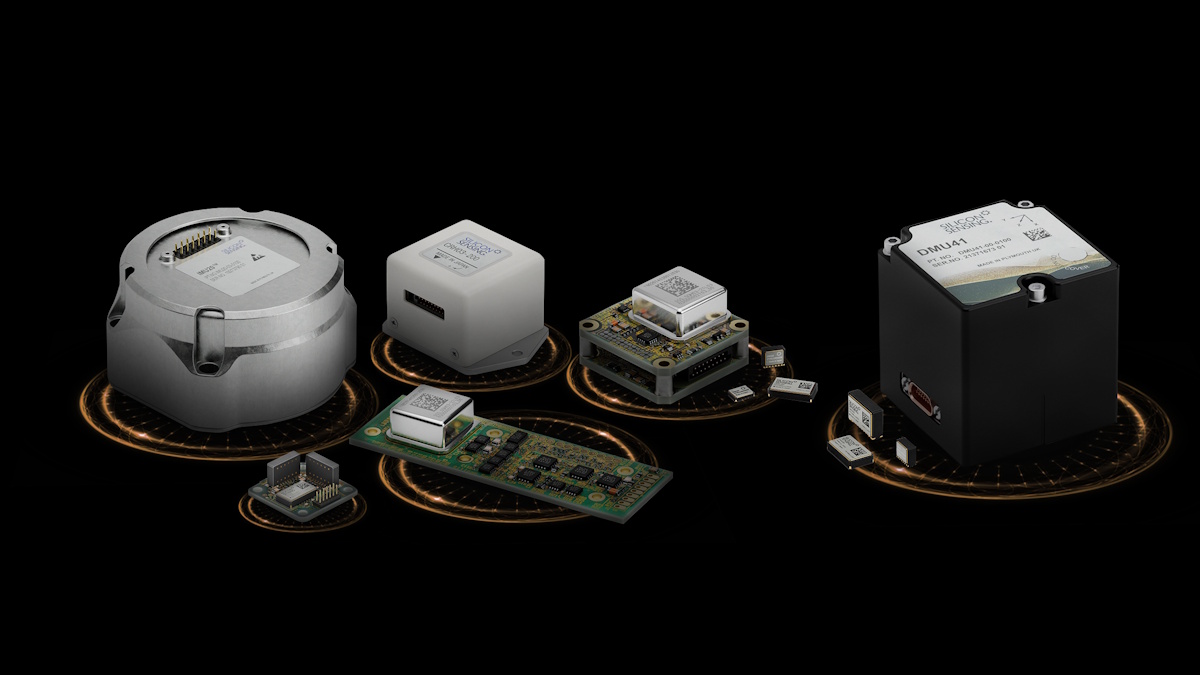
Silicon Sensing Produced its 30 Millionth Inertial Sensor
Silicon Sensing Systems Ltd has reached a significant milestone by producing its 30 millionth inertial sensor. Established in 1999, the company has become a key player in the global market, supplying advanced inertial sensors and systems across various sectors, including robotics, industrial production, marine, aerospace, defense, transport, and space. The company's innovative approach centers on high-performance gyroscopes, accelerometers, inertial measurement units (IMUs), and combi-sensors, all leveraging its proprietary micro electro-mechanical systems (MEMS) technology. These products are designed to outperform traditional systems, such as fiber optic gyros (FOG) and dynamically tuned gyros (DTG), by offering superior performance in a more compact and robust form. This achievement underscores Silicon Sensing's commitment to advancing sensor technology and meeting the evolving demands of diverse industries worldwide.
silicon sensing systems production milestone inertial sensor micro electro-mechanical systems (mems) gyros inertial nvigation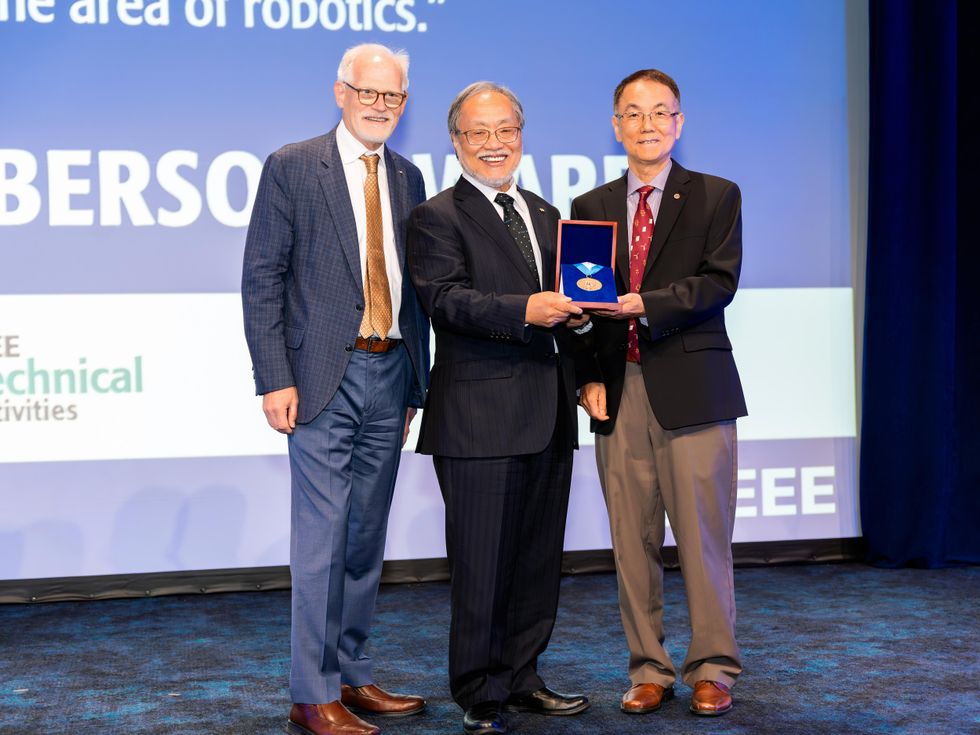
IEEE Honors Robotics Pioneer Toshio Fukuda
Toshio Fukuda has been blazing trails for most of his career. He is considered to be one of the most prolific scholars in robotics, writing more than 2,000 research papers and authoring several books on the field. He’s an influential figure thanks to his pioneering work developing biomedical robotic systems, industrial robots, micro-nano robotics, mechatronics, and AI-driven automation.Fukuda launched one of the first robotics conferences, the IEEE/RSJ International Conference on Intelligent Robots and Systems (IROS). It is still popular almost 40 years later.Toshio FukudaEmployerEgypt-Japan University of Science and Technology, in Alexandria TitleProfessor and vice president of research Member gradeLife Fellow Alma matersWaseda University, in Tokyo; University of Tokyo An IEEE Life Fellow, he is a professor emeritus in the department of micro-nano systems engineering and a visiting professor at Nagoya University, in Japan, where he taught for nearly 25 years. Currently, he is a vice president of research at the Egypt-Japan University of Science and Technology, in Alexandria, Egypt.Within IEEE, Fukuda has held top volunteer positions including the organization’s highest office: He served as IEEE president in 2020, becoming the first person of Asian descent to hold the role.He’s a former program director of Japan’s Moonshot program, which by 2050 intends to develop advanced AI robots.Born in Japan, Fukuda has been recognized by the country for his contributions to science with two of its highest awards: the Medal of Honor with a purple ribbon in 2015 and the Order of the Sacred Treasure in 2022.IEEE honored him with this year’s Richard M. Emberson Award for “distinguished service advancing the technical objectives of IEEE, especially in the area of robotics.” The IEEE Board-level award is sponsored by the IEEE Technical Activities Board. Fukuda received the award on 24 April at a ceremony in New York City.As a former IEEE president who has served as a master of ceremonies at several of the organization’s major award events, Fukuda noted that he is more accustomed to bestowing awards than receiving them.“It’s very interesting to be on the receiving end,” he says.The journey into robotics researchAs a teenager, Fukuda spent his summer breaks teaching himself how to build things including transistor radios and steam engines.“It was very nice to have a hands-on hobby and make these kinds of things myself,” he says. His experimentation led him to study engineering.He earned a bachelor’s degree in engineering in 1971 from Waseda University, in Tokyo. He says one of his professors there—Ichiro Kato, regarded as the father of Japanese robotics research—was a good mentor who made a positive impact.Fukuda’s research interests were robotics and mechatronics, a field that combines robotics, electronics, computer science, and control systems.He went on to earn a master’s degree and a doctorate in science from the University of Tokyo, in 1971 and 1977. During those years, he also attended Yale, where he conducted research on advanced control theory in 1973.He reflects fondly on his time at Yale: “It was a very nice environment and a kind of free-thinking atmosphere. It motivated me to study more.”“IEEE doesn’t care who you are, what you do, what country you are from, or whether you are male or female. IEEE accepts people who have energy and passion.”While at Yale, Fukuda served as an assistant to his advisor—which led him to consider a career in academia, he says, because he enjoyed the freedom that research work afforded him.But he realized that such freedom comes with a price. University researchers are expected to raise the money that funds their work. He compares researchers to small-business owners who have to bring in money to keep their enterprise afloat.That realization led him to select robotics as his field because he intended to develop technologies useful to industry, he says.After earning his doctorate, he returned to Japan in 1977 to work as a research scientist at the government’s Mechanical Engineering Laboratory, later renamed the National Institute of Advanced Industrial Science and Technology, in Tsukuba.“There was a lot of research going on at the lab, including practical robotics and theory,” he says.He left Japan in 1979 to become a visiting research fellow at the University of Stuttgart, in Germany. During his year there, he studied systems, software problems, and related topics.He returned to Japan and was hired as an associate professor of mechanical engineering at the Tokyo University of Science. He conducted research into practical uses for robots by visiting industrial plants. He decided to develop robots that inspect industrial equipment such as those used in assembly plants, oil refineries, and power stations—places that “can be hostile environments for humans,” he says.His work drew interest from chemical, oil, and utility companies.“I got a lot of money from them for this very practical application, which funded my research,” he says, laughing.Developing popular robotic systemsFukuda grew tired of making those robots, he says, so he switched to creating ones for scientific applications. He developed many techniques, but he probably is best known for his modular, cellular robotic systems (CEBOTs), which he introduced in 1985.He has described how CEBOTs work in numerous papers published in the IEEE Xplore Digital Library.The CEBOT system is composed of a number of autonomous robotic cells that stick together like interlocking Lego plastic bricks, he says.Each cell is a fundamental modular unit that has a function. When a simple task is given, the system can analyze it and generate the structure of the cellular manipulator. The cells connect to and detach from each other through connection mechanisms and cooperate mutually, creating complex structures and configurations.“You start developing from the component-wise to the cell-wise to a small functional unit—and then you come up with clusters that make bigger systems. We can make a society of robot beings like that,” he explained in his oral history published on the Engineering and Technology History Wiki. “It’s a distributed robotic system, a self-organized robotic system, and also an evolutionary robotic system.“It’s also a fault-tolerant robot system because if something is wrong, you just remove those things and make a new one. You keep the system working. That’s a great thing.”Today CEBOTs are used for a variety of tasks such as delivering medication in hospitals, assisting with planting crops, and transporting products in distribution centers. Check out IEEE Spectrum’s Robots Guide for news from the world of robotics.In 1989 Fukuda joined Nagoya University as a professor of mechanical engineering and micro-nano systems engineering. During his 24-year career there, he was director of the university’s Center for Micro-Nano Mechatronics. He developed a long list of technologies at the university, including many for medical applications. He also conducted groundbreaking research into intelligent robotic systems and micro- and nano-robotics.Another technology he is known for is brachiation robots, which he helped develop in 1988. He calls them monkey robots because they’re based on the pendulum-like movement of monkeys swinging from tree to tree. The gravity-based locomotion enables continuous movement.Brachiation robots now are inspecting high-voltage transmission towers and bridges, searching damaged buildings for survivors, and performing maintenance on pipelines and cables.Fukuda retired from the university in 2013 and was named professor emeritus.He didn’t stay retired for long, though. He next held a teaching appointment at Meijo University, in Nagoya, until he left in 2022 to join the Egypt-Japan University.A prominent volunteerHe joined IEEE in 1980 at the encouragement of one of his research advisors, Professor Fumio Harashima, now an IEEE Life Fellow. After attending conferences and reading the organization’s publications, Fukuda says, he looked forward to becoming more involved.“I wanted to know how to organize a conference and how to edit a paper for one of its Transactions,” he says. “I wanted to know what was going on from inside the organization, not just the outside.”In 1988 he was the founding chair and organizer of IROS, in Tokyo. The conference had 330 attendees that year, and was supported by Harashima. Today it is one of the largest and most prestigious conferences on the topic, attracting more than 9,000 people annually. Out of 120,000 conferences, it was the only conference in the Nature Index database for this year, Fukuda says.In 1996 he and other members launched IEEE Transactions on Mechatronics.He was the founding president of the IEEE Nanotechnology Council, which was established in 2002. He is considered a pioneer in nanotechnology research, particularly regarding how it relates to robotics.Over the years, he has held numerous volunteer positions on IEEE editorial boards and committees.He was the 1998–1999 president of the IEEE Robotics and Automation Society, becoming the first non-U.S. member to hold the title.He was director of IEEE Division X (2001–2002 and 2017–2018), which covers intelligent systems, biological engineering, robotics, control systems, and photonic technologies. He served as the 2013–2014 director of IEEE Region 10 (Asia-Pacific).As the 2020 IEEE president, Fukuda saw the organization through the early part of the COVID-19 pandemic. Because of travel restrictions, he realized IEEE should change how it offered its in-person services, specifically educational programs. He encouraged IEEE Educational Activities to develop an online learning platform. The IEEE Learning Network started with just three courses and now offers nearly 2,000 courses, webinars, and learning materials.An award-winning memberThe Emberson Award joins a slew of other recognitions Fukuda has received from IEEE. They include several from the IEEE Robotics and Automation Society: a 2004 Pioneer Award, a 2009 Saridis Leadership Award, and the 2011 Harashima Award for Innovative Technologies. He is also a recipient of the Board-level 2010 IEEE Robotics and Automation Technical Field Award.He says he feels strongly that IEEE should be a diverse organization that is welcoming to all. As IEEE president, he led efforts to devise a diversity, equity, and inclusion program. Several policies, procedures, and bylaws were revised to give members a safe, inclusive place for discourse.“It’s important for IEEE to make everyone feel comfortable,” he says. “DEI programs are important. All people should be equal. IEEE doesn’t care who you are, what you do, what country you are from, or whether you are male or female. IEEE accepts people who have energy and passion.“It accepted me, from the Far East. That’s why I like it.”You can learn more about Fukuda and his career from the oral history conducted by the IEEE History Center.
Robotics Robots Ieee-member-news Type-ti Ieee-awards Toshio-fukuda
NEW INDRO CORTEX, CONTROLLER SIMPLIFY ROBOTIC INTEGRATION AND OPERATION
InDro Cortex has emerged as a versatile compute and sensor integrator designed for use on various robotic platforms. This innovative device, measuring 11cm x 14cm x 10cm and weighing just 679 grams, enables seamless data transmission over 5G networks with minimal latency. It also allows remote operators to send instructions to the robotic systems it supports. The platform-agnostic nature of Cortex means it can be integrated with nearly any robotic framework, enhancing operational flexibility and efficiency in diverse applications. This advancement in robotics technology is set to revolutionize how remote operations are conducted, offering real-time communication and control capabilities.
The Evolution of Vision Connectivity in Robotics: From USB and Ethernet to GMSL
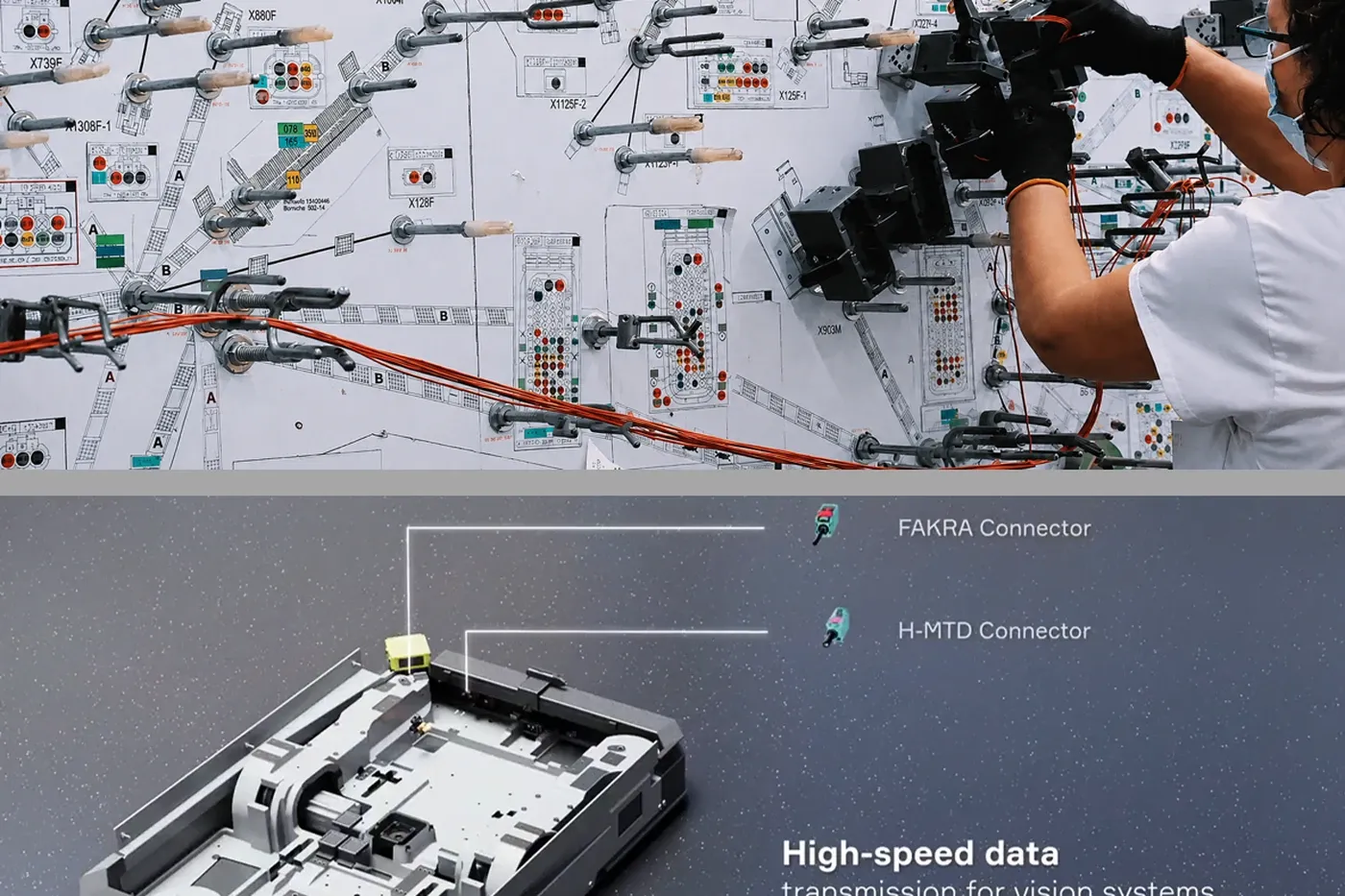
As robotic systems advance in autonomy, perception, and scalability, the technologies facilitating the transmission of image data are also evolving. This shift highlights the transition from traditional connectivity methods such as USB and Ethernet to more sophisticated solutions like GMSL (Gigabit Multimedia Serial Link). The evolution of vision connectivity is crucial for enhancing the performance and capabilities of modern robotics, ensuring that these systems can effectively process and analyze visual information in real-time. This development reflects the broader trends in robotics, where improved connectivity plays a vital role in enabling smarter and more efficient machines. The insights into these technological advancements were discussed in detail in a recent article on The Robot Report.
Analog Devices: Architecting Trusted Mobility Analog Devices
How ProAV Impacts Industrial Automation Networks
Recent advancements in deterministic Ethernet and time-sensitive networking standards are transforming industrial networks, enhancing both safety and speed. These developments are particularly significant as certification programs are now facilitating multi-vendor interoperability, allowing different systems and devices to work seamlessly together. This progress is crucial for industries that rely on real-time data transmission and require reliable communication between various components. By implementing these standards, companies can expect improved operational efficiency and reduced downtime, ultimately leading to more robust industrial environments. The push for these technologies reflects a growing demand for smarter, more connected industrial solutions that can adapt to the complexities of modern manufacturing and automation.
Factory / Communication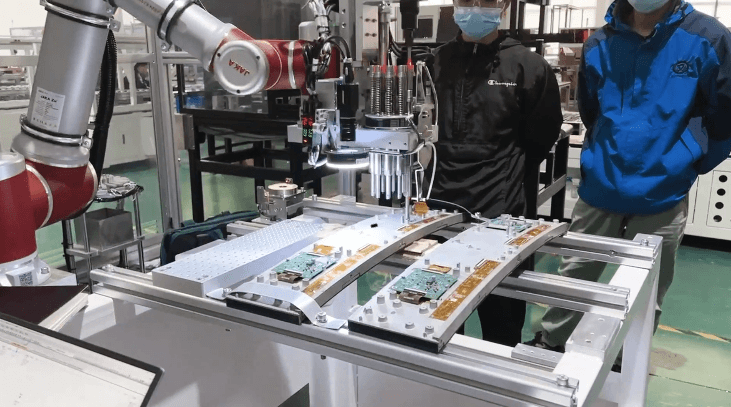
Robotic Arms for High-Precision Screw Driving and Fastening Applications
JAKA, a leader in collaborative robotics, is addressing the increasing demand for precision in modern manufacturing. The company’s robotic arms, equipped with advanced control algorithms and high-resolution sensors, achieve micron-level accuracy essential for industries such as electronics, automotive, and semiconductors. By integrating these systems, manufacturers can minimize human error, enhance production efficiency, and maintain stringent quality standards, particularly in high-stakes environments where minor deviations can lead to significant issues. The JAKA Zu7 Inspection platform exemplifies the flexibility and efficiency of automation, allowing seamless integration with vision systems and measuring instruments for non-destructive testing. This adaptability enables manufacturers to quickly adjust production lines for new product variants without extensive reconfiguration, thereby saving time and resources. Additionally, the robotic solutions alleviate workers from repetitive inspection tasks, enhancing workplace safety and operational efficiency. Safety is a core focus for JAKA, with features such as intelligent collision detection and user-friendly programming interfaces ensuring that operators can safely work alongside the robots. The systems are designed for ease of use, allowing even those without programming experience to manage complex tasks confidently. Through its innovative robotic solutions, JAKA aims to empower manufacturers to meet the demands of high-precision applications while reducing labor costs and improving overall production quality. The company's commitment to developing intelligent and flexible robotic systems positions it as a key player in the future of manufacturing automation.
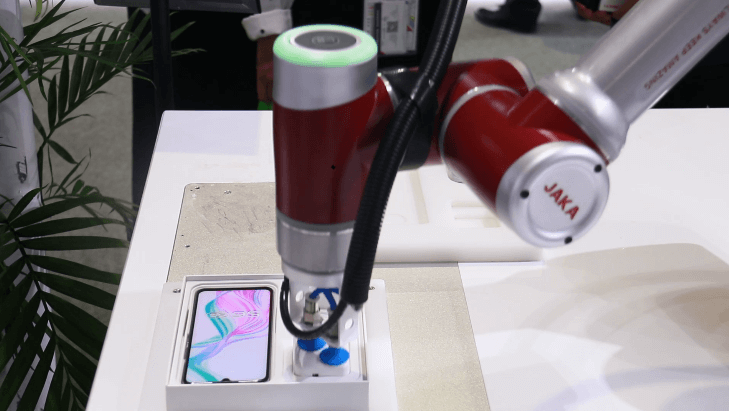
Robot Arm Best Practices for High-Precision Electronics Assembly
JAKA, a leader in electronics manufacturing solutions, has unveiled its latest industrial robot arm designed to meet the stringent demands of modern assembly applications. With a focus on achieving micron-level accuracy, the robot arm utilizes high-resolution encoders and adaptive servo algorithms to maintain precision within 0.2mm, crucial for tasks such as delicate component placement and precise assembly. The company emphasizes that precision must be coupled with consistency to avoid costly defects. To address this, JAKA implements low-noise circuit designs and stringent production controls, ensuring that their robots perform reliably throughout production shifts, even in challenging environments like semiconductor manufacturing. Additionally, JAKA's design philosophy prioritizes adaptability to high-density production lines and rapid model changeovers. The compact Zu series robot arm is engineered for confined spaces and features intuitive graphical programming, allowing operators to quickly redeploy systems for new product lines without requiring specialized programming skills. By integrating these principles into their assembly robots, JAKA aims to enhance the accessibility, reliability, and consistency of electronics assembly for manufacturers, ultimately transforming precision from a challenge into a standard practice.

Silicon Sensing and Kongsberg Discovery Join Forces with Disruptive Ambitions
Silicon Sensing Systems Ltd and Kongsberg Discovery AS have announced a partnership aimed at advancing next-generation MEMS-based gyro technology. This collaboration, which seeks to innovate and potentially disrupt current market solutions, was formalized through a cooperation agreement. The initiative reflects both companies' commitment to enhancing precision and performance in gyroscopic applications, positioning them at the forefront of technological development in the field. The agreement highlights the growing importance of MEMS (Micro-Electro-Mechanical Systems) technology in various industries, including aerospace and automotive, where accurate motion sensing is critical.
silicon sensing kongsberg discovery ins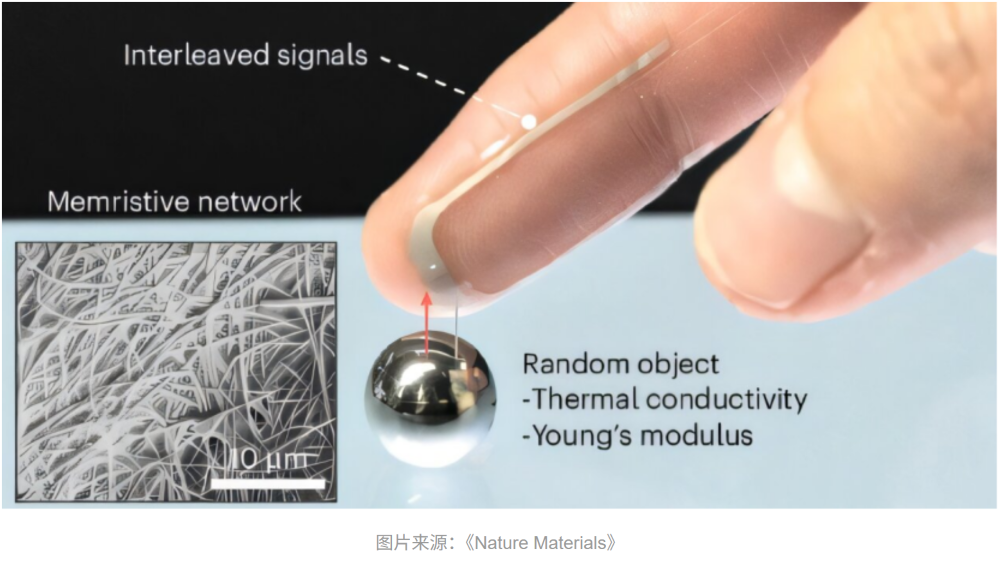
Seoul University Introduces Single-Layer Artificial Skin for Enhanced Robotic Sensory Perception
On July 10, a research team led by Professor Seung Hwan Ko at Seoul University published a significant study in Nature Materials, unveiling a novel single-layer artificial skin. This innovative material allows robots to simultaneously sense temperature and pressure, mimicking human sensory capabilities. The design utilizes a silver-core-copper oxide shell nanowire network, enabling rapid switching between temperature and mechanical sensing modes at a frequency of 16 Hz. The development is crucial as it addresses the limitations of existing artificial skin technologies, which typically rely on multiple stacked sensors, resulting in complex structures and slower response times. The new sensor demonstrates remarkable response speeds, with mechanical stimuli detected in microseconds and thermal stimuli in milliseconds. When combined with AI models, the sensor's accuracy in object recognition improved from 65% to 95% by integrating signals from both sensing modes, showcasing its potential for real-world applications. Looking ahead, the research team has created a multi-array platform that can measure temperature and pressure distribution with spatial resolution comparable to human skin. This technology not only serves as a fingertip sensor but also has the potential to evolve into a comprehensive artificial skin system for robots. The team emphasizes that this advancement is a key enabling technology for physical AI systems, allowing machines to perceive and interact with their environment more effectively. No further timeline was disclosed at the time of publication.
Artificial Skin Robotics Sensor Technology AI Human-Robot Interaction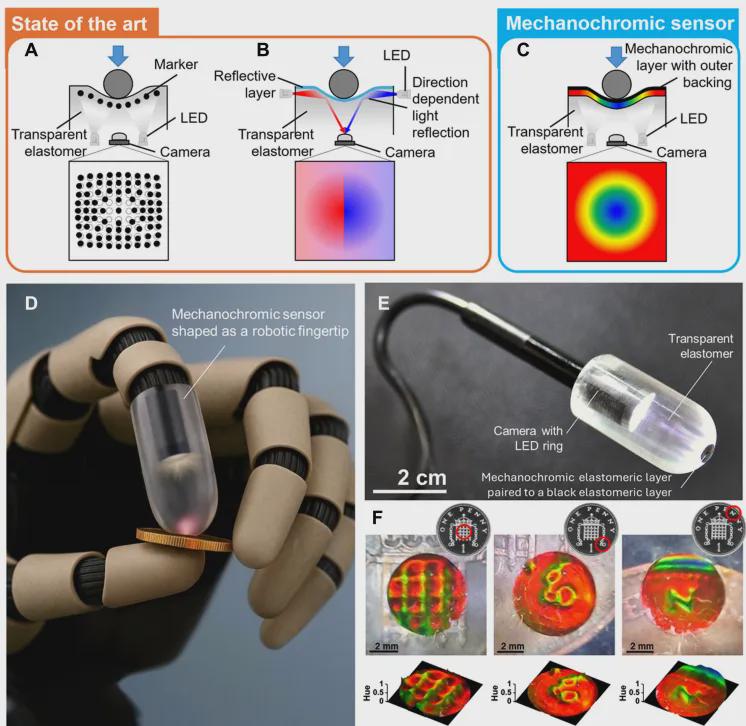
New Tactile Sensors Achieve High Resolution Without Deep Learning
Researchers from Queen Mary University of London and the University of Florence have unveiled a groundbreaking mechanochromic film measuring just 16 microns in thickness, designed to enhance tactile sensing capabilities in robots. This innovative sensor operates without the need for deep learning, directly translating mechanical strain into color changes. As a result, it generates real-time pressure maps with an impressive spatial resolution of around 100 microns. This advancement significantly boosts the dexterity of robotic systems, enabling them to interact more effectively with their environments. The development marks a notable step forward in robotics, potentially transforming how machines perceive and respond to tactile stimuli.
Tactile Sensors Robotics Mechanochromic Materials Pressure Mapping
Bentley prices drop to 270,000; second-hand luxury fuel car prices plummet; Cambrian loses 70 billion in market value in a
OpenAI has reportedly achieved a significant technological breakthrough, successfully reducing the operational costs of its AI model inference by over 50% through a series of system optimizations. This development was disclosed by engineers within the company on June 30. Meanwhile, in the automotive sector, the price of second-hand luxury fuel vehicles has seen a dramatic decline, with a Bentley listed at approximately 26,800 yuan and a Porsche Macan at around 15,000 yuan as of July 1 in Qingdao. This drop is attributed to a notable increase in depreciation rates, which reached 30% in May alone, a stark contrast to the previous annual average of 30%. In the realm of artificial intelligence, Anthropic announced that its Claude model is now fully available on Microsoft Foundry, allowing enterprise users to deploy the model within the Azure environment. Additionally, Amazon Web Services revealed plans to invest $1 billion to establish a new AI department aimed at assisting clients in building AI systems. In financial news, Warren Buffett has paused his annual donations to the Bill and Melinda Gates Foundation, pending the outcome of an investigation related to the late Jeffrey Epstein. Furthermore, the U.S. Federal Reserve Chairman emphasized the ongoing challenge of high inflation levels in the country, indicating a commitment to maintaining price stability. As for the tech industry, Meta is reportedly planning to sell excess AI computing resources to external clients, intensifying competition with major cloud service providers.
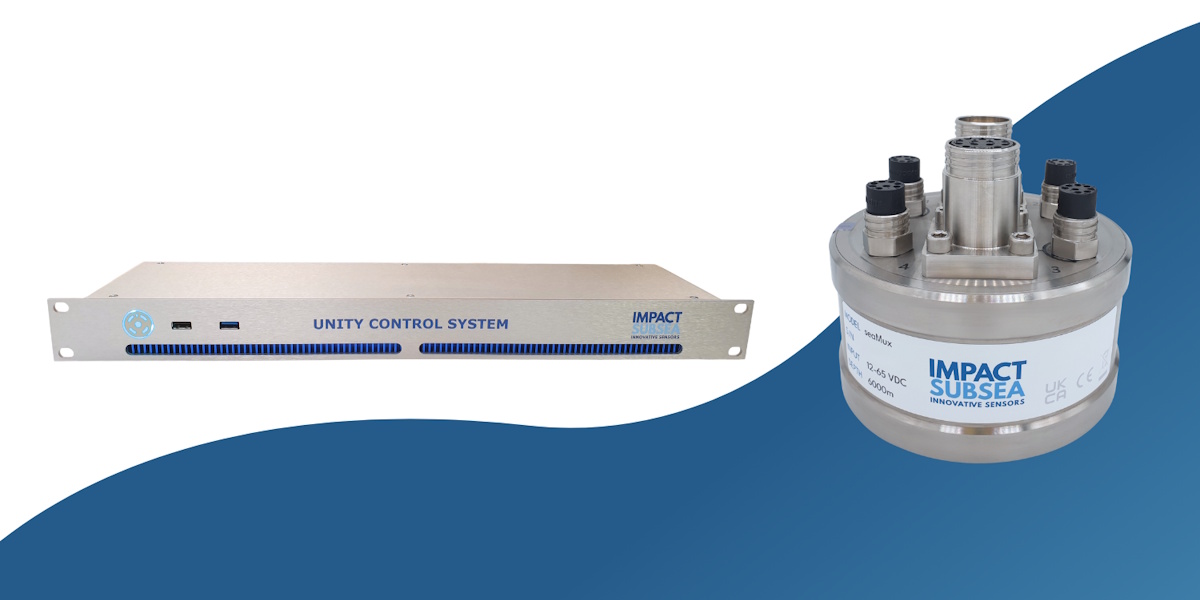
Impact Subsea Launches Topside Control System and Advanced Subsea Multiplexer
Impact Subsea, a prominent player in underwater technology, has unveiled its latest innovations: the Unity Topside Control System and the seaMux Subsea Multiplexer. This announcement was made recently, highlighting the company's commitment to advancing underwater operations. The Unity Topside Control System is designed to enhance the efficiency and effectiveness of remote operations, while the seaMux Subsea Multiplexer aims to improve data transmission and communication in subsea environments. These developments are expected to significantly benefit industries reliant on underwater technology, such as oil and gas, marine research, and environmental monitoring. By integrating these advanced systems, Impact Subsea seeks to address the growing demand for reliable and efficient underwater solutions, reinforcing its position as a leader in the sector.
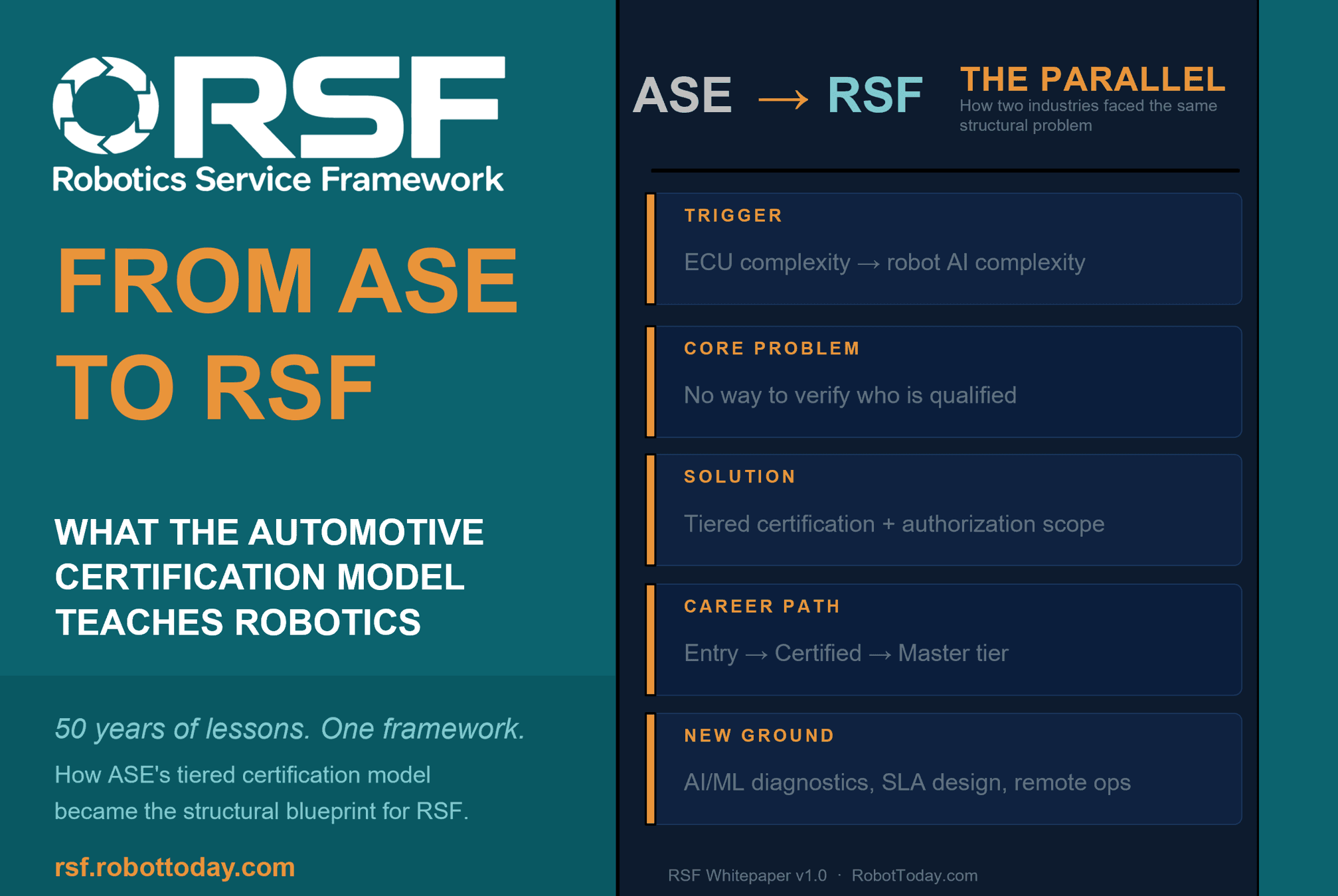
impact subsea launch topside control system advanced subsea multiplexerRobotics needs a service framework.
RSF defines a common language for robot service capability, lifecycle operations, certification pathways, and service-provider networks.