Industry Briefing
A single destination for timely, editor-curated robotics news from around the world.

Chinese Humanoid Robots Experience Over 400% Growth in European Market by Mid-2026
The Chinese humanoid robot industry is rapidly reshaping the competitive landscape in Europe, with shipments to the region projected to grow over 400% year-on-year by mid-2026. This surge has positioned Europe as the largest overseas market for Chinese humanoid robots, surpassing North America. This growth is significant as it highlights the systemic advantages Chinese companies have in hardware cost control, mass production capabilities, and product iteration speed. European humanoid robot firms face challenges such as long R&D cycles and high production costs, with prices often exceeding $200,000 per unit. In contrast, Chinese companies leverage a complete supply chain ecosystem to offer similar products at one-third the price or lower, maintaining performance without compromise. The acceptance of Chinese humanoid robots in Europe is expected to continue growing, driven by labor shortages and rising employment costs in the region. Several European automotive and electronics firms are already testing Chinese humanoid robots on production lines, aiming to automate high-risk and repetitive tasks within three years. No further timeline was disclosed at the time of publication.
Humanoid Robots Automation Manufacturing Robotics
Tesla's Cybercab Launch Signals Potential Growth in Autonomous Driving Market
Tesla, Inc. (NASDAQ:TSLA) has entered the autonomous-driving sector by offering robotaxi rides with its newly launched Cybercab. The launch event took place in Austin on September 3, and Goldman Sachs has maintained a Neutral rating on Tesla, projecting a 12-month price target of $360. The firm suggests that the Cybercab could provide Tesla with a competitive cost advantage in the autonomous vehicle market, although scaling the robotaxi business will largely depend on software performance rather than manufacturing costs. The significance of this development lies in Tesla's completion of 1 million miles of unsupervised robotaxi operations, indicating progress in its autonomous driving capabilities. Goldman Sachs estimates that if Tesla can achieve a Cybercab production cost of $20,000 to $30,000, it could realize a per-mile cost advantage over competitors. Additionally, recent safety data supports Tesla's autonomous-driving strategy, showing a reduction in emergency braking events and collisions for vehicles using its Full Self-Driving system. Looking ahead, the critical factor for Tesla will be the scalability of its AI-driven software across various geographic areas, which could enhance revenue potential. Goldman Sachs has identified risks such as slower EV demand and increased competition, while also noting that faster EV adoption and strong contributions from AI-related products could yield positive outcomes. No further timeline was disclosed at the time of publication.

NexCOBOT Addresses Challenges and Growth in the Physical AI Market
NexCOBOT, showcased at the Robotics Summit & Expo, is navigating the evolving landscape of physical AI. The company, which specializes in motion and safety controllers, has noted a surge in interest from developers of legged robots and mobile manipulators. This trend is underscored by significant acquisitions in the sector, such as Mobileye's $900 million purchase of Mentee Robotics. The implications of these acquisitions are profound for industrial adoption, as highlighted by Jenny Shern, NexCOBOT's general manager. She emphasized that smaller robotics firms possess specialized expertise, while larger tech companies bring the necessary resources to scale innovations. This dynamic is shaping the future of intelligent systems, making acquisitions a strategic move for major players in the tech industry. Looking ahead, NexCOBOT remains focused on scaling its functional safety robotic controllers and fulfilling a robust backlog of global orders. While funding for physical AI has seen fluctuations, the company maintains a stable financial position, indicating resilience amid changing investment landscapes. No further timeline was disclosed at the time of publication.
Artificial Intelligence / Cognition Controllers Healthcare Robotics Human Robot Interaction / Haptics Humanoids Investments
Chinese Robots Gain Global Market Traction with Significant Export Growth
Tianjin's robotics industry is demonstrating its potential in the global market, with exports reaching 1.08 billion yuan in the first half of 2026, a staggering 487.9% increase year-on-year. This surge reflects a shift from following to leading in the robotics sector, as evidenced by the success of Langyu Robotics, which has expanded its international sales significantly. The company has developed an unmanned heavy-duty transport vehicle capable of carrying 500 tons, showcasing advanced technology with a height of only 550 millimeters. Additionally, Tianjin's special application robots are making strides domestically, with Shiyun Technology launching 15 industrial-grade humanoid robots designed for high-risk environments, further solidifying the region's position in the robotics landscape. With over 200 robotics companies and a robust innovation plan, Tianjin aims to exceed 25 billion yuan in industry scale by 2025. The recent establishment of an intelligent robot application station in the subway highlights the integration of robotics into everyday life, marking a significant step towards becoming a leader in the global robotics value chain.
Robotics Industrial Automation Export Growth Humanoid Robots Heavy-Duty Transport
Yushu Technology's STAR Market Debut Makes Founder a Billionaire with Rapid Growth
Yushu Technology's stock opened at 1,100 yuan per share, soaring 629.44% from its issue price of 150.80 yuan, reaching a market capitalization of 444.9 billion yuan. This IPO marks the most profitable new stock since the full registration system was implemented in A-shares, with a potential profit of 474,600 yuan for a single subscription of 500 shares. The rapid IPO process took just 104 days, setting a record for the STAR Market. Founder Wang Xingxing, born in 1990, held a 33.36% stake before the IPO, translating to a net worth of 20.35 billion yuan at the issue price. Following the stock surge, his wealth has exceeded 120 billion yuan. The executive team is predominantly composed of individuals born in the 1990s, highlighting a youthful leadership. Yushu Technology reported revenue of 1.152 billion yuan in the first half of 2026, a 48.54% increase year-on-year, with a net profit of 274 million yuan. However, the company faces challenges with rising R&D and sales expenses impacting profitability. The future of humanoid robots in industrial applications remains uncertain, with answers expected in upcoming financial reports.
Humanoid Robots IPO Artificial Intelligence Robotics Market Growth
ModuTech Secures Pre-A Funding to Advance Touch Perception in Robotics Market
ModuTech, a Shenzhen-based company, has completed a Pre-A funding round worth several million yuan, led by Falcon Investment and Yihua Capital. This funding will support the expansion of their research and development team, production lines, and global business outreach. ModuTech aims to address the challenges of touch perception in robotics, which is crucial for tasks requiring fine manipulation. The touch perception market for humanoid robots is projected to exceed $320 million by 2026, with a growth rate of over 160%. This segment is recognized as the fastest-growing within humanoid robot components. ModuTech differentiates itself by integrating sensor technology with data collection and tactile modeling, creating a comprehensive system that enhances robotic capabilities in precision tasks. As the industry faces challenges with fragmented tactile data, ModuTech's approach includes a multi-modal data system that aligns tactile, visual, and robotic state data. This innovation transforms physical interactions into high-quality, task-level data, enabling sensors to evolve from mere hardware to valuable data sources that inform decision-making in robotics.
Touch Perception Humanoid Robots Industrial Robotics Sensor Technology
China's Drone Exports Experience Growth in Southeast Asia and Emerging Markets
China has seen a significant increase in drone exports to emerging economies this year, driven by rising demand for civilian uses such as agriculture and surveying. This surge in exports comes as the country seeks to offset declining sales in the United States, highlighting a shift in market dynamics. The growing interest in Chinese drones in regions like Southeast Asia underscores the potential for these technologies to support various sectors, particularly in the Global South. As countries in these regions adopt drones for farming and other applications, China's position as a leading supplier is strengthened, despite geopolitical tensions. Looking ahead, the continued expansion of drone applications in emerging markets will be crucial for China's export strategy. No further timeline was disclosed at the time of publication.
Goldman Sachs Projects 6.5 Million Humanoid Robots by 2035, Driving Market Growth
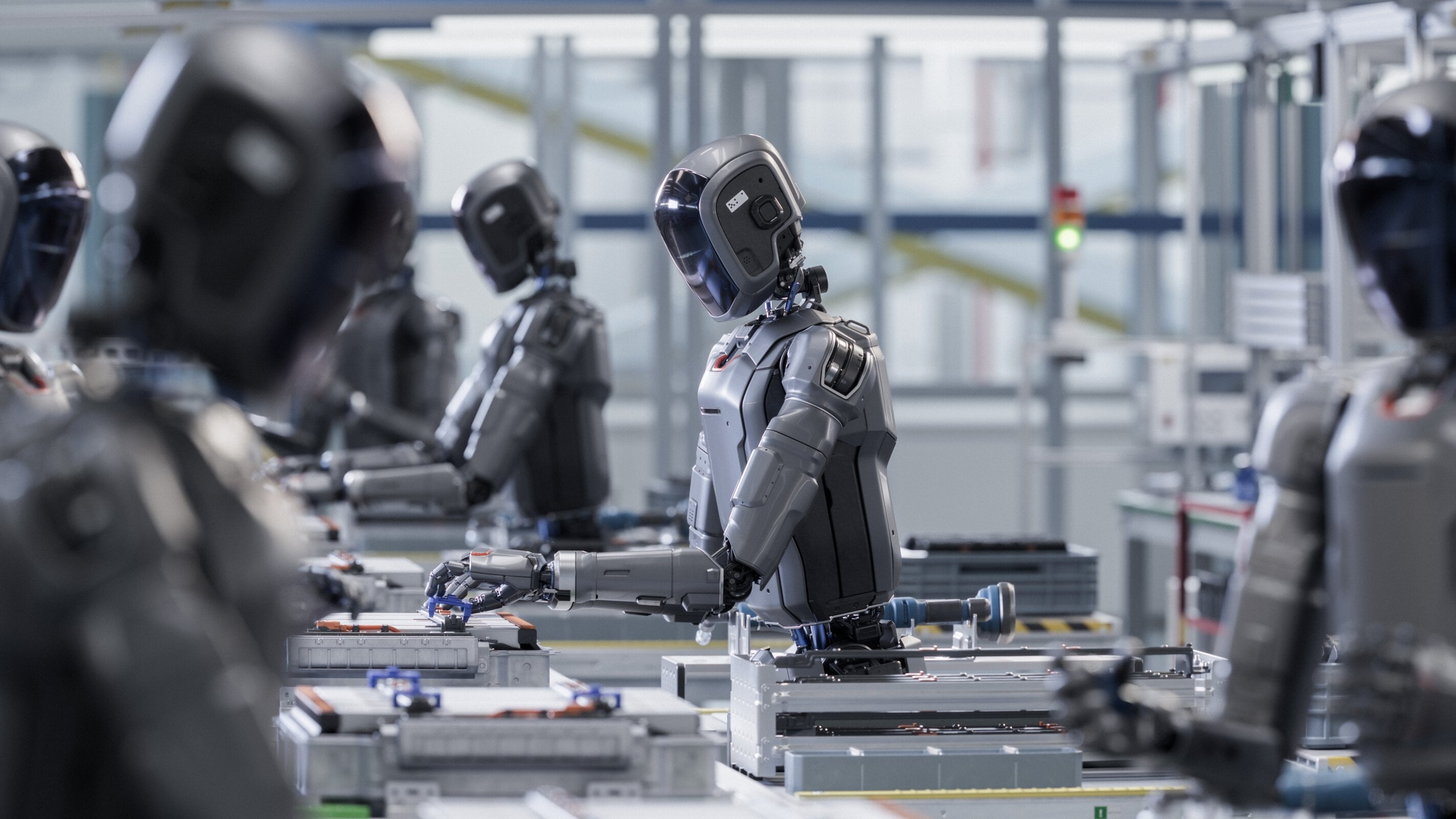
Goldman Sachs has projected that 6.5 million humanoid robots will be shipped globally by 2035, marking a significant increase from previous estimates. The firm anticipates a phased ramp-up, with 75,000 units expected in 2026 and 890,000 by 2030, representing a $138 billion market opportunity primarily in logistics, warehousing, and automotive sectors. This projection highlights the growing demand for humanoid robots and the necessary infrastructure to support their production, including dedicated production lines and factory-floor automation. The anticipated growth is also linked to a broader AI capital expenditure cycle, which is expected to influence various industries and technologies. Investors should monitor the developments in this sector, particularly the impact of potential AI regulation as flagged by leaders at Anthropic and OpenAI. No further timeline was disclosed at the time of publication.

NVIDIA Technologies Powering the Global Robotaxi Market's Growth to $400 Billion by 2035
The global robotaxi market is anticipated to reach $400 billion by 2035, with over 6 million commercial vehicles expected to operate as driverless fleets. This growth signifies physical AI's first commercial breakthrough, as these fleets navigate some of the world's busiest streets. Scaling a robotaxi fleet presents significant computing challenges, requiring consistent, safe performance across thousands of vehicles. NVIDIA's open platform for AI training, simulation, and safety validation is crucial in meeting these demands, providing developers with the necessary tools to ensure reliable operation across their fleets. As robotaxi programs evolve, they will increasingly leverage NVIDIA's technologies, including the DGX systems for training driving models and the Omniverse and Cosmos platforms for simulating real-world scenarios. The focus will be on optimizing models for diverse driving conditions and enhancing the capabilities of autonomous vehicles. No further timeline was disclosed at the time of publication.

Household Robots Face Challenges: Market Growth and Open Source Solutions Ahead
The shipment of humanoid robots is surging, with IDC projecting around 18,000 units globally by 2025, a 508% increase. However, the penetration of these robots into households remains minimal, as most are still used in entertainment, education, and data collection. Ecovacs Group Chairman Qian Dongqi noted that it may take three to five years for humanoid robots to enter homes, citing a decade-long journey for their vacuum robots to achieve household integration. Despite technological advancements, the industry faces significant challenges, particularly high component costs and the lack of a robust supply chain. The performance of humanoid robots drops dramatically in real home environments, with a success rate of only 12% compared to 89.4% in simulated settings. This disparity highlights the complexities of domestic environments, which present unpredictable variables that robots struggle to navigate. To address these issues, leading companies are shifting towards open-source ecosystems. Ecovacs launched the “Eight Realms” open-source robot platform, allowing community contributions to improve functionality. Similarly, Lexiang Technology is focusing on community-driven product development. While the widespread adoption of household robots may take longer than anticipated, the path forward is becoming clearer as companies seek to engage users in defining practical applications.
Humanoid Robots Open Source Robotics Household Automation AI Robotics Development
Benmo Technology Achieves Rapid Growth in Robotics Physical Components Market
Benmo Technology has experienced significant revenue growth, increasing from 17.54 million yuan to 282 million yuan in three years, with a compound annual growth rate exceeding 300%. The company focuses on integrated direct-drive joints, eliminating the need for reducers, which reduces energy loss and noise while extending lifespan to 50,000-100,000 hours. As of 2025, Benmo Technology is projected to capture 61.1% of the Chinese consumer robotics direct-drive module market, with shipments of approximately 8.5 million units across various robot categories. The company also operates a wheeled robot business, exporting products to over 50 countries, and has become a leading manufacturer in this sector. Looking ahead, Benmo Technology's dual business model allows for a feedback loop between mass production of power modules and whole machine development. The consumer-grade direct-drive modules are expected to account for 88% of total revenue by 2025. The company is well-positioned to meet future demands for reliable robotic bodies as advanced AI models mature.
Robotics Direct-Drive Modules Embodied Intelligence Robot Manufacturing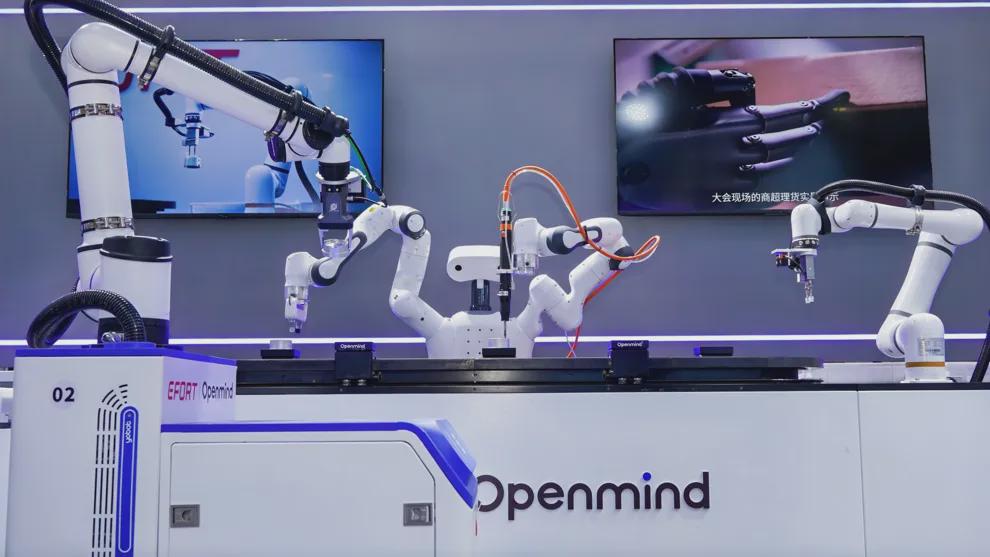
Industrial Robotics Market Growth: From 5.7 Billion to 77 Billion in China
The industrial robotics sector in China is witnessing a significant transformation, with the market projected to grow from 57.4 billion yuan in 2025 to over 110 billion yuan by 2026. This shift is marked by an increase in companies showcasing practical applications of robotics, moving beyond mere demonstrations to real-world implementations in factories. This evolution is crucial as it reflects a growing consensus within the industry that the scale is sufficient, but the focus must now shift to effective utilization of robotic technologies. Despite advancements, the actual deployment of robots in production environments remains low, with estimates suggesting that less than 10% of robots are actively working in factories, highlighting a substantial gap between potential and reality. Looking ahead, the industry faces challenges in bridging this gap, as evidenced by the low penetration rate of robots in general production, currently below 2%. Companies like Aeffort are attempting to address these issues by introducing versatile robotic solutions that integrate advanced technologies for seamless operation in manufacturing settings. No further timeline was disclosed at the time of publication.
Industrial Robotics Automation Technology AI in Manufacturing Robotic Systems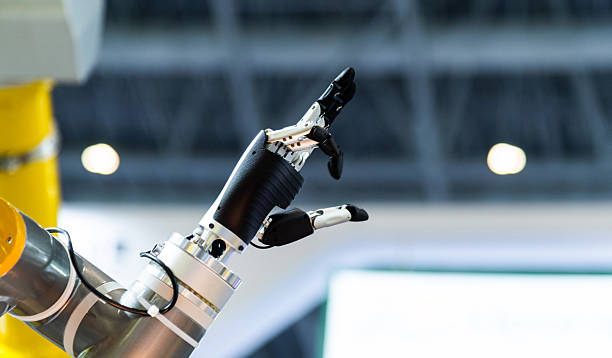
Investors Show Strong Interest in Unitree's Humanoid Robots Amid Global Market Growth
Unitree, a company focused on developing humanoid robots, is attracting significant investor interest as the global robotics market is projected to reach $5 trillion by 2050. This growth underscores the importance of robotics in the ongoing technological competition between China and the United States. The potential of humanoid robots to perform tasks similar to humans positions them as a key player in various industries, making them a focal point for investors looking to capitalize on emerging technologies. The anticipated market expansion highlights the strategic significance of robotics in achieving technological leadership. As the robotics sector evolves, stakeholders should monitor Unitree's developments and the broader implications for the China-US tech rivalry. No further timeline was disclosed at the time of publication.

L&T Projects Tripling Drone Revenue, Signaling Industrial Maturity in Global Market
Larsen & Toubro (L&T) anticipates that its drone division will triple its revenue over the next five years, reflecting a significant shift in the drone industry. This forecast indicates that large industrial manufacturers are increasingly dominating the drone market, moving away from the startup-centric model. The growing emphasis on domestic production, resilient supply chains, and long-term manufacturing capacity highlights a broader trend where manufacturing capabilities are becoming as crucial as technological advancements. L&T, as India's largest engineering and technology conglomerate, exemplifies this shift by integrating drones into its diverse portfolio rather than treating them as standalone products. As the drone industry matures, the focus is shifting from innovation alone to include manufacturing efficiency and reliability. This trend is particularly pronounced in defense markets, where procurement strategies prioritize trusted supply chains and domestic production. No further timeline was disclosed at the time of publication.
Drone Manufacturing Drone News Drone News Feeds Drones in the News Feature 1 News
Uber Issues Bookings Outlook Amidst Competitive Pressures in Brazil Market
Uber Technologies Inc. has released a bookings outlook that aligns with analyst expectations, indicating a cautious approach to future growth. The company highlighted that intense competition in Brazil has negatively impacted trip volumes, raising concerns among investors regarding Uber's adaptability in the emerging robotaxi sector. This situation is significant as Brazil represents a crucial market for Uber, and the competitive landscape could hinder its growth potential. Investors are particularly focused on how Uber plans to navigate these challenges while also transitioning into the robotaxi era, which is expected to reshape the ride-hailing industry. Looking ahead, stakeholders will be monitoring Uber's strategies to enhance its market position in Brazil and its overall approach to integrating autonomous vehicle technology. No further timeline was disclosed at the time of publication.

Citi Analysts Predict Strong Growth for Microsoft's Copilot Amid Market Skepticism
Citi analysts have expressed optimism regarding Microsoft's Copilot AI assistant, projecting a robust fiscal 2026 fourth quarter and momentum into fiscal 2027. Their analysis indicates a notable increase in Copilot adoption and positive customer feedback, prompting them to raise their estimates for the product. This perspective contrasts sharply with the prevailing negative sentiment surrounding Copilot, as highlighted by Jim Cramer, who found Citi's stance surprising. The significance of Citi's endorsement lies in its potential to shift market perceptions of Microsoft's Copilot, which has faced criticism for its performance. The analysts believe that the improvements in Copilot, along with the strength of Azure, could lead to accelerated revenue and earnings growth through fiscal 2030. Despite the recent rise in Microsoft's stock, it remains down 18% year-to-date, indicating ongoing concerns about AI disruption in the software sector. Looking ahead, investors will be keen to see if Microsoft can demonstrate sustained traction with Copilot, especially as competition in AI infrastructure intensifies. The upcoming fiscal Q4 earnings report on July 29 will be crucial in assessing the impact of these developments on Microsoft's overall performance and market position. No further timeline was disclosed at the time of publication.

SpaceX's $1.75 Trillion Valuation Driven by Starmind's Future Potential
Starmind is a pivotal element in SpaceX's estimated $1.75 trillion IPO valuation, despite currently generating no confirmed revenue. The stock price reflects optimistic projections regarding AI infrastructure growth, which Starmind has yet to substantiate. As of early July 2026, SpaceX's stock has decreased from its 52-week high of $225.64 to around $150, indicating market skepticism about future execution. The significance of Starmind lies in its potential to transform SpaceX's revenue model beyond traditional launch services. Goldman Sachs has shifted its focus from Starlink subscriber growth to the prospects of AI revenue, including orbital computing, as a cornerstone of SpaceX's long-term valuation. This marks a substantial change in how analysts view the company's growth trajectory, necessitating rates exceeding its historical 33% growth. Looking ahead, the credibility of Starmind as a growth narrative will be crucial for maintaining investor confidence. Analysts have noted a considerable divergence in price targets, reflecting uncertainty about the value of the Starmind and xAI initiatives. No further timeline was disclosed at the time of publication regarding specific milestones for these projects.
Unitree Robotics Reports Revenue Growth and Profit Decline Ahead of IPO Hearing
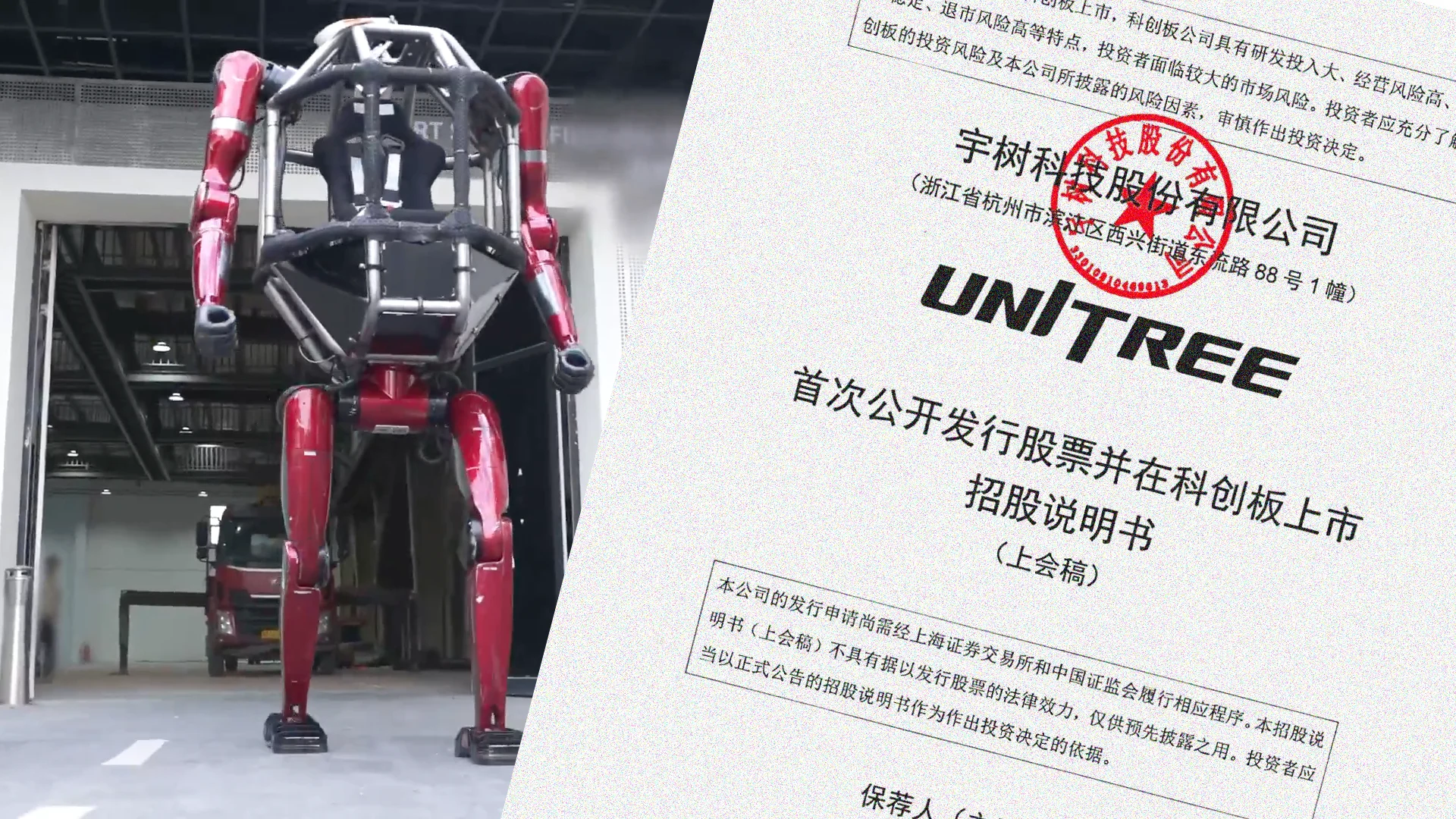
Unitree Robotics, a leading player in the humanoid market, is set to present to the Shanghai Stock Exchange on June 1, 2026, as it aims to raise 4.2 billion yuan (approximately $618.94 million) for its operations. The company's updated prospectus reveals a significant revenue increase of 68% year-on-year for Q1 2026, totaling 422.8 million yuan, despite a more than 52% drop in adjusted net profit to 40.3 million yuan due to rising R&D and sales expenses. This financial performance highlights the challenges faced by Unitree as it scales its market presence amid a competitive landscape. The company reported a remarkable revenue growth to 1.70 billion yuan in 2025, up from 392 million yuan in 2024, with gross margins at 60.1%. However, the decline in profits raises concerns about the sustainability of its growth strategy, especially as the broader humanoid robotics market shows signs of cooling. Looking ahead, Unitree's management remains optimistic about stabilizing its financial performance in the summer of 2026, despite acknowledging potential macro pressures that could impact margins. The company cautioned that if the adoption of general-purpose humanoid robots or short-term leasing markets weakens, it could face further profitability challenges.
Unitree Robotics Market China IPO
Hai Robotics Appoints Americas CEO to Lead Next Phase of Growth in U.S. Market
Hai Robotics has announced the appointment of Adrian Stoch as the new CEO of the Americas, a strategic move aimed at driving the company's growth in the U.S. market. This decision comes in response to the rising demand for warehouse automation solutions, as businesses increasingly seek to optimize their logistics operations. Stoch brings a wealth of experience in global supply chain transformation and automation, positioning him to enhance the reliability of Hai Robotics' offerings and deliver practical solutions tailored to the needs of customers in the logistics sector. His leadership is expected to play a crucial role in navigating the evolving landscape of warehouse automation and meeting the growing expectations of the industry.
Warehouse Automation Logistics Supply Chain Management Automated Storage and Retrieval Systems AI in Logistics
Humanoid Robot Market Set for Explosive Growth, Reaching $113B by 2033, Report Finds
A recent market report forecasts significant growth in the global humanoid robot market, predicting an increase from $2.37 billion in 2023 to more than $113 billion by 2033. This surge is largely attributed to rising demand in sectors such as caregiving, defense, and retail automation. Currently, hardware and wheeled robots are the dominant players in the market; however, the report highlights that software solutions and bipedal robots are expected to experience the fastest growth rates. North America currently leads the market, but regions such as Asia-Pacific and Africa are anticipated to undergo rapid expansion in the coming years.
UBTECH Robotics Agility Robotics Apptronik Boston DynamicsRobotics needs a service framework.
RSF defines a common language for robot service capability, lifecycle operations, certification pathways, and service-provider networks.
Join the RobotToday community on LinkedIn
Daily robotics news, in-depth analysis, conference highlights, and discussions with professionals worldwide.