Industry Briefing
A single destination for timely, editor-curated robotics news from around the world.
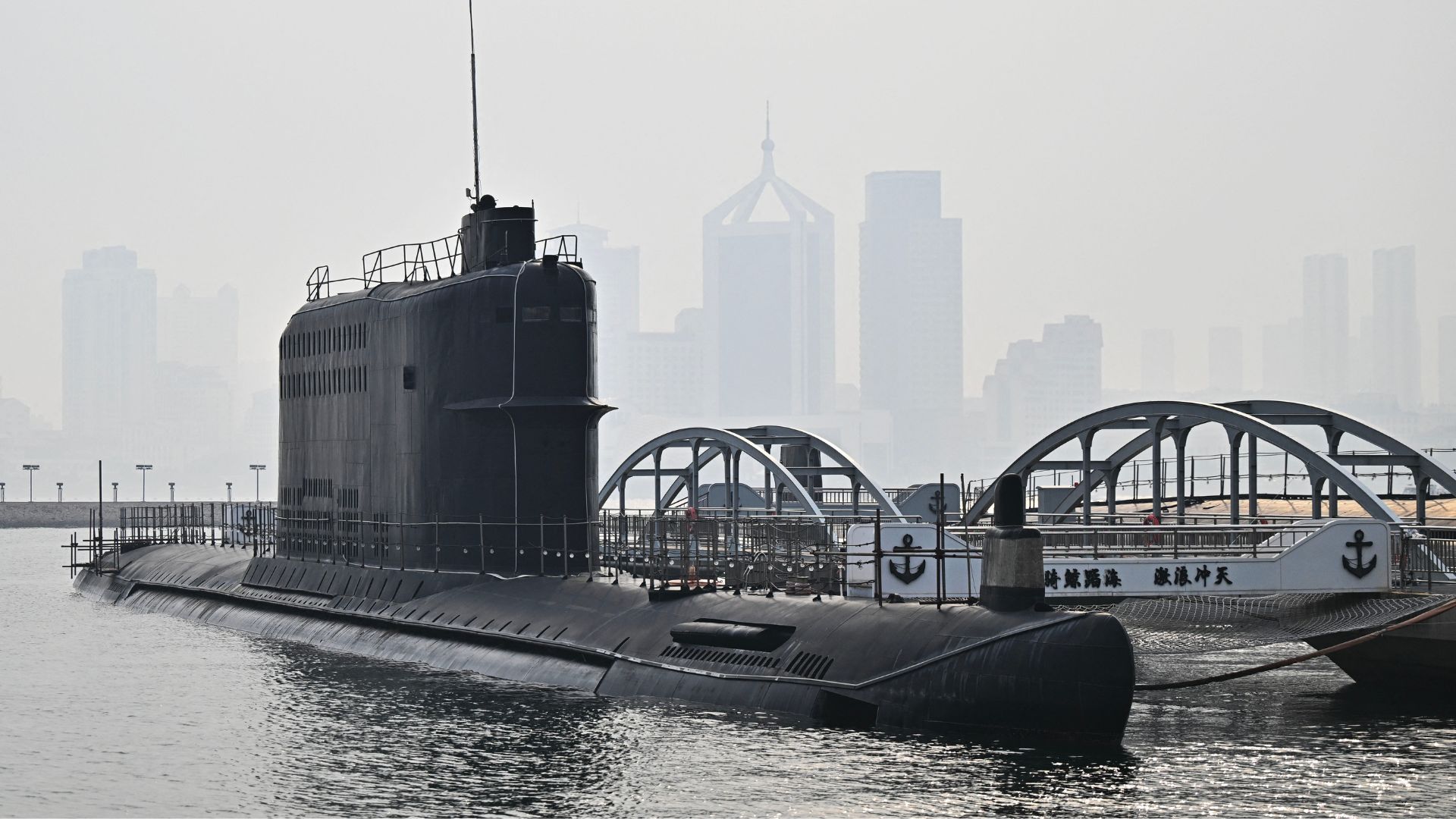
Japan to Develop Drone-Mounted Quantum Magnetic Sensors for Submarine Detection by 2031
Japan is set to develop compact quantum magnetic sensors for drones to enhance submarine detection capabilities. This initiative is part of Tokyo's fiscal 2027 defense budget request, with a target completion date of fiscal 2031, as reported by the Nikkei newspaper. The sensors aim to identify subtle magnetic changes associated with submerged vessels, complementing existing sonar technologies. By deploying these sensors on low-cost drones, Japan seeks to improve surveillance in strategic chokepoints where Chinese submarines are likely to navigate, thus enhancing maritime security without risking aircrew lives. While the magnetic sensors have limited detection ranges, defense expert Masashi Murano noted their efficiency could be maximized through widespread drone deployment. This strategy could reduce Japan's reliance on its P-1 maritime patrol aircraft, which incurs higher operational costs. No further timeline was disclosed at the time of publication.
Military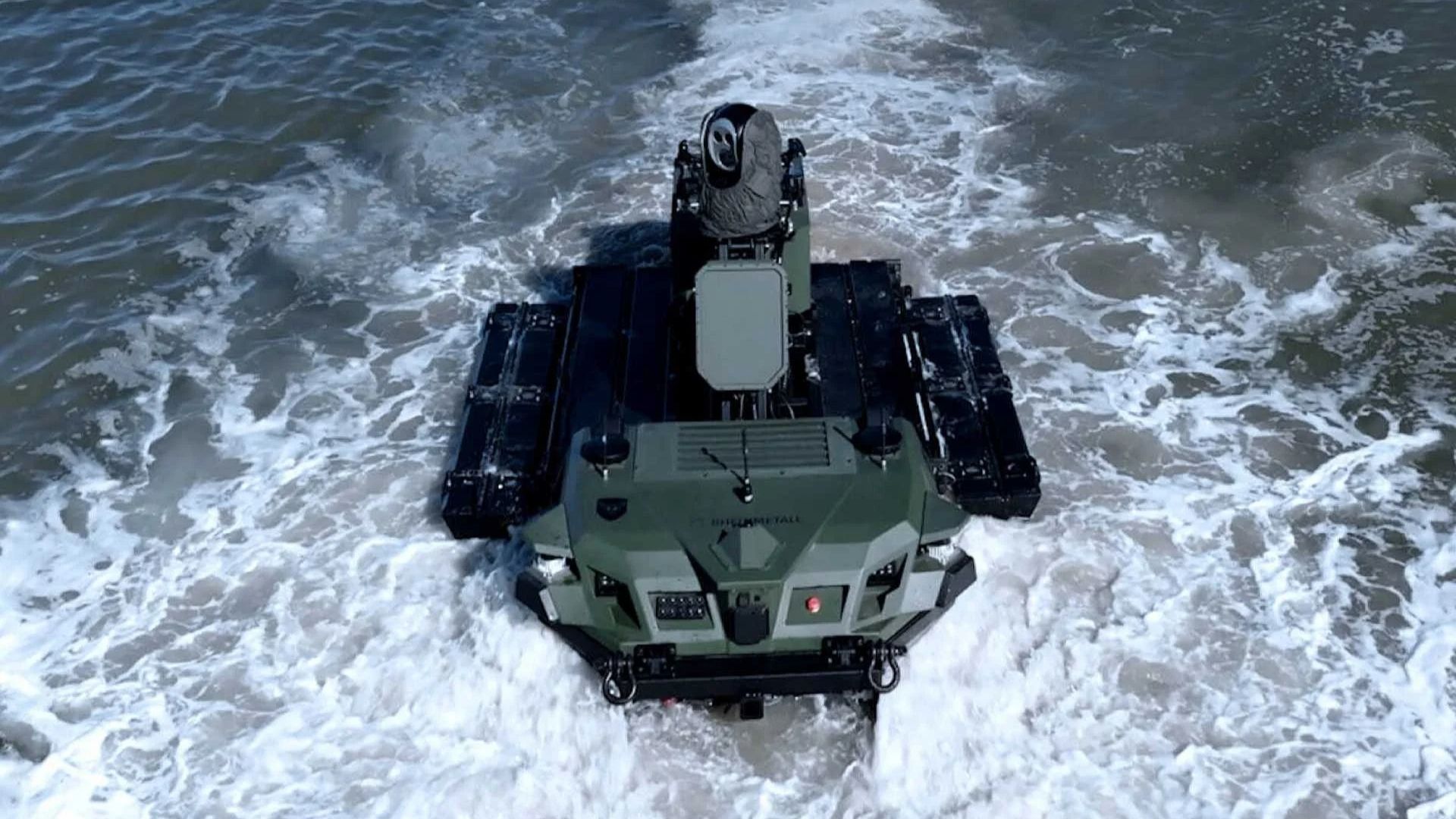
US Marine Corps Secures 12 Rheinmetall Amphibious Robots for Autonomous Logistics
American Rheinmetall has been awarded a $7.28 million contract to supply 12 Mission Master SP Autonomous Unmanned Ground Vehicles (A-UGVs) to the US Marine Corps. This procurement includes five amphibious kits and supporting equipment aimed at enhancing autonomous logistics and expeditionary mobility technologies. The significance of this contract lies in its potential to advance the operational capabilities of the US Marine Corps. The Mission Master SP vehicles are designed to support the Marine Corps Warfighting Laboratory's evaluations and capability development efforts, reflecting over four years of collaboration between Rheinmetall and the Marines. Looking ahead, the deployment of these advanced A-UGVs will be closely monitored as they are integrated into military operations. The amphibious capability is particularly noteworthy, as it addresses the evolving demands of littoral and expeditionary operations, marking a key milestone in Rheinmetall's partnership with the US Marine Corps.
Military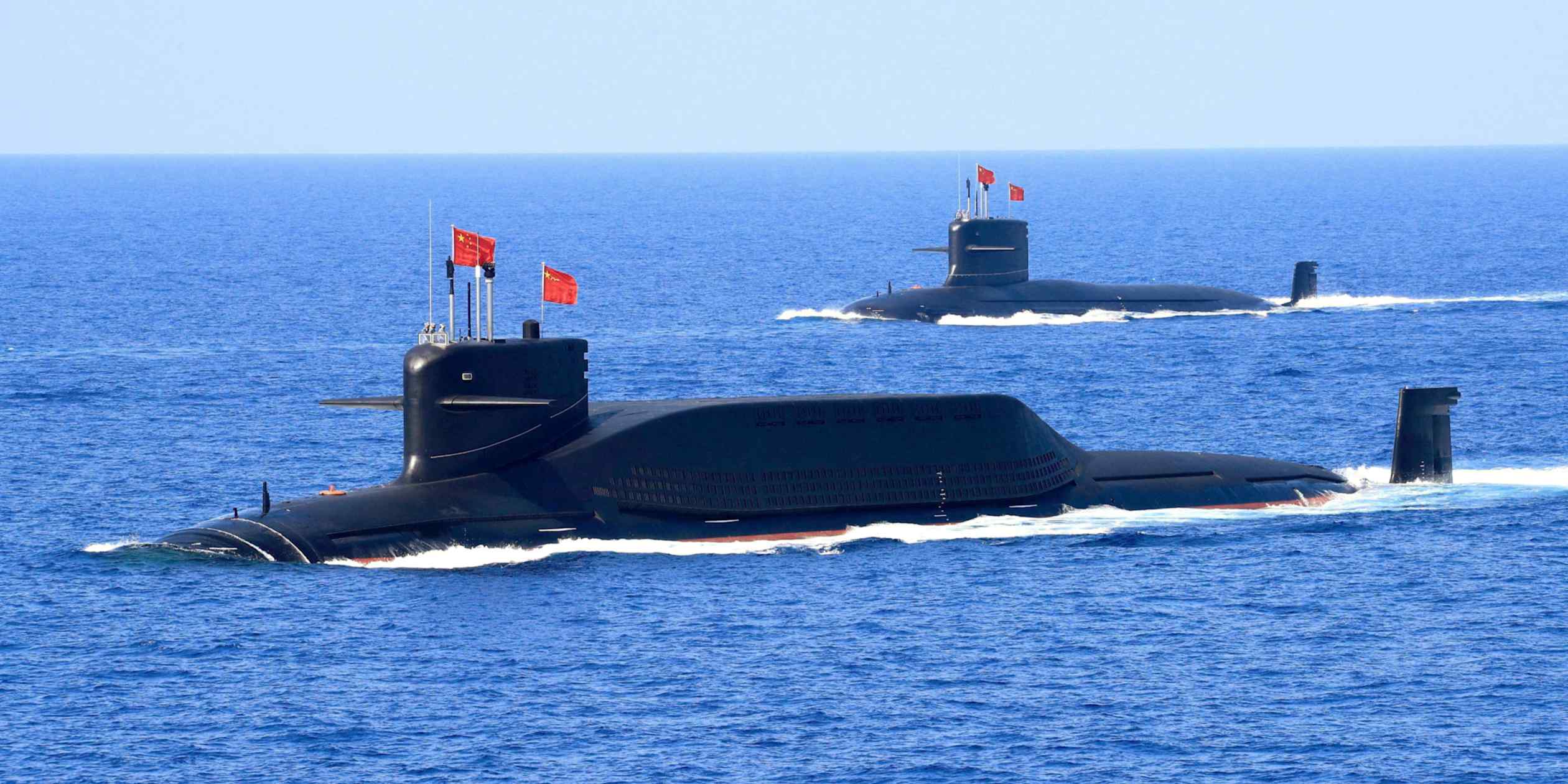
Japan Plans Development of Drone-Based Quantum Sensors for Submarine Detection
Japan's Defense Ministry has announced plans to develop advanced quantum magnetic sensors for drones aimed at detecting submarines. This initiative is part of the fiscal 2027 budget request, reflecting Japan's response to China's increasing naval activities in nearby waters. The development of these drone-based sensors is significant as it enhances Japan's defense capabilities amid growing concerns over regional security, particularly with China's expanding submarine fleet. The move underscores Japan's commitment to bolstering its military technology and ensuring maritime security. Looking ahead, the focus will be on the successful implementation and potential mass production of these quantum sensors. No further timeline was disclosed at the time of publication.
U.S. Marine Corps Acquires Tempest Vehicles for Enhanced Counter-Drone Capabilities
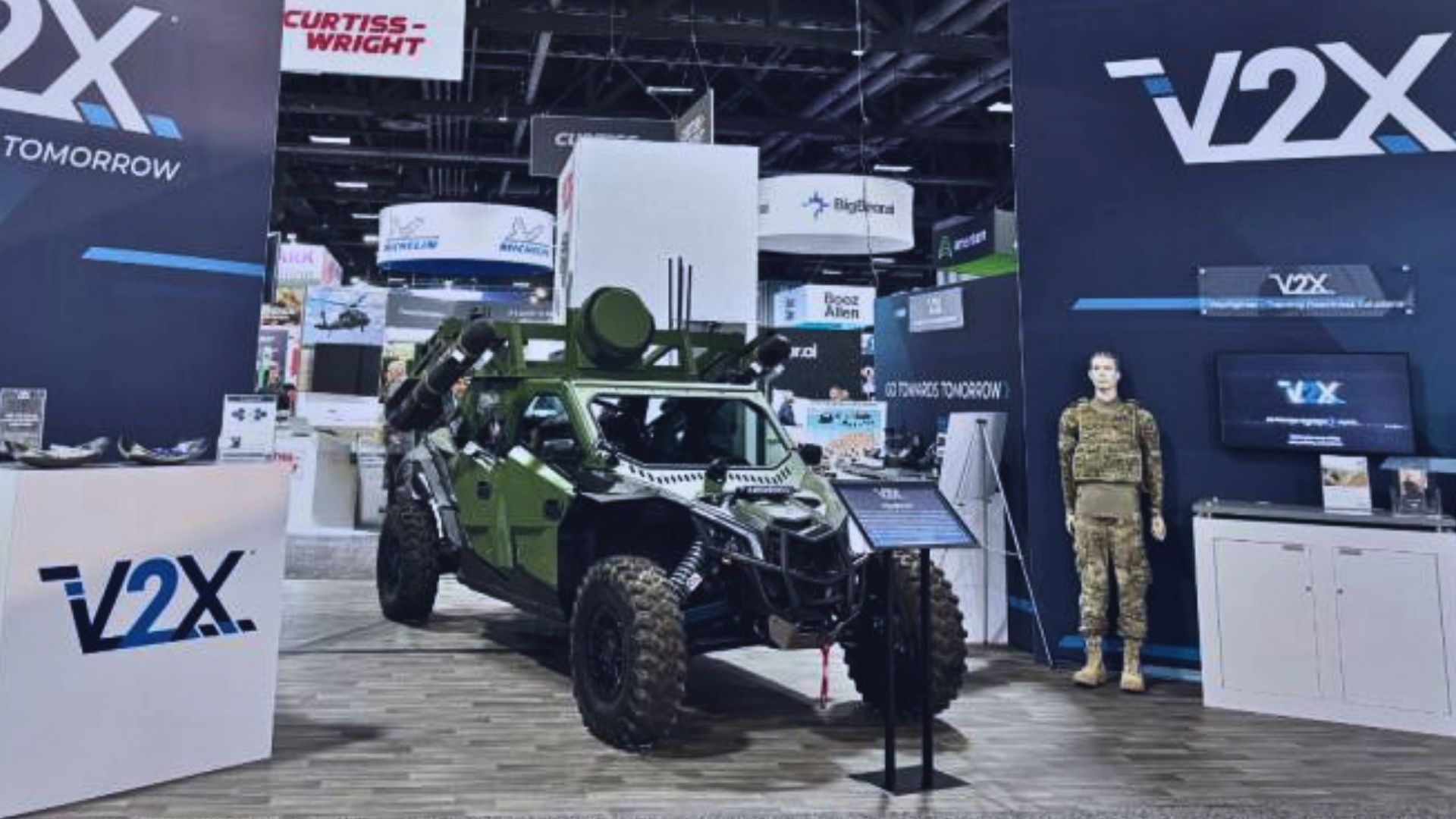
The U.S. Marine Corps is set to enhance its counter-drone capabilities with the acquisition of 10 Tempest vehicles, designed by V2X. This $19 million contract, announced on September 8, includes not only the vehicles but also software management, spare parts, training, maintenance, and engineering support. The Tempest system is engineered to detect and engage unmanned aerial threats quickly while maintaining mobility to evade enemy targeting. The significance of the Tempest vehicle lies in its innovative design, which combines a lightweight off-road platform with advanced radar and missile systems. Unlike traditional air-defense vehicles, Tempest prioritizes mobility and a small footprint, allowing it to operate alongside maneuvering forces. This approach addresses the growing challenge posed by inexpensive drones in modern warfare, as seen in conflicts like Ukraine, where traditional air-defense systems may not be the most effective solution. Looking ahead, the Marine Corps' integration of the Tempest system could reshape its counter-drone strategies, particularly as drone warfare continues to evolve. While the exact specifications of the vehicles have not been fully disclosed, the Tempest's ability to quickly engage and relocate may prove crucial in future operations against increasingly sophisticated unmanned threats. No further timeline was disclosed at the time of publication.
Military
Atlantas Marine Introduces Inflatable ROV Habitats for Hazardous Offshore Environments
Atlantas Marine has launched inflatable habitats designed specifically for their ROV systems, aimed at enhancing operational efficiency in hazardous offshore areas. These habitats provide a controlled workspace, allowing teams to set up and maintain ROVs effectively, addressing the common challenge of limited deck space on vessels. The introduction of these inflatable habitats is significant as they are tailored to meet the unique demands of offshore operations, including compliance with hazardous area classifications. Each unit is portable, can be mobilized quickly, and is constructed from materials that ensure durability and safety in challenging environments. Looking ahead, the first units are set to be shipped to Brazil for deployment on oil platforms. Atlantas Marine has completed testing and is eager to gather performance data from these initial deployments, which will inform future enhancements and operational practices.
atlantas marine inflatable rov habitats hazardous offshore areas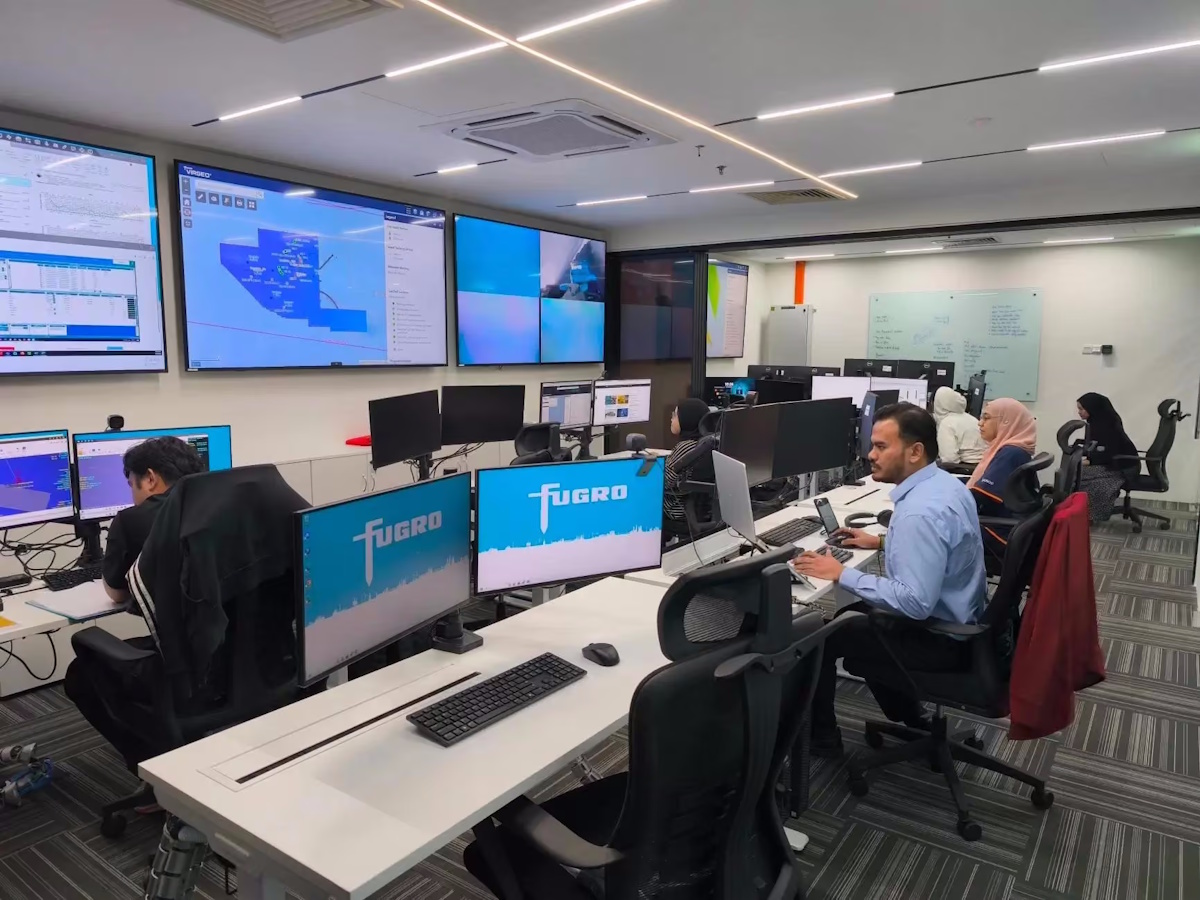
Fugro Expands Singapore Innovation Hub with AI-Driven Marine Digital Twin Development
Fugro has announced the expansion of its innovation hub in Singapore by developing an AI-driven marine digital twin capability. This initiative is a significant milestone in Fugro's global growth strategy, enhancing Singapore's position as the Asia Pacific hub for marine Geo-data innovation. The new platform aims to help clients make quicker, more informed decisions regarding offshore and coastal developments. The AI-enabled platform will integrate various data types, including geophysical survey data and geotechnical site investigation results, into a unified digital analytics environment. By automating data integration and analysis, the platform seeks to improve efficiency and provide deeper insights from complex marine Geo-data. This advancement is expected to enhance decision-making for offshore projects, ultimately benefiting clients worldwide. Fugro anticipates creating new roles in Singapore focused on AI, data science, and digital engineering as the platform scales. The expansion reflects confidence in Singapore's R&D ecosystem and aims to deepen local capabilities in applying AI to marine developments. No further timeline was disclosed at the time of publication.
fugro innovation hub ai digital twin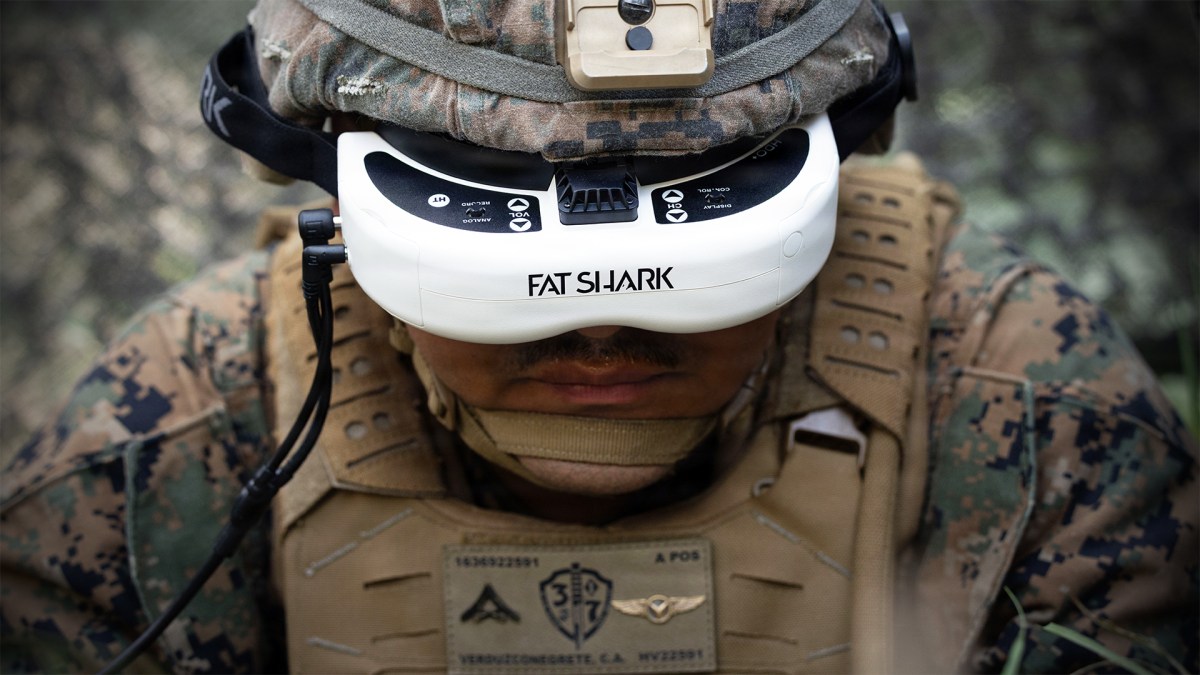
U.S. Marine Corps Reveals Ground Combat Element 2040 Strategy for Future Warfare
The U.S. Marine Corps has introduced its Ground Combat Element (GCE) 2040 strategy, outlining future ground combat operations. This plan emphasizes the need for enhanced training and equipment to address the challenges posed by advanced technologies, particularly drones, in potential Pacific conflicts. The GCE 2040 strategy is crucial as it prepares Marines for a rapidly evolving battlefield characterized by peer-level adversaries like China and Russia. Lt. Gen. Jay M. Bargeron highlighted the importance of adapting to technological advancements, including artificial intelligence and drone warfare, to ensure the effectiveness of smaller Marine units in combat. Looking ahead, the Marine Corps aims to implement layered defenses against drone threats, which pose significant risks to ground maneuverability. The introduction of systems such as the Marine Air Defense Integrated System (MADIS) and the classified “Home Alone” counter-drone solution will be vital in protecting Marine squads. No further timeline was disclosed at the time of publication.
Sea Air Counter-Unmanned Aerial Vehicles (C-UAS) Drones Land News & Features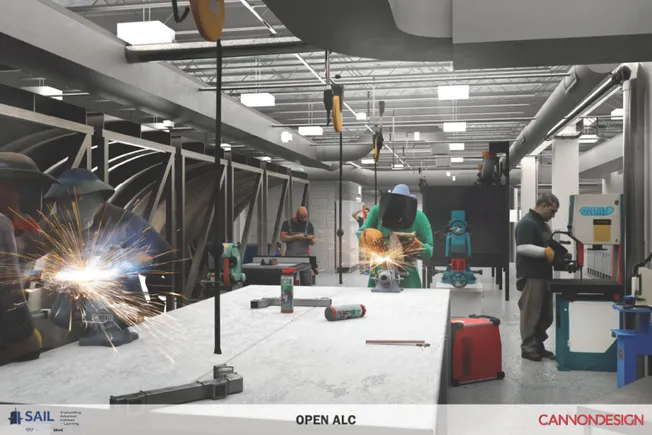
Electric Boat and NEIT to Launch Submarine Workforce Training Center in Rhode Island
Electric Boat (EB) and the New England Institute of Technology (NEIT) are collaborating to establish a submarine workforce training center in Rhode Island, supported by a $20 million investment from the U.S. Navy’s Submarine Industrial Base program. This initiative aims to enhance workforce skills in areas such as welding and machining, aligning with EB's goal to hire 8,000 employees by 2026. The training center will feature 20 classrooms designed for hands-on skill development, expanding NEIT's existing partnership with EB, which has trained over 4,500 new workers since 2013. This expansion comes as EB prepares to fulfill two significant contracts with the Navy, totaling $76.6 billion, which include the production of Columbia-class and Virginia-class submarines. Looking ahead, the establishment of the training center is crucial for meeting the increasing demand for skilled labor in submarine production. No further timeline was disclosed at the time of publication.
Russia's Rosatom Develops 15 RITM-200 Marine Nuclear Reactors for Icebreakers
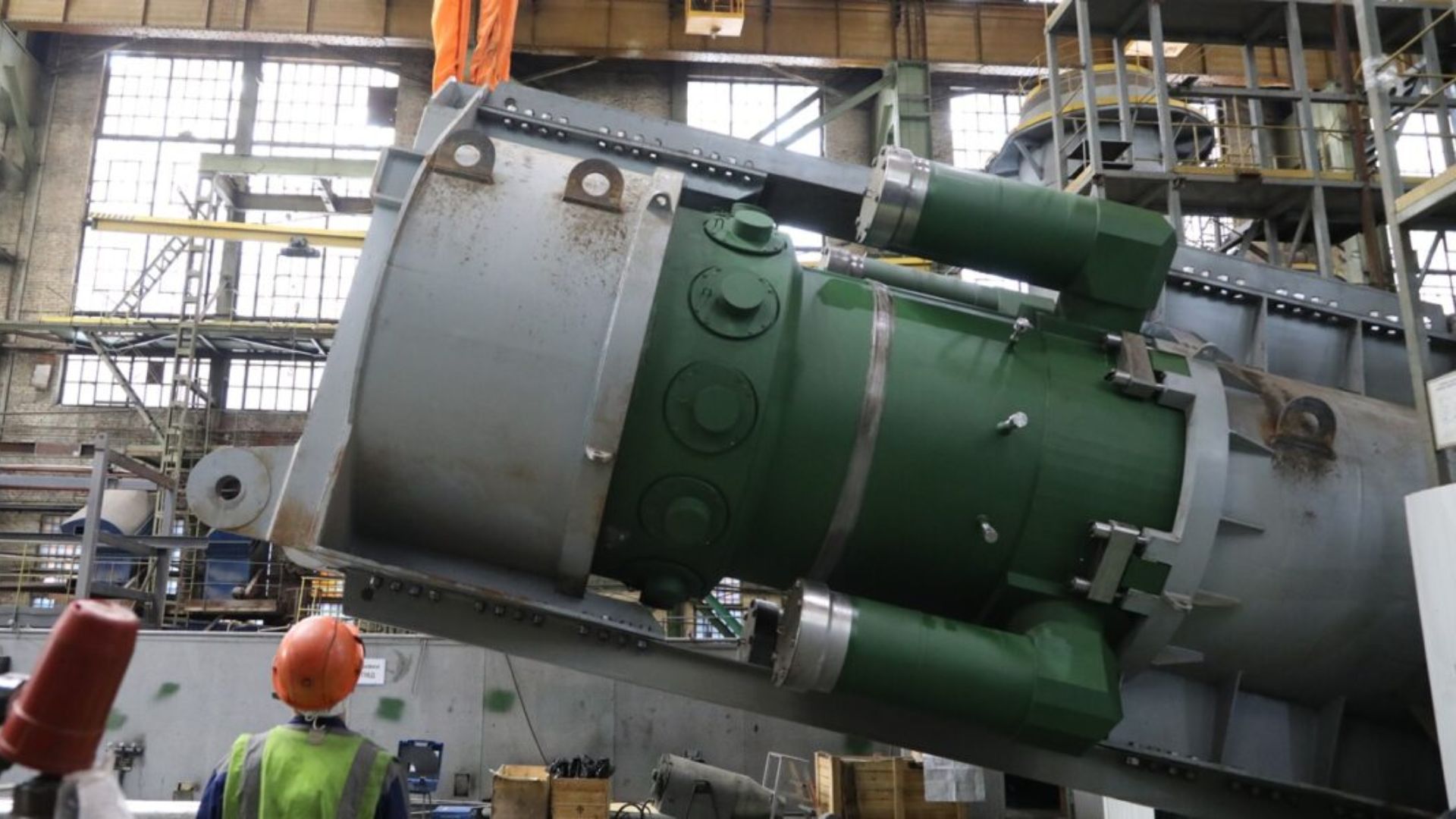
Russia has successfully constructed 15 RITM-200 reactor units, with plans for 13 more, as reported by Rosatom chief Alexey Likhachev. These small-scale reactors, each with a thermal power output of 175 megawatts and a lifespan of at least 40 years, are designed for use in hard-to-reach areas, particularly for icebreakers operating in icy waters. The RITM-200's innovative design integrates the core and steam generators within a single pressure vessel, reducing the system's footprint by approximately one-third compared to traditional marine reactors. This compact design allows for enhanced operational capabilities, enabling Project 22220 icebreakers to adapt their buoyancy for navigating both deep ocean and shallow river environments. Looking ahead, Rosatom is adapting the RITM-200 for civilian energy applications, including the RITM-200N for land-based power generation in Yakutia and the RITM-200S for floating power stations. The company is also exploring micro-reactor technologies for remote areas, with projects like the Shelf micro-reactor and the Elena thermoelectric unit. No further timeline was disclosed at the time of publication.
Energy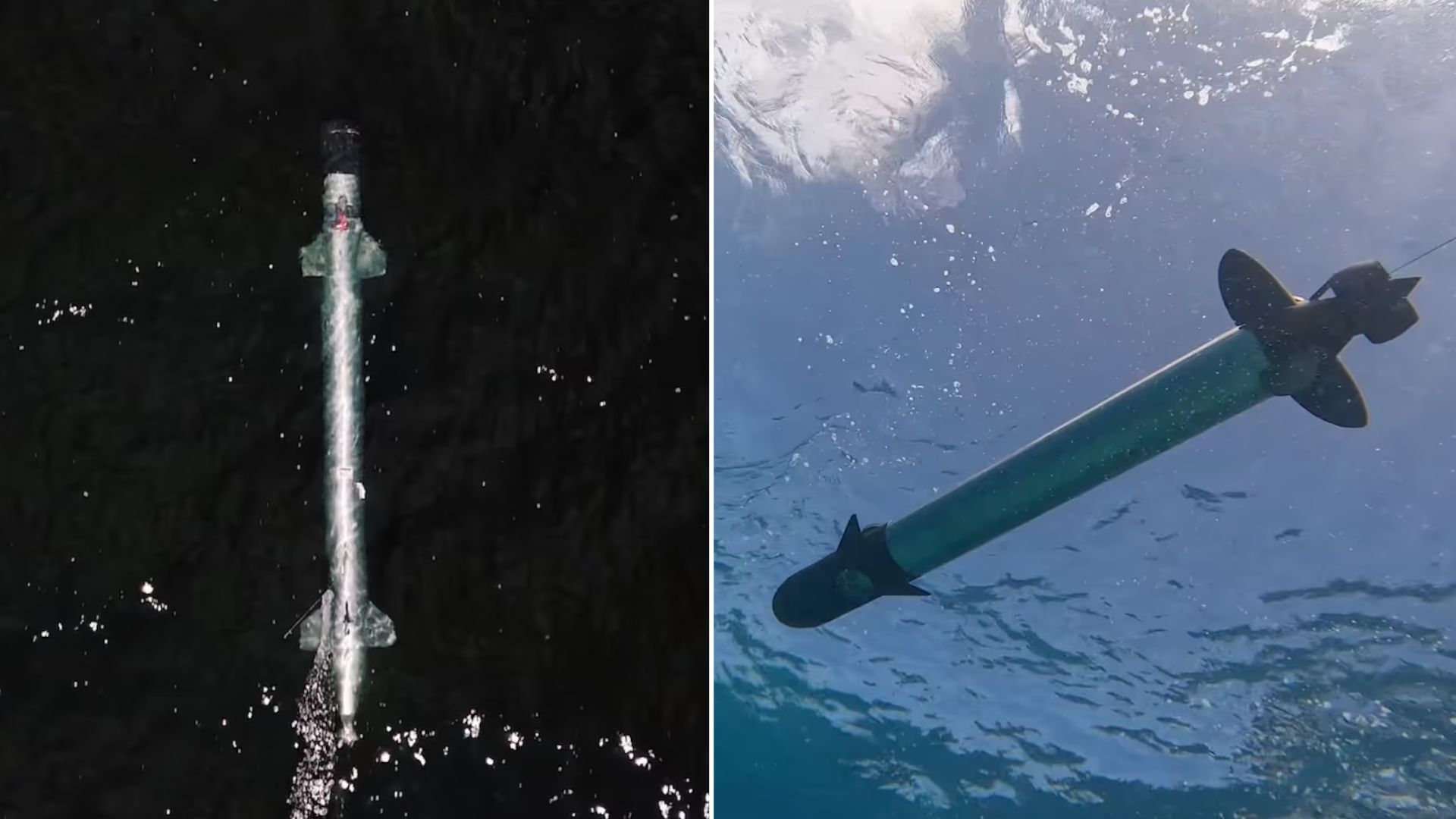
Taiwan Collaborates with U.S. Startup Vatn Systems on 200 nm Submarine Drone Technology
Taiwan has entered into a partnership with U.S. defense startup Vatn Systems to develop autonomous underwater vehicles (AUVs) aimed at enhancing maritime surveillance and defense capabilities. The agreement, signed with the National Chung-Shan Institute of Science and Technology (NCSIST), focuses on AI-enabled command-and-control systems and establishing a local supply chain for AUV technology. This collaboration is significant as it combines Vatn's expertise in undersea autonomy with Taiwan's industrial capabilities, allowing for the development of affordable AUVs like the Skelmir S12. These vehicles can perform various missions, from seabed mapping to mine countermeasures, without the risks associated with manned vessels, thus expanding Taiwan's underwater capabilities. Looking ahead, the partnership not only aims to enhance Taiwan's defense but also supports dual-use applications in critical infrastructure inspection and offshore industries. The initiative is part of a broader strategy by NCSIST to develop indigenous underwater technology while collaborating with foreign firms, including ongoing efforts with Anduril Industries and the Huilong program for local AUV development.
Military
Submarine Networks World and Subsea Security World Set for Singapore on September 23-24, 2026
The Submarine Networks World 2026, the largest annual gathering of the subsea telecommunications industry, will take place in Singapore on September 23-24, 2026. This event is expected to attract over 1,000 leaders in subsea communications and feature more than 130 industry speakers. The introduction of Subsea Security World (SSW) at this year's event highlights the growing importance of cable security and protection. This new segment will bring together specialists, government entities, and academics to discuss critical issues affecting the subsea telecommunications sector. As the event approaches, attendees can look forward to inspirational keynotes and engaging debates. No further timeline was disclosed at the time of publication.
submarine networks world subsea security world 2026 events
Teledyne Marine Enhances Undersea Warfare Capabilities During AUKUS Exercise Lanternfish 2026
Teledyne Marine participated in Exercise Lanternfish 2026, a multinational AUKUS Pillar 2 initiative aimed at enhancing seabed warfare capabilities. From June 14 to 26, 2026, Teledyne Marine collaborated with the U.K. Royal Navy and Royal Australian Navy at Naval Base Kitsap-Keyport, utilizing the Teledyne Gavia unmanned undersea vehicle (UUV) to support operations. The exercise is significant as it aligns with the AUKUS Pillar 2 objective of advancing undersea, autonomous, and sensing capabilities among the U.S., U.K., and Australia. Teledyne Marine's involvement included providing technical expertise and specialized Gavia modules, which facilitated successful UUV surveys and the testing of the new Acoustic Intelligence (ACINT) module. Looking ahead, the outcomes of Exercise Lanternfish 2026 may influence future collaborative efforts in undersea warfare among the allied nations. No further timeline was disclosed at the time of publication.
teledyne marine allied undersea capabilities aukus exercise lanternfish
US Marine Corps Awards $11 Million Contract for Epirus' HAVOC Microwave Weapon System
The US Marine Corps has awarded Epirus an $11 million contract for the HAVOC system, a vehicle-mounted high-power microwave weapon designed to disable drone swarms. This system is derived from Epirus' Leonidas weapon and will be integrated into both manned and unmanned Marine Corps vehicles, enhancing their counter-drone capabilities. The HAVOC system represents a significant advancement in the Marine Corps' efforts to combat drone threats, providing three times the power and improved range compared to its predecessor, the Expeditionary Directed Energy Counter-Swarm system (ExDECS). This capability allows for simultaneous electronic effects against multiple drones, ensuring effective protection for high-value assets and personnel. Looking ahead, the HAVOC system's software-driven architecture will enable continuous updates to counter evolving drone technologies. The universal sled mount design will facilitate its deployment across various Marine Corps vehicles, enhancing operational flexibility. No further timeline was disclosed at the time of publication.
Military
HII and MetalCraft Marine's Autonomous ROMULUS USV Passes Critical DoW Test for U.S. Navy
HII announced that its autonomous Watcher small Unmanned Surface Vessel (sUSV), based on the ROMULUS-25, has successfully passed a critical test recognized by the U.S. Defense Innovation Unit (DIU). This achievement marks the completion of the Production-Ready, Inexpensive, Maritime Expeditionary (PRIME) prototype project, which aims to develop smaller autonomous vessels for the U.S. Marine Corps. The successful testing of the Watcher sUSV is significant as it meets the operational needs of the Department of the Navy for interceptors capable of autonomous operations in contested waters. HII's Odyssey Autonomous Control System (ACS) enhances the vessel's capabilities, allowing for intelligent navigation and mission planning, which are crucial for modern naval operations. Looking ahead, HII is positioned for a potential transition to production under Other Transaction Authority (OTA) agreements. The company aims to continue delivering innovative autonomous solutions that enhance naval readiness and operational flexibility, as stated by HII's leadership and MetalCraft Marine's General Manager.
hii metalcraft romulus usv autonomy critical dow test
Epirus Wins $11 Million Contract for HAVOC C-UAS with Marine Corps
The Marine Corps has awarded an $11 million contract to Epirus for its High-power Microwave Autonomous Vehicle Operational Capability (HAVOC) system, designed to counter unmanned aircraft. This system will be installed on ground vehicles and includes training, service, and sustainment support. This contract underscores the Marine Corps' focus on deploying integrated, software-defined systems to address the evolving drone threat. Epirus CEO Andy Lowery emphasized the importance of the HAVOC system in enhancing the Marines' capabilities for low-collateral protection of critical assets. Looking ahead, the HAVOC system represents an upgraded version of the previously delivered ExDECS system, aimed at improving Low Altitude Air Defense formations. No further timeline was disclosed at the time of publication.
Land Warfare Naval Warfare Army Drones electronic warfare Epirus
Russian Navy Implements Netting for Submarine Protection Against Drone Threats
Recent satellite imagery reveals that the Russian Navy has begun using nets to shield submarines from drone attacks at its strategic base in Kamchatka. This development highlights Russia's growing concerns about drone threats, extending to critical facilities beyond the Ukraine conflict. Additionally, similar protective measures are being observed at a Black Sea base, indicating a broader trend in enhancing naval defenses against uncrewed aerial systems. The use of nets at the Rybachiy base, home to most of Russia's Borei and Borei-A class nuclear ballistic missile submarines, signifies a tactical shift in response to perceived threats. The imagery shows various submarines covered by nets, consistent with countermeasures previously employed in Ukraine against drone attacks. The introduction of floating booms further enhances protection against surface threats, reflecting a comprehensive approach to naval security. Looking ahead, the Russian Navy's adaptations to counter uncrewed aerial systems and surface vessels will likely continue to evolve. The recent imagery from both Kamchatka and Novorossiysk raises questions about the operational readiness of these submarines and the effectiveness of the new defensive measures. No further timeline was disclosed at the time of publication.
News & Features Air Around The Globe Drones Europe Russia
First Marine Solutions and Bedrock Form Strategic Partnership to Enhance Subsea Surveying in Europe
First Marine Solutions has entered into a multi-year strategic partnership with Bedrock Ocean Exploration to enhance autonomous subsea survey capabilities across the UK and Europe. This collaboration will establish a UK and European operational hub for Bedrock’s autonomous ocean intelligence technology at FMS’ Aberdeen headquarters, integrating Bedrock’s technology with FMS’ offshore expertise. The partnership is significant as it allows for the deployment of Bedrock’s autonomous underwater vehicles at FMS’ facility, enabling local operations and maintenance without the need for equipment transport to the United States. This arrangement aims to provide clients in offshore energy and subsea infrastructure with a comprehensive solution that combines data acquisition, operational support, and industry-leading survey capabilities. Looking ahead, both companies plan to work together to promote their new capabilities and their impact on maritime industries. No further timeline was disclosed at the time of publication.
first marine solutions bedrock ocean exploration autonomous subsea survey
23rd International Submarine Symposium Scheduled for Hamburg, Germany from September 15-18, 2026
The World Submarine Organization (WSO), in collaboration with the Submersible Operators Group (SOG), the MTS Submarine Committee, and Det Norske Veritas (DNV), will host the 23rd Annual Submarine Symposium in Hamburg, Germany. This event is set to take place from September 15 to 18, 2026, at the International Maritime Museum and DNV Headquarters. This four-day symposium aims to unite experts, industry stakeholders, regulators, and innovators to explore advancements in submarine technology, safety regulations, and operational best practices. Attendees will benefit from technical presentations, collaborative discussions, and networking opportunities with professionals from around the world. As the event approaches, participants should look for updates on the agenda and speaker lineup. The symposium promises to be a significant gathering for those involved in submarine operations and technology, providing insights that could shape future developments in the field.
events 23rd international submarine symposium submersibles submarines
Marine Corps Chooses Allen Control Systems' Bullfrog M240 for L-MADIS Integration
The Marine Corps has selected Allen Control Systems' Bullfrog M240 autonomous weapon for integration into its Light Marine Air Defense Integrated System (L-MADIS). This system is part of the Ground Based Air Defense program and includes two Polaris MRZR vehicles, one serving as a command unit and the other equipped with electronic warfare capabilities to counter drone threats. The Bullfrog M240 transforms the traditional 7.62mm machine gun into an autonomous weapon, capable of firing 850 rounds per minute and weighing approximately 300 pounds. This integration is facilitated through a prototype Other Transaction Agreement contract valued at around $6.2 million. The Marine Corps is also seeking $1.27 billion in its fiscal 2027 budget for Ground Based Air Defense capabilities, highlighting the importance of advanced defense systems. Looking ahead, the Bullfrog M240 is not only being considered by the Marine Corps; the US Army Applications Lab has awarded a contract to assess its deployment on Army combat vehicles. Additionally, Allen Control Systems is working on integrating Bullfrog onto US Special Operations Forces maritime platforms, indicating a growing interest in this technology across multiple military branches.
Land Warfare Naval Warfare Army Counter UAS cUAS LMADIS MADIS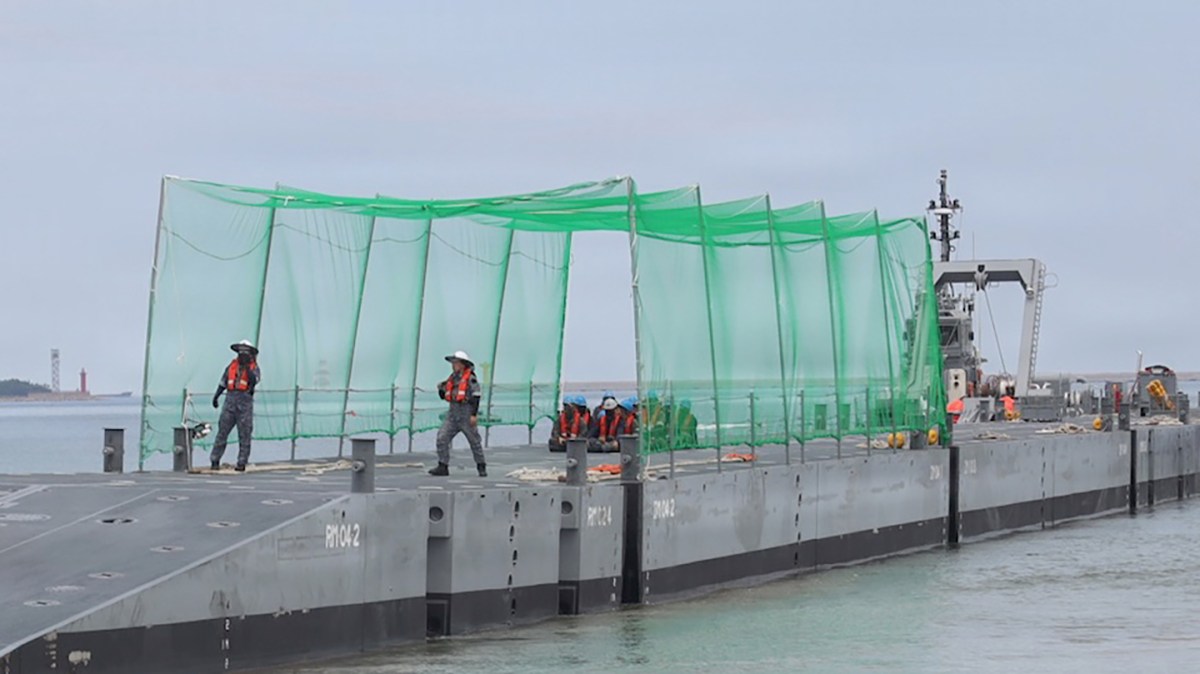
U.S. Marine Corps Implements Anti-Drone Netting in Recent Logistics Exercise
The U.S. Marine Corps has reportedly utilized anti-drone netting during a logistics training exercise in South Korea. Photographs from the Pentagon reveal the netting on a ship-to-shore floating platform, indicating a response to the growing threat of small attack drones. This defensive measure aligns with similar strategies observed in Ukraine and by Dutch forces. The significance of this development lies in the increasing reliance on protective measures against drone threats, particularly in logistics operations. The netting is designed to entangle drones, potentially neutralizing them before they can cause harm. However, its effectiveness against agile first-person view drones remains uncertain, as the netting only covers a portion of the platform, leaving other areas exposed. Looking ahead, the integration of counter-drone strategies into logistics exercises, such as Combined Joint Logistics Over-the-Shore 26, highlights the evolving nature of military operations. As drone attacks continue to pose risks, the military may further adapt its logistics and operational frameworks to enhance protection against these threats. No further timeline was disclosed at the time of publication.
Land Counter-Unmanned Aerial Vehicles (C-UAS) Sea U.S. Marine Corps
Ranger Autonomous Vessel Successfully Completes Sea Trials from Submarine Torpedo Tube
An innovative autonomous surface vessel, the Ranger, has successfully completed its Sea Acceptance Test (SAT) in Germany, demonstrating its ability to be launched from a submarine's torpedo tube. Developed by Gabler and Flanq, the Ranger is designed for intelligence, surveillance, and reconnaissance missions with minimal human intervention. The successful completion of the SAT marks a significant milestone for the program, confirming the vessel's seaworthiness and the integration of its core technologies. The Ranger, measuring approximately 15 feet long, features a folding keel and collapsible sensor mast, allowing it to fit within a standard 21-inch torpedo tube. Looking ahead, Gabler will manage the commercialization and integration of the Ranger with submarines, while Flanq will provide advanced maritime technologies and mission software. The companies are also developing a one-way attack variant called Strike, expanding the platform's capabilities for future naval operations.
Military
Impossible Metals Announces New Advanced Marine Robotics Hub in Pittsburgh for Mineral Robotics Development
Impossible Metals has unveiled plans to establish an Advanced Marine Robotics Hub in Pittsburgh, aimed at developing dual-use autonomy for ocean science and naval systems. This initiative is part of a broader effort to create a China-free critical-mineral supply chain, leveraging the region's expertise in robotics. The new hub will not only foster innovation in mineral robotics technology but also generate over a dozen high-paying engineering and science jobs in Pennsylvania. This move underscores the importance of local talent in advancing the United States' capabilities in marine robotics and autonomy. Looking ahead, stakeholders should monitor the hub's progress and its potential impact on the critical-mineral supply chain. No further timeline was disclosed at the time of publication.
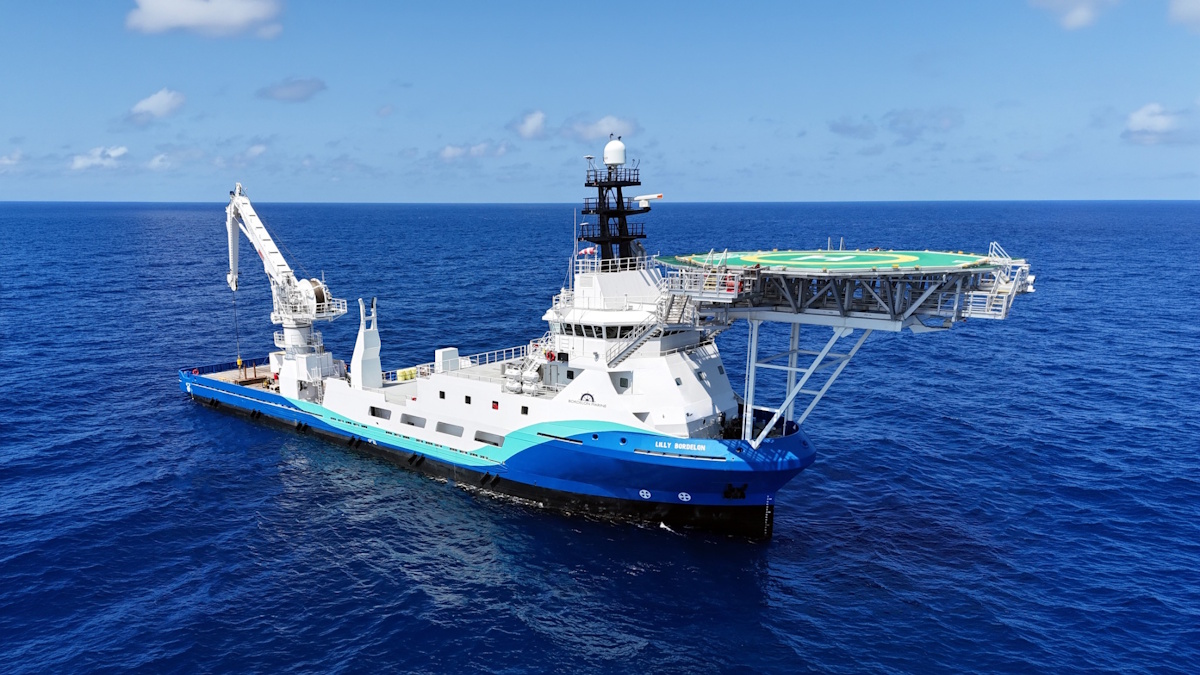
Bordelon Marine Completes Conversion and Delivery of MV Lilly Bordelon Vessel
Bordelon Marine has successfully completed the conversion and redelivery of the MV Lilly Bordelon, a Stingray Series 260 Class DP-2 Ultra-Light Intervention Vessel. This modern subsea intervention vessel has been repurposed from an existing platform to provide cost-efficient and flexible solutions for offshore operations. The MV Lilly Bordelon boasts over 5,500 square feet of clear deck space and features a mezzanine deck that supports two work-class ROVs, along with an integrated ROV control room. It is equipped with a 60-ton active heave-compensated crane and a 17-meter USCG/ABS-certified helideck, making it suitable for a variety of subsea inspection, maintenance, repair, and light construction tasks. Wes Bordelon, President and CEO, expressed pride in adding the MV Lilly Bordelon to their fleet, emphasizing its role in enhancing the company's ability to deliver high-capability, cost-effective subsea solutions to clients. No further timeline was disclosed at the time of publication.
bordelon marine mv lilly bordelon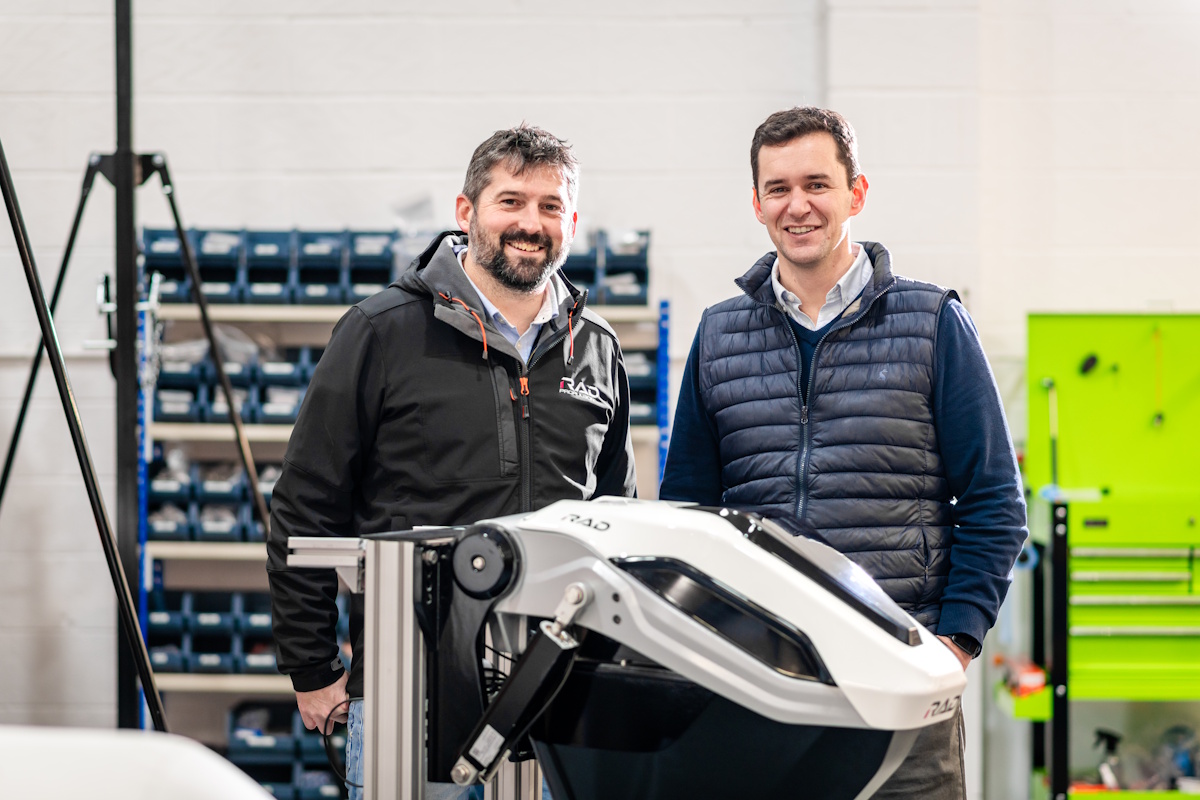
RAD Secures £4.4 Million Funding to Enhance Autonomous Marine Technology and Electric Propulsion Systems
RAD, a marine technology firm, has successfully raised £4.4 million in funding to accelerate the commercialization of its autonomous vessel technologies and expand its electric propulsion systems. This funding round, led by Mercia Ventures, comes after a year of significant product development and customer engagement, including the launch of the Axon open systems architecture for uncrewed vessels at the Combined Naval Event in May 2026. The funding is crucial as RAD aims to capitalize on the growing demand for flexible and scalable marine solutions in both defense and commercial sectors. The Axon architecture allows for rapid development and integration of uncrewed vessel capabilities, which is expected to enhance operational efficiency and reduce vendor lock-in for operators. With this investment, RAD is positioned to lead the electrification shift in marine technology, similar to trends seen in road transport. Looking ahead, RAD plans to utilize the funds for international expansion, including establishing a presence in the U.S. market, and further developing its electric propulsion systems and energy management technologies. The company is also focused on enhancing its engineering capabilities to meet the increasing demand from its diverse customer base. No further timeline was disclosed at the time of publication.
rad raise investment commercialisation autonomous marine technology propulsion systems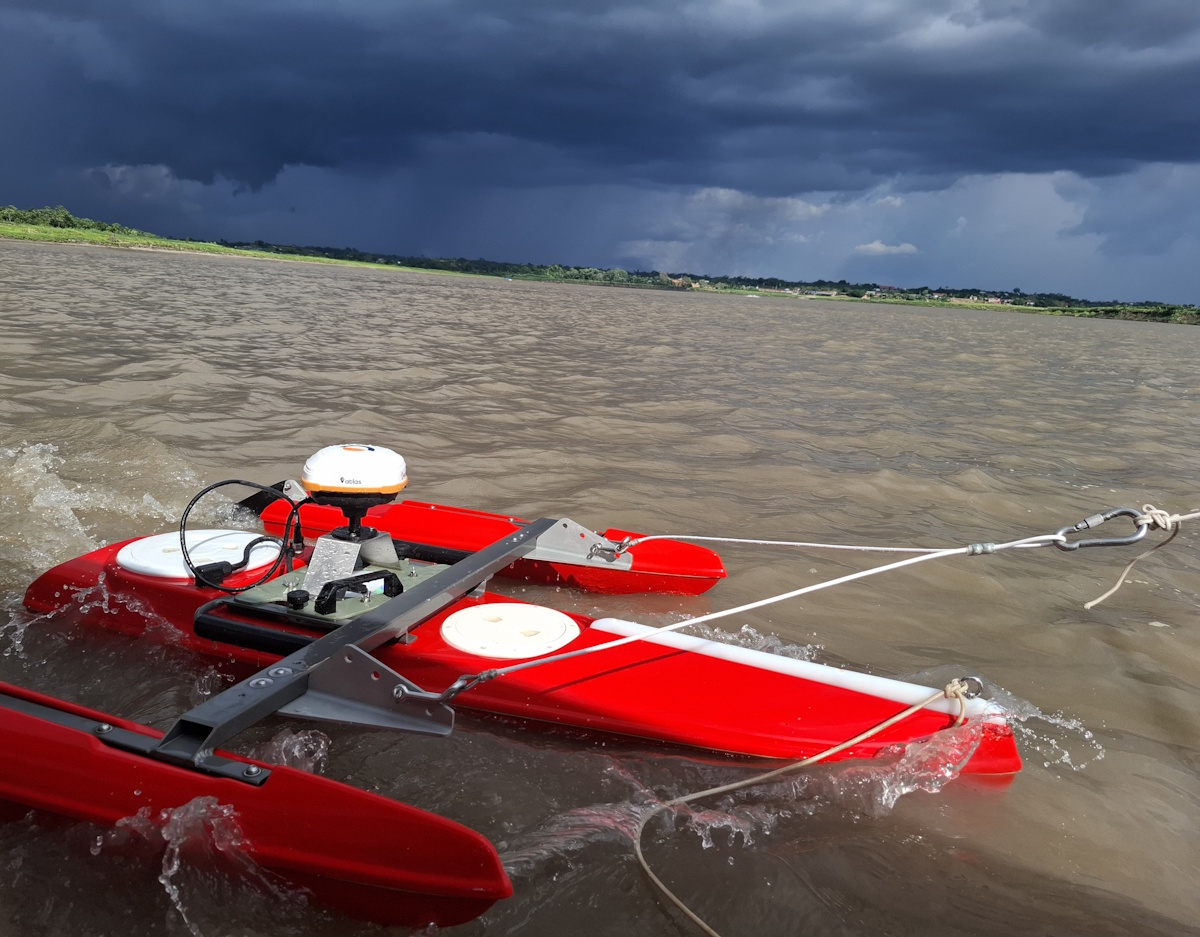
Teledyne Marine Announces 2026 Global Photo & Data Contest with Cash Prizes
Teledyne Marine has officially launched its 2026 Photo & Data Contest, inviting global participants to submit images and datasets captured using its technologies. The contest runs from July 1 to October 15, 2026, with winners determined through public voting and expert judging. Categories include Voters' Choice, Best Data, Adversity, Moment of Zen, and Underwater, with prizes such as a HERO13 Black camera and KODAK PIXPRO cameras for jury-selected winners. This annual competition aims to celebrate the innovative projects and expertise within the marine community, encouraging the use of Teledyne Marine products in various environments. The contest not only highlights the technical capabilities of Teledyne's equipment but also fosters community engagement through social media sharing. Participants must secure at least five public votes for their entries to qualify for expert evaluation, which will weigh technical quality and storytelling equally. Winners will be announced in October 2026 via a press release and social media channels. Teledyne Marine's Senior Vice President, William Egan, expressed excitement about this year's submissions, reflecting on the previous year's diverse entries that showcased the challenges and achievements in marine research. No further timeline was disclosed at the time of publication.
teledyne marine global photo & data contest 2026
Iran Claims Capture of US Underwater Drone Capable of 20,000 Feet Missions
Iran's Islamic Revolutionary Guard Corps announced the capture of an American underwater drone near the Strait of Hormuz. The drone, resembling Anduril's Dive-LD, is designed for Intelligence, Surveillance, and Reconnaissance missions and can operate at depths of up to 6,000 meters. This incident highlights the growing significance of unmanned underwater vehicles in naval operations, as they can conduct extended missions without risking crew safety. The Dive-LD's flexibility allows it to be equipped with various sensors and payloads, making it suitable for diverse tasks, from mine warfare to seabed surveys. As nations invest in autonomous underwater systems, the focus will be on the development of larger vehicles alongside smaller models like the Dive-LD. No further timeline was disclosed at the time of publication.
Military
GE Aerospace to Supply LM2500+G4 Engines for South Korea's KDDX-Class Destroyers
GE Aerospace has announced that it will provide 12 LM2500+G4 marine gas turbine engines for six KDDX-class destroyers being constructed for the Republic of Korea Navy (RoKN). The integration of the LM2500+G4 with the KDDX's full electric propulsion system is expected to enhance operational flexibility, fuel efficiency, and survivability for the vessels. This development is significant as it marks a step towards advanced naval propulsion systems, with GE Aerospace's technology reinforcing its collaboration with South Korea. The RoKN has previously procured 163 GE Aerospace marine gas turbines for 95 ships, indicating a strong track record in the region. Looking ahead, Hanwha Aerospace, GE's local partner, will manufacture engine components and support assembly and testing. The KDDX program is projected to cost 7.8 trillion won ($5.75 billion), with Hanwha Ocean as the preferred bidder for the lead ship's construction. No further timeline was disclosed at the time of publication.
Global Naval Warfare Asia GE Aerospace Hanwha Indo-Pacific
New Underwater Drone Technology Promises Enhanced Stealth and Tracking Challenges
Recent advancements in military technology have led to the development of a missile-armed underwater drone that is expected to be quieter and harder to track than traditional submarines. This innovation aims to enhance naval capabilities and improve operational effectiveness in various combat scenarios. The significance of this underwater drone lies in its potential to revolutionize naval warfare by providing a stealthier alternative to submarines. With the ability to operate undetected, this drone could change the dynamics of maritime defense and offense, making it a critical asset for military forces. Looking ahead, the integration of such advanced technologies into military operations will be crucial. Continuous improvements in stealth technology and autonomous systems will likely shape future naval engagements. No further timeline was disclosed at the time of publication.
Military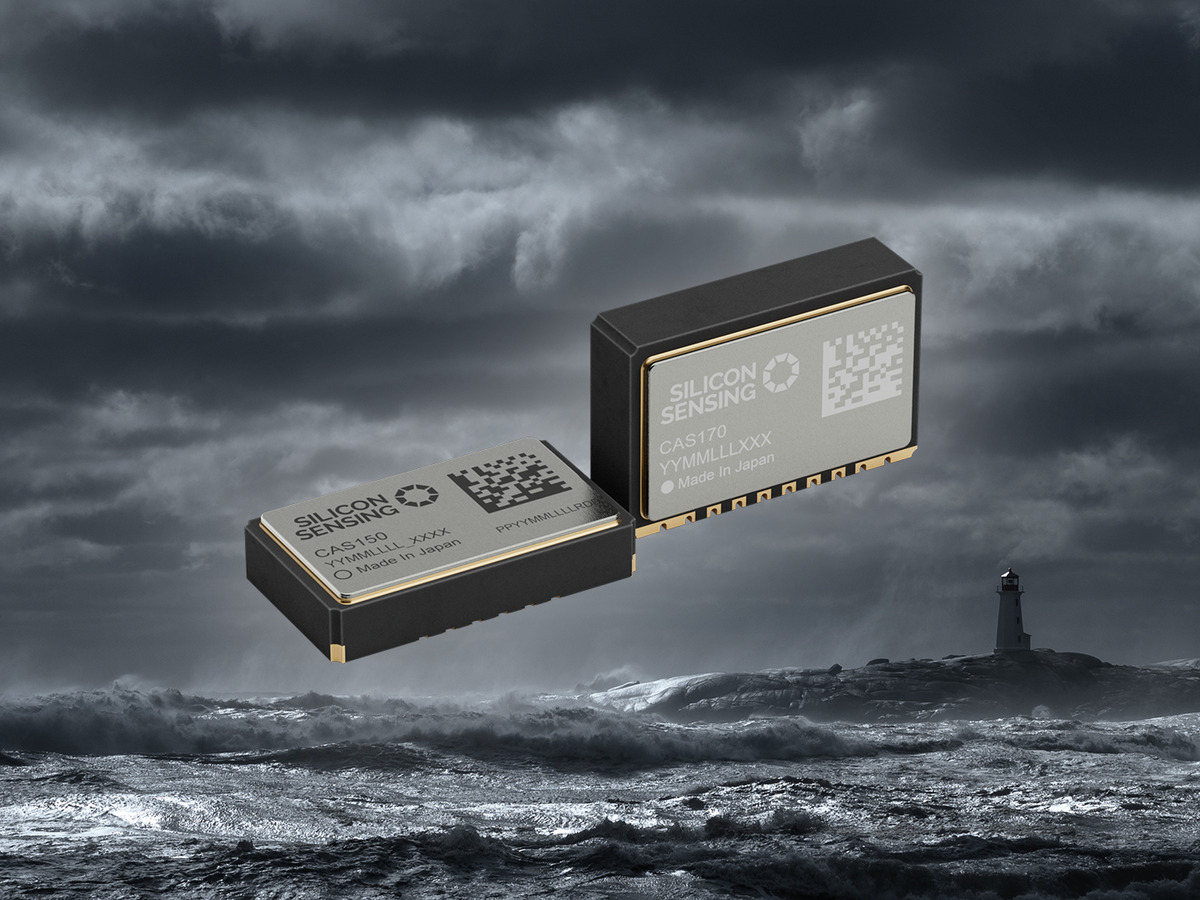
Silicon Sensing Launches Zenith®: A High-Performance Closed-loop Accelerometer for Marine Applications
Silicon Sensing has introduced the Zenith®, a closed-loop, single-axis MEMS accelerometer tailored for marine environments. This innovative device features low-noise performance and a compact design, making it suitable for critical applications in both autonomous and manned marine platforms. The significance of the Zenith® accelerometer lies in its ability to deliver precise linear-acceleration measurements, even in challenging conditions. With a robust ±14g dynamic range and exceptional signal clarity, it is designed for long-endurance operations and fast-changing scenarios, enhancing operational efficiency in marine applications. Looking ahead, the potential for the Zenith® in precise heave measurement is noteworthy. As the demand for reliable sensors in marine technology continues to grow, the integration capabilities of the Zenith® could play a crucial role in advancing marine operations. No further timeline was disclosed at the time of publication.
silicon sensing accelerometer zenith®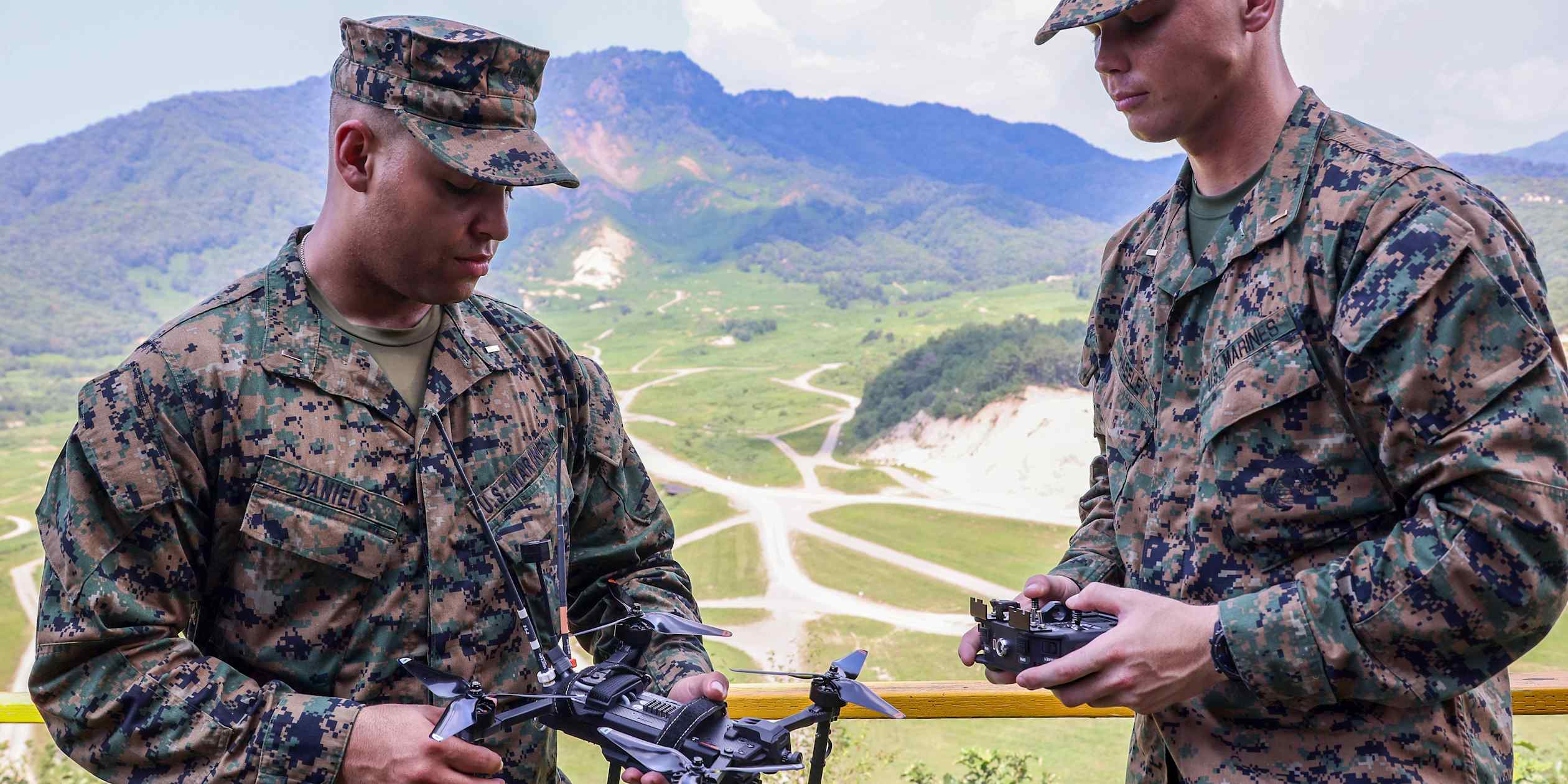
U.S. Marines Conduct Live-Fire Drone Training Amid Korean Conflict Dynamics
In early August 2026, U.S. Marines from the 3rd Battalion, 7th Marine Regiment, engaged in live-fire attack drone training at Camp Humphreys, located in Pyeongtaek, South Korea. This training highlights the increasing role of drones in the ongoing 76-year conflict between North and South Korea, with drones available at prices starting around $2,000. The significance of this development lies in the evolving military capabilities of South Korea, particularly as North Korea enhances its own drone fleet. The introduction of affordable drones into military operations could shift the balance of power in the region, raising concerns about escalating tensions and the potential for conflict. Looking ahead, the situation remains fluid, especially with the backdrop of U.S. political dynamics, including former President Trump's outreach to North Korea's Kim Jong-un. No further timeline was disclosed at the time of publication.

Marine Technology Society Launches 2026 ROV Photo Challenge to Celebrate Innovation
The Marine Technology Society (MTS) ROV Committee has initiated the 2026 MTS ROV Photo Challenge, inviting participants from the ROV community to showcase their work. This initiative aims to highlight the advancements and teamwork in the field of Remotely Operated Vehicles (ROVs), emphasizing their applications in various sectors such as commercial, academic, and military operations. The challenge is significant as it provides a platform for recognition within the ROV community, with the top 10 photos to be displayed at Underwater Intervention 2026. Additionally, the top three entries will gain global visibility through MTS publications and social media, enhancing the exposure of contributors and their projects. Key dates for the challenge include the opening of entries on August 17, 2026, with a submission deadline of October 30, 2026. Winners will be announced at Underwater Intervention 2026 on December 2, 2026. Winning photos will also be integrated into the MTS visual library, ensuring lasting recognition for participants beyond the event.
2026 mts rov photo challenge mts rov committee
U.S. Navy Exercise Demonstrates Sonar Network Tracking for Various UUVs
The U.S. Navy's Exercise Lanternfish 26 showcased the capabilities of ThayerMahan's ShorePicket and Outpost systems in detecting unmanned underwater vehicles (UUVs). These systems successfully tracked UUVs ranging from six inches to extra-large sizes, highlighting the importance of distributed acoustic sensors in maritime security. This exercise, involving U.S., British, and Australian personnel, aimed to evaluate emerging undersea technologies in realistic environments. With 50 technologies from 26 industry partners, the event focused on enhancing interoperability under AUKUS Pillar II, emphasizing the need for effective detection methods in the challenging underwater environment. Looking ahead, the integration of ThayerMahan's TransparenSea software with acoustic data processing and AI-assisted analysis will be crucial for real-time maritime situational awareness. No further timeline was disclosed at the time of publication.
Military
Ultra Maritime Showcases New Underwater Surveillance System at U.S. Navy's 2026 Exercise
Ultra Maritime demonstrated a new underwater surveillance system during the U.S. Navy’s 2026 Lanternfish exercise. The system integrates the Sea Spear passive sonar with the SSQ-125B active sonobuoy to enhance detection capabilities for unmanned underwater vehicles (UUVs). This combination allows for continuous monitoring and precise localization of underwater threats. The significance of this demonstration lies in its potential to improve naval operations against UUVs and submarines. By utilizing both passive and active sonar technologies, Ultra Maritime aims to provide naval forces with a comprehensive understanding of underwater activity across extensive maritime areas. The Sea Spear's passive capabilities enable persistent surveillance, while the SSQ-125B enhances target localization. Looking ahead, Ultra Maritime's system is part of the broader “Ocean of Things” initiative, which envisions a network of underwater sensors deployed from various platforms. This approach could revolutionize maritime security by enabling long-term monitoring of critical areas such as ports and busy sea routes. No further timeline was disclosed at the time of publication.
Military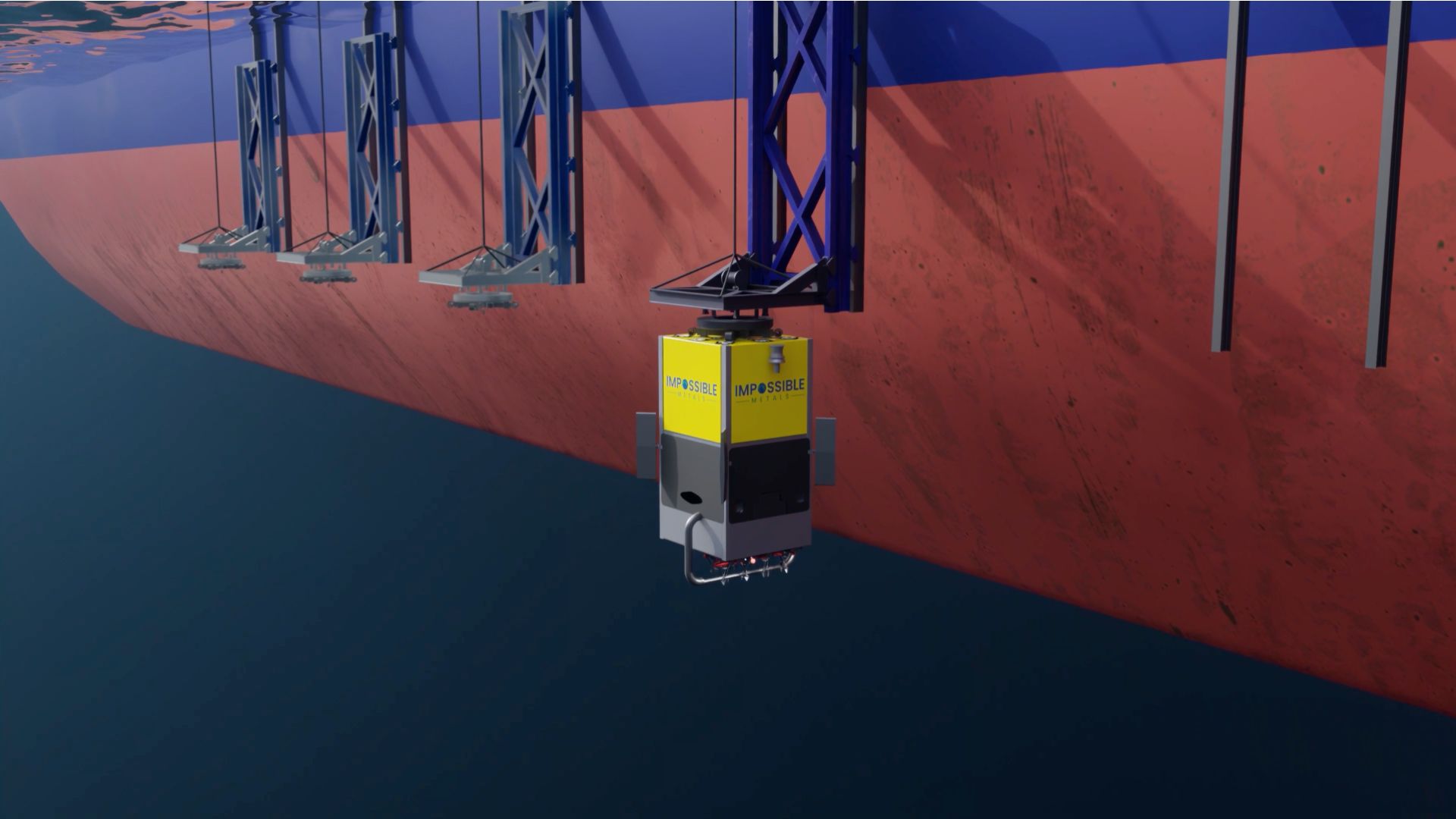
Impossible Metals to Launch Advanced Marine Robotics Hub for Deep-Sea Mineral Harvesting
Impossible Metals, a US mining technology company, has announced plans to establish an Advanced Marine Robotics Hub in Pittsburgh, Pennsylvania. This facility will focus on developing autonomous marine systems for the deep-sea collection of critical minerals, creating over a dozen high-paying engineering and science jobs. The hub aims to enhance US capabilities in marine robotics and critical mineral technologies through collaboration with local universities and researchers. The significance of this initiative lies in its potential to redefine deep-sea mining practices. According to Mike Regan, Chief Growth Officer at Impossible Metals, the hub will enable swarms of autonomous robots to harvest critical minerals like nickel, cobalt, copper, and manganese with minimal environmental impact. This approach not only promises to produce the lowest-cost critical metals on Earth but also aims to strengthen the US supply chain and reduce reliance on foreign sources of essential materials. Looking ahead, the Advanced Marine Robotics Hub will serve as the primary research center for advancing the Eureka autonomous underwater platform and Smart Launch and Recovery Systems. The company plans to continue developing dual-use technologies that cater to both commercial and naval applications. No further timeline was disclosed at the time of publication.
AI and Robotics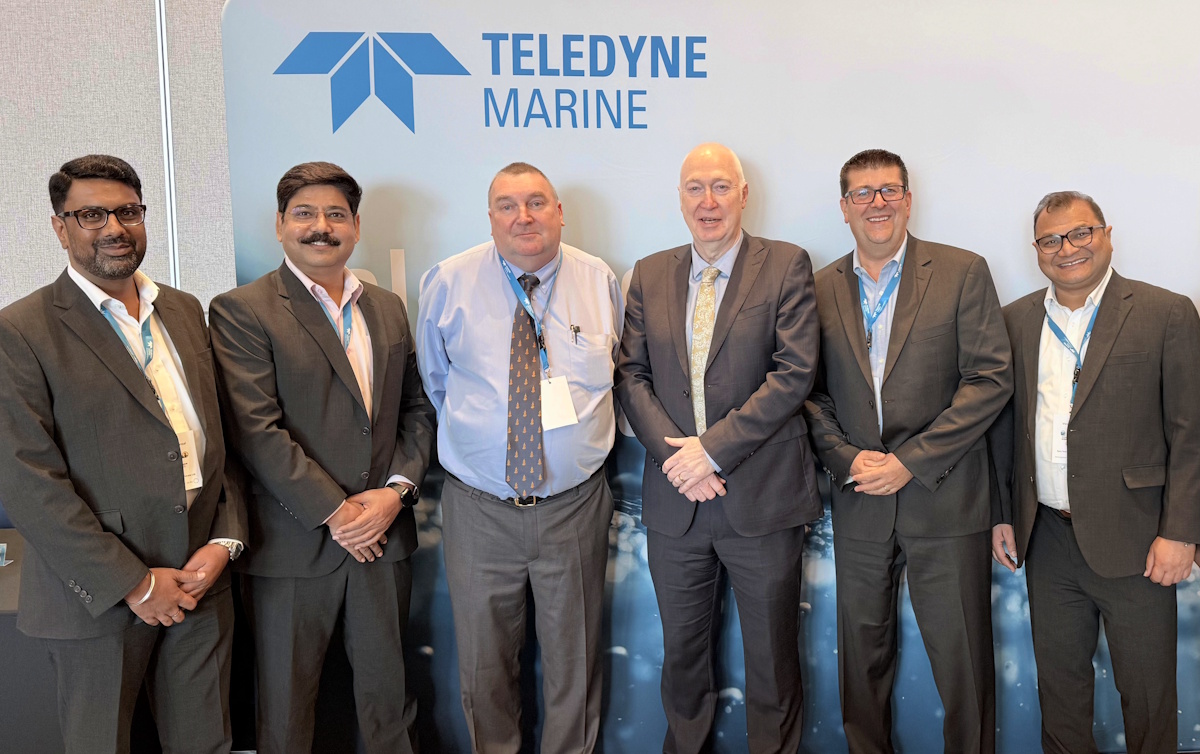
Spry Technocon and Partners Form Alliance for Unmanned Mine Countermeasure Solutions for Indian Navy
Spry Technocon Private Limited has formed a strategic partnership with Teledyne Marine, Klein Marine Systems, and VideoRay to develop advanced Unmanned Mine Countermeasure (MCM) Systems for the Indian Navy. This collaboration aims to leverage cutting-edge underwater sensing and imaging technologies alongside indigenous engineering capabilities to create a comprehensive MCM Suite. The partnership is significant as it aligns with India's Aatmanirbhar Bharat and Make in India initiatives, promoting self-reliance in defense technologies. By integrating advanced Autonomous Underwater Vehicles, high-resolution sonar systems, and remotely operated vehicles, the alliance seeks to enhance the Indian Navy's capabilities in mine warfare. Looking ahead, the focus will be on establishing a sustainable ecosystem for next-generation mine warfare technologies in India. No further timeline was disclosed at the time of publication.
MIT Develops FloatForm Swarm of Autonomous Boats for Adaptive Marine Infrastructure
MIT researchers have unveiled FloatForm, a swarm of 21-centimeter-square autonomous robotic boats capable of self-assembling into floating structures. Each boat is equipped with thrusters, sensors, and a magnetic latching mechanism, allowing them to connect and reconfigure with minimal human intervention. This modular system can adapt to various environments, supporting applications such as emergency response, temporary bridges, and floating markets in waterways across diverse geographies. The significance of FloatForm lies in its decentralized swarm robotics approach, which enables the boats to make local decisions rather than relying on a central controller. This design enhances scalability and efficiency, allowing the robots to navigate and coordinate independently while maintaining robust structural integrity. The innovative magnetic latching system, inspired by origami, allows for reliable connections between boats, facilitating the creation of larger, adaptive structures on water. Future developments will focus on expanding the capabilities of FloatForm for use in canals, rivers, and coastal areas. The researchers aim to deploy larger versions of the robots for various applications, including temporary infrastructure and environmental monitoring. No further timeline was disclosed at the time of publication, but the potential for this technology to transform marine operations is significant, as noted by experts in the field.
AI and Robotics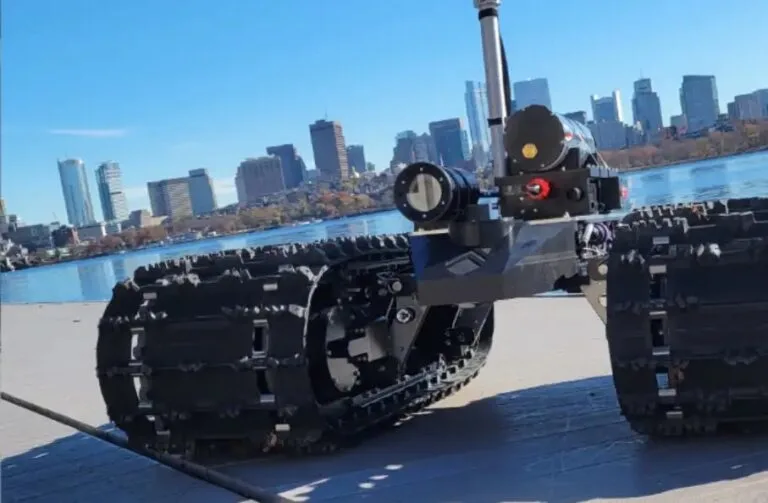
Santiago Company Develops Underwater Mine Clearance Robot, US Marine Corps Orders in Bulk
Greensea IQ has introduced the Bayonet 250, an innovative underwater robot specifically engineered for mine clearance in difficult environments. This robust device, weighing 450 pounds, is capable of operating at depths of up to 100 meters and can be deployed by just two personnel without the need for additional tools. The US Marine Corps has recognized its potential and has placed an order for multiple units, aiming to improve safety and operational efficiency during mine-clearing missions in the strategically significant Strait of Hormuz.
Underwater Robotics Mine Clearance Technology Defense Technology Marine Operations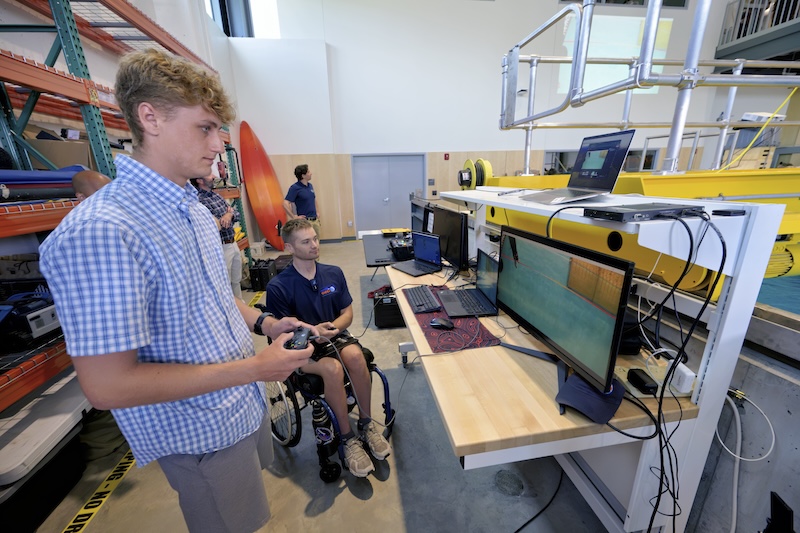
University of Rhode Island opens advanced Ocean Robotics Laboratory for autonomous marine research
Event marked milestone for Narragansett Bay Campus The University of Rhode Island celebrated a major milestone in the $300 million, multi-phase revitalization of the Narragansett Bay Campus with an underwater ribbon cutting ceremony for the new Ocean Robotics Laboratory on June 25. Students Elliot Roman and Jake Bonney piloted URI’s remotely operated vehicle Rhody to […]
Features Robotics Science autonomous systems autonomous underwater vehicles blue economy
UK’s 21-ton extra-large submarine drone to undergo trials for undersea operations, payload
The United Kingdom has awarded MSubs, a submarine technology company, an $8.8 million contract to initiate trials of a new unmanned underwater vehicle. This contract, announced recently, aims to enhance the UK's maritime capabilities and explore advanced underwater technologies. The trials will take place in various locations across the UK, with the goal of assessing the vehicle's performance and operational effectiveness. The initiative is part of the UK's broader strategy to bolster its defense and security measures in response to evolving maritime threats. By leveraging MSubs' expertise, the UK seeks to innovate and maintain a competitive edge in underwater operations.
Military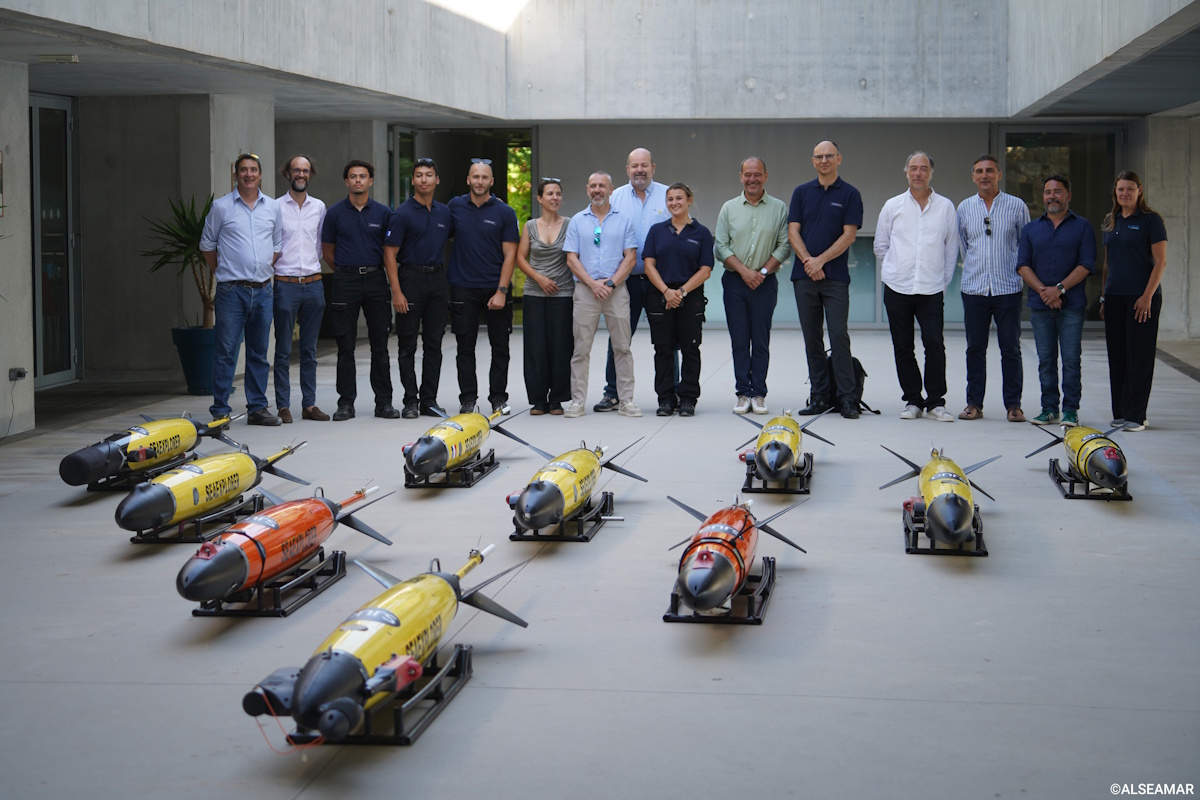
CNRS Deploys Ten SEAEXPLORER Autonomous Gliders for Mediterranean Ecosystem Research
In mid-June 2026, the CNRS deployed ten SEAEXPLORER autonomous underwater gliders in the Ligurian Sea as part of Mission 6 under France's 2030 funding plan. This initiative aims to create a comprehensive environmental data atlas for the northwestern Mediterranean, focusing on the impacts of human activities on marine ecosystems. The gliders will operate for one month, diving to depths of 1,000 meters and equipped with sensors to monitor underwater noise and ocean currents. The deployment is significant as it represents a strategic effort by the French government to enhance industrial competitiveness and develop next-generation technologies for deep-sea exploration. By utilizing coordinated fleets of autonomous gliders and advanced sensing technologies, researchers aim to better understand the dynamics of marine ecosystems and the effects of climate change, maritime traffic, and ocean acidification. This innovative approach will facilitate the study of plankton distribution and biodiversity through methods such as environmental DNA monitoring. Looking ahead, the next phases of Mission 6 will involve additional deployments in the Gulf of Lion in 2028 to test new sensors, followed by operations in French Polynesia between 2028 and 2029. These efforts will further expand the capabilities of autonomous underwater vehicles in marine research, with no further timeline disclosed at the time of publication.
autonomous gliders cnrs exploration mediterranean marine ecosystems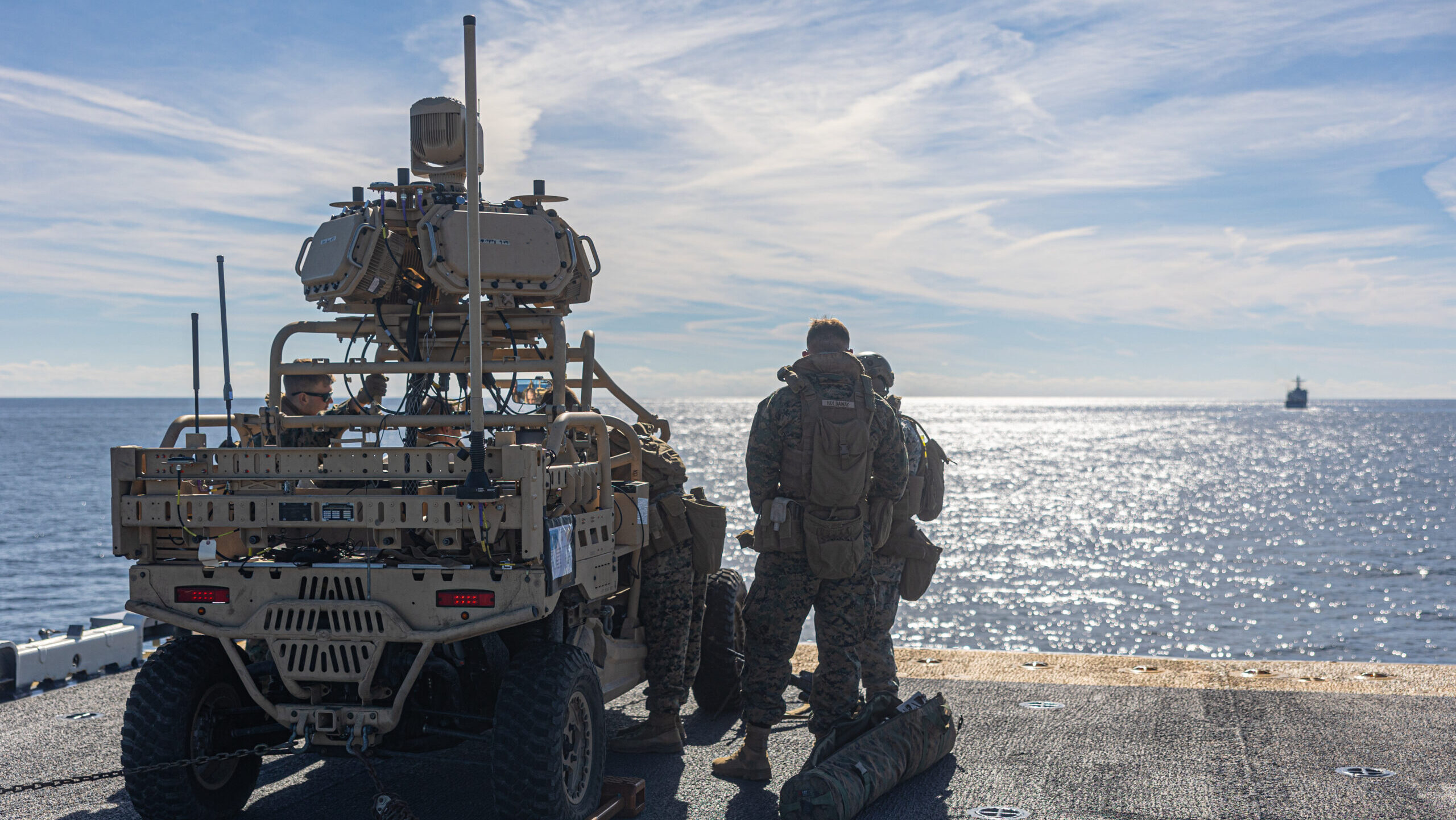
Overland AI nets Marine Corps autonomous ground vehicle contract
Overland AI has announced the development of an autonomous ground vehicle, clarifying that it is not designed to replace the Joint Light Tactical Vehicle (JLTV). CEO Byron Boots emphasized that the new vehicle will complement existing military assets rather than serve as a direct substitute. This initiative aims to enhance operational efficiency and adaptability in various mission scenarios. The announcement comes as part of Overland AI's ongoing commitment to innovate within the defense sector, leveraging advanced technology to meet the evolving needs of military operations.
Land Warfare Naval Warfare AI & Autonomy Army Drones MADIS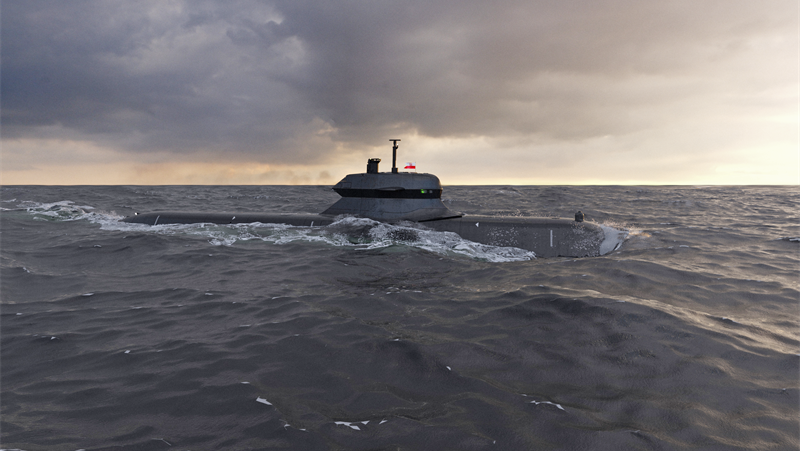
Poland signs $4.8 billion contract for Saab-made A26 submarines
Swedish Prime Minister Ulf Kristersson announced a significant defense agreement that will bolster the Polish Navy, enhancing its capabilities to become one of the most formidable forces within NATO. This long-term deal is expected to strengthen security in the Baltic Sea region and across the alliance. The announcement underscores the importance of collaborative defense efforts among NATO member states, particularly in light of ongoing regional security challenges.
Global Naval Warfare A26 Baltic Sea Europe NATO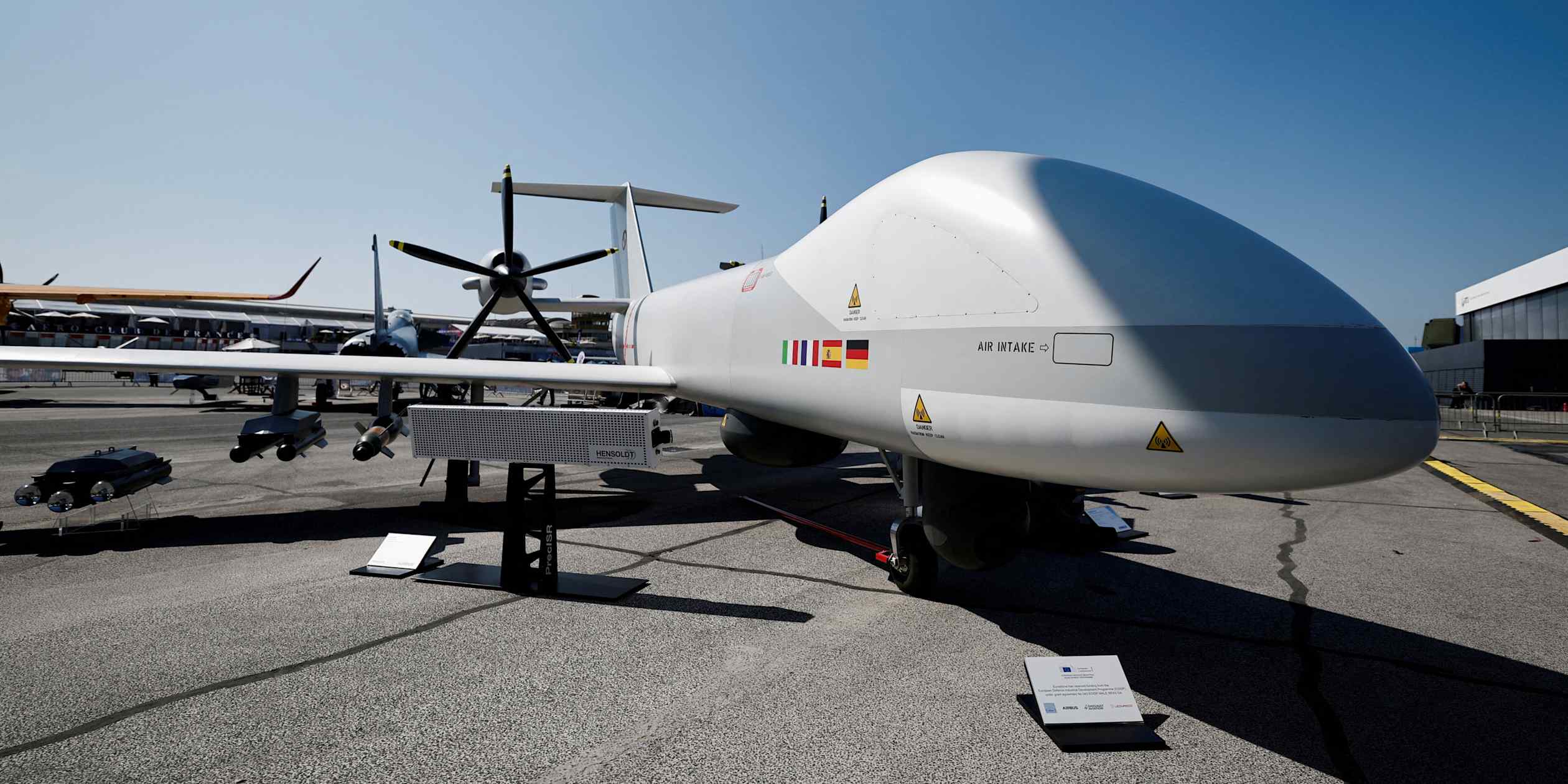
Kawasaki Heavy and Airbus to team up on anti-submarine drone for Japan
Kawasaki Heavy Industries is collaborating with Airbus to develop anti-submarine drones, aimed at enhancing Japan's maritime defense capabilities. This partnership, announced on June 26, 2026, will focus on equipping the existing Eurodrone with advanced maritime surveillance technology provided by Kawasaki. The initiative is intended to bolster Japan's defense strategy and will be proposed to the country's defense ministry for consideration. The collaboration reflects a growing emphasis on integrating advanced technology into national defense systems, particularly in response to regional security challenges.

Linear System Identification and Control of a Low‐Cost High‐Performance Omnidirectional Marine Surface Vehicle for Swarming Applications
The Journal of Field Robotics has published an early view article highlighting advancements in robotic technology aimed at enhancing agricultural efficiency. Researchers from various institutions collaborated on this study, which was released in October 2023. The article focuses on the development of autonomous robots designed to optimize crop management and reduce labor costs in farming practices. This initiative is driven by the increasing demand for sustainable agricultural solutions amid a growing global population. The team employed cutting-edge artificial intelligence and machine learning techniques to enable robots to perform tasks such as planting, monitoring crop health, and harvesting with minimal human intervention. Field tests conducted in diverse agricultural settings demonstrated the robots' effectiveness in improving yield while minimizing resource usage. The findings suggest that integrating robotics into farming could significantly address labor shortages and enhance food production efficiency. As the agricultural sector faces mounting pressures from climate change and economic constraints, this research underscores the potential of technology to transform traditional farming methods and promote sustainability.
RESEARCH ARTICLE
US Marines launch long-endurance spy drone from warship in South China Sea
A small US surveillance drone was launched from the deck of a Navy warship in the South China Sea on Thursday, marking a significant move in the ongoing tensions between the United States and China. The operation aimed to enhance reconnaissance capabilities in a region where both nations have been asserting their military presence. This deployment comes amid rising concerns over China's expanding influence and military activities in the area, prompting the US to bolster its surveillance efforts. The drone's mission involved gathering intelligence on maritime movements and potential threats, showcasing the US commitment to maintaining a strategic advantage in the region. The operation underscores the delicate balance of power in the South China Sea, where territorial disputes have heightened the stakes for both countries.
Military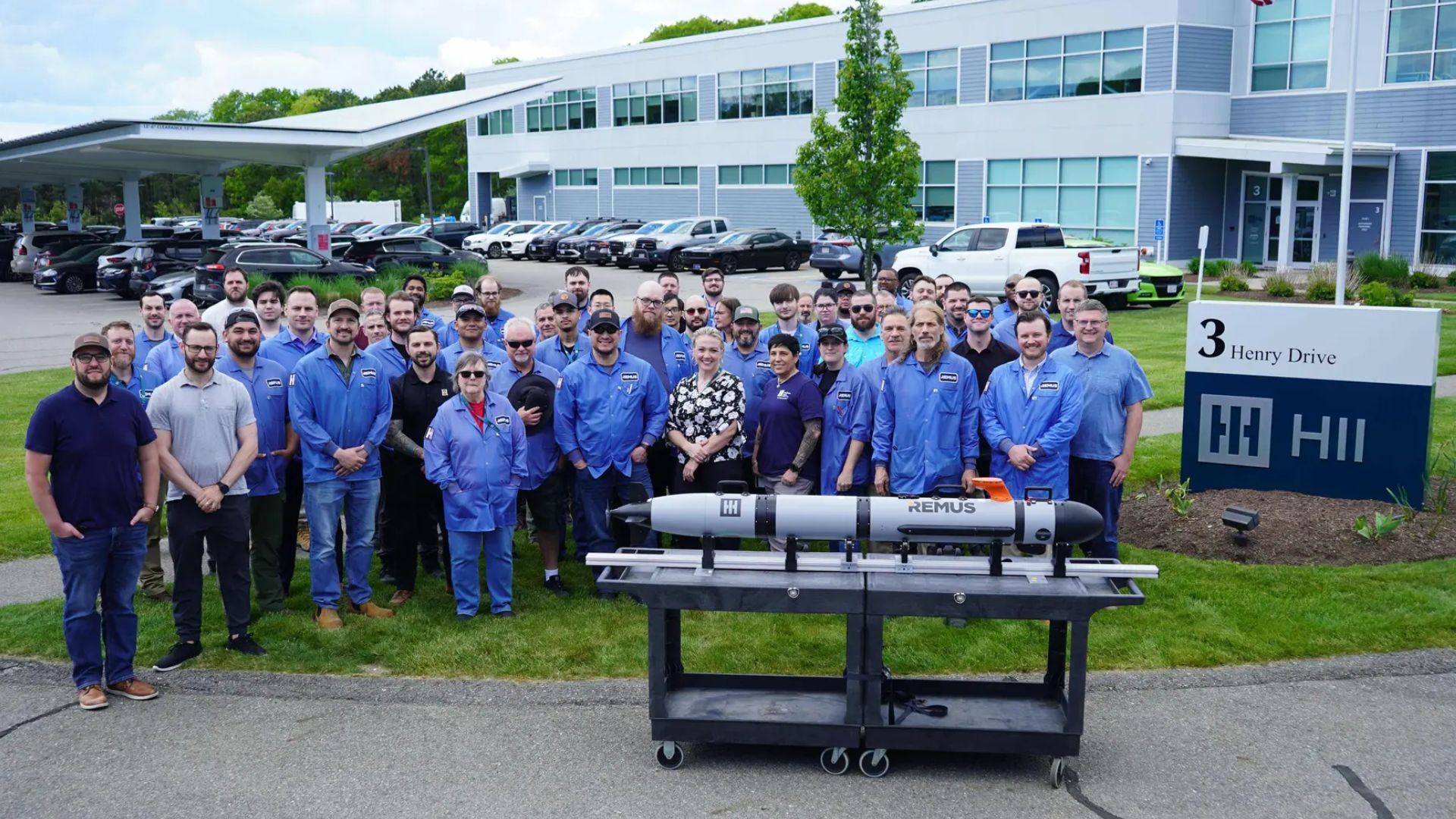
New mini submarine-like drone from HII can dive 328 feet deep with 10 hour battery life
Huntington Ingalls Industries (HII), a prominent U.S. military shipbuilder, has successfully delivered the first REMUS 130 unmanned underwater vehicle. This significant milestone was achieved as part of HII's commitment to advancing maritime technology. The delivery took place in October 2023, showcasing the company's ongoing efforts to enhance the capabilities of the U.S. Navy and other defense partners. The REMUS 130 is designed for various underwater missions, including reconnaissance and surveillance, addressing the growing need for advanced unmanned systems in naval operations. This development reflects HII's strategic focus on innovation and its role in supporting national security objectives through cutting-edge maritime solutions.
Military
Harbin Engineering University Alumnus Secures Record Global Funding for Marine Robotics
On June 15, SEAHI ROBOTICS, a company founded by experienced researcher Chen Xiaobo, announced the successful completion of over 1 billion yuan in Series A funding, marking a significant milestone in the marine robotics industry. This funding achievement underscores the company's innovative advancements and its potential for commercial viability in challenging marine environments. With 19 years of expertise in the field, Chen has led SEAHI ROBOTICS to make notable technological breakthroughs, positioning the company as a leader in the sector. The substantial investment reflects growing confidence in the future of marine robotics and the demand for advanced solutions in high-risk aquatic settings.
Marine Robotics Funding Technology Innovation AI Commercialization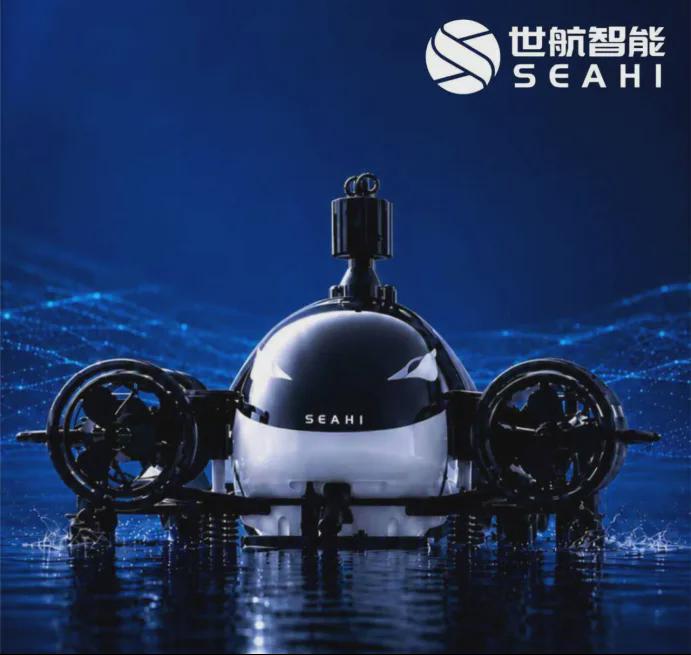
1 Billion RMB Series A Funding for Global Marine Robotics Leader
Shihang Intelligent, a prominent player in the marine robotics industry, has successfully raised over 1 billion RMB in a Series A funding round, setting a record as the largest single investment in the global marine robotics sector. This significant financial boost will be directed towards advancing the company's core technologies and facilitating its expansion into international markets. With this funding, Shihang Intelligent aims to commercialize its innovative underwater robotics solutions, which are designed for diverse applications such as maritime cleaning and deep-sea exploration.
Marine Robotics Underwater Technology AI Funding Automation
Marine Measurement Forum #71 Announces Keynote and Speaker Line-Up
The Marine Measurement Forum (MMF) has revealed its keynote speaker and the initial program lineup for its upcoming event, MMF #71. Scheduled for 1 July 2026, the forum will be held at Dartington Hall in Totnes, Devon. This event aims to bring together experts and stakeholders in marine measurement to discuss advancements and challenges in the field. The announcement highlights the forum's commitment to fostering collaboration and innovation within the marine science community, setting the stage for insightful discussions and networking opportunities.
marine measurement forum #71 keynote and speaker line-up teledyne valeport teledyne marine
Shihang Intelligent Secures Over 1 Billion Yuan in Series A Funding, Setting Record in Marine Robotics
On June 15, Shihang Intelligent announced the successful completion of its Series A funding round, securing over 1 billion yuan. This achievement represents the largest single funding event in the global marine robotics sector to date. The company plans to allocate the funds towards advancing its core technology and expanding its presence in international markets, with a particular emphasis on deploying marine robots in challenging underwater environments.
Marine Robotics AI Underwater Technology Automation FundingRobotics needs a service framework.
RSF defines a common language for robot service capability, lifecycle operations, certification pathways, and service-provider networks.
Join the RobotToday community on LinkedIn
Daily robotics news, in-depth analysis, conference highlights, and discussions with professionals worldwide.