Industry Briefing
A single destination for timely, editor-curated robotics news from around the world.

Magic Atom Management Team Upgrade Accelerates Development and Global Commercialization of Embodied Intelligence Technology
On March 6, Magic Atom unveiled major changes to its senior management team as part of a strategic initiative to bolster its capabilities in the development and global commercialization of embodied intelligence technology. The company aims to enhance its leadership structure to facilitate the large-scale implementation of this innovative technology within the industry. These adjustments reflect Magic Atom's commitment to advancing its strategic goals and positioning itself as a leader in the rapidly evolving field of embodied intelligence.
Embodied Intelligence Robotics Management Team Technology Development
Where’s your Labour Resource Management on the Warehouse Maturity Curve?
Rising labour costs and ongoing skills shortages are significantly impacting the logistics sector, placing immense pressure on warehouse management teams to optimize operations with limited resources. In response to these challenges, Aptean hosted a webinar aimed at addressing the critical aspect of resource management within warehouses. The session focused on evaluating operational maturity and highlighted the importance of effective resource management strategies. This initiative comes at a time when the logistics industry is grappling with the need to enhance efficiency amidst a tightening labour market.
IT in Logistics Jobs and Training TMS and Telematics Warehousing WMS & SCM Software Aptean
Coping With Supply Chain Uncertainty: It Starts with Sense-Making
Sanctions, traditionally managed by legal and compliance professionals, are increasingly becoming a significant challenge for operations, finance, and management teams. This shift reflects a growing recognition of the complexities involved in navigating sanctions, which now require a more integrated approach across various departments. As organizations adapt to evolving regulatory landscapes, the need for cross-functional collaboration has never been more critical. This change is particularly evident in the wake of heightened geopolitical tensions and economic pressures, compelling companies to reassess their strategies and ensure compliance while maintaining operational efficiency. The trend underscores the importance of equipping teams beyond legal departments with the necessary tools and knowledge to effectively manage sanctions and mitigate risks.
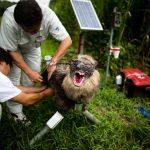
Robots vs Wild: Japan turns to handmade ‘monster wolves’ to prevent deadly bear attacks
Japan is currently experiencing a significant increase in encounters between humans and bears, prompting concerns over public safety and wildlife management. This surge in interactions has been attributed to a decline in natural food sources for bears, which has driven them closer to urban areas in search of sustenance. The situation has escalated in recent months, particularly in rural regions where bear sightings have become more frequent. Local authorities are responding by implementing measures to mitigate these encounters, including public awareness campaigns to educate residents about bear behavior and safety protocols. Additionally, wildlife management teams are working to monitor bear populations and assess their movements to prevent potential conflicts. The rise in human-bear encounters has not only raised safety concerns but has also led to a shortage of bear-related products, such as bear meat, which is traditionally consumed in some areas. As the situation develops, communities are urged to remain vigilant and report any bear sightings to local wildlife officials to ensure both human and bear safety.

Teradyne Announces Succession Plan for Semiconductor Test Division
Teradyne, Inc., a leading technology company based in North Reading, Massachusetts, has appointed Shannon Poulin as its new executive, succeeding Rick. This leadership change was announced today, reflecting the company's ongoing commitment to strengthening its management team. The decision to bring Poulin on board is part of Teradyne's strategy to enhance its operational capabilities and drive future growth in the competitive tech landscape.

10 Best Workforce Management Software Platforms in 2026
As businesses navigate the complexities of modern workforce management, the need for effective solutions has become increasingly apparent. Organizations are facing challenges such as dispersed teams, fluctuating workloads, and heightened demands for efficiency. In response to these issues, many companies are turning to workforce management software to streamline operations and enhance oversight. By centralizing workforce planning and performance tracking, these tools aim to provide better visibility and consistency in managing employee productivity. The shift towards digital solutions reflects a broader trend of adapting to the evolving landscape of work, where traditional manual planning methods are proving inadequate. As of October 2023, this transition is seen as essential for businesses seeking to maintain competitive advantages in a rapidly changing environment.
Business Software ADP Workforce Now automation news BambooHR Calabrio
10 Best Traffic Management and Queueing Solutions for High-Traffic Websites in 2026
A sudden surge in web traffic led to the collapse of a server, causing significant disruptions for users and raising concerns among the technical team. The incident unfolded as analytics data displayed alarming spikes, prompting immediate panic and a flurry of communication via Slack among staff members. Concurrently, social media platforms, particularly X (formerly Twitter), saw a growing backlash from frustrated users. This situation underscores the critical importance of effective traffic management strategies to prevent such failures in the future. The incident serves as a reminder of the challenges faced by online services in handling unexpected demand and the need for robust infrastructure to maintain user satisfaction.
Business Software Akamai automation news cloud infrastructure Cloudflare
Carnegie Mellon Team Helps Farmers Fight Crop Disease With Robots
A team of students from Carnegie Mellon University's Robotics Institute has developed an innovative robotic solution to combat fire blight, a destructive disease that threatens orchards by killing branches and entire trees, leading to significant economic losses for farmers. This project, known as the Fire Blighters, aims to assist growers in detecting the disease earlier and minimizing its spread. The team's efforts have recently garnered national recognition, highlighting the potential of robotics in agricultural disease management.
Announcements Awards
US team combines digital twins, VR to boost lunar robot performance for future missions
Researchers at the University of Colorado Boulder are pioneering the use of digital twin technology to enhance environmental monitoring and management. This innovative approach involves creating virtual replicas of physical systems, allowing scientists to simulate and analyze real-world conditions in real time. The project, which commenced in late 2023, aims to address pressing environmental challenges by providing more accurate data and predictive insights. Located in Boulder, Colorado, the initiative seeks to improve understanding of climate change impacts and resource management by integrating advanced modeling techniques with real-time data collection. The motivation behind this research stems from the urgent need to develop effective strategies for sustainability and resilience in the face of environmental degradation. By employing sensors and data analytics, the researchers are able to create dynamic models that reflect current environmental conditions, enabling stakeholders to make informed decisions. This method not only enhances the accuracy of environmental assessments but also facilitates proactive responses to potential ecological threats. The team at CU Boulder is collaborating with various stakeholders, including government agencies and conservation organizations, to ensure that the findings are applicable and beneficial for real-world applications.

2026 Smart Elderly Care Robot Competition Concludes Successfully with 12 Teams Honored
The 2026 Smart Elderly Care Robot Application Competition took place in Langfang, bringing together 57 teams to showcase their innovations aimed at enhancing elderly care through technology. Themed 'Robots Empowering Elderly Care, Technology Warming the Sunset Years,' the event focused on health management and emotional support for seniors. After a series of tasks, 12 teams were recognized for their outstanding contributions, underscoring the growing importance of integrating advanced technology into real-world applications for elderly care. This competition not only highlighted the potential of rehabilitation and caregiving robots but also emphasized the role of innovation in improving the quality of life for the aging population.
Elderly Care Robots Rehabilitation Technology Healthcare Robotics Assistive Technology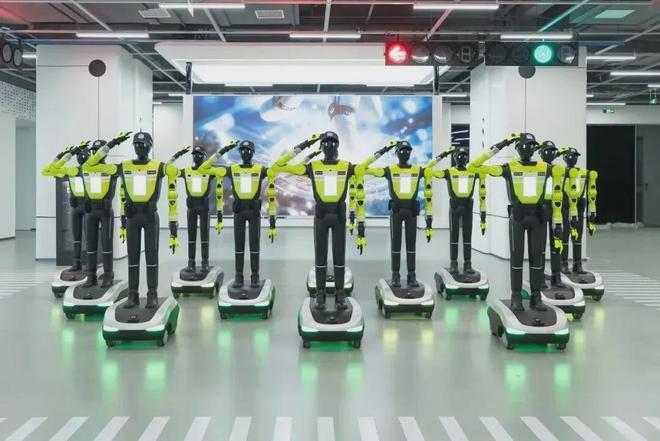
China's First Robot Traffic Police Team Officially Launches in Hangzhou
On May 1st, the city of Hangzhou introduced China's inaugural fully operational robot traffic police team, comprising 15 advanced AI robots. These innovative robots are designed to manage traffic flow, offer directions, and assist pedestrians, marking a significant advancement in urban traffic management. The initiative aims to alleviate the workload of human officers, thereby improving efficiency and safety on the roads. This deployment reflects Hangzhou's commitment to integrating cutting-edge technology into public services, enhancing the overall experience for both drivers and pedestrians in the bustling metropolis.
Traffic Management AI Robots Urban Mobility Smart City Technology
Leonardo and Baykar complete test flights for manned-unmanned teaming
A collaborative initiative has been launched by several aerospace companies to enhance interoperability between crewed and uncrewed aircraft. This program aims to design and develop systems that will allow for seamless communication and operation between manned and unmanned aerial vehicles. The effort reflects a growing recognition of the need for integrated airspace management as the use of drones and other uncrewed aircraft becomes increasingly prevalent. By fostering cooperation between these two types of aircraft, the initiative seeks to improve safety, efficiency, and operational capabilities in aviation. The timeline for the program's development has not been specified, but it underscores the industry's commitment to advancing technology in response to evolving air traffic demands.
Global Drones Europe Kizilelma M346 Manned Unmanned Teaming
Opal Security Secures $23M and Expands Leadership Team to Unify Identity Governance Across Human, Non-Human, and Agentic AI
Opal Security, an AI-native access governance platform, has secured $23 million in new funding to enhance its identity management solutions. The funding round was led by Greylock, a prominent venture capital firm. In conjunction with this financial boost, Opal has made five key senior leadership appointments, including Sameer Mehta as Chief Product Officer. Mehta previously worked at Veza, where he developed products focused on non-human identity and access intelligence. This strategic move aims to strengthen Opal's position in the identity security market and drive innovation in access governance for various identities.
AI Funding & Investment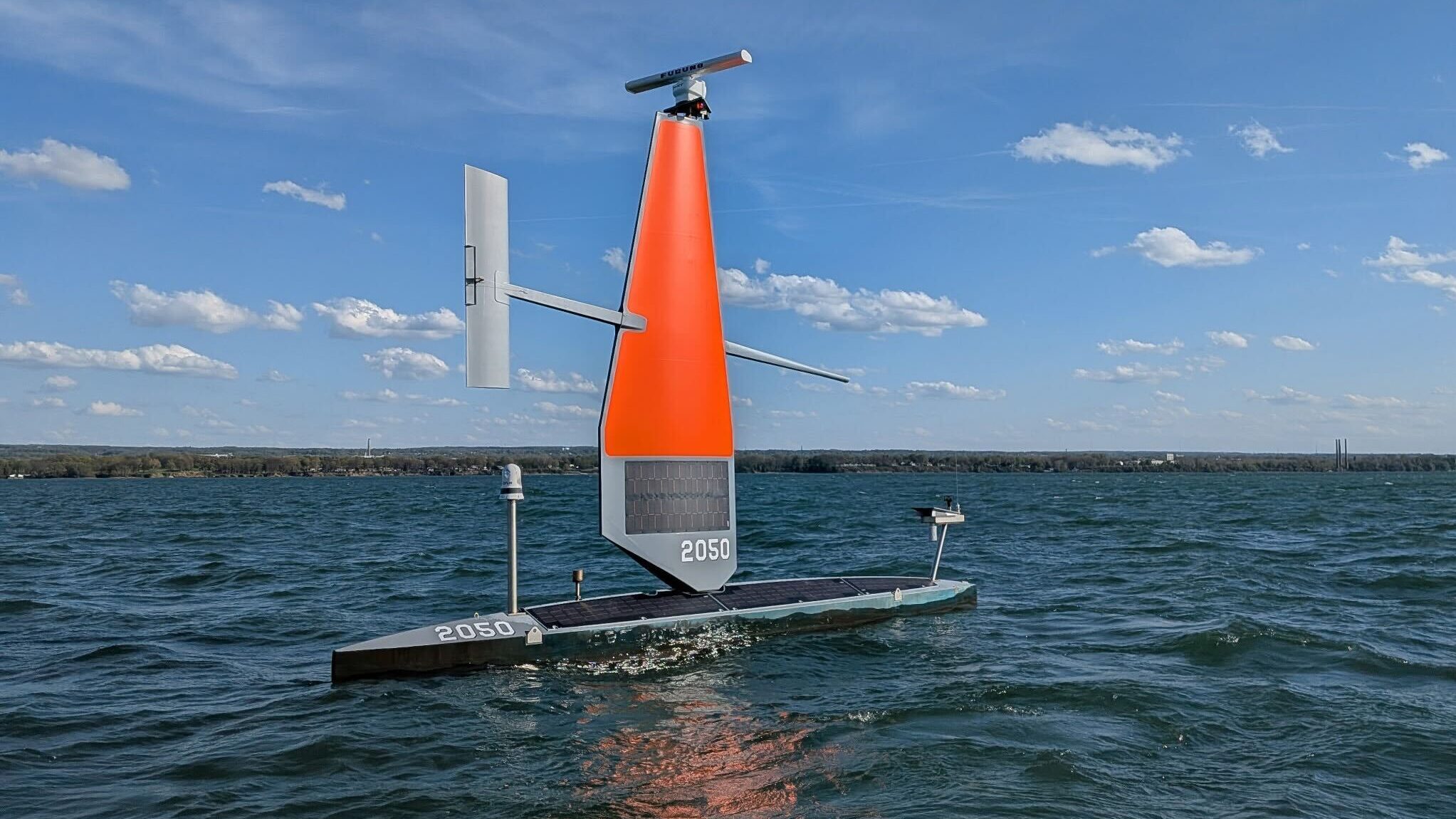
Coast Guard, Saildrone team up in northern waters to boost border security, surveillance
The Voyager, a state-of-the-art surveillance vessel, has been designed to carry out continuous coastal monitoring and nearshore mapping operations. This advanced ship can remain deployed at sea for approximately 100 days, enhancing its capability to gather critical data over extended periods. The implementation of the Voyager is expected to significantly improve maritime security and environmental monitoring efforts, providing valuable insights into coastal ecosystems and aiding in the management of marine resources. With its advanced technology and extended operational range, the Voyager represents a significant advancement in maritime surveillance capabilities.
Naval Warfare border security coast guard Drones Navy Saildrone
Watch humanoid and dog-like robots team up to handle warehouse work together at LG
A subsidiary of LG has unveiled an innovative logistics workflow featuring multiple autonomous robots designed to enhance efficiency in supply chain operations. This demonstration took place at the company's headquarters in Seoul, South Korea, on October 15, 2023. The initiative aims to address the growing demand for automation in logistics, driven by the need for faster and more reliable delivery systems in an increasingly competitive market. By integrating advanced robotics and artificial intelligence, LG's new system is set to streamline processes, reduce human error, and optimize resource management. The robots are capable of navigating complex environments and collaborating seamlessly with each other, showcasing the potential for significant advancements in the logistics sector. This initiative reflects LG's commitment to innovation and its strategic focus on leveraging technology to meet evolving industry challenges.

Robotic Process Automation in 2026: A Buyer’s Guide for Procurement Teams
Over the past decade, the landscape of Robotic Process Automation (RPA) has evolved significantly. Initially characterized by basic screen-scraping bots that mimicked human interactions with legacy desktop applications, the technology has now advanced to include both attended and unattended bots. These modern bots are capable of managing user interface tasks within various enterprise systems such as ERP and CRM platforms, as well as billing tools that organizations are reluctant to phase out. As of October 2023, RPA has shifted towards an API-first approach, enabling more sophisticated orchestration that directly integrates with cloud services at various integration points. This transformation reflects the growing demand for automation solutions that enhance efficiency and streamline operations across industries. The shift not only highlights the technological advancements in RPA but also underscores the necessity for businesses to adapt to changing digital landscapes in order to remain competitive.
Automation Business Digital Automation ai agents automation anywhere automation news
Improving efficiency in modern construction projects
On construction sites, efficiency is crucial, and even minor delays can lead to significant setbacks that disrupt project timelines. Industry professionals have observed that as material costs rise and deadlines tighten, the need for precise time management becomes increasingly important. This shift in focus has prompted workers and managers alike to adopt more strategic approaches to scheduling and resource allocation. By analyzing data and implementing effective planning techniques, construction teams aim to mitigate the impact of unforeseen delays and maintain project momentum. As the industry evolves, the emphasis on optimizing efficiency is expected to play a vital role in meeting the demands of modern construction projects.
Business Construction automation news building industry building materials construction automation
How Alisira OÜ Approaches Leadership Development From Within
Alisira OÜ is redefining leadership succession by emphasizing design over traditional recruitment methods. This innovative approach influences various organizational practices, including meeting management and the assignment of challenging tasks. The company aims to shape its future leadership team by prioritizing internal development rather than relying on external hires. This strategic focus is expected to foster a more cohesive and capable leadership structure over the next three years. Alisira's commitment to this design-centric philosophy reflects a broader trend in organizational management, as companies increasingly recognize the importance of nurturing talent from within to ensure sustainable growth and adaptability in a competitive landscape.
Business Computing Technology Alisira OÜ automation news Business Management
The expertise leak: Why high-growth technical operations are bottlenecked by admin bloat
Robotics and automation companies are experiencing unprecedented growth, but they face a significant challenge: top engineers are spending valuable time on administrative tasks rather than focusing on technical problem-solving. This issue, which includes managing project tracking and coordinating with vendors, detracts from the expertise of technical teams and hampers innovation within the sector. As these companies strive to enhance productivity and maintain their competitive edge, addressing the administrative burden on engineers has become crucial for sustaining their momentum and fostering advancements in technology.
Business Engineering Software automation companies automation industry automation news
The Hiring Philosophy Behind Soltaros OÜ: Why Culture Fit Matters as Much as Skill
Soltaros OÜ, a company known for its innovative hiring practices, emphasizes the importance of culture fit over traditional qualifications like polished résumés. This approach stems from years of experience in building cross-functional teams across various markets. By prioritizing cultural alignment, Soltaros aims to create a cohesive work environment that enhances collaboration and productivity. The company’s unique hiring philosophy reflects a commitment to fostering a strong organizational culture, which they believe is crucial for long-term success. This focus on culture fit not only differentiates Soltaros in a competitive job market but also aligns with their strategic goals of maintaining a dynamic and engaged workforce.
Business Culture Technology automation news business operations collaboration
KISS Institute Launches BotBall to Enhance STEM Education with Student-Led Robotics
The KISS Institute for Practical Robotics (KIPR) has introduced BotBall, a robotics program designed to foster creativity and critical thinking among students. This initiative emphasizes student-led engineering, allowing participants from elementary to high school to engage in hands-on learning using a standardized kit. The program ensures a level playing field by providing all teams with the same materials, promoting accountability and project management skills without adult intervention during competitions. BotBall challenges traditional educational models by integrating real programming languages like C and Python into its curriculum, demonstrating that students can handle complex coding at an early age. The Junior Botball Challenge (JBC) further innovates by allowing up to five students to collaborate on a single robot, shifting the focus from competition to inquiry-driven problem solving. This approach encourages teamwork and a deeper understanding of both mechanics and software among participants. As the school year approaches, KIPR is expected to release more details about the upcoming competition schedule. The BotBall program represents a significant shift in STEM education, moving away from conventional roles and fostering a new generation of students who are well-versed in both engineering and programming disciplines. No further timeline was disclosed at the time of publication.
Autonomous Mobile Robots (AMRs) Educational News competition education workforce
FLSea: Underwater Visual–Inertial and Stereovision Forward‐Looking Data Sets
A recent study published in the Journal of Field Robotics highlights advancements in autonomous robotic systems designed for agricultural applications. Researchers from various institutions collaborated to develop innovative algorithms that enhance the efficiency and effectiveness of robots in crop monitoring and management. The findings, released in early October 2023, demonstrate how these technologies can significantly reduce labor costs and improve yield predictions, addressing the growing demand for sustainable farming practices. The research was conducted in various agricultural settings, showcasing the robots' adaptability to different environments and crops. By integrating machine learning and real-time data analysis, the team aims to provide farmers with tools that not only optimize their operations but also contribute to environmental sustainability. This study marks a significant step forward in the integration of robotics into agriculture, promising to transform traditional farming methods and support food security in the face of global challenges.
RESEARCH ARTICLE
A Vision‐Guided Docking Method for Autonomous Underwater Vehicle From Ice Hole
A recent study published in the Journal of Field Robotics highlights advancements in autonomous robotic systems designed for agricultural applications. Researchers from a leading university conducted experiments to evaluate the efficiency of these robots in crop monitoring and management. The study, released in early October 2023, took place in various agricultural settings across the Midwest. The motivation behind this research stems from the increasing need for sustainable farming practices amid rising global food demands. By integrating advanced robotics and artificial intelligence, the team aimed to enhance productivity while minimizing environmental impact. The robots utilized cutting-edge sensors and machine learning algorithms to collect and analyze data on crop health, soil conditions, and pest activity. Through a series of field trials, the researchers demonstrated that these autonomous systems could significantly reduce labor costs and improve yield predictions. The findings suggest that the implementation of such technology could revolutionize traditional farming methods, making them more efficient and environmentally friendly. This study not only underscores the potential of robotics in agriculture but also paves the way for further innovations that could address the challenges faced by the agricultural sector in the coming years.
RESEARCH ARTICLE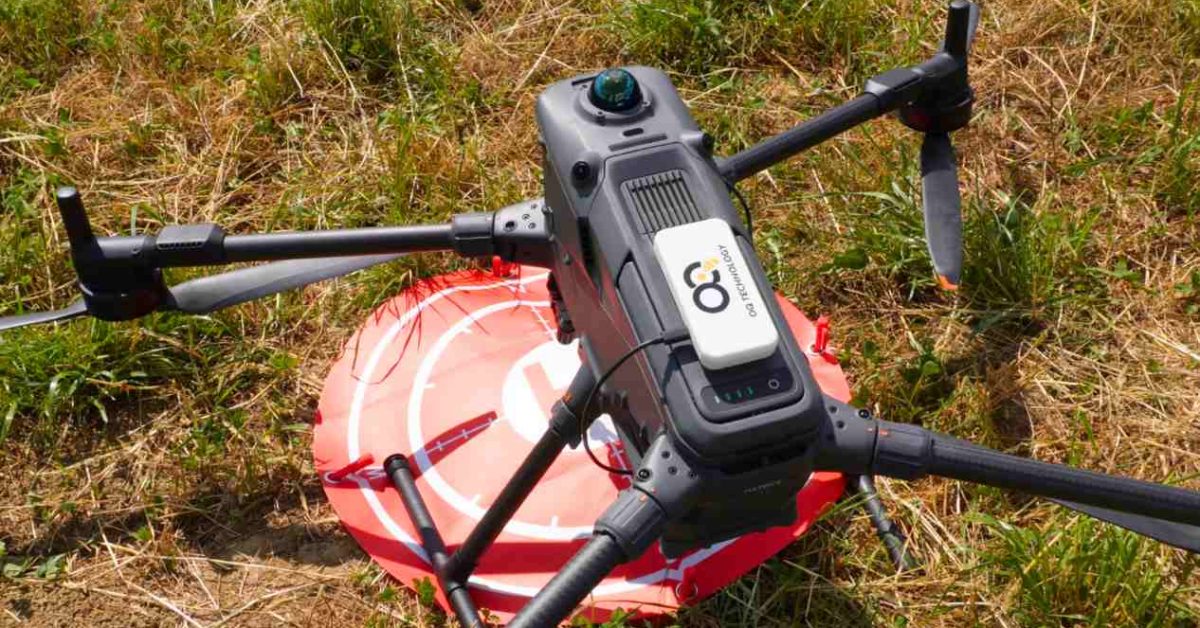
Wildfire drones could soon ditch bulky satellite terminals
As Europe gears up for its largest coordinated response to wildfires, the use of drones is proving crucial for detecting fires, monitoring their progression, and providing real-time updates to emergency teams. However, a significant challenge arises when these drones operate beyond cellular coverage, as traditional methods for transmitting live video require cumbersome satellite terminals. Addressing this issue, OQ Technology has developed a new satellite demonstration that aims to streamline communication for responders in remote areas. This innovation is expected to enhance the efficiency and effectiveness of wildfire management efforts across the continent.
News
Path Tracking Control for Crawler Robots With Track Slippage and Signal Time Delay Based on Pure Pursuit and Look‐Ahead Heading Error Compensation
A recent study published in the Journal of Field Robotics highlights advancements in autonomous robotic systems designed for agricultural applications. Conducted by a team of researchers from various institutions, the study was released in early October 2023. The research focuses on the integration of artificial intelligence and machine learning to enhance the efficiency and effectiveness of farming practices. The motivation behind this study stems from the increasing demand for sustainable agricultural solutions amid global food security challenges. By employing innovative robotic technologies, the researchers aim to address labor shortages and improve crop management. The study outlines the development of a prototype robot capable of performing tasks such as planting, monitoring, and harvesting crops with minimal human intervention. Field tests were conducted in diverse agricultural settings to evaluate the robot's performance and adaptability. The findings indicate that the robotic systems can significantly reduce operational costs and increase yield, offering a promising solution for modern farming challenges. This research not only contributes to the field of robotics but also provides valuable insights for farmers seeking to adopt new technologies for enhanced productivity.
RESEARCH ARTICLE
Linear System Identification and Control of a Low‐Cost High‐Performance Omnidirectional Marine Surface Vehicle for Swarming Applications
The Journal of Field Robotics has published an early view article highlighting advancements in robotic technology aimed at enhancing agricultural efficiency. Researchers from various institutions collaborated on this study, which was released in October 2023. The article focuses on the development of autonomous robots designed to optimize crop management and reduce labor costs in farming practices. This initiative is driven by the increasing demand for sustainable agricultural solutions amid a growing global population. The team employed cutting-edge artificial intelligence and machine learning techniques to enable robots to perform tasks such as planting, monitoring crop health, and harvesting with minimal human intervention. Field tests conducted in diverse agricultural settings demonstrated the robots' effectiveness in improving yield while minimizing resource usage. The findings suggest that integrating robotics into farming could significantly address labor shortages and enhance food production efficiency. As the agricultural sector faces mounting pressures from climate change and economic constraints, this research underscores the potential of technology to transform traditional farming methods and promote sustainability.
RESEARCH ARTICLE
Chassis Pose Kinematic Model and Control for Terrestrial Mobile Robots With Active Flippers
The Journal of Field Robotics has published an EarlyView article highlighting recent advancements in robotic technology. Researchers from various institutions have collaborated to explore innovative applications of robotics in fields such as agriculture, search and rescue, and environmental monitoring. This study, released in October 2023, emphasizes the growing importance of autonomous systems in enhancing efficiency and safety across these sectors. The research team conducted extensive field tests to demonstrate how robots can perform complex tasks, such as crop monitoring and disaster response, with minimal human intervention. By integrating artificial intelligence and machine learning, the robots are designed to adapt to dynamic environments, showcasing their potential to revolutionize traditional practices. The motivation behind this research stems from the increasing demand for automation in response to labor shortages and the need for more effective solutions to global challenges. The findings underscore the necessity for continued investment in robotic technology to address pressing issues such as food security and disaster management. As the field of robotics continues to evolve, this publication serves as a critical resource for professionals and researchers aiming to leverage these advancements for practical applications. The collaborative effort reflects a commitment to pushing the boundaries of what is possible in robotics, paving the way for future innovations that could significantly impact various industries.
RESEARCH ARTICLE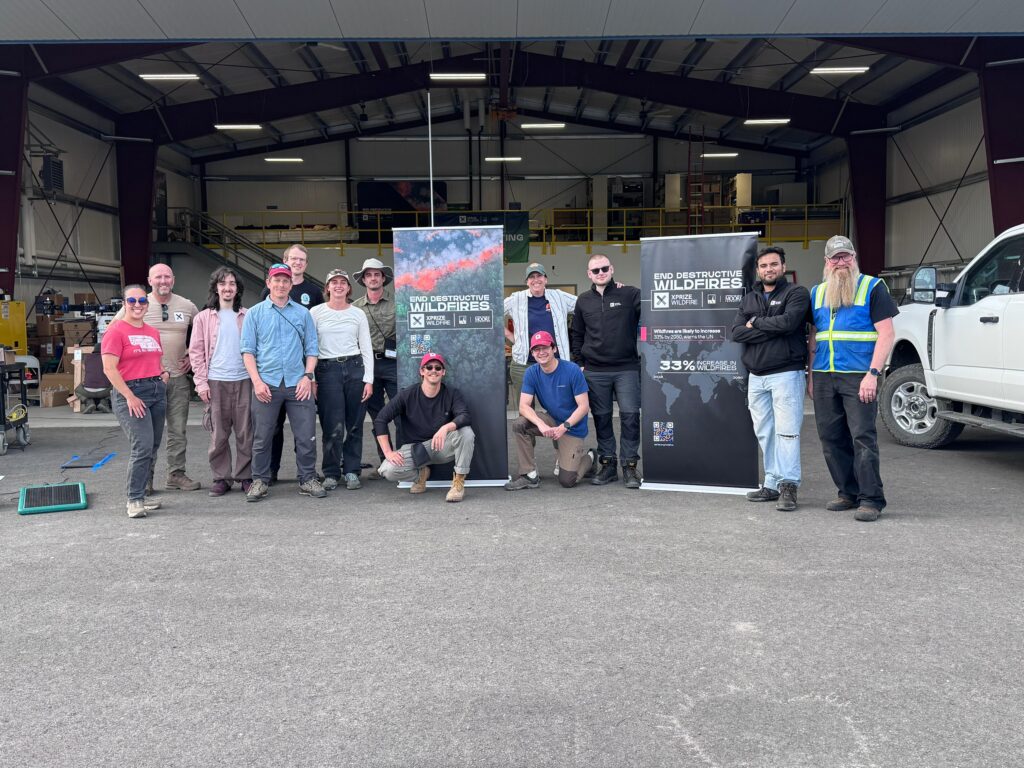
AURA Foresight Reaches Global XPRIZE Wildfire Finals in Alaska
AURA Foresight, a team dedicated to developing autonomous technology for wildfire prevention, has been named a finalist in the XPRIZE Wildfire Autonomous Wildfire Response competition. Out of more than 130 global competitors, AURA Foresight stands out as one of only four teams remaining in the prestigious contest. This recognition highlights the team's innovative approach to addressing the escalating threat of wildfires, aiming to implement solutions that can effectively halt these disasters before they escalate. The competition, which emphasizes the importance of technological advancements in environmental protection, showcases AURA Foresight's commitment to creating impactful change in wildfire management.

Heavy‐UUV Docking System for a Fixed Seabed Station Based on Differential Optical‐Guidance Beacons
The Journal of Field Robotics has recently published an early view article highlighting advancements in robotic technology. Researchers from various institutions have collaborated to develop a new autonomous navigation system that enhances the efficiency and safety of field operations. This innovative system was tested in agricultural settings in California during the summer of 2023, where it demonstrated significant improvements in crop monitoring and resource management. The motivation behind this research stems from the growing need for precision agriculture, which aims to optimize farming practices and reduce environmental impact. By integrating advanced sensors and machine learning algorithms, the team was able to create a robotic platform capable of navigating complex terrains while collecting valuable data on soil health and crop conditions. The successful implementation of this technology could revolutionize the agricultural sector, providing farmers with tools to make informed decisions and increase productivity. The findings are expected to contribute to ongoing discussions about sustainable farming practices and the role of robotics in addressing global food security challenges.
RESEARCH ARTICLE
Do people feel safe in a robot’s presence?
In a groundbreaking study published in the June 2026 issue of Science Robotics, researchers from a leading university have unveiled a new robotic system designed to assist in disaster response efforts. The innovative technology, which combines advanced artificial intelligence with agile mobility, aims to enhance the efficiency and effectiveness of rescue operations in environments that are hazardous or difficult to navigate. The research team conducted extensive field tests in various simulated disaster scenarios, demonstrating the robot's ability to traverse challenging terrains and perform critical tasks such as locating survivors and delivering supplies. These tests were carried out in collaboration with emergency response organizations to ensure real-world applicability. The motivation behind this development stems from the increasing frequency and severity of natural disasters, which necessitate improved response mechanisms to save lives and minimize damage. By integrating cutting-edge robotics with emergency protocols, the researchers hope to provide first responders with a powerful tool that can operate in conditions that are unsafe for human intervention. This advancement in robotic technology represents a significant step forward in disaster management, showcasing how innovation can be harnessed to address pressing global challenges. The study highlights the potential for future enhancements and the importance of ongoing collaboration between scientists and emergency services to refine these systems for practical use in real-world situations.
Editors' Choice
AI May Unlock Early Disease Clues Hidden in Routine Eye Exams
A recent study conducted by an interdisciplinary team of scientists at The University of Manchester has revealed that advancements in artificial intelligence could revolutionize routine eye tests by detecting early signs of heart and brain diseases. This innovative approach aims to identify potential health issues long before symptoms manifest, offering a proactive strategy for disease management. The findings underscore the potential of AI technology in enhancing diagnostic capabilities, paving the way for earlier interventions and improved patient outcomes. As the research progresses, it could significantly change how healthcare professionals monitor and address cardiovascular and neurological conditions.

No Future in Industrial Leadership Without Women
In the manufacturing sector, women remain underrepresented in leadership roles, prompting an organizational consultant to launch an internal leadership program aimed at preparing female talent for operational management positions. Research indicates that diverse leadership teams in production not only contribute a wider range of perspectives but also enhance companies' resilience to global market demands and cultural complexities. The pharmaceutical company Dr. Kade Health Care exemplifies successful implementation of work-life balance and female leadership in practice. This initiative highlights the critical need for gender diversity in industrial leadership to ensure a sustainable future for the industry.
Allgemein
Robotiq Announced AI-Enabled Platform for Workcell Integration
A new platform has been launched to enhance collaboration among engineering teams by streamlining workflows through effective data capturing and design coordination. This innovative tool is designed to improve efficiency and communication within engineering projects, addressing common challenges faced by professionals in the field. The platform is expected to be particularly beneficial for companies looking to optimize their engineering processes and ensure seamless integration of design and data management. By providing a centralized space for teams to work together, the platform aims to foster better decision-making and project outcomes.
Factory / Analytics
Translational bottlenecks for biohybrid microrobots
In a groundbreaking study published in the June 2026 issue of Science Robotics, researchers from leading universities have unveiled a new robotic system designed to assist in disaster relief efforts. This innovative technology aims to enhance the efficiency and effectiveness of rescue operations in the aftermath of natural disasters. The research team, comprised of experts in robotics and emergency management, conducted extensive field tests to evaluate the robot's capabilities in various simulated disaster scenarios. These tests demonstrated the robot's ability to navigate challenging terrains, locate survivors, and deliver essential supplies, significantly improving response times compared to traditional methods. The motivation behind this development stems from the increasing frequency and severity of natural disasters worldwide, which necessitates advanced solutions to aid first responders. By integrating artificial intelligence and machine learning, the robotic system can adapt to dynamic environments and make real-time decisions, thereby optimizing rescue strategies. The study's findings highlight the potential for robotics to transform disaster response, offering a promising tool for humanitarian efforts. As the world faces escalating climate-related challenges, this innovative approach could play a crucial role in saving lives and mitigating the impact of future disasters.
Focus
A Low‐Drift Legged Robot State‐Estimation System Through Combined Physics‐Informed Contact Estimation Network and Full Joint State
A recent study published in the Journal of Field Robotics highlights advancements in autonomous robotic systems designed for agricultural applications. Researchers from various institutions collaborated to develop innovative algorithms that enhance the efficiency and precision of farming robots. The findings, released in early October 2023, demonstrate how these technologies can significantly improve crop monitoring and management. The study was conducted across multiple farms in the Midwest, where the team tested the robots' capabilities in real-world conditions. By utilizing advanced sensors and machine learning techniques, the robots were able to identify crop health issues and optimize resource usage, such as water and fertilizers. This approach not only aims to increase agricultural productivity but also addresses sustainability concerns in farming practices. The motivation behind this research stems from the growing need for efficient food production methods to meet the demands of a rising global population. As traditional farming faces challenges such as labor shortages and environmental impacts, the integration of autonomous systems presents a viable solution. The researchers emphasized that the successful implementation of these technologies could lead to a transformative shift in how agriculture is practiced, ultimately benefiting both farmers and consumers alike.
RESEARCH ARTICLE
Multi‐Robot Collaborative Navigation Framework Based on 3D Voronoi Partitioning in Uneven and Unstructured Environments
A recent study published in the Journal of Field Robotics highlights advancements in autonomous robotic systems designed for agricultural applications. Researchers from various institutions collaborated to develop innovative algorithms that enhance the efficiency and accuracy of these robots in crop monitoring and management. The study, released in early October 2023, emphasizes the growing need for automation in agriculture due to labor shortages and the increasing demand for food production. The research was conducted across multiple farms in the Midwest, where the team tested the robots' capabilities in real-world conditions. By integrating machine learning techniques, the robots can now analyze crop health, detect pests, and optimize resource usage, significantly reducing the environmental impact of farming practices. This initiative aims to address the challenges faced by farmers, particularly in light of climate change and the need for sustainable agriculture. The findings suggest that implementing these robotic systems can lead to improved yields and reduced operational costs, ultimately benefiting both farmers and consumers. As the agricultural sector continues to evolve, the integration of such technologies is seen as a crucial step toward a more sustainable future.
RESEARCH ARTICLE
From Flybys to Sample Return: A Review of Space Probes and Robotic Sampling Technologies for Small Bodies
A recent study published in the Journal of Field Robotics highlights advancements in robotic technology aimed at enhancing agricultural efficiency. Researchers from various institutions conducted experiments to assess the effectiveness of autonomous robots in crop monitoring and management. The study, released in early October 2023, took place in diverse agricultural settings across the United States. The motivation behind this research stems from the increasing demand for sustainable farming practices and the need to address labor shortages in the agricultural sector. By integrating advanced robotics, the team aims to provide farmers with innovative tools that can optimize crop yields while minimizing environmental impact. The researchers implemented a series of field tests to evaluate the robots' capabilities in tasks such as soil analysis, pest detection, and irrigation management. The findings indicate that these autonomous systems can significantly reduce the time and labor required for traditional farming methods, ultimately leading to more efficient agricultural practices. This groundbreaking work not only showcases the potential of robotics in transforming agriculture but also emphasizes the importance of technological solutions in meeting the challenges posed by a growing global population and climate change. As the agricultural industry continues to evolve, the integration of robotic technology may play a crucial role in shaping the future of food production.
SURVEY ARTICLE
Bio-hybrid robotics system ‘listens’ to cyborg insects for collaborative control
Japanese researchers have unveiled an innovative method for controlling cyborg insects, aiming to enhance the understanding of their behavior and capabilities. This groundbreaking development was announced during a recent conference held in Tokyo, where scientists discussed advancements in bioengineering and robotics. The motivation behind this research stems from the potential applications in environmental monitoring and disaster response, where these engineered insects could play a crucial role in collecting data from hard-to-reach areas. The researchers have integrated electronic components into the insects, allowing for remote control and manipulation of their movements. This process involves sophisticated techniques that blend biology with technology, enabling the insects to be guided through various environments. The team believes that by mastering this control, they can create a new class of biohybrid systems that could revolutionize how we interact with the natural world. As the project progresses, the researchers are optimistic about the implications of their work, which could lead to significant advancements in both ecological research and practical applications in urban planning and emergency management. The findings from this study are expected to be published in a leading scientific journal, further contributing to the growing field of cyborg biology.
A Novel Crawling Robot Based on the Hexagonal Mesh Structure and Enhanced PID Control Strategy
A recent study published in the Journal of Field Robotics highlights advancements in robotic technology, specifically focusing on the development of autonomous systems designed for agricultural applications. Conducted by a team of researchers from various universities, the study was released in June 2026 and aims to address the increasing demand for efficient farming practices in response to global food shortages. The research team explored innovative robotic solutions that can enhance crop monitoring and management, ultimately improving yield and reducing labor costs. By integrating advanced sensors and machine learning algorithms, these autonomous robots can navigate complex agricultural environments, collect data, and perform tasks such as planting and harvesting with minimal human intervention. This initiative is driven by the need for sustainable agricultural practices, as traditional farming methods struggle to keep pace with population growth and climate change. The findings suggest that implementing such robotic systems could significantly transform the agricultural landscape, making it more efficient and resilient. The study's implications extend beyond immediate agricultural benefits, as it also addresses broader environmental concerns by promoting precision farming techniques that minimize resource waste. As the agricultural sector continues to evolve, the integration of robotics may play a crucial role in ensuring food security for future generations.
RESEARCH ARTICLE
Precision Error Compensation Algorithm for Automated Drill Pipe Gripping in Underground Coal Mine Drilling Robots
A recent study published in the Journal of Field Robotics highlights advancements in robotic technology, focusing on the development of autonomous systems for agricultural applications. Conducted by a team of researchers from leading universities, the study was released in June 2026 and emphasizes the growing need for efficient farming solutions amid increasing global food demand. The research showcases innovative robotic designs capable of performing tasks such as planting, harvesting, and monitoring crop health with minimal human intervention. By integrating artificial intelligence and machine learning algorithms, these robots can adapt to varying environmental conditions and optimize their performance over time. The motivation behind this initiative stems from the challenges faced by the agricultural sector, including labor shortages and the need for sustainable practices. The researchers aim to address these issues by providing farmers with tools that enhance productivity while reducing the environmental impact of farming activities. Through extensive field trials, the team demonstrated the effectiveness of these autonomous systems in real-world agricultural settings, illustrating their potential to revolutionize farming practices. The findings suggest that widespread adoption of such technologies could significantly improve crop yields and resource management, ultimately contributing to food security in the face of a growing global population.
RESEARCH ARTICLE
D2GNet: Efficient 6‐DoF Grasp Detection in Cluttered Scenes via Density‐Aware Dual‐Dimensional Graph Networks
A recent study published in the Journal of Field Robotics highlights advancements in robotic technology aimed at enhancing agricultural efficiency. Conducted by a team of researchers from various universities, the study was released in June 2026 and focuses on innovative robotic systems designed to optimize crop management and reduce labor costs. The research team utilized a combination of machine learning algorithms and autonomous navigation systems to develop robots capable of performing tasks such as planting, monitoring, and harvesting crops. This initiative was motivated by the increasing demand for sustainable farming practices and the need to address labor shortages in the agricultural sector. Field tests were conducted in diverse agricultural environments, demonstrating the robots' ability to adapt to varying conditions and improve overall productivity. The findings suggest that integrating robotics into farming not only enhances efficiency but also contributes to more sustainable practices by minimizing resource waste. As the agricultural industry faces challenges related to climate change and population growth, the implementation of these robotic systems could play a crucial role in ensuring food security and promoting environmentally friendly farming methods. The research underscores the potential of robotics to transform traditional agricultural practices, paving the way for a more automated and sustainable future in farming.
RESEARCH ARTICLE
Shape-morphing metamaterials with continuous relearning
In a groundbreaking study published in the May 2026 issue of Science Robotics, researchers from a leading robotics institute have unveiled a new autonomous robotic system designed to assist in disaster response efforts. The innovative technology aims to enhance the efficiency and effectiveness of rescue operations in the aftermath of natural disasters, such as earthquakes and floods. The research team, comprised of experts in robotics and emergency management, conducted extensive field tests in various simulated disaster scenarios to evaluate the robot's capabilities. These tests demonstrated the system's ability to navigate challenging terrains, locate survivors, and deliver essential supplies, significantly reducing response times. The motivation behind this development stems from the increasing frequency and severity of natural disasters worldwide, which necessitate improved response strategies. By integrating advanced artificial intelligence and machine learning algorithms, the robotic system can adapt to dynamic environments and make real-time decisions, ultimately saving lives. The study highlights the potential for collaboration between technology and emergency services, showcasing how robotics can play a crucial role in humanitarian efforts. As the world grapples with the impacts of climate change, this innovation represents a significant step forward in preparing for and responding to future crises.
Editors' Choice
Boston Dynamics Awarded Contract withthe Dutch Ministry of Defence | Boston Dynamics
Boston Dynamics has secured a multi-year contract with the Ministry of Defence to provide its robotic dog, Spot, for use by Explosive Ordnance Disposal Teams. This partnership aims to enhance the capabilities of these teams in safely handling and neutralizing explosive threats. The contract reflects the growing reliance on advanced robotics in military operations, particularly in high-risk environments. The deployment of Spot is expected to begin shortly, with training and integration into existing protocols to follow. This initiative underscores the commitment of the Ministry of Defence to leverage innovative technology for improved safety and efficiency in explosive ordnance management.
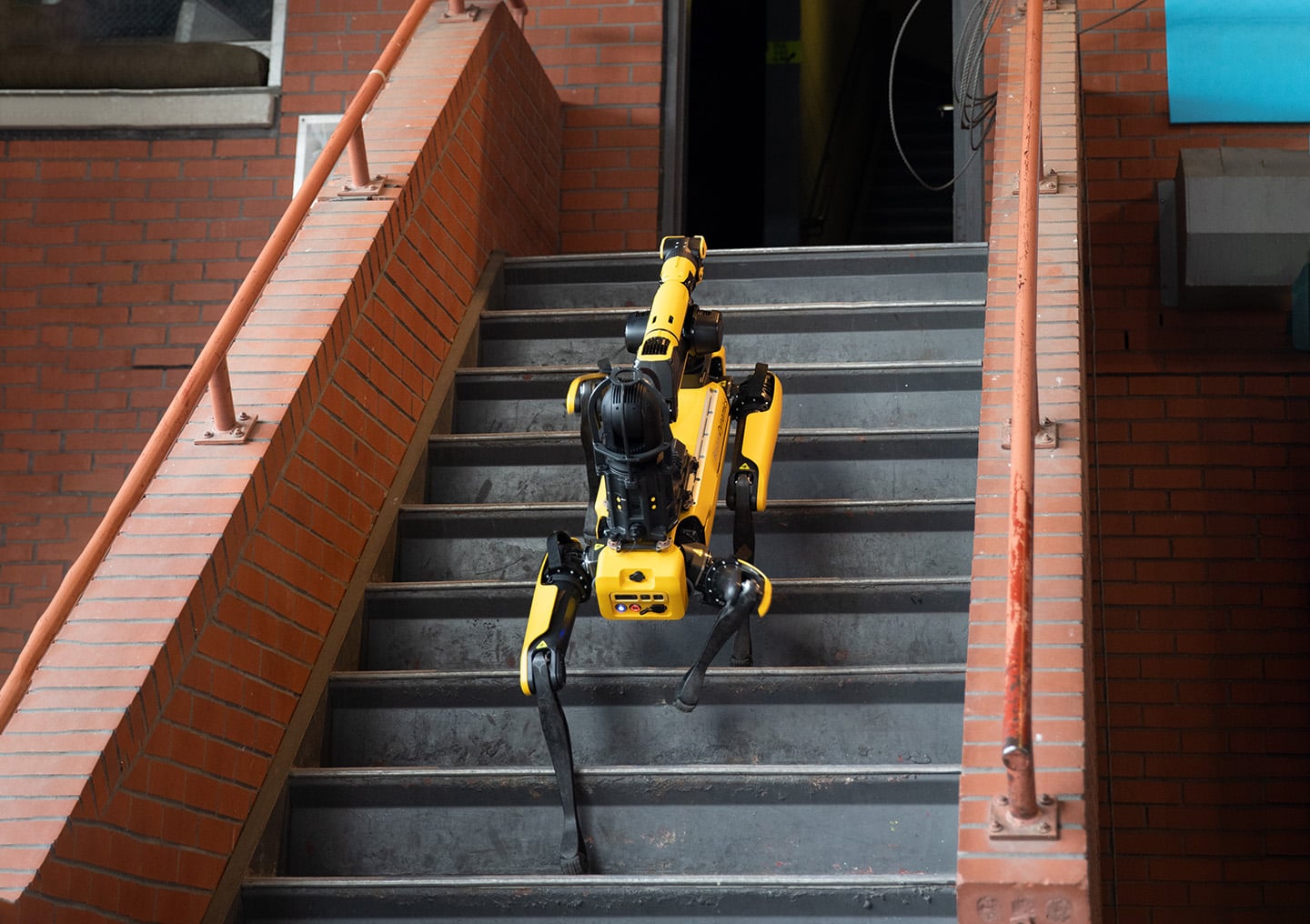
Giving First Responders an Advantage with Autowalk | Boston Dynamics
Public safety agencies are increasingly utilizing Spot, an advanced robotic technology, to enhance their emergency response strategies. By mapping out facilities prior to potential crises, these agencies aim to provide responding teams with critical information and a strategic advantage during emergencies. This proactive approach allows for better preparedness and more efficient management of incidents, ultimately improving safety outcomes. The implementation of Spot's mapping capabilities is expected to streamline operations and facilitate quicker decision-making when emergencies arise.

Compressed AI Models Enable On-Orbit Satellite Intelligence
A team of researchers has reached a significant milestone in the field of artificial intelligence applied to Earth observation. They successfully developed a compressed AI model that operates efficiently within the constraints of satellite hardware. This breakthrough was achieved through innovative techniques that optimize the model's performance while minimizing resource consumption. The advancement is particularly timely, as the demand for effective Earth monitoring solutions continues to grow, driven by climate change and environmental management needs. By enhancing the capabilities of satellite technology, this research aims to improve data collection and analysis for various applications, including disaster response and resource management. The findings were announced recently, highlighting the potential for AI to transform how we observe and understand our planet from space.
Improved ESO‐LOS Guidance Strategy for AUV: Theory and Experiment Validation
A recent study published in the Journal of Field Robotics highlights advancements in autonomous robotic systems designed for agricultural applications. Researchers from various institutions collaborated to develop innovative algorithms that enhance the efficiency of robots in crop monitoring and management. The findings, released in early October 2023, indicate that these robotic systems can significantly improve yield predictions and reduce labor costs for farmers. Conducted in diverse agricultural settings, the research aimed to address the growing need for sustainable farming practices amid increasing global food demands. By employing cutting-edge technology, the team demonstrated how autonomous robots can collect and analyze data more accurately than traditional methods, enabling farmers to make informed decisions about resource allocation and crop health. The study underscores the potential of robotics to transform the agricultural landscape, offering solutions that not only optimize productivity but also promote environmental sustainability. As the agricultural sector faces challenges such as labor shortages and climate change, these advancements in robotic technology could play a crucial role in ensuring food security for future generations.
RESEARCH ARTICLE
Material Demand Shapes Robot and Drone Manufacturing
Recent research has highlighted the supply risks associated with critical materials necessary for the development of autonomous machines. Conducted by a team of experts in materials science, the study emphasizes the urgent need for sustainable solutions to ensure the continued growth of this emerging technology sector. The findings, released in October 2023, reveal that reliance on certain materials poses significant challenges, potentially hindering innovation and production. To address these concerns, the researchers propose a multifaceted approach that includes innovative techniques for material sourcing and enhanced recycling processes. By focusing on sustainability, the study aims to mitigate supply chain vulnerabilities and promote responsible consumption of resources. The implications of this research are particularly relevant for manufacturers and policymakers in the autonomous technology industry, as they seek to balance the demand for advanced materials with environmental considerations. As the industry evolves, the integration of these strategies could play a crucial role in fostering resilience and ensuring the long-term viability of autonomous machines. The research serves as a call to action for stakeholders to prioritize sustainable practices in material management, ultimately paving the way for a more secure and environmentally friendly future in technology development.

Scaling AI into production is forcing a rethink of enterprise infrastructure
Nutanix executives Tarkan Maner and Thomas Cornely discussed the challenges organizations face in transitioning from AI experimentation to large-scale deployment during a recent interview with VentureBeat. This shift is crucial as AI increasingly influences various industries, including banking, healthcare, and retail. While companies have made strides in piloting AI solutions, Cornely highlighted the significant gap between developing prototypes and deploying them across large workforces. The emergence of agentic AI, which operates autonomously and manages complex workflows, adds to the operational demands on enterprises. Nutanix emphasizes the need for a robust infrastructure that can handle multiple AI agents and workloads while ensuring security and governance. The company’s recent launch of the Nutanix Agentic AI Solution aims to provide a comprehensive platform that supports both experimentation and production, facilitating collaboration between AI developers and infrastructure teams. As organizations navigate the complexities of AI deployment, they are increasingly relying on hybrid environments that combine cloud and on-premises solutions to meet regulatory and security requirements. Nutanix’s approach offers flexibility across various cloud providers, enabling enterprises to optimize their AI capabilities. Ultimately, the goal is to operationalize AI effectively, bridging the gap between development and infrastructure management to support enterprise-wide deployment.
Orchestration
Schaeffler sees humanoid robotics orders in three-digit million euros by 2030
A recent incident involving a malfunction in a navigation system disrupted operations for a major airline on October 15, 2023. The airline, which has not been named, experienced significant delays and cancellations at several airports across the country. Passengers were left stranded as the airline scrambled to address the technical issues affecting their flight schedules. The airline attributed the disruption to a software glitch that impacted their flight management systems, prompting an immediate investigation to prevent future occurrences. In response to the situation, the airline's customer service teams worked diligently to assist affected travelers, offering rebooking options and accommodations where necessary. This incident highlights the vulnerabilities in aviation technology and the potential for widespread disruption when systems fail. The airline has assured its customers that they are committed to resolving the issue swiftly and improving their systems to enhance reliability in the future.

Baidu Releases GenFlow 4.0, Upgrades Cloud Storage and Office Agents
Baidu has unveiled its latest AI agent system, GenFlow 4.0, which enhances its cloud storage platform by allowing users to execute tasks across multiple devices and streamline workflows within Office applications. This upgrade, announced recently, aims to improve productivity by facilitating seamless collaboration and task management for users. The integration of GenFlow 4.0 is expected to transform how individuals and teams interact with their digital tools, making it easier to coordinate efforts and manage projects effectively.
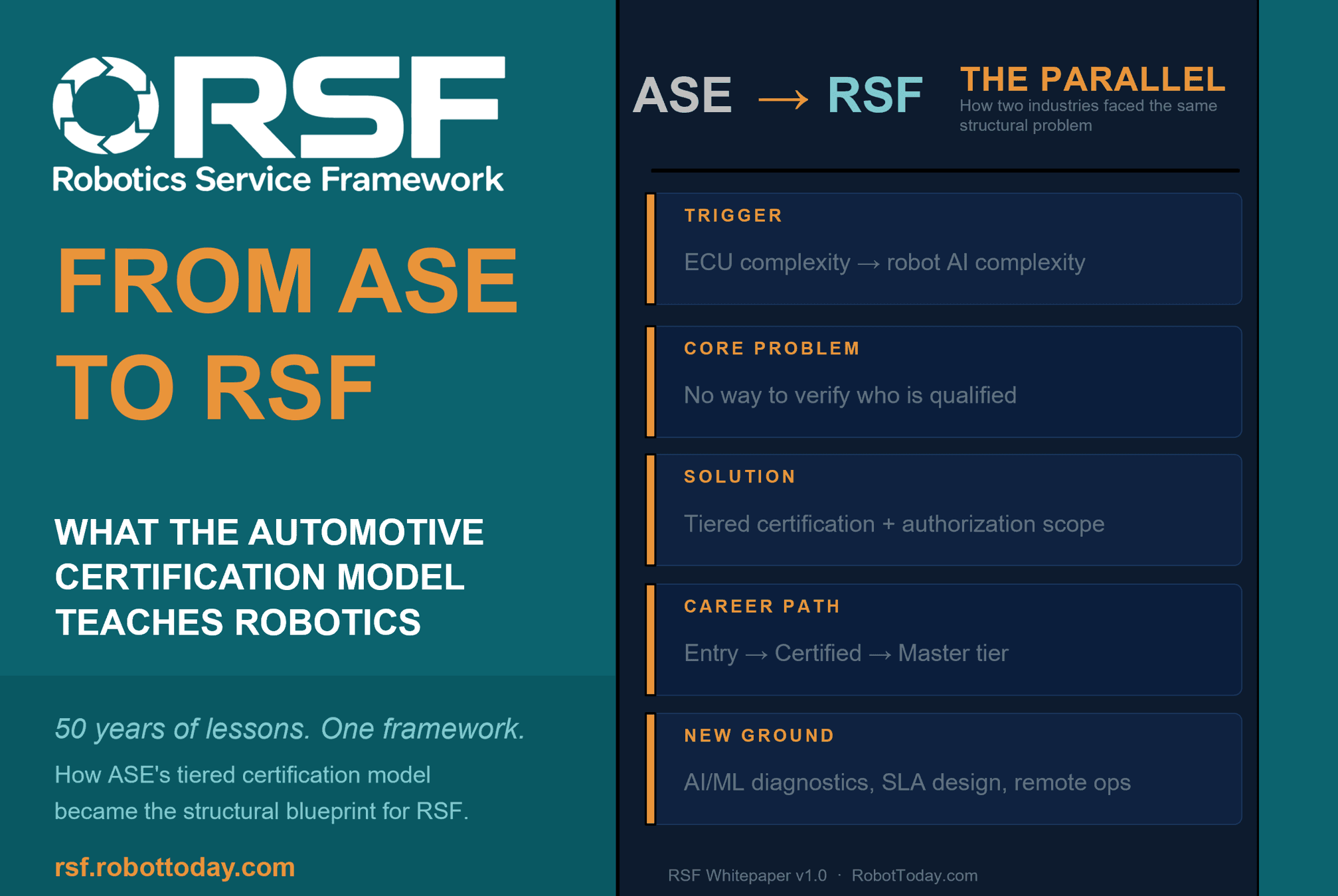
AIRobotics needs a service framework.
RSF defines a common language for robot service capability, lifecycle operations, certification pathways, and service-provider networks.