Industry Briefing
A single destination for timely, editor-curated robotics news from around the world.

Lightberry Launches Lumi: A $39,990 Interactive Humanoid Robot for Businesses
San Francisco-based Lightberry has opened reservations for Lumi, a 4-foot-2-inch interactive humanoid robot priced at $39,990 for the first 100 units. This initiative aims to facilitate commercial deployments of expressive humanoids for businesses that lack in-house robotics expertise. Lumi's design incorporates a mechanical chassis from Unitree, featuring a total of 34 degrees of freedom, including an upgraded sensory stack and a powerful NVIDIA Jetson Thor T4000 system-on-module. This advanced configuration allows Lumi to engage in real-time human interaction, positioning it as a tool for marketing, hospitality, and customer engagement rather than traditional industrial applications. As Lightberry navigates the challenges of the North American hardware landscape, the launch of Lumi comes at a critical time for domestic robotics. The company’s innovative approach and focus on interactive capabilities will be essential to watch as they seek to redefine the role of humanoid robots in commercial settings.
US Lumi Lightberry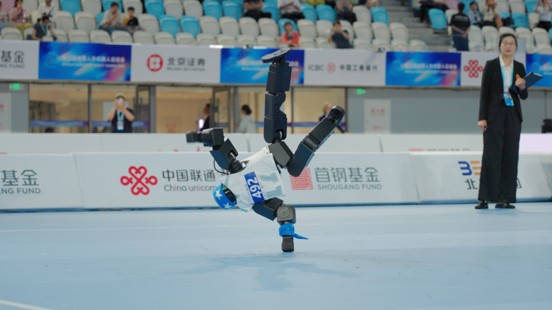
Luming's NexCore Achieves Two Golds and a Silver at World Robot Games
On August 27, the second World Robot Games concluded, with Luming Robotics winning gold in cheerleading and securing both gold and silver in breakdancing. Luming ranked fourth in the overall gold medal tally. The event showcased humanoid robots from around the globe, testing their movement, collaboration, and task adaptability through diverse competitions. Luming's success is attributed to its Lumos NexCore technology, which supports continuous data collection, model training, skill assessment, and deployment optimization. This enables robots to acquire and enhance new movement skills, facilitating stable performance in high-dynamic movements, complex actions, and multi-robot collaboration. The cheerleading event required multiple robots to perform synchronized dance routines, emphasizing the need for coordination and timing. Luming's robots excelled, demonstrating their ability to decompose complex tasks and execute them collaboratively. As robots transition from individual tasks to multi-robot coordination, these capabilities will be essential for applications in complex environments like factories. No further timeline was disclosed at the time of publication.
Humanoid Robots Robot Skills Evolution Multi-Robot Collaboration AI Robotics
LumiBot Secures Angel Funding to Enhance Industrial Robotic Hands with Heat Management
LumiBot, a provider of dexterous robotic solutions, has successfully completed an angel funding round amounting to tens of millions, led by Changyou Technology's investment arm. This marks the first investment from Changyou's robotics fund established in June 2026 and highlights a significant case of material companies entering the core components of humanoid robots. The funding is crucial as it reflects a shift in the investment logic of the humanoid robot supply chain, moving from a focus on motion control to enhancing the reliability of end-effectors. LumiBot's innovative heat management capabilities are pivotal for meeting industrial standards, addressing the overheating issues that have hindered the adoption of dexterous hands in factories. Looking ahead, LumiBot plans to release a flagship model with 23 active degrees of freedom in October, featuring an active cooling design that significantly improves joint temperature management. The company aims to deliver 100 to 200 units in 2026, indicating a growing demand for advanced robotic solutions that prioritize operational efficiency over mere flexibility.
Robotics Heat Management Industrial Automation AI Engineering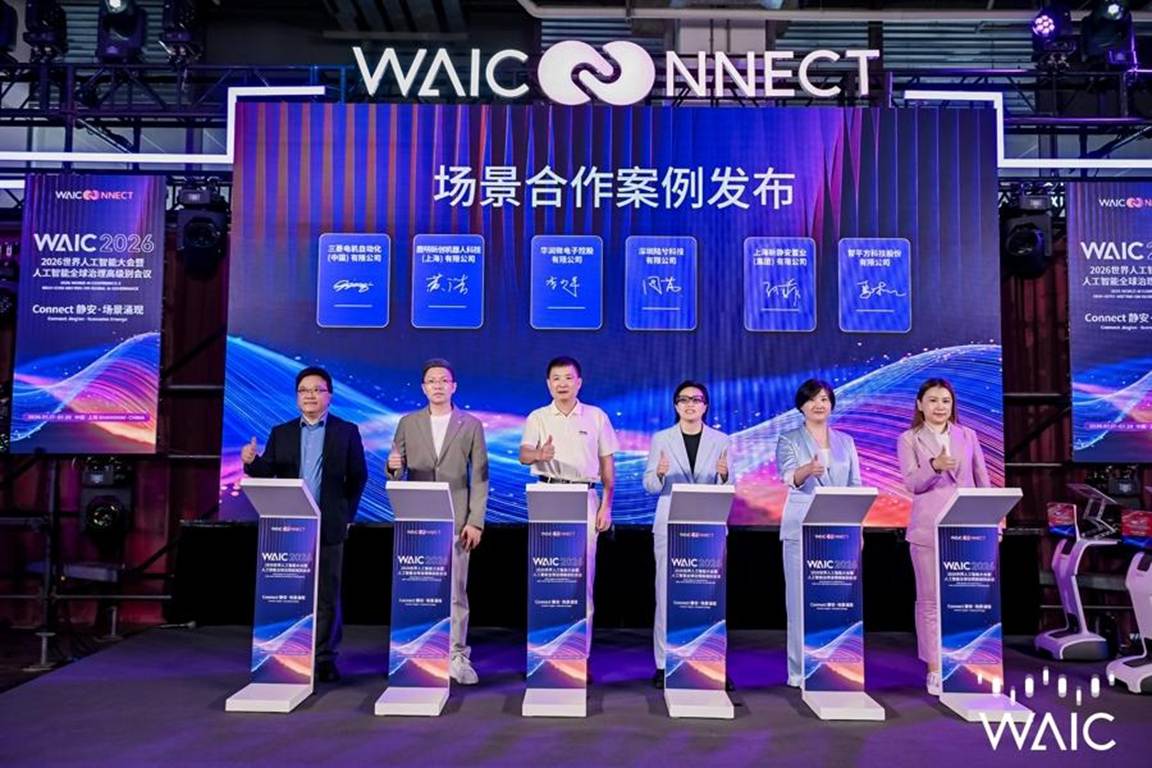
Luming Robotics Unveils Intelligent Solutions at WAIC 2026 in Shanghai
From July 17 to 20, 2026, the World Artificial Intelligence Conference (WAIC 2026) took place in Shanghai, showcasing significant advancements in the AI sector. Luming Robotics presented its latest embodied intelligence practices, emphasizing real-world applications and industrial collaboration. The company introduced its Prime R0 embodied brain and data collection capabilities, demonstrating a comprehensive technology system that spans 'scenarios, data, and models.' The importance of this event lies in the shift towards practical applications of embodied intelligence, moving beyond mere technical demonstrations. Luming Robotics highlighted the three developmental stages of embodied intelligence: industrial, commercial, and domestic. The industrial sector, characterized by clear task boundaries and quantifiable ROI, serves as the optimal starting point for scaling and iterating embodied intelligence technologies. Looking ahead, Luming Robotics announced a collaboration with Mitsubishi Electric Automation (China) to develop industrial assembly scenarios, marking a significant step towards autonomous task understanding and environmental adaptation. No further timeline was disclosed at the time of publication.
Embodied Intelligence Industrial Robotics Data Collection AI Technology
Drones Illuminate Atmospheric Boundary Layer for Military and Energy Traders
Drones are being utilized to gather data that sheds light on the poorly observed boundary layer of the atmosphere. This information is crucial for military strategists and energy traders who rely on accurate atmospheric data for decision-making. The ability to observe this boundary layer is significant as it can influence weather patterns and forecasts, which are essential for military operations and energy market strategies. By enhancing the understanding of this atmospheric layer, drones are providing valuable insights that can lead to more informed strategic planning. Looking ahead, the continued use of drones for atmospheric data collection may expand, potentially leading to improved weather forecasting and strategic military applications. No further timeline was disclosed at the time of publication.

LUMISTAR's AI Basketball Training Robot Raises Over $1 Million on Kickstarter
LUMISTAR's AI basketball training robot, CARRY, successfully raised over $1 million on Kickstarter within its first day. The robot aims to address common challenges faced by amateur players, such as the lack of a partner to pass the ball, correct shooting techniques, and track progress during practice sessions. The significance of this crowdfunding achievement lies in the robot's innovative features, including four 4K cameras that provide a 190° field of view, enabling it to track player movements and adjust ball delivery in real-time. This technology enhances the training experience by allowing players to focus on their shooting techniques without interruptions. Looking ahead, the CARRY robot is priced starting at $2,399 for early backers, with retail pricing around $4,299. The demand for such training aids in the North American market suggests a growing interest in automated sports training solutions. No further timeline was disclosed at the time of publication.
AI Basketball Robots Sports Technology Training Equipment Crowdfunding
Lumisition Robotics Secures $7 Million in Angel Funding for All-Terrain Quadruped Robot Development
Lumisition Robotics, founded in February 2026 by a team of experts including a former DJI engineer, has raised approximately 50 million yuan (around $7 million) in angel funding led by Zhengxuan Capital. The funds will primarily support product development, algorithm iterations, and preparations for mass production of their consumer-grade quadruped robots aimed at outdoor applications. The company targets homeowners in Europe and North America, outdoor enthusiasts, and the elderly, focusing on practical applications such as transporting goods over challenging terrains. Unlike many consumer robots that emphasize companionship, Lumisition aims to enhance physical labor capabilities, addressing needs like last-mile transportation in large residential areas. Their product line will include various models suited for urban, light urban, and outdoor environments. Lumisition Robotics plans to conduct outdoor testing in October 2027 and officially launch their product at CES 2027, with mass production expected to begin between April and May 2027. The company is also focused on reducing hardware costs through innovative design and optimization strategies, ensuring competitive pricing while maintaining performance.
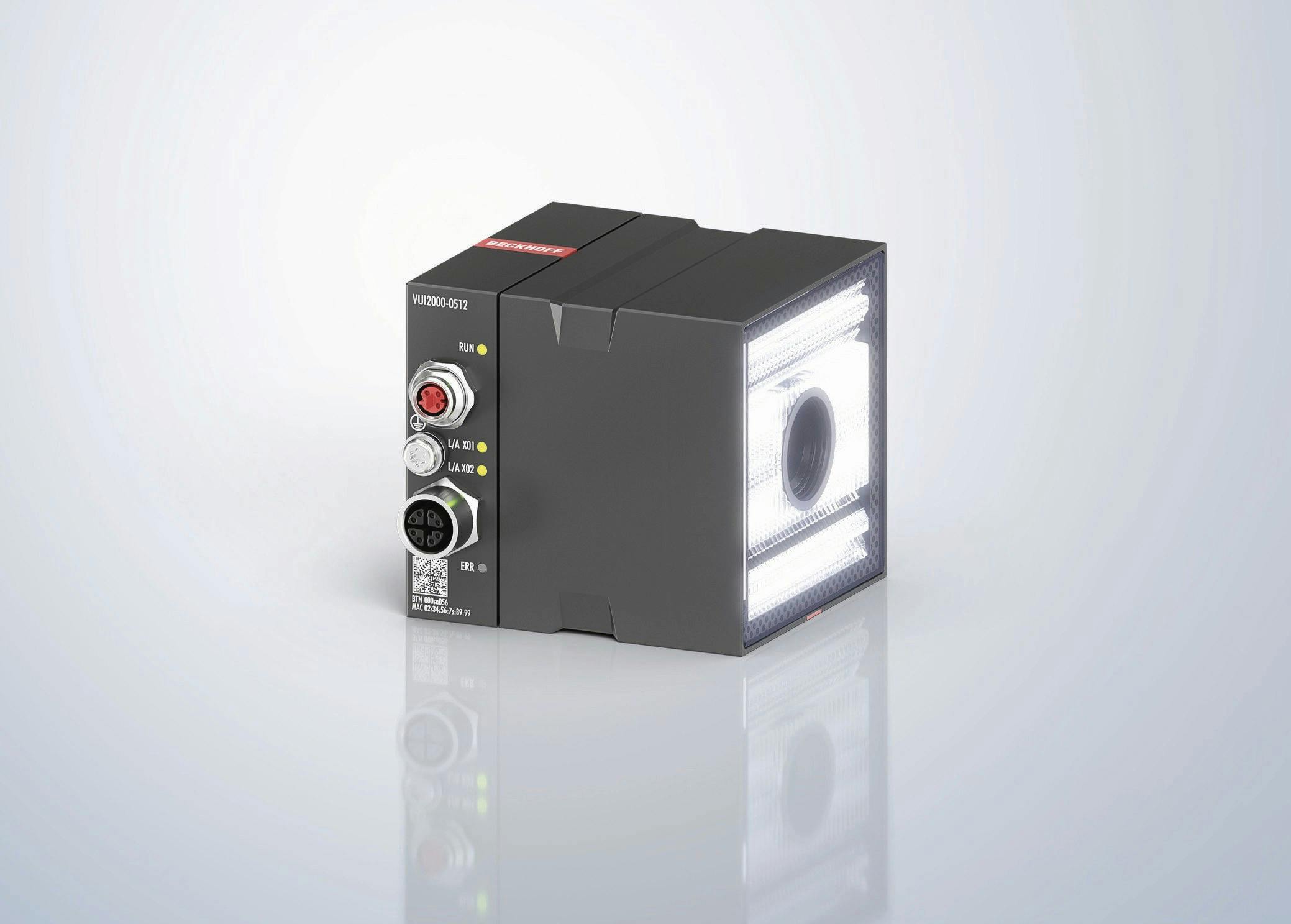
Beckhoff Expands Vision Unit Illuminated Series
A leading technology company has announced the launch of 16 new devices, featuring advanced crossed polarizing filters. This initiative aims to enhance the performance and versatility of their product lineup, catering to the growing demands of consumers and professionals alike. The announcement was made in October 2023, showcasing the company’s commitment to innovation and quality in the competitive tech market. By integrating these new features, the company seeks to provide users with improved visual clarity and functionality, setting a new standard in device capabilities.
Factory / Digital Transformation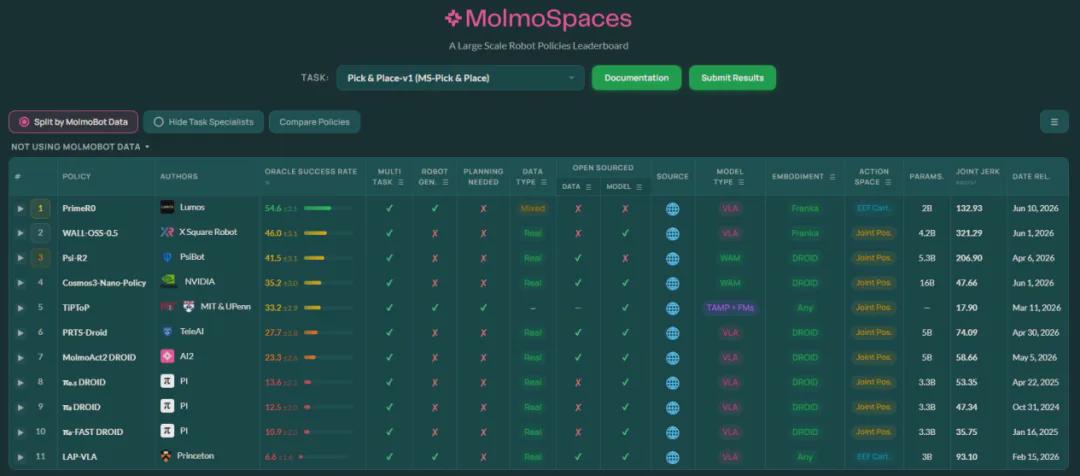
After Defeating NVIDIA, Luming Robot's Path to Industrial Embodiment Emerges
Luming Robot has reached a notable achievement by ranking first in the global zero-sample embodied intelligence benchmark, MolmoSpaces, surpassing major competitors such as NVIDIA. This accomplishment is particularly impressive given that Luming's Prime R0 operates with a parameter count of just 2.8 billion. The company highlights that its success stems not from having the largest model but from effectively identifying the right industrial applications and focusing on practical problem-solving capabilities rather than simply showcasing technology. This milestone underscores Luming's innovative approach in the rapidly evolving field of artificial intelligence.
Embodied Intelligence Industrial Robotics AI Technology Robotics Innovation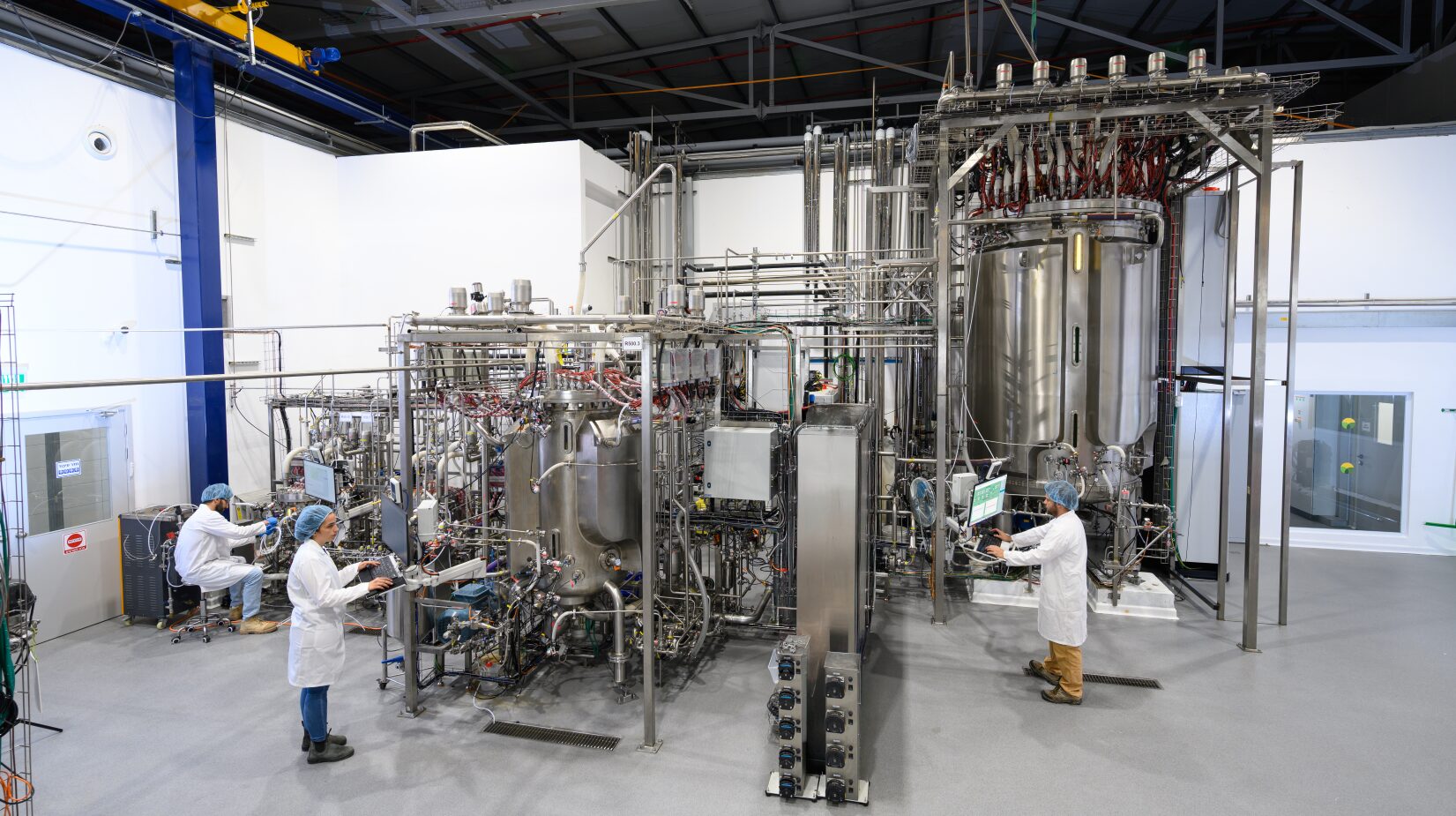
Ayana Bio and Brevel net $1.25m grant to see if ‘illuminated fermentation’ can turbocharge plant cell culture
Ayana Bio, a biotechnology company, has secured a $1.25 million grant to explore the potential of "illuminated fermentation" in enhancing plant cell culture. The funding will support research focused on extracting valuable compounds from various plants, specifically targeting sage for rosmarinic acid, saffron for crocins, and marigold for zeaxanthin and lutein. This initiative aims to improve the efficiency and yield of plant-based production processes. The grant signifies a growing interest in innovative biotechnological methods to optimize the cultivation of high-value plant compounds, which are increasingly sought after in various industries, including pharmaceuticals and nutraceuticals.
Biomanufacturing & biologicals Deeptech EMEA FoodTech Nutrition & health Startups & funding
With aluminum prices up 20%, recycling startups bet on AI to cash in
A number of recycling startups are leveraging artificial intelligence to enhance the recovery of essential minerals, particularly aluminum, in a bid to establish a substantial supply source for the metal. This innovative approach comes in response to the growing demand for aluminum in various industries, driven by its lightweight properties and versatility. By integrating AI technology into their recycling processes, these companies aim to increase efficiency and yield, ultimately contributing to a more sustainable circular economy. The initiative reflects a broader trend towards utilizing advanced technologies to address resource scarcity and environmental challenges. As these startups continue to refine their methods, they are poised to play a significant role in reshaping the recycling landscape and meeting the rising needs of the market.
AI Climate Aluminum AMP Robotics Exclusive recycling
Single-molecule tracker illuminates workings of cancer-related proteins
A team of researchers has developed advanced microscopy and nanotechnology techniques to monitor the activity of individual proteins in real-time. This innovative approach allows scientists to gain unprecedented insights into protein dynamics, which are crucial for understanding various biological processes and diseases. The research, conducted in a state-of-the-art laboratory, aims to enhance the understanding of cellular mechanisms and potentially lead to breakthroughs in medical treatments. By tagging proteins with custom-built nanotechnology, the team can visualize and track their movements and interactions, providing valuable data that could inform future studies in biochemistry and molecular biology. This work represents a significant advancement in the field, promising to deepen our comprehension of life at the molecular level.
Research Proteins Cells Chemistry Imaging Cancer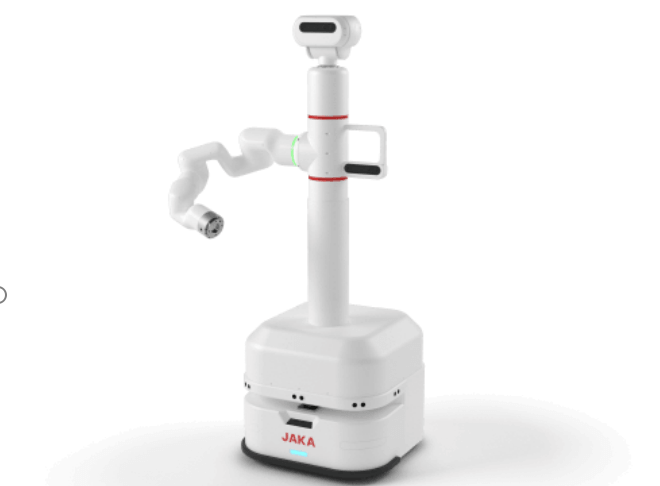
How to Avoid Programming Errors When Using the JAKA Lumi Training Platform
The transition to no-code automation is transforming the landscape of collaborative robot (cobot) implementation, making it more accessible for manufacturers. JAKA, a leader in this field, has introduced the JAKA Lumi platform, designed to facilitate the rapid deployment of cobots while emphasizing the importance of understanding coordinate systems and command structures to avoid programming errors. Common pitfalls in programming JAKA cobots include mismanaging the order of operations for non-immediate commands and improper handling of coordinate systems. For instance, failing to place digital output commands correctly during movement can lead to synchronization issues, while neglecting to verify the active coordinate system can cause the robot to drift off course. Additionally, incorrect input values for motion commands can trigger errors in the robot's motion planner. To enhance programming efficiency, JAKA advocates for a structured approach through its "Smart, Simple, Small" philosophy. Best practices include establishing a homing sequence to ensure safety before high-speed movements, utilizing subprograms for complex commands, and validating tasks through simulation to prevent collisions. The JAKA Lumi series also incorporates advanced safety features, such as "Floating Jogging" mode and "One-Key Align," to minimize manual teaching errors. With a user-friendly wireless teaching app, operators can visually manage automation logic, ensuring a seamless integration of education and industrial application. By adhering to these guidelines, manufacturers can optimize their production processes while ensuring safety and reliability in their cobot operations.
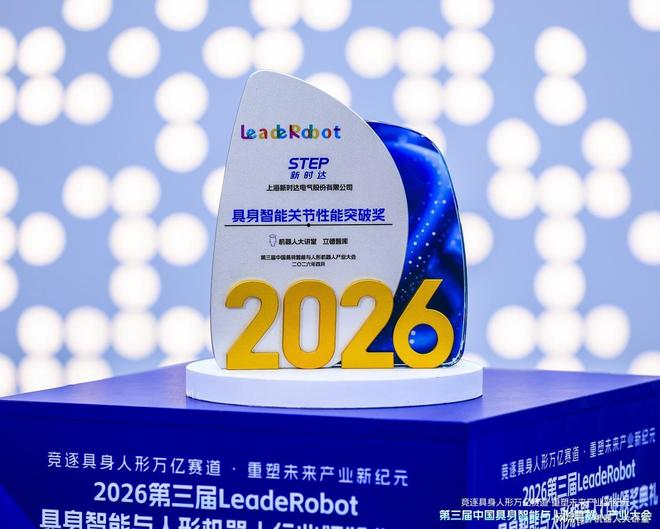
Technological Breakthrough! New Times Achieves Authority Recognition for Humanoid Joint Modules, Illuminating Key Link in Embodied Intelligence Mass Production
New Times has achieved a significant milestone by winning the 'Embodied Intelligence Joint Performance Breakthrough Award' for its cutting-edge humanoid robot joint modules. This recognition highlights a major advancement in China's humanoid robot industry, showcasing the company's innovative solutions to longstanding challenges related to weight, torque, and precision in robotic design. The development of these high-performance joint modules is expected to facilitate scalable applications across various industrial sectors, enhancing the functionality and efficiency of humanoid robots.
Humanoid Robots Joint Modules Embodied Intelligence Industrial Automation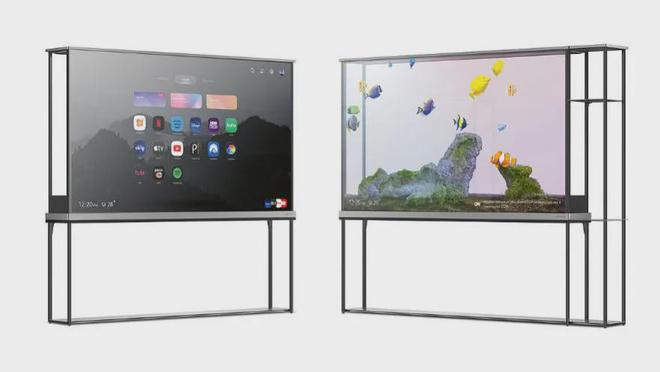
The Art of Photonic Weaving: How Micro-LEDs Illuminate the Physical Boundaries of Home
Micro-LED technology is poised to transform display screens by offering true blacks and seamless integration into home environments. This innovative advancement marks a significant departure from traditional LCDs, as it utilizes independent light-emitting pixels to enhance visual experiences. The shift to Micro-LED not only improves picture quality but also redefines the role of screens in daily life, making them more versatile and aesthetically pleasing. As this technology continues to evolve, it is expected to reshape consumer expectations and the future of display solutions.
Micro-LED Technology Display Innovation Home Automation AI Integration Visual Experience
CMU Researchers Illuminate New Horizons in Low-Light Robotic Exploration
Researchers at Carnegie Mellon University have developed a groundbreaking framework that enables robots to create photorealistic representations of scenes in low-light environments. This advancement is significant as robots are increasingly utilized for various tasks, including lifting heavy loads in warehouses, delivering meals to diners, and performing household chores. Despite their growing presence, much of the work done by robots remains unseen, particularly in challenging lighting conditions. The new framework enhances the capabilities of robots and autonomous vehicles, allowing them to effectively conduct critical tasks such as exploration, inspection, and transportation in environments where visibility is limited. This innovation opens up new possibilities for robotic applications, particularly in areas that require reliable performance in low-light scenarios.
ResearchRobotics needs a service framework.
RSF defines a common language for robot service capability, lifecycle operations, certification pathways, and service-provider networks.
Join the RobotToday community on LinkedIn
Daily robotics news, in-depth analysis, conference highlights, and discussions with professionals worldwide.