Top News

Industry Briefing

A single destination for timely, editor-curated robotics news from around the world.
He made your free video player run smoothly. Now he’s doing that for robots.

He made your free video player run smoothly. Now he’s doing that for robots.

French serial entrepreneur and open-source advocate Jean-Baptiste Kempf has unveiled his latest project, Kyber, an innovative infrastructure layer designed to enable real-time control of remote devices. This initiative aims to enhance the functionality and accessibility of various technologies, catering to a growing demand for seamless remote management solutions. Kempf, known for his contributions to the open-source community, is leveraging his expertise to address the challenges associated with remote device control, particularly in an increasingly digital world. The development of Kyber reflects a broader trend towards automation and connectivity, as more individuals and businesses seek efficient ways to manage their devices from afar.

Startups IoT Kyber open source software physical ai VLC
Three-armed kitchen robot cuts raw salmon with 95% touch-sensing accuracy

Three-armed kitchen robot cuts raw salmon with 95% touch-sensing accuracy

In a notable development within the robotics industry, researchers and engineers are grappling with the complexities of programming industrial robots to prepare sashimi, a task that has proven to be unexpectedly challenging. Despite advancements in automation and robotics, the intricate nature of slicing raw fish with precision and artistry has eluded machines, highlighting the limitations of current technology in replicating skilled human techniques. This ongoing effort reflects a broader trend in the food industry, where automation is increasingly sought after to enhance efficiency and consistency. As of October 2023, experts are exploring innovative approaches to overcome these hurdles, aiming to integrate advanced sensory feedback and machine learning algorithms that could enable robots to mimic the nuanced movements of experienced chefs. The pursuit of automating sashimi preparation not only underscores the demand for robotics in culinary applications but also raises questions about the future of traditional food preparation methods in an era of rapid technological advancement.

AI and Robotics
IEEE Rolls Out Large Language Models Virtual Training Course

IEEE Rolls Out Large Language Models Virtual Training Course

Large language models (LLMs) have transitioned from research labs to everyday use in engineering, significantly altering how digital infrastructures are developed and maintained. As technical professionals increasingly rely on LLMs for complex tasks—such as identifying vulnerabilities in source code and converting fragmented discussions into detailed specifications—the demand for expertise in this technology is surging. According to MarketsandMarkets, the LLM technology market is projected to grow by approximately 33% annually through 2030. To effectively utilize LLMs, engineers must move beyond basic interactions and understand the underlying transformer architecture that enables these models to process vast datasets simultaneously. This knowledge is crucial to mitigate risks associated with inaccuracies, often referred to as "hallucinations," and to ensure reliable performance in coding and data handling. Key advancements include integrating LLMs with application programming interfaces (APIs) for direct database connections, addressing hallucination issues through retrieval-augmented generation (RAG), and prioritizing data security by establishing private model instances. Additionally, LLMs automate repetitive tasks, allowing engineers to focus on higher-level design and problem-solving. To bridge the growing knowledge gap, IEEE has launched an online program titled "Large Language Models Demystified," designed to equip technical professionals with a deeper understanding of LLMs. The curriculum covers the evolution of AI technology, transformer architectures, and practical model-building exercises. Participants will earn professional development credits and a digital badge upon completion, enhancing their credentials in this rapidly evolving field. Organizations interested in training their teams can consult with IEEE for tailored enrollment options.

Ai Type-ti Education Ieee-educational-activities Large-language-models Ieee-products-and-services
Tech Mahindra and Viam partner to scale advanced robotics and automation solutions

Tech Mahindra and Viam partner to scale advanced robotics and automation solutions

Tech Mahindra has announced a strategic partnership with Viam, enabling its global enterprise clients to leverage advanced robotics and automation capabilities through Viam's innovative physical AI platform. This collaboration, which aims to enhance operational efficiency and streamline processes for businesses, will provide clients with direct access to cutting-edge technology designed to optimize workflows and improve productivity. The partnership is expected to significantly impact various industries by integrating AI-driven solutions into everyday operations. This initiative reflects Tech Mahindra's commitment to driving digital transformation and innovation within its client base, positioning them at the forefront of technological advancements.

Drones were already clean buildings. This system makes them practical

Drones were already clean buildings. This system makes them practical

ABZ Innovation, a Hungary-based drone manufacturer active in over 40 countries, has introduced the world’s first dedicated ground station tailored for industrial drone cleaning. This innovative development aims to enhance the practicality of drone-powered building cleaning for professional operators. By streamlining operations and improving efficiency, ABZ Innovation seeks to revolutionize the cleaning industry, making it more accessible and effective for various applications. The unveiling of this specialized ground station marks a significant advancement in the integration of drone technology into industrial cleaning processes.

News
Prox Industries accelerates physical AI research with dual-arm UR3e collaborative robots using VLA and reinforcement learning.

Prox Industries accelerates physical AI research with dual-arm UR3e collaborative robots using VLA and reinforcement learning.

Prox Industries has announced its collaboration with Universal Robots (UR) to enhance the development of physical AI through the utilization of UR's "Physical AI Development Support Program." The initiative will focus on accelerating research and development of physical AI by employing a dual-arm robotic configuration using two UR3e collaborative robots. This partnership aims to leverage advanced robotics technology to innovate in the field of AI, reflecting Prox Industries' commitment to advancing automation solutions.

Doosan, LG CNS link up for data centers, robotics and AI

Doosan, LG CNS link up for data centers, robotics and AI

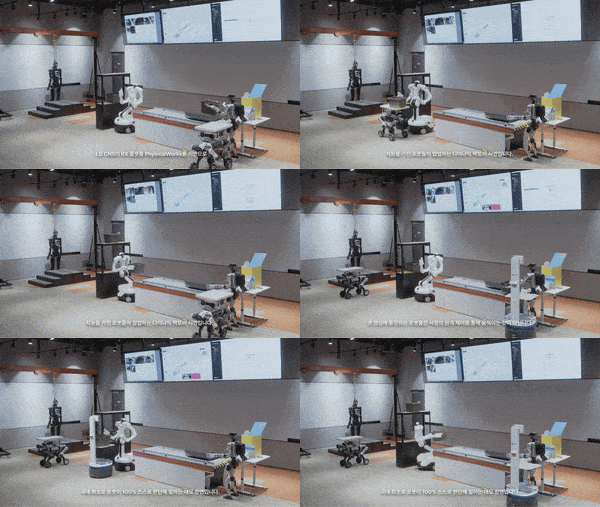
Doosan Corp. has announced a strategic partnership with LG CNS aimed at enhancing global competitiveness in key technology sectors, including data centers, hydrogen drone logistics, and artificial intelligence. The memorandum of understanding was signed by Doosan Corp. President Yoo Seung-woo and LG CNS President Hyun Shin-gyoon during a ceremony at LG Science Park in western Seoul on Thursday. This collaboration will focus on developing data center and cloud services, positioning both companies to leverage their strengths in these rapidly evolving industries. The partnership reflects a commitment to innovation and technological advancement in response to the growing demand for efficient and sustainable solutions in the digital landscape.

All News
Video: New robotic system achieves 99.5% success in fast auto factory wire assembly

Video: New robotic system achieves 99.5% success in fast auto factory wire assembly

Sanctuary AI, a Canadian robotics company, has announced a major breakthrough in industrial automation. The firm has developed advanced AI-driven robots capable of performing complex tasks traditionally handled by human workers. This innovation comes as industries increasingly seek to enhance productivity and efficiency amid labor shortages and rising operational costs. The robots, which are designed to seamlessly integrate into existing workflows, utilize sophisticated machine learning algorithms to adapt to various environments and tasks. This development was unveiled during a press conference held in Toronto on October 15, 2023, where company executives highlighted the potential of these robots to revolutionize sectors such as manufacturing and logistics. By automating repetitive and labor-intensive processes, Sanctuary AI aims to not only improve operational efficiency but also allow human workers to focus on more strategic and creative roles.

AI and Robotics
Rise of the robots: China releases plan aimed at increasing consumers’ AI options

Rise of the robots: China releases plan aimed at increasing consumers’ AI options

Chinese authorities are set to enhance the integration of artificial intelligence (AI) into consumer markets, as outlined in a recent plan by the Ministry of Commerce alongside seven other ministries. This initiative, which includes 17 new measures, aims to stimulate consumption growth by incorporating AI into various sectors, including consumer goods, services, and retail. The strategy focuses on the development of smart products, the deployment of robots, and the establishment of supportive infrastructure and standards. By promoting the concept of "AI Plus Consumption," the government seeks to create innovative drivers for economic growth and improve the overall consumer experience.

What Amazon’s Astro Taught Me About Giving Robots a Soul

What Amazon’s Astro Taught Me About Giving Robots a Soul

In 2018, Amazon appointed a lead UX Sound Designer to develop Astro, its first consumer home robot capable of navigating and interacting within homes. The team faced a critical decision: whether to position Astro as an extension of Alexa or as a distinct character. Ultimately, user testing revealed that people preferred Astro as its own entity, leading to the decision to have Alexa serve as a supporting character while Astro communicated through sound, motion, and facial expressions. The design process involved defining Astro's character, which included determining its emotional range and how it would express uncertainty without losing user trust. The team emphasized the importance of a cohesive character, as inconsistencies could lead to a disjointed user experience. Astro's wake-up sequence, characterized by a blend of sound and motion, became a highlight during testing, with users describing it as "alive." Despite progress, the team acknowledged that character development often takes a backseat in product design, which can lead to lifeless devices. The designer urged product leaders to prioritize character definition early in the design process, integrate story and sound into character development, and design for adaptability to create more engaging and responsive products. The full narrative detailing these insights is available on Medium.

Amazon Astro Consumer-robotics Home-robots
A Review on Search and Rescue Robots in Complex Scenarios: Key Technologies of Simultaneous Localisation and Mapping

A Review on Search and Rescue Robots in Complex Scenarios: Key Technologies of Simultaneous Localisation and Mapping

A recent study published in the Journal of Field Robotics highlights the advancements in autonomous robotic systems designed for agricultural applications. Researchers from various institutions collaborated to explore innovative technologies that enhance efficiency and sustainability in farming practices. The findings, released in early October 2023, emphasize the growing need for automation in agriculture to address labor shortages and improve crop yields. The research team conducted extensive field tests to evaluate the performance of these robotic systems in real-world farming scenarios. By integrating artificial intelligence and machine learning, the robots demonstrated the ability to perform tasks such as planting, monitoring, and harvesting with remarkable precision. This technological progress aims to support farmers in overcoming challenges posed by climate change and increasing food demand. The study underscores the importance of developing reliable and cost-effective robotic solutions that can be easily adopted by farmers. As the agricultural sector faces mounting pressures, the implementation of these advanced technologies could significantly transform traditional farming methods, leading to more sustainable practices and enhanced productivity.

SURVEY ARTICLE
Japan targets $65bn in public-private physical AI investment by 2040

Japan targets $65bn in public-private physical AI investment by 2040

Japan is set to invest a total of 10.5 trillion yen (approximately $65.1 billion) in physical artificial intelligence by fiscal 2040, as part of a strategic growth plan announced by Prime Minister Sanae Takaichi's government. This initiative, revealed on June 20, 2026, focuses on 17 key sectors deemed vital for the country's economic advancement. The government aims to foster collaboration between public and private sectors to enhance Japan's technological capabilities and competitiveness in the global market. This ambitious investment strategy includes broadening subsidies for domestic semiconductor production, sending 30,000 young scientists abroad for research in AI and quantum technologies, and supporting the growth of dual-use tech startups. The overarching goal is to position Japan as a leader in AI and related fields, addressing the increasing demand for advanced technologies in various industries.

US Navy tests dual-use laser that beams power and counters drone threats in one system

US Navy tests dual-use laser that beams power and counters drone threats in one system

The U.S. Naval Research Laboratory (NRL) has successfully demonstrated a groundbreaking laser system capable of transmitting data at unprecedented speeds. This innovative technology was showcased during a recent test conducted at the laboratory's facilities in Washington, D.C. The demonstration highlights the potential for advanced communication systems that could enhance naval operations and improve data transfer capabilities in various military applications. By utilizing laser technology, the NRL aims to address the growing demand for faster and more secure communication methods in an increasingly digital battlefield. The successful test marks a significant step forward in the development of high-speed data transmission solutions, paving the way for future advancements in military communications.

Military
Waymo recalls about 3,900 robotaxis after some drove into 'freeway construction zones'

Waymo recalls about 3,900 robotaxis after some drove into 'freeway construction zones'

Waymo has initiated a recall of its robotaxis following incidents where some vehicles entered closed construction zones. The decision comes in response to software issues that have raised safety concerns. The recall aims to address and rectify these underlying problems to ensure the safe operation of the autonomous vehicles. This action underscores the company's commitment to maintaining high safety standards as it continues to develop and deploy its technology in urban environments. The timeline for the recall and the specific locations affected by the software updates have not been disclosed, but Waymo is actively working to resolve the issues to prevent future occurrences.

Humanoid robots: How human-like machines could change our daily lives

Humanoid robots: How human-like machines could change our daily lives

Researchers at Friedrich-Alexander-Universität Erlangen-Nürnberg (FAU) are advancing the development of humanoid robots, which are increasingly capable of performing complex tasks traditionally handled by humans. In an interview, Dr. Sebastian Reitelshöfer from the FAU Chair of Manufacturing Automation and Production Systems discussed the potential of these robots to enhance various sectors, including industry, services, and private households. This innovative technology, which could significantly benefit northern Bavarian industry, represents a shift from science fiction to practical application. The ongoing research focuses on both the hardware and software necessary to create human-like robots that can effectively support human activities in the near future.

Robotics
BilibiliWorld 2026 is China's first overseas ticketed ACG event; 17 measures to promote AI in consumer development; Kuaizhou-11 rocket successfully

BilibiliWorld 2026 is China's first overseas ticketed ACG event; 17 measures to promote AI in consumer development; Kuaizhou-11 rocket successfully

Didi Autonomous Driving showcased its advancements in self-driving technology at the MOVE 2026 conference held in London on June 17-18. The company highlighted its achievement of L4-level core technology and the delivery of its new Robotaxi model, R2, developed in collaboration with GAC Aion, which is currently undergoing road tests in cities like Guangzhou and Beijing. Since launching all-weather passenger testing in select areas last year, Didi has maintained a safe and stable operational performance. On June 18, Cainiao's Vice President Bi Jianghua announced plans to deploy four large-scale climbing robot warehouses globally within the next four months, following successful trials during the 618 shopping festival. This initiative aims to enhance the efficiency of e-commerce supply chains. DingTalk's new CEO, Chen Yusen, communicated organizational changes in a company-wide letter, establishing a core platform business department and integrating various teams to streamline operations. The State Administration for Market Regulation is overseeing an antitrust compliance rectification for Huolala, mandating the cessation of practices that unreasonably lower freight prices and enforcing fair pricing algorithms. The company is expected to refund 1.2 billion yuan to drivers and reduce its commission rates. Additionally, Cao Cao Mobility announced its RoboX strategy at the International Automotive and Supply Chain Expo in Hong Kong on June 18, planning to deploy 100,000 Robovans by 2030 to enhance logistics networks. BilibiliWorld 2026 will be the first comprehensive ACG exhibition in China to offer overseas ticket sales, with tickets available globally starting June 20, for the event scheduled from July 10-12 in Shanghai. KKR has committed $1.4 billion to expand Altavair's commercial aircraft leasing portfolio, while Manifold AI has secured nearly 1 billion yuan in Pre-A funding. In economic news, Goldman Sachs suggests the Federal Reserve may need to implement consecutive rate hikes in September if inflation remains high. Meanwhile, Hong Kong plans to launch five-year government bond futures on August 3, 2026. The Ministry of Commerce has introduced 17 measures to promote the integration of artificial intelligence into consumer markets.

NIO enhances smart driving education; Ren Shaoqing states innovation will reshape competition.

NIO enhances smart driving education; Ren Shaoqing states innovation will reshape competition.

On June 18, NIO announced the rollout of its latest world model software across multiple vehicle platforms, including eight NT2.0 models, four NT2.5 models, and six NT3.0 models. This update allows NIO to run the same complex autonomous driving code on different generations of chips, addressing a common industry challenge where software updates were often limited to the latest hardware, leaving older vehicle owners at a disadvantage. The initiative stems from a long-term effort by NIO's team, led by Ren Shaoqing, who began exploring solutions in 2020. NIO developed an AI infrastructure that bridges gaps between different chip architectures, enhancing vehicle processing speeds with an AI compiler and automating deployment processes with AI agents. This innovation has significantly reduced deployment times from days to just a couple of hours. NIO's approach includes running the latest models in a "shadow mode" on production vehicles to gather valuable data without interfering with user driving. This data is used to train smarter models, creating a feedback loop that enhances the software's performance. The company has reported a substantial increase in its autonomous driving capabilities, attributing this to a shift in understanding the development cycle of physical AI. As the industry evolves, NIO has restructured its autonomous driving team to focus on foundational research and innovation, positioning itself to leverage advancements in large model technology and closed-loop reinforcement learning. The company aims to enhance its competitive edge by continuously improving its algorithms and data systems, ultimately striving for a more robust autonomous driving experience.

One soldier, many drones: US Army tests autonomous drone-control software

One soldier, many drones: US Army tests autonomous drone-control software

The U.S. Army has awarded two contracts to Palladyne AI, a defense and technology company, to conduct testing of its advanced artificial intelligence systems. This initiative, announced recently, aims to enhance military capabilities through innovative technology solutions. The contracts will facilitate the evaluation of Palladyne AI's systems in various operational scenarios, focusing on improving decision-making processes and operational efficiency. The collaboration underscores the Army's commitment to integrating cutting-edge technology into its operations to maintain strategic advantages. The testing is expected to take place at designated military facilities, with results potentially influencing future defense strategies and procurement decisions.

Military
How AI Is Powering Smarter, More Connected Logistics Operations

How AI Is Powering Smarter, More Connected Logistics Operations

In response to the growing unpredictability in logistics, companies are shifting their focus from simply increasing the number of robots to deploying them in more intelligent and adaptable ways. This transformation is being driven by advancements in artificial intelligence, which is now serving as the critical intelligence layer that enhances modern logistics operations. As businesses adapt to these changes, the integration of AI is expected to streamline processes, improve efficiency, and better meet the demands of an evolving market landscape.

RoboDK to Demonstrate New CAM Software That Cuts Robotic Machining Deployment Time by Up to 40% at Automate Chicago 2026

RoboDK to Demonstrate New CAM Software That Cuts Robotic Machining Deployment Time by Up to 40% at Automate Chicago 2026

RoboDK is set to demonstrate its advanced capabilities in CAD-to-robot machining and collision-free motion planning at an upcoming event. Utilizing a Mecademic robot, the company will present a production-ready setup that highlights the efficiency and precision of its technology. This showcase aims to illustrate how RoboDK's software can streamline robotic machining processes, enhancing productivity and safety in manufacturing environments. The event is scheduled for later this month, providing an opportunity for industry professionals to witness firsthand the innovations in robotic automation and their practical applications in real-world scenarios.

Robot Bank announces AI platform "RobotBank Brain" for coordinating multiple robots like humanoids and AMRs.

Robot Bank announces AI platform "RobotBank Brain" for coordinating multiple robots like humanoids and AMRs.

Robot Bank Corporation has unveiled its latest initiative, the "RobotBank Brain," which is set to be the cornerstone of its next-generation robotics business. This announcement marks a significant step forward in the company's efforts to innovate and enhance its offerings in the robotics sector. The launch took place recently, highlighting the company's commitment to advancing technology and addressing the growing demand for intelligent robotic solutions. By developing the RobotBank Brain, the company aims to integrate advanced artificial intelligence into its robotics lineup, ultimately improving efficiency and functionality. This initiative reflects Robot Bank's strategic vision to lead in the evolving landscape of robotics and automation.

America to Showcase Live CNC Machining, Manufacturing Automation, and Cobot Demonstrations at IMTS 2026

America to Showcase Live CNC Machining, Manufacturing Automation, and Cobot Demonstrations at IMTS 2026

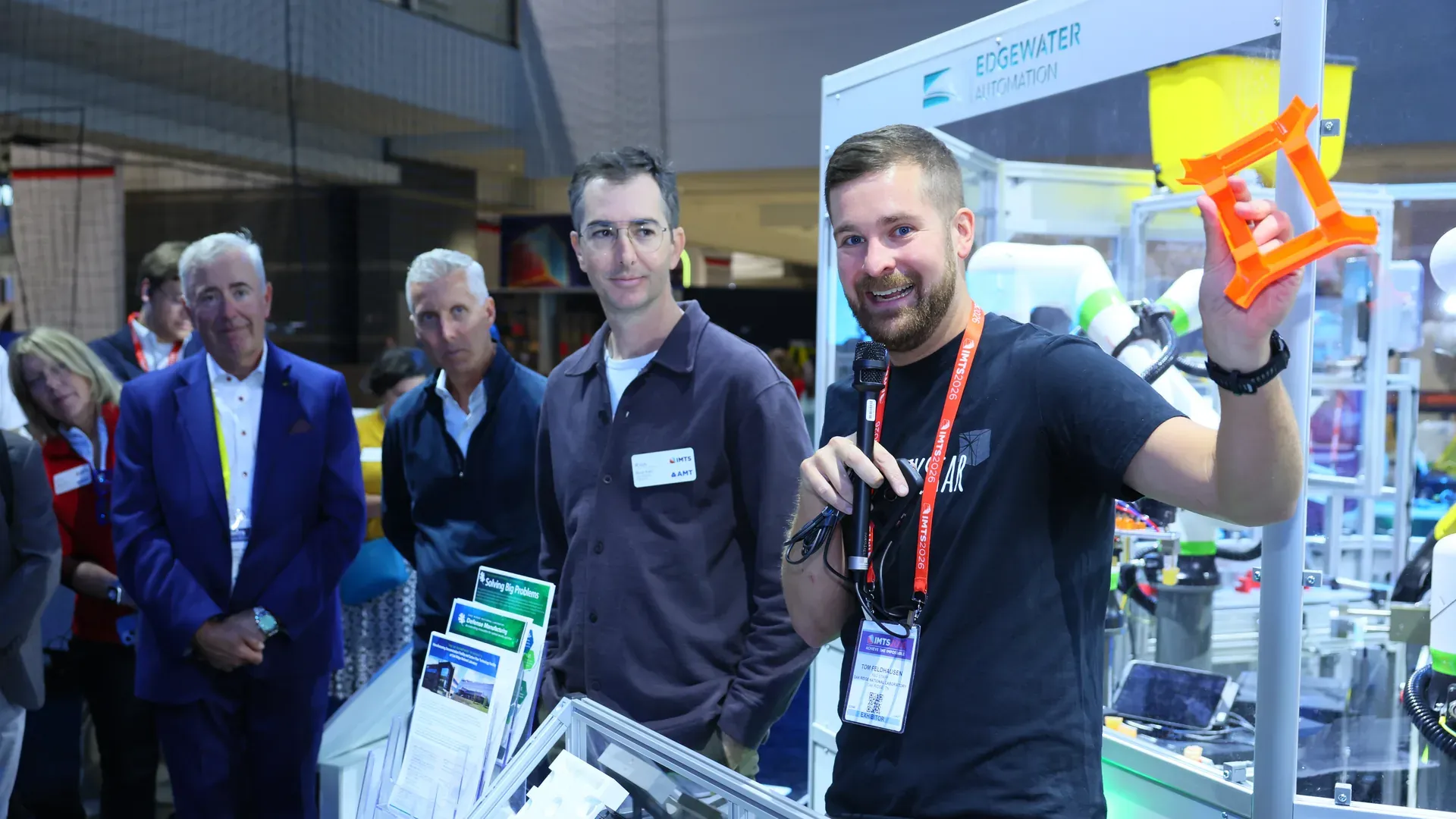
SW North America is set to exhibit at Booth #338250, where it will present a range of innovations in smart manufacturing. The showcase will include live machining demonstrations, collaborative robots, and applications tailored for the aerospace sector, alongside CNC manufacturing automation. This event aims to illustrate the advancements and future potential of manufacturing technologies. Attendees will have the opportunity to engage with interactive displays that highlight these cutting-edge solutions, emphasizing the company's commitment to driving progress in the industry.

Anduril Secures Landmark Air Force Drone Contract

Anduril Secures Landmark Air Force Drone Contract

Anduril Industries has secured a significant production contract with the U.S. Air Force to develop autonomous fighter jets, marking a pivotal advancement in military technology. The company is also poised to play a crucial role in supplying software for these aircraft as the Pentagon aims to establish a fleet of up to 1,000 autonomous combat jets. This announcement comes amid growing interest in enhancing military capabilities through advanced automation. Anduril's CEO, Brian Schimpf, discussed the implications of this contract and the company's plans for scaled manufacturing during an appearance on "Bloomberg Tech."

Why Reliable Backup Power is Becoming Essential for Modern Robotics Systems

Why Reliable Backup Power is Becoming Essential for Modern Robotics Systems

Modern robotics systems are revolutionizing various industries by enhancing efficiency, accuracy, and productivity. Organizations across sectors, including manufacturing and logistics, are increasingly relying on automated systems to ensure seamless operations around the clock. As businesses seek reliable backup power solutions for their robotics infrastructure, Nite & Day Power emerges as a key resource, offering specialized information on uninterruptible power systems. This shift towards automation and the need for dependable power sources highlight the growing importance of technology in maintaining operational continuity in today's fast-paced industrial environment.

Energy Robotics Technology automation news backup power industrial automation
General Intuition in talks to raise $300M at around $2B valuation

General Intuition in talks to raise $300M at around $2B valuation

A startup specializing in artificial intelligence is leveraging Medal's extensive dataset, which comprises 2 billion videos annually sourced from 10 million active users each month. This initiative aims to enhance the training of embodied AI and world models, utilizing the rich variety of visual content available. The training process incorporates data collected up until October 2023, allowing the AI systems to develop a more nuanced understanding of real-world scenarios and interactions. By harnessing such a vast and diverse dataset, the startup seeks to push the boundaries of AI capabilities, ultimately contributing to advancements in technology that can better interpret and interact with the world around us.

AI Fundraising ai agent Exclusive general intuition world models
Waymo Recalls Robotaxis Over Driving Through Freeway Work Zones

Waymo Recalls Robotaxis Over Driving Through Freeway Work Zones

Waymo has announced a recall of thousands of its robotaxis due to a software glitch that poses a safety risk. The issue could potentially lead the autonomous vehicles to inadvertently accelerate through construction zones on freeways. This decision comes as part of the company's commitment to ensuring the safety of its fleet and the public. The recall is being implemented promptly to address the software malfunction and prevent any incidents that could arise from the vehicles' erratic behavior in these hazardous areas. Waymo is actively working on a solution to rectify the problem and will notify affected vehicle owners about the necessary updates.

RealSense unveils AI-native D585 Pro depth camera for robots

RealSense unveils AI-native D585 Pro depth camera for robots

RealSense has introduced its latest innovation, the D585 Pro depth camera, designed specifically for robotic applications. This new model is powered by a proprietary Gen 5 system-on-chip, which enhances its performance by providing over twice the depth quality compared to its predecessor. The unveiling of the D585 Pro marks a significant advancement in depth sensing technology, aimed at improving the capabilities of robots in various environments. The announcement was made recently, highlighting RealSense's commitment to advancing AI-native solutions in the robotics sector.

Artificial Intelligence / Cognition Autonomous Mobile Robots (AMRs) Cameras / Imaging / Vision Collaborative Robots Humanoids Industrial Robots
Richtech Robotics launches livestream for ADAM AI-powered humanoid

Richtech Robotics launches livestream for ADAM AI-powered humanoid

Richtech Robotics has announced the launch of a livestream feature for its AI-powered humanoid service robot, ADAM, which utilizes NVIDIA technology. This innovative development allows online users to interact with ADAM in real-time, enhancing user engagement and showcasing the capabilities of the robot. The livestream is set to provide a platform for demonstrations and interactions, highlighting the advanced functionalities of this cutting-edge technology. The initiative aims to promote awareness and understanding of AI robotics, as well as to attract potential customers and enthusiasts interested in the future of humanoid robots.

Artificial Intelligence Cobot Arms Human Robot Interaction / Haptics Automate Nvidia richtech robotics
Waymo recalls nearly 4,000 robotaxis to stop them driving into highway construction zones

Waymo recalls nearly 4,000 robotaxis to stop them driving into highway construction zones

A technology company has reported that its fleet of robotaxis has encountered at least 13 incidents of driving into highway sections that were closed for construction. This troubling pattern raises concerns about the safety and reliability of the autonomous vehicles, as they navigate complex road conditions. The incidents were identified through data analysis conducted by the company, which is committed to improving its systems and ensuring the safety of its passengers and other road users. The company is now investigating the circumstances surrounding these occurrences to enhance its navigation algorithms and prevent future mishaps. The findings come amid ongoing discussions about the regulatory framework for autonomous vehicles and their integration into public roadways, highlighting the need for stringent safety measures as these technologies continue to evolve.

Transportation autonomous vehicles Recalls robotaxis Waymo
Waymo recalls robotaxis after some vehicles entered construction zone

Waymo recalls robotaxis after some vehicles entered construction zone

Waymo has initiated a recall of its robotaxis after several incidents were reported where the autonomous vehicles ignored ramp-closure signs and entered freeway construction zones. This decision comes in response to safety concerns raised by these occurrences, highlighting potential risks to both passengers and construction workers. The recall aims to address these issues and ensure the vehicles operate within designated safety parameters. Waymo is expected to implement software updates and conduct thorough inspections to prevent future incidents. The company emphasizes its commitment to safety and regulatory compliance as it navigates the challenges of deploying autonomous technology on public roads.

Sequoia and Alibaba-backed embodied AI company secures hundreds of millions in new funding.

Sequoia and Alibaba-backed embodied AI company secures hundreds of millions in new funding.

Noematrix, a company specializing in embodied intelligence, has recently secured hundreds of millions in funding, led by Wuxi Data Group, with participation from Shanghai Jiao Tong University's AI Future Fund, Shanghai Chuangzhi Technology Co., and Yicun Capital. This marks the latest financing round for Noematrix, which has attracted investments from several notable firms, including Prosperity7 Ventures and Alibaba, since its establishment in November 2023. The company focuses on the autonomous development of foundational models and systems for embodied intelligence, having launched its core product, Noematrix Brain. This product is part of a comprehensive hardware and software ecosystem that spans data collection, model training, deployment, and application in embodied robotics. The industry narrative surrounding embodied intelligence is shifting from merely executing tasks to ensuring robots can operate stably in real-world environments. Noematrix aims to enhance model robustness by integrating real-world and simulated data into its training processes, utilizing its proprietary data collection devices to gather diverse datasets from various environments. Noematrix's robots have already begun commercial deployment in pharmacies, addressing longstanding labor challenges in the sector by automating order fulfillment. The company has partnered with several leading pharmacy chains, achieving significant order volumes. Following this funding round, Noematrix plans to accelerate the development of its general-purpose embodied intelligence models, targeting applications in retail and hospitality sectors.

Graitec outlines AI roadmap focused on accountability in engineering and construction

Graitec outlines AI roadmap focused on accountability in engineering and construction

Graitec, a software provider, has announced a comprehensive three-stage artificial intelligence strategy tailored for the architecture, engineering, construction, and operations (AECO) sector. The company emphasizes that the primary challenge facing the industry is not the creation of content through AI, but rather the reliability of these AI-generated results in practical applications. To address this concern, Graitec plans to integrate AI directly into various processes, including engineering, fabrication, and construction. This initiative aims to enhance trust and efficiency within the AECO industry, ultimately improving project outcomes.

Construction News Software AECO AI software architecture and engineering
Massachusetts awards $2 million to six local robotics companies

Massachusetts awards $2 million to six local robotics companies

The Healey-Driscoll Administration of Massachusetts, in collaboration with the Innovation Institute of the Massachusetts Technology Collaborative, has allocated nearly $2 million to support six organizations focused on advancing robotics innovation within the state. This funding, part of the Massachusetts Robotic Digital Twin Initiative, aims to enhance commercialization opportunities for robotics hardware developers by providing greater access to digital twin technologies. The initiative is designed to foster growth in the robotics sector, positioning Massachusetts as a leader in technological advancement and innovation.

Design Digital Automation News Technology automation news autonomous vehicles
Heavy‐UUV Docking System for a Fixed Seabed Station Based on Differential Optical‐Guidance Beacons

Heavy‐UUV Docking System for a Fixed Seabed Station Based on Differential Optical‐Guidance Beacons

The Journal of Field Robotics has recently published an early view article highlighting advancements in robotic technology. Researchers from various institutions have collaborated to develop a new autonomous navigation system that enhances the efficiency and safety of field operations. This innovative system was tested in agricultural settings in California during the summer of 2023, where it demonstrated significant improvements in crop monitoring and resource management. The motivation behind this research stems from the growing need for precision agriculture, which aims to optimize farming practices and reduce environmental impact. By integrating advanced sensors and machine learning algorithms, the team was able to create a robotic platform capable of navigating complex terrains while collecting valuable data on soil health and crop conditions. The successful implementation of this technology could revolutionize the agricultural sector, providing farmers with tools to make informed decisions and increase productivity. The findings are expected to contribute to ongoing discussions about sustainable farming practices and the role of robotics in addressing global food security challenges.

RESEARCH ARTICLE
Microsoft launches general availability of "Copilot Cowork" at about 40% lower prompt costs than competitors.

Microsoft launches general availability of "Copilot Cowork" at about 40% lower prompt costs than competitors.

Microsoft has launched the general availability of a new feature called "Copilot Cowork" within its Microsoft 365 Copilot suite. This innovative agent function is designed to automate complex tasks, significantly reducing prompt costs by approximately 40% compared to competitors. Additionally, it includes robust cost control features, enhancing efficiency for users. The rollout aims to streamline workflows and improve productivity for businesses leveraging Microsoft 365 tools.

China's AI Applications Enter the 1 Billion User Era as Alipay Launches AI-Powered Redesign

China's AI Applications Enter the 1 Billion User Era as Alipay Launches AI-Powered Redesign

Alipay has introduced its fully AI-driven application, 'Abao,' marking a significant advancement in the realm of digital services as the number of AI app users in China surpasses 1 billion. This launch represents a pivotal shift from traditional search-based navigation methods to a more efficient, agent-driven approach for executing services within super apps. The move underscores the growing reliance on artificial intelligence in everyday transactions and interactions, reflecting broader trends in technology adoption across the country. As consumers increasingly seek streamlined and personalized experiences, Alipay aims to enhance user engagement and satisfaction through this innovative platform.

Industry
HarmonyOS Meta Services Enable AI-Driven Service Distribution — from Discovery to Conversion

HarmonyOS Meta Services Enable AI-Driven Service Distribution — from Discovery to Conversion

At the HDC 2026 event, Huawei unveiled its HarmonyOS Meta Services, featuring an AI-driven contextual distribution system designed to enhance connectivity among over 24,000 partners. This innovative service chain aims to streamline the journey from discovery to conversion, showcasing Huawei's commitment to integrating advanced technology into everyday applications. The announcement highlights the company's focus on leveraging artificial intelligence to improve user experiences and facilitate seamless interactions across various platforms. By fostering collaboration among a vast network of partners, Huawei seeks to redefine service delivery in the digital landscape.

Industry
Alibaba and ByteDance Double Down on Embodied AI: What Internet Giants Bring to Robotics

Alibaba and ByteDance Double Down on Embodied AI: What Internet Giants Bring to Robotics

Alibaba has unveiled its Qwen-Robot series, a new line of embodied AI models, while ByteDance has announced a strategic shift to elevate robotics as a core component of its business. This move comes as major internet companies in China increasingly harness data and artificial intelligence to transform the robotics sector. The announcements were made in October 2023, highlighting a significant trend among tech giants to integrate advanced robotics into their operations. By leveraging their extensive data resources and AI capabilities, these companies aim to create innovative solutions that can enhance various applications and scenarios within the robotics industry. This strategic focus reflects a broader ambition to lead in a rapidly evolving market, positioning themselves at the forefront of technological advancement in China.

Industry
Robotics Infrastructure Startup XDOF Emerges from Stealth with $70M in Funding

Robotics Infrastructure Startup XDOF Emerges from Stealth with $70M in Funding

XDOF has officially launched after securing $70 million in funding to create infrastructure for robot foundation models. The company aims to develop essential datasets, robotic systems, and software tools that will enable robotics firms and research institutions to enhance the capabilities of physical AI systems. This significant investment comes from prominent venture capital firms, including Thrive Capital, Andreessen Horowitz, Spark Capital, Lux, and WnderCo. The funding will support XDOF's mission to advance the field of robotics and artificial intelligence, addressing the growing demand for more sophisticated and efficient robotic solutions.

AI AI Funding & Investment Robotics Amazon Andreessen Horowitz Carnegie Mellon
At Cannes Lions, NVIDIA Partners Reshape Advertising and Marketing With AI

At Cannes Lions, NVIDIA Partners Reshape Advertising and Marketing With AI

The advertising and marketing industry is undergoing a significant transformation as it embraces artificial intelligence (AI) to enhance operational efficiency. With the advent of the digital era, companies have already experienced increased speed in their marketing efforts. Now, as AI technologies continue to evolve, businesses are shifting their focus from merely adopting these innovations to integrating autonomous operations into their strategies. This shift reflects a growing recognition of AI's potential to streamline processes and improve decision-making in advertising. As firms develop next-generation technologies, the imperative to leverage AI effectively is becoming increasingly clear, positioning it as a critical component for future success in the industry.

Design and Verification of a Multi‐Feature Wind Field Generation Device Based on Array‐Type Rotors

Design and Verification of a Multi‐Feature Wind Field Generation Device Based on Array‐Type Rotors

A recent study published in the Journal of Field Robotics explores advancements in robotic technology aimed at enhancing agricultural efficiency. Conducted by a team of researchers from various universities, the study highlights the development of autonomous robots capable of performing tasks such as planting, weeding, and harvesting crops. This research, which was initiated in early 2023, took place at agricultural fields across multiple locations in the Midwest United States. The motivation behind this initiative stems from the growing need for sustainable farming practices and the increasing labor shortages faced by the agricultural sector. By integrating advanced robotics into farming operations, the researchers aim to reduce reliance on manual labor while simultaneously increasing productivity and minimizing environmental impact. The study details the design and implementation of these robots, which utilize machine learning algorithms to navigate fields and make real-time decisions based on environmental conditions. Initial trials have shown promising results, indicating that these robots can significantly improve crop yields while reducing resource consumption. As the agricultural industry faces mounting challenges, this research represents a critical step toward the future of farming, showcasing how technology can play a pivotal role in addressing food security and sustainability. The findings are expected to influence future developments in agricultural robotics and encourage further investment in this innovative sector.

RESEARCH ARTICLE
Microsoft Makes Big AI Inroads in China by Selling OpenAI Models

Microsoft Makes Big AI Inroads in China by Selling OpenAI Models

Microsoft Corp. has established a significant presence in the Chinese market by selling artificial intelligence models to local companies, even amid escalating tensions between the United States and China regarding AI technology. This strategic move highlights Microsoft's commitment to expanding its business operations in a region that is increasingly competitive in the tech sector. The company's decision to engage with Chinese enterprises comes at a time when both nations are vying for dominance in AI development, raising questions about the implications of such collaborations. By providing advanced AI solutions, Microsoft aims to capitalize on the growing demand for innovative technologies in China, while navigating the complex geopolitical landscape that influences international business relations.

NMS:MSFT
CMU Researchers Train Robots With Internet Videos

CMU Researchers Train Robots With Internet Videos

Researchers at Carnegie Mellon University's School of Computer Science have developed an innovative system called VideoManip, which enables robots to learn manipulation skills by analyzing videos of human interactions with objects. This groundbreaking approach allows robots to reconstruct movements and understand how humans make contact with various items, significantly reducing the need for lengthy, hands-on demonstrations by humans. By utilizing readily available internet videos, the system streamlines the training process for robots, enhancing their ability to acquire new skills efficiently. This advancement marks a significant step forward in robotics, potentially transforming how machines are trained to perform tasks in diverse environments.

Research
Zhejiang University Entrepreneurs Seek Hong Kong IPO: Five Highlights from XianGong Intelligent's Prospectus

Zhejiang University Entrepreneurs Seek Hong Kong IPO: Five Highlights from XianGong Intelligent's Prospectus

On June 15, the Hong Kong-based robotics company XianGong Intelligent (06106.HK) commenced its initial public offering (IPO) with a share price set at HKD 101.60 for a minimum lot of 50 shares, valuing the company at HKD 11.227 billion. XianGong first submitted its IPO prospectus to the Hong Kong Stock Exchange in May 2025, but after a six-month lapse, it resubmitted in November, finally passing the hearing in June. The company, which specializes in robotic controllers, is expected to officially list on June 24, with China International Capital Corporation acting as the sole sponsor and CMB International as the overall coordinator. Despite being the global leader in robotic controllers, XianGong faces challenges, including a projected net loss of HKD 47.6 million in 2025, despite a narrowing loss trend. The company's revenue is primarily driven by its robots, which contribute 67.9% of income but have a lower profit margin compared to its controllers and software. XianGong has raised approximately HKD 2.83 billion through four rounds of financing prior to the IPO, with significant investments from firms like ProLogis and IDG. Valued at a price-to-sales ratio of 22, XianGong's IPO is the most expensive among its peers, relying heavily on maintaining high growth and profit margins. The company's founder, Zhao Yue, a Zhejiang University graduate and two-time RoboCup champion, leads a team with a strong academic background in robotics. As XianGong prepares for its market debut, its future performance will be closely monitored amid ongoing financial challenges.

Amazon AI exec predicts first 'commercially useful' quantum computers in 5-7 years

Amazon AI exec predicts first 'commercially useful' quantum computers in 5-7 years

In a rapidly evolving landscape, major technology companies such as Microsoft, Google, and IBM are intensifying their efforts in the field of quantum computing. This surge in competition is driven by the potential of quantum technology to revolutionize computing power and solve complex problems beyond the capabilities of classical computers. As of October 2023, these industry leaders are investing heavily in research and development, aiming to secure a competitive edge in what many consider the next frontier of computing. The race involves not only advancements in hardware but also the development of software and algorithms tailored for quantum systems. This strategic push reflects a broader recognition of quantum computing's transformative potential across various sectors, including pharmaceuticals, finance, and artificial intelligence. As these tech giants advance their initiatives, the implications for innovation and economic growth are significant, positioning quantum computing as a pivotal area of focus in the tech industry.

China’s Alibaba unveils AI brains designed to power the next generation of robots

China’s Alibaba unveils AI brains designed to power the next generation of robots

Alibaba, the Chinese technology giant, has unveiled its inaugural family of embodied AI models, marking a significant advancement in artificial intelligence technology. This launch, which took place recently, aims to enhance the interaction between humans and machines by integrating large language models with physical embodiments. The initiative is part of Alibaba's broader strategy to innovate and lead in the AI sector, responding to the growing demand for more intuitive and responsive AI systems. By leveraging its extensive data resources and expertise in machine learning, Alibaba seeks to revolutionize user experiences across various applications, from customer service to entertainment. The company plans to continue developing these models to further improve their capabilities and expand their use cases in the coming months.

AI and Robotics
How Musicians Can Get Paid for Training AI

How Musicians Can Get Paid for Training AI

In response to the challenges posed by generative AI on the music industry, startups like Sureel and SoundVerse are developing innovative solutions to ensure musicians are compensated fairly for their work. Following Warner Music Group's acquisition of Sureel, the company has partnered with the Swedish copyright agency STIM to create a system that tracks how music is used in AI training. This software allows creators to specify the terms of use for their music, ensuring they receive royalties based on its influence in AI-generated outputs. The ongoing debate centers on how to accurately attribute the contributions of various training data to the outputs produced by AI systems. SoundVerse advocates for a model that rewards artists continuously throughout the AI lifecycle, rather than through one-time payments. This approach aims to maintain the economic incentives that drive creativity while addressing concerns about AI's potential to undermine cultural vibrancy and artist livelihoods. As copyright lawsuits give way to negotiated agreements between major music labels and AI companies, there is a growing opportunity to establish fair compensation practices. Experts emphasize the need for transparent and equitable attribution systems that reflect the complex relationship between training data and AI outputs. Ultimately, the success of these initiatives may depend on collaboration across disciplines, including musicology, law, and economics, to create policies that support a sustainable creative sector in the age of AI.

Copyright Training-data Generative-ai Music
Collecting robot training data is dirty, unglamorous work. Some AI labs are already paying XDOF to do it.

Collecting robot training data is dirty, unglamorous work. Some AI labs are already paying XDOF to do it.

Recent discussions in the field of artificial intelligence highlight a significant challenge facing the development of physical AI systems. Experts emphasize that in order for physical AI to achieve milestones comparable to those of large language models (LLMs), a critical data issue must be addressed. As of October 2023, the existing datasets are insufficient to support the complex learning and operational needs of physical AI. This gap in data could hinder progress and innovation in creating AI that can effectively interact with and navigate the physical world. Addressing this problem is essential for advancing the capabilities of physical AI, ensuring that it can perform tasks with the same proficiency as its software counterparts.

AI Startups a16z robots Thrive Capital
Jim Cramer Remembers How He Was Criticized After Tesla, Inc. (TSLA)’s IPO

Jim Cramer Remembers How He Was Criticized After Tesla, Inc. (TSLA)’s IPO

Jim Cramer, the CNBC host, recently reflected on the criticism he faced following Tesla, Inc.'s IPO, recalling how he was skeptical about the company's potential for profitability at the time. During a discussion about Tesla and SpaceX, Cramer noted that despite his reservations, he managed to capture 96% of Tesla's stock movement. He mentioned that his cautious stance drew ridicule from figures like Elon Musk, highlighting the challenges of being a critic in a rapidly evolving market. In June 2026, JPMorgan raised its price target for Tesla shares from $145 to $475, upgrading the stock's rating to Neutral, emphasizing that Tesla is more than just a car manufacturer. This perspective aligns with Cramer's view that the company is venturing into robotics and artificial intelligence. Nightview Capital, a significant investor in Tesla, also expressed confidence in the company's long-term vision, which includes developments in AI and robotics, despite acknowledging the cyclical pressures on its automotive sales. As Tesla continues to evolve, analysts and investors remain divided, with some believing that the market undervalues its potential beyond automotive revenue.

RobotToday Initiative

Robotics needs a service framework.

RSF defines a common language for robot service capability, lifecycle operations, certification pathways, and service-provider networks.