Industry Briefing
A single destination for timely, editor-curated robotics news from around the world.

Jane Heffner is New President of International Federation of Robotics
Jane Heffner has been elected as the new President of the International Federation of Robotics (IFR), succeeding Takayuki Ito from Fanuc Corporation. The announcement was made on February 7, 2026. Heffner, who also serves as the Global Vice President of Channel Communication at Teradyne Robotics, emphasized the importance of her new role during a statement, expressing gratitude for Ito's leadership and highlighting the pivotal moment the global robotics industry is experiencing due to advancements in artificial intelligence and automation. Joining her in leadership is Adrien Brouillard, appointed as Vice President. Brouillard, who has over 15 years of experience at Stäubli, will collaborate with Heffner to further the federation's mission amid the growing demand for automation worldwide. The IFR, founded in 1987, represents over 3,000 organizations, including manufacturers, national robotics associations, and academic institutions from more than 30 countries, positioning itself as the voice of the global robotics industry.
Gerald Mies, CEO of Estun Robotics Europe, Elected to Executive Board of International Federation of Robotics (IFR)
Gerald Mies, the CEO of Estun Robotics Europe, has been elected to the Executive Board of the International Federation of Robotics (IFR). This appointment reflects Mies' leadership role within Estun Robotics Europe, a subsidiary of ESTUN Automation, where he has been instrumental in driving the company's initiatives in the robotics sector. The election took place recently, marking a significant milestone in Mies' career and highlighting his contributions to the industry. His new position on the IFR board will enable him to influence global robotics standards and practices, furthering the development and adoption of robotics technology worldwide.
ESTUN AUTOMATION ROBOTICS SERVO SYSTEMS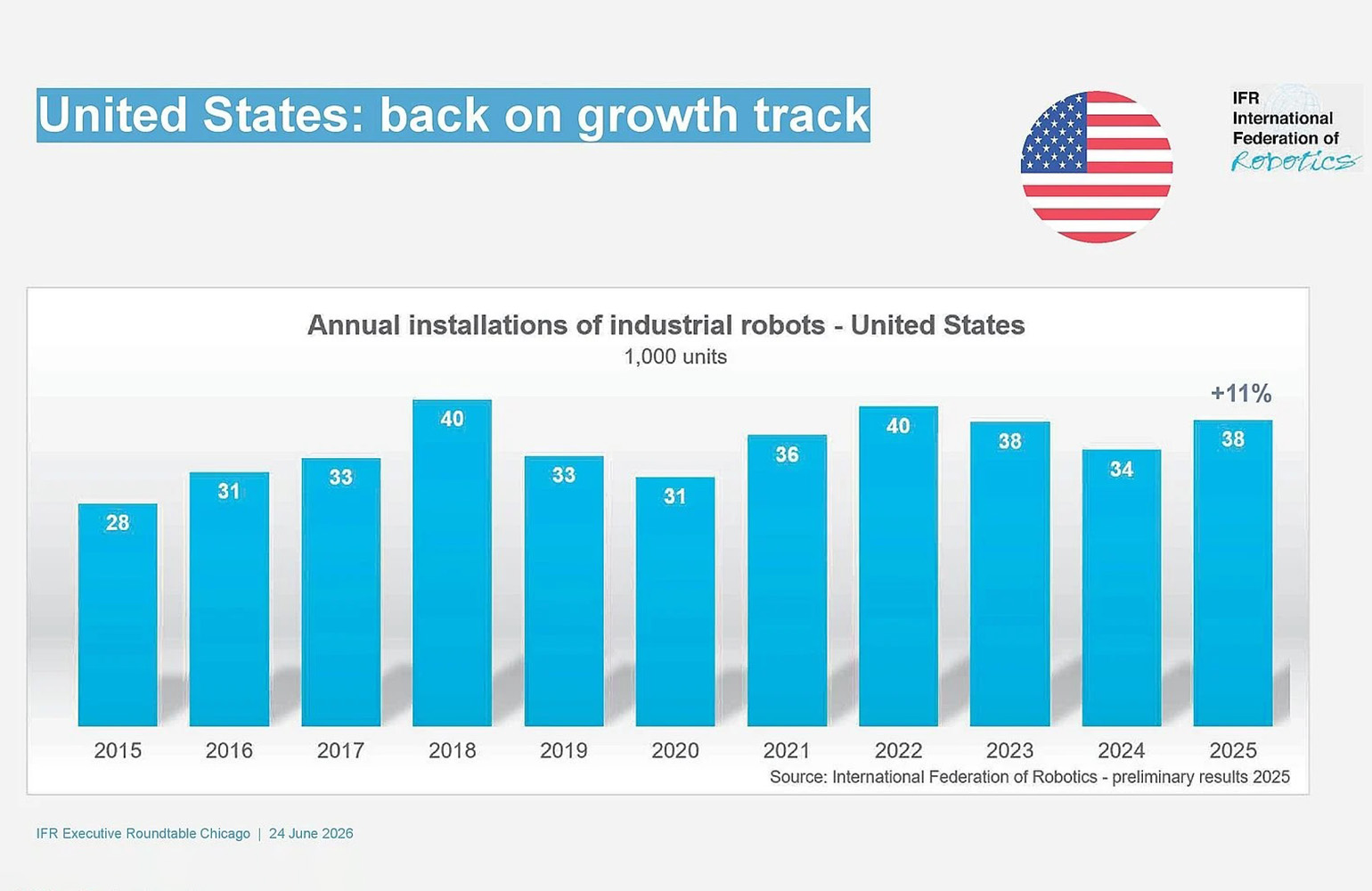
U.S. robotics industry saw double-digit growth in 2025, says IFR
The International Federation of Robotics (IFR) has reported that the U.S. robotics industry experienced significant recovery, marked by double-digit growth in 2025. This resurgence is attributed to strong performance in the food industry and other non-manufacturing sectors, which have played a crucial role in driving demand for robotics solutions. The findings highlight the increasing integration of automation technologies across various industries, underscoring a broader trend towards modernization and efficiency in the U.S. economy.
Automotive China Food / Beverage Industrial Robots Manufacturing Markets / Industries
Japan Pioneered Humanoid Robots—Can It Now Catch China?
“In the future, the relationship between humans and robots will deepen, and the distinction between them will probably disappear.” This prediction, from one of the attendees at the recent Humanoids Summit in Tokyo, might have been unremarkable had it not come directly from an android that was first introduced to the world 20 years ago. Geminoid HI-6 is the sixth-generation of a robot originally designed in 2006. The mechanical twin of Osaka University professor Hiroshi Ishiguro, Geminoid HI-6 is now equipped with a large language model trained on Ishiguro’s own writings and interviews. It has advanced conversational skills and can even have a chat with its creator, an eerie spectacle. But at the Humanoids Summit, Geminoid was one of the few humanoid robots from Japan, the country that pioneered the form factor.While the event in Tokyo only had about 40 robots on display, Chinese systems outnumbered Japanese by roughly three to one. Some Japanese robotics firms were even using Chinese robots in their own technology demonstrations, something that would have been unthinkable in the recent past—one Japanese engineer described the situation as “sad.” The conference was a stark reminder of how Japan has ceded its early lead in humanoid robot development to overseas competitors, and the challenge it now faces to secure a place in an ecosystem increasingly dominated by general-purpose robots powered by AI. Twenty-five years ago, Japan was turning out groundbreaking humanoids that were showstopping in their abilities, but they were not commercialized as practical machines in any meaningful way. Heavily influenced by science fiction and lacking practical applications, they were mostly expensive technology demonstrations that were eventually mothballed. What Japan retains, however, is robotics design and know-how, which it must leverage to be a key player in the rapidly evolving humanoid ecosystem. Learning to Walk—Then Standing StillTo anyone who has seen recent videos of Chinese humanoids doing kung-fu and synchronized acrobatics, as well as half-marathon races, China’s remarkable progress in the field is nothing new. At the Humanoids Summit, Toyota showed a video of its latest basketball-playing robot, and Honda exhibited its latest robot hand, but the full-scale humanoids on the floor were mostly Chinese–the kid-size K1 machines from Booster Robotics of Beijing were dancing to Michael Jackson tunes. The full-scale G1 humanoid from Unitree Robotics of Hangzhou was also doing demos. “You cannot sell these bipedal systems in Japan for safety and compliance reasons,” says Shuichi Nagao, a frequent visitor to China as CTO of Omakase Robotics, a division of Zeals, a Japanese humanoid robot developer. Omakase was exhibiting a G1 modified with an external PC controller, a dextrous hand, a suction-cup manipulator and a sensor “hat” with an extra speaker, mic and camera. “In China, the government is pushing humanoid development. They didn’t have an industry 20 years ago. The people pushing it are young, in their 20s and 30s. It’s a really different mentality out there,” says Nagao. “Big players in Japan are still looking for use cases for humanoids. In China, they’re already doing mass production and reducing the cost, so other countries can’t compete with them anymore.”Another Japanese company showing off G1 bots was summit sponsor GMO AI & Robotics, a subsidiary of Japanese internet company GMO. It’s using the robots in partnership with Japan Airlines to load and unload cargo containers at Tokyo’s Haneda airport. The cargo project is a trial—like many other humanoid experiments—but the fact that Chinese machines have penetrated so far into Japan’s ecosystem upends a long history. In 1973, scientists at Waseda University in Tokyo built WABOT-1, considered the first full-scale humanoid robot and capable of slow bipedal locomotion, grasping objects and simple communication. It inspired Honda’s groundbreaking Asimo humanoid, but it was never commercialized. Asimo was eventually retired in 2022, the year ChatGPT was released. Two years later, Unitree’s G1 went on sale for US $16,000. China’s High Torque Technology Co. showed off its Mini Pi biped, customized with an anime-inspired head, at Humanoids Summit in Tokyo. The regular version is priced at $3,500. Tim HornyakSupply and DemandJapan’s development of humanoids happened before practical applications or widespread demand were in place, but bad timing is only part of the story—Japan also has a history of developing technologies that might appeal to domestic consumers but not necessarily those overseas. For example, decades after they first appeared, its highly engineered, multifunction toilets have only recently found a following abroad. Japan’s humanoid prowess was partly built on the back of its legendary industrial automation, yet even that stronghold has eroded. Ani Kelkar, a partner from McKinsey & Company in Boston who produces analytical reports about the robotics industry, told the summit audience that while Japan occupied the top spot in the world in manufacturing robot density (the number of multipurpose industrial robots in operation per 10,000 employees) from at least 1994 to 2009, it then slipped to second in 2014, third in 2019 and fifth in 2024. In that year, South Korea was at the top of the leaderboard with a robot density of 1,220 compared to Japan’s 446. The International Federation of Robotics estimates China now has the most operational industrial robots in the world, with around 2 million total units, approximately 4.5 times more than Japan. “The annual installation numbers are impressive too: 54 percent of all robots installed worldwide in 2024 were deployed in China,” the IFR said in a release in April 2026. “I think the loss of Japanese leadership is more to do with the rise of China as a manufacturing powerhouse including for sectors that Japan had high export levels,” Kelkar said in an email interview. “The recovery has not yet happened as Japan ‘missed’ the rapid acceleration in AI for robotics and is now playing catchup.”How Japan Can Adapt Kelkar believes Japan has a US $100 billion opportunity in general-purpose robotics, which are machines that can perform a wide variety of tasks, and it cannot rely on the slower-growing industrial robot market, which is centered on factory machines that do one simple and predictable task like welding car parts. He points to a McKinsey white paper suggesting that while Japan has much of the hardware and technology experience needed to support general purpose robot development, it must change its strategy to capture more share in AI, software, data collection and robotics platforms.Tetsuya Ogata is a professor of engineering and director of the Institute for AI and Robotics at Waseda University, the birthplace of humanoids in Japan. He briefed the summit on how a nonprofit he chairs, the AI Robot Association (AIRoA), is working with Toyota and other members to develop foundational technologies for collaborative use. For instance, AIRoA has collected some 80,000 hours of data on remote operation of mobile manipulators, and Ogata believes it’s the largest dataset of its kind. Using the data, it built and verified Vision-Language-Action (VLA) models, and it has also started data collection for dual-arm mobile manipulation. In an interview, Ogata acknowledged Japan’s struggle to find its place in the changing landscape. “The world of AI is inherently a game of scale,” says Ogata. “Therefore, Japan’s absolute prerequisite is to secure a competitive baseline of scale—in data, computing resources, and talent. Beyond that, what I consider most critical is a mindset shift: rather than trying to hoard scale within a single nation or company, we must grow stronger by collaborating with a diverse ecosystem of domestic and international players.” Specifically, this means creating a ‘collaborative domain’ to address data—the single biggest bottleneck—through industry-wide cooperation rather than data-siloing. By collectively nurturing a pre-competitive, shared data infrastructure and foundation model, individual companies can then compete on top of it with their own applications. “By offering this open ‘data ecosystem’ to the world, we can engage global players and establish a ‘third pole’ alongside the US and China,” says Ogata. “I believe this is how Japan can reclaim its global presence.”In 1999, Japan introduced the world’s first mobile internet services platform. But being first didn’t turn Japan into a smartphone manufacturing or design center—it’s now merely a supplier of parts to other countries who are leading the smartphone industry. If Japan can avoid a repeat of that experience and successfully deregulate, diversity, and commercialize its original humanoid dreams, it stands a better chance of influencing the direction of the industry and reaping billions in value. As automobiles and electronics were pillars of Japan’s industrial strategy in the last century, Japan could make humanoid robots one of its key value generators in the 21st century, an approach that would not only deliver economic benefits but give Japan greater clout in how the industry will evolve. Just like Japanese cars, electronics, and even toilets, Japanese humanoids could stand for craftsmanship and reliability. It’s a legacy that Japan can’t afford to give up.
Japan Robotics Humanoids Humanoid-robots
China Installed Nearly 300,000 Industrial Robots in 2024, More Than All Other Markets Combined
In 2024, China significantly advanced its industrial automation by installing 295,000 new industrial robots, surpassing the total installations of all other countries combined, as reported by the International Federation of Robotics (IFR). This surge contributed to a global deployment of 524,000 new robotic units, raising the total number of operational robots worldwide to 4.46 million, marking a 9% increase from the previous year. With 2.03 million robots in operation, China continues to dominate the global market, solidifying its position as the leading nation in industrial robotics. This trend reflects China's commitment to enhancing productivity and efficiency in its manufacturing sector, driven by the increasing demand for automation and technological advancement.
News Feed
Cellula Robotics to Showcase Long-Range Subsea Autonomy at Oceanology International 2026
Cellula Robotics Ltd. has announced its participation in Oceanology International 2026, scheduled for March 10-12, 2026, at ExCeL London. The company will be located at Stand C601, where it plans to provide valuable insights into long-range subsea autonomy and deployment readiness. The exhibition will focus on the practical aspects of endurance, repeatable workflows, and support models relevant to defense, offshore survey, and environmental applications. This initiative aims to showcase Cellula's expertise and innovations in subsea technology to industry professionals and stakeholders.
cellula robotics showcase long-range subsea autonomy oceanology international 2026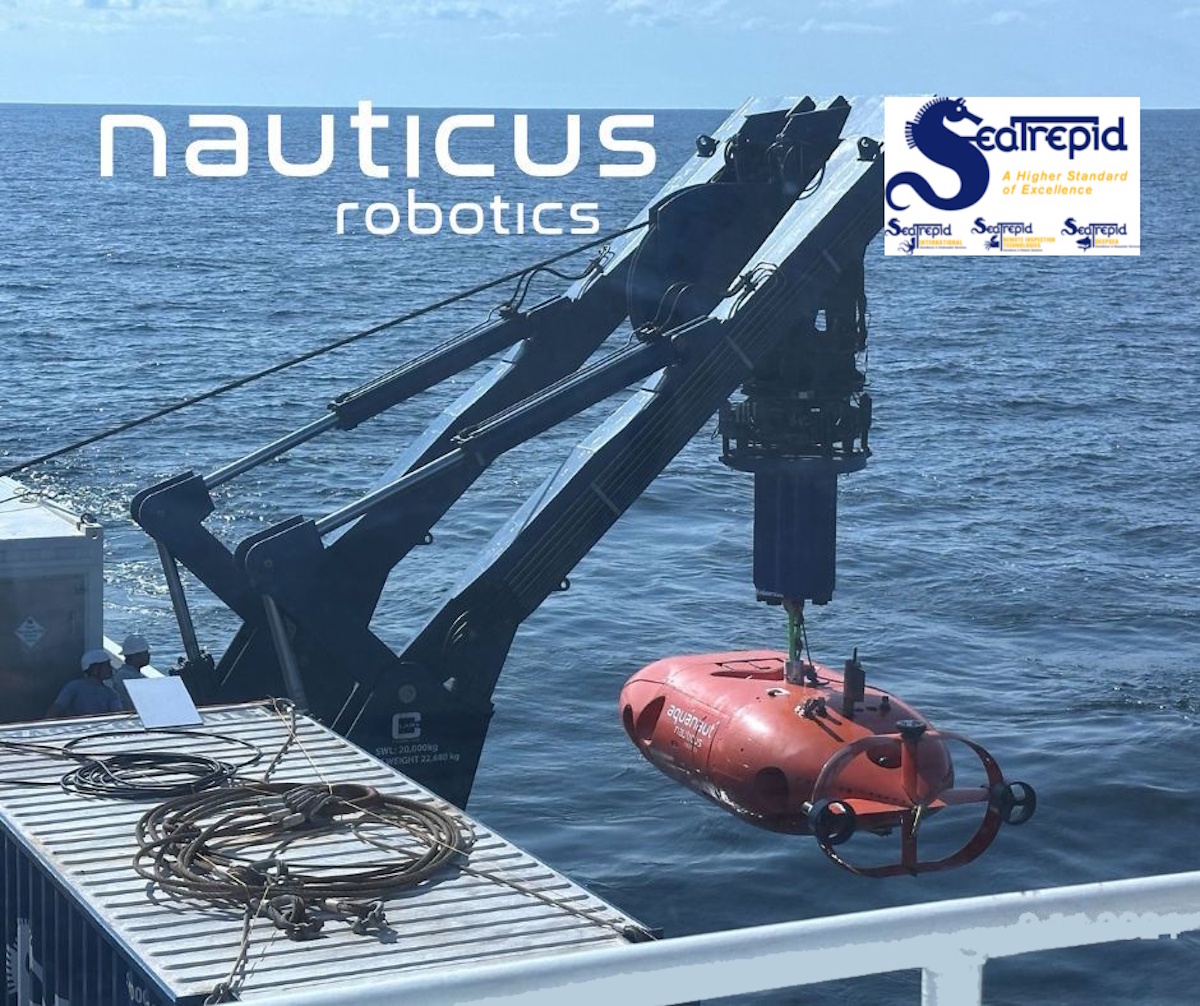
Nauticus Robotics Announces Intent to Acquire SeaTrepid International
Nauticus Robotics, Inc., a prominent player in the field of autonomous subsea robotics and software solutions, has entered into a definitive agreement to acquire all assets and business operations of SeaTrepid International, LLC. This acquisition, announced today, aims to enhance Nauticus's capabilities in providing subsea robotic services to a global clientele. By integrating SeaTrepid's expertise, Nauticus seeks to strengthen its position in the subsea robotics market and expand its service offerings. The deal reflects Nauticus's commitment to innovation and growth in the rapidly evolving sector of underwater technology.
nauticus robotics seatrepid international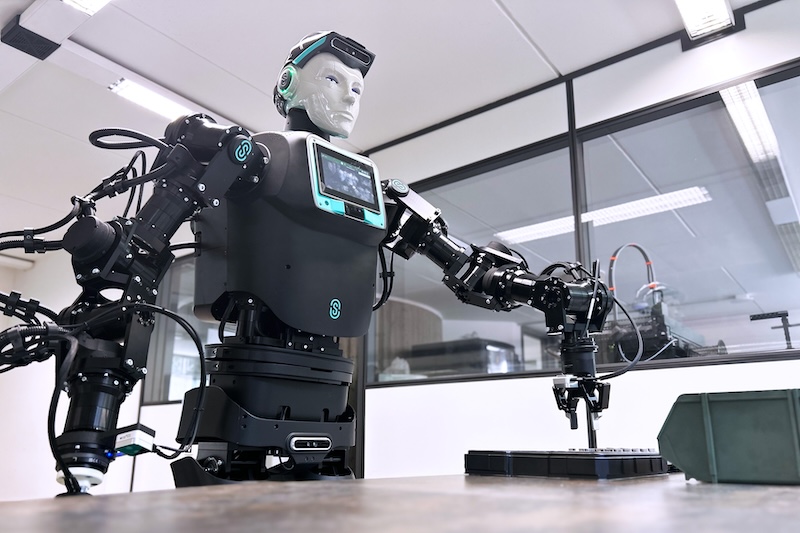
STMicroelectronics Invests in Oversonic Robotics to Enhance Humanoid Robot Development
Oversonic Robotics, an Italian cognitive robotics firm known for RoBee, has announced a strategic investment from STMicroelectronics, Fondazione ENEA Tech Biomedical, and SpotInvest. This investment aims to accelerate Oversonic's industrial, technological, and international growth, particularly in the cognitive humanoid robotics sector. The involvement of STMicroelectronics, a leader in semiconductors, is expected to bolster Oversonic's technological advancements and support its expansion into the U.S. market. The partnership will enhance the development of RoBee, the first certified cognitive humanoid robot designed for complex environments, and facilitate applications in manufacturing and healthcare. Looking ahead, Oversonic plans to focus on expanding its technological platform and applications while strengthening its team and industrial capacity. The company views the U.S. as a key market for its cognitive humanoid robotics, aiming for significant growth in both commercial and industrial sectors. No further timeline was disclosed at the time of publication.
Humanoids News artificial intelligence automation cognitive robotics deep tech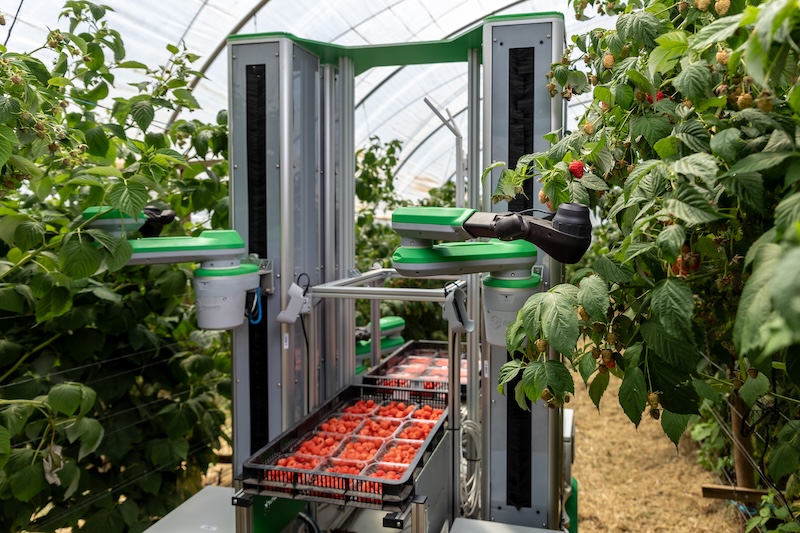
Fieldwork Robotics Receives £2.5 Million Investment for Berry Harvesting Automation
Fieldwork Robotics has secured a £2.5 million investment from SEED Innovations to enhance its selective and modular berry harvesting robots. This funding is part of a Seed+ fundraising initiative announced in April 2026, aimed at addressing labor shortages and rising costs in berry production. The investment will facilitate the transition from technology validation to commercial trials, with production robots already deployed in a two-year program in Norfolk and Stafford. The significance of this investment lies in its potential to alleviate pressing challenges faced by berry growers, including labor shortages and increased harvesting costs. By utilizing autonomous harvesting robots, Fieldwork aims to boost productivity and reduce reliance on seasonal labor, thereby minimizing food waste and stabilizing consumer prices. Jim Mellon, chairman of SEED Innovations, emphasizes the opportunity for robotics and AI to tackle real-world agricultural issues, aligning with Fieldwork's mission to enhance farm efficiency. Looking ahead, Fieldwork Robotics anticipates operating multi-robot fleets on farms by 2027, contingent on the success of ongoing trials. Additionally, the company plans to expand its operations internationally, with trials set to take place in Australia as part of its global growth strategy. No further timeline was disclosed at the time of publication.
Agriculture Financials & Investments agri robotics agricultural robotics agriculture automation
NASA and Rice University Launch Open-Source Simulator for Space Robotics Research
Rice University and NASA have introduced the iMETRO Dynamic Simulation, the first open-source platform for developing robots for spacecraft and habitats. Unveiled at the 2026 IEEE International Conference on Robotics and Automation in Vienna, this simulator creates a digital twin of NASA's iMETRO facility, enabling global researchers to test intravehicular robotic systems in a virtual setting. This platform is significant as it broadens access to advanced space robotics research, facilitating innovation for future human space missions. It focuses on robot manipulators that assist with maintenance and logistics tasks, which are crucial for reducing astronaut workloads during extended missions. The simulator features an eight-degree-of-freedom robotic manipulator model and supports ROS 2 and MuJoCo, enhancing usability and compatibility for developers. Looking ahead, the iMETRO Dynamic Simulation aims to maximize astronaut productivity by automating routine tasks, allowing crew members to focus on scientific exploration. The research team successfully demonstrated the simulator's capabilities by transferring a robotic application from simulation to the physical facility in under a day. No further timeline was disclosed at the time of publication.
AI and Robotics
Children nationwide compete in the WRO 2026 international robotics competition, with qualifying rounds starting July 11 in 31 regions.
NPO法人WRO Japan has announced the official qualifying rounds for the World Robot Olympiad (WRO), an international robotics competition featuring participation from over 100 countries and regions. These qualifying events will take place across 31 locations nationwide, starting on July 11. The initiative aims to foster interest and innovation in robotics among students and young engineers in Japan, providing them with an opportunity to showcase their skills and creativity in a competitive environment.
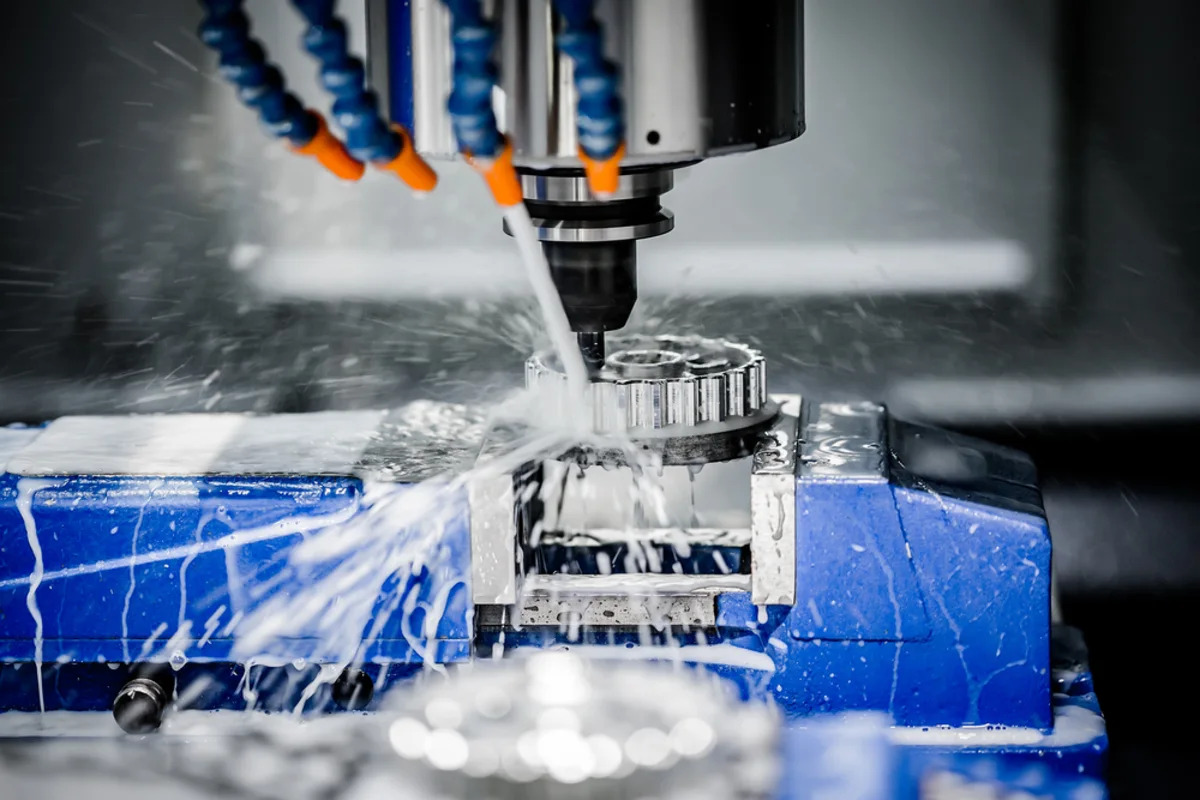
Honeywell International Inc. (HON): One of The Best Robotics Stocks to Buy Poised for Manufacturing Automation Opportunities
Honeywell International Inc. has emerged as a leading contender in the robotics sector, particularly in the realm of manufacturing automation. On June 9, 2026, the company introduced Experion Cognition, an AI-enabled control system aimed at enhancing autonomous operations. This innovative platform leverages Honeywell's extensive experience in process automation and incorporates advanced AI models to address anomalies in control room settings, thereby optimizing production efficiency. Experion Cognition is designed to seamlessly integrate into existing control room environments, enabling operators—regardless of their experience level—to manage plant operations effectively. By automating situation management, the platform addresses the ongoing industrial workforce shortage, allowing less experienced personnel to operate complex systems with greater ease. The system's AI features, including an Operations Assistant, can generate predictions within a span of 5 to 10 minutes. Dr. Hasan Karam, Chief Operating Officer of Borouge International, highlighted that this new solution establishes a benchmark for efficiency and innovation, paving the way for the first AI-autonomous operations within the petrochemical industry. As a global technology and manufacturing conglomerate, Honeywell specializes in automation, aerospace systems, and energy transition, providing essential hardware, software, and services that enhance the safety and sustainability of various industries. While investment in Honeywell carries inherent risks, analysts believe that its advancements in AI technology position it favorably for future growth.

ROKAE Robotics Takes Two Capek Awards at China International Robotics Summit
ROKAE Robotics made a significant impact at the 16th China International Robotics Summit and the 12th Capek Award Ceremony held in Wuhu, where the company was recognized with two prestigious awards. The event, which celebrates advancements in robotics, saw ROKAE honored with the Annual Outstanding Brand Award and the Annual Technology Innovation Product Award for its advancements in humanoid robots. This recognition underscores ROKAE's commitment to innovation and excellence in the robotics industry, highlighting its role in shaping the future of technology.
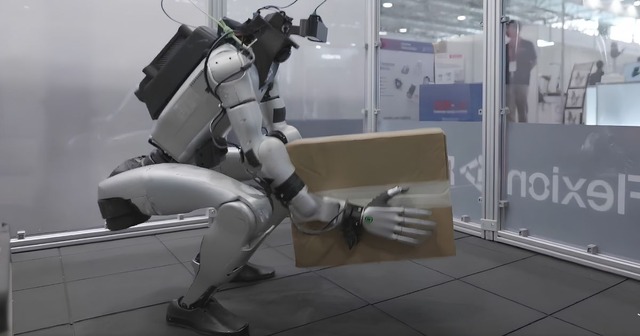
Flexion Robotics demonstrates fully autonomous humanoid with over 95% success rate in 300 trials at ICRA 2026.
Flexion Robotics announced on its official X account that it conducted a fully autonomous demonstration using humanoid robots at the International Conference on Robotics and Automation (ICRA 2026) from June 9 to June 11, 2026. The three-day event showcased the company's advancements in robotics technology, highlighting their commitment to innovation in the field. The demonstration aimed to illustrate the capabilities of humanoid robots in performing complex tasks autonomously, reflecting the growing interest and investment in robotics solutions across various industries.

Robot Valley at the Odense Robotics Week
From May 5 to May 8, a delegation from Robot Valley, representing the European Digital Innovation Hub Saxony and the Robotics Saxony innovation cluster, participated in the Odense Robotics Week in Denmark. This event aimed to foster collaboration and innovation within the robotics sector, showcasing advancements and opportunities in the field. The participation underscores the commitment of Robot Valley to enhance its presence in the global robotics landscape and to engage with international partners in driving technological progress.
Allgemein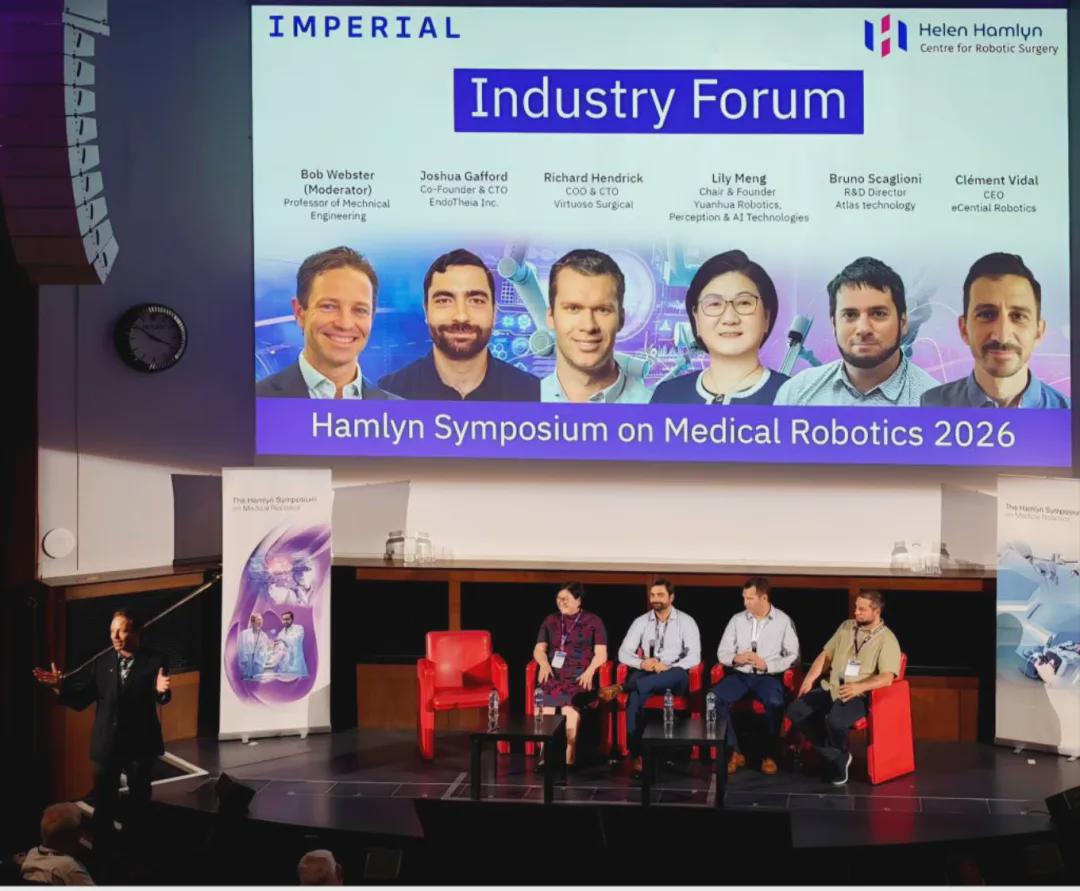
Shenzhen Robotics Company Showcases Surgical Innovations at International Forum
At the 2026 Hamlin Medical Robotics Symposium held in London, Li Aili, chairperson of Yuanhua Intelligent, unveiled the Kuntuo® orthopedic robot, which has successfully been utilized in over 7,000 surgeries. The robot's innovative open system architecture distinguishes it from competitors by enabling compatibility with a wide range of local prosthetics. This feature not only enhances its market potential in Brazil but also provides valuable insights for the advancement of orthopedic robotics on a global scale.
Surgical Robotics Orthopedic Surgery Medical Technology International Collaboration
Moon Surgical, SS Innovations International, and Microbot Medical Among Winners of the Surgical Robotics Industry Awards 2026
Surgical Robotics Technology announced the winners of the Surgical Robotics Industry Awards 2026 today, highlighting outstanding achievements in the field. The awards celebrate the significant contributions made by individuals, organizations, and innovative technologies that have advanced the surgical robotics sector. This annual event aims to acknowledge excellence and inspire further advancements within the industry, showcasing the vital role of robotics in enhancing surgical procedures. The recognition serves to motivate professionals and organizations to continue pushing the boundaries of technology in healthcare.

OLO Robotics completes commercial launch with three international manufacturing and distribution partnerships
A Sheffield-based startup has launched an innovative platform that enables mainstream developers to create robotics applications directly through their web browsers. This groundbreaking development, announced recently, aims to democratize access to robotics technology, making it easier for developers without extensive technical backgrounds to engage in robotics programming. By leveraging cloud-based tools, the platform simplifies the process of designing and testing robotic systems, allowing users to experiment and iterate in real-time. The initiative is part of a broader effort to foster innovation in the robotics sector and encourage more developers to explore this rapidly evolving field.

IFR Reports China Making ‘AI-Powered Robots’ Core of National Strategy
China has officially initiated its 15th Five-Year Plan, emphasizing the integration of robotics into its modern industrial framework. This strategic move aims to advance artificial intelligence research, focusing on practical applications where robots will play a crucial role in driving economic growth. The plan marks a significant progression in China's ongoing efforts to enhance automation within its manufacturing sector. By prioritizing robotics, the Chinese government seeks to bolster its position in the global economy and foster innovation across various industries.
AI AI Policy & Regulation Robotics China embodied intelligence humanoid robots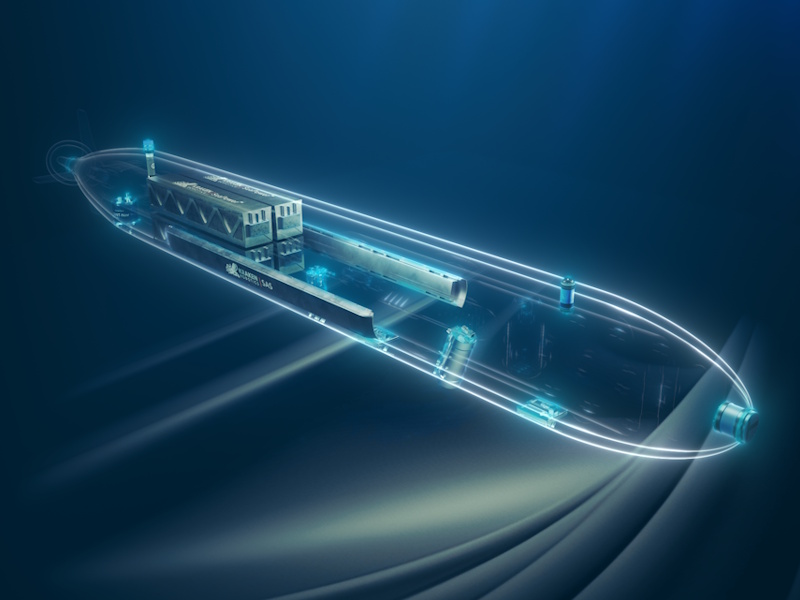
Kraken Robotics Announces Signing of Strategic Acquisition to Expand Global Maritime Capabilities
Kraken Robotics has announced its agreement to acquire Covelya Group, a prominent international provider of essential underwater technology solutions. This acquisition includes Covelya's subsidiary companies, which are recognized leaders in the field: Sonardyne International Ltd., EIVA A/S, Forcys Ltd., Wavefront Systems Ltd., Voyis Imaging Inc., and Chelsea Technologies Ltd. The deal aims to enhance Kraken's capabilities in delivering advanced underwater technology and solutions, further solidifying its position in the market. The acquisition is expected to be finalized in the coming months, aligning with Kraken's strategic growth objectives in the underwater technology sector.
kraken robotics strategic acquisition covelya group sonardyne international eiva forcys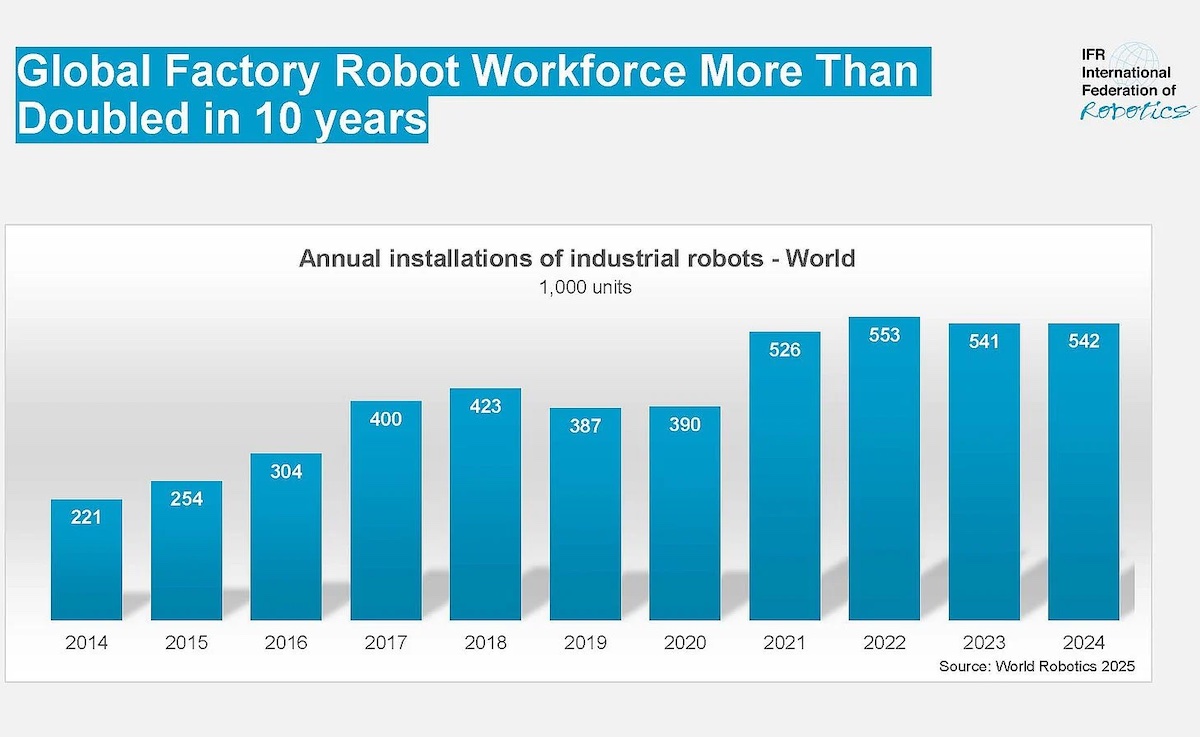
Modernizing the global economy with industrial robotics is needed but not inevitable
A recent column highlights the increasing adoption of service robotics alongside the rising demand for industrial automation, which is encountering significant challenges. The piece emphasizes the necessity of modernizing the global economy through the integration of industrial robotics. However, it also points out that this transformation is not guaranteed, suggesting that while the potential for advancement exists, various obstacles must be addressed to achieve widespread implementation. The commentary reflects on the current state of the robotics industry and the complexities involved in evolving industrial practices to meet contemporary economic needs.
Analysis China Defense / Security Educational Industrial Robots Manufacturing
Effort to establish a National Commission on Robotics advances in Congress
As discussions progress in Congress regarding the establishment of a National Commission on Robotics, industry leaders are advocating for a more cohesive national policy on robotics. The push for this commission reflects a growing recognition of the need for a unified approach to address the challenges and opportunities presented by advancements in robotics technology. Stakeholders emphasize that a coordinated policy framework is essential to foster innovation, ensure safety, and maintain competitiveness in the global market. The ongoing deliberations highlight the importance of aligning various interests within the robotics sector to effectively navigate the complexities of this rapidly evolving field.
Business Resources China Defense / Security Industrial Robots Manufacturing News
Changliu Liu Earns IFAC Robotics Outstanding Young Researcher Award
Changliu Liu, an associate professor at Carnegie Mellon University's Robotics Institute, has been honored with the International Federation of Automatic Control (IFAC) Robotics Outstanding Young Researcher Award. This recognition was awarded for Liu's significant and sustained contributions to the field of intelligent robot control, emphasizing provable safety and efficient collaboration between humans and robots in sectors such as manufacturing, logistics, and autonomous driving. The award ceremony took place recently, celebrating Liu's impactful research and advancements in robotics.
Awards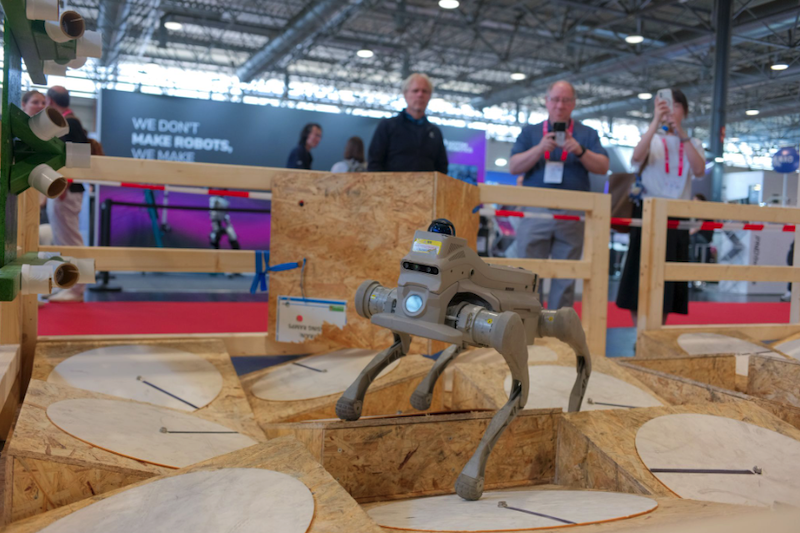
GENISOM AI steps into the global robotics spotlight at ICRA 2026 with real-world-ready robots
GENISOM AI showcased its advancements in embodied artificial intelligence at the International Conference on Robotics and Automation (ICRA) 2026, held from June 2 to June 4. With a track record of producing and delivering over 10,000 robots for various industrial and infrastructure applications worldwide, the company emphasized its commitment to transitioning AI from theoretical research to practical implementation. During the conference, GENISOM AI introduced its latest models, the GENISOM M1 and GENISOM L1, highlighting their capabilities and real-world applications. This debut marks a significant step in the evolution of robotics, illustrating the company's vision of integrating AI into everyday operations.
Artificial Intelligence Robotics automation news autonomous inspection embodied ai GENISOM AI
TARS brings real-life embodied AI to ICRA 2026 robotics conference
TARS made a significant impact at the IEEE International Conference on Robotics and Automation (ICRA 2026) with the international launch of its DexHand platform, which garnered considerable interest from both industry leaders and academics. The event took place during the conference, where Dr. Ding, TARS’ chief scientist and co-founder, delivered a keynote address in the plenary session. The demonstration of DexHand highlighted its ability to perform all 26 sign-language gestures of the English alphabet, showcasing the platform's innovative capabilities and potential applications in enhancing communication. This debut not only marks a milestone for TARS but also emphasizes the growing intersection of robotics and accessibility technology.
Artificial Intelligence Components automation news DexHand dexterous manipulation embodied ai
Japan promotes Osaka as a gateway for robotics and technology investment
Japan is intensifying its campaign to draw foreign technology firms and investors to Osaka, aiming to establish the city as a viable entry point to the Japanese market and a center for innovation in key industries, including robotics, artificial intelligence, semiconductors, and advanced manufacturing. This initiative, spearheaded by the Japan External Trade Organization (JETRO), seeks to leverage Osaka's strategic location and existing infrastructure to foster a vibrant tech ecosystem. By promoting the city as an attractive destination for international businesses, Japan hopes to enhance its competitive edge in the global technology landscape. The push comes as part of broader economic strategies to stimulate growth and diversify the country's industrial base, particularly in response to increasing global competition in technology sectors.
Business Economy Features advanced manufacturing ai startups artificial intelligence
Nauticus Robotics Appoints Chief Revenue Officer as it Expands into New Regions
Nauticus Robotics, a prominent player in the field of autonomous subsea robotics and software solutions, has appointed Brian Allen as its Chief Revenue Officer, a role he will officially assume on May 13, 2026. In this position, Allen will be responsible for spearheading the company's commercial strategy in Europe, the Middle East, and Africa (EMEA), as well as overseeing global technology licensing efforts. This strategic move aims to enhance Nauticus's market presence and drive growth in key international regions.
nauticus robotics new appointment chief revenue officer expansion
Cellula Robotics Selected for Canadian Technology Accelerators UK Maritime Defence and Security Program
Cellula Robotics, a Canadian company specializing in advanced robotics, has been chosen to join the Maritime Defence and Security Applications of Ocean Technologies program in the United Kingdom. This opportunity comes through the Canadian Technology Accelerators (CTA) initiative, which aims to support Canadian businesses in expanding their reach in international markets. The program, scheduled to take place in the coming months, focuses on enhancing maritime defense and security capabilities through innovative ocean technologies. By participating, Cellula Robotics seeks to leverage this platform to showcase its expertise and foster collaborations that could lead to advancements in maritime safety and security.
cellula roboticsl canadian technology accelerator uk maritime defence and security program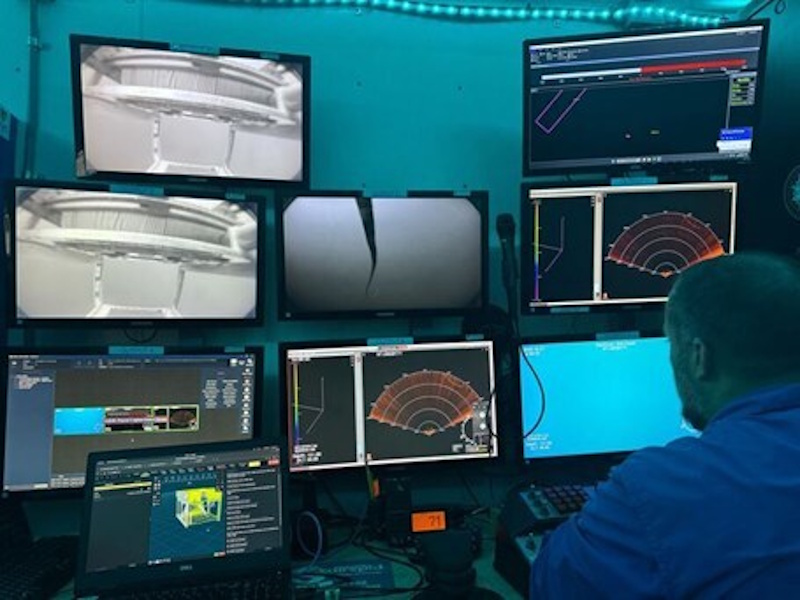
Nauticus Robotics Certifies Nauticus ToolKITT Autonomy Software on Light Work-Class ROVs & Completes First Paid Commercial Operation on a Retrofitted System
Nauticus Robotics, Inc. has successfully certified and deployed its Nauticus ToolKITT™ autonomy software on two light work-class remotely operated vehicles (ROVs) following the acquisition of SeaTrepid International in 2025. This achievement was announced today after the completion of certified pool and open-water testing. The deployment marks a significant milestone for Nauticus, as it represents the company's first paid commercial subsea project utilizing the ToolKITT™ software on a retrofitted ROV platform. This development underscores Nauticus's commitment to advancing its autonomy technology beyond proprietary systems, enhancing its capabilities in the field of autonomous subsea robotics.
nauticus robotics certification nauticus toolkitt autonomy software light work-class rov
Oceanology International Announces First Conference Media Supporter
The organisers of Oceanology International 2026 (Oi26) have announced the launch of Ocean Robotics Planet as the inaugural official media supporter for the conference's esteemed programme. This partnership marks a significant development for the event, which is set to take place in 2026, as it aims to enhance the visibility and coverage of advancements in ocean technology and robotics. By collaborating with Ocean Robotics Planet, the organisers seek to provide attendees and participants with valuable insights and information, fostering a deeper understanding of the industry's innovations. The initiative is expected to attract a diverse audience, including professionals, researchers, and enthusiasts, eager to engage with the latest trends and technologies in ocean exploration.
oceanology international events conference media supporter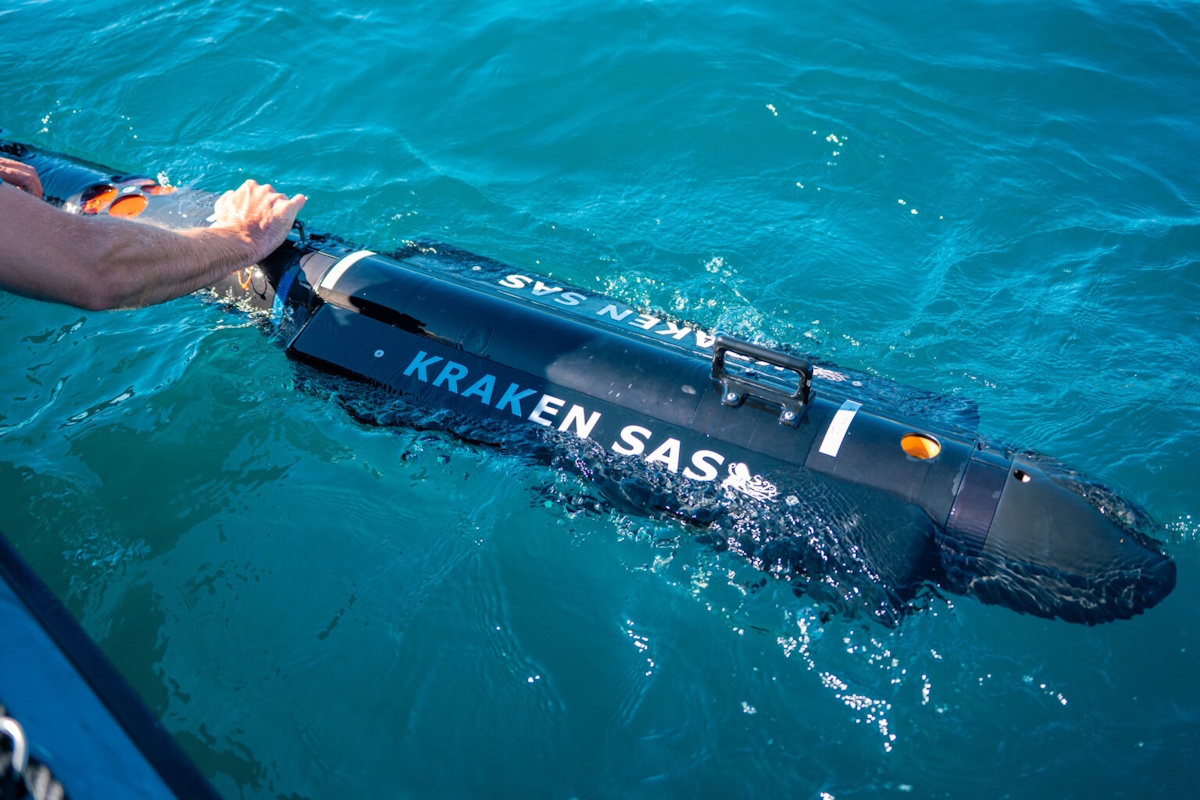
Record Number of Participants Deployed Kraken Robotics’ Synthetic Aperture Sonar at REPMUS 2025
Kraken Robotics has reported a significant milestone at the recent Robotic Experimentation and Prototyping with Maritime Unmanned Systems (REPMUS) exercise held in Portugal, where a record number of participants utilized its synthetic aperture sonar (SAS) technology. The event featured seven international naval teams alongside three uncrewed underwater vehicle (UUV) manufacturers, all employing Kraken's advanced sonar for various maritime security applications. These included mine countermeasure operations and inspections of critical underwater infrastructure, showcasing the technology's effectiveness in enhancing interoperability among different platforms and nations. The successful deployment of Kraken SAS during this exercise underscores its vital role in addressing contemporary challenges in the underwater domain.
kraken robotics synthetic aperture sonar (sas) repmus 2025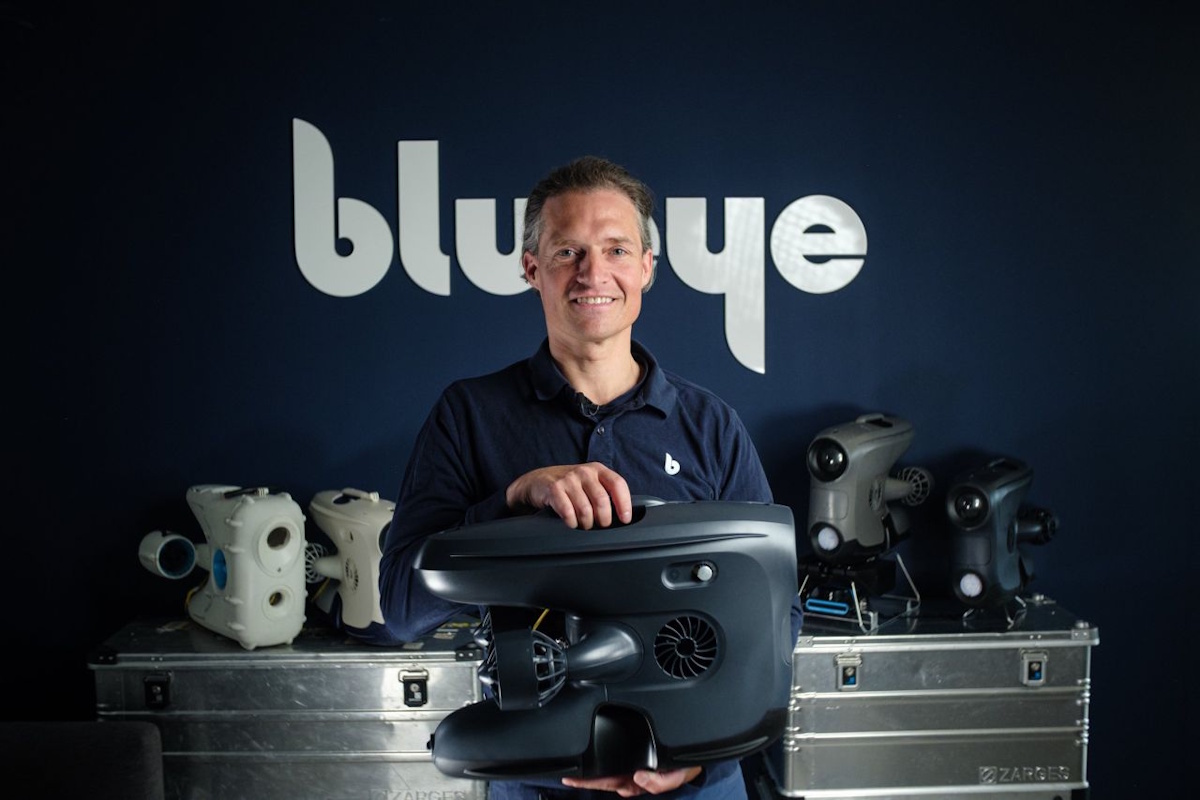
Blueye Robotics to Supply Netherlands Royal Navy ROVs for Mine Countermeasure Operations
Blueye Robotics, in collaboration with local partner RVI Tools, has won a significant international contract to provide underwater remotely operated vehicles (ROVs) to the Netherlands Royal Navy. This contract follows a competitive tender process that included various international bidders, highlighting the advanced capabilities of the ROV systems designed specifically for military engineers and mine countermeasure (MCM) teams. The delivery of these sophisticated ROVs is expected to enhance the operational efficiency and safety of naval operations.
blueye robotics netherlands royal navy rov mine countermeasure (mcm)
Sonardyne Revolutionises Small Marine Robotics Navigation with Launch of SPRINT-Nav U
Sonardyne International Ltd has unveiled the SPRINT-Nav U, a groundbreaking hybrid acoustic-inertial navigator tailored for compact marine robotic platforms. This innovative device, recognized as the world's smallest of its kind, aims to enhance navigation capabilities in various underwater applications. The launch took place in October 2023, showcasing Sonardyne's commitment to advancing marine technology. By integrating both acoustic and inertial navigation systems, the SPRINT-Nav U offers improved precision and reliability, addressing the growing demand for efficient navigation solutions in the field of marine robotics.
sonardyne small marine robotics navigation launch sprint-nav u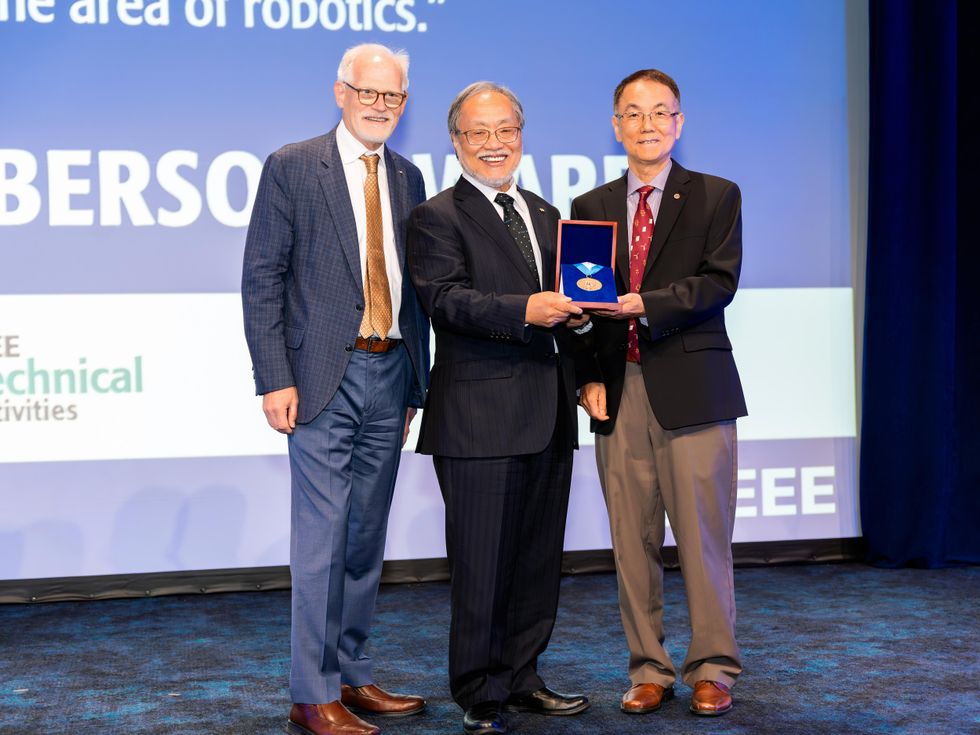
IEEE Honors Robotics Pioneer Toshio Fukuda
Toshio Fukuda has been blazing trails for most of his career. He is considered to be one of the most prolific scholars in robotics, writing more than 2,000 research papers and authoring several books on the field. He’s an influential figure thanks to his pioneering work developing biomedical robotic systems, industrial robots, micro-nano robotics, mechatronics, and AI-driven automation.Fukuda launched one of the first robotics conferences, the IEEE/RSJ International Conference on Intelligent Robots and Systems (IROS). It is still popular almost 40 years later.Toshio FukudaEmployerEgypt-Japan University of Science and Technology, in Alexandria TitleProfessor and vice president of research Member gradeLife Fellow Alma matersWaseda University, in Tokyo; University of Tokyo An IEEE Life Fellow, he is a professor emeritus in the department of micro-nano systems engineering and a visiting professor at Nagoya University, in Japan, where he taught for nearly 25 years. Currently, he is a vice president of research at the Egypt-Japan University of Science and Technology, in Alexandria, Egypt.Within IEEE, Fukuda has held top volunteer positions including the organization’s highest office: He served as IEEE president in 2020, becoming the first person of Asian descent to hold the role.He’s a former program director of Japan’s Moonshot program, which by 2050 intends to develop advanced AI robots.Born in Japan, Fukuda has been recognized by the country for his contributions to science with two of its highest awards: the Medal of Honor with a purple ribbon in 2015 and the Order of the Sacred Treasure in 2022.IEEE honored him with this year’s Richard M. Emberson Award for “distinguished service advancing the technical objectives of IEEE, especially in the area of robotics.” The IEEE Board-level award is sponsored by the IEEE Technical Activities Board. Fukuda received the award on 24 April at a ceremony in New York City.As a former IEEE president who has served as a master of ceremonies at several of the organization’s major award events, Fukuda noted that he is more accustomed to bestowing awards than receiving them.“It’s very interesting to be on the receiving end,” he says.The journey into robotics researchAs a teenager, Fukuda spent his summer breaks teaching himself how to build things including transistor radios and steam engines.“It was very nice to have a hands-on hobby and make these kinds of things myself,” he says. His experimentation led him to study engineering.He earned a bachelor’s degree in engineering in 1971 from Waseda University, in Tokyo. He says one of his professors there—Ichiro Kato, regarded as the father of Japanese robotics research—was a good mentor who made a positive impact.Fukuda’s research interests were robotics and mechatronics, a field that combines robotics, electronics, computer science, and control systems.He went on to earn a master’s degree and a doctorate in science from the University of Tokyo, in 1971 and 1977. During those years, he also attended Yale, where he conducted research on advanced control theory in 1973.He reflects fondly on his time at Yale: “It was a very nice environment and a kind of free-thinking atmosphere. It motivated me to study more.”“IEEE doesn’t care who you are, what you do, what country you are from, or whether you are male or female. IEEE accepts people who have energy and passion.”While at Yale, Fukuda served as an assistant to his advisor—which led him to consider a career in academia, he says, because he enjoyed the freedom that research work afforded him.But he realized that such freedom comes with a price. University researchers are expected to raise the money that funds their work. He compares researchers to small-business owners who have to bring in money to keep their enterprise afloat.That realization led him to select robotics as his field because he intended to develop technologies useful to industry, he says.After earning his doctorate, he returned to Japan in 1977 to work as a research scientist at the government’s Mechanical Engineering Laboratory, later renamed the National Institute of Advanced Industrial Science and Technology, in Tsukuba.“There was a lot of research going on at the lab, including practical robotics and theory,” he says.He left Japan in 1979 to become a visiting research fellow at the University of Stuttgart, in Germany. During his year there, he studied systems, software problems, and related topics.He returned to Japan and was hired as an associate professor of mechanical engineering at the Tokyo University of Science. He conducted research into practical uses for robots by visiting industrial plants. He decided to develop robots that inspect industrial equipment such as those used in assembly plants, oil refineries, and power stations—places that “can be hostile environments for humans,” he says.His work drew interest from chemical, oil, and utility companies.“I got a lot of money from them for this very practical application, which funded my research,” he says, laughing.Developing popular robotic systemsFukuda grew tired of making those robots, he says, so he switched to creating ones for scientific applications. He developed many techniques, but he probably is best known for his modular, cellular robotic systems (CEBOTs), which he introduced in 1985.He has described how CEBOTs work in numerous papers published in the IEEE Xplore Digital Library.The CEBOT system is composed of a number of autonomous robotic cells that stick together like interlocking Lego plastic bricks, he says.Each cell is a fundamental modular unit that has a function. When a simple task is given, the system can analyze it and generate the structure of the cellular manipulator. The cells connect to and detach from each other through connection mechanisms and cooperate mutually, creating complex structures and configurations.“You start developing from the component-wise to the cell-wise to a small functional unit—and then you come up with clusters that make bigger systems. We can make a society of robot beings like that,” he explained in his oral history published on the Engineering and Technology History Wiki. “It’s a distributed robotic system, a self-organized robotic system, and also an evolutionary robotic system.“It’s also a fault-tolerant robot system because if something is wrong, you just remove those things and make a new one. You keep the system working. That’s a great thing.”Today CEBOTs are used for a variety of tasks such as delivering medication in hospitals, assisting with planting crops, and transporting products in distribution centers. Check out IEEE Spectrum’s Robots Guide for news from the world of robotics.In 1989 Fukuda joined Nagoya University as a professor of mechanical engineering and micro-nano systems engineering. During his 24-year career there, he was director of the university’s Center for Micro-Nano Mechatronics. He developed a long list of technologies at the university, including many for medical applications. He also conducted groundbreaking research into intelligent robotic systems and micro- and nano-robotics.Another technology he is known for is brachiation robots, which he helped develop in 1988. He calls them monkey robots because they’re based on the pendulum-like movement of monkeys swinging from tree to tree. The gravity-based locomotion enables continuous movement.Brachiation robots now are inspecting high-voltage transmission towers and bridges, searching damaged buildings for survivors, and performing maintenance on pipelines and cables.Fukuda retired from the university in 2013 and was named professor emeritus.He didn’t stay retired for long, though. He next held a teaching appointment at Meijo University, in Nagoya, until he left in 2022 to join the Egypt-Japan University.A prominent volunteerHe joined IEEE in 1980 at the encouragement of one of his research advisors, Professor Fumio Harashima, now an IEEE Life Fellow. After attending conferences and reading the organization’s publications, Fukuda says, he looked forward to becoming more involved.“I wanted to know how to organize a conference and how to edit a paper for one of its Transactions,” he says. “I wanted to know what was going on from inside the organization, not just the outside.”In 1988 he was the founding chair and organizer of IROS, in Tokyo. The conference had 330 attendees that year, and was supported by Harashima. Today it is one of the largest and most prestigious conferences on the topic, attracting more than 9,000 people annually. Out of 120,000 conferences, it was the only conference in the Nature Index database for this year, Fukuda says.In 1996 he and other members launched IEEE Transactions on Mechatronics.He was the founding president of the IEEE Nanotechnology Council, which was established in 2002. He is considered a pioneer in nanotechnology research, particularly regarding how it relates to robotics.Over the years, he has held numerous volunteer positions on IEEE editorial boards and committees.He was the 1998–1999 president of the IEEE Robotics and Automation Society, becoming the first non-U.S. member to hold the title.He was director of IEEE Division X (2001–2002 and 2017–2018), which covers intelligent systems, biological engineering, robotics, control systems, and photonic technologies. He served as the 2013–2014 director of IEEE Region 10 (Asia-Pacific).As the 2020 IEEE president, Fukuda saw the organization through the early part of the COVID-19 pandemic. Because of travel restrictions, he realized IEEE should change how it offered its in-person services, specifically educational programs. He encouraged IEEE Educational Activities to develop an online learning platform. The IEEE Learning Network started with just three courses and now offers nearly 2,000 courses, webinars, and learning materials.An award-winning memberThe Emberson Award joins a slew of other recognitions Fukuda has received from IEEE. They include several from the IEEE Robotics and Automation Society: a 2004 Pioneer Award, a 2009 Saridis Leadership Award, and the 2011 Harashima Award for Innovative Technologies. He is also a recipient of the Board-level 2010 IEEE Robotics and Automation Technical Field Award.He says he feels strongly that IEEE should be a diverse organization that is welcoming to all. As IEEE president, he led efforts to devise a diversity, equity, and inclusion program. Several policies, procedures, and bylaws were revised to give members a safe, inclusive place for discourse.“It’s important for IEEE to make everyone feel comfortable,” he says. “DEI programs are important. All people should be equal. IEEE doesn’t care who you are, what you do, what country you are from, or whether you are male or female. IEEE accepts people who have energy and passion.“It accepted me, from the Far East. That’s why I like it.”You can learn more about Fukuda and his career from the oral history conducted by the IEEE History Center.
Robotics Robots Ieee-member-news Type-ti Ieee-awards Toshio-fukuda
Building Resilient Fulfillment Networks with Robotics and Real-Time Logistics Data
Combining robotics and real-time data will positively impact supply chain management. As logistics becomes more complex, demanding, and international, these technological advances have come at the right time.

Invitation to IROS 2026: Join 7000+ Robotics Professionals in Pittsburgh
The International Conference on Intelligent Robots and Systems (IROS) 2026 is set to be held in Pittsburgh, Pennsylvania, drawing more than 7,000 professionals from both academia and industry. Scheduled for this significant gathering is a focus on the latest advancements in robotics and artificial intelligence, providing a vital platform for researchers and industry leaders to present their innovative work. The conference aims to foster networking and collaboration among experts and decision-makers in the field, highlighting the importance of interdisciplinary dialogue in advancing technology. As the premier event of its kind, IROS 2026 promises to be a pivotal occasion for sharing knowledge and shaping the future of intelligent systems.
Robotics Artificial Intelligence Computer Vision Mobile Robots Industry Collaboration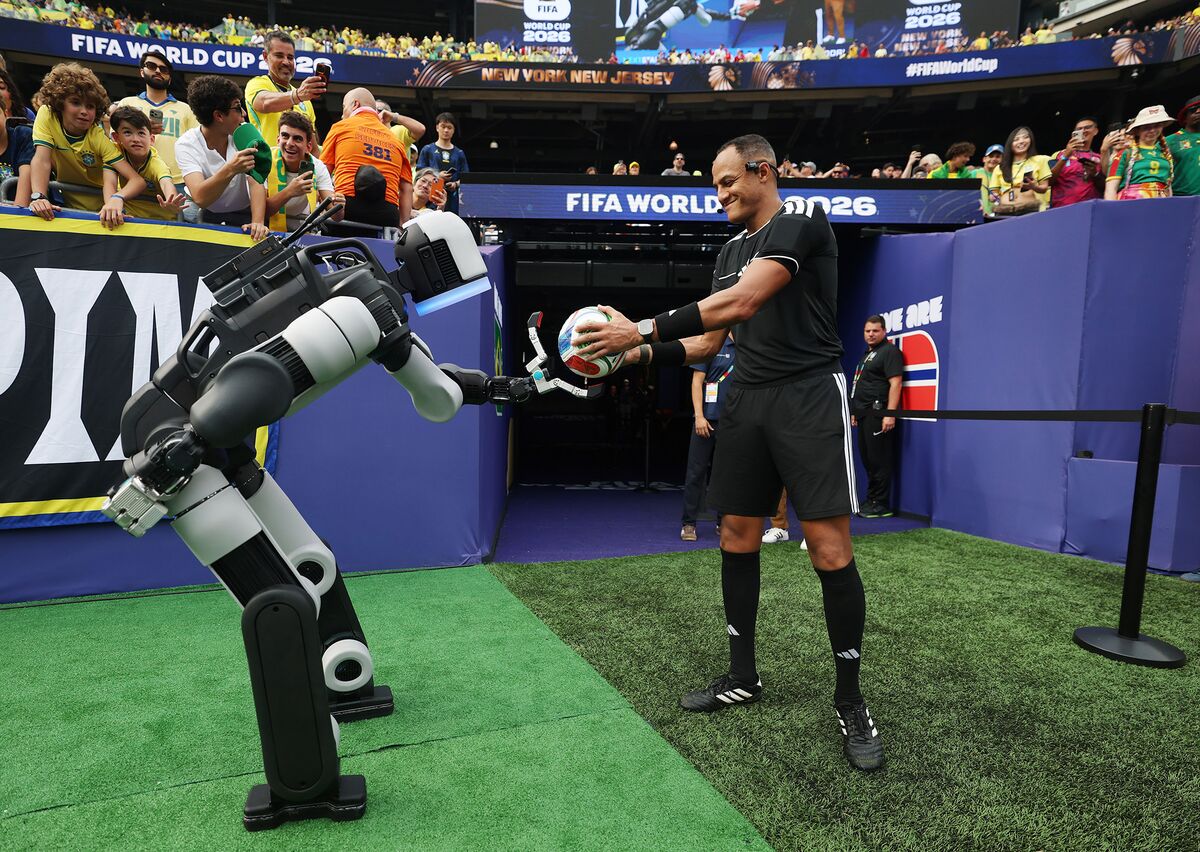
Hyundai Motor Showcases Humanoid at World Cup in Robotics Push
Hyundai Motor Co. unveiled its Atlas humanoid robot during the 2026 FIFA World Cup, marking a significant milestone in the company's technological advancements. The event served as a prominent platform for the South Korean automaker to demonstrate its innovations on a global stage. As Hyundai prepares for mass production and deployment of the robot in factories, this showcase underscores the company's commitment to integrating robotics into various sectors. The World Cup, known for its vast international audience, provided an ideal backdrop for Hyundai to highlight its progress and future aspirations in robotics technology.
KSC:005380
Productive Robotics Equips Manufacturers With Zero Programming End-To-End Automation At IMTS
Productive Robotics, based in Santa Barbara, California, is set to showcase its innovative end-to-end automation solutions at the International Manufacturing Technology Show (IMTS) 2026, taking place on July 1. The company will exhibit at two booths, highlighting its 7-axis OB7 collaborative robots, which require no programming and offer a plug-and-play setup. This technology aims to address acute labor shortages, rising costs, and global competition faced by manufacturers. In Booth #339186, the focus will be on automating metal removal processes, while Booth #237138 will emphasize abrasive machining, sawing, and gear production. Zac Bogart, president of Productive Robotics, emphasized the importance of CNC machining for U.S. manufacturers, particularly in defense, aerospace, and automotive sectors, as well as for reshoring efforts to stabilize supply chains. The demonstrations will include automated vision inspection systems, MIG welding, and laser welding applications, showcasing the versatility of the company's robots. With their unique 7-axis design, these collaborative robots offer enhanced dexterity, allowing them to perform a wide range of tasks without the need for workspace redesign. The user-friendly interface enables operators with no robotics experience to quickly teach the robots tasks, significantly boosting productivity and safety in various manufacturing environments. For more information, visit Productive Robotics' website.

UBTECH's Busy Month: Advancements in Humanoid Robotics Across Three Sectors
UBTECH, a prominent player in humanoid robotics, has unveiled its latest innovations, the Walker C1 and Walker U1 models. The Walker C1, designed for commercial services, was showcased at the China International Supply Chain Expo, highlighting its advanced capabilities. Meanwhile, the consumer-oriented Walker U1 has already received over 5,000 pre-orders, indicating strong market interest. The company is strategically focusing on integrating its robots across industrial, commercial, and home environments, emphasizing customization and adaptability to meet diverse user needs. With these developments, UBTECH is positioning itself as a leader in the rapidly evolving robotics sector.
Humanoid Robots Commercial Robotics Consumer Robotics Industrial Automation
Beijing Mayor Inspects Development of Embodied Intelligence Robotics Industry
Beijing's Mayor Yin Yong visited Star Era Technology Company to evaluate advancements in the embodied intelligence robotics sector. During his visit, he underscored the necessity of merging technological innovation with industrial expansion, focusing on improving the capabilities of general-purpose robots and broadening their applications, particularly in logistics. This initiative aims to bolster collaboration between academic institutions and the industry, ultimately fostering the growth of Beijing's robotics sector on an international level.
Embodied Intelligence Robotics Industry General-Purpose Robots Technology Innovation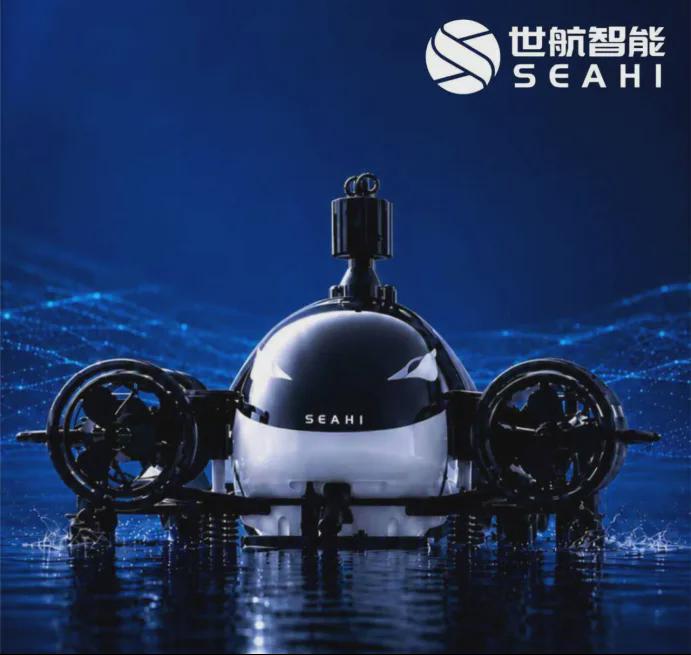
1 Billion RMB Series A Funding for Global Marine Robotics Leader
Shihang Intelligent, a prominent player in the marine robotics industry, has successfully raised over 1 billion RMB in a Series A funding round, setting a record as the largest single investment in the global marine robotics sector. This significant financial boost will be directed towards advancing the company's core technologies and facilitating its expansion into international markets. With this funding, Shihang Intelligent aims to commercialize its innovative underwater robotics solutions, which are designed for diverse applications such as maritime cleaning and deep-sea exploration.
Marine Robotics Underwater Technology AI Funding Automation
Shihang Intelligent Secures Over 1 Billion Yuan in Series A Funding, Setting Record in Marine Robotics
On June 15, Shihang Intelligent announced the successful completion of its Series A funding round, securing over 1 billion yuan. This achievement represents the largest single funding event in the global marine robotics sector to date. The company plans to allocate the funds towards advancing its core technology and expanding its presence in international markets, with a particular emphasis on deploying marine robots in challenging underwater environments.
Marine Robotics AI Underwater Technology Automation Funding
XPeng Is Getting Serious About Physical AI as Its CEO Takes Over the Robotics Division
XPeng, a leading Chinese electric vehicle manufacturer, is intensifying its focus on physical AI as competition in the EV sector escalates. CEO He Xiaopeng will assume control of the company's robotics division, coinciding with the anticipated mass production and commercialization of its humanoid IRON robots. This strategic move aims to diversify XPeng's offerings beyond electric vehicles, with plans to launch commercial sales in China and internationally next year. The announcement comes amid challenges for XPeng, including a significant decline in vehicle deliveries and stock performance, with a 24.34% drop over the past year. In the first quarter of 2026, the company reported a 33.3% decrease in vehicle deliveries compared to the same period in 2025, alongside a 295.9% increase in net losses. Despite these setbacks, XPeng's gross margin improved, and analysts have mixed but generally favorable views on the company's stock, with several upgrades following its recent earnings report. XPeng aims to deliver between 100,000 and 106,000 vehicles in the second quarter of 2026, projecting revenue growth of approximately 7.3% to 13.8% year-over-year. As XPeng ventures into robotics, it seeks to position itself as a leader in intelligent mobility solutions, leveraging advanced technology to enhance customer experiences.

vivo Robotics Team Wins ICRA 2026 AGIBOT World Challenge Reasoning to Action Track
At the ICRA 2026 conference, vivo showcased its advanced robotics capabilities by achieving top performance in two global challenges. This event, held in a prominent international venue, highlighted the company's commitment to innovation and the practical application of its technologies in real-world scenarios. By excelling in these competitions, vivo aims to demonstrate the robustness and versatility of its robotics solutions, reinforcing its position as a leader in the industry. The successful outcomes of these challenges serve to validate the effectiveness of vivo's research and development efforts, further motivating the company to push the boundaries of robotics technology.
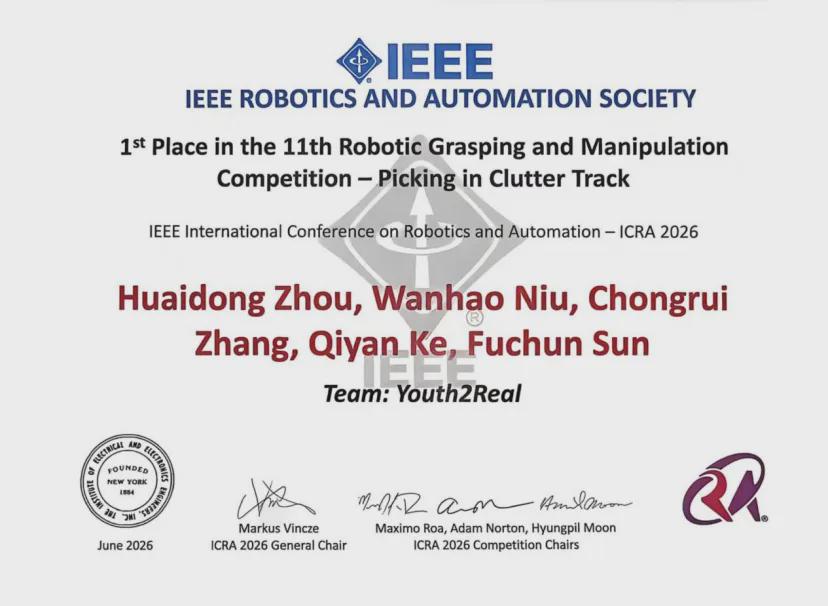
Tsinghua University and FiveAges Team Win Global Championship at ICRA 2026 Robotics Competition
The Youth2Real team, a partnership between Tsinghua University and FiveAges, has achieved a remarkable victory by winning the global championship in the Picking in Clutter Track at the 11th Robotic Grasping and Manipulation Competition (RGMC). This prestigious event took place during the International Conference on Robotics and Automation (ICRA) 2026 in Vienna. The team's success underscores their advanced expertise in robotic grasping and manipulation, reflecting significant technological progress that has potential applications in various real-world scenarios.
Robotic Grasping Artificial Intelligence Robotics Competition Automation Technology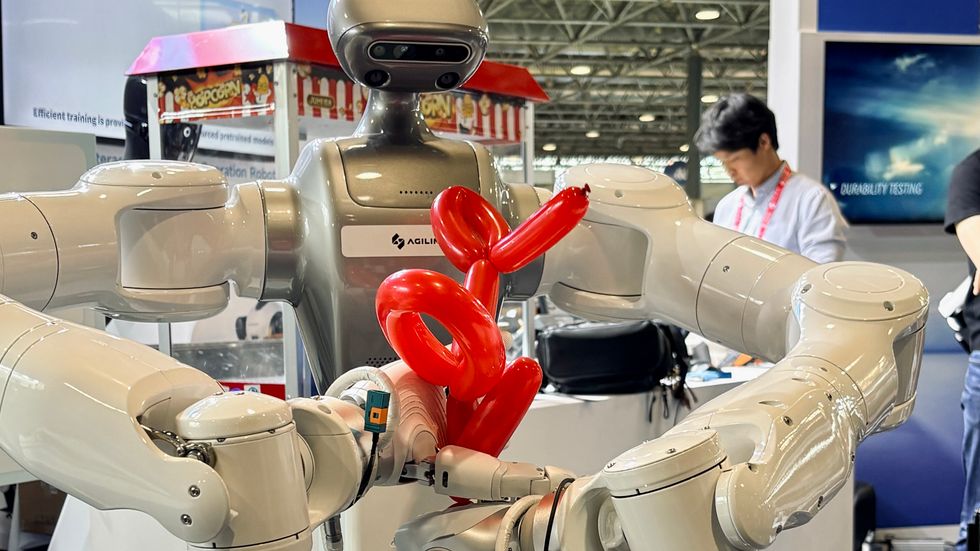
Beyond Dexterity: Why Contact May Define the Next Era of Robotics
At the 2026 IEEE International Conference on Robotics (ICRA) in Vienna, AGILINK showcased a captivating demonstration of robotic dexterity by creating a balloon dog, which drew significant attention from attendees. This seemingly playful task is recognized in the robotics community as a complex manipulation challenge due to the balloon's lightweight and highly deformable nature. The demonstration highlighted the intricate balance between motion and contact intelligence, essential for successful robotic manipulation. AGILINK's approach involved mapping the actions of professional balloon artists to robotic hands, allowing the robot to learn both successful manipulation sequences and recovery strategies during failures. This dual focus on motion and contact intelligence is crucial, as maintaining stable interaction with the balloon is as important as executing the correct sequence of actions. In conjunction with the balloon dog demonstration, AGILINK introduced the OmniHand 3 Ultra-M, a dexterous robotic hand designed to enhance contact intelligence through advanced sensing and faster response capabilities. The hand features 20 active degrees of freedom and a direct-drive architecture, enabling precise force regulation and tactile sensing across its surface. The significance of these advancements extends beyond balloon animals, addressing broader challenges in robotics related to unstable and deformable interactions, such as delicate assembly and household tasks. As robotics research increasingly prioritizes interaction dynamics, AGILINK's innovations may pave the way for more effective manipulation in unpredictable real-world environments.
Humanoid-robots Physical-ai Dexterous-hands Direct-drive-actuation Robotic-manipulation Reinforcement-learning
Beyond Sensors: Qianjue's Vision for Tactile Intelligence in Robotics
Qianjue Robotics is making significant strides in the field of tactile intelligence, highlighting the critical role of touch in enhancing robotic interactions. During the International Conference on Robotics and Automation (ICRA) 2026, the company unveiled its comprehensive tactile intelligence technology. A standout feature of their presentation was the VTLA model, which empowers robots to autonomously execute intricate tasks, such as forming flexible paper boxes. This technology demonstrated impressive capabilities, particularly in dynamic environments, showcasing the potential for more effective and nuanced physical interactions in robotics.
Tactile Intelligence Robotics Automation VTLA Model Physical Interaction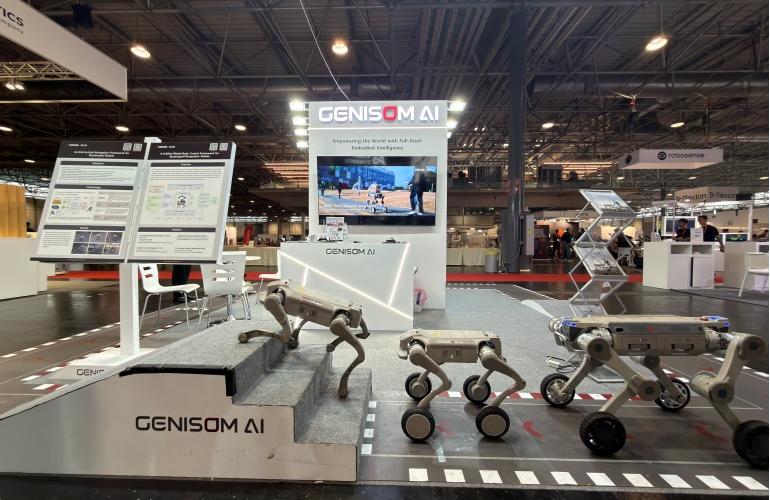
GENISOM AI debuts deployable robotics platforms at ICRA 2026
At the International Conference on Robotics and Automation (ICRA) 2026, GENISOM AI showcased its innovative deployable robotics platforms, marking its presence as a significant player in the robotics industry. Although the company may have been unfamiliar to many attendees, it is not a fledgling startup but rather an established entity with advanced technology ready for practical application. The event, held in May 2026, provided a platform for GENISOM AI to demonstrate its cutting-edge solutions, aimed at enhancing operational efficiency in various sectors. By unveiling these robotics platforms, the company seeks to address the growing demand for automation and intelligent systems in an increasingly competitive market. Through live demonstrations and presentations, GENISOM AI illustrated how its technology can be integrated into existing workflows, showcasing its potential to revolutionize industries reliant on robotics.
Actuators / Motors / Servos Artificial Intelligence Controllers Development Tools / SDKs / Libraries Mobility / Navigation News
Global robotics technology roadmap
Henrik I. Christensen, a professor of Computer Science and Engineering at the University of California, San Diego, has unveiled a comprehensive global robotics technology roadmap. Released recently, this position paper examines the advancements in robotics across Asia, Europe, and America. It provides an overview of the current state of the technology while identifying key opportunities for growth and development in the field. The roadmap aims to guide stakeholders in navigating the rapidly evolving landscape of robotics, emphasizing the importance of international collaboration and innovation to harness the full potential of this transformative technology.

Why Richtech Robotics’ (RR) Latest Collaboration Could Change The Conversation
Richtech Robotics Inc. (NASDAQ: RR), currently valued at $3.02 per share, has announced a potential partnership with SoundHound AI (SOUN) as of May 7, 2026. This collaboration aims to integrate SoundHound’s advanced voice AI technology into Richtech’s robotic systems, enhancing human-robot interactions in hospitality and service sectors. The partnership will kick off with a demonstration of Richtech’s Scorpion robot utilizing SoundHound’s voice capabilities in an interactive beverage service setting. Earlier, on April 8, Richtech secured a distribution agreement with NewConsultancy, a Netherlands-based firm, to distribute its robotic solutions across the Netherlands and the European Union. This agreement is expected to bolster Richtech’s international presence and customer support capabilities. Founded in 2016 and headquartered in Las Vegas, Richtech Robotics specializes in developing AI-powered robots designed to automate labor-intensive tasks across various industries. Its product lineup includes robotic food runners, autonomous cleaning systems, and robotic bartenders, all aimed at improving operational efficiency and addressing labor shortages. While Richtech shows promise as an investment, analysts suggest that other AI stocks may present greater potential for growth with less risk.
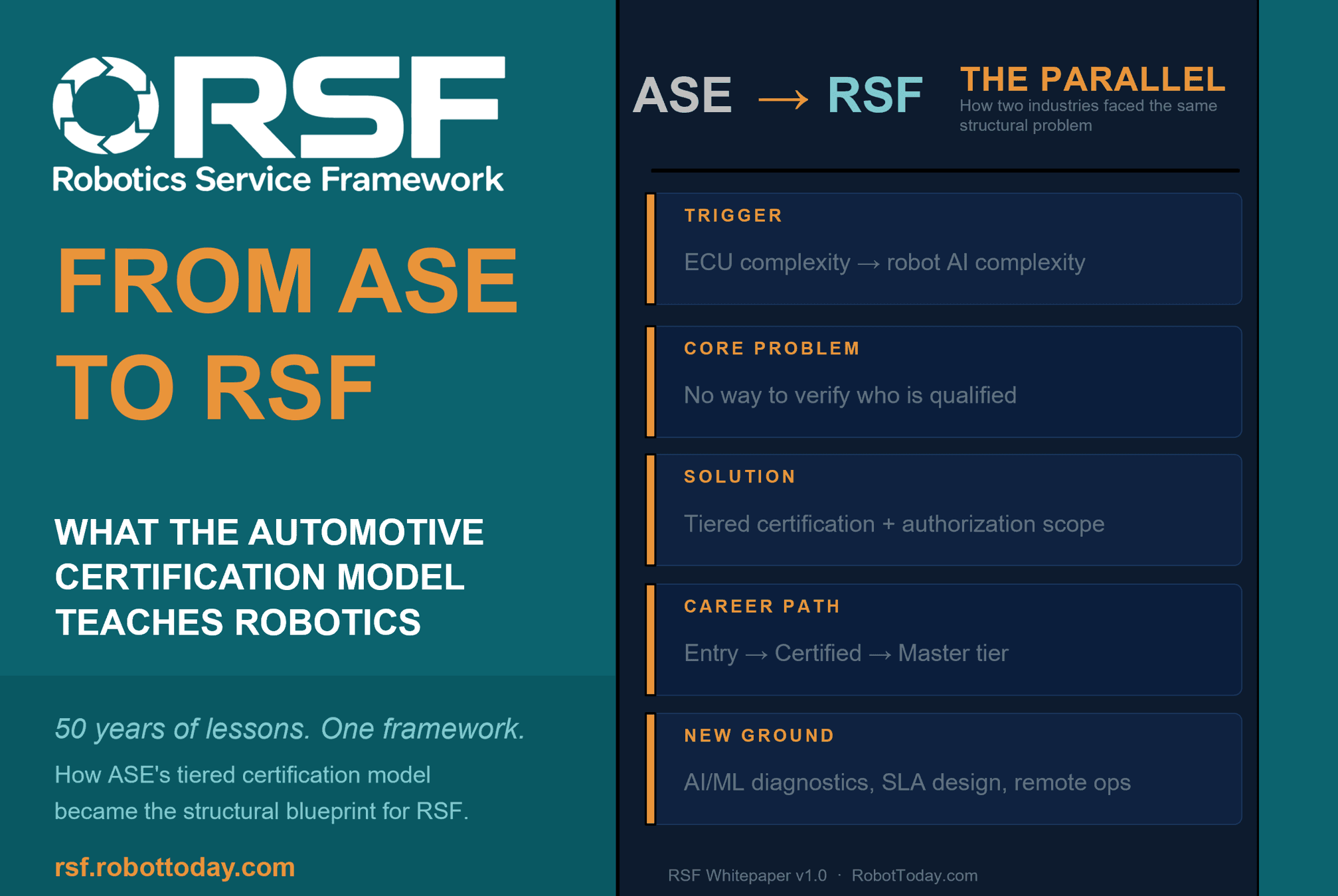
Robotics needs a service framework.
RSF defines a common language for robot service capability, lifecycle operations, certification pathways, and service-provider networks.