Industry Briefing
A single destination for timely, editor-curated robotics news from around the world.

Video Friday: Humanoid Robots Celebrate Spring
In the latest edition of Video Friday, IEEE Spectrum robotics highlights significant advancements in robotics and upcoming events. Among the featured developments, NASA's Perseverance rover has gained the ability to autonomously determine its location on Mars using a new technology called Mars global localization, which enhances its exploration capabilities. The rover utilizes an algorithm that compares panoramic images with orbital terrain maps, achieving location accuracy within 10 inches. Additionally, various robotics projects are showcased, including the progress of the Shiva robot in strawberry picking and the Corvus One for Cold Chain, designed to operate in extreme cold environments. The video series also includes insights into the rapid development of humanoid robots by the U.K.-based company Humanoid, which aims to create reliable and safe robots in increasingly shorter timeframes. Experts from institutions like Microsoft and Carnegie Mellon University discuss the future of human-robot collaboration and the challenges of scaling robot learning. As billions of dollars are invested in robotics, the potential for general-purpose humanoid robots appears closer than ever, promising to revolutionize interactions in both physical and digital realms. The weekly calendar of upcoming robotics events, including ICRA 2026 in Vienna, is also available for enthusiasts and professionals in the field.
Humanoid-robots Video-friday Agility-robotics Perseverance-rover Insect-robots Industrial-robotics
New understanding of insect flight points way to stable flapping-wing robots
Researchers at Cornell University have developed a groundbreaking computational model that analyzes how the physical characteristics of insects influence their flight stability. This innovative study sheds light on the intricate dynamics that allow both bugs and birds to soar gracefully through the air, a phenomenon that has long been challenging to quantify. Conducted recently, the research aims to deepen our understanding of the evolution of animal flight. Additionally, the findings could serve as a valuable framework for the design of advanced flapping-wing robots, potentially revolutionizing the field of robotics.
Robotics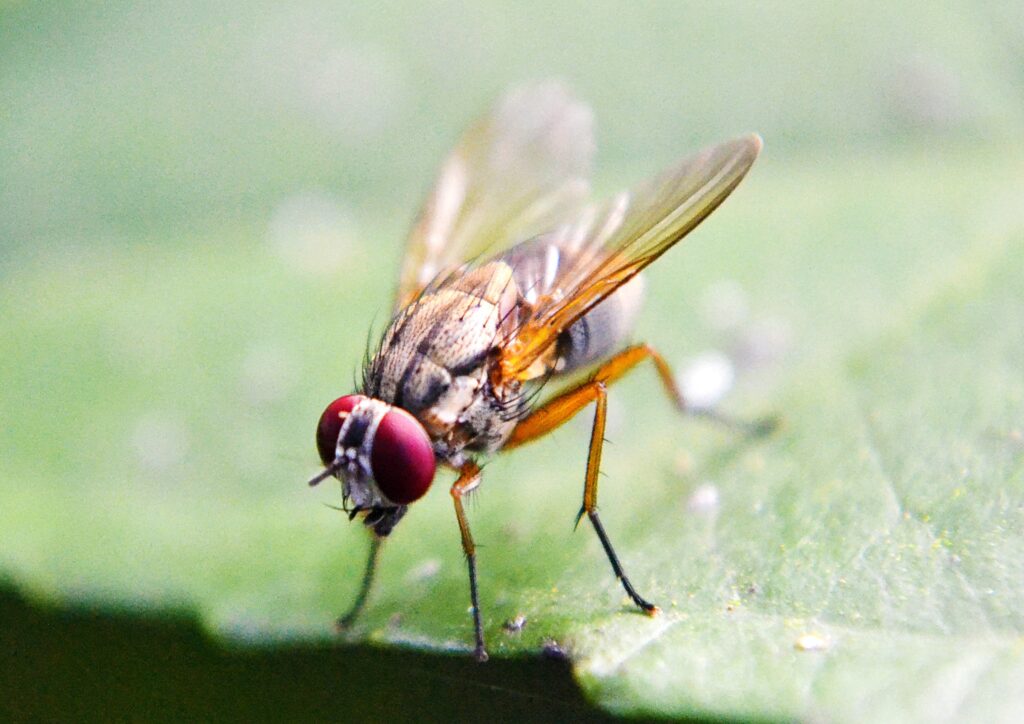
New understanding of insect flight points way to stable flapping-wing robots
Cornell University researchers have developed a sophisticated computational model to analyze the intricate dynamics of insect flight. This groundbreaking study, led by David Nutt, reveals how the physical structure, or morphology, of insects influences their ability to stabilize during flight. The research aims to deepen the understanding of flight mechanics in both insects and birds, which, despite their seemingly effortless wing movements, operate under complex aerodynamic principles. The findings could pave the way for advancements in fields such as robotics and aerodynamics, enhancing the design of flying machines by mimicking the natural flight patterns observed in these creatures.

Robot Talk Episode 154 – Visual navigation in insects and robots, with Andrew Philippides
In a recent conversation, Claire engaged with Andrew Philippides, a Professor of Biorobotics at the University of Sussex, to explore insights from the behaviors of ants and bees that could enhance robot navigation systems. Philippides, who co-directs the Centre for Computational Neuroscience and Robotics as well as the be.AI Leverhulme Doctoral Centre for Biomimetic Embodied AI, emphasized the potential of studying these social insects to inform the development of more efficient and adaptive robotic technologies. The discussion highlighted how the intricate navigation strategies employed by ants and bees can inspire innovative approaches to solving complex challenges in robotics. This dialogue took place at the University of Sussex, a hub for advanced research in robotics and artificial intelligence, underscoring the institution's commitment to interdisciplinary collaboration and the application of biological principles in technological advancements.
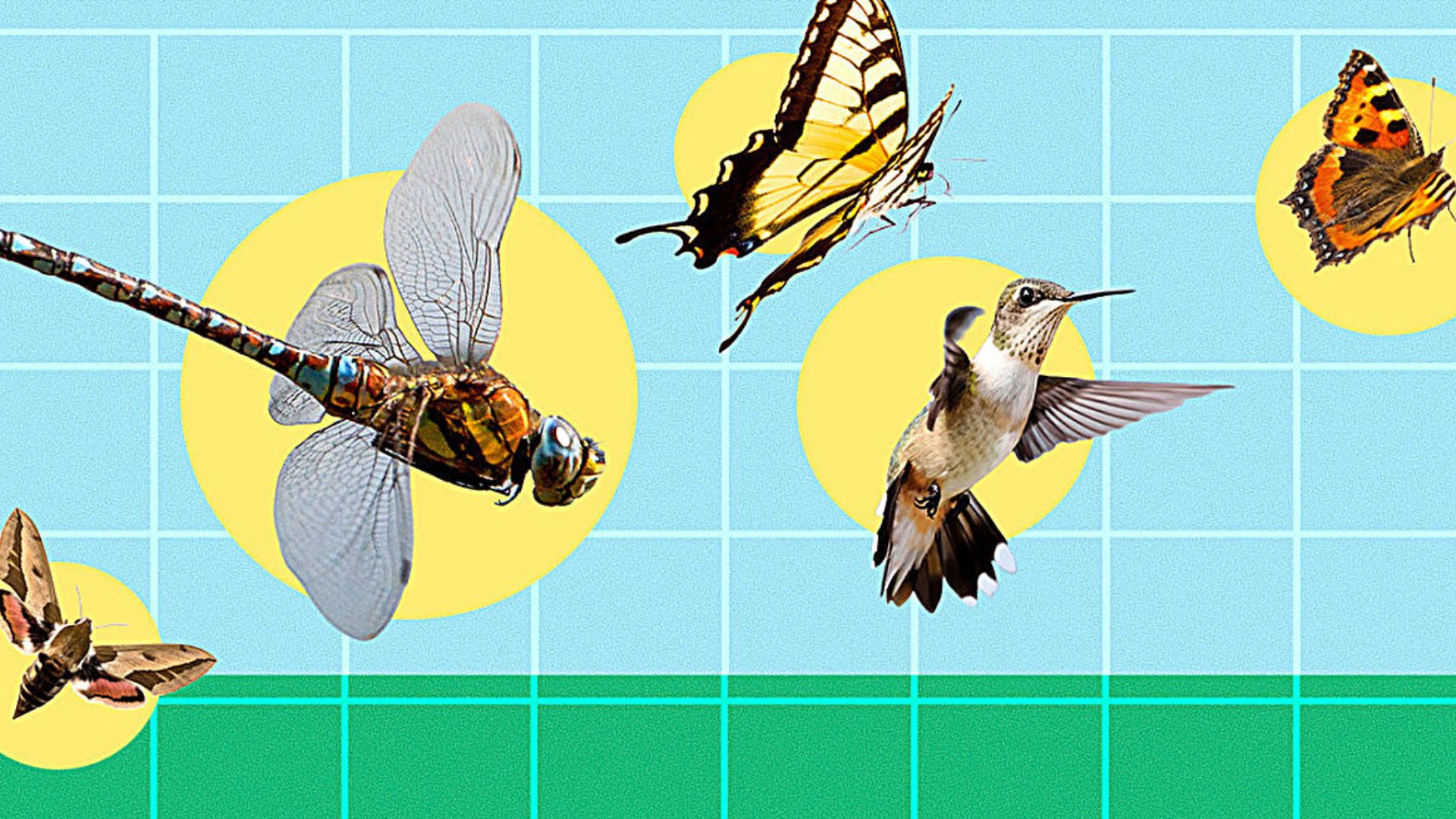
Cornell’s insect-inspired 3D model could allow flapping-wing robots to fly stably
Researchers at Cornell University have unveiled a groundbreaking 3D computational model designed to decode complex physical phenomena. This innovative model, which was developed over the past year, aims to enhance our understanding of various scientific processes by simulating intricate interactions within physical systems. The research team, led by a group of physicists and engineers, conducted extensive experiments and simulations to refine the model's accuracy and applicability. The development of this model is particularly significant as it addresses longstanding challenges in the field of physics, providing a tool that can potentially revolutionize how scientists approach problem-solving in areas such as material science, fluid dynamics, and even climate modeling. By leveraging advanced algorithms and high-performance computing, the researchers were able to create a more precise representation of physical interactions, which could lead to new discoveries and innovations. This work not only showcases the capabilities of modern computational techniques but also underscores the importance of interdisciplinary collaboration in advancing scientific knowledge. The findings of this research are expected to be published in a leading scientific journal, contributing to ongoing discussions and developments in the field.

AI listens to insect body signals to guide cyborg cockroaches
Researchers have been exploring the potential of cyborg insects as bio-hybrid systems that integrate living organisms with miniature electronic devices. This innovative approach aims to enhance capabilities in various fields, including disaster search and rescue, environmental monitoring, and operations in environments that are too confined or hazardous for traditional robots. Despite the promise of these systems, current methodologies primarily focus on controlling insect behavior through observable actions, such as movement patterns. As the field advances, scientists are looking to refine these techniques to improve the functionality and application of cyborg insects in real-world scenarios.
Robotics
It looks like a sea urchin, but this strange 20-legged machine is rewriting what robots can do
Roboticists have long sought to replicate the diverse forms and functionalities found in nature, drawing inspiration from the symmetry observed in various organisms, such as the bilateral structure of vertebrates and the radial patterns of starfish. This endeavor has spanned decades, with researchers developing robots that mimic the appearances and movements of humans, dogs, and insects. The ongoing exploration into biomimicry aims to enhance robotic design and performance by integrating the efficient and adaptive traits seen in living creatures. As technology advances, these efforts continue to push the boundaries of robotics, potentially leading to more versatile and capable machines in the future.
Robotics
Swarm Robots Inspired by Bees and Ants Could Transform the Future of Mining
Researchers at Adelaide University have unveiled an innovative robotic system modeled after the behaviors of bees and ants, aiming to enhance safety, efficiency, and sustainability in the mining industry. This development comes as part of ongoing efforts to address the challenges faced in mining operations, where traditional methods often pose risks to workers and the environment. By mimicking the collective intelligence and collaborative strategies of these insects, the new robotic system is designed to optimize resource extraction processes while minimizing ecological impact. The research team believes that this approach could revolutionize mining practices, making them more adaptable and less hazardous. The project highlights the potential of biomimicry in engineering solutions that align with environmental sustainability goals.

Swarm robots inspired by bees and ants could transform the future of mining
A team of researchers at Adelaide University has unveiled an innovative robotic system designed to enhance safety, efficiency, and sustainability in the mining industry. Drawing inspiration from the collaborative behaviors of bees and ants, this new technology aims to transform traditional mining practices. The development comes at a crucial time when the industry faces increasing pressure to adopt more environmentally friendly methods and improve worker safety. By mimicking the social structures and collective decision-making processes of these insects, the robotic system is expected to optimize resource extraction while minimizing environmental impact. This advancement not only highlights the potential for robotics in industrial applications but also underscores the importance of interdisciplinary research in addressing contemporary challenges in mining.
Robotics
Simple robots inspired by ants collectively build and excavate
Ants, known for their remarkable teamwork, exemplify effective collaboration in nature by constructing large, complex, climate-controlled nests without the need for blueprints or a designated leader. This behavior highlights the potential lessons humans can draw from the social insects regarding cooperation and collective effort. Observations of ant colonies reveal how these small-brained creatures manage to work together seamlessly, relying on instinctual communication and shared goals to achieve impressive architectural feats. As researchers continue to study these behaviors, they aim to uncover insights that could enhance human teamwork and organizational strategies.
Robotics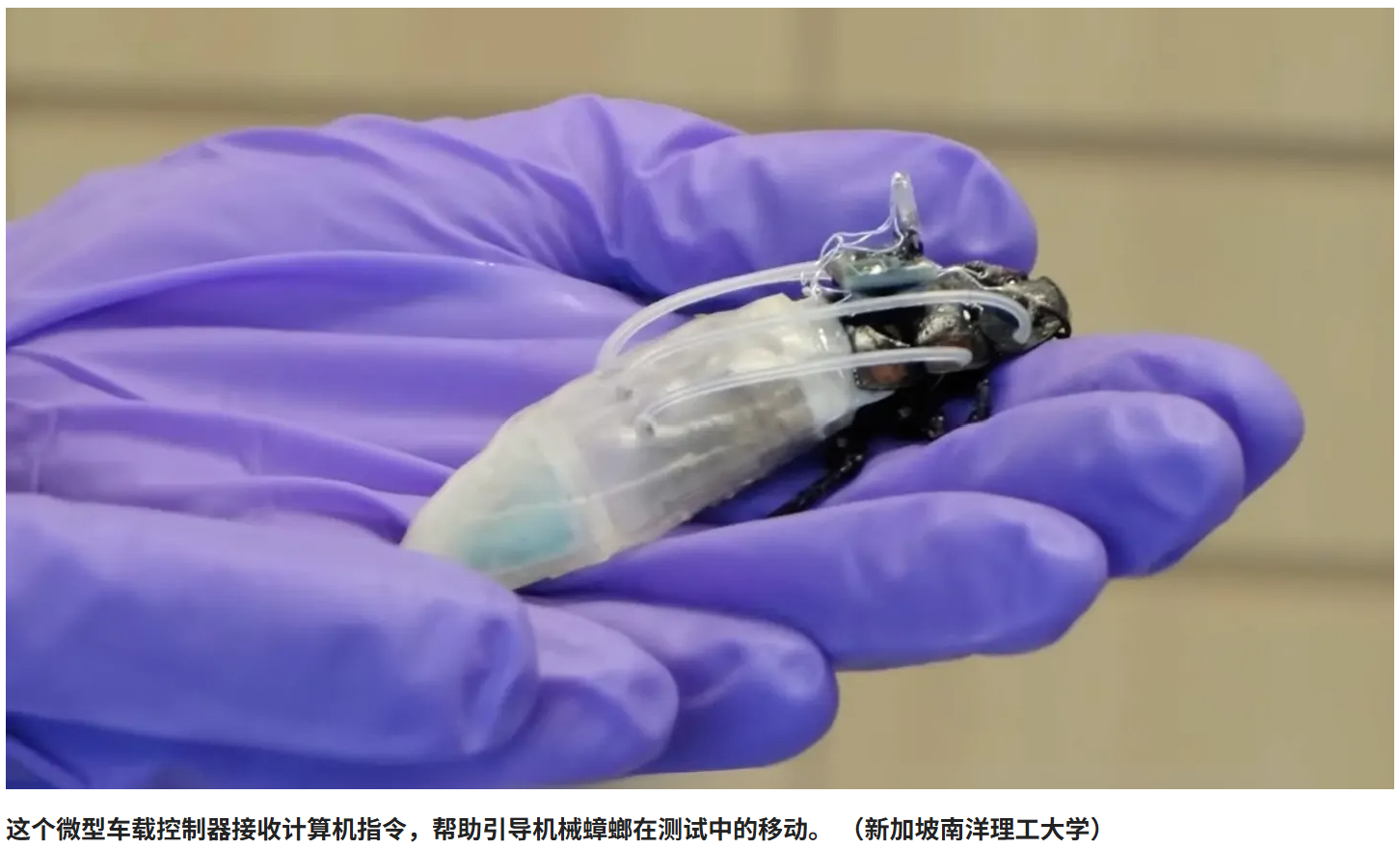
Cyborg Cockroaches Equipped for Underwater Rescue Operations
Researchers from Nanyang Technological University in Singapore and Waseda University in Japan have developed a unique application for cyborg Madagascar hissing cockroaches. By outfitting these insects with miniature diving suits, they can now navigate underwater for up to three hours, providing innovative solutions for disaster rescue operations. This advancement is significant as it combines living organisms with electronic devices, allowing the cockroaches to utilize their own muscle and nervous systems for movement. Unlike purely mechanical robots, these cyborg cockroaches have a lower energy consumption, making them more efficient for tasks in challenging environments, such as underwater scenarios. The research team is currently enhancing these cyborg cockroaches with miniature sensors, cameras, and advanced navigation systems. In the future, they may be deployed in disaster situations like floods or earthquakes to access hard-to-reach areas, helping rescue teams locate trapped individuals. No further timeline was disclosed at the time of publication.
Cyborg Insects Disaster Rescue Technology Underwater Robotics Microelectronics
A diving suit for cyborg cockroaches could enhance search-and-rescue operations
Researchers from NTU Singapore and Waseda University have created an innovative flexible "diving suit" designed for cyborg cockroaches, allowing these insects to navigate underwater and in low-oxygen environments for as long as three hours. The findings, published today in Nature Communications, highlight the potential for utilizing cyborg insects in search-and-rescue operations, particularly in disaster-stricken areas where traditional robots may struggle to operate due to obstacles like flooded debris or partially submerged locations. This advancement could significantly enhance rescue efforts in challenging environments, showcasing the intersection of biology and technology in addressing real-world problems.
Robotics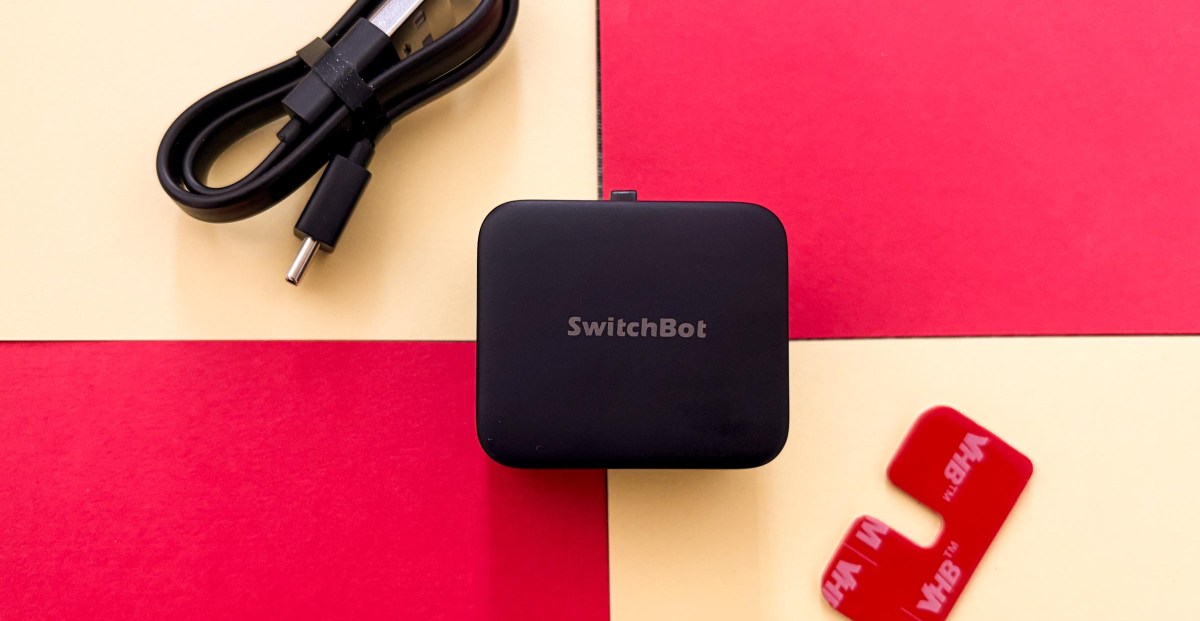
Cockroaches will learn to fear my SwitchBot Bot Rechargeable
A new gadget, the SwitchBot Bot Rechargeable, is gaining attention for its innovative approach to pest control. The device has become a helpful ally for individuals dealing with cockroach infestations, allowing users to activate lights without having to navigate dark spaces where the pests may be lurking. This advancement is particularly beneficial for those who are apprehensive about encountering cockroaches in their homes. By using the SwitchBot, users can illuminate their surroundings safely and efficiently, reducing the risk of unwanted encounters with the insects. The device is designed to be user-friendly, making it accessible for anyone looking to enhance their home environment. As concerns about household pests continue to rise, the SwitchBot offers a modern solution that combines convenience with practicality.
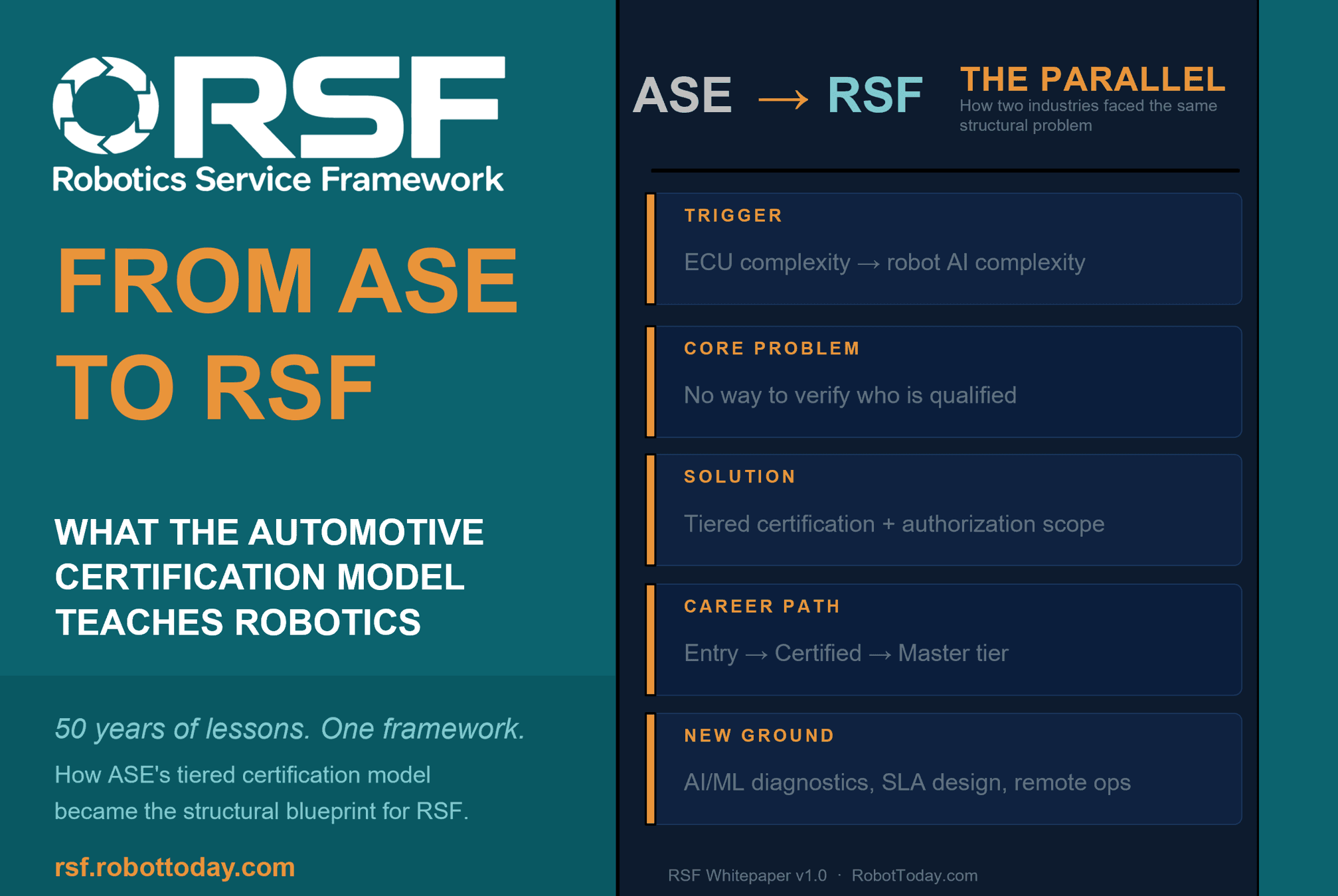
Gadgets Hands-on Reviews Smart Home TechRobotics needs a service framework.
RSF defines a common language for robot service capability, lifecycle operations, certification pathways, and service-provider networks.