Top News

Brighter MRI signals

Industry Briefing

A single destination for timely, editor-curated robotics news from around the world.
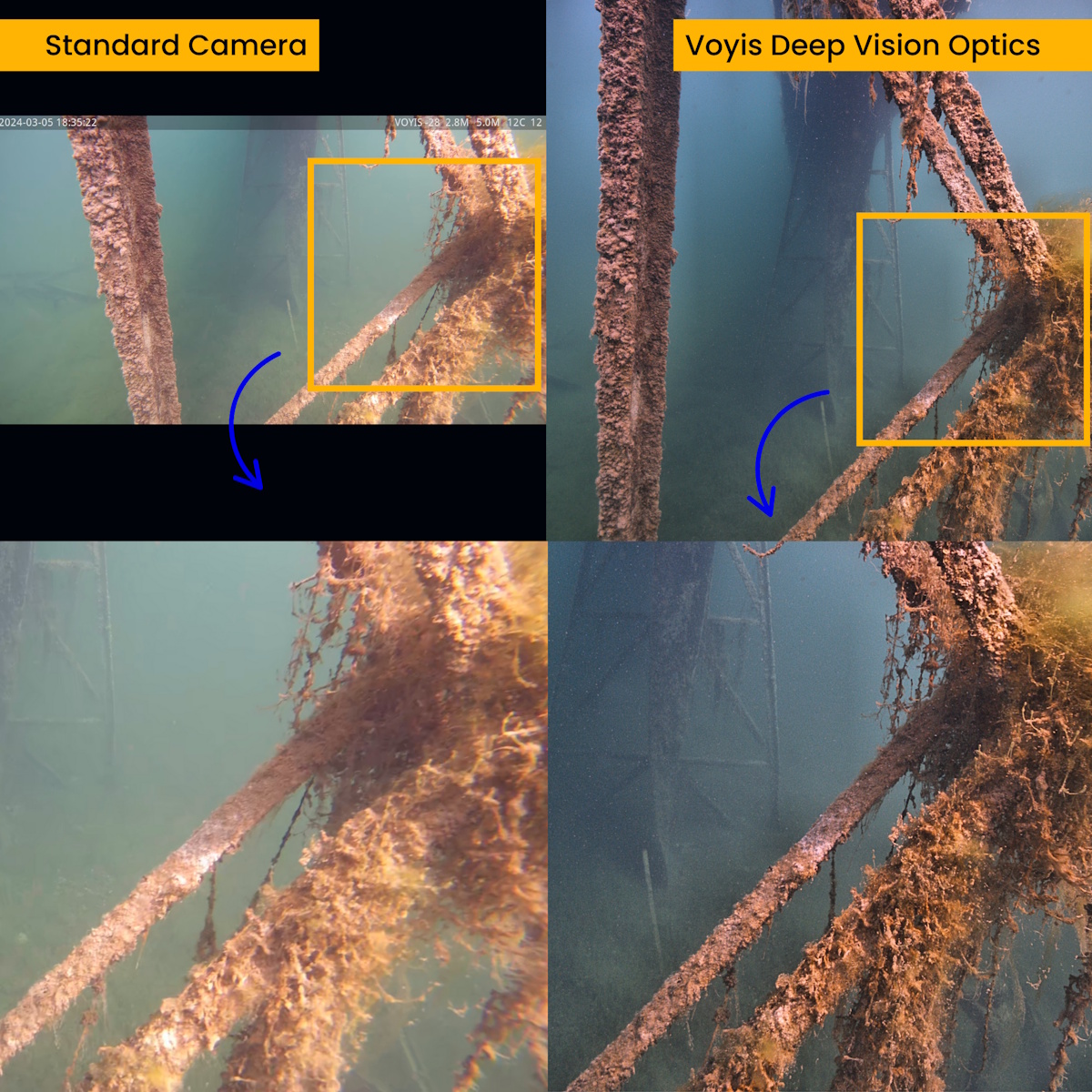
New imaging system sees through murky waters

New imaging system sees through murky waters

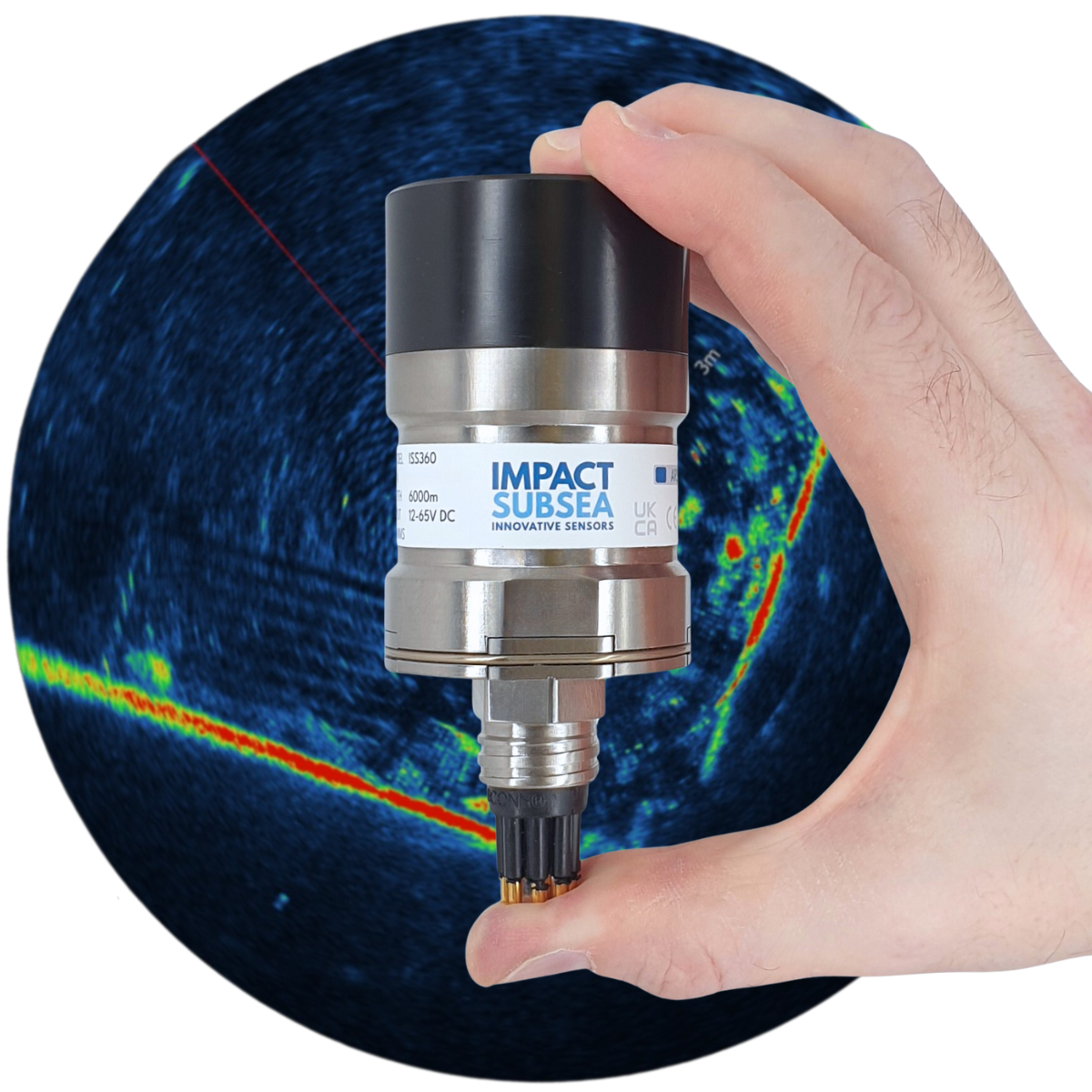
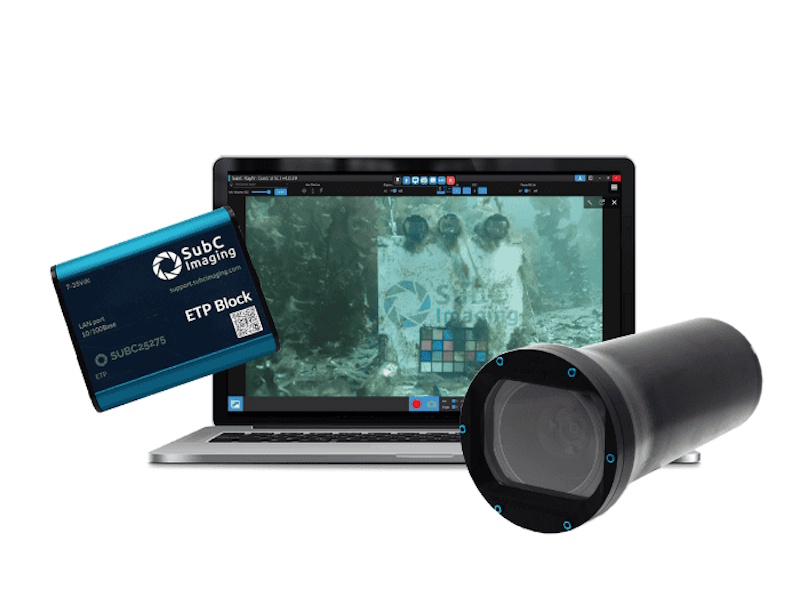
A groundbreaking technology known as “Sonar-MASt3R” has been developed to enhance underwater mapping capabilities by integrating sonar and visual data. This innovative system is capable of producing real-time 3D maps, significantly improving navigation and exploration in challenging environments, including cloudy water conditions. The technology was unveiled in October 2023, showcasing its potential to revolutionize marine research and underwater operations. By combining different data sources, Sonar-MASt3R addresses the limitations of traditional mapping methods, offering clearer and more accurate representations of underwater landscapes. This advancement is expected to benefit various sectors, including environmental monitoring, maritime safety, and underwater archaeology, by providing researchers and professionals with reliable tools for better decision-making in aquatic environments.

Research Robotics Computer vision Imaging Sensors Oceanography and ocean engineering
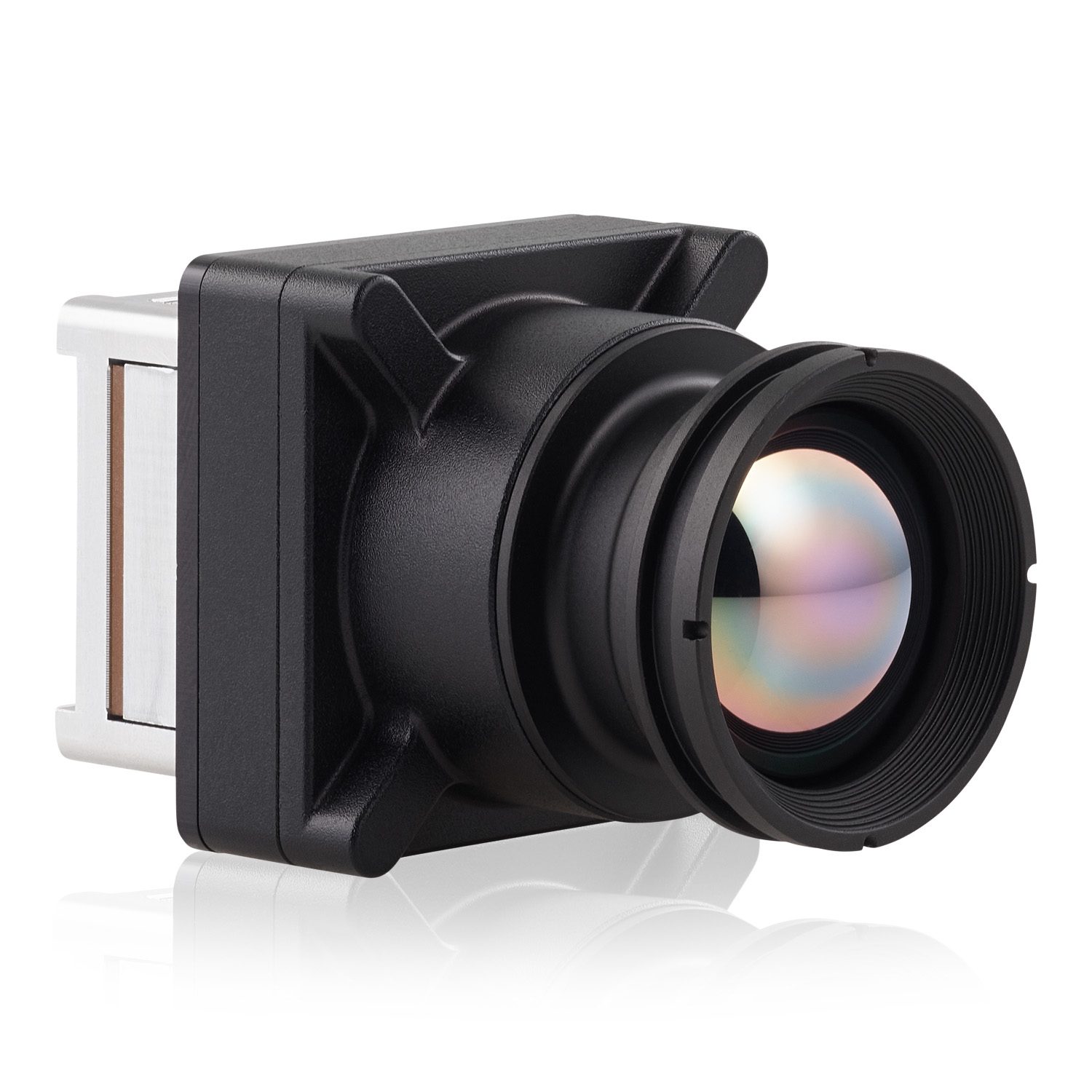
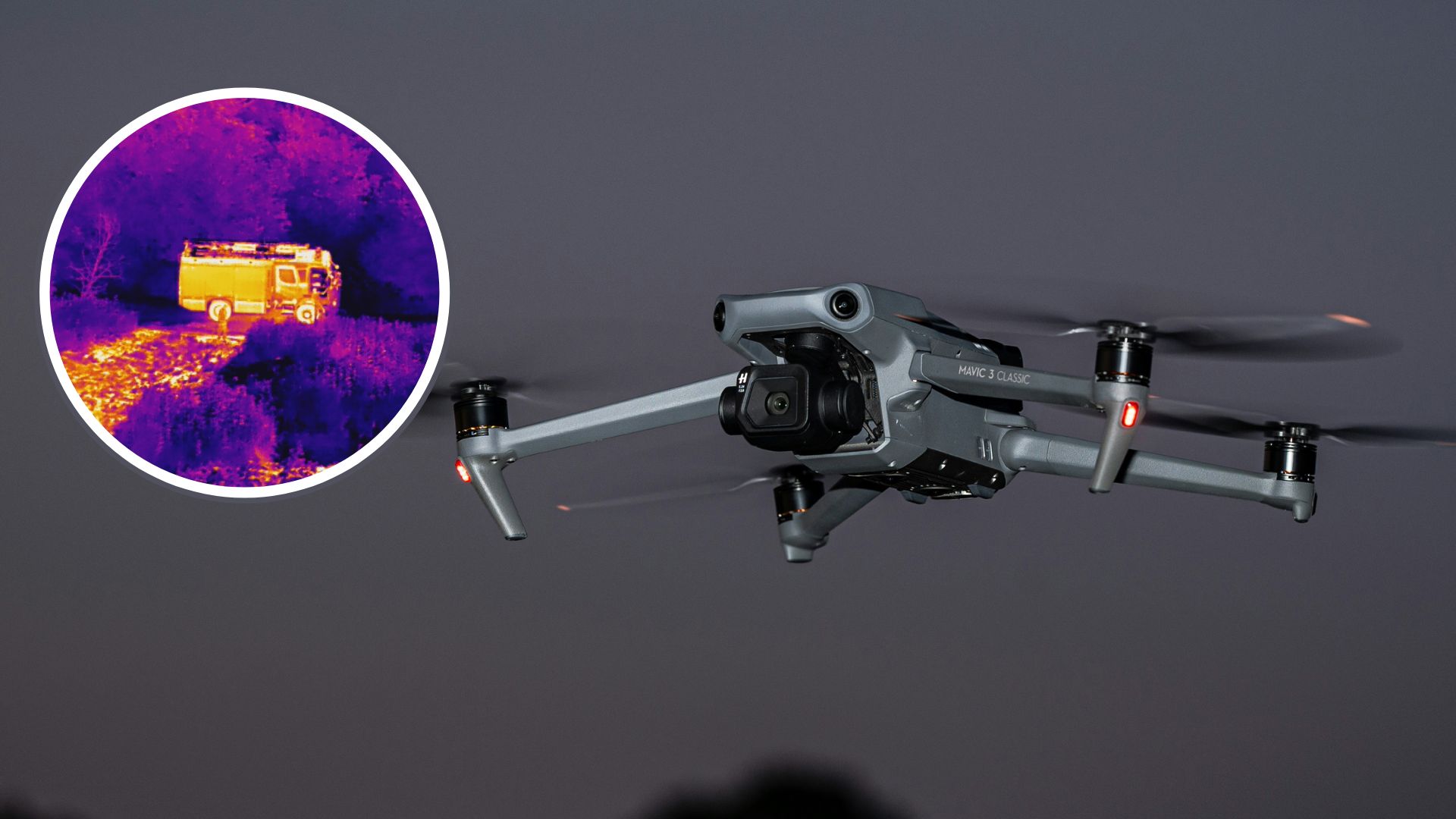
New Boson SX8 Brings High-Resolution Thermal Imaging to NDAA-Compliant Drone Payloads

New Boson SX8 Brings High-Resolution Thermal Imaging to NDAA-Compliant Drone Payloads

Teledyne FLIR OEM has unveiled the Boson SX8, a cutting-edge longwave infrared (LWIR) thermal camera module aimed at defense, industrial, and uncrewed systems applications. Announced recently, the Boson SX8 stands out as the first NDAA-compliant, volume-production uncooled thermal camera module, merging high SXGA resolution with a compact design. This innovation is expected to enhance the capabilities of drone payloads, providing high-resolution thermal imaging for various applications. The development reflects a commitment to U.S. manufacturing and addresses the growing demand for advanced thermal imaging solutions in critical sectors.

Applications Defense defense Drone News Drone News Feeds drone parts

New HySIL lens design makes high-resolution 3D brain and cancer imaging widely accessible

New HySIL lens design makes high-resolution 3D brain and cancer imaging widely accessible

A team from Columbia University has unveiled a groundbreaking microscopy technology that promises to significantly enhance three-dimensional imaging capabilities. This innovative approach, announced in October 2023, aims to improve the visualization of biological structures at unprecedented resolutions. The development is driven by the need for more detailed imaging techniques in various scientific fields, including biology and materials science. By utilizing advanced optical methods, the researchers have created a system that allows for clearer and more accurate representations of complex samples. This advancement could lead to major breakthroughs in understanding cellular processes and developing new materials, ultimately transforming research methodologies across multiple disciplines.

Automate 2026 Q&A with IDS Imaging

Automate 2026 Q&A with IDS Imaging

The U.S. automation market is experiencing significant growth, driven by increasing customer demand for robust, scalable solutions that offer quick integration and long-term reliability. This dynamic environment provides opportunities for direct engagement with original equipment manufacturers (OEMs), system integrators, and end users. As companies seek to enhance their operational efficiency, the automation sector is poised for further advancements and innovations. This trend reflects the broader shift towards automation in various industries, highlighting the importance of tailored solutions that meet evolving market needs.

Mitsubishi Electric opens Serendie Street Boston digital transformation hub

Mitsubishi Electric opens Serendie Street Boston digital transformation hub

Mitsubishi Electric has launched Serendie Street Boston, marking its inaugural digital transformation hub in the western region, aimed at fostering collaboration and innovation. This new facility is designed to enhance the company's capabilities in digital transformation, reflecting its commitment to advancing technology solutions. The opening of the hub underscores Mitsubishi Electric's strategic focus on expanding its presence in the digital landscape, providing a space for creative problem-solving and partnership development. The initiative is part of the company's broader efforts to adapt to the evolving technological environment and meet the growing demands of its clients.

Academia / Research Arms / Manipulators Artificial Intelligence Artificial Intelligence / Cognition Automation Batteries / Power Supplies
Machine-Vision Industry Expected to Reach $8.3 billion in 2030 Despite Tariff Impacts, Report Finds

Machine-Vision Industry Expected to Reach $8.3 billion in 2030 Despite Tariff Impacts, Report Finds

A recent report on machine vision highlights significant growth in the industry, driven primarily by advancements in 3D cameras and vision software. This development reflects the increasing demand for enhanced imaging technologies across various sectors, including manufacturing, healthcare, and robotics. The report, which analyzes trends and projections, indicates that the integration of sophisticated vision systems is revolutionizing processes and improving efficiency. As companies continue to invest in these technologies, the machine vision market is expected to expand further, offering innovative solutions that cater to evolving industry needs.

Business Intelligence
Top 10 robotics stories from May 2026

Top 10 robotics stories from May 2026

In May 2026, the robotics industry experienced a surge of activity, culminating in the Robotics Summit & Expo held in Boston. This prominent event showcased the latest advancements and innovations in robotics, attracting industry leaders, researchers, and enthusiasts from around the globe. The summit served as a platform for discussions on emerging technologies, trends, and the future of robotics, highlighting the sector's rapid evolution and its increasing impact on various industries. The event's timing coincided with a series of significant developments in robotics, making it a focal point for news coverage and analysis. As the industry continues to grow, the Robotics Summit & Expo underscored the importance of collaboration and knowledge sharing among stakeholders to drive future advancements.

Artificial Intelligence Artificial Intelligence / Cognition Automation Automotive Autonomous Mobile Robots (AMRs) Cameras / Imaging / Vision
Discover advancements in robotic case and item picking technology.

Discover advancements in robotic case and item picking technology.

This week, experts from Locus Robotics, Nomagic, and RightHand Robotics will participate in a webinar focused on advancements in robotic piece picking technology. The discussion aims to highlight the latest developments in this field, showcasing how these innovations can enhance efficiency in logistics and warehousing operations. Attendees will gain insights into the current state of robotic automation and its implications for the future of supply chain management. The event underscores the growing importance of robotics in improving operational capabilities across various industries.

6-Axis Arms / Manipulators Artificial Intelligence / Cognition Autonomous Mobile Robots (AMRs) Cameras / Imaging / Vision Collaborative Robots
Stanford’s new iISM microscope images living cells at 120-nanometer resolution

Stanford’s new iISM microscope images living cells at 120-nanometer resolution

Researchers at Stanford University have developed an innovative microscope that can image nanostructures within living cells, marking a significant advancement in cellular imaging technology. This breakthrough was announced in October 2023 and aims to enhance our understanding of cellular processes at the nanoscale. By enabling scientists to observe these structures in real-time, the new microscope offers insights into cellular functions and interactions that were previously difficult to study. The motivation behind this development is to provide a more detailed view of cellular mechanisms, which could lead to advancements in medical research and treatments. The microscope employs advanced imaging techniques that allow for high-resolution visualization of nanostructures, paving the way for new discoveries in biology and medicine.

OPPO launches Reno16 series, featuring "3D floating sphere + live stickers" to set new smartphone trends.

OPPO launches Reno16 series, featuring "3D floating sphere + live stickers" to set new smartphone trends.

On May 25, 2026, OPPO held the "Reno Land Fantasy Night" launch event, unveiling a range of new products including the OPPO Reno16 smartphone series, OPPO Pad 6 tablet, OPPO Pad Air5 learning tablet, OPPO Enco Air5s noise-canceling earbuds, and the OPPO Bubble selfie screen. The event focused on meeting the diverse needs of young users in areas such as learning, creation, socializing, live streaming, and gaming, emphasizing stylish aesthetics, innovative imaging technology, AI experiences, and seamless cross-device collaboration. The Reno16 series features a design inspired by the "Dream Core Planet" aesthetic, utilizing a pioneering 3D floating technology for a striking visual effect. The series includes advanced camera systems with a 200-megapixel main camera and enhanced imaging algorithms for realistic portrait experiences. Additionally, the Reno16 Pro is tailored for live streaming, equipped with stabilization technology and a powerful battery for extended use. Alongside the smartphones, OPPO introduced the Pad 6 tablet, designed for students with features like AI-assisted note-taking and seamless connectivity with OPPO smartphones. The Enco Air5s earbuds offer lightweight design and advanced noise-canceling capabilities, making them ideal for immersive learning experiences. To support students, OPPO announced exclusive purchase subsidies, with the Reno16 series and Pad 6 set to officially launch on May 29, 2026, available through various online and offline channels.

Zero Zero Robotics Launches Hover AQUA, the World's First Fully Waterproof Flying Camera

Zero Zero Robotics Launches Hover AQUA, the World's First Fully Waterproof Flying Camera

Zero Zero Robotics has introduced the Hover AQUA, a groundbreaking flying camera specifically engineered for water sports enthusiasts. This innovative device boasts an IP67 rating for dust and water resistance, ensuring it can withstand harsh aquatic environments. Weighing under 250 grams, the Hover AQUA is designed with positive buoyancy, allowing it to take off from and land directly on water. Additionally, it offers impressive video capabilities, recording in 4K resolution at 100 frames per second. The launch of this unique camera marks a significant advancement in aerial photography technology, catering to the growing demand for high-quality imaging in water-based activities.

Gadgets
SMILE-FX Launches AI Braces System, Bringing Predictive Treatment Planning to South Florida

SMILE-FX Launches AI Braces System, Bringing Predictive Treatment Planning to South Florida

Dr. Tracy M. Liang, a board-certified orthodontist, has unveiled a groundbreaking orthodontic treatment at SMILE-FX Orthodontic Studio in Miramar, Florida. On April 3, 2026, the clinic launched its AI Braces system, which uniquely combines artificial intelligence with advanced 3D CBCT (Cone Beam Computed Tomography) imaging. This innovative approach aims to enhance the precision and effectiveness of orthodontic treatments by providing detailed, data-informed mapping for each patient's needs. The integration of cutting-edge technology is designed to improve patient outcomes and streamline the orthodontic process, reflecting a significant advancement in the field.

Design Health 3D CBCT imaging 3d printing AI braces AI diagnostics
Fortsense Develops Single-Chip RGBD Spatial Cameras for Physical AI Perception

Fortsense Develops Single-Chip RGBD Spatial Cameras for Physical AI Perception

Fortsense Technologies is making significant strides in the field of imaging technology with its development of single-chip RGBD spatial cameras. These innovative cameras combine color and depth perception into a single unit, offering a streamlined alternative to the traditional combination of cameras and LiDAR systems. The company's focus is on enhancing the capabilities of autonomous vehicles and robotics, sectors that increasingly rely on advanced sensing technologies for navigation and environmental understanding. By integrating both color and depth data into one chip, Fortsense aims to improve efficiency and reduce costs in these applications. The initiative is part of a broader trend towards more compact and effective sensor solutions in the rapidly evolving landscape of autonomous technology.

AI
Brighter MRI signals

Brighter MRI signals

Researchers at MIT have developed advanced MRI sensors capable of sensitively detecting target molecules within the brain and body. This breakthrough, announced in October 2023, aims to enhance medical imaging techniques, potentially leading to earlier diagnosis and better monitoring of various health conditions. The innovative sensors utilize cutting-edge technology to improve the accuracy and efficiency of molecular detection, which is crucial for understanding complex biological processes and developing targeted therapies. By refining the imaging process, the team hopes to provide healthcare professionals with more precise tools for patient care, ultimately improving treatment outcomes.

Research Imaging Biological engineering Brain and cognitive sciences Magnetic resonance imaging (MRI) Sensors
Why robots still struggle to see the real world

Why robots still struggle to see the real world

Orbbec co-founder emphasizes that enhancing machine perception for practical applications necessitates more than advancements in artificial intelligence; it also demands the use of accurately calibrated sensors. This insight highlights the ongoing challenges robots face in effectively interpreting their environments. The discussion sheds light on the complexities involved in developing reliable robotic vision systems, which are crucial for their successful deployment in real-world scenarios. The commentary reflects the current state of technology as of October 2023, underscoring the need for a multi-faceted approach to improve robotic capabilities.

Artificial Intelligence Artificial Intelligence / Cognition Autonomous Mobile Robots (AMRs) Cameras / Imaging / Vision Healthcare Robotics Logistics
Embodied or virtually represented: Navigating the embodiment debate in human-robot interaction

Embodied or virtually represented: Navigating the embodiment debate in human-robot interaction

In a groundbreaking study published in the May 2026 issue of Science Robotics, researchers have unveiled a new robotic system designed to enhance surgical precision. This innovative technology, developed by a team of engineers and medical professionals, aims to improve patient outcomes in minimally invasive procedures. The research was conducted at a leading medical institution, where the team tested the robotic system in various surgical scenarios. The motivation behind this development stems from the increasing demand for advanced surgical techniques that can reduce recovery times and minimize complications. By integrating advanced algorithms and real-time imaging, the robotic system allows surgeons to perform intricate tasks with greater accuracy than traditional methods. Initial trials have shown promising results, indicating a significant reduction in surgical errors and improved overall efficiency in the operating room. As the medical community continues to seek ways to enhance surgical practices, this new technology represents a significant step forward in the quest for safer and more effective medical interventions. The team plans to conduct further studies to refine the system and explore its applications across different types of surgeries.

Focus
Fusing LiDAR and vision to generate high-quality reconstructions

Fusing LiDAR and vision to generate high-quality reconstructions

In a groundbreaking study published in the May 2026 issue of Science Robotics, researchers have unveiled a new robotic system designed to enhance surgical precision. This innovative technology, developed by a team at a leading university, aims to reduce the risks associated with complex surgical procedures. The research, conducted over the past two years, involved extensive testing and collaboration with medical professionals to ensure the system meets clinical needs. The robotic system employs advanced algorithms and real-time imaging to assist surgeons during operations, allowing for greater accuracy and control. This development comes in response to the increasing demand for minimally invasive surgical techniques that promise quicker recovery times and fewer complications for patients. The team conducted trials in various surgical settings, demonstrating the system's effectiveness in improving outcomes across different types of procedures. By integrating cutting-edge robotics with traditional surgical methods, the researchers hope to set a new standard in the field, ultimately benefiting both surgeons and patients alike. As the medical community continues to explore the potential of robotics in healthcare, this study represents a significant step forward in the quest for safer and more efficient surgical practices. The implications of this research could lead to widespread adoption of robotic assistance in operating rooms around the world, transforming the landscape of surgical care.

Editors' Choice
Geke Semiconductor's 50MP Image Sensors Cross 100 Million Shipments Milestone

Geke Semiconductor's 50MP Image Sensors Cross 100 Million Shipments Milestone

Geke Semiconductor has announced a significant milestone, having shipped over 100 million units of its 50-megapixel image sensor products. This achievement highlights the growing demand for high-resolution sensors, which now represent a substantial portion of the company's revenue from mobile camera integrated circuits (CIS). The surge in shipments reflects the increasing reliance on advanced imaging technology in mobile devices, driven by consumer preferences for higher quality photography. As the market for mobile imaging continues to evolve, Geke Semiconductor's innovative sensor solutions are positioned to play a crucial role in meeting the needs of manufacturers and consumers alike.

Technology
New microscopy method speeds 3D brain scans while using fewer measurements

New microscopy method speeds 3D brain scans while using fewer measurements

Researchers at the University of Hong Kong have unveiled an innovative microscopy technique that enhances the ability to reconstruct detailed images of biological samples. This breakthrough, announced on October 15, 2023, aims to significantly improve the visualization of cellular structures, which is crucial for advancements in medical research and diagnostics. By utilizing advanced imaging algorithms and high-resolution optics, the team has managed to achieve unprecedented clarity and depth in imaging, allowing scientists to observe intricate cellular processes in real-time. This development is expected to facilitate a deeper understanding of diseases at the cellular level, potentially leading to more effective treatments. The researchers believe that this technique could revolutionize the field of microscopy, making it a vital tool for biologists and medical professionals alike.

Scientists build first-of-its-kind robot to clean and inspect underwater bridge piles

Scientists build first-of-its-kind robot to clean and inspect underwater bridge piles

Underwater inspections of bridge foundations have been identified as one of the most perilous tasks in the field of civil engineering. Conducted by specialized divers and engineers, these inspections are crucial for ensuring the structural integrity and safety of bridges. The inspections typically take place during scheduled maintenance periods, which can vary throughout the year depending on weather conditions and operational requirements. The inspections are primarily carried out in various locations across the country, where aging infrastructure poses significant risks to public safety. The motivation behind these inspections stems from the need to prevent catastrophic failures and to comply with regulatory standards that mandate regular assessments of bridge conditions. To perform these inspections, teams utilize advanced technology, including remotely operated vehicles (ROVs) and sonar imaging, which allow for detailed examinations of underwater structures without compromising diver safety. Despite these innovations, the inherent risks associated with underwater work, such as strong currents and visibility challenges, remain a concern for professionals in the field. As infrastructure continues to age, the demand for thorough inspections is expected to increase, highlighting the importance of ongoing training and the development of safer inspection methods. This proactive approach aims to enhance the safety of bridges and ensure the reliability of transportation networks for the public.

Rare 19th-century dental prosthetic that a wealthy person wore found in Portugal

Rare 19th-century dental prosthetic that a wealthy person wore found in Portugal

A groundbreaking study has revealed the first documented fixed bone dental bridge, providing significant insights into ancient dental practices. Conducted by a team of researchers, the study was published in October 2023 and focuses on a remarkable archaeological find. The dental bridge, discovered in a burial site, dates back to a time when such advanced dental solutions were previously thought to be non-existent. This finding not only sheds light on the medical knowledge of ancient civilizations but also highlights the importance of dental health in historical contexts. The researchers utilized advanced imaging techniques to analyze the structure and composition of the bridge, demonstrating how early humans addressed dental issues. This discovery opens new avenues for understanding the evolution of dental care and the cultural practices surrounding it.

The future of physical AI isn’t humanoid; it’s task-specific and cost-efficient

The future of physical AI isn’t humanoid; it’s task-specific and cost-efficient

In a recent discussion, the vice president of physical AI at Hailo emphasized the emerging trend of artificial intelligence operating locally on specialized machines tailored for specific real-world tasks. This shift marks a departure from the traditional humanoid AI models, focusing instead on efficiency and cost-effectiveness. The insights were shared in a post on The Robot Report, highlighting the potential for these task-specific AI systems to revolutionize various industries by enhancing performance and reducing operational costs. As the technology evolves, the emphasis on localized processing is expected to drive innovation and improve the integration of AI into everyday applications.

Artificial Intelligence Artificial Intelligence / Cognition Cameras / Imaging / Vision Humanoids News Opinion
Heavy-duty robot takes over hazardous inspections at UAE gas plant

Heavy-duty robot takes over hazardous inspections at UAE gas plant

A heavy-duty inspection robot from Austria has been introduced at a gas compression facility to enhance safety and efficiency in monitoring operations. This deployment, which took place recently, aims to streamline inspections and reduce the need for human intervention in potentially hazardous environments. The robot is equipped with advanced sensors and imaging technology, allowing it to detect leaks, assess structural integrity, and gather data in real-time. By utilizing this innovative technology, the facility seeks to minimize risks associated with gas compression processes and improve overall operational reliability. The initiative reflects a growing trend in the energy sector to incorporate automation and robotics to address safety challenges and optimize maintenance procedures.

The rules neurons follow to make sense of what we see

The rules neurons follow to make sense of what we see

Researchers have unveiled new insights into how brain cells process visual information by analyzing the intricate network of connections that facilitate signal reception. The study, conducted by a team of neuroscientists, focuses on the mechanisms that transform various inputs into a coherent functional arrangement of neurons responsible for vision. This groundbreaking research, published recently, aims to enhance our understanding of neural processing and could have implications for developing treatments for visual disorders. By employing advanced imaging techniques and computational models, the scientists were able to identify specific rules governing neuronal interactions, shedding light on the complex dynamics of the brain's visual processing system. The findings contribute to the broader field of neuroscience, offering a clearer picture of how sensory information is integrated and interpreted by the brain.

Research Brain and cognitive sciences Cells Vision Imaging Neuroscience
Inside Verobotics’ edge AI robotics deployment at NVIDIA’s Israel campus

Inside Verobotics’ edge AI robotics deployment at NVIDIA’s Israel campus

Verobotics has announced the deployment of its advanced robotic technology at NVIDIA’s Israel campus, transforming vertical surfaces that were previously considered hazardous and difficult to access into safe, data-rich robotic workspaces. This innovative solution aims to enhance operational efficiency and safety by allowing for repeatable access to these challenging areas. The integration of edge AI into the robotic systems enables real-time data collection and analysis, facilitating improved decision-making processes. This development marks a significant step forward in the application of robotics in environments that require high levels of precision and safety.

Artificial Intelligence Artificial Intelligence / Cognition Cameras / Imaging / Vision Case Study Design / Development News
Cross-link collective: Entangled robotic matter with cohesive motion

Cross-link collective: Entangled robotic matter with cohesive motion

In a groundbreaking study published in the May 2026 issue of Science Robotics, researchers have unveiled a new robotic system designed to assist in complex surgical procedures. This innovative technology, developed by a team of engineers and medical professionals, aims to enhance precision and reduce recovery times for patients undergoing surgery. The research was conducted at a leading medical institution, where the team tested the robotic system in various simulated surgical scenarios. The results demonstrated significant improvements in accuracy compared to traditional methods, showcasing the potential for robots to support surgeons in high-stakes environments. The motivation behind this development stems from the increasing demand for advanced surgical techniques that can minimize invasiveness and improve patient outcomes. By integrating robotics into the operating room, the researchers hope to address challenges such as human error and variability in surgical performance. The robotic system operates through a combination of advanced algorithms and real-time imaging, allowing it to adapt to the unique conditions of each surgical procedure. This adaptability is crucial for ensuring that the technology can be effectively utilized across a range of operations. As the medical field continues to evolve, this research marks a significant step towards the future of surgery, where robotic assistance could become a standard part of the surgical toolkit, ultimately benefiting patients and healthcare providers alike.

Research Article
Turning surroundings into a 'virtual screen' could help machines see better in 3D

Turning surroundings into a 'virtual screen' could help machines see better in 3D

Researchers have unveiled new insights into how the human brain processes complex visual scenes, particularly in bustling urban environments. This study, conducted by a team of neuroscientists, highlights the brain's remarkable ability to create a three-dimensional representation of dynamic surroundings, such as busy city streets during rush hour. The findings were presented at a conference in October 2023, where experts gathered to discuss advancements in cognitive neuroscience. The motivation behind this research stems from the need to understand how our brains navigate and interpret the myriad of stimuli encountered in everyday life. By examining how the brain calculates distances and identifies objects of various shapes and sizes, the researchers aim to enhance our understanding of visual perception and its implications for fields such as robotics and artificial intelligence. The study utilized advanced imaging techniques to observe brain activity in real-time, revealing the intricate processes that occur as individuals engage with their environments. This groundbreaking work not only sheds light on human cognition but also opens avenues for developing technologies that mimic these processes, potentially improving navigation systems and enhancing user experiences in complex visual settings.

Robotics
Single-molecule tracker illuminates workings of cancer-related proteins

Single-molecule tracker illuminates workings of cancer-related proteins

A team of researchers has developed advanced microscopy and nanotechnology techniques to monitor the activity of individual proteins in real-time. This innovative approach allows scientists to gain unprecedented insights into protein dynamics, which are crucial for understanding various biological processes and diseases. The research, conducted in a state-of-the-art laboratory, aims to enhance the understanding of cellular mechanisms and potentially lead to breakthroughs in medical treatments. By tagging proteins with custom-built nanotechnology, the team can visualize and track their movements and interactions, providing valuable data that could inform future studies in biochemistry and molecular biology. This work represents a significant advancement in the field, promising to deepen our comprehension of life at the molecular level.

Research Proteins Cells Chemistry Imaging Cancer
Language development in the brain

Language development in the brain

Recent research has revealed that the brain's language network continues to develop throughout adolescence, although significant language processing capabilities are established by the age of four. This study highlights the critical role of the left hemisphere in managing language functions early in childhood. Conducted by a team of neuroscientists, the findings underscore the importance of early language exposure and its impact on cognitive development. The research, which utilized advanced imaging techniques to observe brain activity, was published in October 2023, contributing valuable insights into how language skills evolve from early childhood through the teenage years. Understanding this progression can inform educational strategies and interventions aimed at supporting language acquisition in young learners.

Research Language Learning Brain and cognitive sciences Neuroscience McGovern Institute
Fraunhofer IPA offers new test benchmark for humanoids

Fraunhofer IPA offers new test benchmark for humanoids

Fraunhofer IPA has introduced a new benchmark aimed at evaluating humanoid robots for industrial applications. This initiative addresses the need for standardized criteria that can be utilized by third-party analysts to assess the performance and suitability of these robots in various industrial settings. The development of this benchmark reflects the growing demand for reliable and efficient humanoid robots in the workforce, as industries seek to enhance productivity and automate processes. By providing a structured framework for evaluation, Fraunhofer IPA aims to facilitate the integration of humanoid robots into industrial environments, ensuring they meet specific operational requirements.

Actuators / Motors / Servos Arms / Manipulators Batteries / Power Supplies Cameras / Imaging / Vision Controllers End Effectors / Grippers
How agentic AI can enable general-purpose robotic navigation

How agentic AI can enable general-purpose robotic navigation

Researchers are exploring the capabilities of agentic AI to enhance robotic navigation by integrating perception, simultaneous localization and mapping (SLAM), reasoning, and planning. This innovative approach aims to improve the performance of robots operating in dynamic environments. The findings were discussed in a recent article published by The Robot Report, highlighting the potential of agentic AI to transform how robots navigate and interact with their surroundings. By leveraging advanced algorithms and technologies, this method seeks to address the challenges faced by robots in real-world scenarios, ultimately paving the way for more versatile and efficient robotic systems.

Artificial Intelligence Artificial Intelligence / Cognition Autonomous Mobile Robots (AMRs) Cameras / Imaging / Vision Mobility / Navigation Motion Control
Hello Robot’s latest Stretch 4 is bigger, faster, and stronger than previous versions

Hello Robot’s latest Stretch 4 is bigger, faster, and stronger than previous versions

Hello Robot has unveiled its latest model, the Stretch 4, which boasts enhanced capabilities compared to its predecessors. This new assistive robot is designed to be bigger, faster, and stronger, while still prioritizing flexibility and safety in its operations. The announcement highlights the company's commitment to advancing robotic technology to better serve various applications. The Stretch 4 aims to improve efficiency and effectiveness in tasks that require assistance, marking a significant step forward in the field of robotics.

Artificial Intelligence Artificial Intelligence / Cognition Cameras / Imaging / Vision Design / Development Development Tools / SDKs / Libraries Grippers
NASA’s James Webb telescope maps most detailed cosmic web across 13.7 billion years

NASA’s James Webb telescope maps most detailed cosmic web across 13.7 billion years

Astronomers utilizing NASA’s James Webb Space Telescope have unveiled the most detailed map of the universe to date, showcasing intricate cosmic structures and phenomena. This groundbreaking achievement was announced on October 15, 2023, as researchers aimed to enhance our understanding of the universe's formation and evolution. The map, generated from extensive observations, highlights various celestial bodies and their interactions, providing insights into the distribution of galaxies, star clusters, and dark matter. By employing advanced imaging techniques and the telescope's powerful capabilities, scientists were able to capture unprecedented details that were previously obscured. This project not only marks a significant milestone in astronomical research but also paves the way for future explorations of the cosmos, as researchers seek to answer fundamental questions about the origins and fate of the universe.

RPX Technologies Lands Embir-3 Thermal Camera on Blue UAS Framework

RPX Technologies Lands Embir-3 Thermal Camera on Blue UAS Framework

RPX Technologies, a firm based in Stillwater, Oklahoma, has successfully secured compliance with the National Defense Authorization Act (NDAA) and achieved a listing with the Defense Innovation Unit (DIU) for its Embir-3 thermal imaging payload. This compact thermal camera, designed for use with unmanned aircraft and loitering munitions, was officially announced as part of the Blue UAS Framework on May 8, 2026. The inclusion of the Embir-3 in this framework signifies its recognition as a trusted technology for defense applications, enhancing the capabilities of unmanned systems in military operations.

Drone News Drone News Feeds NDAA Compliant News Thermal imaging Autonomous Systems
Cognex releases fully integrated AI-powered vision system for robotics

Cognex releases fully integrated AI-powered vision system for robotics

Cognex has launched a fully integrated AI-powered vision system designed specifically for robotics applications. This innovative system combines advanced artificial intelligence, edge AI, and rule-based vision tools with a high-performance embedded computing platform. The release aims to enhance the capabilities of robotic systems, enabling them to perform complex tasks with greater efficiency and accuracy. By leveraging cutting-edge technology, Cognex seeks to address the growing demand for intelligent automation solutions in various industries. The announcement marks a significant advancement in the field of robotics, positioning Cognex as a leader in AI-driven vision systems.

Artificial Intelligence Artificial Intelligence / Cognition Cameras / Imaging / Vision Design / Development News Technologies
China builds rice-sized sensor that lets surgical robots feel touch in real time

China builds rice-sized sensor that lets surgical robots feel touch in real time

Chinese researchers have unveiled a groundbreaking optical sensor the size of a grain of rice, designed to enhance the capabilities of surgical robots. This innovative technology, introduced recently, aims to improve precision in minimally invasive surgeries by providing real-time imaging and feedback during procedures. The development is driven by the need for more effective surgical tools that can reduce recovery times and minimize complications for patients. By integrating this compact sensor into robotic systems, the researchers hope to revolutionize surgical practices, making them safer and more efficient. The sensor's small size allows for easy incorporation into existing robotic frameworks, paving the way for its potential widespread adoption in medical facilities.

GoLabs Launches Custom Robotics Security Initiative Using Unitree Quadrupeds

GoLabs Launches Custom Robotics Security Initiative Using Unitree Quadrupeds

GoLabs, a newly established U.S.-based robotics company, has unveiled its innovative robotic security solutions featuring Unitree quadrupeds. Announced on May 8, 2026, these advanced four-legged robots are designed to enhance security measures for businesses by providing 24/7 autonomous surveillance without the burden of international shipping costs. Equipped with high-definition cameras, thermal imaging, and infrared sensors, these robots can operate in complete darkness and navigate challenging environments, including those hazardous to human health. GoLabs aims to streamline security operations by integrating these robots into existing systems, offering programming, setup, and troubleshooting support. Utilizing an integrated 4D LiDAR system and SLAM technology, the robots can create detailed 3D maps of facilities, allowing companies to establish automated patrol paths and checkpoints. This capability enables a wide range of applications, from monitoring AI warehouses to securing large events. GoLabs is committed to bridging innovation with practical applications, providing businesses with efficient and reliable robotic security solutions tailored to meet diverse needs. For more information, visit their website.

Rethinking how our brains use categories to make sense of the world

Rethinking how our brains use categories to make sense of the world

A team of researchers has put forth a new perspective that challenges the conventional understanding of how the brain categorizes information. Their findings, which were presented in a recent study, suggest that the brain's categorization process may be more complex than previously thought. This research, conducted by a group of neuroscientists, aims to shed light on the underlying mechanisms of cognitive function and how individuals interpret and organize their experiences. The study, published in a leading neuroscience journal, highlights the importance of reevaluating existing theories in light of new evidence. By employing advanced imaging techniques and experimental methods, the researchers were able to observe brain activity in real-time, providing insights into the dynamic nature of categorization. This work not only contributes to the field of neuroscience but also has implications for understanding cognitive disorders and improving educational strategies. The researchers hope that their findings will inspire further exploration into the intricacies of brain function and the ways in which we process information.

Research Neuroscience Behavior Learning Psychology Brain and cognitive sciences
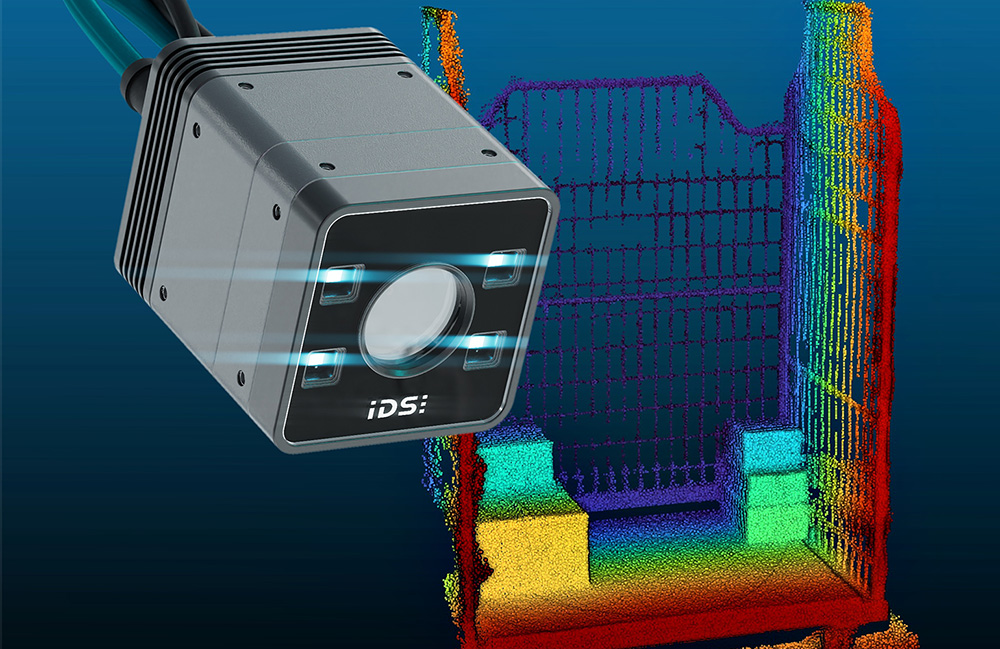
IDS: Digital precision transforms aircraft construction with Ensenso 3D vision

IDS: Digital precision transforms aircraft construction with Ensenso 3D vision

In a significant advancement for aircraft manufacturing, an Ensenso 3D camera has been integrated into an automated process chain to enhance the precision of drilling position detection and alignment during cabin assembly. This innovative technology aims to streamline operations and improve accuracy in the assembly line, ultimately contributing to higher quality standards in aircraft production. The implementation of the 3D camera system is expected to reduce errors and increase efficiency, addressing the industry's ongoing need for precision in complex assembly tasks. This development marks a crucial step forward in the integration of advanced imaging technology within the aerospace sector, reflecting the industry's commitment to leveraging automation for improved manufacturing processes.

Teledyne FLIR OEM Launches Prism Software to Detect Small Drones at Longer Range

Teledyne FLIR OEM Launches Prism Software to Detect Small Drones at Longer Range

Teledyne FLIR OEM, a division of Teledyne Technologies Incorporated, has introduced a new software solution called Prism C-UAS aimed at enhancing the detection and tracking of small, difficult-to-detect drones. Announced recently, this innovative software is designed to integrate seamlessly with existing systems, allowing for earlier identification of potential drone threats and enabling quicker response times. The launch of Prism reflects the growing need for advanced drone detection capabilities in various sectors, as the prevalence of small drones continues to rise. By improving the range and effectiveness of drone monitoring, Teledyne FLIR aims to bolster security measures and mitigate risks associated with unauthorized drone activity.

Anti-drone technology Applications C-UAS Defense Drone News Drone News Feeds
oToBrite Showcases Automotive-Grade Vision-AI for North America's Robotics and Unmanned Vehicle Market at XPONENTIAL 2026

oToBrite Showcases Automotive-Grade Vision-AI for North America's Robotics and Unmanned Vehicle Market at XPONENTIAL 2026

oToBrite has unveiled its latest innovation, a long-range 3D stereo vision camera module designed specifically for robotics, during a recent exhibition. This advanced system boasts impressive features, including 120 dB high dynamic range (HDR) imaging and global shutter synchronization. These capabilities allow for stable feature extraction even in difficult conditions, such as bright sunlight, deep shadows, and low-texture environments. The launch aims to enhance the performance of robotic systems, making them more effective in a variety of real-world applications.

Ouster releases REV8 OS sensor family with native-color lidar

Ouster releases REV8 OS sensor family with native-color lidar

Ouster has announced the launch of its new Rev8 OS sensor family, which features the industry's first native color lidar technology. This innovative lineup includes the OS1 Max, which boasts double the range and resolution compared to its predecessor, the Rev7. The introduction of these advanced sensors marks a significant advancement in lidar capabilities, aimed at enhancing various applications in robotics and autonomous vehicles. Ouster's commitment to pushing the boundaries of sensor technology is evident in this latest release, which promises to improve performance and accuracy in real-world scenarios.

Automotive Cameras / Imaging / Vision Mobility / Navigation News Self-Driving Vehicles Sensors / Sensing Systems
AI Processing of Earth Images Can Now Run in Space

AI Processing of Earth Images Can Now Run in Space

Planet Labs, a California-based Earth observation company, has successfully implemented AI image processing aboard its Pelican-4 multispectral satellite, marking a significant advancement in satellite technology. The satellite captured an image of an airport in Alice Springs, Australia, where an AI model autonomously identified and highlighted over a dozen aircraft on the tarmac. This achievement comes after 18 months of development aimed at enabling real-time object classification from space, which could revolutionize the Earth observation industry by providing immediate insights to users. Currently, Planet Labs operates hundreds of Dove and SuperDove CubeSats, alongside its Pelican satellites, which offer high-resolution imaging capabilities. The Pelican-4, launched into orbit in 2025, utilizes onboard AI algorithms to analyze images rapidly, delivering results to users within minutes. This efficiency addresses previous delays in data processing that could hinder timely responses to critical situations, such as wildfires. Looking ahead, Planet Labs plans to enhance its satellite fleet with a new model called the Owl, equipped with advanced AI detection capabilities. This network of satellites aims to create a system that autonomously monitors the planet and flags potential issues in real-time. The company envisions a future where powerful AI models could provide instant textual updates on detected anomalies, further streamlining Earth monitoring efforts. The space-based AI detection service is expected to be available to customers within the next six to nine months, as Planet Labs continues to collaborate with Google on projects that could expand data-processing capabilities in orbit.

Earth-observation Ai Computer-vision Satellites
GFT Technologies AI-powered robots move from inspection to action for automakers

GFT Technologies AI-powered robots move from inspection to action for automakers

GFT Technologies has expanded its collaboration with Google Cloud by deploying AI-powered robots in automotive factories to enhance quality control processes. These robots are designed to identify and remove defective parts from production lines, transitioning from mere inspection to active intervention. This innovative approach aims to improve manufacturing efficiency and reduce the likelihood of faulty products reaching consumers. The initiative reflects a growing trend in the automotive industry to integrate advanced technology for better operational outcomes.

Arms / Manipulators Artificial Intelligence Artificial Intelligence / Cognition Automotive Cameras / Imaging / Vision Manufacturing
How Thermal Imaging Modules Are Transforming Industrial Robots for Safer 24/7 Operations

How Thermal Imaging Modules Are Transforming Industrial Robots for Safer 24/7 Operations

The integration of a high-performance Thermal Imaging Module represents a significant engineering advancement aimed at addressing critical challenges in industrial automation. This strategic upgrade not only enhances sensor capabilities but also mitigates issues such as unexpected downtime, fire hazards, and environmental constraints. By implementing this technology, industries can improve operational efficiency and safety, ultimately leading to more reliable production processes. The move comes as companies seek innovative solutions to enhance their systems and reduce risks associated with traditional monitoring methods.
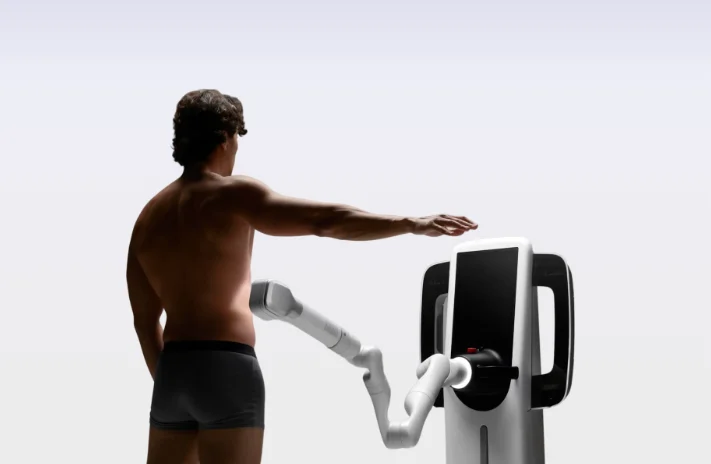
SquareMind raises $18M for robotic dermatology platform

SquareMind raises $18M for robotic dermatology platform

Squaremind has successfully secured $18 million in funding to develop Swan, an innovative robotic platform designed to automate full-body skin imaging aimed at early cancer detection. This significant investment will enable the company to enhance its technology, which is poised to improve diagnostic accuracy and efficiency in dermatology. The funding round reflects a growing interest in advanced medical technologies that leverage robotics and artificial intelligence to address critical healthcare challenges. By streamlining the imaging process, Swan aims to facilitate timely interventions for skin cancer, ultimately contributing to better patient outcomes.

Artificial Intelligence Cobot Arms Healthcare Robotics News Squaremind
Smart Shape-Memory Implants Enable Adaptive Bone Healing Monitoring

Smart Shape-Memory Implants Enable Adaptive Bone Healing Monitoring

A new advancement in medical technology has emerged with the development of Nitinol-based smart implants designed to enhance fracture healing. These innovative implants utilize artificial intelligence for real-time monitoring and provide controlled stimulation to the healing process. This breakthrough, which aims to reduce the reliance on traditional X-ray imaging, is expected to significantly improve recovery outcomes for patients. The smart implants are being introduced as a part of ongoing efforts to integrate advanced technology into orthopedic treatments, offering a more efficient and effective approach to managing fractures. As healthcare continues to evolve, these implants represent a promising step forward in personalized patient care and rehabilitation strategies.

SquareMind Raises $18M in Funding to Launch AI-Driven Robotic Skin Imaging Platform in US and Europe

SquareMind Raises $18M in Funding to Launch AI-Driven Robotic Skin Imaging Platform in US and Europe

SquareMind, a medical robotics company based in France, has successfully secured $18 million in funding, which includes previously undisclosed pre-Series A financing. This investment, primarily led by Sonder Capital, a California-based venture fund co-founded by Fred Moll, comes as SquareMind gears up to launch its innovative robotic skin imaging platform aimed at dermatology practices. The company plans to introduce this technology in both the United States and Europe, enhancing diagnostic capabilities in the field. The funding will support the final stages of development and facilitate the market entry of this cutting-edge solution, addressing the growing demand for advanced dermatological tools.

AI AI Funding & Investment Robotics France funding medical robotics

With navigating nematodes, scientists map out how brains implement behaviors

With navigating nematodes, scientists map out how brains implement behaviors

Scientists at MIT have developed a comprehensive map detailing the neural processes in C. elegans worms as they navigate toward appealing odors or steer clear of unpleasant ones. This groundbreaking research, which sheds light on the decision-making mechanisms in these simple organisms, was conducted to better understand the fundamental principles of sensory processing and behavior. By employing advanced imaging techniques, the team was able to observe the specific neural pathways activated during these olfactory-driven behaviors. The findings, published recently, could have broader implications for understanding similar processes in more complex organisms, including humans, and may contribute to advancements in neuroscience and behavioral studies.

Research Neuroscience Animals Behavior Brain and cognitive sciences Picower Institute
Collaborative Sampling and Imaging of Phytoplankton Communities by Two Long‐Range Autonomous Underwater Vehicles Using Acoustic Tracking and Messaging

Collaborative Sampling and Imaging of Phytoplankton Communities by Two Long‐Range Autonomous Underwater Vehicles Using Acoustic Tracking and Messaging

In May 2026, researchers published a study in the Journal of Field Robotics, detailing advancements in robotic technology aimed at enhancing agricultural efficiency. This research, conducted by a team of engineers and agricultural scientists, focuses on the development of autonomous robots capable of performing various farming tasks, such as planting, monitoring crop health, and harvesting. The study highlights the pressing need for innovative solutions in agriculture, driven by the increasing global population and the corresponding demand for food production. By integrating advanced sensors and artificial intelligence, these robots can operate independently, reducing the reliance on manual labor and improving productivity. The research was conducted in various agricultural settings, showcasing the robots' adaptability to different environments and crop types. The findings suggest that implementing such robotic systems could lead to significant cost savings and increased yield for farmers, ultimately contributing to food security. The team employed a combination of field trials and simulations to validate the robots' effectiveness, demonstrating their ability to navigate complex terrains and perform tasks with precision. This breakthrough could revolutionize the agricultural sector, offering a sustainable approach to meet future food demands while minimizing environmental impact.

RESEARCH ARTICLE