Industry Briefing
A single destination for timely, editor-curated robotics news from around the world.
How One Million Hours of Human Video Became a 'Textbook' for Robot Learning
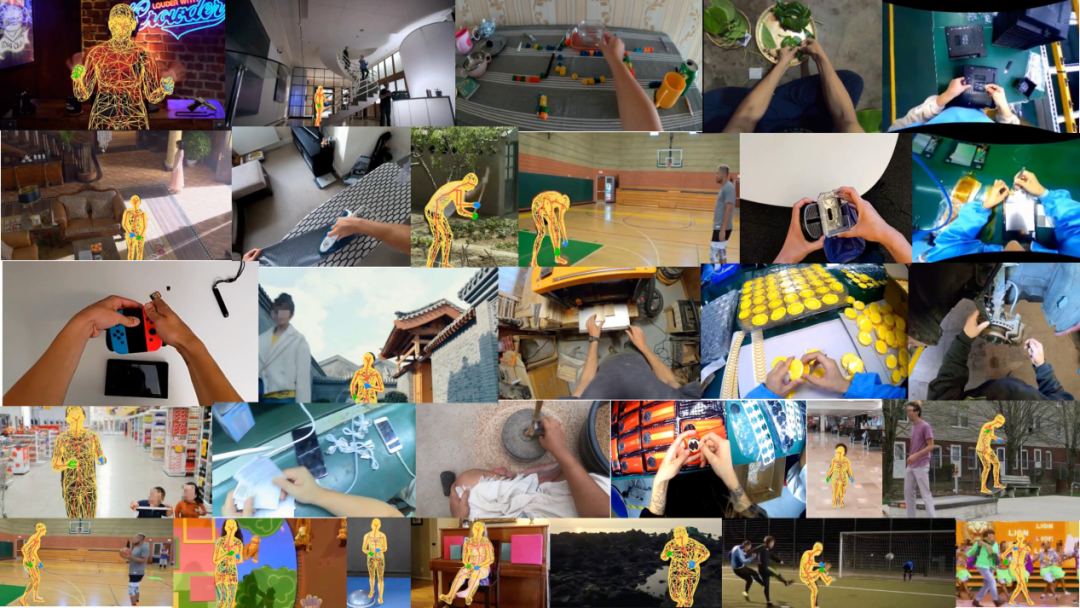
A research team at Peking University has unveiled the HumanNet dataset, a comprehensive collection of one million hours of human-centered videos aimed at advancing robot training in physical tasks. Released in October 2023, this extensive dataset offers a wealth of diverse perspectives and detailed annotations, enhancing the learning capabilities of robots. The initiative seeks to improve the interaction between robots and humans by providing a rich resource that reflects real-world scenarios, ultimately fostering more effective and adaptable robotic systems.
Robot Learning Human-Centered Data AI Training Computer Vision
Hyperscale Data to Produce First 30 Omnipresent Robotics Humanoid Robots
Hyperscale Data has announced that its robotics subsidiary, Omnipresent Robotics, has commenced production of the first 30 humanoid robots intended for use at the company's AI data center campus in Michigan. This initiative marks the beginning of a larger deployment plan, which aims to integrate a total of 143 OPR-R2 humanoid robots into operations. The deployment is part of Hyperscale Data's strategy to enhance efficiency and automation within its facilities. The robots are expected to play a crucial role in supporting various tasks at the data center, reflecting the company's commitment to advancing technology and innovation in the field of artificial intelligence.
AI AI Funding & Investment AI Use Cases Robotics humanoid robotics Hyperscale Data
Kinetix AI Introduces KAI Halo to Enhance Data Infrastructure for Robotics
As the robotics industry enters a phase of large-scale development, a critical question arises: how long does it take for newly collected real-world data to translate into actionable capabilities for robots? The data journey, from collection to deployment, is complex and any delays can hinder progress. Kinetix AI is addressing this challenge by connecting every stage of data production rather than simply expanding data volume. The Kai Ego Dataset has amassed over 100,000 hours of first-person multimodal data, covering more than 2,000 atomic skills across various real-world scenarios such as homes, retail, hotels, and factories. This dataset captures the nuances of continuous tasks, allowing robots to learn complex behaviors rather than isolated actions. It integrates diverse information, including visual data, body posture, and motion semantics, providing a unified data foundation for cross-domain transfer. KAI Halo, a standardized data collection tool developed by Kinetix AI, addresses common issues encountered in real data production, such as occlusion and data quality fluctuations. By employing a four-way fisheye global shutter RGB camera and a 200Hz IMU, KAI Halo synchronizes multiple perspectives, enabling a comprehensive reconstruction of human actions and interactions with the environment. No further timeline was disclosed at the time of publication.
Embodied Intelligence Data Infrastructure Robotics AI Data Processing
AI Agents Develop Virtual Environments for Essential Robot Training Data
Robots are becoming more visible in public spaces, captivating onlookers. However, they still lack the versatility needed for tasks in kitchens or factories, primarily due to a significant data bottleneck. Similar to human learning, robots acquire skills through experience, but the process of physically training them in various environments is labor-intensive and time-consuming. This challenge highlights the need for innovative solutions to streamline robot training. By utilizing AI agents to create virtual playgrounds, developers can simulate diverse scenarios, allowing robots to learn efficiently without the constraints of physical environments. This approach could significantly reduce the time and resources required for training, ultimately accelerating the deployment of robots in practical applications. Looking ahead, the development of these virtual training environments may pave the way for more capable robots in various industries. As AI technology continues to evolve, it will be essential to monitor advancements in virtual training methodologies and their impact on robot performance and adaptability. No further timeline was disclosed at the time of publication.
Robotics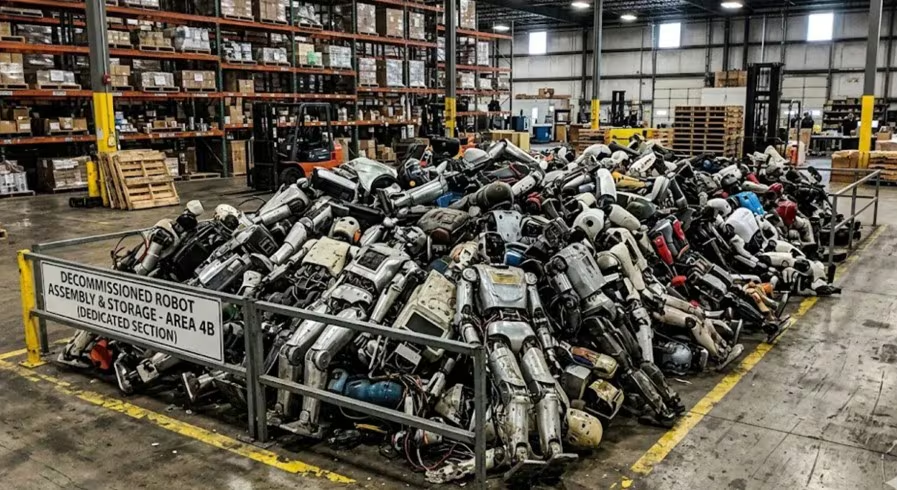
The Eve of the Humanoid Robot Scrapping Wave: Over Ten Thousand Parts, Data Leaks, and Risks of Thermal Runaway Await Resolution
As the deadline for the scrapping of humanoid robots approaches, industry experts are raising alarms over the potential risks associated with the disposal of over ten thousand robot parts. This wave of scrapping, set to occur in the coming weeks, has been prompted by concerns over data leaks and the dangers of thermal runaway, a phenomenon where overheating can lead to catastrophic failures. The situation has unfolded primarily in tech hubs where these robots were developed and deployed, highlighting the urgent need for effective disposal protocols. Experts warn that without proper management, the discarded components could pose significant environmental and safety hazards. In response to these concerns, companies are urged to implement stringent measures to secure sensitive data and safely dismantle the robots to mitigate risks. The industry is now under pressure to establish comprehensive guidelines for the responsible disposal of robotic technology, ensuring that both data integrity and public safety are prioritized as this unprecedented scrapping wave looms.
Robotics Automation AI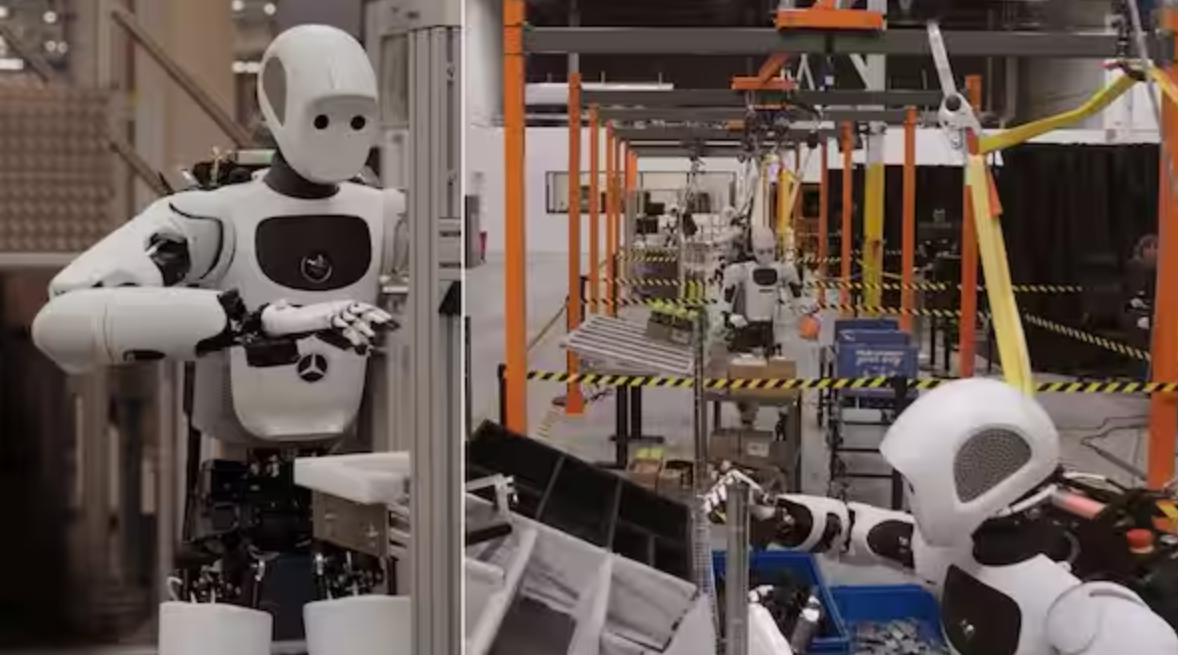
Google's Apptronik opens a 90,000 square foot "robot park": training humanoid robots with a data factory to walk towards...
Apptronik, a robotics company backed by Google, has inaugurated a 90,000 square foot facility known as a "robot park" dedicated to the training of humanoid robots. This state-of-the-art center, located in Austin, Texas, aims to enhance the capabilities of robots by utilizing a sophisticated data factory that allows them to learn and refine their walking abilities. The opening of the robot park comes as part of Apptronik's broader mission to advance humanoid robotics technology, driven by the increasing demand for automation and intelligent machines in various industries. By leveraging extensive data and innovative training methods, the facility is expected to significantly accelerate the development of robots that can perform complex tasks in real-world environments.
Robotics Automation AI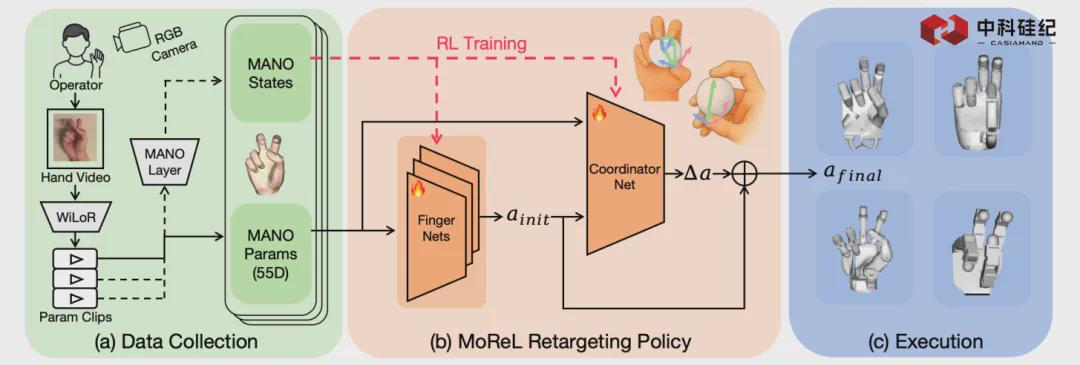
Breaking Through Data Bottlenecks: Si 0.5 Enables Millisecond Mapping from Human to Dexterous Hands
Zhongke Silicon Memory has unveiled MoReL, an innovative modular reinforcement learning framework designed to enhance embodied intelligence by facilitating real-time mapping of human hand movements to a variety of dexterous robotic hands. This significant advancement, announced recently, aims to tackle the prevalent issues of data scarcity and compatibility that have hindered the effective control of robotic systems. By enabling precise and efficient manipulation across different robotic platforms, MoReL eliminates the necessity for extensive reconfiguration, thereby streamlining the integration of human-like dexterity in robotics. This development marks a pivotal step forward in the field, promising to enhance the functionality and adaptability of robotic hands in various applications.
Robotic Manipulation Reinforcement Learning Dexterous Robotics Human-Robot Interaction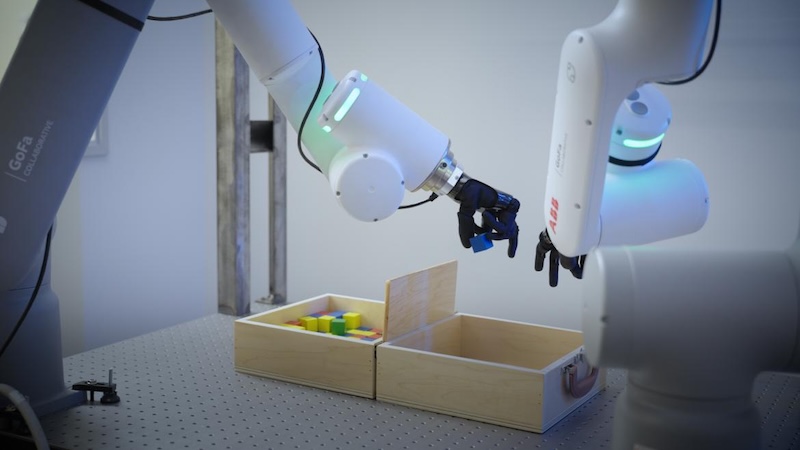
ABB Robotics and Psyonic use human-generated data to advance robotic dexterity
ABB Robotics is partnering with California-based bionics firm Psyonic to enhance robotic gripping and dexterity, addressing a significant challenge in the industry. This collaboration aims to leverage real-world manipulation data derived from human prosthetic use, which could lead to a reduction in engineering time by as much as 30%. The initiative involves integrating the Psyonic Ability Hand with ABB's GoFa robotic arm, creating a more efficient and adaptable solution for various applications. This innovative approach seeks to improve the functionality of robotic systems, making them more effective in handling tasks that require precision and flexibility.
Components Design Engineering abb robotics ai robotics automation news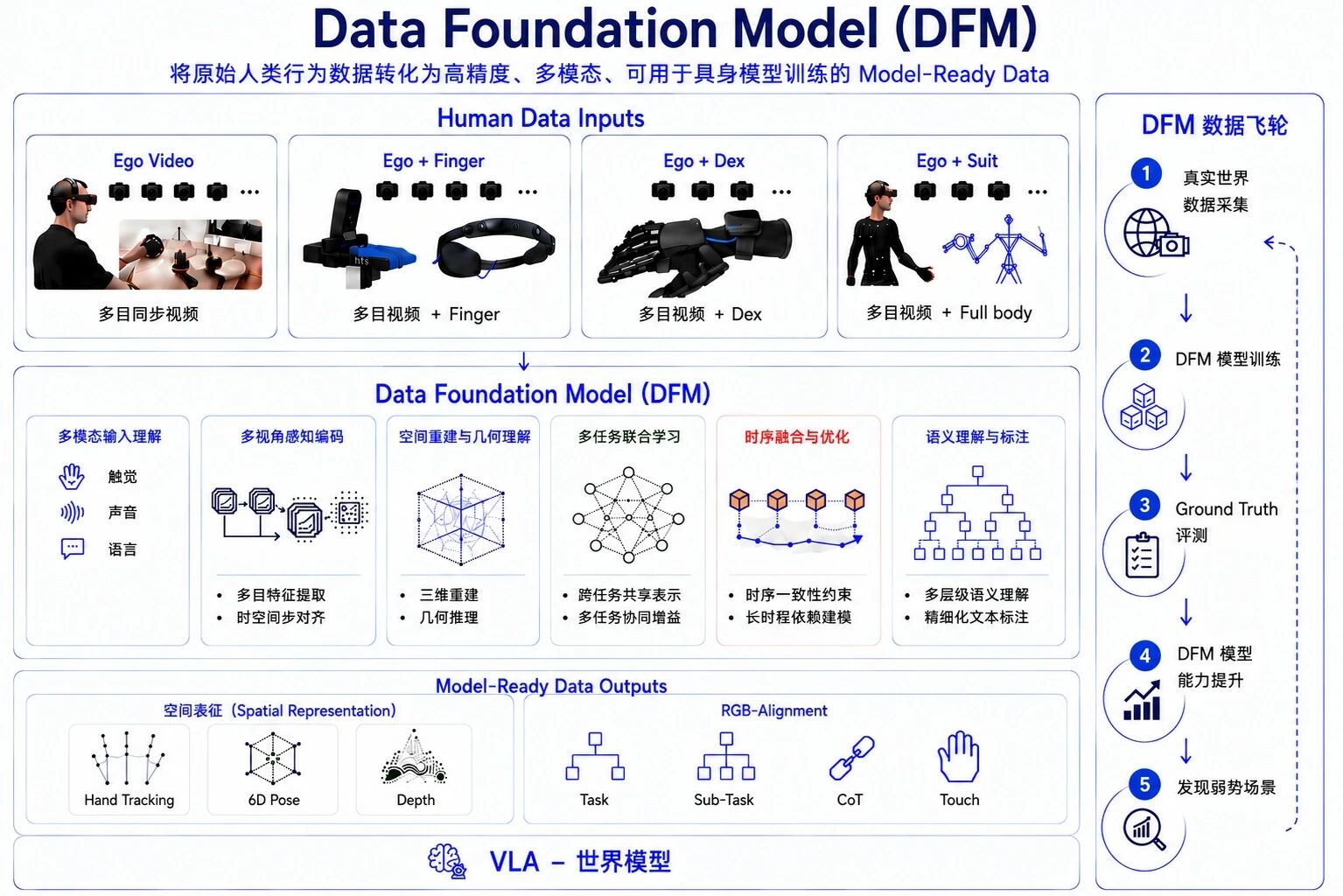
Why Human Data Requires a Data Foundation Model
Human Data is confronting significant challenges in effectively embodying intelligence, prompting the development of a Data Foundation Model (DFM). This innovative framework aims to convert raw human data into high-quality, multi-modal, and task-ready formats, thereby enhancing data accuracy, efficiency, and scalability for training embodied models. The DFM is designed to provide a robust infrastructure that facilitates data integration and understanding while allowing for continuous evolution. By addressing these critical issues, the DFM seeks to improve the overall effectiveness of data utilization in various applications.
Human Data Data Foundation Model Embodied Intelligence Multi-modal Data Data Processing
ABB Robotics and PSYONIC Use Human-Generated Data to Advance Robotic Dexterity
ABB Robotics has partnered with California-based bionics company PSYONIC to enhance robotic dexterity and grasping capabilities by utilizing human-generated data from prosthetic use. Announced on June 16, 2026, this collaboration aims to address the significant challenge of replicating human-like dexterity in industrial robotics, which is essential for the development of Autonomous Versatile Robotics (AVR™). By integrating the PSYONIC Ability Hand with ABB's GoFa™ collaborative robot, the two companies will explore how real-world manipulation data can train robots to perform delicate tasks that are typically difficult to automate. This initiative is expected to reduce engineering time by up to 30% and improve productivity, flexibility, and workplace safety across various industries, including automotive, aerospace, packaging, logistics, and life sciences. Marc Segura, President of ABB Robotics, emphasized the importance of bridging the gap between human and robotic dexterity to enable robots to learn and interact with their environments more intuitively. Dr. Aadeel Akhtar, Founder and CEO of PSYONIC, highlighted that the collaboration will leverage high-fidelity data on movement and grip force to enhance robotic performance in complex tasks. The GoFa™ robot will provide the precision necessary for industrial applications, ensuring consistent execution of intricate movements, which is crucial for handling fragile or irregular objects. This partnership represents a significant step towards advancing physical AI in robotics, allowing for more effective collaboration between humans and machines.
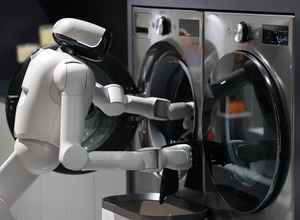
LG to build Korea's first humanoid 'data factory' to train robots
LG Electronics is transforming its research and development campus in the Yangjae district of southern Seoul into South Korea's first "data factory" dedicated to humanoid robots, according to industry sources. This initiative, announced on Friday, aims to utilize hundreds of CLOiD machines that will perform everyday tasks to generate essential real-world data. As the development of humanoid robots increasingly hinges on data rather than hardware, this facility seeks to address the growing challenge of acquiring the necessary information for effective robot training. By creating a controlled environment where robots can learn from repetitive tasks, LG Electronics is positioning itself at the forefront of the competitive humanoid robotics sector.
All News
First in Industry: JianZhi Robotics and Ant Lingbo Collaborate on Human Data-Driven Intelligent Evolution
On May 26, JianZhi Robotics and Ant Lingbo unveiled a strategic partnership aimed at advancing embodied intelligence by utilizing human data. This collaboration seeks to address existing limitations within the industry by innovating model training and cognitive evolution, setting a new standard for general embodied intelligence. By harnessing high-quality human behavioral data, the partnership intends to enhance model capabilities and promote the practical application of embodied intelligence in various sectors.
Embodied Intelligence Human Data Robotics Collaboration AI Innovation
Xiong Penghang: Most Data is Waste; Human-Centric Approach is Key to Success
Xiong Penghang, the CEO of Haocun Technology, has highlighted the growing significance of human motion data in the field of robotics. As the industry transitions from cognitive models to a focus on physical actions, Haocun Technology has responded by developing high-precision data gloves that accurately capture joint angles. This innovation is paving the way for a new era of embodied intelligence in robotics. The increasing demand for precise motion data signifies a notable transformation within the sector, reflecting the industry's evolving priorities and the potential for enhanced robotic capabilities.
Robotics Motion Capture Embodied Intelligence Data Gloves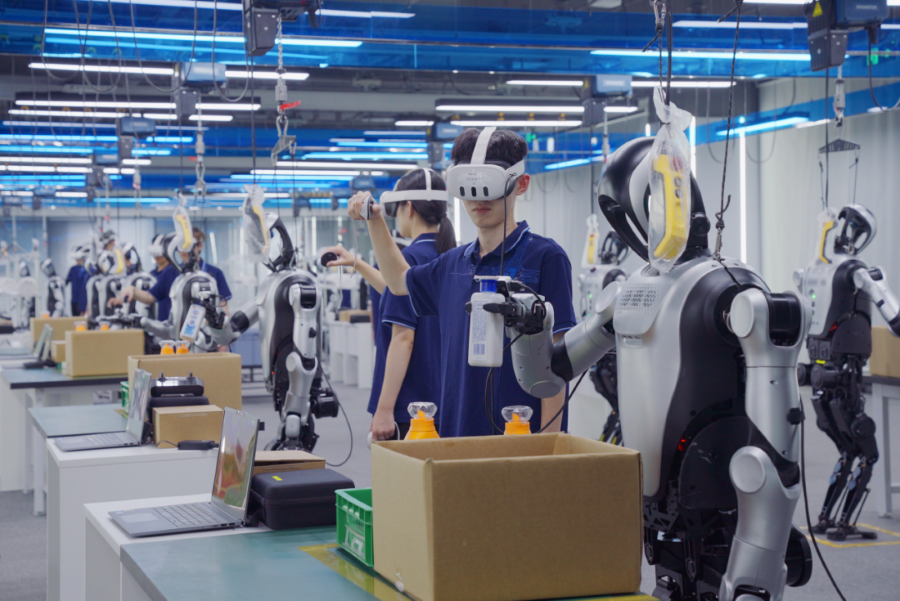
Annual Production of 25 Million Real Machine Data: This Company is Building a 'Data Oilfield' for Humanoid Robots
Yushu Technology is tackling the pressing issue of inadequate high-quality data in the humanoid robot industry by creating extensive real data sets and automated labeling systems. This initiative, aimed at enhancing data collection processes, is set to transform the landscape of humanoid robot intelligence. By establishing innovative training grounds, Yushu Technology seeks to expedite the development and sophistication of humanoid robots, ultimately contributing to advancements in artificial intelligence. The company's efforts are crucial in addressing the current limitations faced by the sector, which relies heavily on robust data for training and improving robotic capabilities.
Humanoid Robots Data Collection AI Machine Learning Robotics Infrastructure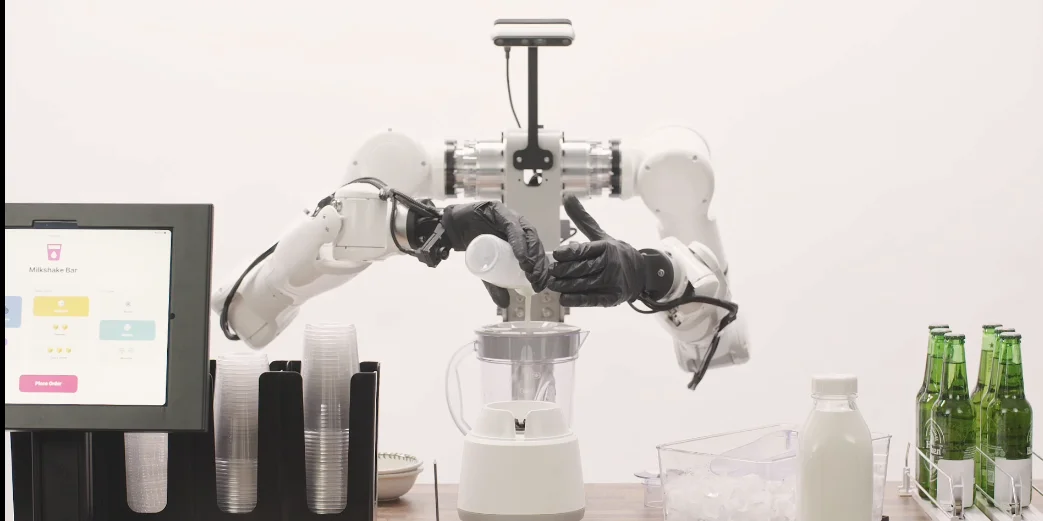
Genesis AI Unveils Foundation Model, Hand & Data Collection System to Develop Human-Level Physical Manipulation for Robotics
Genesis AI has introduced a groundbreaking robotics foundation model named GENE-26.5, accompanied by a proprietary robotic hand and a data collection system aimed at enhancing the ability of robots to learn complex physical tasks by observing human behavior. This innovative system seeks to tackle the challenges associated with gathering substantial amounts of usable training data necessary for teaching robots to perform intricate tasks effectively. The unveiling of GENE-26.5 marks a significant advancement in the field of robotics, as it promises to streamline the learning process for robots, making them more adept at mimicking human actions.
AI AI Use Cases Robotics Eclipse Eric Schmidt Foundation AI Model for Robotics
Reaching the Global Milestone of One Million Hours of Data - Beijing Humanoid Robot Innovation Center Empowers the Development of Embodied Intelligence Industry
The Beijing Humanoid Robot Innovation Center has launched a new data collection and training base designed to spearhead advancements in the embodied intelligence sector. Established to provide high-quality data and establish national standards, this facility has rapidly emerged as a premier platform for data collection. It supports multiple industries and aims to enhance the capabilities of humanoid robots, positioning itself at the forefront of technological innovation. The initiative reflects a growing commitment to advancing robotics and artificial intelligence in China, with the center playing a pivotal role in shaping the future of these technologies.
Embodied Intelligence Data Collection Robot Standards AI Humanoid Robots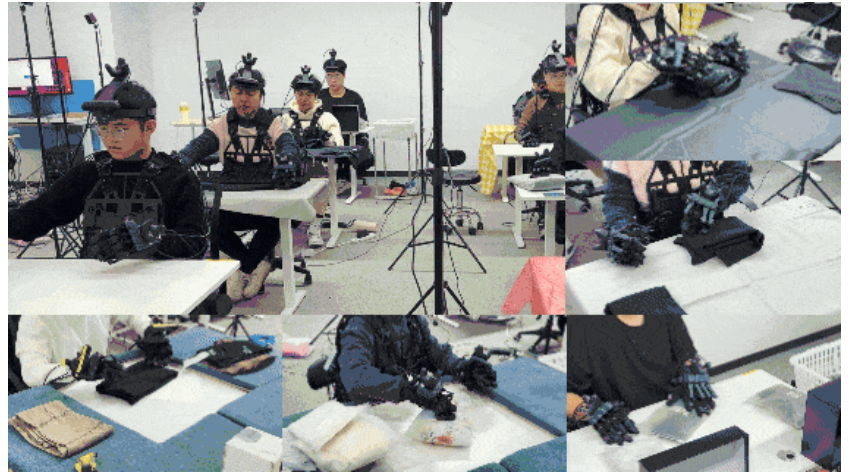
Interview with Lingchu Intelligent CEO Wang Qibin: Reducing Data Costs is More Important than Competing in Humanoid Robots
Lingchu Intelligent has successfully raised 2 billion yuan in angel and Pre-A round financing, marking a significant step in its mission to enhance data collection and operational capabilities. The company, led by CEO Wang Qibin, aims to shift the focus away from traditional hardware solutions, emphasizing the critical role of high-quality, low-cost human operation data. This strategic direction is intended to address and overcome existing challenges within the field of embodied intelligence. The funding will enable Lingchu Intelligent to further develop its innovative approaches and strengthen its position in the industry.
Data Collection Logistics Automation Robotics AI Operational Efficiency
Figure Launches 'Project Go-Big' to Train Humanoid Robots on Human Video Data
Figure, a humanoid robotics company, has initiated an extensive data collection effort named 'Project Go-Big,' which seeks to develop a comprehensive pretraining dataset by recording human interactions in everyday home environments. This ambitious project is bolstered by a collaboration with Brookfield, a leading real estate firm. As a result of this partnership, Figure's robot has successfully learned navigation skills solely from the human video footage captured during the initiative. The project represents a significant step forward in the field of robotics, aiming to enhance the capabilities of humanoid robots by leveraging real-world data.
Brett Adcock Figure AI brookfield helix robotics
Generative AI analyzes medical data faster than human research teams
In a recent study, researchers explored the capabilities of generative AI in analyzing complex medical datasets, comparing its performance to that of human experts. The findings revealed that in certain instances, the AI not only matched but also surpassed the effectiveness of teams that had dedicated months to developing prediction models. By utilizing precise prompts to generate usable analytical code, the AI significantly decreased the time required for processing health data. This advancement suggests a promising future where artificial intelligence could accelerate the transition from data analysis to scientific discovery, potentially transforming research methodologies in the medical field.
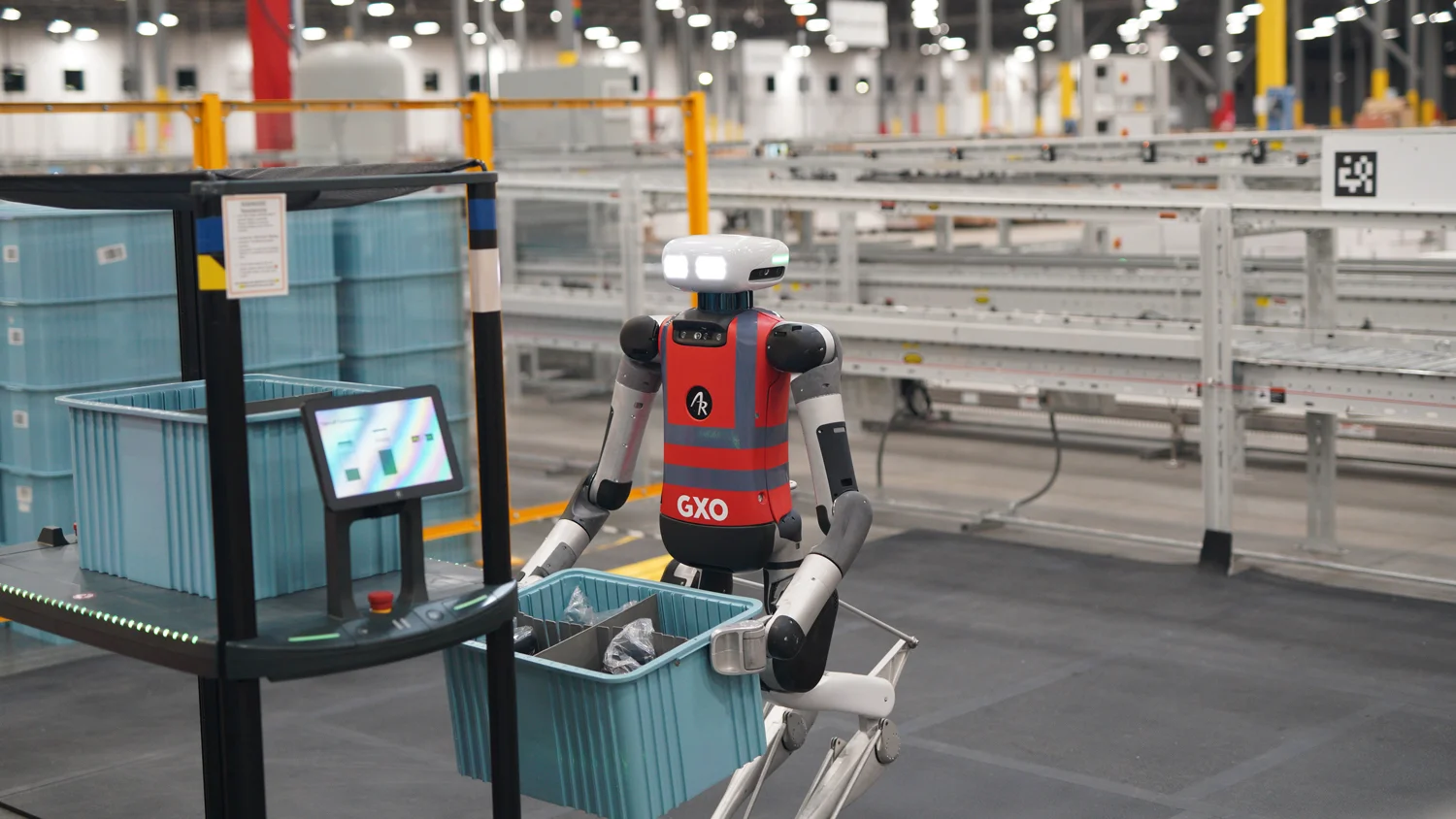
Agility Robotics Hits 100,000 Totes Milestone, Firing a Data-Driven Shot in the Humanoid Wars
Agility Robotics has reported that its Digit robot has successfully moved over 100,000 totes at GXO Logistics, showcasing its operational capabilities amidst increasing competition in the robotics industry. This achievement, which highlights the efficiency and effectiveness of the Digit robot, comes as Agility seeks to establish its position in a market that is becoming increasingly crowded with new entrants. The milestone was reached recently, demonstrating the robot's practical application in logistics and supply chain management. By providing concrete operational data, Agility aims to counter the claims made by competitors about their own robotic solutions, reinforcing the reliability and performance of its technology in real-world scenarios.
Digit Agility Robotics
Tactile learning loop: How human touch data teaches robots to handle eggs
Engineers have observed significant advancements in industrial robotics, particularly in the areas of automated welding and pallet stacking. Over the years, these machines have demonstrated remarkable precision and efficiency, transforming manufacturing processes. The ongoing development in robotics technology has been driven by the need for increased productivity and cost-effectiveness in various industries. As companies seek to enhance their operational capabilities, the integration of sophisticated robotic systems has become essential. This evolution in automation is not only streamlining production lines but also addressing labor shortages and improving workplace safety. The continuous innovation in this field suggests a promising future for industrial robots, as they become increasingly capable of handling complex tasks with minimal human intervention.
AI and Robotics
Milan hospital deploys 4-ft-tall humanoid robot to assist wards and relay patient data
In a significant effort to alleviate healthcare workloads and enhance ward efficiency, a new initiative has been launched by healthcare authorities. This program, introduced in October 2023, aims to streamline operations within hospitals across the region. By implementing advanced technologies and innovative management strategies, the initiative seeks to reduce the burden on medical staff and improve patient care. The decision to launch this program stems from ongoing concerns about staff burnout and the need for more effective resource allocation in healthcare facilities. As part of the rollout, hospitals will receive support in adopting these new practices, which are expected to lead to better patient outcomes and a more sustainable work environment for healthcare professionals.
AI and Robotics
RLWRLD and Nvidia launch DexBench to standardize humanoid robot dexterity
RLWRLD, a company specializing in physical AI, has partnered with Nvidia to establish new industry standards for humanoid robot artificial intelligence. This initiative, announced recently, aims to enhance the capabilities of humanoid robots through three key components. The first is DexBench, a universal benchmark designed to assess dexterity performance in robotic systems. The second component focuses on creating a standardized data framework for training robots in dexterous manipulation. Lastly, the collaboration will ensure deep integration with Nvidia's open-source platforms, Isaac Lab and Isaac Lab-Arena, facilitating advanced development and testing of robotic technologies. This initiative is set to advance the field of robotics by providing essential tools and standards for evaluating and improving robot dexterity and functionality.
Computing Software automation news DexBench dexterous manipulation embodied ai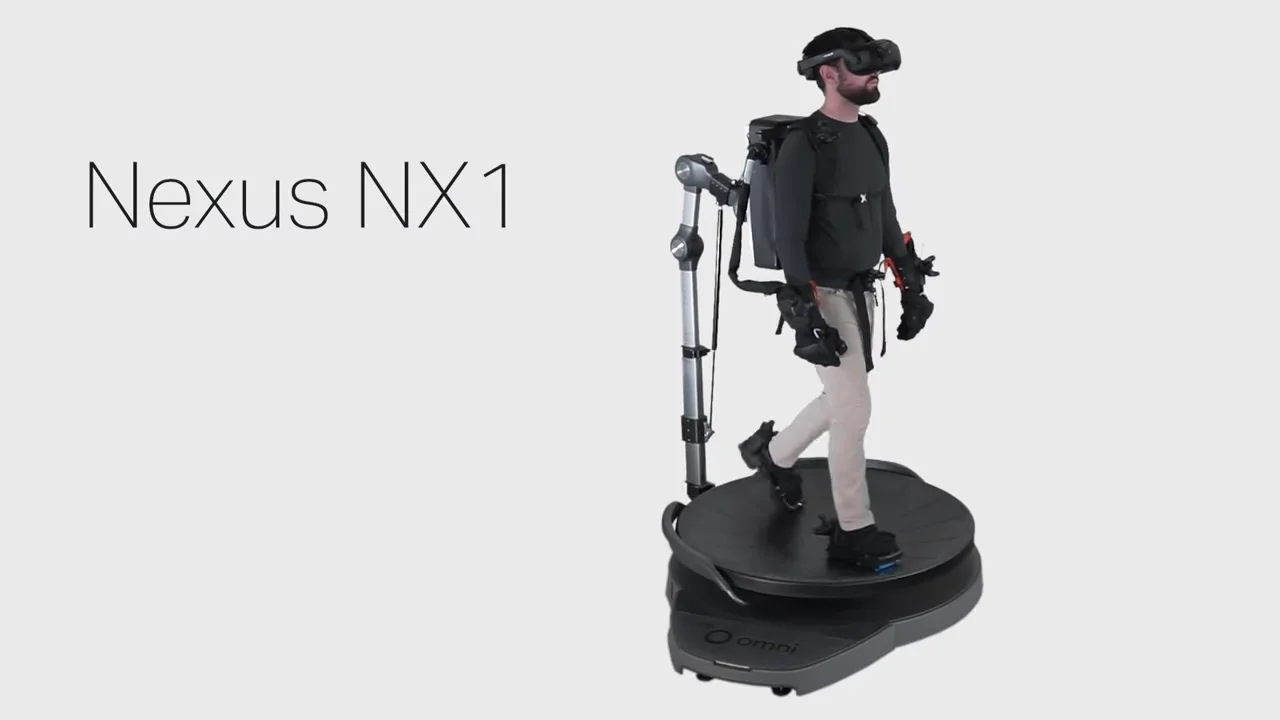
1HMX Enters the Humanoid Data Race with a High-Fidelity Teleoperation Rig
A new training system, the Nexus NX1, has been launched, combining HaptX gloves and Virtuix treadmills to create a comprehensive solution aimed at enhancing robotic dexterity training. This innovative system is designed to provide realistic haptic feedback, which developers believe is crucial for improving the skills necessary for operating robots effectively. The Nexus NX1 is positioned as a "turnkey" solution, simplifying the training process for users. The introduction of this system comes as the demand for advanced training tools in robotics continues to grow, reflecting the industry's push towards more immersive and effective learning experiences.
teleoperation 1HMX
Project Go-Big: Internet-Scale Humanoid Pretraining and Direct Human-to-Robot Transfer
Figure has unveiled Project Go-Big, an innovative initiative aimed at developing the largest humanoid pretraining dataset in collaboration with Brookfield. This ambitious project is designed to enhance the capabilities of robots, allowing them to learn navigation and manipulation tasks directly from human-generated video content. By achieving zero-shot transfer of skills, Project Go-Big is set to significantly advance the field of humanoid robotics. The announcement comes as the demand for more sophisticated robotic systems continues to grow, highlighting the importance of effective training methods in the evolution of robotics technology.
humanoid robotics machine learning artificial intelligence natural language processing data collection
Nvidia (NVDA) Remains a Key Humanoid Robotics Play, Bernstein Says
On June 29, 2026, Bernstein reaffirmed its "Outperform" rating for Nvidia Corporation (NASDAQ: NVDA), emphasizing the company's pivotal role in the humanoid robotics sector. The investment firm noted that Nvidia, alongside Qualcomm, is leading the development of advanced processors that serve as the central processing units for robotics. These processors enable robots to efficiently process sensor data, reason, plan, and execute actions. While Bernstein recognizes Nvidia's potential as an investment, it suggests that other AI stocks may present greater upside with less risk. The analysis comes amid a broader discussion on the evolving landscape of AI-driven solutions, with Nvidia's offerings spanning data centers, self-driving vehicles, and cloud services.
Micron: Humanoid Robots' Storage Capacity Surpasses L2+ Cars by Tenfold, Potentially Triggering a Super Cycle
Micron Technology has announced record revenues, underscoring the growing storage requirements of humanoid robots, which are anticipated to require ten times more storage than Level 2+ autonomous vehicles. This dramatic increase in demand is expected to initiate a long-term super cycle in memory demand, fundamentally altering the view of storage chips as essential components within artificial intelligence infrastructure. The company's insights reflect a broader trend in the tech industry, where advancements in robotics and AI are driving the need for enhanced data storage solutions.
Memory Chips AI Infrastructure Humanoid Robots Autonomous Vehicles Data Storage
Humanoid Robot Prices Crash Below 10,000 RMB as Mass Adoption Begins
The price of humanoid robots in China has fallen below 10,000 RMB for the first time, marking a significant milestone in the robotics industry. This decline is attributed to the country's advanced supply chain capabilities and a strategic pivot by manufacturers towards prioritizing data collection rather than focusing solely on industrial-grade performance. As of October 2023, this shift reflects a broader trend in the technology sector, where the emphasis is increasingly placed on harnessing data for various applications. The affordability of humanoid robots may lead to wider adoption across different sectors, potentially transforming how businesses and consumers interact with robotic technology.
Industry
The Truth About the Robotics Industry: Don't Be Misled by the Humanoid Trend
In a recent interview, Gartner's Vice President of Research provided insights into the robotics industry, noting that while it is nearing commercialization, it has yet to achieve large-scale success. He raised questions about the need for humanoid robots, advocating for designs that prioritize functionality over aesthetics. The conversation also addressed significant data challenges within the industry, drawing parallels to the early stages of language model development. The VP emphasized that the future progress of robotics hinges on the availability of high-quality physical interaction data, which is crucial for advancing the technology.
Robotics Industry Humanoid Robots AI and Automation Data Challenges
1X Launches World Model Lab to Advance Humanoid Robot Autonomy
1X, a Norwegian-American company specializing in humanoid robotics, has unveiled its new facility, the 1X World Model Lab, aimed at advancing artificial intelligence. This initiative is designed to develop large-scale foundation models that will enable robots to better understand, predict, and interact with their environments. The lab's focus is on pretraining these models using essential data from the outset, enhancing the robots' capabilities in various applications. The launch reflects 1X's commitment to pushing the boundaries of robotics and AI technology.
AI AI Funding & Investment AI Research & Advances Robotics Uncategorized 1X
Goldman Sachs Mid-Year Assessment: 2027-2029 Marks the Turning Point for China's Humanoid Robots
Goldman Sachs has released a report indicating significant progress in the humanoid robot industry, suggesting that commercialization is now more imminent than it was earlier this year. The investment bank forecasts that large-scale deployment of humanoid robots will likely occur between 2027 and 2029. The report underscores the critical role of high-quality data and the advancement of multi-modal models in improving the capabilities of these robots. Currently, the primary applications of humanoid robots are in industrial environments, reflecting the sector's focus on enhancing operational efficiency and productivity.
Humanoid Robots Commercialization Data Collection Industrial Automation
Established for 90 days, three rounds of financing, hundreds of millions in revenue, is humanoid robot leasing really a trend?
The Beijing Humanoid Robot Innovation Center, designated as China's "national team" for embodied intelligent robots, is spearheading advancements in core technologies and establishing a self-sustaining industrial ecosystem. Since its inception, the center has focused on fulfilling national strategic objectives. Recently, it launched an embodied intelligent robot data and training base, marking a significant enhancement in the country’s capabilities in this field. This facility not only provides a robust data infrastructure but also leads the development of the nation’s first data collection standards for embodied intelligence. By offering specialized services and generating high-quality data, the center aims to facilitate the integration of humanoid robots into various sectors and households. This initiative is part of China's broader strategy to foster new productive forces and achieve technological self-reliance during a pivotal shift from "perceptual intelligence" to "embodied intelligence."
Robotics Automation AI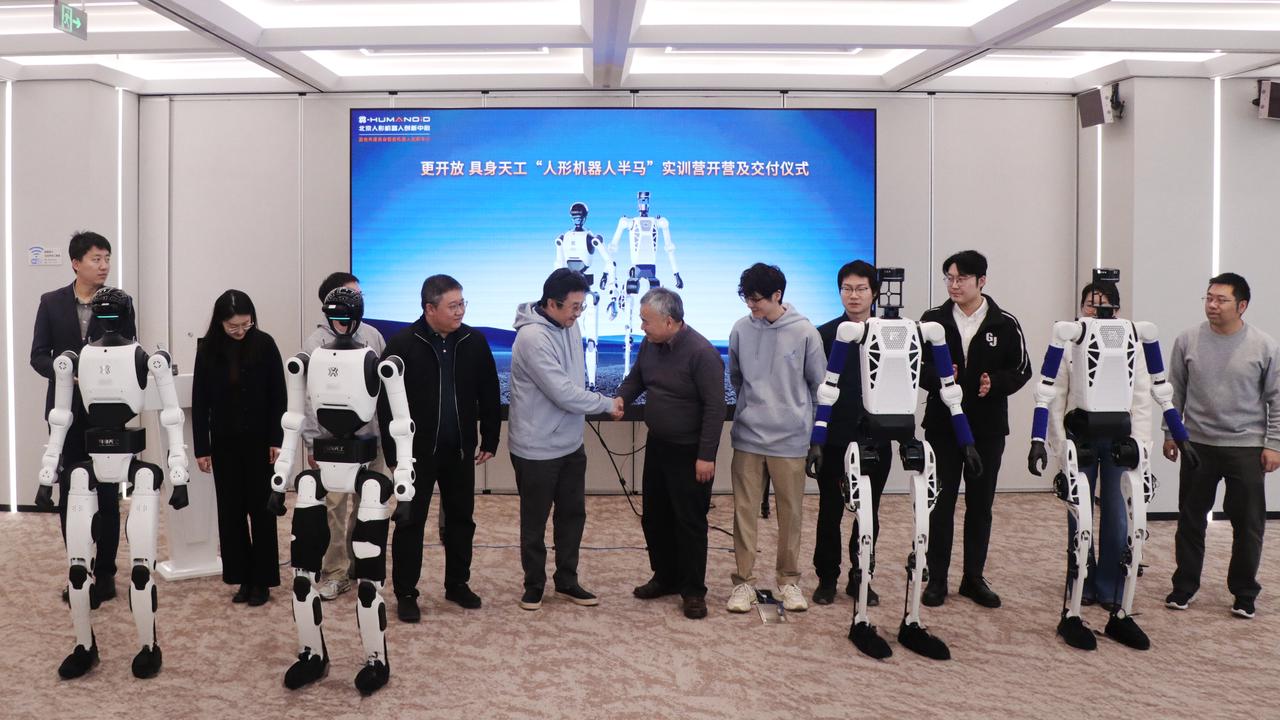
Beijing Humanoid Holds Robot Half Marathon Cooperation Delivery Ceremony to Explore the Limits of Embodied Intelligent Technology with Open Source Ecology
The Beijing Humanoid Robot Innovation Center, designated as China's "national team" for embodied intelligent robots, is spearheading advancements in core technologies and developing an independent industrial ecosystem. Since its establishment, the center has focused on aligning with national strategies to enhance China's global competitiveness. Recently, it inaugurated a data and training base for embodied intelligent robots, marking a pivotal step beyond physical capabilities. This initiative aims to position China as a leader in data strategy within the emerging field of embodied intelligence. The center is set to provide extensive, high-quality data infrastructure essential for the industry, while also leading the creation of China's first standards for data collection in this domain. By offering specialized services and generating valuable data, the center is poised to facilitate the integration of humanoid robots into various sectors and households. This effort is expected to accelerate the development of new productive forces and foster technological self-reliance in China. As the landscape of artificial intelligence evolves from "perceptual intelligence" to "embodied intelligence," the demand for high-quality data becomes increasingly critical to drive innovation and growth in the sector.
Robotics Automation AI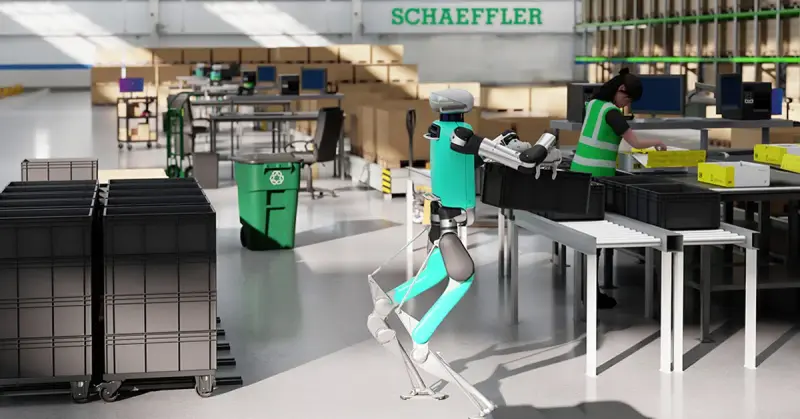
Schaeffler Explores AI-Driven Factories and Humanoid Co-Workers with Accenture, NVIDIA, Microsoft
Schaeffler has announced a strategic partnership with Accenture, NVIDIA, and Microsoft to enhance future factory operations through the implementation of digital twins on the NVIDIA Omniverse platform. This collaboration aims to simulate a range of automation scenarios, incorporating advanced humanoid robots such as Agility's Digit and Sanctuary AI's Phoenix. By utilizing Microsoft Fabric for data analysis, the partners seek to effectively connect virtual testing environments with real-world performance metrics. This initiative reflects a growing trend in the manufacturing sector to leverage cutting-edge technology for improved efficiency and innovation in production processes.
phoenix NVIDIA Microsoft HM25 Schaeffler Digit
Silicon Motion Enhances AI Humanoid Robotics Supply Chain with Ferri Solutions
Silicon Motion is making significant strides in the AI humanoid robotics sector by enhancing its supply chain with the introduction of Ferri embedded storage solutions. These innovative products are specifically engineered for real-time data processing and durability, catering to the growing demands of the robotics industry. The company is also broadening its market presence through strategic partnerships, positioning itself as a key player in this rapidly evolving field. This initiative reflects Silicon Motion's commitment to advancing technology that supports the development of sophisticated humanoid robots, which are increasingly being integrated into various applications.
Silicon Motion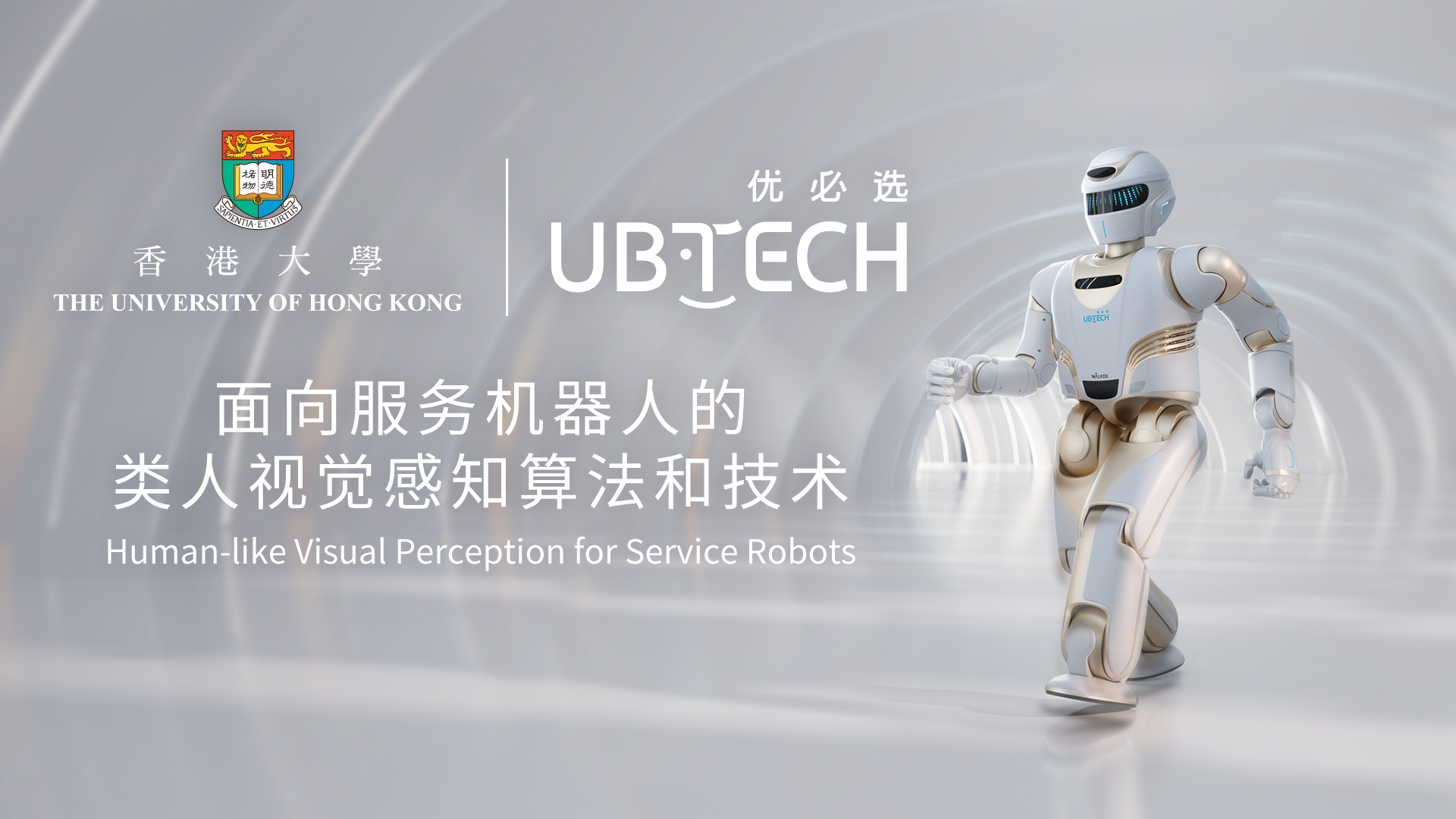
UBTECH Robotics Collaborates with the University of Hong Kong for Joint Research on Human-like Visual Perception
UBTECH Robotics has announced a partnership with the University of Hong Kong to advance research on human-like visual perception algorithms for service robots. This collaboration, which focuses on processing 3D point cloud data, aims to enhance the visual recognition capabilities of humanoid robots, thereby improving their precision in diverse environments. The initiative is part of UBTECH's broader strategy to apply advanced visual perception technologies in practical settings. In addition to the research efforts, UBTECH plans to establish subsidiaries in Hong Kong, intending to tap into local talent and drive innovation within the robotics sector.

Japan Pioneered Humanoid Robots—Can It Now Catch China?
“In the future, the relationship between humans and robots will deepen, and the distinction between them will probably disappear.” This prediction, from one of the attendees at the recent Humanoids Summit in Tokyo, might have been unremarkable had it not come directly from an android that was first introduced to the world 20 years ago. Geminoid HI-6 is the sixth-generation of a robot originally designed in 2006. The mechanical twin of Osaka University professor Hiroshi Ishiguro, Geminoid HI-6 is now equipped with a large language model trained on Ishiguro’s own writings and interviews. It has advanced conversational skills and can even have a chat with its creator, an eerie spectacle. But at the Humanoids Summit, Geminoid was one of the few humanoid robots from Japan, the country that pioneered the form factor.While the event in Tokyo only had about 40 robots on display, Chinese systems outnumbered Japanese by roughly three to one. Some Japanese robotics firms were even using Chinese robots in their own technology demonstrations, something that would have been unthinkable in the recent past—one Japanese engineer described the situation as “sad.” The conference was a stark reminder of how Japan has ceded its early lead in humanoid robot development to overseas competitors, and the challenge it now faces to secure a place in an ecosystem increasingly dominated by general-purpose robots powered by AI. Twenty-five years ago, Japan was turning out groundbreaking humanoids that were showstopping in their abilities, but they were not commercialized as practical machines in any meaningful way. Heavily influenced by science fiction and lacking practical applications, they were mostly expensive technology demonstrations that were eventually mothballed. What Japan retains, however, is robotics design and know-how, which it must leverage to be a key player in the rapidly evolving humanoid ecosystem. Learning to Walk—Then Standing StillTo anyone who has seen recent videos of Chinese humanoids doing kung-fu and synchronized acrobatics, as well as half-marathon races, China’s remarkable progress in the field is nothing new. At the Humanoids Summit, Toyota showed a video of its latest basketball-playing robot, and Honda exhibited its latest robot hand, but the full-scale humanoids on the floor were mostly Chinese–the kid-size K1 machines from Booster Robotics of Beijing were dancing to Michael Jackson tunes. The full-scale G1 humanoid from Unitree Robotics of Hangzhou was also doing demos. “You cannot sell these bipedal systems in Japan for safety and compliance reasons,” says Shuichi Nagao, a frequent visitor to China as CTO of Omakase Robotics, a division of Zeals, a Japanese humanoid robot developer. Omakase was exhibiting a G1 modified with an external PC controller, a dextrous hand, a suction-cup manipulator and a sensor “hat” with an extra speaker, mic and camera. “In China, the government is pushing humanoid development. They didn’t have an industry 20 years ago. The people pushing it are young, in their 20s and 30s. It’s a really different mentality out there,” says Nagao. “Big players in Japan are still looking for use cases for humanoids. In China, they’re already doing mass production and reducing the cost, so other countries can’t compete with them anymore.”Another Japanese company showing off G1 bots was summit sponsor GMO AI & Robotics, a subsidiary of Japanese internet company GMO. It’s using the robots in partnership with Japan Airlines to load and unload cargo containers at Tokyo’s Haneda airport. The cargo project is a trial—like many other humanoid experiments—but the fact that Chinese machines have penetrated so far into Japan’s ecosystem upends a long history. In 1973, scientists at Waseda University in Tokyo built WABOT-1, considered the first full-scale humanoid robot and capable of slow bipedal locomotion, grasping objects and simple communication. It inspired Honda’s groundbreaking Asimo humanoid, but it was never commercialized. Asimo was eventually retired in 2022, the year ChatGPT was released. Two years later, Unitree’s G1 went on sale for US $16,000. China’s High Torque Technology Co. showed off its Mini Pi biped, customized with an anime-inspired head, at Humanoids Summit in Tokyo. The regular version is priced at $3,500. Tim HornyakSupply and DemandJapan’s development of humanoids happened before practical applications or widespread demand were in place, but bad timing is only part of the story—Japan also has a history of developing technologies that might appeal to domestic consumers but not necessarily those overseas. For example, decades after they first appeared, its highly engineered, multifunction toilets have only recently found a following abroad. Japan’s humanoid prowess was partly built on the back of its legendary industrial automation, yet even that stronghold has eroded. Ani Kelkar, a partner from McKinsey & Company in Boston who produces analytical reports about the robotics industry, told the summit audience that while Japan occupied the top spot in the world in manufacturing robot density (the number of multipurpose industrial robots in operation per 10,000 employees) from at least 1994 to 2009, it then slipped to second in 2014, third in 2019 and fifth in 2024. In that year, South Korea was at the top of the leaderboard with a robot density of 1,220 compared to Japan’s 446. The International Federation of Robotics estimates China now has the most operational industrial robots in the world, with around 2 million total units, approximately 4.5 times more than Japan. “The annual installation numbers are impressive too: 54 percent of all robots installed worldwide in 2024 were deployed in China,” the IFR said in a release in April 2026. “I think the loss of Japanese leadership is more to do with the rise of China as a manufacturing powerhouse including for sectors that Japan had high export levels,” Kelkar said in an email interview. “The recovery has not yet happened as Japan ‘missed’ the rapid acceleration in AI for robotics and is now playing catchup.”How Japan Can Adapt Kelkar believes Japan has a US $100 billion opportunity in general-purpose robotics, which are machines that can perform a wide variety of tasks, and it cannot rely on the slower-growing industrial robot market, which is centered on factory machines that do one simple and predictable task like welding car parts. He points to a McKinsey white paper suggesting that while Japan has much of the hardware and technology experience needed to support general purpose robot development, it must change its strategy to capture more share in AI, software, data collection and robotics platforms.Tetsuya Ogata is a professor of engineering and director of the Institute for AI and Robotics at Waseda University, the birthplace of humanoids in Japan. He briefed the summit on how a nonprofit he chairs, the AI Robot Association (AIRoA), is working with Toyota and other members to develop foundational technologies for collaborative use. For instance, AIRoA has collected some 80,000 hours of data on remote operation of mobile manipulators, and Ogata believes it’s the largest dataset of its kind. Using the data, it built and verified Vision-Language-Action (VLA) models, and it has also started data collection for dual-arm mobile manipulation. In an interview, Ogata acknowledged Japan’s struggle to find its place in the changing landscape. “The world of AI is inherently a game of scale,” says Ogata. “Therefore, Japan’s absolute prerequisite is to secure a competitive baseline of scale—in data, computing resources, and talent. Beyond that, what I consider most critical is a mindset shift: rather than trying to hoard scale within a single nation or company, we must grow stronger by collaborating with a diverse ecosystem of domestic and international players.” Specifically, this means creating a ‘collaborative domain’ to address data—the single biggest bottleneck—through industry-wide cooperation rather than data-siloing. By collectively nurturing a pre-competitive, shared data infrastructure and foundation model, individual companies can then compete on top of it with their own applications. “By offering this open ‘data ecosystem’ to the world, we can engage global players and establish a ‘third pole’ alongside the US and China,” says Ogata. “I believe this is how Japan can reclaim its global presence.”In 1999, Japan introduced the world’s first mobile internet services platform. But being first didn’t turn Japan into a smartphone manufacturing or design center—it’s now merely a supplier of parts to other countries who are leading the smartphone industry. If Japan can avoid a repeat of that experience and successfully deregulate, diversity, and commercialize its original humanoid dreams, it stands a better chance of influencing the direction of the industry and reaping billions in value. As automobiles and electronics were pillars of Japan’s industrial strategy in the last century, Japan could make humanoid robots one of its key value generators in the 21st century, an approach that would not only deliver economic benefits but give Japan greater clout in how the industry will evolve. Just like Japanese cars, electronics, and even toilets, Japanese humanoids could stand for craftsmanship and reliability. It’s a legacy that Japan can’t afford to give up.
Japan Robotics Humanoids Humanoid-robots
Physical AI’s looming data rights battle: Interview with Kate Shen of Anaxi Labs
As artificial intelligence technology advances and integrates more into everyday life, industry experts are shifting their focus from the capabilities of robots and AI models to the ownership of the data that powers these innovations. This growing concern has emerged as a critical topic among stakeholders, prompting discussions about data rights and the implications for both developers and users. The conversation is gaining momentum as the demand for vast datasets to train AI systems increases, raising questions about privacy, consent, and the ethical use of information. As the AI landscape evolves, understanding data ownership will be essential for shaping future regulations and ensuring fair practices in the burgeoning field of physical AI.
Artificial Intelligence Features AI compliance ai governance AI infrastructure AI regulation
Human-Robot Collaboration: How Modern Workplaces Can Be Designed for Safety, Productivity, and Employee Wellbeing
The industrial robotics market, valued at $85 billion, is transforming production floors by eliminating physical barriers between humans and machines. This shift allows for a collaborative environment where workers and robotics operate side by side. As millions of industrial robots are deployed globally, effective management of this transition is crucial. It necessitates a comprehensive understanding of spatial geometry, workforce psychology, and adherence to functional safety standards to ensure a seamless integration of technology into the workplace. This evolution in manufacturing aims to enhance efficiency and productivity while prioritizing safety and worker well-being.
Engineering Robotics automation news automation strategy cobots collaborative automation
AirData and BRINC Integration Brings Automated Flight Records to Public Safety Drone Programs
AirData has launched a new integration with BRINC to enhance the management of drone flight data for public safety agencies. This collaboration enables automatic capture and organization of flight records from BRINC’s Lemur 2 and Responder drones within the AirData platform. By streamlining this process, the integration aims to reduce the reliance on manual data entry, thereby supporting scalable and auditable drone operations. This development is expected to significantly improve the efficiency of drone programs used in public safety, allowing agencies to focus more on their core missions.
Drone News Drone News Feeds Drones in the News Featured – Safety and Security News AirData
AMX Launches HuRoC to Advance Social Implementation of Humanoid Robots in Ota City
AMX Corporation has established the HuRoC (Human-Robot Commons) co-creation platform aimed at exploring and creating a future where humans and robots coexist. Based in Ota City, Tokyo, HuRoC will focus on the social implementation of humanoid robots and the validation of use cases. An expo titled 'HuRoC EXPO 2026' is scheduled for July 17 at the Ota City Industrial Plaza PiO. The initiative is significant as it addresses the pressing question of how humanoid robots can be utilized in society, a topic that remains under-discussed globally. HuRoC aims to create a concrete vision for the future of humanoid robots, emphasizing their social integration rather than just the technology itself. The platform will facilitate collaboration among robot manufacturers, AI researchers, and testing environments to generate valuable AI training data through practical demonstrations. Looking ahead, HuRoC plans to incorporate additive manufacturing techniques to produce humanoid robots, thereby enhancing the manufacturing capabilities in Ota City. The expo will feature discussions on the future of humanoid robots, agricultural automation, and collaborative efforts among various stakeholders, including startups and universities. No further timeline was disclosed at the time of publication.
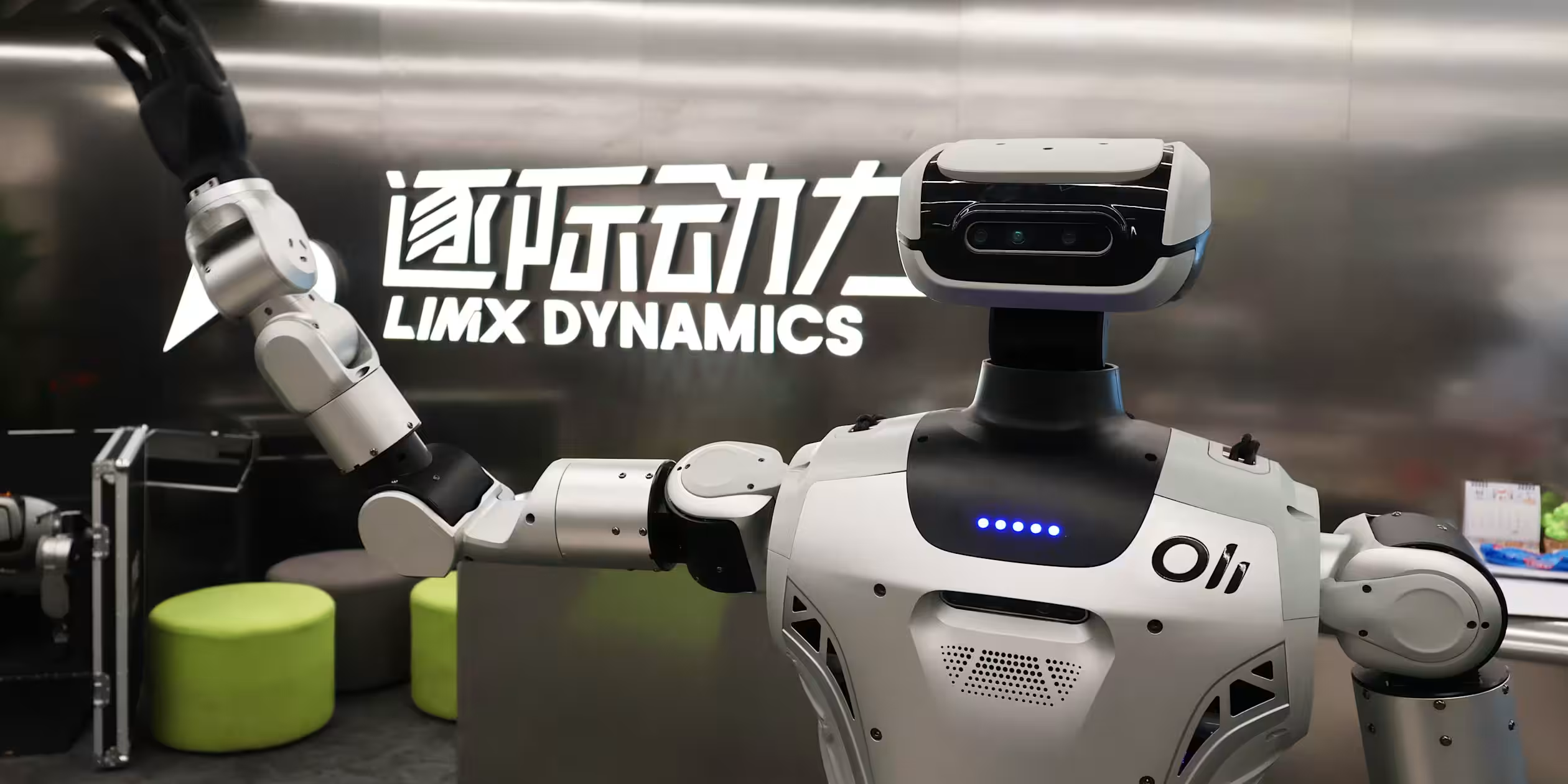
LimX Dynamics Secures $200 Million to Enhance Humanoid Robot Autonomy
Chinese startup LimX Dynamics announced the successful raising of nearly $200 million, valuing the company at approximately $2.2 billion. This funding aims to advance the development of humanoid robots capable of performing complex tasks autonomously, a critical step for the company based in Shenzhen, China. The significance of this funding round lies in LimX Dynamics' need for real-world data to enhance the autonomy of its robots. As the demand for advanced robotics solutions grows, achieving higher levels of autonomy will position LimX Dynamics competitively within the robotics market. Looking ahead, industry observers will be keen to see how LimX Dynamics utilizes this funding to accelerate its research and development efforts. No further timeline was disclosed at the time of publication.
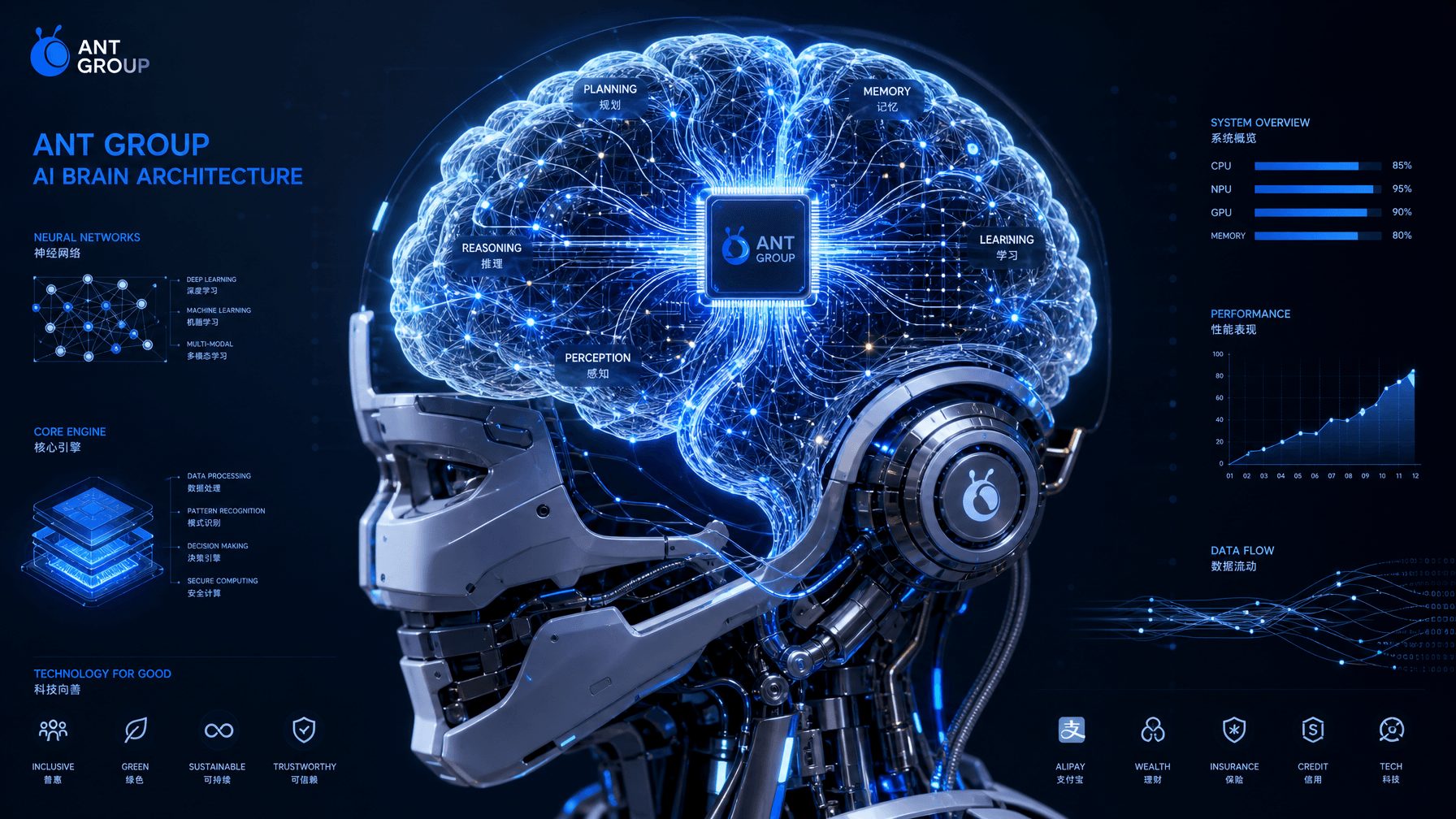
Lingbo Develops Unique Robot Intelligence Platform Using Ant Group's Payment Ecosystem Data
Lingbo, a robotics subsidiary of Ant Group, has announced the development of a novel robot intelligence platform that utilizes data from Ant's extensive payment ecosystem. This initiative aims to enhance embodied AI capabilities and was unveiled recently, marking a significant step in the integration of financial data into robotics technology. The significance of this development lies in its unconventional approach to AI, which leverages real-time transaction data to inform and improve robot decision-making processes. By tapping into Ant Group's vast data resources, Lingbo aims to create more adaptive and intelligent robotic systems that can better understand and respond to human interactions in various environments. Looking ahead, Lingbo's next steps in this project remain unclear, as no further timeline was disclosed at the time of publication. Industry observers will be keen to see how this integration of financial data into robotics will influence the market and the potential applications that may arise from this innovative approach.
Technology
NVIDIA and Hugging Face Enhance LeRobot with New AI Models and Frameworks
NVIDIA has expanded its collaboration with Hugging Face to enhance the LeRobot open-source robotics platform with new AI models and frameworks. This integration includes the NVIDIA Isaac GR00T 1.7 vision-language-action model and the Isaac Teleop framework, aimed at streamlining robot development. The partnership seeks to make advanced robotics tools more accessible to developers and researchers, with plans to incorporate NVIDIA Cosmos 3 in the future. This collaboration is significant as it addresses the fragmented nature of robotics development by providing standardized workflows for data collection, model training, and robot deployment. The introduction of the Isaac Teleop framework allows for high-quality training data collection through human demonstrations, which can be shared within the LeRobot ecosystem. By lowering barriers to entry, NVIDIA and Hugging Face aim to foster broader collaboration in the robotics community. Looking ahead, NVIDIA plans to integrate the Cosmos 3 model into LeRobot, which will generate synthetic robotics data and assist in policy development. The collaboration builds on existing resources, including a dataset with over 350,000 robot trajectories and 57 million grasp examples. No further timeline was disclosed at the time of publication.
AI and Robotics
Apptronik launches Robot Park to train Apollo humanoid robots with Google DeepMind
AI-powered robotics company Apptronik has announced the opening of the newly expanded Robot Park, its flagship data collection and training facility for humanoid robots in Austin, Texas. The facility in Austin anchors a growing global network of Robot Parks at customer and partner sites around the world, and the company plans to open new Robot […]
Features Humanoids News apollo Apollo 2 apptronik
GM lays off over 1,000 workers at Detroit plant, adds 50 robots: ‘We are in a fight for humanity.’ Progress or betrayal?
General Motors has laid off over 1,000 workers at its Factory ZERO assembly plant in Detroit while introducing 50 AI-powered collaborative robots, known as "cobots," to enhance production efficiency. The layoffs, announced on July 4, 2026, have sparked criticism from the United Auto Workers (UAW), which claims the move underscores the human cost of increasing automation in the industry. UAW President Shawn Fain emphasized the need for AI to improve job quality rather than displace workers, stating, "We are in a fight for humanity." GM insists that the layoffs are temporary and unrelated to the introduction of the robots, which are intended to work alongside human employees to improve safety and ergonomics. A GM spokesperson noted that the company is committed to integrating advanced technology into its operations to enhance manufacturing processes. The automaker has been investing heavily in AI and factory automation, with its Autonomous Robotics Center in Warren, Michigan, developing systems that can learn from production data to identify defects and anticipate maintenance needs. The situation at GM contrasts with rival Ford, which recently rehired 350 employees to address shortcomings in its AI-driven quality control efforts. As the automotive industry increasingly turns to automation, the long-term implications for workers and manufacturing quality remain uncertain.
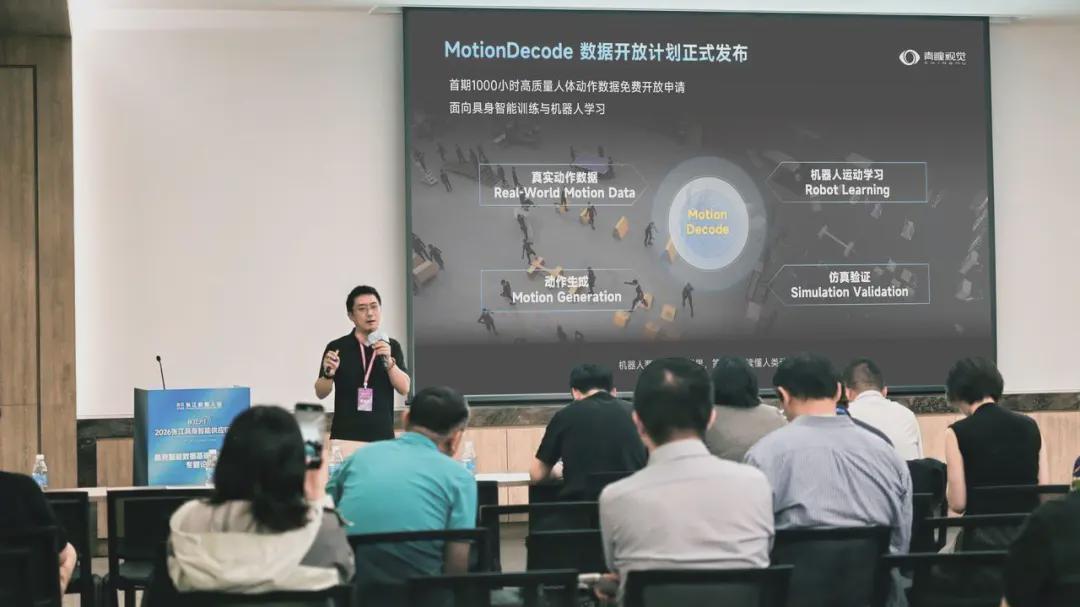
Qing Tong Vision Launches MotionDecode Data Open Plan: 1000-Hour Motion Capture Dataset Now Open Source
Qing Tong Vision has launched the MotionDecode Data Open Plan, offering free access to a comprehensive 1,000-hour high-quality human motion dataset. This initiative, announced recently, is designed to enhance the development of humanoid robots and promote embodied intelligence by reducing research barriers and encouraging collaboration within the data ecosystem. The program is expected to support a wide range of applications, including robot training and motion generation, representing a pivotal advancement in the industrialization of embodied intelligence.
Motion Capture Embodied Intelligence Humanoid Robots Data Open Source AI Training Data
AI agents will soon be able to match human traders, Robinhood CEO tells CNBC
In a recent interview with CNBC, Vlad Tenev, co-founder of Robinhood, discussed the transformative potential of artificial intelligence (AI) agents in the trading sector. Tenev highlighted how these advanced technologies could revolutionize trading strategies and enhance decision-making processes for investors. He emphasized that AI agents could analyze vast amounts of market data more efficiently than human traders, potentially leading to improved trading outcomes. Tenev's insights come at a time when the financial industry is increasingly exploring the integration of AI to streamline operations and gain a competitive edge. As the market evolves, he believes that embracing AI will be crucial for adapting to the rapidly changing landscape of trading.

US firm builds 90,000-sq-ft robot park to advance humanoid robots with real-world training
Apptronik, a Texas-based humanoid robotics company, has launched Robot Park, an expansive training and data facility covering nearly 90,000 square feet. This state-of-the-art center, inaugurated recently, aims to enhance the development and capabilities of humanoid robots. By providing a dedicated space for training, Apptronik seeks to improve the performance of its robotic systems, ensuring they can effectively interact with humans and navigate complex environments. The establishment of Robot Park reflects the company's commitment to advancing robotics technology and addressing the growing demand for intelligent automation solutions. Through rigorous training programs and data collection, Apptronik plans to refine its robots' skills and adaptability, positioning itself at the forefront of the robotics industry.
AI and Robotics
Liquid AI's smallest model yet LFM2.5-230M beats models 4X its size at data extraction, can run 'anywhere'
Liquid AI, a company founded by former MIT computer scientists, has unveiled its latest AI language model, LFM2.5-230M, which is designed for efficient data extraction and local deployment on devices such as smartphones and laptops. Released today, this 230-million-parameter model is noted for its ability to run on various hardware platforms, outperforming larger models like Alibaba's Qwen3.5 and Google's Gemma 3 in specific benchmarks. Targeting developers and engineers, LFM2.5-230M operates under a dual-use commercial license, allowing free access for individuals and companies with annual revenues below $10 million, while larger enterprises must secure a paid agreement. The model distinguishes itself by utilizing the LFM2 architecture, enabling high inference speeds with a minimal memory footprint, making it suitable for edge computing. Liquid AI's launch reflects a broader industry shift towards architectural efficiency rather than sheer parameter counts, as major AI firms focus on models with hundreds of billions of parameters. The LFM2.5-230M is specifically tailored for lightweight data extraction tasks, allowing businesses to automate processes without relying on costly cloud services. In practical applications, the model has been successfully deployed in a humanoid robot, demonstrating its capability to process complex commands efficiently. Available immediately on platforms like Hugging Face, LFM2.5-230M aims to revolutionize how enterprises manage data extraction, moving away from traditional, rigid systems to more adaptable AI-driven solutions.
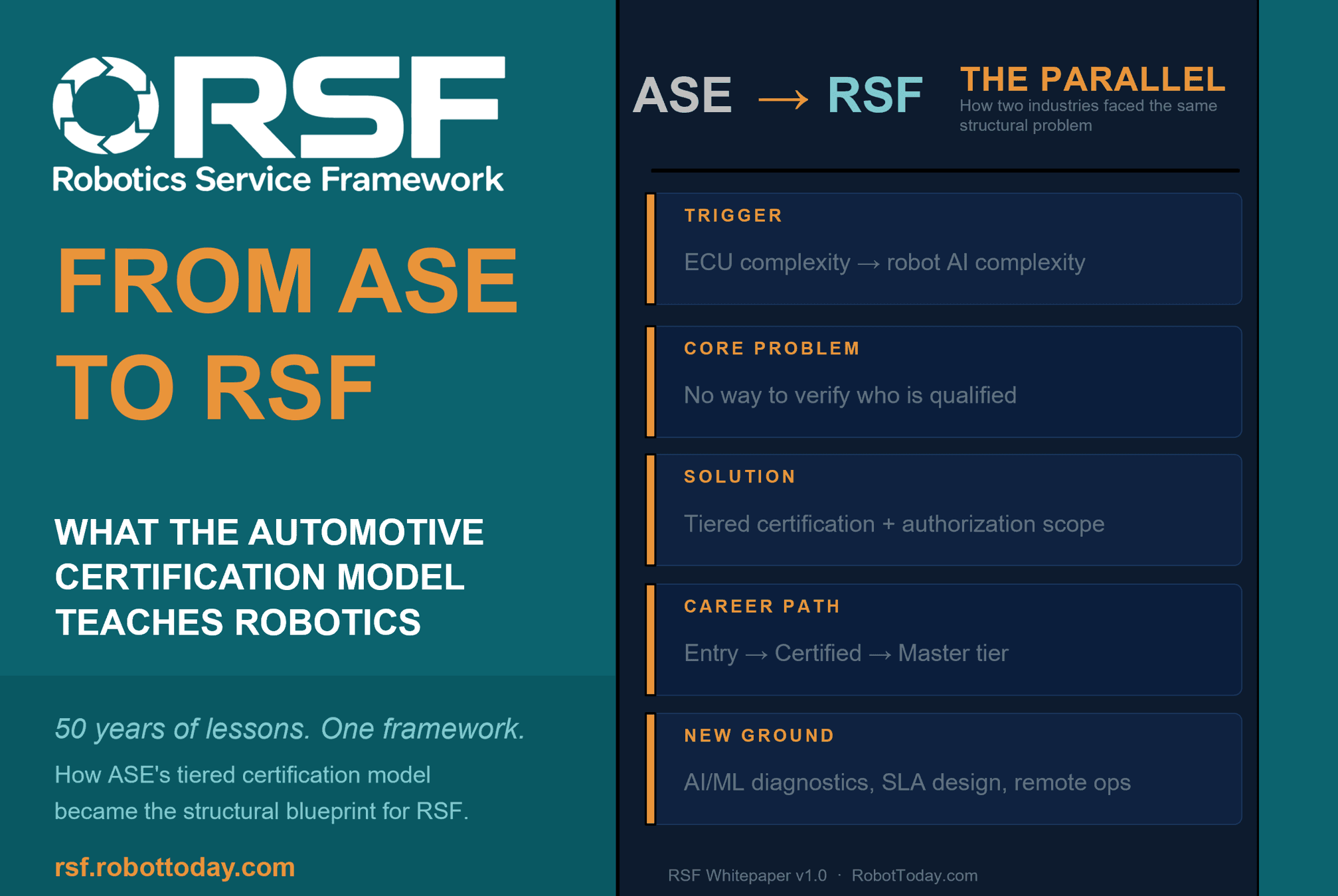
TechnologyRobotics needs a service framework.
RSF defines a common language for robot service capability, lifecycle operations, certification pathways, and service-provider networks.