Industry Briefing

A single destination for timely, editor-curated robotics news from around the world.

Better collaboration needed on SOCOM programs, says government watchdog

Better collaboration needed on SOCOM programs, says government watchdog

The Government Accountability Office (GAO) has highlighted significant challenges faced by civilian officials in fulfilling their oversight responsibilities. In a recent report, the GAO stated that these officials often lack access to essential program information and meetings, hindering their ability to perform effectively. To address these issues, the GAO has put forth three recommendations aimed at improving access to necessary resources and information. This initiative underscores the need for enhanced transparency and communication within government operations to ensure that oversight functions can be carried out more efficiently.

Air Warfare Naval Warfare Pentagon AC-130J Ghostrider Air Force ASD(SO/LIC)
Airbus modifies H145M helicopter to deploy interceptors against tactical drone swarms

Airbus modifies H145M helicopter to deploy interceptors against tactical drone swarms

Airbus Helicopters, in collaboration with German defense officials, is responding to the increasing threats posed by small attack drones to military helicopters. This initiative comes amid heightened concerns regarding the vulnerability of aerial vehicles in modern combat scenarios. The partnership aims to enhance the defensive capabilities of helicopters, ensuring they can effectively counteract the risks associated with drone warfare. By integrating advanced technologies and innovative strategies, the companies seek to bolster the safety and operational effectiveness of military aviation. This development is particularly timely given the evolving landscape of aerial threats, which has prompted defense sectors worldwide to reassess their strategies and equipment. The collaboration highlights a proactive approach to addressing emerging challenges in military operations.

Military
AH-64 Apache Shot Down By Iran, U.S. Will Retaliate: Trump

AH-64 Apache Shot Down By Iran, U.S. Will Retaliate: Trump

An AH-64 Apache helicopter crashed into the Gulf of Oman, prompting a rescue operation by a drone boat that successfully retrieved its crew. Former President Donald Trump has attributed the incident to enemy action, specifically implicating Iran in the downing of the aircraft. This assertion raises concerns about escalating tensions in the region, as Trump indicated that the United States would consider retaliatory measures in response to the attack. The incident underscores the ongoing volatility in U.S.-Iran relations and highlights the risks faced by military operations in contested areas.

News & Features AH-64 Air Around The Globe Helicopters Iran
AH-64 Apache Crew Rescued By Drone Boat After Going Down Near Strait Of Hormuz

AH-64 Apache Crew Rescued By Drone Boat After Going Down Near Strait Of Hormuz

In a groundbreaking development, an uncrewed surface vessel successfully recovered the crew of an AH-64 Apache helicopter that had gone down near the Strait of Hormuz. This incident marks the first known instance of such a drone boat being utilized for aircrew recovery, signaling a significant advancement in military rescue operations. The event underscores the evolving role of autonomous technology in enhancing operational capabilities and safety for aircrews in challenging environments. As military forces increasingly integrate unmanned systems into their strategies, this successful recovery operation may pave the way for future applications of drone technology in various rescue and support missions.

News & Features AH-64 Air Around The Globe Helicopters Iran
Airbus debuts U145 autonomous helicopter drone with no cockpit for military missions

Airbus debuts U145 autonomous helicopter drone with no cockpit for military missions

Airbus Helicopters has unveiled a new autonomous aircraft derived from its widely-used H145 platform, marking a significant advancement in aviation technology. The announcement was made during the International Paris Air Show, which took place from June 19 to June 25, 2023. This innovative aircraft aims to enhance operational efficiency and safety in various sectors, including medical transport, search and rescue, and logistics. The motivation behind this development stems from the growing demand for unmanned aerial vehicles that can perform complex missions with minimal human intervention. By leveraging advanced automation and artificial intelligence, Airbus Helicopters seeks to address challenges in urban air mobility and improve response times in critical situations. The aircraft is designed to operate in diverse environments, showcasing its versatility and potential for integration into existing air traffic systems. Through rigorous testing and collaboration with regulatory bodies, Airbus aims to ensure that the new autonomous H145 meets safety standards and can be deployed effectively in real-world scenarios. This initiative reflects Airbus Helicopters' commitment to innovation and its vision for the future of aviation, where autonomous systems play a crucial role in enhancing air transport capabilities.

Airbus Unveils U145 Uncrewed Cargo Helicopter

Airbus Unveils U145 Uncrewed Cargo Helicopter

Airbus has introduced the U145, an uncrewed version of one of Europe’s most successful helicopters, designed specifically for high-risk cargo missions. This innovative aircraft aims to enhance operational safety and efficiency by removing the need for a pilot in potentially dangerous environments. The unveiling of the U145 marks a significant advancement in aerospace technology, showcasing Airbus's commitment to developing cutting-edge solutions for the evolving demands of cargo transportation. The announcement comes as industries increasingly seek to leverage unmanned systems to mitigate risks and improve logistics capabilities.

Air Around The Globe Drones Europe Germany Helicopters
The sights of Turkey’s Efes military drill

The sights of Turkey’s Efes military drill

Turkey recently conducted a significant military exercise named Efes 2026, showcasing a wide array of combined forces including naval ships, drones, air defense systems, and helicopters. This large-scale drill aimed to enhance the operational readiness and interoperability of Turkey's military capabilities. The exercise took place on Turkish soil, emphasizing the nation's commitment to strengthening its defense posture amid regional security challenges. Observers noted the integration of various military assets, highlighting Turkey's focus on modernizing its armed forces and preparing for potential future conflicts. The event underscores Turkey's strategic military initiatives and its role in regional stability.

Global air defense Europe Middle East military drills photo gallery
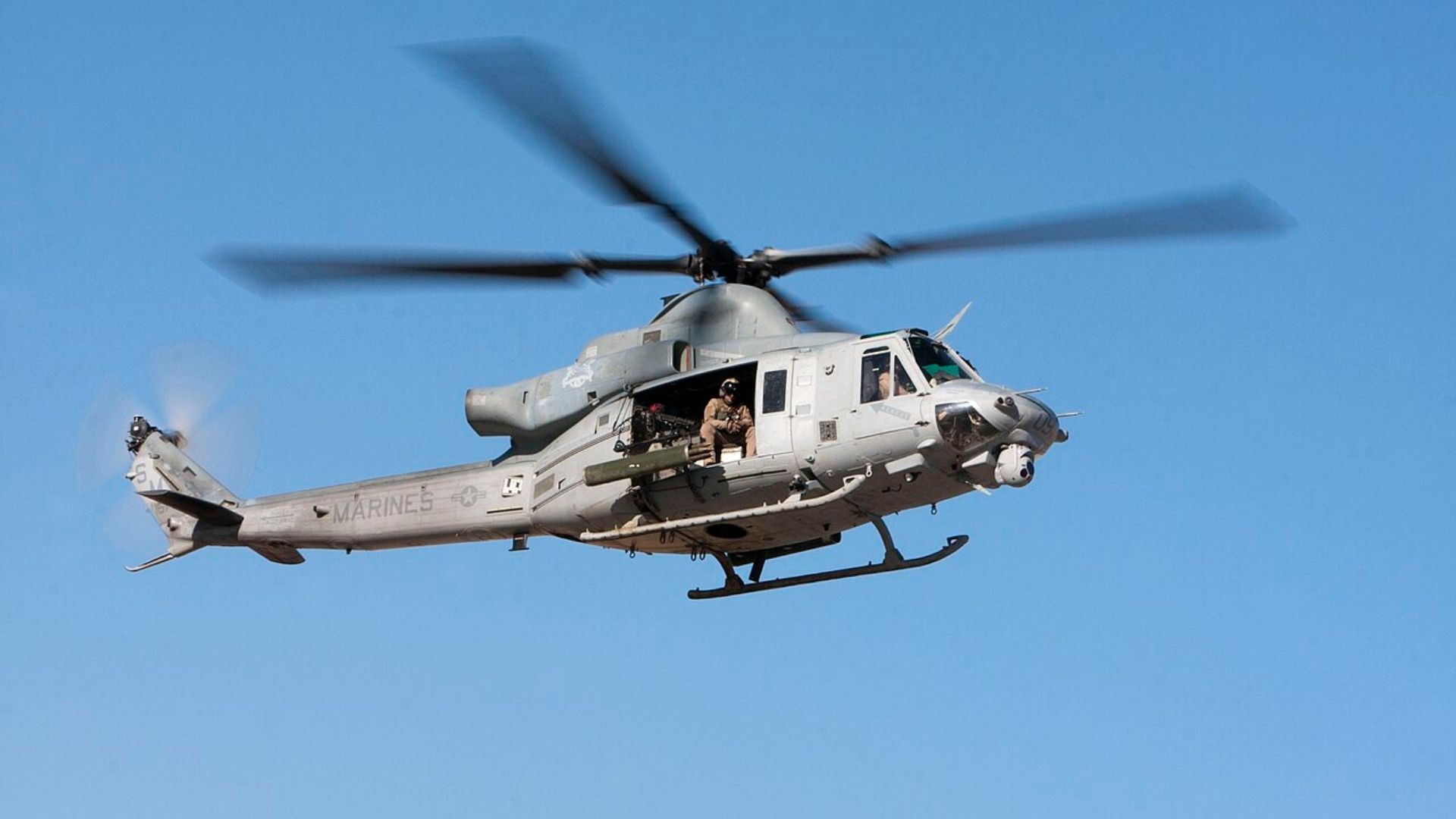
US Marines test low-cost FPV drone attacks coordinated from Venom helicopters

US Marines test low-cost FPV drone attacks coordinated from Venom helicopters

The U.S. Marine Corps is currently testing a novel battlefield tactic that integrates traditional military strategies with advanced technology. This initiative, which began in October 2023, aims to enhance operational effectiveness in diverse combat scenarios. The Marines are conducting these experiments at various training facilities across the United States, focusing on improving coordination and communication among units. The motivation behind this approach stems from the evolving nature of warfare, where rapid technological advancements necessitate a reevaluation of conventional tactics. By blending established military practices with cutting-edge tools, the Marine Corps seeks to adapt to modern threats and maintain a strategic advantage. Through a series of simulations and live exercises, the Marines are assessing the effectiveness of this hybrid strategy. The goal is to refine their tactics, ensuring that they can respond swiftly and effectively in dynamic environments. As these trials progress, the Marine Corps aims to gather valuable insights that will inform future operational planning and training protocols.
Spanish Navy tests drones controlled from helicopter in boat chase drill

Spanish Navy tests drones controlled from helicopter in boat chase drill

Airbus Helicopters and the Spanish Navy have successfully conducted a flight trial in Rota, Spain, showcasing the capabilities of their latest helicopter technology. The trial, which took place recently, aimed to evaluate the performance and operational efficiency of the helicopters in various scenarios. This collaboration underscores the commitment of both Airbus and the Spanish Navy to enhance aerial capabilities and improve maritime operations. The successful outcome of the trial is expected to pave the way for future advancements in military aviation and strengthen defense partnerships.

UK selects four partners for Apache helicopter drone wingmen project   

UK selects four partners for Apache helicopter drone wingmen project   

The UK Ministry of Defence has selected four companies to advance the development of drones intended to complement the operations of British Army Apache attack helicopters. This initiative aims to enhance the capabilities of the Army's aerial combat units. The decision underscores the UK’s commitment to integrating advanced technology into its military operations, particularly in response to evolving defense needs. The collaboration with these companies is expected to lead to innovative drone solutions that can support and extend the operational reach of Apache helicopters. The timeline for the project and specific details regarding the companies involved have not been disclosed, but the move reflects a strategic effort to bolster the UK's defense capabilities in an increasingly complex security environment.

News
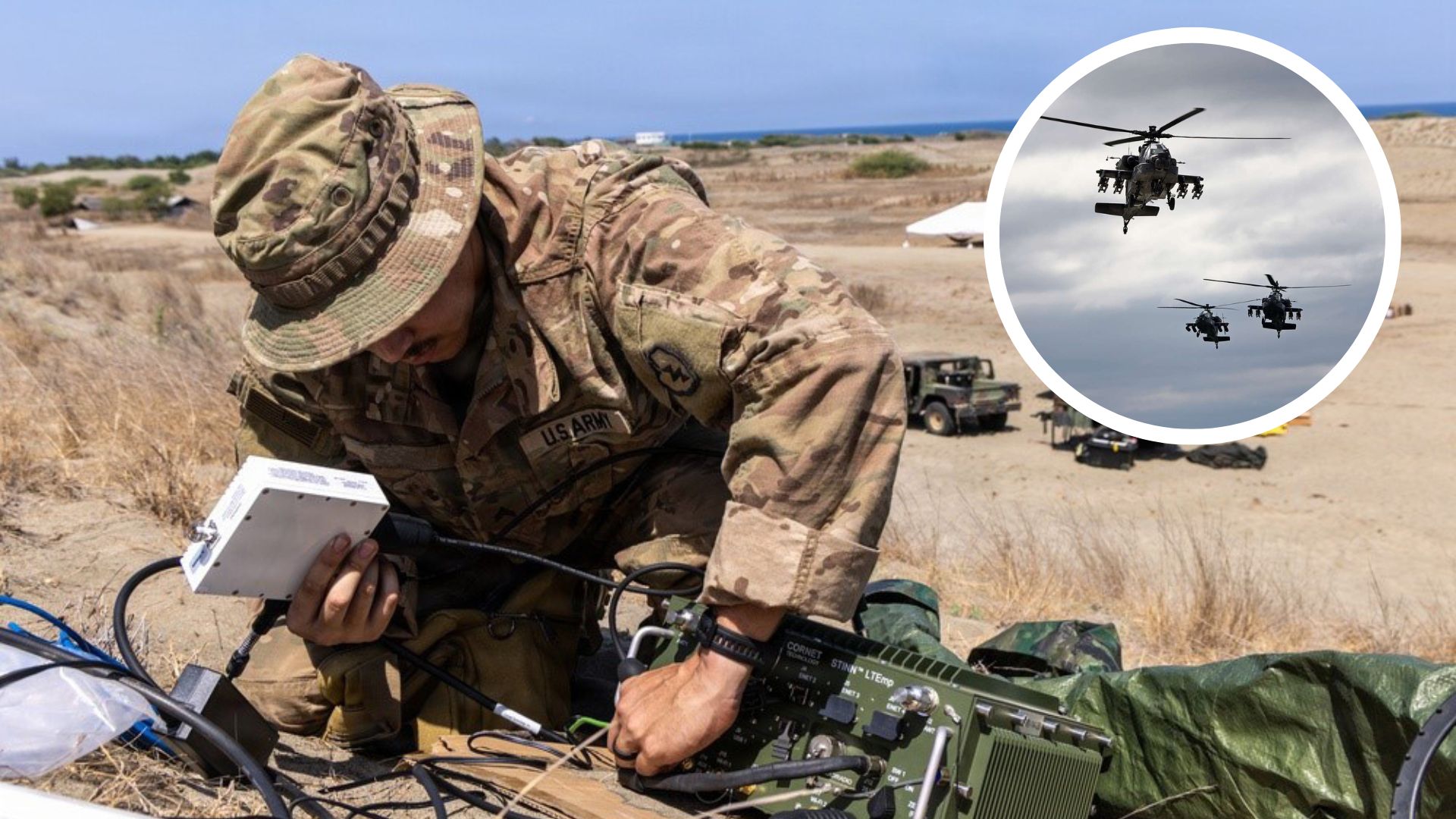
US Army unveils NGC2 battlefield network connecting helicopters, drones and troops

US Army unveils NGC2 battlefield network connecting helicopters, drones and troops

The U.S. Army is currently conducting tests on an innovative system designed to enhance the coordination and efficiency of troops, helicopters, and battlefield units. This initiative aims to improve operational effectiveness by integrating advanced technology into military logistics and communication. The testing phase is taking place at various military installations across the country, with a focus on assessing the system's capabilities in real-world scenarios. The motivation behind this development stems from the need to adapt to modern warfare challenges, ensuring that military forces can respond swiftly and effectively in dynamic environments. By leveraging cutting-edge technology, the Army seeks to streamline operations and bolster overall mission success.
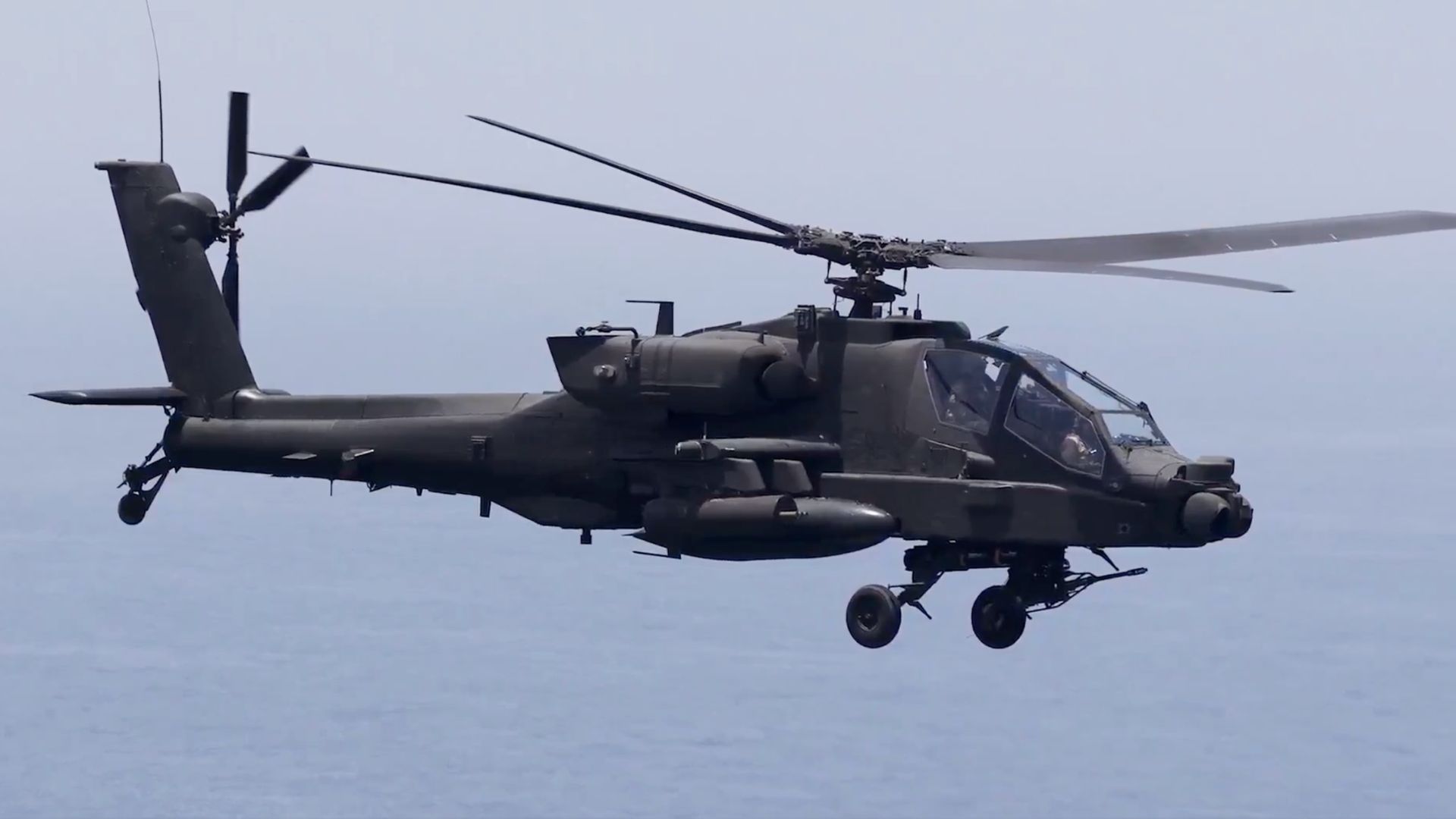
US attack helicopters sink 6 Iranian boats in Hormuz, shoot down missiles and drones

US attack helicopters sink 6 Iranian boats in Hormuz, shoot down missiles and drones

On May 4, 2026, the U.S. military conducted a targeted strike in the Strait of Hormuz, a strategic waterway crucial for global oil transportation. This operation was part of an ongoing effort to counter escalating threats from regional adversaries, particularly amid rising tensions in the Middle East. The strike aimed to neutralize specific military assets believed to be involved in hostile activities against U.S. interests and allies in the region. The decision to launch the strike followed a series of provocations, including attacks on commercial vessels and threats to shipping lanes, which prompted U.S. officials to act decisively to ensure maritime security. The operation involved precision airstrikes, utilizing advanced technology to minimize collateral damage while effectively targeting the identified threats. Military analysts noted that this action underscores the U.S. commitment to maintaining freedom of navigation in international waters and deterring aggression from hostile forces. As the situation continues to evolve, the U.S. military remains on high alert, prepared to respond to any further escalations in the region.

Video Friday: Beep! Beep! Roadrunner Bipedal Bot Breaks the Mold

Video Friday: Beep! Beep! Roadrunner Bipedal Bot Breaks the Mold

IEEE Spectrum robotics has released its weekly roundup of notable robotics videos and events. Among the highlights is the introduction of "Roadrunner," a new bipedal wheeled robot prototype that can switch between various locomotion modes, designed for enhanced navigation. Weighing approximately 15 kg, it features symmetric legs that can adapt for obstacle avoidance and movement management. NASA has announced two ambitious missions: SkyFall, which will deploy next-generation helicopters on Mars to scout landing sites and map subsurface water ice, and MoonFall, aimed at preparing for future Artemis missions by sending drones to explore the lunar South Pole. These drones will operate independently for 14 Earth days, surveying challenging terrains. In research advancements, a team from MIT has developed Electrofluidic Fiber Muscles, a new class of soft and flexible artificial muscles for robots and wearables, promising improved agility and integration into textiles. Additionally, the open-source quadruped robot MEVIUS2 has been unveiled, capable of climbing stairs and steep slopes. Other innovations include a wristband from MIT that allows users to control a robotic hand through their own movements, and a cooking robot from Zhejiang Lab that autonomously processes ingredients and performs cooking tasks with high precision. The CMU Robotics Institute is set to host a seminar by Hadas Kress-Gazit from Cornell, focusing on the role of formal methods in robotics amidst the rise of big data.

Video-friday Nasa Bipedal-robots Quadruped-robots Artificial-muscles Humanoid-robots
ViSafe: Smarter Vision for Safer Skies

ViSafe: Smarter Vision for Safer Skies

The U.S. Federal Aviation Administration (FAA) is addressing the growing complexity of air traffic management as it oversees tens of thousands of flights daily, which include not only commercial aircraft but also helicopters, experimental lightcraft, freight carriers, and an increasing number of uncrewed aerial systems (UAS). As air traffic density rises, the FAA is prioritizing the development of advanced collision avoidance and traffic management systems to enhance safety in the skies. This initiative is part of a broader effort to ensure that as airspace becomes more crowded, the risk of accidents is minimized, thereby promoting safer aviation operations. The FAA's commitment to innovation in air traffic control reflects the urgent need for smarter technologies to manage the evolving landscape of aerial transportation.

Announcements Research
Ele.me deploys Unitree humanoid robots to promote flash delivery

Ele.me deploys Unitree humanoid robots to promote flash delivery

On May 6, Ele.me, a prominent Chinese food delivery service, introduced six Unitree robots in key locations throughout Hangzhou, including the Xixi and Zijin Tianjie malls. This initiative is part of an innovative air-land-sea themed marketing campaign designed to showcase the city's technological advancements. The campaign also incorporated the use of drones and helicopters, emphasizing Hangzhou's appeal as a hub for cutting-edge technology. According to Ele.me, the goal of this bold advertising strategy is to enhance the visibility of their services while celebrating the city's modern image.

News Feed