Industry Briefing
A single destination for timely, editor-curated robotics news from around the world.

Epirus Wins $11 Million Contract for HAVOC C-UAS with Marine Corps
The Marine Corps has awarded an $11 million contract to Epirus for its High-power Microwave Autonomous Vehicle Operational Capability (HAVOC) system, designed to counter unmanned aircraft. This system will be installed on ground vehicles and includes training, service, and sustainment support. This contract underscores the Marine Corps' focus on deploying integrated, software-defined systems to address the evolving drone threat. Epirus CEO Andy Lowery emphasized the importance of the HAVOC system in enhancing the Marines' capabilities for low-collateral protection of critical assets. Looking ahead, the HAVOC system represents an upgraded version of the previously delivered ExDECS system, aimed at improving Low Altitude Air Defense formations. No further timeline was disclosed at the time of publication.
Land Warfare Naval Warfare Army Drones electronic warfare Epirus
US Marine Corps Awards $11 Million Contract for Epirus' HAVOC Microwave Weapon System
The US Marine Corps has awarded Epirus an $11 million contract for the HAVOC system, a vehicle-mounted high-power microwave weapon designed to disable drone swarms. This system is derived from Epirus' Leonidas weapon and will be integrated into both manned and unmanned Marine Corps vehicles, enhancing their counter-drone capabilities. The HAVOC system represents a significant advancement in the Marine Corps' efforts to combat drone threats, providing three times the power and improved range compared to its predecessor, the Expeditionary Directed Energy Counter-Swarm system (ExDECS). This capability allows for simultaneous electronic effects against multiple drones, ensuring effective protection for high-value assets and personnel. Looking ahead, the HAVOC system's software-driven architecture will enable continuous updates to counter evolving drone technologies. The universal sled mount design will facilitate its deployment across various Marine Corps vehicles, enhancing operational flexibility. No further timeline was disclosed at the time of publication.
Military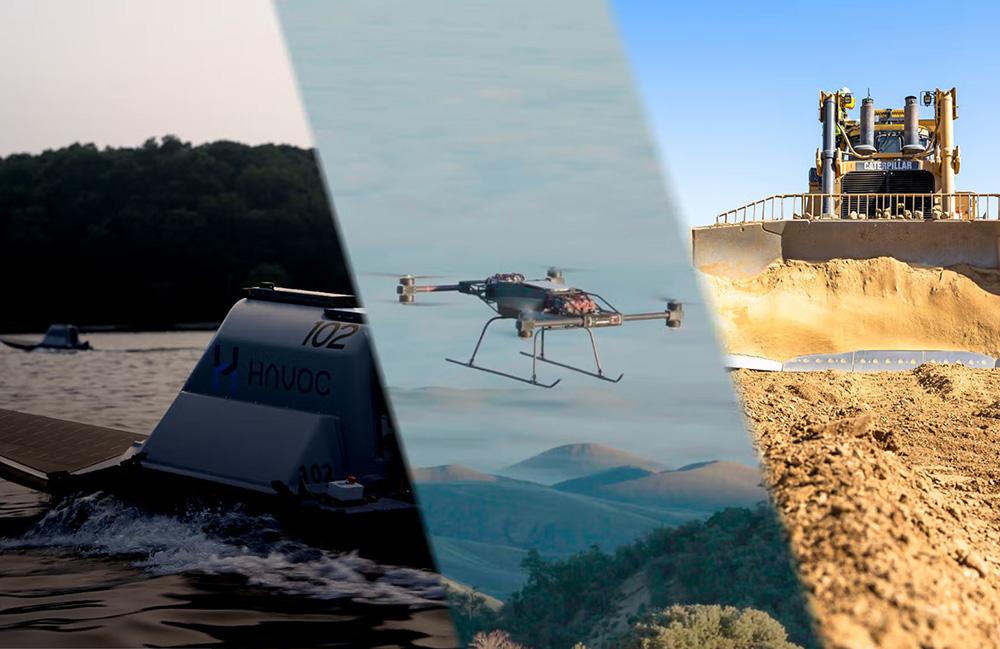
Havoc raises $100M to unify defense autonomy in the land, sea, and air
Havoc, a defense technology company, has announced a significant funding round, securing $100 million to advance its mission of creating unified, all-domain autonomy for national security. This investment comes at a time when the demand for integrated defense solutions across land, sea, and air is becoming increasingly critical. The company aims to leverage this capital to innovate and enhance its technology, addressing the evolving challenges in defense and security. By focusing on a cohesive approach to autonomy, Havoc seeks to meet the urgent needs of national security priorities in an era marked by complex threats and the necessity for seamless operational capabilities.
Artificial Intelligence / Cognition Defense / Security Financial Investments Markets / Industries Mobility / Navigation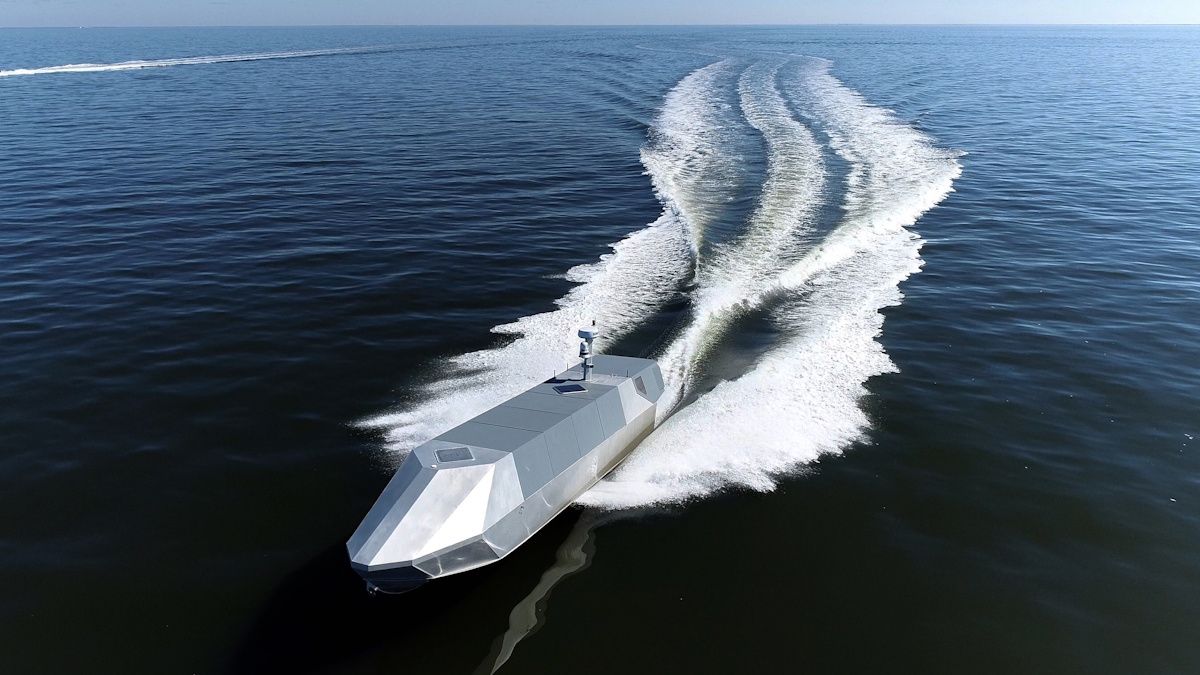
Leidos and Havoc Integrate Capabilities to Advance Maritime and Air Autonomy
Leidos and Havoc have announced a strategic partnership aimed at enhancing unmanned systems through the integration of collaborative autonomy technology. This innovative collaboration will empower a single operator to effectively command and coordinate fleets of unmanned platforms over extensive and contested areas. The initiative is set to revolutionize operational capabilities in various sectors, including defense and logistics, by streamlining control and improving efficiency in complex environments. The partnership reflects a growing trend towards advanced automation in military and civilian applications, responding to the increasing demand for sophisticated unmanned solutions in modern operations.
leidos havoc maritime and air autonomyRobotics needs a service framework.
RSF defines a common language for robot service capability, lifecycle operations, certification pathways, and service-provider networks.
Join the RobotToday community on LinkedIn
Daily robotics news, in-depth analysis, conference highlights, and discussions with professionals worldwide.