Industry Briefing
A single destination for timely, editor-curated robotics news from around the world.
DOBOT Unveils Intelligent Automation Solutions at Automate 2026 to Enhance American Manufacturing
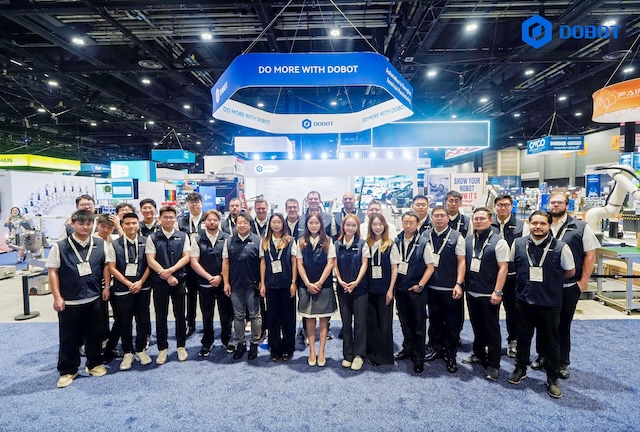
DOBOT showcased its latest intelligent automation solutions at Automate 2026, emphasizing the theme 'DO MORE WITH DOBOT.' The company highlighted how its collaborative robots and AI-powered technologies can enhance efficiency and flexibility in American manufacturing. Key demonstrations included solutions for various industries such as automotive and food & beverage, showcasing the integration of robotics in real-world applications. The significance of DOBOT's presentation lies in its commitment to strengthening American manufacturing through advanced automation. By demonstrating a comprehensive portfolio of application-driven solutions, DOBOT illustrated the potential of intelligent robotics to address industrial challenges and accelerate the transition to smart manufacturing. The showcased technologies aim to improve production processes across sectors, enhancing overall operational efficiency. Looking ahead, DOBOT's focus on integrated automation ecosystems and collaborative robotics indicates a trend towards more accessible and scalable solutions for manufacturers. The company's innovations, including humanoid robots and advanced programming capabilities, suggest a future where human-robot collaboration becomes increasingly seamless. No further timeline was disclosed at the time of publication.
DOBOT Automate 2026 collaborative robots industrial automation automation solutions humanoid robot
Exploring Automation Intelligence: Opportunities and Challenges in AI for Manufacturing
The manufacturing sector is experiencing a surge in artificial intelligence (AI) applications, driven by recent advancements in speech, language, and content generation technologies. Engineers and technology leaders are keenly observing these developments to enhance quality, minimize rework, and increase throughput. However, many organizations face challenges in translating AI demonstrations into tangible business value, revealing the complexities of deploying AI in production environments. Despite significant investments in AI and machine learning (ML), the manufacturing industry is encountering hurdles similar to those faced during the initial wave of data science and ML in the context of Industry 4.0. Many early projects failed to deliver operational value due to the misalignment of algorithms designed for consumer behavior with the deterministic needs of industrial settings. As manufacturers increasingly seek actionable insights from their data, the need for a deeper understanding of AI technology and its application in industrial contexts becomes critical. Looking ahead, the emergence of automation intelligence, which integrates lessons from past experiences with current AI tools, offers a promising framework for addressing complex industrial challenges. As AI technologies like generative AI and foundation models continue to evolve, their successful implementation will depend on ensuring real-time grounding, safety, and regulatory compliance in manufacturing processes. No further timeline was disclosed at the time of publication.
Factory / Workforce
Manufacturers Assess Automation ROI by Evaluating IT Reliability and Downtime Costs
Manufacturers typically calculate the return on investment (ROI) for automation by focusing on labor savings and increased throughput. However, a critical factor often overlooked is the cost associated with automation downtime, which can significantly impact overall profitability. This aspect of IT reliability is essential for determining the true financial benefits of robotic systems in smart manufacturing environments. Understanding the hidden costs of automation downtime is vital for manufacturers aiming to optimize their operations. When automation systems experience failures, the resulting downtime can negate the anticipated labor savings and throughput gains. This highlights the importance of investing in reliable IT infrastructure to ensure continuous operation and maximize the ROI of automation investments. Looking ahead, manufacturers should prioritize strategies that enhance IT reliability to mitigate downtime risks. No further timeline was disclosed at the time of publication, but ongoing assessments of automation systems will be crucial in refining ROI calculations and ensuring sustainable manufacturing practices in the future.
Scaling automation in contract manufacturing: Interview with Rodrigo DallOglio of Flex
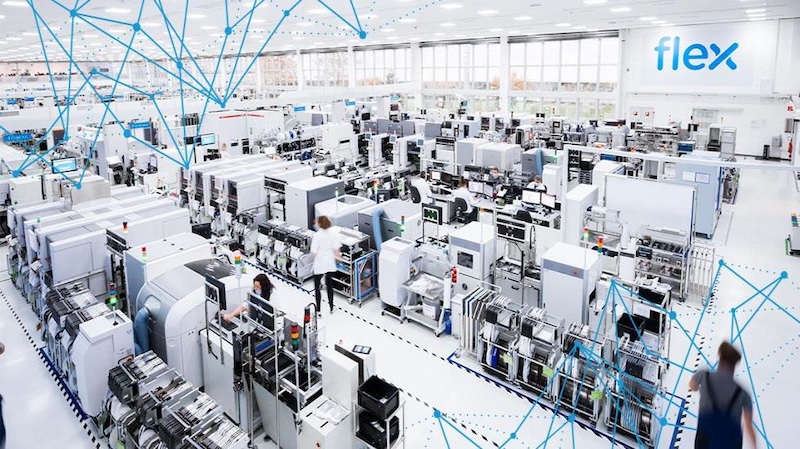
Manufacturers are increasingly turning to automation to enhance productivity, quality, and resilience amid rising product complexity. This shift is evident as technologies like collaborative robots, autonomous mobile robots (AMRs), and advanced physical AI are transitioning from experimental stages to widespread implementation in large-scale production settings. The move towards automation is driven by the need to streamline operations and meet the demands of modern manufacturing. As companies adapt to these technological advancements, they are finding new ways to optimize their processes and improve overall efficiency in the factory environment.
Features Manufacturing amrs automation news autonomous mobile robots cobots
The Importance of Nearshore Call Centers in Supporting Robotics and Automation
Robotics and automation are transforming various sectors, including manufacturing, healthcare, and logistics. While these technologies enhance efficiency and reduce costs, they still require human intervention for troubleshooting. Nearshore call centers have emerged as essential support systems, providing real-time assistance for complex technical issues that automated systems cannot resolve. As businesses increasingly adopt automation, the need for effective customer support becomes critical. Nearshore call centers offer a cost-effective solution, delivering high-quality support that enhances customer experience. These centers facilitate smoother communication and faster response times due to their proximity and cultural familiarity, ensuring that customers receive the personalized assistance they need when unexpected issues arise. Looking ahead, companies must balance operational efficiency with customer satisfaction. The role of nearshore call centers will continue to be vital in maintaining service standards, offering multilingual support, and ensuring that customers can easily access help. No further timeline was disclosed at the time of publication.
Business Communications artificial intelligence automation business automation contact centers
Interview with MTC’s Mike Wilson: ‘Automation is not optional if the UK wants to rebuild manufacturing’
During the 1980s, the UK underwent a significant economic transformation, often associated with the policies of then-Prime Minister Margaret Thatcher. This period marked a decisive shift from a manufacturing-based economy to one increasingly dominated by services, finance, retail, and consumer spending. As the country embraced these changes, the manufacturing sector diminished in importance, reflecting broader trends seen in other Western economies, particularly the United States. This evolution was driven by a combination of government policies aimed at deregulation and privatization, which sought to stimulate economic growth and enhance competitiveness in a rapidly changing global market. The lasting impact of this transition continues to shape the UK’s economic landscape today.
Economy Features Manufacturing Technology automation news British manufacturing
Honeywell International Inc. (HON): One of The Best Robotics Stocks to Buy Poised for Manufacturing Automation Opportunities
Honeywell International Inc. has emerged as a leading contender in the robotics sector, particularly in the realm of manufacturing automation. On June 9, 2026, the company introduced Experion Cognition, an AI-enabled control system aimed at enhancing autonomous operations. This innovative platform leverages Honeywell's extensive experience in process automation and incorporates advanced AI models to address anomalies in control room settings, thereby optimizing production efficiency. Experion Cognition is designed to seamlessly integrate into existing control room environments, enabling operators—regardless of their experience level—to manage plant operations effectively. By automating situation management, the platform addresses the ongoing industrial workforce shortage, allowing less experienced personnel to operate complex systems with greater ease. The system's AI features, including an Operations Assistant, can generate predictions within a span of 5 to 10 minutes. Dr. Hasan Karam, Chief Operating Officer of Borouge International, highlighted that this new solution establishes a benchmark for efficiency and innovation, paving the way for the first AI-autonomous operations within the petrochemical industry. As a global technology and manufacturing conglomerate, Honeywell specializes in automation, aerospace systems, and energy transition, providing essential hardware, software, and services that enhance the safety and sustainability of various industries. While investment in Honeywell carries inherent risks, analysts believe that its advancements in AI technology position it favorably for future growth.

Semiconductor Review: Enhancing Semiconductor Manufacturing Through Intelligent Automation
Teradyne has been acknowledged by Semiconductor Review as the leading provider of semiconductor test and robotic solutions, highlighting the company's significant advancements in the integration of artificial intelligence within the semiconductor industry. This recognition comes amid a growing trend where the boundaries between semiconductor testing and factory automation are increasingly merging. The award underscores Teradyne's commitment to innovation and excellence in developing technologies that enhance efficiency and precision in semiconductor manufacturing. As the industry evolves, the incorporation of AI is expected to play a crucial role in streamlining operations and improving overall productivity.

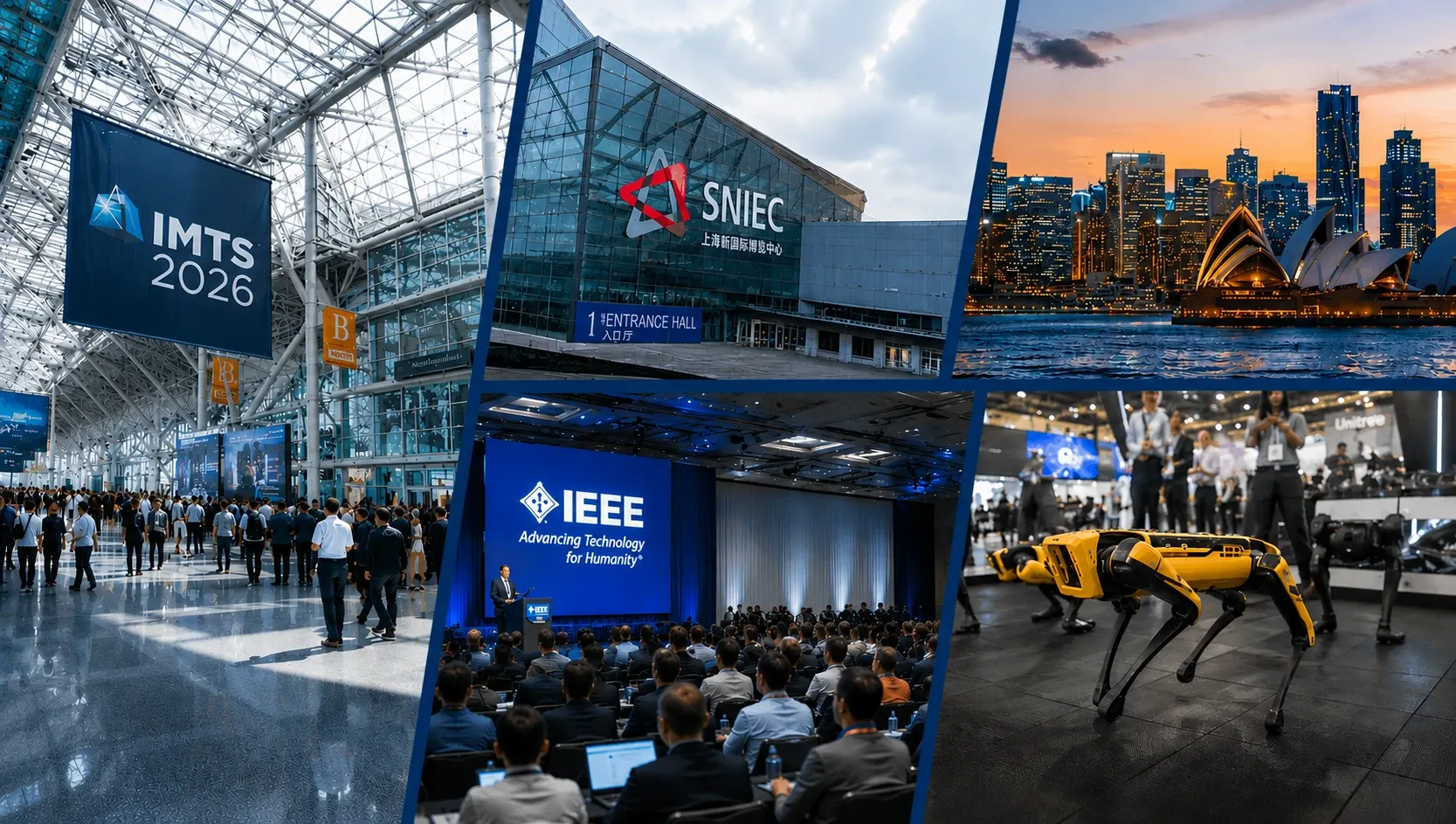
America to Showcase Live CNC Machining, Manufacturing Automation, and Cobot Demonstrations at IMTS 2026
SW North America is set to exhibit at Booth #338250, where it will present a range of innovations in smart manufacturing. The showcase will include live machining demonstrations, collaborative robots, and applications tailored for the aerospace sector, alongside CNC manufacturing automation. This event aims to illustrate the advancements and future potential of manufacturing technologies. Attendees will have the opportunity to engage with interactive displays that highlight these cutting-edge solutions, emphasizing the company's commitment to driving progress in the industry.
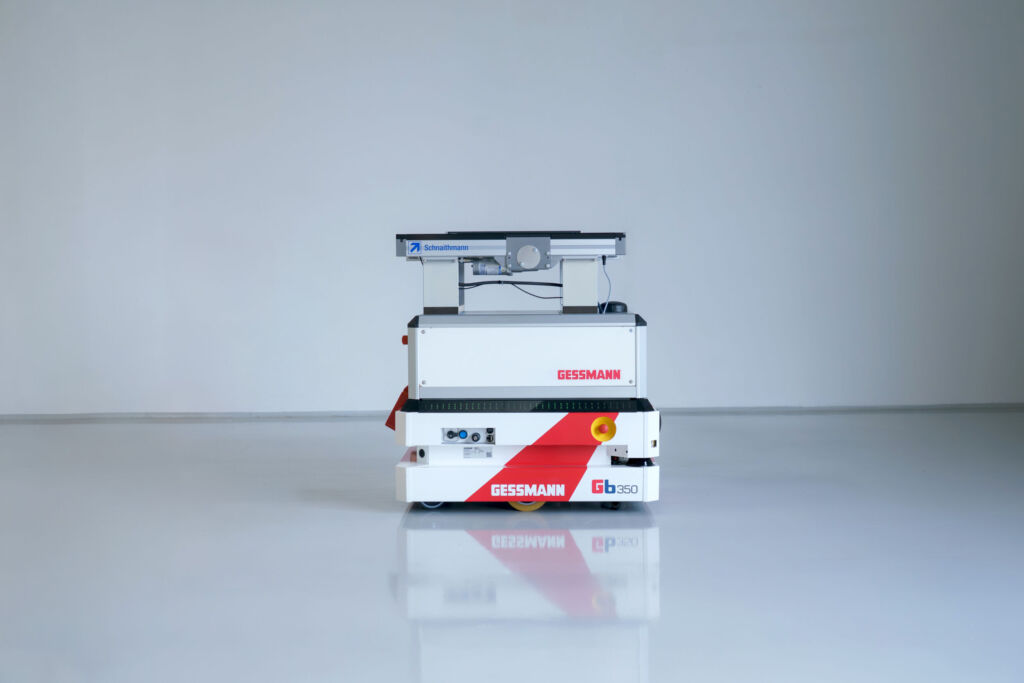
Autonomous mobile robots enhance assembly automation.
Schnaithmann has introduced autonomous mobile robots into its assembly and transfer lines, enhancing automation capabilities. This integration aims to streamline operations and improve efficiency in manufacturing processes. The deployment of these robots represents a significant advancement in the company's approach to modern assembly automation, reflecting a growing trend in the industry towards increased reliance on autonomous technologies.
Allgemein Automation Fördertechnik & Handling Lagerlogistik & Materialfluss Mobile Robotik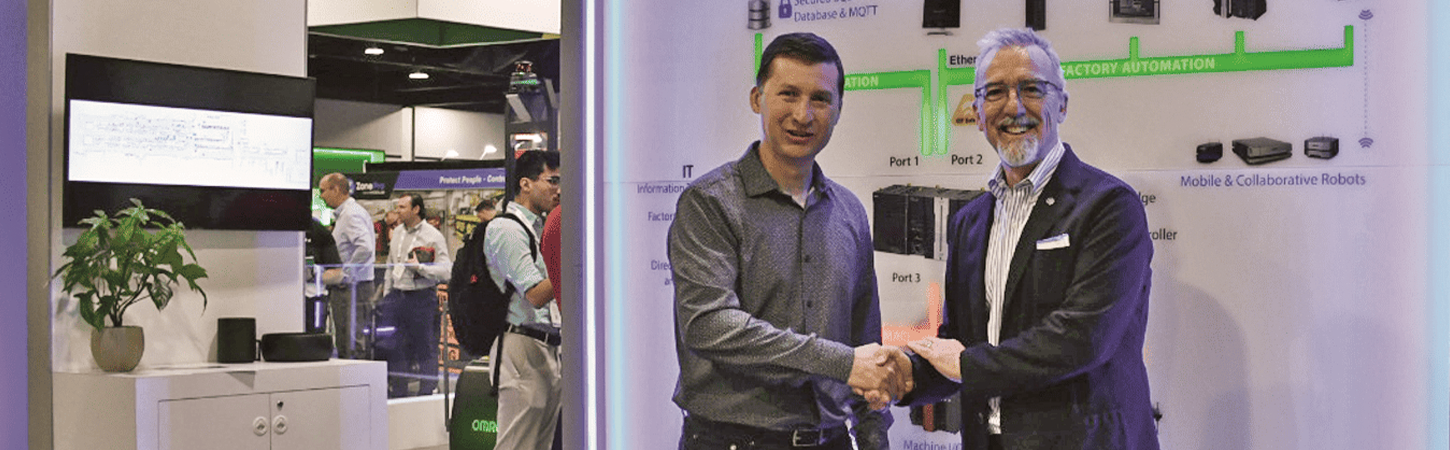
COMAU and OMRON Robotics to collaborate on expanding advanced industrial automation solutions across light industry, electronics, and medical manufacturing
COMAU and OMRON Robotics have entered into a strategic collaboration agreement to enhance the adoption and deployment of advanced industrial automation solutions for manufacturers globally. This partnership, announced recently, aims to leverage both companies' expertise in robotics and automation technology to streamline manufacturing processes and improve operational efficiency. By combining their resources and knowledge, COMAU and OMRON intend to address the growing demand for innovative automation solutions in various industries. The collaboration reflects a commitment to driving technological advancements that support manufacturers in navigating the complexities of modern production environments.

Flex and Teradyne Robotics Expand Partnership to Scale Intelligent Automation Across Global Manufacturing
Flex is enhancing its global manufacturing capabilities by incorporating Teradyne Robotics solutions, aimed at standardizing automation processes and boosting productivity. This initiative marks a significant expansion of their 20-year partnership, which has primarily focused on manufacturing Teradyne's semiconductor test equipment. The collaboration now extends into the realm of intelligent automation, allowing Flex to produce core robotics components that facilitate scalable production and enable rapid deployment of automation solutions worldwide. This strategic move underscores Flex's commitment to advancing its manufacturing footprint and meeting the growing demand for automated technologies.

KUKA unveils vision for Automation 2.0 as Physical AI reshapes global manufacturing
KUKA Group is spearheading the evolution of industrial automation, introducing its latest initiative, KUKA AMP, at the NVIDIA GTC conference. This event, held recently, showcases the company's commitment to advancing what it terms ‘Automation 2.0.’ By integrating Physical AI into its systems, KUKA aims to enhance the capabilities of industrial automation, making processes more efficient and intelligent. The presentation highlights the potential of this technology to transform manufacturing environments, reflecting KUKA's strategic focus on innovation and adaptation in a rapidly changing industry landscape.
The Rise of Cobots in Manufacturing: Trends Shaping the Global Automation Market
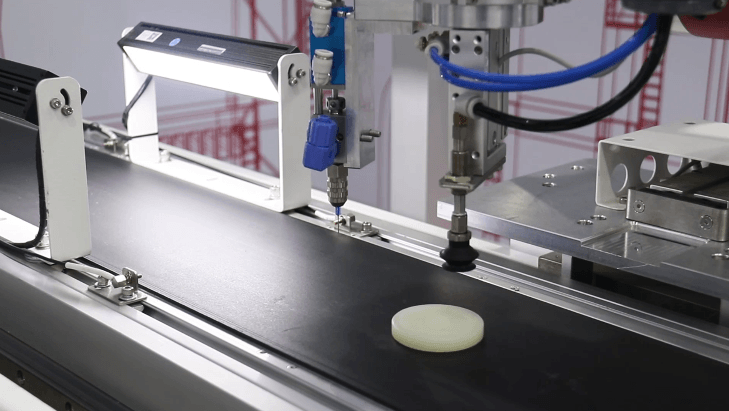
The manufacturing industry is experiencing a transformative shift as automation technologies advance, with JAKA leading the way in the integration of collaborative robots, or cobots. These machines are designed to work alongside human operators, enhancing productivity while prioritizing safety. The adoption of cobots is expanding beyond niche applications to various sectors, including assembly, electronics, automotive, and precision engineering. JAKA's Zu series exemplifies how intelligent automation can optimize complex tasks like screwdriving, ensuring speed, accuracy, and reliability in production processes. A notable trend in modern manufacturing is the increasing use of 6-axis robot arm systems, which provide enhanced flexibility and adaptability. JAKA's robotic solutions can perform multiple functions such as assembly, material handling, and inspection, with the ability to adjust torque independently for different product requirements. This innovation has enabled clients to reduce manual labor and maintain consistent quality across production lines, particularly in high-mix, low-volume environments. The focus on efficiency and safety is driving the adoption of cobots, with JAKA integrating advanced control algorithms and sensors to create collaborative workspaces. The JAKA Zu series facilitates safe and reliable automated screwdriving, reducing repetitive strain injuries and improving production predictability. As the demand for intelligent automation grows, JAKA remains committed to providing flexible and precise solutions that meet the evolving needs of modern factories, positioning cobots as a vital component in the future of manufacturing.
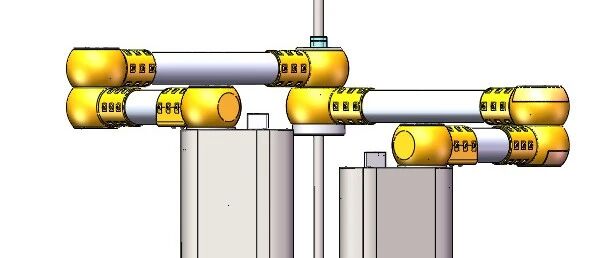
Goodbye to High-Temperature Hell: The Launch of Atom's High-Temperature Series Parallel Robots
Atom has unveiled a new series of high-temperature parallel robots aimed at revolutionizing the glass manufacturing industry. These advanced robots are engineered to function in extreme heat conditions, effectively taking over tasks traditionally performed by manual labor. By incorporating sophisticated cooling systems and precision mechanics, Atom's robots not only improve safety for workers but also enhance overall efficiency and product quality. This innovation is set to transform the working environment for operators, making it safer and more productive.
High-Temperature Robotics Glass Manufacturing Automation Industrial Automation Robotic Solutions
Robot Talk Episode 145 – Robotics and automation in manufacturing, with Agata Suwala
Claire recently engaged in a discussion with Agata Suwala, a Technology Manager at the Manufacturing Technology Centre, focusing on the integration of robotics to enhance sustainability in manufacturing systems. Suwala, who has over ten years of experience in research and development, is at the forefront of innovation in automation and robotics. The conversation highlighted the importance of adopting advanced manufacturing technologies to reduce environmental impact and improve efficiency. By leveraging robotics, manufacturers can streamline processes, minimize waste, and create more sustainable production methods. This dialogue underscores the growing trend in the industry to prioritize sustainability through technological advancements, reflecting a broader commitment to environmental responsibility in manufacturing practices.
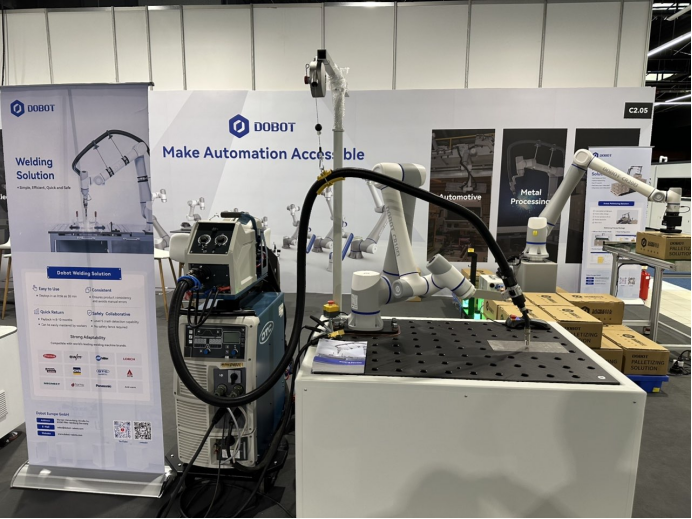
Robotic Welding Automation: How Cobot Welders Transform Manufacturing
Robotic welding, a cutting-edge technology in manufacturing, has gained significant attention for its efficiency and precision. This innovation, particularly through the use of collaborative robots (cobots), has revolutionized traditional welding processes. As industries seek to enhance productivity and reduce labor costs, cobot welders have emerged as a solution, allowing for safer and more effective operations alongside human workers. The rise of robotic welding has been particularly notable in recent years, with advancements in automation technology driving its adoption across various sectors. Manufacturers are increasingly integrating these systems into their production lines to streamline processes and improve output quality. The ability of cobots to work in tandem with human operators not only boosts efficiency but also minimizes the risk of workplace injuries, addressing safety concerns prevalent in welding environments. As companies continue to embrace this technology, the impact of robotic welding on the manufacturing landscape is becoming increasingly evident. By automating complex tasks, businesses can focus on higher-level operations and innovation, ultimately leading to greater competitiveness in the market. The ongoing evolution of robotic welding signifies a transformative shift in how products are manufactured, highlighting the importance of adapting to technological advancements in the industry.
robot arm collaborative robot cobot dobot dobot robotics
Estun Robotics: “Invisible Craftsmen” for Cell Phone Glass Cover Manufacturing
As smartphone users engage with dramas, short videos, and AI virtual idols, many may not realize the intricate manufacturing processes that contribute to the devices they rely on. A recent report highlights the precision engineering involved in creating a curved glass screen, which measures less than one millimeter in thickness. This delicate component undergoes more than 20 meticulous production steps to ensure its quality and functionality. The advancements in manufacturing technology not only enhance user experience but also reflect the growing demand for high-performance mobile devices in today's digital landscape. As the industry continues to evolve, the importance of such precision manufacturing processes becomes increasingly evident, underscoring the complexity behind seemingly simple smartphone features.
ESTUN AUTOMATION ROBOTICS SERVO SYSTEMS
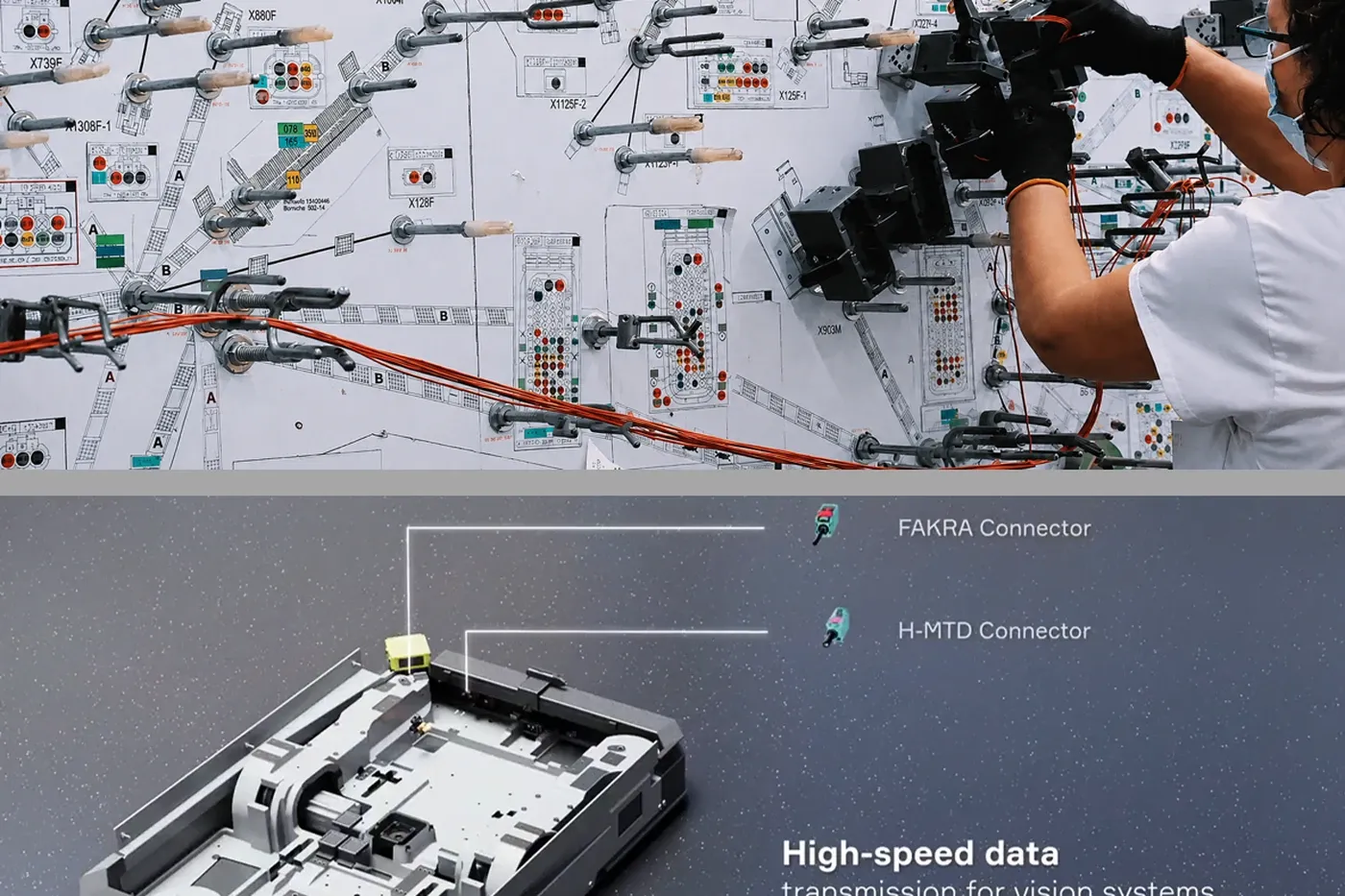
ETCO Incorporated Launches New Electrical Connectors and Terminals for Robotics and Automation
ETCO Incorporated has unveiled a new range of standard and custom electrical connectors and terminals designed specifically for automation systems and robotics. These products are engineered to endure intense operations, constant motion, and vibration, making them suitable for demanding applications. The introduction of these connectors and terminals is significant as they address the growing need for reliable electrical components in automation and robotics. With the increasing complexity of automated systems, the durability and performance of electrical connections are crucial for operational efficiency and safety. Looking ahead, industry stakeholders should monitor the adoption of ETCO's new products in various applications. The effectiveness of these connectors and terminals in real-world scenarios will be key to their success in the market. No further timeline was disclosed at the time of publication.

Industrial Robotics Market Report: Why Intelligent Automation Is Redefining Global Manufacturing
A significant transformation is occurring within global manufacturing ecosystems, driven by various factors impacting the industry. Manufacturers are grappling with rising labor shortages, which have intensified the need for innovative operational strategies. Concurrently, supply chain volatility and increasing wage pressures are compelling companies to reassess their production processes. Stricter quality requirements and a heightened demand for faster production cycles further contribute to this shift. As a result, manufacturers are exploring new approaches to enhance efficiency and adaptability in their operations. This evolution is not only a response to immediate challenges but also a proactive measure to remain competitive in an increasingly complex market. The ongoing changes reflect a broader trend towards modernization and resilience within the manufacturing sector, highlighting the necessity for businesses to evolve in response to external pressures and consumer expectations.

Teradyne Robotics and Analog Devices Enter Strategic Partnership to Accelerate the Adoption of AI and Advanced Robotics-Driven Collaborative Automation in Manufacturing
Teradyne Robotics, a division of Teradyne, Inc., has announced the launch of its latest advanced robotics solutions aimed at enhancing automation in various industries. This development, revealed during a press event in North Reading, Massachusetts, underscores the company's commitment to innovation in robotics technology. The new solutions are designed to improve efficiency and productivity for manufacturers facing increasing demands for automation. By leveraging cutting-edge technologies, Teradyne Robotics aims to address the challenges of labor shortages and rising operational costs that many businesses are currently experiencing. This initiative reflects the growing trend towards automation as companies seek to streamline operations and remain competitive in a rapidly evolving market.
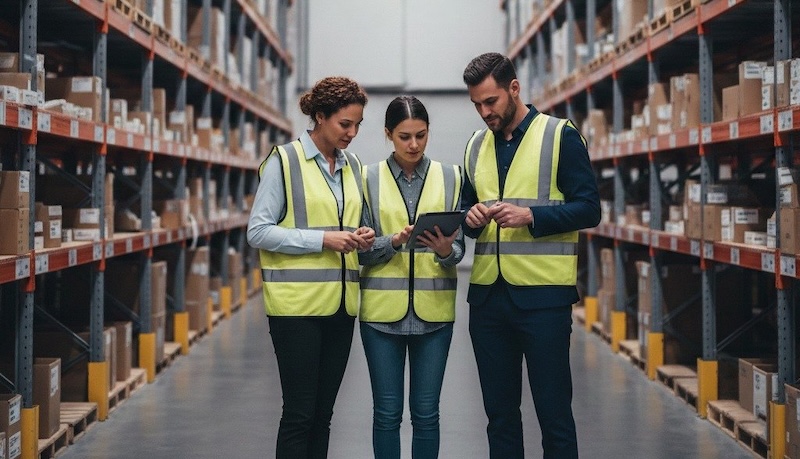
How Pick and Pack Fulfillment is Transforming Order Delivery in the Automation Age
The modern supply chain has undergone a significant transformation, with consumers now expecting two-day shipping as a standard. This shift necessitates a complete rethinking of traditional logistics practices, moving away from manual processes to technology-driven solutions. Companies face challenges in managing increased order volumes while maintaining accuracy, highlighting the need for advanced robotics and smart software in logistics. The implementation of intelligent pick and pack fulfillment workflows is crucial for warehouses to enhance efficiency. By analyzing order data in real time, these systems optimize item retrieval and minimize unnecessary movement within the facility. Techniques such as batch picking and zone picking streamline operations, allowing workers to compile orders more quickly, which leads to faster delivery times and improved customer satisfaction. The rise of autonomous mobile robots (AMRs) marks a significant change in warehouse operations. These robots have evolved from being a novelty to a necessity, utilizing advanced navigation technologies to operate safely in dynamic environments. As logistics providers continue to adopt these innovations, the focus will be on further enhancing operational efficiency and meeting the growing demands of consumers.
Automation Logistics Supply chain amrs autonomous mobile robots e-commerce
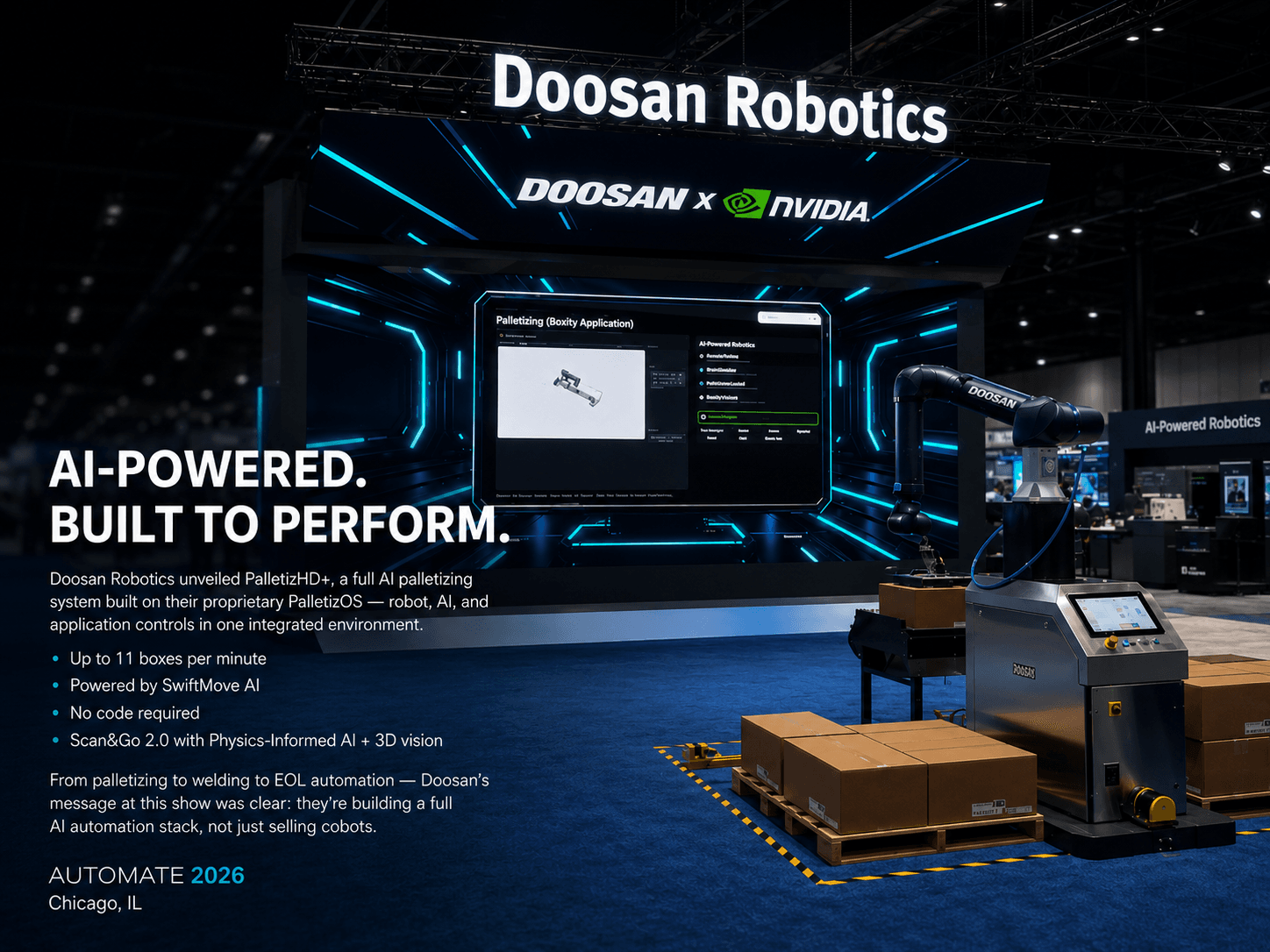
Doosan Robotics launches AI-powered palletizing solution for high-mix manufacturing
Doosan Robotics has introduced its latest innovation, PalletizHD+, an AI-driven palletizing solution aimed at streamlining the automation process for manufacturers. The launch took place at Automate 2026, where the company highlighted the system's ability to simplify engineering complexities while enhancing adaptability to evolving production needs. Built on the proprietary PalletizOS operating platform, PalletizHD+ is presented as a comprehensive, production-ready system designed to meet the demands of modern manufacturing environments. This development reflects Doosan Robotics' commitment to advancing automation technology and supporting manufacturers in optimizing their operations.
Industrial robots News ai artificial intelligence Automate 2026 cobots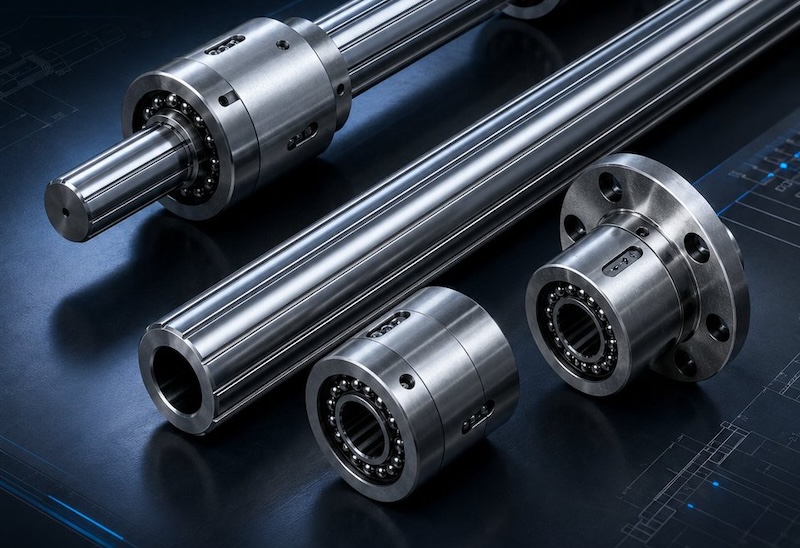
How JLCMC is Redefining Industrial Automation Solutions for Modern Factories
The manufacturing industry is undergoing significant transformation as companies strive to increase production efficiency, minimize waste, and adapt to market demands while keeping costs manageable. Central to this evolution is the rise of industrial automation, supported by various suppliers that play a crucial role behind the scenes. One such emerging player in this sector is JLCMC, an online store that is gaining recognition for its contributions to the automation landscape. As manufacturers navigate these challenges, the integration of advanced technologies and innovative solutions is becoming essential for sustained growth and competitiveness in a rapidly changing environment.
Automation Industry automation engineers cnc factory automation industrial automation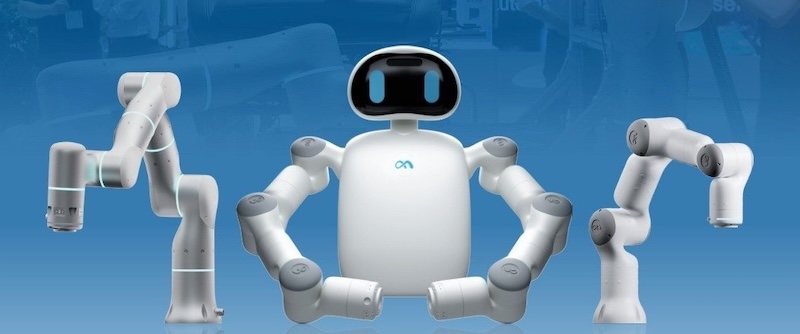
Flexiv launches new ‘adaptive robots’ for industrial automation
Flexiv has introduced two innovative adaptive robots aimed at enhancing tactile sensing and physical AI capabilities within the realm of industrial automation. The company unveiled its flagship Enlight robotic arm and the Mico dual-arm robotic platform, marking a notable advancement in force-controlled robotics and embodied intelligence. The Enlight arm features a seven-axis design, allowing for greater flexibility and precision in various applications. This launch, which took place recently, underscores Flexiv's commitment to pushing the boundaries of robotics technology to meet the evolving needs of the manufacturing sector. By integrating advanced sensing and control mechanisms, these robots are expected to improve operational efficiency and adaptability in complex industrial environments.
Industrial robots News adaptive robots cobots collaborative robots embodied ai
Inside modern supplement manufacturing: How automated filling lines are raising the quality bar
Recent advancements in automation are transforming the supplement manufacturing industry, particularly through the implementation of cutting-edge filling lines that enhance both quality and efficiency. These innovative systems not only incorporate advanced technologies but also necessitate the establishment of new protocols and expectations for quality assurance. As manufacturers adopt these automated solutions, they are experiencing significant breakthroughs and adopting best practices that elevate production standards. The article delves into how these automated filling lines are setting a new benchmark in the industry, emphasizing the critical controls that are essential for maintaining high-quality output.
Health Manufacturing automated filling lines automated inspection automation news checkweighers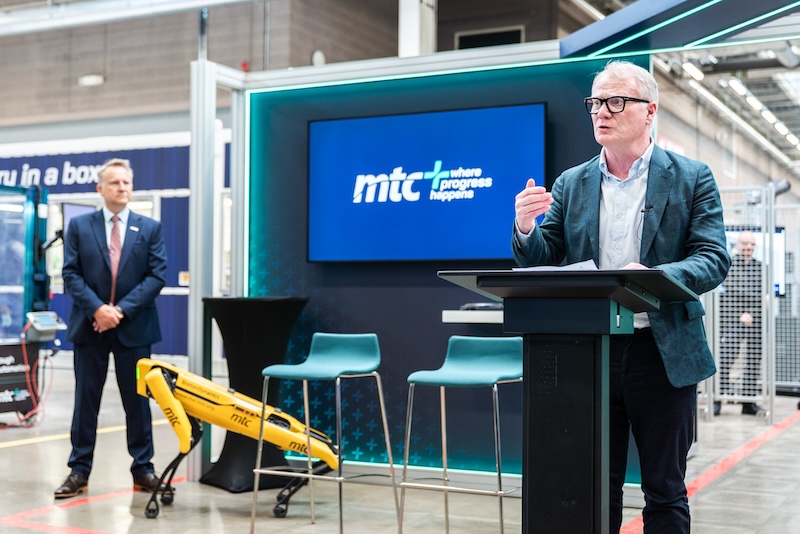
MTC launches new Robot Experience Centre to accelerate UK automation adoption
The Manufacturing Technology Centre (MTC) in the UK has inaugurated a new Robot Experience Centre (REC) at its Ansty Park facility in Coventry. This innovative, vendor-neutral center aims to support UK manufacturers in accelerating the integration of robotics and automation technologies into their operations. By providing a space for manufacturers to explore, test, and validate various robotics solutions, the REC facilitates informed investment decisions. The initiative responds to the growing need for advanced manufacturing solutions, enabling businesses to enhance efficiency and competitiveness in an increasingly automated industry landscape.
News Technology automation news automation training cobots collaborative robots
The Hidden Lifecycle Challenge Behind Industrial Automation Growth
The rapid advancement of automation is reshaping infrastructure demands across factories and shipping centers. As industries strive to enhance production efficiency, reduce errors, and minimize waste, the integration of smarter technologies has become essential. This shift is characterized by the increasing reliance on robots, artificial intelligence, and self-operating machines, which require sophisticated systems to function effectively. The ongoing evolution in manufacturing and logistics is not only transforming operational processes but also necessitating significant upgrades in infrastructure to support these advanced technologies. As companies adapt to these changes, the focus remains on optimizing the movement of goods and ensuring seamless operations in an increasingly automated environment.
Automation Industry automation infrastructure automation news circular economy data security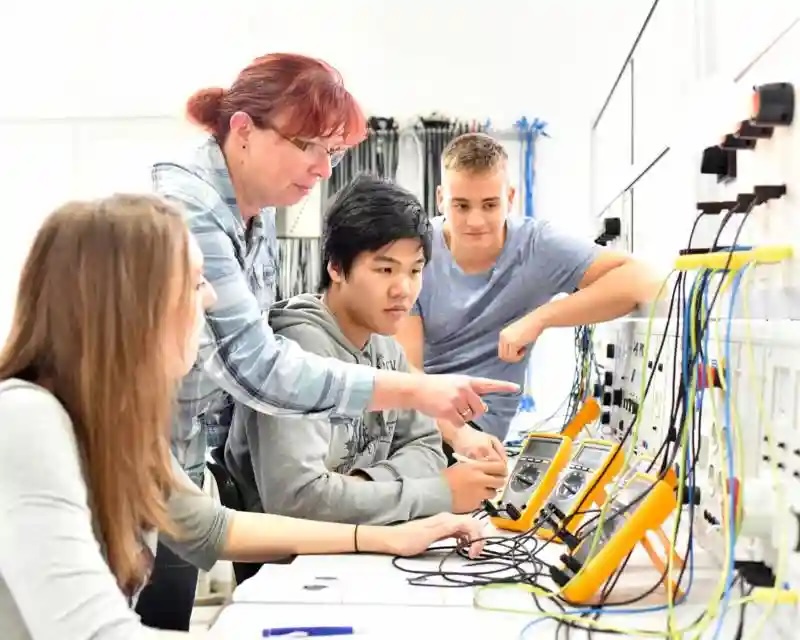
Automation is Hiring Faster Than Schools Can Graduate Engineers
Automation has become a critical component in various industries, including manufacturing, logistics, energy, and research, as companies increasingly implement robots and intelligent systems to enhance efficiency. This shift is occurring at an unprecedented pace, creating a pressing demand for skilled engineers capable of designing, maintaining, and improving these technologies. However, the rapid deployment of automation presents a significant challenge: the supply of qualified professionals is struggling to keep up with the growing need. As organizations strive to integrate advanced automation into their operations, the gap between the availability of skilled workers and the requirements of modern technology continues to widen, complicating efforts to fully realize the potential of automation in the workforce.
Engineering automation careers automation engineers automation news engineering jobs engineering skills shortage
Why Precision Swiss Machining is Critical to the Future of Robotics and Automation
The industrial production landscape is undergoing a significant transformation due to the rapid advancements in robotics, factory automation, and intelligent manufacturing systems. This shift is characterized by an increasing reliance on highly precise mechanical systems that can operate continuously with minimal deviation. As automation technologies evolve and become more interconnected, modern manufacturing environments are integrating collaborative robots, automated assembly systems, and sensor-driven equipment. These innovations are not only enhancing efficiency but also improving the accuracy and reliability of production processes. The ongoing evolution in this sector reflects a broader trend towards smarter, more automated manufacturing practices that aim to meet the growing demands of global markets.
Automation Engineering Factories automated manufacturing automation hardware automation news
Enhancing Industrial Automation: Why Compact Mini PCs Are Quietly Becoming the Default Choice for Robotic Controllers
In recent years, the evolution of control cabinets in modern factories has significantly transformed, with a notable increase in the complexity of components housed within them. Engineers are now tasked with integrating advanced technologies such as vision systems, sensors, controllers, and networking equipment into increasingly confined spaces. This shift has prompted the adoption of compact industrial computers, which are designed to efficiently manage the growing demands of industrial automation. As manufacturers seek to optimize their operations and streamline processes, these compact solutions are becoming essential for maintaining productivity and enhancing system capabilities. The trend reflects a broader movement towards more sophisticated and space-efficient technologies in the manufacturing sector, driven by the need for innovation and efficiency in an ever-competitive landscape.
Automation Computing Factories Industry automation hardware automation news
JTEKT to showcase automation and digital integration solutions for manufacturing at "ROBOT TECHNOLOGY JAPAN 2026."
JTEKT Corporation will participate in the upcoming "ROBOT TECHNOLOGY JAPAN 2026," scheduled to take place from June 11 to June 13, 2026, at the Aichi Sky Expo. The event is organized by News Digest Co., Ltd. This exhibition aims to showcase advancements in robotics technology and foster collaboration within the industry. JTEKT's involvement highlights its commitment to innovation and leadership in the robotics sector.

How HGHY Pulp Molding Production Lines Are Reshaping Sustainable Manufacturing
As global manufacturers increasingly prioritize sustainable production, HGHY's pulp molding equipment and automation systems are emerging as essential elements in eco-friendly manufacturing. This shift is driven by stricter environmental regulations, escalating labor costs, and a growing demand for recyclable products. In response, more manufacturers are adopting fully automated molded fiber production lines, positioning HGHY at the forefront of this transformation. The company's innovative solutions are helping businesses meet both regulatory requirements and consumer expectations for sustainability, thereby enhancing operational efficiency and reducing environmental impact.
Environment Manufacturing Technology automated production lines automation news circular economy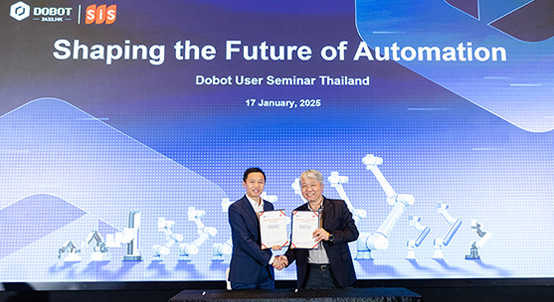
Dobot Partners with SiS to Accelerate Smart Manufacturing in Southeast Asia
On January 17, 2023, Dobot Robotics revealed a strategic partnership with SiS Distribution (Thailand) Public Company Limited, aimed at advancing industrial transformation and enhancing automation in Southeast Asia. This collaboration seeks to leverage both companies' strengths to drive innovation and efficiency in the region's manufacturing sector. By combining Dobot's expertise in robotics with SiS Distribution's extensive market reach, the partnership is poised to facilitate the adoption of cutting-edge automation solutions, ultimately shaping the future of industry in Thailand and beyond.
SiS Thailand samrt automation smart manufacturing in Thailand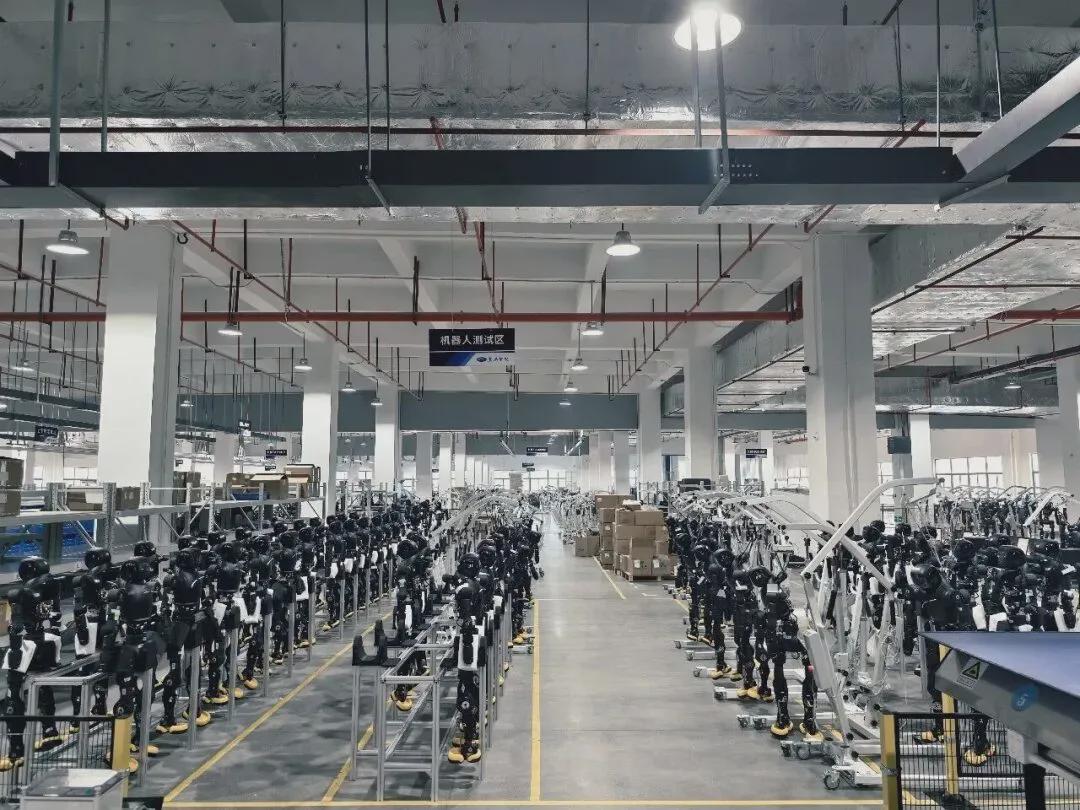
Lansi Technology's Robotics Production: Precision Manufacturing Meets Embodied Intelligence
Lansi Technology, a company recognized for its mobile glass products, is expanding its operations into the robotics sector by utilizing its advanced manufacturing capabilities. Recently, the firm has commenced mass production of robotic components, marking a significant milestone in revenue generation. This strategic move aims to strengthen its foothold in the competitive robotics industry, supported by new partnerships that enhance its operational capacity and market presence. The initiative reflects Lansi's commitment to innovation and automation, positioning the company for future growth in this emerging field.
Robotics Manufacturing Automation Industrial Robots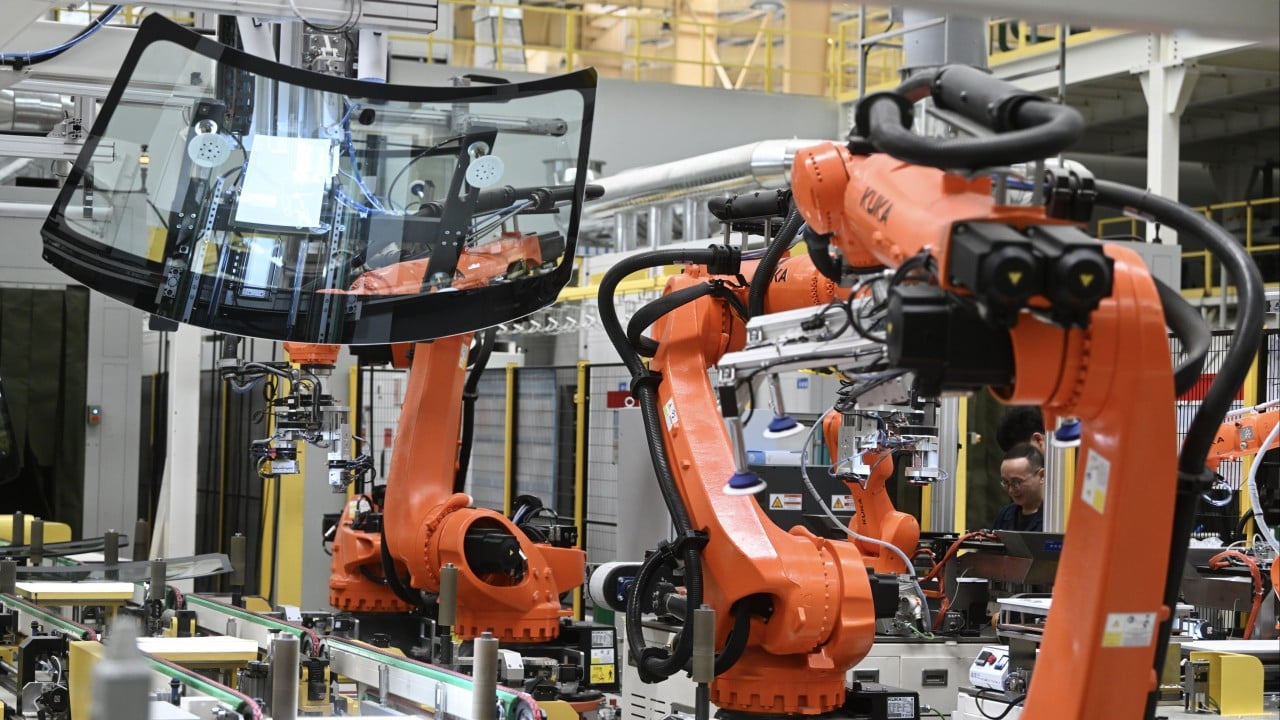
Inside Fuyao Glass, the Chinese auto-part supplier whose head earned a seat by Elon Musk
Fuyao Glass Industry Group has unveiled a state-of-the-art manufacturing facility in Anhui province, eastern China, showcasing a highly automated production process that operates at 90 percent automation. This advanced plant features numerous robotic arms and automated carriers that efficiently handle heavy automotive glass panes. The facility exemplifies the company's commitment to innovation and modernization in manufacturing, following its recognition in the 2019 Oscar-winning documentary "American Factory." By leveraging cutting-edge technology, Fuyao aims to enhance production efficiency and maintain its competitive edge in the automotive glass market.
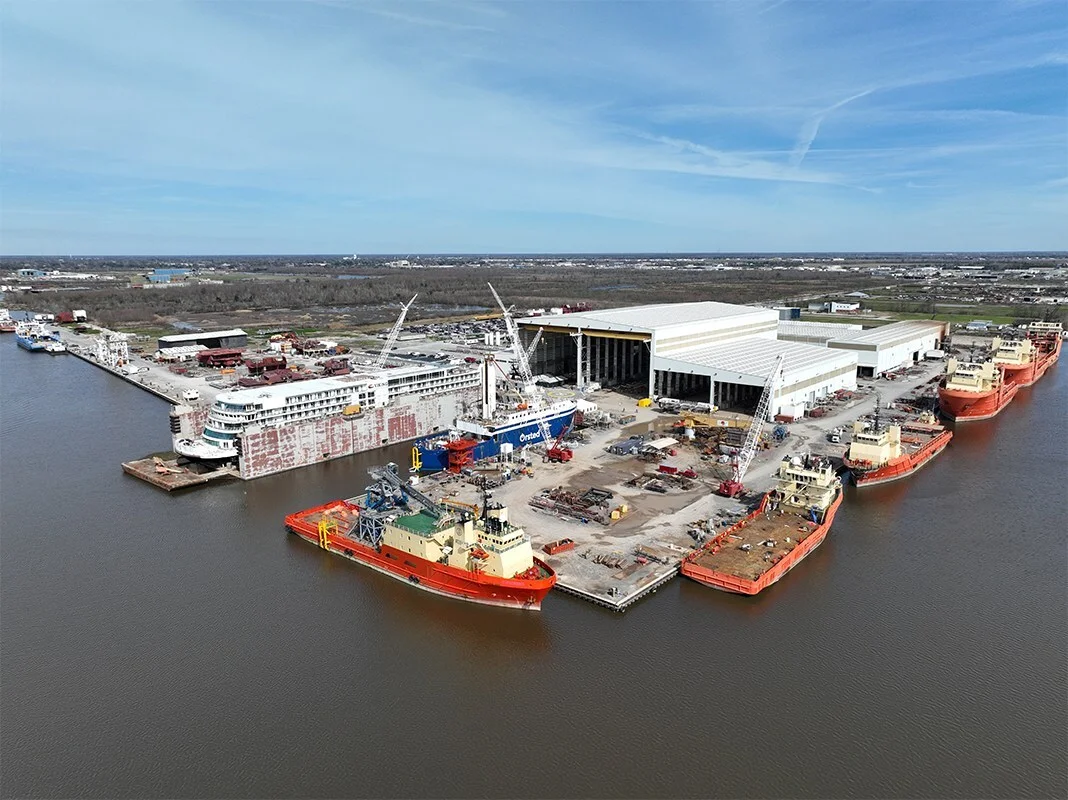
HD Hyundai Robotics Secures Order for Robotic Welding Solutions, Enters US Shipbuilding Automation Market
HD Hyundai Robotics, a subsidiary of HD Hyundai specializing in robot manufacturing and solutions, has officially entered the U.S. shipyard automation market. This strategic move is part of the company's commitment to advancing productivity within the shipbuilding industry, as outlined by the MASGA initiative. By establishing a presence in the U.S., HD Hyundai Robotics aims to expand its influence and capabilities in shipyard automation, responding to the growing demand for innovative solutions in this sector. The initiative reflects the company's broader goal of enhancing efficiency and productivity in shipbuilding through advanced robotics technology.
AI Capital Markets Robotics Chouset Group robotic welding robots
Top 7 AI Agent Platforms for Industrial Manufacturing in 2026
The manufacturing sector is undergoing a significant digital transformation, marked by substantial investments in Internet of Things (IoT) sensors, Manufacturing Execution Systems (MES), industrial analytics, and predictive maintenance solutions over the past decade. This shift has provided manufacturers with unparalleled operational visibility, enabling real-time monitoring of equipment, production lines, quality metrics, and material flows. Despite these advancements, production managers continue to face challenges in optimizing processes and improving efficiency. The integration of these technologies aims to enhance productivity and streamline operations, ultimately driving the industry towards a more data-driven future.
AI agents Manufacturing ai agents autonomous manufacturing digital manufacturing ERP integration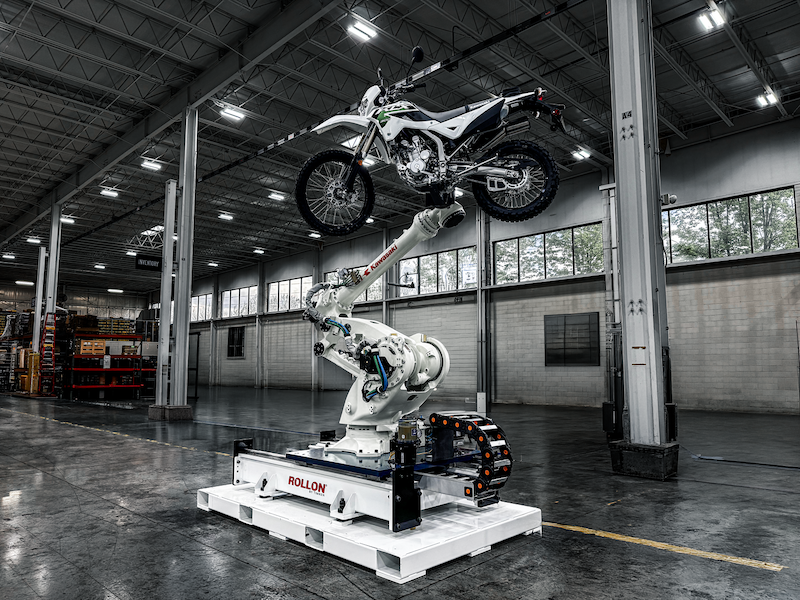
Kawasaki Robotics showcases 8-axis Physical AI robot and intelligent automation technologies at Automate 2026
Kawasaki Robotics unveiled its latest advancements in automation technology at the Automate 2026 trade show held in Chicago. The event, which took place recently, highlighted the transformative impact of robotics, artificial intelligence, machine learning, vision systems, and real-time control on industrial automation. A key feature of the showcase was the introduction of the new “RL030N” robot platform, which boasts eight degrees of freedom and is specifically designed for Physical AI applications. This innovation reflects Kawasaki Robotics' commitment to pushing the boundaries of automation and enhancing operational efficiency across various industries.
Industrial robots News Robotics 8-axis robot Automate 2026 BA013L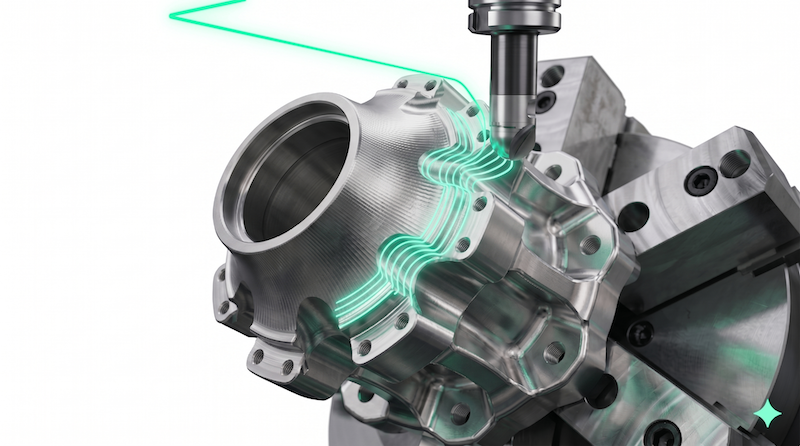
Limitless Labs raises $20 million to expand AI platform for CNC programming and precision manufacturing
Limitless Labs, a company specializing in AI software for CNC programming and precision manufacturing, has successfully secured $20 million in a Series A funding round. This investment, co-led by Dell Technologies Capital and Square Peg, aims to enhance the company's physical AI platform and expedite its implementation within the manufacturing industry. Additional contributions came from Grove Ventures and Meron Capital, among others. The funding will enable Limitless Labs to further develop its innovative solutions, addressing the growing demand for advanced manufacturing technologies.
Engineering Manufacturing agentic ai ai manufacturing automation news Blue Origin
Mesoware raises $1.5 million funding to build AI-powered robots for manufacturing
Mesoware has secured $1.5 million in funding to advance its development of AI-powered robotics solutions aimed at automating manufacturing processes. The pre-seed funding round was spearheaded by Pillar VC. Joe Mattekatt, co-founder and CEO of Mesoware, emphasized the significance of this investment, stating that as hardware costs decrease and AI technology progresses, the primary challenge in robotics lies in integrating these advancements at scale. This funding will enable Mesoware to address that challenge and further its mission in the robotics industry.
Artificial Intelligence Industrial robots AI-powered robots automation news factory automation industrial robotics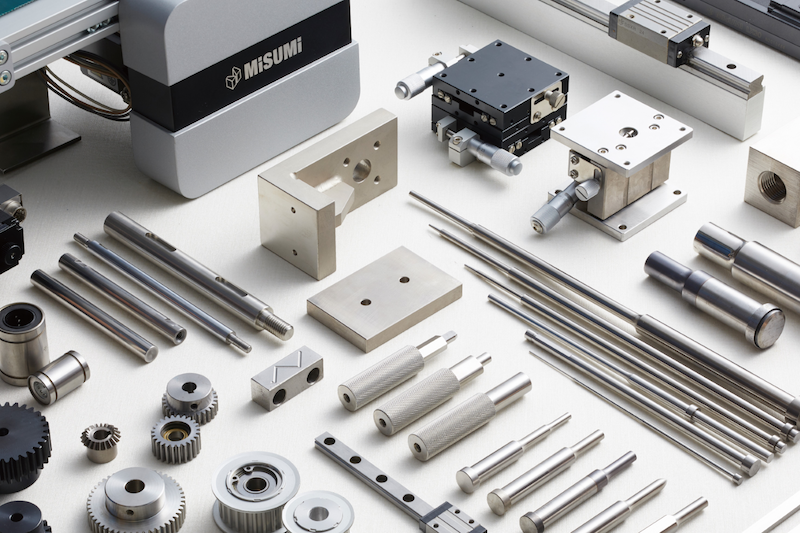
Misumi launches Misumi Americas as part of $1 billion global manufacturing investment
Japanese industrial components supplier Misumi Group has officially launched Misumi Americas, marking a significant step in its expansion strategy. The company has unveiled a $1 billion (¥150 billion) global investment program designed to enhance its digital manufacturing and supply chain capabilities. This initiative integrates Misumi’s existing industrial components business with an AI-powered manufacturing platform acquired from Fictiv, thereby broadening the company's operational scope. The investment aims to strengthen Misumi's position in the competitive manufacturing landscape by leveraging advanced technology to streamline processes and improve efficiency.
Components News additive manufacturing aerospace manufacturing ai manufacturing automation news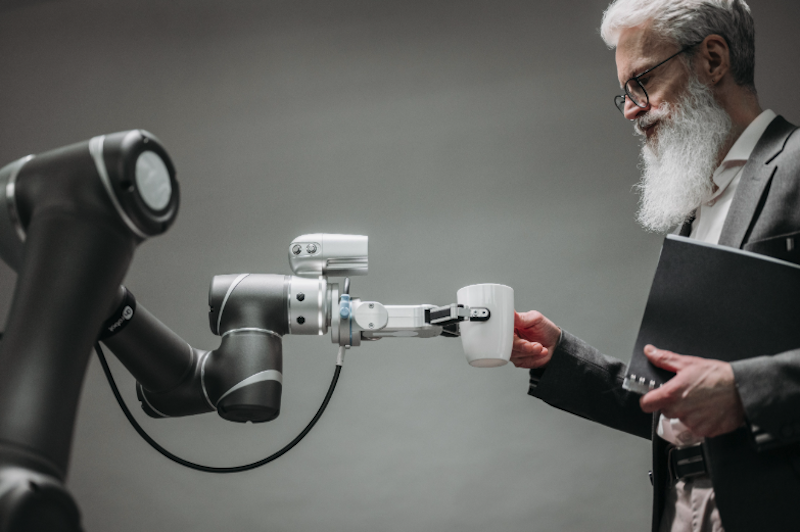
Why Factory Automation Now Depends on Software-Savvy Workers
As automation increasingly integrates into production environments, the demand for workers skilled in managing technology is rising. Traditionally, factory automation was characterized by robotic arms performing repetitive tasks behind safety barriers. However, the evolving landscape now requires employees to navigate complex dashboards, respond to alerts, and make data-driven decisions. This shift reflects a broader trend in which the role of human workers is transforming from manual labor to technological oversight, necessitating a new set of skills to effectively collaborate with advanced machinery. The growing reliance on automation is reshaping the workforce, prompting a need for training and adaptation to ensure that employees can thrive in a more automated future.
Automation Factories Robotics automation news automation workforce cobots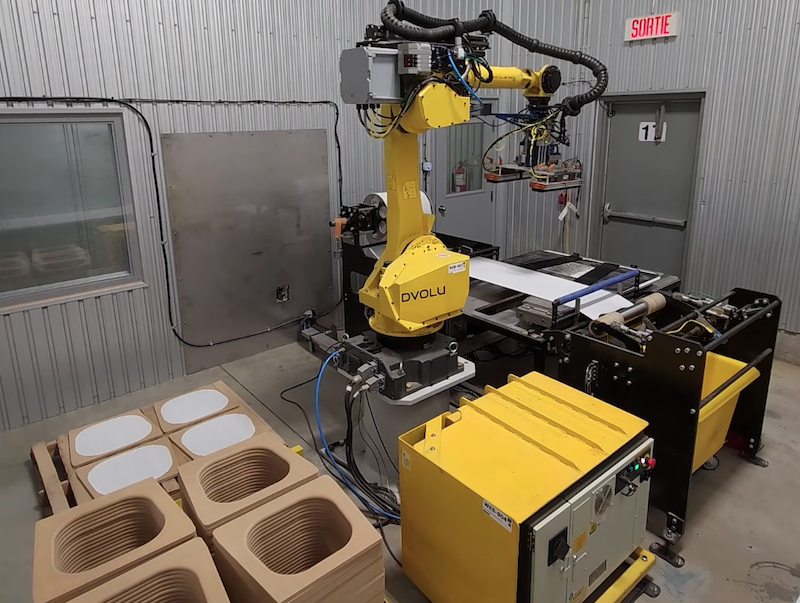
Fanuc-powered robotic cell automates one of furniture manufacturing’s toughest jobs
A Canadian furniture manufacturer has successfully implemented automation in its upholstery process by utilizing a robotic work cell centered around a Fanuc M-710iC industrial robot. This innovative system, developed by Fanuc Authorized System Integrator Dvolu, streamlines tasks that have traditionally demanded skilled labor, such as fabric stretching, stapling, trimming, and palletizing chair seats. The automation aims to enhance efficiency and reduce reliance on manual labor, addressing challenges in workforce availability and productivity. By integrating advanced robotics into their operations, the manufacturer is poised to improve production speed and consistency, marking a significant shift in the furniture industry’s approach to upholstery.
Industrial robots News advanced manufacturing ai vision systems automated trimming automation news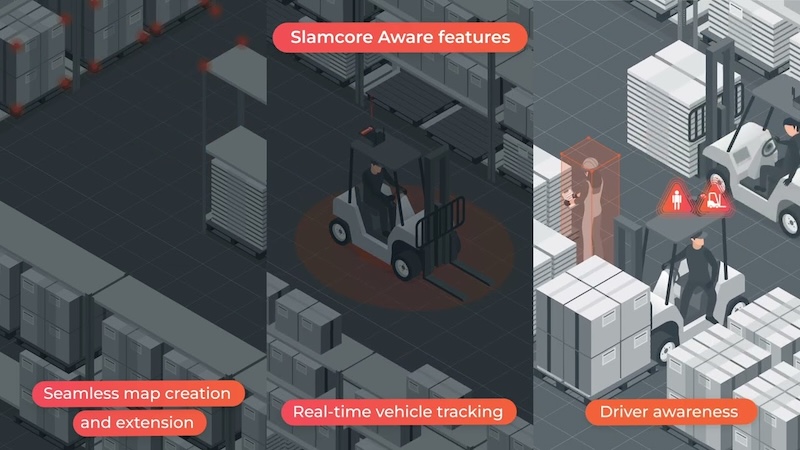
Slamcore secures $14 million funding from investors including Rockwell Automation
Slamcore, a company specializing in spatial intelligence software, has successfully secured $14 million in a recent funding round, attracting notable investors such as ROKStar Ventures, a subsidiary of Rockwell Automation, a leader in industrial automation and digital transformation. This latest investment elevates Slamcore's total funding to $40 million, with previous support from prominent backers including Toyota Ventures and Interwoven Ventures. The funding aims to enhance Slamcore's development of innovative technologies that improve spatial awareness and automation capabilities across various industries.
Financials & Investments News Software ai funding AI software amrs
Application engineering for assembly systems is quietly becoming manufacturing’s biggest competitive edge
In a significant shift within the manufacturing sector, companies are increasingly focusing on application engineering to enhance assembly systems. This evolution is driven by the need for higher productivity and reduced error rates on the factory floor. Leading the charge is Atlas Copco, a prominent player in the industry, which is fully embracing this transformation. The emphasis is now on not just the machines themselves, but also on the engineering that connects and adjusts these machines in real-time to align with operational demands. As factories strive to optimize their processes, the integration of advanced engineering techniques is becoming essential for success in a competitive landscape.
Engineering Manufacturing application engineering assembly line automation assembly systems atlas copco
Figure ramps up humanoid robot manufacturing at unprecedented speed
Figure AI, a company specializing in humanoid robotics, has announced a significant breakthrough in manufacturing capabilities. After years of developing meticulously choreographed demonstrations and prototypes, the company claims to have overcome the challenges associated with producing humanoid robots at scale. This advancement is crucial, as the ability to manufacture hundreds of robots reliably and economically has long been a hurdle in the industry. The announcement comes amid growing interest in humanoid robotics, driven by the potential applications in various sectors. Figure AI's progress could pave the way for broader adoption and integration of humanoid robots into everyday tasks and industries.
Features Humanoids ai robotics automation news Autonomous robots botq
Collaborative Robots (Cobots) in Manufacturing: The Future of Human-Robot Teams
A recent exploration into the future of manufacturing highlights the potential of human-robot collaboration, focusing on how human workers can effectively partner with collaborative robots. As industries evolve, the integration of these advanced technologies aims to enhance productivity and efficiency on the factory floor. This shift is particularly relevant in light of ongoing labor shortages and the need for increased output in a competitive market. The study emphasizes that by 2024, many manufacturing sectors are expected to adopt these collaborative robots, which are designed to work alongside humans safely and efficiently. This partnership not only aims to alleviate the physical demands on workers but also to leverage the precision and speed of robots in repetitive tasks. The motivation behind this trend is driven by the need for innovation in manufacturing processes, as companies seek to remain competitive while addressing workforce challenges. By implementing collaborative robots, businesses can optimize operations, reduce costs, and improve overall product quality. The research indicates that successful integration will require training for human workers to effectively interact with these robots, ensuring a seamless workflow. As this technology continues to advance, the future of human-robot teams in manufacturing appears promising, potentially transforming the landscape of the industry and redefining the roles of human workers.
Dobot Breezy smartphone refurbishment AI automation Industry 5.0 collaborative robots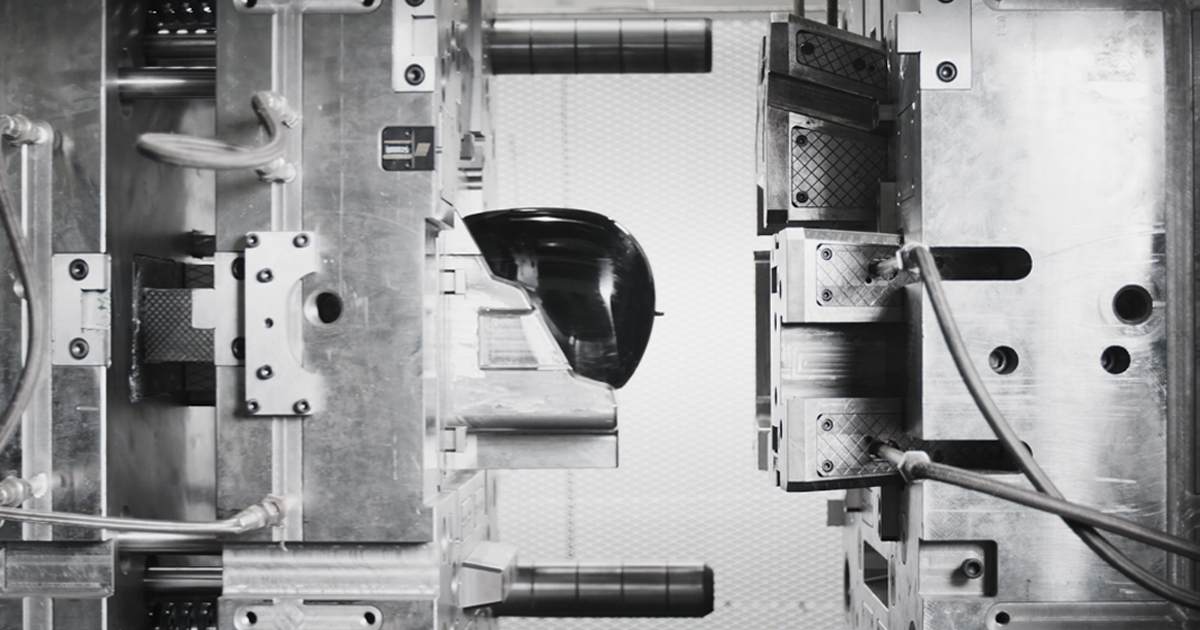
BotQ: A High-Volume Manufacturing Facility for Humanoid Robots
Figure has officially launched BotQ, a state-of-the-art manufacturing facility dedicated to the production of humanoid robots. Located in an undisclosed area, the facility is designed to produce up to 12,000 units annually, reflecting the company's commitment to scaling its operations. The initiative, which commenced recently, underscores Figure's focus on in-house manufacturing to enhance quality and efficiency in robot production. To achieve this, BotQ employs advanced manufacturing techniques, including injection molding and diecasting, which are essential for ensuring the reliability of the robots. Additionally, the facility aims to strengthen its supply chain development, addressing potential challenges in sourcing materials and components. This strategic move is part of Figure's broader vision to lead the humanoid robotics market, responding to increasing demand for advanced robotic solutions across various sectors.
humanoid robots manufacturing automation supply chain robotics
RoboDK Enhances Manufacturing with Digital Twin and OLP Software Features
RoboDK has introduced advanced features in its digital twin and offline programming (OLP) software, enabling manufacturers to simulate robotic cells virtually. This software allows users to model robots, tooling, and surrounding equipment, facilitating pre-installation testing of automation systems. Key functionalities include accurate robot simulation, calibration, and the ability to generate executable robot code seamlessly, thus reducing deployment time and costs. The significance of these features lies in their ability to streamline the programming and commissioning processes, which are often time-consuming in traditional setups. By utilizing digital twins, manufacturers can assess critical factors such as reachability, collision risks, and cycle times before physical implementation. This proactive approach minimizes uncertainties and enhances operational efficiency, making it a vital tool for modern manufacturing environments. Looking ahead, manufacturers should monitor the integration of CAD/CAM workflows with digital twin software, as this will further enhance the flexibility and usability of robotic programming. The ability to compare various robot models and specifications without vendor lock-in is crucial for optimizing production lines. No further timeline was disclosed at the time of publication.
Robotics needs a service framework.
RSF defines a common language for robot service capability, lifecycle operations, certification pathways, and service-provider networks.