Industry Briefing
A single destination for timely, editor-curated robotics news from around the world.
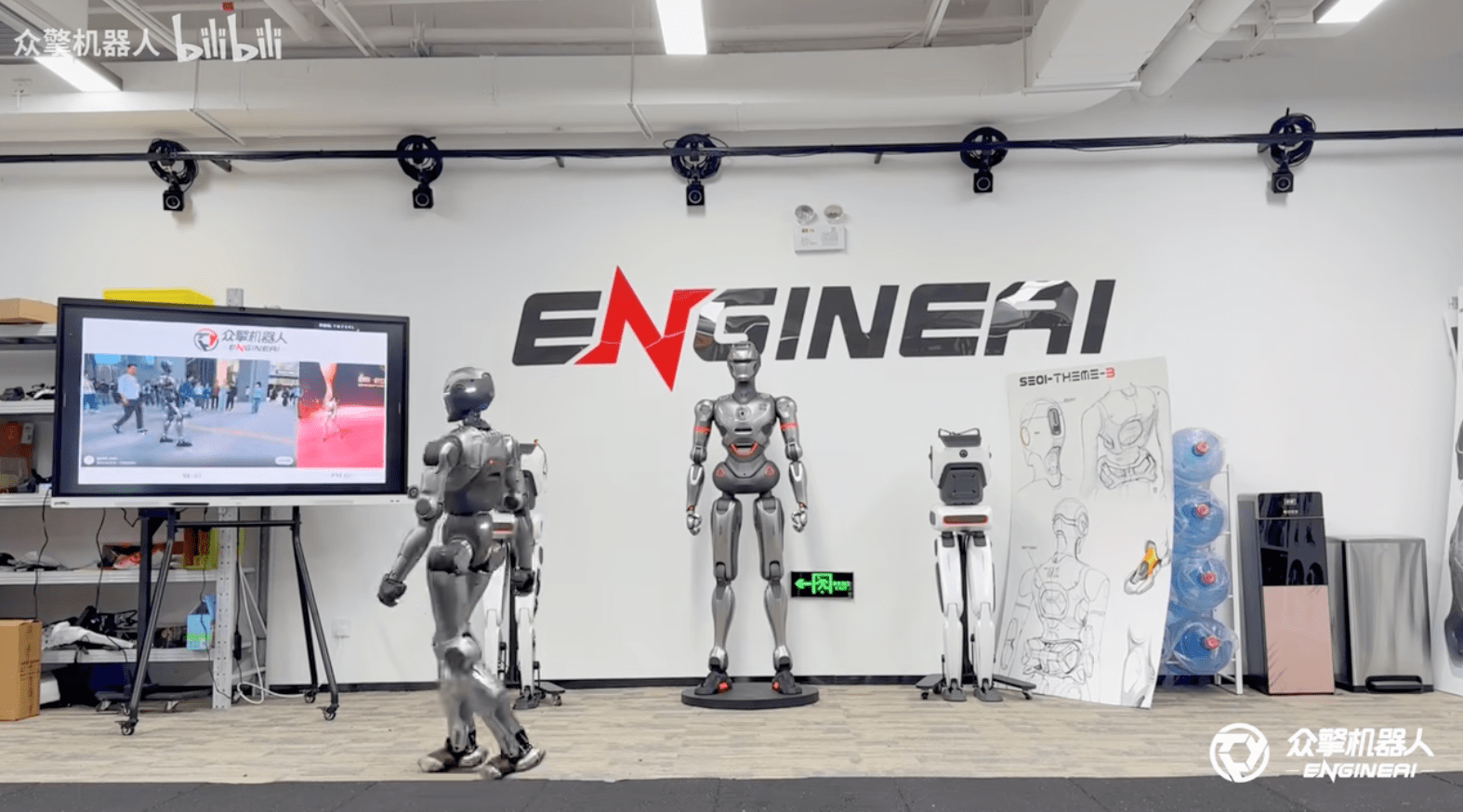
ENGINEAI Reports General-Purpose Humanoid Robot Costs Drop Below RMB100,000
ENGINEAI, a humanoid robot manufacturer based in Shenzhen, has announced that the cost of its general-purpose humanoid robots has decreased to below RMB100,000 per unit. This significant reduction marks a shift from three years ago when similar robots were priced over RMB1 million. The CEO of ENGINEAI, Zhao Tongyang, emphasized that this pricing pertains to robots intended for practical applications in factories and households, distinguishing them from lower-cost toy models. This development highlights the growing accessibility of advanced robotics technology for various sectors. Looking ahead, the industry may witness further advancements in humanoid robotics as costs continue to decline. No further timeline was disclosed at the time of publication.
News Feed
Walden Robotics Emerges with $1.1B Valuation and $300M Funding for General-Purpose Robots
Walden Robotics has officially launched with a valuation of $1.1 billion, backed by $300 million in funding. The company focuses on developing general-purpose robots that continuously learn and improve while performing real-world tasks. Co-founder Dr. Russ Tedrake emphasized the importance of understanding current manufacturing practices to deliver real value to customers. The significance of Walden Robotics lies in its innovative approach to physical AI, which has attracted attention from technology leaders. The company combines large behavior models with practical operations, allowing its robots to handle complex tasks while enhancing human capabilities. This approach aims to create a scalable business model that aligns with existing manufacturing processes. Looking ahead, Walden Robotics is set to expand its deployments, having already transitioned its robots from pilot programs to production tasks at a Toyota plant in North America within two months. No further timeline was disclosed at the time of publication.
Aerospace Artificial Intelligence Artificial Intelligence / Cognition Automotive Healthcare Robotics Humanoids
Walden Robotics Emerges with $300 Million Funding to Deploy General-Purpose Robots
Walden Robotics has officially launched, securing $300 million in funding to develop and deploy general-purpose robots. This funding round, co-led by Toyota and Deviation Capital, values the company at $1.1 billion and includes participation from notable investors such as NVIDIA, Boeing, and Samsung Ventures. The significance of this launch lies in Walden Robotics' focus on creating full-stack Physical AI solutions that enable robots to learn and adapt while performing real-world tasks. This approach positions the company to meet the growing demand for versatile robotic solutions across various industries, enhancing operational efficiency and productivity. Looking ahead, industry observers should monitor Walden Robotics' progress in deploying its general-purpose robots and the potential impact on sectors that require automation. No further timeline was disclosed at the time of publication.

NVIDIA Discusses Evaluating General-Purpose Robot Policies for Real-World Applications
NVIDIA has highlighted the challenges in evaluating general-purpose robot policies as their capabilities advance. The company emphasizes that while current robotics models can follow natural language instructions to manipulate various objects, rigorous evaluation remains a significant hurdle due to the limitations of existing benchmarks. Real-world testing is costly and slow, necessitating effective simulation methods for large-scale evaluations. The importance of this evaluation process lies in the need for robots to generalize their skills beyond memorized setups. NVIDIA points out that many benchmarks suffer from visual and task-domain overlap, which can lead to misleading performance metrics. As models achieve high scores on static task sets, it becomes increasingly difficult to differentiate their true capabilities, raising concerns about the meaningfulness of reported results. Looking ahead, NVIDIA's focus on improving simulation environments and task generation methods is crucial for advancing robotic evaluation. The company aims to address the diagnostic gaps in current benchmarks, which often fail to provide insights into the reasons behind a robot's performance. No further timeline was disclosed at the time of publication.
Artificial Intelligence Artificial Intelligence / Cognition Design / Development Motion Control News Software / Simulation
X Square Robot Develops Integrated Stack for General-Purpose Robotics
X Square Robot, a Chinese company focused on embodied AI, is pioneering an integrated stack for general-purpose robots. This stack combines data learning, a world model for predicting physical changes, and an action model that integrates perception, planning, reasoning, and decision-making. The company emphasizes the importance of quality interaction data over sheer quantity, utilizing its Universal Manipulation Interface (UMI) to enhance data collection. The significance of X Square Robot's approach lies in its potential to unify various aspects of robotic intelligence, addressing the fragmented nature of current systems. By prioritizing interaction quality and establishing a closed inspection loop for data validation, the company aims to create a more effective learning environment for robots. This method not only reduces costs but also enhances the reliability of the training data, which is crucial for developing general-purpose robots capable of performing diverse tasks. Looking ahead, X Square Robot's WALL-WM world model represents a shift towards event-based action prediction, allowing for more coherent and context-aware robotic behavior. As the company continues to refine its models and data collection methods, the broader robotics community will be watching for independent validation of its results and the potential implications for the future of general-purpose robotics.
Home-robots Type-sponsored Large-language-models Embodied-intelligence Ai-robots Robot-learning
Jiying Technology Launches First Zero-Shot Generalizable Physics Model for Engineering Simulations
Jiying Technology has unveiled its Jiying 2.0 physics foundation model, which is capable of zero-shot generalization across various geometries, materials, and boundary conditions. This model represents a significant advancement in physics AI, particularly for engineering simulations, and was announced in October 2023. The introduction of the Jiying 2.0 model is crucial as it allows engineers to simulate complex physical scenarios without the need for extensive retraining on specific datasets. This capability can enhance efficiency and reduce the time required for simulations, making it a valuable tool in engineering design and analysis. Looking ahead, industry professionals will be keen to observe how the adoption of the Jiying 2.0 model influences engineering practices and simulation accuracy. No further timeline was disclosed at the time of publication regarding additional features or updates to the model.
Technology
Computing Power Paradox: General-Purpose Chips in Shortage as Shanghai Zhangjiang Builds China Silicon Photonics Hub
In the midst of ongoing discussions regarding China's computing power dynamics, Shanghai Zhangjiang has established itself as a significant national center for silicon photonics. This development comes as over 20 companies have set up operations in the area, covering the entire value chain of the technology. The rise of Zhangjiang as a hub reflects the country's strategic focus on advancing its capabilities in this critical sector, which is essential for enhancing computing power and addressing potential shortages. The concentration of firms in Shanghai is indicative of a broader push to innovate and strengthen China's position in the global technology landscape.
Technology
SpaceX's Starmind Targets AI Labs with $6.3 Billion Compute Contracts
SpaceX's Starmind is designed to provide wholesale AI compute services to businesses, particularly AI labs and cloud customers, rather than individual consumers. The service operates similarly to AWS, where users benefit from applications running on Starmind without direct subscriptions. The compute capacity of a single AI1 satellite is comparable to one NVIDIA GB300 rack, emphasizing its enterprise-grade capabilities. The significance of Starmind lies in its positioning as a potential fourth hyperscaler, joining the ranks of AWS, Microsoft Azure, and Google Cloud. The Reflection AI contract, valued at $150 million per month, exemplifies the enterprise-focused model, with total payments potentially reaching $6.3 billion through 2029. This contract highlights the growing demand for AI compute resources, particularly from AI-native startups and labs. Looking ahead, the focus will remain on securing additional enterprise contracts as Starmind expands its offerings. No consumer-facing products or subscriptions have been announced, and the current strategy is to cater to businesses with substantial AI workloads. No further timeline was disclosed at the time of publication.
SpaceX's Starmind Plans 1 Million AI Satellites Amid Collision Risks
SpaceX has announced its ambitious Starmind project, which aims to deploy 1 million AI satellites in orbits between 500 and 2,000 km. This initiative, confirmed by Elon Musk on June 23, 2026, follows a merger with xAI, valuing the combined entity at $1.25 trillion. The satellites will function as orbital data centers, processing AI workloads powered by solar arrays and linked by optical lasers. The significance of Starmind lies in its potential to add 100 gigawatts of AI compute capacity annually, contingent on the successful operation of the Starship launch system. However, the project raises concerns regarding space debris, as the current orbital environment is already congested, with a 20% increase in collision risk reported since 2024. The European Space Agency has highlighted that the density of debris in low Earth orbit is now comparable to that of active satellites, complicating the operational landscape for new entrants like Starmind. Looking ahead, the first operational orbital AI deployments are targeted for 2028, with test launches expected in early 2027. However, the project faces scrutiny regarding its impact on space debris, as even a 1% failure rate could significantly increase the number of uncontrollable objects in orbit, exacerbating existing risks. No further timeline was disclosed at the time of publication.
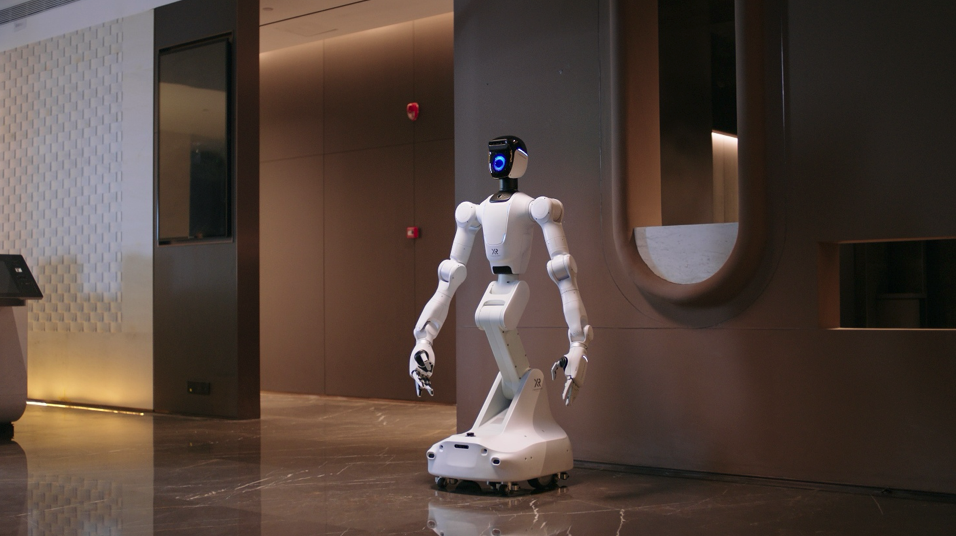
X Square Robot builds a full-stack approach to embodied AI and general-purpose robotics
The robotics industry is undergoing a transformation due to the swift advancement of embodied artificial intelligence, prompting companies to innovate machines that can tackle diverse real-world tasks instead of being limited to single functions. Notably, Shenzhen-based X Square Robot has emerged as a key player in this competitive landscape, successfully completing four consecutive financing rounds. This funding achievement underscores the growing interest and investment in versatile robotic technologies, as firms strive to enhance their capabilities and meet the increasing demand for intelligent automation solutions.
Business Features Robotics artificial intelligence Artixon china robotics
RoboScience Unveils Visics, a General-Purpose Embodied AI Model
On June 24, RoboScience, a Beijing-based company specializing in embodied intelligence, launched its new general-purpose embodied AI model, Visics. This innovative model is designed to enhance robotic capabilities by integrating advanced perception and decision-making processes. The unveiling took place in Beijing, showcasing Visics' potential applications across various industries, including healthcare, manufacturing, and service sectors. The development of Visics aims to address the growing demand for intelligent automation solutions that can adapt to complex environments and tasks. By leveraging cutting-edge technology, RoboScience seeks to position itself at the forefront of the AI revolution, offering tools that can significantly improve operational efficiency and effectiveness in diverse applications.
EmbodiedAI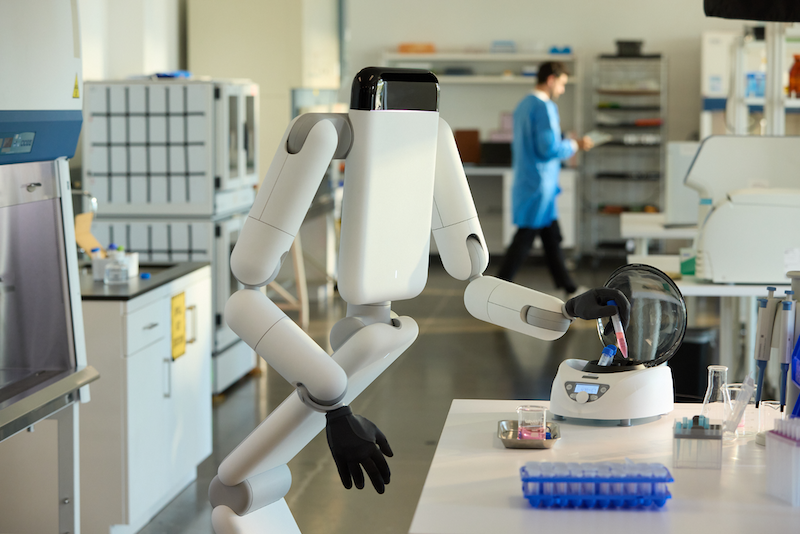
Genesis AI launches first general-purpose humanoid robot
Genesis AI, a global leader in robotics, has introduced Eno, its inaugural general-purpose robot. Launched recently, Eno is characterized by its minimalist design, which sets it apart from conventional robotic forms. Powered by GENE, the company's advanced foundation model, Eno is designed to function as a true physical agent, capable of reasoning and performing tasks autonomously. This innovation aims to redefine the capabilities of robots in various applications, reflecting Genesis AI's commitment to pushing the boundaries of technology in the robotics sector.
Humanoids News agentic ai ai robotics automation news Autonomous robots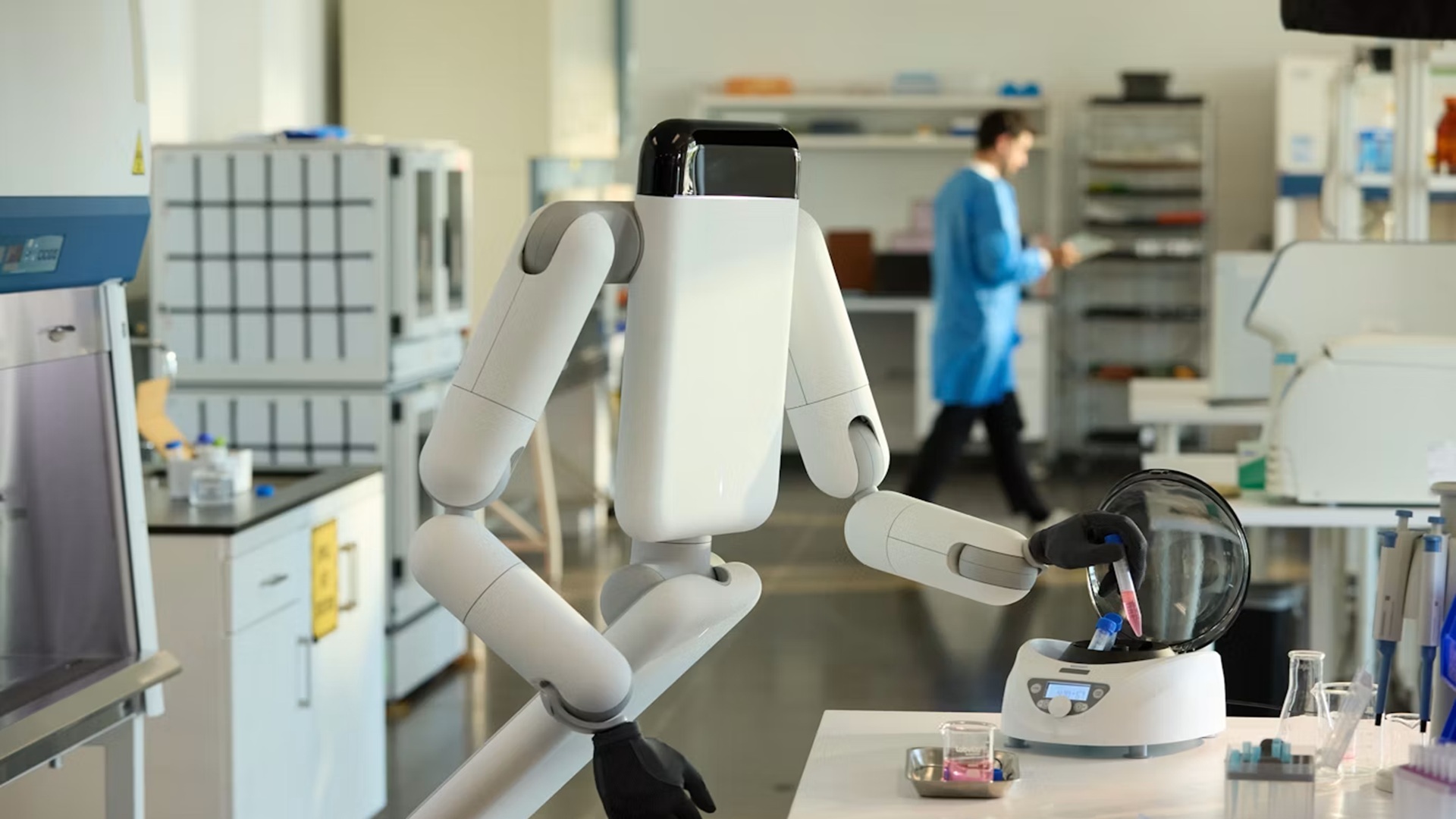
Eno humanoid robot aims to become the general-purpose machine for every workplace
Genesis AI has introduced Eno, its inaugural general-purpose robot, marking a significant step in the company's ambition to advance robotics technology. The unveiling took place recently, showcasing Eno's capabilities designed to perform a variety of tasks across different sectors. This launch is part of Genesis AI's broader strategy to innovate and integrate artificial intelligence into everyday applications, aiming to enhance efficiency and productivity in various industries. By leveraging cutting-edge technology, Eno is expected to address diverse needs, from automation in manufacturing to assistance in healthcare. The development of this robot reflects the growing trend in the tech industry towards creating versatile AI-driven solutions that can adapt to multiple environments and challenges.
AI and Robotics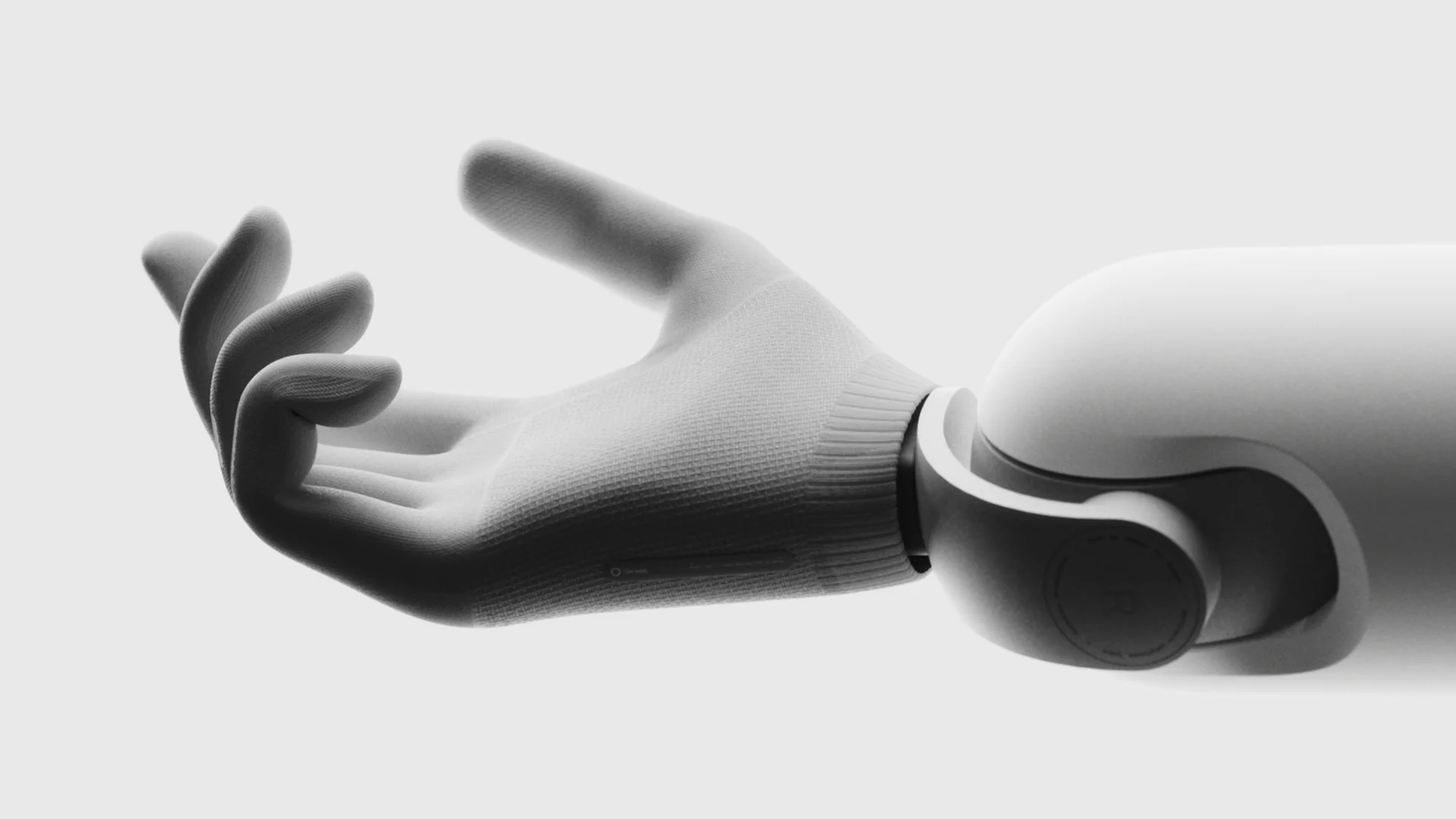
Genesis AI Launches Company’s First General-Purpose Robot ‘Eno’
Genesis AI has introduced Eno, its inaugural general-purpose robot, which marks a significant advancement in robotics technology. The unveiling took place recently, showcasing Eno's innovative design that integrates proprietary hardware with GENE, the company's foundational robotics model. This combination enables Eno to execute a wide range of physical tasks, moving beyond the limitations of robots that are typically programmed for specific functions. Genesis AI aims to revolutionize the robotics landscape with this versatile approach, allowing for greater adaptability and efficiency in various applications.
AI AI Funding & Investment AI Use Cases Robotics Eno Gensis AI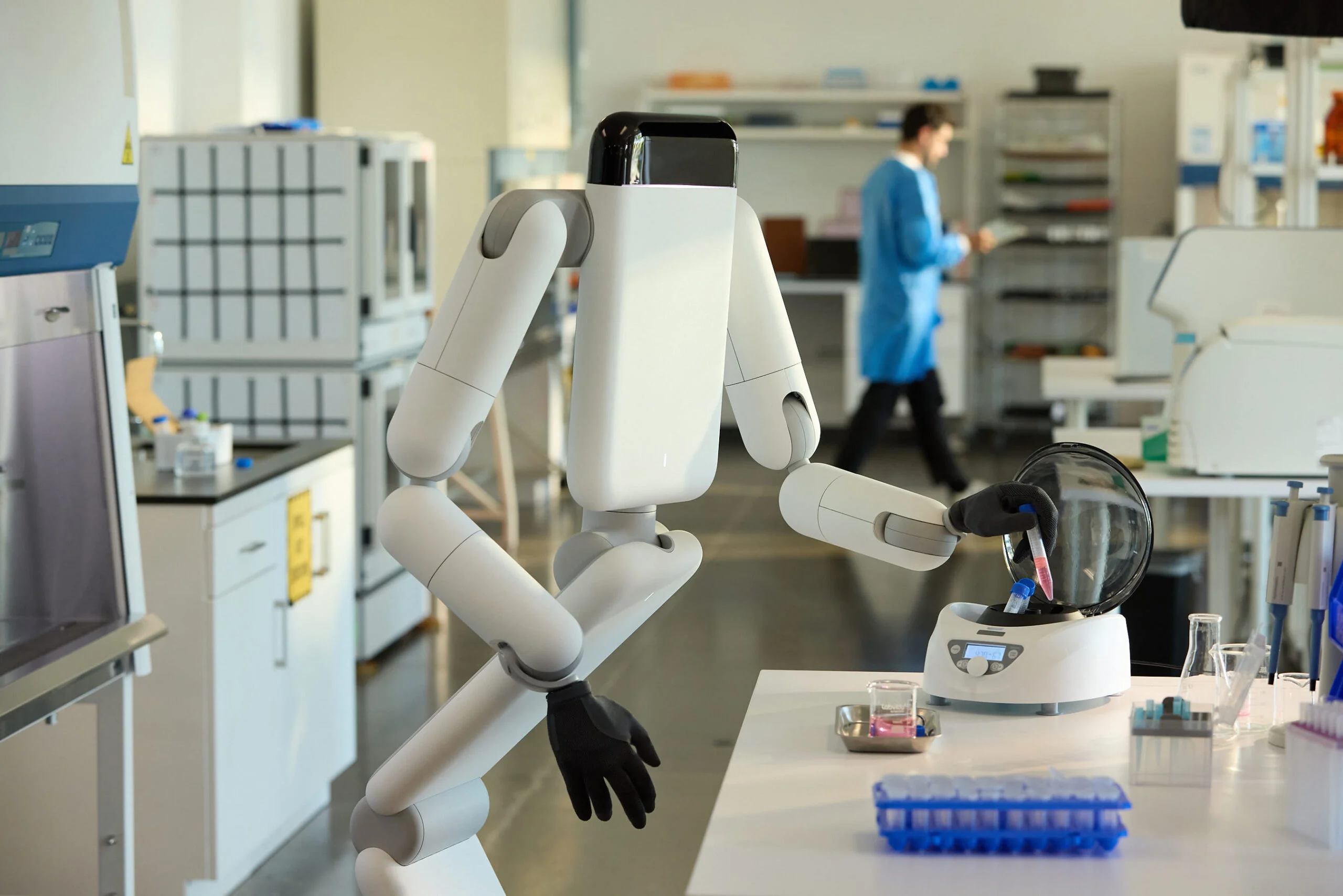
Genesis AI and LG CNS Enter Strategic Partnership to Scale General-Purpose Robotics Across Enterprise Operations
Genesis AI and LG CNS have announced a long-term partnership aimed at assessing and implementing general-purpose robots in manufacturing and logistics sectors across the United States. This collaboration seeks to provide companies globally with a streamlined approach to adopting robotics on an enterprise scale. Zhou Xian, co-founder and CEO of Genesis AI, emphasized the significance of this partnership in facilitating the deployment of advanced robotic solutions. The initiative reflects a growing trend towards automation in various industries, driven by the need for efficiency and innovation in operational processes.
AI AI Funding & Investment AI Use Cases Robotics genseis AI industrial robotics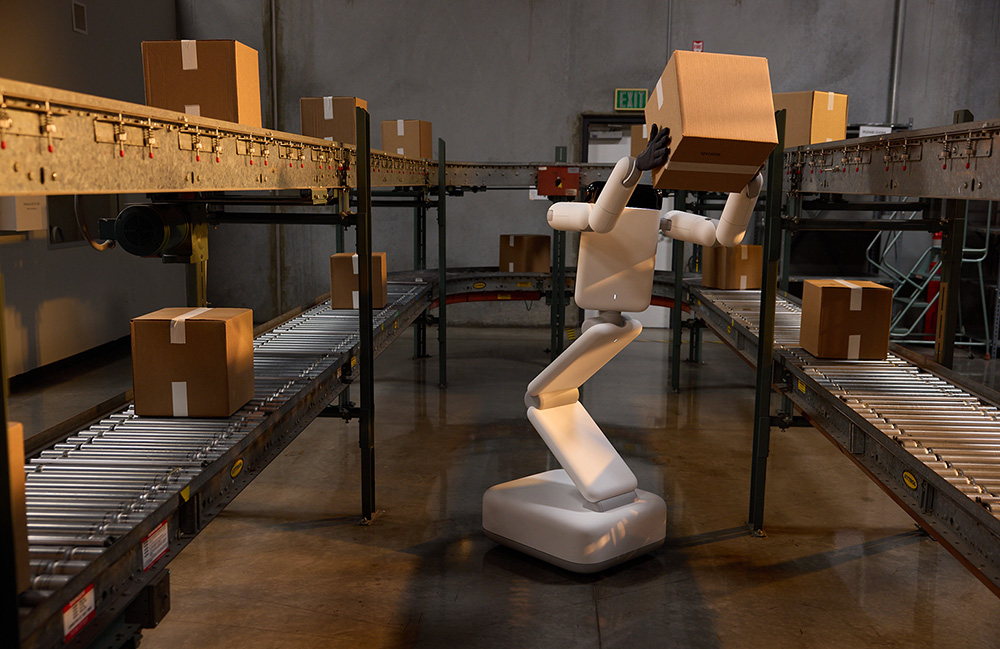
Genesis AI launches Eno general-purpose robot
Genesis AI has announced plans to commence production of its general-purpose robot, Eno, by the end of 2026. The company aims to initiate targeted customer deployments at that time, with plans for home deployments to follow subsequently. This strategic move reflects Genesis AI's commitment to advancing robotics technology and expanding its market presence in the growing field of automation.
Arms / Manipulators Artificial Intelligence Artificial Intelligence / Cognition Autonomous Mobile Robots (AMRs) Design / Development Grippers
Genesis AI and LG CNS Enter Industry-First Strategic Partnership to Scale General-Purpose Robotics Across Enterprise Operations
Genesis has announced a strategic partnership with LG CNS to create a scalable deployment model for full-stack robotics tailored for industrial environments. This collaboration aims to enhance automation capabilities across various sectors, addressing the growing demand for efficient and flexible robotic solutions. The initiative was unveiled on October 15, 2023, and will focus on integrating advanced robotics technology into manufacturing and logistics operations. By leveraging LG CNS's expertise in IT services and Genesis's innovative robotics solutions, the partnership seeks to streamline processes and improve productivity in industrial settings. This development reflects a broader trend in the industry towards adopting sophisticated automation technologies to meet evolving operational needs.
Generalist raises $400M to scale its general-purpose AI models
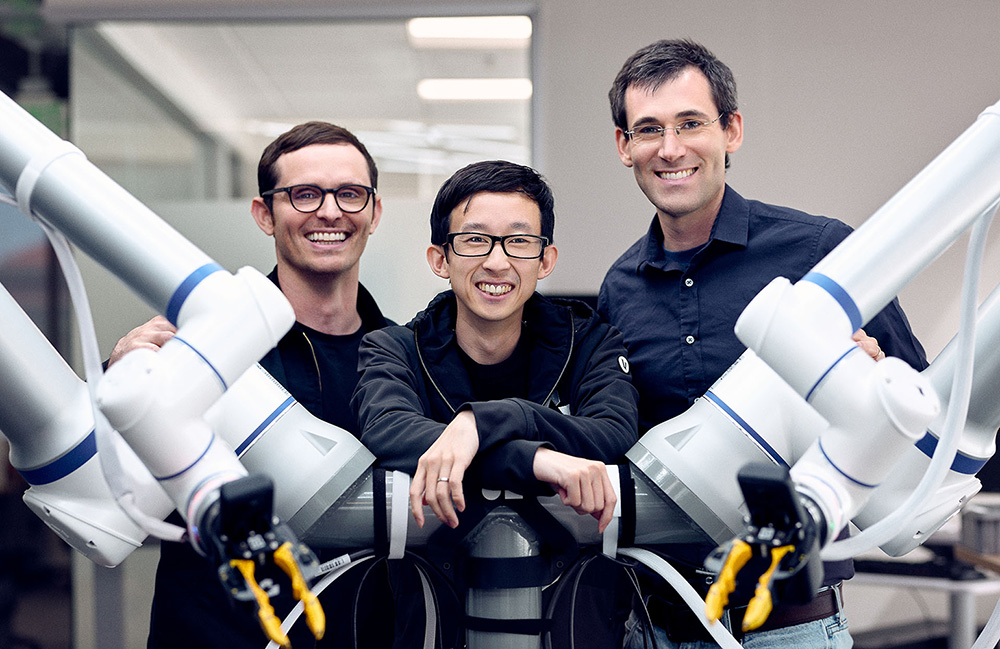
Generalist has announced a significant funding round, raising $400 million to enhance its general-purpose artificial intelligence models. The company claims that its innovative system has improved average success rates to 99% on tasks where previous models only achieved 64%. This substantial investment aims to scale their technology further, allowing for broader applications and advancements in AI capabilities. The funding is expected to accelerate development and deployment of their models, positioning Generalist as a key player in the rapidly evolving AI landscape.
Artificial Intelligence Artificial Intelligence / Cognition Assembly Design / Development Financial Investments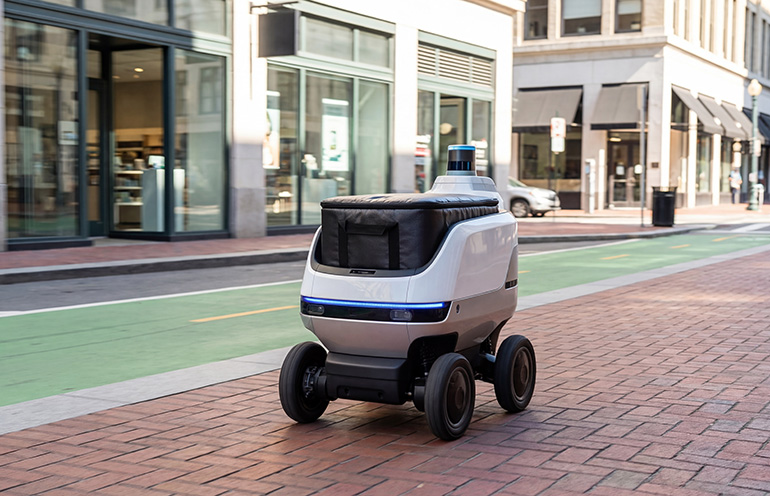
How agentic AI can enable general-purpose robotic navigation
Researchers are exploring the capabilities of agentic AI to enhance robotic navigation by integrating perception, simultaneous localization and mapping (SLAM), reasoning, and planning. This innovative approach aims to improve the performance of robots operating in dynamic environments. The findings were discussed in a recent article published by The Robot Report, highlighting the potential of agentic AI to transform how robots navigate and interact with their surroundings. By leveraging advanced algorithms and technologies, this method seeks to address the challenges faced by robots in real-world scenarios, ultimately paving the way for more versatile and efficient robotic systems.
Artificial Intelligence Artificial Intelligence / Cognition Autonomous Mobile Robots (AMRs) Cameras / Imaging / Vision Mobility / Navigation Motion Control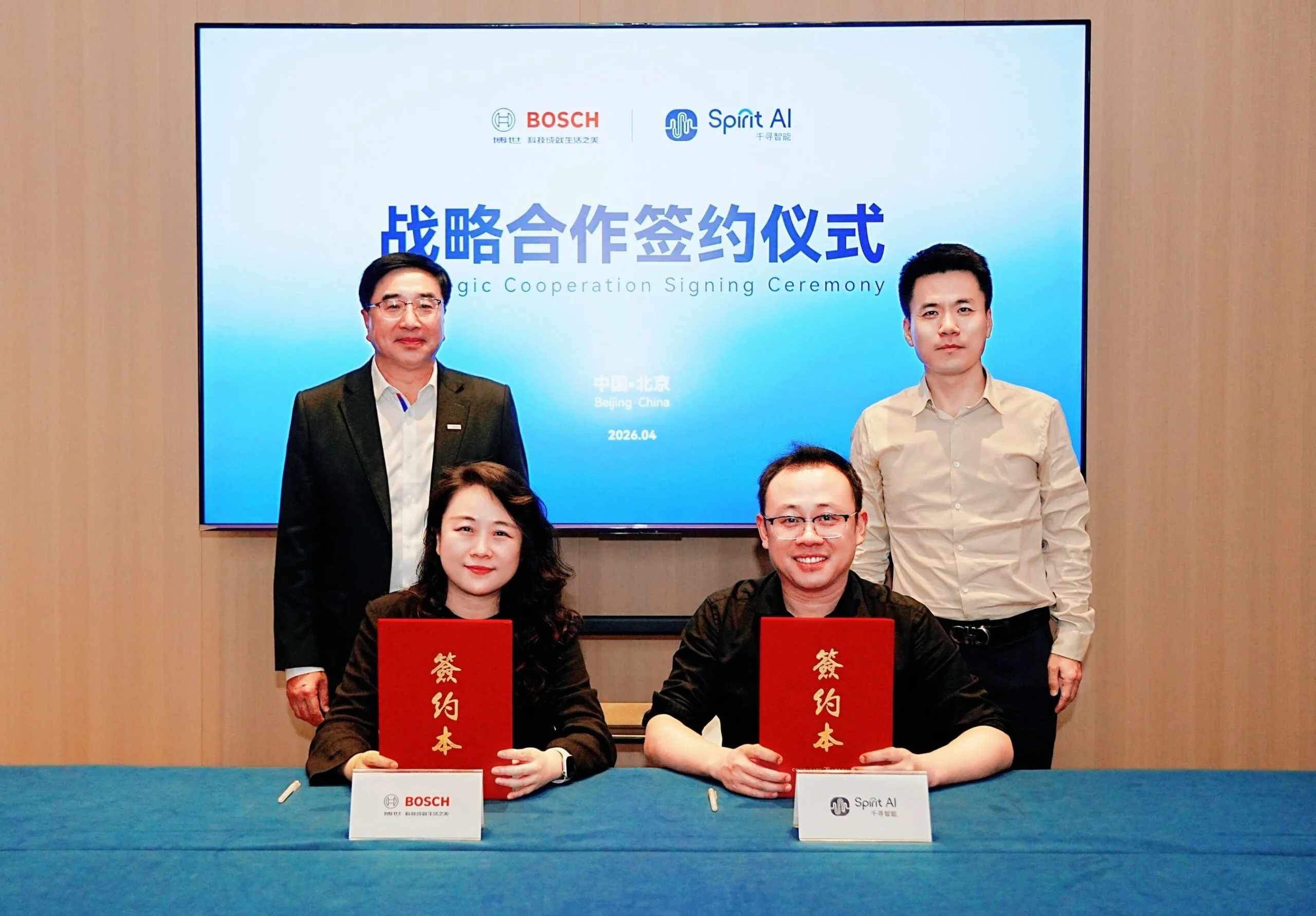
Spirit AI and Bosch Partner on General-Purpose Robot ‘Universal Brain’
Spirit AI and Bosch China have formed a strategic partnership to integrate embodied AI systems within industrial settings. This collaboration combines Spirit AI’s advanced robotics foundation models with Bosch’s established manufacturing and automation infrastructure. The initiative, announced recently, aims to expedite the implementation of what Spirit AI refers to as a “universal brain” for robots, enhancing their capabilities in various industrial applications. By leveraging each company's strengths, the partnership seeks to revolutionize the efficiency and functionality of robotic systems in manufacturing environments.
AI AI Use Cases Robotics Bosch China Partnership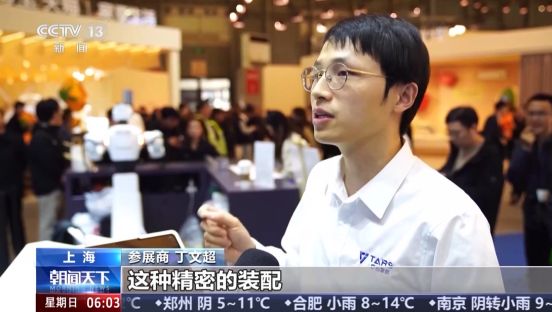
CCTV Reports on Dr. Ding Wenchao's Revelation of the World's First Functional General-Purpose Embodied Model AWE3.0
At the AWE2026 event in Shanghai, Itstone unveiled its innovative A1 robot, which has achieved a Guinness World Record for precision assembly. Dr. Ding Wenchao highlighted the robot's advanced capability to learn from human actions, signaling a major advancement in robotic intelligence. This development underscores the practical applications of embodied AI, showcasing how such technology can enhance efficiency and accuracy in various industries.
Embodied Intelligence Robotics Industrial Automation AI Technology
Daoyuan Technology Partners with Galaxy General to Empower Embodied Intelligence with Automotive-Grade IMU
Daoyuan Technology has announced a strategic partnership with Galaxy General Robotics to develop automotive-grade Inertial Measurement Unit (IMU) modules. This collaboration is set to enhance the precision of speed and posture information in embodied intelligent robots. By integrating advanced IMU technology, the partnership aims to significantly improve balance control and navigation capabilities, particularly in complex dynamic environments. The initiative reflects both companies' commitment to advancing robotics technology and addressing the growing demand for more sophisticated robotic systems in various applications.
IMU Technology Embodied Intelligence Robotics Automotive Solutions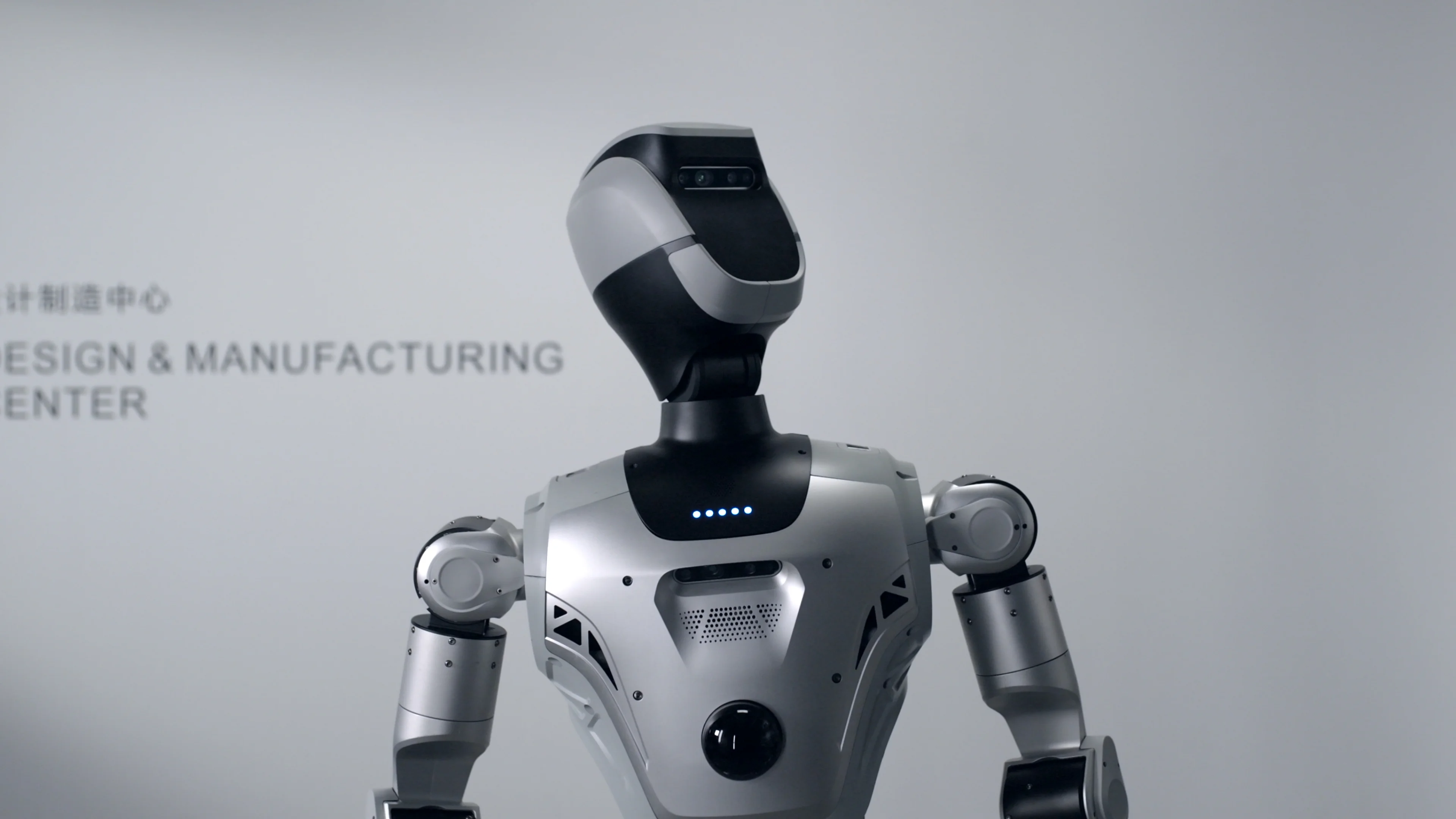
LimX Dynamics Secures $200 Million Series B to Scale Modular and General-Purpose Humanoids
LimX Dynamics, a robotics company based in Shenzhen, has successfully secured $200 million in Series B funding to expedite the advancement of its innovative "Tri-Form" modular robots and the COSA "Agentic OS." This significant investment marks a pivotal step in the company's strategy to enhance the practical deployment of humanoid robots in real-world applications. The funding will enable LimX Dynamics to further develop its technology and expand its market presence, reflecting a growing interest in the integration of advanced robotics into everyday life.
LimX Dynamics Tron 2 Business Oli China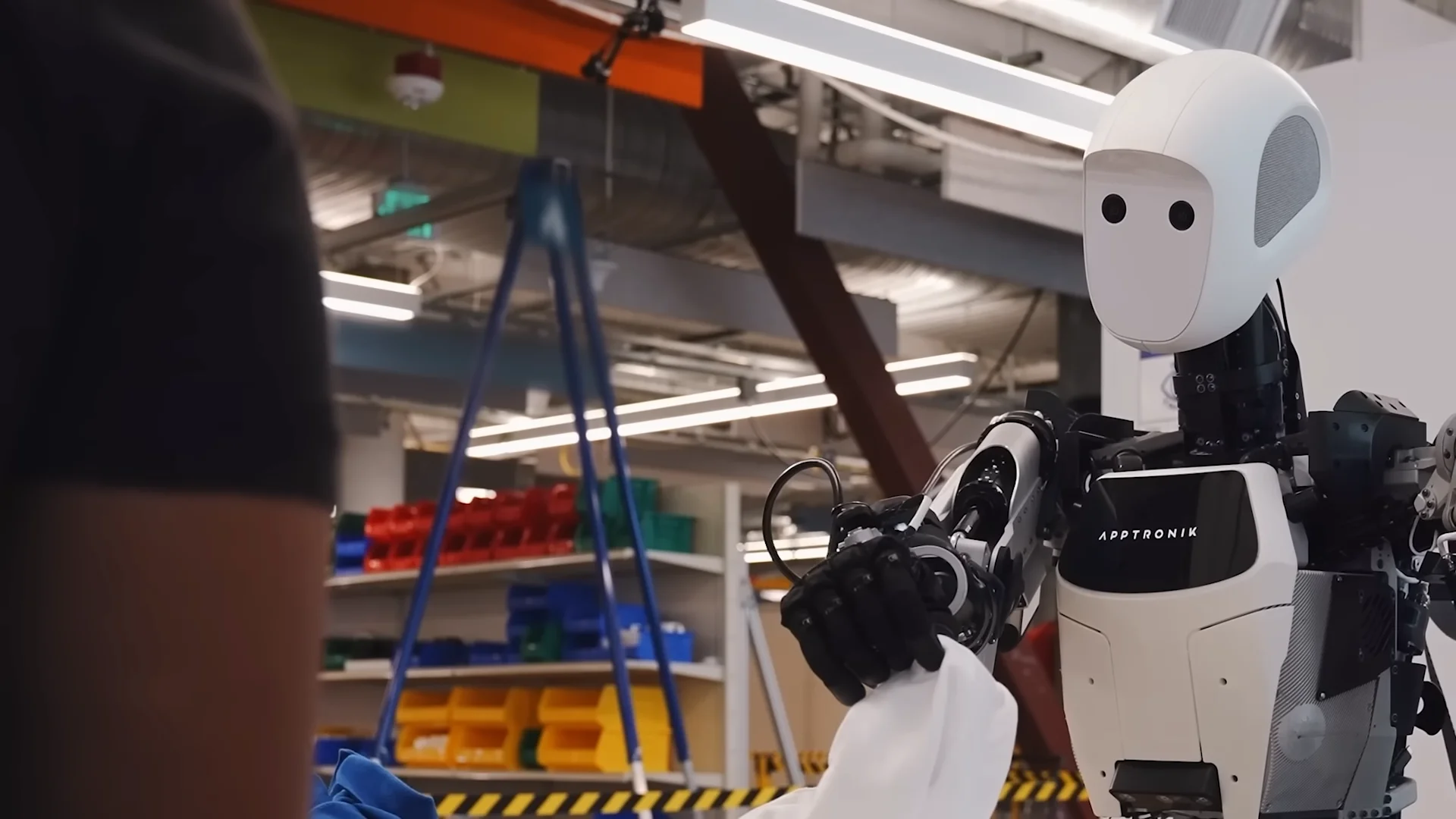
Google DeepMind Robotics Director: We Need "One More Big Breakthrough" to Solve General Purpose Robots
DeepMind's robotics lab recently provided an exclusive behind-the-scenes glimpse into its innovative work, highlighting the development of advanced "thinking" robots capable of long-term planning. This showcase aimed to illustrate the potential of these technologies in real-world applications. However, lab leadership acknowledged that achieving data efficiency is a significant challenge that must be overcome before these robots can be deployed effectively outside of controlled environments. The insights were shared as part of an ongoing effort to advance robotics and artificial intelligence, with the team emphasizing the importance of refining their systems to ensure practical usability in everyday scenarios.
DeepMind Apollo embodied-ai Apptronik
Figure CEO Claims General-Purpose Robots Are Arriving "Next Year"
At the Dreamforce conference, Brett Adcock, CEO of Figure, emphasized that the main challenge in developing humanoid robots lies not in manufacturing but in achieving general intelligence. He expressed optimism about the rapid advancements in the field, suggesting that his company's robots could be capable of performing a variety of tasks in new environments as early as next year. Adcock's remarks highlight the ongoing race in the tech industry to enhance artificial intelligence capabilities, positioning Figure at the forefront of this innovation.
Brett Adcock dreamforce FigureRobotics needs a service framework.
RSF defines a common language for robot service capability, lifecycle operations, certification pathways, and service-provider networks.
Join the RobotToday community on LinkedIn
Daily robotics news, in-depth analysis, conference highlights, and discussions with professionals worldwide.