Industry Briefing
A single destination for timely, editor-curated robotics news from around the world.

Oversonic Robotics: STMicroelectronics, Fondazione ENEA Tech Biomedical and SpotInvest acquire a stake in the Company
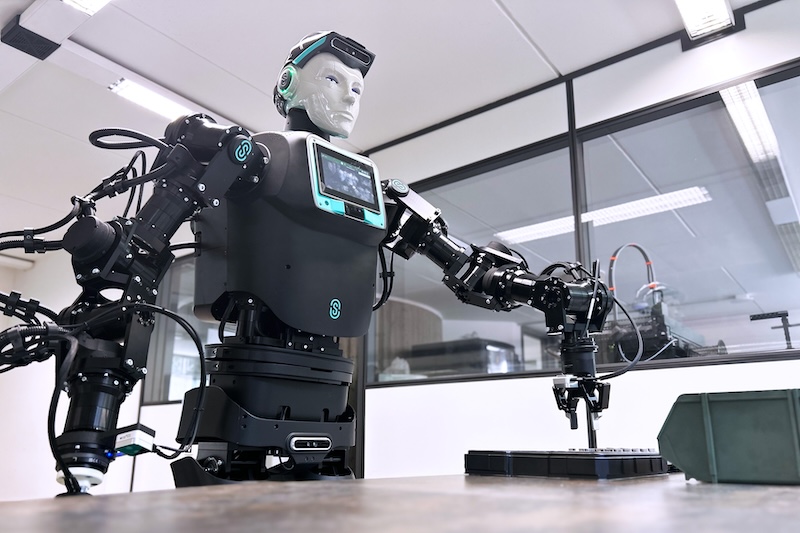
A group of new shareholders has committed to advancing the industrial development of RoBee, a cognitive humanoid robot. This initiative aims to broaden the robot's applications within the manufacturing and healthcare sectors. The shareholders also plan to enhance RoBee's market presence in the United States. This strategic move reflects a growing interest in integrating advanced robotics into various industries, driven by the potential for increased efficiency and innovation. The shareholders are expected to leverage their resources and expertise to facilitate RoBee's expansion and adoption in these critical markets.
STMicroelectronics Invests in Oversonic Robotics to Enhance Humanoid Robot Development
Oversonic Robotics, an Italian cognitive robotics firm known for RoBee, has announced a strategic investment from STMicroelectronics, Fondazione ENEA Tech Biomedical, and SpotInvest. This investment aims to accelerate Oversonic's industrial, technological, and international growth, particularly in the cognitive humanoid robotics sector. The involvement of STMicroelectronics, a leader in semiconductors, is expected to bolster Oversonic's technological advancements and support its expansion into the U.S. market. The partnership will enhance the development of RoBee, the first certified cognitive humanoid robot designed for complex environments, and facilitate applications in manufacturing and healthcare. Looking ahead, Oversonic plans to focus on expanding its technological platform and applications while strengthening its team and industrial capacity. The company views the U.S. as a key market for its cognitive humanoid robotics, aiming for significant growth in both commercial and industrial sectors. No further timeline was disclosed at the time of publication.
Humanoids News artificial intelligence automation cognitive robotics deep tech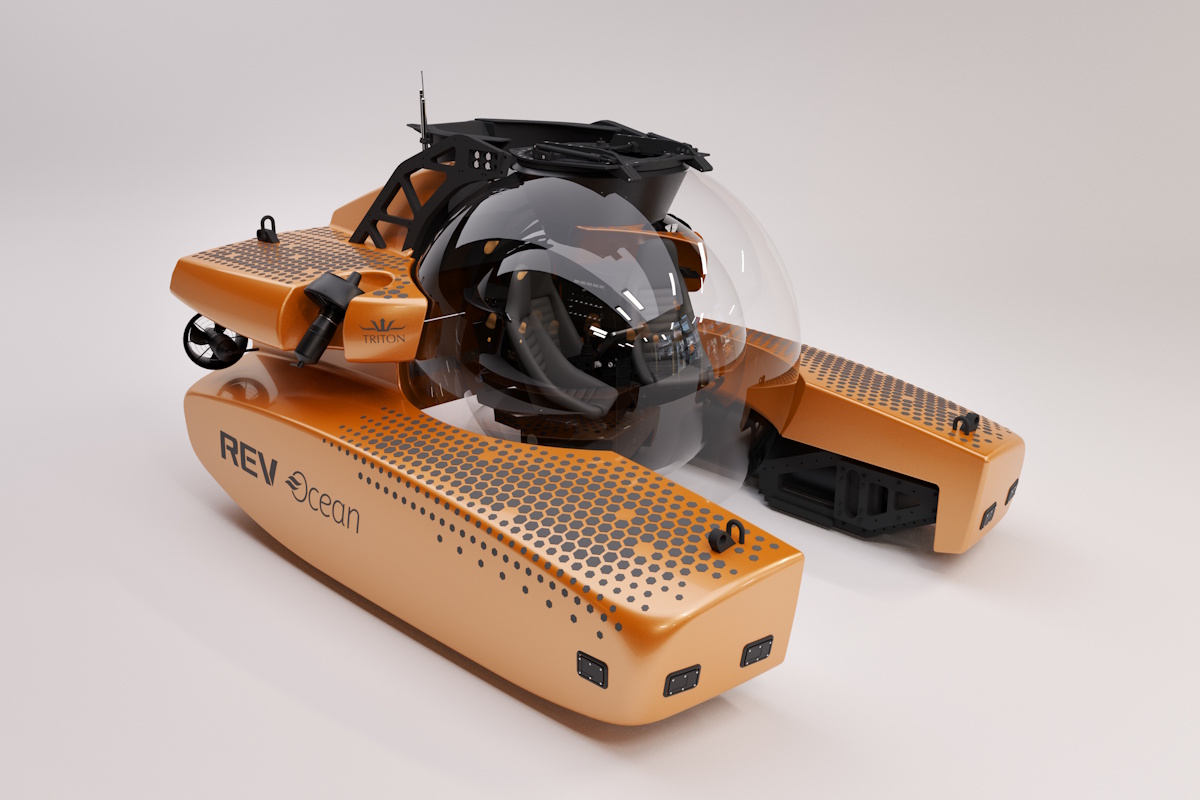
Base Materials Announces Long-term Technical Partnership with Cutting-edge Submersible Manufacturer Triton Submarines LLC
Base Materials has entered into a strategic partnership with Triton Submarines LLC to enhance the capabilities of the Triton 7500/3, recognized as the world's deepest diving three-person acrylic submersible. This collaboration aims to upgrade the innovative vessel, which is certified by DNV and features a fully transparent acrylic pressure hull. Capable of reaching depths of 2,286 meters (7,500 feet) and operating for over 10 hours, the Triton 7500/3 will provide explorers, scientists, and filmmakers with unparalleled access to the ocean's bathypelagic zone, an area located between 1,000 and 4,000 meters (3,280 to 13,123 feet) beneath the surface. This initiative underscores the growing interest in deep-sea exploration and the need for advanced technology to uncover the mysteries of the ocean.
base materials technical partnership submersible triton submarines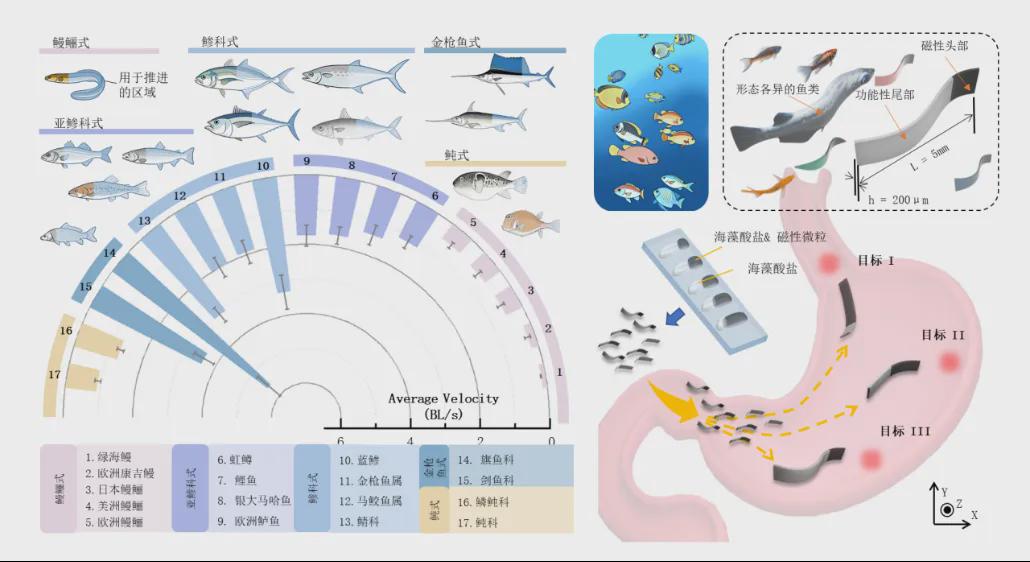
Inspired by Fish Diversity: Beijing Institute of Technology Team Develops Morphology-Encoded Soft Microrobots
A research team at the Beijing Institute of Technology has unveiled a groundbreaking system of soft microrobots that mimic the various swimming styles of fish. This innovative development allows for the selective control of the robots by adjusting their body proportions within a uniform magnetic field. The advancements in this technology hold significant promise for future applications in the biomedical field, potentially enhancing medical procedures and therapies.
Soft Robotics Biomedical Engineering Microrobots Control Systems
The Signal Beneath the Intelligence
As the technology industry engages in discussions surrounding models, parameters, and computer architectures, a critical development is emerging at the signal level that could significantly impact autonomous systems. These systems, regardless of the complexity of their software, rely on their ability to accurately sense, respond to, and interact with the real world. This foundational aspect is essential for the advancement and effectiveness of autonomous technologies. The ongoing debates and innovations are taking place against the backdrop of rapid advancements in artificial intelligence and machine learning, highlighting the importance of robust sensory capabilities in ensuring that these systems operate effectively in diverse environments. As the industry continues to evolve, the focus on enhancing signal processing will play a pivotal role in shaping the future of autonomous systems.
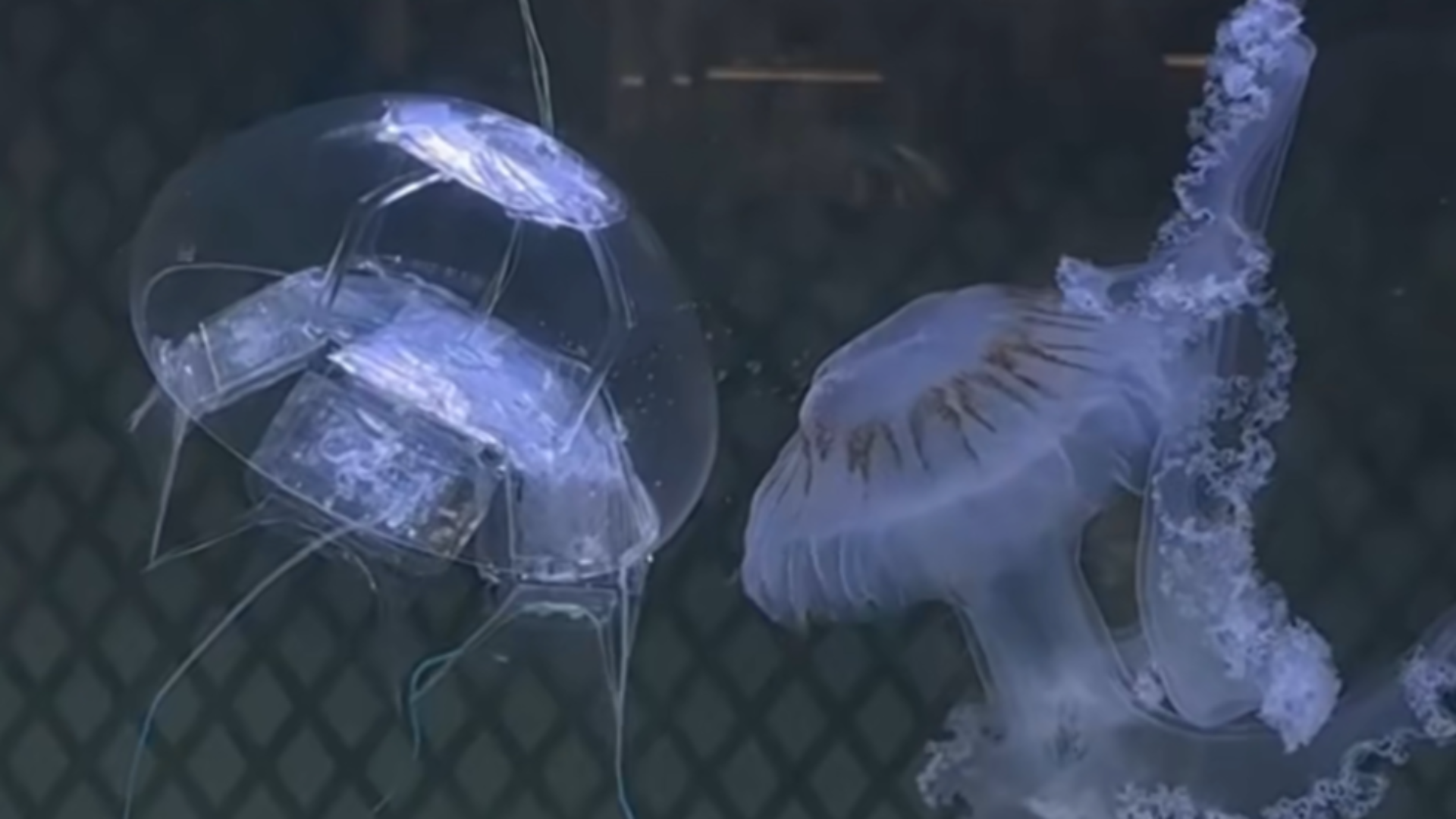
Biomedical jellyfish-inspired robot hits record swim speeds without onboard power
Researchers have developed a groundbreaking jellyfish-inspired soft robot capable of navigating through water at unprecedented speeds. This innovative technology, unveiled in a recent study, showcases the potential for advanced underwater exploration and environmental monitoring. The robot mimics the unique propulsion mechanism of jellyfish, allowing it to move efficiently and swiftly. The development took place in a laboratory setting, where scientists aimed to enhance robotic mobility in aquatic environments. By studying the biomechanics of jellyfish, the team was able to replicate their movement patterns, resulting in a soft robot that not only moves faster than existing models but also carries out tasks such as data collection and monitoring marine ecosystems. This advancement comes at a crucial time as researchers seek sustainable solutions for underwater exploration, driven by the need to better understand and protect marine life. The soft robot's design allows for flexibility and adaptability, making it suitable for various applications, from scientific research to environmental conservation efforts. As the technology progresses, the team envisions further enhancements that could lead to even greater speeds and capabilities, paving the way for a new era of robotic exploration in our oceans.

Cutting the Cord Beneath the Surface
WiBotic, a company specializing in wireless power technology, has developed a new system designed for underwater environments where flexibility and robustness are prioritized over maximum theoretical efficiency. This innovative technology addresses the unique challenges posed by underwater operations, allowing for more reliable power delivery in these demanding conditions. The development comes as part of WiBotic's ongoing efforts to enhance the capabilities of underwater systems, which are increasingly relied upon for various applications, including research, exploration, and maintenance tasks. The project reflects a growing recognition of the need for adaptable solutions in environments where traditional power methods may fall short.
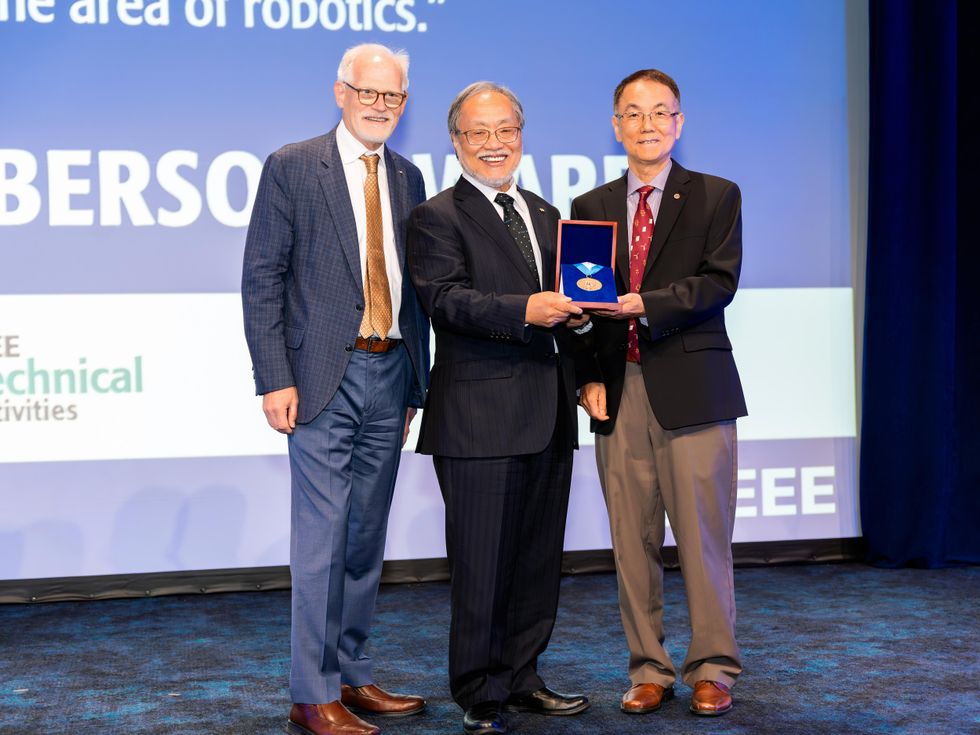
IEEE Honors Robotics Pioneer Toshio Fukuda
Toshio Fukuda has been blazing trails for most of his career. He is considered to be one of the most prolific scholars in robotics, writing more than 2,000 research papers and authoring several books on the field. He’s an influential figure thanks to his pioneering work developing biomedical robotic systems, industrial robots, micro-nano robotics, mechatronics, and AI-driven automation.Fukuda launched one of the first robotics conferences, the IEEE/RSJ International Conference on Intelligent Robots and Systems (IROS). It is still popular almost 40 years later.Toshio FukudaEmployerEgypt-Japan University of Science and Technology, in Alexandria TitleProfessor and vice president of research Member gradeLife Fellow Alma matersWaseda University, in Tokyo; University of Tokyo An IEEE Life Fellow, he is a professor emeritus in the department of micro-nano systems engineering and a visiting professor at Nagoya University, in Japan, where he taught for nearly 25 years. Currently, he is a vice president of research at the Egypt-Japan University of Science and Technology, in Alexandria, Egypt.Within IEEE, Fukuda has held top volunteer positions including the organization’s highest office: He served as IEEE president in 2020, becoming the first person of Asian descent to hold the role.He’s a former program director of Japan’s Moonshot program, which by 2050 intends to develop advanced AI robots.Born in Japan, Fukuda has been recognized by the country for his contributions to science with two of its highest awards: the Medal of Honor with a purple ribbon in 2015 and the Order of the Sacred Treasure in 2022.IEEE honored him with this year’s Richard M. Emberson Award for “distinguished service advancing the technical objectives of IEEE, especially in the area of robotics.” The IEEE Board-level award is sponsored by the IEEE Technical Activities Board. Fukuda received the award on 24 April at a ceremony in New York City.As a former IEEE president who has served as a master of ceremonies at several of the organization’s major award events, Fukuda noted that he is more accustomed to bestowing awards than receiving them.“It’s very interesting to be on the receiving end,” he says.The journey into robotics researchAs a teenager, Fukuda spent his summer breaks teaching himself how to build things including transistor radios and steam engines.“It was very nice to have a hands-on hobby and make these kinds of things myself,” he says. His experimentation led him to study engineering.He earned a bachelor’s degree in engineering in 1971 from Waseda University, in Tokyo. He says one of his professors there—Ichiro Kato, regarded as the father of Japanese robotics research—was a good mentor who made a positive impact.Fukuda’s research interests were robotics and mechatronics, a field that combines robotics, electronics, computer science, and control systems.He went on to earn a master’s degree and a doctorate in science from the University of Tokyo, in 1971 and 1977. During those years, he also attended Yale, where he conducted research on advanced control theory in 1973.He reflects fondly on his time at Yale: “It was a very nice environment and a kind of free-thinking atmosphere. It motivated me to study more.”“IEEE doesn’t care who you are, what you do, what country you are from, or whether you are male or female. IEEE accepts people who have energy and passion.”While at Yale, Fukuda served as an assistant to his advisor—which led him to consider a career in academia, he says, because he enjoyed the freedom that research work afforded him.But he realized that such freedom comes with a price. University researchers are expected to raise the money that funds their work. He compares researchers to small-business owners who have to bring in money to keep their enterprise afloat.That realization led him to select robotics as his field because he intended to develop technologies useful to industry, he says.After earning his doctorate, he returned to Japan in 1977 to work as a research scientist at the government’s Mechanical Engineering Laboratory, later renamed the National Institute of Advanced Industrial Science and Technology, in Tsukuba.“There was a lot of research going on at the lab, including practical robotics and theory,” he says.He left Japan in 1979 to become a visiting research fellow at the University of Stuttgart, in Germany. During his year there, he studied systems, software problems, and related topics.He returned to Japan and was hired as an associate professor of mechanical engineering at the Tokyo University of Science. He conducted research into practical uses for robots by visiting industrial plants. He decided to develop robots that inspect industrial equipment such as those used in assembly plants, oil refineries, and power stations—places that “can be hostile environments for humans,” he says.His work drew interest from chemical, oil, and utility companies.“I got a lot of money from them for this very practical application, which funded my research,” he says, laughing.Developing popular robotic systemsFukuda grew tired of making those robots, he says, so he switched to creating ones for scientific applications. He developed many techniques, but he probably is best known for his modular, cellular robotic systems (CEBOTs), which he introduced in 1985.He has described how CEBOTs work in numerous papers published in the IEEE Xplore Digital Library.The CEBOT system is composed of a number of autonomous robotic cells that stick together like interlocking Lego plastic bricks, he says.Each cell is a fundamental modular unit that has a function. When a simple task is given, the system can analyze it and generate the structure of the cellular manipulator. The cells connect to and detach from each other through connection mechanisms and cooperate mutually, creating complex structures and configurations.“You start developing from the component-wise to the cell-wise to a small functional unit—and then you come up with clusters that make bigger systems. We can make a society of robot beings like that,” he explained in his oral history published on the Engineering and Technology History Wiki. “It’s a distributed robotic system, a self-organized robotic system, and also an evolutionary robotic system.“It’s also a fault-tolerant robot system because if something is wrong, you just remove those things and make a new one. You keep the system working. That’s a great thing.”Today CEBOTs are used for a variety of tasks such as delivering medication in hospitals, assisting with planting crops, and transporting products in distribution centers. Check out IEEE Spectrum’s Robots Guide for news from the world of robotics.In 1989 Fukuda joined Nagoya University as a professor of mechanical engineering and micro-nano systems engineering. During his 24-year career there, he was director of the university’s Center for Micro-Nano Mechatronics. He developed a long list of technologies at the university, including many for medical applications. He also conducted groundbreaking research into intelligent robotic systems and micro- and nano-robotics.Another technology he is known for is brachiation robots, which he helped develop in 1988. He calls them monkey robots because they’re based on the pendulum-like movement of monkeys swinging from tree to tree. The gravity-based locomotion enables continuous movement.Brachiation robots now are inspecting high-voltage transmission towers and bridges, searching damaged buildings for survivors, and performing maintenance on pipelines and cables.Fukuda retired from the university in 2013 and was named professor emeritus.He didn’t stay retired for long, though. He next held a teaching appointment at Meijo University, in Nagoya, until he left in 2022 to join the Egypt-Japan University.A prominent volunteerHe joined IEEE in 1980 at the encouragement of one of his research advisors, Professor Fumio Harashima, now an IEEE Life Fellow. After attending conferences and reading the organization’s publications, Fukuda says, he looked forward to becoming more involved.“I wanted to know how to organize a conference and how to edit a paper for one of its Transactions,” he says. “I wanted to know what was going on from inside the organization, not just the outside.”In 1988 he was the founding chair and organizer of IROS, in Tokyo. The conference had 330 attendees that year, and was supported by Harashima. Today it is one of the largest and most prestigious conferences on the topic, attracting more than 9,000 people annually. Out of 120,000 conferences, it was the only conference in the Nature Index database for this year, Fukuda says.In 1996 he and other members launched IEEE Transactions on Mechatronics.He was the founding president of the IEEE Nanotechnology Council, which was established in 2002. He is considered a pioneer in nanotechnology research, particularly regarding how it relates to robotics.Over the years, he has held numerous volunteer positions on IEEE editorial boards and committees.He was the 1998–1999 president of the IEEE Robotics and Automation Society, becoming the first non-U.S. member to hold the title.He was director of IEEE Division X (2001–2002 and 2017–2018), which covers intelligent systems, biological engineering, robotics, control systems, and photonic technologies. He served as the 2013–2014 director of IEEE Region 10 (Asia-Pacific).As the 2020 IEEE president, Fukuda saw the organization through the early part of the COVID-19 pandemic. Because of travel restrictions, he realized IEEE should change how it offered its in-person services, specifically educational programs. He encouraged IEEE Educational Activities to develop an online learning platform. The IEEE Learning Network started with just three courses and now offers nearly 2,000 courses, webinars, and learning materials.An award-winning memberThe Emberson Award joins a slew of other recognitions Fukuda has received from IEEE. They include several from the IEEE Robotics and Automation Society: a 2004 Pioneer Award, a 2009 Saridis Leadership Award, and the 2011 Harashima Award for Innovative Technologies. He is also a recipient of the Board-level 2010 IEEE Robotics and Automation Technical Field Award.He says he feels strongly that IEEE should be a diverse organization that is welcoming to all. As IEEE president, he led efforts to devise a diversity, equity, and inclusion program. Several policies, procedures, and bylaws were revised to give members a safe, inclusive place for discourse.“It’s important for IEEE to make everyone feel comfortable,” he says. “DEI programs are important. All people should be equal. IEEE doesn’t care who you are, what you do, what country you are from, or whether you are male or female. IEEE accepts people who have energy and passion.“It accepted me, from the Far East. That’s why I like it.”You can learn more about Fukuda and his career from the oral history conducted by the IEEE History Center.
Robotics Robots Ieee-member-news Type-ti Ieee-awards Toshio-fukuda
Deep learning co-design helps scientists project 28-layer 3D images without crosstalk
Engineering researchers at the University of California, Los Angeles (UCLA) have unveiled a groundbreaking three-dimensional printing technology that significantly enhances the production of complex structures. This innovative method, introduced in October 2023, aims to revolutionize various industries by allowing for the rapid and precise fabrication of intricate designs that were previously difficult or impossible to achieve. The researchers' motivation stems from the growing demand for more efficient manufacturing processes that can produce high-quality components while minimizing waste and time. By leveraging advanced materials and techniques, the team has demonstrated that their new approach can streamline production workflows and reduce costs, making it an attractive option for sectors such as aerospace, automotive, and biomedical engineering. This development not only showcases the potential of 3D printing technology but also emphasizes UCLA's commitment to leading research in engineering and technology. The researchers plan to further refine their technique and explore its applications across various fields, aiming to set new standards in manufacturing efficiency and innovation.
Science
MIT researchers channel AI to turn hand gestures into robot training data
Researchers have developed an innovative method to enhance the capabilities of humanoid robots, particularly in tasks such as grasping objects. This advancement involves the use of a specialized ultrasound wristband worn by a human instructor, which captures the intricate movements of muscles, tendons, and ligaments beneath the skin. By analyzing this data, the robots can learn to replicate these movements more effectively. The initiative, which began in late 2023, aims to improve the dexterity and functionality of robots in various applications, from manufacturing to personal assistance. The ultrasound technology provides real-time feedback, allowing the robots to adjust their movements based on the instructor's actions. This approach not only enhances the robots' ability to perform complex tasks but also opens new avenues for human-robot interaction. The research is being conducted at a leading robotics lab, where experts are focused on bridging the gap between human-like movement and robotic precision. By mimicking the natural motion of human hands, the robots are expected to achieve greater efficiency and adaptability in their operations. This breakthrough could significantly impact industries that rely on automation, making robots more versatile and capable of handling delicate tasks that require a human touch.
Robotics
"BioGeometry" secures hundreds of millions in strategic funding to create a "microscopic world model" in life sciences.
AI-native biotechnology company BaiAo Geometry has successfully secured several hundred million yuan in strategic financing, with investments led by the Shanghai Biomedical Innovation Transformation Fund, Guoke Investment, Dacheng Wisdom, and Xinglian Capital, alongside follow-on investments from GaoRong Capital and the Index AI Industry Innovation Fund. The funds will primarily support the ongoing development of their life sciences micro-world model, GeoFlow, and the advancement of their proprietary drug pipeline. Artificial intelligence is rapidly evolving along two main trajectories: digital AI, represented by large language and multimodal models, and physical AI, exemplified by autonomous vehicles and humanoid robots. Life AI is emerging as a promising frontier, a sentiment echoed by leading global investors and scientists. BaiAo Geometry's GeoFlow model, launched in 2024, aims to understand and design molecular interactions at an atomic level, enabling the creation of novel molecules that have never existed in nature. The company has iterated GeoFlow multiple times, achieving significant advancements in protein structure prediction and de novo design capabilities. By applying Test-Time Scaling technology, BaiAo Geometry enhances the success rate of protein designs without the need for extensive retraining. This innovation allows for the rapid generation and optimization of high-affinity binding molecules, significantly reducing the time and cost associated with traditional drug discovery processes. BaiAo Geometry has established over 20 business development collaborations with domestic and international pharmaceutical companies, focusing on high-specificity antibody design and vaccine development. The company is currently working on the next iteration of GeoFlow, which aims to expand modeling from individual molecules to entire molecular systems, further revolutionizing drug development in the biotechnology sector.

DJI drone exposes hidden Maya megacities across Guatemala
Archaeologists have long suspected that significant remnants of the ancient Maya civilization lay hidden beneath the dense rainforests of northern Guatemala. However, the thick jungle canopy has made it difficult to uncover these historical treasures. Recently, researchers have turned to advanced drone technology and LiDAR scanning to penetrate the foliage and reveal the hidden structures beneath. This innovative approach is shedding light on what could be one of the most important archaeological discoveries of our time, offering new insights into the Maya world and its extensive urban landscapes. The use of these modern techniques marks a significant advancement in archaeological exploration, allowing scientists to visualize and map ancient sites that were previously obscured from view.
News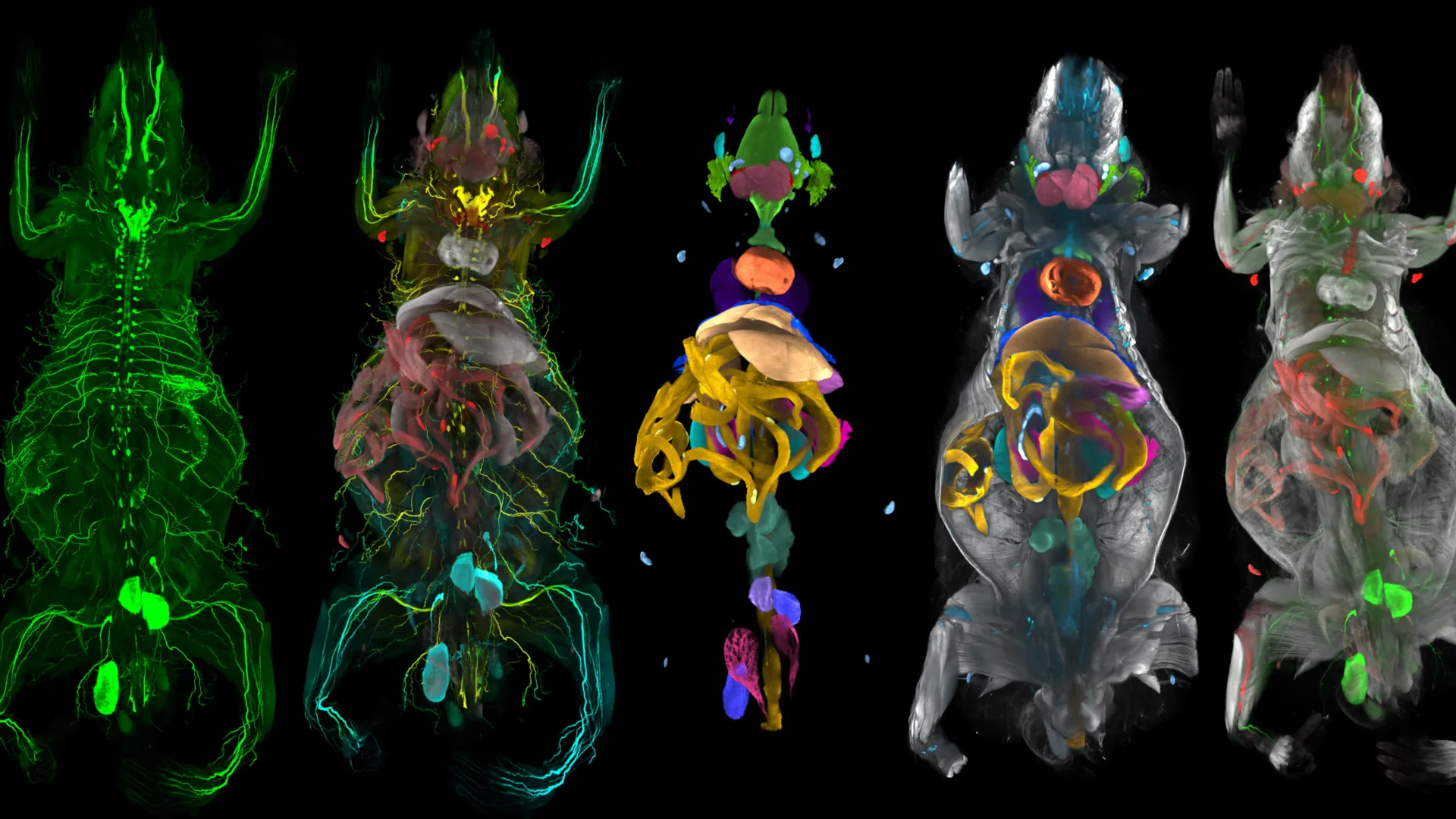
New AI body map reveals obesity’s hidden attack on facial nerves
A team of scientists has developed an advanced AI-powered system capable of scanning and mapping the entire body of a mouse with remarkable precision. This innovative technology has revealed unexpected findings regarding the effects of obesity. In addition to its well-known impact on metabolism, the research indicates that obesity may also harm facial sensory nerves associated with touch and sensation. Furthermore, the study highlights that obesity triggers extensive inflammation throughout the body. These discoveries contribute to a deeper understanding of the health implications of obesity and underscore the potential of AI in biomedical research.
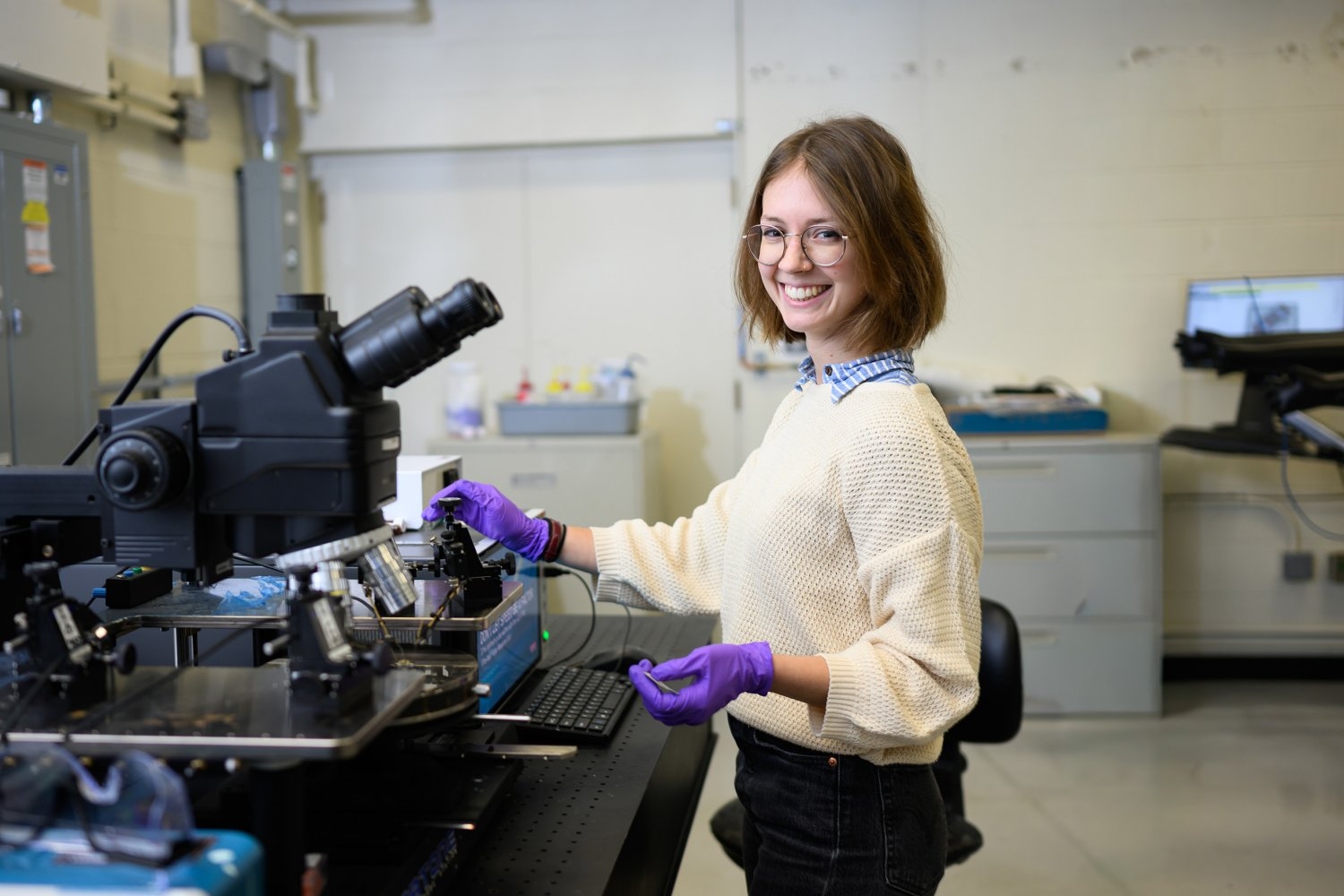
Solving hard problems in soft electronics
Camille Cunin, a PhD candidate from the class of 2026, is pioneering advancements in biomedical technology by developing innovative stretchable devices that enhance signal amplification. This groundbreaking work aims to address the limitations of traditional rigid circuitry, making these new devices more adaptable for practical applications in healthcare. Cunin's research, which is ongoing, seeks to improve the integration of technology in medical settings, potentially leading to better patient outcomes. By focusing on the creation of flexible circuitry, Cunin is contributing to a significant shift in how biomedical devices can be utilized in real-world scenarios, ultimately enhancing their functionality and effectiveness in monitoring and treating various health conditions.
School of Engineering DMSE Neuroscience Biomedical engineering Electronics Wearables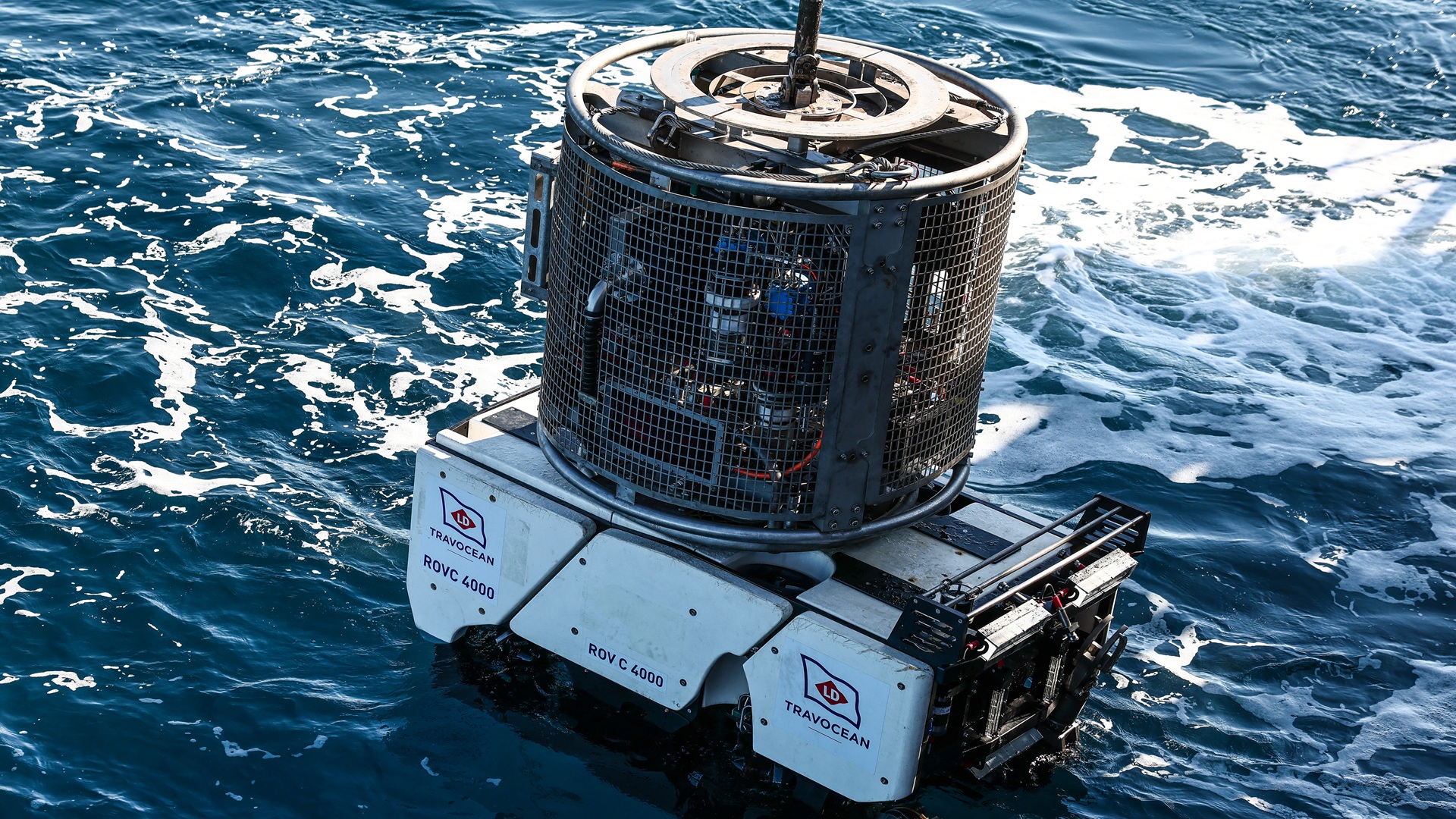
Robot dives 1.5 miles to map French shipwreck with 86,000 images, recovers artifacts
A remotely operated robot has successfully recovered artifacts from a 16th-century shipwreck located over 1.5 miles beneath the ocean's surface. This significant underwater exploration took place recently, showcasing advancements in marine technology and archaeology. The mission aims to uncover and preserve historical treasures that provide insights into maritime history and the era's seafaring practices. The operation was conducted by a team of marine archaeologists and engineers, who utilized the robot's advanced capabilities to navigate the challenging underwater environment and safely retrieve the artifacts. This endeavor not only enhances our understanding of the past but also highlights the importance of preserving cultural heritage submerged in the depths of the ocean.
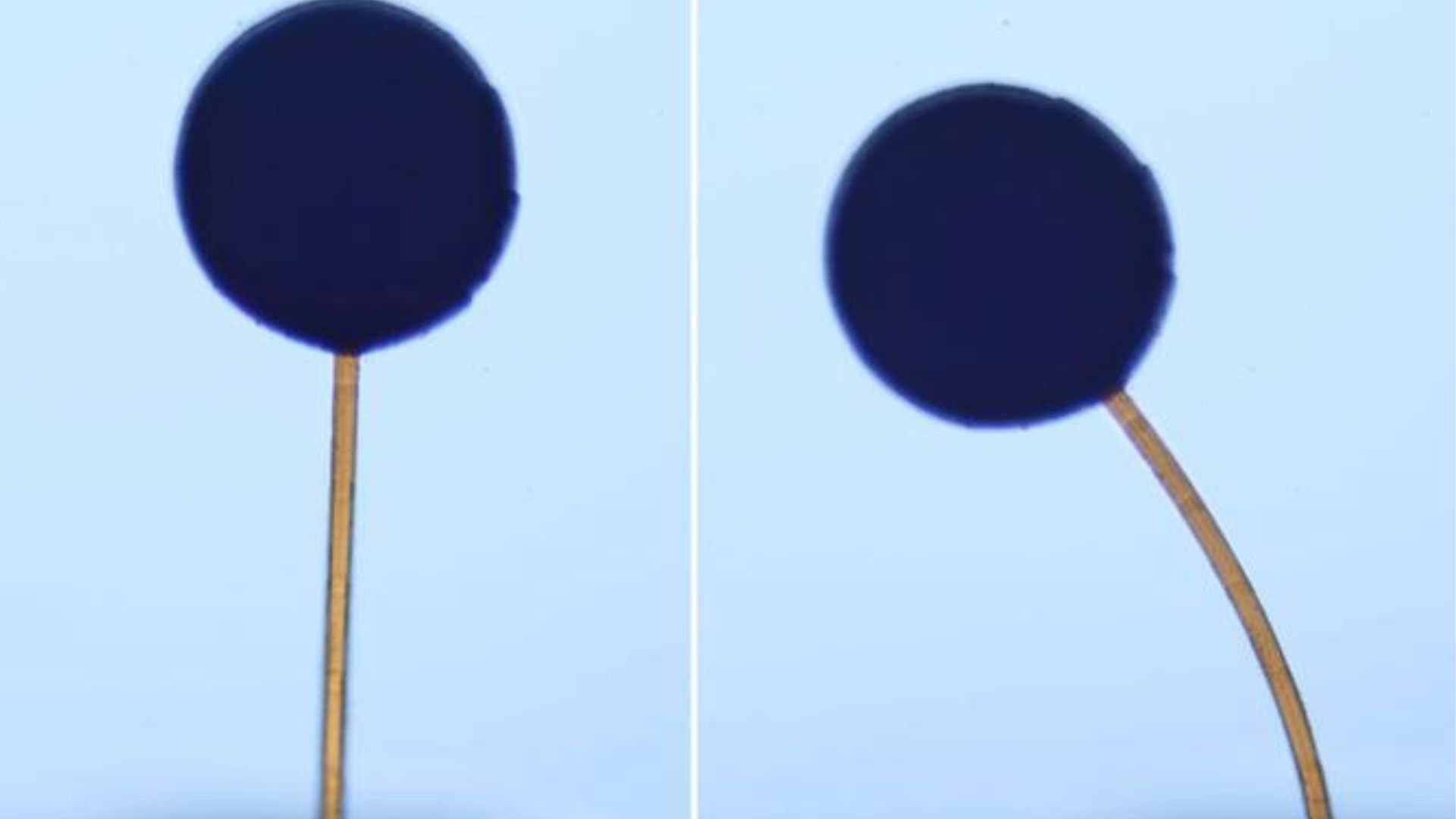
MIT engineers develop 3D-printed micro-robots that can be controlled by magnets
A team of engineers has successfully developed an innovative soft magnetic hydrogel that can be 3D-printed into intricate microscopic structures. This breakthrough, announced in October 2023, opens new avenues for applications in various fields, including biomedical engineering and robotics. The hydrogel's unique properties allow it to respond to magnetic fields, making it particularly useful for creating responsive materials and devices. By utilizing advanced 3D printing techniques, the engineers demonstrated the ability to fabricate complex shapes that were previously difficult to achieve with traditional materials. This advancement not only enhances the versatility of hydrogels but also paves the way for future research and development in smart materials.
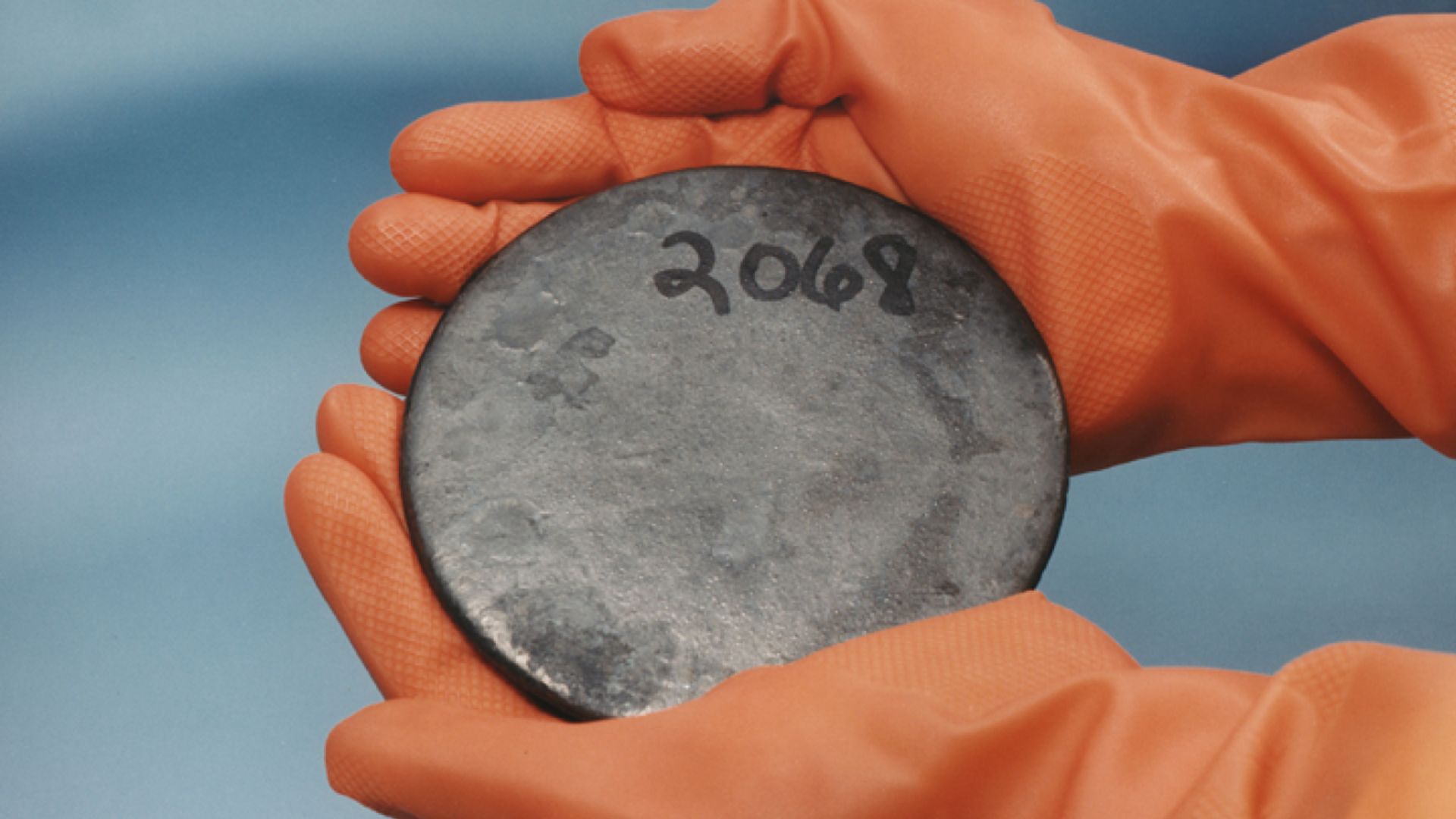
‘Predator-like’ light-powered micromotors to mine uranium from oceans, wastewater
Researchers at the Qinghai Institute of Salt Lakes in China have made a significant breakthrough by developing a new microscopic material that has the potential to revolutionize various industries. This innovative material, created using advanced techniques, was unveiled during a recent scientific conference held in Xining, the capital of Qinghai Province. The development aims to address challenges in fields such as energy storage, environmental protection, and biomedical applications. The motivation behind this research stems from the growing need for more efficient and sustainable materials that can enhance performance while reducing environmental impact. By leveraging unique properties at the microscopic level, the scientists have demonstrated that this new material can improve energy efficiency and offer enhanced functionality compared to existing alternatives. The team utilized a combination of nanotechnology and material science to synthesize the material, which exhibits remarkable strength and versatility. Initial tests have shown promising results, indicating its potential for practical applications in batteries, water purification systems, and drug delivery mechanisms. As the research progresses, the scientists are optimistic about the material's future applications and its ability to contribute to technological advancements. They plan to collaborate with industry partners to further explore its commercial viability and to bring this innovative solution to market, potentially transforming how various sectors approach material challenges.
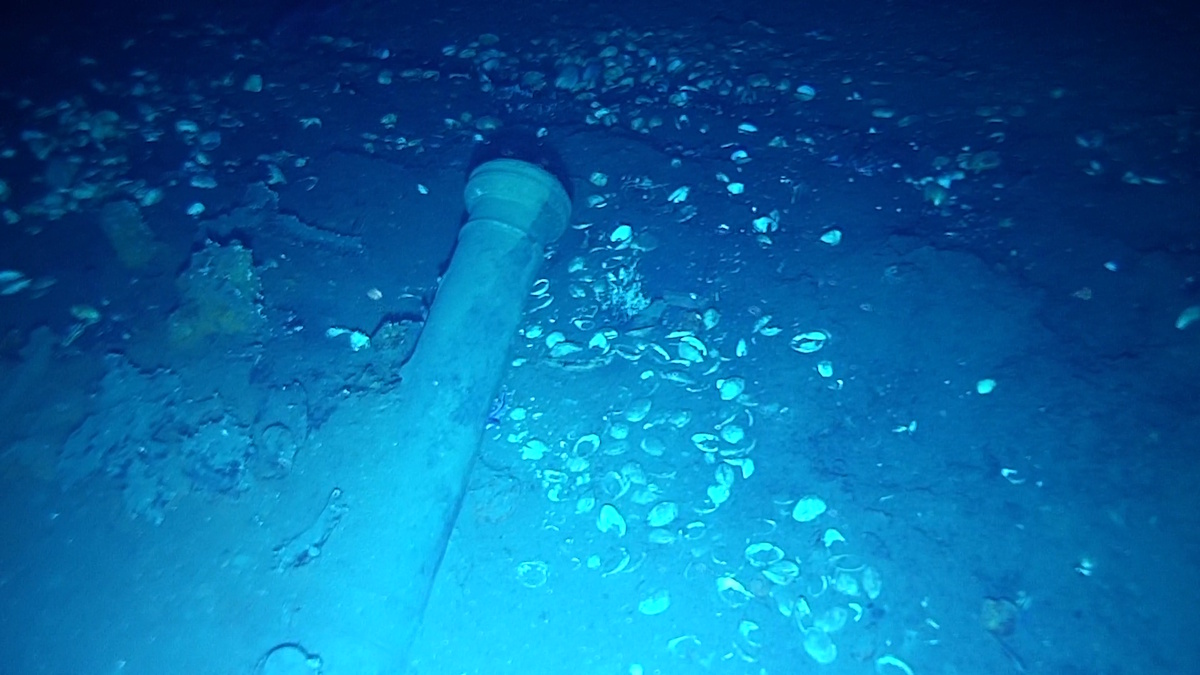
Saab’s Seaeye Lynx surveyed ‘Holy Grail’ San José shipwreck
Saab UK's Seaeye Lynx subsea vehicle has been instrumental in the survey and documentation of the 18th-century galleon San José, a significant cultural heritage asset of Colombia. This operation took place recently, highlighting the ongoing efforts to preserve and understand historical maritime artifacts. The use of advanced technology like the Seaeye Lynx underscores the importance of innovative approaches in underwater archaeology, aiming to safeguard Colombia's rich maritime history for future generations. The collaboration between Saab UK and local authorities demonstrates a commitment to cultural preservation and the exploration of historical treasures beneath the sea.
saab seaeye lynx rov survey san josé shipwreck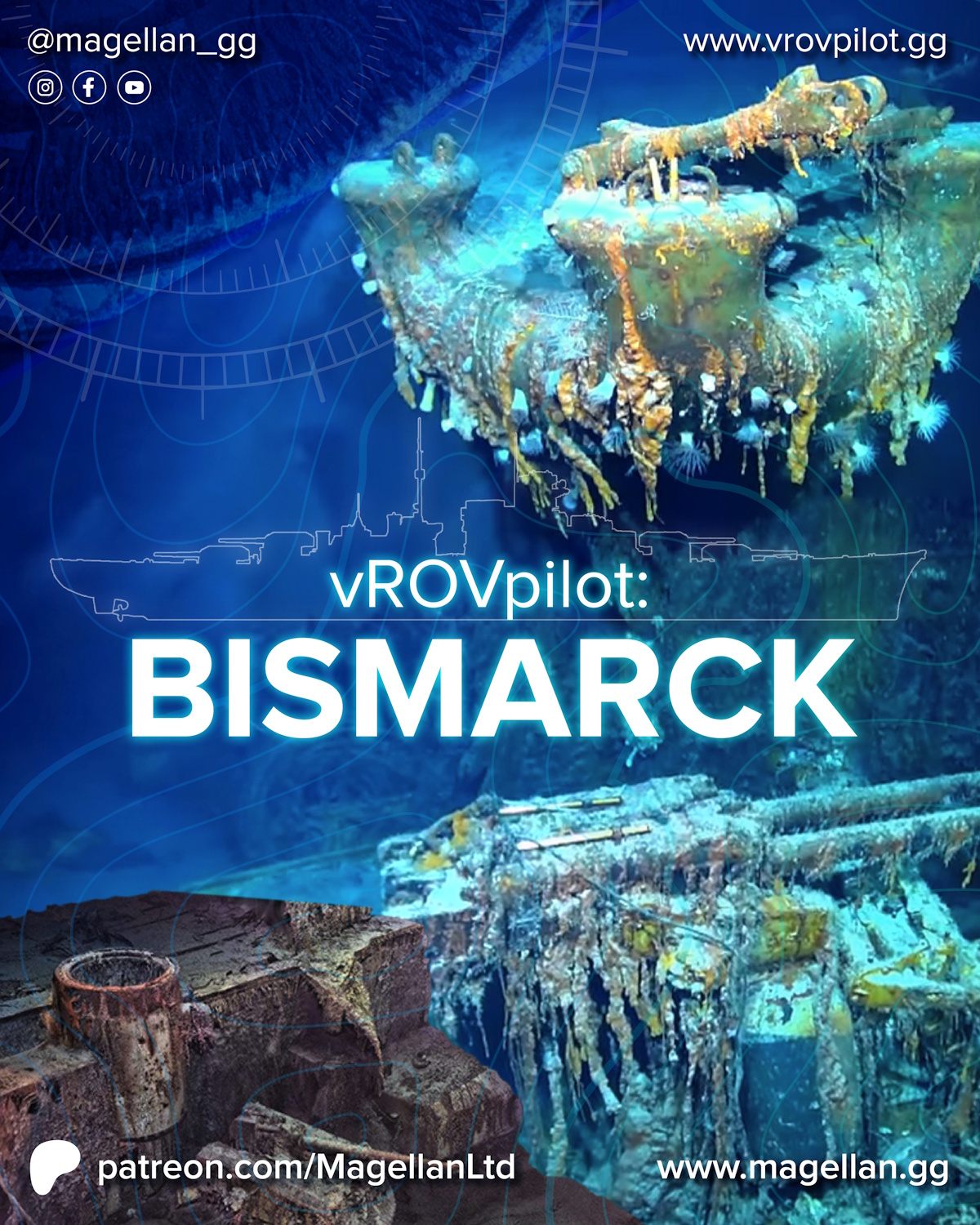
Magellan Complete Digital Twin of The Bismarck Ahead of Titanic Debris Field Release
Magellan Limited has achieved a significant milestone in deep-ocean surveying and maritime heritage by creating the first complete ultra-high-resolution digital twin of the German battleship Bismarck. This historic vessel, which sank during World War II, lies approximately 4,790 meters beneath the surface of the North Atlantic, on the steep slope of an underwater volcanic formation. The project, which underscores advancements in forensic wreck analysis, aims to enhance understanding of maritime history and preserve the legacy of the Bismarck through cutting-edge digital technology. The successful completion of this digital twin marks a pivotal moment in the field, showcasing how innovative techniques can be applied to explore and document underwater sites that are otherwise difficult to access.
megallan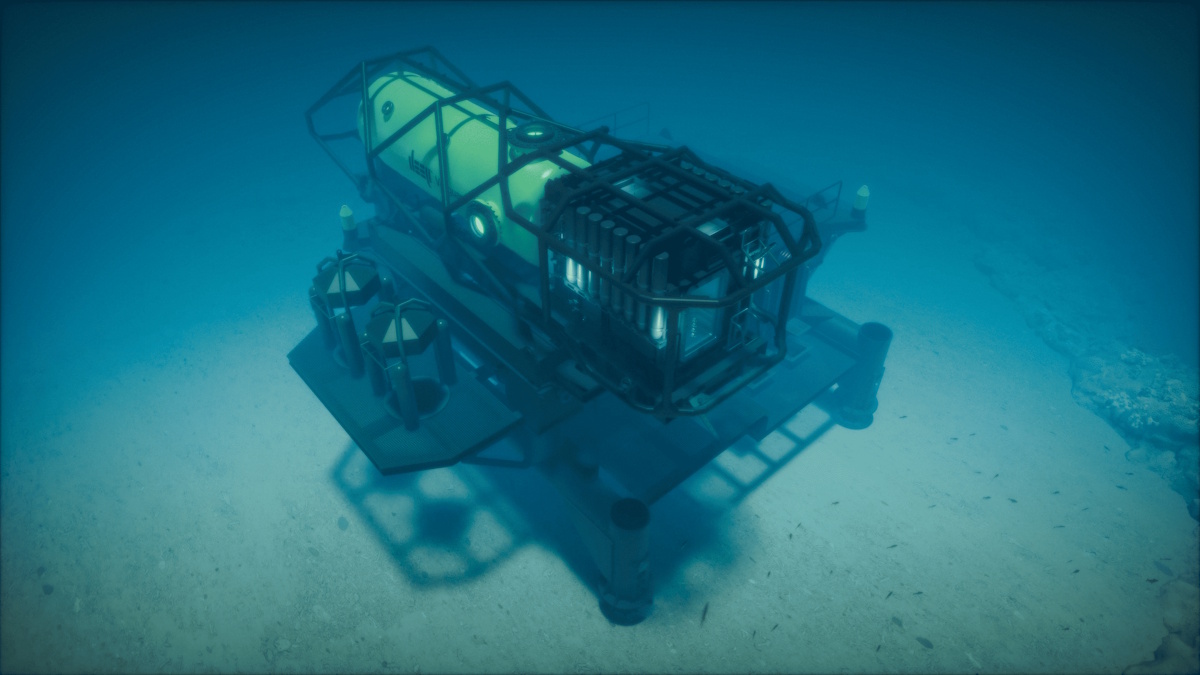
DEEP Partners with Unique Group to Deliver Next-Generation Subsea Human Habitat
Unique Group, a prominent player in subsea technologies and engineering, has been appointed as the specialized technology provider for DEEP’s innovative subsea human habitat initiative. This collaboration focuses on the design, engineering, and project management of essential systems necessary for the deployment of Vanguard, the pilot habitat. The partnership aims to advance underwater living capabilities, reflecting a growing interest in sustainable and long-term habitation solutions beneath the sea.
deep partnership unique group subsea human habitat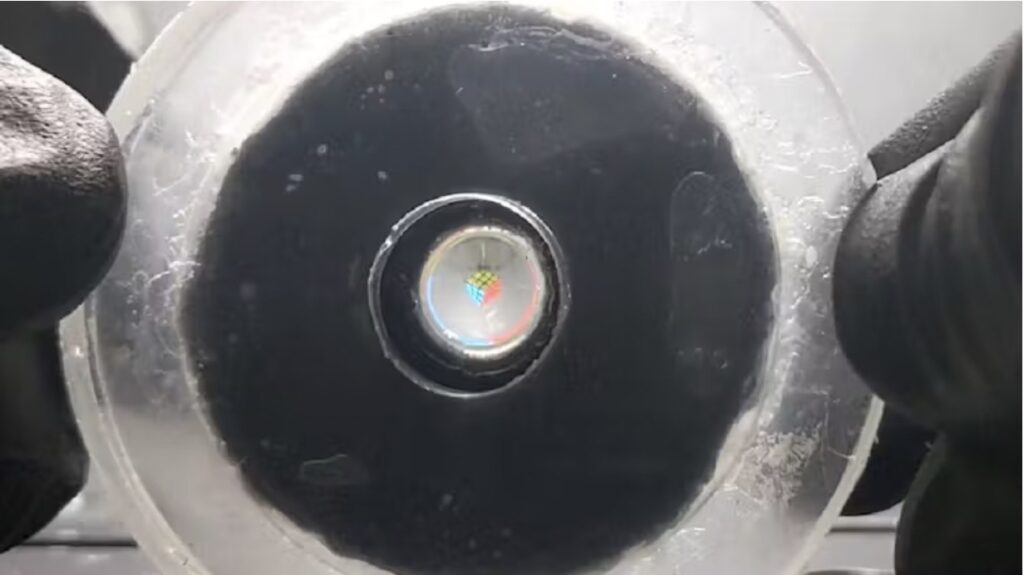
A flexible lens controlled by light-activated artificial muscles promises to let soft machines see
Researchers at the Georgia Institute of Technology have developed an innovative artificial eye designed to enhance the vision capabilities of soft robots. This adaptive lens, inspired by the human eye, is made from a soft, light-responsive material that allows for improved visual perception. The project, led by biomedical engineering experts Corey Zheng and Shu Jia, aims to bridge the gap between robotics and biological systems, enabling robots to interact more effectively with their environments. The development of this technology could significantly advance the field of robotics, particularly in applications requiring nuanced visual processing.

Helsing Unveils Lura and SG-1 Fathom for Autonomous Mass Surveillance
Helsing, a prominent European defense technology firm, has introduced two innovative systems, Lura and SG-1 Fathom, aimed at enhancing maritime security and digitalizing ocean monitoring. Announced today, these advancements draw on the company's extensive expertise in air and land defense to transform maritime surveillance. Lura, a sophisticated software platform powered by advanced artificial intelligence, is designed to rethink traditional approaches to maritime threat detection. It employs autonomous technologies that are both scalable and cost-effective, enabling the identification of potential threats beneath the ocean's surface. This initiative reflects Helsing's commitment to leveraging cutting-edge technology to safeguard maritime environments.
helsing lura sg-1 fathom autonomous mass surveillance
CSignum Secures £6M to Transform Underwater Wireless Networks
CSignum, a prominent provider of wireless technology specializing in IoT communications beneath the surface, has successfully secured £6 million in a Series A funding round. This investment aims to expedite the growth of its EM-2 product line, which is revolutionizing the transmission of critical wireless sensor data from submerged environments to above-water networks. The funding will enable CSignum to enhance its innovative solutions and expand its market presence, addressing the increasing demand for reliable underwater communication technologies.
csignum funding underwater wireless networks wireless sensor electromagnetic field signalling (emfs)
Roborock Launches Roborock Saros 10 – Ultra-Slim Robotic Vacuum Flagship with RetractSense Navigation System
Roborock has introduced the Saros 10, a sleek robotic vacuum equipped with the cutting-edge RetractSense Navigation System, which improves maneuverability beneath low furniture. This latest model, unveiled recently, incorporates advanced cleaning technologies, including the VibraRise 4.0 mopping system and anti-tangle features, aimed at delivering efficient and thorough home cleaning solutions. The Saros 10 reflects Roborock's commitment to innovation in smart home technology, enhancing user convenience and cleaning effectiveness.
Robotic Vacuum Home Automation Smart Home Technology Cleaning Technology CES 2025Robotics needs a service framework.
RSF defines a common language for robot service capability, lifecycle operations, certification pathways, and service-provider networks.