Industry Briefing
A single destination for timely, editor-curated robotics news from around the world.
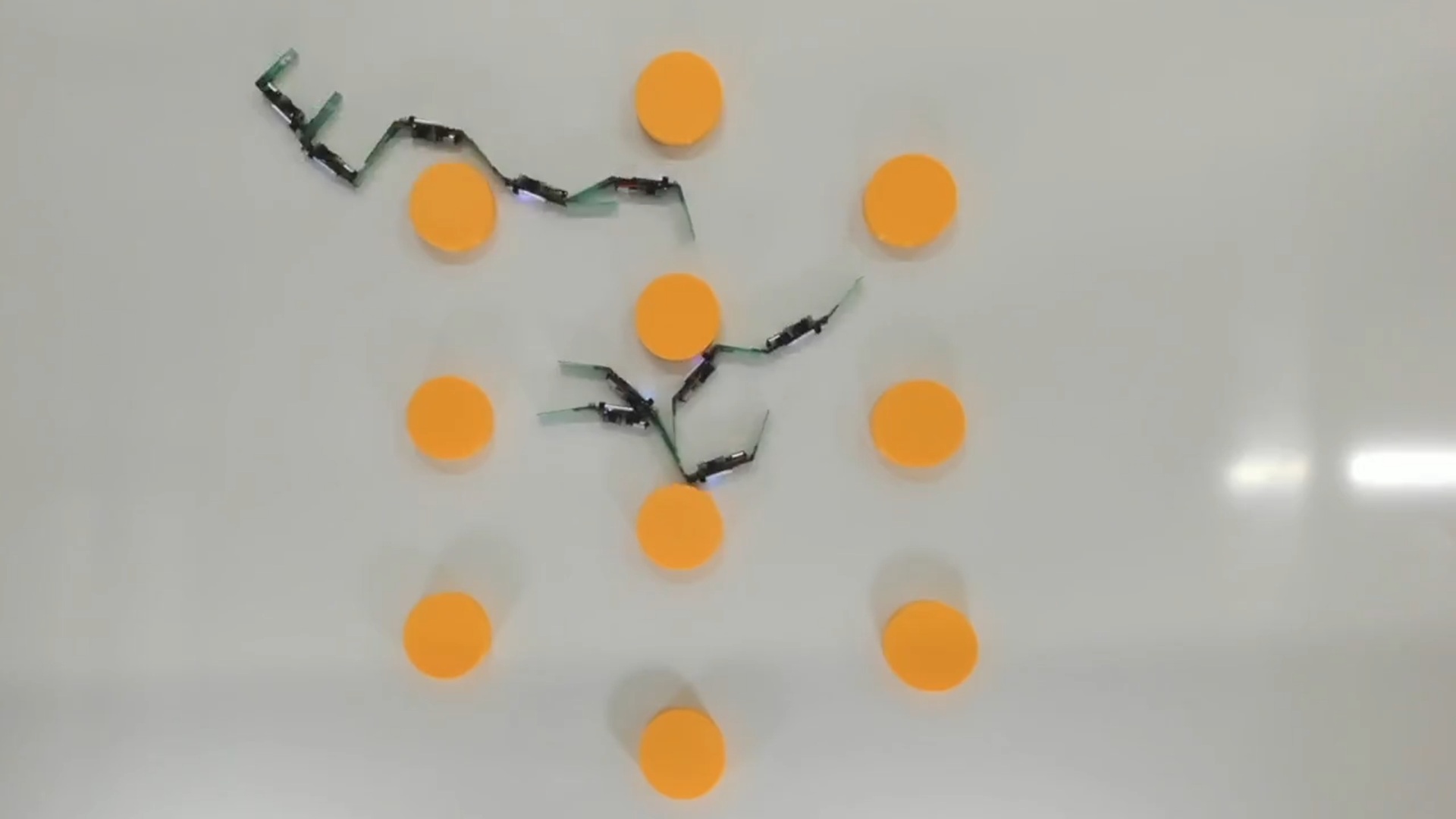
‘Like a flowing material’: Robot swarm uses physics, not commands to self-organize
Engineers at Cornell University have unveiled an innovative robotic system that mimics the behavior of flowing liquids. This groundbreaking development, announced in October 2023, aims to enhance the versatility and adaptability of robots in various applications. By incorporating principles of fluid dynamics, the team has created a robot capable of navigating complex environments with unprecedented ease. The motivation behind this project stems from the desire to improve robotic mobility and functionality, particularly in scenarios where traditional rigid robots struggle. The researchers utilized advanced algorithms and soft materials to enable the robot to change shape and move fluidly, allowing it to overcome obstacles and traverse challenging terrains. This new robotic system has the potential to revolutionize fields such as search and rescue, environmental monitoring, and even medical applications, where flexibility and adaptability are crucial. The team's findings highlight the importance of interdisciplinary approaches in robotics, merging concepts from engineering, biology, and physics to create more efficient and capable machines.
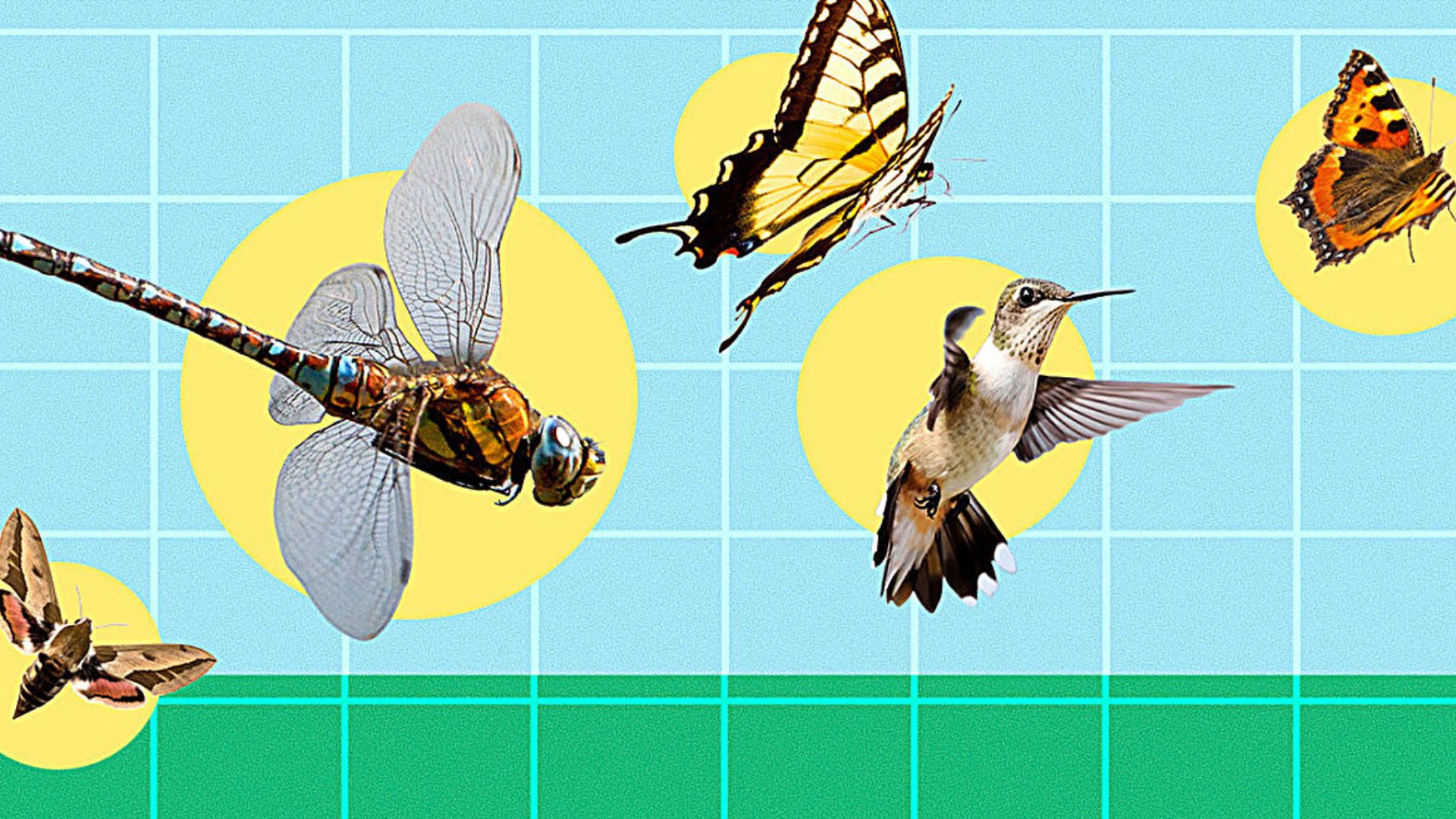
Cornell’s insect-inspired 3D model could allow flapping-wing robots to fly stably
Researchers at Cornell University have unveiled a groundbreaking 3D computational model designed to decode complex physical phenomena. This innovative model, which was developed over the past year, aims to enhance our understanding of various scientific processes by simulating intricate interactions within physical systems. The research team, led by a group of physicists and engineers, conducted extensive experiments and simulations to refine the model's accuracy and applicability. The development of this model is particularly significant as it addresses longstanding challenges in the field of physics, providing a tool that can potentially revolutionize how scientists approach problem-solving in areas such as material science, fluid dynamics, and even climate modeling. By leveraging advanced algorithms and high-performance computing, the researchers were able to create a more precise representation of physical interactions, which could lead to new discoveries and innovations. This work not only showcases the capabilities of modern computational techniques but also underscores the importance of interdisciplinary collaboration in advancing scientific knowledge. The findings of this research are expected to be published in a leading scientific journal, contributing to ongoing discussions and developments in the field.

Nortek Launches Generation 2 Vector Velocimeter
Researchers have unveiled the Generation 2 Vector, an advanced iteration of the original Vector technology, designed to enhance small-scale turbulence studies. This new model incorporates modern electronics and offers a range of innovative features, making it suitable for both fieldwork and experiments conducted in large flumes. The development aims to provide scientists with more reliable tools for understanding turbulent flows, which are critical in various environmental and engineering applications. By leveraging the trusted foundation of its predecessor, the Generation 2 Vector promises to facilitate more accurate and efficient research, ultimately contributing to advancements in the field of fluid dynamics.
nortek generation 2 vector velocimeter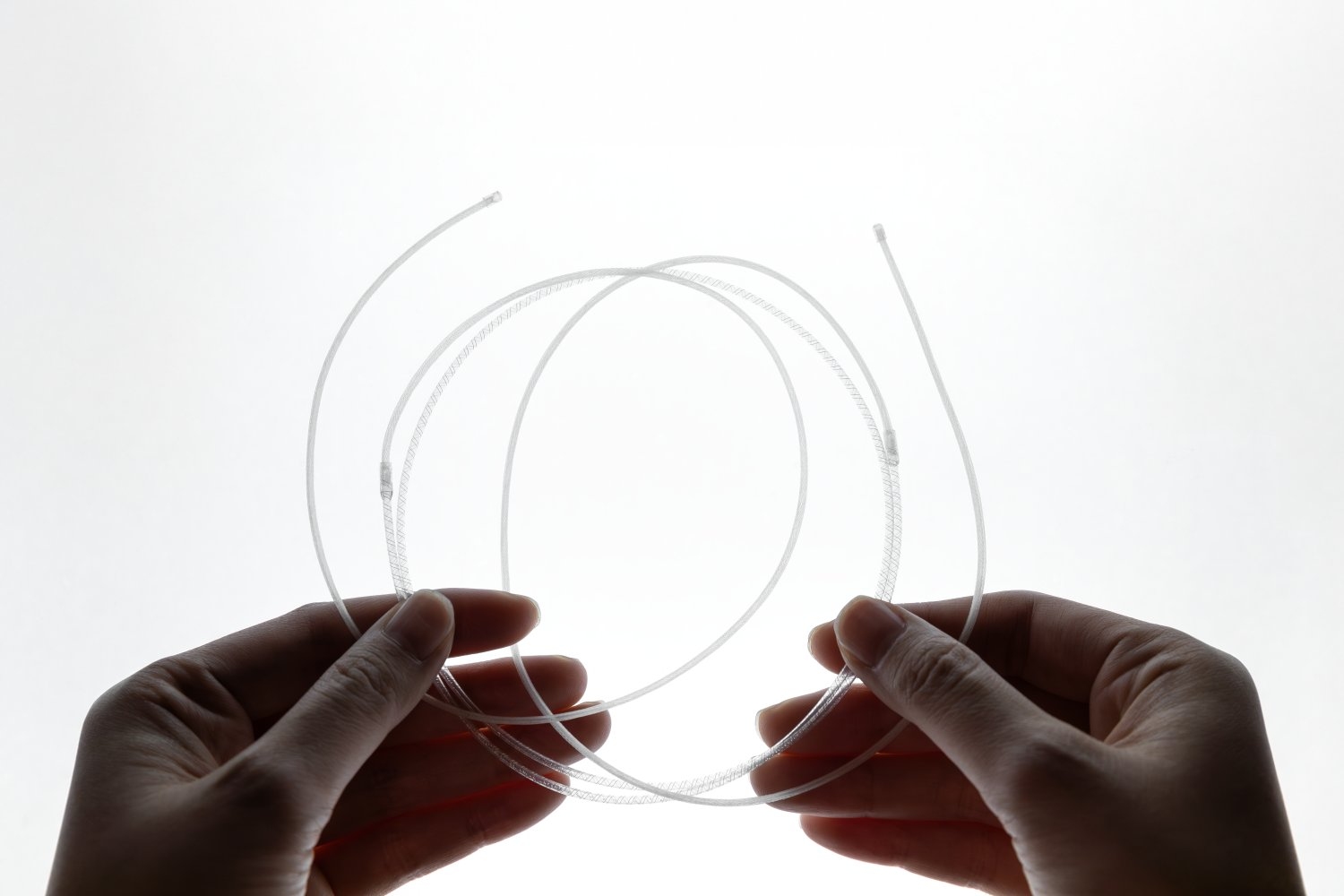
A new type of electrically driven artificial muscle fiber
Researchers have developed electrofluidic fibers that replicate the natural bundling of muscle fibers, a breakthrough that could revolutionize the design of compact and silent robotic systems as well as prosthetics. This innovative technology was unveiled in a recent study aimed at enhancing the functionality and efficiency of robotic and prosthetic devices. By mimicking the structure and behavior of biological muscles, these fibers offer the potential for more responsive and adaptable machines. The advancement is particularly significant as it addresses the growing demand for quieter and more efficient robotic solutions in various applications, from medical devices to industrial automation. The research team employed advanced materials and engineering techniques to create these fibers, which could lead to a new generation of devices that are not only more effective but also more closely aligned with human movement. This development marks a promising step forward in the integration of robotics into everyday life, providing users with improved mobility and interaction capabilities.
Research Invention Robotics Bioinspiration Fluid dynamics Media Lab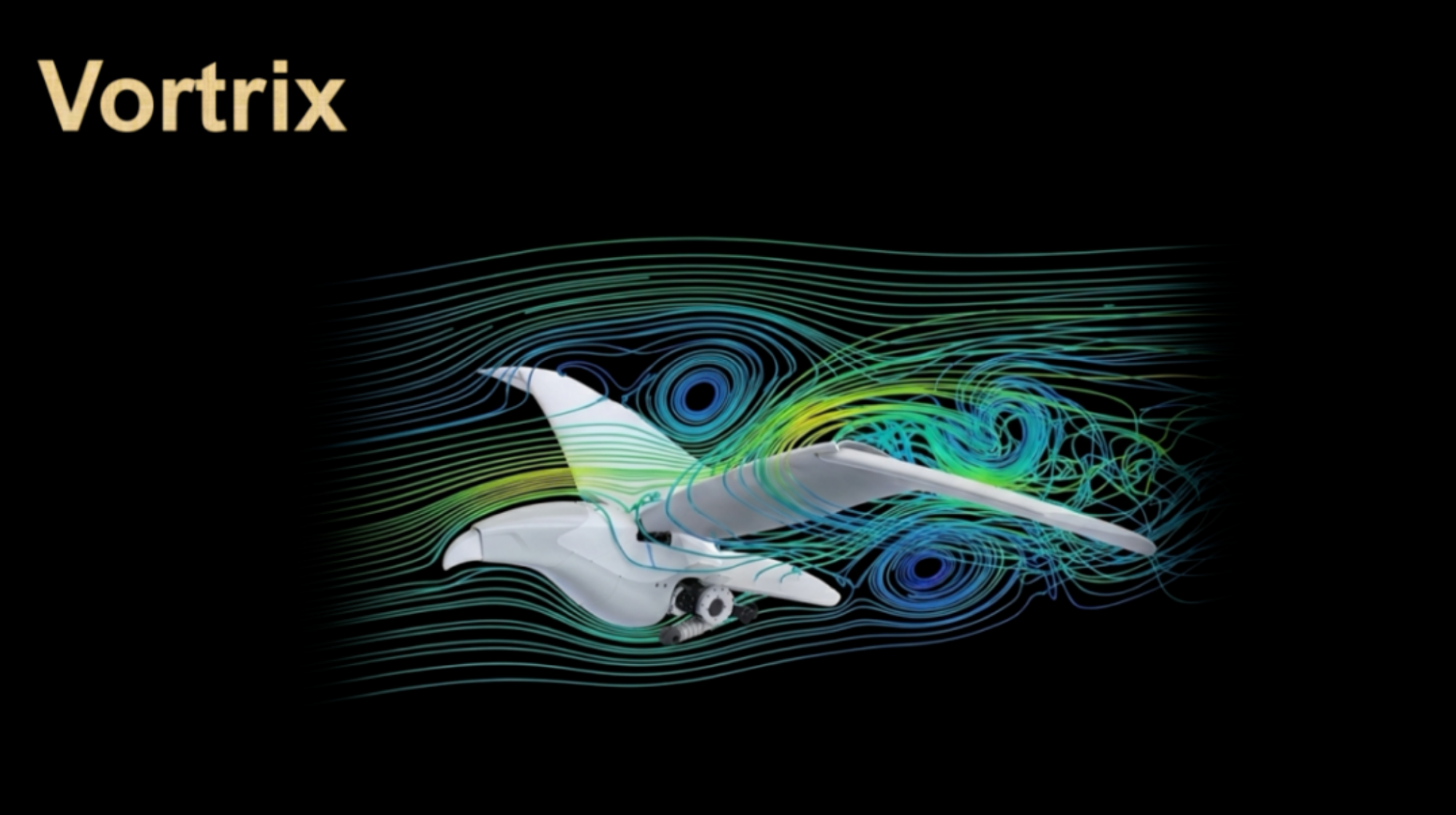
Post-00s PhD Team Secures Funding for Biomimetic Flapping Robot Development
A team of PhD students born after 2000 has developed a biomimetic flapping robot capable of fluid navigation, announced by Eagle Eye Intelligent Wings. The company recently completed a Series A funding round, raising tens of millions of yuan, led by Yuanhe Puhua with participation from Futen Capital and Houxue Capital. This marks the third funding round for the company within three months since its establishment 15 months ago. The funding will primarily support the mass production of their first consumer product, the 'Eagle X,' and the development of the next-generation flapping robot and fluid simulation engine. Founded in March 2025 in Shenzhen, Eagle Eye Intelligent Wings is among the early companies focusing on embodied intelligent flapping robots. The core team consists of over ten members from Shanghai Jiao Tong University, all born after 2000, with notable achievements in research. The 'Eagle X' has completed over 3,000 hours of flight testing and is set to launch on Kickstarter in Q3 of this year. The next-generation product will feature approximately 15 degrees of freedom, allowing for independent wing adjustments. The Vortrix fluid simulation engine is expected to be opened for external use, enhancing training for flying robots and optimizing aerodynamics for fixed-wing aircraft and wind turbine blades. No further timeline was disclosed at the time of publication.
Biomimetic Robots AI Fluid Dynamics Robotics Drone Technology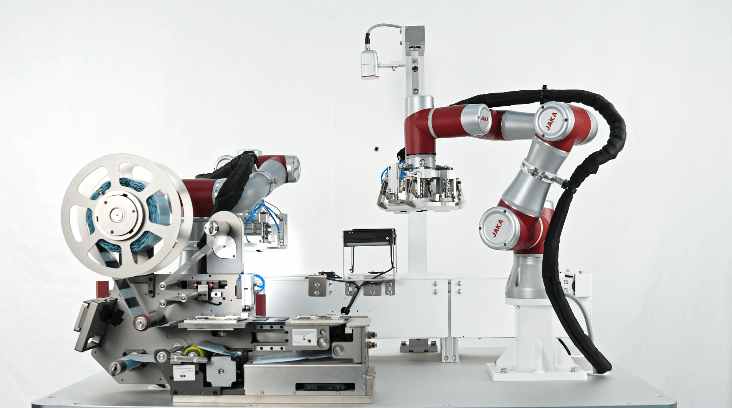
Selecting the Right Payload for Your Painting Robot Project
In the realm of industrial automation, selecting the appropriate payload for painting robots is a critical early decision that significantly impacts motion stability, coating consistency, and overall system reliability. This consideration is particularly vital when the robots are required to transition between various tasks, such as painting and inspection. Experts emphasize the importance of evaluating real operating conditions rather than relying solely on nominal values, as miscalculations can lead to issues like vibration and uneven paint application. Payload calculations should begin with a comprehensive assessment of the end-of-arm tooling setup, which includes the spray gun, fluid lines, and cable routing. Unlike static tasks, painting requires careful consideration of inertia and changes in the center of gravity due to constant acceleration and deceleration. Companies like JAKA focus on aligning payloads with actual process needs to ensure smooth operation and consistent quality, while also optimizing floor space in compact workcells. Moreover, decisions regarding payload can influence the long-term flexibility of the system, allowing for future integrations of additional processes such as screwdriving or assembly. JAKA's experience with adaptable configurations demonstrates that torque adjustments can be tailored to specific product requirements, facilitating efficient task transitions without necessitating a complete redesign of the robot setup. In conclusion, strategic payload selection is essential for maximizing performance, quality, and scalability in painting robot projects. By thoroughly analyzing tooling weight, motion dynamics, and potential future needs, manufacturers can create reliable and efficient systems that adapt to evolving production demands.
Robotics needs a service framework.
RSF defines a common language for robot service capability, lifecycle operations, certification pathways, and service-provider networks.