Industry Briefing
A single destination for timely, editor-curated robotics news from around the world.

DJI Warns FCC Proposal Could Retroactively Ban Agricultural Spray Drones
The US Federal Communications Commission (FCC) has proposed new regulations that could effectively ban the sale of foreign-made agricultural spray drones, according to DJI. This move follows a December 2025 ruling that blocks new foreign models and components, significantly impacting the agricultural drone market dominated by overseas manufacturers. DJI argues that the FCC's definition of 'military-grade' drones includes many civilian models used for crop spraying, which could lead to increased costs and limited availability for American farmers. The proposal, open for public comment until September 2, targets drones with specific capabilities, potentially crippling agricultural operations that rely on these technologies to enhance efficiency and reduce costs. As the situation develops, stakeholders in the agricultural sector should monitor the FCC's actions closely. The implications of this proposal could reshape the market for agricultural drones, affecting both current users and future sales of essential farming technologies. No further timeline was disclosed at the time of publication.
Agtech Policy & regulation Precision agriculture US & Canada drones
Agri Spray Drones Transitions to Agricultural Drone Manufacturer and Technology Innovator
Agri Spray Drones (ASD) has announced its shift from being a distributor of spray drones to becoming a manufacturer and technology company focused on agricultural drones. This evolution is driven by years of operator experience, which will inform product development, quality control, software, and autonomous systems. This transition is significant as it positions ASD to enhance the quality and innovation of agricultural drone technology in the U.S. market. By taking control of the manufacturing process, ASD aims to improve product reliability and performance, which are critical factors for farmers and agricultural businesses. Looking ahead, ASD's roadmap for U.S. manufacturing and advancements in spray drone technology will be crucial to watch. The company's commitment to integrating operator insights into its product offerings may lead to more effective solutions for agricultural applications. No further timeline was disclosed at the time of publication.

FCC Considers Ban on DJI Drones Already Approved for Sale in the U.S.
The Federal Communications Commission (FCC) is contemplating restrictions on foreign-made drones, including popular models like the DJI Mini 5 Pro and Air 3S. This proposal could lead to the removal of these consumer drones from U.S. shelves due to their inclusion of technologies deemed 'military-grade' by the FCC. This move is significant as it affects not only future drone imports but also those already authorized for sale in the U.S. market. The FCC's proposal, published on August 3, seeks public comments until September 2, indicating a potential shift in the regulatory landscape for consumer drones that utilize technologies such as LiDAR and thermal imaging. As the FCC considers these restrictions, stakeholders in the drone industry and consumers should monitor developments closely. The implications of this proposal could reshape the availability of popular drone models and impact various sectors that rely on these technologies for applications beyond military use.
News
FCC Grants Conditional Approval to Two More Drones, Expanding Foreign Drone Exemptions
The Federal Communications Commission (FCC) has granted Conditional Approval to two additional drone systems: Exedy Globalparts Corporation’s Ayre CX and Parallel Flight Technologies’ Firefly. This decision increases the total number of drone companies receiving individual exemptions to 17, indicating a shift in the agency's foreign drone policy despite existing restrictions. This development is significant as it highlights the FCC's evolving approach to foreign-produced drones, which were largely restricted under the national security 'Covered List' established in December 2025. While the overall restrictions remain intact, the growing list of drones allowed to bypass these regulations suggests a more flexible policy framework. Looking ahead, the FCC's recent decision to allow Conditional Approvals to remain valid indefinitely, provided manufacturers adhere to onshoring plans and pass government vetting, offers greater certainty for companies navigating the approval process. No further timeline was disclosed at the time of publication.
News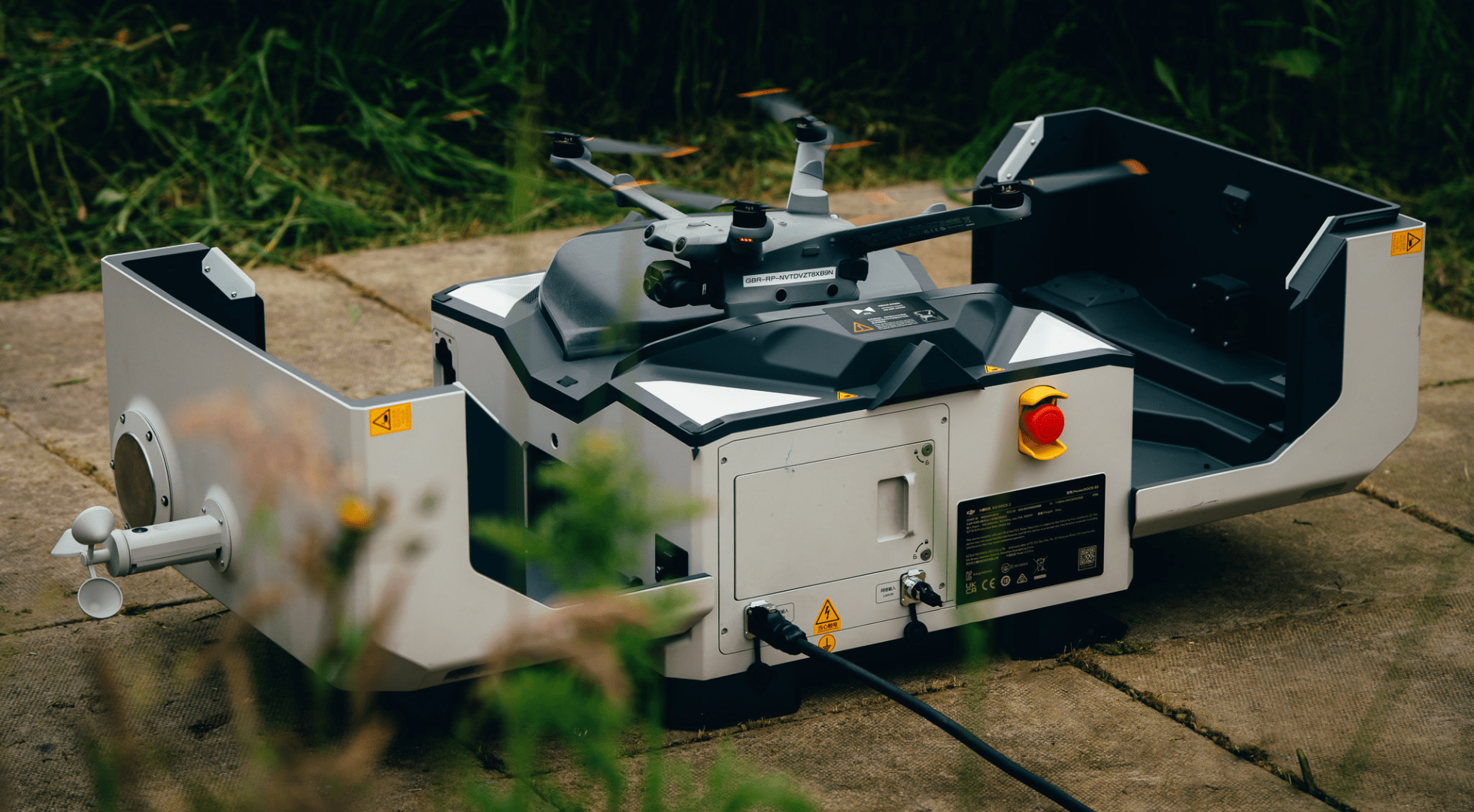
FCC Proposes Ban on Sales of Certain Military-Grade Foreign Drones to Reshape U.S. Market
The Federal Communications Commission (FCC) is advancing its initiative to reform the U.S. drone market by seeking public input on a proposed ban on the import, marketing, or sale of specific categories of foreign-produced military-grade drones listed on its Covered List. This move follows a previous decision to restrict certain foreign uncrewed aircraft systems due to national security concerns. This proposal is significant as it reflects the FCC's evolving strategy, which now includes establishing regulatory pathways for domestic manufacturers that comply with U.S. security standards. The FCC aims to provide greater certainty for companies investing in U.S.-based production while addressing potential national security risks associated with foreign drones. Comments on the proposed restrictions are due 30 days after the notice is published in the Federal Register. The FCC is also extending exemptions for trusted manufacturers until January 1, 2028, and has permanently removed expiration dates for certain approved drones and components, ensuring stability in the supply chain for compliant products.
Applications defense Defense Drone News Drone News Feeds Drone Swarms
DJI Raises Concerns Over FCC Proposal Impacting Commercial Drone Operations
DJI has issued a warning to U.S. drone operators regarding a Federal Communications Commission (FCC) proposal that could have far-reaching implications for commercial drones. The proposal, which targets certain foreign-made 'military-grade' drones, may inadvertently encompass a range of commercial products, including those with thermal imaging and LiDAR capabilities, agricultural spraying drones, and docking stations. This situation is significant as it highlights the potential for regulatory definitions to impact widely used technologies in various sectors, including agriculture, public safety, and small business operations. DJI emphasizes that many of the technologies under scrutiny are not inherently military and are essential for civilian applications, thus raising concerns about the classification of drones based on their capabilities rather than their intended use. Looking ahead, the ongoing discussion around the FCC's proposal will be crucial for the future of drone regulations in the U.S. No further timeline was disclosed at the time of publication, but DJI's response underscores the importance of distinguishing between military and civilian applications in regulatory frameworks, which could shape the landscape for drone operators and manufacturers alike.
Agriculture Applications Delivery DJI Drone News Drone News Feeds
FAA Proposes $289,215 Penalty Against Gorge Drones for Unauthorized Agricultural Flights
The Federal Aviation Administration (FAA) has proposed a civil penalty of $289,215 against Gorge Drones, located in Stevenson, Washington, for allegedly conducting unauthorized agricultural drone operations in early 2025. The FAA claims that the company operated an unmanned aircraft to dispense fertilizer during 15 flights without the necessary agricultural aircraft operator certificate, and that the drone was neither registered with the FAA nor had an airworthiness certificate. This proposed enforcement action highlights the FAA's stringent regulations governing agricultural drone operations, which differ from those for drones used solely for imaging or inspection. The agency emphasizes that operators dispensing agricultural materials must adhere to additional federal requirements, including obtaining specific exemptions and operational authority for agricultural aircraft operations. As the agricultural drone sector continues to expand rapidly, compliance with FAA regulations is critical for operators. The FAA's announcement serves as a reminder of the importance of adhering to aviation regulations, as a proposed civil penalty indicates an allegation rather than a final determination. No further timeline was disclosed at the time of publication.
Agriculture Applications Drone News Drone News Feeds Drones in the News FAA
FCC Proposes New Drone Categories That Impact Military and Agricultural Sectors
On July 21, the Federal Communications Commission (FCC) announced it is seeking public comment on potential restrictions regarding the importation and sale of foreign-produced 'military-grade' drones. Among the proposed categories is one that could significantly affect agriculture: aerosol drones capable of dispensing pesticides, referred to as 'economic poison' under FAA regulations. This inclusion raises concerns for agricultural spraying drones, particularly those from foreign manufacturers. The implications of this proposal are noteworthy for the agriculture sector, as precision spraying has emerged as a rapidly growing application for commercial drones. The FCC's actions suggest a dual approach: while it aims to limit certain foreign drone categories, it is also working to facilitate trusted agricultural drone suppliers, as evidenced by recent conditional approvals granted to manufacturers like Ceres Air. As the FCC moves forward with this rulemaking, the agriculture industry should closely monitor developments. The final decision on whether to adopt, modify, or exempt certain categories of drones will likely hinge on public feedback received during the comment period, which could shape the future landscape of agricultural drone use.
Agriculture Applications Drone Manufacturing Drone News Featured - Agriculture News
FCC Proposes Stricter Restrictions on Foreign Drone Sales to Enhance National Security
The Federal Communications Commission (FCC) is proposing its most extensive restrictions on foreign drone sales to date, which includes a potential ban on the commercial import and sale of specific foreign-made drones. This initiative aims to strengthen the US drone supply chain by extending exemptions for drones that have passed government security reviews. This move is significant as it builds on the FCC's previous actions to address national security risks associated with foreign-produced drones. The agency has already blocked new equipment authorizations for certain drones deemed a threat, while also providing exceptions for trusted manufacturers, which could lead to increased domestic investment in drone manufacturing. Looking ahead, the FCC is seeking public input on whether to prohibit the import and sale of certain military-grade foreign drones, which could have a substantial impact on the drone industry. No further timeline was disclosed at the time of publication.
News
FCC Proposes New Rules for Drone Sales to Enhance Transparency and Security
The Federal Communications Commission (FCC) has proposed new regulations aimed at increasing transparency in online drone sales. The rules would require e-commerce platforms to display FCC certification IDs for wireless devices, including drones and their components, addressing a loophole that has allowed restricted electronic components to enter the U.S. market. This initiative is significant for various stakeholders, including drone manufacturers like DJI, online retailers such as Amazon, and consumers. By mandating the display of FCC IDs, the FCC aims to help buyers verify the authorization status of wireless devices, thereby enhancing consumer protection and regulatory oversight. Looking ahead, the FCC's proposal also seeks to close a loophole concerning the use of restricted components in devices. The agency plans to extend restrictions to nearly all logic-bearing hardware components, which could impact the manufacturing and sale of drones and related technology. No further timeline was disclosed at the time of publication.
News
FCC Proposes New Rules for Drone Sales Transparency and Component Restrictions
The Federal Communications Commission (FCC) has proposed new regulations aimed at enhancing transparency in online drone sales. Under the proposed rules, e-commerce platforms like Amazon would be required to display FCC certification IDs for wireless devices, including drones and their components. This initiative is part of a broader effort to ensure that consumers can verify the authorization status of electronic devices before purchase, addressing a significant loophole in current regulations. The significance of this proposal lies in its potential impact on the drone market and consumer safety. By mandating the display of FCC IDs, the FCC aims to prevent unauthorized electronic equipment from entering the U.S. market, thereby protecting consumers and ensuring compliance with national security standards. The proposal also seeks to close a loophole that allows products containing restricted components to be sold if they are integrated into devices by other manufacturers, which could compromise device integrity. Looking ahead, the FCC's proposal marks a critical step in regulating the drone industry and enhancing consumer protection. The agency has been working on this initiative since 2021, with the latest proposal expanding restrictions to nearly all logic-bearing hardware components. No further timeline was disclosed at the time of publication for when these rules might take effect or how they will be implemented across online marketplaces.
News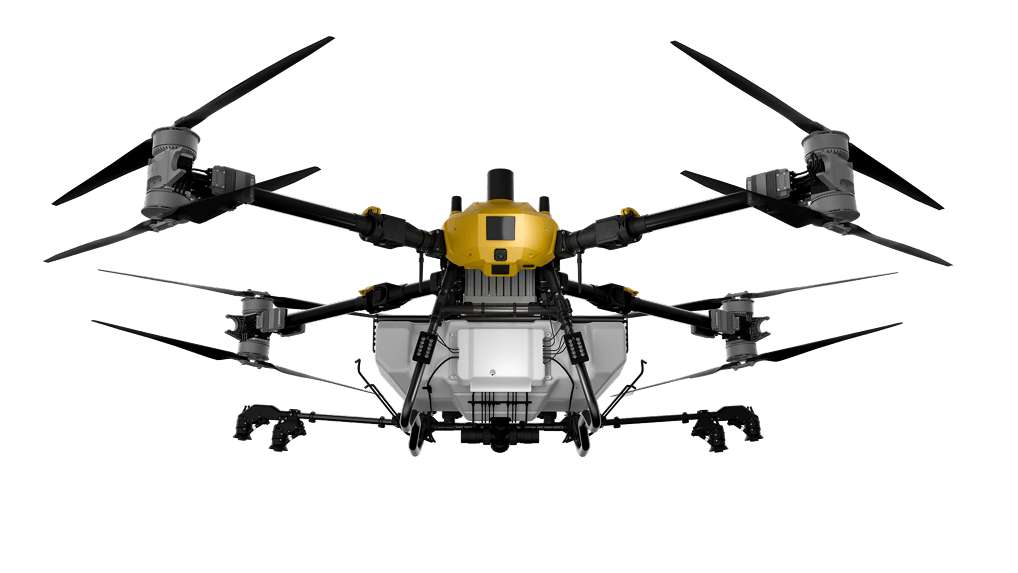
Theft of Agricultural Spray Drones in New Jersey Raises Security Questions
Federal investigators and public safety officials are responding to the theft of 15 agricultural spraying drones in New Jersey, an incident that has raised significant concerns about the misuse of drone technology. The Federal Bureau of Investigation is currently conducting an investigation into the theft, which highlights the increasing focus on counter-unmanned aerial systems (UAS) preparedness. The incident underscores long-standing worries regarding the security implications of drone misuse in agricultural and other sectors. As authorities work to address these issues, the incident serves as a reminder of the vulnerabilities associated with drone operations and the need for enhanced protective measures.
Agriculture Anti-drone technology Applications Drone News News agricultural drones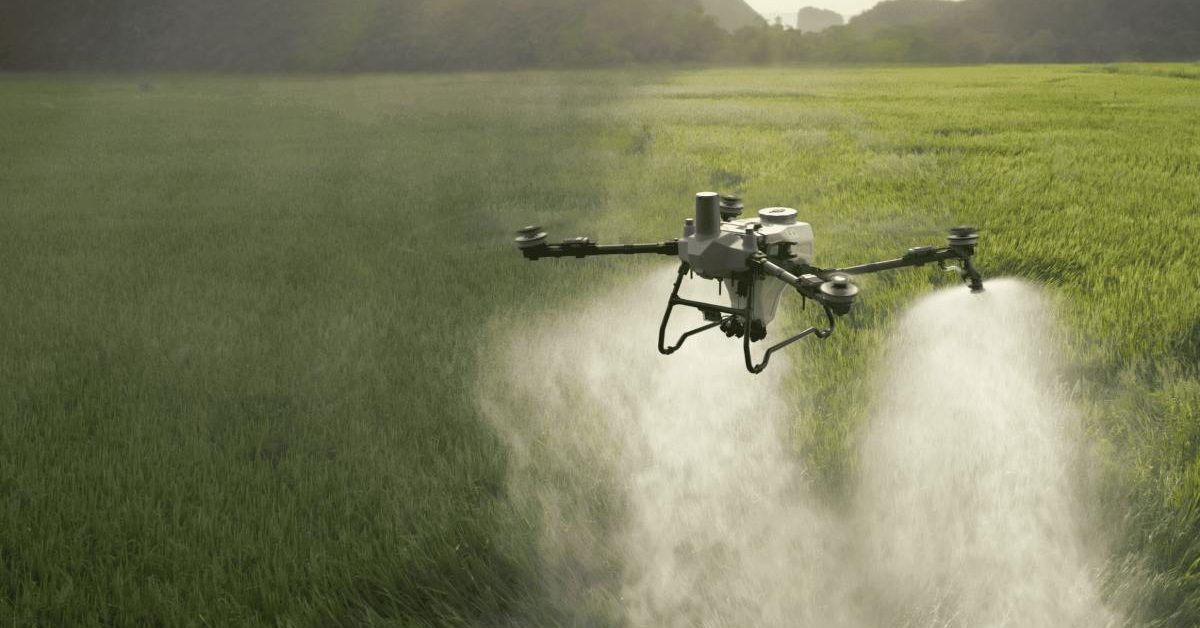
DJI introduces next-generation Agras agricultural drones globally
DJI has announced the global launch of its latest farming drones, the Agras T55 and the Agras T100 Dual Battery Spraying System, as part of its effort to enhance precision agriculture. This unveiling comes after over ten years of research and development by DJI Agriculture. The new drones are designed to cater to a wide range of agricultural needs, from small orchards to extensive field operations. By improving the efficiency of aerial spraying, spreading, and lifting tasks, these drones aim to enhance productivity while prioritizing safety for users in the agricultural sector.
News
FCC says some Chinese drones are suddenly safe again
The Federal Communications Commission (FCC) has broadened the scope of its exemptions regarding foreign-drone import restrictions, allowing more aircraft to bypass these regulations. This decision reflects the agency's willingness to make specific exceptions amid ongoing efforts to tighten controls on foreign drone imports. The move aims to balance regulatory oversight with the need for flexibility in the aviation sector, particularly as the demand for drone technology continues to grow. The FCC's updated list of exempted aircraft signifies a strategic approach to address both security concerns and the evolving needs of the industry.
News
ePropelled launches new integrated propulsion unit for agricultural drones
The agricultural drone market is experiencing rapid growth, prompting manufacturers to enhance their technology to secure a larger share of this expanding sector. Recently, a new drone unit featuring advanced propulsion and power technology has been introduced, aimed at significantly improving performance in agricultural applications. This innovation is expected to meet the increasing demand for efficient and effective farming solutions, as farmers seek to leverage UAVs for precision agriculture and crop management. The launch of this cutting-edge technology underscores the industry's commitment to advancing aerial capabilities in agriculture, ultimately enhancing productivity and sustainability in farming practices.
Drones autonomous technology drone technology precision agriculture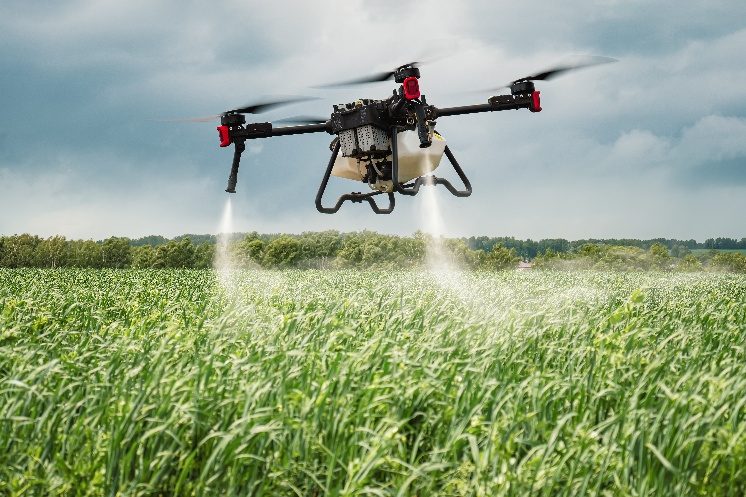
ePropelled Launches Integrated Power System for Agricultural Drones
ePropelled has unveiled a new integrated propulsion and power system tailored for agricultural drones, responding to the increasing global adoption of UAV technology in precision agriculture. The announcement was made on May 13, highlighting the company's commitment to meeting the rising demand for efficient and reliable drone solutions in the agricultural sector. As the market for agricultural drones continues to expand, ePropelled aims to enhance operational capabilities for farmers and agribusinesses through this innovative platform.
Agriculture Applications Drone Manufacturing Drone News Featured - Agriculture News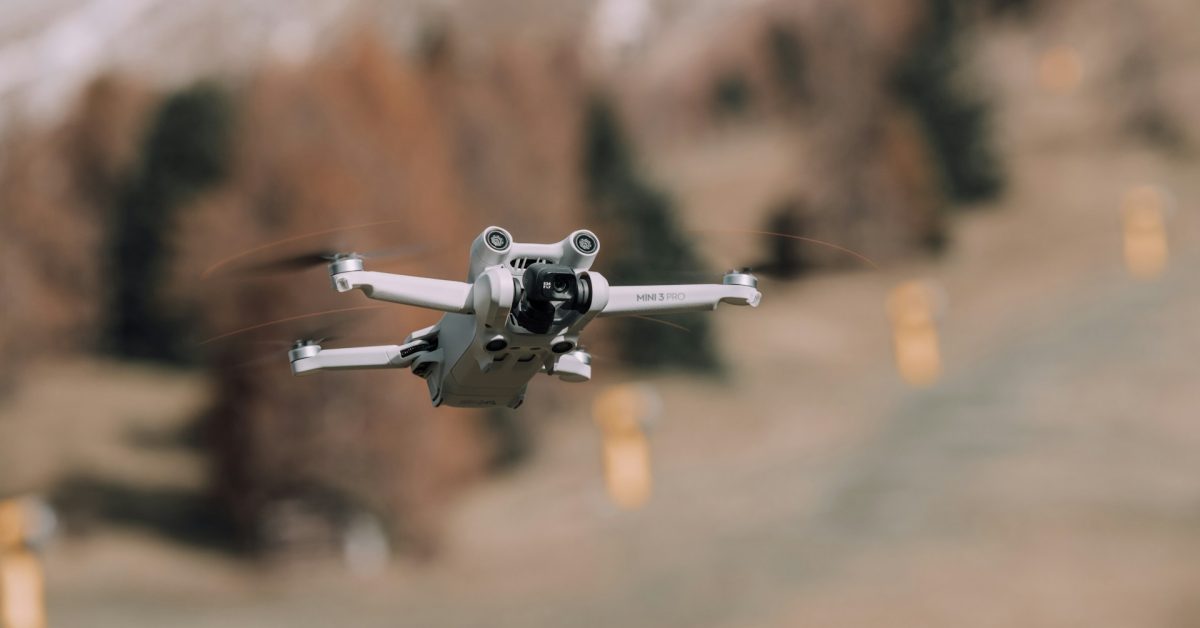
FCC’s DJI, Autel ban ignores how drones actually work
Concerns regarding the national security implications of drones manufactured by DJI and Autel Robotics have been raised, prompting discussions among lawmakers and security experts. Despite these apprehensions, thousands of these drones continue to operate across the United States daily. The ongoing debate centers on the potential risks associated with foreign-made technology and its implications for privacy and safety. Critics argue that if these drones are indeed a significant threat, regulatory measures should be more stringent to prevent their widespread use. However, the persistent presence of these drones in American skies suggests that many users, including hobbyists and commercial operators, do not perceive an immediate danger. The situation highlights the complexities of balancing technological innovation with national security concerns, as stakeholders seek to navigate the implications of drone usage in a rapidly evolving landscape.
News
FCC commissioner defends blacklisting foreign drones over security fears
FCC Commissioner Olivia Trusty has publicly defended the agency's recent decision to expand its "Covered List," which identifies equipment deemed unsecure, to include foreign-manufactured drones and essential drone components. This move comes as new foreign-made drones, particularly from brands like DJI, face significant barriers to entering the U.S. market. The announcement highlights ongoing concerns about national security and the potential risks associated with foreign technology. Trusty's remarks emphasize the importance of safeguarding U.S. infrastructure and data integrity amid rising tensions surrounding technology imports. The decision reflects a broader trend of increasing scrutiny on foreign tech products, as regulators seek to ensure the safety and security of American consumers and businesses.
News
DJI Agriculture Reveals Global Adoption of Agricultural Drones Cuts 51Mt in Carbon Emissions and Saves 410Mts of Water for Farmers Globally
At Brazil's AgriShow, a new report has been unveiled showcasing the rapid growth of the agricultural drone industry, revealing that over 600,000 DJI agricultural drones are now operational across more than 100 countries and regions. This significant milestone underscores the increasing adoption of drone technology in agriculture, driven by the need for enhanced efficiency and precision in farming practices. The report highlights how these drones are transforming traditional agricultural methods, enabling farmers to monitor crops, optimize resource use, and improve yields. As the industry matures, stakeholders are optimistic about the potential for further advancements and increased integration of drone technology in agricultural operations worldwide.
Robotics needs a service framework.
RSF defines a common language for robot service capability, lifecycle operations, certification pathways, and service-provider networks.
Join the RobotToday community on LinkedIn
Daily robotics news, in-depth analysis, conference highlights, and discussions with professionals worldwide.