A single destination for timely, editor-curated robotics news from around the world.
In a significant shift within the manufacturing sector, companies are increasingly focusing on application engineering to enhance assembly systems. This evolution is driven by the need for higher productivity and reduced error rates on the factory floor. Leading the charge is Atlas Copco, a prominent player in the industry, which is fully embracing this transformation. The emphasis is now on not just the machines themselves, but also on the engineering that connects and adjusts these machines in real-time to align with operational demands. As factories strive to optimize their processes, the integration of advanced engineering techniques is becoming essential for success in a competitive landscape.
RoboticsAndAutomationNews.com By Sam Francis May 27, 2026 Engineering Manufacturing application engineering assembly line automation assembly systems atlas copco
Associate Professor Richard Linares is addressing the growing challenge of satellite navigation in congested orbits. As the number of satellites in space continues to rise, the risk of collisions increases, making safe navigation crucial for space operations. Linares, an expert in aerospace engineering, is developing innovative strategies and technologies to enhance the safety and efficiency of satellite movements. His work is particularly timely, given the rapid expansion of satellite constellations and the increasing interest in space exploration and commercial ventures. By leveraging advanced algorithms and data analysis, Linares aims to create systems that can predict potential collisions and facilitate safer maneuvering of satellites in crowded orbital paths. This initiative not only aims to protect existing satellites but also to ensure the sustainability of space activities for future generations.
MITNews By Jennifer Chu | MIT News Apr 19, 2026 Profile Faculty Satellites Pollution Aeronautical and astronautical engineering automation
Emerson has launched the Ovation Curation Tool, a synchronization software designed for power and water control systems. This tool aims to maintain version control and change history across multiple Ovation systems and simulators, automating the management of changes between production systems and their digital twins. The introduction of the Ovation Curation Tool is significant as it addresses the challenges of keeping digital twins synchronized with live systems, especially amid workforce shortages. By improving testing and training accuracy, the tool is expected to save engineering time and facilitate faster troubleshooting, enhancing overall operational efficiency. Looking ahead, the software's ability to automatically track changes and provide an intuitive dashboard for users will be crucial for organizations seeking to optimize their control systems. No further timeline was disclosed at the time of publication.

AutomationWorld.com By (undefined) Jul 08, 2026 Factory / Digital Transformation
RAD, a marine technology firm, has successfully raised £4.4 million in funding to accelerate the commercialization of its autonomous vessel technologies and expand its electric propulsion systems. This funding round, led by Mercia Ventures, comes after a year of significant product development and customer engagement, including the launch of the Axon open systems architecture for uncrewed vessels at the Combined Naval Event in May 2026. The funding is crucial as RAD aims to capitalize on the growing demand for flexible and scalable marine solutions in both defense and commercial sectors. The Axon architecture allows for rapid development and integration of uncrewed vessel capabilities, which is expected to enhance operational efficiency and reduce vendor lock-in for operators. With this investment, RAD is positioned to lead the electrification shift in marine technology, similar to trends seen in road transport. Looking ahead, RAD plans to utilize the funds for international expansion, including establishing a presence in the U.S. market, and further developing its electric propulsion systems and energy management technologies. The company is also focused on enhancing its engineering capabilities to meet the increasing demand from its diverse customer base. No further timeline was disclosed at the time of publication.
ROVplanet.com By ROV Planet Jul 08, 2026 rad raise investment commercialisation autonomous marine technology propulsion systems
As artificial intelligence (AI) rapidly expands, it is driving a significant increase in global electricity demand, presenting urgent challenges for energy systems. Melbourne, Australia, is positioning itself as a leader in addressing these issues, with a focus on the infrastructure necessary to support AI's growth. By 2035, data centers in Australia are expected to consume up to 11 percent of the nation's electricity, raising concerns about generation and system reliability. The University of Melbourne is at the forefront of this initiative, with interdisciplinary research aimed at developing energy systems that can meet the demands of AI. The Melbourne Energy Institute is exploring how various energy technologies interact, while facilities like the Smart Grid Lab allow for real-time simulations of power systems. This integrated approach is essential for designing resilient and efficient energy systems that can adapt to new patterns of demand. Victoria's advanced energy ecosystem, which includes renewable generation and battery storage, is crucial for balancing digital growth with sustainability. The collaboration between researchers, industry, and policymakers is vital for creating future energy systems that are affordable and resilient. Looking ahead, Melbourne will host the IEEE PES Generation Transmission and Distribution Asia 2027 Conference, bringing together global experts to address the evolving challenges in power systems. This event underscores Melbourne's commitment to fostering international collaboration and innovation in energy solutions, reinforcing its role as a key player in the global energy transition.
IEEESpectrumAI By Melbourne Convention Bureau Jul 01, 2026 Artificial-intelligence Australia Energy-systems University-of-melbourne Ai-data-centers Power-grid
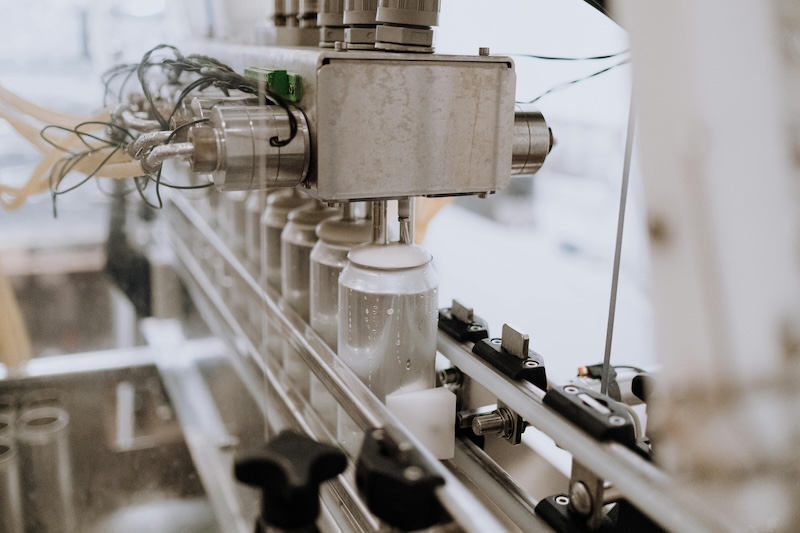
A live broadcast is set to take place, showcasing the latest advancements in unmanned systems, with a particular emphasis on cluster coordination in complex environments. Scheduled for an upcoming date, this event will feature a panel of experts who will delve into the evolving challenges faced in the field and explore the significant impact of artificial intelligence on research methodologies. The session aims to foster audience interaction, allowing participants to engage directly with the experts and share valuable academic resources. This initiative highlights the growing importance of unmanned systems and AI in addressing contemporary challenges in various sectors.
leaderobot.com By Leaderobot May 18, 2026 Unmanned Systems Cluster Coordination AI in Research Engineering Challenges

Multi-axis gantry platforms play a crucial role in enhancing automation across various industries, including semiconductor inspection, laser processing, and advanced metrology. Despite their significance, the challenges associated with achieving precision, reliability, and readiness for production are frequently overlooked. As industries increasingly rely on these platforms to improve efficiency and throughput, addressing these technical hurdles has become essential for advancing automation technologies. The ongoing development and refinement of these systems are vital for meeting the growing demands of high-tech manufacturing processes.
roboticstomorrow-Robotics Mar 24, 2026
Engineers developing distributed AI platforms are facing a new challenge known as "quiet failure," where systems appear operational but produce incorrect outcomes over time. This issue arises as autonomy in software systems increases, complicating traditional methods of monitoring and observability. In late-stage testing, engineers find that while monitoring dashboards indicate a healthy status, users report that the system's decisions are increasingly flawed. For instance, an AI assistant designed to summarize regulatory updates may continue to function technically but rely on outdated information due to a failure to update its document retrieval process. This disconnect highlights the limitations of conventional observability metrics, which focus on uptime and error rates rather than the ongoing alignment of system behavior with intended outcomes. As autonomous systems operate continuously and make decisions based on evolving contexts, engineers must shift their focus from merely ensuring component functionality to actively supervising overall system behavior. This requires the implementation of supervisory control architectures that can monitor and intervene in real-time, preventing behavior drift before it leads to significant issues. The growing prevalence of quiet failures calls for a rethinking of reliability in engineering, emphasizing the need for continuous behavioral monitoring and control. As AI systems become more autonomous, this new approach will likely extend across various domains, transforming how engineers ensure that systems not only function correctly but also remain aligned with their intended purposes over time.
IEEESpectrumAI By Varun Raj Apr 07, 2026 Software-failure Software-reliability Software-engineering Cloud-computing Autonomous-systems
Experts from Güdel are set to address the challenges posed by harsh and dirty environments on robotic tracks and long-axis linear motion systems. This discussion will delve into the engineering solutions necessary to adapt these systems for real-world applications, highlighting the importance of durability and reliability in demanding conditions. The insights will be shared in a forthcoming presentation, emphasizing the need for robust designs that can withstand the rigors of various operational settings. The event aims to equip industry professionals with the knowledge to enhance the performance and longevity of robotic systems in challenging environments.
RoboticsBusinessReview.com By The Robot Report Staff May 10, 2026 Events Industrial Robots Mechanical Motion Control News Robots / Platforms
Spry Technocon Private Limited has formed a strategic partnership with Teledyne Marine, Klein Marine Systems, and VideoRay to develop advanced Unmanned Mine Countermeasure (MCM) Systems for the Indian Navy. This collaboration aims to leverage cutting-edge underwater sensing and imaging technologies alongside indigenous engineering capabilities to create a comprehensive MCM Suite. The partnership is significant as it aligns with India's Aatmanirbhar Bharat and Make in India initiatives, promoting self-reliance in defense technologies. By integrating advanced Autonomous Underwater Vehicles, high-resolution sonar systems, and remotely operated vehicles, the alliance seeks to enhance the Indian Navy's capabilities in mine warfare. Looking ahead, the focus will be on establishing a sustainable ecosystem for next-generation mine warfare technologies in India. No further timeline was disclosed at the time of publication.
ROVplanet.com By ROV Planet Jul 13, 2026
Collins Aerospace has inaugurated a new engineering hub in Wolverhampton, U.K., aimed at accelerating the development of electric thrust reverser systems for next-gen aircraft. The Engineering Center of Excellence is now operational and features a modular test environment designed to simulate real-world conditions for evaluating aircraft components and systems, enhancing the design scalability for future applications. This initiative is significant as the aerospace industry shifts towards electric alternatives to hydraulic systems, which can reduce weight by 15% to 20% in nacelle actuation. The elecTRAS technology, which eliminates hydraulic interfaces, is expected to improve fuel efficiency and operational performance while simplifying maintenance. This aligns with the long-term electrification strategies of original equipment manufacturers (OEMs). Looking ahead, Collins Aerospace aims to streamline development by consolidating its elecTRAS systems engineering and nacelle actuation design teams at the new facility. The company’s technology is already in service on the Airbus A350 family, having logged over 15 million flight hours by 2025. No further timeline was disclosed at the time of publication.
InterestingEngineering.com By Maria Mocerino Jul 12, 2026 Transportation
Claire recently engaged in a conversation with Allison Okamura, a prominent figure in the field of engineering at Stanford University, where she holds the position of Richard W. Weiland Professor. The discussion centered on the development of advanced robotic systems designed for haptic interaction, which allows users to experience touch sensations through technology. Okamura's research encompasses a wide range of interests, including haptics, teleoperation, virtual reality, medical robotics, soft robotics, rehabilitation, and education. As the Director of Graduate Studies for Mechanical Engineering at Stanford, she is at the forefront of integrating these innovative technologies into various applications, aiming to enhance user experience and interaction in both medical and educational settings. The dialogue highlights the significance of haptic technology in creating more immersive and effective robotic systems, reflecting ongoing advancements in the field.
Robohub.org By Robot Talk Jun 19, 2026
Vanas Engineering has announced a strategic partnership with Hai Robotics to improve warehouse automation across the Benelux region. This collaboration leverages Vanas' deep integration expertise alongside Hai Robotics' cutting-edge robotic systems. The initiative is designed to address the increasing demand for efficient and scalable intralogistics solutions, reflecting a commitment to enhancing operational efficiency in the logistics sector. The partnership aims to provide businesses in the region with advanced automation capabilities, ultimately streamlining their warehouse operations and meeting the evolving needs of the market.
hairobotics.com By Hai Robotics Oct 09, 2025 Warehouse Automation Robotic Systems Intralogistics Supply Chain Management
A specialized engineering team is set to enhance robotics process outcomes by leveraging advanced techniques in vibration analysis and on-board spindle monitoring. This initiative, aimed at optimizing operational efficiency, will take place in various industrial settings where robotics are utilized. The team's sales engineers, equipped with extensive knowledge and strategic approaches, will provide tailored solutions to ensure maximum uptime for machinery. This proactive measure is driven by the need to improve productivity and reduce downtime in manufacturing processes. By implementing these innovative strategies, the engineering team seeks to address common challenges faced by industries reliant on robotics, ultimately fostering a more efficient and reliable operational environment.
roboticstomorrow-Robotics Jun 03, 2026
Banner Engineering has introduced a new line of I/O blocks designed to enhance safety architectures in industrial settings. These innovative blocks support EtherNet/IP and CIP Safety™, allowing for configurable inputs for emergency stops, light curtains, and switches. The introduction of in-series diagnostics significantly reduces cable usage, enabling the connection of up to 192 safety devices per block while providing device-level status updates. The RSio series is characterized by its scalability and robustness, making it particularly suitable for large conveyor networks and modular machine designs. This development aims to streamline safety management and improve operational efficiency in manufacturing environments.
roboticstomorrow-Robotics May 14, 2026
Researchers at Tufts University have developed a groundbreaking type of biological machine known as a "neurobot," which combines living cells with neural networks to create self-directed systems. This innovative advancement was reported in the journal Advanced Science last month. The neurobots, which are constructed from frog cells, are capable of swimming and responding to their environment through integrated neurons that allow for electrochemical signaling. The development of neurobots marks a significant evolution from earlier biological machines, known as xenobots, which were limited to mechanical movements. These new creations exhibit more complex behaviors, such as exploring their surroundings and adapting to stimuli, thanks to their ability to process information internally. The research aims to deepen understanding of how neural networks can lead to sophisticated behaviors, potentially paving the way for applications in tissue repair and environmental monitoring. The team, led by biologist Michael Levin, plans to extend this technology by incorporating human neural cells into their designs, creating "anthrobots." These living machines could be trained to perform specific tasks, such as detecting environmental pollutants. The commercial startup Fauna Systems, co-founded by Levin, is focusing on deploying xenobots for environmental sensing, aiming to provide real-time indicators of ecosystem health. Despite the promising potential of neurobots, researchers acknowledge significant technical challenges ahead. However, the initial focus remains on simpler xenobots, which are already demonstrating valuable capabilities in monitoring environmental conditions.
Spectrum.ieee.orgAutomaton By Elie Dolgin Apr 02, 2026 Bioengineering Frog Living-cells Biomimetics Bioinspired-robots
Recent advancements in humanoid robotics have highlighted a significant shift in design and manufacturing practices. Engineers and researchers are increasingly moving away from traditional discrete component assembly methods, opting instead for integrated joint modules. These innovative units combine motors, gearboxes, sensors, and drive electronics into compact systems, streamlining the production process and enhancing the functionality of humanoid robots. This transition is driven by the need for more efficient and versatile robotic systems capable of performing complex tasks in various environments. As this trend continues to evolve, it is expected to accelerate the development of more sophisticated humanoid robots, paving the way for broader applications in industries such as healthcare, manufacturing, and service sectors. The integration of these components not only simplifies assembly but also improves the overall performance and reliability of robotic systems, making them more adaptable to real-world challenges.
roboticstomorrow-Robotics Mar 18, 2026
Built Robotics is partnering with the University of Pennsylvania’s Safe Autonomous Systems Lab, known as xLAB, to advance research in physical AI aimed at creating autonomous construction systems capable of safe operation in real-world environments. This collaboration combines Built Robotics' expertise in deploying autonomous technologies on construction sites with xLAB's cutting-edge research in safety and automation. The initiative seeks to enhance the efficiency and safety of construction processes by leveraging innovative AI solutions.
AIInsider By Greg Bock Jun 17, 2026 AI AI Funding & Investment AI Research & Advances Robotics Built Robotics Partnership
A new collaboration has emerged between xLAB and Built Robotics, focusing on enhancing safety in autonomous systems. This partnership aims to combine xLAB's extensive experience in developing high-performance, safety-critical technologies with Built Robotics' advanced edge AI model, which specializes in personnel detection and ensuring human safety. The initiative is designed to address growing concerns about safety in automated environments, particularly as the use of autonomous systems becomes more prevalent across various industries. By integrating their expertise, the two companies hope to create solutions that not only improve operational efficiency but also prioritize the well-being of individuals working alongside these technologies.
RoboticsTomorrow.com Jun 17, 2026
Engineers are increasingly looking to nature for inspiration in developing innovative solutions for movement, efficiency, and survival. This trend reflects a growing recognition of the intricate designs and systems that have evolved over millions of years. By studying various organisms and their adaptations, researchers aim to apply these natural principles to create advanced technologies in fields such as robotics, transportation, and energy efficiency. This biomimicry approach not only enhances performance but also promotes sustainability by utilizing nature's time-tested strategies. As this movement gains momentum, it is expected to lead to groundbreaking advancements that could significantly impact various industries and improve human life.
InterestingEngineering.com By Atharva Gosavi Jun 01, 2026
Sarang Gupta, a data scientist at OpenAI in San Francisco, has leveraged his childhood curiosity and engineering skills to make significant contributions to the field of artificial intelligence. From a young age, Gupta demonstrated a knack for problem-solving, fixing household items and later developing software solutions, including an online ordering system for a local restaurant. After earning dual degrees in industrial engineering and business management from the Hong Kong University of Science and Technology, he began his career at Goldman Sachs, where he automated trade reconciliation processes, enhancing operational efficiency. In 2020, Gupta earned a master's degree in data science with a focus on AI from Columbia University, where he collaborated on projects that aimed to improve journalism through technology. He then joined Asana as a product data scientist, leading the launch of AI-powered features to enhance user experience. His work gained momentum alongside the rise of generative AI, prompting him to transition to OpenAI in September 2025. At OpenAI, Gupta collaborates with the marketing team to develop data-driven models that optimize customer outreach and measure the effectiveness of various marketing channels. He emphasizes the transformative potential of AI across industries and plans to continue his work in this rapidly evolving field. Gupta, an IEEE member since 2024, values the organization for its resources and networking opportunities, which he believes inspire and enhance his professional journey.
IEEESpectrumAI By Julianne Pepitone Apr 14, 2026 Ieee-member-news Openai Generative-ai Chatgpt Careers Type-ti
LG Group is taking significant steps to strengthen its position in the robotics component market by mobilizing five of its major affiliates. The company aims to offer bundled humanoid subsystems, capitalizing on its extensive manufacturing capabilities in appliances and automotive parts. This strategic move is designed to enhance LG's competitiveness in the rapidly evolving robotics industry, where demand for advanced technology is on the rise. By leveraging its existing resources and expertise, LG Group seeks to establish itself as a leader in providing innovative solutions for robotics applications.
HumanoidsDaily By [email protected] (Humanoids Daily Staff) Apr 06, 2026 CLOiD South Korea kapex lg-electronics LG
As product development cycles shorten and system complexity increases, the industry faces growing demands for efficient validation, long-term reliability, and cost control. This trend has emerged as companies strive to meet the evolving expectations of consumers and stakeholders. The pressure to innovate rapidly while ensuring quality and affordability has prompted organizations to adopt new strategies and technologies. By leveraging advanced data analytics and streamlined processes, businesses aim to enhance their product offerings and maintain competitiveness in a fast-paced market. The ongoing shift underscores the necessity for adaptability and efficiency in an environment where both time and resources are limited.
RoboticsTomorrow.com Jun 09, 2026
The industrial production landscape is undergoing a significant transformation due to the rapid advancements in robotics, factory automation, and intelligent manufacturing systems. This shift is characterized by an increasing reliance on highly precise mechanical systems that can operate continuously with minimal deviation. As automation technologies evolve and become more interconnected, modern manufacturing environments are integrating collaborative robots, automated assembly systems, and sensor-driven equipment. These innovations are not only enhancing efficiency but also improving the accuracy and reliability of production processes. The ongoing evolution in this sector reflects a broader trend towards smarter, more automated manufacturing practices that aim to meet the growing demands of global markets.
RoboticsAndAutomationNews.com By Sam Francis Jun 03, 2026 Automation Engineering Factories automated manufacturing automation hardware automation news
Jaiveer Singh, an expert in robotics, emphasizes the importance of foundational elements in robotics, such as the internal components of machines and the software that allows developers to access a robot's cameras. Rather than focusing on the flashy aspects of robots, he advocates for a deeper understanding of the engineering and infrastructure necessary for their development. This approach highlights the critical role that well-designed systems play in enabling robots to function effectively in various applications. Singh's perspective aims to shift the conversation towards the essential technical groundwork that supports the advancement of robotic technology.
NvidiaNews By NVIDIA Jun 30, 2026
Companies are increasingly turning to embodied AI-enabled robotics to combat the challenges of the “great margin squeeze” in manufacturing. This innovative technology allows for a transition to high-mix manufacturing, enabling faster changeovers and minimizing disruptions that can halt production lines. By integrating these advanced robotic systems, businesses can enhance operational efficiency without the need to expand their engineering resources. This shift is particularly crucial as manufacturers seek to adapt to changing market demands while maintaining profitability. The adoption of AI-driven robotics is seen as a strategic move to streamline processes and improve overall productivity in a competitive landscape.
roboticstomorrow-Robotics Jun 24, 2026
Reese Abouelnasr, a Mechatronics Engineer at Harmonic Drive, recently discussed advancements in actuator technology and the engineering challenges these devices address in the field of robotics. In an interview, Abouelnasr highlighted the significance of actuators in enhancing the precision and efficiency of robotic systems. He elaborated on how recent innovations are enabling engineers to overcome obstacles related to motion control and energy consumption. The conversation took place in October 2023, reflecting the ongoing evolution of robotics and the critical role that actuator design plays in the industry. Abouelnasr emphasized that these developments not only improve performance but also expand the potential applications of robotics across various sectors.
roboticstomorrow-Robotics Jun 04, 2026
The Titanium platform has been unveiled as a cutting-edge solution that integrates multi-axis control, high computing power, and robust functional safety features, all designed to fit within a remarkably compact size. This innovative technology aims to enhance operational efficiency and safety in various applications, making it a significant advancement in the field. The platform's development reflects the growing demand for sophisticated yet space-efficient systems in industries such as robotics, automation, and aerospace. By leveraging advanced engineering techniques, the Titanium platform promises to deliver superior performance while addressing the challenges of modern technological requirements.
roboticstomorrow-Robotics May 27, 2026
The integration of a high-performance Thermal Imaging Module represents a significant engineering advancement aimed at addressing critical challenges in industrial automation. This strategic upgrade not only enhances sensor capabilities but also mitigates issues such as unexpected downtime, fire hazards, and environmental constraints. By implementing this technology, industries can improve operational efficiency and safety, ultimately leading to more reliable production processes. The move comes as companies seek innovative solutions to enhance their systems and reduce risks associated with traditional monitoring methods.
roboticstomorrow-Robotics Apr 28, 2026
Researchers at the Massachusetts Institute of Technology (MIT) have made significant strides in the field of ionotronics, a burgeoning area of study focused on the transfer of data through ions. This innovative approach aims to create a seamless interface between electronic devices and biological tissues, potentially revolutionizing how data is communicated within and between living organisms. The advancements were reported recently, highlighting the ongoing efforts to enhance the integration of technology with biological systems. By harnessing the unique properties of ions, the team at MIT is exploring new pathways for data transmission that could lead to breakthroughs in medical devices and bioengineering. This work underscores the importance of interdisciplinary research in bridging the gap between traditional electronics and the complexities of biological functions.
MITNews By Elizabeth A. Thomson | Materials Research Laboratory Apr 16, 2026 Research Robotics Light Materials science and engineering Wearables Materials Research Laboratory
In the evolving landscape of manufacturing, production teams are increasingly re-evaluating the role of automation in their operations. JAKA, a leader in robotic technology, emphasizes the practicality of 6-axis robotic arms for tasks requiring consistent motion control and adaptability. These systems are particularly effective for surface finishing and material handling, allowing for multiple processes to be executed within limited floor space. To optimize the use of jointed arm robots, JAKA focuses on aligning robot kinematics with specific application needs, ensuring that complex paths and variable part positions are managed effectively. Early planning regarding payload, reach, and motion smoothness is crucial, as it minimizes the need for adjustments on the shop floor. The 6-axis robots are designed to enhance tasks such as spraying, packing, and handling while maintaining stable cycle times, thus avoiding overengineering and ensuring scalability as production volumes fluctuate. Precision and repeatability are key factors in improving operational efficiency. JAKA's Zu7 packing setup is engineered to maintain high motion accuracy, which protects product quality and reduces costs associated with rework and scrap. By integrating these robotic systems, manufacturers can alleviate labor pressures, allowing operators to focus on supervision and quality checks rather than repetitive tasks. Ultimately, JAKA advocates for a balanced approach to automation that aligns with real manufacturing needs, fostering long-term value through structured integration of robotic systems. This strategy not only enhances quality and cost control but also supports operational stability, enabling manufacturers to adapt their automation strategies in line with evolving production goals.
jaka.com By JAKA Apr 14, 2026
In May 2026, researchers published a significant study in the Journal of Field Robotics, focusing on advancements in robotic technology. The study, appearing in Volume 43, Issue 3, pages 1751-1769, highlights innovative methodologies aimed at enhancing the efficiency and effectiveness of field robotics. Conducted by a team of experts in robotics and engineering, the research addresses the growing demand for autonomous systems in various industries, including agriculture, construction, and disaster response. The motivation behind this research stems from the increasing need for robots that can operate in complex and unpredictable environments. By developing new algorithms and integrating advanced sensors, the team aims to improve the decision-making capabilities of these robots, enabling them to navigate challenging terrains and perform tasks with minimal human intervention. The findings of this study are expected to have a profound impact on the future of robotic applications, potentially leading to safer and more productive operations across multiple sectors. As industries continue to seek automation solutions, this research provides a critical foundation for the next generation of field robots, paving the way for their widespread adoption and integration into everyday tasks.
JournalofFieldRobotics By Weihong Liu, Yongjun Zheng, Shenghui Yang, Hangxing Zhao, Han Feng, Wenwei Li, Jinzhao Feng Apr 08, 2026 RESEARCH ARTICLE
The manufacturing industry is experiencing a transformative shift as automation technologies advance, with JAKA leading the way in the integration of collaborative robots, or cobots. These machines are designed to work alongside human operators, enhancing productivity while prioritizing safety. The adoption of cobots is expanding beyond niche applications to various sectors, including assembly, electronics, automotive, and precision engineering. JAKA's Zu series exemplifies how intelligent automation can optimize complex tasks like screwdriving, ensuring speed, accuracy, and reliability in production processes. A notable trend in modern manufacturing is the increasing use of 6-axis robot arm systems, which provide enhanced flexibility and adaptability. JAKA's robotic solutions can perform multiple functions such as assembly, material handling, and inspection, with the ability to adjust torque independently for different product requirements. This innovation has enabled clients to reduce manual labor and maintain consistent quality across production lines, particularly in high-mix, low-volume environments. The focus on efficiency and safety is driving the adoption of cobots, with JAKA integrating advanced control algorithms and sensors to create collaborative workspaces. The JAKA Zu series facilitates safe and reliable automated screwdriving, reducing repetitive strain injuries and improving production predictability. As the demand for intelligent automation grows, JAKA remains committed to providing flexible and precise solutions that meet the evolving needs of modern factories, positioning cobots as a vital component in the future of manufacturing.
jaka.com By JAKA Mar 18, 2026
In the evolving landscape of modern manufacturing, JAKA is redefining the criteria for selecting industrial robot arms, emphasizing the importance of precision, flexibility, and safety over mere automation speed. The company focuses on developing robotic systems that ensure engineering reliability and practical usability, which are crucial for meeting the dynamic demands of production environments. Key features of high-performance robotic arms include the ability to maintain stable processing precision, which directly impacts product quality and defect control. JAKA’s design prioritizes controlled motion, allowing manufacturers to achieve consistent results and reduce defect rates, thereby enhancing overall process reliability with minimal manual intervention. Additionally, the adaptability of robotic arms is vital for responding to changing production needs. JAKA’s Pro5 model offers reprogrammable functions that enable quick adjustments to workflows, facilitating efficient product modifications without the need for extensive equipment investment. This flexibility is particularly beneficial in mixed-production settings where rapid changes are commonplace. Safety is another critical aspect of JAKA’s robotic arm components. By automating hazardous or repetitive tasks, these systems minimize direct operator contact with potentially dangerous equipment, thereby reducing the risk of accidents on the production floor. By integrating these essential features—precision, reprogrammability, and safety—JAKA aims to support manufacturers in achieving reliable production outcomes and fostering safer, more adaptable manufacturing processes. This approach not only enhances quality control but also enables companies to respond effectively to market changes over time.
jaka.com By JAKA Mar 17, 2026
NVIDIA has unveiled SONIC, an advanced humanoid controller designed to enhance robotic movement by utilizing a vast dataset of 100 million frames of motion. This innovative technology seeks to eliminate the need for manual reward engineering, offering a scalable "System 1" foundation that facilitates whole-body movement in robots. The release of SONIC marks a significant advancement in the field of robotics, showcasing NVIDIA's commitment to pushing the boundaries of artificial intelligence and automation. The development is part of the company's ongoing efforts to create more intuitive and efficient robotic systems capable of complex tasks.
HumanoidsDaily By [email protected] (Humanoids Daily Staff) Feb 20, 2026 NVIDIA open-source Research embodied-ai
Claire recently engaged in a conversation with Oluwami Dosunmu-Ogunbi, an Assistant Professor in the Mechanical Engineering Department at Ohio Northern University, regarding advancements in bipedal robotics. Dosunmu-Ogunbi, who is recognized as the first Black woman to hold this position, specializes in control systems that enhance bipedal locomotion, including the ability of robots to walk and navigate stairs. Her research not only contributes to the field of robotics but also aims to inspire future generations in engineering education. This dialogue highlights the innovative strides being made in robotics and the importance of diversity in STEM fields.
Robohub.org By Robot Talk Dec 12, 2025
THK, a leading manufacturer of mechanical components, has announced its ongoing commitment to innovation and quality in the production of essential technologies. The company specializes in the development and manufacturing of a wide range of products, including Linear Motion systems, LM Guides, Ball Splines, Ball Screws, and electric actuators. With a global client base, THK also focuses on mechatronics products, automotive parts, and seismic isolation systems. This strategic expansion aims to meet the growing demand for advanced mechanical solutions across various industries. By leveraging cutting-edge technology and engineering expertise, THK continues to enhance its product offerings, ensuring they remain at the forefront of the mechanical components market.
thk.com By THK Jul 25, 2025 THK Linear Motion LM Guides Linear bearing Linear Guide Ball Splines
THK, a leading manufacturer of mechanical components, has announced its ongoing commitment to innovation and global distribution. The company specializes in products such as Linear Motion systems, LM Guides, Ball Splines, Ball Screws, and electric actuators, catering to a diverse clientele worldwide. In addition to these offerings, THK also develops and distributes a range of mechatronics products, automobile parts, and seismic isolation systems. This strategic focus on advanced manufacturing and product diversity positions THK as a key player in the mechanical engineering sector, responding to the evolving needs of industries around the globe.
thk.com By THK Apr 18, 2025 THK Linear Motion LM Guides Linear bearing Linear Guide Ball Splines
Anantha P. Chandrakasan, a prominent figure in the field of electrical engineering, is making significant strides in redefining mentorship by emphasizing the importance of presence and perspective. His commitment to caring for students and young professionals is evident in his approach, which prioritizes meaningful interactions and guidance. Chandrakasan's efforts aim to foster a supportive environment that encourages personal and professional growth. By actively engaging with mentees and sharing his insights, he seeks to inspire the next generation of leaders in technology and engineering. His initiatives reflect a broader movement within academia to enhance mentorship practices, ensuring that they are not only informative but also deeply impactful.
MITNews By Leila Hudson | Office of Graduate Education Jun 29, 2026 School of Engineering Electrical engineering and computer science (EECS) Microsystems Technology Laboratories Awards, honors and fellowships Community Mentoring
In recent years, STEM education has seen significant growth, fueled by a rising demand for practical engineering skills, artificial intelligence literacy, and interdisciplinary innovation. Despite this progress, schools, universities, and research laboratories continue to face challenges in creating effective robotics environments. Educators often struggle to integrate various components such as robotic arms, mobile platforms, sensors, and open-source software from multiple sources, complicating the development of comprehensive robotics programs. This ongoing issue highlights the need for streamlined solutions that can enhance the teaching and learning of robotics in educational settings.
RoboticsAndAutomationNews.com By Sam Francis Jun 26, 2026 Design Research Robotics AI education americas automation news
A new development in particle production technology has emerged, utilizing cost-effective devices that can be constructed in just a few hours. These innovative devices employ electrospray emitter technology to efficiently generate three-layered particles on a large scale. This advancement is poised to enhance manufacturing processes across various industries by providing a faster and more economical method of particle creation. The introduction of these devices marks a significant step forward in the field, potentially leading to improved applications in pharmaceuticals, materials science, and other sectors that rely on precise particle engineering.
MITNews By Adam Zewe | MIT News Jun 09, 2026 Research 3-D printing Additive manufacturing Electronics Medical devices Drug delivery
In the evolving landscape of high-mix, low-volume manufacturing, companies are increasingly recognizing the need for flexibility in production to maintain profitability. Automation Within Reach (AWR), previously known as Gosiger Automation, is addressing this challenge by introducing advanced automation solutions that enhance the adaptability of machine shops. Traditionally reliant on pneumatic systems, many manufacturers have struggled with the limitations of these older technologies, which lack the intelligence necessary for modern operations. AWR's innovative approach aims to equip manufacturers with the tools needed to seamlessly transition between various part sizes, thereby improving efficiency and competitiveness in a rapidly changing market. This shift towards smarter automation is crucial for manufacturers seeking to thrive in an environment where agility is key to success.
RoboticsAndAutomationNews.com By Sam Francis Jun 05, 2026 Components Engineering Features Industrial robots 3FG25 gripper automated machining
French precision engineering firm Méca-Précis has implemented an automated part inspection system to enhance efficiency in its operations. The new robotic measurement cell integrates a coordinate measuring machine (CMM) from Mitutoyo with automation technology developed by Engineering Data. This advancement comes in response to growing production volumes, which had turned traditional inspection processes into a bottleneck, particularly for clients in the aerospace and space sectors that demand high precision and reliability. The automation aims to streamline the inspection workflow, ensuring that quality control keeps pace with increased manufacturing demands.
RoboticsAndAutomationNews.com By Sam Francis Jun 05, 2026 Engineering Robotics advanced manufacturing aerospace components aerospace manufacturing automated inspection
Robotiq has launched IQ, an innovative AI-enabled platform aimed at streamlining the integration of robotic Workcells. This new technology is designed to accelerate the transition from traditional, manual integration processes that rely heavily on expert input to a more automated and efficient system. By capturing unstructured data from automation projects and coordinating engineering workflows, IQ facilitates the creation of validated Workcell designs that reflect actual customer needs and historical data. This advancement addresses the growing demand for scalable solutions in the robotics industry, making it easier for partners to implement effective automation strategies.
RoboticsAndAutomationNews.com By Sam Francis Jun 03, 2026 Industrial robots News Robotics AI in robotics AI-powered engineering automation integration
The Robotics: Science and Systems (RSS) conference is set to commence in St. Louis this June, marking a significant event in the robotics academic community. Since its inception in 2006, RSS has been known for its selective approach, accepting only about 60 papers annually, and is regarded as a leading indicator in the field of robotics. The 2026 conference will introduce a new focus on embodied intelligence alongside traditional motion planning and operational algorithms. Embodied intelligence has rapidly transitioned from a laboratory concept to an industrial hotspot over the past two years. The integration of large language models with visual models has led to the development of the Vision-Language-Action (VLA) framework, enabling robots to comprehend natural language commands and execute multi-step tasks. This technological pathway has sparked extensive academic debate regarding the reliability of end-to-end Transformer-based strategies in real-world applications versus potential overfitting in datasets. The positioning of embodied intelligence at RSS2026 will be symbolically significant for China. In recent years, international conferences have often viewed Chinese teams as representatives of engineering implementation rather than contributors of original theory. An increase in Chinese academic contributions at RSS this year could indicate a subtle shift in the international academic community's perception of the landscape of embodied intelligence research, highlighting the importance of high-quality theoretical innovation.
leaderobot.com By Leaderobot 6 hours ago Embodied Intelligence Robotics Research Vision-Language-Action AI Robotics Algorithms
Carnegie Foundry, in collaboration with Carnegie Mellon University (CMU) and several prominent U.S. drone manufacturers, has launched a new initiative aimed at bolstering America's drone manufacturing capabilities. This initiative leverages over $50 million in CMU investments focused on robotics, advanced manufacturing, and commercialization infrastructure to establish an Autonomous Systems Manufacturing Platform (ASMP). The significance of this initiative lies in its potential to strengthen the U.S. drone manufacturing sector, which is crucial for various applications including logistics, surveillance, and agriculture. By uniting CMU’s National Robotics Engineering Center (NREC) with leading drone manufacturers, the initiative aims to foster innovation and enhance the competitiveness of American-made drones in the global market. Looking ahead, stakeholders will be monitoring the development of the Autonomous Systems Manufacturing Platform and its impact on the drone industry. No further timeline was disclosed at the time of publication.
ri.cmu.edu By Mallory Lindahl Jul 15, 2026 Announcements
Impossible Metals, a US mining technology company, has announced plans to establish an Advanced Marine Robotics Hub in Pittsburgh, Pennsylvania. This facility will focus on developing autonomous marine systems for the deep-sea collection of critical minerals, creating over a dozen high-paying engineering and science jobs. The hub aims to enhance US capabilities in marine robotics and critical mineral technologies through collaboration with local universities and researchers. The significance of this initiative lies in its potential to redefine deep-sea mining practices. According to Mike Regan, Chief Growth Officer at Impossible Metals, the hub will enable swarms of autonomous robots to harvest critical minerals like nickel, cobalt, copper, and manganese with minimal environmental impact. This approach not only promises to produce the lowest-cost critical metals on Earth but also aims to strengthen the US supply chain and reduce reliance on foreign sources of essential materials. Looking ahead, the Advanced Marine Robotics Hub will serve as the primary research center for advancing the Eureka autonomous underwater platform and Smart Launch and Recovery Systems. The company plans to continue developing dual-use technologies that cater to both commercial and naval applications. No further timeline was disclosed at the time of publication.
InterestingEngineering.com By Jijo Malayil Jul 15, 2026 AI and Robotics
Re:Build Manufacturing has initiated direct commercial sales of its new lithium-ion battery packs designed for unmanned aerial vehicles (UAVs). This product line includes the Core, Power, and Performance series, which cater to various energy configuration needs. The launch is part of a broader manufacturing expansion at the company's Pennsylvania facility, aimed at producing Group 1, Group 2, and Group 3 unmanned aircraft systems (UAS). The introduction of these battery packs is significant as it addresses supply chain vulnerabilities in domestic aerospace hardware. UAV developers, particularly in dual-use, public safety, and military sectors, face stringent procurement regulations regarding component origins. Re:Build's assembly protocol utilizes non-FEOC battery cells to ensure compliance with National Defense Authorization Act (NDAA) procurement frameworks, thus enhancing the reliability of UAV operations. Looking ahead, Re:Build Manufacturing is set to provide dedicated engineering support for custom energy storage solutions, including Battery Management System (BMS) development. The company's advanced manufacturing facility in New Kensington, spanning 175,000 square feet, is designed to facilitate the transition from UAV prototyping to mass production, addressing common scaling challenges in the industry. No further timeline was disclosed at the time of publication.
InterestingEngineering.com By Aman Tripathi Jul 15, 2026 Military
For decades, technological singularity was more a concept of science fiction than engineering reality. Today, it is a topic of discussion among AI laboratories, industrial giants, investment funds, and robotics companies worldwide. The rapid advancement of generative AI, autonomous robots, foundation models, and AI agents raises a fundamental question: what will happen when machines can enhance their own intelligence faster than humans? The origins of the technological singularity date back to 1965 when British mathematician I.J. Good proposed that an 'ultra-intelligent machine' could trigger an intelligence explosion. In the 1990s, mathematician Vernor Vinge expanded on this idea, suggesting that once a certain level of AI is reached, technological evolution would become unpredictable for humans. Ray Kurzweil later popularized the concept, predicting that artificial general intelligence (AGI) could emerge in the coming decades, leading to continuous self-improvement of systems. Currently, the landscape is shifting rapidly, with large language models, vision-language-action models, and autonomous agents enabling robots to understand natural language instructions, interpret their environment, and learn new tasks without specific programming. Companies like NVIDIA, Google DeepMind, and Tesla are investing billions in developing this new generation of intelligent robots.
RobotMagazine By Christophe Carl Louis Jul 15, 2026 À la une IA Industrie Robotique agents autonomes agents IA
NVIDIA has announced that Japan's leaders in physical AI are utilizing the NVIDIA Cosmos™, Isaac™, Metropolis, and Jetson™ platforms to enhance the deployment of intelligent machines across various sectors including manufacturing and robotics. The introduction of Cosmos 3 Edge aims to provide advanced capabilities for real-time reasoning and action prediction in robots, marking a significant step in integrating intelligence into physical systems. This initiative is crucial as Japan's established strengths in robotics and manufacturing position it to lead in the next wave of AI development. Jensen Huang, NVIDIA's CEO, emphasized the unique opportunity for Japan to reinvent modern manufacturing through intelligent technologies, combining its heritage in precision engineering with NVIDIA's advanced platforms. Looking ahead, NVIDIA is expanding the Cosmos Coalition to include Japan's physical AI leaders, enabling collaboration on open world models. This coalition will facilitate the testing and optimization of physical AI systems, potentially transforming operations across various industries such as logistics, healthcare, and construction. No further timeline was disclosed at the time of publication.
NvidiaNews By NVIDIA Jul 15, 2026RSF defines a common language for robot service capability, lifecycle operations, certification pathways, and service-provider networks.